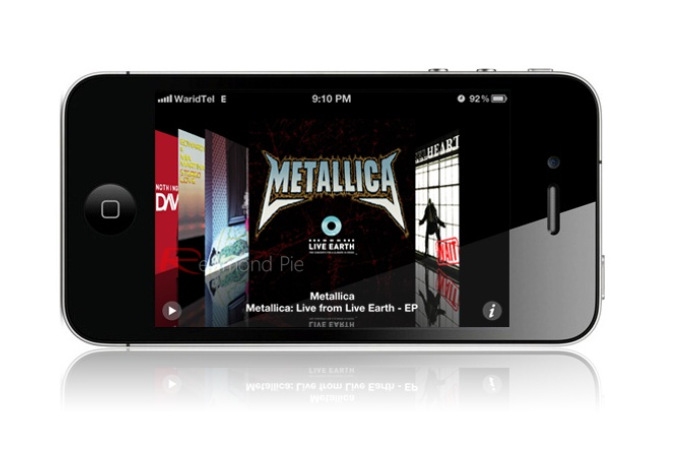
The Verge reports that Apple may be close to signing a deal with Universal Music, the largest of the major record companies, that would advance the “iRadio” cause. The report also notes that a deal with Warner Music may follow.
Apple is expected to sign its first internet radio licensing agreement with a major record label perhaps as soon as next week, multiple sources with knowledge of the talks have told The Verge. Universal Music Group, the largest of the major record companies, has reached the final stages of the negotiations and Warner Music is close behind, the sources said.
Earlier reports noted that Apple had aggressive plans to launch their said radio service this summer. It was reported earlier by the New York Post Apple had tried to negotiate lower prices to stream songs, at a rate which undercut Pandora at $0.06 per 100 songs, which record labels had rejected.
While this is a step in the right direction, the report also notes that Apple’s “iRadio” still has some significant hurdles left to jump, such as reaching a deal with Sony Music Entertainment and various music publishers. Those arrangements are reportedly not as close to being reached as the Warner and Universal deals.
Streaming music is the only place that Apple has no foot-hold, with Spotify and Pandora taking the lead. Pandora reportedly has over 200 million users, while Spotify claims 20 million total users, 5 million of which pay.
Provided that Apple does strike deals with all the necessary publishers and labels, we will likely see this new streaming service later this year, with some rumours pointing to WWDC as the big unveiling.
According to a leaked PDF acquired by Wired, Apple has agreed to pay a $53 million class action settlement for its failure to honor warranties for iPhones and iPod Touch devices which were seemingly damaged by water. The issue is that the strips inside those iOS devices (called “Liquid Contact Indicators”, or simply “LCIs”), which were made by 3M, could be triggered even if there wasn’t necessarily actual water damage. Humidity, for example, could give a false positive on the LCIs, which were located in the headphone jacks and dock connectors.
The settlement, which should be filed in San Francisco federal court in the next couple of weeks, provides cash payouts to possibly hundreds of thousands of iPhone and iPod Touch customers that say Apple did not honor either their one-year standard or two-year extended warranty.
According to several lawsuits combined in San Francisco, no matter what the problem, Apple refused to honor warranties if a white indicator tape embedded in the phone near the headphone or charging portals had turned pink or red. However, the tape’s maker, 3M, said humidity, and not water contact, could have caused the color to at least turn pink.
In November 2010 Apple adjusted their damage assessment procedures so that repair staff had to inspect devices even if a device’s indicator tape was “triggered” and changed color. Prior to that change, Apple would rely on the indicator tape when determining a liquid damage event, which would not be covered by Apple’s warranty.
The devices encompassed in the lawsuit include the original iPhone, the iPhone 3G, the iPhone 3GS, and the first three generations of the iPod Touch. The ballpark estimate for payouts is about $200 per claim, but that figure could either rise or decline depending on how many affected users actually submit a claim. The type of device affected will also influence the extent of individual payouts.
Apple also agreed to set up a website where users can learn about the case and access all documents needed to either submit a claim via the web or by printing out a mailable form.
Blackberry finally has the lead on Android and iOS! Well at least in a poll where people voted for the things they “didn’t want”.
71.4% of the respondents agreed that “nothing would get them to buy a BlackBerry.” Only 31.3% said the same thing about Android and for the iPhone the number was even lower at 19.7%. Interestingly, Windows Phone does not appear in that survey conducted by research house Raymond James.
Here is a brief excerpt from the piece, explaining in greater detail:
“Here’s a novel way of polling consumer sentiment in the smartphone market: Don’t ask people which handset they prefer to use; ask them which one they would never use.
Research In Motion/BlackBerry is having a difficult time convincing consumers that its new operating systems, coupled with fresh smartphones, is an alternative to the top players in the market. This Raymond James survey appears to back up that claim.
As AllThingsD reports, it’s interesting to see purchasing sentiment gauged in terms of what smartphones consumers are adamantly opposed to using. If the smartphone market is truly so factionalized that some consumers say that nothing could convince them to switch away from their preferred device, then upstart platforms like Windows Phone and the like have a steep uphill climb, indeed.
What do you think about the operating system, do you feel the same way about it as the respondents of this survey?
Last week, a friend of mine called me up. Her question was simple, yet one that left me wondering for quite some time.The question? Which phone should I buy if I don’t like full touch smartphones?
I brainstormed for quite some time. There was an obvious solution of course, the Blackberry range of smartphones. But outside that, there weren’t really any names that popped to my head. And it was a pretty valid question too, as there are a lot of people out there who aren’t ready to join the “touch revolution” and would prefer a keypad on their devices for typing at least!.
So we decided to make a list of the top 5 smartphones that weren’t full touchscreens, touch and type would work too! Took us quite some time, but we think we’ve managed to cover them all!
1. The Blackberry Range
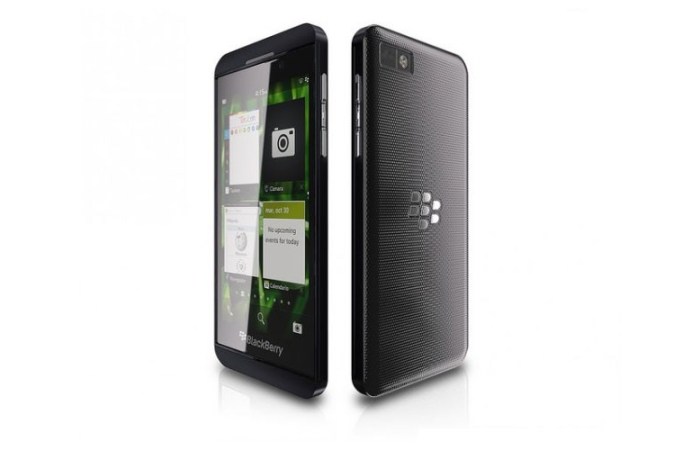
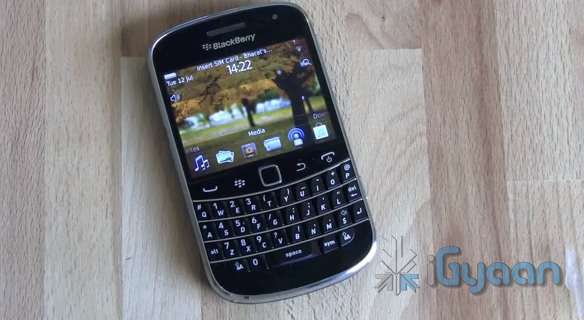
The most obvious choice. Ever since the launch of the Blackberry 10, the focus has shifted to the all touch Z10. But the older generation of Blackberry smartphones, with the widely loved QWERTY keyboards, are still selling strong.
You have a variety of phones to choose from, and from every price bracket. The Curve 9220, the Curve 9360, Bold 9900 etc. These phones still pack in a decent OS- Blackberry 7 OS- and offer a variety of features that you would expect from a smartphone.
The first choice for someone looking for some keyboard love.
2. Sony Ericsson Xperia Pro
The fact that this phone still has Ericsson in its name shows that it was released quite some time ago. It comes with Android 4.0 on board. The rest of the features? A physical QWERTY keyboard, 1 GHz Scorpion Processor with 512MB RAM, a LED-backlit Reality display with Sony Mobile BRAVIA Engine, an 8 megapixel ExmorR camera sensor, 720p video with continuous autofocus.
It’s the kind of phone that can enjoy demand from both business users and social networking fans.
Price – Around Rs 12,000 – 16,000.
3. Samsung Galaxy Chat B5330
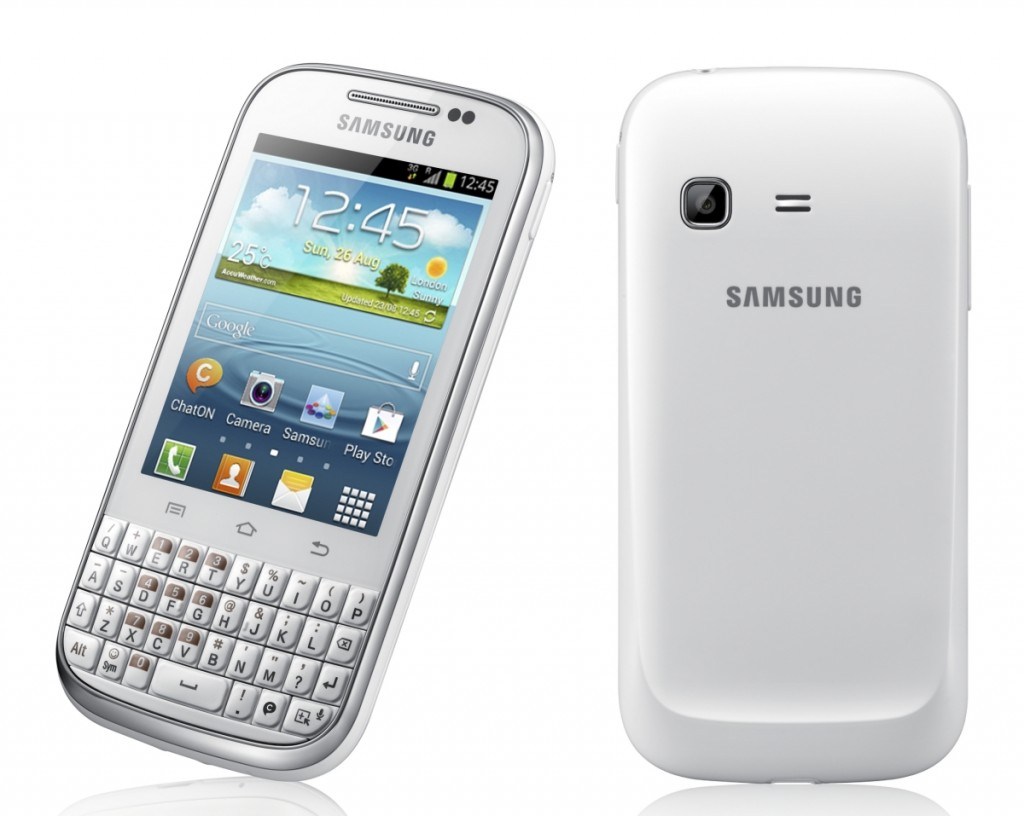
The Samsung Galaxy Chat B5330 is a touch and type device, that gives users the comfort of typing on a physical keypad. And the best thing is that it runs on Android 4.0 Ice Cream Sandwich!
The phone has 4 GB of inbuilt memory space which can be expanded to 32 GB using a micro SD card. It has a reasonable 850 MHz processor with 512 MB RAM.
Android and a keypad? Yes please!
Price – Rs. 7,990
4. Nokia Asha 302
Nokia ASHA is one of the latest entrants in the market. It packs a 2.4 inch QVGA TFT display, Series 40 OS, a 1 GHz single core processor,3.2 megapixel camera,WI-Fi ,3.5 G connectivity. It’s memory can be expanded with a Micro-SD card up to 32 GB.
Decent!
Price – Rs. 6,548.
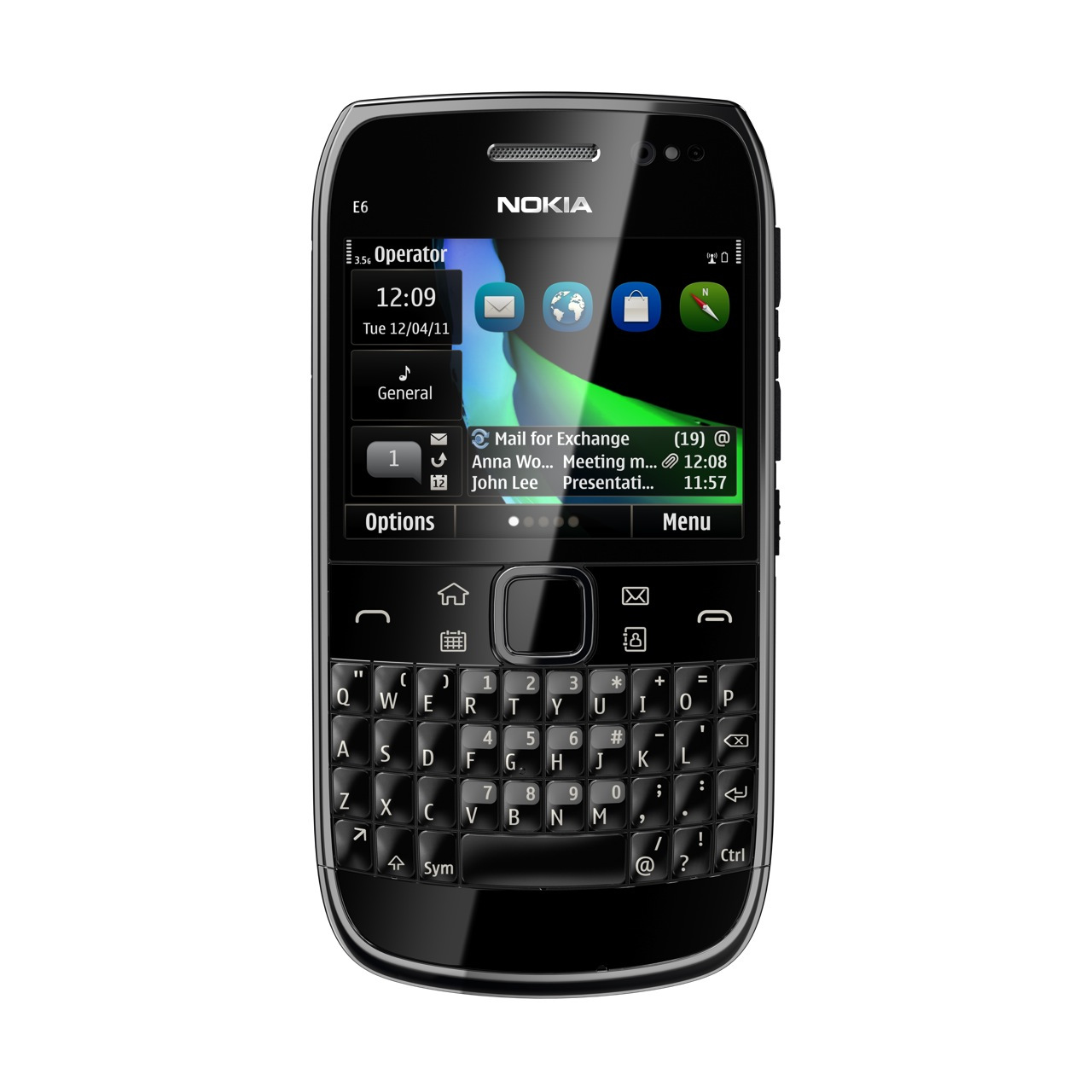
5. Nokia E6
Launched a long time ago, we’re still quite fond of this touch/type smartphone. It packs a premium build quality, an excellent display and the desired QWERTY keyboard.
The phone runs on Symbian Anna operating system. Powered by a 680 MHz ARM11 processor, the Nokia E6 comes with 256 MB RAM. The handset has a display of 2.46-inchwith a resolution of 640 x 480 pixels. It also has an 8MP camera with a LED flash.
The drawback? Lack of quality apps. Still a decent purchase if you can find it in the market.
Price – Around Rs 10,000.
So what do you think? Have we missed out on any? Let us know below!
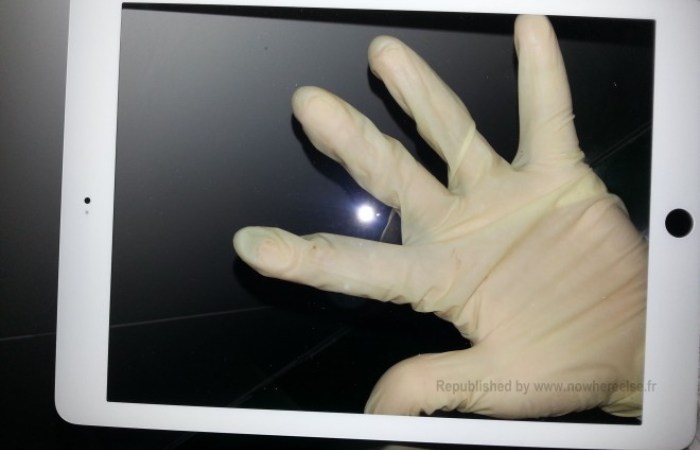
A new batch of pics of what is supposedly the iPad 5’s bezel have emerged, showing off a design that resembles the iPad mini more than the iPad 4.
We’ve heard a lot of rumors about the iPad 5 lately, especially regarding the debut of its production and its sales, so it was about time we got a picture to match the rumors. What you see below comes from France, courtesy of nowhereelse.fr.
With the design having been largely unchanged for the past three generations, it’s time for Apple to come up with something new, and to make it fit in with the design language of the iPad mini, sleek and slim.
There is nothing really revealing about the leak apart from the thinner bezel, as expected it has slimmer bezels than the current 9.7? models. There’ll still be a front-facing camera, still be a home button and still be a white edition of the iPad when it launches.
Thinner bezels would not be a problem for people, as Apple has improved iOS so that accidental screen actions on the sides of iPads don’t register as actions/gestures which facilitate these narrower bezels.
The new iPad is expected to launch at WWDC in June alongside the “revamped” iOS 7 or even in September with the iPhone 5S.
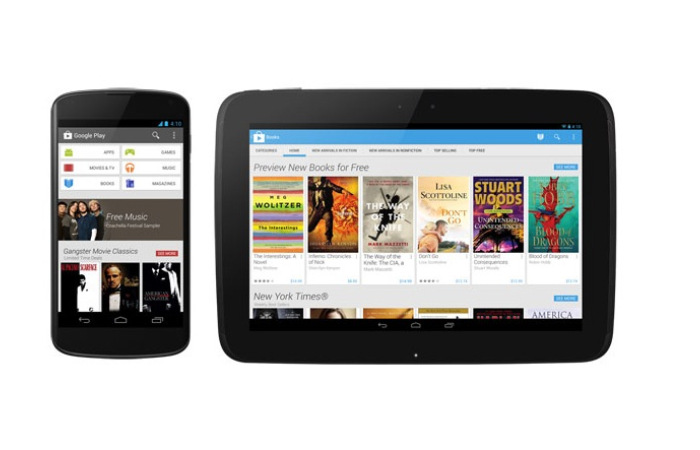
Google has made many changes to Google Play since it debuted in 2008 under its former “Android Market” title. The latest update delivers an all-new design that aims to simplify the discovery process and more closely resemble Google’s changing aesthetics.
The company said in a blog post that the new format is rolling out Tuesday in the U.S. to Android smartphone and tablets running Android 2.2 (Froyo). International users should see the changes in coming weeks.
The new look also puts the mobile version of Google Play more in line with its Web counterpart. The older version of the Android store uses black as its main color and has an overall dark hue throughout. That is being replaced with a lighter set of colors, like the ones found when accessing Google Play through the Web. This should make Google Play for Android easier on users’ eyes.
Besides a redesign, Google also said it has sped up the checkout process so users can begin to enjoy their content more quickly. Users can purchase music, movies, TV shows, books and magazines from the digital store.
Apps are undoubtedly big business. Revenue for the world’s top app marketplaces hit $2.2 billion in the first quarter of 2013 alone, analysis firm Canalys firm said, with downloads across the major four app stores topping the 13 billion mark, reports Washington Post. According to the report, that’s roughly an 11 percent increase between the last quarter of 2012 and the first quarter of 2013.
In addition to powering iOS’s Weather and Stocks apps, Yahoo is reportedly in talks with Apple to play a more prominent role in the Cupertino company’s ecosystem. According to the Wall Street Journal, the two companies are discussing “new arrangements, including possible deals to get more content from Yahoo Sports, Yahoo News” and other properties.
While the report does not provide any true specifics regarding what an increased partnership could entail, the report notes that discussions have surrounded increased Yahoo integration into Siri.
Currently, Yahoo’s presence on iOS is limited to the Stocks app, the Weather app, a search option in mobile Safari and sports scores as accessed through Siri.
Yahoo was one of Apple’s initial partners with the iPhone and iOS. Google had a bigger foothold in key areas like Maps and as the default search engine in Safari, but Apple did away with the company’s mapping service as part of iOS 6 last year.
Data from Yahoo Finance and its weather site already come preloaded onto iPhones and Yahoo data like sports stats help power Apple’s voice-activated “assistant” Siri. But the companies continue to discuss new arrangements, including possible deals to get more content from Yahoo Sports and Yahoo News, among other Yahoo Web properties, preloaded onto Apple devices or available through an expanded partnership with Siri, one of these people said.
Yahoo does not have a rival operating system for mobile devices, unlike Google, which has soured the relationship between Apple and Google. That said, Google has been one of the most active major third-party developers on Apple’s iOS platform, bringing many of its services over in app form.
Yahoo’s motives are apparently to grow the company’s mobile presence, and a deeper partnership with Apple could certainly achieve that. The window of opportunity to rely less on Google seems to be opening for Apple, but whether the company will capitalize remains to be seen.
Bloomberg reports Seoul Metropolitan Police Agency investigators entered the Samsung Display HQ in Asan as they look into the possibility that LG partners may have leaked secrets of its technology.
Police are investigating whether partners of rival panel maker LG Display Co. leaked technology secrets and whether Samsung is involved, Nathan Kim, a spokesman for Samsung, said by phone today. The two companies have been involved in criminal probes of alleged technology theft since last year. In July, six employees of LG Display were charged over theft of OLED technology from Samsung.
“We have no reason to steal other companies’ technology, as we have the world’s best OLED technology,” Jun Eun Sun, a spokeswoman for Samsung, told Bloomberg today in Asan.
LG Display said it didn’t report Samsung to police in connection with the current investigation.
Police secured documents and computer hard disks as they probe allegations Samsung swiped OLED, or organic-light-emitting diode, panel technology in 2010 from a subcontractor of key competitor LG Display.
“The latest investigation is related to large-sized OLED TV panel technology, but the police have made the allegation themselves,” Son Young Jun, a Seoul-based LG Display spokesman.
The OLED television is more technologically advanced than other flat display panels, including liquid crystal display or plasma display panel TVs. The OLED technology is regarded to be the key technology of next-generation televisions.
Samsung says the truth will be revealed through the police investigation, adding that the probe is focused on the alleged technology leak by LG Display’s subcontractor.
2013 (well 2012-end to be precise) ushered in a new era in the smartphone world. That of 1080p Full-HD displays. The HTC One, HTC Butterfly, Samsung Galaxy S4 etc all come equipped with what many would call the next step to smartphone greatness. But is it so? Or is it all just a big marketing gimmick?
This was a rather natural move, the one to Full-HD diplays, a move we all expected manufacturers to make.
When the Apple iPhone 4 was launched, with a new “high resolution display”, Steve Jobs decided that the best name for it would be the ‘Retina Display’, by dearth of the fact it was meant to be so high-res that it’s actually more than the eye can cope with. It had a PPI of 326, so high that individual pixels were indistinguishable to the human eye at normal viewing distances!
PPI is an actual count of the number of pixels found in one inch of a display, which varies depending on the resolution of the display and the overall size of the display.
The pixellation difference between the iPhone 3GS (left), and the Retina Display of the iPhone 4.
The difference was there for all to see. Consumers were mesmerized by the clarity and sharpness of these displays. More text would show up on the screen at once, and higher-resolution images show in full on a 720p screen.
[pullquote_left] Life seemed perfect. [/pullquote_left]
The focus of manufacturers shifted from WVGA (800*480) to 720p (720*1280) displays. Companies like Samsung, HTC, LG began churning out phone after phone equipped with what they all claimed were the best displays on the market!
People rejoiced, gone were the days of pixelated displays and watering eyes. Everyone started enjoying browsing the web and reading content on their smartphones now. Life seemed perfect.
Difference between zoomed in text on a WVGA display, and a 720p display.
But as is the case with almost everything that us homo sapiens do, we wanted more. HTC duly obliged and up came the HTC Butterfly,
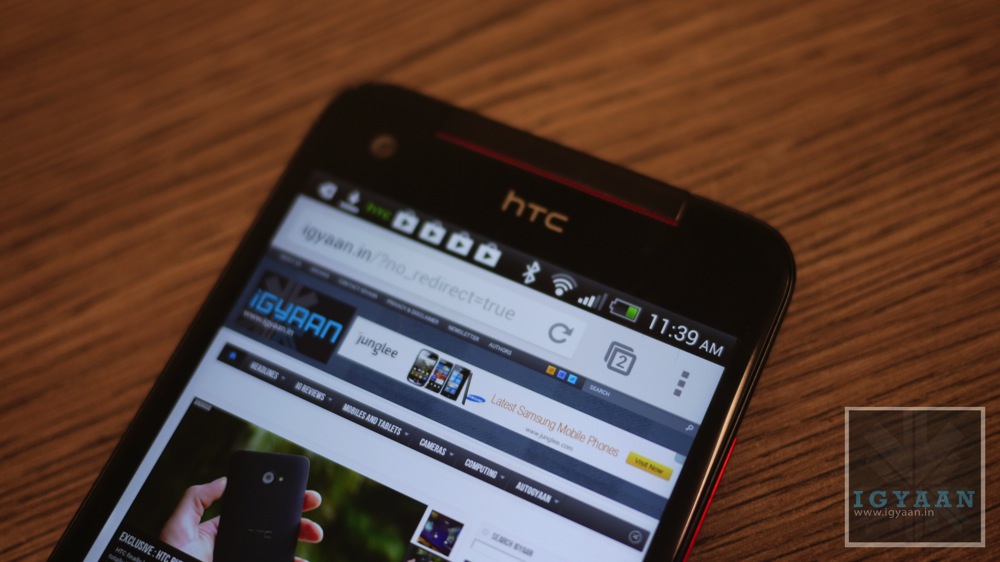
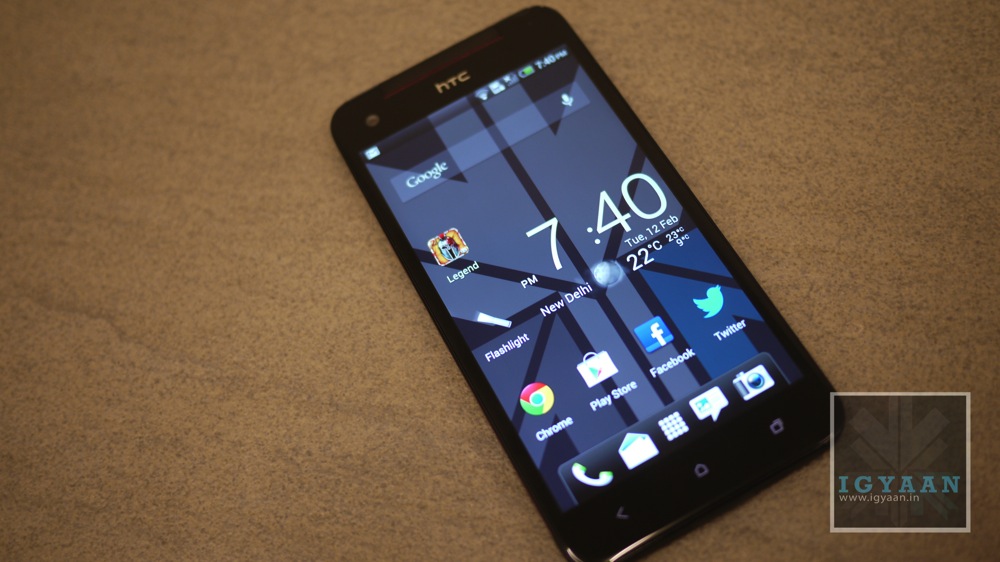
In addition to an impressive spec sheet and super-sized proportions, the HTC Butterfly packed the world’s first smartphone-sized 1080p Full-HD display, a five-inch Super LCD 3 boasting an insane 440 pixels per inch. Boy were we all excited!
Honestly though, once we got over all those amazing marketing lines that HTC threw at us, all that related to a Full-HD display and the massive ppi, we wondered about how useful these new displays truly were.
I had a chance to test the Butterfly soon after and was surprised at how unimpressed I was when I saw the screen. Don’t get me wrong, it’s beautiful. It’s ridiculously sharp, everything looks perfect on it, and the sample videos that come with it truly show off what a 5″ 1080p Full-HD display is capable of, video-wise.
Despite all of that though, my reaction to it was more one of confirming what I was already expecting than it was one that blew me away. I still remember the first time I saw an iPhone 4; I was amazed at how good it looked. I didn’t get that with the Butterfly, because I fully expected it to look that way.
[pullquote_right]Back in February, Richard Yu, head of Huawei’s mobile division, claimed that a 1080p Full-HD display that is smaller than 5 inches didn’t make sense, as the human eye would be incapable of positively identifying the difference between that and a 720p panel.[/pullquote_right]
Post the launch of the latest smartphones like the HTC One and the Galaxy S4, I realised, it’s more of a psychological effect than a physical one. If today someone was to go out and buy a smartphone with a 720p display, it would keep playing at the back of his/her head that there is another phone out there in the world which has an even better display, scientifically at least, than the one he/she is getting by paying a premium price for that smartphone. Even if that means lesser battery life and more GPU usage.
And we can’t really blame ourselves, for the way these Full-HD displays are advertised, we can’t help but feel we’re missing out on something.
All that aside, it’s tough to see why anything substantially over 300ppi, the limit Apple initially cited as the “Retina” threshold, is even necessary. If pixels are indistinguishable at 300ppi, are they going to be more indistinguishable at the latest smartphones’ 440+ ppi?
It’s safe to assume now though that a Full-HD display will be the saturation point as far as screen resolution is concerned, and we hope manufacturers would now shift their focus on improving other aspects of smartphones such as battery life, durability, audio, OS, performance etc.
In conclusion, it’s clear that you can’t really differentiate between a 1080p Full-HD display and a 720p one. Yet we may find ourselves shelling out a bit more money to get a Full-HD “revolutionary” device than what we would on an equally capable 720p one. It’s all good marketing and the need for us humans to have the best of everything (even if that is not the case) in the end. At this point, it feels more like a bragging right than a feature that can make our lives better.
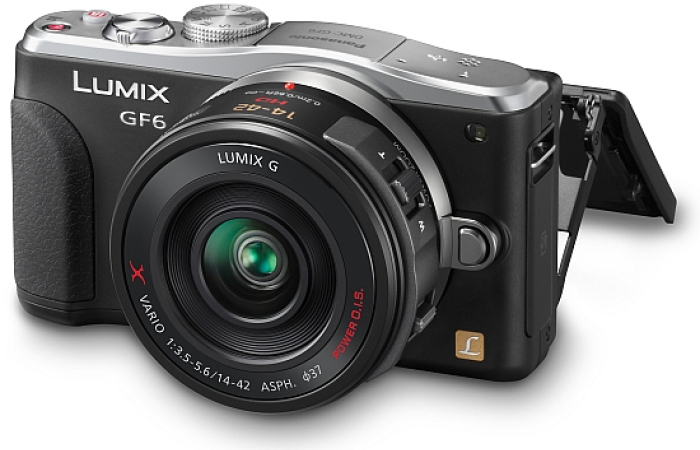
Panasonic has launched the new Lumix GF6, a mirrorless interchangeable lens camera. The GF6 has a 16 megapixel sensor with a new Venus Engine that can shoot up to ISO 26,000 and can record videos at 1080i/60.
The Venus Engine has been created to provide users with high-performance signal processing and the advanced noise reduction system, with a max ISO 25600.
The screen on the Panasonic Lumix GF6 is a slight step up from the GF5 resolution wise: 1040K-dot screen compared to the 920K-dot screen on the outgoing model. It has a fully articulated screen that can flip 180-degrees, so you can use it for self-portraits.
The WiFi and NFC support is another advantage, though this has stopped being a novelty after the Samsung Galaxy Camera opened the floodgates for all the others.
The same can be said about the included app, which needs to be installed on smartphones/tablets and, among other things, can send/receive photos and control the camera from afar.
The Panasonic Lumix GF6 possesses built-in flash, 3.7 fps burst shooting, low-light autofocus and a 0.5-second start-up time, and JPEG and RAW shooting, plus a new mode dial and a case colored black, white, red or brown.
Finally, editing the photos/video is possible in Self Shot, Creative Panorama and Stop Motion Animation. And with the popular Creative Control mode, a total of 19 filter effects are made available to the owner.
The Panasonic Lumix GF6 will be available from the end of May, priced at £499 with the 14-42mm II lens and £649 in a double-zoom kit with the 45-150mm Mega O.I.S.
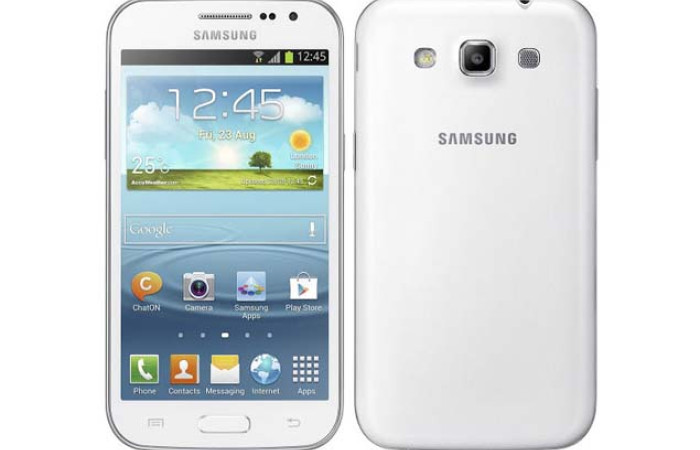
Samsung has officially announced the Samsung Galaxy Win globally, following its launch in China.
Samsung Galaxy Win packs in 4.7-inch screen with WVGA TFT display. It is powered by 1.2GHz quad-core Snapdragon 200 processor. The smartphone will come with 1GB of RAM and 8GB of internal storage, which can be expanded further by up to 32GB via microSD card. It runs on Android 4.1 (Jelly Bean) and houses a 2,000mAh battery. For camera, there is a 5-megapixel rear camera and a VGA front camera.
Samsung Galaxy Win will be available in two different versions – single SIM and dual-SIM, depending on the market. The Galaxy Win launched in China was a dual-SIM model. It will be available in two colour options – Ceramic White and Titan Gray.
The Samsung Galaxy Win comes with enhanced smart features, including:
Easy Mode: A simple and intuitive homescreen mode for streamlined access to your top functions
Smart Alert: Notifications for events you may have missed (calls, messages, deadlines) when you pick up the phone
Motion UX: Utilize functions such as Mute, Refresh & Update, and Scan for other devices with simple motion controls
The Samsung Galaxy Win will launch in Asia first and later in the rest of the world. There is no pricing information available about the device.
[toggle title=”Press Release”]Samsung Electronics Co., Ltd., a leader in mobile technology and digital media, today announced the Samsung GALAXY Win, an intuitive new smartphone designed to balance the needs of the on-the-go user with massive processing power, multitasking capabilities, and a compact design for ultimate portability. As a unique and practical option for mobile users, the GALAXY Win is equipped to handle demanding tasks while still providing an effortless user experience with intuitive features including dual SIM support for a seamless work and life balance, a large display for optimal viewing, Easy Mode for simple access to most used functions, and many more.
Designed to provide the best in mobile technology that can easily fit in your pocket, the Samsung GALAXY Win is powered by AndroidTM (Jelly Bean) and comes equipped with powerful hardware that makes both gaming and multi-media easy. With a 1.2GHz quad core processor and a 4.7 inch display, there is no app or game that the GALAXY Win can’t run with vivid color and resolution. The 5-megapixel camera is equipped with multiple features including Continuous Shot, Best Photo, and multiple color effects to make taking high-quality photos fun and easy. The GALAXY Win also allows users to enjoy extended multimedia use and longer talk time with 8GB of internal storage and a 2,000mAh battery.
As the perfect choice for users who want a device that can operate across multiple areas of their lives, the GALAXY Win offers intuitive solutions to enrich the smartphone user experience. For seamless work-to-play transitions, this new device comes with a wealth of enhanced smart features, including:
•‘Easy Mode’: A simple and intuitive homescreen mode for streamlined access to your top functions •‘Smart Alert’: Notifications for events you may have missed (calls, messages, deadlines) when you pick up the phone •‘Motion UX’: Utilize functions such as Mute, Refresh & Update, and Scan for other devices with simple motion controls
Depending on the markets, the GALAXY Win will be available in two different versions – Single SIM or Dual SIM, and available in two different colors – Ceramic White and Titan Gray. [/toggle]
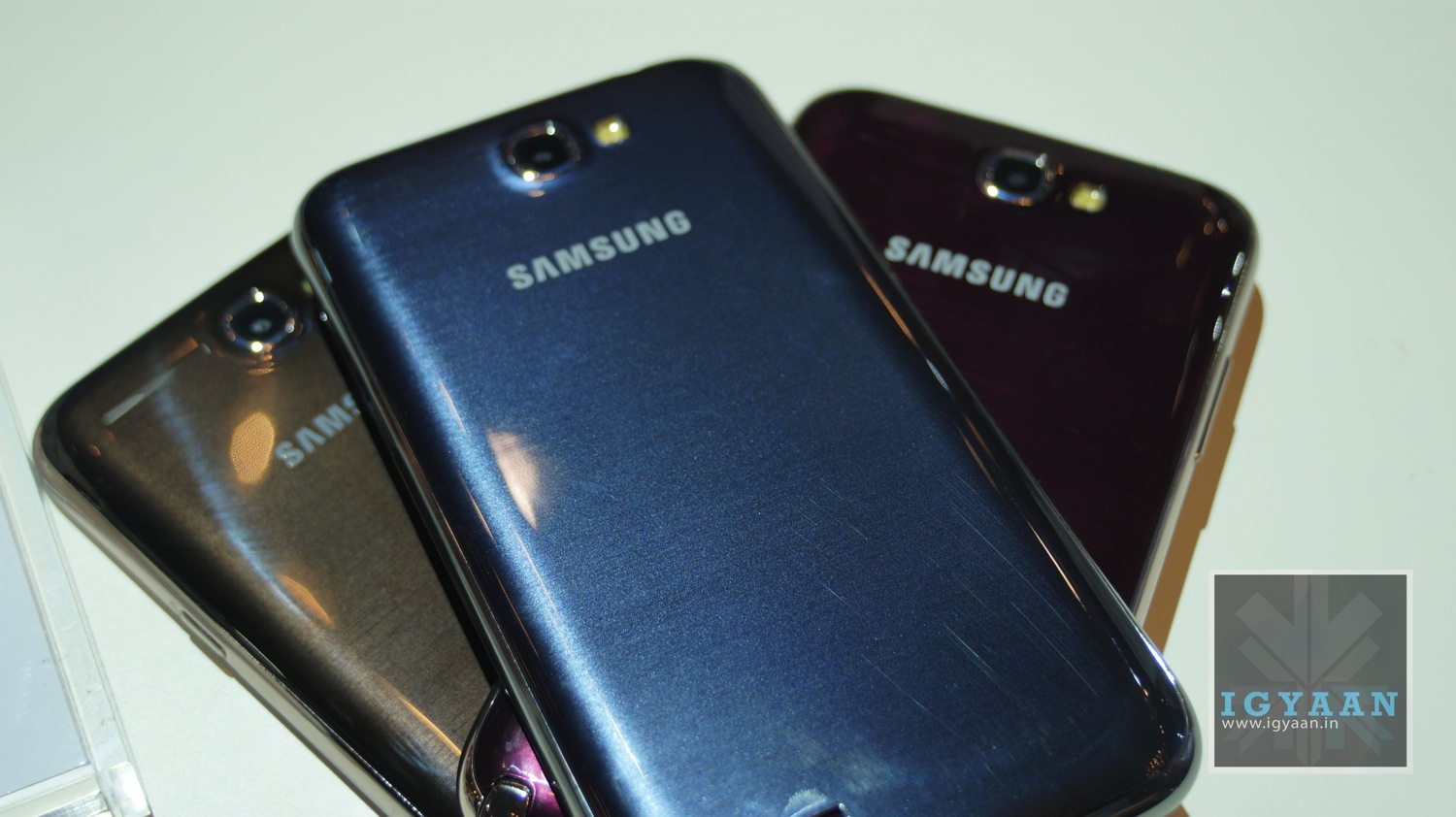
Samsung could announce the launch of a new Android ‘phablet,’ or smartphone that doubles as a tablet, in June, according to Korean news website ETNews.
A Samsung offical reportedly told the website, “As of now, smartphones and smart pads are separate gadgets, but the two will converge into one product under Project Möbius.”
This is the codename for Samsung’s mammoth smartphone device, which is tipped to launch as the Samsung Galaxy Mega.
Given that key parts such as semiconductors and displays are scheduled to be mass-produced between April and May, Samsung’s 6.3-inch phablet is estimated to make its debut between June and July.
We’re not sure anybody wants a 6.3in smartphone, but Samsung seems to want to find out.
The Samsung phablet is likely to come with the dual core Exynos application processor, a 6.3 inch LCD or hybrid G1F touch screen panel, a 2 megapixel full-HD camera (front) and a 8 megapixel AF camera module (on the back).
However, Samsung may not be stopping with the 6.3-inch version. According to SamMobile, Samsung is also working on a 5.8-inch Galaxy Mega with the codename GT-I9152 that will be a little better on the specs side, as previously reported.
It is said to feature a 5.8-inch qHD (960×540) TFT display, 8-megapixel rear-camera, 2-megapixel front-camera, dual-core 1.4 GHz processor, 1.5GB of RAM, Bluetooth 4.0, Wi-Fi 80211 a/b/g/n, A-GPS, 2600 mAh battery, and dimensions of 164×83.8×9.7mm. As for software, it will run Android 4.1.2 / 4.2.2 Jelly Bean, and of course, Samsung’s custom TouchWiz UX.
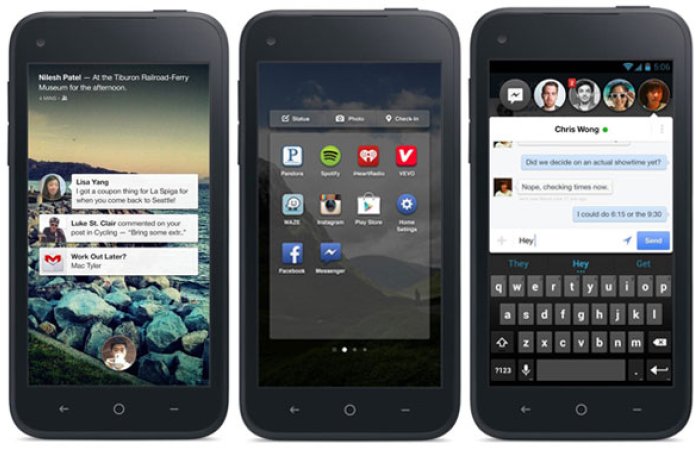
Do you want to give Facebook Home a try a few days before its official release? A beta has been leaked by the folks at MoDaCo and, while not all the features work, it’s a great opportunity to see what all the fuss is/may be about. That said, MoDaCo says that it will work on any Android device that meets that specification.
The “suite” involves updated versions of the Facebook app, Facebook Messenger and the Home launcher APK itself, the former two of which can be safely installed over your current versions. It’s important to note that the leaked version only supports devices with a maximum resolution of 1280×768, which precludes the Sony Xperia ZL and upcoming HTC One (for now).
It appears that the most intriguing part of Facebook Home, Chat Heads, has not been implemented in this beta version, but the Cover Feed sequence works quite well. The Facebook Home settings is also worth digging into, as it allows you to alter how frequently the fore- and background data is updated. By default, background data (the stuff inside the Facebook app) is updated every 30 minutes, while the Cover Feed content is updated every 15 minutes. We’ll be curious to see whether those aggressive settings negatively affect battery life going forward.
The Home launcher is also surprisingly smooth, and feels like a very natural extension of my workflow. The main issue we have is that Facebook attempts to bury as much of Android’s legacy functionality as possible; you must swipe down from the top of the screen to expose the notification bar and then again to expand it; and there are no spots for native Android widgets. As someone who relies on both features pretty extensively — as I’m sure most users do — this is going to be something of an issue.
Nevertheless, Home is an interesting first step towards a fully-formed Facebook experience on Android, for better or worse.
Head to MoDaCo to download the three necessary APKs.
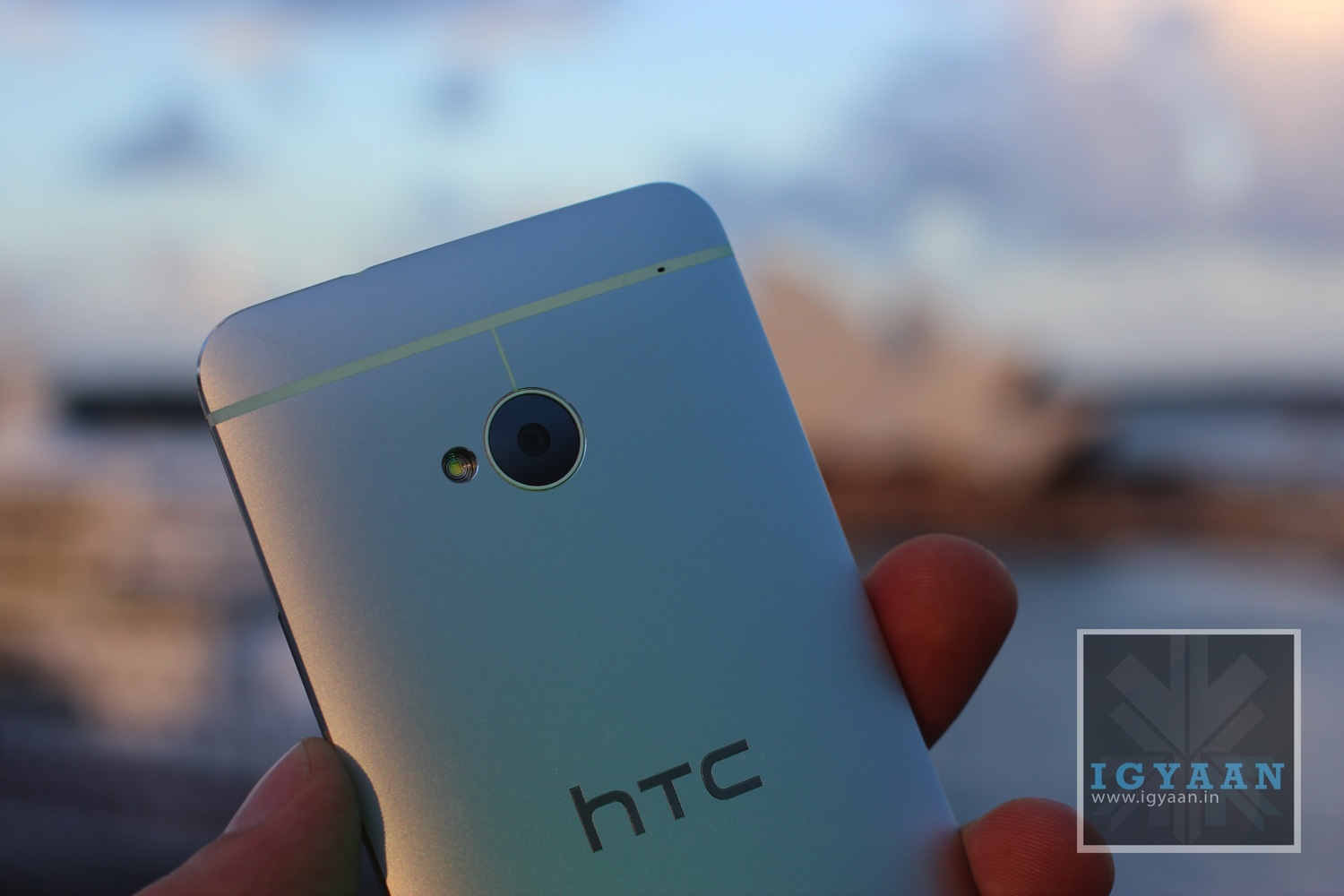
HTC Corp reported a record-low quarterly profit on Monday that missed analysts’ estimates after it delayed the full launch of its 2013 flagship smartphone model, the HTC One which will now debut against Samsung Electronics’ newest Galaxy.
A shortage of cameras meant HTC managed to introduce its latest HTC One phone in just three markets by the end of the first quarter instead of the planned 80. It does not expect to kick off sales across Europe, North America and the Asia-Pacific region before the end of April.
Samsung Electronics Co Ltd has said its Galaxy S4 will be available in 155 countries by the end of April.
HTC said its unaudited net profit was T$85 million ($2.85 million) in its January-March first quarter, compared with T$1 billion in the prior quarter and T$10.9 billion in the same period last year. It was the lowest since HTC began reporting quarterly profits in 2004.
The Taiwanese smartphone maker was expected to post a net profit of T$467.5 million, according to the average forecast of 18 analysts polled by Thomson Reuters I/B/E/S.
First-quarter revenue was T$42.8 billion, lower than the T$50-60 billion range that HTC had forecast in February. Revenue in the fourth quarter was T$60 billion.
“As the company is in the middle of a product launch, lumpy monthly numbers can easily be explained by the phasing of product ramp ups and wind down, “Bernstein analyst Pierre Ferragu said in an investor’s note today, “but such a low number likely reflects a significant further loss of traction in the market.”
HTC will launch it’s flagship smartphone, the HTC One in India for a price of Rs.42,990. The smartphone will start shipping by the end of this month.
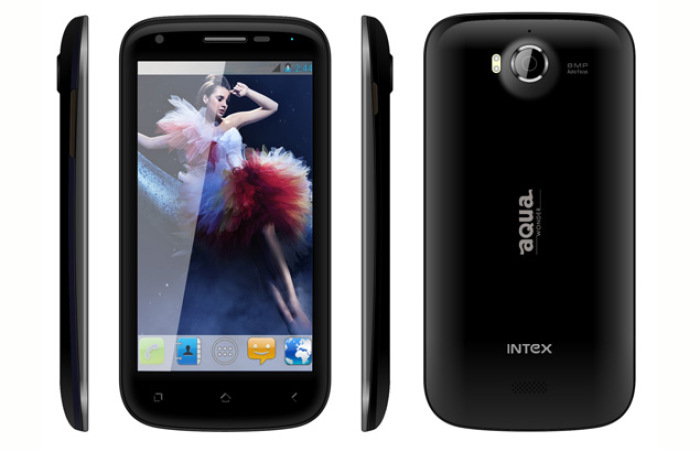
Joining the battle over budget smartphones in the country, Intex Technologies is planning to launch a new low cost quad-core smartphone.
The new phone called Intex Aqua Wonder 2 will be launched on April 15 and, a news website has reported, and will be priced at Rs 9,990/-.
The Intex Aqua Wonder 2 will come with a Mediatek MT6589 quad-core processor. The smartphone will run on Android 4.1 (Jelly Bean).
Just like its predecessor, Intex Aqua Wonder 2 will sport a 4.5-inch IPS display with a qHD resolution of 540×960 pixels. The other expected features on Intex Aqua Wonder 2 are 512 MB of RAM, 8-megapixel rear camera, 1.3-megapixel front-facing camera, 1,800mAh battery and 2GB of internal storage, which can be expanded by up to 32GB through a microSD card.
Apart from this, the company plans to launch two more quad-core smartphones in the near future. However, these smartphones will be in the price range of Rs. 10,000 to Rs. 15,000.
The device can have up to nine home screens that can be filled with widgets and apps as per the user’s choice. Further, Aqua Wonder 2 comes pre-loaded with plenty of apps and services including Whatsapp, Documents to Go, Headlines Today, ,Aaj Tak, Google Maps, Facebook, Nimbuzz, Google+, YouTube and Skype and. Apart from these, the Smartphone has an Intex Zone app, which houses a mobile tracker and can maintain an auto call record. This app can also direct you to the Intex Web Zone which consists of three Intex websites.