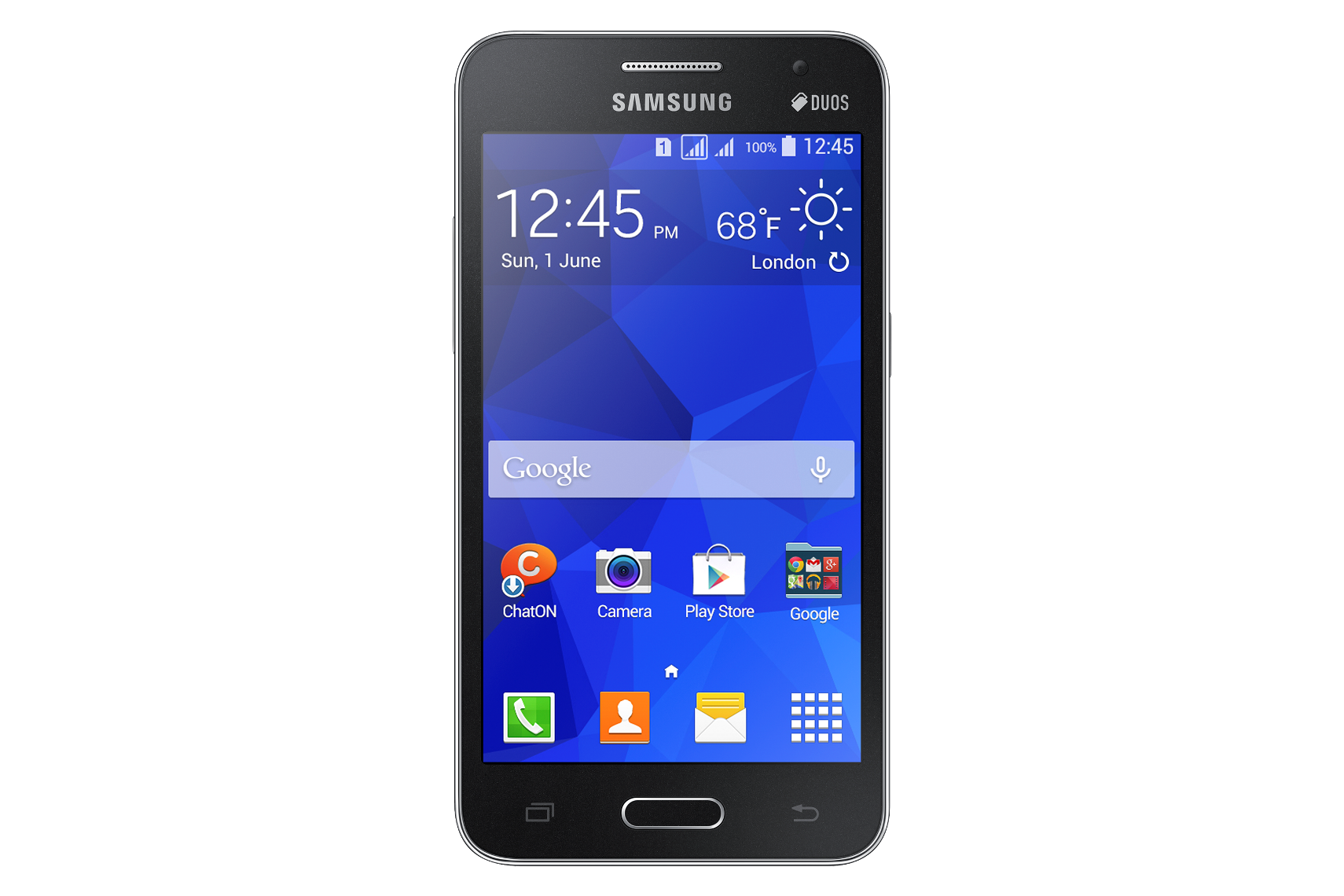
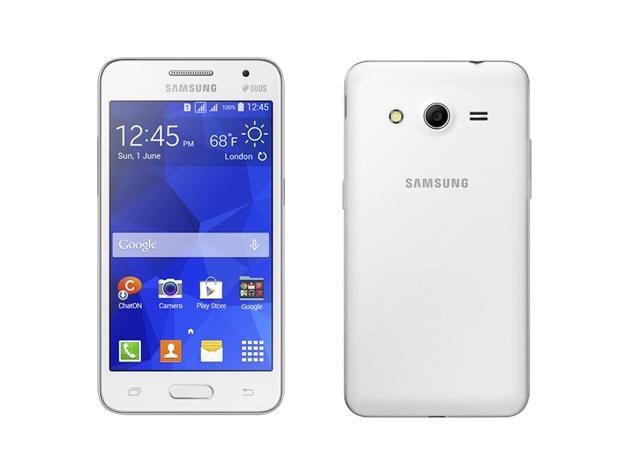
Samsung has launched the Galaxy Core 2 device in India today. The phone is a successor of the Galaxy Core and will compete in the mid segment market.
The phone is powered by a 1.2 GHz quad core processor with a 768 MB RAM. The Core 2 has a 4.5 inch WVGA display. There are 4 GB’s for internal storage and runs Android KitKat with Samsung’s Touchwiz UI. The cameras on the device are a 5 Megapixel shooter with auto focus and an LED flash on the back and a 0.3 megapixel VGA cam in the front.
The Dual SIM Galaxy Core 2 is powered by 2000 mAh battery that Samsung claims gives 30 days of stand by power on 2G networks and half of that on 3G networks.
On the look front, the phones minimal curves make it visually appealing. The Core has a Galaxy Note 3 like leather-ish back cover. This surely makes the device look classy. The device comes in Black and White color options.
It is priced at Rs. 11,900, which is quite hefty when compared to the competition. With competitors like Xiaomi and Asus bringing phones in the same price points, Samsung needs to up its game, if it wants to maintain its brand standing and prevent its graph from tumbling.
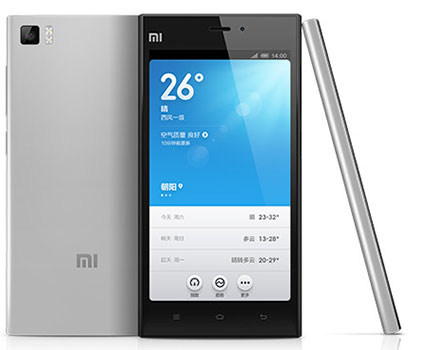
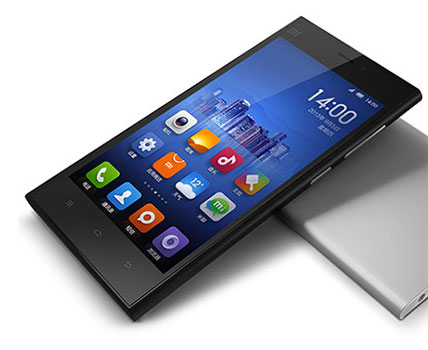
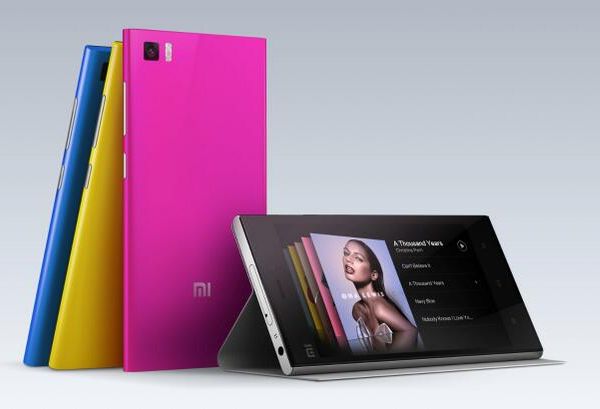
As a pleasant surprise, Xiaomi announced the Mi3 in India at a price tag of Rs. 13,999, which is less than the initial price revealed by the company earlier this month. Along with Mi 3, Redmi 1S and Redmi Note have also been launched at the price of Rs 6,999 and Rs 9,999, respectively. The Xiaomi Mi3 is up for pre-registration today and will be available via FlipKart on July 22.
At the offered price and with its set of features, the Mi 3 is here to trouble other Indian smartphone makers. It will compete with the Nexus 5 and the HTC One M7 with it’s mighty Qualcomm’s Snapdragon 800 SoC. Moreover, Xiaomi has also put in some thought when it comes to the pressure sensitivity of the display.
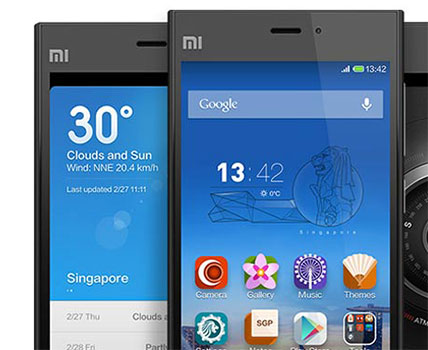
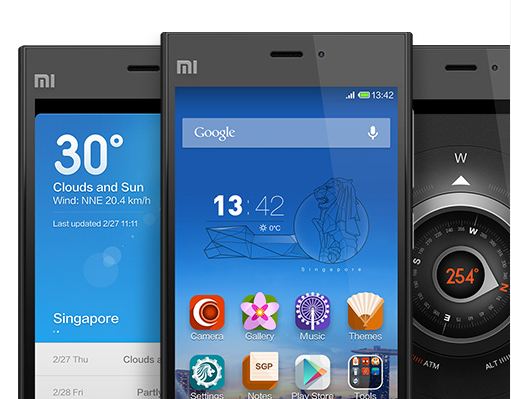
The touch feature on the Mi3 allows users to operate the phone even with wet and gloved hands. In addition to launching the phones, the company has released a new India theme in the MiUI themes store. It features refreshed iconography and UI elements, with a very India design aesthetic that features henna patterns, elephants and a wallpaper that shows the Taj Mahal.
As per the recent phablet trend, the Mi 3 comes with a large 5-inch display featuring a 1920 x 1080p resolution. The full HD display ensures that the pixel density goes all the way up to 441ppi. The company says that ‘Mi 3’s backlit display is fused directly to the touch screen’, ensuring deeper colors which pop up for a great visual experience.
The RedMi 1S is Xiaomi’s budget smartphone. It has a 4.7-inch 720p IPS display, a quad-core Qualcomm Snapdragon 400 processor clocked at 1.5GHz with 1GB of RAM and 16GB of internal memory. The phone comes with a microSD card slot and a 2,000mAh battery. It also has an 8-megapixel rear camera and a 1.6-megapixel rear camera. It runs on Android 4.3 Jelly Bean underneath the MiUI user interface.
Xiaomi Redmi Note phablet sports a 5.5-inch 720p IPS display. It is powered by a 1.7GHz MediaTek MT6592 octa-core processor and 1.7GB RAM. It holds 8GB of internal storage and is expandable to 32GB through the microSD. The phone has a 3100mAh battery and runs Android 4.3 Jelly Bean with Xiaomi’s MiUi layer on top. It sports a 13MP rear camera and a 5MP front facing camera.
For those who were skeptical about the customer service, Xiaomi has also set up a network of service centers in 20 big cites in India. There will be 2 exclusive Mi centers in New Delhi and Mumbai, which will have two hour turn around times. Additionally there will be 34 partner operated service centers that will have one day turn around times.
During its launch in Singapore, 5,000 units of Redmi Note, priced at S$199 (Rs 9,600 approximately), were sold out in just 42 seconds. Judging by the pricing of Mi 3 in India, we expect the company to unveil the other phones at an equally competitive prices.
The entry of Xiaomi in the Indian market has already created a stir amongst the domestic smartphone players. It may be difficult to imagine that any smartphone firm other than Apple and Samsung can cause such a commotion, let alone a Chinese one. But what is Xiaomi? At first, we couldn’t even pronounce its name properly (it’s Shiao-Me). Well tell you what, we give you 5 reasons to consider Xiaomi as a strong contender in Smartphone market.
1. Lockscreen
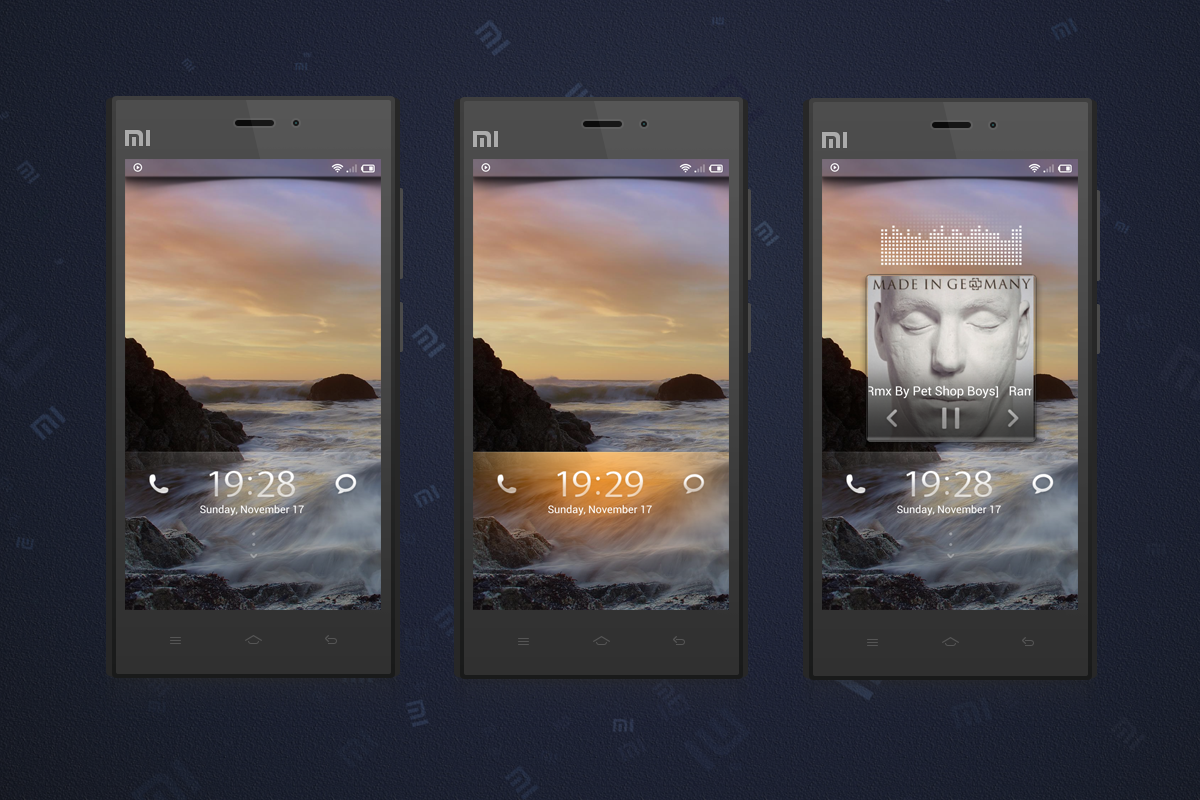
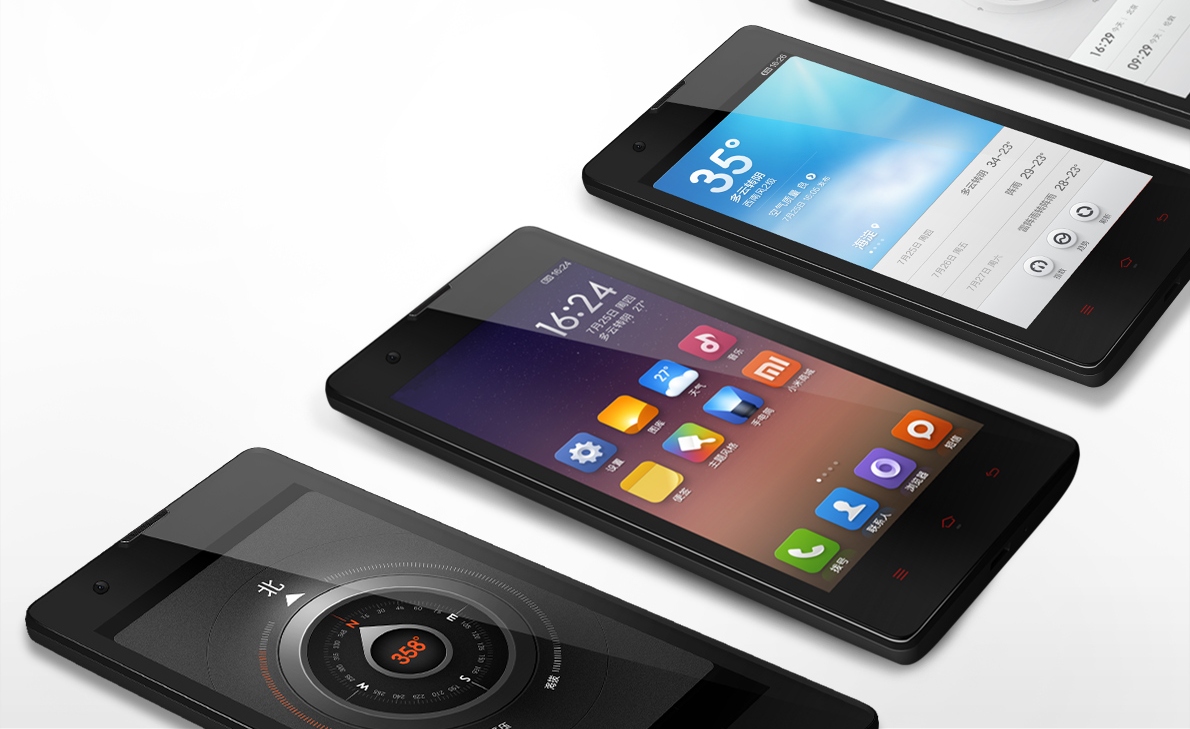
The MiUi (Xiaomi operating system) lockscreen has multiple functions. To lock the screen, press the home button till you see a LED light being activated. Double tap the lock screen to control the music menu. Got an unread SMS? Just tap the center of the screen to directly answer the text.
2. Interface
All apps in MiUi are gathered at the main interface along with the widgets as MiUi does not have an app drawer. While Android can quit all applications that run in the background with a long press on the menu button, MiUi users can choose the applications they want in the background, while exiting the rest of them. Also, MiUi’s call interface looks similar to that of Android but it offers additional functions. When making a call, users can opt to write a note and record the conversation in an MP3 format.
3. Messaging
MiUi’s messaging application seems normal but it has an ability to ensure important messages are always on the top by using the pin. Most importantly, MiUi has a Private Messaging function, which allows users to hide sensitive messages with the use of password. You can even select your private messaging contacts and save them in a password protected format. The function can be accessed by dragging down the Messaging interface several times.
4. Intelligent Front Camera
The front camera of Mi 3 has special functions. It comes with an ability to detect gender and age, and subsequently chooses the right filter to enhance pictures. Good news for selfie lovers as no editing is needed before posting pictures in social network. The Mi3 which is going to enter Indian market soon, flaunts a 13 MP rear and 2 MP front camera.
5. Backup
MiUi has its own Backup application. Users can create a backup and save it somewhere else, such as a laptop. This backup can be used if the gadget faces problems in the future. Each function can be reinstalled with Backup. It comes with it’s own local backup system, inclusive of 3rd party applications and data. You can also activate automatic backup timing, which will execute data backup at your specific intervals.
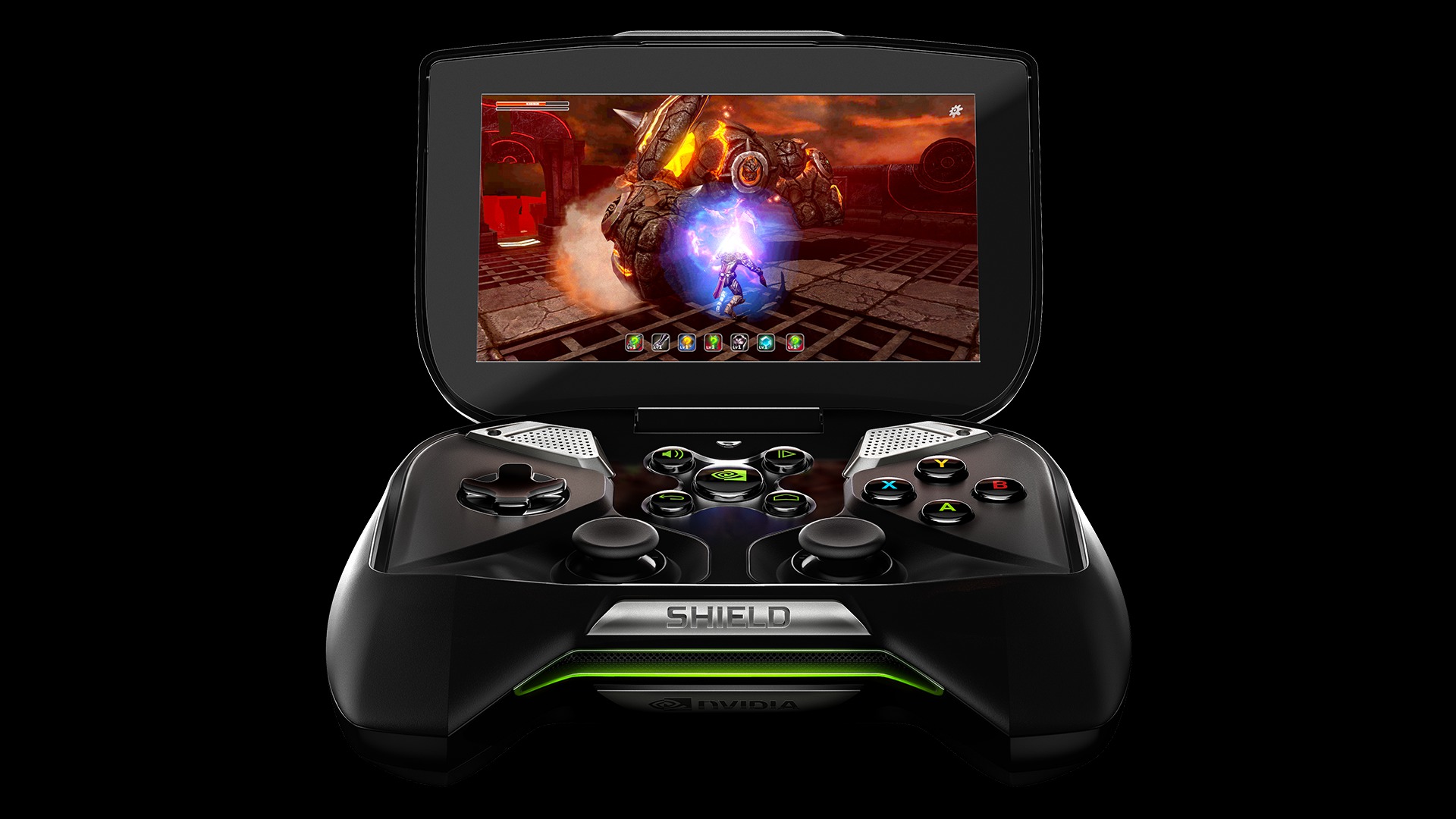
After bringing in the Nvidia Shield, a macho looking portable gaming device last year, Nvidia is now planning to bring the next version of the device. The processing giants makes some of the most sought after products for gaming enthusiasts. This year at CES Nvidia spellbound everyone by introducing the 192 core Tegra K1 processor.
Now they are going to bring the Tegra K1 chip into its next gaming device offering. Nvidia’s first attempt at a gaming device, the Nvidia Shield was well appreciated for its fantastic specs and ability to play all Android and PC games. The new device will take things forward.
The new offering is stated to be a budget-priced standalone controller. Some speculations in the market are about a Shield Tablet. Nvidia told BBC that they would be coming out with an awesome gaming device soon.
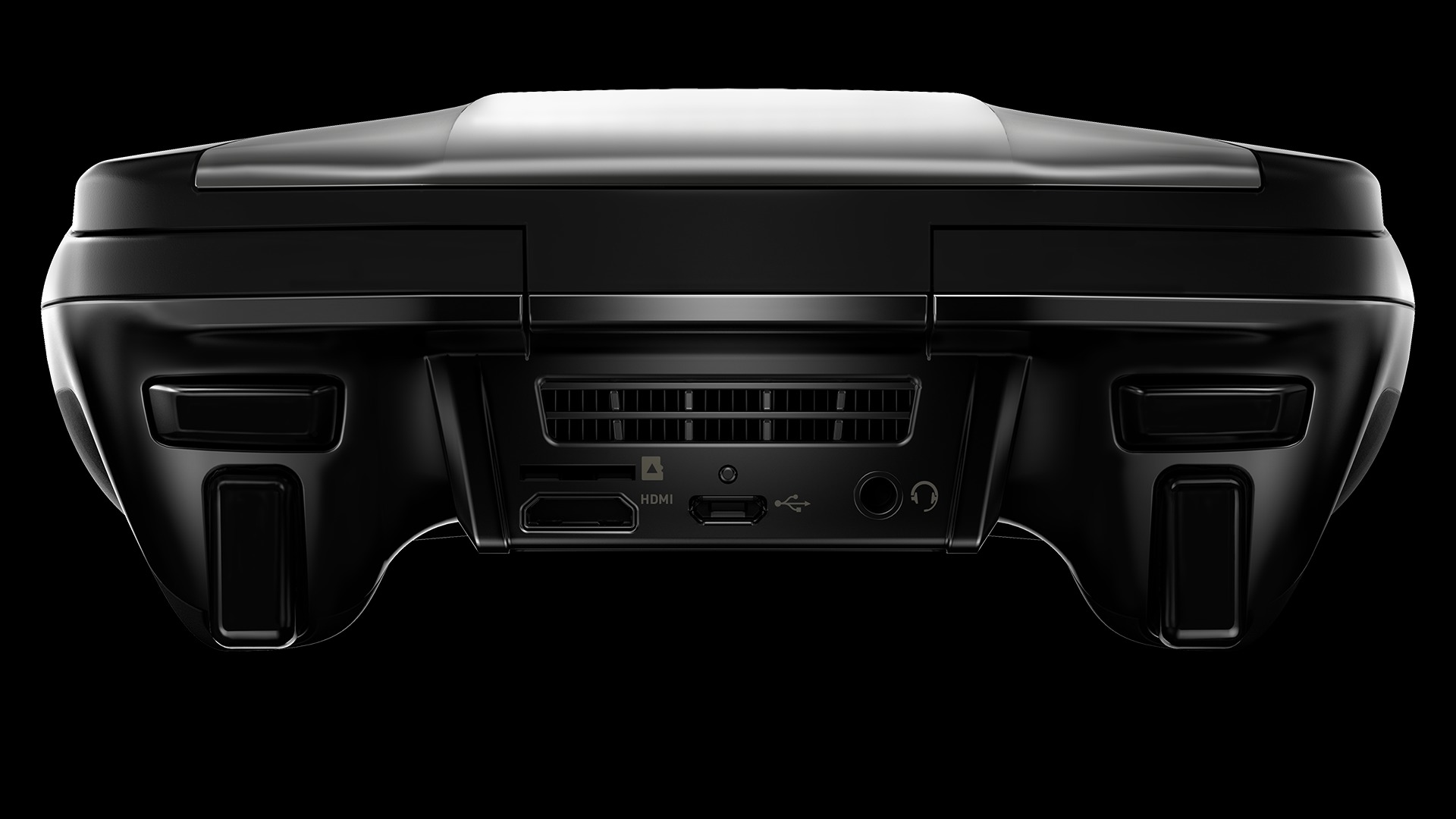
The Nvidia Sheild had some great connectivity features
The Nvidia Shield ran on an Android 4.2 OS and was well equipped to play all high end mobile games. Some folks were disappointed that the system has tremendous potential, and there are not many games that pose a challenge for the device.
One of the best features of the Sheild was the Gamestream. This feature allowed you to live stream your PC games directly on the stream and play them using the Shield’s impressive controls. The only hitch was that the PC should be running a compatible Nvidia graphics card. But if Nvidia comes with a tablet, it will lose the appeal of the physical controller that Shield brought.
Considering the impressive battery found on the Sheild we can expect nothing less from Nvidia’s next offering. In a recent study it was found that even though sales of gaming consoles has dipped, the component producers are doing all right. So we might see Nvidia coming out with more devices in the coming future.
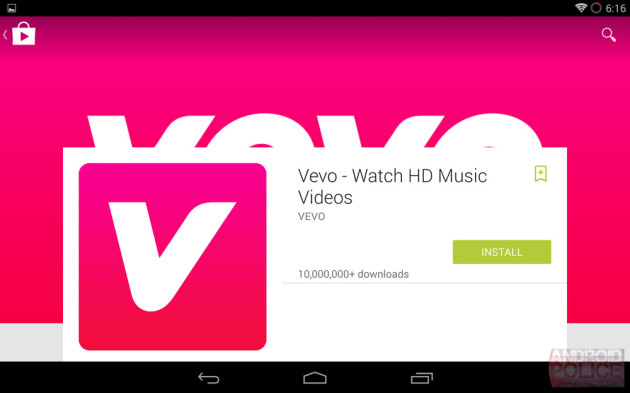
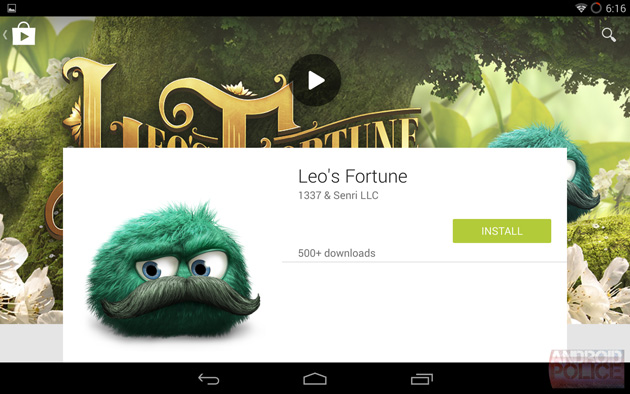
We have been introduced to Android L and Google’s new Material Design UI, which is expected to infiltrate most of Google’s own apps, at this year Google I/O. We will have to wait until Android L’s public launch this fall before we get a good look at these updated apps, but the rumor flying high these days aren’t going to make us wait that long for a peek at Google Play Store makeover.
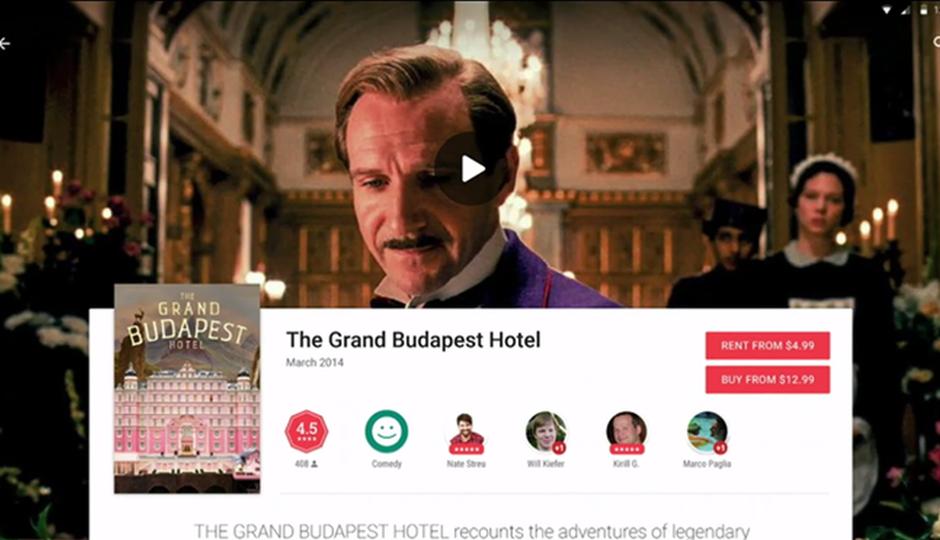
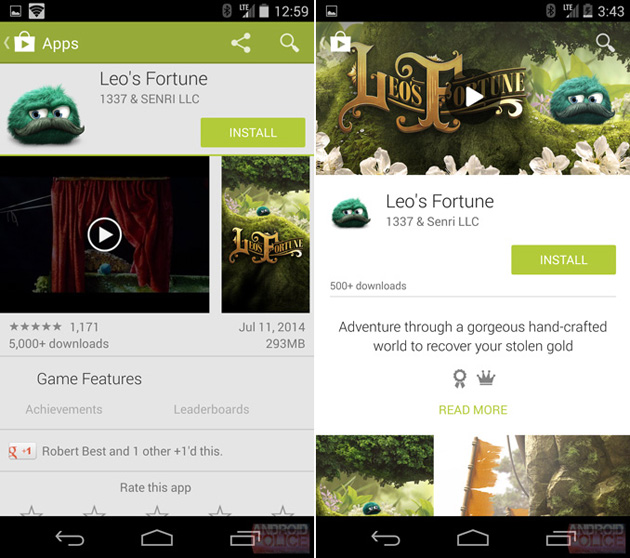
Android Police reports that Google will be redesigning their interface and aesthetics of the Play Store for Android devices and added that the content listings focus on the new design. Screenshots also shared by Android Police purportedly reveal the Material Design version of the Play Store for both phones and tablets. When compared to the current iteration of the Play Store, the refreshed version uses larger images and album art in the background of a listing.
There is more white space between the content and the review sections are bit more colorful with the addition of color review bars. The new layout and design of the Play Store will be primarily focused on content, with the video or trailer for the item and the app icon or movie/album/magazine cover being more prominent. The content and the text describing the item is lower and you will not be able to view it upon immediate entry.
The whole store listing page has changed, to one that uses artistic layout on a largely white canvas with the new Roboto font highlighted during the Google I/O conference. However, this design is still under wraps and could change entirely by the time it is launched.
Recently Samsung has also showed off its app store with a focus on Galaxy devices. The new Samsung Galaxy Apps store will feature “hundreds of apps” exclusively for Samsung Galaxy mobile users, the company stated in a blog post. The new app store offers higher customization and includes a variety of promotions and discounts for users of Samsung Galaxy mobile devices.
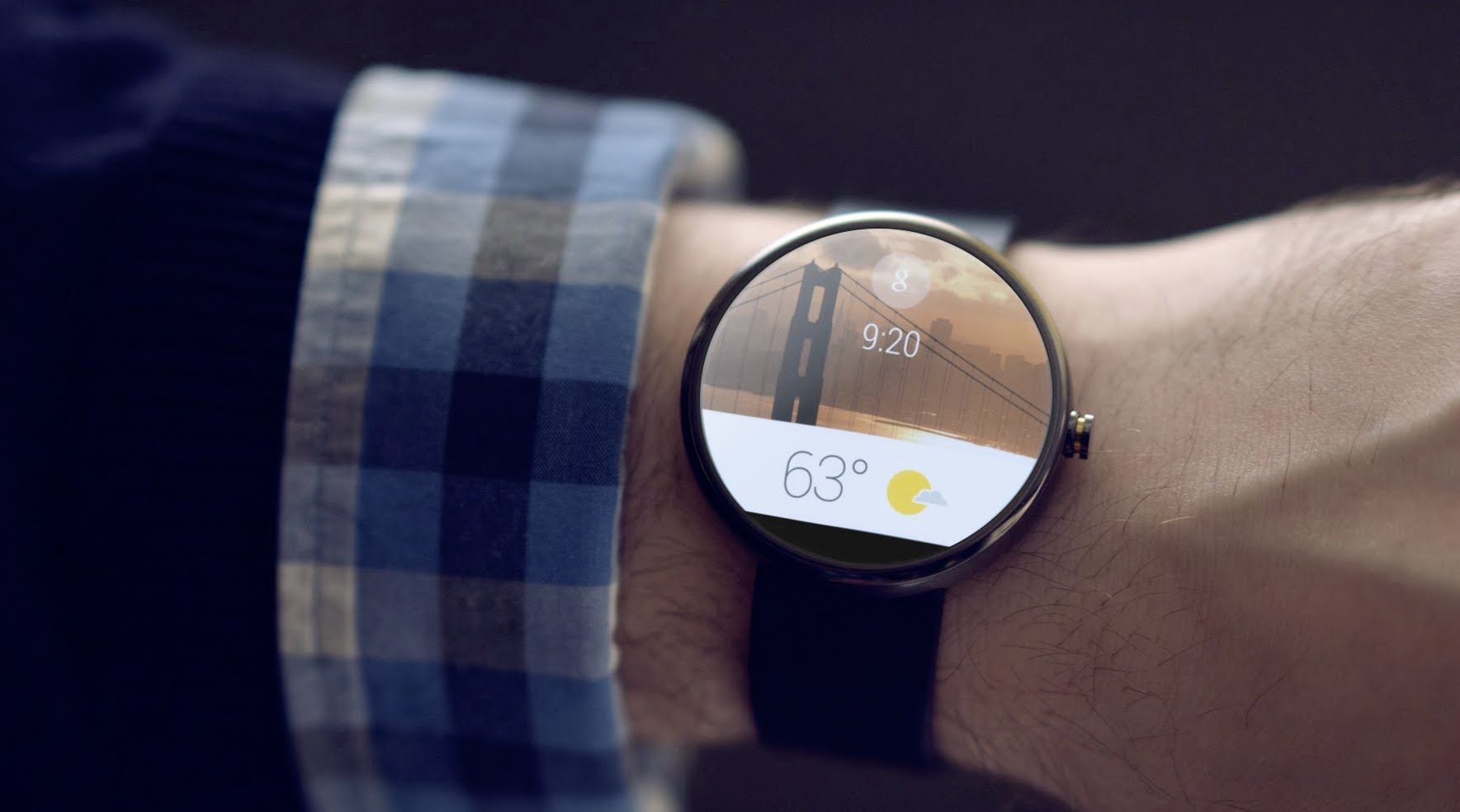
You finally got your Android wear device and you are proud of it. You’s like to flaunt it but it is taking some time to get used to. You wish there was an easier way of getting around your smart-watch. Well worry no more, the developers have come to your rescue and they will give you the Android experience that you have come to know. So go ahead and install the Wear Mini Launcher.
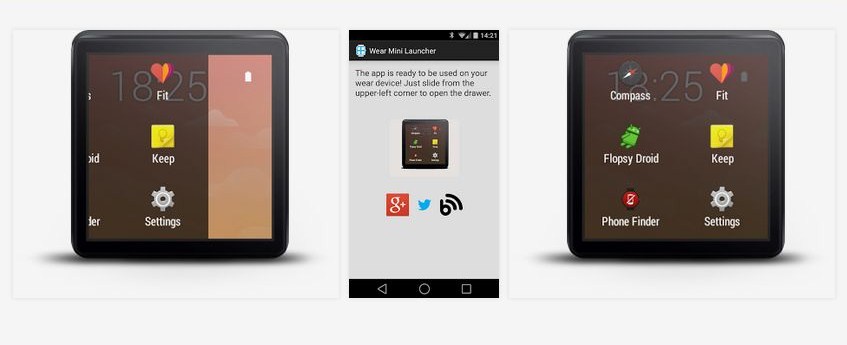
A developer named Nicolas POMEPUY has introduced the Wear Mini Launcher app on the Google Play Store. The app allows the users to swipe right from the top left side of their smart-watch to display an app drawer, like the one in the phones. With this the user can scroll up and down to access all the apps.
To make the launcher work the first time you can either open the app while the watch is connected or run the app directly on your Android wear.
The app greatly reduces the amount of time spent to find and open an app. This launcher will definitely make your life easier if you own an Android Wear device or will encourage you to get one if you don’t have one already. This is also a good example to state the inclination of the developers interest in developing apps and content for the wearables. We can now be optimistic about the future of wearable tech.
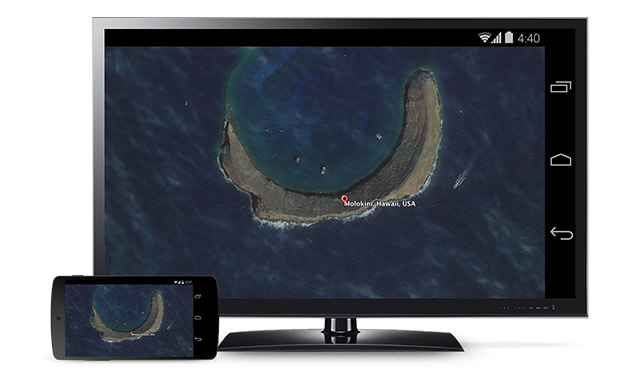
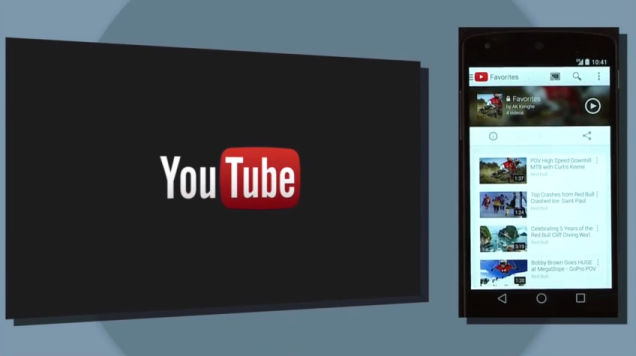
The new update of Chromecast is the first step of introduction to some awesome features Google unveiled at this years I/O. The Chromecast 1.7 update for Android smartphone and tablet users will have the ability to mirror their screens.
The new update not only allows users to display their Android homescreens on a Chromecast-connected TV or other device, but you can also use any application now on your television through the pocket-friendly streaming dongle.
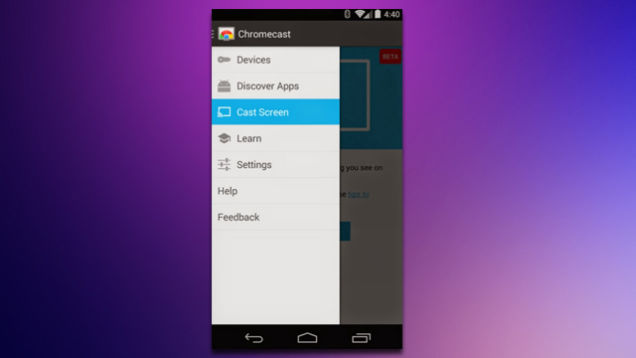
Upon downloading the new update, you can find the ‘Cast Screen’ option on the left drag navigation menu in the Chromecast app. Nexus devices will see a toggle for screencasting directly in the Android quick settings menu. Once enabled, the user can navigate their phone in the normal manner with a one-to-one projection appearing via Chromecast.
It is still considered to be a beta version and it is sadly not available for everyone immediately. Google said that Samsung, HTC, LG and some others will be first to roll out the new capabilities of Chromecast soon. Though you may not have the device that is on Google’s compatibility list, but don’t worry too much. We hear there are third-party mirroring apps will solve this problem soon. The company also pointed out the new update will be available at Google Play store soon.
In the battle field called the Indian mobile phone market, a new entrant will try to lay its claim on the throne. Beijing-based Chinese electronics company Xiaomi will launch a phone on the 11th of July to mark its arrival in the Indian market.
On its Facebook page, the company announced that it had “something special” in store for India which it will unveil on the 11th of this month. The company which is sometimes called the Apple of China will also compete with its compatriots Gionee, Oppo, Lenevo, ZTE, Huawei from China.
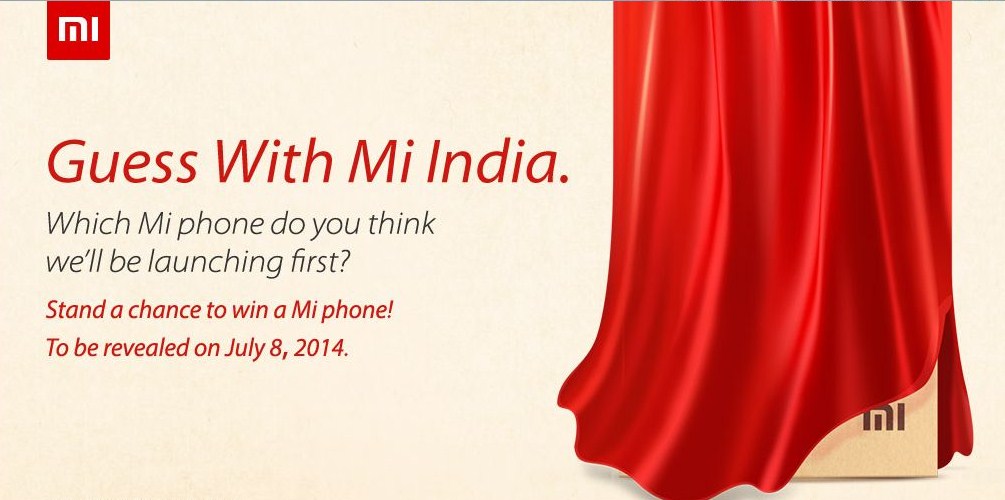
The company already has an Indian website which might get operational on the 8th of July. The website currently is hosting a contest for users to guess which phone the company will release in India. The winner will get to own the phone.
Like Alcatel and Motorola, Xiaomi has also said to have signed an agreement with the e-commerce giant Flipkart. As it’s just beginning in India, it might be a good step for Xiaomi to sense the water before diving in.
Launched in 2010 the company has since seen massive growth in China. It is one of the biggest manufactures in China which develops and sells Mobile phones. Along with Phones the company also sells mobile apps, routers and other consumer electronics.
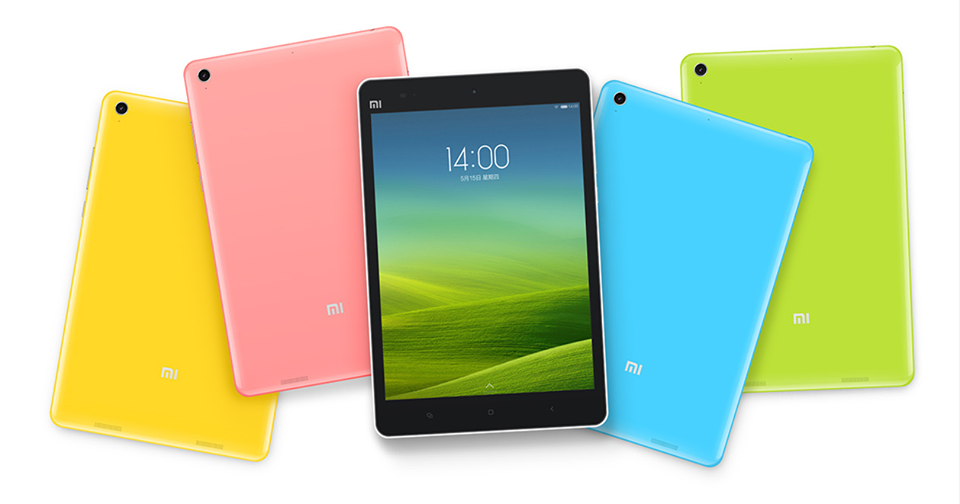
Xiaomi really needs to bring some really distinguishable products to stand out in the market which is as populated as the population of India. Its colored backpaneled devices can also be a hit amongst the colorful Indians.
Motorola is surely in it to win it. The brand with its fierce product placement is ruthlessly being a thorn in the eye of the competition. After being the first company to bring Kitkat to all price points, the company will become one of the firsts to have the Kitkat 4.4.4 running on all its devices.
We’ve begun rolling out Android, KitKat, 4.4.4 for Moto E, Moto G & Moto X this week in India! Expect an update on your #Moto soon!
Motorola informed the users through its twitter account. The company claims that this new update will add an extra layer of security for web browsing. The company also stated that the new update will fix several stability, framework and OpenSSL-related issues. The phones will get a new phone dialer.
Android KitKat 4.4.4 update will give you all the features of Android KitKat 4.4.3 with an extra layer of security for browsing web (1/2)
Motorola phones presently are the most feature-packed and competitively priced devices. All three phones have successfully become the leaders and have ushered speed in delivering updates in an update starved market. The company had released a 4.4.3 update just last month.
The Android L is one of the most comprehensive updates to the Android operating systems. Google went down to the rudimentary pieces of the OS and reimagined the functioning of the Android system. Now as everyone is eagerly waiting to take a spin on the Android L, we bring a list of phones that will be the first to get the L update. You can buy these phones today as they are all future proof.
So here we go:
5.Samsung Galaxy s5
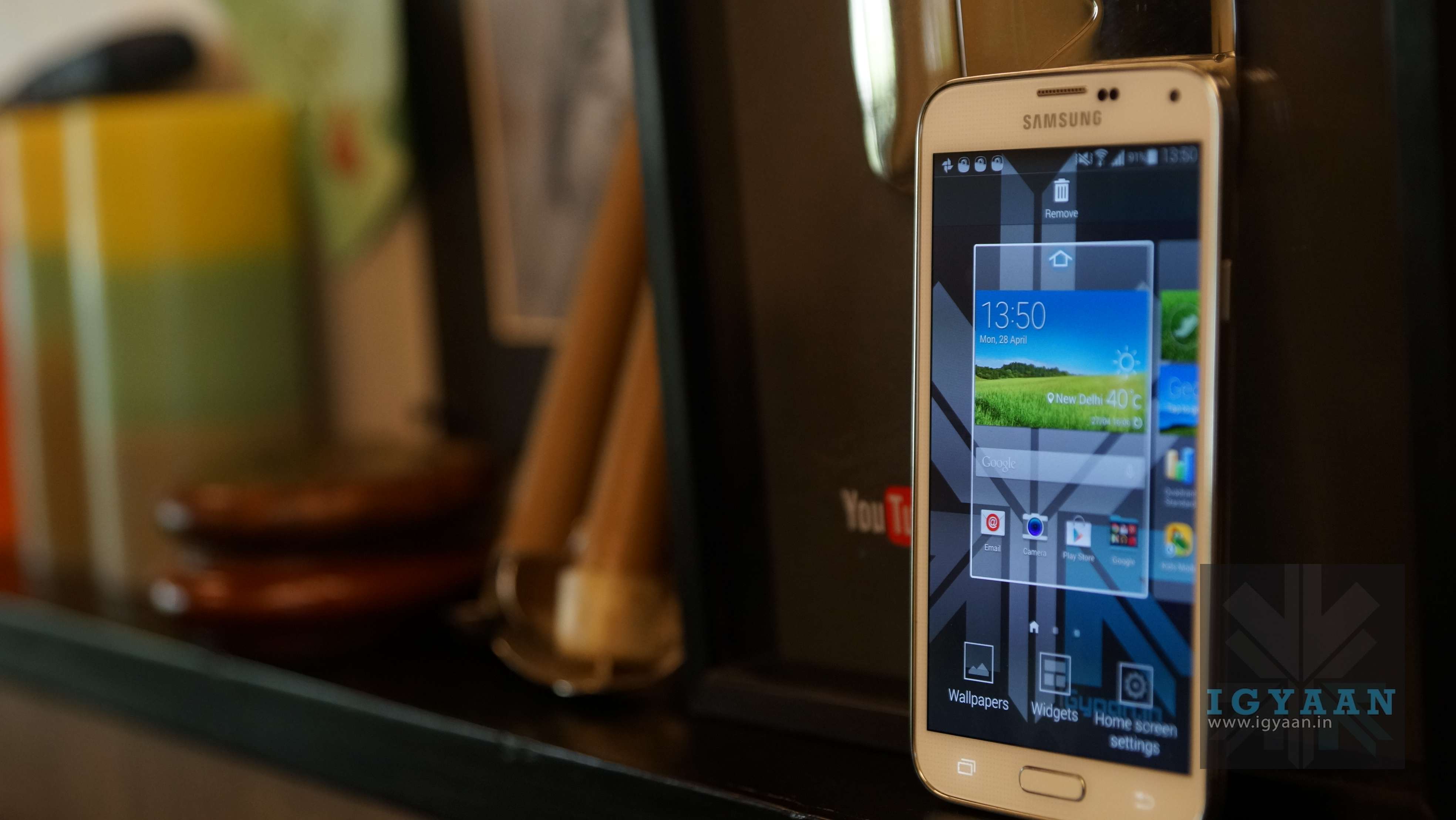
Samsung’s present flagship will be the first to get the Android L release in the Galaxy stable.
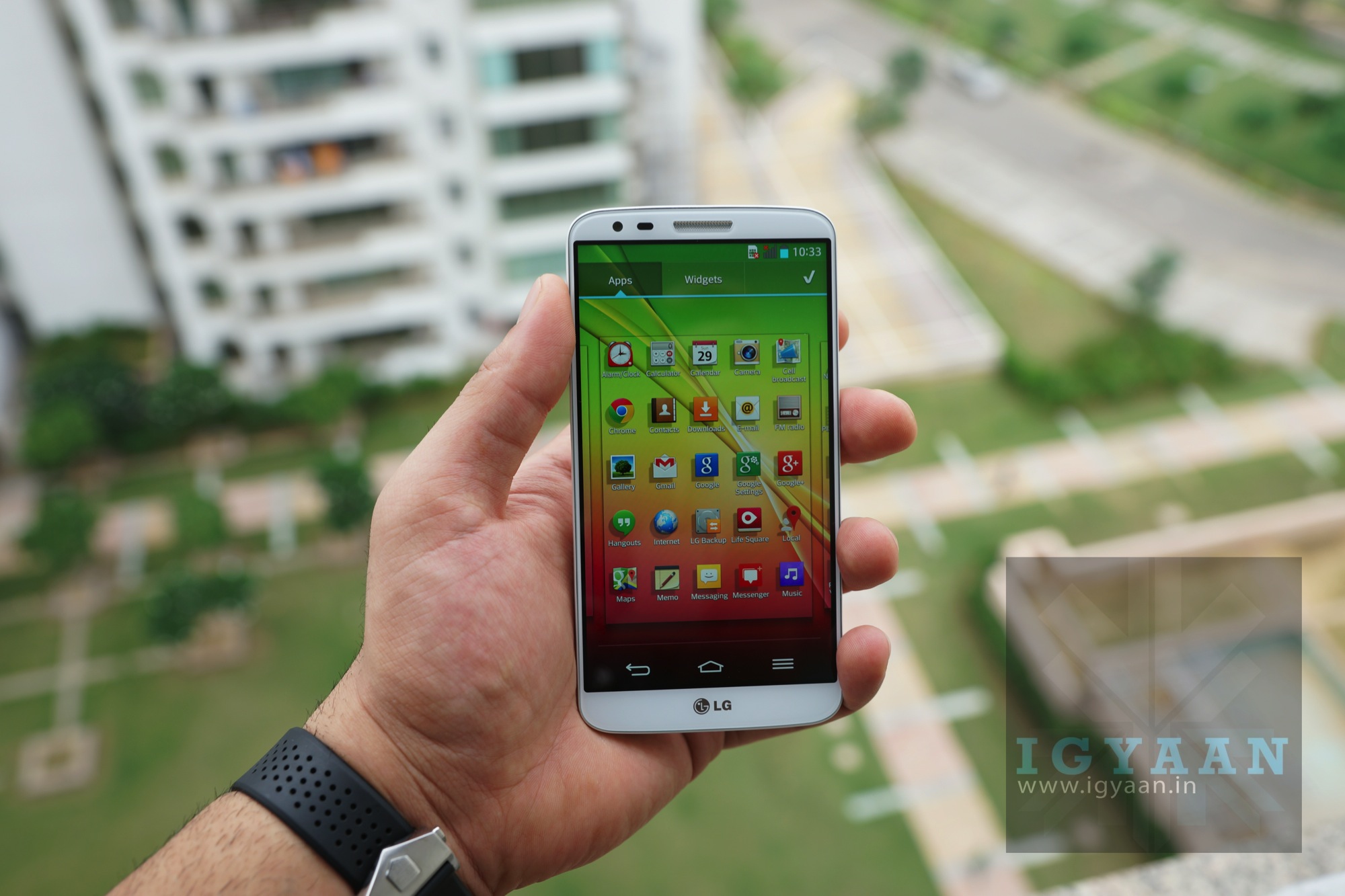
4. LG G2/ LG G Pro2 /LG G3/ LG G Flex
LG in an exclusive conversation with iGyaan hinted that they will release it on these four phones once Android L hits the market. These phones are already LG’s best sellers and they would be a good bet for now.
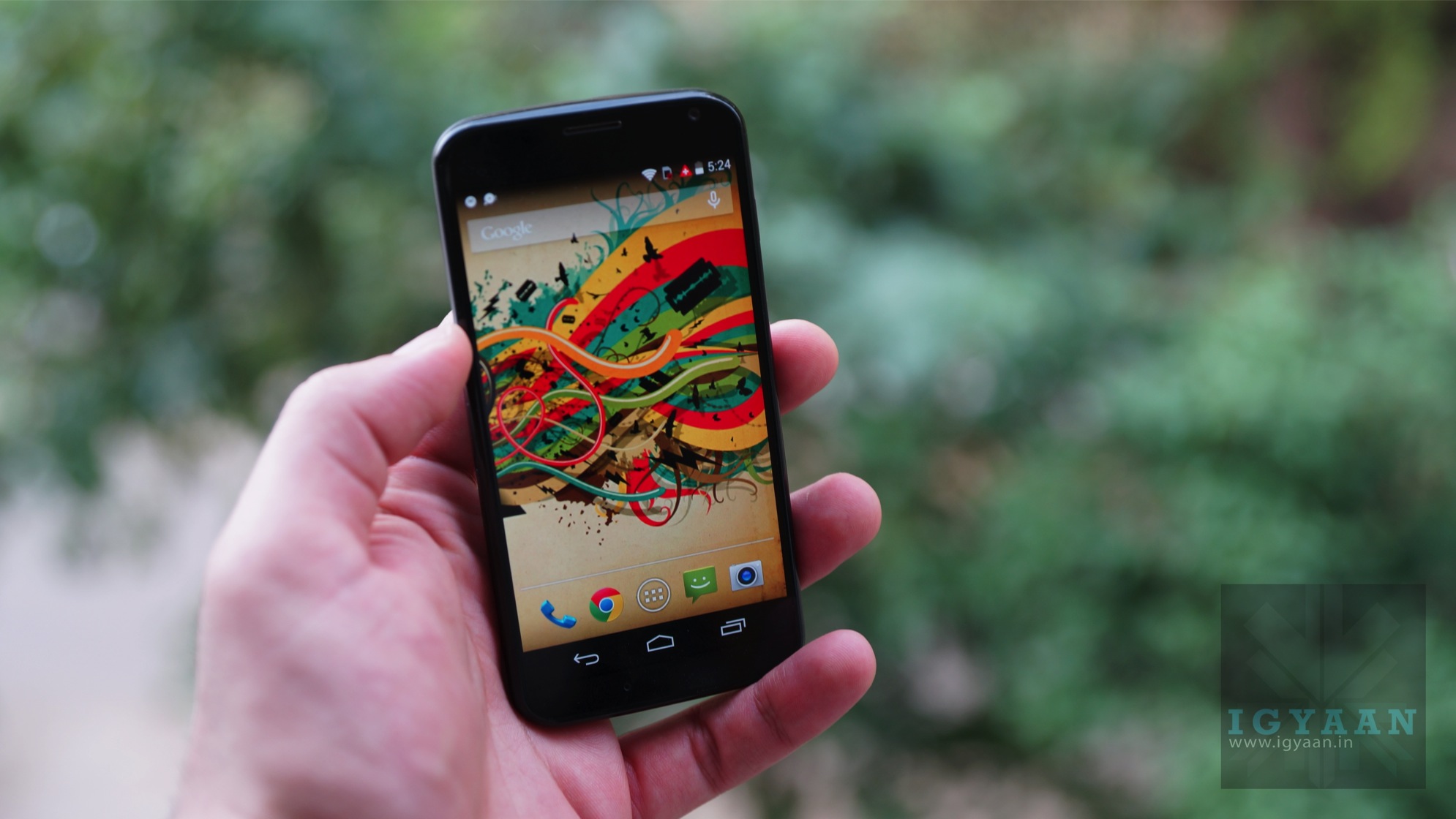
3. Moto X/Moto E/Moto G
As Moto’s awesome revival is dedicated to Android based X, G and E, these phones will surely get updated to the latest Android L. They will be the first phones after the Nexus devices to get the updates.
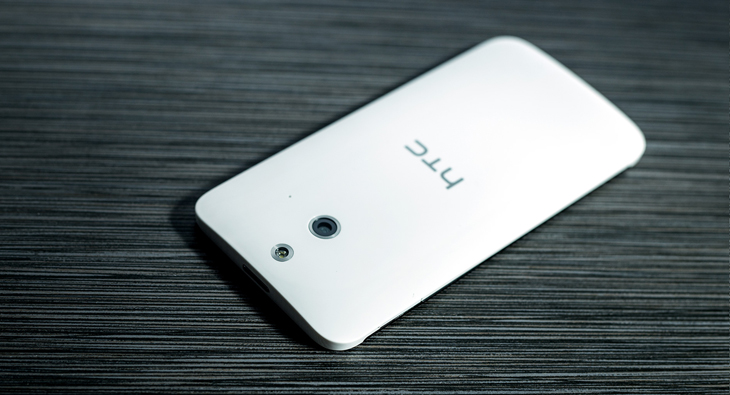
2. HTC Flagship
HTC is the most eager company to induct the Android L across all its Blinkfeed running devices. This is a great news for current HTC users. Phones like HTC One M8, M7, the One Mini and the HTC Desire line of kitkat phones will be the first to evolve into Android L as soon as possible.
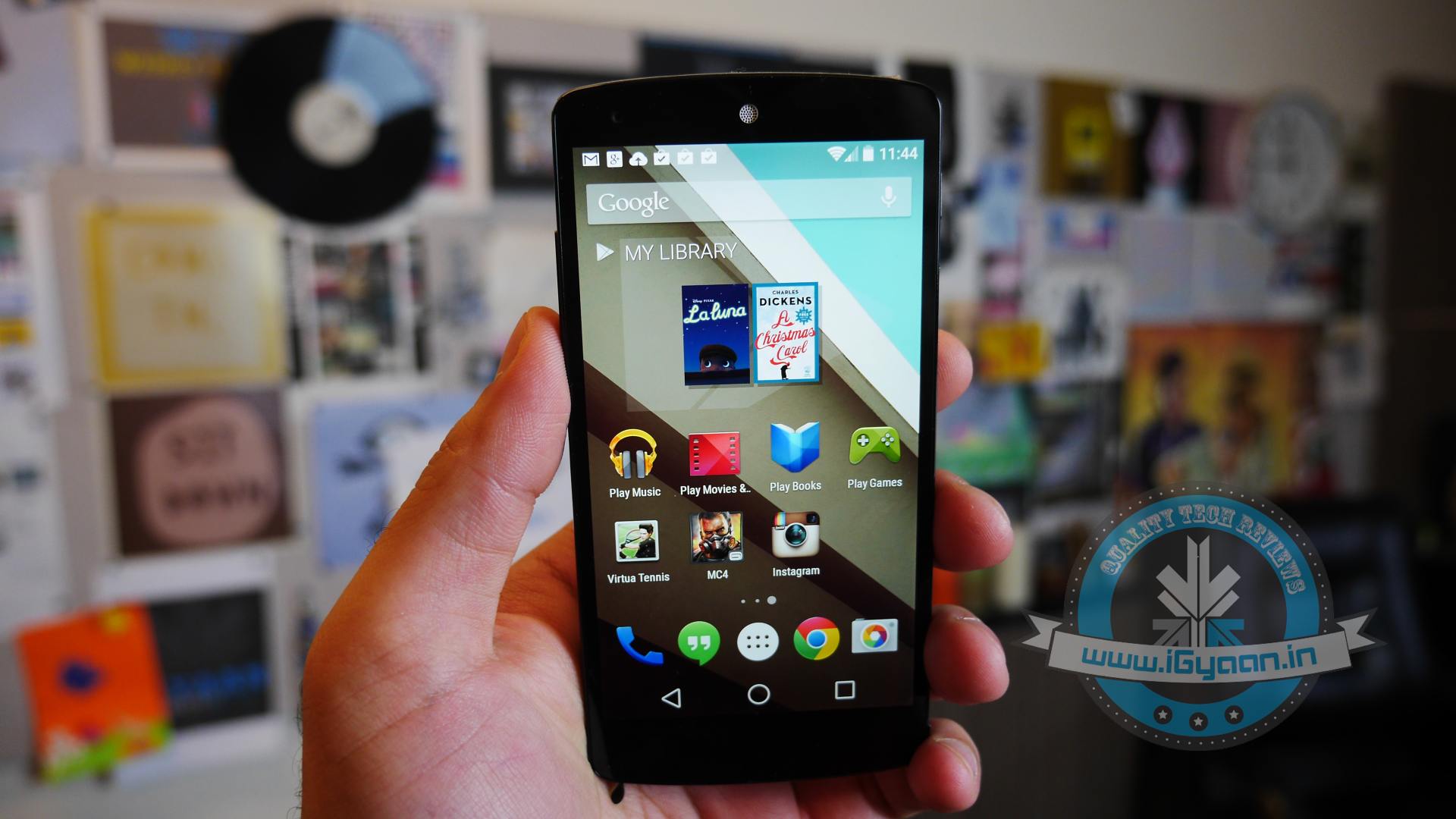
1. Nexus 5 – Developer Preview Out Now
Nexus 5 already has the developer preview out for Android L and Boy, does it look good. We’ve been having lots of fun with the L and you can get it right away too. Even though its a beta testing version, its still very stable, has brilliant performance and excellent battery life thanks to Project Volta.
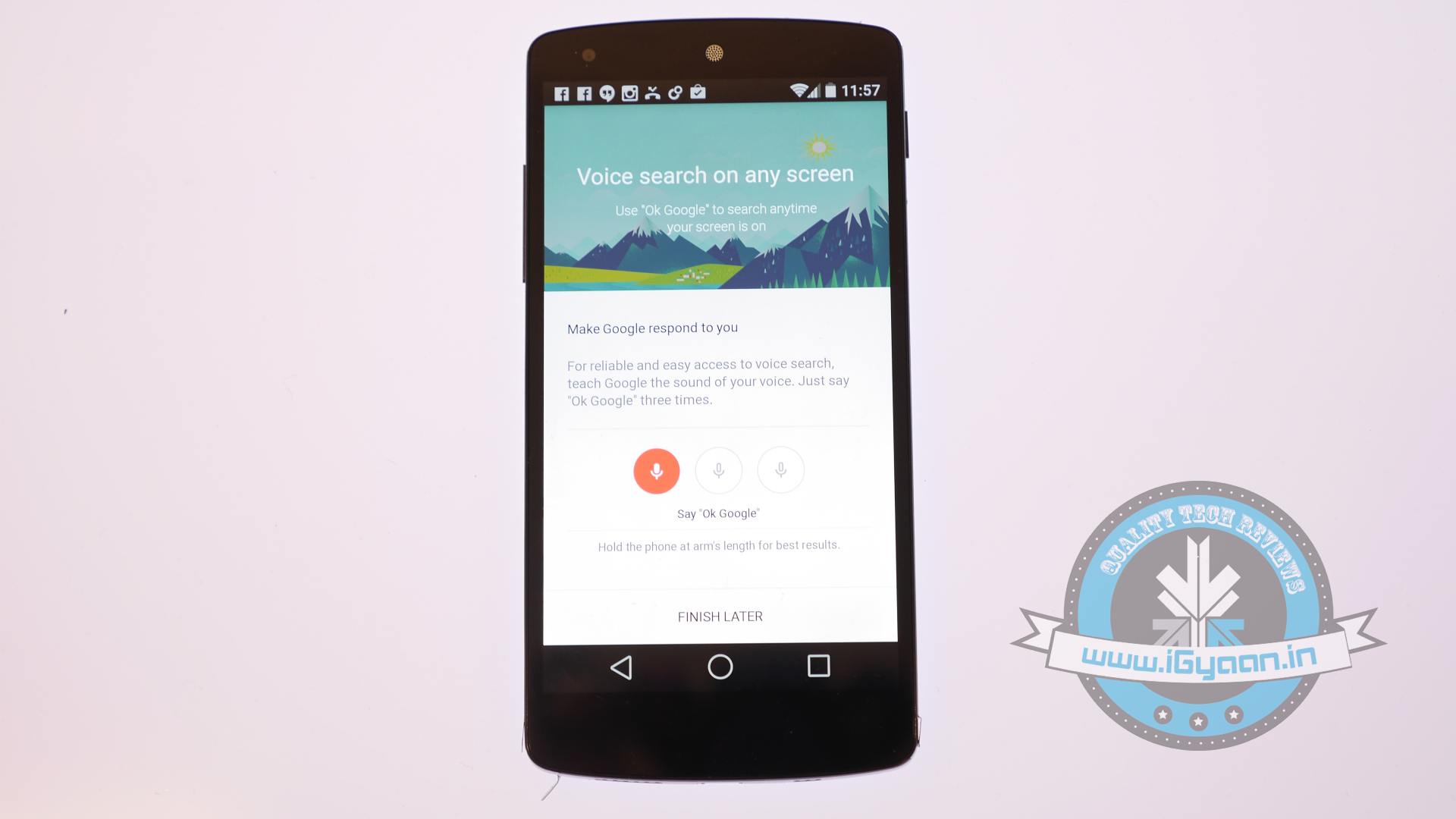
Moto X had a great feature which allowed users to reach Google Now from anywhere, even from the lock screen. It is a particularly useful feature when you are on the move or want to write a reminder instantly. Google announced that it will bring the Moto X like ability to all Android phones but that will take a while. Now a reddit user pr01etar1at has figured out a crack to have the same features on your 4.3 and above phones before Google officially releases it for your phone.
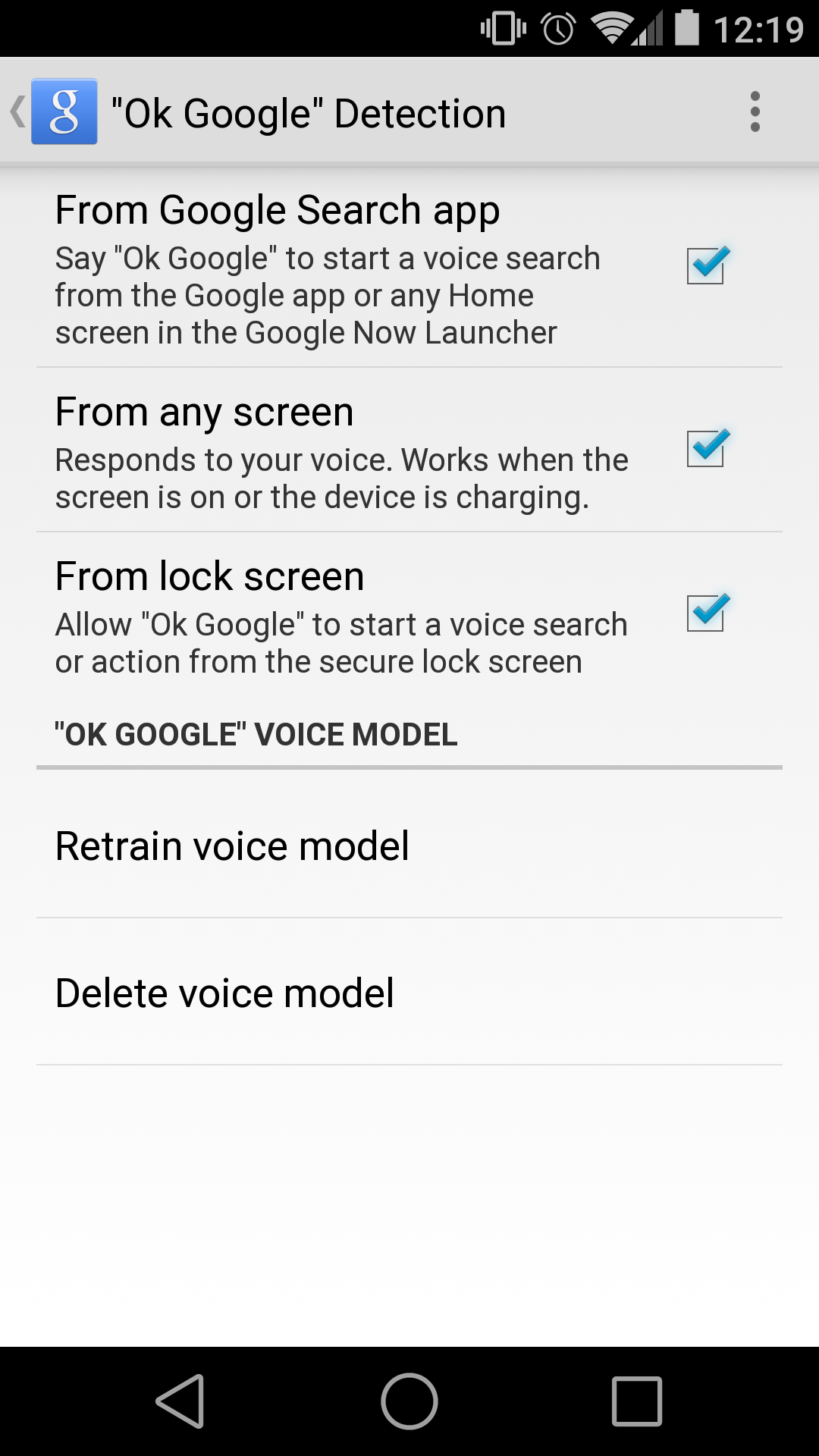
Following some simple steps you can have Ok Google hotword detection from anywhere on your device. We would like to warn you though that this might not work on all phones.
All you need to do is search for “Ok Google Everywhere” on your search bar. Now when you go back to the Voice setting menu, you will get new options in the voice detection section. The options will let you set the detection capability according to your discretion.
One suggestion that we’d like to give Google is giving an option for customizing the hotword. Considering the fact that Google’s Android is the World’s most selling operating system, once folks get a hang of this voice assistant, we’ll start listening to “Ok Google” everywhere. A personalisable hotword would come really handy for situation like those.
At the recently concluded Google I/O, the new Android L was showcased and it has received unanimous admiration. Even though Apple has won this year’s developer conferences by creating a new seamlessly interconnected universe; Google has a few surprises in the battery efficiency arena with its own Project Volta.
Project Volta aims to bring fundamental enhancement in Android for better battery life.
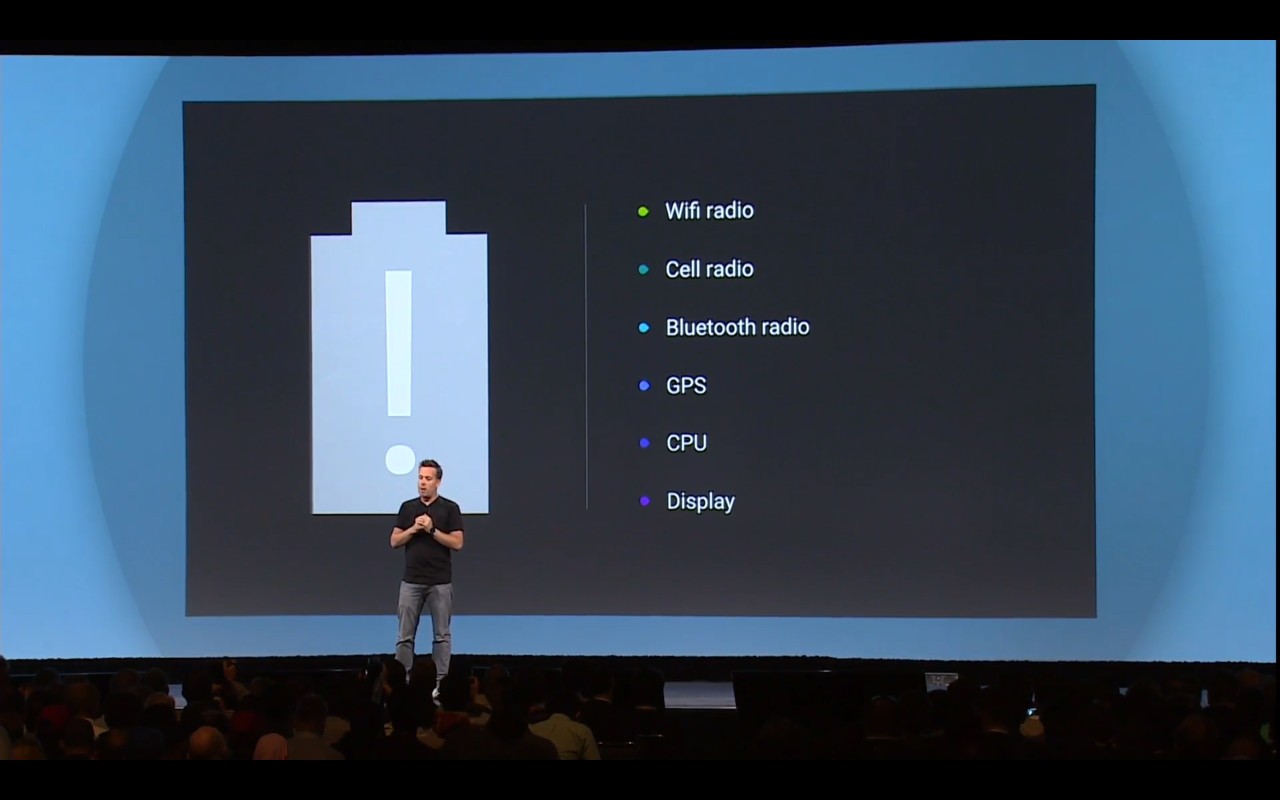
Battery technology has lagged in competition to almost all other elements of the phone designs. Within a short span of time, we have gone from HD to 2K phone screens. We have 4K video recording, better processors, better RAM, even the OS’s are competitive and getting better with each release. The loser in this entire race has been the battery. Even though, the phone manufacturers have compensated by making bigger batteries but almost all of them give only about a day’s worth of backup in their respective phones.
Google is working on the lines of its previous Project Butter initiative during the release of Android 4.1. Project Butter was directed towards making fundamental changes in Android to make it more efficient, smooth and lag free. There was also the Project Svelte, which was directed towards running the Android 4.4 on low-end devices, thereby making KitKat a truly inclusive Android operating system.
With Project Volta, Google introduces a slew of measures to find enhancements to the Android system to increase battery efficiency. Google hopes to fix fundamental flaws in its software architecture to address the battery issue.
Google invented a tool called the Battery historian for the developers to access what apps were using battery at a specific period. Using this, developers got to play around with the various variables which could help to make the best use of the precious juice in the battery.
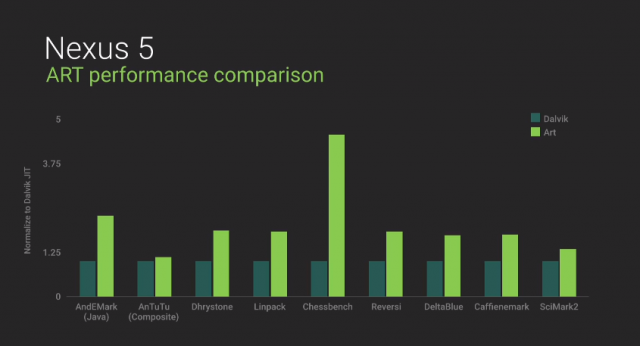
ART helps increase performance remarkably
Android is also completely incorporating the Android Runtime or ART and switching over from Dalvic runtime in a bet to improve efficiency and speeds. ART is available for testing on the Android 4.4, if some of you want to let your inner nerd flow. The difference between the two is that Dalvic compiles code every time an app starts and thereby waking the processor and in turn sucking in some juice every time. On the other hand, ART compiles and optimizes the codes well in advance thereby requiring less power to run apps.
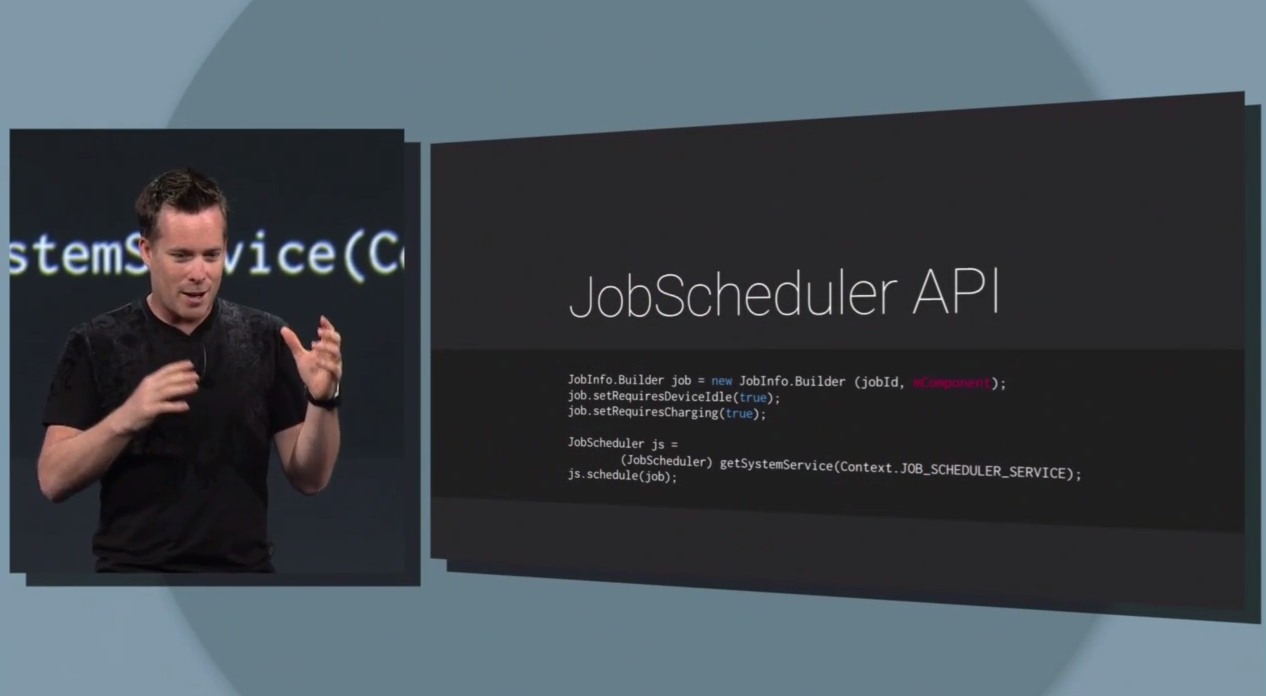
JobSchedular API will help batch multiple functions at once to increase efficiency.
Project Volta also introduces a new Job Scheduler API. With this, developers could program certain apps to work only when corresponding conditions are met. So instead of individual apps arbitrarily asking for processor access, multiple functions can be batched together and done at once for minimum use of battery life so that you can spend that extra juice for watching “dogs and babies” videos on YouTube.
Apart from this Android also inducted the battery saver mode which has been seen on manufacturers like Samsung and HTC. When the phone reaches the predetermined low battery level, the processor is slowed down, screen is dimmed, animations are reduced and the radio usage is decreased. This option is to maximize the last few moments of the battery before finding the sanctuary of a plug point.
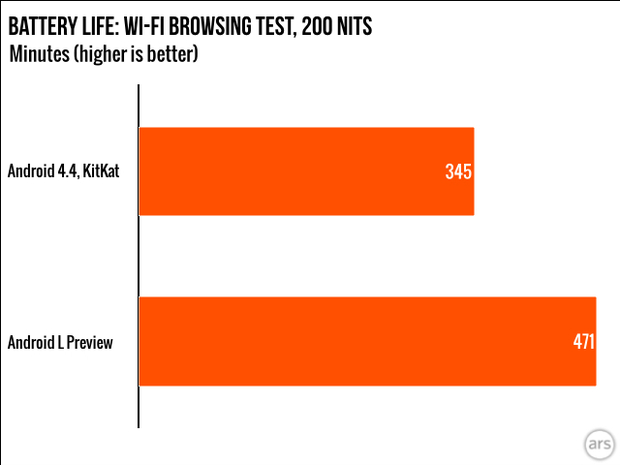
Ars Technica’s test showed a 36% increase in battery efficiency
These efforts seem to be showing some results as Ars Technica did an extensive test and found the Android L to be 36% more battery efficient, and that’s quite impressive.
There have been some efforts by the markets to address the battery issue. The Oppo Find 7 is a good example. With its fast charging VOOC charger, the Find 7 boasts of charging 0-75% battery in 30 minutes. Apart from this the market is also flooded with power-banks but they become just one more extra piece of equipment to charge and carry around. What is needed is a back-to-drawing-board study of the battery and maybe Google should make it a priority at the Google X (its semi-secret research facility) now.
With the amount of dependency we have on our smartphones and the information they hold on us, battery technology should be a priority research. The company that delivers the best battery improvement will surely emerge a winner in this over-saturated market. It’s about time that Smartphones got some Smart Batteries.
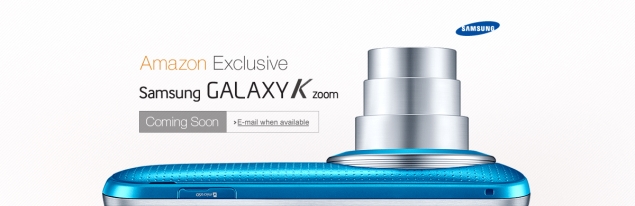
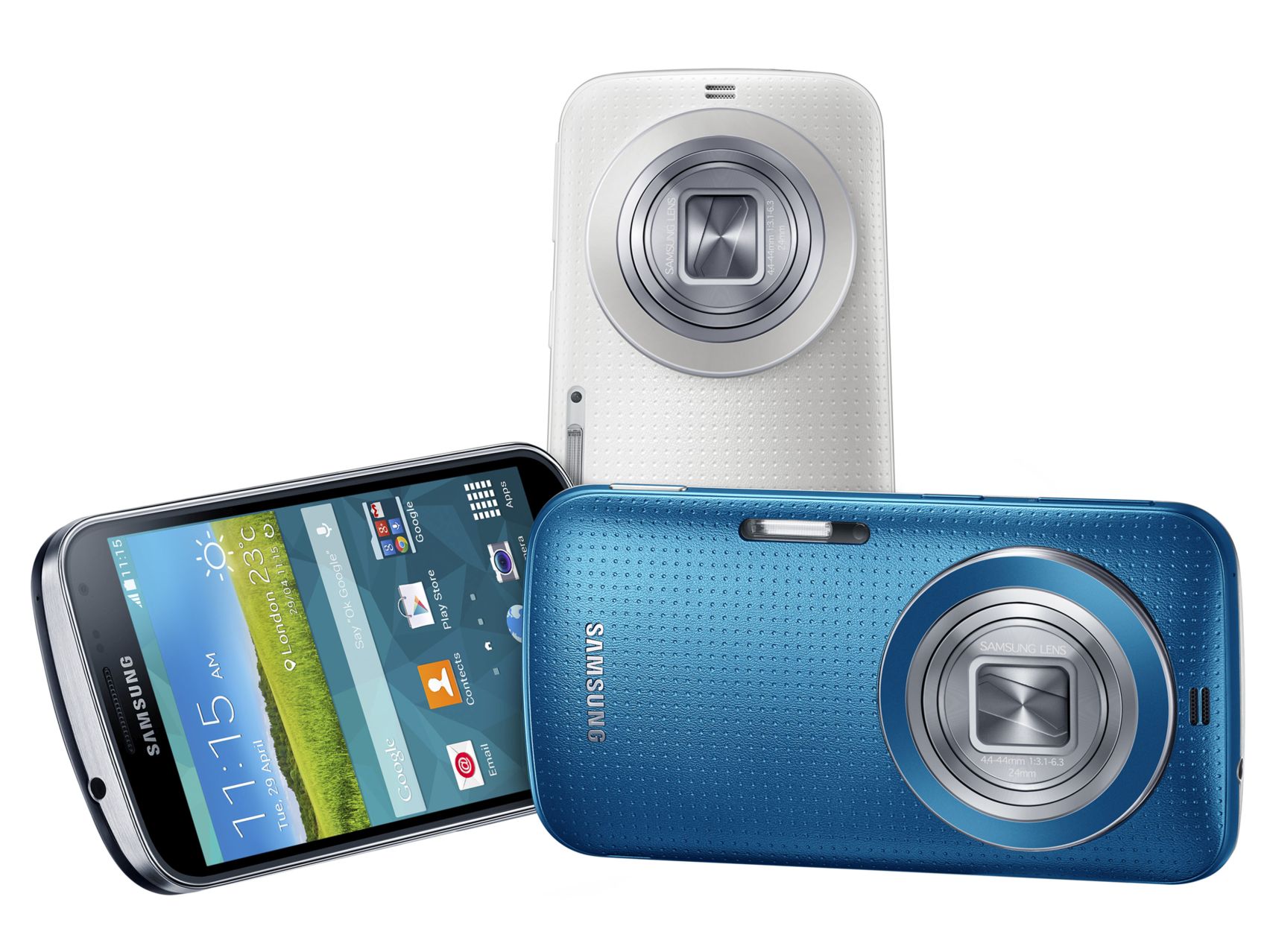
Samsung has launched the Galaxy K Zoom in India, a Galaxy S5 camera variant, and is now up for pre-order exclusively on Amazon India. The exclusive pre-order was opened yesterday at midnight. Its predecessor, the S4 Zoom was also launched on the same day last year but was not received well in the market because of its poor performance and bulkiness.
Samsung is now trying its hands again in the same segment with Galaxy K Zoom that holds a better processor and a leaner body. The leaner body might help this variant since the chunky lens of the S4 Zoom was a major deal-breaker. This s5 camera variant is priced at INR 29,999 and will be delivered July 9th onwards.
Samsung’s second crack at a modern “phone camera” is based on its popular Galaxy S5. The Galaxy K zoom fashions a huge 20.7-megapixel BSI CMOS sensor at the back accompanied by a Xenon flash and also features optical image stabilizer (OIS) for low-light imaging. The rear camera supports 10x optical zoom.
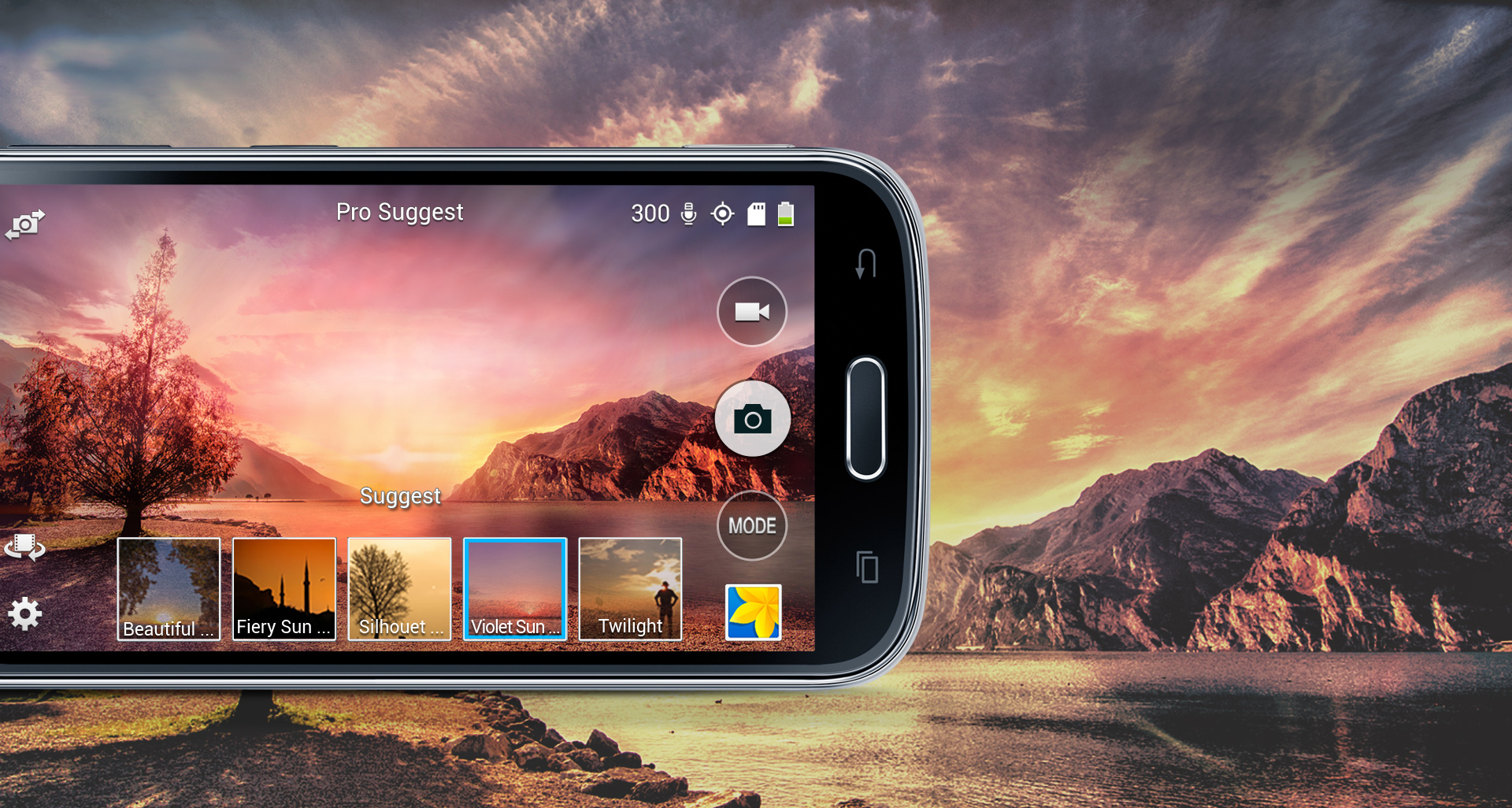
The rear camera comes with some advanced camera usability features and functions, including AF/AE (Auto Focus/ Auto Exposure) separation. Also Pro Suggest mode that comes with camera offers 5 optimized filter settings. The Selfie Alarm assists users in taking timed selfies. The Galaxy K Zoom also houses a 2-megapixel front-facing camera.
When compared to the Galaxy S4 Zoom that came with a 4.3-inch Super AMOLED qHD display, the Galaxy K zoom features a 4.8-inch Super AMOLED HD (720×1280 pixels) display. The new camera variant runs on Android 4.4 KitKat same as the Galaxy S5, the latest flagship device of the company.
Also it comes with a hexa-core processor (a quad-core 1.3GHz and a dual-core 1.7GHz), 2GB of RAM, 8GB inbuilt storage expandable via microSD card (up to 64GB), and a 2430 mAh battery. The Galaxy K zoom will be available in two variants – LTE and 3G – while other connectivity options include Wi-Fi, Bluetooth, Micro-USB and NFC.
The K zoom is thicker than the S5, it’s heavier and it has a lower-resolution display. The only area where the K zoom tops the S5, by a mile we might add, is where the camera is concerned. Though it certainly has a great camera, the deal breaker for most of the buyers will be the performance of the phone which also took the Galaxy s4 Zoom down the drain.
Gionee will be pushing out Android KitKat Update version 4.4.2 with the new Amigo UI to some devices in the coming days (as told to us by Arvind Vohra in our LetsTalkShop ).
The first two devices to get the said update are the CTRL V5 and Gionee Elife S5.5, while most owners of the V5 should already be getting update notifications, owners of the Elife S5.5 will soon get a notification for the proposed update.
We went hands on with the Elife S5.5’s Android 4.4 KitKat Update, and we can tell you, it is one major improvement. Apart from being a major overhaul in frameworks the new upgrade is at least twice as responsive and 50% lighter on the resources.
Here is a ChangeLog for the devices:
For the Gionee Elife Slim S5.5 and Gionee Ctrl V5
1. Android KitKat Update
2. New Desktop layout
3. Removed the World Cricket Champion and Real Football game
4. Added Du Speed Booster
5. Updated Amigo Paper with a brand New UI
6. Updated Game Zone with a New UI
7. Updated GioneeXender
8. Updated UC Browser
9.Updated NQ Mobile Security
10. Updated Kingsoft WPS
11. Removed Settings Shortcut from Notification Panel
12.Theme and Wallpaper will be reset to Default after System Update, but Data will not be Lost.
While you wait for the final KitKat update which should be a big download 800-900 MB in size, other devices including the Elife E7 and possible previous versions are also set to get Android KitKat in the coming weeks. As mentioned above, we did an update and the data remains safe, while some of the settings get reset, including the wallpaper, which you can reselect.
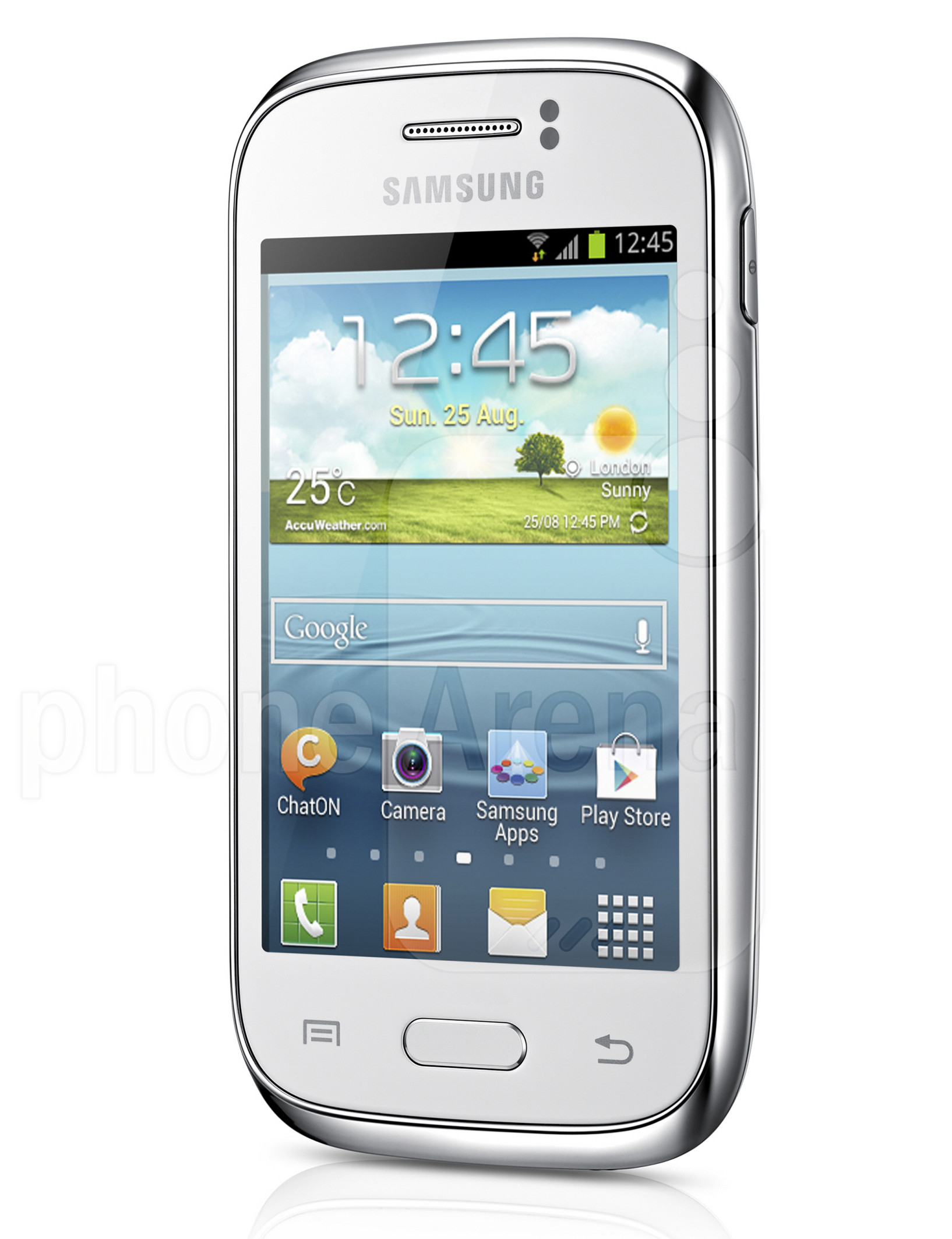
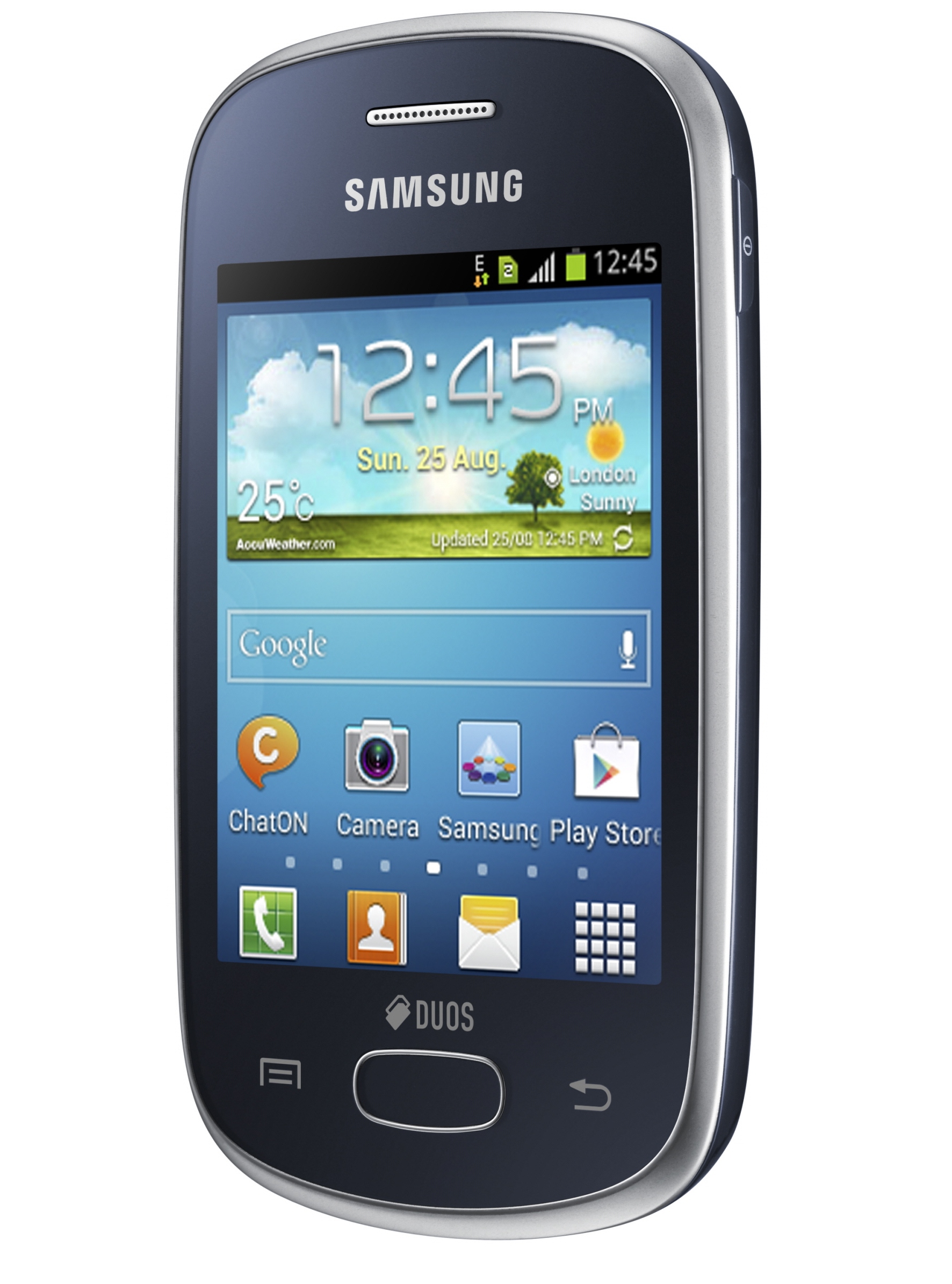
Samsung is getting ready to play its card in the ever-crowded budget phone segment with the release of its four new phones. The Galaxy Core II, Galaxy Young 2, Galaxy Ace 4 and Galaxy Star 2 are successors of the best-selling range of Samsung phones. These newly launched Galaxy smartphones are touted to be targeted at the affordable segment. The South Korean consumer electronics giant, as of now, has not revealed any pricing or availability details of the four smartphones.
All the four phones run on KitKat 4.4 with the company’s TouchWiz Essence UI. While, Galaxy Core II, Galaxy Star 2, and Galaxy Young 2 are dual-SIM devices, the Galaxy Ace 4 is a single SIM device and has been launched in 3G and LTE variants.
1. Galaxy Core II
Galaxy Core II is the most powerful device among the recently announced phones. It is equipped with a 4.5″ WVGA display and runs on a quad-core 1.2GHz processor. Furthermore, it includes 768MB of RAM, 4GB expandable storage, a 5MP rear camera with a LED flash, a VGA front snapper, and a 2,000mAh battery. Samsung Galaxy Core II offers fast 3G connectivity with 21Mbps downlink, dual-SIM, Wi-Fi N, Bluetooth 4.0, GPS with GLONASS and FM radio. It runs on Android 4.4 KitKat and will become available in White and Black colours.
2. Galaxy Young 2
A small sized smartphone with 3.5″ HVGA display phone, Galaxy Young 2 is backed by a 1GHz single-core processor clubbed with 512MB of RAM. There is a 3-megapixel fixed-focus rear camera. It comes with 4GB inbuilt storage which is further expandable up to 32GB via microSD card. The phone provides you with connectivity options including Bluetooth 4.0, Wi-Fi b/g/n, A-GPS, GLONASS, 3G and Micro-USB. It measures 109.8×59.9×11.8mm and weighs 108 grams. The Galaxy Young 2 packs a 1300mAh battery and comes in two colour variants – Iris Charcoal and White.
3. Galaxy Star 2
The Samsung Galaxy Star 2 also comes with a 3.5-inch HVGA. It is powered by a single-core Spreadtrum SC6815A clocked at 1GHz alongside 512MB of RAM. The smartphone sports a 2-megapixel fixed focus rear camera and includes 4GB of inbuilt storage which is further expandable up to 32GB via microSD card. The phone has 1300mAh of battery and for connectivity it includes Bluetooth 4.0, Wi-Fi b/g/n, and Micro-USB options. The major dissapointment in this phone would be the fact that it does not have 3G network support.
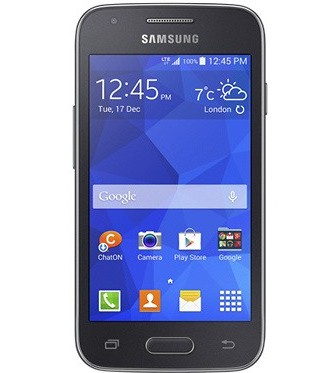
4. Galaxy Ace 4
The Samsung Galaxy Ace 4, as mentioned earlier, comes in two variants – LTE and 3G. The Galaxy Ace 4 3G features a 1GHz dual-core processor, 512 MB of RAM, 4-inch WVGA display, 4GB of internal storage, a microSD slot, 5-megapixel rear camera, VGA front-facing camera, and a 1,800 mAh battery. The LTE variant of the Ace 4 gets a faster processor clocked at 1.2GHz, 1GB of RAM, and a higher-capacity 1,800 mAh battery. The smartphone comes with Bluetooth 4.0, Wi-Fi b/g/n, A-GPS, GLONASS, and Micro-USB connectivity options. Both variants will be available in Iris Charcoal and Classic White colors.