Category: Facebook

  • Facebook Developing Cryptocurrency To be Used In WhatsApp

    Facebook Developing Cryptocurrency To be Used In WhatsApp

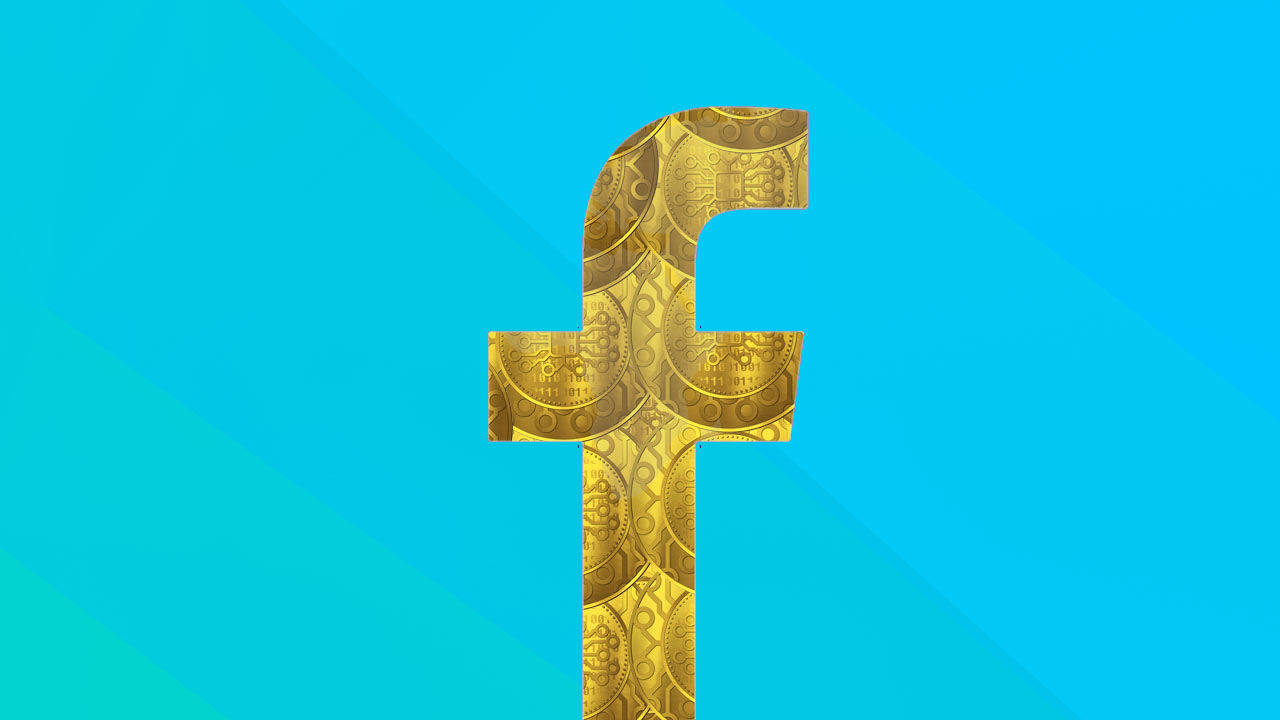
    Social media giant Facebook, is reportedly developing a cryptocurrency to be used to transfer money using WhatsApp. WhatsApp, as we know, is owned by Facebook and is going to receive the first taste fo the company’s Blockchain initiative. The report suggests that the company is developing a stablecoin. We’ll discuss what a stablecoin is, further into this article. But for now, its pretty interesting to see how this idea developed.

    The Social Currency

    Facebook had been keen on entering the financial arena, for  a very long time. In fact, it had hired PayPal president David Marcus way back in 2014. After a few months at the company, Facebook named him as the head of the blockchain division. Within a few more months, Facebook hired more than 40 people into this blockchain division. however, despite having so many employees and resources, nothing that the division does was made public.

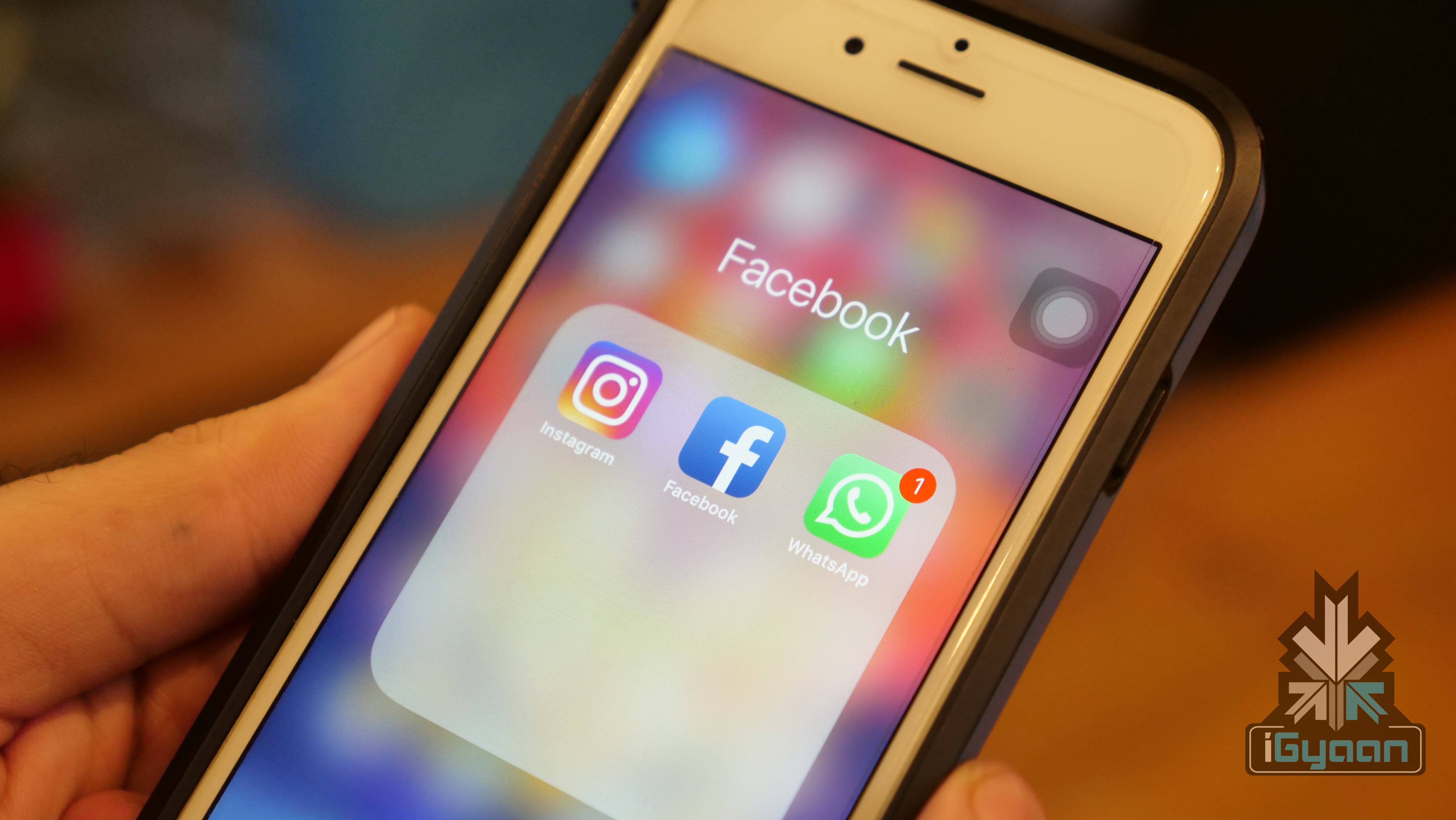
    Facebook Instagram

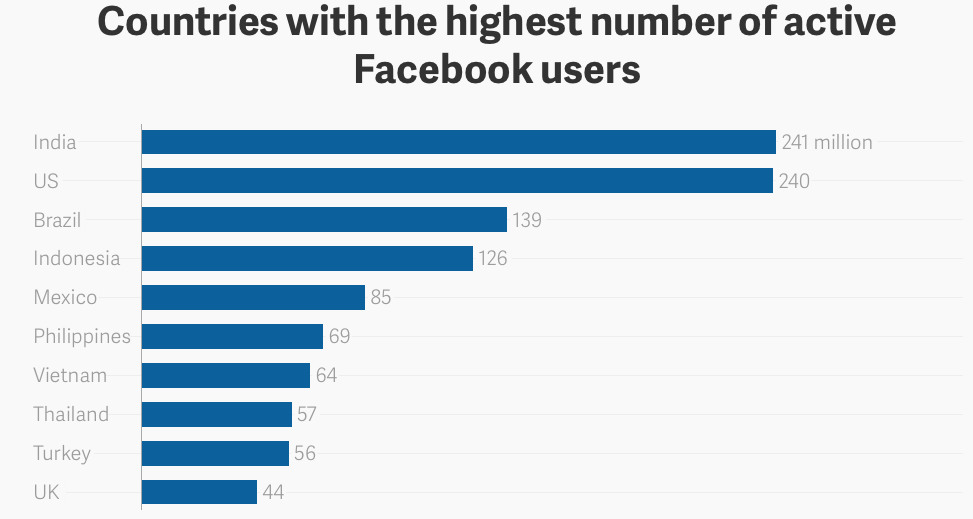
    Obviously WhatsApp would be the ideal choice for the company to start exploring this booming, yet jittery market. More than 200 million people use the messaging service in India alone. Another notable statistic is that India also leads the world in remittances. With more than $69 million sent to India, it is a pretty lucrative market for new and more convenient currencies to be integrated. However, another challenge is gaining the trust of people. Especially in a country like in India, where either the awareness about cryptocurrencies is low or nil and those who are aware are wary of the same.

    Also ReadGoogle Increases Storage Limit To 20,000 Photos And Videos For Google Photos Albums

    However, Facebook plans to introduce a stablecion currency to change this. A stablecoin is a type of cryptocurrency which is designed to minimise the effects of price volatility. To do this, they are pegged to an existing currency or to traded commodities such as precious metals. Therefore, they end up being more stable and don’t carry the risk of the ‘bubble’ suddenly bursting.

  • More than 50 Million Accounts Affected In Facebook Hack, Your’s Could Be Too

    More than 50 Million Accounts Affected In Facebook Hack, Your’s Could Be Too

    Twitter was ablaze with users commenting about how they had suddenly been logged out of their Facebook  apps. This seemed to be faced by a lot of users, and you might be one of them too. The reason is the latest breach into Facebook’s security system which affected almost 50 million accounts.

    Also Read: Sony Introduces PlayStation Classic, With 20 Pre-Loaded Games

    The Hack:

    The breach was detected by Facebook on 25th September. A hacker or some hackers had used a vulnerability in the code of the social networking giant to gain access to user accounts. This was done by gaining control of the access tokens for the accounts. The access tokens are basically what allow you to log int your mobile accounts without having to retype your password every time. An update to the video uploading feature in July 2017, led to this vulnerability and attackers only needed to find this out to get the access tokens to user accounts.

    To combat this, Facebook immediately reset the access tokens of all the affected accounts and an additional 40 million accounts. This led to users being abruptly logged out of they Facebook and Messenger apps. Along with this, the company is also disabling the ‘View As’ feature in your account until it conducts a thorough security review.

    What has not been answered is who the attackers were and what they used the accounts for. They could have used the accounts to change settings . It could have even been used to log in to third party apps using the accounts. The possibilities are many, but the company has still not found an answer to the question. However, it has added that no credit card information has been exposed.

    Facebook is treading through rocky waters. Earlier this year, Facebook had a crisis which forced CEO Mark Zuckerberg to testify in court. The company pledged soon after this that it holds the protection of user information above everything else. Although this is completely different, it is the users who are affected. With around 2.23 billion active monthly users, and the absence of a Chief Security Officer, its high time Facebook steps up its security game.

  • WhatsApp To Limit Message Forwarding After Violence In India

    WhatsApp To Limit Message Forwarding After Violence In India

    India has been subject to a lot of violence because of fake news spreading across social media platforms. Because of fake WhatsApp news going viral in the district of Tiruvannamalai, a family of five lost their lives. Facebook currently owns the messaging platform and is now planning to bring major changes in the way WhatsApp works. In their latest announcement, Facebook said that they will limit the number of messages users can forward.

    Also Read: New Twitter Update Will Reduce Follower Count As Locked Accounts Are Removed

    WhatsApp

    The limit currently in India for forwarding a message is 250. The new WhatsApp update will bring this down to just 5 in India and globally the limit will be 20. The latest case of violence happened in Tamil Nadu. 65-year-old Rukmani and other four family members were travelling to a temple in Tiruvannamalai. They stopped at a village close to the temple to ask for direction when a woman wrongly suspected the family as child lifters. The rumour spread across the village via WhatsApp. The woman called her son who was ready with a mob. To avoid them, the family decided to turn back but found themselves surrounded by another mob in the neighbouring village. Again, because the news spread via WhatsApp. The family was then murdered.

    The above mentioned is just one of the many cases where the victims were subject to brutality because of fake news. This led to a dire need for some serious changes in the way the social media platforms work. The Ministry of Electronics and Information Technology, India raised its concerns about fake news to WhatsApp. Which is one of the reasons why the update is now the messaging platform’s top priority.

    WhatsApp
    WhatsApp

    Social media platforms are a space where people can share their opinions. However, people take this freedom of speech for granted. Regulations and protocols for people on social media is still a grey area. It is reassuring to see platforms like WhatsApp taking steps to manage and hopefully control the spreading of such fake information.

    Have something to add? Leave a Comment Below!
  • New Facebook Patent Reveals Tech That Will Turn On Your Smartphone Microphone

    New Facebook Patent Reveals Tech That Will Turn On Your Smartphone Microphone

    Facebook, over the past few months, has been in muddy waters when it comes to user data privacy. Ever since the Cambridge Analytica controversy broke out, Facebook has been in the middle of a heated debate surrounding the internet and how brands use data of users. Since then, Facebook has come out and defended its stance while claiming that it doesn’t spy on its users. While that might be true for now, the future might be different.

    A new patent owned by Facebook has been discovered by Metro. The patent essentially details technology that triggers the microphone of a smartphone to start recording ambient audio. Some form of data based on that recording is then sent back to the company. This sure sounds creepy and straight out of a Black Mirror episode.

    The notion of Facebook spying on its users is not new. There have been theories doing rounds on the internet that claim Facebook already records ambient audio. Many people claim that they have deleted the Facebook and Messenger apps from their smartphones after coming across targeted ads for products they had recently discussed on calls. With this patent, Facebook is just proving these theories right.

    Must Read: Baba Ramdev’s Kimbho Messaging App Disappears From Google Play Store Within 24 Hours Of Its Launch

    The patent application was published on 14th June and details how Facebook plans on remotely triggering the microphone of smartphones. According to the patent, Facebook would embed high-pitched audio signals in “broadcast content” that would be inaudible to humans. While the human ears won’t be able to discern it, a client device as a smartphone would be able to hear it. This signal would essentially instruct the phone to start recording ambient audio and send “ambient audio fingerprint” back to Facebook for analysis.

    While this patent sounds a lot like something Facebook, especially after recent events, the company doesn’t intend on ever implying it. In fact, Facebook applied for this patent to protect users from other companies. At least that is what Facebook VP and Deputy General Counsel Allen Lo told Mashable:

    It is common practice to file patents to prevent aggression from other companies. Because of this, patents tend to focus on future-looking technology that is often speculative in nature and could be commercialized by other companies.

    Surely, Facebook would never use methods to gain insights into its users’ habits to earn money from advertisers.

  • Google And Facebook Sued For US$ 8.8 Billion For Coercing Users Into Sharing Their Personal Data

    Google And Facebook Sued For US$ 8.8 Billion For Coercing Users Into Sharing Their Personal Data

    In the past couple of day, you must have bee bombarded by every app notifying you of the change in their privacy policy. From Twitter, Facebook to Splitwise, every app has sent a notification to their users about the changes and these changes can have huge ramifications. Facebook and Google, for example, have been hit with lawsuits worth US$ 8.8 billion for coercing users into sharing personal data. The lawsuits were filed by Austrian privacy rights activist Max Schrems.

    [amazon_link asins=’B0772YB7Y1′ template=’ProductAd’ store=’igyaan-21′ marketplace=’IN’ link_id=’c72e3f28-60af-11e8-b479-b7071a16be34′]

    For context, GDPR or the General Data Protection Regulation is a rule passed by the European Union in 2016, resetting guidelines and rules for how companies manage and share a user’s personal data. While the rule applies to EU nations only, the internet’s global nature means that companies had to reset their policies in general. Hence, everyone received notifications about the privacy policies.

    It is worth noting that Google and Facebook have rolled out the new policies since GDPR was enforced. Schrems believes, however, that those policies don’t go far enough. He has singled out the way Google and Facebook obtain consent for the privacy policies, asking users to check a box in order to access services. This is a very common practice of almost every internet service, but, the lawsuit argues that this method forces users into an all-or-nothing choice. That is a clear violation of the GDPR’s guidelines around particularised consent.

    Both Google and Facebook have argued that the measures taken comply with the GDPR guidelines. In a statement, Google said:

    We build privacy and security into our products from the very earliest stages, and are committed to complying with the EU GDPR.

    Must Read: Android 9 P: Google I/O 2018 New Features

    Facebook has said that, “We have prepared for the past 18 months to ensure we meet the requirements of the GDPR.” This is not the first lawsuit Google is facing for violating the privacy of users. The company was recently sued for GBP 3.2 billion for secretly collecting browsing data of iPhone users in 2011 and 2012.

  • WhatsApp Co-Founder Jan Koum Leaves Facebook Amid Data Privacy Concerns

    WhatsApp Co-Founder Jan Koum Leaves Facebook Amid Data Privacy Concerns

    Facebook has been embroiled in a huge debate about the internet as a whole. As social media has grown to become such an integral part of our lives, it is no secret that users have given more personal information than needed to various social media platforms over the years. Facebook has been under the cosh for allegedly, not using that information in an ethical manner. Now, it appears that the conversation of privacy has trickled down to Facebook-owned properties, mainly WhatsApp. Co-founder and CEO of WhatsApp, Jan Koum has announced that he will be leaving WhatsApp soon.

    https://www.facebook.com/jan.koum/posts/10156227307390011

    Jan took to his Facebook page to announce his departure, making sure he doesn’t give away any reasons that made him quit the company he started. A report by Washington Post claimed that he had a clash with Facebook and the company’s plans of using users’ private data. It also claimed that Jan plans to step down from Facebook’s board of directors.

    In 2014, Facebook bought WhatsApp from Jan for a reported US$ 19 billion. The app has since become the most famous instant messaging service. In July 2017, the company announced that it had reached 1 billion active daily users who were sending 55 billion messages per day, 4.5 billion photos and 1 billion videos.

    Jan Koum

    WhatsApp has always pledged to protect user data and promised to protect that when Facebook bought the messaging service. In 2016, it further solidified its stance by introducing end-to-end encryption. However, Facebook, WhatsApp’s parent company has been accused of letting third parties use sensitive user data to their advantage. His departure will certainly be a blow for Facebook, especially after Brian Acton, co-founder of WhatsApp quit the company in November. Brian Acton, for that matter, has joined the rising voices of people concerned about data protection. The social media campaign, #DeleteFacebook has also gained impetus in the last few months.

    Facebook is yet to respond to reports of Jan quitting due to differences with Facebook about handling user data. However, Mark Zuckerberg, CEO of Facebook did reply to Jan’s post, saying:

    I will miss working so closely with you. I’m grateful for everything you’ve done to help connect the world, and for everything you’ve taught me, including about encryption and its ability to take power from centralized systems and put it back in people’s hands.

    It’ll be interesting to see the repercussions now since both the founders have quit the company. Facebook will be eager to continue building the legacy of its largest-ever acquisition in the wake of questionable times for the parent company.


  • Facebook Could Soon Design Its Own Chipsets

    Facebook Could Soon Design Its Own Chipsets

    It might be an understatement to say that Facebook has had a tumultuous month and a half. Ever since the Cambridge Analatyica data breach controversy broke out, Facebook has been under the cosh for its lackadaisical data privacy guidelines. However, not all is gloomy for the social media giant as the company seeks to build its own chipset designing team.

    According to a job listing on its corporate website, Facebook is looking to hire a manager to build an:

    End-to-end SoC/ASIC, firmware and driver development organization.

    The listing indicates that the process of building this team is still in its early stages. Interestingly, Facebook AI researcher Yann LeCun tweeted about some of the job postings as well.

    Facebook, just like a lot of other tech giants, appears to have taken this step to, in the future, reduce the cost of production and also have greater control over the final product. As Apple has proven time and again, optimisation of software and hardware can do wonders for a product.

    The social media company has joined a long list of companies moving away from outsourcing chipmaking tasks. According to a few people close to the matter, Facebook is building a team to design its own semiconductors to lower their dependence on chipmakers such as Intel Corp. and Qualcomm Inc. Apple started making its own chipsets in 2010 and now uses them across many of its major product lines like iPhones, iPads etc. Google as well, has developed its own artificial intelligence chip.

    Facebook has long been rumoured to be working on a bunch of smart speakers. The company will also launch the Oculus Go, a standalone VR headset which will run on a Qualcomm chipset. Building a team to design its own chipsets could be for the future of its hardware business.

  • Mark Zuckerberg Testified For 5 Hours And Won It For Facebook

    Mark Zuckerberg Testified For 5 Hours And Won It For Facebook

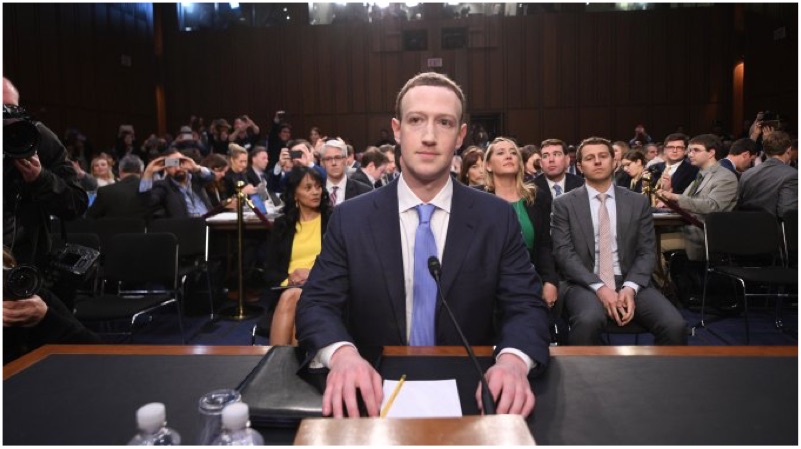
    Mark Zuckerberg didn’t reveal the hotel he stayed in during the testimony while Facebook users share their travel plans to everyone. This pretty much sums up the entire deposition of the Facebook co-founder Mark Zuckerberg. The CEO of the largest social media company, Zuckerberg sat in front of the Congressmen and tried to clarify the role of Facebook in the whole Cambridge Analytica data breach scandal. Leading up to the testimony, it was reported that Facebook had arranged training with DC Consultants for Mark Zuckerberg.

    The testimony, or more so the idea of putting Mark Zuckerberg through his paces, even though exciting for its mere existence, was anything but. All the Senators present at the testimony were inept of the working of social media and the business model of Facebook. And that clearly showed in the five-hour long testimony which was a huge win for Facebook and Mark Zuckerberg. The testimony meant that Facebook was prepared to go under the cosh to prove its innocence or remorse, and it did so and came out pretty much unscathed.

    Mark Zuckerberg clearly knew what was to be done as he dodged any questions that could have had further implications. He repeated a lot of the answers, most of them coming from his own Facebook post from a few weeks ago. That goes on to prove how surfaced the questions were from the Senators. It is worth noting that every Senator had only five minutes with Zuckerberg, which meant that very few asked tough questions and even fewer had the opportunity to follow that up with another query.

    After the testimony, important questions like did Facebook cover up the Cambridge Analytica scandal? Or decide against adding privacy protections earlier to protect its developer platform? Another rising question is whether it is a breach of trust on Facebook’s part to delete Zuckerberg’s Facebook messages out of recipients’ inboxes? Unfortunately, nobody even began to scratch the surface that could have further led to answers to these questions. Whether Zuckerberg would have complied and answered to those questions is a different kettle of fish altogether.

    Facebook’s homework for this testimony also shone through during the questioning. The most common questions asked Zuckerberg were a few things that Facebook had taken care of well in advance. For example, Mark  Zuckerberg was asked about Facebook’s ineptness during the 2016 Election campaign. On 9th of April, Facebook had announced that it had deleted the accounts of Russian GRU intelligence operatives in June 2016.

    Another question that was asked, was “Is Facebook Sorry?” To which Zuckerberg replied:

    We didn’t take a broad enough view of what our responsibility is and that was a huge mistake. That was my mistake.

    The five-hour long testimony ended with Zuckerberg unmoved and calm while many viewers felt let down by the lack of knowledge behind the questions directed at him. The testimony might have left a lot of questions unanswered but, it appears to be a win for Facebook. The social media giant has pretty much laid the facts in front of the world. To prove that the testimony was a success for Facebook, investors rewarded Facebook with a 4.5% share price boost.

  • Like WhatsApp, Facebook Will Let Users ‘Unsend’ Messages

    Like WhatsApp, Facebook Will Let Users ‘Unsend’ Messages

    Over the past few weeks, Facebook has been under the cosh from the media and its users alike. Facebook was accused of leaking private data of over 50 million users which were used by Cambridge Analytica during the 2016 US Presidential Elections. However, the outrage around Facebook and callous handling of sensitive data have increased when it was learned that Facebook deleted messages sent out by Mark Zuckerberg from the recipients’ inbox. It now appears that Facebook is ready to share this luxury with all of its users in the coming months.

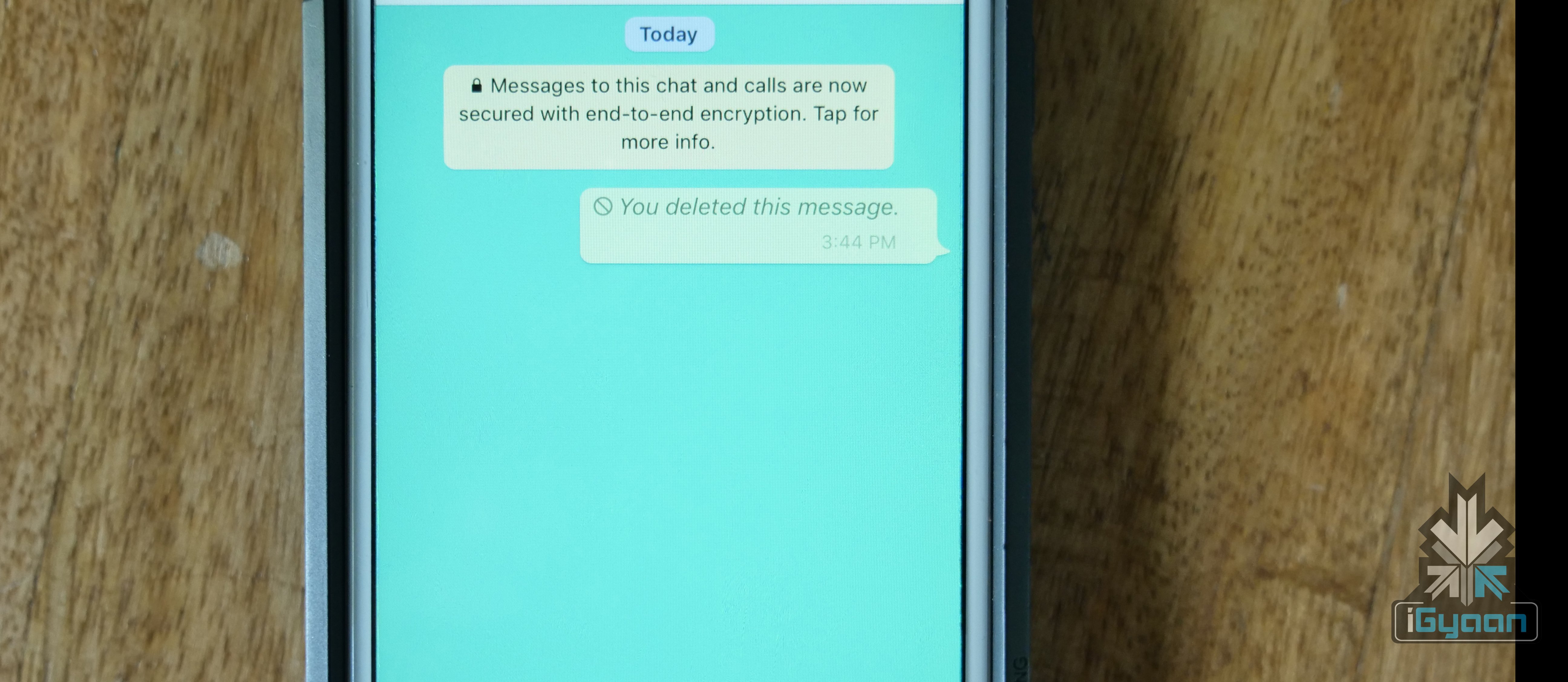
    According to a report by TechCrunch, a Facebook spokesperson has confirmed that the social networking company is currently working on the ‘Unsend’ feature’s development. This feature will soon be available for everyone across the globe. A few months ago, WhatsApp also rolled out a similar message wherein users could delete a sent message before it was read by the recipient.

    However, it is worth noting that this feature will work very differently from WhatsApp’s. Another spokesperson told TechCrunch that the only way to implement ‘Unsend’ on Messenger is to set an expiration date for the message. This will, in fact, work very similar to what Snapchat has with its personal messages. Essentially, a user can set a timer on the message before pressing send, once the timer runs out, the message gets deleted. It is like a self-destruct mode but, for messages. It is not yet clear if the recipient will be made aware of the self-destruct mode of the messages they receive.

    While it is okay to delete messages on WhatsApp because of the times you are either sending to or receiving from people you know, the implications of the ‘Unsend’ feature on Facebook are far more severe. On Facebook, users get a lot of messages from strangers which, if taken to court, can be used as evidence. Now, with the new feature, users will have to take a screenshot of every message they feel is important or suspicious.


  • Facebook Won’t Unveil Its Smart Speaker Amid Data Leak Controversy

    Facebook Won’t Unveil Its Smart Speaker Amid Data Leak Controversy

    Facebook was going to unveil its smart speaker at its biggest developer conference in May this year. However, after the recent public outrage, the company has decided not to reveal any product right now. The report claims that Facebook will carefully examine the speakers and make sure it doesn’t violate any data privacy rules.

    Recently, Facebook got pulled into a data leak scandal along with a British analytics firm for unlawfully sharing personal user data. Which in turn could have played a huge role in the US Presidential Elections. The controversy has sparked off a huge debate about social media and Facebook is at the helm of it. It makes sense for Facebook to not unveil a new product line at the point, as it may not be met with a lot of open minds and will be heavily scrutinised, irrespective of how secure it might be.

    Amazon Echo Show

    The report says:

    Facebook’s hardware products are undergoing a deeper review to ensure that they make the right trade-offs regarding user data.

    Even though the smart speaker was not going to be available for purchase before fall, it was planning to unveil the speaker in May. However, the company has now decided to lay off from any announcement until the public outrage cools off.

    It is already a bit late in the smart speaker game, and delaying it further will not help its case. However, looking at the current situation and the kind of situation it is in, the decision might be essential, if not correct. Ever since the controversy, Facebook has lost over US$ 60 billion in market cap and many people have decided to delete their Facebook accounts. However, considering Facebook has an active monthly user base of 2.2 billion people, losing a few here and there won’t have a huge impact.

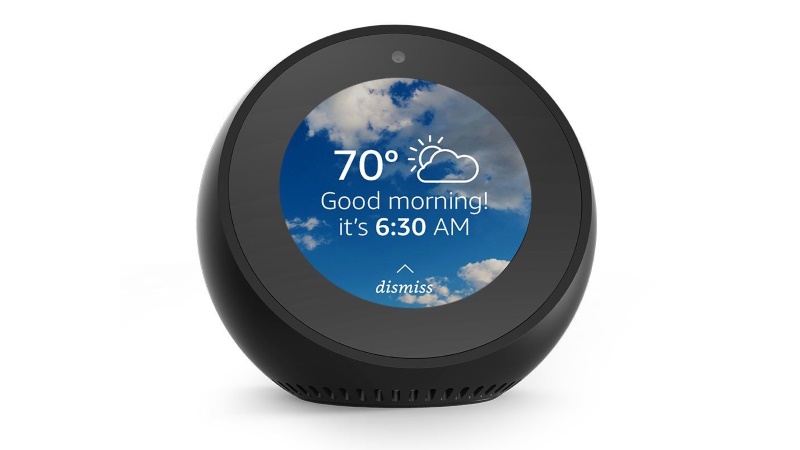
    Amazon Echo Spot

    The smart speaker will go by the moniker of Portal. A previous report claims that it would have a 13 to 15 inch display. The speaker will respond to voice commands and use facial recognition technology. This is something the company has been taking very seriously off-late. WIth voice and facial recognition, it can provide a personalized experience to different people in the house.

    The Portal could also be a part of Facebook’s plan to become the largest video streaming service. With a huge display and the ease of voice commands, the Portal could become a primary source of video consumption. That, along with its own video streaming service could be a good combination. You could read everything about its new streaming service, Watch here.

  • Mark Zuckerberg Apologises For Facebook Data Scandal In Full-Page Newspaper Advertisements

    Mark Zuckerberg Apologises For Facebook Data Scandal In Full-Page Newspaper Advertisements

    Facebook, over the past few days, has been under tremendous scrutiny. Mark Zuckerberg first posted on Facebook addressing the whole issue. However, the Facebook post looked more like a recap of the controversy and less of an apology. He talked about steps that Facebook will take in order to curb this problem. But, never once said that he or the company was sorry for what had happened.

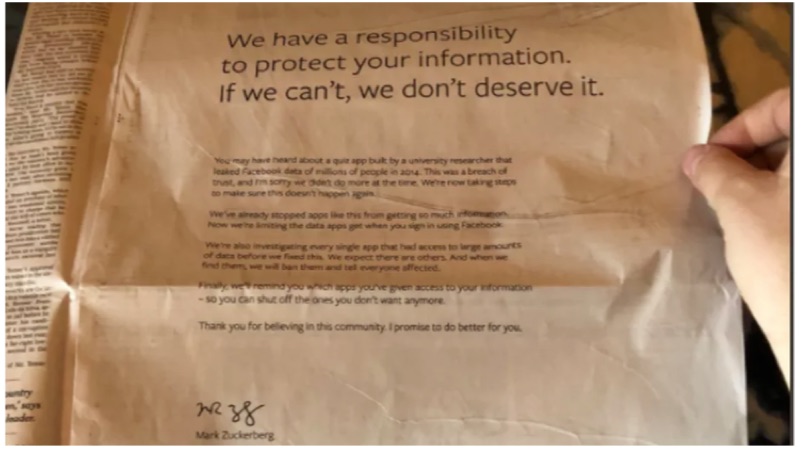
    Now, the social media and giant has taken to print media to issue an apology. Facebook took out several full-page advertisements in newspapers like the New York Times, Wall Street Journal, The Washington Post and several UK papers. The ads take the form of an apology written by Mark Zuckerberg, co-founder and CEO of Facebook Inc.

    The apology, again, talks a lot about the steps Facebook is taking or has taken already to curb data breaching. The apology reiterates that the company has limited the amount of data an app gets when a user signs up through their Facebook account. However, the tone of the ad certainly is a bit more remorseful than the Facebook post from last week. Zuckerberg writes, “This was a breach of trust and I’m sorry we didn’t do more at the time. I promise to do better for you.”.

    A few days ago, a story broke out, exposing a British data analytics firm and its illegal acquisition of private data of about 50 million users. Cambridge Analytica, the firm in question performed work for the campaign of President Donald Trump and made ads for the Defeat Crooked Hillary page. Worth noting that that the page was run by the Make America Number One super PAC (Political Action Committee). Co-incidentally, both the Cambridge Analytica and Make America Number One financed by Robert and Rebekah Mercer, who backed Donald Trump in the general election.

    POTUS Donal Trump

    Ever since the story went public, the repercussions have been severe for the social media giant. Apart from a massive dent in its reputation, the company has been hit with several lawsuits. The hashtag #DeleteFacebook has been trending on social media as well. Moreover, the company has lost over US$ 60 billion in market cap since the controversy began.

  • Facebook CEO Zuckerberg Promises To Protect Personal Data

    Facebook CEO Zuckerberg Promises To Protect Personal Data

    Facebook has been under the scanner for the past few days. The controversy of Cambridge Analytica has sparked a huge debate about Facebook and its data sharing practices. Apparently, Cambridge Analytica performed work for the campaign of President Donald Trump. It made ads for the Defeat Crooked Hillary Facebook page. Co-incidentally, both the Cambridge Analytica and Make America Number One financed by Robert and Rebekah Mercer, who backed Donald Trump in the general election.

    Mark Zuckerberg’s Statement

    Now, Facebook co-founder and CEO, Mark Zuckerberg has come out and addressed the issue. This post comes in a few hours after the #DeleteFacebook started trending across social media. The long post, in a nutshell, talks about the controversy and Facebook’s stance. While talking about the issue in hand, he also outlined a few steps Facebook will take.

    • Facebook will investigate all apps that had access to user data before 2014. This is because it was in 2015 when Facebook changed its Privacy Policy to reduce data access. The company plans on banning any user that had misused the data. Every “thisisyourdigitallife” user will be informed about their data breach. Every user of an app will be informed about it when Facebook bans that app.
    • If someone hasn’t used an app within the last three months, Facebook will turn off the app’s access to their information.
    • From now on, every app that requires a Facebook Login will only have access to name, profile photo and email address.

    The rest of the press release tells us what we have known already. While the steps mentioned by Zuckerberg do make a lot of sense, their implementation is what will matter. Facebook has already lost over US$ 60 million in market cap. Astonishingly, that is more than the entire market capitalisation of Tesla Inc.


  • #DeleteFacebook Is Trending: Here’s What Has Happened

    #DeleteFacebook Is Trending: Here’s What Has Happened

    On the 20th of January, Donal Trump was inaugurated as the United States’ 45th President. Leading up to that day was an excruciating Presidential campaign. Wherein Hillary Clinton lost to Trump on the basis of electoral votes. Even though Clinton was ahead by 2.1% in popular votes, she conceded the election on the 9th of November. Ever since his election, Donal Trump and his Presidential campaign have come under a lot of scrutinies.

    [section label=”Background”]

    A few weeks ago, the Justice Department indicted 13 Russian nationals and 3 companies for interfering in the 2016 presidential election. The Russians stole the identities of American citizens and posed as political activists to deviate the public opinion against a certain Presidential candidate. However, there was no accusation that President Trump or his associates were knowingly part of the conspiracy.

    And now, a British analytics firm, Cambridge Analytica has come under the radar. It has been accused of illegally capturing data of 50 million Facebook users for target-based advertising during the Presidential campaign. Apparently, Cambridge Analytica performed work for the campaign of President Donald Trump and made ads for the Defeat Crooked Hillary Facebook page.

    Worth noting that that the page was run by the Make America Number One super PAC (Political Action Committee). Co-incidentally, both the Cambridge Analytica and Make America Number One financed by Robert and Rebekah Mercer, who backed Donald Trump in the general election.

    [section label=”Key Events”]

    The question arises then, how did a company get hold of personal information of 50 million Facebook users? Illegally, for starters. Apparently, Aleksandr Kogan, a University of Cambridge psychology professor got permission from Facebook to harvest information from users who downloaded his app, thisisyourdigitallife. But, users who downloaded the app gave the professor the permission to collect data on their location, their friends and even the content they had liked. Krogan, then, passed on this data to Cambridge Analytica which violated Facebook’s rules.

    A recent report on Alexander Nix, CEO of Cambridge Analytica has intensified the allegations on the firm.A British television channel aired a report where he is seen discussing potential bribery and entrapment of politicians. However, Cambridge Analytica has since stated that:

    The report was edited and scripted to grossly misrepresent the nature of those conversations.

    That stance did not stick for too long as Alexander was suspended by the company on 20th March 2018. It is worth noting that Christopher Wylie, a former contractor of Cambridge Analytica is the whistleblower. He shared this information with the New York Times and The Observer. Facebook has since suspended his account.

    In a nutshell, all of this corruption was fueled by the availability of such damming data. After the recent accusations of Russian nationals using Facebook to sway voters, this new accusation is much bigger. It has been revealed that since the story broke, Facebook has lost about US$ 50 million in market cap. Also, the hashtag #DeleteFacebook has been trending elsewhere.

  • How To Delete Personal Data On Facebook Without Deleting Your Account

    How To Delete Personal Data On Facebook Without Deleting Your Account

    Facebook is getting a lot of undesired attention. The company is accused of harvesting millions of Facebook user’s personal information to Cambridge Analytica. Even WhatsApp co-founder has tweeted with a hashtag #DeleteFacebook, asking people to delete their Facebook accounts. However, deleting a Facebook account once in for all might not be a feasible solution, as most of the day to day activities are directly connected with it. Instead, remove the private data stored on Facebook.

    Methods to delete personal data

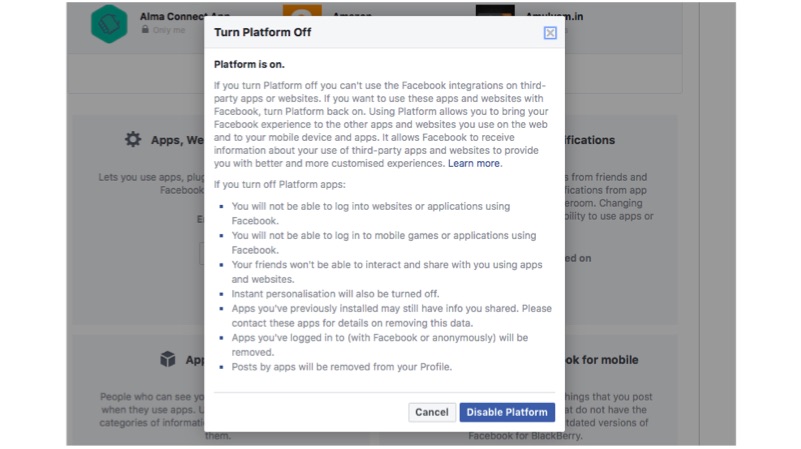
    There are two methods to remove already existing data on Facebook. The first method helps to prevent Facebook from collecting additional data from other platforms like Instagram. Go to Settings>Apps>Websites and plugins then click on disable platform. This action will prevent you from signing-in to other applications or platforms that use your Facebook details. After doing this, you might not be able to play games or access applications. However, the already signed-in applications will still collect your data, until you sign-out of that application individually.

    Facebook

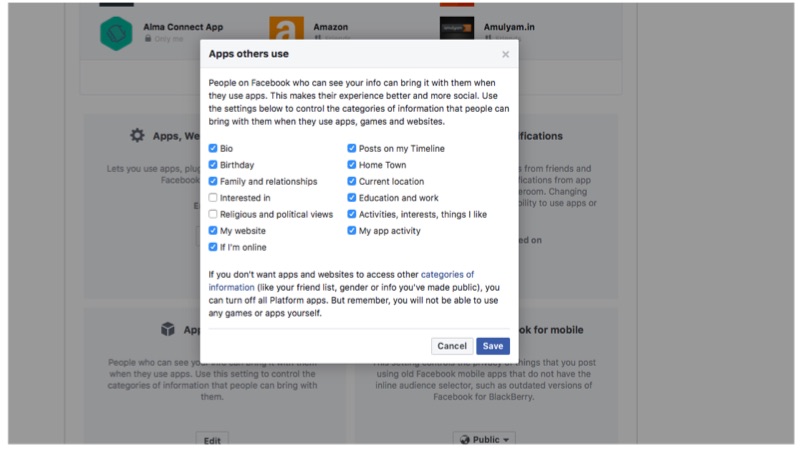
    The second method gives a more refined control over the information that you can share with other platforms. Go to Websites and plugins>Apps Others Use and undo the required checkboxes. The list includes options like your birthday, relation status, interests etc. However, this method might kill some of the app functionality to the third-party apps, which need this information. The page also lists the apps, that you have shared your information with. Remove the apps, that you feel insecure to share your personal data.

    Facebook

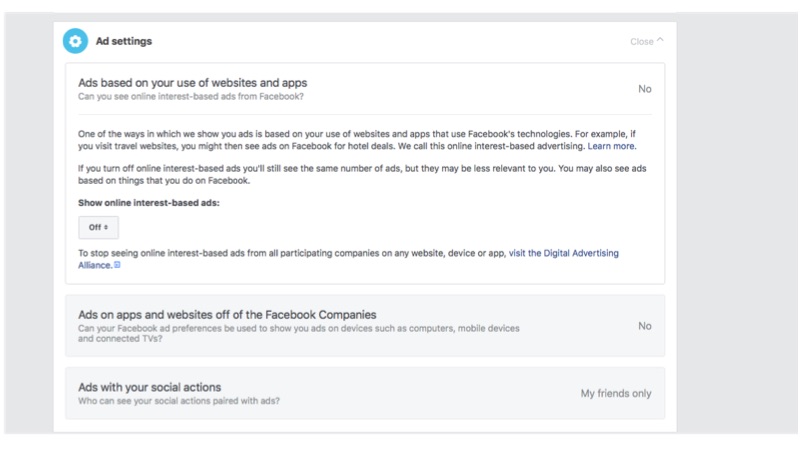
    The last option is to go to Ads section in settings to turn-off data collection from other websites, that you visit on a daily basis. Edit your information section from to not to share your personal information with advertisers. If you want to be a pro-private person on Facebook, use a virtual proxy network (VPN) with an add-on which can block cookies.

    Facebook

iGyaan Network
Privacy Overview

This website uses cookies so that we can provide you with the best user experience possible. Cookie information is stored in your browser and performs functions such as recognising you when you return to our website and helping our team to understand which sections of the website you find most interesting and useful.