With the increase of fake and manipulative images on the internet, online frauds and scams have been rising in number. One of the most widely used image editing applications, Adobe Photoshop may receive a feature soon that will enable users to uncover any changes that have been previously made to images. This will be enabled with the help of Artificial Intelligence or AI.
Adobe researchers collaborated with UC Berkeley students to train AI so that it can detect facial manipulation in images edited with Adobe’s Image editing software. This will be made possible with the help of Photoshop’s ‘Face Aware Liquify’ feature. It uses the same technique which is used in forensics to match the faces in the database with real-time images. This technique, once incorporated, will be a major step towards democratising image forensics.
Previously, Adobe research laid its emphasis on splicing, removal and cloning. On the other hand, Adobe Photoshop’s new Face Aware Liquify feature focuses more on detecting modifications to facial features, for instance, facial expressions. As per Adobe, the three main terms that are considered while researching the images are as follows:
Can the image detection tool detect any form of manipulated faces?
Can that tool decode the specific manipulation made to the image features?
Can the changes be reversed towards the original image?
With the implementation of deep learning, researchers developed a huge training set of images, which was then scripted with the help of the Photoshop. Noteworthy, the image data set was created by scraping thousands images off the internet. Facial warping and other distortions were applied to the images, which were easily detected by the AI. This feature will greatly help restore the faith of people in Social media, the company states. Profiles can be more accurately analysed with the new feature that may be integrated with Adobe Photoshop in the upcoming updates.
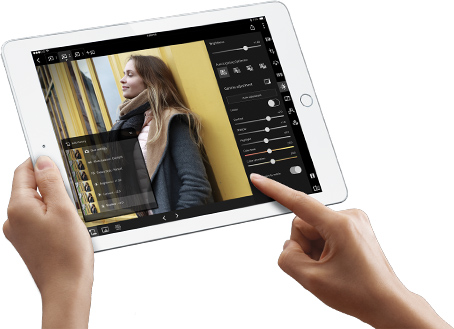
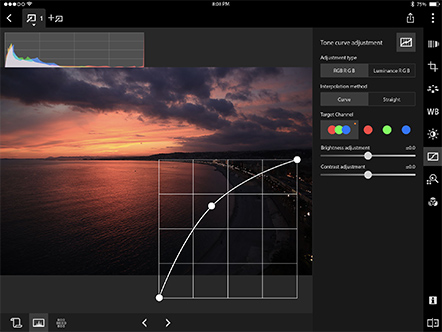
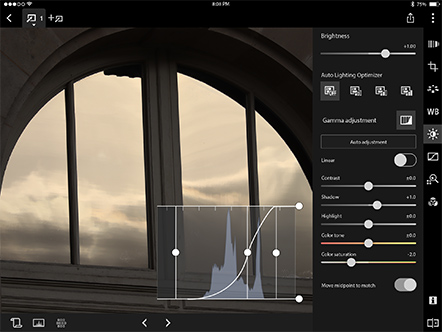
Given that most photographers use Macbooks, iPads and other Apple devices, Canon’s entry into the iOS eco-space is quite late. A large part of Canon’s DPP software has been finally ported to iOS App Store. This will allow a Canon camera to connect to Macbooks and iPads. Users can now edit CR3 and JPEG files. The images can be viewed and saved on the cloud as well. The Camera connect app, which is widely used by photographers as well, can be used to remotely control your camera. When one shoots images on the camera, it can directly be viewed on the iPad. This lets photographers to see the details in their images on a bigger screen. Apple is known for their great display and photographers can see their images live using Canon’s software.
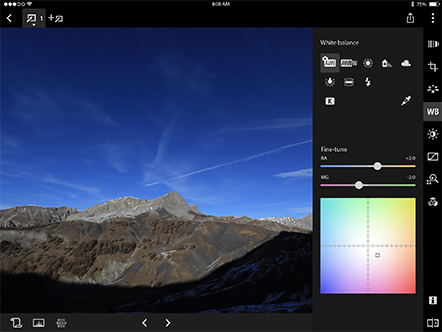
With this software one can work on Cropping, Picture Style, White Balance, Brightness, Gamma level, Saturation, Tone Curve, Colour and more. It is also compatible with Android smartphone and tablet versions 4.4/5.0/5.1/6.0/7.0/7.1/8.0/8.1. The Camera Connect app also makes it easy to change camera settings, take pictures and video and even apply GPS data. It is however advisable to switch off user data if one is concerned about security.
Another great feature of this software is DPP express which allows you to process and edit the images on your tab or laptop. It offers multiple editing history which can help a person to retrace and delete certain steps along the way while editing. One can create upto four editing histories and mix and match certain editing steps. The software will be compatible on newer iPads running running iOS 11 or higher. DPP Express can be downloaded from the App Store.
Can’t play Candy Crush Saga on Firefox? In light of recent security flaws found in Adobe Flash, Mozilla has disabled Flash by default. For the past few days, Flash has been scrutinised for having security flaws, which was revealed when a leak of files of size 400GB happened during a hack on the Hacking Team, a spyware company.
In a tweet by Mark Schmidt, the head of the Firefox support team at Mozilla, the browser has disabled Flash version 18.0.0.203, meaning that Flash-based content will not work unless Adobe issues a patch to fix the security flaws. Users can of-course, enable it manually in the Settings menu.
Adobe has now released a new version for Flash, 18.0.0.209, in which the security flaws have been fixed.
The dislike for Flash isn’t new. Just yesterday, Facebook’s new chief security officer asked Adobe to announce a “kill date” for Flash. In a tweet he said, “It is time for Adobe to announce the end-of-life date for Flash and to ask the browsers to set killbits on the same day. Even if it is 18 months from now, one set date is the only way to disentangle the dependencies and upgrade the whole ecosystem at once.”
Late Apple co-founder Steve Jobs was also known to dislike Flash. In an open letter published in 2010, Jobs asked for the discontinuance of Flash, citing performance and security issues with the platform. He also named it the number one reason for a crash in various Mac systems.
A few months back, Google announced an updated version of its Chrome browser that would intelligently pause Flash. YouTube, which has supported it for a long time, dropped it in January in favour of HTML5.
It is only a matter of time before Adobe decides to drop Flash, considering that it already stopped the development of the mobile version back in 2011.
Silicon Valley’s biggest names got together to a reach a settlement in an employee poaching lawsuit. The case was filed against Apple, Google, Intel and Adobe in 2011 by tech sector workers. It stated that these tech giants limited job mobility for workers and thus limited salary growth too. Now these companies have come together for an agreement to settle the case.
Last year, U.S. District Judge Lucy Koh in San Jose, California, rejected the settlement amount of $324.5 million, calling it too low. The settlement was rejected after one of the complainant objected to the amount. That complainant has agreed to the new undisclosed settlement amount which was offered by the tech giants. Judge Lucy Koh has said that to match the earlier settlement, the amount must be at least $380 million to address the loss of potential wages to the employees.
The case is mostly based on the emails between Apple Co-founder Steve Jobs and ex-Google CEO Eric Schmidt along with heads of other rival companies. The emails detailed their plans to resist from poaching each others’ top engineers. This would lead to limited opportunity for the engineers to grow in the market.
The complainants (plaintiffs) will be filing a detailed explanation of the new deal “imminently”. The Judge will then have the option of accepting or rejecting the settlement. Guess the lesson from this case is to be good at your job, but not that good that your employer will try to keep you in forever.
These days Adobe is expanding its Creative Cloud offering with the new cloud based Photoshop software, which is on its beta testing stage right now. But, the company is not limiting itself to cloud and desktop software. In a recent video post, Adobe demonstrated some of the future possibilities for its creative applications Photoshop, Illustrator, and Premiere, when used on various professional devices.
Through Adobe Creative Cloud, users are able to access the applications across smartphones, tablets, laptops and desktops, making the creative process seamless and intuitive. While some of the techniques shown in the video are very far from being released to the public, it’s still a good showcase of the exciting possibilities that could result from this partnership.
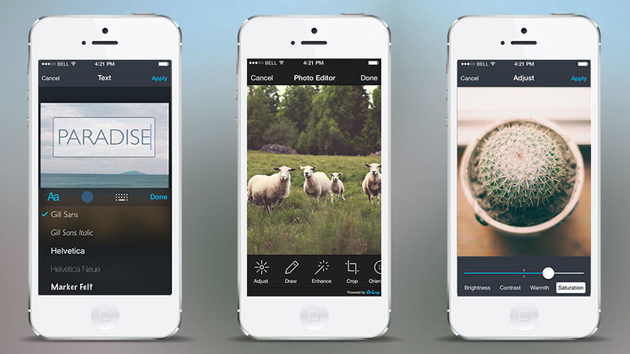
Adobe offers wide range of cloud-based features for designers and developers which continues to flourish everyday. Now, Aviary just announced that it has been acquired by Adobe. Aviary provides developers (and companies like Yahoo) with a set of photo-editing tools they can build into their own apps.
Adobe plans to integrate Aviary into the Creative Cloud and possibly provide a new “Creative SDK” intended to be more friendly with third-party apps. The two firms will work together on bringing Adobe’s editing tools and Creative Cloud services to more mobile apps.
Adobe said it’s developing a new software library—called Creative SDK—that will allow app developers to tap into the company’s offerings and aim to expand connections between mobile devices and its products. Adobe’s Creative SDK will also give third-party developers access to company application programming interfaces which were previously only available to the company’s internal engineering team.
According to the reports, Aviary has seen 10 billion photos processed through the service last year alone. In addition to a toolkit for developers, Aviary also offers a popular iOS and Android app for editing photos, also called Aviary. Aviary will continue operations as usual for now.
The company hinted at a collaboration with another Adobe unit, Behance, an online social media platform for creative professionals acquired by Adobe in 2012. The Aviary team will work closely with both Adobe-owned creative communities, Behance and Adobe’s creative cloud platform.
“The U.S. is looking to India as more than just a marketplace for our defense products, but as a technology, aerospace and strategic partner for our future endeavors”, said Kit Bond, a former US Senator. The current global technology scenario, clearly, highlights the rise of Indians in the worldwide market and as Indians, we take pride in it. After all, what is a country without its countrymen? And what do we toil for, if not our own country?
As India celebrates its 68th Independence Day, we bring to you the top Indian techies from all over the world that have done all they can and more to make India proud.
1. Satya Nadella
CEO, Microsoft
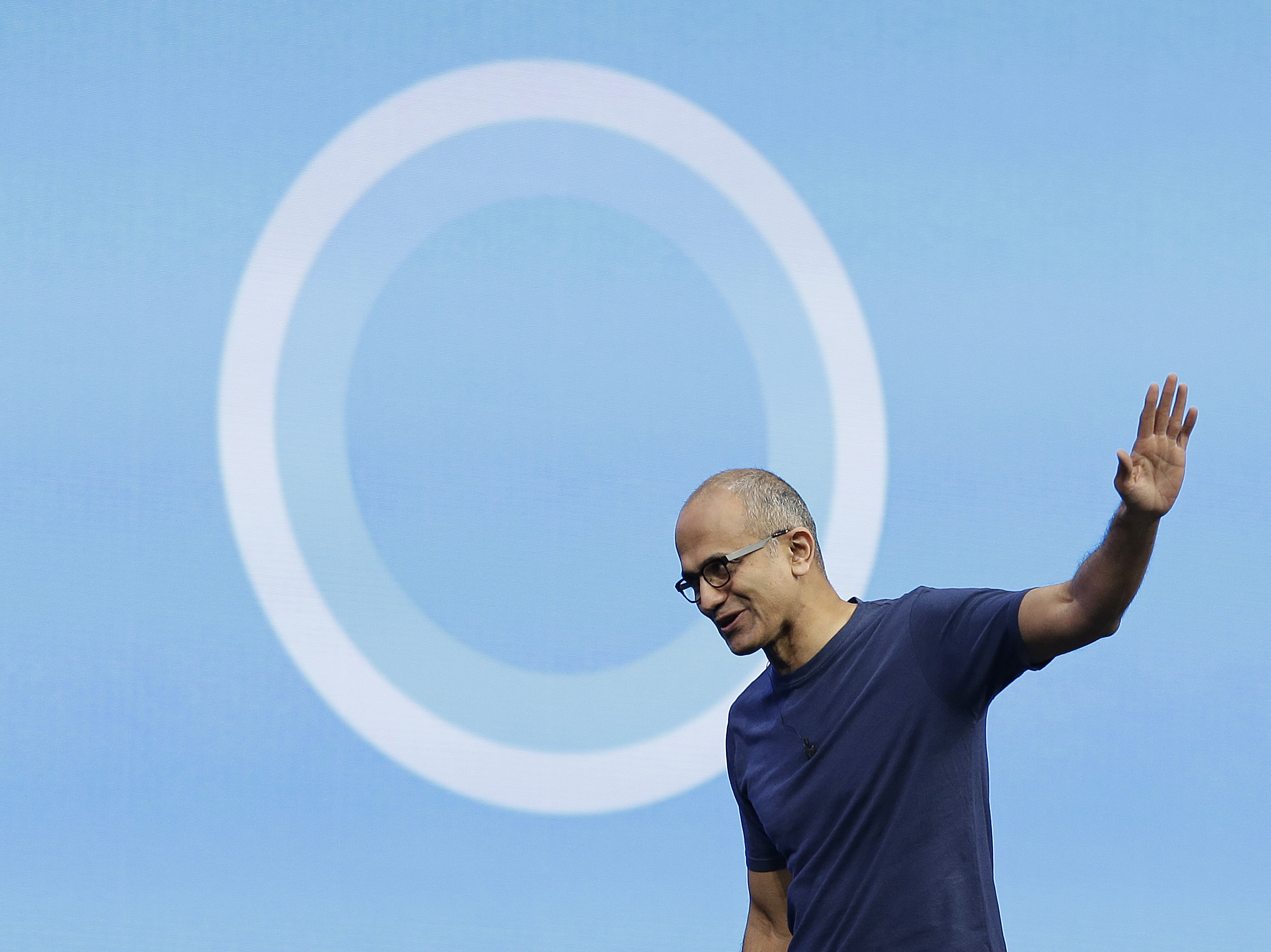
Born in a Telugu family in Hyderabad, Satya Nadella replaced Steve Ballmer as the CEO of Microsoft. He joined Microsoft in 1992 and since then, has worked at various projects including the company’s transformation from client services to cloud infrastructure and computing.
Before being announced the CEO of the company on 4 February 2014, Nadella was working as the President of the Server and Tools Division. His desi reason for success, he mentions, is the leadership and teamwork skills he learns from cricket!
2. Padmasree Warrior
CTO, Cisco Systems
Padmasree Warrior is the current CTO (Chief Technology & Strategy Officer) of Cisco Systems and the former of Motorola Inc. Born and raised in the city of Vijayawada in the southern state of Andhra Pradesh, she has worked for 23 years at Motorola and 7 years (and still counting) for Cisco Systems.
At Cisco, she is responsible for strategic partnerships, mergers and acquisitions, integration of new business models, incubation of new technologies and talent. Earlier this year, she was listed as the 71st most powerful woman in the world by Forbes magazine.
3. Amit Singhal
Senior Vice President, Google Inc.
Amit Singhal, also called a “Google Fellow”, is the current Senior Vice President of Google Inc. A product of IIT Roorkee, Mr. Singhal is also the head of Google’s core ranking team. He joined Google in 2000 and has worked sincerely towards its development ever since.
According to New York Times, he is the master of what Google calls its “ranking algorithm” — the formulae that choose which Web page provides the most suitable answer to a user’s question. Prior to joining Google, he worked in AT&T Labs.
4. Shantanu Narayen
President and CEO, Adobe
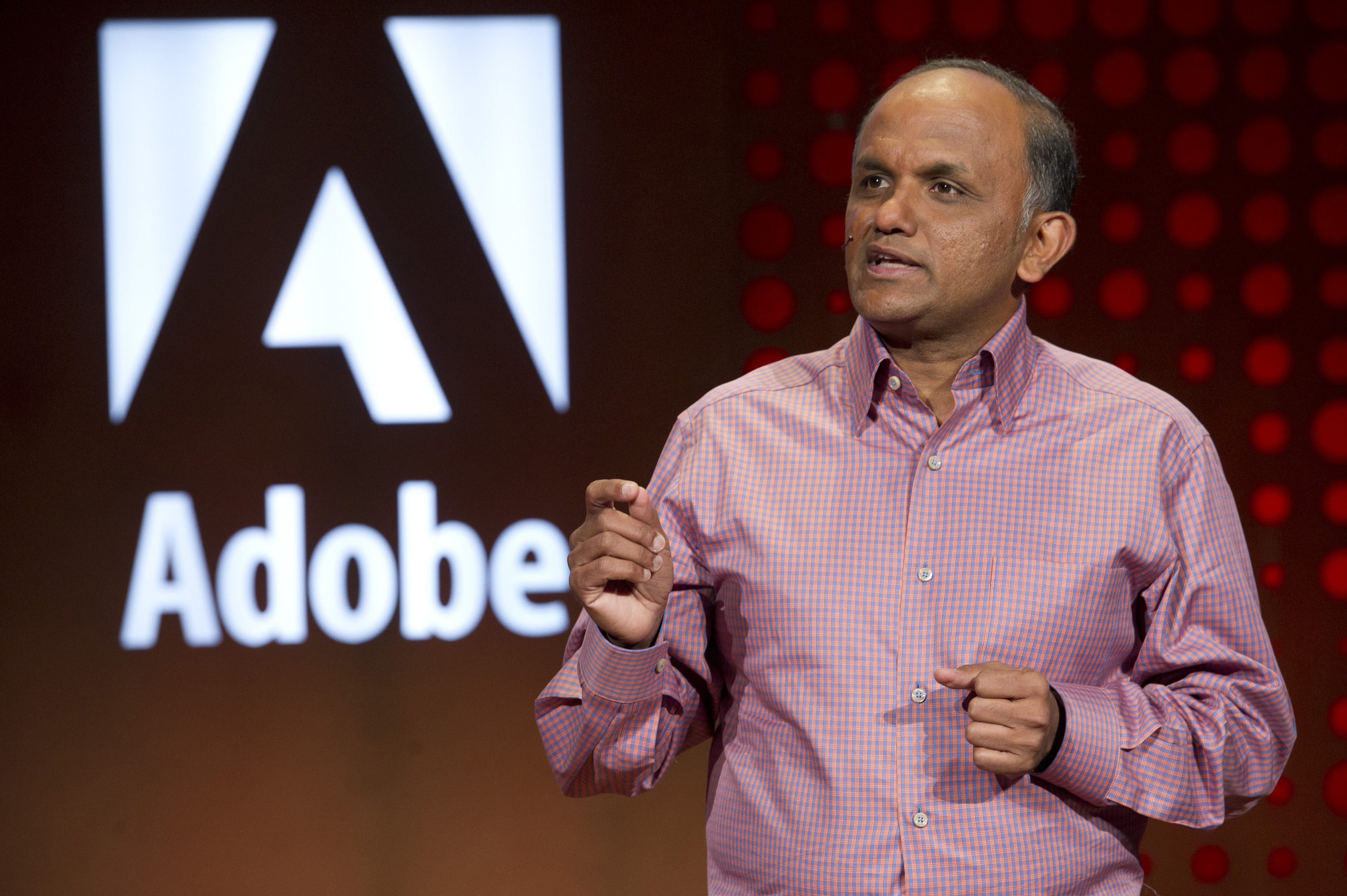
He started his career at Apple and is currently, the President and CEO of Adobe. His journey includes various other landmarks such as Silicon Graphics and Pictra Inc. Born in Mumbai, raised in Hyderabad, Mr. Narayen is currently the Board Member of Dell Inc., Adobe Systems and University of California at Berkeley.
He was one of the most hard working and inspirational forces behind Adobe’s $3.4bn attainment of multi-media company Macromedia in 2005. His 16 year career at Adobe reflects the Indian technology talent that currently resides in the creative technology tool industry.
5. Vinod Dham
Managing Director and Founder, Indo US Venture Partners
This list will not be complete without the ‘Father of Pentium’. An inventor, entrepreneur and venture capitalist, Mr. Dham is a celebrated Indian among all techies from the world for his contribution to the development of highly successful Pentium processors from Intel.
A respected alumnus of Delhi College of Engineering, he specialized in solid state electronics – the technology which forms the basis for the storage that is found in every smartphone and tablet as well as many laptops. He led the development of the Pentium processor, and also co-invented Intel’s first flash memory technology.
Adobe announced on Thursday that it has been the target of a major security breach in which sensitive and personal data about millions of its customers have been put at risk.
Brad Arkin, senior director of security for Adobe products and services, explained in a post that the attack concerns both customer information and illegal access to source codes for “numerous Adobe products.” As the hackers have obtained access to a large swath of Adobe customer IDs and encrypted passwords.
Brad specified that removed sensitive information about approximately 2.9 million Adobe customers. He added that investigators don’t “believe the attackers removed decrypted credit or debit card numbers” from Adobe’s systems.
While Adobe claims in a blog that they are taking the following steps:
As a precaution, we are resetting relevant customer passwords to help prevent unauthorized access to Adobe ID accounts. If your user ID and password were involved, you will receive an email notification from us with information on how to change your password. We also recommend that you change your passwords on any website where you may have used the same user ID and password.
We are in the process of notifying customers whose credit or debit card information we believe to be involved in the incident. If your information was involved, you will receive a notification letter from us with additional information on steps you can take to help protect yourself against potential misuse of personal information about you. Adobe is also offering customers, whose credit or debit card information was involved, the option of enrolling in a one-year complimentary credit monitoring membership where available.
We have notified the banks processing customer payments for Adobe, so that they can work with the payment card companies and card-issuing banks to help protect customers’ accounts.
We have contacted federal law enforcement and are assisting in their investigation.
It would appear that, regardless of browser choice, there’s a plugin to cause problems. Years ago the primary culprits would have been toolbars, but now it’s the turn of Oracle’s Java and Adobe Flash Player. If you use either, you’ll notice frequent updates to protect against vulnerabilities.
While Adobe has already fixed the flaws being exploited, Apple instituted the plug-in-blocking feature in its Safari web browser to safeguard users who may not have downloaded the latest patches. The change affects Macs running OS X Mountain Lion, Lion, and Snow Leopard.
[quote]
From Apple’s support document:
To help protect users from a recent vulnerability, Apple has updated the web plug-in-blocking mechanism to disable older versions of the web plug-in: Adobe Flash Player.
[/quote]
Users who have not yet downloaded the most recent version of Flash, designated as version 11.6.602.171, will see a “Blocked Plug-in” alert in Safari. Selecting the prompt will bring up a pop-up window containing a link to download and install the most up-to-date version of Adobe’s software.
Apple is making this work through OS X’s inbuilt Xprotect malware scanner; maybe not an orthodox method, but it’s getting results for the company, driving down consumer problems simultaneously. Not everyone knows about Xprotect, and information about it is thin on the ground, but it certainly seems to be flagging outdated software effectively.
Earlier, Adobe rolled out an update to address three vulnerabilities in Flash, two of which supposedly targeted Mozilla’s Firefox browser.
Adobe has this week launched a new version of its Adobe Photoshop Touch application which has been designed to specifically for smartphone devices.
To date, owners of Apple’s smartphones have had to be content with Photoshop Express, since the company’s Touch product had been limited to tablets, but now that’s all changed. Adobe Photoshop Touch is available right away for devices running iOS 6.0 and up, or Android 4.0 and up. There’s one notable caveat, support for the iPhone only stretches back to the iPhone 4S, though the fifth-generation iPod touch is covered.
Adobe is offering Photoshop Touch for the iPhone for $4.99. It includes the same features found in the iPad version of the app, including layers, selection tools, adjustments, and filters. The app also comes bundled with access to Adobe Creative Cloud and 2GB of free storage. The Android variant is also priced at $4.99.
Adobe Photoshop Touch’s features are virtually identical features as Touch for tablets, yet shrunken down to pant pocket size. It can edit images as large as 12MP with layers.
There’s also a phone optimized version of Scribble Select that allows for precise selections and cropping even with a finger.
The Camera Fill feature lets users blend layers in real time using their camera as well as add textures.
Apple Inc has been ordered to appear before Australia’s parliament with fellow technology giants Microsoft Inc and Adobe Systems Inc to explain why local consumers pay so much for their products, despite the strong Aussie dollar.
The House of Representatives launched a probe in July last year to see if some goods were more expensive in Australia than in other parts of the world.
Consumer bodies have often complained that Australians are overcharged.
The firms have previously made written submissions to the committee but have so far declined to appear in person. They are now scheduled to appear before the committee on 22 March.
Ed Husic, a member of the Australian House of Representatives, says that some estimates suggest Australian prices on some products are up to 60 percent higher than in the U.S. Husic told Kotaku Australia that “in what’s probably the first time anywhere in the world, these IT firms are now being summonsed by the Australian Parliament to explain why they price their products so much higher in Australia compared to in the U.S. Adobe, Apple and Microsoft are just a few firms that have continually defied the public’s call for answers and refused to appear before the IT Pricing Inquiry.
Husic took aim at Apple last week over local taxes paid by the company, telling parliament that Apple generated A$6 billion in revenue in Australia in 2011, but paid only A$40 million in tax – less than one percent of turnover.
Adobe has released an update to its Premier Pro Creative Suite 6 (CS6) that will enable users to view and edit images and video at the resolution of the Retina Display found in the Apple iPad and the new Macbook Pro.
The Adobe Premiere Pro CS6 6.0.2 update is available now and should not only make images clearer but also any text should appear crisper and cleaner.
[quote]With this update, customers can see more detail in images, text, and in the Illustrator user interface when working on high-resolution displays, including the new Retina display available on MacBook Pro. The HiDPI feature in Illustrator is currently only available on Mac OS. It is expected to be available in the future on additional operating systems.[/quote]
Adobe had announced in late August that it would be bringing Retina display support to a number of its titles over the following months, with Photoshop and Illustrator being two of the highest-profile applications receiving the upgrade. At the time, Adobe noted that the upgrade process for Photoshop alone required the replacement of 2500 icons and cursors, as well as other engineering work to optimize the experience for Retina displays.
The update – which is also available for PCs and will support Windows 8 – promises to iron out any bugs customers have claimed to experience and will also be able to handle fully the GT 650M CPU found in the new MacBook Pro.
However, Adobe has said that Mac owners who use Premier Pro should update their computer to Mac OSX v10.8 Mountain Lion to ensure a better experience.
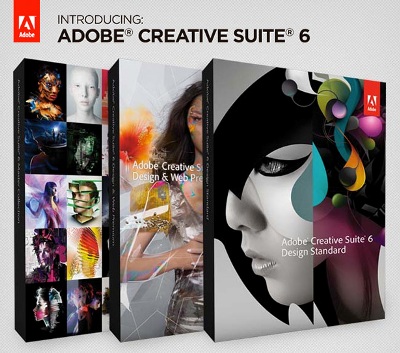
Adobe Systems Incorporated today announced their toolkit for design, web and video professionals with the unveiling of Adobe® Creative Suite 6 product line in India. Powerful new releases of 14 CS6 applications and four Creative Suites – Adobe Creative Suite 6 Design & Web Premium, Adobe Creative Suite 6 Design Standard, Adobe Creative Suite 6 Production Premium; and Adobe Creative Suite 6 Master Collection – drive home Adobe’s continued innovation across creative markets.
[quote]Designers get a ton of innovation with CS6 with milestone release across all our flagship products, said David Wadhwani, Senior Vice President, Digital Media at Adobe. With CS6 we’re also introducing new products, new mobile workflows and advanced publishing capabilities that show we are laser-focused on ensuring design, web and video pros have everything they need for the delivery of high-impact content and apps.[/quote]
Check out the press release below :
[toggle_box title=”Press Release” width=”Width of toggle box”]
Adobe Systems Incorporated (Nasdaq:ADBE) today announced the ultimate toolkit for design, web and video professionals with the unveiling of Adobe® Creative Suite® 6 product line in India. Powerful new releases of 14 CS6 applications and four Creative Suites – Adobe Creative Suite 6 Design & Web Premium, Adobe Creative Suite 6 Design Standard, Adobe Creative Suite 6 Production Premium; and Adobe Creative Suite 6 Master Collection – drive home Adobe’s continued innovation across creative markets.
“Designers get a ton of innovation with CS6 with milestone release across all our flagship products,” said David Wadhwani, Senior Vice President, Digital Media at Adobe. “With CS6 we’re also introducing new products, new mobile workflows and advanced publishing capabilities that show we are laser-focused on ensuring design, web and video pros have everything they need for the delivery of high-impact content and apps.”
The release is particularly significant for the large Indian creative community, which is riding a wave of digital content, media and connectivity proliferation in the country. India’s Media and Entertainment industry is expected to register a CAGR of 15 percent to reach INR 1,457 billion by 2016, according to a recent FICCI-KPMG Report. The imminent arrival of nationwide 4G network connectivity along with affordable tablet devices are expected to generate significant tailwinds fueling growth in digital content creation and consumption.
“Adobe CS6 release has come just ahead of what is likely to be a period of unprecedented new opportunities for the Indian creative industry. This release includes what the creative professionals will need to bring their vision to life and manage how and where it is delivered to the end audience – whether on smartphones, tablets, the desktop or through traditional media,” said UmangBedi, Managing Director – South Asia, Adobe Systems. “Adobe is a leading provider of HTML tools, enabling designers to work efficiently and effectively, creating across devices and platforms such as iOS, Android, Windows Mobile or Symbian.”
Expressing his views on the launch of Creative Suite 6 in India, Naresh Malik, Global COO – Media & Creative Services, Reliance MediaWorks said, “The prospect of being able to produce an outstanding piece of creative work at a much faster pace, for myriad content consumption devices and platforms, and share it with the world at the click of a button, is transforming the creative process across industries. At Reliance MediaWorks, we are leading this transformation to deliver cutting-edge film post production, global imaging, creative as well as production services and have partnered closely with Adobe, leveraging their Creative Suite portfolio. We find ourselves at a very exciting time in the history of entertainment and creativity, and are equally excited about the possibilities Adobe’s Creative Suite 6 holds for taking the creative process into a new realm altogether.”
“Adobe has a winner on its hands yet again. The upgrades and the new features in Creative Suite 6 are not only innovative but immensely compelling, especially to a diversified media group like ours. Our teams cannot wait to leverage the entire range of exceptional features that this suite of products has to offer,” said KushalRuia, Creative Head, ACK Animation Studio.
Major CS Upgrades and All-New Muse Anchor Landmark Launch for Designers
The performance and workflow enhancements in Adobe Photoshop CS6 (see separate press release), InDesign CS6 and Illustrator CS6 will result in significant time savings for print, web and mobile projects.
In Photoshop CS6, designers will experience incredible performance, powered by the Adobe Mercury Graphics Engine, enabling near instant results from essential editing tools, including Liquify, Puppet Warp, Transform and Lighting Effects.
Adobe has built on Photoshop’s breakthrough Content-Aware capabilities with advanced new Content-Aware Patch and Content-Aware Move features.
Illustrator CS6 debuts a revamped modern interface and features include a new Image Tracing Engine, Pattern Creation and Gradient Strokes. The Mercury performance system delivers speed and stability, including 64-bit support for Mac OS and Windows.
InDesign CS6 continues to blaze a trail in publishing, streamlining the creation of multiple layouts from a single set of content with new Adaptive Design Tools – Alternate Layout, Liquid Layout, Content Collector Tools and Linked
Content.
A brand new application, Adobe Muse, a radical new tool that enables designers to create and publish HTML5 web sites without writing code, was also announced today.
Adobe Doubles-Down on HTML5 Tooling for Web Professionals
Innovative new workflows and capabilities across Adobe tools simplify the creative process for today’s web designers, developers and interactive professionals.
Web pros can conveniently integrate HTML5 animations, created with Adobe Edge Preview, into their Dreamweaver projects, driving home Adobe’s leadership in tooling for the HTML5 web standard.
Dreamweaver CS6 addresses the challenge of responsive web designs with the ability to build fluid grid layouts replacing the tedious manual process of creating and configuring separate CSS-based interfaces for phone, tablet and desktop.
Through direct integration with Adobe’s recently announced PhoneGap Build service, Dreamweaver CS6 helps round out a Web professional’s skillset and enables them to produce native mobile applications for multiple platforms.
Flash Professional CS6 users can easily translate and transition their skills to HTML5 using the Flash Professional Toolkit for CreateJS. Flash Professional CS6 also helps designers to create exciting and impactful gaming experiences and advancements include the ability to generate sprite sheets that improve workflows and performance.
Pre-built native extensions and new packaging options, leveraging the latest Adobe Flash Player and AIR runtimes, help expand and ease app delivery to Android and iOS devices.
Production Premium CS6 Pushes Boundaries of Video Creativity
Redesigned by and for video editors, with major performance enhancements, the tools included in Adobe Creative Suite 6 Production Premium set a new standard in professional video.
With dozens of new features Adobe Premiere Pro CS6 is the hub of any professional video workflow, featuring a sleek new editing environment. The powerful Adobe Mercury Playback Engine now supports OpenCL on MacBook Pros.
The most significant After Effects release in a decade, After Effects CS6 is faster and more responsive than ever. With Global Performance Cache, previews are saved and ready to go- cutting the time spent bouncing between projects.
New to Production Premium are Adobe® Prelude™ CS6, which streamlines logging and ingest workflows in post-production, and Adobe SpeedGrade, which contains powerful finishing tools for film finishing and color grading.
Adobe Audition CS6 accelerates audio post-production: real-time clip stretching makes it simple to stretch clips to fit an edit; and Automatic Speech Alignment introduces a powerful new engine for automated dialogue analysis.
A new 3rd party API for hardware integration – Adobe Mercury Transmit – allows broadcast video monitoring to connect directly into the Mercury Playback Engine via third-party cards from AJA, Blackmagic Design, and Matrox.
“The urge to be creative is ubiquitous, and harnessing the creative spark, in everybody from school children to creative pros, has never been more important,” said ShantanuNarayen, CEO at Adobe. “Everyone has the potential to create, and wherever, whenever inspiration strikes, Adobe will be there to help capture, refine and publish your ideas.”
Pricing and Availability
Adobe Creative Suite 6 products are available through Adobe Authorised Resellers and the Adobe Online Store athttp://shop.adobe.com/in. The estimated street prices (ESP) for the Creative Suite products are expected to be INR 1,56,577 for CS6 Master Collection, INR 1,14,421 for CS6 Design and Web Premium, INR 1,14,421 for CS6 Production Premium and INR 78,288 for CS6 Design Standard. Upgrade pricing and volume licensing are available.Taxes as applicable.
Education pricing for students, faculty and staff in K-12 and higher education is available from Adobe Authorized Education Resellers. For more information regarding education volume licensing for higher education and K-12 institutions please visit:http://www.adobe.com/in/education.html
For more detailed information about features, OS support, upgrade policies, pricing and international versions please visit:
The new version supports multi-threaded video decoding
Software giants Adobe on Saturday released version 11 of their Flash software along with AIR 3 bringing about accelerated graphics rendering support through Stage 3D. Adobe states that the new technology improves rendering times by a factor of up to a 1000 times over Flash Player 10. The capabilities of the new version of Flash allows for “console-quality” games on the Flash platform, according to their blog.
Also with version 11 comes support for 64-bit, and multi-threaded video decoding which previously was not available at all.
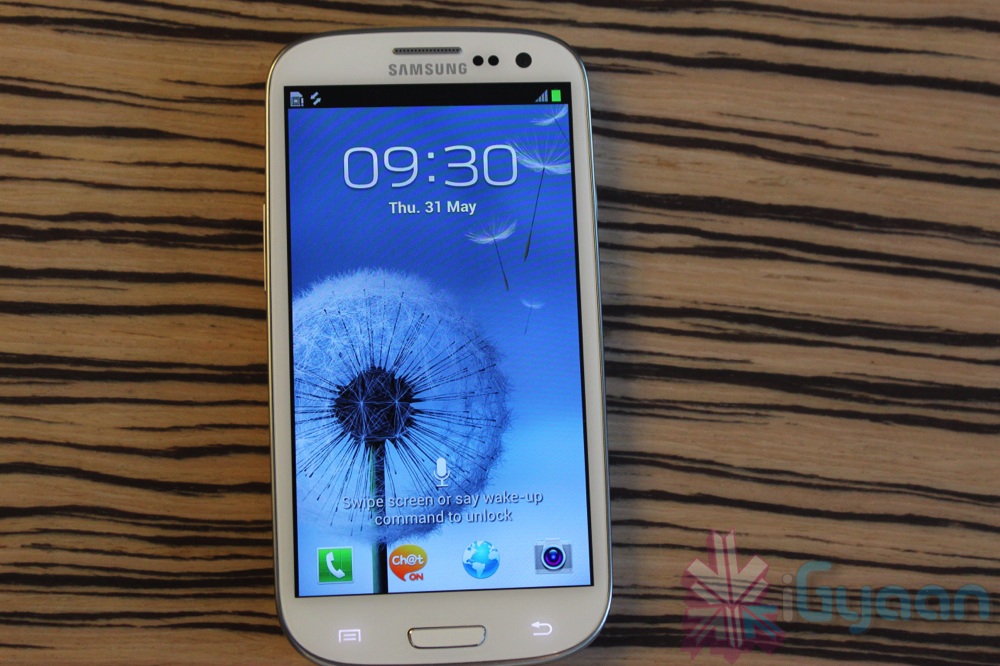
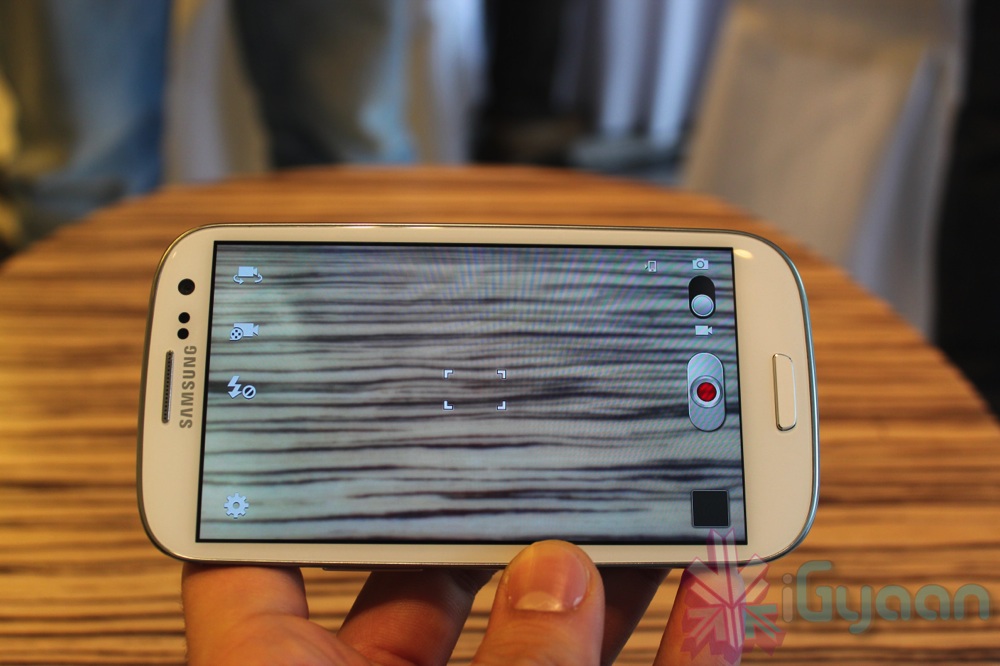
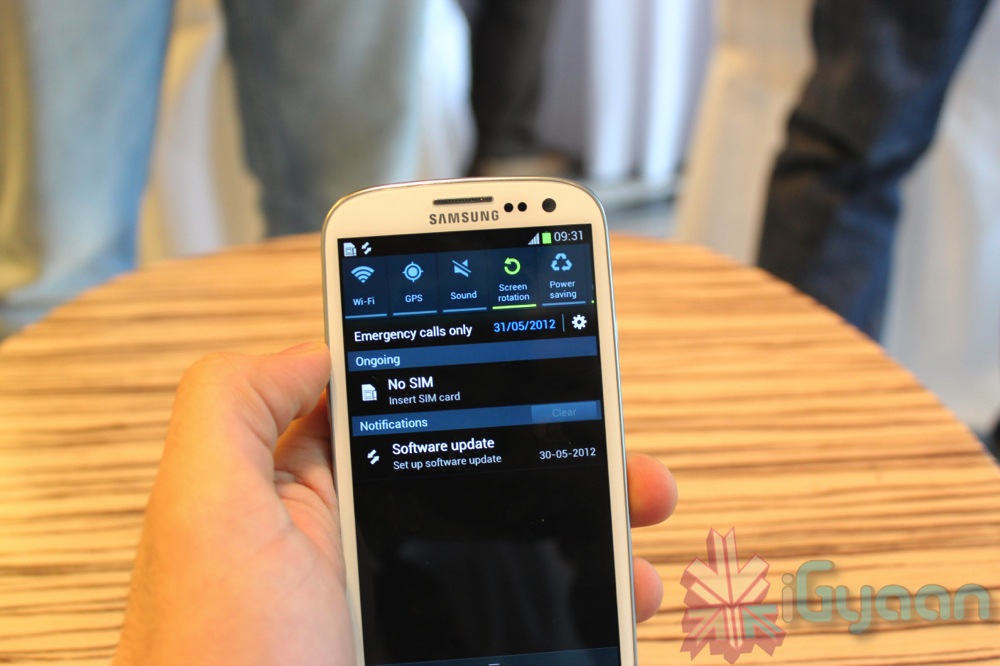
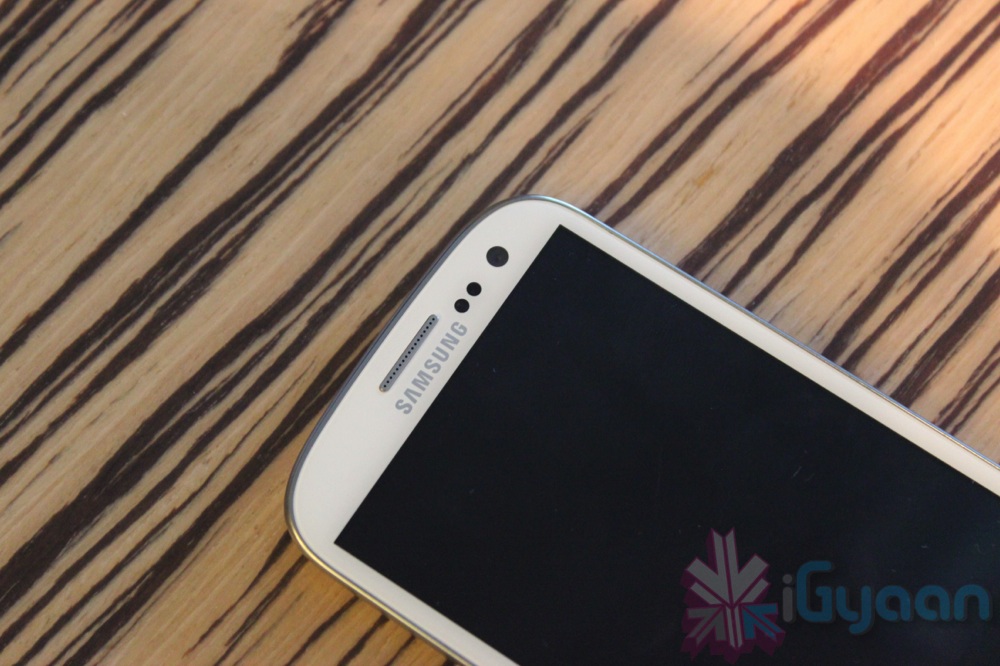
Okay so the Samsung Galaxy S3 was just launched in India, with a lot of fanfare. The company had a list of high profile guests and key executives from Samsung Korea and top admin from their India office. Celebrity Nargis Fakri was also called to introduce the product in the Indian market.
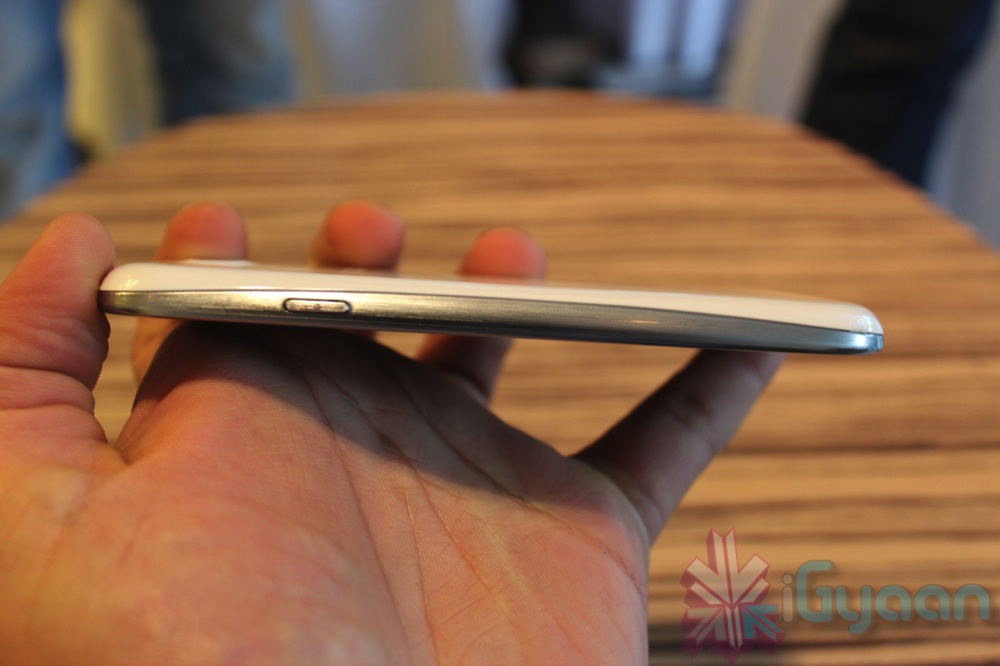
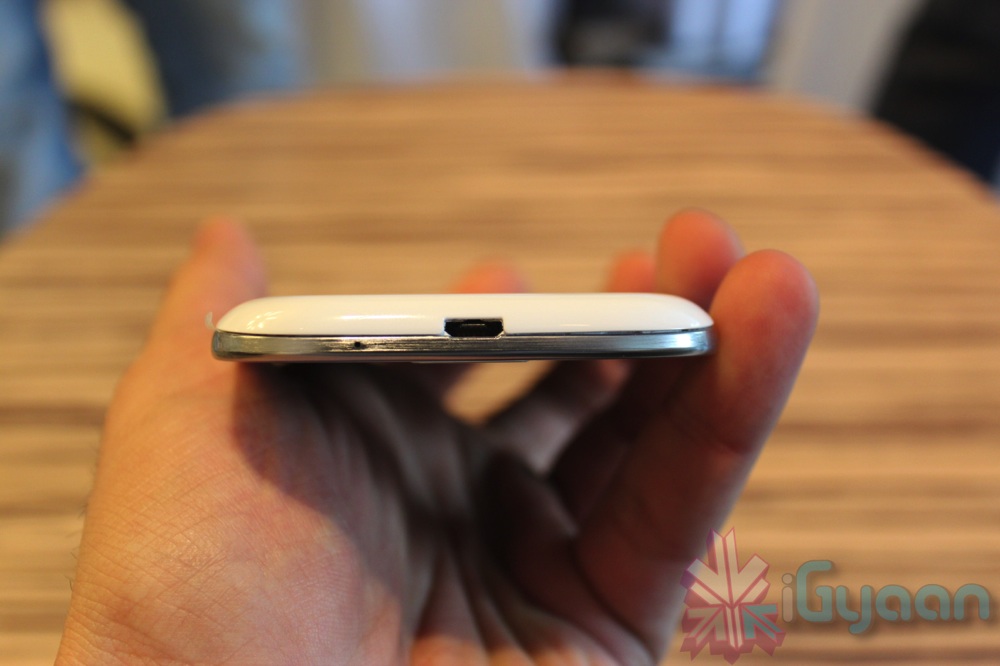
The phone takes a major redesign approach, if compared to the Galaxy S2 or even the Note. The “Inspired by Nature” theme may not appeal to some, but definitely feels exceptionally good in the hand.
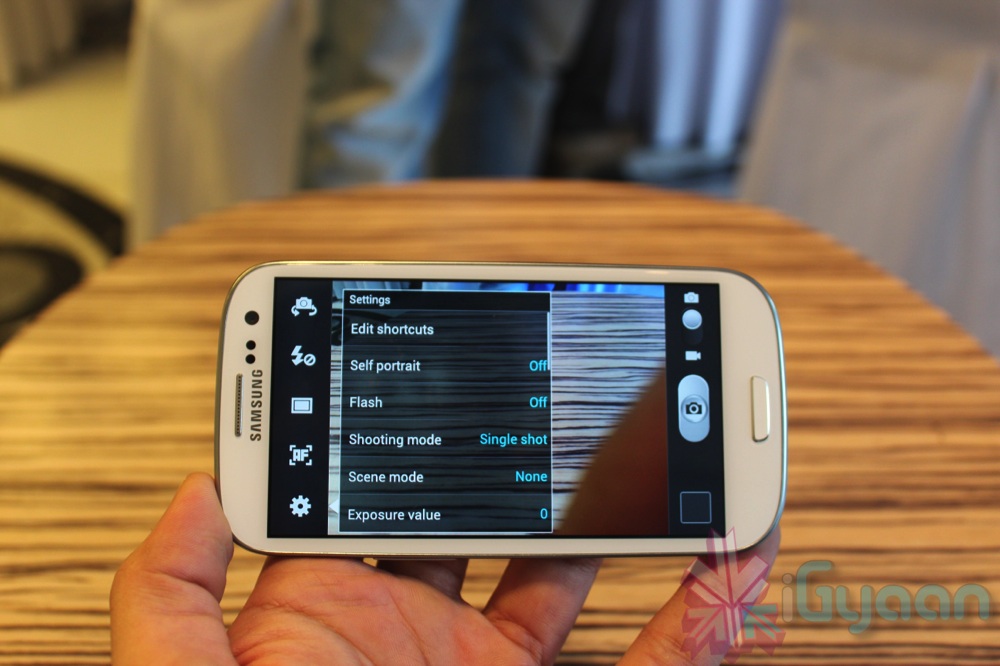
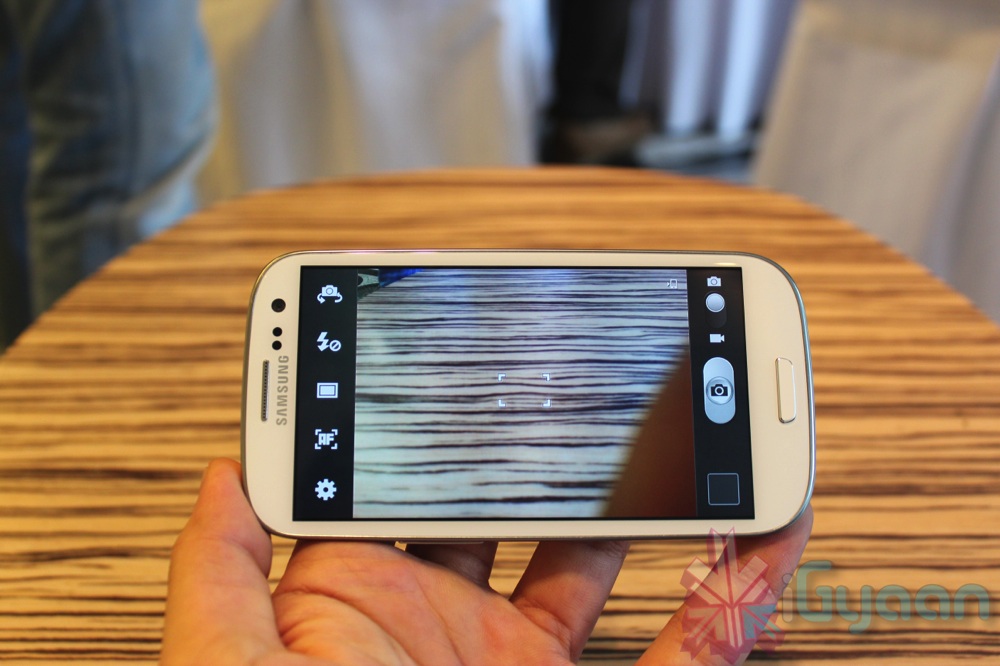
The phone features a Quad Core Exynos CPU with a clock speed of 1.4GHz , 16 GB of storage and a 8 MP camera at the back. There is also a 1.9MP HD front Camera and the 4.8 inch Super AMOLED display that is spec’d at 1280x720px with a 306 ppi.
The phone has been priced at Rs. 43180/-, which is a mammoth miscalculation by Samsung, if you ask us. Our sources tell us that the device will be effectively available for approximately 37k.
Check out the images below and stay tuned for a hands on video, coming shortly.