Earlier today, we got some news about Motorola’s upcoming Nexus device codenamed ‘Shamu’. The reports illustrated that the new Nexus 6 or Nexus X will a super-sized, more powerful version of the Moto X.
The exact name of Google’s next Android flagship isn’t yet clear; some expect it to be called the Nexus 6, others claim it will be known as the Nexus X. The reports also added that it’ll have the same aluminum frame, and the company has apparently relocated the phone’s lock and volume buttons down to make them more reachable. In terms of innards, Motorola has packed a QHD display, a Snapdragon 805 processor, and 3GB of RAM into next Nexus device.
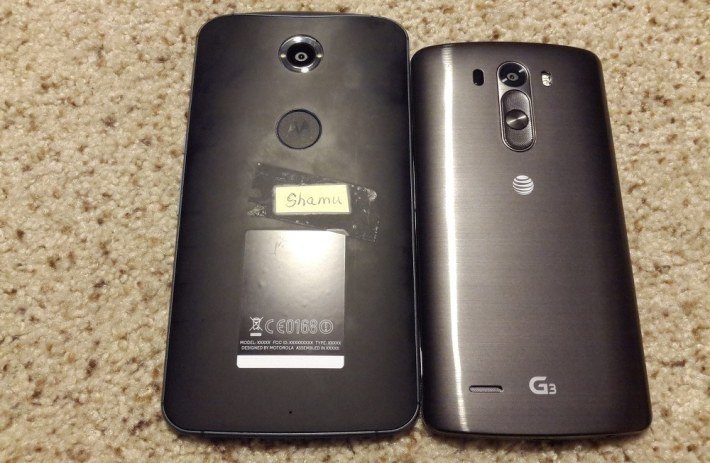
Now, a picture posted on the comment section of Android Police, shows off what is allegedly a massive Motorola handset next to a LG G3. The handset showed in the picture has a Motorola logo and there isn’t any NEXUS labeling on it, unless the logo is super-tiny and under the piece of paper with the words “SHAMU” written on it.
Of course, there’s also the possibility the above photo was somehow faked. Either way, we’d take this whole thing with a grain of salt for now. It is also said that the Android L OS upgrade will debut along with this device. Google is making some major design changes to Android’s look and feel, and introducing significant improvements to multitasking and notifications. The reports added that the device is likely to launch in November, with an unveiling coming next month.
It seems like Motorola means business these days. The company recently launched the 2nd gen of their blockbuster smartphones, Moto G and Moto X. Now, according to new reports, the company is rolling up its sleeves for a bigger and better device for Google’s new Nexus device.
Motorola is said to be preparing a device codenamed “Shamu” that will serve as Google’s next Nexus phone. The new device is said to be a super-sized, more powerful version of the Moto X. The exact name of Google’s next Android flagship isn’t yet clear; some expect it to be called the Nexus 6, others claim it will be known as the Nexus X.
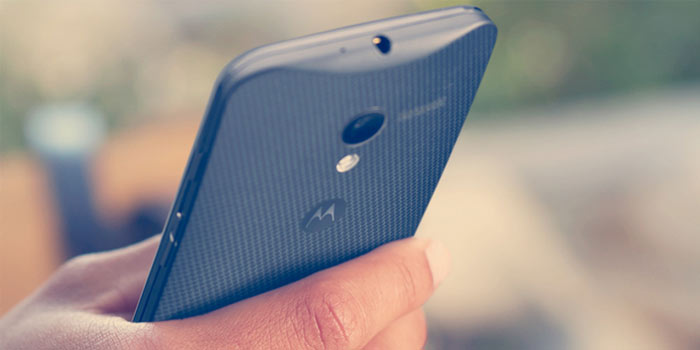
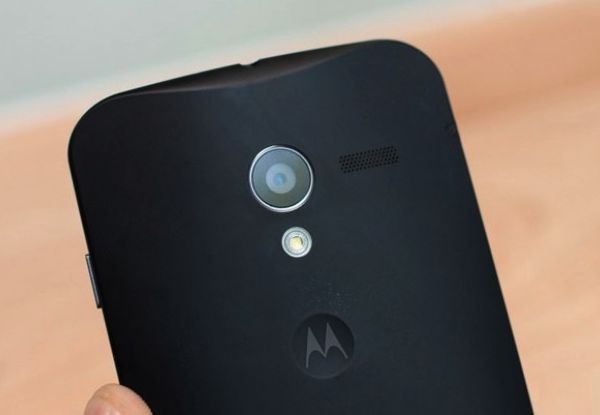
While there are a lot photos or videos leaked regarding the new Nexus device, the reports illustrate that the appearance of the device is basically going to be a scaled up 2nd generation Moto X with some minor tweaks to make the larger size easier to use.
It’ll have the same aluminum frame, and the company has apparently relocated the phone’s lock and volume buttons down to make them more reachable. In terms of innards, Motorola has packed a QHD display, a Snapdragon 805 processor, and 3GB of RAM into next Nexus device.
It is also said that the Android L OS upgrade will debut along with this device. Google is making some major design changes to Android’s look and feel, and introducing significant improvements to multitasking and notifications. The reports added that the device is likely to launch in November, with an unveiling coming next month. Along with that, Motorola will also be rolling out the smaller 5.2 inch version as well.
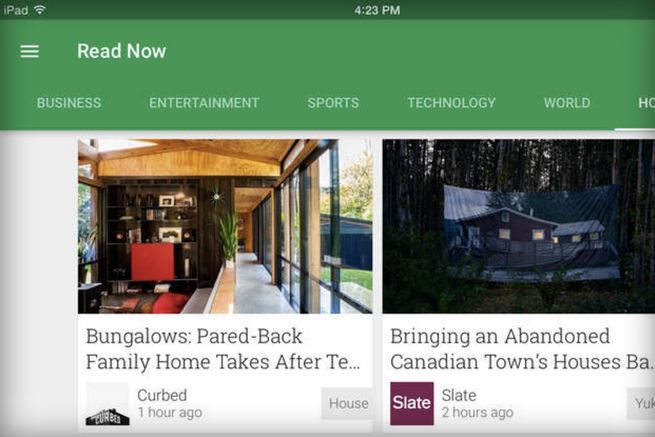
Today the Google Play Newsstand replaced the iOS app ‘Current’ on the Apple Play Store. If you use the Current app on your iOS device, you’ll be prompted to update to Newsstand.
The app offers a central place for reading articles from select newspapers, magazines, and websites. The offering includes support from hundreds of publishers covering news, sports, business, entertainment, and other topics, and you can also add in RSS feeds for any blogs or sites that don’t yet have a dedicated Newsstand page.
The app also supports video and audio content from some publishers, and you can bookmark it to read later if you don’t have time to finish them on the spot. Essentially Google Play Newsstand is an integrated app that combines the features of Flipboard and Pocket.
The app is amazingly user friendly, running on iPhones as well as iPads with equal efficiency and ease. The Google Play Newsstand is available on iOS App store for free.
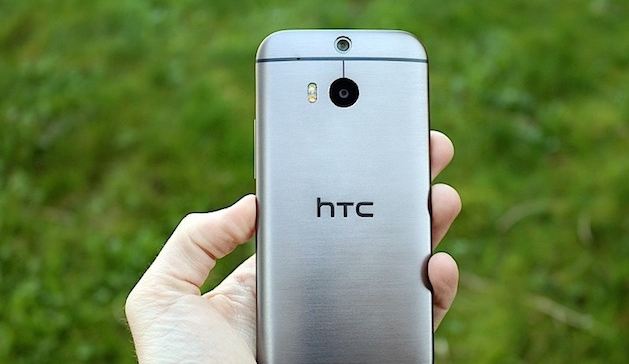
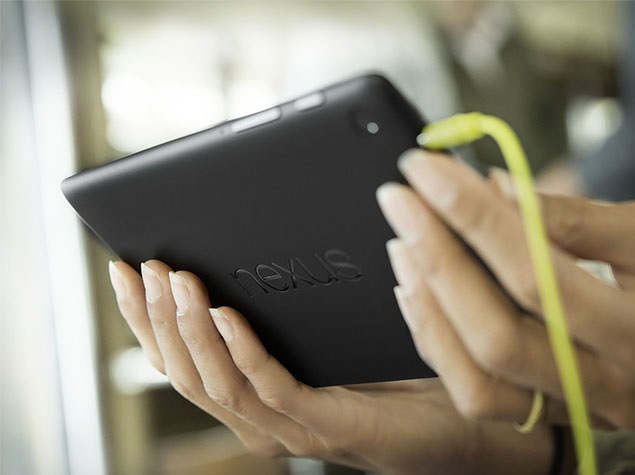
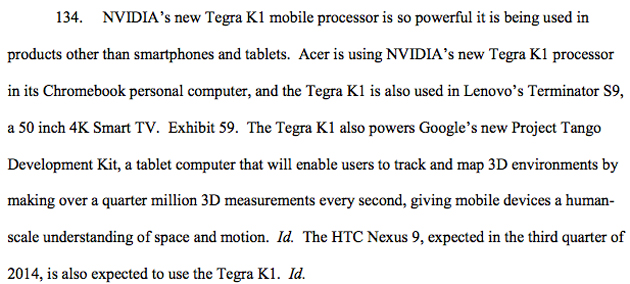
Rumours about HTC-made Nexus tablet has been around since past few months. However, details about this new device were scarce until now. Recently, NVIDIA inadvertently leaked that the Taiwanese company is linking up with Google to launch the Nexus 9.
And now, Wall Street Journal has added more credibility to the report. According to the report, HTC engineers have been flying to the Googleplex in Mountain View in recent months to work on the project. The reports added that Google has choose HTC over more experienced tablet makers like Samsung to make its upcoming 9-inch Nexus tablet to avoid one single manufacturer gaining monopoly.
However, it is also pointed out that HTC has a bad tablet track-record and focuses almost exclusively on smartphones. The company have not come up with any tablet since 2011 when they launched Flyer tablet which failed miserably in the market.
Google and HTC both declined to comment on this matter, however, Google said, “Android is a vibrant ecosystem, and many of the industry players are doing very well. There’s room for many partners to do well and to innovate with Android.”
As for HTC, the Taiwanese company has been eager to gain a footing in new sectors as it loses ground in the smartphone market. The company’s executives have promised this year that they are working on fresh areas such as wearable devices. HTC had made Google’s first Nexus smartphone, the Nexus One, in 2010, but hasn’t made a device for the line since.
YouTube is huge. It’s practically impossible for a single human being to watch all that there is on this massive website. Most importantly, the state of the internet in India is well known. The poor connectivity and the pricey access to internet lead many to stay away from watching multimedia-heavy content like videos. Watching videos on mobile data connection is a big no-no as they can incur massive costs.
The folks, who do have regular access to a decent internet connection, still prefer to save the videos through some semi-illegal means to avoid buffering. Now Google is going to officially allow Indian YouTube users to watch their favorite videos offline for as many times they want.
Ceasar Sengupta, Google Vice President Product Management said “YouTube is popular here. You watch some videos again and again. How awesome would it be if you could keep watching them again and again without having to pay for data, and take the videos with you wherever you go?”
India still is a massive video subscriber as a whole. According to comscore, the total online video audience in India saw growth of over 70 per cent in 2013 with the average viewer watching 18 per cent more videos and spending 28 per cent more time viewing them. YouTube alone gets over 60 million unique users a month and about one-third of the traffic coming from mobile phones. The country as a whole watches about 3.7 billion videos per month.
This will be the second gift to India from Google after the launch of the Android One devices. India has no shortage of amazing YouTube talent. Sure iGyaan is awesome, but there are folks who are doing some amazing stuff too. This move by Google will help take these talents even further as people can just save the videos offline and take them to areas with no internet and propagate the video. Though that won’t increase the view count on YouTube, it will still bring the awesomeness of Indian YouTubers to a new, wider audience.
It appears that Google is seeing India as a major market. India is the first country where Google has introduced the Android One line-up of phones. It can also be the case that the huge Indian diaspora at Google is helping to develop their homeland. Whatever the case may be, the Indian population can only benefit from the inflow of innovative resources from this gigantic corporation. Let’s hope to see this partnership grow and hopefully someday soon, India will become testing grounds for the Google Fibre. That day will be celebrated as a second Diwali.
So, we have waited long for the Android One devices. The phones were announced at the Google I/O this year, and they are finally here for the world to see. Today Google launched the three phones that it had announced previously.
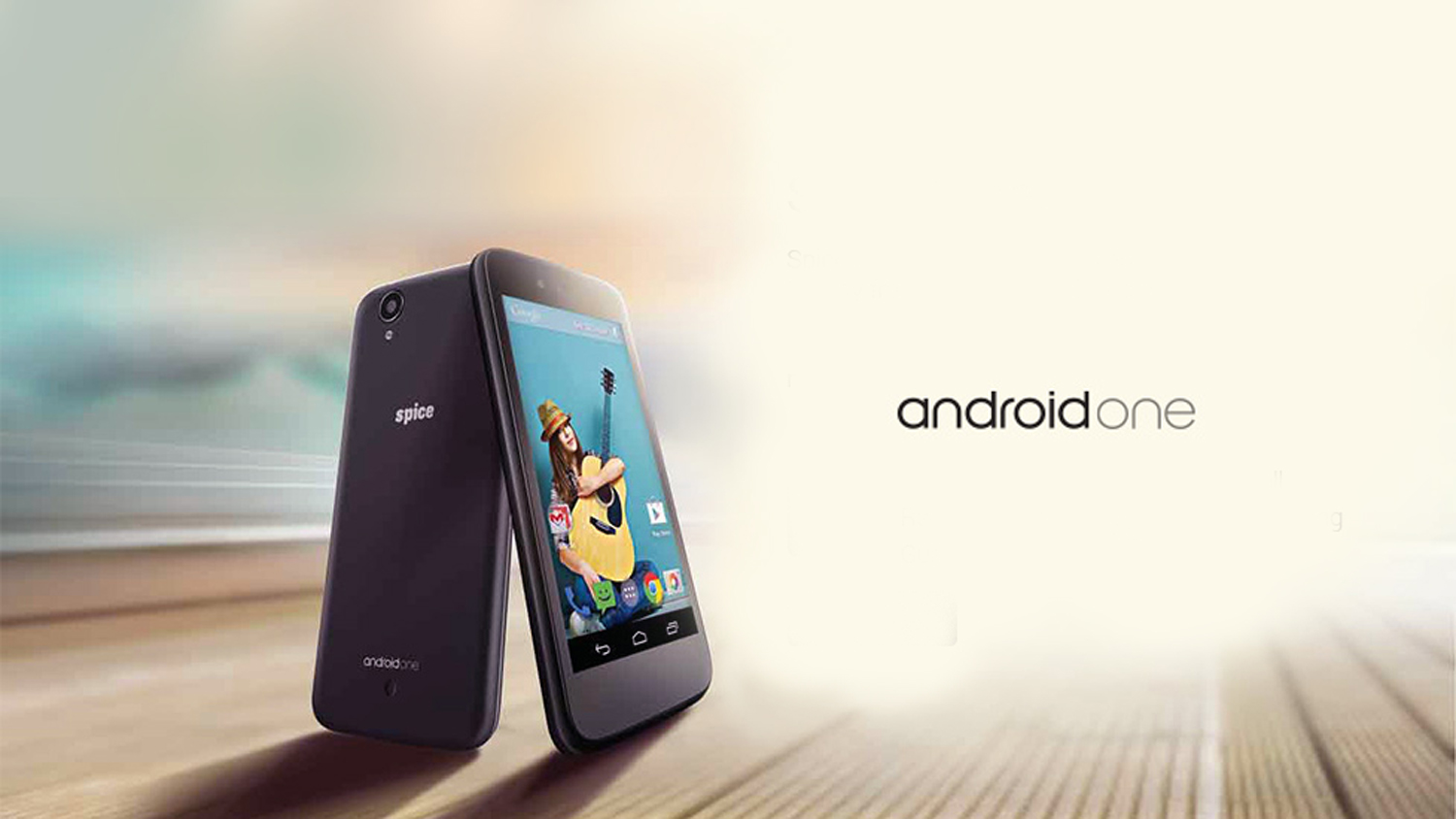
The Micromax Canvas A1, Karbonn Sparkle V And Spice Dream Uno is the trio that will begin the big Android One experiment. The phones are presently only available online and will be in stores from next month. They went on sale at 3.30PM today.
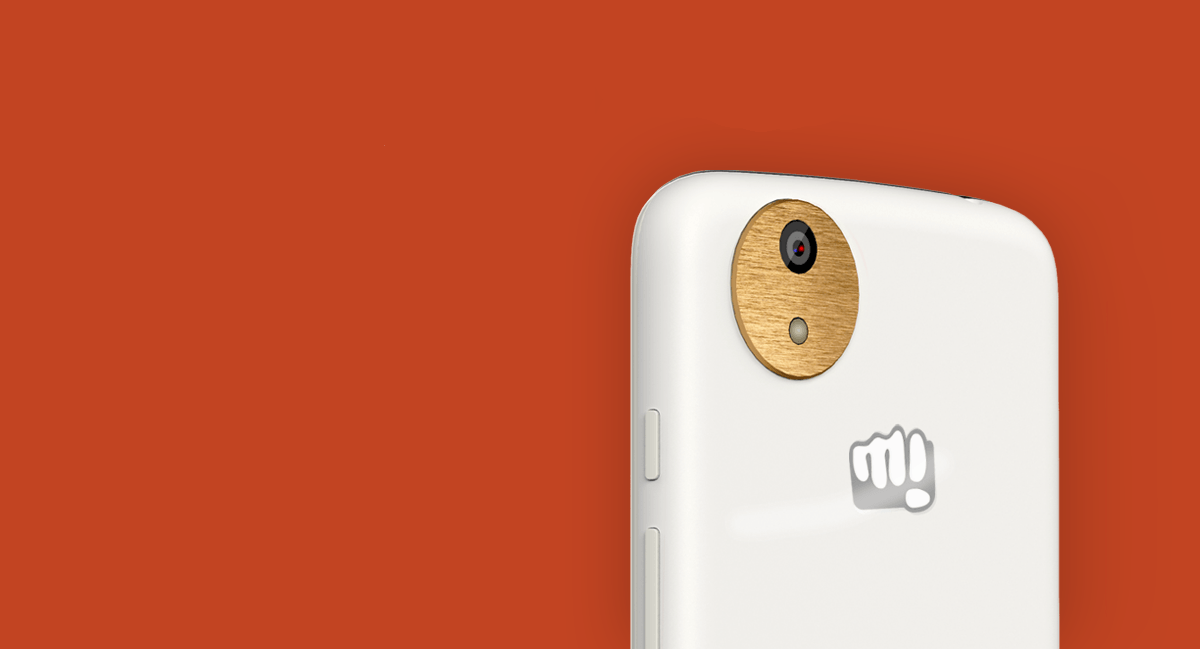
Canvas win has a recognizable camera design which is the best amongst competitors
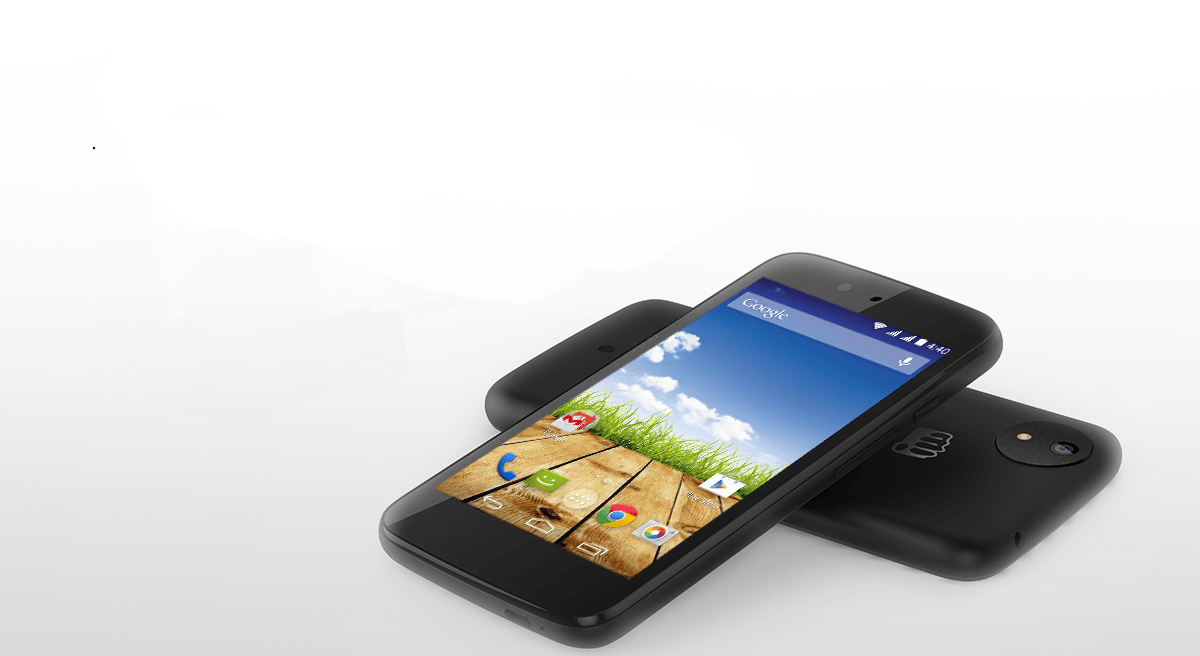
As mentioned earlier, Android One is Google providing standard specifications to OEM’s so that they can provide those features to low-cost devices directly. These devices come with the latest Android operating system, i.e., KitKat 4.4. They all have similar specs and are different only in the way they are designed. Out of these three devices, Micromax gets the pole position on the designing front. The Canvas A1 has a beautiful wooden-like platform for the main camera on the back of the device.
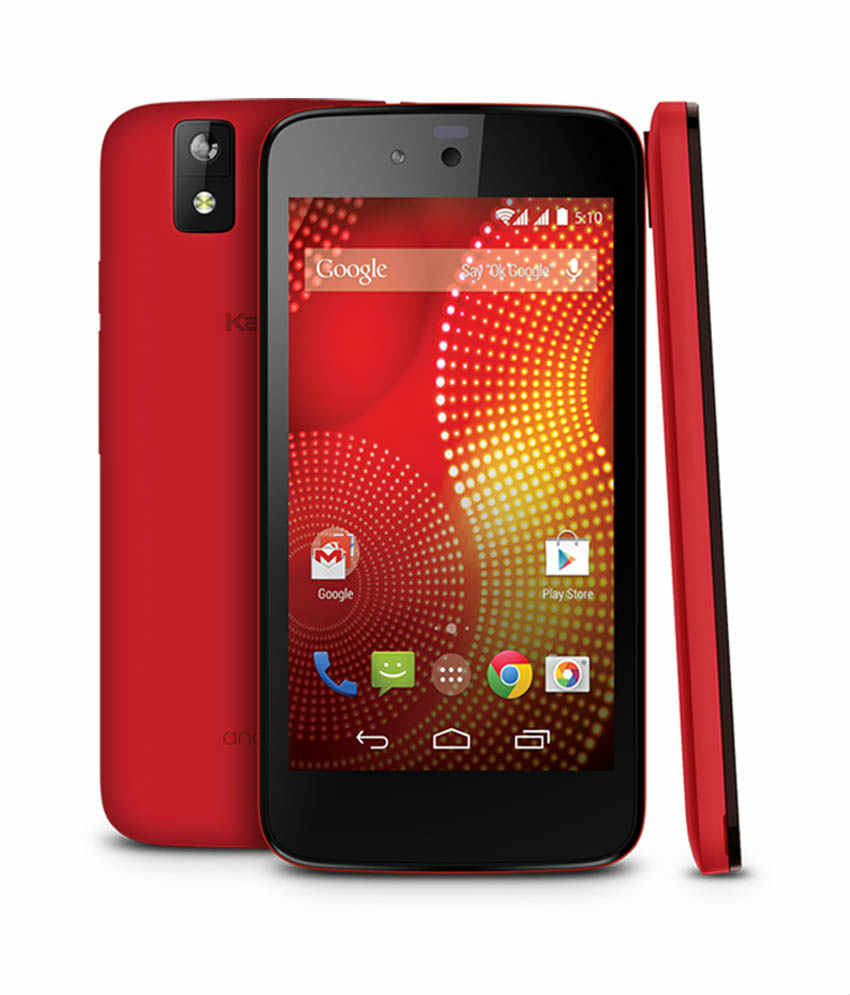
Karbonn Sparkle V comes in many color options.
All these devices have a 4.5 inch FWVGA (854 x 480 Pixels) displays and are powered by a 1700 mAh battery. The processor on the devices is a MediaTek SoC with a 1.3GHz quad-core processor and Mali 400 GPU paired with 1GB of RAM. On the back, the devices have a 5 MP camera with LED Flash. For selfie convenience, the phone provides a 2 MP camera.
It can be observed that the specifications on these devices seem limited in comparison to devices like the Moto E and the Redmi 1S. The advantage these devices have is automatic updates from Google, which keep them up-to-date. This can be a great device for people wanting a stock Android experience.
The companies have chosen different online retail partners for their devices. While Micromax chose Amazon as their exclusive Android One partner, Spice and Karbonn chose Flipkart and Snapdeal respectively. You can expect some competition amongst these e-tail giants too.
This is just the beginning for Android One. Google plans to involve new partners. It has announced that Acer, Alcatel, ASUS, HTC, Intex, Lava, Lenovo, Panasonic and Xolo will soon be launching smartphones under the Android One program.
These phones are pocket friendly and will encourage others to make similar devices
On the price front, the Karbonn Sparkle V is priced at Rs.6399. The Micromax Canvas gets a price tag of Rs. 6499, while the Spice Dream Uno is the cheapest with a tag of Rs. 6299.
As expected, the phones come with 6-month free update and app download package from Airtel. In a press statement, the Chief Product Officer of Bharti Airtel, Anand Chandrasekaran said, “Android One customers on Airtel will be able to stay updated on the latest Android version and update all their apps at no additional data charges. Customers can enjoy 100 MB of data per month for 6 months for software updates and 200 MB per month for 6 months for app downloads and updates on the first prepaid active Airtel SIM inserted in the Android One device.”
The phones come with 6 month data plans from Airtel
Overall, the Android One line of devices seem like Google’s direct link to the lower-end consumers. The biggest issue with Android platform is high levels of fragmentation, devices running older versions of the OS are still available for sale in the market. With the lessons learnt by this initiative, the Android team may be able to provide a better integration of its OS across devices.
It will be interesting to see how this experiment pans out in India as Google intends to expand the initiative to Indonesia, Philippines and other South Asian countries by the end of 2014. It also plans to take to more countries in 2015. It seems the end of woes of lower-end Android customers is close to being over.
Android One is an initiative by Google to bring a standard Android experience across all Android devices. They want to decrease the burden of R&D on small smartphone companies by providing them with standard hardware options for their devices.
Google has been bringing its devices in partnership with various companies. For its Nexus lineup of devices Google had partnered with the likes of Samsung, LG, Asus and others. Now for its affordable line-up of devices the company will be partnering with some prominent Indian brands such as Micromax, Karbon and Spice. But how does this matter to the average smartphone buyer? Well, here is how.
1. Quality Control
Through this project Google can make sure the end customer is getting the same experience that it had intended. The phones will be marketed at a price of Rs.6000 but will not be light on features as it will have Google approved hardware.
2. Specifications
The phones are expected to feature the standard set of features such dual-core chip, 5MP camera, removable SD card, 4.5 inch display and Media Tek processor. Further specs will be cleared after the launch.
3. Full Android Experience
Services such as Google Play are absent from some low-cost devices which make it hard for users to get access to important services. With Android One, this problem goes out of the window. Google will ensure full functionality of these devices.
4. Updates
Android updates are a giant pain. The large variation of devices makes it difficult to provide updates for each specific phone. The Android One phones are expected to get regular updates. The updates will help fix various bugs that diminished the performance of the devices over time.
5. Free Data Services
Google says that it has partnered with networks to provide free access to updates. It means that the users wouldn’t have to wait for access to Wi-Fi hotspots to get system updates. How this works, would be made clear at the launch.
If the Android One devices are successful, Google will be able to easily maintain its lead in the mobile OS game. Android has already percolated to various devices. Google can concentrate on making Android more desirable on device apart from smartphones, thereby giving a standard, recognizable operating system that will bring an ease in dealing with multiple devices.
There is a lot hanging on the success of Android One. The initiative has already attracted a lot of attention from the competitors. The launch today will clear if Google’s latest experiment is appreciable or just a marketing gimmick. Keep checking this spot for more.
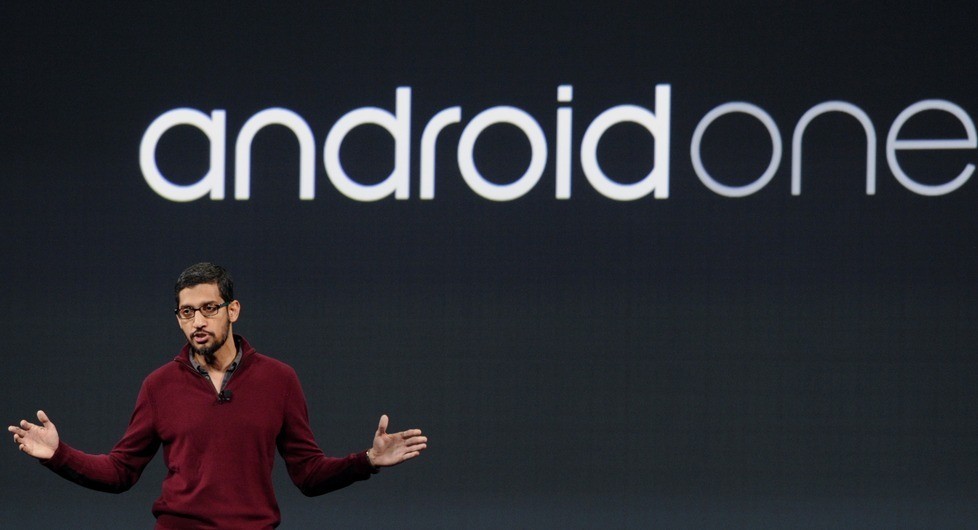
Google will uncover the first of its series of budget smartphones under the much anticipated Android One today. This initiative gives a key set of references for hardwares to help phone manufacturers make minimal cost smartphones. The phones will be unveiled by Sundar Pichai, Google’s SVP of Android, Chrome & Apps in New Delhi.
Google is expected to launch a range of Android One smartphones, mostly priced under Rs 6,000, via domestic online stores. These have been developed in partnership with local mobile phone manufacturers such as Micromax, Karbonn and Spice. These smartphones are expected to be loaded with top-end features such as dual core chip, 5 MP camera and 4.5-inch display.
Indian tech market has been ruled by budget friendly and value for money devices. The company first unveiled the Android one initiative in June this year at Google’s annual I/O conference as a move to take the platform to markets where low-priced phones with fewer features and less memory are in high demand.
By modifying the working framework, some programming and packaging it with Google’s own service, its web search tool, Android One will help scale up the business for Google.
Android One is tipped to be a game changer in the smartphone market, delivering a better experience to users. The race to make the least expensive smartphone pressed with specs is just going to get bigger as more companies are looking at the budget segment of the Indian market.
A 16-year old boy, Arsh Shah Dilbagi, has developed a device that helps people with developmental disabilities, like Locked-In Syndrome and ALS, to communicate using only their breath. Dilbagi entered Google’s Global Science Fair to showcase his device and became the only finalist from Asia to get selected this year.
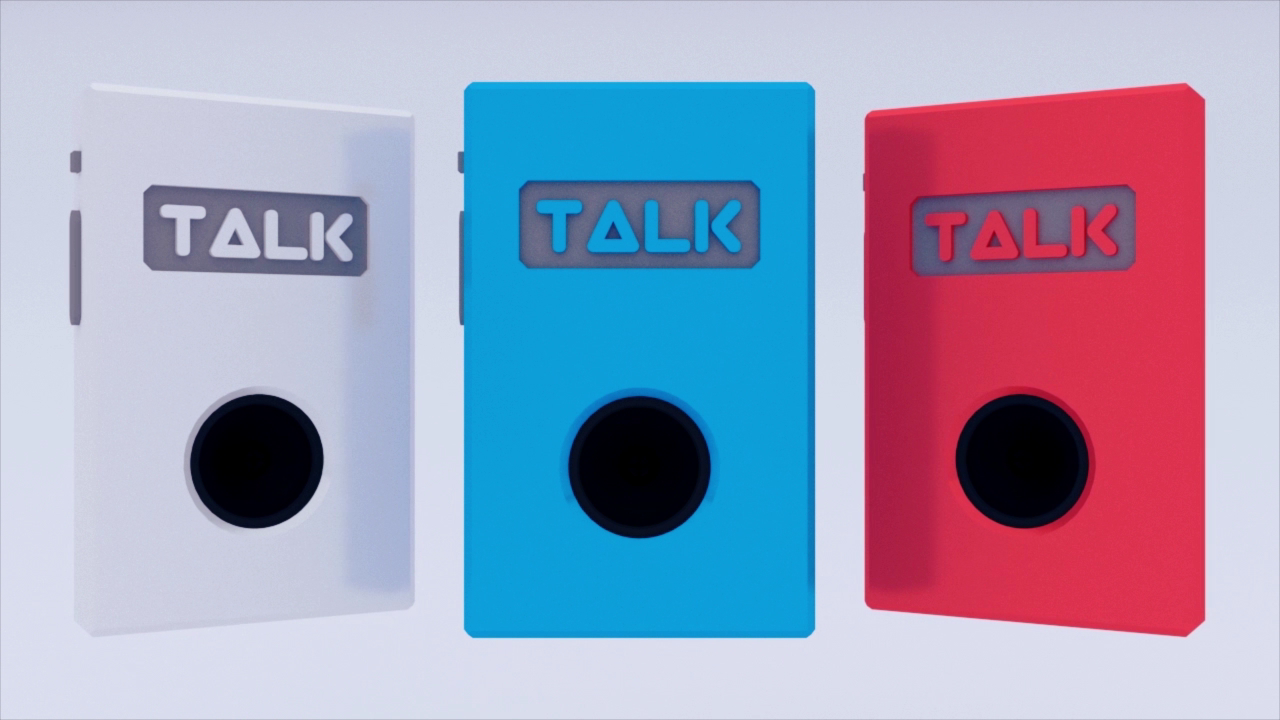
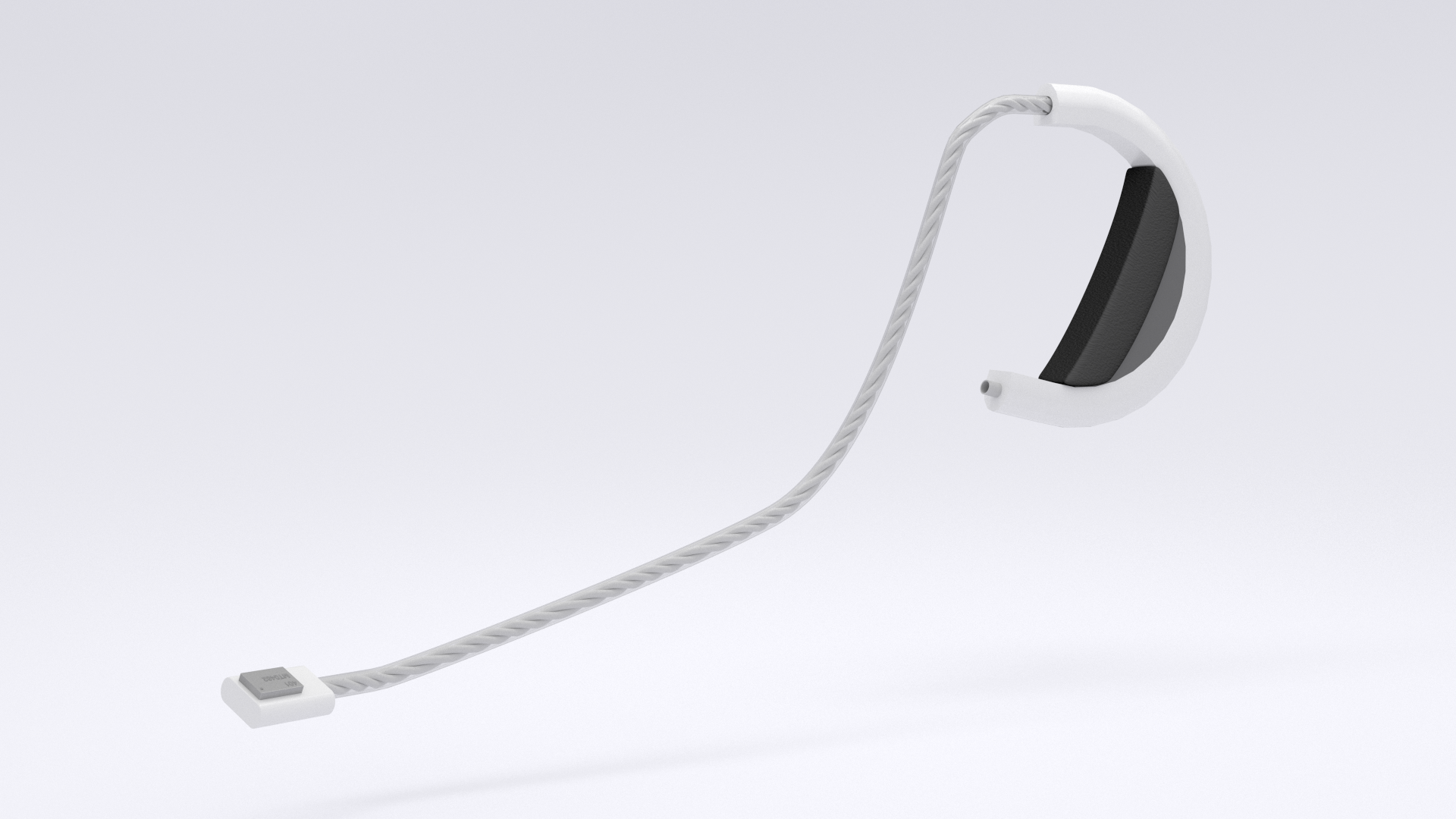
The device which he calls ‘TALK’, turns the breath into signal which are read by Morse code and then converted into speech. A student of 11th standard at DAV International School, Panipat, Arsh claims that the device even allows almost entirely speech impaired and paralyzed people to communicate like never before.
The devices like this, which comes under Augmentative and Alternative Communication (AAC) device category, are usually very expensive like the kind used by physicist Stephen Hawking. However, TALK will be the world’s cheapest and fastest AAC. Dilbagi says it is not possible for all those who have motor-neuro disabilities to afford an AAC device that costs $7,000 (Rs 4.26 lakh).
“AAC devices available in the market are very expensive, slow, bulky and not generic. I decided to find a better solution — an AAC device which is faster, portable and generic and costs only $80 (Rs 5,000), making it affordable to the large population,” he explains.
Dilbagi further explained that TALK expects a person to be able to give two distinguishable exhales with varying intensities, for converting them into electrical signals using a microphone. The signals are processed by a microprocessor, called the ‘Morse engine’, which labels the short exhales as ‘dots’ and longer exhales as ‘dashes’. These are further interpreted through the Morse code which converts the signals into words and then sends them to another microprocessor for synthesizing them into voice. According to Dilbagi, TALK features two modes – one to communicate in English, and the other to give specific commands and phrases. These are communicated in nine different voices enabled according to gender and age.
“I even got predicted results by testing the device on a person suffering from encephalopathy (global brain dysfunction) and Parkinson’s disease,” he has claimed in his proposal to Google. He adds, “In the future, I would like to add auto-predictions to my computing engine and integrate TALK with modern technology like Google Glass to make it easier for people with developmental disabilities.”
This kind of invention shows how this country has capable minds who can produce incredible innovation. So if you think you have a great idea, get on it. Doesn’t matter what your age is or where you come from. As long as you have a great idea, you trust it and are ready to undertake dedicated hard work, you can, “Change the World”. However, we cannot help but think how boring Hector Salamanca from Breaking Bad would have been if he had this device, it’s good that guy only had a bell to blow up.
Google’s Play Store return policy is one of the best feature the company provides. It has been appreciated by Android community a great deal. The service offers you the option of returning an app you’ve just paid for and downloaded. You can do this by simply heading back into the Google’s store, hit the refund tab, and you’re done.
Obviously, there is a time limit for the refund policy which has been fluctuating since it started because of the reluctant developers who were worried about the loss. Earlier, when the service started Google offered 24 hours to initiate a refund which was bit extreme according to the developers. Then the company pulled down the timeframe to 15 mins where it stood until now.
Google has once again changed its refund policy and increased the return window to a fair 2 hours timeframe. The new 2-hour window strikes a happy medium between the old 24 hours options, giving you a decent length of time to try out an app but not so much that you’d be able to fully utilize an app or finish a game and then return it.
Windows Phone lets willing developers give users a trial period for apps before purchase but mostly you don’t get to play with all the features of the app which defeats the point all together. Apple’s App store in comparison, offers no refund or trial options for the apps and games. Guess it’s time to get apps from Google directly instead of looking for APK files from untrustworthy websites.
In times when people are still dealing with the news of the massive iCloud hack, they woke up this morning to the news of another giant leak. This time it was Google Accounts turn. Russian hackers have leaked about 4.93 million Gmail passwords. You can access the entire Google ecosystem using just one password and this was seen as a cause of worry.
The account details were leaked on a Bitcoin forum called btcsec.com by a user named Tvskit. The leaker claimed 60% of these accounts were active.
Google immediately slammed the claim. It tried to calm the fears with a blog post that said “We found that less than 2% of the username and password combinations might have worked, and our automated anti-hijacking systems would have blocked many of those login attempts. We’ve protected the affected accounts and have required those users to reset their passwords.”
Maybe it’s a way of hackers telling you that it has been a long while since you’ve changed your password, so it’s time that you did. Previously, a Russian Gang had claimed that they had stolen over 1.2 Billion passwords. The solution even then was to change the passwords. It’s a necessary measure that needs to be taken regularly. Google this time asked its users to go for two-step verifications to keep their accounts more secure.
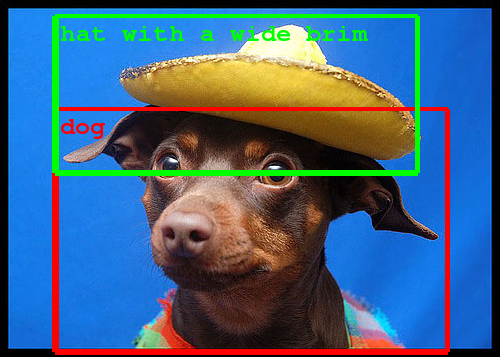
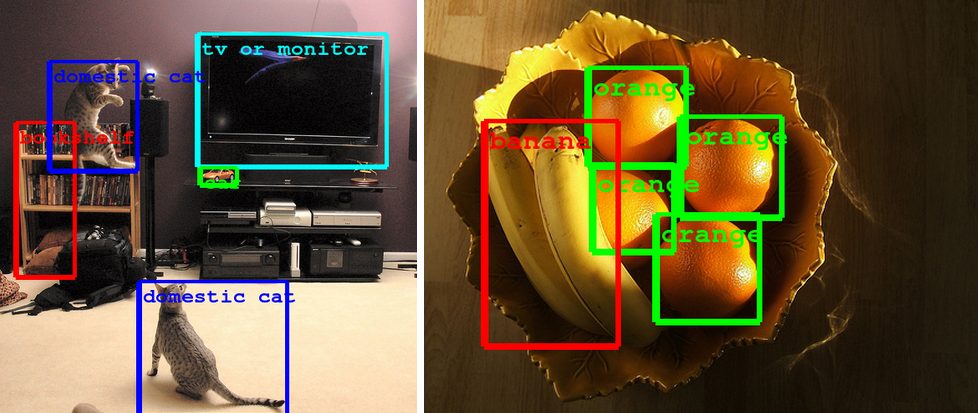
Recent technology advancement has opened the possibility of more sophisticated image recognition features. Even though in recent year various researchers have come up with significant discoveries, the automatic object recognition in images is still considered tricky. However, Google is all set to change that. In other word, the internet giant has just come up with very sophisticated detection system hat can easily spot lots of objects in a scene, even if they’re partly obscured.
“This effort was accomplished by using the DistBelief infrastructure, which makes it possible to train neural networks in a distributed manner and rapidly iterate. At the core of the approach is a radically redesigned convolutional network architecture. Its seemingly complex structure (typical incarnations of which consist of over 100 layers with a maximum depth of over 20 parameter layers), is based on two insights: the Hebbian principle and scale invariance.” the Google research blog reads.
The result of this groundbreaking technology is far deeper scanning system that can both identify more objects and make better guesses, and will be able to spot tons of mundane items around you.
This technological advances will enable even better image understanding and the progress can be directly transferred to Google products such as photo search, image search, YouTube, self-driving cars, and any place where it might be useful to understand depth, perception and imagery.
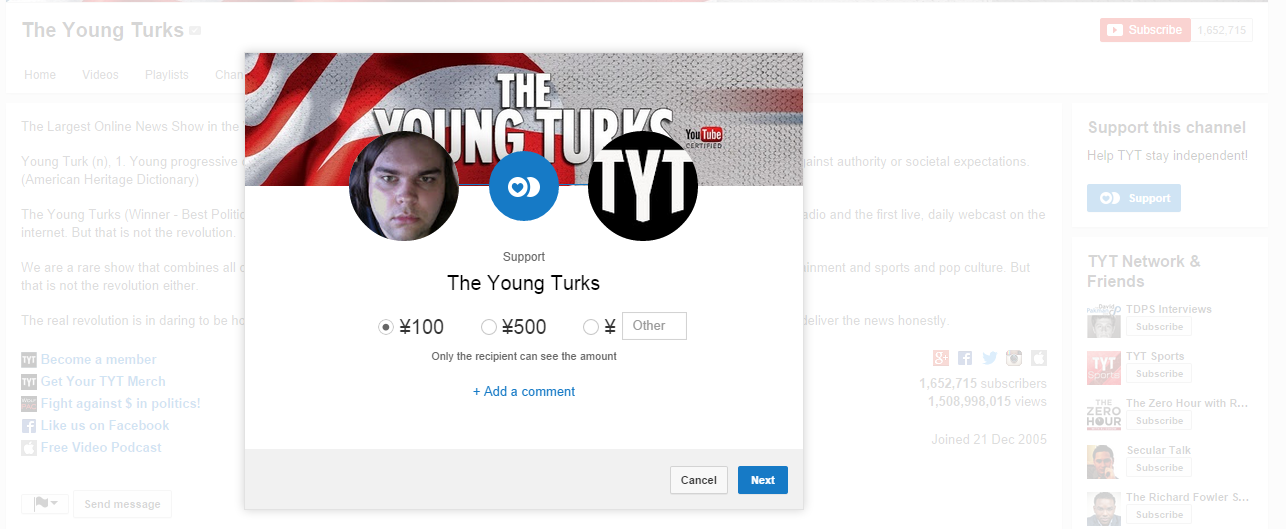
If you thought you had good ideas that you could share with people and make some money out of it, it’s become rather easy. YouTube, which has become the largest repository of informative and entertaining videos along with some rants and hurtful comments, now allows you to collect tips through the virtual tip jar.
This update is a great initiative from YouTube. Google has struggled with the great YouTube experiment as the website demands massive investments to run at optimum speeds but the revenue from the website has been low. The ads gradually became a menace and folks went with an Adblock solution which again harmed the websites revenue stream. Google will take a tiny 5% cut off each video that is an acceptable considering the huge platform they offer.
Youtube’s platform has been used by everyone, from prominent corporations to a blogger, sending out his thoughts from the bedroom. It surely has made a lot of people famous as well as wealthy. It did occasionally give undue attention to certain folks, but that’s what you from a completely free and open ecosystem.
Fan Funding is mutually beneficial for the content creator as well as the company
This initiative was announced at VidCon this year along with features like viewer translated videos. A YouTube user can translate the video and give it subtitles, and the owner has the authority to accept or decline the videos. It was seen that the viewership of the videos greatly increased when it was translated into multiple languages. This will let a channel attract a larger viewer base as well as help in a free and fair exchange of ideas throughout the world.
To make a contribution to a channel, a user must have a Google Wallet account. A support button will be added on the info card, or on the channel page, using which people can make the contributions.
Crowdfunding has been immensely successful in bringing ideas, films, prototype products and much more to the real world. These innovations would have had a tougher time seeing the light of the day if they had taken the tough route of impressing venture capitalists to fund their products. Using crowd-funding, consumers can invest in the projects they like and clearly make a consumer oriented market.
Currently, the service is available in U.S., Australia, Japan and Mexico and will be extended to other nations. To access the YouTube Fan Funding feature, users can use PC web browsers and the official YouTube Android app (version 5.7 or later).
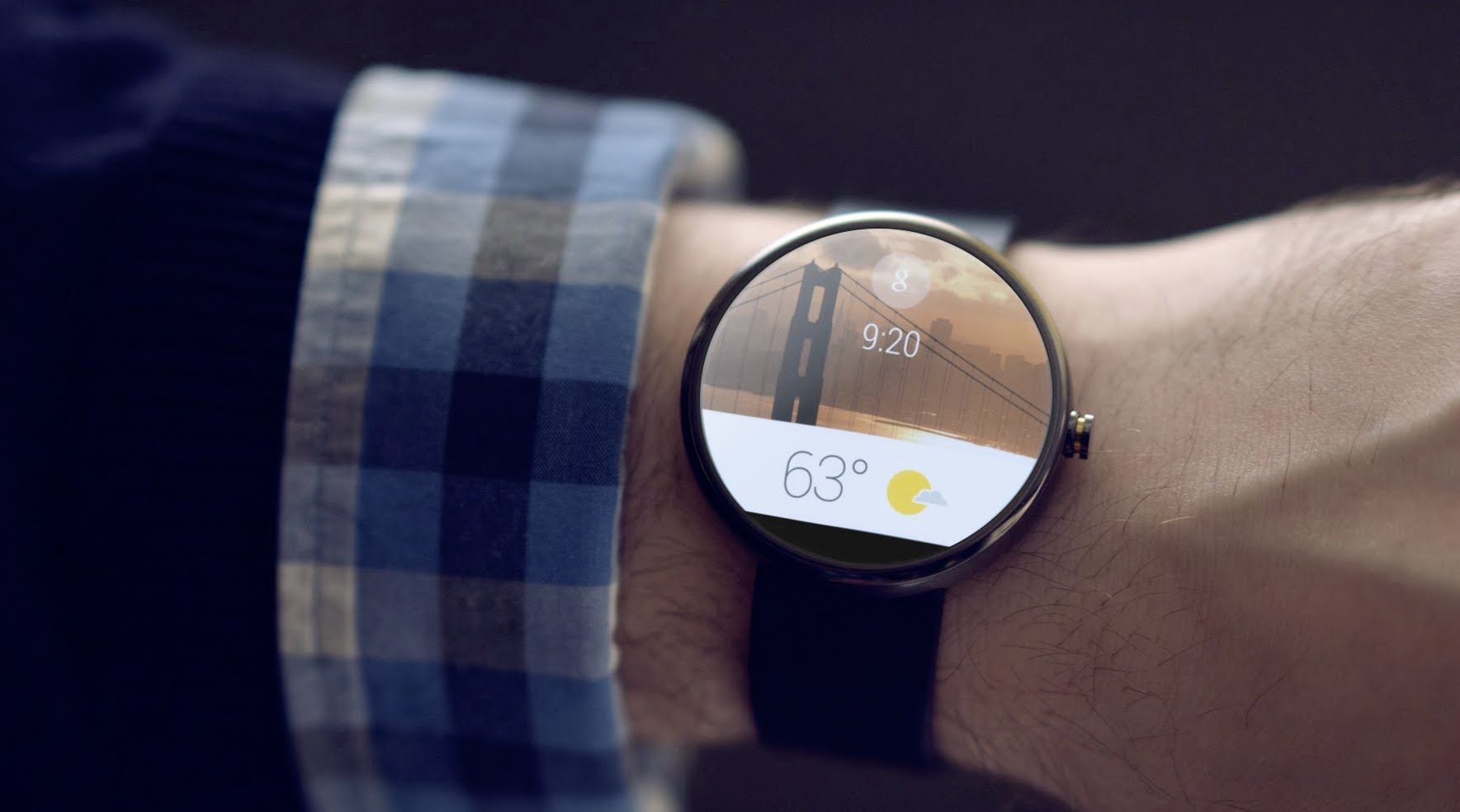
The biggest factor blamed for the slow adoption of smartwatches is their need to be connected with smartphones. This made them more of an accessory than an actual fully-functional device. Now the companies have sensed the need to detach the Smartwatch from the smartphone while keeping its smartness intact. Google plans to do the same with its Android Wear Operating system.
Google in talks with CNET said that the company plans to bring several updates for the Android Wear ecosystem. These updates will add additional features to the devices as well as cut the umbilical cord that feeds the wearables their features through the smartphones.
These updates will help decouple the Smartwatch from the Smartphone
The updates are essential to providing independent features to these devices. Updates such as Bluetooth headsets support will let you hold your playlist on your watch itself so that you don’t need to lug around your huge smartphone when you go out for a run. In a GPS-enabled smartwatch, the GPS support will map your jog for you.
The updates will be rolled out on a regular basis and will roll out from next week. The first update is expected to advance the voice and navigation features of the smartwatches. One update that the customers will really look forward to is the one that will provide custom watch faces. This will offer the option to have customized watch faces that the users can select according to their liking.
There is still a lot of promise in this burgeoning tech segment. Smart wearables are where the companies are putting their money right now. If Google succeeds in bringing a standardized operating system that is appreciated by the people at large, it will be a big boost to the smartwatch category. Not only would there be a recognizable UI throughout, it will also help easily interconnect with the wide Android ecosystem.
It’s time Apple opened its cards on the long rumoured iWatch. The world is waiting to see if Apple can stop Android’s victory march midway.
Well, Google Glass has been a topic of debate since it release and the new app called SHORE may fire that up again. SHORE is an app that runs a software which detects human emotions in real time. This exceptional technology can be used for the aid of people with various disabilities.
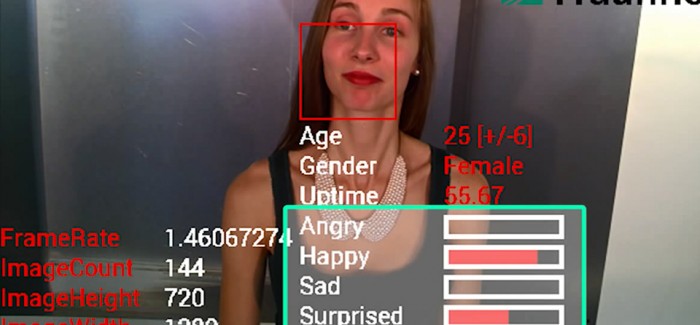
The Sophisticated High-speed Object Recognition app (SHORE), uses the camera of the Google Glass to analyze the facial expressions of people and guess their feelings. The app was developed by researchers at the Fraunhofer Institute for Integrated Circuits in Germany.
In addition to the person’s emotions, the app is also able to estimate the subject’s age and gender. The app, however, cannot determine the identity of the person. It guesses emotions through calculations that are based on the structures of the human face. It then uses learning algorithms and a database of more than 10,000 human faces to finish the calculation.
The research team says that this type of technology can open several possibilities for further exploration. For example, the technology can help differently abled people, those suffering from autism to understand facial expressions. The results calculated by the app can be superimposed on the display using augmented reality techniques.
In an attempt to sidestep any privacy concerns surrounding the app, the developers have promised not send any images or data to cloud storage. Since Google Glass application is not commercially available, it will be some time before regular folks can get our hands on a pair and test SHORE.