Category: Brands and Companies

All Brands and Company Names

  • Nokia Boss Talks Future Plans and a Possible Return to Consumer Electronics

    Nokia Boss Talks Future Plans and a Possible Return to Consumer Electronics

    With the legendary Nokia name getting scrapped off the mobile market listings, everyone is wondering what’s next for the company. Under the acquisition agreement, Nokia’s phone business is now owned by Microsoft.  Nokia is now left with it Nokia Networks, Technology and the Here Maps business. But it seems like the company is contemplating a re-entry into the consumer electronics business.

    The new boss who is entrusted with taking the business of the fallen giant spoke of the company’s future plans in London. CEO Rajeev Suri said that the company will make a re-entry into the consumer market. It was his answer to a query that inquired about rumors that the company was looking to make a comeback the handset market.

    Mr. Suri spoke of some brand licensing opportunities for the company.
    Mr. Suri spoke of some brand licensing opportunities for the company.

    What was interesting was the comments of the CEO about brand licensing. Mr. Suri said “We see brand licensing as an opportunity … But I would say it is more of a long-term opportunity.” Using the tremendous goodwill it still has in the market, the company might try to use it to its advantage. You might see electronics branded with the Nokia name in your electronic showrooms in the future.

    Presently Microsoft has licensed to use the Nokia brand on mobile phones Nokia Asha, Nokia X and Nokia feature phones for ten years and on Lumia for 18 months. The Lumia brand had the option to retain the Nokia brand till December 31, 2015. Microsoft clearly wasn’t in the mood to wait long and dropped the Nokia brand last week when it introduced the Microsoft Lumia 535.

    For the folks who were mourning the demise of the Finnish giant, this comes like a light at the end of the tunnel. Of course, it might be a bit of a wait before this news materializes but for the faithful fans of the brand, it means that it’s not goodbye just yet. We will be waiting for your comeback Nokia.

  • Dual-SIM Galaxy A5 Shows Up on Samsung’s China Website

    Dual-SIM Galaxy A5 Shows Up on Samsung’s China Website

    Galaxy A5 dual-SIM variant has now been listed on Samsung’s China website. The Korean manufacturer did not announce the variant during the unveiling of the single-SIM metal-clad Galaxy A5 last month, alongside the Galaxy A3. Apart from the dual Nano-SIM support, it packs the same internals and features as of the single-SIM Galaxy A5.

    Samsung said that it will launch the Galaxy A5 beside the Galaxy A3 this month. Though, now it seems that the A5 will launch before the A3. The Korean manufacturer hasn’t yet listed the Galaxy A3 on the company website as yet, but we can expect a dual-SIM version down the line just like the Galaxy A5.

    Earlier, there were reports that the rollout of the Galaxy A series has been delayed due to production woes for the full metal-clad bodies. Though, it will still be launched in ‘select markets’ including China this month. It is also believed that Samsung planned a Q3 launch for both. However, Samsung coping with the production of metal casing for its first-ever full metal-clad unibody designed smartphones, had to push the announcement to Q4. The report also mentioned that the metal casings did not meet the quality benchmark the Korean giant was looking for, with around 50 percent of the yield coming out right.

    Surprisingly, there is no mention of the A7 anywhere that was announced alongside the Galaxy A3 and Galaxy A5.

    It is said that the new Galaxy A series is directly targeted at Xiaomi, which has consumed Samsung’s market share considerably in the last two quarters. It’s only catering to the Asian continent with shipments being three times more since last year, only lagging behind Samsung and Apple.

  • iPhone 6 Records Three Times Higher Sales Than its Bigger Sibling

    iPhone 6 Records Three Times Higher Sales Than its Bigger Sibling

    Even though Apple is always tight-lipped about its sales figures, a research firm Consumer Intelligence Research Partners (CIRP) tracked down the first 30 days of the iPhone 6 and iPhone 6 Plus availability in the US and has come up with some interesting data.

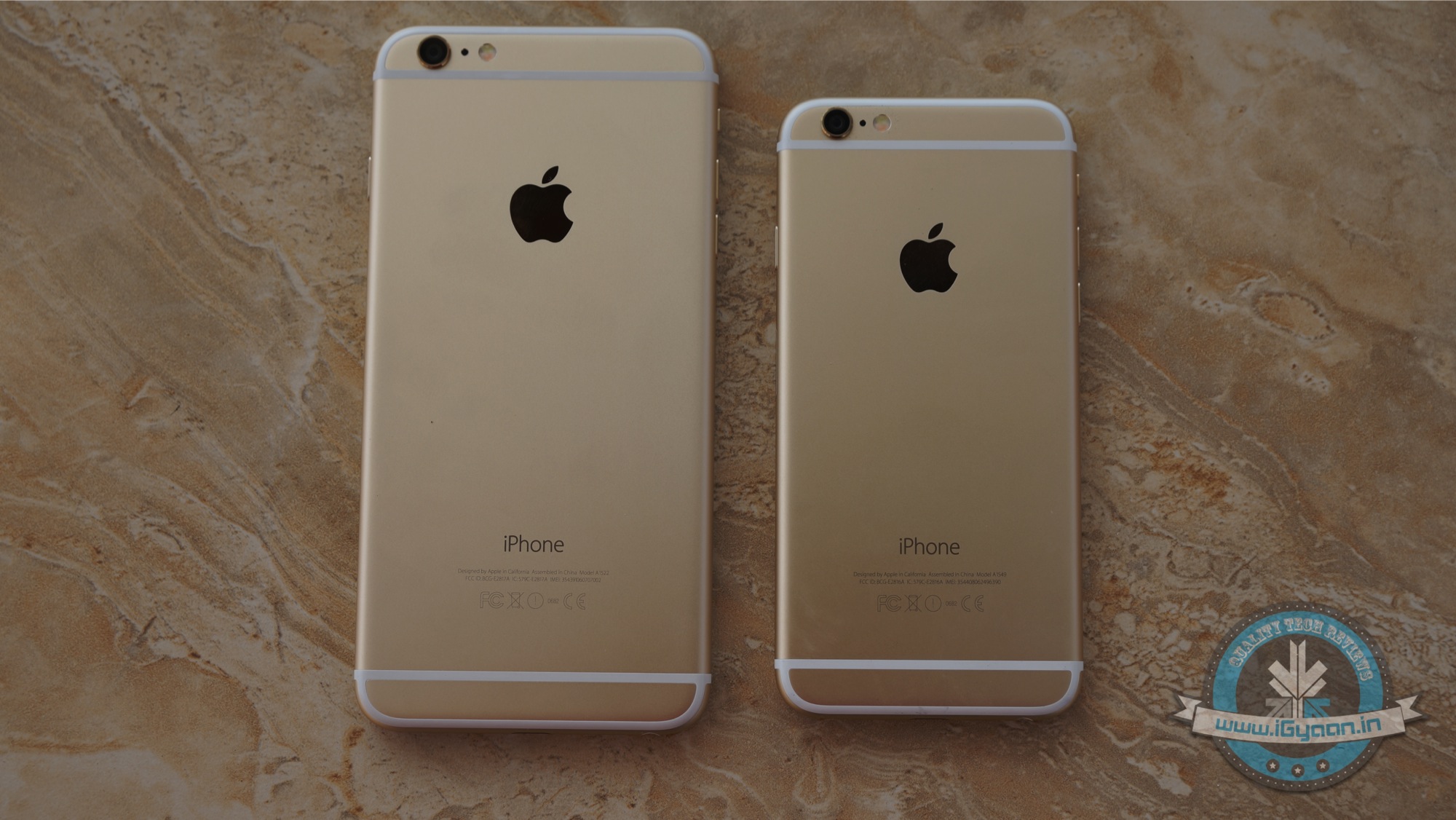
    According to the analyst Steven Milunovich of CIRP, the iPhone 6 accounted for 68 percent of all iPhone sales, while the iPhone 6 Plus took between 23 and 24 percent. This puts the sales ratio somewhere near 3:1 in the favour of iPhone 6. Unlike the Asian market where phablets are always best sellers, iPhone 6 are preferred by the US customers over iPhone 6 Plus.

    Together, the new iPhones represented about 91 percent of the total iPhone sales over their first four weeks of availability. The remaining units are represented by the previous-generation iPhone 5s and iPhone 5c. Obviously, the data clearly shows that there’s a clear favourite, but it is also to be noted that the iPhone 6 Plus has faced stock issues since its launch. That’s one of the reasons many people haven’t really been able to buy one.

    CIRP’s research also pointed out that maximum buyers went for 48 GB storage, which is almost double the average storage capacity from a year old model. The reason is that Apple, this year, dropped the 32 GB capacity and offers the iPhone 6 Plus in sizes of 16, 64, and 128 gigabytes.

    It is said that as soon as the stock level of iPhone 6 Plus picks up and a normal delivery time is achieved, we can expect the device to gain some considerable ground.

  • Top 5 Apps That Already Feature Android’s Material Design

    Top 5 Apps That Already Feature Android’s Material Design

    Back in Google I/O 2014, we first learned about Google’s Material Design language. Since then, we have slowly but surely seen bits and pieces of it rolling out to various Google and 3rd-party apps. And now with Lollipop rolling out gradually, Google has been pushing hard to bring Material Design to all its possible apps while encouraging developers to do the same. Third-party developers are already moving forward with the help of Google’s guidelines.

    We are listing top 5 apps that already feature Material Design.

    1. Wally

    wally

    One of the first to adopt Material Design, Wally offers a database of wallpapers, which is sorted by category and colours. This app has provided an example how Material Design can be achieved without the Android 5.0 Lollipop update, after which many developers adopted this strategy.

    2. Androidify

    Google recently updated the Androidify app to version 2.0. The update has more to do with branding and avatars related to the Lollipop version of the Android. The surface of the app has also been improved with a flatter design that Material Design inspires.

    3. Numix Calculator

    Yes, even calculators have been given a makeover with Material Design. The updated Numix Calculator will make you love Algebra more. Well, we guess so.

    4. Local Cast

    local-cast-material-design

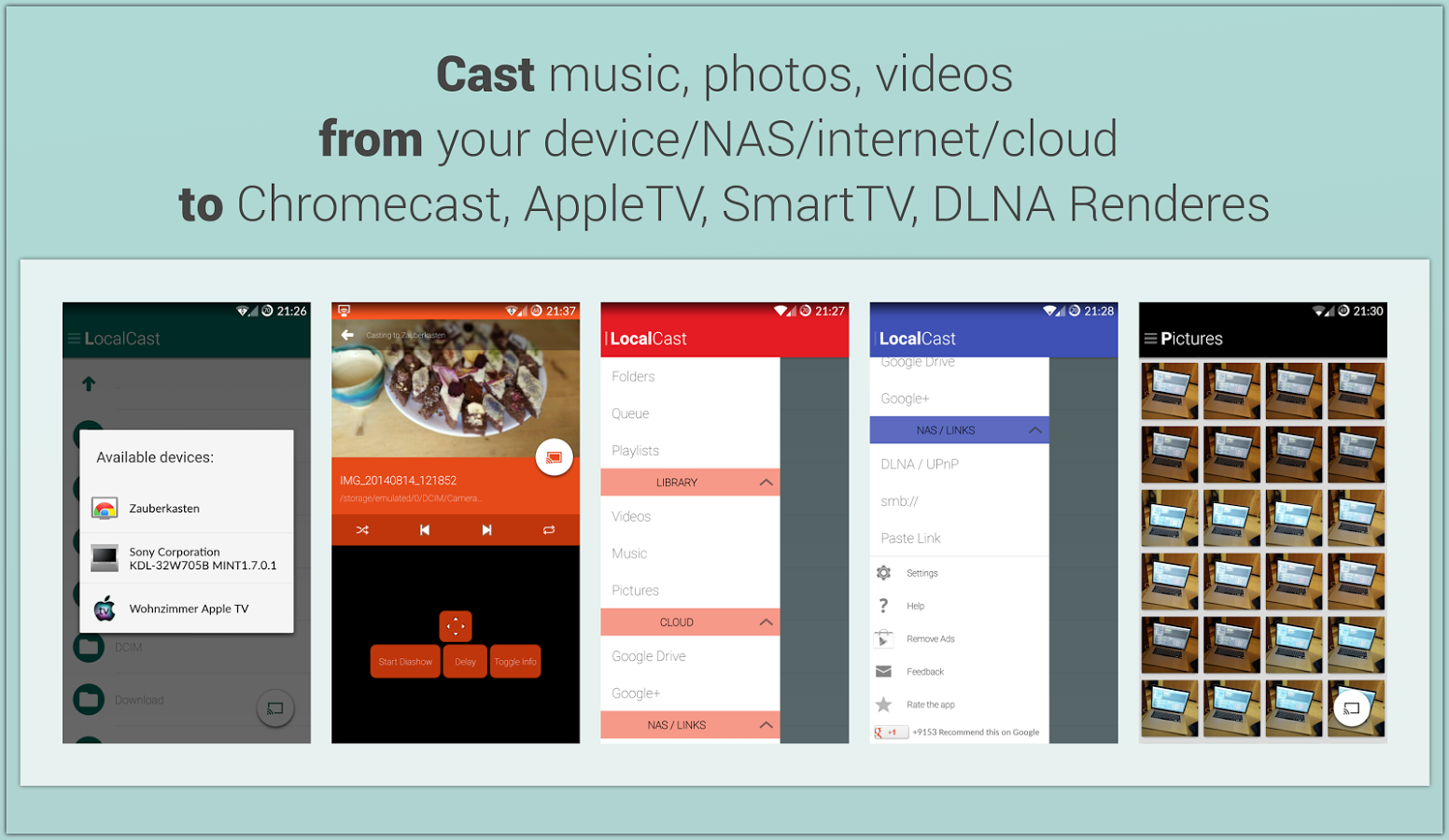
    This free ad and donation-supported app offers services of streaming PDFs, images, videos and music locally from one Android device to other. The developers are clearly paying close attention to not only the Material Design, but also to the current Google+ app, which shares the ever-present floating circular button. This button gives it a very Google-like look.

    5. Reddit News Free

    redditnewsscreencap-850x560

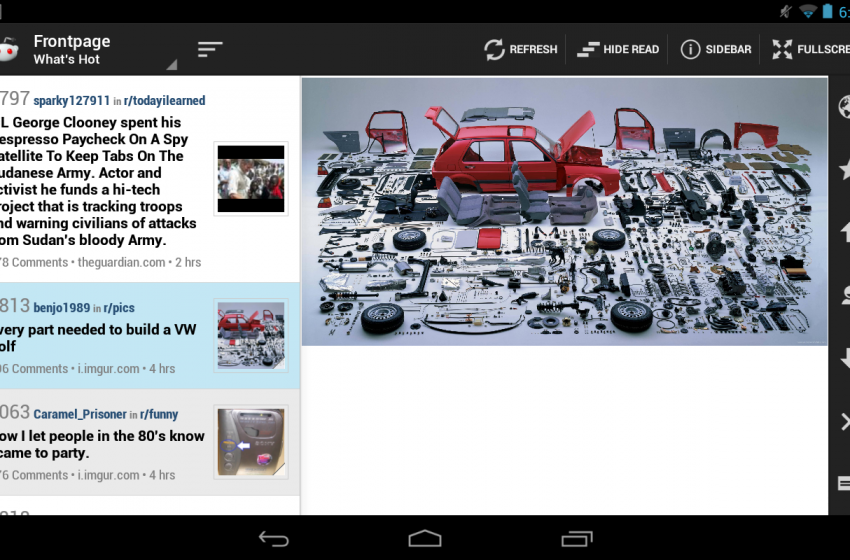
    Reddit News Free has updated their app to include Material Design elements and it has been for the best so far. It’s a highly-rated Reddit app with a bunch of features and a lot of happy users. If you’re looking for a modern Reddit experience, this is it!

  • Top 5 Android Lollipop Features That Will Change the Way You Use Your Smartphone

    Top 5 Android Lollipop Features That Will Change the Way You Use Your Smartphone

    Google’s new Android platform Lollipop 5.0 has already got rave reviews. The OS has begun rolling out to select Nexus and Motorola handsets and tablets. You must be preparing yourself for your Android Lollipop update, or you’re just getting the grip of the OS on your new tablet or smartphone. Let us tell you, the new update makes you feel like you own a new device altogether.

    We are listing top 5 features of Android 5.0 Lollipop that will change the way you use your smartphone.

    1. Project Volta
    2014_07_03_12_49_50

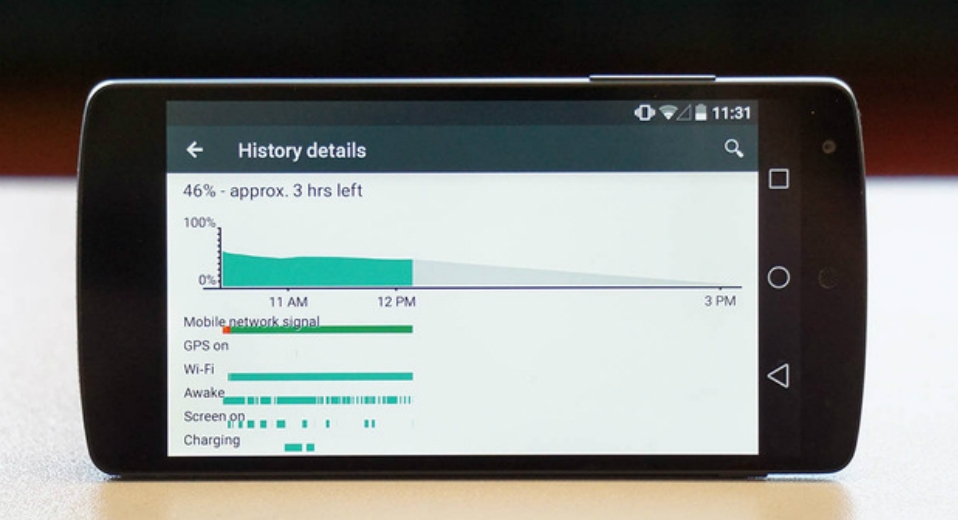
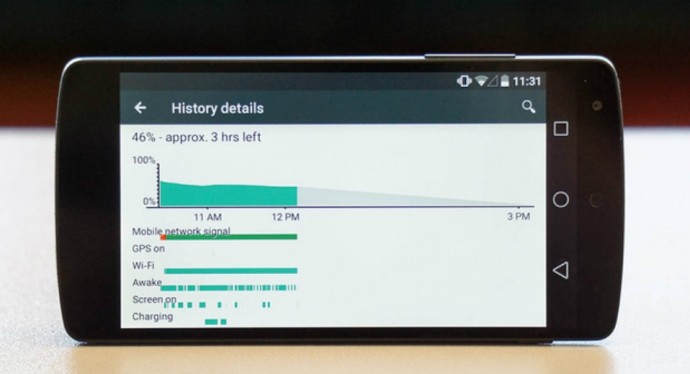
    Android smartphones have a bad reputation for short battery life. The amount of juice sucked by the apps and screen has forced Android phone makers to fit larger batteries than iPhone and other rivals to get through the day, but all that may change, thanks to ‘Project Volta’. At its core, Volta represents a concerted effort by Google to address one of the biggest problems affecting smartphones today: battery life. Project Volta is Google’s new initiative for improving battery life. It’s weaved deep into the Lollipop coding. It reorganises background app activity into batches to save unnecessary battery drain. It also automatically detects when you are in an area of weak or no signal to stop the continual network data requests, which is a major source through which your phone’s battery churns out.

    2. Interactive Notification
    google-android-lollipop-9093-010

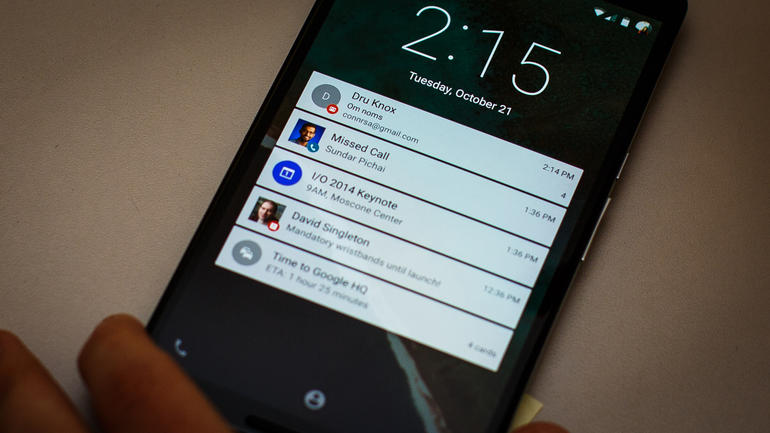
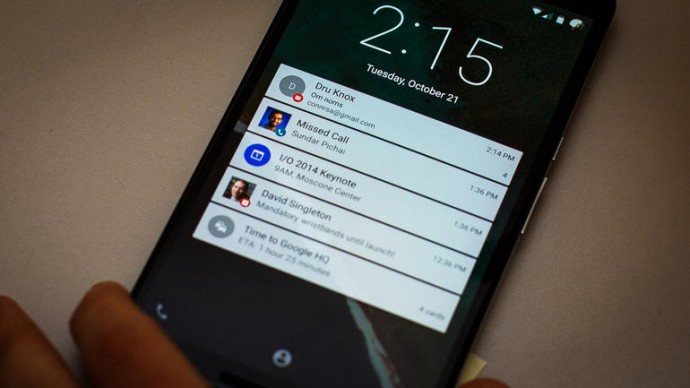
    With the new Material Design, notifications do look different. But, the change is not just a cosmetic accessing your updates and interacting with alerts from emails, your social feeds have become more intuitive. It also brings notifications to the lock screen and lets you use them right there, so you can perform tasks without even unlocking your phone. And if you don’t want some of them to bother you every second, you can just put them to your ‘redacted’ list of private notifications. Alerts not only offer quick actions and quick access to settings, but they are incredibly dynamic. They can be expanded or contracted to see more or less information, individually muted for a specific period (e.g. stop Facebook Messages, but not SMS) and prioritised according to your privacy requests.

    3. Super Easy Multi-tasking
    2014-11-07-14-08-50-1940x1455121111111111

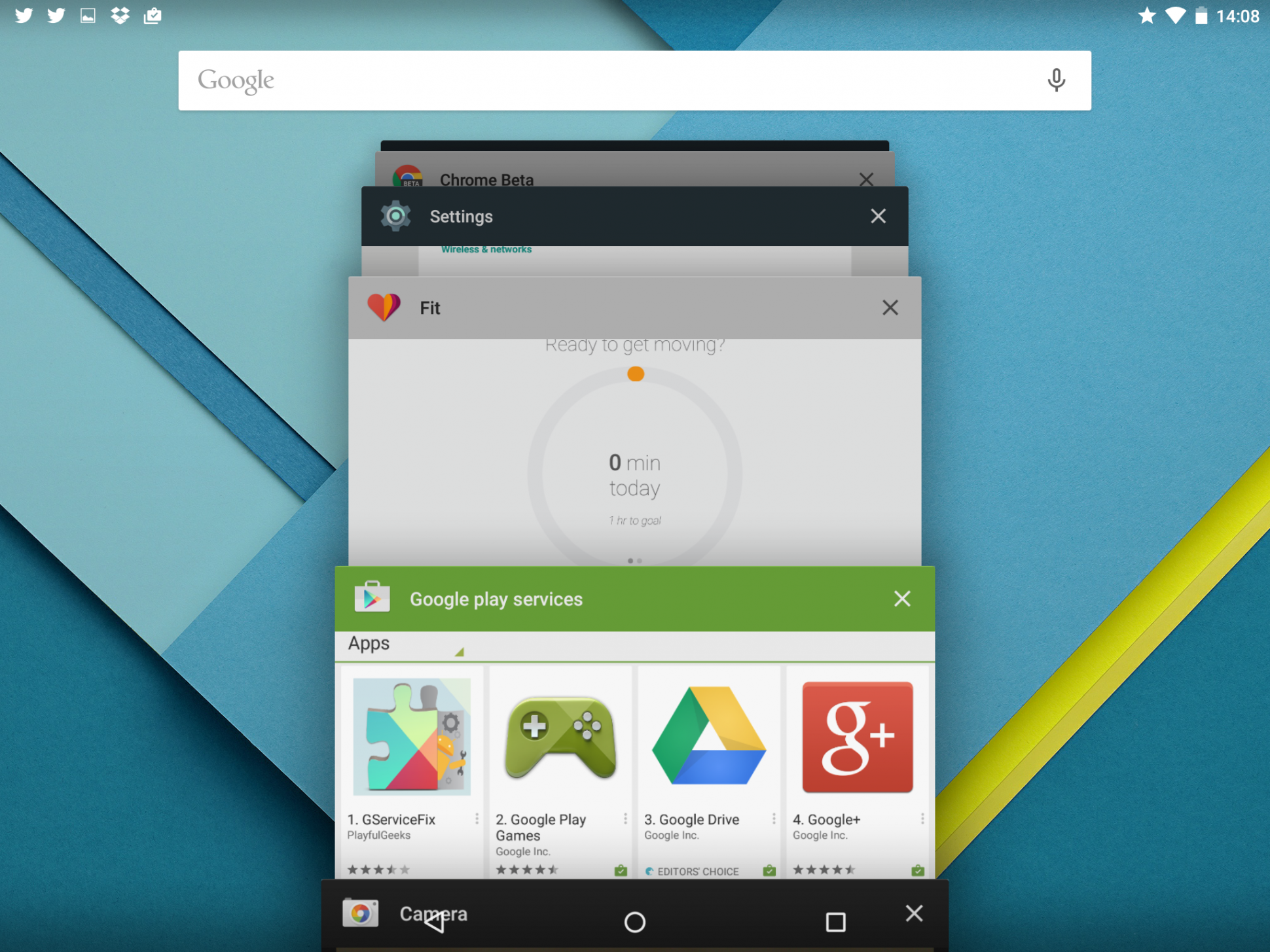
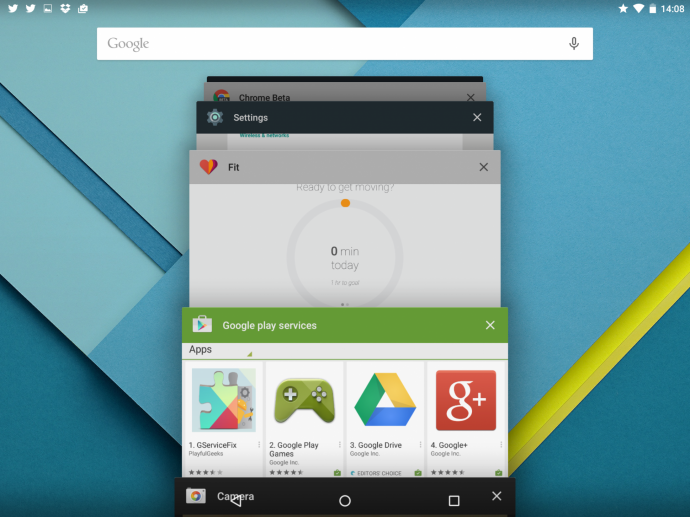
    With the new update, multi-tasking feature in Android has gone some fundamental changes. Mostly, the new changes catch up with the trends set by iOS. However, this time around, Google has actually stepped ahead of Apple. Now, instead of just switching between apps, your phone can now switch between operations within the same app. This means you can now switch between two different documents you were working on and also between different browser tabs in Chrome. This basically changes the fundamentals how you use your Android device.

    4. Pin Apps
    image

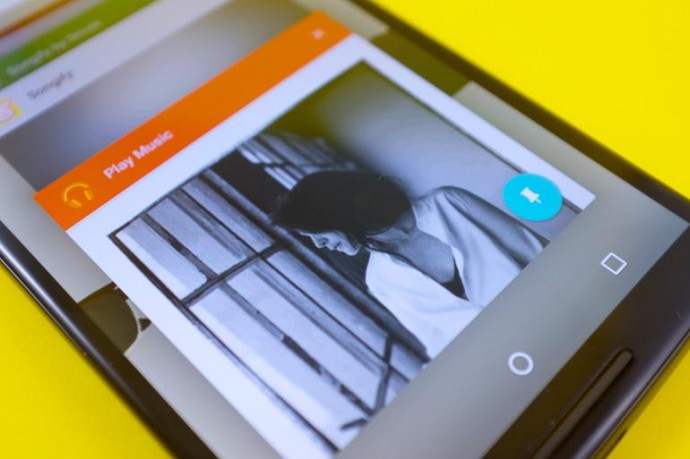
    If your phone is borrowed several times a day by friends and family, then this feature will be your favourite one. Pin Apps mode is a simple and very useful addition to Android Lollipop that lets you add an extra layer of security to your phone when somebody borrows it. When enabled, you can lock down your device so that the person using it only has access to one app. Undoubtedly, a convenient feature for those who often offer a device to a child to play games or  a friend to check his or her e-mails. Once the app is pinned, the user can navigate anywhere within the app, but he or she can’t leave it. So if you pin Chrome, the user will be able to browse the Internet, but that’s it. Exiting a pinned app requires you to touch and hold the back and overview buttons at the same time. After a couple of seconds, your device will switch to the overview screen.

    5. Faster App Response – ART

    Android RunTime (ART)

    Earlier, Android used the Dalvik engine to run third-party and core Google applications. Now, the company has switched to ART with Android Lollipop. ART provides larger install footprint and can, as Google says, operate in an ‘always ready’ mode. So when you select it, the application will spring into life faster than it would with the old engine. According to the company, ART is 4x faster than Dalvik and will improve the performance of any Android handset it runs on.

  • Asus Plans to Unveil 2nd Gen ZenFone Smartphones at CES 2015

    Asus Plans to Unveil 2nd Gen ZenFone Smartphones at CES 2015

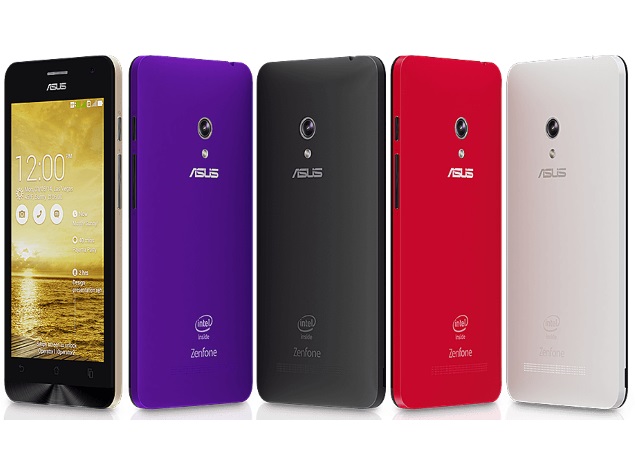
    Asus, Taiwanese smartphone maker, has revealed its plan for the next quarter. Asus CEO Jerry Shen on Thursday said that the company plans to introduce the successors to the popular ZenFone 2 series of smartphones next year at CES 2015.

    Shen also said that the company is going in to business with another chip maker to swell their shipments next year. He stressed that the new chip maker will help the company produce affordable devices which can be priced as low as NTD 4,990 which is Rs. 10,000 approximately.

    Currently, Asus uses chipsets from Intel for its devices starting from the price tag Rs. 5,999 for the ZenFone 4 in India. However, Shen did not reveal the name of the chip maker. The company is planning to bring second generation of ZenFone series with two of the biggest Chinese carriers – China Mobile Ltd and China Telecom Corp, along with various other models designed for global market.

    asus_zenfone_5_colouroptions

    “All of the new phones scheduled for release at the annual trade show will be powered by Intel Corp. chips and will support 4G LTE connectivity. LTE-enabled phones will account for about 30 percent-40 percent of Asustek’s total smartphone shipments in 2015,” Shen said in an interview.

    He also added that 4G-LTE  handsets powered by Intel chipsets will start at the price of  NTD 9,990 (Rs. 20,000 approximately). This is quite high comparing to the current offerings by Asus in India.

    The Taiwanese handset maker estimates that it will ship 8 million smartphones by the end of this year and 16 million next year. It intends to double its shipments with availability of its ZenFone series to about 6 new markets, currently the company is present in 14. Shen said that the company will now focus on China and Japan.

  • Microsoft to Bring Out a Web Version of Skype in the Coming Months

    Microsoft to Bring Out a Web Version of Skype in the Coming Months

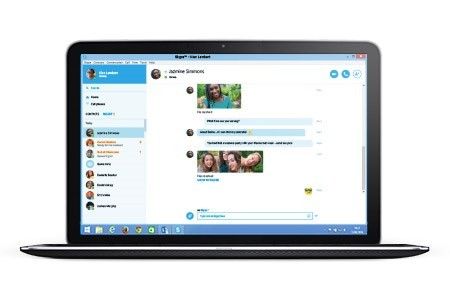
    Microsoft seems to focus on Skype a lot these days. A few days ago, the company announced that it will rebrand Lync, enterprise video conferencing software, as Skype For Business. Now, Microsoft announced on Friday that it will soon launch a web-based version of the video-conferencing platform.

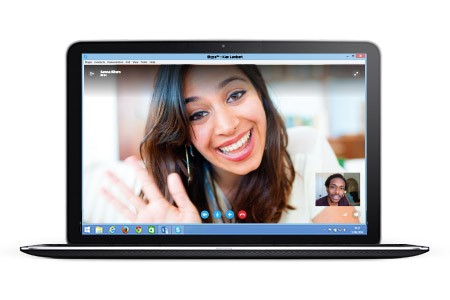
    Microsoft has gradually started to bring Skype to the web through its Outlook.com service, however, this web-version will work across latest versions of Internet Explorer, Chrome, Firefox, and Safari without the need to use Outlook.com. The new version of Skype, which is still in beta, allows users to log in to their existing accounts from Skype’s website.

    The official blogpost reads: “Skype for Web makes it quicker and easier than ever before to connect with friends, family and colleagues around the world, for free – directly from Skype.com. It’s perfect if you prefer using the web rather than an app: perhaps you’re sitting at a computer that doesn’t already have Skype downloaded. Or maybe you’re on the go and using an internet café or hotel computer whilst on vacation where you can’t download Skype at all. Using Skype for Web makes it more convenient to get to your conversations.”

    sfw1.0

    Microsoft is planning to take advantage of Web Real-Time Communication (WebRTC) APIs to enable browser-to-browser voice calling, video chat, and instant messaging in the future. However, for now, you need a small plug-in to enable the service until WebRTC version is ready.

     The Skype for Web is still in beta stage, the company acknowledged some glitches with Skype’s current web-based version. Microsoft said that Mac users may experience an “issue with battery consumption,” and outgoing video calls may take longer than normal to connect for all web users.

    According to the blog, the company is rolling out the services to limited people at first with a larger rollout to follow in coming months. It is not clear how many users would be a part of the initial process,  however, the selected ones will see an invitation when they log in to their Skype account from Skype.com.

  • Xiaomi’s Upcoming ‘Cheaper Than the Cheapest’ Smartphone Leaked

    Xiaomi’s Upcoming ‘Cheaper Than the Cheapest’ Smartphone Leaked

    Earlier we reported that Xiaomi was planning to invest in a Chinese chipmaker Leadcore to offer more cheap devices. Now, according to a report, Xiaomi has acquired 51% stake in the company. It is expected that with the inclusion of these chips, the price of Redmi phones might go even further down.

    Leadcore is generally not recognised when it comes to system chips as this segment is ruled by the likes of Qualcomm and MediaTek. However, that isn’t to say that they should be ruled out, especially after a healthy cash injection from Xiaomi. The only processor that could catch our attention is Leadcore LC1860 chip, which will reported be used by Xiaomi in its future devices.

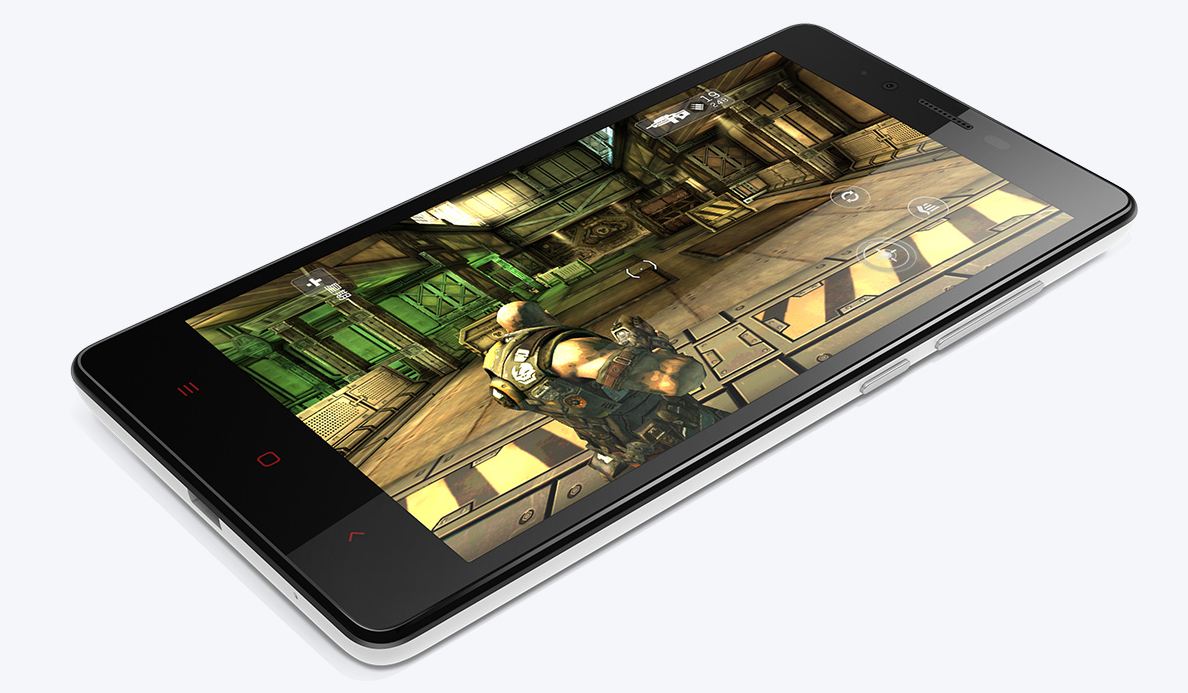
    The LC1860 system chip is built around the a 28nm Cortex A7 architecture running at 2.0GHz with a Mali T628 GPU. Now, according to a report by Gizchina, the company is working on a device powered by LC1860 that will be priced at ¥399 and will be LTE capable. This translates to approximately Rs. 4,000 as per Indian currency.

    A leaked specification sheet suggests that the SoC can support 2k LCD displays and record up to 720p videos at 120fps and 1080p videos at 60fps. It also has 4G LTE support. In addition, the Gizchina’s report also said that the device will have a 720p HD display and 1 GB of RAM.

    Xiaomi’s handsets are really cheap as it is. Now, the phones with LC chips would bring that price further down, which is a good thing (as long as these LC chips can offer decent performance). However, we doubt that Xiaomi will give up on Qualcomm’s Snapdragon processors though, we think that Xiaomi will include these LC chips in their cheapest smartphone line and once again push the limits of low-cost smartphones, while sticking to Snapdragon for their high-end phones.

  • Here’s How You Can Get Android Lollipop 5.0 Right Now on Your Nexus 5

    Here’s How You Can Get Android Lollipop 5.0 Right Now on Your Nexus 5

    Google has started rolling out Android Lollipop 5.0 update for Nexus 5. You can expect the new update soon on your device via OTA in the coming days. However, there are some of us who don’t want to wait anymore. It is true that the OTA method is the most convenient way to upgrade your phone. However, we don’t mind doing some hard work to get the new upgrade.

    So, here is how you can get Android Lollipop 5.0 right now on your Nexus 5.

     Things you’ll need:

    • A Windows computer installed with ADB and Fastboot.
    • Android Lollipop ROM for the Indian version of the Nexus 5. Download it Here.
    • USB drivers for Nexus 5. Download it Here.

     How to do it:

    1. Go to the phone Settings and make sure the Developer mode is enabled.

    2. Put the downloaded Lollipop Zip file into a new folder in the desktop and rename it according to your preference.

    3. Make sure the USB debugging option is on; you can find it under Developers option in your phone’s ‘Setting’ window.

    Nexus 5 Lollipop3

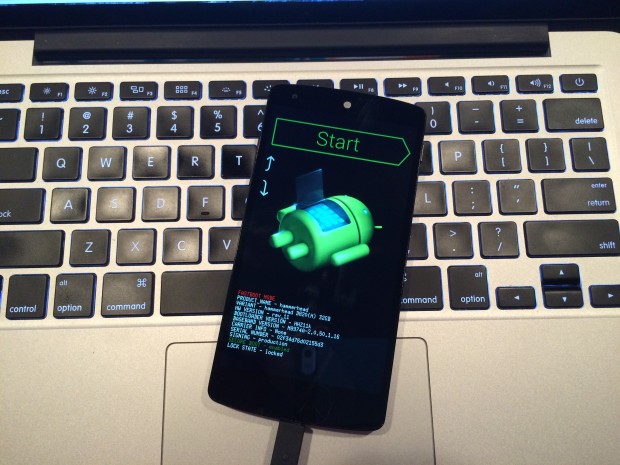
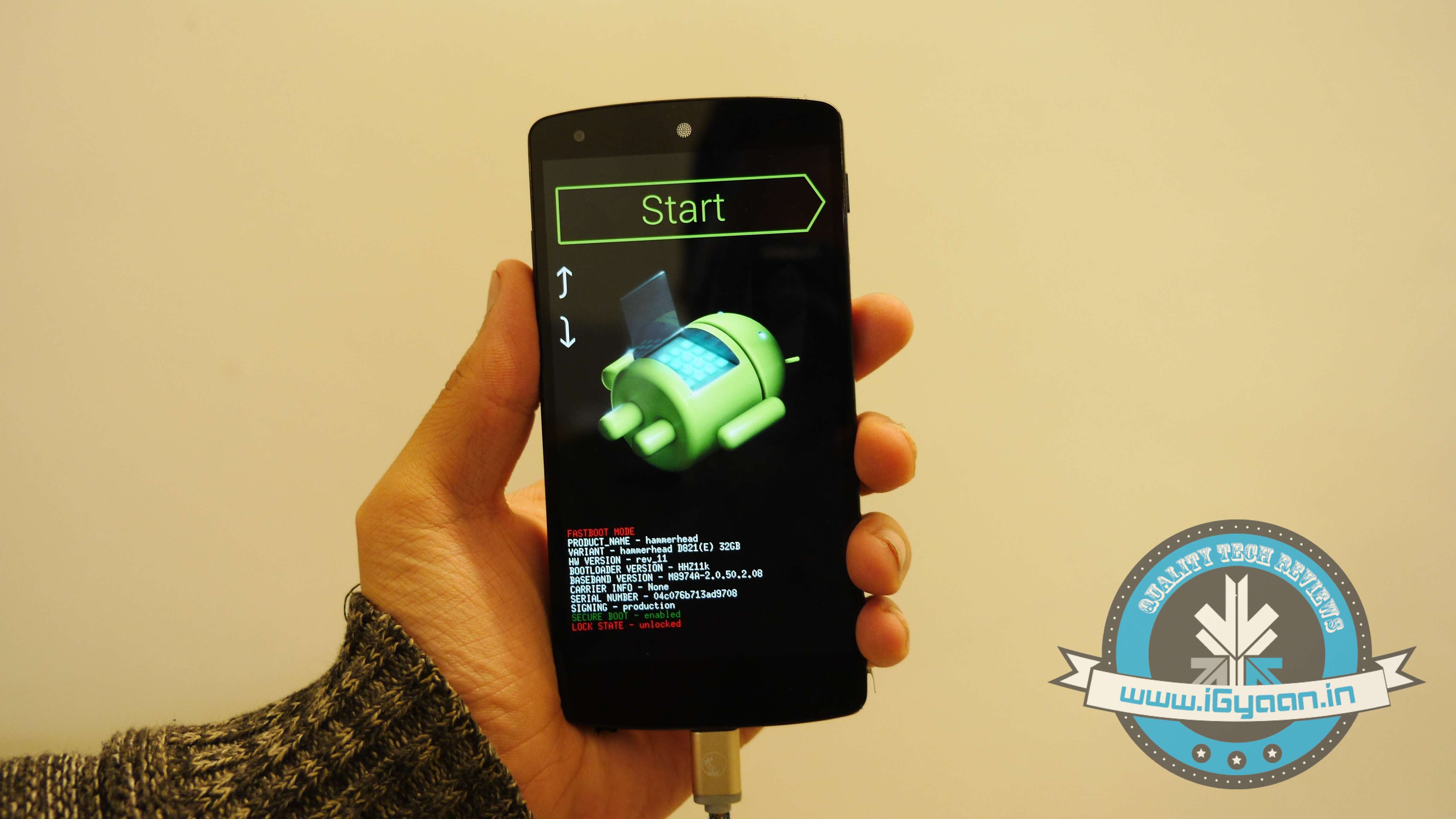
    4. Switch off your phone. Now press Volume Down + Power button simultaneously. This will switch on the phone in Fastboot. You will see Start written in big letters on the top of the screen. Use volume buttons to navigate to Recovery Mode. Once found, select it using the Power button.

    Nexus 5 Lollipop2

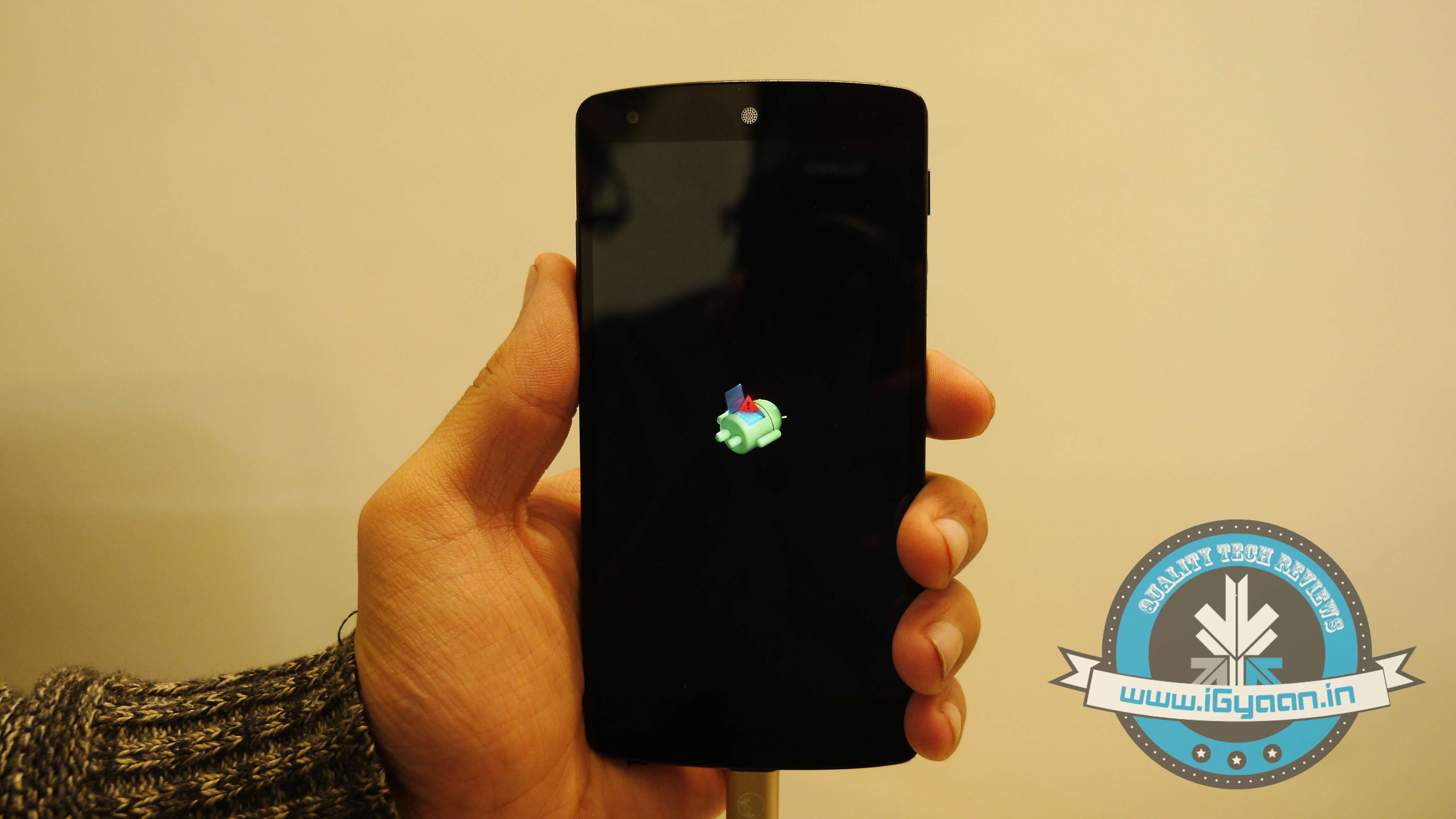
    5. You’ll see small Android robot lying flat with a red mark over its belly. Now press the Power button for a couple of seconds and press the Volume Up button once while holding the power button. This will turn on the ADB mode in your device. If it doesn’t, try it again starting from step 4.

    6. Once the phone is in Recovery Mode, use volume buttons to highlight ‘apply update from ADB’ and press Power button to select it.

    Nexus 5 Lollipop5

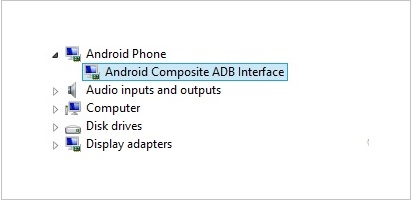
    7. Connect your phone with the PC via USB. Make sure the PC recognises the device as Android phone with Android Composite ADB Interface functionality in your computer’s Device Manager. If not, uninstall the drivers and install them again.

    Nexus-5-Driver-Installation-Completed

    8. Now press ‘Windows+R’ on you keyboard to launch RUN and type ‘cmd’ to open the Command window.

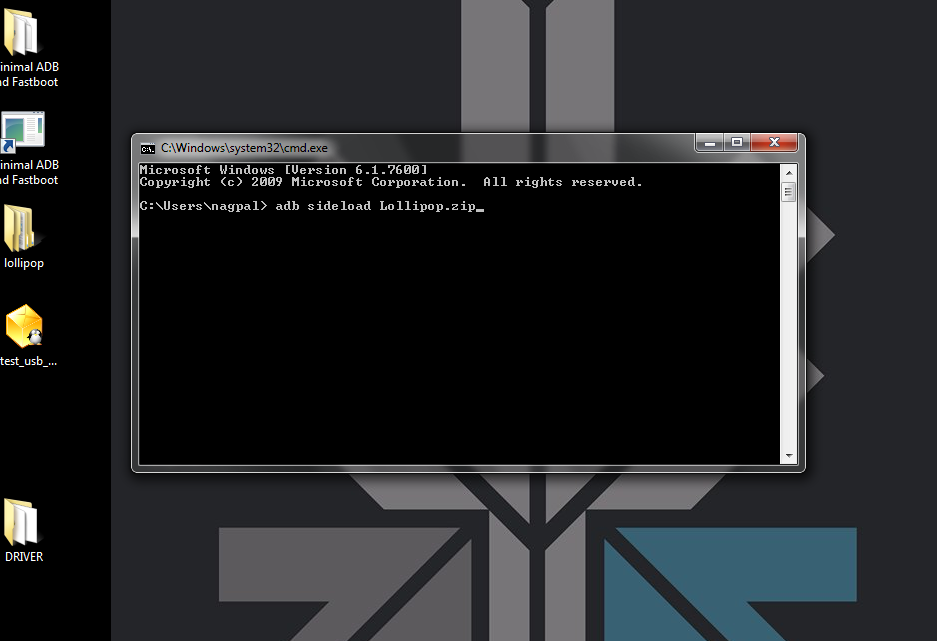
    9. Type ‘adb sideload <name of the Lollipop zip file>’. For example, if your file name is Lollipop.zip, then write: adb sideload lollipop.zip and press Enter.

    cdm

    10. Now,  you will see that the ROM will be copied onto your phone. This way, Lollipop will be installed. The whole process will take around 10 minutes.

    lollipop

    TIP: If you get confused or lose the track somewhere in between, press the Volume Up, Volume Down and Power buttons together to reboot the phone. And remember, never ever pull it off charging.

  • QWERTY Keyboard-Equipped BlackBerry Classic Up For Pre-Orders in the US

    QWERTY Keyboard-Equipped BlackBerry Classic Up For Pre-Orders in the US

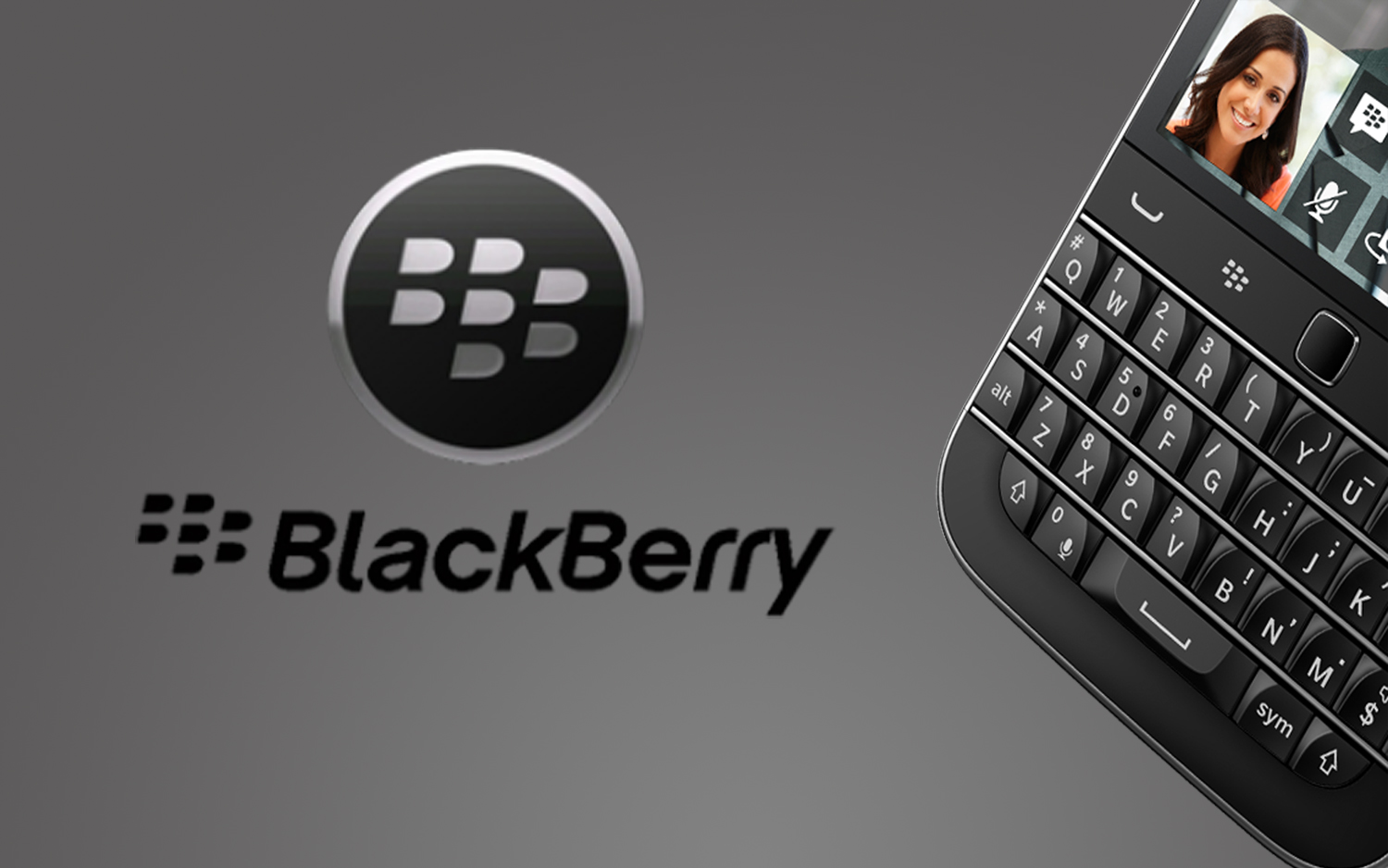
    BlackBerry is going back to its roots. In the age of generic bar-shaped smartphones, the company is trying to attract users with the good old days feel. With the release of Passport, the company has made it clear that it will give their most successful form factor a second chance. Now the Passport was a unique device with features unheard of before. But BlackBerry’s Classic promises the goods of yesteryear for people who long for a different user experience.

    The Classic will remind you of the era of BlackBerry Bold. The phone is now available for pre-orders in America. It is currently priced at $450 for an unlocked version. The shipments are supposed to start by mid-December.

    What is really peculiar though is that BlackBerry hasn’t yet released any other information or specs of the device. The company got people excited about the Passport by showing off its unique 1440X1440 resolution square display. This time around, there was no such revelations. Considering it’s trying to make a comeback, BlackBerry should have released some sneak peeks by now. All we know right now is how the phone looks based on a leak on a Chinese website.

    It is expected that BlackBerry Classic is expected to be powered by a 1.5GHz Qualcomm Snapdragon S4 processor with 2 GB of RAM. To provide the classic appeal, the phone has a 3.5-inch screen coupled with a QWERTY keyboard.

    Considering the speed at which BlackBerry brought the Passport to India, you can expect the Classic to show up soon in this part of the world. We’ll let you know of the future plans of BlackBerry right here at iGyaan. Keep checking back.

  • To Strengthen Android Security, Samsung Partners With Blackberry

    To Strengthen Android Security, Samsung Partners With Blackberry

    Smartphones are not just a communication device anymore. They are business gadgets and a storage for tons of personal information. With the number of revelations of hacking and stealing content from users phones and cloud account, security of the smartphones has become an important topic of discussion amongst all stakeholders. Samsung has decided to step up its game on security and has partnered with Blackberry for the effort.

    Samsung’s own Knox was reported to have a flaw that apparently left the system ‘completely compromised.’ Here Blackberry can come really useful as it has been unanimously praised for having one of the best enterprise security.

    This will also be a good opportunity for Blackberry to share the limelight with the global consumer electronics giant. Blackberry has had serious issues in the recent past with the rapid decline in sales.

    Blackberry will provide its expertise to enhance the performance of Samsung’s Knox system. It will integrate its BES12 end-to-end encryption system with Samsung’s Knox. The offspring of this alliance will be introduced early next year.

    The security option is essential for corporate and government sectors as they deal in sensitive information. These sectors also consume massive inventories from the companies so it would be important for Samsung to convince them of its security standard.

  • Microsoft Plans to Upgrade All Windows Phone 8 Devices to Windows 10

    Microsoft Plans to Upgrade All Windows Phone 8 Devices to Windows 10

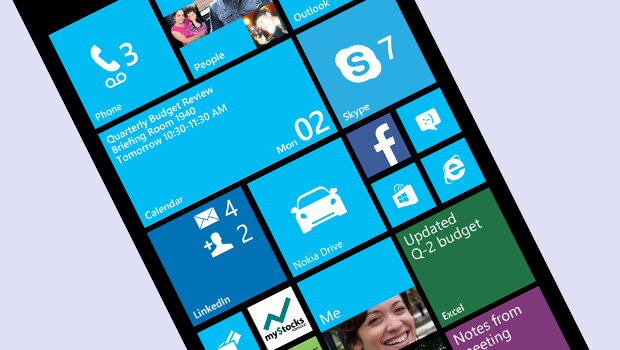
    There is no place for silly mistakes in the tech industry and Microsoft has realised that. After dropping the Nokia brand completely, the company has a lot of work to do in terms of brand image as all its key smartphone components are at stake. Windows Phone OS is one of them.

    The company, responding to a customer’s query on Twitter, has made it clear that it “plans to upgrade all Windows Phone 8 devices to Windows 10 in the future.” This also includes the Windows 8 devices launched under the name of Nokia. The next big Windows OS, Windows 10, is still in the early development stage, hence, Microsoft is tight-lipped about the arrival of the new OS.

    However, it is a sign of relief to the Nokia Lumia owners who felt backstabbed when the company completely dropped the Nokia branding. Earlier in 2012, Windows lovers were disappointed when Microsoft decided that the existing devices wouldn’t make the jump to Windows Phone 8.

    The new operating system was unveiled at San Francisco for Business customers. Microsoft has already released a technical preview version for selected users. It is expected to unveil new consumer features early next year. Windows 10 is expected to reach the market by mid-2015. Considering Microsoft nails its flagship operating system in every alternate release, we have a lot of hopes with this one.

  • Xiaomi Hints at the Arrival of Redmi Note in India

    Xiaomi Hints at the Arrival of Redmi Note in India

    It is been a while since Xiaomi has launched a new product in India. While the Chinese company is busy preparing for occasional flash sales and celebrating the new tag of being the world’s third-largest smartphone maker, it seems like the company is moving forward in the Indian market with new offerings.

    In a recent post on Facebook, Hugo Barra (Vice President of International for Xiaomi) mentioned that the Redmi Note is finally ready for India. The device was expected to launch a month back, however, it didn’t happen. In an interview with a popular publication last month, Barra said that the Redmi Note will come to India in late October or early November. It looks like the early November in the Chinese calendar is here.

    In the Facebook post, Bara mentioned “Mi Indonesia: 10,000 Redmi Note out of stock in under 40 secs today!” adding that the next in the list will be India. The post further mentioned that the Xiaomi’s Vice President’s may have landed in Bangalore, India for the same reason – launch of Redmi Note. Xiaomi India Head Manu Jain also confirmed that the company is aiming for the end of this month or early next month for the device.

    Redmi Note is a 5.5-inch phablet, which comes with a MediaTek MT6592 octa-core SoC, and has a 13MP and 5MP rear back and front cameras respectively. The device also has a 8GB of internal storage, which is expandable up to 32 GB using a micro-SD card. The company has already announced that the Redmi Note in the country during Mi3 launch will be priced at Rs. 9,999. However, it is expected the Redmi Note will be available for Rs. 8,999, once it is launched.

  • Google Celebrates Children’s Day with Pune Girl’s Winning Doodle

    Google Celebrates Children’s Day with Pune Girl’s Winning Doodle

    A girl from Pune has bagged this year’s Doodle4Google contest and Google announced it will feature the winning doodle, titled ‘Natural and Cultural Paradise – Assam’ by Vaidehi Reddy, (Army Public School, Pune) on the Google India homepage. As per the declaration, the doodle appears on their homepage today, November 14, which is celebrated as Children’s Day in India. Google’s Doodle4Google contest is held annually and was launched back in 2009. Students from class 1 to 10 are invited to draw the Google Doodle to celebrate Children’s Day in India.

    This year’s theme for the contest was ‘A place in India I wish to visit’ and it saw an overwhelming 1 million entries from more than 1,700 schools across 50 cities in India. Out of million entries, Google shortlisted 12 doodles that were put up for online voting.

    The winner was eventually chosen by Google’s National Jury that had Political Cartoonist Ajit Ninan, Art Director Children’s Publishing at ACK Media Savio Mascarenhas, and Google Doodle team lead Ryan Gerick.

    “Doodle4Google is the perfect platform for the youth of India to showcase their talent on an international platform. It allows youngsters from not only the metros but from Tier II, III and even IV cities to participate, which is evident from the entries seen this year. The response of over 1 million entries is indeed overwhelming and the talent which has surfaced through the entries is remarkable”, said Rajan Anandan, Vice President and Managing Director, Google India.

  • Samsung Revolutionises the Digital World with ‘Project Beyond’, a 3D Camera for Gear VR Headsets

    Samsung Revolutionises the Digital World with ‘Project Beyond’, a 3D Camera for Gear VR Headsets

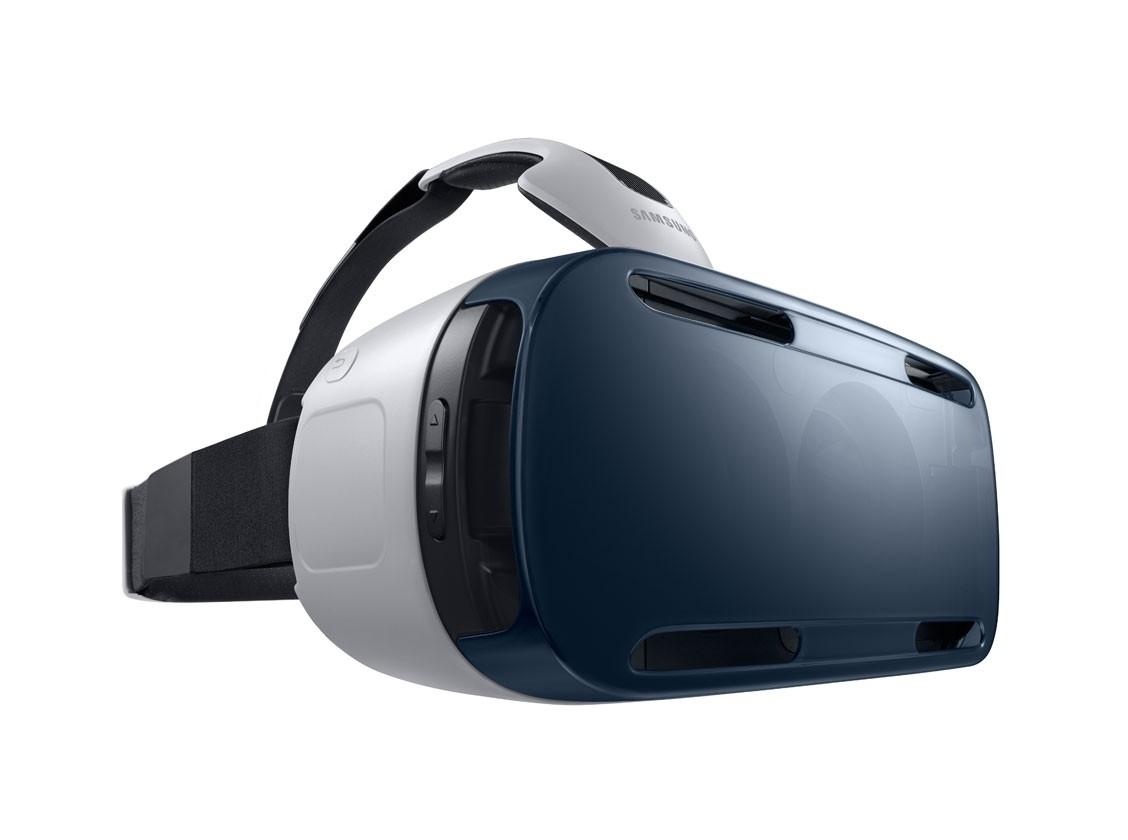
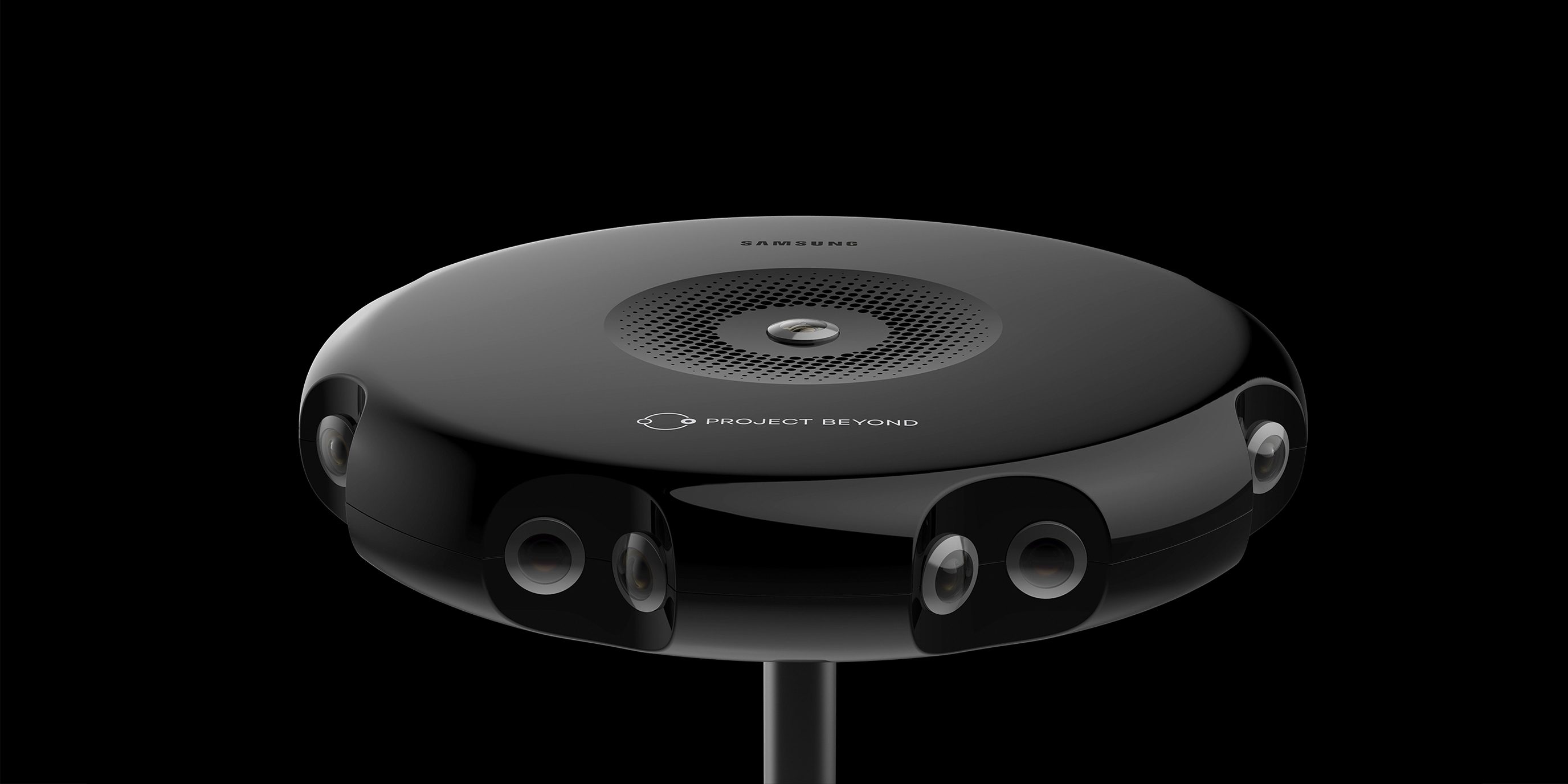
    South Korean giant Samsung has announced ‘Project Beyond’ – a 360-degree camera module that captures everything around it in 3D for use with Samsung’s Gear VR headset. The announcement was done at its 2014 Developer Conference. The device has 16 individual high-def cameras which can together capture a gigapixel or 25 gigabits of data every second.

    The footage captured can be streamed back to someone wearing Samsung’s Gear VR headset, transporting them into the world of virtual reality. Basically, Project Beyond can create virtual 3D world continuously wherever it is placed. Samsung also mentioned that users would be able to stream live footage from cameras located anywhere with a decent wireless connection. Moreover, the Project Beyond camera allows multiple users to look around a scene captured by the camera at the same time.

    Image Credits: The Next Web
    Project Beyond (Image Credits: The Next Web)

    Our sources reveal that Samsung has already taken the camera at numerous locations in California to record footage that can be viewed within the Gear VR. Though Samsung hasn’t yet given a tentative release date, but they did mention that there will be new improved Gear VR headsets for future Galaxy smartphones. So, we can expect some flagships from Samsung will be launched with the headset sometime next year.

    We are really excited to get hands-on this new technology. Hopefully, Samsung previews Project Beyond in India as well.

iGyaan Network
Privacy Overview

This website uses cookies so that we can provide you with the best user experience possible. Cookie information is stored in your browser and performs functions such as recognising you when you return to our website and helping our team to understand which sections of the website you find most interesting and useful.