Category: Brands and Companies

All Brands and Company Names

  • Microsoft Launches Kinect For Windows In India At Rs 19,990

    Microsoft Launches Kinect For Windows In India At Rs 19,990


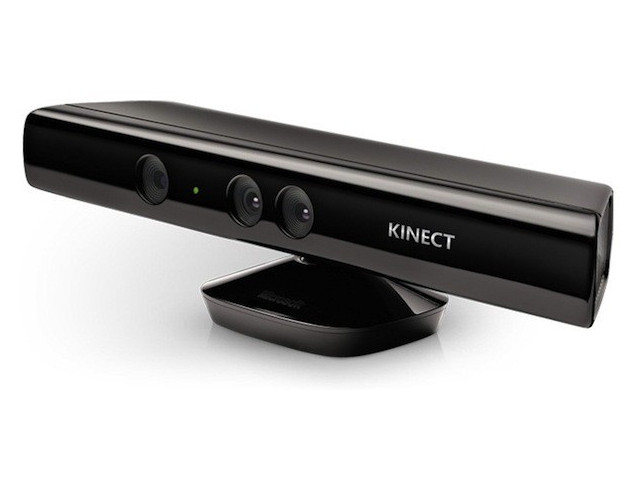
    Kinect for Windows sensor, which aims to harness Microsoft’s Natural User Interface in a bid to ‘revolutionise’ computing,  is now available in India along with the Software Development Kit (SDK). The Kinect for Windows sensor is available at Rs 19,990 while the SDK is available for free download at http://www.microsoft.com/en-us/kinectforwindows/.

    The Xbox 360’s Kinect accessory has been quite a hit among casual gamers. Its list of accomplishments doesn’t end there though, as developers and scientists have modded it to carry out some complex tasks.

    Microsoft is hoping that developers and businesses will take advantage of the cutting-edge features of this motion sensing technology like improved skeletal tracking, , enhanced speech, seated mode tracking to create innovative applications. 

    Kinect for Windows will include Studio – a tool which allows developers to record and play back Kinect data; Human Interface Guidelines (HIG) to guide developers on best practices for the creation of Natural User Interfaces and the Face Tracking SDK, which provides a real-time 3D mesh of facial features tracking the head position, location of eyebrows and the shape of the mouth.

  • Google to shut down podcast app Listen, Video for Business & Apps for Teams

    Google to shut down podcast app Listen, Video for Business & Apps for Teams

    Google will be shuttering Apps for Teams, Google Listen, Google Video for Business and an unspecified number of its more than 150 blogs.

    [quote]“Technology has the power to change people’s lives. But to make a difference, we need to carefully consider what to focus on, and make hard decisions about what we won’t pursue,” Google wrote in a blog post. “This enables us to devote more time and resources giving you products you love, and making them better for you.”[/quote]

    Google says it’s made changes to around 50 products, features and services in the past year. By eliminating products, it says, it can better allocate its time to more popular products, which will be used by more people.

    Google Apps for Teams was launched in 2008 to allow people with school or business email addresses to collaborate on non-email applications, such as Google Docs, Google Calendar and Google Talk. Come Sept. 4, Google will turn Team accounts into regular Google accounts.

    In 2009, Google Listen was launched for improved podcast discovery, which the company says has been made irrelevant because of Google Play. The podcast search function will be discontinued Nov. 1, though people who’ve already downloaded specific tracks will still be able to listen. Podcast subscriptions will be available in Google Reader, under the “Listen Subscription” folder.

    Google Video for Business has allowed Apps for Business and Apps for Education users to use video for internal communications. Stored videos will be migrated this fall into Google Drive, but will not count against a user’s storage quota.

    Though Google did not elaborate on which of its more than 150 blogs it would be terminating, the company says it won’t reduce post quantity, rather it will consolidate its communications in its most popular blogs.

  • Amazon selling more Kindle ebooks than print books

    Amazon selling more Kindle ebooks than print books

    The UK’s biggest book retailer Amazon now sells more ebooks than hardbacks and paperbacks combined, the company has said. For every 100 print books sold through the site, Amazon said it sold 114 titles for its Kindle e-reader device.

    It added that the average Kindle owner bought up to four times more books than they did before owning the device.

    The strong figures have been boosted by titles such as multi-million selling erotic novel Fifty Shades of Grey. The book has sold more than 31 million copies worldwide, with two million ebooks of the title selling in less than four months.

    The figures do not take into account ebook sales on other platforms, such as Apple’s iBooks or the website for bookseller Waterstones.

    Amazon’s figures have also been boosted by a surge in popularity for self-publishing. The company said there had been a 400% increase in authors using Kindle Direct Publishing since summer 2011.

    Among them were some of the site’s bestsellers. British author Kerry Wilkinson is one of the world’s most successful self-published authors. He has sold more than 300,000 copies of his work in the past year.

    With print sales, however, Amazon faces competition from many big, established retailers.

    “To really judge the state of the ebook market, we need proper sales data so that we can compare across the board,” he wrote.

    Jonathan Ruppin, web editor for bookseller Foyles, said it is a trend the book industry must adapt to deal with.

    “The proportion of sales that are taken up by ebooks will continue to increase,” he told the BBC.

    The figures were released as Amazon marked the two-year anniversary of the Kindle’s release in the UK.

    “Customers in the UK are now choosing Kindle books more often than print books, even as our print business continues to grow,” said Jorrit Van der Meulen, vice-president of Kindle in Europe.

    “As a result of the success of Kindle, we’re selling more books than ever before on behalf of authors and publishers.

    “And thanks to Kindle Direct Publishing, thousands of self-published authors have also been given an outlet to share their work with the millions of Kindle readers worldwide.”

    However, despite the e-reader’s popularity, the company is still yet to announce plans to sell the Kindle Fire – a tablet computer – in the UK, despite it being on sale for over eight months.

  • Apple Patent Envisions a Smart Cover With Built-In Display, Keyboard

    Apple Patent Envisions a Smart Cover With Built-In Display, Keyboard

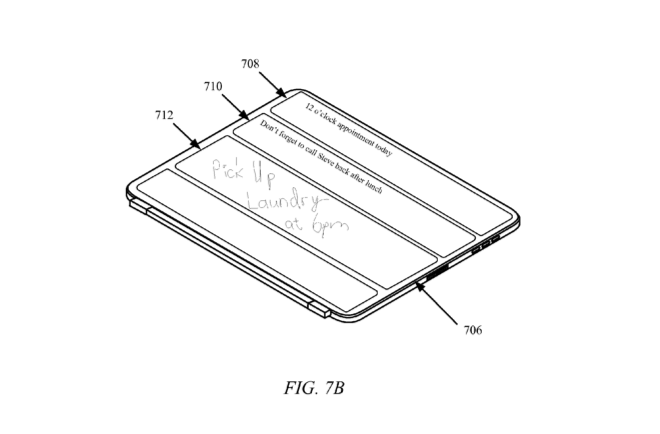
    If you think the Surface tablet’s Touch Cover and Type Cover are cool, then take a look at what Apple has in the works. The company that’s dominating the tablet industry with the iPad is looking to patent what appears to be next-generation Smart Covers, complete with built-in, flexible AMOLED displays, keyboards, and even solar panels and radio frequency (RF) energy collection antennas.

    Apple’s patent application for a “Cover Attachment With Flexible Display,” was published by the United States Patent and Trademark Office Thursday, and shows a number of possible Smart Cover embodiments, one of which should look particularly familiar to Microsoft watchers.

    When Microsoft first showed off its Surface tablet in June, it spent a significant amount of time touting the benefits of the peripheral Touch Cover, a tablet cover with a flat, built-in keyboard. It was a key features etting the Surface apart from the iPad. But it looks like Apple has been thinking along the same lines for at least a year — the company first filed its patent on Aug. 11, 2011 — and has come up with a flexible Smart Cover that includes a fabric keyboard and potential video or document controls on a back flap.

    “First, this configuration gives the user an experience much closer to the one enjoyed by laptop users. Second, by allowing the user to easily view the screen and by providing a convenient surface to type on, tasks such as word processing and email become much more efficient,” the patent document states.

    This sounds a lot like what Microsoft said about its Touch Cover advantages, but Apple is envisioning much more (though whether any of Apple’s ideas ever reach fruition is a different matter entirely).

    One of the most interesting embodiments in the patent is a Smart Cover with a built-in AMOLED display made of a thin, polyimide substrate that could extend the iPad’s display. The cover would connect to the tablet through a wireless or wired data connection, or could even via other ports such as DisplayPort, mini DisplayPort, DVI, or Thunderbolt.

    “The addition of cover display ameliorates the limited screen area problem and makes a number of tasks significantly easier, in some cases functioning as an extended desktop,” the patent states. It goes on to list a few examples of how the cover display could help with reviewing multiple documents at once. I imagine the scheme might also be helpful for general multitasking — you could keep your e-mail on the cover display and your web browser on the iPad display. The patent adds that the cover’s display could be enhanced with multi-touch gestures.

    Since the cover’s display is flexible and can be used as an iPad stand (just like the current Smart Cover), the patent says that the cover could also recognize when it’s being bent back (with the help of an accelerometer) and activate itself for a specific purpose. For example, the cover display’s panel might display your Facebook status or latest tweet, the current time, or even your name — useful for when in meetings with strangers.

    The display doesn’t have to stay within the confines of the tablet. Apple’s filings also describe another option in which the cover features small displays across the outside panels, allowing you to view information without having to open the cover and turn on the tablet. Instead of AMOLED display technology, the patent describes this embodiment as using electronic paper, which requires no extra power to maintain static images or text. The cover, in this case, could be used to display calendar reminders, tasks, or decorative patterns.

    How does the cover display get power? Apple has thought of a few options. The patent document describes a custom MagSafe connector that would allow the cover to draw power from the iPad itself. Alternatively, the cover could include a small battery, so that it doesn’t drain the tablet’s power. Another interesting option is to include “ambient energy collectors” such as solar panels and RF antennas.

    In one embodiment, the iPad cover has integrated solar panels on the outside of the cover. In this case, the cover doesn’t only power itself, but it could also transfer energy to the tablet. The cover could also include RF antennas, which the filings admit do not yield as much energy. Still, the antennas could power a micro battery or a super capacitor inside the actual cover, to power the low-energy AMOLED or electronic paper display. One advantage of the RF antennas is that they can collect energy whether the cover is open or closed, whereas the solar panels have to face a light source.

    It’s clear that Apple has covered a lot of Smart Cover ground with this patent. It would be amazing to see all of these become actual shipping product features, available for various kinds of user needs. But knowing how Apple functions, it’s more likely that they will come out with one or two options. And if the company is smart, we’ll see a new cover with a built-in keyboard — to ensure nobody opts for a Microsoft Surface just because of the available Touch Cover.

    Source : Wired 
  • HTC Desire VC launched in India for Rs 21,999

    HTC Desire VC launched in India for Rs 21,999

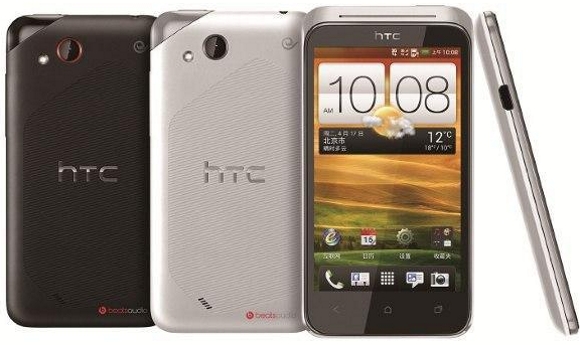
    The official HTC Desire VC Tata Docomo India price and availability details have arrived. The Taiwanese manufacturer has partnered with the carrier to offer the device with a range of flexible data plans.

    This member of the Desire series deploys a 4-inch display that’s said to render a hyper-viewing angle for streaming media content. It tags along the dual SIM attribute and enables convenient switching between CDMA and GSM Networks. A 5MP autofocus snapper with flash is embedded on its exterior. It is powered by a 1650 mAh battery. The phone has a 1GHz processor. It ships with Android ICS out of the box.
    [quote]“The new HTC Desire VC is an excellent amalgamation of style and technology. Its innovative design and dual-sim capability allows users to maximize their network connections while smartly managing data usage – making it the perfect lifestyle smartphone choice,” commented Faisal Siddiqui, Country Manager, HTC India.[/quote]


    Quite predictably, the handset employs Beats Audio technology to cater to musical needs. It packs in 4GB of memory onboard that can be expanded via a microSD card slot. Besides, there’s free Dropbox storage for 2 years. For connectivity purposes, options like Wi-Fi, a 3.5mm audio jack, a micro-USB port and Bluetooth 4.0 are thrown into the mix. This ICS handset is the first to provide its users with HSIA internet for smooth web browsing.

    Its price is marked at Rs. 21,999. Apart from convenient data plans, buyers tying up with the network provider’s post-paid or pre-paid schemes will receive a voice and data offer too.

  • Leaked : HTC One X+ with 1.7GHz Tegra 3 revealed in NenaMark report

    Leaked : HTC One X+ with 1.7GHz Tegra 3 revealed in NenaMark report

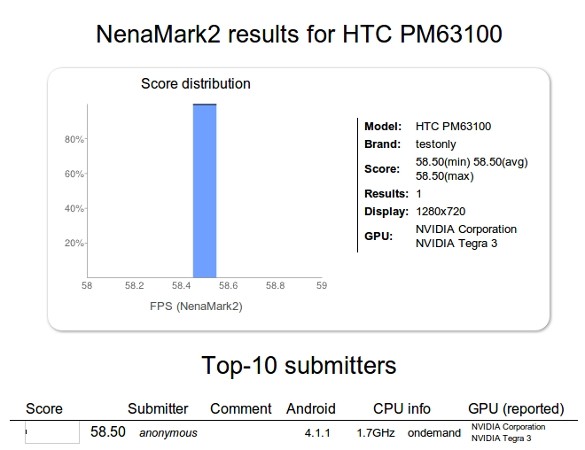
    Is this the new HTC XL replacement for the One Series? The HTC ONE X+ (read: Plus) has been found on the online benchcard of NenaMark website with the model number as PM63100. The phones also running it’s running Jelly Bean 4.1.1 with a  1280 x 720px resolution display in a much larger possible 5 inch size and same Tegra 3 innards as the One X.

    [NenaMark]

  • Blu beats Micromax to it, Launches Worlds first 4.3 inch Super Amoled Android Phone with Dual Sim (PR)

    Blu beats Micromax to it, Launches Worlds first 4.3 inch Super Amoled Android Phone with Dual Sim (PR)

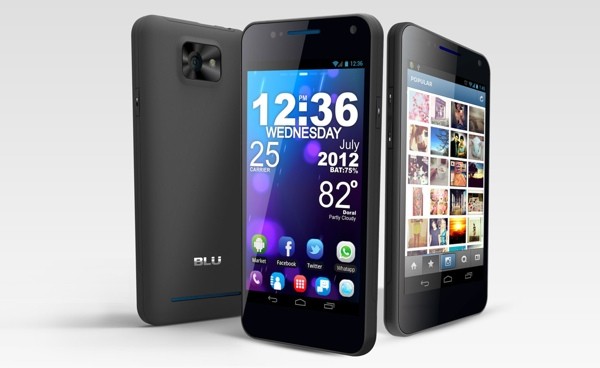
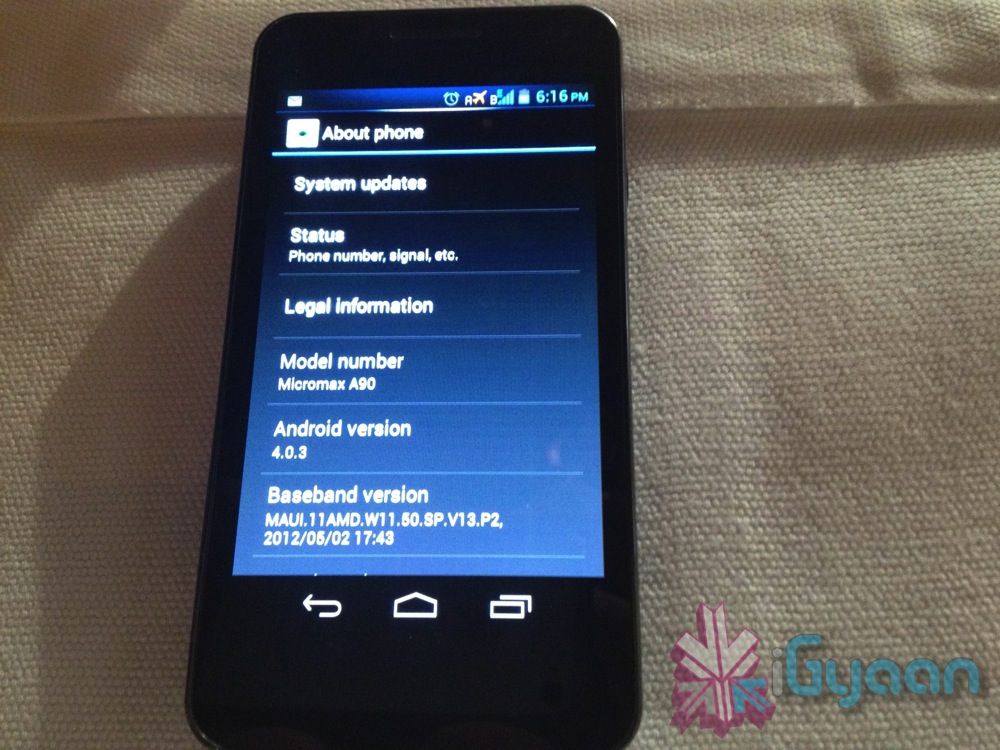
    Just when we thought an Indian company would make it to the first list, it just got beat. Blu yesterday announced, the worlds first Super AMOLED 4.3 inch display touting Android phone with dual sim capabilities on Android 4.0.3 ICS. Sounds familiar, its the exact same phone that everyone will come to know as the Micromax A90 Superfone. 

    Blu cals it the Vivo 4.3, apart from the Super AMOLED Plus screen, a 1GHz, dual-core Cortex A9 CPU, dual-SIM capabilities which sounds exactly the same as the above brother, the Price is also set at US $ 250, just like Micromax’s Rs. 12499/- reported by iGyaan earlier today.


    [toggle_box title=”BLU Press Release” width=”Width of toggle box”]


    BLU Products announces the VIVO 4.3 – World’s First Dual SIM smartphone device to feature Super AMOLED Plus Technology and Dual Core CPU


    New device meant to capitalize on the explosive growth and demand of Dual SIM smartphone devices in emerging markets as well as increased demand for unlocked smartphone devices in US MVNO Channels


    MIAMI, Aug. 3, 2012 /PRNewswire/ — BLU Products, one of the fastest growing mobile phone manufacturers in the world, announced the new Vivo 4.3, becoming the first manufacturer to produce a Dual SIM device to include either a Super AMOLED Plus LCD, or Dual Core Processor – realizing increased performance, user experience and capabilities for consumers in emerging markets, as well as non-contract unlocked devices in the United States.


    “We are extremely excited as we continue to pioneer the growing demand of Dual SIM handsets in emerging markets by offering the most outstanding Dual SIM smartphone available anywhere in the world today.” said Samuel-Ohev-Zion, CEO of BLU Products. “Additionally, this is the first in a series of exciting new Android devices we will be announcing, as we are actively and aggressively moving towards providing high performance, affordable smartphones to the ever growing unlocked no-contract segment in the United States.”


    The Vivo 4.3 features no physical hardware buttons on the front to ensure a seamless elegant design, and is run by a MediaTek MT6577 dual core 1GHz Cortex™-A9 CPU with 3G/HSPA connectivity, running the latest Android 4.0 Ice Cream Sandwich Operating System. Additionally, the Vivo is designed to deliver high-end multimedia capability, with an 8MP camera, plus HD video recording and playback. The highlights of the phone include the rich viewing experience of the brilliant Super AMOLED Plus 4.3″ Display, along with true dual SIM capability allowing both SIMs to be active and receive calls simultaneously.


    The unlocked VIVO 4.3 will begin shipping to major US Retailers in September 2012 with an MSRP of $249.99 and will soon follow through Latin America, and parts of Asia.


    About BLU Products
    BLU Products, founded in 2009, designs affordable, attractive and innovative mobile devices to suit a wide variety of consumer needs. Over four million BLU mobile devices have been sold in over 40 countries. Headquartered in Miami, Florida, BLU is one of the fastest-growing mobile phone manufacturers in the world. For more information, visit: www.bluproducts.com.

    [/toggle_box]

    [BLU Products]


  • Sunday Specials : Micromax A90 Superfone (Hands on Images + Video ) ready for Launch alongside another monster A100?

    Sunday Specials : Micromax A90 Superfone (Hands on Images + Video ) ready for Launch alongside another monster A100?

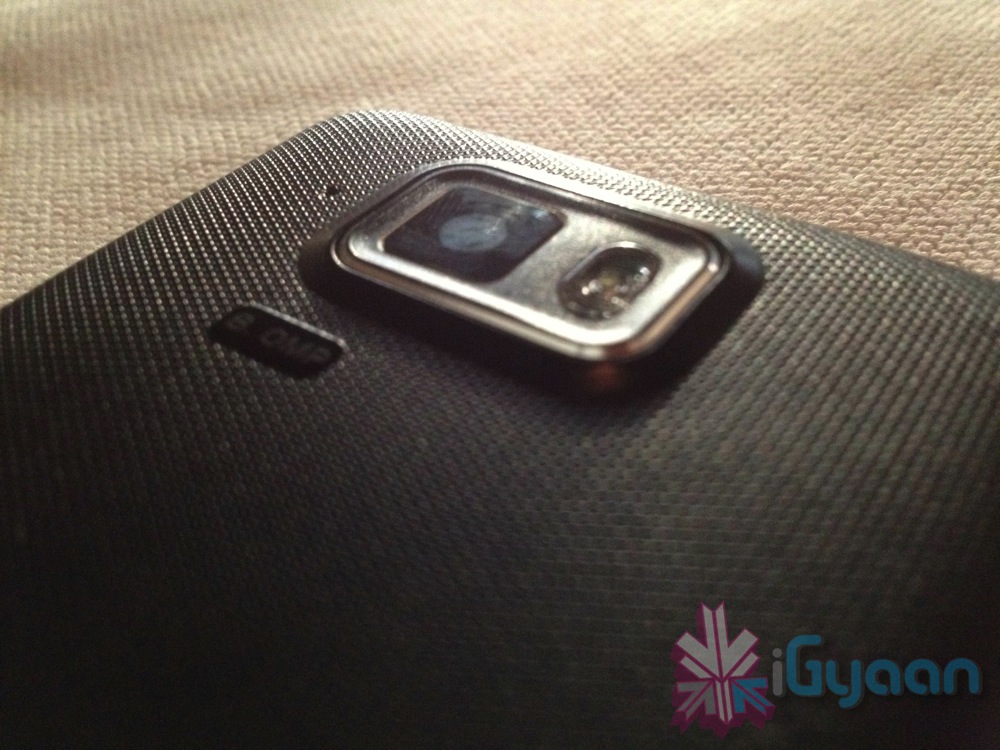
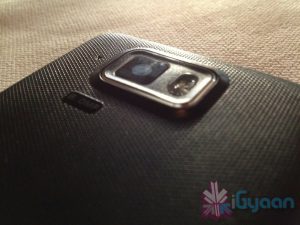
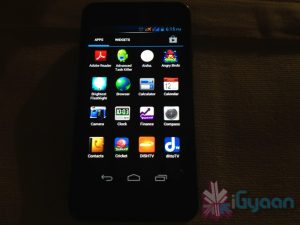
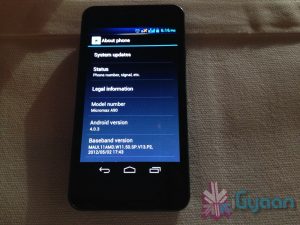
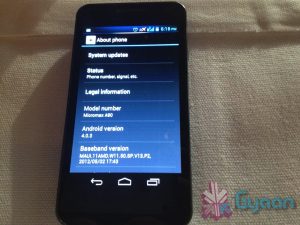
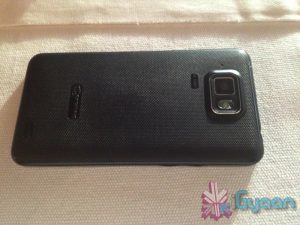
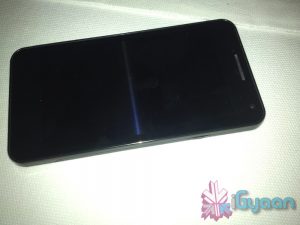
    Mr. Blurrycam and shaky hands sent us a set of hands on images and video of the upcoming Micromax A90 Superfone. This comes after iGyaan exclusively reported the phone being leaked a few days back. The details are now clearer than ever, A 4.3 inch Super Amoled screen, Dual Sim Cards and Android 4.0.3 among other UI tweaks and a fast interface. 

    Want more? there is a Full HD, 1080p capture,Video camera that shoots high quality 8 MP stills and has a high sensitivity sensor. There is also a front 1.3 MP camera and guess what – slider door usb port cover, the kinds we like. 

    The price of the phone you ask? The phone will come into market for around Rs. 12,500 /-, that’s impressive considering a dual core, dual sim, Amoled display with Android 4.0 ICS. 

    But, the story does not end here, iGyaan Also reported a leaked image of a Micromax upcoming phone, the A100 Superfone, little details of this monster have also surfaced. The phone will sport a 5 inch display with( take this ) “features to rival the Galaxy Note”. Will Micromax really come out with a Pen Input 5 inch Dual Sim phone?

    More details of this phone include 8 MP camera, Dual Core chipset ( same as the one in A90) and a price of Indian Rs. 14999/- .

    Take it with a pinch of salt. More details to come as soon as we get them , information also points to a Aug 8th or Aug 9th Release date of these two phones. If that happens, we will report from there live.

    Video 

  • Microsoft to drop ‘Metro’ name for Windows 8

    Microsoft to drop ‘Metro’ name for Windows 8

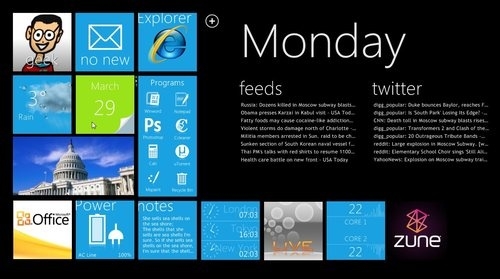
    A potential trademark dispute has forced Microsoft to drop the Metro name for Windows 8’s blocky, tile-based interface.

    Talks with an “important European partner” have brought about the change according to internal memos seen by tech news site The Verge.

    The partner is believed to be German retail giant Metro AG.

    Microsoft is currently working out what to call the interface and said the new name would be announced soon.

    The tiled interface is used on both Windows 8 and Windows Phone and has been called “Metro” ever since Microsoft started showing off its designs for the software.

    Elements of it have also been used on older products such as the Zune media player.

    In documents sent out to developers and media months ago, Microsoft said Metro was the “code name for our design language”.

    It added that Metro was picked because the name was “modern and clean. It’s fast and in motion”.

    Now documents sent out to developers are warning coders to avoid using the word when referring to the distinctive interface.

    The warning is believed to follow on from an internal memo sent by Microsoft’s Legal and Corporate Affairs department which said the company had been threatened with legal action over its use of the name.

    The threat is believed to have been made by German retailer Metro AG, which owns trademarks on the word. Metro AG declined to comment on the claim.

    Instead of Metro, Microsoft has told developers to simply refer to the blocky display as a “Windows 8 style UI” for the time being.


    [quote]

    In a statement, Microsoft said: “We have used Metro style as a code name during the product development cycle across many of our product lines.


    “As we get closer to launch and transition from industry dialogue to a broad consumer dialogue we will use our commercial names,” it said.

    [/quote]

    Source : BBC


  • Samsung begins manufacturing of ultra-fast 64GB NAND chips for smartphones

    Samsung begins manufacturing of ultra-fast 64GB NAND chips for smartphones

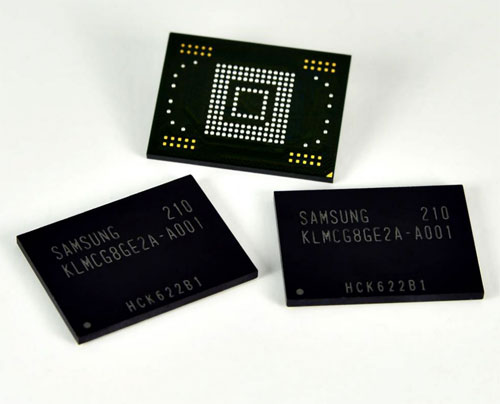
    Samsung has begun manufacturing of ultra-fast eMMC NAND memory in sizes of 16GB, 32GB and 64GB. The new chips will significantly improve read and write speeds for internal memory in smartphones, with speeds of 150MB/s and 40MB/s respectively.

    According to Sammy Hub, “the new eMMC Pro Class 1500 uses 64-gigabit (Gb) NAND with a toggle DDR 2.0 interface fabricated with 20 nanometer class process technology and is the first to support JEDEC e-MMC v4.5 specification.”

    It was rumoured earlier this summer that Samsung had cancelled the 64GB version of the Galaxy S III, as the 16 and 32GB versions were the only ones to come to market. The company has ensured us that the phone is still on track for a launch later this year, though we don’t know whether it will include these new ultra-fast chips.

  • Sharp to start shipping iPhone screens to Apple this month

    Sharp to start shipping iPhone screens to Apple this month

    Apple’s component suppliers seem almost eager to stoke iPhone rumor fires, and all the hot, hot consumer anticipation surrounding them.

    On Thursday, Sharp’s new president, Takashi Okuda, said that his company will begin shipping iPhone displays starting this month, according to a report from Reuters. Okuda made the statement at a press event following the release of Sharp’s quarterly earnings report. Sharp’s president didn’t make note of the display’s size, but Reuters reports that the screens are destined for the next version of the iPhone.

    [quote]“People are expecting a new iteration of the iPhone to hit the market sometime in the September-October time frame, so this kind of comment fits in to what we’ve been hearing in the market, generally,” IHS analyst Vinita Jakhanwal told Wired. Sharp, Japan Display, and LG Display are the three likely suppliers for the next iPhone’s display.[/quote]

    The display of the next iPhone is expected to be larger than that of the iPhone 4S, stretching to 4 diagonal inches. The current iPhone has a 3.5-inch display. The new iPhone display will also reportedly be manufactured using in-cell technology, which means it will be thinner, lighter and more power efficient than current displays.

    Okuda didn’t confirm the size or technology used in the production of Apple’s next iPhone display.

    Various sources are reporting the next iPhone will be unveiled on September 12, so we should know soon if Okuda’s Thursday statement bears any weight.

  • Samsung Mobile Unpacked 2012 IFA Event is on August 29 – We will be There Live!

    Samsung Mobile Unpacked 2012 IFA Event is on August 29 – We will be There Live!

    Ready for some Galaxy Note 2 goodness? IFA 2012 is around the corner and Samsung has an unpacked event set for the 29th of Aug and we will be there LIVE. Benchmarks of the N7100 (the supposed Note 2 )have already been leaked and surely more details are set to emerge before the actual announcements. Rumored Quad-core Exynos with 1.6GHz and Mali 400 GPU along side list of Smart functions and a stylus upgrade.

  • Ice Cream Sandwich on 16 Percent of Android Devices

    Ice Cream Sandwich on 16 Percent of Android Devices

    Ice Cream Sandwich’s share of the Android market continues to grow rapidly, with the operating system now present on nearly 16 percent of all Android phones.

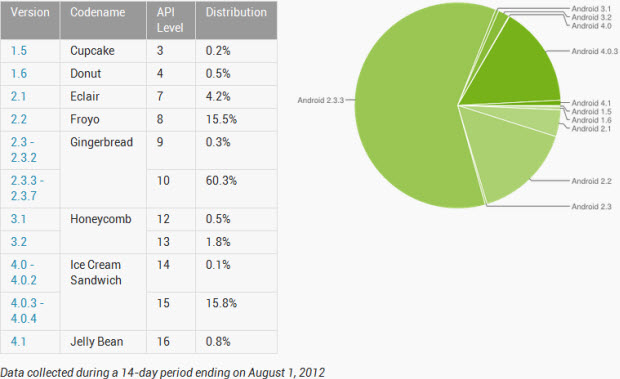
    Ice Cream Sandwich has more than doubled its distribution share over the space of a single month — variants of Android 4.0 have risen from a combined total of 7.1 percent to 15.9 percent, according to figures from Google.


    Gingerbread still reigns supreme at 60.6 percent, but that was down from the 64 percent of the market it held inJune.

    Ice Cream Sandwich just barely ekes past Froyo, which is still present on 15.5 percent of Android devices. Eclair is on 4.2 percent, Donut has 0.5 percent of the pie, and Cupcake is now down to 0.2 percent.

    Android 4.1 ‘Jelly Bean’, which was officially unveiled at Google’s I/O conference on June 27th, and was released as an over-the-air (OTA) update for the Samsung Galaxy Nexus on July 11, has reached 0.8% market share. 

    The data was collected from Android devices that access Google Play, the Android app store formerly known as the Android Market, during the two week period ending August 1.

  • Hotmail.com relaunched as Outlook.com

    Hotmail.com relaunched as Outlook.com

    Microsoft has ditched Hotmail after 16 years, relaunching the service in favour of the revamped Outlook.com.

    Microsoft said its new service, available to preview at Outlook.com, would reimagine the way people use email and be the first major improvement in eight years.

    Although it still claims 350 million users worldwide, Hotmail has been usurped as the leading email provider since Google launched Gmail in 2007. Google claims to have signed up 425 million users in the past five years.

    According to the web metrics firm ComScore, Hotmail still boasts more traffic than any of its rivals. In June 2012, Hotmail had 324 million monthly visitors, compared to 290 million at Yahoo mail and 278 million at Google’s Gmail.

    However, Hotmail users will be invited to transfer their accounts to the Outlook.com portal. The relaunch is part of a wider overhaul of Microsoft’s widely-used software products, including its Windows operating system and Office services.

    Microsoft said Outlook.com would offer a less-obtrusive email experience, with fewer display ads and new connections to social networks including Facebook and Twitter.

    Users will be able to see status updates from friends and followers on Facebook and Twitter with a new feature on the revamped email site.


    [quote]

    “We think the time is right to reimagine email. So today, we’re introducing a preview of Outlook.com,” said Chris Jones, Microsoft’s corporate vice president of Windows Live.

    “We realised that we needed to take a bold step, break from the past and build you a brand new service from the ground up.”

    [/quote]


    The demise of Hotmail brings to an end one of the earliest great brands of the consumer internet. Microsoft bought Hotmail from the entrepreneurs Sabeer Bhatia and Jack Smith for a reported a $400m in 1997 – a full decade before Google arrived on the email scene.

    Hotmail quickly became known as the younger person’s email service as it was allied with Micrsoft’s instant-messaging platform, MSN Messenger.

    After its initial success Hotmail faced intense rivalry in the US and Europe, first from email services from the likes of Yahoo and AOL, and more recently Google, with bigger storage capacity and tidier interfaces.

  • Micromax’s 10-inch Funbook Pro tablet now available for Rs 9,999

    Micromax’s 10-inch Funbook Pro tablet now available for Rs 9,999


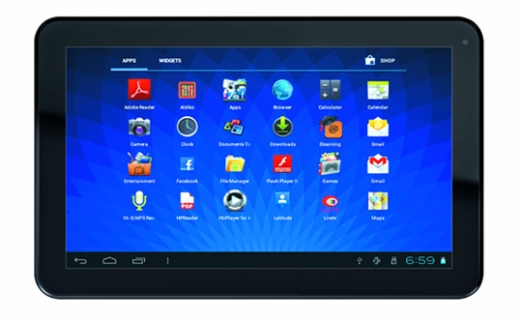
    The new version of Micromax’s popular tablet Funbook, Funbook Pro, has hit the retail online shelves. The tablet, which is yet to be launched officially, is available at online Retailers for Rs 9,999. 

    The tablet has a 10.1 inch TFT LCD capacitive touch screen display (1,024×600 pixel resolution) and runs on the latest Android 4.0.3 Ice Cream Sandwich (ICS) operating system. It is powered by a 1.2 GHz Cortex A-8 processor (with Dual Mali 400- 2D/3D Graphics processor for multimedia processing) and comes with 1 GB RAM. The internal memory of the device is 8GB, which is expandable up to an additional 32GB with a microSD card.

    The device features a front facing VGA camera for video calling. On the connectivity front, the tablet has Wi-Fi and it comes with a microSD port, USB port and a HDMI port, which means it will support HD video playback.

    The exact dimensions of the device were not available, but the company has provided a 5,600 mAh battery in the device, which should offer decent battery life.

    Micromax Funbook Pro is available in Slate Grey colour and comes with Tata Docomo+ data card for free. 

iGyaan Network
Privacy Overview

This website uses cookies so that we can provide you with the best user experience possible. Cookie information is stored in your browser and performs functions such as recognising you when you return to our website and helping our team to understand which sections of the website you find most interesting and useful.