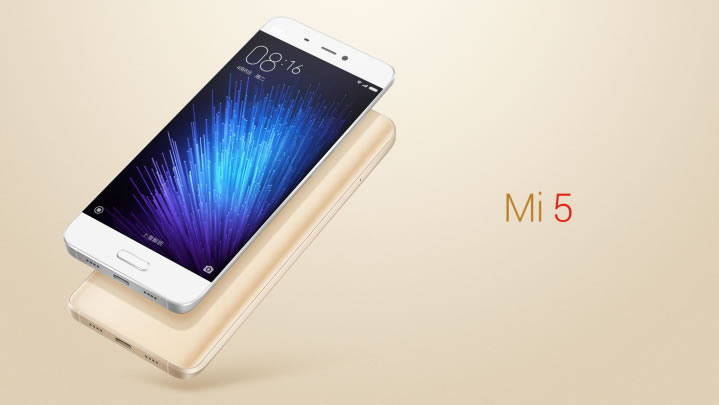
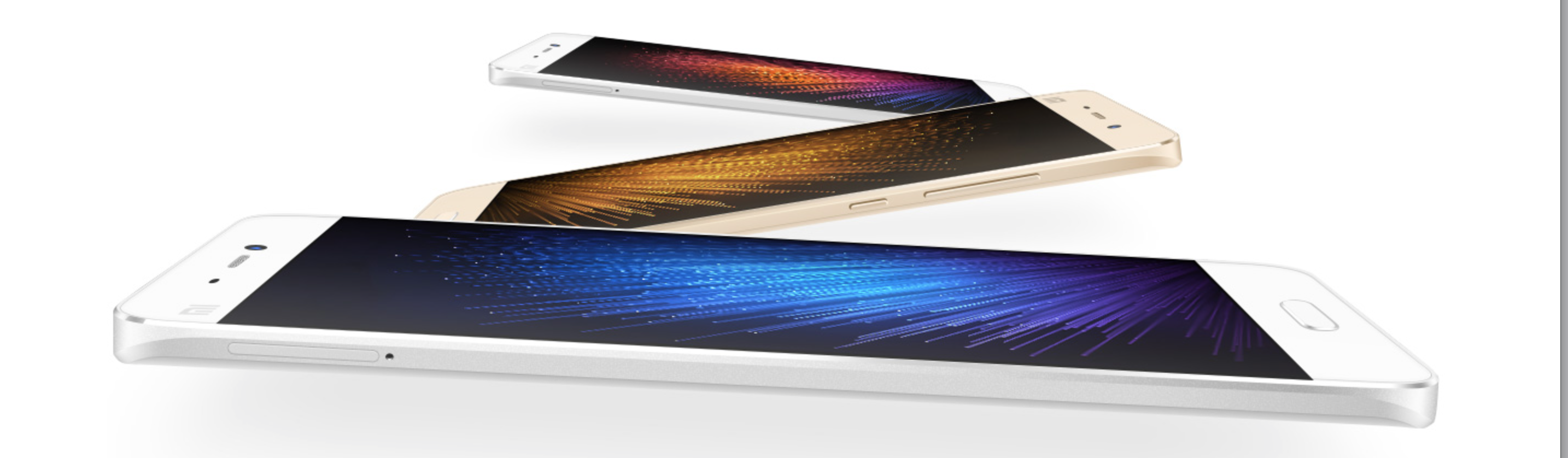
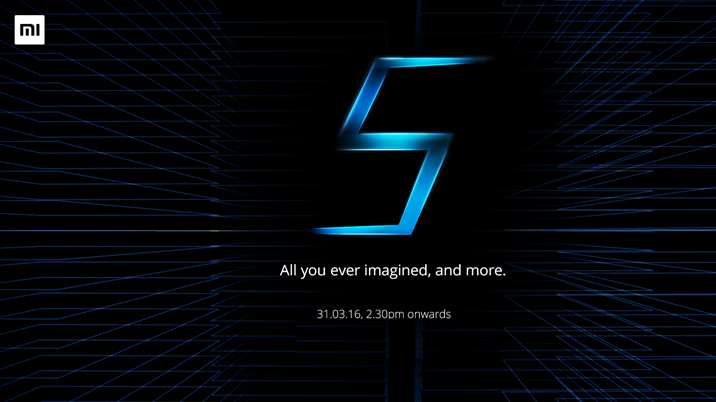
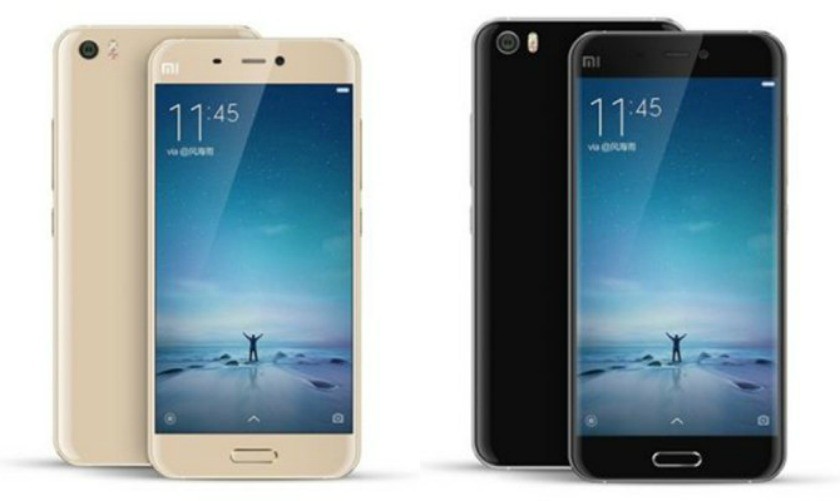
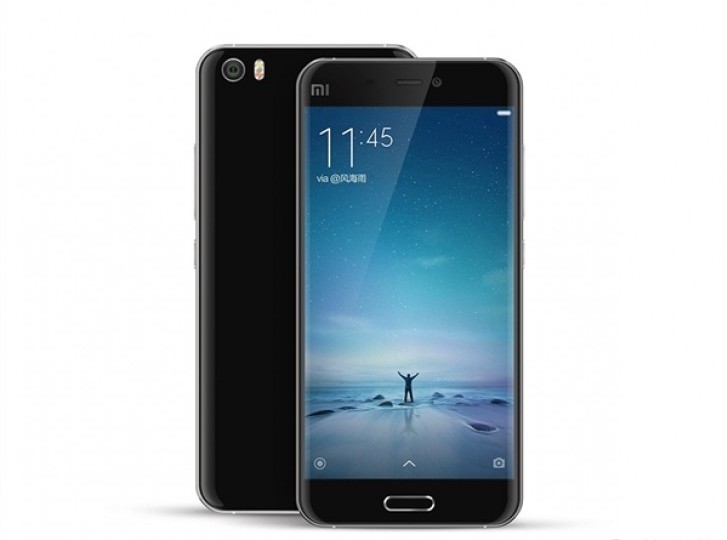
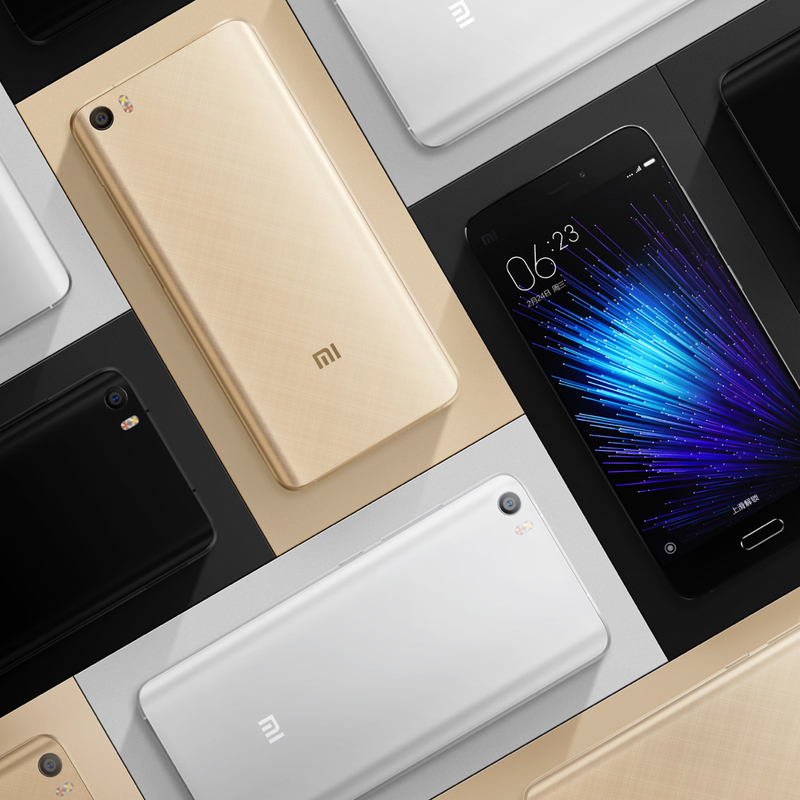
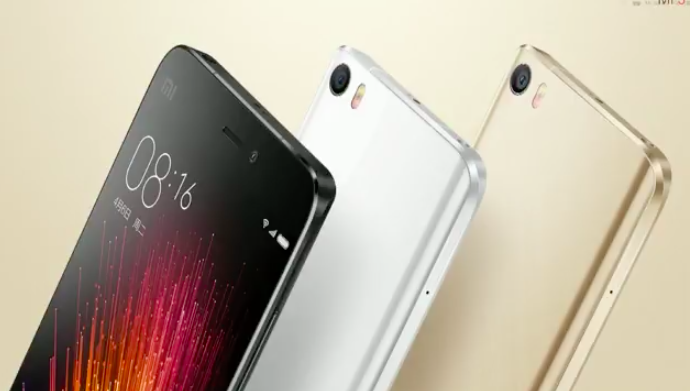
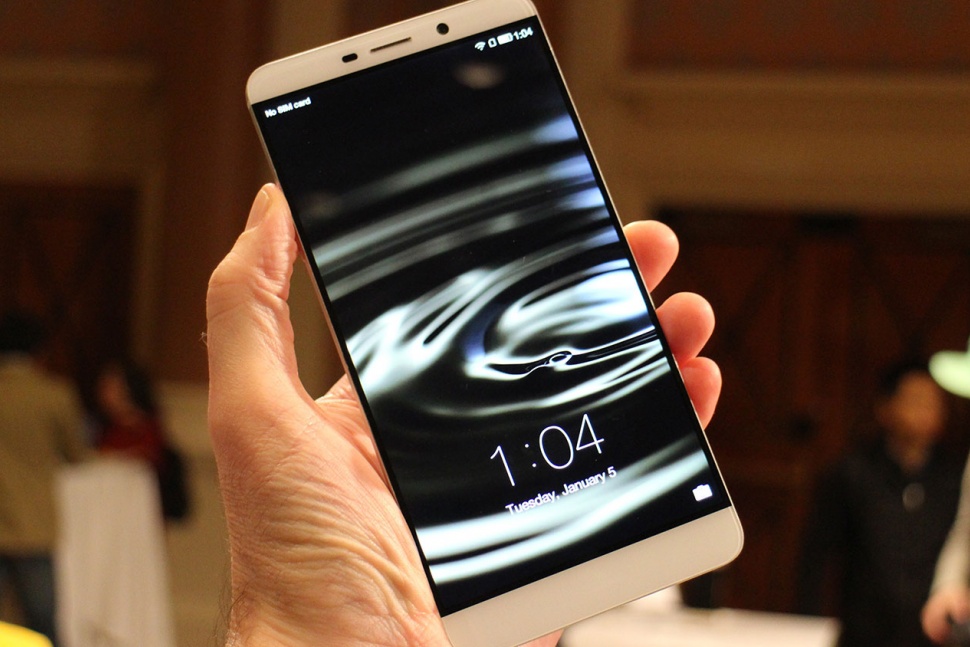
The Mi 5 launch which is slated to happen later today is an important moment for Xiaomi in India. This is the first time the company has managed to bring a flagship phone to India in time.
The phone which won the world over at MBW earlier this year has people begging for excellent pricing for India. Most Indian consumers have been led to by media outlets and otherwise believe that the Mi 5 will launch in India for Rs. 24000-25000 which may or may not be true.
But here is why it is important for Xiaomi to price the Mi 5 just right. The company which still relies on the flash sale model, has a little quantity of smartphones to sell, to a large and angry community which has been hyped up and filled with the hope of achieving the ultimate smartphone on a budget. Xiaomi has also seen major price falls in the past year.
Xiaomi has also seen major price falls in the past year. They had to remove the flash sale model of the Mi4 in expectations of achieving sales targets.
The Xiaomi Mi 5 which features the Snapdragon 820 chipset, will have either 3GB or 4GB RAM options and will allow you to choose between 32/64 GB variants in the regular edition along with a 128 GB PRO edition which may not be launched in India.
However, the anticipation is that Xiaomi will launch the Mi 5 base model in India for Rs. 22999 with the 64GB model going for Rs. 24999 and the pro- variant for Rs 27000. The phones should be available to order today shipping in about 10 days to happy owners.
However, if the company has any expectations of winning bigger consumers a large number of these phones should go on sale right after the first flash sale.
Smartphone manufacturer Xiaomi in keeping true to their promise of launching the Mi 5 within March will do so on the last day of the month. The launch slated for the 31st of March will see huge gains for the company’s next flagship launched earlier this year at MWC.
With a new ‘Zirconium 3D ceramic body’ the Mi 5 has a 5.15-inch 1080p display, Snapdragon 820 chipset, 16-megapixel rear camera, 4-megapixel selfie camera, dual-SIM card slots, 4G LTE, IR Blaster and USB Type-C port.
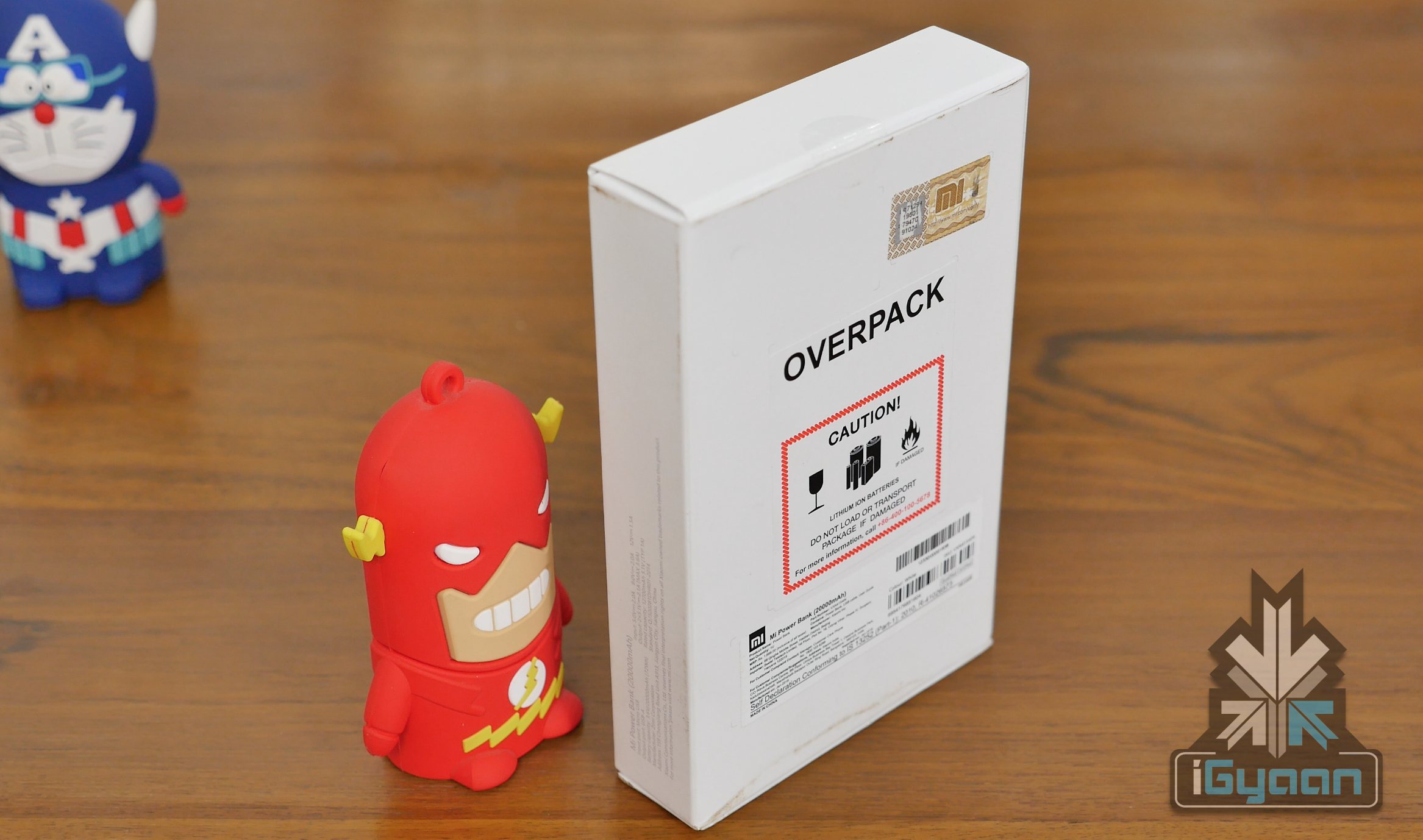
Xiaomi Mi 20000 mAh power bank will be launched for a price of Rs. 1699 . The big battery backup on the go Weighs only 338 gms and offers Dual 2.1A USB outputs.
With a lot of silence, expectations go down, and that is just about what the Chinese company “Xiaomi” needed to get their head back into the game. The Xiaomi Redmi Note 3 was launched in India with a lot of fanfare by a CEO resembling nothing less than a movie star riding in on the Ninebot hoverboard announced last year.
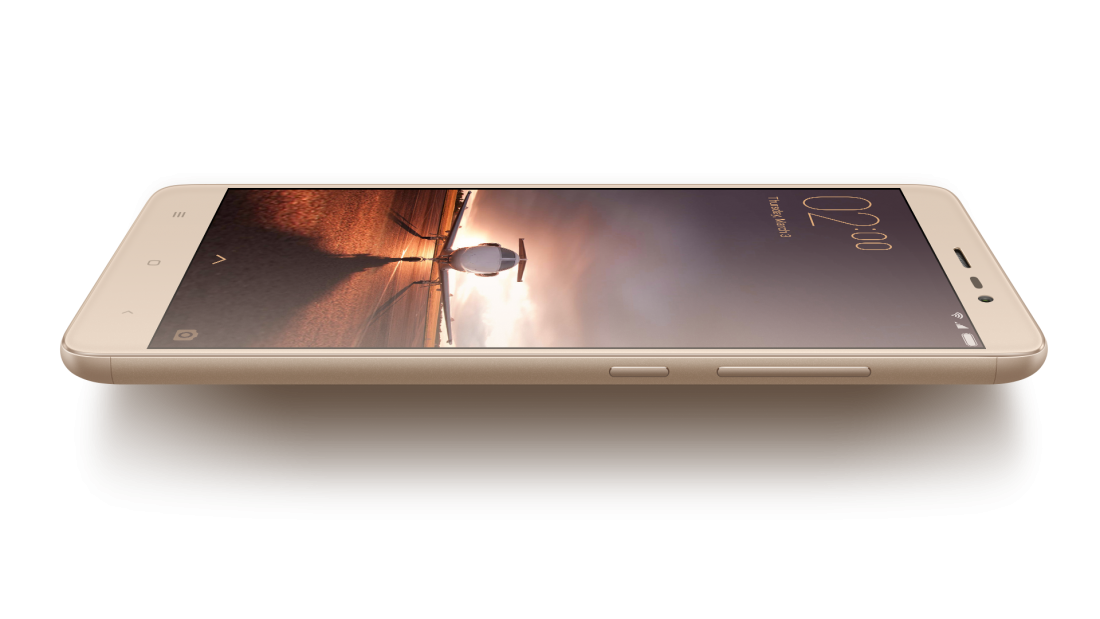
The Xiaomi Redmi Note 3 is a sequel to the popular Redmi Note series and does just about justice to the name of the product line and the company that is known for low-cost smartphones. Launched at a price of Rs. 9999 for the 2G RAM and 16 GB Storage variant and 11,999 for the 3GB RAM and 32 GB Storage option, the smartphone will be sold exclusively on the company’s website and e-commerce retailer Amazon till it becomes more readily available in offline channels. Redmi Note 3 on Amazon
So should you be getting in line for the Redmi Note 3, or is it all the Hype all over again, for a mediocre product? Let’s Find out.
Overview
The Redmi Note 3 has all the makings of a powerful budget smartphone. An all metal build, excellent specs, improved battery, good cameras and a new processor which impresses on benchmarks. The company continues its per-registration flash sale model which come 2016 seems unwanted. The phone impresses on many fronts and may turn out to the be the current choice of the masses just as the original Redmi Note did.
Build Quality and Design
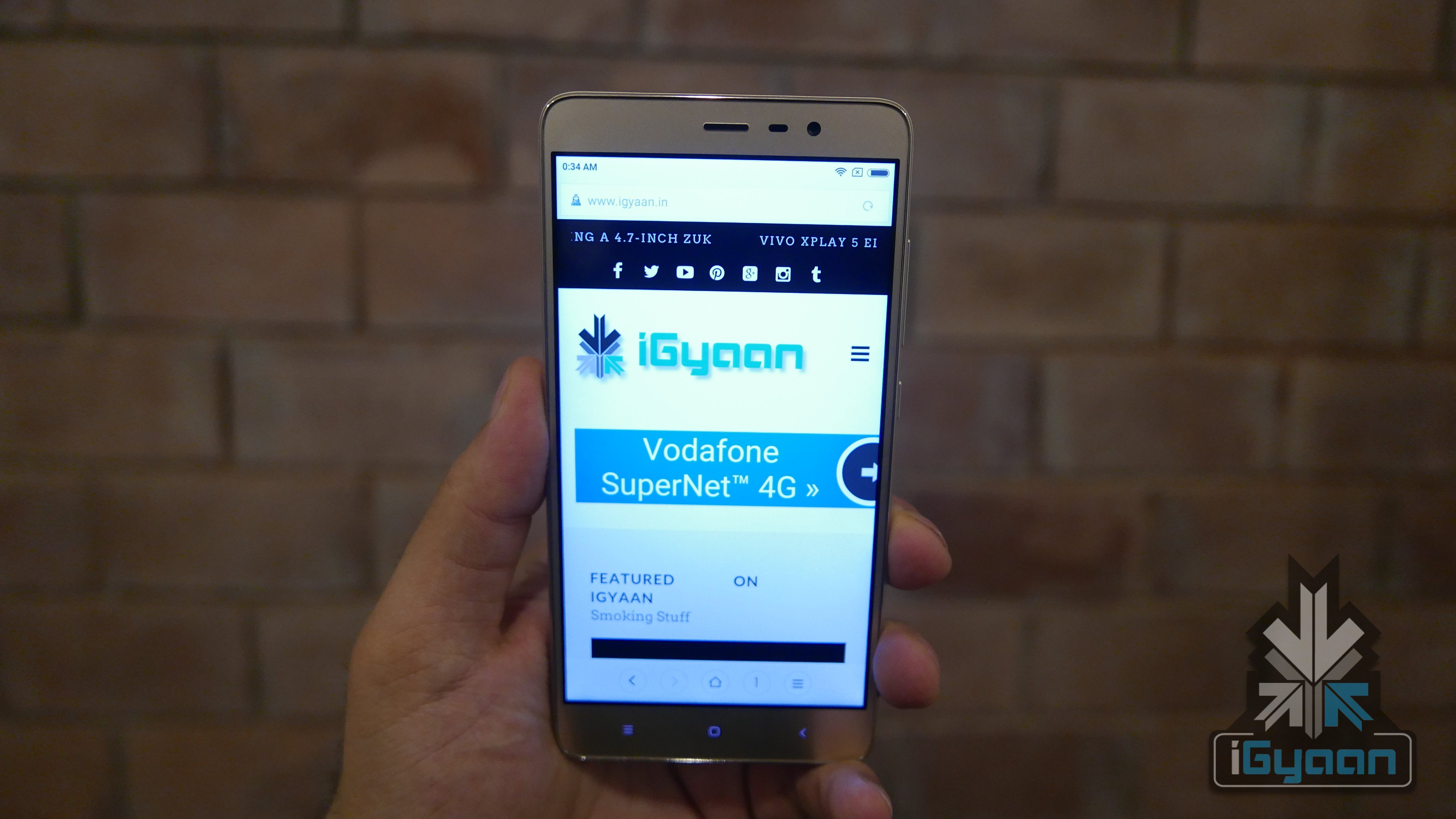
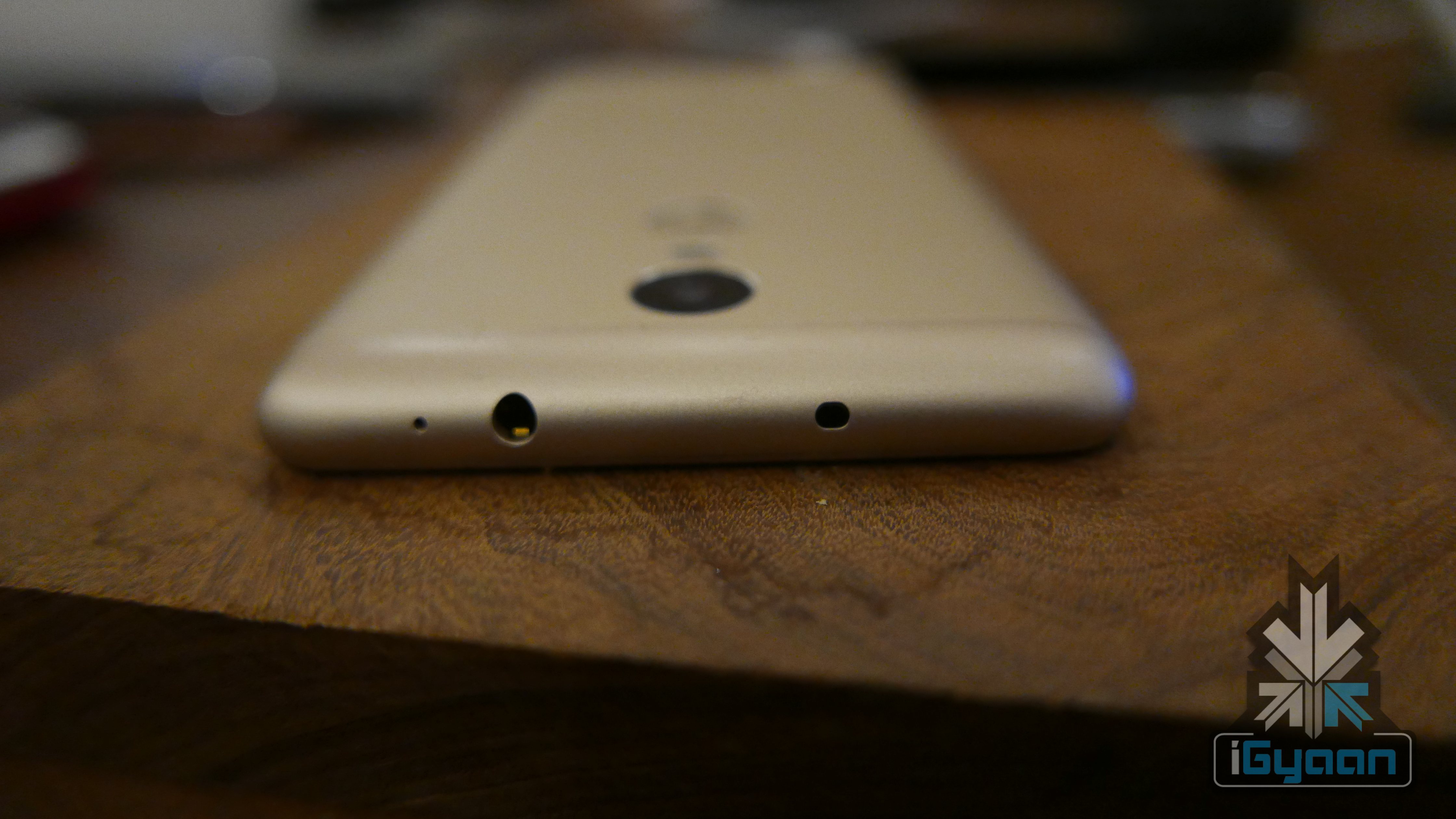
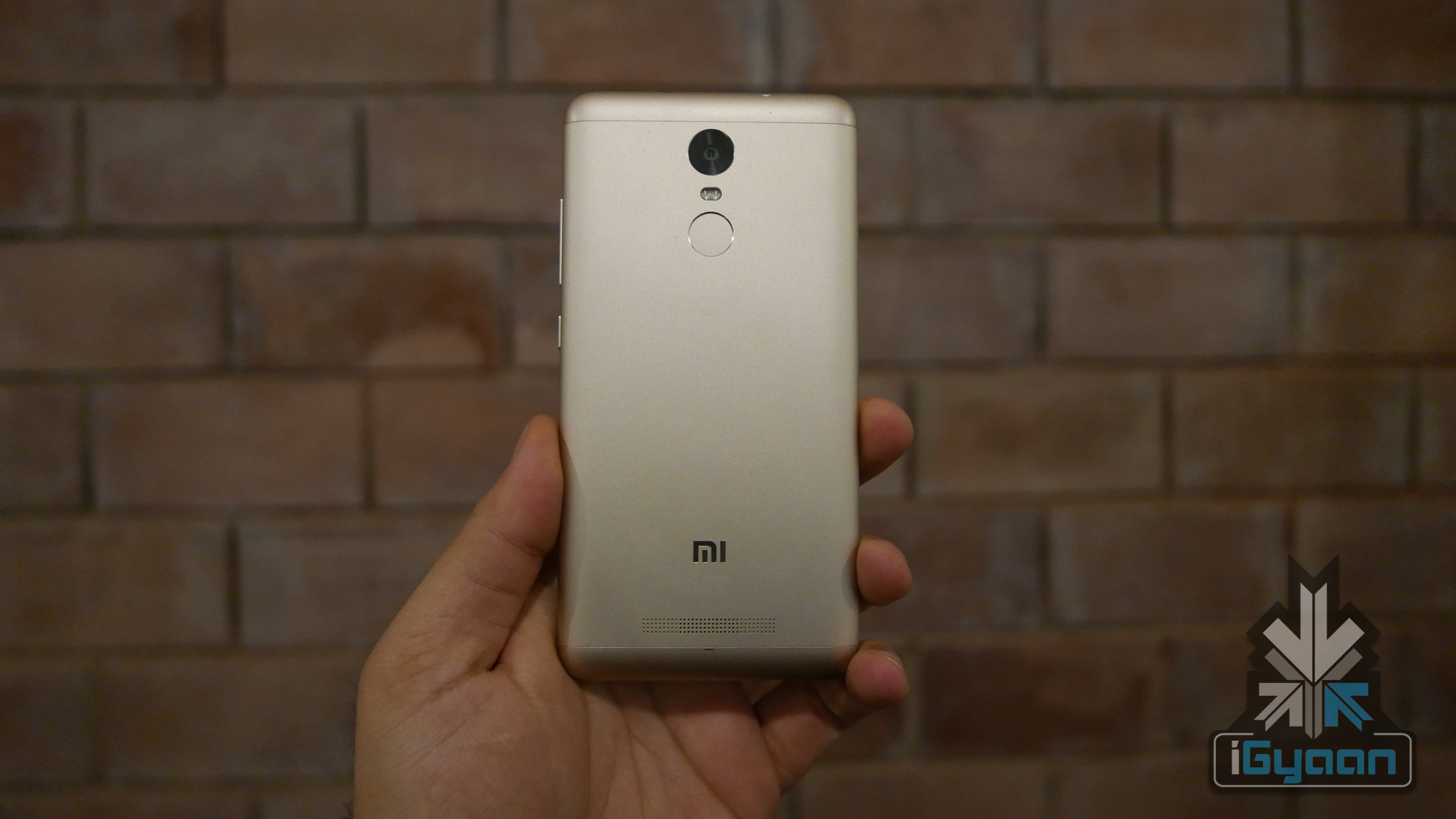
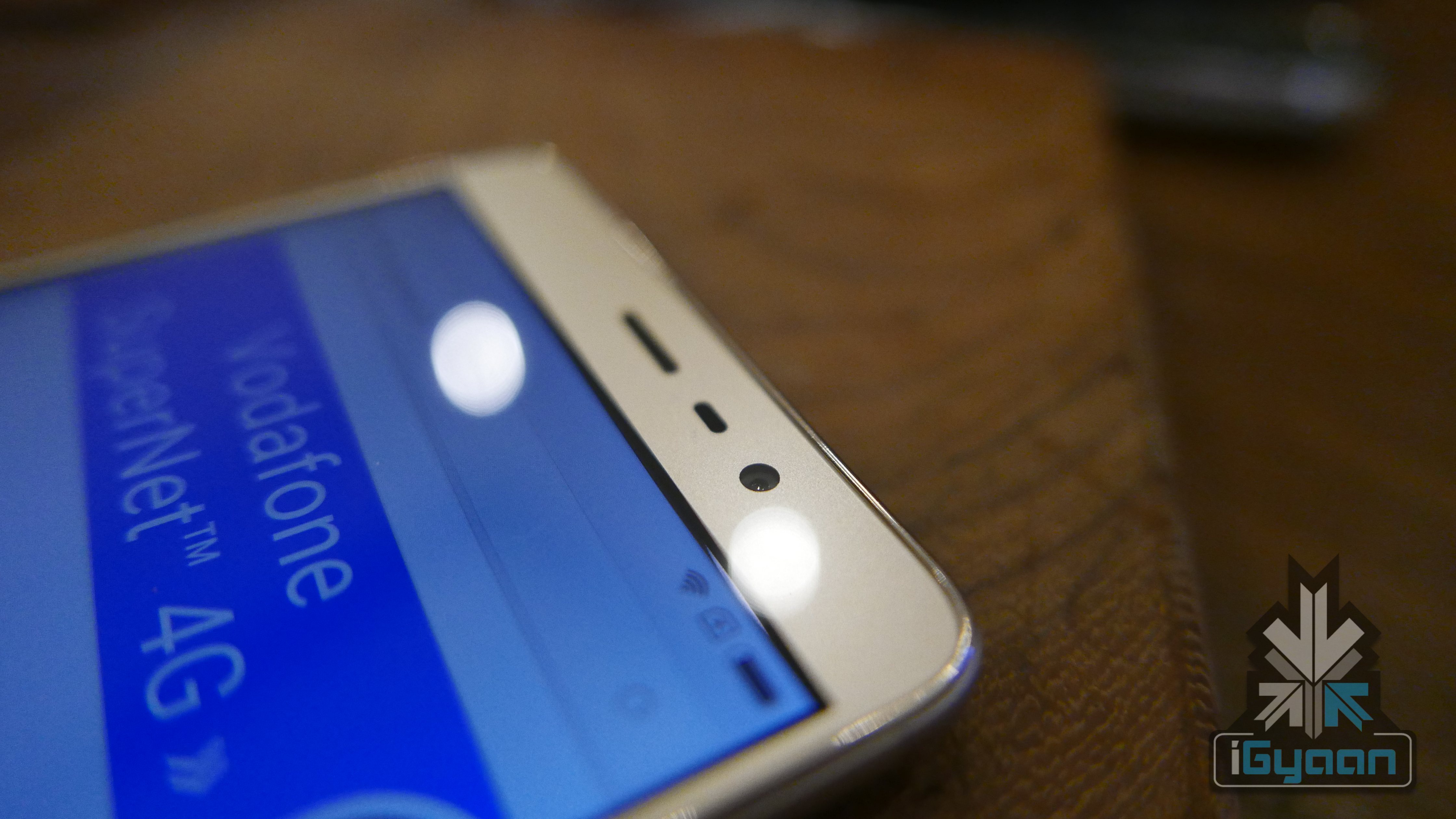
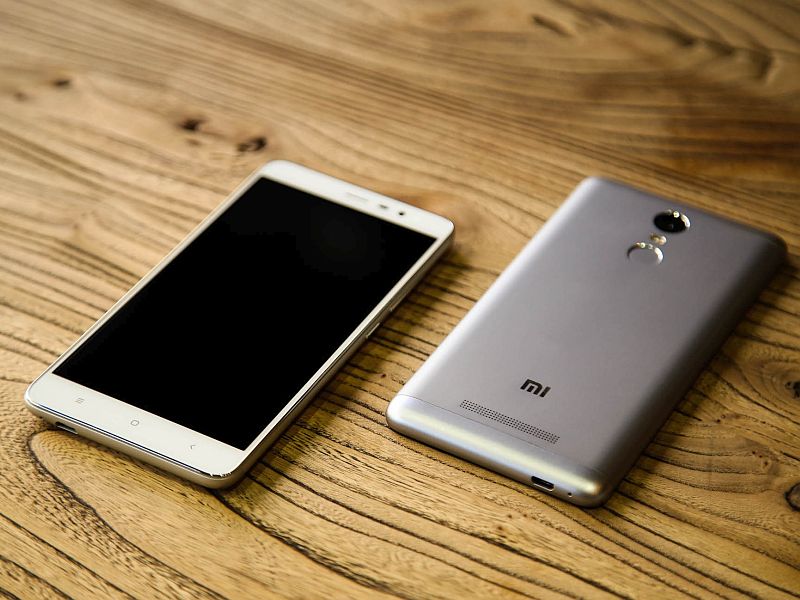
With an all-metal build, the Chinese origin smartphone has outdone its previous visions. Anodised and sandblasted aluminum make up for most of its outer covering along with a protection glass which has not been named.
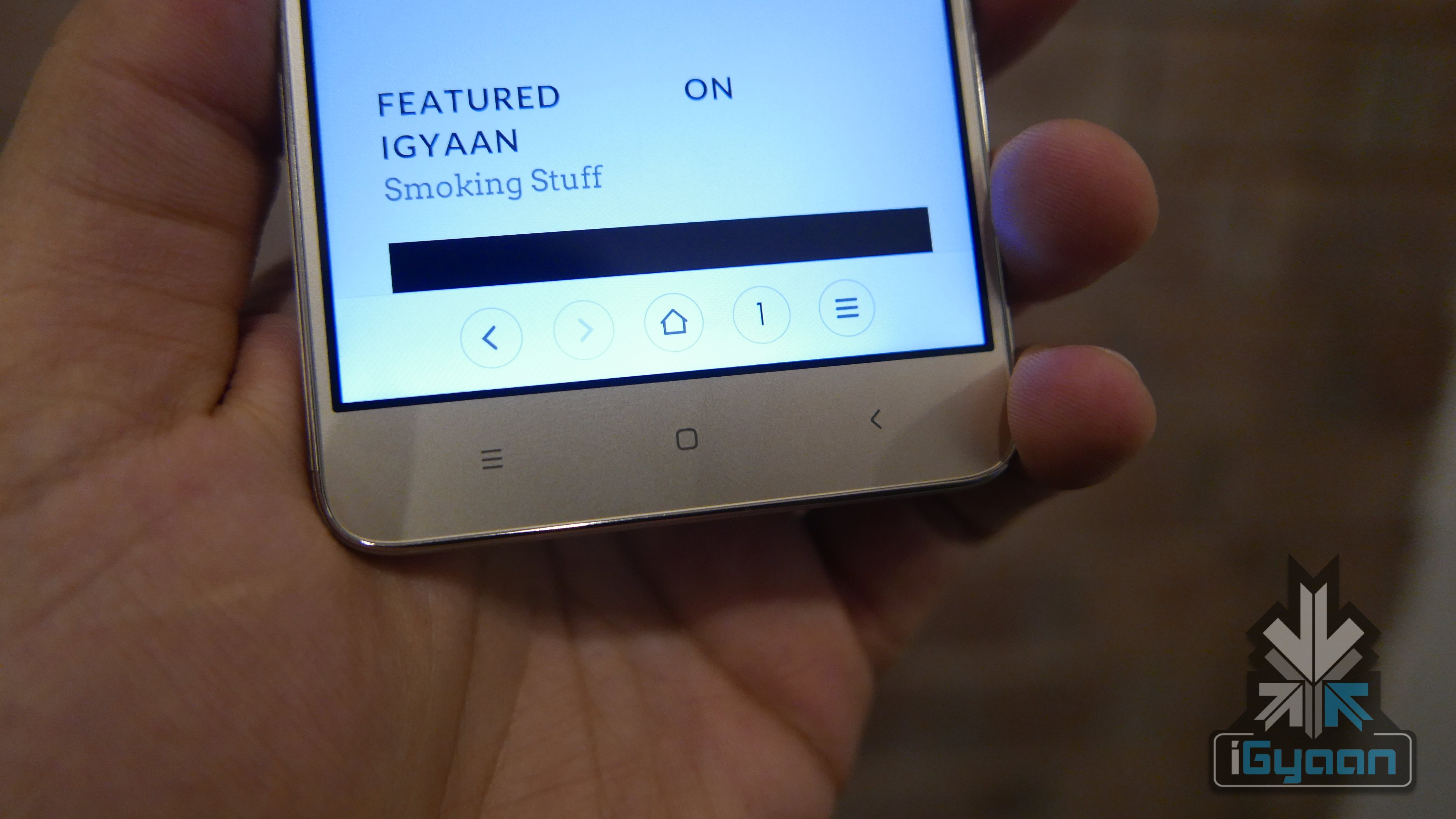
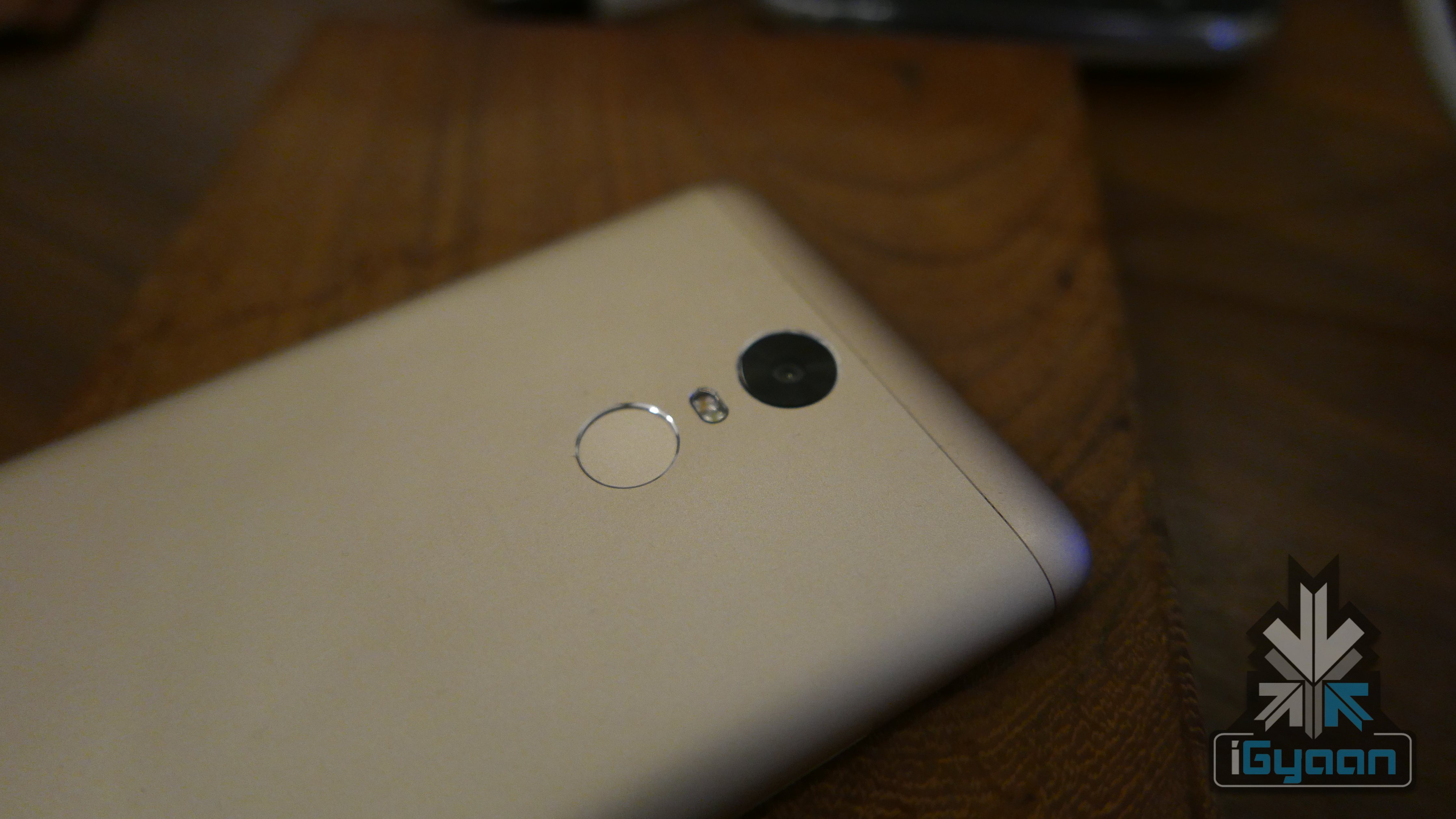
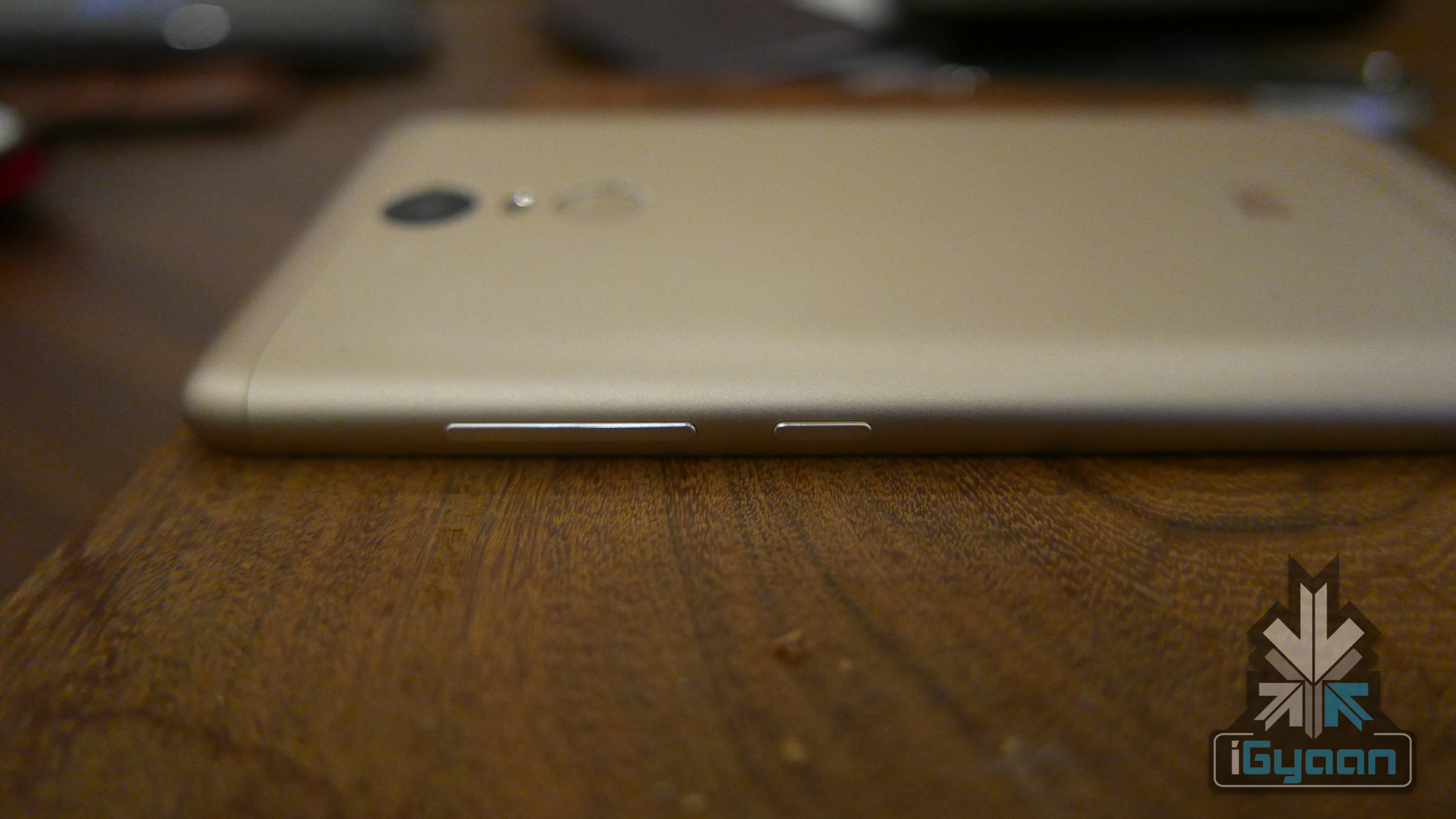
Design wise the phone follows the legacy of Xiaomi, the front is flat with no buttons, and the fingerprint sensor is placed at the back, identical in size and just below the camera module, giving the whole design a sense of completion. The form factor of the smartphone is great and thanks to the rounded back edges it fits ever so nicely in the hand. The speaker sits at the back, a not so prime position for sound. However, a small wedge on the back of the smartphone allows for the phone to sit slightly higher on the table, allowing sound to escape, albeit still not perfectly but better than if it were laying flat on the table.
Hardware
The Xiaomi Redmi Note 3 has all the makings of a Rs. 10000 smartphone. A new Snapdragon 650 chipset, 2/3 GB RAM options, expandable storage via MicroSD and a good set of cameras with wide lenses and an f2.0 aperture.
Specs
Xiaomi Redmi Note 3
Display
5.5 inches Full HD Display
Resolution
1920 x 1080
Dimensions
150 x 76 x 8.7 mm
Processor
Qualcomm Snapdragon 650 SoC
GPU
Adreno 510
RAM
2GB / 3GB LPDDR4
Storage
16GB / 32GB flash storage
Rear Camera
16 MP, f/2.0, phase detection autofocus, dual-LED
Front Camera
5 MP, f/2.0, 1080p
Expandability
128GB via microSD
Battery
4050mAh
Connectivity
4G+, Wi-Fi 802.11ad, VoLTE, Wi-Fi Direct, hotspot, Bluetooth v4.1, A-GPS, GLONASS, NFC, VoLTE
OS
Android 5.1.1 Lolipop with MIUI 7
Price
Display and Multimedia
Thanks to the new chipset and price drop in tech, the 1920 x1080p display is great and lag free. You also get a good enough chipset to run all your multimedia, which looks great on this display. The display has good viewing angles and a great outdoor visibility thanks to various display modes.
You will also get a reading mode which sort of, like Apple’s “Time Shift” mode, kills the blue in your screen to help you read better.
Video playback is buttery smooth, and the speaker does a decent enough job. However, external audio devices will do you better as with most smartphones.
Camera
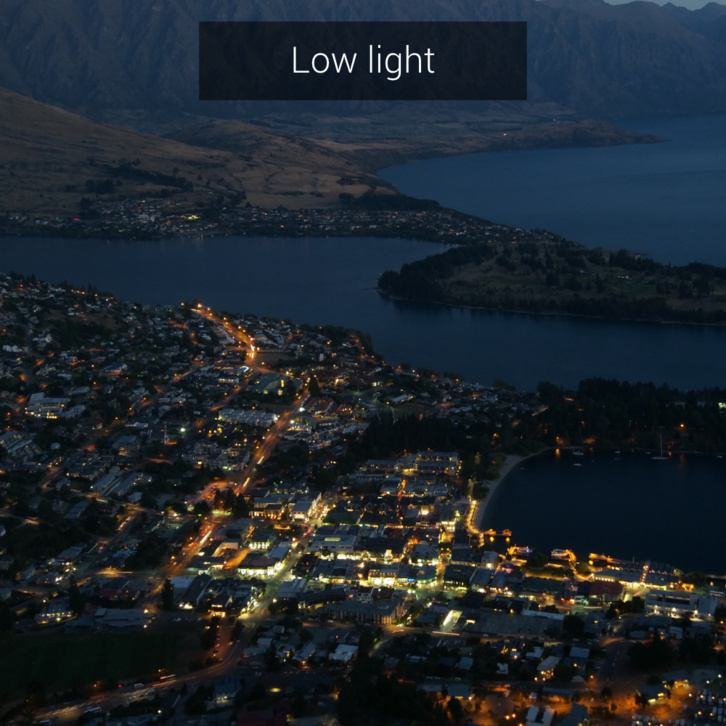
The camera on the Redmi Note 3 is brilliant for the class of smartphone, and you will get an excellent depth of field and great bokeh. The camera focuses quickly and has great light detection. You will also get decent low light pictures thanks to the wide aperture on the lens of the camera.
The front camera is perfect for pictures, and you will almost always get good results. The video, on the other hand, is not all that great, the lack of any stabilization will make the video shaky. Also, the phone’s camera app does not natively record 4k video even though the likes of the LeEco 1s do. There are workarounds if you want 4k video. But, they are not recommended for the chipset.
Pre-Filter
Low Light 2
Low Light
Performance
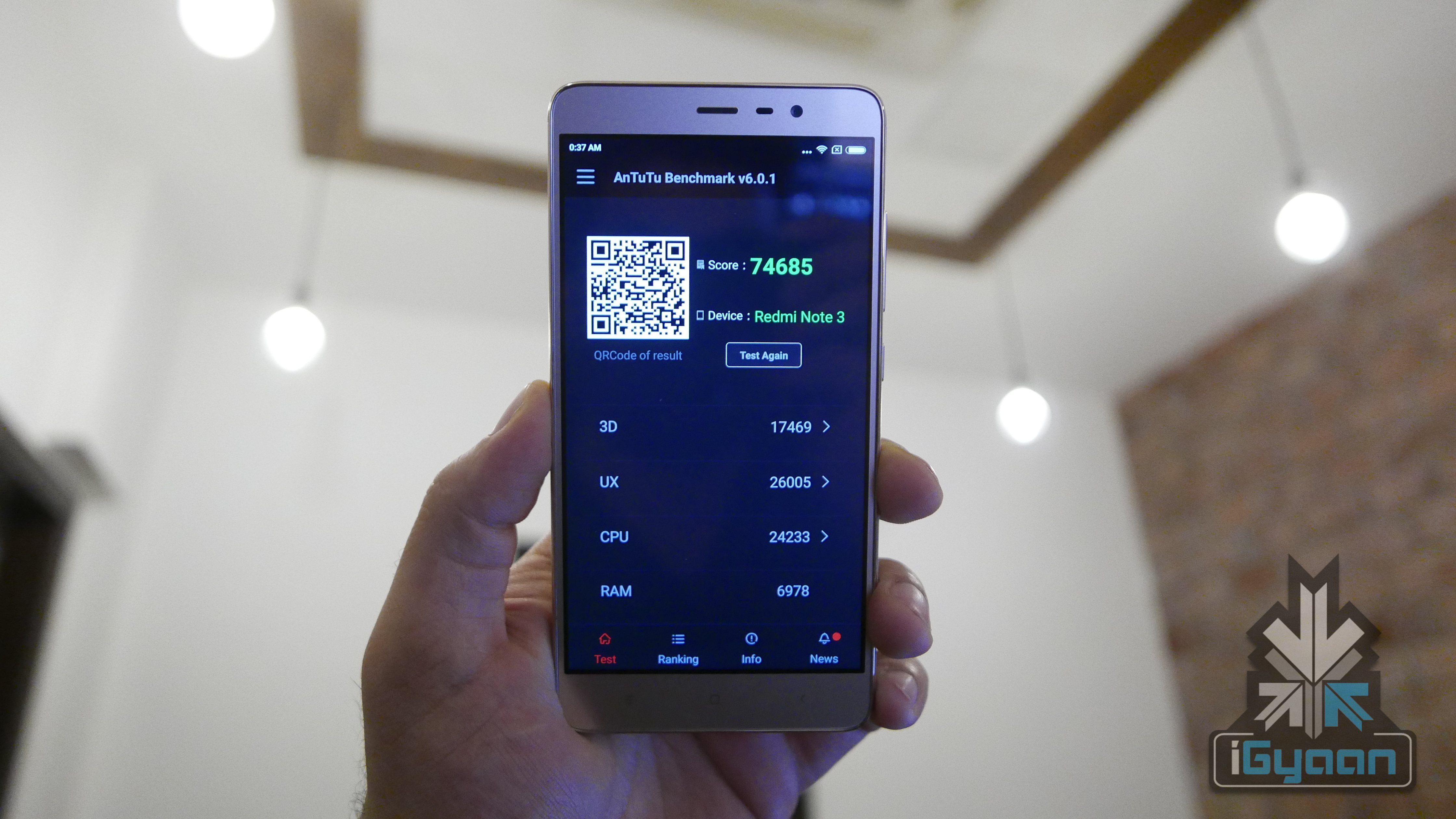
The Xiaomi Redmi Note 3, offers excellent performance in its class of smartphones. With Antutu crossing 70k easily on benchmark scores the device keeps its own in this highly competitive price bracket.
The overall UI is fast and responsive and offers a good day to day usage scenario. Multitasking works great and app optimization, as well as RAM optimization, works well on the Redmi Note 3.
Gaming is good too, with most games working flawlessly on the 3GB variant, which is recommended if you intend to do gaming a lot.
The fingerprint scanner which sits right under the camera is extremely fast and quick to unlock the device. The scanner rarely ever fails and will almost always get an unlock or help you click a picture. The MiUi software also allows you to encrypt folders using the rear fingerprint scanner, which can come in handy for those “A” rated apps and of course sensitive information.
Phone and Battery
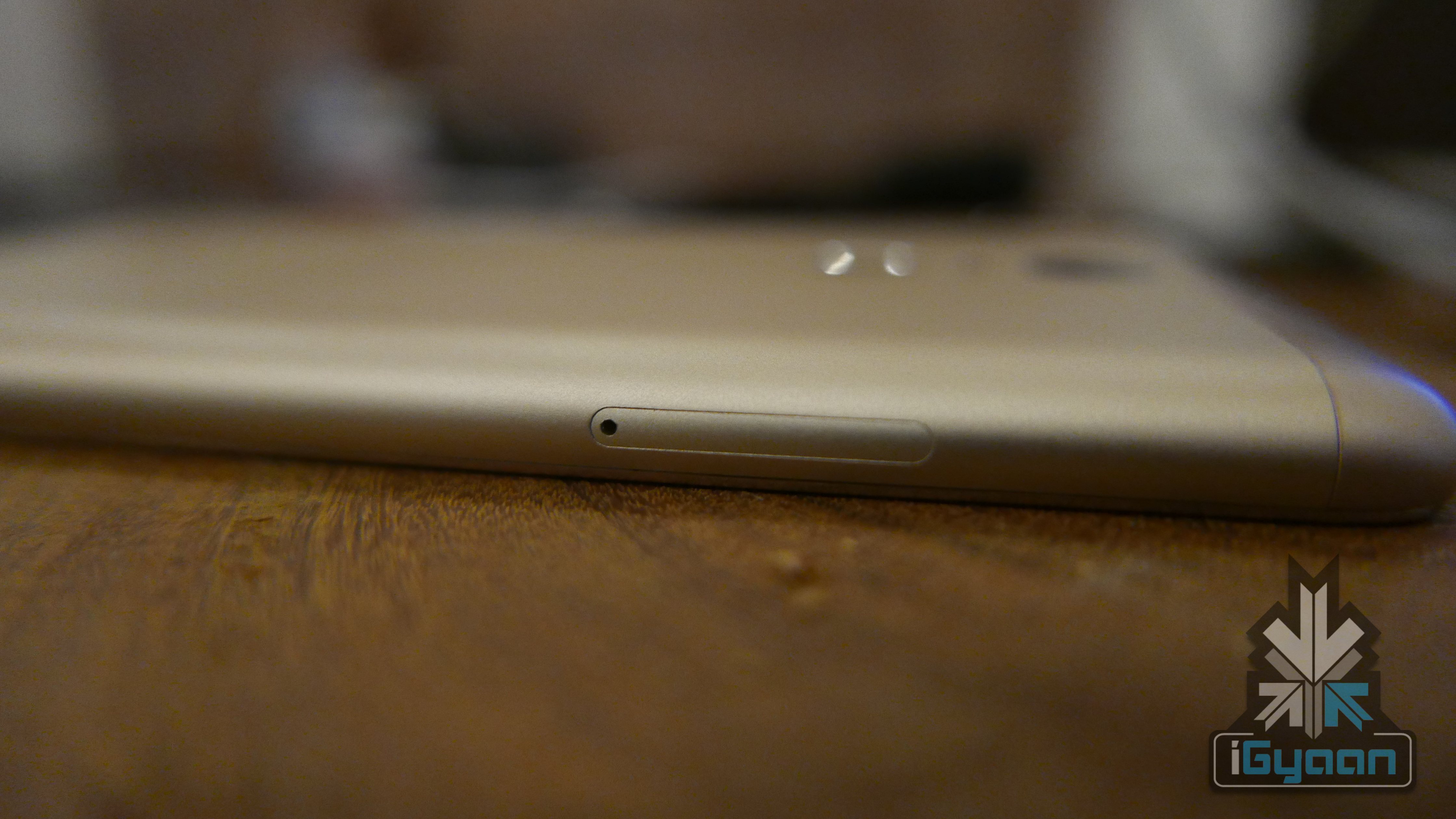
With support for two SIM cards, the Redmi Note 3 offers LTE across India, on both the cards, while you can also pop in a MicroSD card in case you choose to do that.
Dual Sim Hybrid Tray
The phone call capability is good, and overall network performance is at par within the category. You will also get good audio during calls whether incoming or outgoing.
Battery life is longer than expected, with a massive 4050 mAh battery you will get true to work one day of use without any compromises. Despite the battery being large, the chipset is designed to handle battery management well.
Talk Time: 6 Hours
Wireless Usage: 8 Hours
Music: 19 Hours
Gaming and Video: 10 Hours
Conclusion
Xiaomi is back with a vengeance. The company wants to earn back the goodwill of the market and no better device than the Redmi Note 3 to do that. At the launch the company promised timely updates and the Mi 5 launch in April, making the Mi fans jump up with joy.
As far as the phone is concerned, the Redmi Note 3 has excellent advantages over the competition, especially the LeEco Le1s. However, it also has drawbacks. The community that Xiaomi offers is unparalleled and large, and the overall support that you will get is appreciable. With both handsets offering their clout, it will come down to long term use and software support frequency to help decide the primary winner. However with the way things are going the Redmi Note 3 seems to be coming out on top.
The festival of colors, Holi is just is just around the corner, and there’s no denying that we’re extremely excited about it. The colors, the festivities and the energy mixed with some bhang can be a lethal concoction which can lead to you forgetting about the well being of your much-loved gadgets and exposing them to their dreaded enemy, water.
Using zip-lock pouches, waterproof cases can be handy solutions, but are not always the best way forward if you want to enjoy Holi in the carefree way that its meant to be. This year, we bring to you a list of gadgets that you can not only carry carefree with you while you play Holi but also use to enhance the experience of this festival of colors.
GoPro HERO4 Session
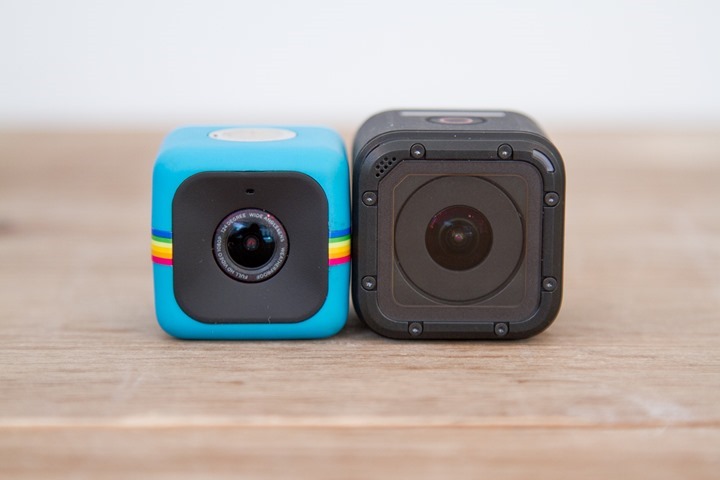
The Hero4 Session is the tiniest GoPro yet. It is a one and a half inch cube and weighs just 0.07kg. It is waterproof up to 33 feet.The camera is easy to use as it has only one button to put the camera on and begin recording. Its complete waterproof and rugged design can be a great asset for people users looking to capture the special moments that fun filled Holi brings with it.
Other specs and features of the camera include 8MP photos (in single, burst, and time-lapse modes), 1080p60/720p100/1440p30 video recording, a dual microphone system, built-in Wi-Fi and Bluetooth, SuperView, Protune, and Auto Low Light.
Xiaomi Mi Band
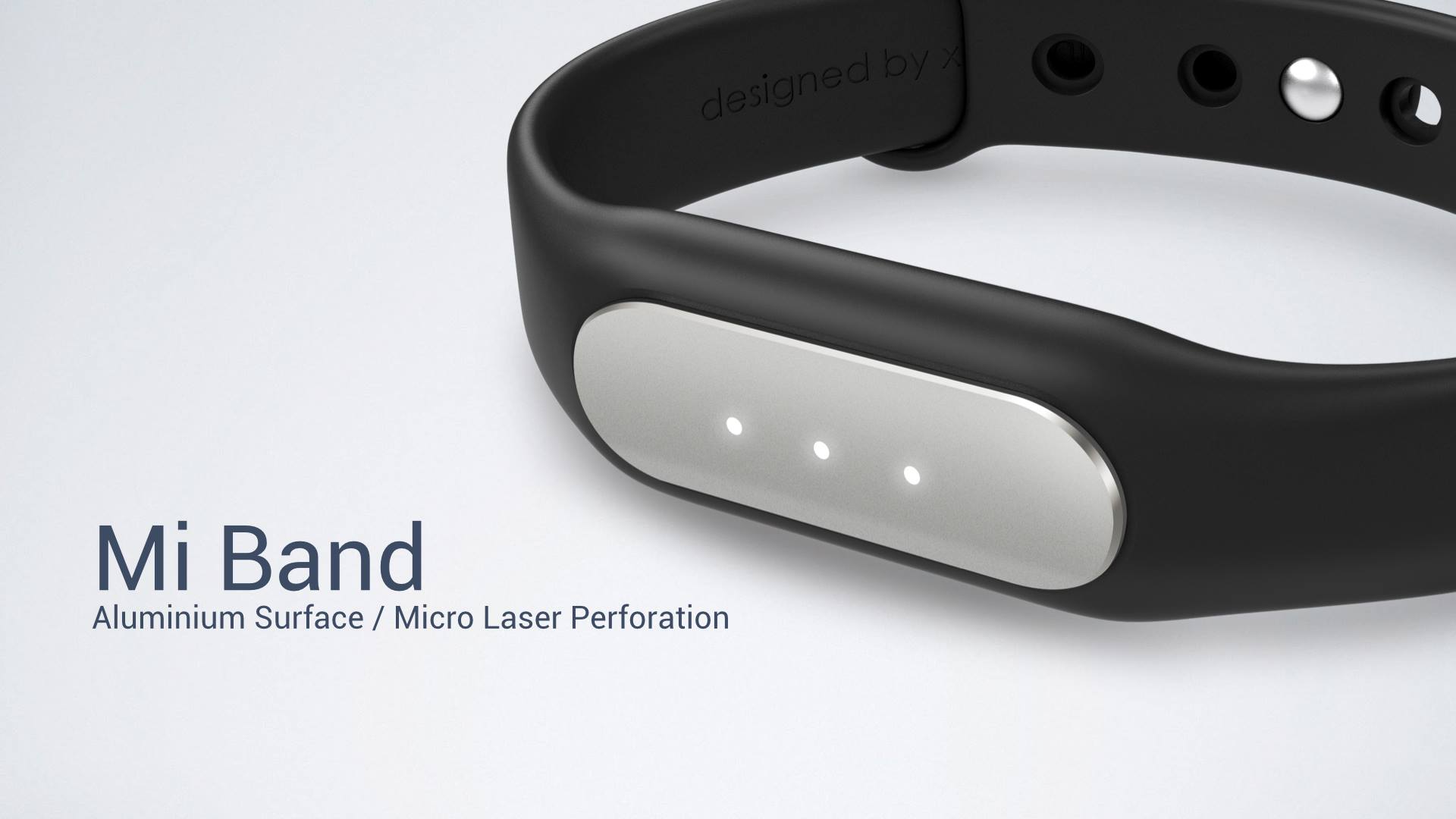
The Mi fitness tracker was introduced in India along the Xiaomi Mi 4i. It is the cheapest tracker available in the country. The aluminum surface band comes with a microlaser perforation and no display screen. It is water resistant and has a battery life of 30 days. Used as a fitness and sleep tracking band, this device connects to a user’s smartphone and can unlock the handset without the need of passwords or patterns. And just in case you were looking to add some more color to your already colorful Holi, it is available in a variety of colors like blue, pink, brown, gray and purple.
Sony Xperia Z5
Sony Xperia Z5 is one of the best waterproof phones available in the market. It not only looks good but works great with specs that can take on any flagship in the market. For users who are looking to carry a smartphone with them while playing Holi, this device is highly recommended.
The Sony Xperia Z5 features a 5.2-inch Full HD screen and 2900mAh battery. It runs on Android Lollipop 5.1, powered by a 64-bit octa-core Snapdragon 810 chipset with Adreno 430 GPU, 3GB RAM, 32GB storage (expandable to 200 GB). The device also comes with a 23MP primary camera and 5MP front, and a fingerprint scanner in the power button on the side of the device.
Cobra CXT 1035R FLT
The Cobra CXT 1035R is the perfect handheld walkie talkie for any outdoor activity, and as such makes it a great buy to enhance your Holi fun with friends. With a rated range of over 50kms, these pair of Cobra CXT walkie talkies are not just waterproof, but are in fact unsinkable and can be a great addition to a pool party too. These come with a built-in LED flashlight, and NOAA Weather and emergency-radio receivers to keep you safely in-the-know when you’re venturing out into the unknown.
Monster SuperStar BackFloat
There are waterproof speakers, and then there is the Monster SuperStar BackFloat. This is the evolution in water resistant speakers, and when you drop this Bluetooth speaker into the water, it rises to the surface and floats.
The Monster Superstar Backfloat Bluetooth speaker with its design provides ample audio in a water-resistant floating package, and hence could be a great addition to your Holi pool party.
Circle Muze Wireless Bluetooth Speaker
A waterproof bluetooth speaker can be a great addition to your Holi party. The Circle Muze Wireless Speaker fits well in that category as it promises great sound, wireless connectivity and all of it without the worry of losing it to water damage.
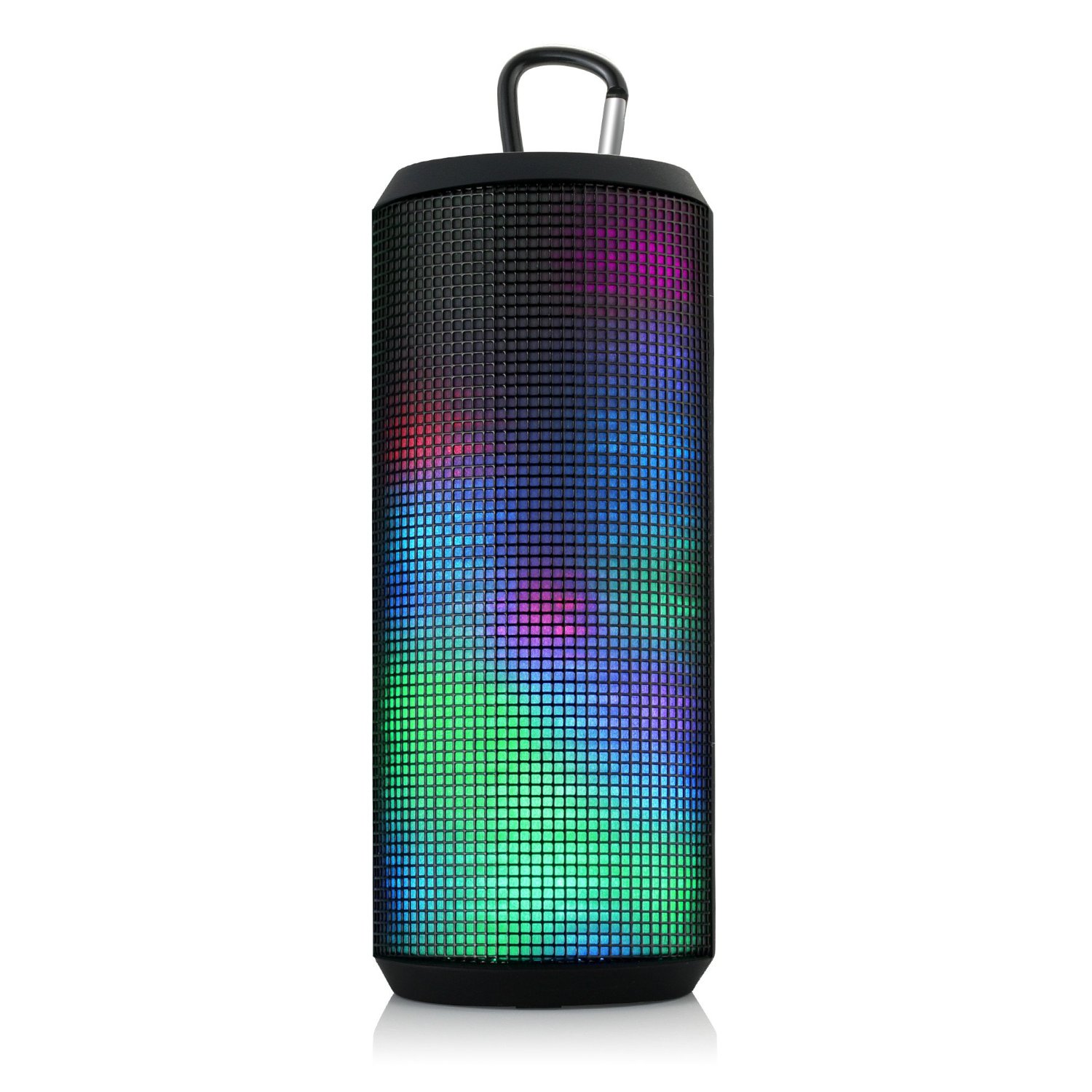
As an added bonus, the speaker comes with a nice looking display mesh that changes color. Perfect we say to go along with the colors around you. It weighs 363 g and comes small at 18.6 x 13.4 x 9.2 cm. It promises 6 Hours of Music play on a single charge along with support for MicroSD card and comes with Gravity Sensor, Voice Guide, and Noise Cancellation features.
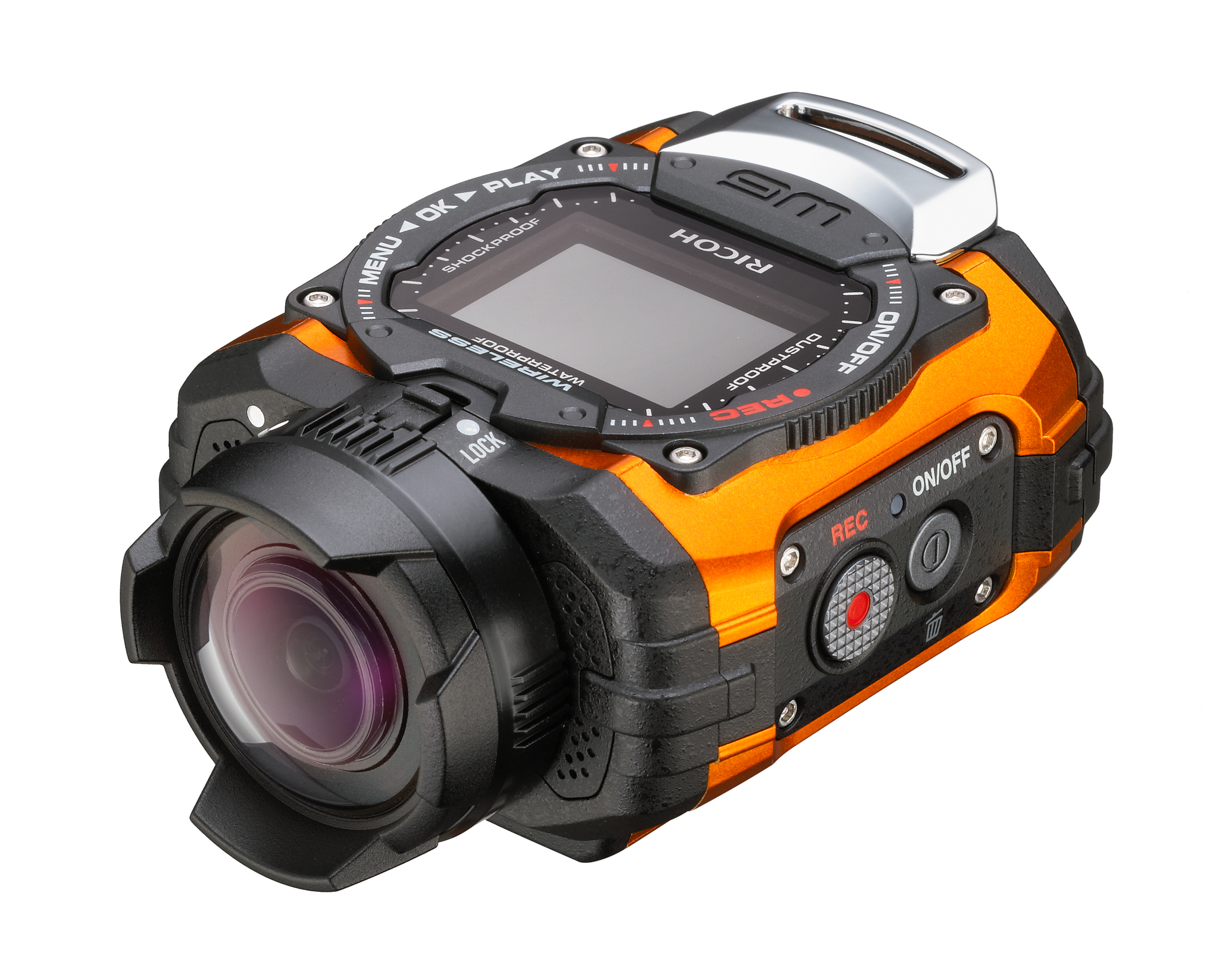
Ricoh WG-M1 14MP Waterproof Action Video Camera (Black)
Ricoh’s Wg-M1 is an ideal camera for capturing your Holi adventures. This is a highly rugged camera and has been designed to stay underwater for up to two hours, and can be submerged underwater for a depth of up to 10 meters. The camera allows for HD recording, and there is also a 5X optical zoom lens to get close-ups of all the underwater action.
This waterproof camera from Ricoh is also cold-resistant to ten degrees below zero and is shockproof when dropped from under 1.5 meters, and it’s also crushproof. Basically, all that you were looking for in a camera that you can take out while playing Holi.
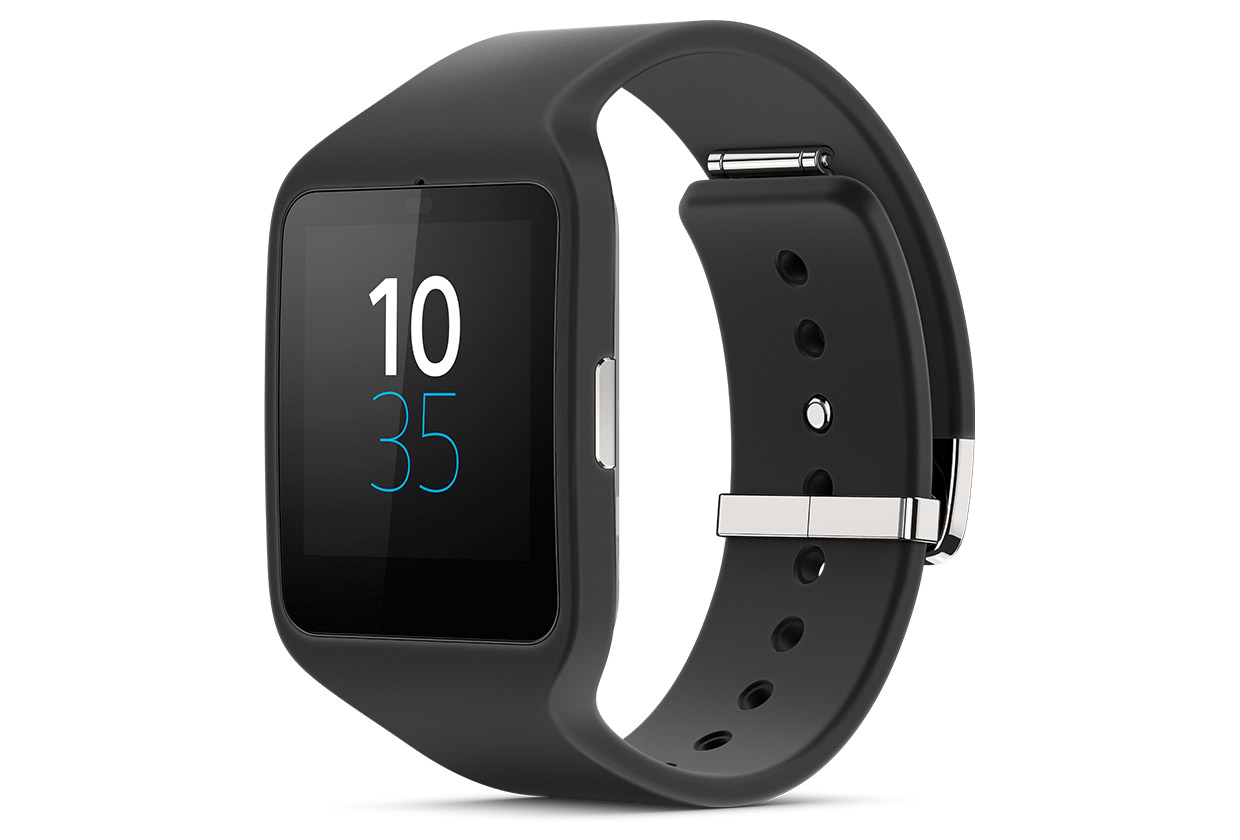
Sony Smartwatch 3
Sony’s SmartWatch 3 is an Android Wear smartwatch that comes with a display which is bright and promises good visibility in sunlight. It houses advanced motion sensors and integration with Sony’s LifeLog platform. Sony’s SmartWatch 3 boasts a waterproof rating of IP68. That means it can withstand depths under one meter for a longer period than IP67 devices, such as the Samsung Galaxy S5. As a basis for comparison, the Sony Xperia Z3 phone boasts an IP68 rating. This device as such is a great choice for a rugged and waterproof smartwatch for your Holi adventures.
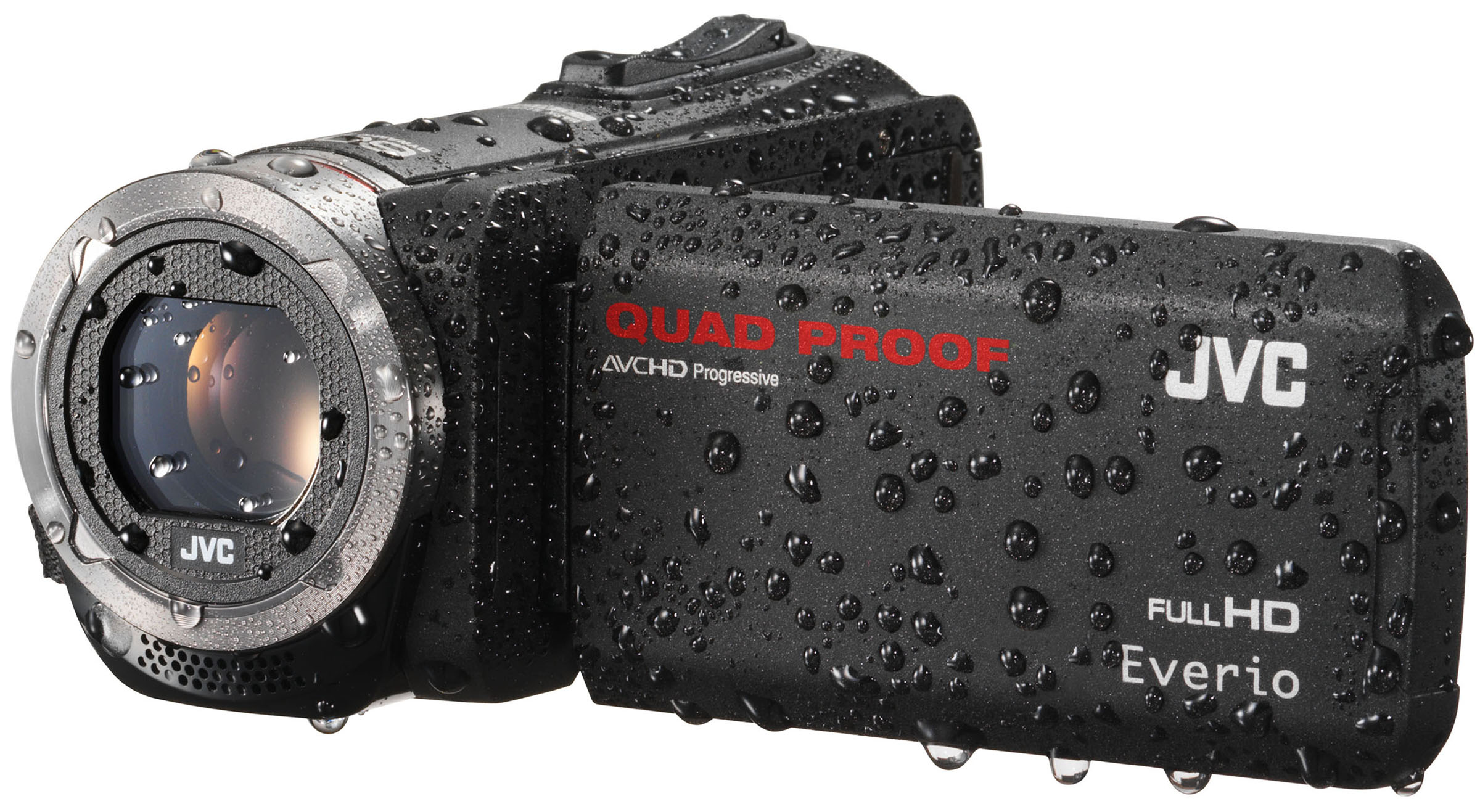
JVC Everio GZ-R320
This compact HD model of the camcorder is more than just waterproof. The GZ-R320 is rugged and as a bonus can also float if put in water. The camcorder can be taken to depths of 16.4 feet and can even survive a 4.9-foot drop on land. Digital image stabilization will steady any long tracking shots and will help you shooting while you run after a friend trying to escape the madness that Holi brings with it.
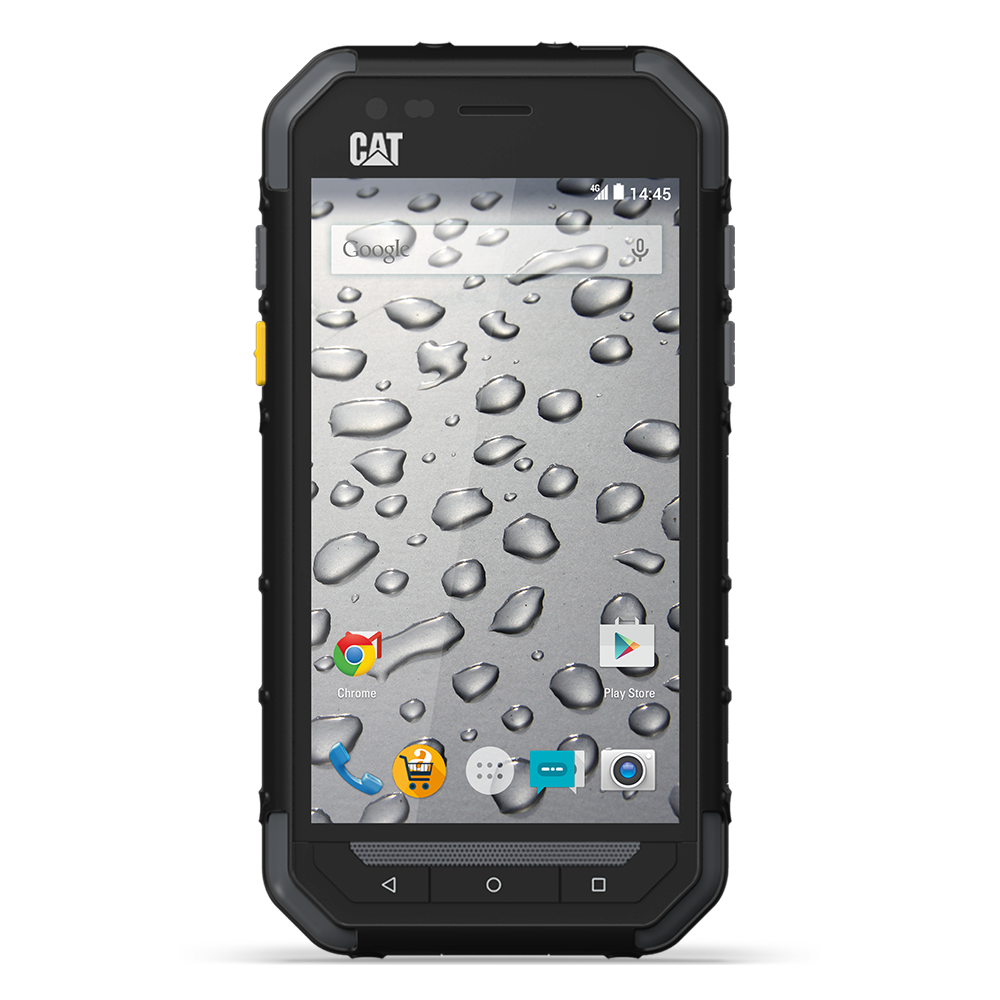
CAT S60 SMARTPHONE
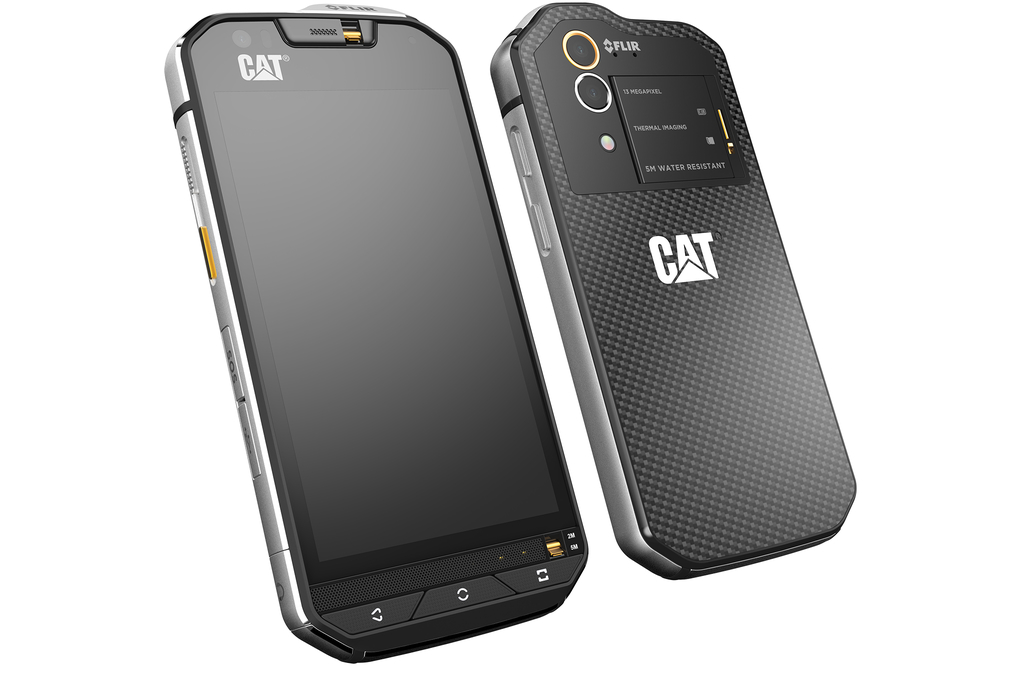
Announced recently at the MWC 2016, Cat’s new S60 is the latest in the line of rugged smartphones from the United Kingdom-based brand, and it comes with two unique features. Cat has added an FLIR thermal imaging camera and the first waterproof rating to a depth of 5 meters for up to an hour on this rugged phone.
The Cat S60 comes with added protection for its display too which even after being covered by a 1mm ( normal phones get 0.4mm) thick sheet of Gorilla Glass 4 works pretty well, and has a brightness rating of 540nits.
Other specs of the phone include a 4.7-inch 720p display, Snapdragon 617 with 3GB of RAM and 32GB storage. The phone runs Android 6.0 Marshmallow and offers 4G LTE connectivity. It also comes with a 13MP primary camera, 5MP front camera. A massive 3,800mAh battery powers the device.
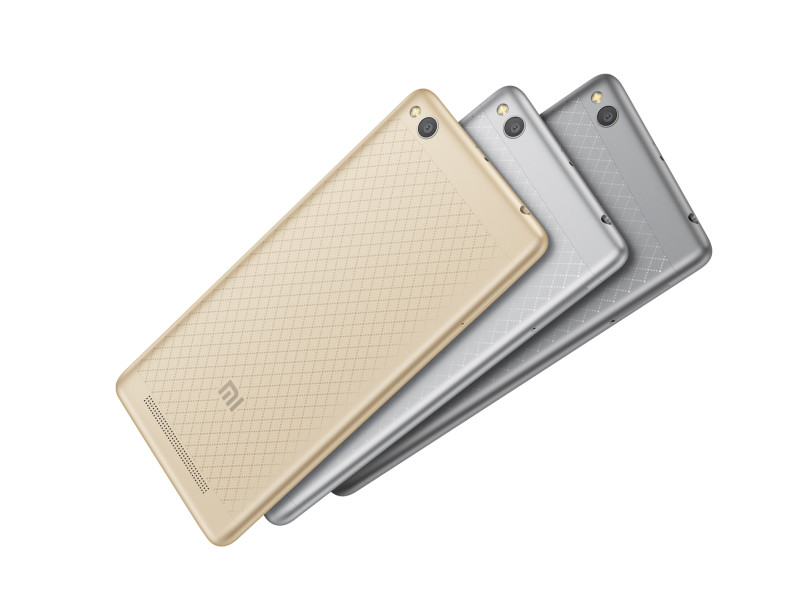
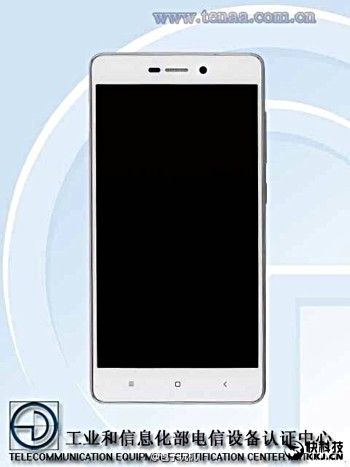
Xiaomi had announced the Redmi 3 a couple of months ago but it seems that the device was not the only variant in the works. According to the Chinese certification site TENAA, a new variant of the Redmi 3 is soon to come out, and this one will feature a fingerprint scanner whereas the original one did not.
Fingerprint scanners on smartphones have become an important feature and one wonders why Xiaomi did not add it in the Redmi 3. However, a $100 price tag justifies no fingerprint scanner. The new Redmi 3 is rumoured to feature a 5-inch display with 720p resolution, 1.5 GHz octa-core CPU and 2GB of RAM with 16GB of storage. The new variant, however, might come with a smaller 3000mAh battery pack as compared to the 4100mAh battery in the original.
With a fingerprint scanner, the device is likely to be priced at RMB 799 ($122), an RMB 100 more than the original Redmi 3. It is still unknown when Xiaomi plans to launch the new variant but it could happen some time this month.
The smartphone market in India is heating up like never before. With the Indian mobile phone market turning into the next frontier for most smartphone makers, we’re currently witnessing phone manufacturers launch devices with great under the hood specs for extremely competitive prices.
At the forefront of this battle for supremacy to win over the burgeoning budget smartphone market has been Xiaomi, exchanging punch for punch with the likes of Lenovo and LeEco which have already declared India a priority market for their products.
In the latest blow to its competiton, Xiaomi has unveiled the much anticipated Redmi Note 3 in India today. The phablet which comes with decent specifications will be available in two variants of 2GB RAM with 16GB of inbuilt storage, while the other is 3GB RAM and has 32GB storage. The pricing is set at a very competetive, Rs 9,999 and Rs 11,999 for the two variants.
The phone with its spec sheet and the price is a direct competitor to phones like LeEco Le 1s and Lenovo Vibe K4 Note which themselves come as brilliant propositions under the sub-Rs 12000 bracket. Let’s find out which of these three is the winner when it comes to the spec table.
Specification
Xiaomi Redmi Note 3
LeEco Le 1s
Lenovo Vibe K4 Note
Display
5.5-inch Full HD Display
5.5-inch Full HD Display
5.5 inches Full HD Display
Resolution
1920×1080(403 ppi)
1920 X 1080 (403 ppi)
1080 x 1920 pixels (~401 ppi pixel density)
Processor
Qualcomm Snapdragon 650 SoC
2.2 GHz MediaTek’s Helio X10
Octa-core 1.3 GHz Cortex-A53
GPU
Adreno 510
VR G6200
Mali-T720MP3
RAM
2GB/3GB
3GB
3 GB
Storage
16 GB, 32 GB
32GB
32 GB/ 64 GB/ 128 GB
Expandability
microSD, up to 128 GB
N/A
microSD, up to 128 GB
Rear Camera
16 MP, f/2.0, phase detection autofocus, dual-LED
13 MP, High-Definition, f2.0 aperture, ISOCELL technology, PDAF, 4K video
13 MP, f/2.2, phase detection autofocus, dual-LED
Front Camera
5 MP, f/2.0, 1080p
5 MP
5 MP
Battery
4050mAh
3000mAh
3300 mAh battery
Connectivity
4G+, Wi-Fi 802.11ad, VoLTE, Wi-Fi Direct, hotspot, Bluetooth v4.1, A-GPS, GLONASS, NFC, VoLTE
On the sidelines of the Redmi Note 3 India launch in New Delhi, Xiaomi’s VP, Hugo Barra, took off the lid over the company’s plans to bring their flagship, Mi 5 to India. To a thunderous applause of over 8000 fans at the Talkatora stadium, Barra revealed that Xiaomi had already gotten over 16 million registrations for the Mi 5 in China, and that next it plans to bring the flagship phone to Indian users in a month’s time.
Along with this, Hugo Barra also revealed the company’s plans to sell in the country a beautiful looking Mi Bluetooth Speakers for Rs 1999 and soon to be commercially announced Mi Powerbank which can hold a charge of up to 20,000mAh.
The Xiaomi Mi 5 upon launch in the country will be available in three variants. The Mi 5 (32 GB storage and 3 GB RAM) is priced at RMB 1999 (Approx Rs 21,000), the Mi 5 64 GB variant is priced at RMB 2299 (Approx Rs 24,000) and the Mi 5 Pro with 128 GB storage and 4 GB RAM will be available for a price of Rs 2699 (Approx Rs 28,500).
The three variants will be run by a Qualcomm Snapdragon 820 64-bit quad-core chipset. The Mi 5 comes equipped with a Sony IMX298 16 megapixel sensor with dual-tone LED flash, PDAF, OIS, and 4K video recording. It sports a 4 megapixel front camera with 2um pixel size. It has a 3000 mAh battery with Qualcomm’s Quick Charge 3.0 technology. Panel on all the variants will be 5.15-inch QHD IPS display.
Xiaomi has finally unveiled its Redmi Note 3 phablet in India at an event held at the Talkatora Stadium in Delhi on 3rd March 2016 which saw 8000 Mi fans attend the launch event. This device which has already been launched in China has been highly awaited in India for some time now. Xiaomi which didn’t bring the predecessor to the Redmi Note 3, the Redmi Note 2, to India will look to stir up the market with its latest offering.
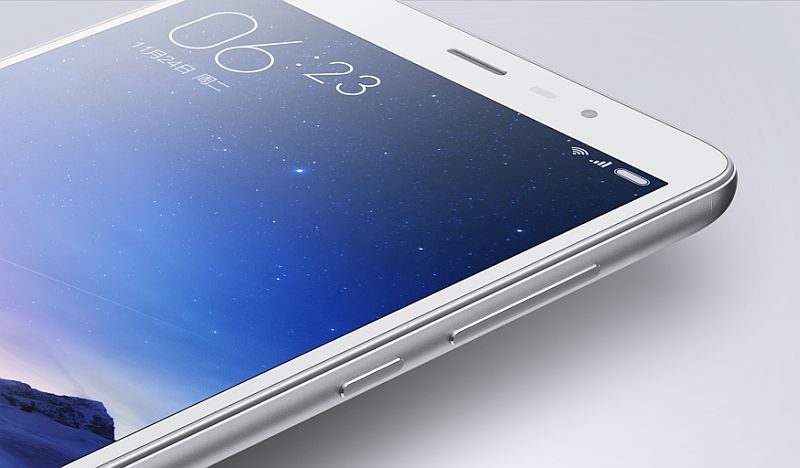
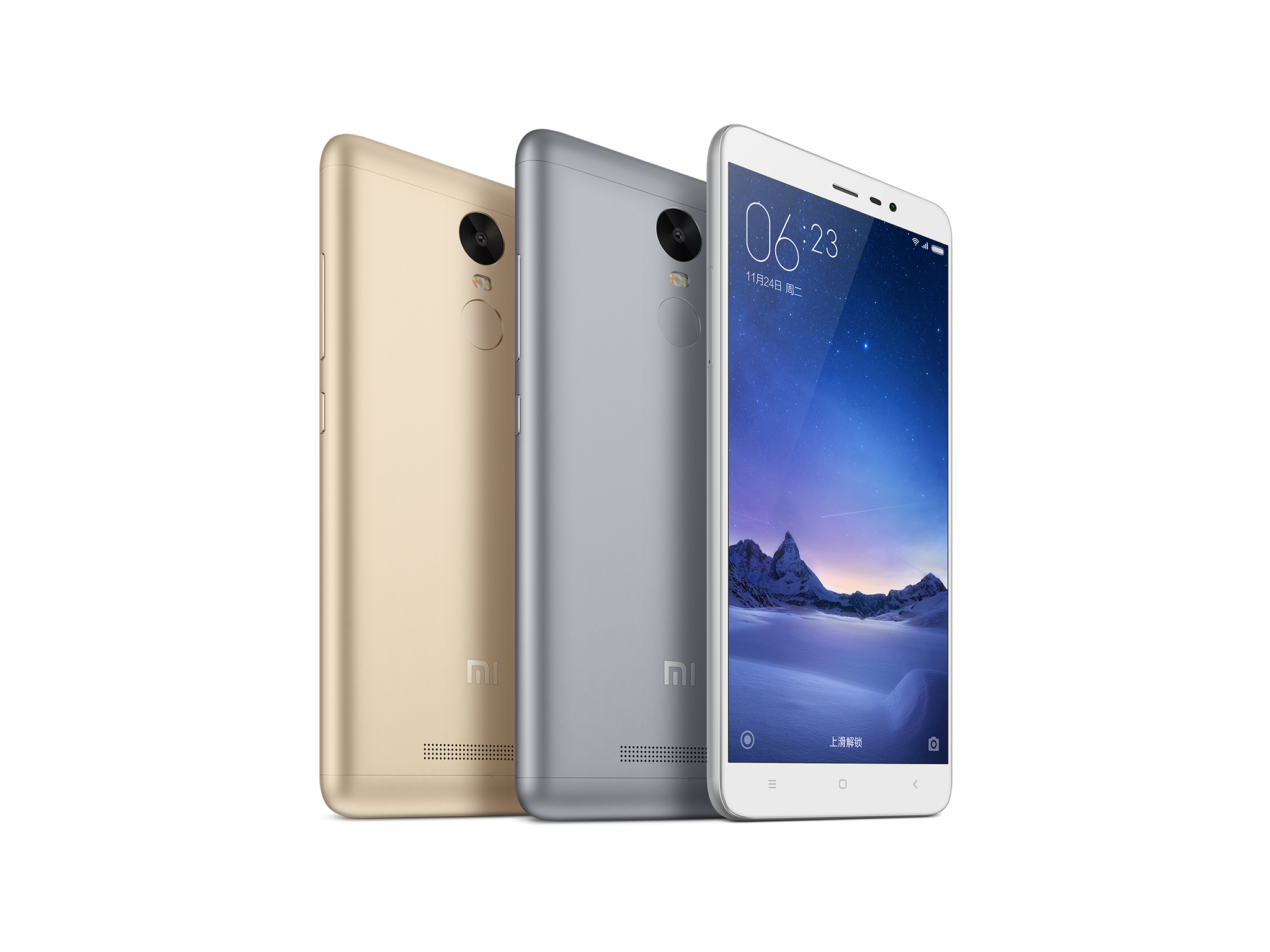
The Redmi Note 3 is an extension of a growing effort by Xiaomi to focus on design and produce beautiful looking phones. This device comes with a full-metal unibody design, with a 5.5-inch 1080p display with pixel density of 403 ppi adorning the front of the phone. It will be available in silver, gold, and gray color options.
The Redmi Note 3 is powered by a Snapdragon 650 SoC that comes with an Adreno 510 GPU. The phablet will come in two variants of 16GB storage with 2GB of RAM, and 32GB storage with 3GB of RAM. Both variants will come packing a non-removable 4,050mAh battery to keep them going through the day.
Coming to the camera, both the variants are equipped with a 16MP rear unit with f/2.0, phase detection autofocus, dual-LED flash and a 5MP front shooter. The Redmi Note 3 also brings with it a fingerprint scanner that can be used to click pictures with both the front and the back camera.
On the connectivity front, the phone comes with dual sim connectivity, Wi-Fi 802.11 a/b/g/n/ac Bluetooth v4.1, A2DP, LE, VoLTE and supports fast battery charging tech. It also runs Android 5.1.1 Lolipop with MIUI 7 skin out of the box. The device with its infrared sensor can also be used as a universal remote for devices in your home.
The pricing of the phone is pretty competitive and for all the impressive under the hood specs the price point of Rs 9,999 for 2GB/16GB variant and the Rs 11,999 for the 3GB/32GB variant is indeed a blockbuster. The phone will go on sale starting 9th march 2 PM in its first flash sale on Amazon, but will later be expanded to offline and other online partners.
Specs
Xiaomi Redmi Note 3
Display
5.5 inches Full HD Display
Resolution
1920 x 1080
Dimensions
150 x 76 x 8.7 mm
Processor
Qualcomm Snapdragon 650 SoC
GPU
Adreno 510
RAM
2GB / 3GB LPDDR4
Storage
16GB / 32GB flash storage
Rear Camera
16 MP, f/2.0, phase detection autofocus, dual-LED
Front Camera
5 MP, f/2.0, 1080p
Expandability
128GB via microSD
Battery
4050mAh
Connectivity
4G+, Wi-Fi 802.11ad, VoLTE, Wi-Fi Direct, hotspot, Bluetooth v4.1, A-GPS, GLONASS, NFC, VoLTE
Xiaomi is all set to launch its much anticipated, Redmi Note 3 phablet tomorrow. The device has been talked about in a great deal for a long time now. We’ve had leaks and specifications about the device, and in less that 24 hours, we’ll know how much of it was true.Xiaomi’s launch event kicks off at 2:00PM IST tomorrow and it will be live streamed online. Here’s how you will be able to follow the launch event online tomorrow.
This device which has already been launched in China has been highly awaited in India for some time now. The Redmi Note 3 comes with a full-metal unibody design, as well as a fingerprint scanner, and sports a 5.5-inch 1080p display which is going to be powered by a Snapdragon 650 SoC.
The phablet is expected in two variants of 16GB storage with 2GB of RAM, and 32GB storage with 3GB of RAM. Both variants come with 4,050mAh battery packs.The camera on the two variants of the phablet will be a 16MP rear unit and a 5MP front shooter. The Xiaomi Redmi Note 3 will run Android 5.0.2 Lolipop out of the box. Pricing details are still awaited.
Chinese smartphone maker, Xiaomi, recently announced its latest flagship, the Mi 5, after a long wait of two years at the Mobile World Congress, 2016. This much-awaited phone whose registration for the first flash sale ended yesterday received a staggering 16.8 million registration requests in just 5 days.
The numbers might seem big, but considering what the Mi 5 packs at a highly affordable price coupled with Xiaomi’s brand reputation in China, such exaggerated interest in Xiaomi’s latest offering makes sense.
The base model of the Xiaomi MI 5 comes with a top of the line, Snapdragon 820 running the show paired with 3GB of RAM and 32GB of internal storage. The display on the phone is 5.1.5-inch screen Full HD display and all of this is powered using a non-replaceable 3000mAh battery.The camera setup on the phone is also something special. The rear unit is a 16-Megapixel Sony IMX298, PDAF, 4-axis OIS. Xiaomi is selling this package for a meagre RMB 1,999( Approx Rs 21,000)
The phone is expected to make it to Indian shores in the coming weeks where its fan following is almost as great as it enjoys in China. No exact pricing details for the Indian markets has been revealed but expect the company to make announcements soon.
The Mobile World Congress 2016 is at an end now and the 4-day event has seen some incredible new technology with groundbreaking advancements. On the smartphone front, some spectacular flagship devices and other phones were on display with next-gen specifications and technology. Here’s looking at the best new phones with new technology that were unveiled at the MWC this year.
Samsung Galaxy S7 and S7 Edge
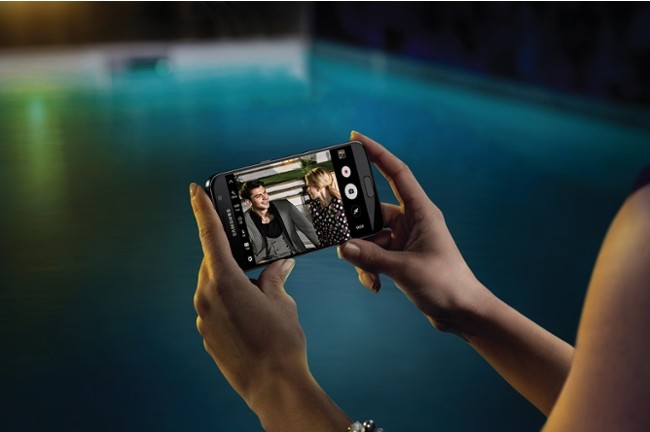
It was at MWC’s Unpacked event on the 21st of February that saw some of the biggest technological unveilings. The unpacked event saw Samsung unveil its flagship Galaxy S7 and S7 Edge. The next Galaxy devices come promising spectacular design language and next-gen performance and specifications.
The 5.1-inch S7 Super AMOLED display with quad HD resolution. Two SoC configurations are offered – one being the new Exynos 8890 and the other being Qualcomm’s Snapdragon 820. The device comes with 4GB of RAM and 64GB of internal storage as well as a MicroSD card slot this time around and the battery is 3000mAh. A fingerprint sensor is housed in the home button.
The S7 Edge comes with a 5.5-inch Super AMOLED display with quad HD resolution. A Snapdragon 820 processor powers the device along with 4GB RAM and 64GB storage and 3600mAh battery pack.
New Technology – The Galaxy S7 brought with it a brand new Dual Pixel technology for its rear camera. The Dual Pixel, essentially, is an improvement or a natural evolution from the Phase-Detection Auto-Focus technology used by many other smartphones. Firstly, Samsung downgraded from 16MP found in the S6 to 12MP in the S7. The decision to do this was to focus more on quality rather than quantity. The 12MP sensor brings 56% bigger individual pixels with1.4um pixels as compared to the S6.
To understand Dual Pixels one needs to first wrap their heads around PDAF. PDAF traditionally uses less than 10% the total number of pixels equipped with focusing photodiodes and uses it strategically in the sensor area to focus on a subject. This requires more time for focusing. Dual Pixel, on the other hand, uses a 100% of the pixels for extremely precise and fast focusing. Using the whole of the pixels also allows more light in.
LG G5
LG G5
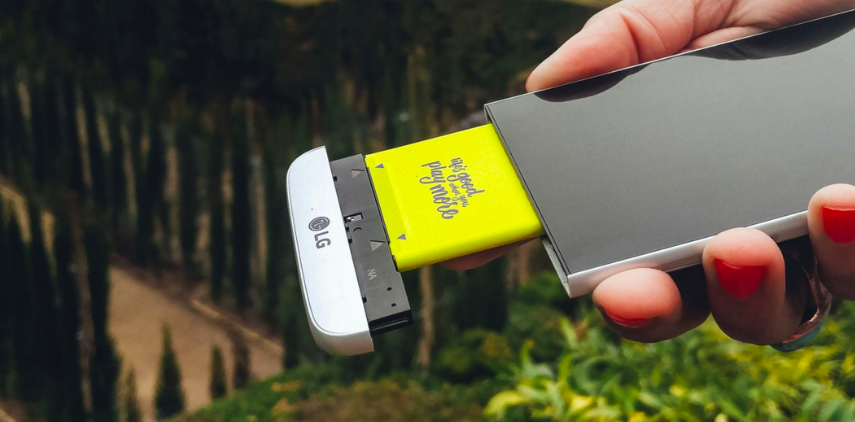
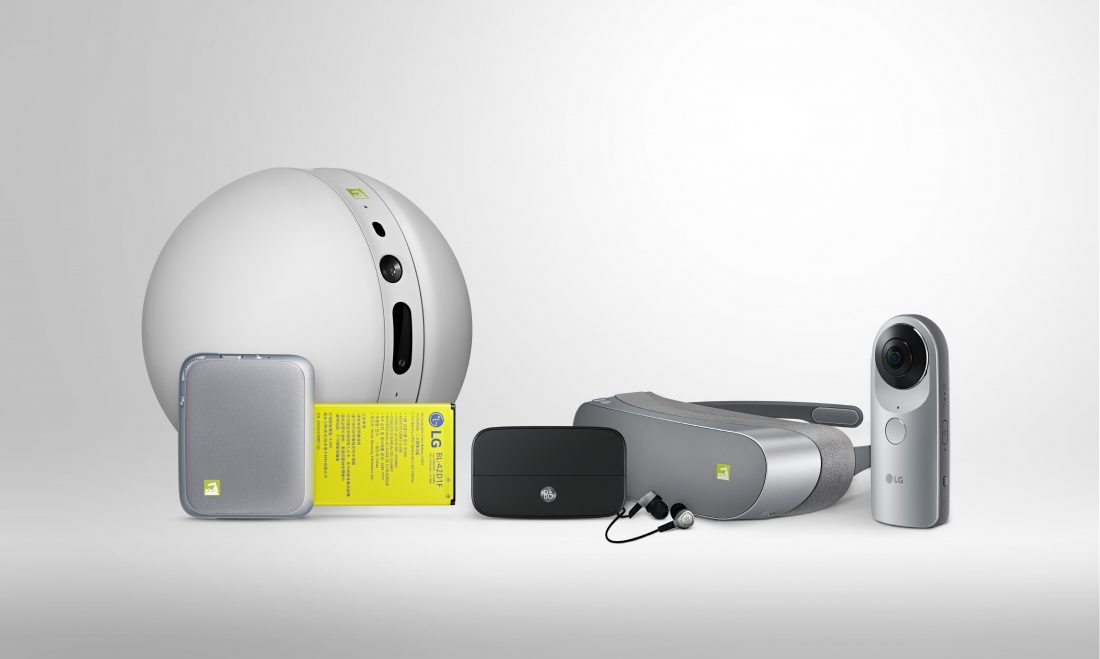
Undoubtedly, the award for the most innovative new smartphone has to go to LG for its modular G5 handset. LG went ahead of Samsung at the Unpacked event and quite surely ‘dropped the mike’ on stage with its spectacular G5 flagship. The G5 has a full metal body and comes with impressive specifications but the what sets the phone apart from its competition is the fact that it comes with modular attachments which for now can be utilised to enhance the camera and battery of the phone.
On the specifications front, the LG G5 comes packing a primary 5.3-inch QHD LCD display with 3D Arc Glass on top. It also has a cool Always-on feature that lights up the display for access to important updates. The phone’s construction is full metal unibody and is powered by a Snapdragon 820 chipset, paired with 4GB of RAM and 32GB of internal storage, expandable by upto 2TB with microSD cards.
New Technology – Next-gen specifications aside, the G5 is and will be about its modular design. The modular nature of the phone exists for what LG calls ‘G5 and Friends’, that are modular attachments to enhance the camera and battery of the phone.
Most interesting of the lot was the LG Cam Plus module which can be attached to the G5 through the battery slot giving the user “comfortable grip and convenient control of a DSLR” for better imaging and also adds to the battery of the phone taking the capacity up to 4000mAh.
Next is the Hi-Fi Plus with B&O Play module. This is a Hi-Fi DAC audio player which is perfect for audiophiles. It can also play high-definition audio files encoded in 32-bit at 384KHz.
Xiaomi Mi 5
Xiaomi yesterday unveiled its own flagship Mi 5 following Samsung and LG and still managed to impress all. The Mi 5 comes packed with top-of-the-line specifications and a pretty attractive design language with a 3D glass or ceramic back option, all at an impressively low price of RMB 1,999 (approx. Rs 21,000) for the base model.
The device sports a 5.15-inch Full HD IPS display, a 1080p resolution, ultra-bright 16-LED backlighting with 2.5D curved glass on the front and Corning Gorilla Glass 4. It is powered by the Snapdragon 820 chipset and Adreno 530 GPU. No surprises there. It packs 3GB of RAM and up to 32GB of flash storage, while the Pro variant features a 4GB RAM and 128GB flash, however, there is no MicroSD card slot to be seen. Both variants feature a fast LPDDR4 RAM for a snappy user experience.
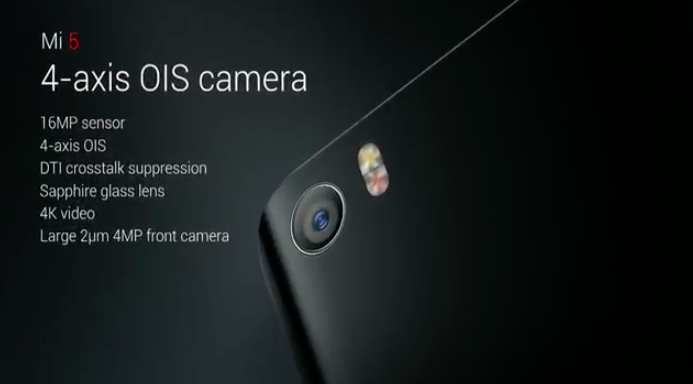
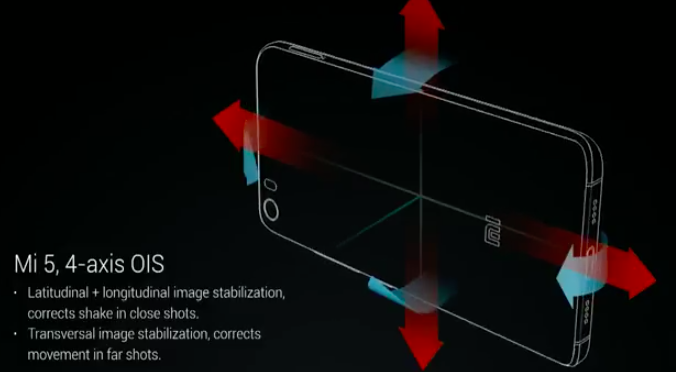
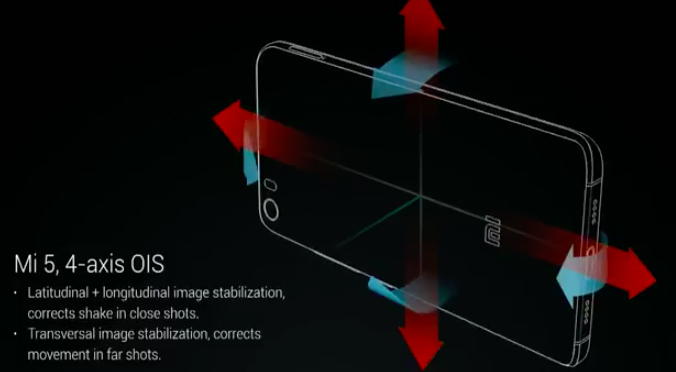
New Technology – The Mi 5 comes with a 16MP Sony IMX298 sensor with PDAF, DTI image enhancement and a new 4-axis OIS technology. It is in the 4-axis OIS that Xiaomi really delights itself. The rear camera promises to capture great images and videos with superior focus. This holds true thanks to its new OIS technology that uses 4-axis rather than the traditional 2-axis that most other smartphones currently use.
The 4-axis OIS basically gives you more stability under shaky conditions. While traditional 2-axis OIS can work around rotational movements, the 4-axis can handle transversal as well, because shakiness comes in all directions.
The 4-axis OIS technology corrects shake in close shots and can capture accurate movement in distant shots as well. All of this translates into smoother, sharper and blur-free images and videos even in low light. Check out some of these camera shots to know just how well the Mi 5 camera works under various settings.
Cat S60
As big name brands set themselves to launch their latest and greatest phones at the Mobile World Congress 2016, a brand which makes relatively niche products, Cat, stole the limelight with an offering that might not give any of the flagships a run for their money in terms of specs, but lacks behind none in terms of innovation.
The Cat S60 is a 4.7-inch 720p display device powered by Snapdragon 617 with 3GB of RAM and 32GB storage. The phone runs Android 6.0 Marshmallow and offers 4G LTE connectivity. It also comes with a 13MP main camera, 5MP front camera. A massive 3,800mAh battery powers the device.
New Technology – The Cat S60 comes with two very unique features – a FLIR thermal imaging camera and the first waterproof rating to a depth of 5 meters for up to an hour on this rugged phone.
The handset features a military-grade thermal imaging C2 camera module from FLIR. This is the same technology used in the Intel-powered Daqri smart helmet, enabling the Cat S60 to show temperature changes.
The sensor is the smallest of its kind, and can measure surface temperatures from a distance of up to 100ft. It can see through obscurants such as smoke, and is aimed at building professionals, utility workers, and outdoor sport enthusiasts.
Phones, and then some more phones expectedly dominated the proceedings at the Mobile World Congress 2016, as big name players such as Samsung, LG along with first timers such as Xiaomi launched new flagship devices, but the MWC wasn’t only about smartphones this year.
This was the year when MWC went beyond just smartphones and explored deeper corners of the consumer tech industry. On show were products and technological innovations ranging from VR headsets, 360-degree cameras, home security robots, convertible tablet/laptop hybrids and much more during. So let’s rewind and take a look at the best technological innovations that MWC brought to us in 2016.
Super VOOC Quick Charging and SmartSensor Image Stabilization
Oppo’s much-hyped, “Wow the World,” event did not bring too much to the tech world in terms of hardware, but in terms of technological breakthroughs, it was second to no event and showcased technology that could seriously change the way phones perform in the future.
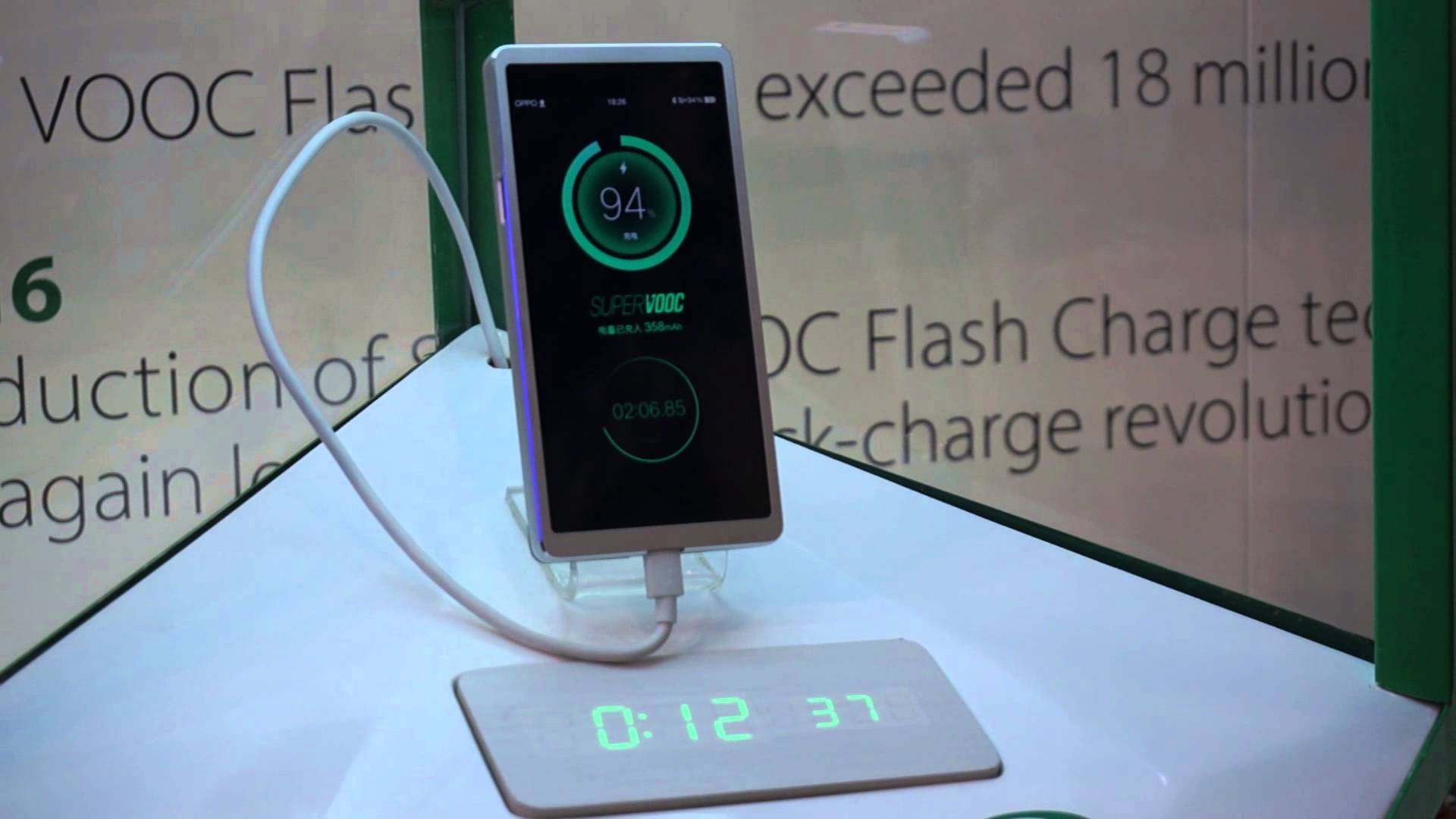
Oppo brought to the world the “SmartSensor Image Stabilization,” technology which is the first sensor-based image stabilization tech in the world, along with Super VOOC quick-charging technology which can charge a 2500mAh battery 45 percent in five minutes of charging, and 100 percent in about 15 minutes. Now that is quick.
OPPO’s take on fast charging is brilliant in the sense that it uses low-voltage to charge batteries. Most types of fast charge work by pushing out more amps, but VOOC keeps your standard amperage, reducing the risk of overheating or battery damage.
Xperia Ear
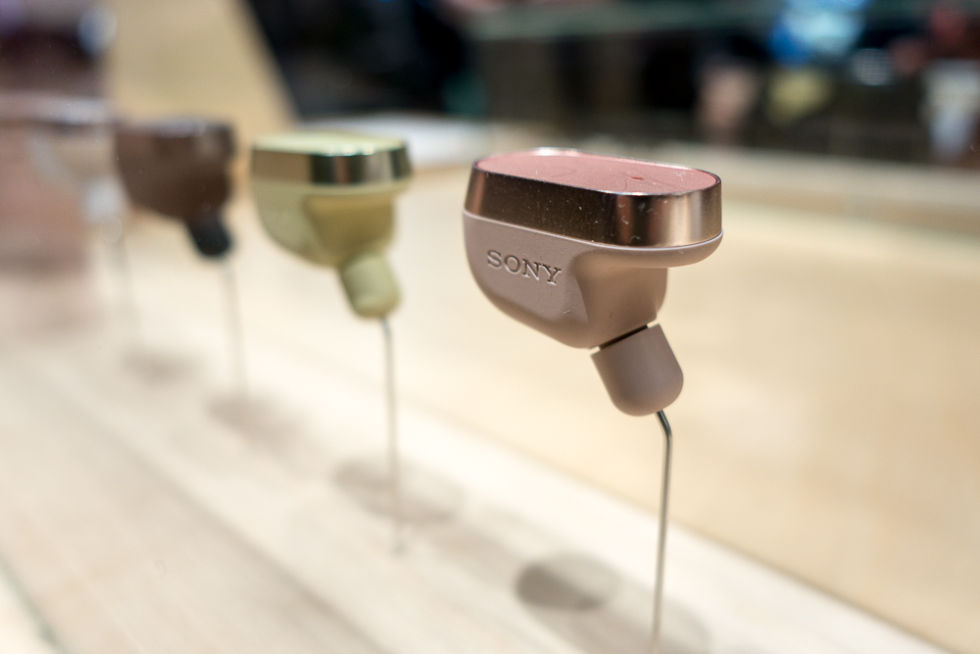
At the MWC 2016 Sony announced three big innovations in the form of peripherals: a projector, a life-blogging camera, and an in-ear personal assistant. The best amongst the three, the Xperia ear. It is a tiny Bluetooth-connected ear piece which acts like a voice-controlled personal assistant which can take calls, send messages, get traffic updates or check the weather and even help you finding your way around the city. Step ahead towards the future we say.
The earpiece is comfortable and discreet and is compatible with Sony’s own software while also being equipped with the power to use Google Now helping users take advantage of Android’s ever-expanding voice control functions.
Nokia OZO camera
The Mobile World Congress, 2016 saw a lot of interesting devices, and one very interesting device that the tech world came across was the Nokia Ozo VR camera which will in all probability be the first cinema grade virtual reality recorder. The device comes with the capability to record and store up to 45 minutes of audio and video
Nokia Ozo, is a camera like none other which combines live streaming, live monitoring, automatic stitching (a process used to blend the separate camera feeds) and 3D audio and video. With the Ozo Nokia could alleviate the headaches and obstacles faced by early VR filmmakers. With the Ozo, Nokia will look to establish itself as the go-to VR production solution and become the market leader in this growing segment.
Sync 3
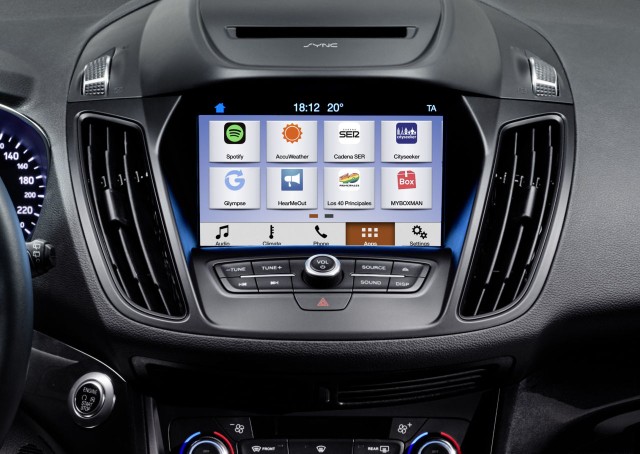
One of the biggest car manufacturer in the world, Ford, is looking at bringing a revolution as big to the motorists experience as what smart capabilities brought along with them to phones a decade back. Ford unveiled the Sync 3 technology for car dashboards which will bring an infotainment system that will allow users to connect to the Sync 3 with their smartphones and access hundreds of applications and services.
Sync 3 is equally adaptable with android and iOS and allows them to enjoy apps and services through the cars dashboard. It comes with an 8 inches touch screen and voice recognition features with easy to navigate and user-friendly interface. Ford claims that the Sync 3 is not just another technology, butt rather it is a whole new level of life-like experience for the users. Looking at its potential we can’t disagree.
4-Axis Optical Image Stabilization
Xiaomi’s latest flagship, Mi 5 sports, a 16-megapixel rear sensor that uses Sony IMX29, but what truly sets the phone apart is the technological innovation on display with the 4-Axis Optical Image Stabilization system on board.
The rear camera on the Mi 5 promises to capture great images and videos with superior focus thanks to its new OIS technology that uses 4-axis rather than the traditional 2-axis that most other smartphones currently use. Xiaomi demonstrated the stability of its camera by comparing it to the iPhone 6s, which is considered to have the best OIS currently in the market.
The 4-axis OIS basically gives you more stability under shaky conditions. While traditional 2-axis OIS can work around rotational movements, the 4-axis can handle transversal as well, because shakiness comes in all directions.The 4-axis OIS technology corrects shake in close shots and can capture accurate movement in distant shots as well. All of this translates into smoother, sharper and blur-free images.
Xiaomi with its announcement of the Xiaomi Mi 5 at events in Beijing and Barcelona today has come to lay claim on the title of being 2016’s biggest flagship killer. The handset which took Xiaomi two years to develop comes with mouth-watering specs at an affordable price point of RMB 1,999(Approx Rs 21,000).
Xiaomi with the MI 5 will look to eat up into the market share of upcoming flagships such as the LG G5 and Samsung Galaxy S7 when they finally hit Indian markets. But before it can officially take up the mantle of being this year’s best bang for buck flagship killer, it will face tough competition closer to home from the new kid on the block, Le Eco, which only yesterday announced the sale of its Le Max Pro handset for the same price in China.
So time to find out which of these two is the real flagship slayer of 2016. Let the battle begin.
What’s Under the hood?
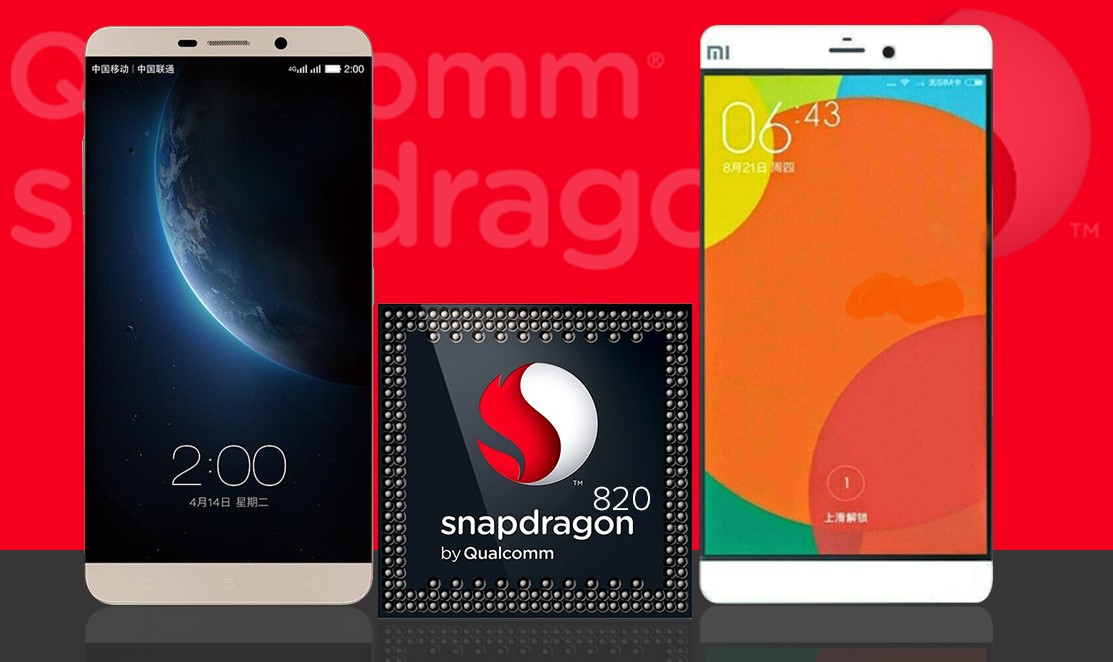
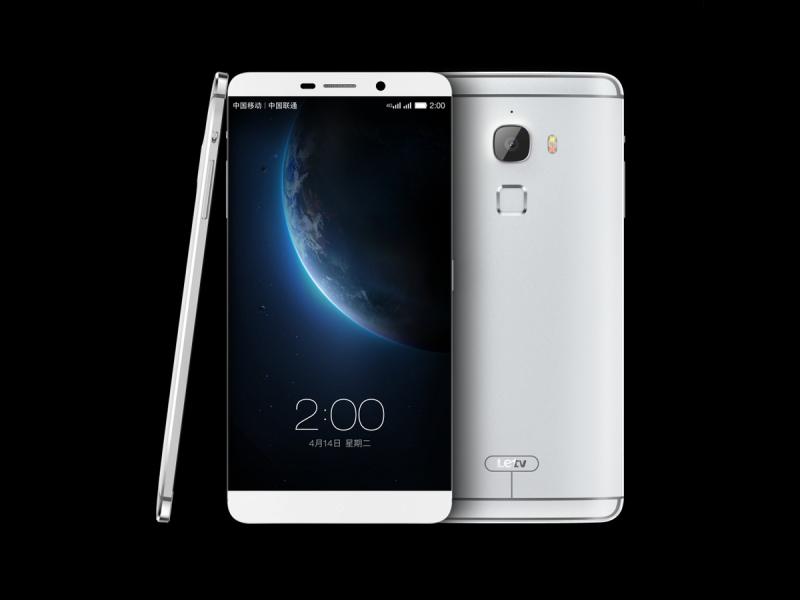
The Le Max Pro became the world’s first Snapdragon 820 smartphone to go on sale after 1000 units were made available for purchase yesterday to customers in China, and as expected was quite quickly lapped up by the “Superfans” of the “Superphone”.
The Le Max Pro comes to the party equipped with a pretty impressive specs. It sports a 6.33-inch display with QHD resolution which is a massive upgrade over the Xiaomi Mi 5’s 5.15-inch Full HD display, but both the phones find common ground when it comes to the Snapdragon 820 SoC that runs the show for both these devices.The Le Max Pro comes with 4GB of RAM and 64 GB of flash memory while the Mi 5 brings to the table 3GB of RAM and 32GB internal storage.
The Le Max Pro has a slight advantage when it comes to the 3,400mAh battery when compared to the 3000mAh battery pack inside Xiaomi’s offering. Both the phones can be charged through a USB Type-C port and also feature fingerprint scanners come running Android 6.0 Marshmallow with their company’s respective skins out of the box.
Camera
Camera’s on both the phones are pretty impressive. While Le Max has gone the traditional way and overloaded the specsheet with details about high megapixel count of the phone, Xiaomi has gone ahead and like most big names of the industry has looked towards real world performance in place for extra megapixels to brag about.
Le Max comes with an able a 21MP sensor for the back of the phone which is expected to take good pictures and a 4MP sensor for the front while Xiaomi has sports a 16-megapixel rear sensor that uses Sony IMX298 with important additions such as PDAF, DTI image enhancements and 4-axis OIS. The front features a 4-megapixel UltraPixel camera which is also expected to better than the Le Max Pro.
Design
The Le Max Pro features a bezel-less, full metal unibody design made completely out of aircraft grade aluminum which the company claims is highly durable. It also comes with the world’s first full-floating glass made by Sharp exclusively for LeEco. Because of its size, the phone feels big in the hand and one handed operation is difficult.
Coming to the Mi 5, it draws inspiration from the Mi Note in terms of design. The Mi 5 introduces a home button that houses the fingerprint scanner – a first for Xiaomi. The back features a curved edge with a 3D glass body. Meanwhile, the Pro variant comes with a 3D ceramic back. The front features an almost bezel just 6.95mm thick, seamless design and more curved than the Mi Note. The curved ceramic back seamlessly joins the glass on the front.
Specs
Le Max Pro
Xiaomi Mi 5
Display
6.33-inch display with QHD
5.1.5-inch screen Full HD display
Resolution
2560 x 1440
1920×1080
Dimensions
167.10 x 83.50 x 8.90
69.20 x 144.55 x 7.25mm
Processor
Qualcomm Snapdragon 820
Qualcomm Snapdragon 820 Processor
GPU
Adreno 530
Adreno 530
RAM
4GB
3GB
Storage
64GB
32GB
Rear Camera
21 MP Sensor
16MP Sony IMX298, PDAF, 4-axis OIS and f/2.0
Front Camera
4 MP
4MP UltraPixel
Expandability
N/A
N/A
Battery
3,400mAh
3000mAh battery Quick Charge 3.0
Connectivity
USB Type-C, 4G+, Wi-Fi 802.11ad, VoLTE, Wi-Fi Direct, hotspot, Bluetooth v4.1, A-GPS, GLONASS, NFC
Xiaomi today finally unveiled its flagship Mi 5 smartphone at the Mobile World Congress. The handset comes with some really pleasing design language that includes curved edge at the back, and some powerful flagship killing specs that include Qualcomm’s new Snapdragon 820 chipset. But apart from these, Xiaomi is really pleased with its new camera module in the Mi 5.
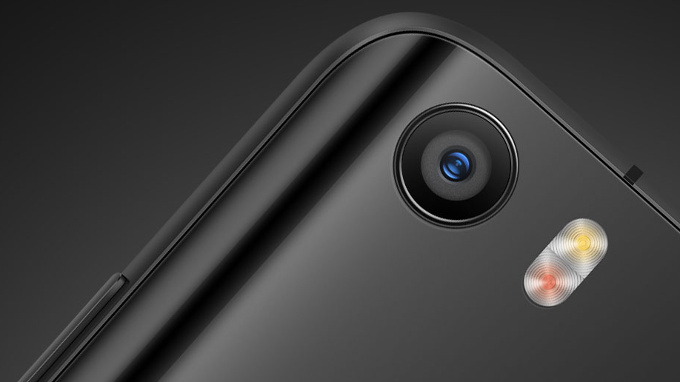
The Mi 5 sports a 16-megapixel rear sensor that uses Sony IMX298 with PDAF, DTI image enhancement and 4-axis OIS. The front features a 4-megapixel ultra pixel camera. Xiaomi has managed to fit a powerful camera module inside the device with no sign of a camera hump. The device can record 4k videos as well.
It is in the 4-axis OIS that Xiaomi really delights itself. The rear camera promises to capture great images and videos with superior focus. This holds true thanks to its new OIS technology that uses 4-axis rather than the traditional 2-axis that most other smartphones currently use. Xiaomi demonstrated the stability of its camera by comparing it to the iPhone 6s, which is considered to have the best OIS currently in the market.
The 4-axis OIS basically gives you more stability under shaky conditions. While traditional 2-axis OIS can work around rotational movements, the 4-axis can handle transversal as well, because shakiness comes in all directions.
The 4-axis OIS technology corrects shake in close shots and can capture accurate movement in distant shots as well. All of this translates into smoother, sharper and blur-free images and videos even in low light. Check out some of these camera shots to know just how well the Mi 5 camera works under various settings.