Category: Business

  • New Prime Minister of India Website Goes Live: India to Become a Broadband State

    New Prime Minister of India Website Goes Live: India to Become a Broadband State

    As Mr. Narendra Modi got sworn in as the 15th Prime Minister of India, the new website for the elected representative went live. PMIndia.nic.in was updated with new images and new government policies, along with a way to greet the man himself.

    This small move which may not be important to many, shows a major difference of opinion between the past and new government, towards the new digital generation. To put things in perspective the last time our Prime Minister was elected the website took over a month to get updated.

    The new Government of India, led by Mr. Narendra Modi as Prime Minister has a brilliant agenda towards the technological improvements in India, should they get implemented. For one that stands out is seemingly the need of the hour, for India to become a truly broadband enabled state.

    The new government promises severe improvements in telecom and internet access in the country making broadband high speed, and no not speeds of 512 kbps, but actual high speed internet available to all. While major metropolitans will see fibre networks within the next 6 months, low connectivity states will get access to ADSL.

    [quote text_size=”small” author=”Narendra Modi” link=”http://pmindia.nic.in/pmmessage.php” author_title=”Prime Minister of India”]

    I envision this website as a very important medium of direct communication between us. I am a firm believer in the power of technology and social media to communicate with people across the world. I hope this platform creates opportunities to listen, learn and share one’s views.

    [/quote]

    For India, this might be one of the crucial blockades, that might be on the eve of removal. Many of the business leaders and active online (dare we say) Netizens have seen great hope in this new government and its forward policies towards a better connected India.

    The new Government will also discuss the existing duty rates on the import of various forms of technology, this might result in decrease in prices of various daily use tech like smartphones and cameras.

    However, India seriously lacks behind in the deployment of connected hardware in the country. Many manufacturers have started bringing the latest tech to India in a timely manner, but we are yet to see infrastructure to support it. Again, for perspective the United States had a fully deployed 4G/LTE network by the end of 2012 and India is still in the testing phase, all this despite the fact that urban India will continue to account for a large percentage of mobile internet users across the country and is expected to reach 126 million by March 2014 and touch 153 million users by June 2014. Significantly, a drastic growth was witnessed in the number of users of mobile internet in rural India and will register an impressive 50% growth to reach 32 million by June 2014.

    Once we have stable networks and high speed internet access we can then possibly discuss the next major issue; Street TRAFFIC!

  • MJ’s Resurrection and The Future of Holography

    MJ’s Resurrection and The Future of Holography

    Love him, hate him, but you can’t ignore the grooves of the King of Pop. Michael Jackson continues to get our foot tapping from the other side of the consciousness wall. His latest posthumous album, Xscape, brings back the the classic MJ, the one we 90’s kids were in love with while growing up. It took half a years worth of effort but we saw MJ’s resurrection at this year’s Billboard Music Awards,  showing off his signature moves and making us all slaves to his Rhythm.

    His latest feat at billboard awards was made possible due to the awesome powers of Holography. No, holography is not limited to the “Holodeck” on Star Trek alone. It’s here, it’s real and it’s getting us a lot more nostalgic. This incredible technology helped us witness the man with the golden feet after almost a decade. The experience was nothing short of breathtaking.

    In 2012, Tupac was resurrected at Coachella and recently Indian Prime Minister elect Narendra Modi used the technology to address multiple rallies at the same time. Celine Dion also performed with a 1968 version of Elvis at the American Idol. All these were made possible through the technique called Pepper’s Ghost.

    Holography is a technique which enables three-dimensional images (holograms) to be made. It involves the use of a laser and light measurement for recording visual data. The image changes as the position and orientation of the viewing system changes in exactly the same way as if the object were still present, thus making the image appear three-dimensional. The Holographic principles also states that our own lives must be just projections at a grand scale.

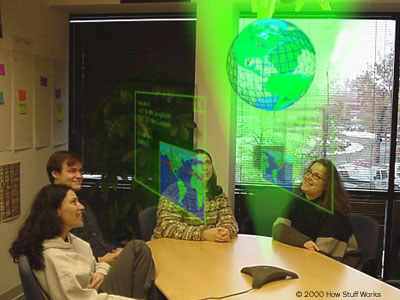
    The technology though is not just restricted to these performances. We can pretty soon have holographic communication capabilities. The research is in progress to allow you and your friends to have a conversations in simulated environments. It will be like video conferencing but you don’t have the distraction of a screen. This is the closest we can come to real life interactions with people thousands of miles away.

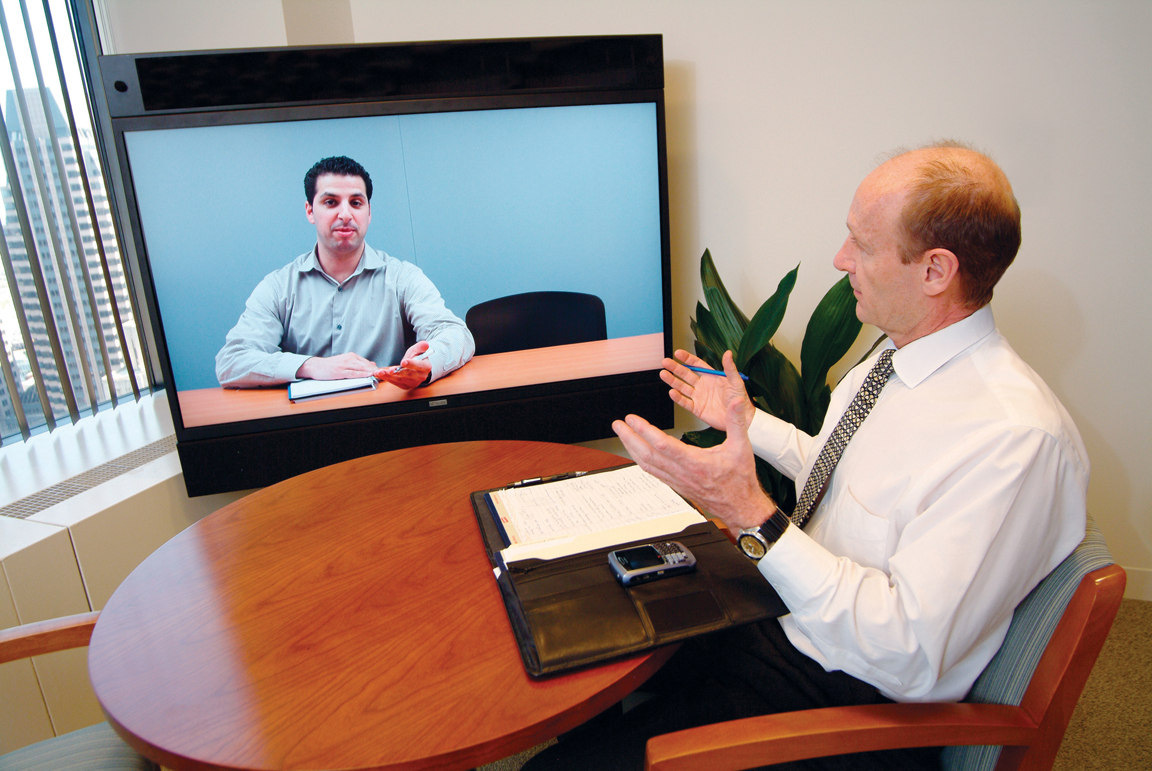
    A Teliris telepresence videoconferencing system in 2007.
    A Teliris telepresence videoconferencing system in 2007.

    Tele-Immersion seem to be the future of communication. It gives you a fully simulated environment where you can have complete immersive interactions. The users will feel as if they are  looking, talking, and meeting with each other face-to-face in the same room.

    To achieve this, the computers recognize the presence and movements of individuals and objects. Two or  more cameras are used to capture the objects or people.  They track those individuals and images and reconstruct them onto one stereo-immersive surface.

    Two or more cameras take rapid sequential shots of the same object, continuously performing distance calculations, and projecting them into the computer-simulated environment, as to replicate real-time movement. Tele-immersion presents the greatest technological challenge for Internet2 (The Research Network).

    We are still far away from projections like the one that got Leia’s message to Luke and Obi wan through R2D2. There is though an option for fog projection, in which the fog will act as a three dimensional screen where images can be projected. But that would not be immersive enough for true 3D involvement.

    Holographic Slideshows are so much cooler than present day projectors
    Holographic Slideshows are so much cooler than present day projectors

    Holographic technology will also help in 3D slide shows. It will be the end of  staring at the boring 2D projections on a wall. Imagine interacting with the virtual world with your fingers while presenting a slide show; surely the best way to engage a bored audience. It will be reminiscent of the slide show at rebel ships where they studied the plans of the Death Star. It can also be seen in Big Bang Theory’s episode “The Holographic Excitation”.

    Holographic Theory is a great area of study and we should all be taking interest in its evolution. Maybe if we have more innovative brains working on it, we’ll be closer to a Star War style communication apparatus.

  • Microsoft Introduces Surface Pro 3!

    Microsoft Introduces Surface Pro 3!

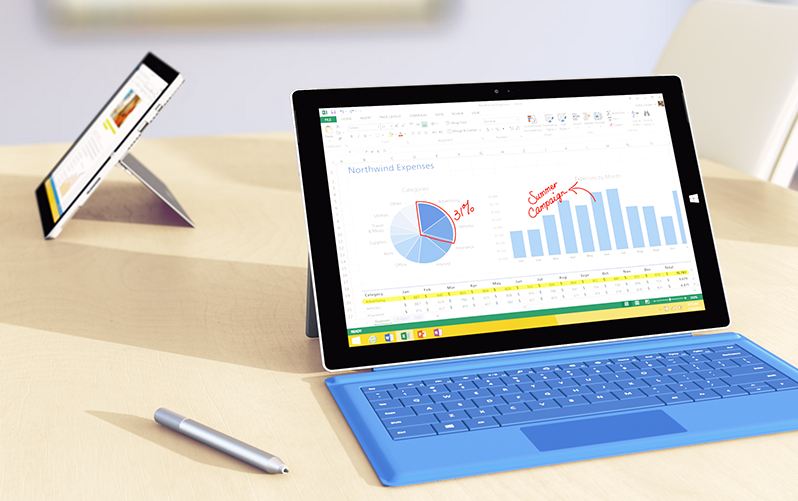
    The new Surface Pro 3, launched today in the USA, is Microsoft’s third attempt at “the tablet that can replace your laptop.”  Earlier, Microsoft had introduced its first two Surface tablets, the Surface RT and Surface Pro, in a surprise media event in June 2012. The tablets were initially received well, with curious online commenter’s praising the design, the built-in metal kickstand, and its split-screen feature. However, by the time the Surface went on sale months later, the enthusiasm had waned, and Microsoft failed to capture much foothold in the tablet market. Currently, that market is dominated by Apple’s iPad and various devices running Google’s Android operating system, including Amazon’s Kindle Fire.

    The brand new Surface Pro 3 runs a full version of Windows 8, which only means that owners can run desktop Windows apps such as the Microsoft Office suite, as well as apps made solely for tablets. Buyers can also purchase an attachable keyboard and mouse to transform the Surface into a more traditional laptop.

    surface4

    The new hinge on Surface Pro 3 helps it adjust to an angle between 22 and 150 degrees, making it handy and super adjustable. And while it may be tempting to compare the Surface Pro 3 to the iPad, it was clear from today’s onstage remarks by Microsoft officials that they’d like to view its competitor as the MacBook Pro and other laptops. The company hopes that Surface Pro 3 will be viewed as an all-in-one device, serving the function of both a laptop as well as a tablet,without compromising on any features.  The Surface Pro 3 sports a 2,160-by-1,440 display, which according to Panos Panay, Head of Microsoft’s Surface division, provides the “highest contrast ratios in the industry.”

    Along with the Surface Pro 3, the company introduced several add-ons which are built keeping in mind the needs of its users.

    The new Type Cover keyboard add-on, priced at $130, has a much-improved trackpad. The new design has a 68 percent larger area than the Type Cover 2, and 78 percent less friction. It’s better for lap use as well; you can lock it in the cover so that it doesn’t wobble when you perch the device on your lap. During the demonstration, Microsoft’s representatives admitted that the old version of the trackpad was “unforgivably bad”. The upgraded Type Cover’s trackpad is better responsive and larger than its predecessor.

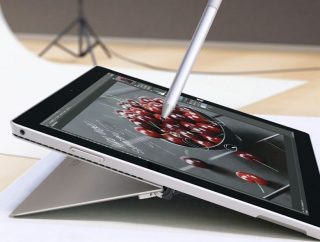
    surface1The second major add-on available is the accompanying stylus. It is built to look and feel like a proper pen with a comfortable heft, bringing its own realm of functionality. For example, a single click of the top button turns on the pen and turns on the tablet for immediate use.

    The company has also unveiled a docking station for those who want to use the new Surface as a makeshift desktop. Besides adding a bevy of extra connections (three USB 3.0, two USB 2.0, Ethernet and audio) to the tablet, the dock also lets you output video at 4K through its Mini DisplayPort. Both the station and the new Type Cover should be available when the Pro 3 launches in North America on June 20th, and there are promises of extra peripherals in the future.

    Another key-feature is the new touch-based version of Adobe Photoshop CC. Adobe worked closely with Microsoft to tailor Photoshop for the Surface Pro 3. It’s all set to use the power of the screen, pen and touch. The earlier Photoshop tablet versions were restricted to the use of the pen, this version boasts a touch-optimized interface which means you can now use your fingers to zoom, pan, and edit. Michael Gough, VP of design experience for Adobe at the launch said, “when you take the power of Photoshop and put it on this powerful device, it’s a creatives dream come true.”

    surface3

    The U.S. release is slotted for June 20 with a worldwide release in late August. Starting price at $799, the tablet will be available in three configurations: with an Intel Core i3, Core i5, or Core i7 processor. The i3 version will be on sale in June, with Core i5 and i7 arriving in August.

  • Rumor Report : Twitter To Buy Soundcloud

    Rumor Report : Twitter To Buy Soundcloud

    Twitter had shown interest in the music scene before, by introducing its own Twitter Music app, which unfortunately proved to be a failure. But that hasn’t deterred the company’s effort to find a way to make music a larger part of its service.

    According to RecodeTwitter is attempting  to purchase SoundCloud, one of the internet’s best homes for sharing music.

    twitter-is-reportedly-in-talks-to-buy-soundcloud-0-300x300Berlin-based SoundCloud is a free service that lets users upload and share audio files around the Web; it is popularly described  as the “YouTube for audio.” In October 2013, the company announced that it had 250 million users.

    If the deal is confirmed, the acquirement would be a huge move for Twitter, which has seen its stock worn out over the last few months – its investors anxious about its slow growth pace. If the deal goes forward, it would also be Twitter’s most pricey acquisition till date. Earlier this year, SoundCloud announced a $60 million funding round that valued the company at $700 million. Last fall,  Twitter was preparing to go public with its acquirement of a mobile advertisement company called MoPub, in a deal that valued the company above $300 million.

    A Twitter deal will also likely up the pressure on SoundCloud to reach a deal with big music labels to distribute their songs. SoundCloud currently has no such deals, which puts it in a gray area similar to YouTube in its early days. Some copyrighted songs are on the service without the owners’ permission, but others are uploaded by artists and labels that value the distribution SoundCloud provides.

    The two are already linked in several ways. Twitter’s users frequently pass along SoundCloud links in their messages; Peter Watts, a music tech hacker, has been tracking the popularity of music services on Twitter, his survey found that Twitter users share SoundCloud links more than any other music service, including Spotify.

    twitter

    If SoundCloud can gets favorable music licensing deals to legalize how their users get access to published songs, then maybe we could see music become a deeply embedded feature on Twitter. This deal would give Twitter the much needed push into media by adding another interesting and popular publishing platform.

  • Peace at Last : Apple-Google War is Done for Good

    Peace at Last : Apple-Google War is Done for Good

    Seems like every techie journalists staple source of conflict beat is about to get over. On Friday, Google and Apple decided to call it quits on the incessant exercise of suing and counter suing each other. They have asked the courts to dismiss the remaining patent lawsuits and have decided to settle the matters outside the courts.

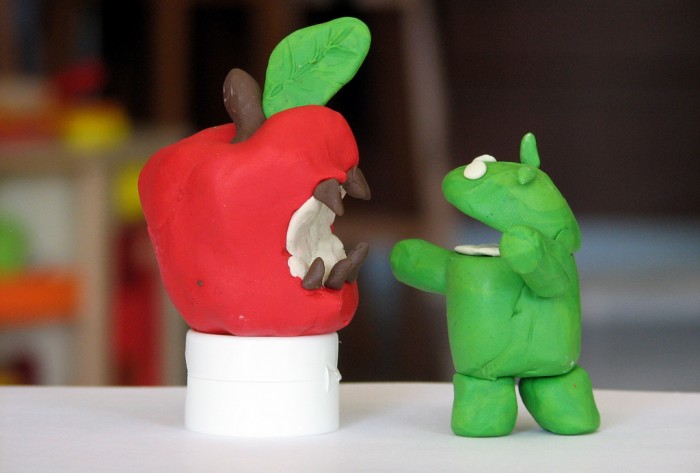
    The conflict between the two Silicon Valley giants started in 2010. Steve Jobs’ disdain for Google became evident when he commented on the fact that Google had ripped off the iPhone. In a strong statement, he swore he was going to spend his last dying breath trying to destroy Android since he believed it to be stolen. Words which didn’t suit his stature.

    The company has now made a sensible decision of discontinuing needless pursuit. After all Android is at the top of the charts with 52.5% of the smartphone operating system market. The Android and the iOS have evolved into completely different systems now.

    This gives no indication that the companies are going for a license sharing agreement. They will though use the money they were spending on expensive lawyers on real innovation in the market. A fact that satisfies everyone. The battle will now be on real free market capitalism principles. This advancement also doesn’t put an end to the Apple-Samsung wars which was widely viewed as the Apple’s proxy war on the Android system. Apple had won a compensation of $930 million against Samsung in 2012.

    Motorola Mobility was also waging a patent war with Apple. Google bought Motorola Mobility to access Motorola’s patent library thereby protecting other Android Vendors. With the acquisition Apple and Google directly came face to face. Google later sold the Smartphone businesses of Motorola to Lenovo while keeping a majority of the patents.

    There is also a happy ending to the story. Like in clichéd endings of movies about warring factions, the two super giants also agreed to work together in the field of patent reforms. This can be good for the overall market too. In an era where knowledge is increasingly getting privatized, an initiative by familiar names would help boost the conversation on the concept of patents in our economies.

  • Net Neutrality vote: Our Internet is in Trouble

    Net Neutrality vote: Our Internet is in Trouble

    “Net Neutrality” – you might have heard this term in a passing reference on the internet or some news show. You may not know this yet, but this term directly has an effect on your life. We attempt to give you all the facts and tell you why you should care about net neutrality.

    Tim Wu Columbia Law Professor
    Tim Wu
    Columbia Law Professor

    The term, coined by Columbia media law professor Tim Wu in 2003, has been one of the major codes of conduct for the internet since its inception. It is the idea that internet service providers are not to discriminate between any content on the internet. The data packets which bring our services should all get equal access speed.

    This basic principle has allowed the internet to be an environment which encourages open competition and has encouraged some phenomenal innovation. It has helped even the smallest business models to grow to become international conglomerates, the most prominent examples of this a Google and Facebook.

    Open internet
    The Open Internet, Equal Access speed for all

    The fact that general public doesn’t realize is that internet is not just a service anymore, it has now become a necessary utility. It is literally impossible to live without a decent internet connection especially in urban areas where it is used for bill payments, shopping, and admissions in universities; in fact internet has intertwined itself with all facets of our daily life.

    The Federal Communication Commission (FCC) had codified the Net Neutrality principles into law in the 2010 Open Internet order. This order was unfortunately squashed by a federal court recently and can spell doom for the internet as we know it. This ruling can help create a precedent for internet companies to create a fast lanes for the highest bidder. This means wensites who agree to pay more will get a faster access while everyone else will end up getting sub par connectivity.

    Neutrality
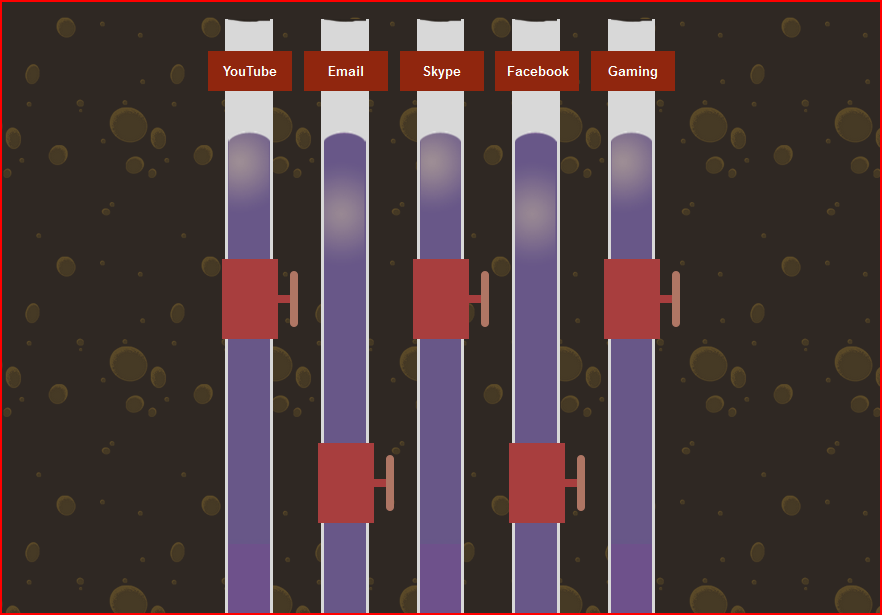
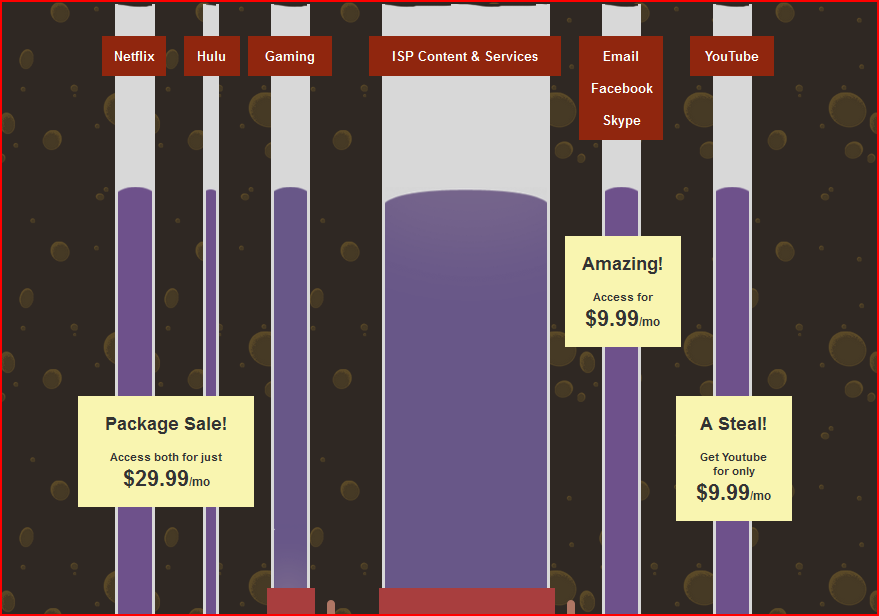
    Without Net Neutrality ISP’s can charge for individual websites.

    Imagine an internet where you have to pay to access individual websites. Like a Cable subscription where you have to pay more for bandwidth intensive websites such as YouTube or Vimeo. Most importantly it would kill smaller start-ups who  aspire to someday become the next Google.

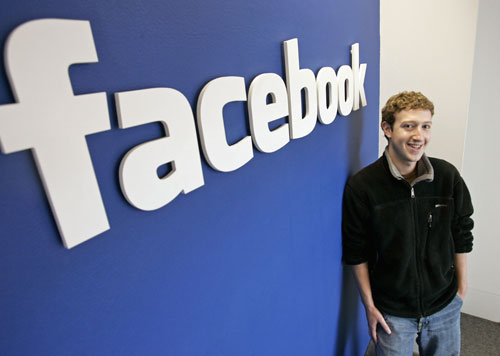
    Mark Zuckerberg could only succeed because of an open internet
    Mark Zuckerberg could only succeed because of an open internet

    The free and fair internet till now has given a level playing field for competition for all. So even a college freshman could create the Forbes listed, world’s biggest social medium called Facebook. It was also because of free internet that even iGyaan could reach its readers. But in a non net neutrality world, these guys will face the same obstacles which are faced by the real world business of finding resources.

    The opponents of net neutrality make a point that currently websites with higher bandwidth consumption pay the same price to reach the consumers like any other website. But when road traffic started getting congested, the government created wider roads and not special roads for rich people. They should consider the same. The Internet Service Providers (ISPs) which are opposing net neutrality earn billions in profits each year. Instead of disrupting a unique ecosystem that is still evolving, it is ISP’s prerogative to invest in making the services more innovative and sustainable for them as well as the internet. The companies will make more money by providing quality services to its consumers instead of trying to squeeze the last penny off them.

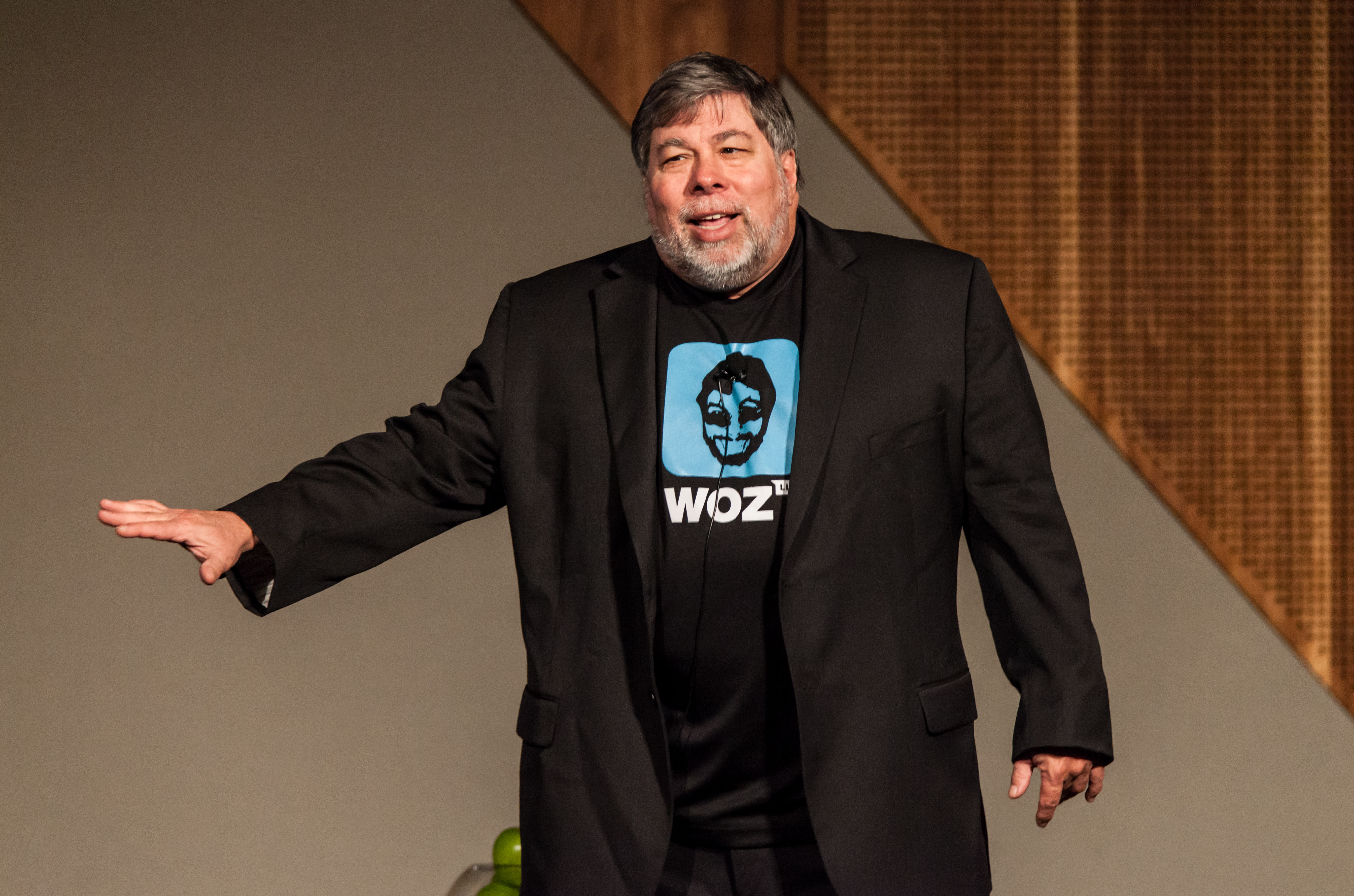
    Steve Wozniak is one of the major proponents of Net Neutrality
    Steve Wozniak is one of the major proponents of Net Neutrality. (Photo: Nichollas Harrison.)

    The great Steve Wozniak makes an excellent analogy when he says that nobody charges you for your per kilometer travel, then why charge for telecom routes. When the roads require maintenance, the government comes to do their part and this must be the responsibility of the ISPs itself.

    newguidelines
    TRAI needs to formulate regulations now

    In India though there are no specific laws safeguarding net neutrality. TRAI in its guidelines mentions non-discrimination, but it is not really enforced.  The high cost of spectrum licensing in India and the ever growing burden of massive mobile devices market  may lead companies to go for charging a premium on some websites. India’s BRICS companion Brazil recently enacted a brilliant piece of net neutrality legislation and we should ask our lawmakers for the same. All we as consumers can do is be vigilant and raise our voices when we see that happen.

    There is going to be a vote at FCC on Thursday the 15th which will decide the future of our internet. This vote can go both ways, the commission can create a precedent where companies can charge websites for priority access. Or the commission can create a legally safe law in which internet will be treated as a telecom service thereby giving FCC complete authority to regulate it. The great news right now is that most of the commissioners are siding with the open internet platform but what happens on Thursday still remain to be seen.

    There have been many times when  governments try to bring laws which discourage the free exchange of ideas. SOPA, PIPA were some of the laws targeted towards decreasing the efficacy of the internet dialogue. But some good sense prevailed and saved our internet. Net neutrality advocates from around the world are wishing for the same and hope to keep the future of a free and open internet secure.

  • Apple’s Acquisition of Beats for $ 3.2 Billion Has a Reason

    Apple’s Acquisition of Beats for $ 3.2 Billion Has a Reason

    Since last morning tech columns and channels are abuzz with a takeover news. People are particularly elated with the fact that “Facebook” and “takeover” are not being said in the same sentence. Apple’s intention though is under serious questioning and there seems to be very few answers.

    Beats headphones have quickly become the most visible brand across multiple medias. Especially the recent music videos have really gotten heavy on the “b” logo. But what does it mean for the company when one of the most creative corporations decides to spend $3.2 Billion on an audio equipment manufacturer who is currently valued at just $1 Billion.

    Though the talks are still on and the deal could still be trashed, we try to comb through the noise to look at the facts as they stand now.

    Apple has rarely invested in buyouts and takeovers. It mostly concentrates on getting technology from startups which helps it in its technological endeavors. It’s most recent purchase was of chipset manufacturer P A Semi, back in 2008 for their advanced chipset technology.

    Beats on the other hand was a co-venture of Dr. Dre and legendary producer Jimmy Lovine back in 2008. The company recently took a $500 Million private equity firm Carlyle Group which took Beats’ present valuation at about $1 billion. This deal makes Dr.Dre the first billionaire rapper who could someday brag about his Spaceship in his rhymes. Which he totally deserves for giving humanity the gift called “Slim Shady”.

    There is also a shadow loser in the game and it is HTC. The company even with its well appreciated products has recently been struggling keeping its market share. HTC owned half of Beats but sold all of its shares by September of last year.

    The move also seems like Apple is putting its effort into creating some major hardware for the music industry, where the company has been prominent for a while with its iconic iPods. With the support from Dr. Dre and Jimmy Lovine, Apple may try to up its influence.

    Steve Jobs had long emphasized that Apple’s greatest strengths lay in its software and in its ability to integrate hardware and software.

    Beats had also released its music streaming service this January but it’s nothing the makers of iPod and iTunes can’t develop on their own. Also as the service is fairly new and area locked so it doesn’t have a massive consumer base like Whatsapp had when it was bought by Facebook.

    It has also been contemplated that Apple would want to make profit in the non iPhone smartphone market. A healthy music equipment market seems like the right way forward.

    So as of now between all the speculations the real intent of Apple behind such massive investment seems to be known only by Tim Cook’s men as of now. We just have to wait and see if this big step by Apple would bring next major leap in music industry or it will be a dud like the PowerMac Cube.

    Late last night we got an “almost confirmation” by the Doctor himself, but we will still wait for the official announcement to confirm anything. You can absolutely feel the excitement in the air: It all starts with the words “Shit, the Forbes list just changed”.

  • Snapchat Update: Video Chat and Texting Features Added

    Snapchat Update: Video Chat and Texting Features Added

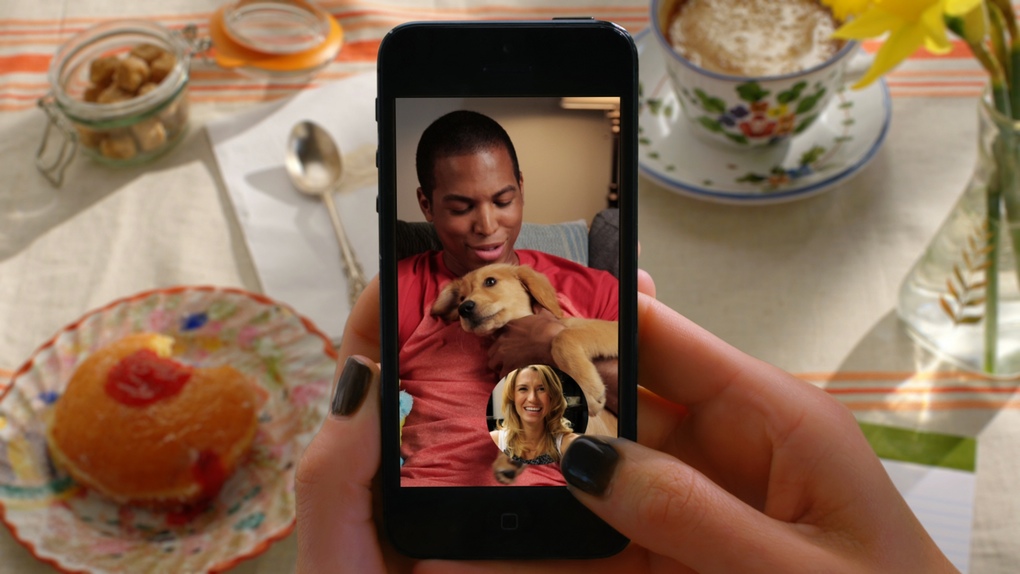
    Snapchat claims that over 700 million pictures are shared everyday on their service, which would make it the most-used photo-sharing app — compared to Facebook, WhatsApp, and others. And now they have come up with new feature by which you can text and video chat as well. Staying true to their philosophy the text messages disappear as soon as the conversation is over. They hope to make video chats feel unforeseen, attempting to reproduce momentary meets on a street corner. Unlike Skype calls, which always prove to be tedious to plan out with friends.

    snapchat23-year-old CEO, Evan Spiegel in an interview with ‘The Verge’ said that the reason none of his friends video call each other on a daily basis is because “calling” was born of an era where software needed to imitate real-world tools. “What does a phone look like without a ringer?” he asks. He sums up his idea more neatly. “For Snapchat, the closer we can get to ‘I want to talk to you’ — that emotion of wanting to see you and then seeing you — the better and better our product and our view of the world will be.” To Spiegel, the future of communication isn’t about rethinking or upgrading phone calls as Skype, FaceTime, and Hangouts have done. It’s about imagining a future that leaves the phone metaphor behind entirely.
    Snapchat stripped out conventional texting-app features like read receipts, typing indicators, online statuses, and photo attachments. “Typing and read receipts make a lot of sense for messaging,” says Spiegel. “You write a letter, you put it in an envelope, you send it to a friend, and you want to know when they get it.” According to Spiegel, a modern chat app should feel like you’re really in the same room as the person you’re talking to.

    It started with sharing short-lived pictures, but Spiegel’s vision is faraway from just photos. You can call it anything — social network, utility, future-phone — Snapchat has managed to stick around, though it’s addictive features are still not so easy to classify. He’s trying to produce digital spaces with the identical closeness and immediateness we get in actual world conversations. Smartphones have altered the way we all commune with one another. But if Spiegel can achieve his vision, Snapchat could be the app that changes it back.

  • Everything You Need to Know About the Nokia-Microsoft Deal

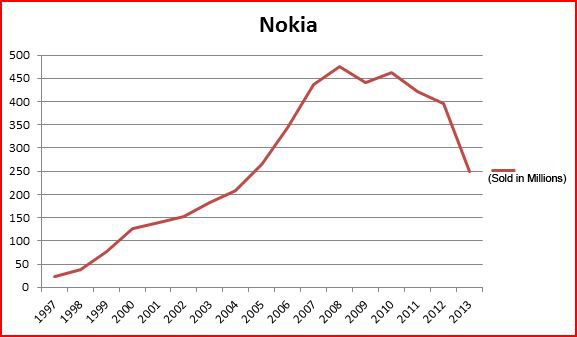
    They were once the Titans of the industry. They made more cell phones than all the other companies combined and even now, having shipped around 250 million phones in 2013, they’re the second biggest manufacturer of mobile phones . From 1998 to 2011 this company was the undefeated champion. Nokia was a brand name trusted by all. This Finnish giant now sold its legendary (now struggling) mobile phones unit to the Microsoft Corporation in a $7.2 billion takeover.

    microsoft-nokia-deaAs of 25th April 2014, Microsoft’s acquisition of Nokia has been approved by Nokia shareholders and by governmental regulatory agencies around the world. Under the Nokia-Microsoft deal, Microsoft will take possession of the Lumia smartphone brand, along with the company’s lower-end Asha phone line and the new Android-based Nokia X phones. With this, they will also inherited 25,000 new employees.

    Windows Phone is the fastest-growing ecosystem in the smartphone market, and its portfolio of award-winning devices continues to expand. In the fourth quarter of 2013, according to IDC, Windows Phone reinforced its position as a top three smartphone operating system and was the fastest-growing platform among the leading operating systems with 91 percent year-over-year gain. Furthermore, Microsoft intends to target the affordable mobile devices market, a $50 billion annual opportunity.

    This deal marks the death of a brand which had become synonymous with mobile phones in India. Even in the smallest villages, people took pride in owning a Nokia. To us, it sounds rather counter intuitive to get rid of a brand with such a strong identity. Now, everybody will have an eye set on how the Microsoft CEO, Mr. Nadella, and Vice President Mr Elop decide to take it forward.

    The tech world is abuzz with all kinds of speculations about the proceedings of this deal. One of the most common assumptions is of a Machiavellian takeover by Microsoft, after the talks of Windows OS for Nokia broke down in 2009. Nokia intended to improve the functionality of the Symbian and were also working on the MeeGo OS. Nokia had made its disinterest in the Windows OS clear and that’s when Stephen Elop, a former Microsoft employee, went on to become the CEO of Nokia. Many critics, especially in Finland, started to speculate that Elop could be a Trojan horse, whose mission was to prepare Nokia for a future acquisition by Microsoft.

    Nokia copy
    As seen from the graph above the company was on an incline throughout the last decade. Stephen Elop took the Chair of CEO Nokia on September 2010.  The 3 years Elop was Nokia CEO, its revenues fell 40%, its profits fell 95%, its market share collapsed in smartphones from 34% to 3.4%, Nokia’s credit rating went from A to junk, it’s share price dropped 60% in value and Nokia’s market capitalization lost 13 billion dollars in value. For this exemplary work he was featured in the Worst CEO list. Not just that, towards the end Nokia was so strapped for cash that they had to sell their HQ in Finland and lease the premises. It seems like Elop came with a mission and accomplished it too.

    It has also been observed by many that the Microsoft strategy of acquisition was almost similar to the 1.2 billion US dollars HP–Palm deal. Palm were smartphone manufacturers who were the creators of the cutting-edge webOS. The webOS was a mobile operating system which  HP abandoned merely months after acquisition and a couple months after launching the WebOS based Mobile devices including Touchpad and Pre 3. LG later bought the OS in 2013 and is now inducting it into its Smart+ TV’s. This was a clear example of how multibillion takeovers are not always done for the best of reasons.

    25762 copyThe most disappointing aspect of the demise of Nokia and several other major brands such as Motorola is the effective centralization of majority of innovation in the hands of a few large multinational corporations that lock knowledge in a safe. Competition is necessary for innovation. Accumulation of progressive ideas in the hands of the few would lead to monopolization and will be a major hindrance to development.

    In terms of India, this deal is not good news for the employees of the Nokia facility in Chennai. This facility couldn’t be transferred because of the tax liens on Nokia property. According to the Nokia India Employees union, there are around 8,000 direct and over 20,000 indirect employees working for the manufacturing facility. The facility will work on contract basis for a limited period, without specifying any time frame, under present deal. Many of the higher level employees have decided to jump ships, while around 730 trainees have accepted the VRS scheme provided by Nokia. The VRS is opposed by the Union.

    As Nokia loyalists, you wouldn’t have a lot to worry about. As a part of the transaction, Microsoft will honor all existing Nokia customer warranties for existing devices, beginning April 25, 2014. As the plans for the new brand are still in progress, we do hope that Microsoft builds upon the massive Nokia stable and give the users the same sturdy and trustworthy experience.

    Hopefully, the second fiddle brands such as Micromax, Gionee and others will take charge of bringing quality innovation in the hands of the next billion before the hording multinationals get to it.

  • Android was not a Touchscreen platform in the Pre Apple Era

    Android was not a Touchscreen platform in the Pre Apple Era

    New documents filed in the never ending Apple vs Samsung battle have revealed that Google’s plans for Android back in 2006 involved physical keys for control and no touchscreen input support.

    Google vice president of Android, Hiroshi Lockheimer, walked the jury through early development of Android and said engineers actually tried to make software that was very different from Apple’s iOS mobile operating system. He emphasised that the company liked to have its own identity and ideas, adding that it was very passionate about what it was doing, and it was important that it had its own ideas.

    According to the file “the product [Android] was designed with the presence of discrete physical buttons as an assumption. However, there is nothing fundamental in the product’s architecture that prevents the support of touchscreen in the future.”

    A lot of differentiating factors also came into light, including  removable storage, third-party application support, widgets, notifications and all those Google services. The design of the 2006 Android beta build lacked touchscreen and required cursors and physical keys, this was changed to a “Touchscreen Required” minimum, in 2007 post the launch of the first Apple iPhone.

    Read the full filed document below:


  • Samsung Sees Underwhelming Sales of the Galaxy S5 in India Drops Price to Rs. 50,500

    Samsung Sees Underwhelming Sales of the Galaxy S5 in India Drops Price to Rs. 50,500

    Update : The Price appears to have further dropped to Rs. 49,000 as of April 14th 2014, just 3 days post launch.

    Yesterday Samsung launched the Galaxy S5 into the Indian market on retail sale for a price of Rs. 51500. After seeing more than disappointing sales, the execs at the Korean company’s India office have authorized distributers and dealers to offer discounts and deals to users. 

    One of the south Delhi distributors said that Samsung issued notices last night to their chain ; asking them to be a lot more aggressive in selling the Galaxy S5. 

    Samsung has usually seen excellent response from the Indian market for their smartphones, however this time around the company may have hit up on its worst nightmare. 

    According to people, the biggest reason for the general disappointment with the flagship device, is that Samsung has launched the Galaxy S5 with the Exynos chipset and not the latest Qualcomm Snapdragon 801 in India. 

    Samsung has been following this policy in the Indian market since the time of the Galaxy S2, after initial sales of the dual core Galaxy S2 a special India edition was launched which actually had a single core processor vs the Dual Core offered in the Global variant at the time. The performance of the Galaxy S5 handsets on these separate chipsets differ in many ways. The Exynos based version also lacks several features including LTE but now includes 4k Video capture, which was missing from the Indian version of the Galaxy Note 3. 

    While the price has been fluctuating since last night, the Galaxy S5 is available from a price bracket of Rs. 50,000 – 51,000 depending on the mood of the seller. If you were considering buying this phone, we expect huge drops in price in the coming weeks so holding out may actually not be such a bad idea. 

    Do you think that Samsung should further reduce the price of the Galaxy S5? Or feel that they should launch the Snapdragon 801 variant ? Let us know below or tweet us @iGyaan and include @SamsungMobileIn ! We will ensure that Samsung gets the message.

    Our review of the Galaxy S5 will be up shorty ! Stay Tuned.


  • Apple Confirms WWDC for June 2-6

    Apple Confirms WWDC for June 2-6

    Apple’s Annual Developer Conference will run from June 2nd to 6th in San Francisco 

    Apple has just announced that its annual World Wide Developer Conference has been scheduled for the 2nd of June through 6th in San Francisco. To mix things around the company will now select attendees randomly instead of a first-come-first-served basis.

    If you are a developer, you probably already got the email to register your account for a lucky draw to be able to attend the WWDC 2014. We can expect to see all of the latest iOS 8 madness alongside the next OS X developments, maybe even the elusive iWatch and Apple iTV that we have been long hearing rumors of.

    Apple was recently in the news as the company is in talks to buy Renesas Electronics Corporation, a unit that designs liquid crystal display chips for iPhones for about ¥50 billion, Apple is expected to complete the stake purchase by summer. 


  • Facebook Acquires Oculus VR For $2 Billion

    Facebook Acquires Oculus VR For $2 Billion

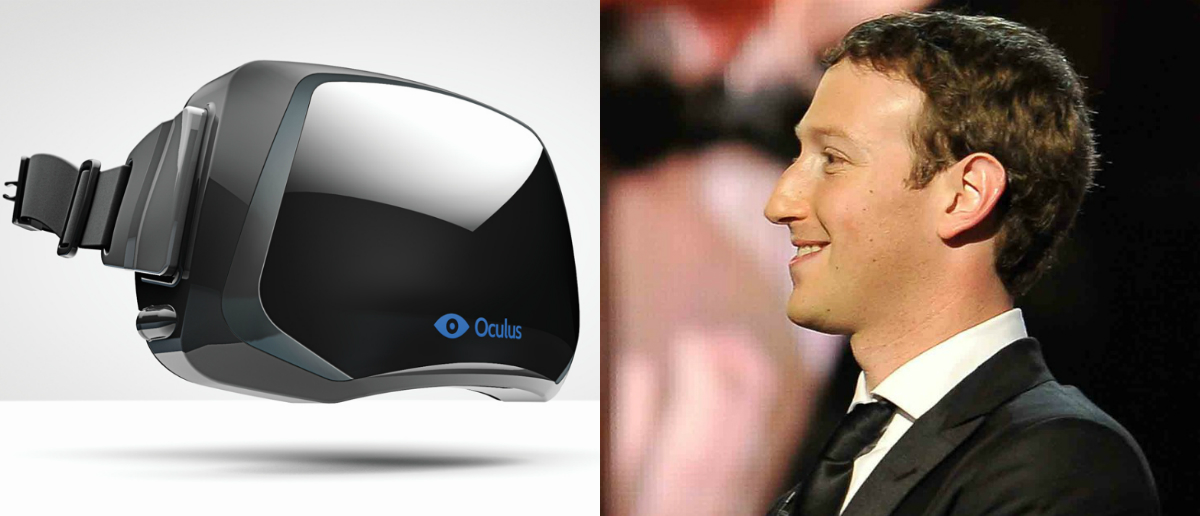
    Mark Zuckerberg and his team are following up their Whatsapp acquisition with another big acquisition of the virtual reality company Oculus VR for $2 billion in stock and cash.

    Confirming this through a Facebook post, Mark Zuckerberg said “I’m excited to announce that we’ve agreed to acquire Oculus VR, the leader in virtual reality technology.

    Our mission is to make the world more open and connected. For the past few years, this has mostly meant building mobile apps that help you share with the people you care about. We have a lot more to do on mobile, but at this point we feel we’re in a position where we can start focusing on what platforms will come next to enable even more useful, entertaining and personal experiences.

    This is where Oculus comes in. They build virtual reality technology, like the Oculus Rift headset. When you put it on, you enter a completely immersive computer-generated environment, like a game or a movie scene or a place far away. The incredible thing about the technology is that you feel like you’re actually present in another place with other people. People who try it say it’s different from anything they’ve ever experienced in their lives.

    Oculus’s mission is to enable you to experience the impossible. Their technology opens up the possibility of completely new kinds of experiences. 

    Immersive gaming will be the first, and Oculus already has big plans here that won’t be changing and we hope to accelerate. The Rift is highly anticipated by the gaming community, and there’s a lot of interest from developers in building for this platform. We’re going to focus on helping Oculus build out their product and develop partnerships to support more games. Oculus will continue operating independently within Facebook to achieve this.

    But this is just the start. After games, we’re going to make Oculus a platform for many other experiences. Imagine enjoying a court side seat at a game, studying in a classroom of students and teachers all over the world or consulting with a doctor face-to-face — just by putting on goggles in your home.

    This is really a new communication platform. By feeling truly present, you can share unbounded spaces and experiences with the people in your life. Imagine sharing not just moments with your friends online, but entire experiences and adventures. 

    These are just some of the potential uses. By working with developers and partners across the industry, together we can build many more. One day, we believe this kind of immersive, augmented reality will become a part of daily life for billions of people.

    Virtual reality was once the dream of science fiction. But the internet was also once a dream, and so were computers and smartphones. The future is coming and we have a chance to build it together. I can’t wait to start working with the whole team at Oculus to bring this future to the world, and to unlock new worlds for all of us.”

    It is clear that Facebook will run Oculus as a seprate entity all together after the Acquisition.  Zuckerberg called out virtual reality as one of the computing platforms of the future following desktops and mobile. Stay tuned for more information on this acquisition! 

  • Dropbox Acquires Zulip, a Workplace Chat Service

    Dropbox has recently acquired a startup company, the workplace chat solutions provider Zulip. The company is still testing out its applications in a beta phase, which allows users to share private and public messages with co-workers.

    With Zulip, users can share public messages, conversations between co-workers appearing in streams related to a particular issue or topic in discussion. Several layers of sub-sections can be created as well, allowing for more detailed conversations.

    The company says its features will help users in finding conversations that are important.  Other features include search, keyboard shortcuts, code syntax highlighting, drag and drop file uploads, group private messaging, email alerts for missed messages, and image sending. 

    This is not official yet, as both the companies have not issued statements, but a private email circulated by Zulip to its customers read, ‘Dropbox is acquiring Zulip.’

    [quote text_size=”small”]

    We have some news for you, but you gotta keep it secret. Can you do that? Alright, sweet, Here’s the deal: Dropbox is acquiring Zulip. We’re incredibly excited about working with an awesome group of people on a problem with huge scale, at a company that’s as passionate as we are about helping people work together efficiently.

    [/quote]

iGyaan Network
Privacy Overview

This website uses cookies so that we can provide you with the best user experience possible. Cookie information is stored in your browser and performs functions such as recognising you when you return to our website and helping our team to understand which sections of the website you find most interesting and useful.