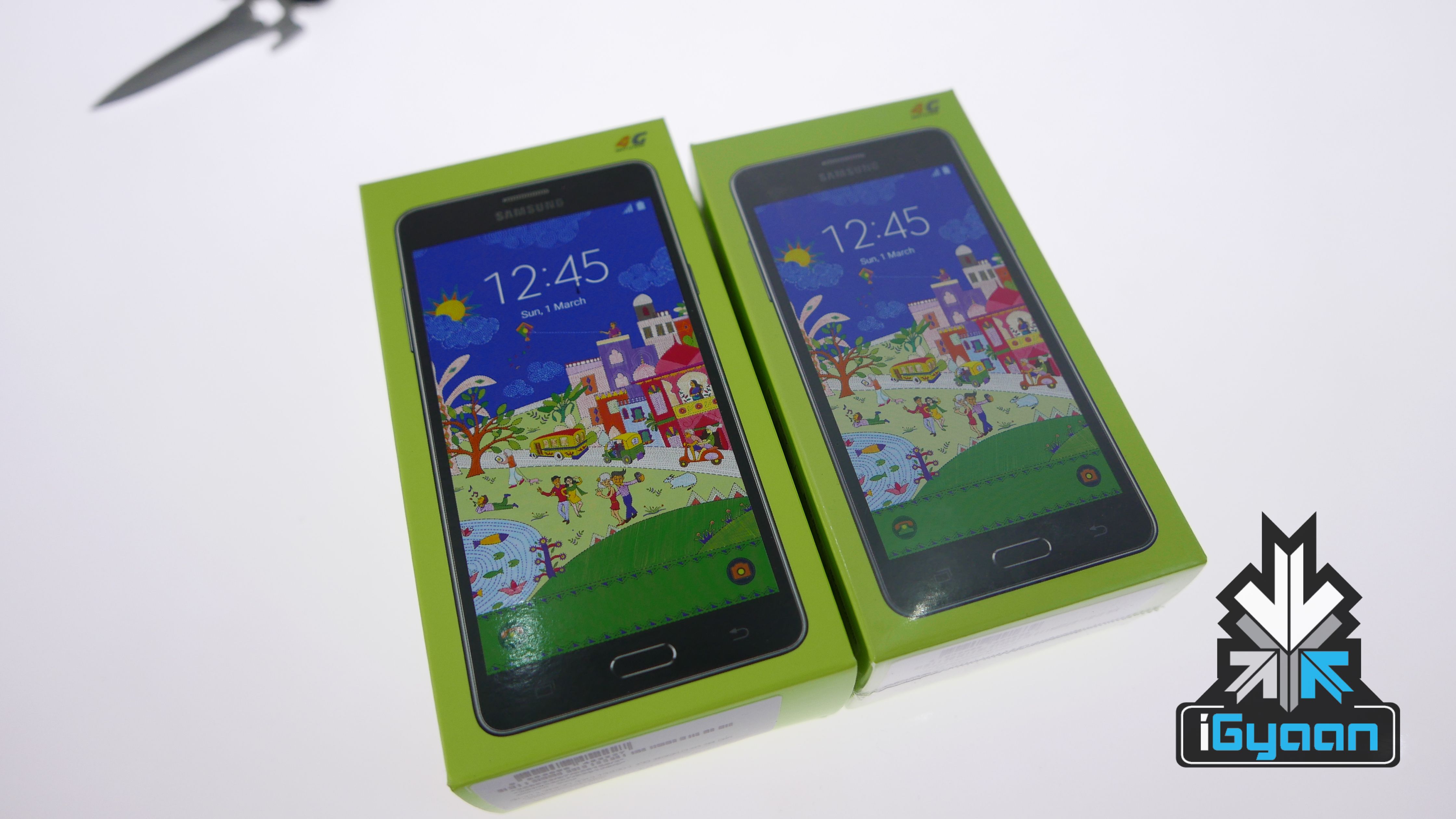
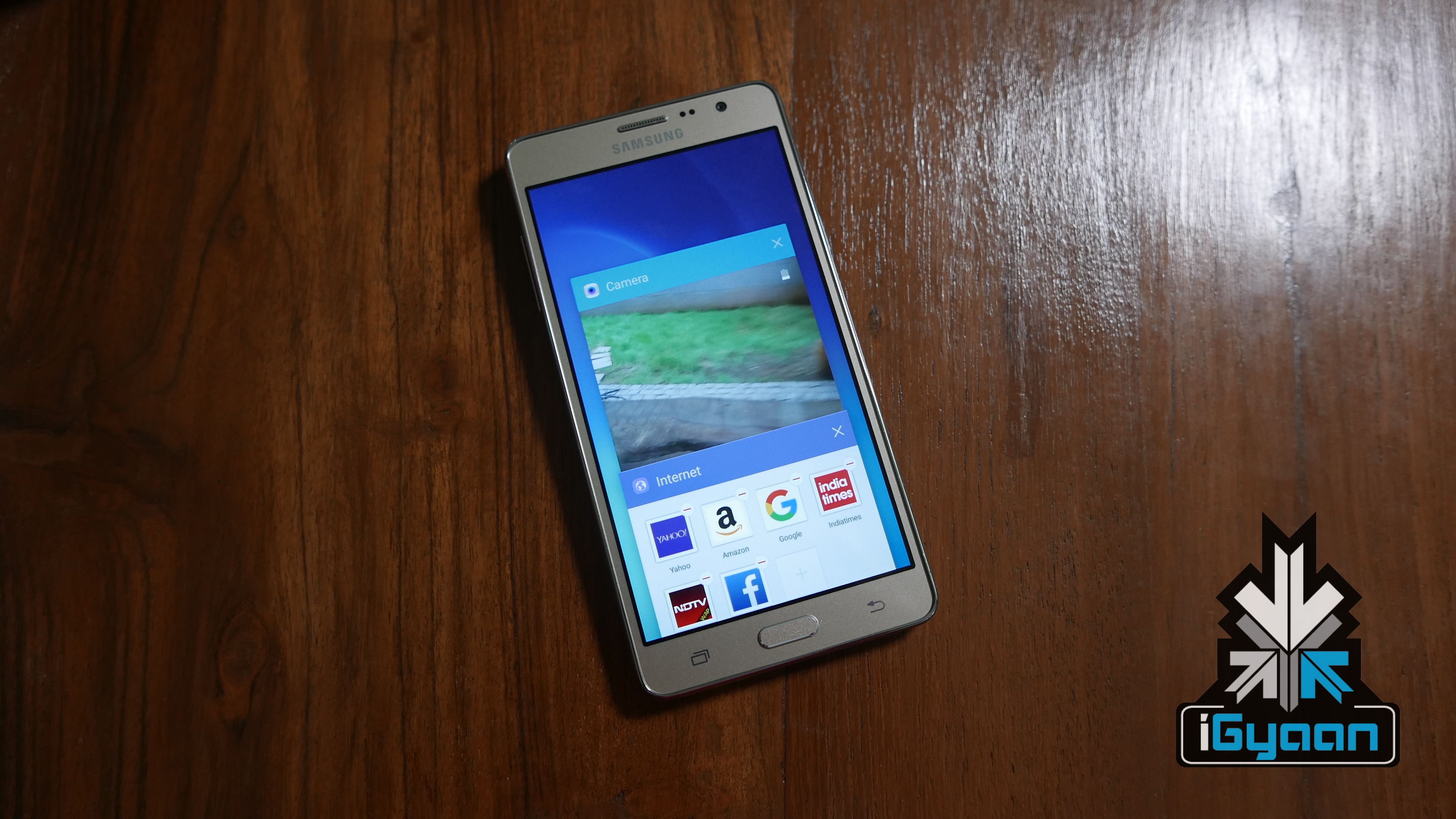
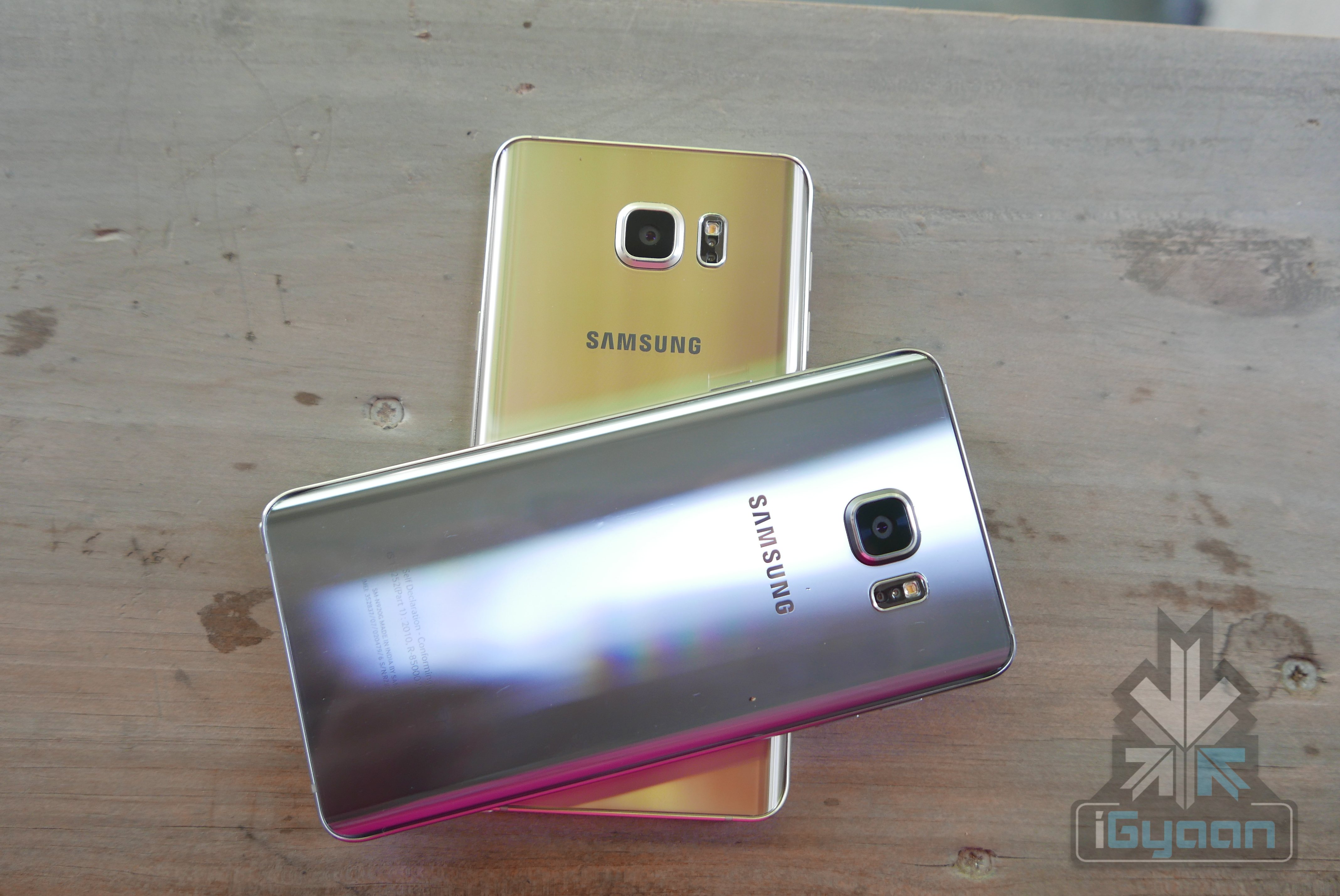
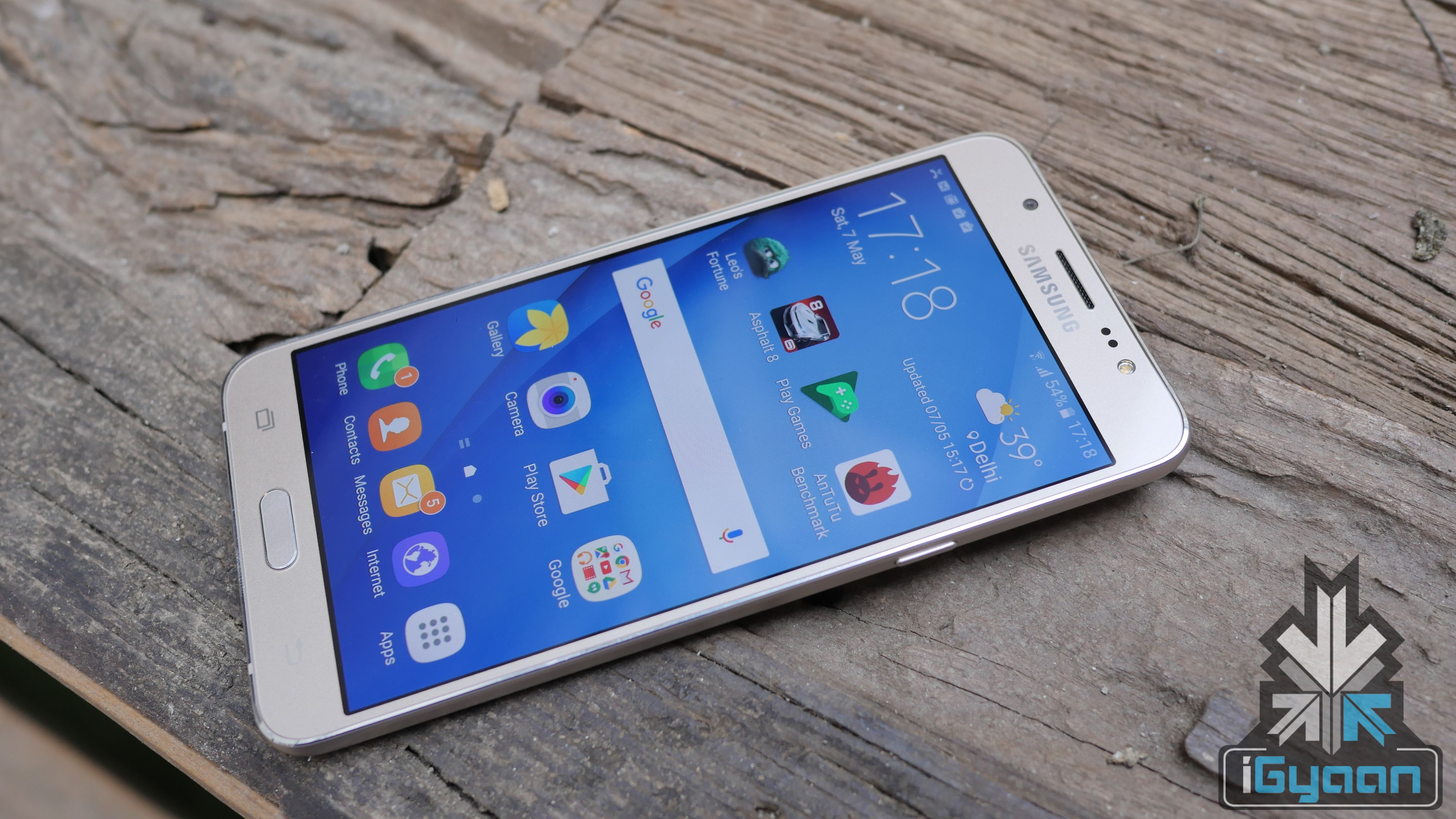
Samsung has launched two new smartphones in India, the On7 Pro and On5 Pro.
The Galaxy On5 Pro has a 5-inch HD display, runs on a 1.3GHz quad-core Exynos 3475 processor and has a 8-megapixel rear camera . The Galaxy On7 Pro has a 5.5-inch HD display, runs on a 1.2GHz quad-core processor Snapdragon 410 processor and has a 13-megapixel rear camera.
Specs
ON7 Pro
ON5 Pro
Display
5.5-inch HD display
5-inch HD display
Resolution
1280 x 720 pixels
1280 x 720 pixels
Dimensions
151.8 x 77.5 x 8.2mm ; Weight: 172g
142.3 x 72.1 x 8.5mm; Weight: 149g
Processor
Qualcomm Snapdragon 410
1.3 GHz quad-core Exynos 3475
GPU
Adreno 306
Mali-T720 GPU
RAM
2GB RAM
2GB RAM
Storage
16GB flash storage
16GB flash storage
Rear Camera
13MP rear camera with LED flash, f/2.1 aperture, 1080p video recording
8MP rear camera with LED flash, f/2.2 aperture, 1080p video recording
Front Camera
5MP f/2.2
5MP f/2.2
Expandability
128 GB via microSD
128 GB via microSD
Battery
3000 mAh
2600 mAh
Connectivity
4G VoLTE, Wi-Fi 802.11 b/g/n, Bluetooth 4.1, GPS/ GLONASS
4G VoLTE, Wi-Fi 802.11 b/g/n, Bluetooth 4.1, GPS/ GLONASS
Samsung is prepping the launch of its biggest category phone of the year, the Galaxy Note. While previous rumors have indicated that the company will drop the Note 6 moniker in order to align the naming and simply call this year’s Note the Note 7, a new insider tip may come as an interesting fact.
Our Samsung insider, claims that the next Galaxy Note (named Note 7) will, in fact, be as waterproof as the Galaxy S7 launched earlier this year. The Note 7 will come with IP68 certification which guarantees a device to be waterproof up to 30 minutes or 1.5 meters under water minimum. Our insider also notes that the Note 7 may launch as early as end July or first week of August.
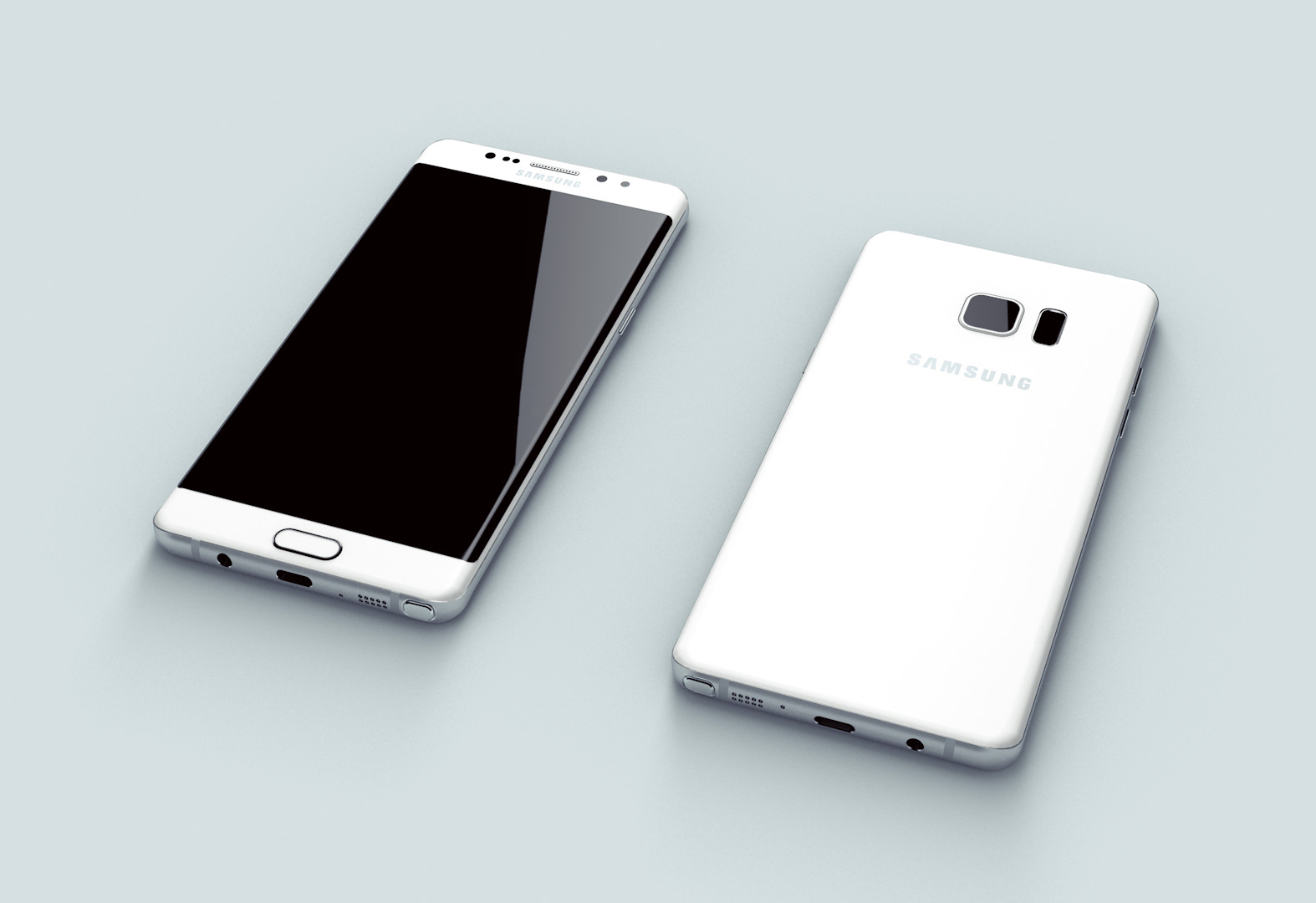
The Galaxy Note 7 will apparently measure 153.5 x 73.9 x 7.9 mm and will also be available in an Edge variant which will replace the Galaxy S6 Edge Plus for 2016. Previous renders have also shown off that the phone will have a USB Type-C port.
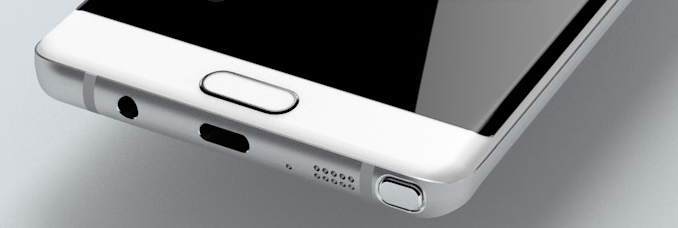
Samsung will continue to leave all the ports open just like in the case of the Samsung Galaxy S7 and S7 Edge which are also waterproof. Interestingly The new Samsung Galaxy Note 7 will continue to have a 3.5mm headphone jack, despite that fact that the smartphone will supports Digital lossless audio via the Type C port.
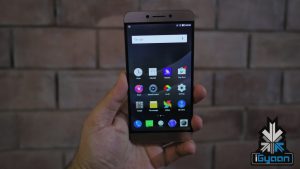
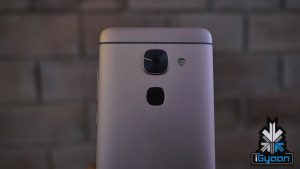
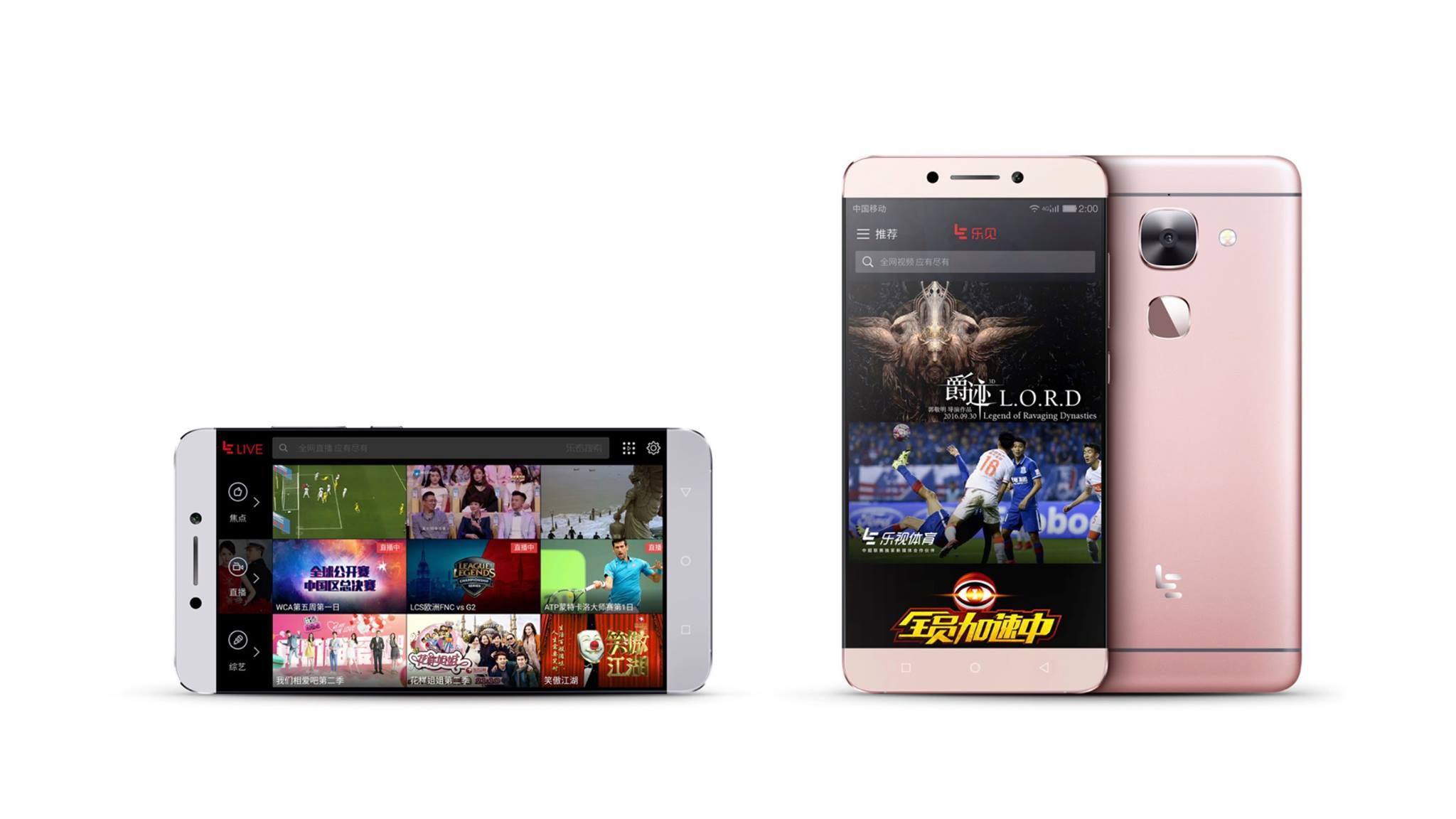
LeEco’s newest entrant has no 3.5 mm headphone jack but that does not stop it from getting all the attention especially because the phone has been launched for a price of Rs. 22999 which is roughly US $ 342.
The LeMax 2 will go on sale later this month and is expected to attract a lot of demand, especially because the price is slightly less than the price expectation of the OnePlus 3 which is expected to go on sale for Rs. 23999 for the same configuration of 4GB RAM plus 32GB of Storage.
The Le Max will be available in a larger 6GB RAM plus 64 GB Storage for a price of Rs 29999 roughly US $ 447. Which will co-incide with the OnePlus 3’s larger variant expected to launch for the same price. Watch our video below.
Winners : We have already Announced Winners for most of the Giveaways, simply click on the link to each giveaway and view the results.
Update Three : 07/22/2016 : We Are still evaluating results, and have barely gone through half. There are just a lot of entries to sort. We will soon update the results. Please bear patience with us.
Update Two :07/19/2016: The Part 1 of the Giveaway is over. We have millions of entries to look and ensure everyone was playing fairly and by the rules. We will sort out all the entries and try to get winner results for the Round one by the end of this week. Stay Tuned!
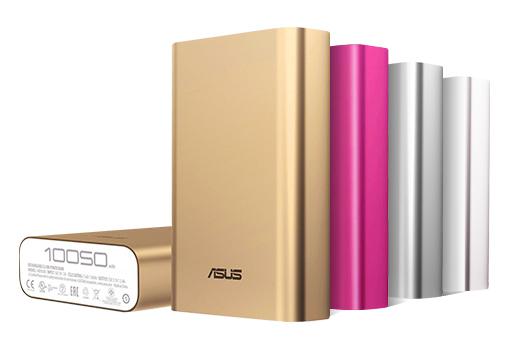
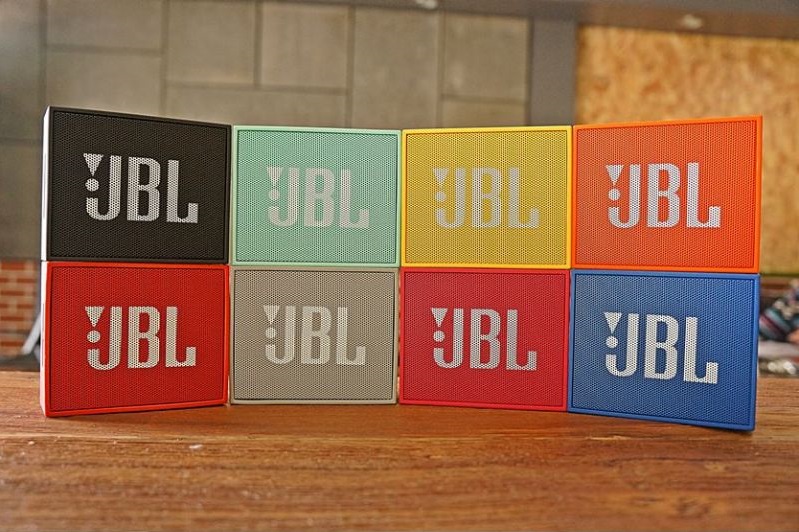
P.S Round Two of the Giveaway is Still Live Right Now : Includes Big Box, Speakers and Power-banks Click the links below.
Update : Part Two begins today, Speakers, Powerbanks and Big Box. Also Due to Large number of requests we are extending all giveaways by 10 days and will finish together. Soon after which we will announce winners. There are some changes to the big box, and we are working on a big giveaway for august, so stay tuned.
June 7th, 2016 marked the 6th year anniversary of what started as a bedroom project for me and today sees an exciting future in the global media industry. We have a lot of people to thank for this achievement. In a time where startups are born and killed by the hour, we proudly stand firm, and will soon have even more exciting news to share.
The biggest and most important aspect of iGyaan has been the support and love of all you guys, the viewers, the fans and the people who get inspired by iGyaan to begin something new. When iGyaan started we were the only Youtube channel in India focusing on technology, we spent countless months and even years to convince the industry of the strengths of online media. Today technology is one of Youtube India’s largest categories. The support and love we have gotten from our viewers have been incredible and today it’s time to repay, some of it at least.
Presenting the Most Mega iGyaan 6 Year Anniversary Giveaway, yes just as the name suggests this will be a giveaway of epic proportions.
So what all do we have for the Giveaway.
Click on the (Click here) button to go to giveaway.
With the launch of LeEco’s new LeMax 2, a lot of people will be shifting their attention to this now new budget flagship handset from the Chinese manufacturer.
It offers up not only a big up on design and build considering an all Aluminum shell but also includes some amazing new features designed to woo the customer.
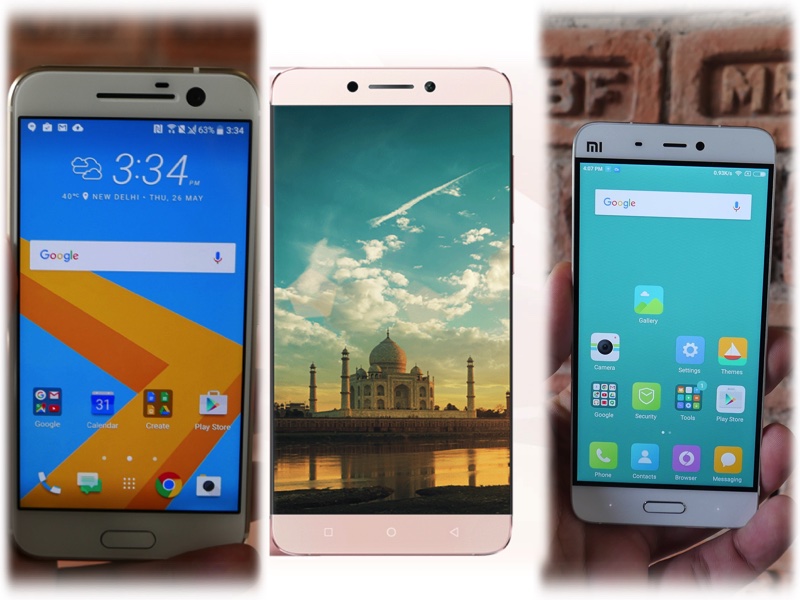
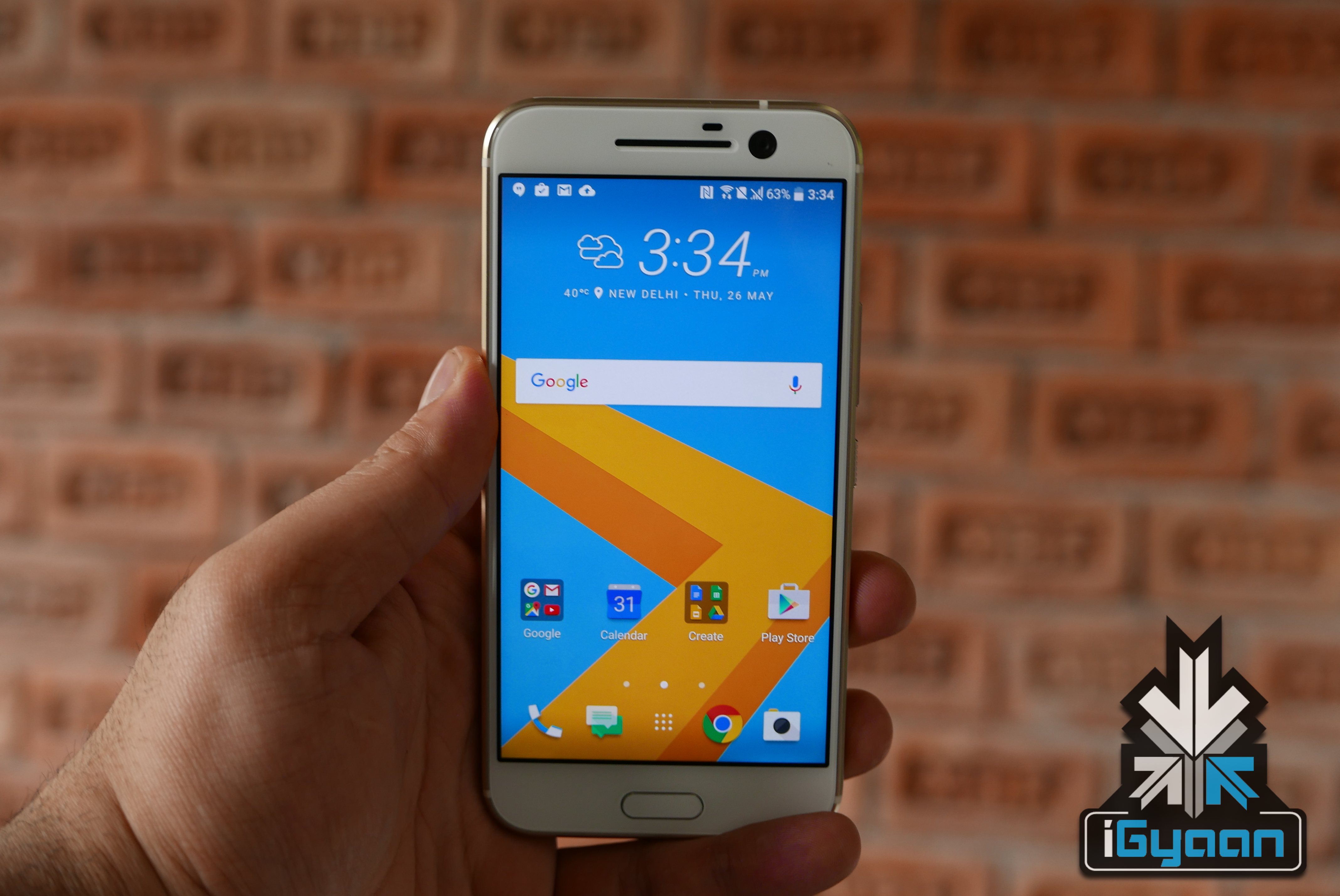
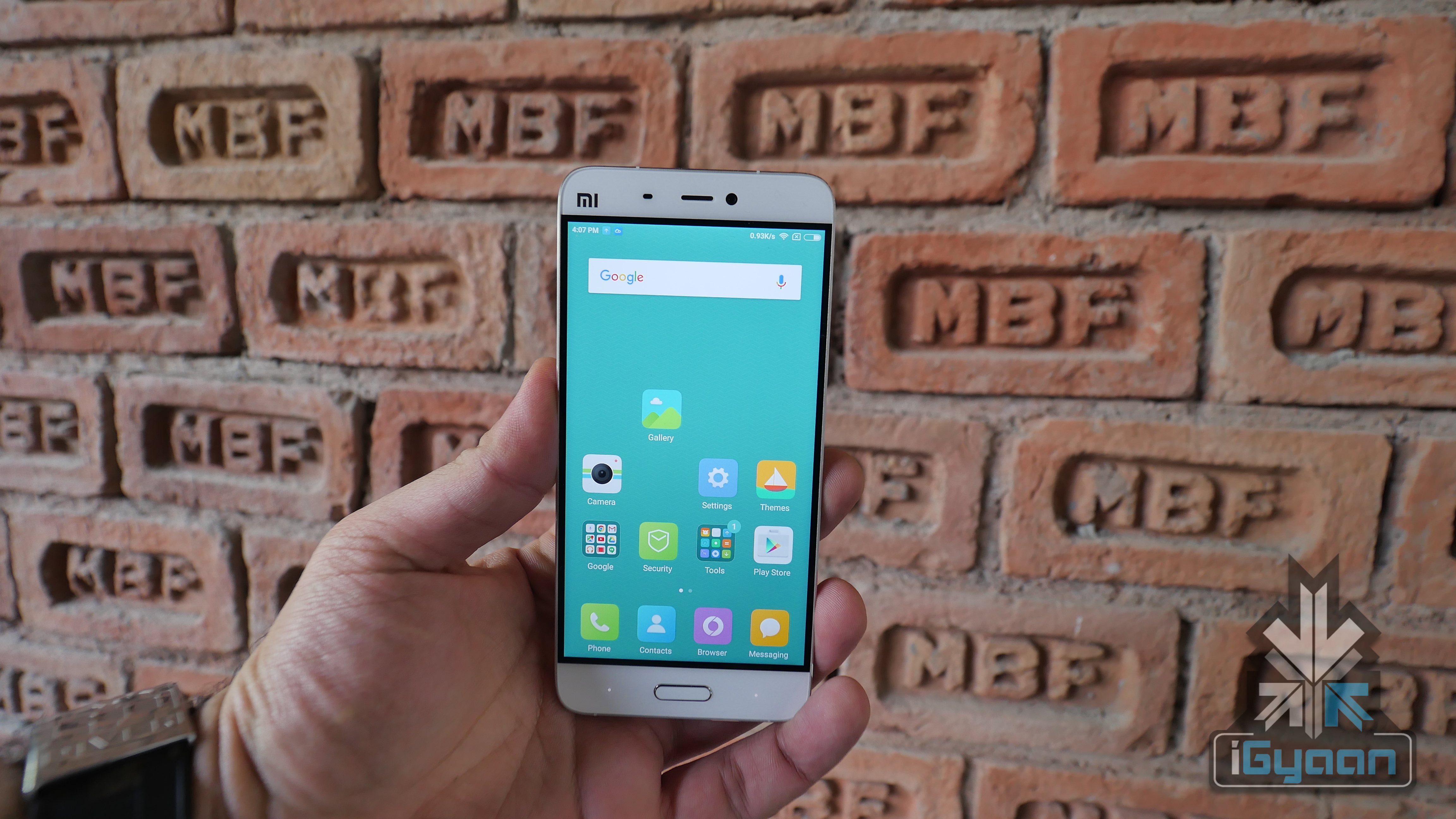
A QHD display means that the LeMax gets a 5.7 inch 2560 x 1440 pixels display which is a big up from the 5.15 inch 1920 x 1080p screen offered by Xiaomi but also matches the QHD display offered up by HTC.
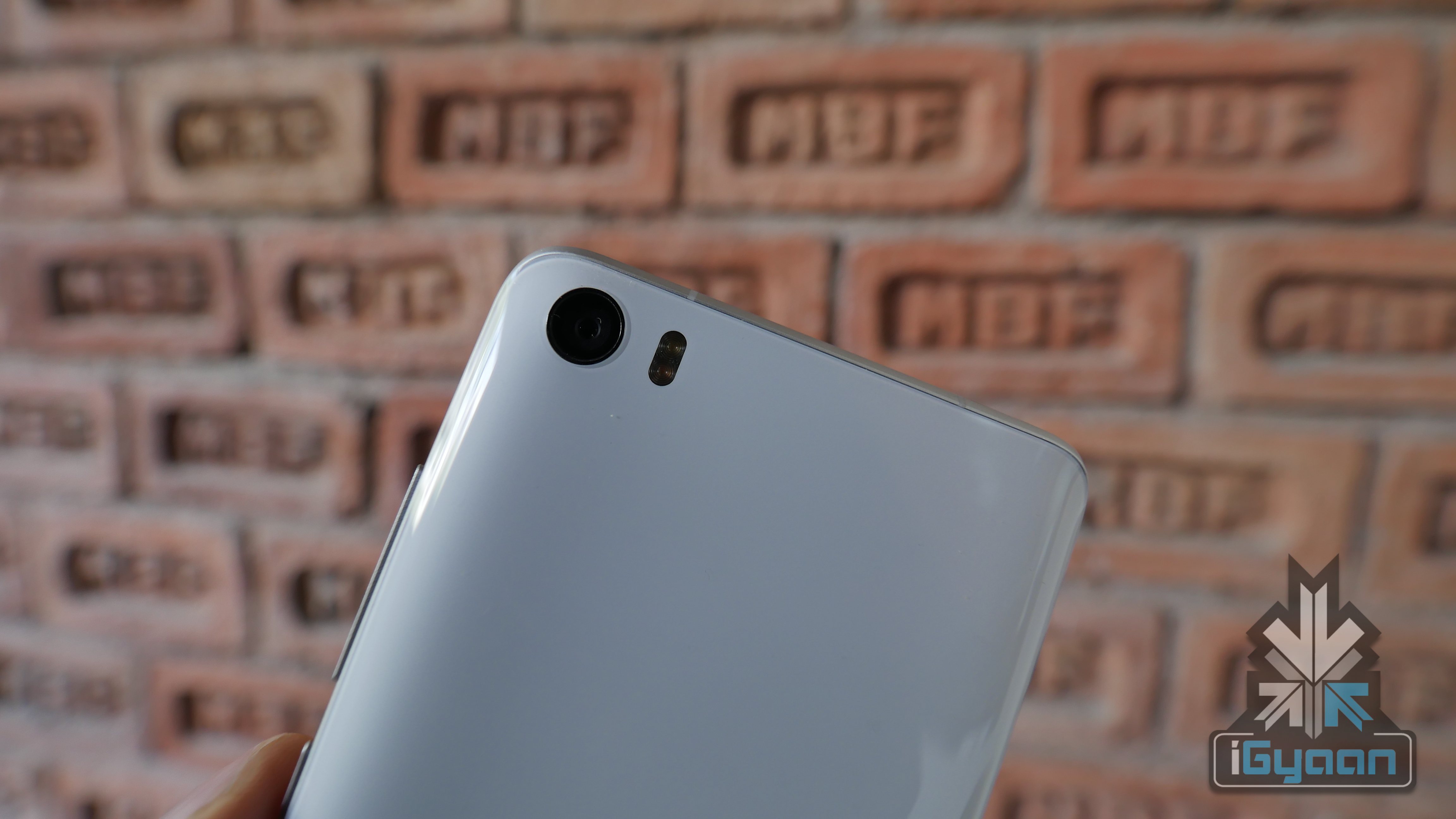
You also get a big up on the 21 MP camera sensor which does include OIS, however the Mi 5 features 4 axis OIS which means video is mostly wobble free. HTC 10 is the only one offering up OIS on the front and the back. The HTC 10 offers up the best low light performance with f1.8 cameras on front and back.
All three phones are running on the Snapdragon 820 chipset, with the Mi 5 offering up the Lowest 3 GB RAM vs the LeMax 2 and HTC 10 both of which offer 4 GB RAM. Storage is 32 GB for all three devices. All three phones also offer up a USB type C port for quick chage capability and identical 3000 mAh batteries, however, the LeMax 2 gets a 3100 mAh battery.
The LeEco Le Max 2 also is the only the support a CDLA* standard * Continual Digital Lossless Audio via USB type C, however, the HTC 10 does offer up Hi-Res audio with its built in DAC. the Le Max 2 is the only phone which misses out on a 3.5 mm headphone jack.
On paper in pure specs to price ratio the Le Max offers up a whole lot of specifications, for a price that is much lower than expected.
Specs
Mi 5
LeMax 2
HTC 10
Display
5.15 inches Full HD IPS Display
5.7 inch Quad HD 515ppi
5.2-inch, Quad HD, super LCD 5
Resolution
1920 x 1080p
2560 x 1440 pixels
2560 x 1440 pixels
Dimensions
144.6 x 69.2 x 7.3 mm
15.68 × 7.76 × 0.8 cm / 185 g
145.9 x 71.9 x 3.0 – 9.0 mm, 161g
Chip
Snapdragon 820 processor
Snapdragon 820 processor
Qualcomm Snapdragon 820
CPU
2.15 GHz Quad Core
2.15 GHz Quad Core
2.15 GHz Quad Core
GPU
Adreno 530
Adreno 530
Adreno 530
RAM
3GB LPDDR4
LPDDR4 4 GB / LPDDR4 6 GB
LPDDR4 4 GB
Storage
32GB flash storage UFS 2.0
32 GB UFS 2.0 / 64 GB UFS 2.0
32 GB UFS 2.0
Rear Camera
16 MP, f/2.0, phase detection autofocus 4k Video OIS
A couple of the more popular words for the young, tech-loving, connected generation today are “Gorilla Glass”. But what is the story behind Corning Gorilla Glass?
Situated in the city of Corning in the state of New York are the headquarters and research facilities of the world famous glass-maker, where Corning engineers are immersed in the future of glass. And while for most of us Gorilla Glass in itself is a magical creation, the team at Corning has a lot more up their sleeves.
Visiting the Corning lab and test centers is no joke. As one would expect, the high-security areas hold years of research worth billions of dollars and countless man hours.
Corning’s journey in the glass industry spans much more than a century. In the year 1879, Corning worked with Edison to make the bulb-shaped glass for the incandescent light bulb. Fast forward to 2016 and you will find Corning Gorilla Glass specifically in many modern portable devices..
Gorilla Glass is made from a fusion draw process which was developed by Corning for the automotive industry. However, at that time, the glass technology designed by Corning and the fusion draw process turned out to be too expensive for an industry looking for a cheap solution, putting fusion draw on hold.
Corning decided to revisit fusion draw technology when a big manufacturer wanted to launch a smartphone in 2007 and needed a glass solution for a capacitive screen display. The fusion draw process was utilized along with an ion exchange process, which added compressive strength to the glass, helping it become resilient and resistant to breaks.
Corning develops various forms of glass even today, and Gorilla Glass is specifically meant for portable electronics. But it does not really stop there, as many applications for a light-yet-tough glass solution exist in our modern developed world. The technology is being used by architects for interior design, can be used by appliance manufactures and is even being designed into automobiles as part of interior touch panels, and windshields.
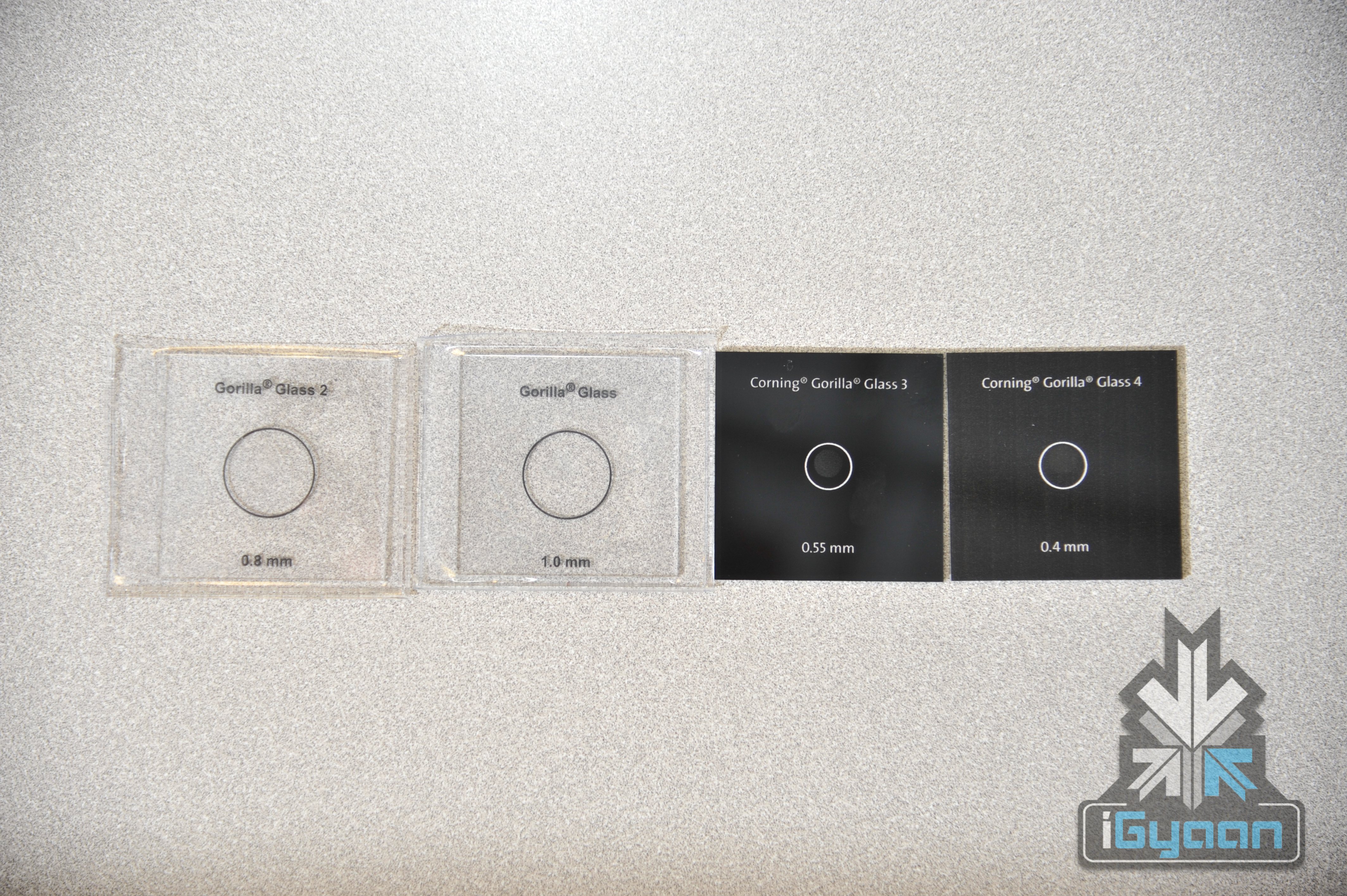
Corning also has improved the composition with each generation of Gorilla Glass. As the number increases, Corning is focusing on a specific customer need. Gorilla Glass 3 was designed to be more scratch resistant along with usual impact resistance and Gorilla Glass 4 was designed more to resist impacts from drops on rough surfaces.
Why Glass Breaks
One of the main reasons for glass breaking is the introduction of flaws on the surface of the glass. A tough single sheet of glass becomes vulnerable to cracking and breaking with the introduction of a single scratch.
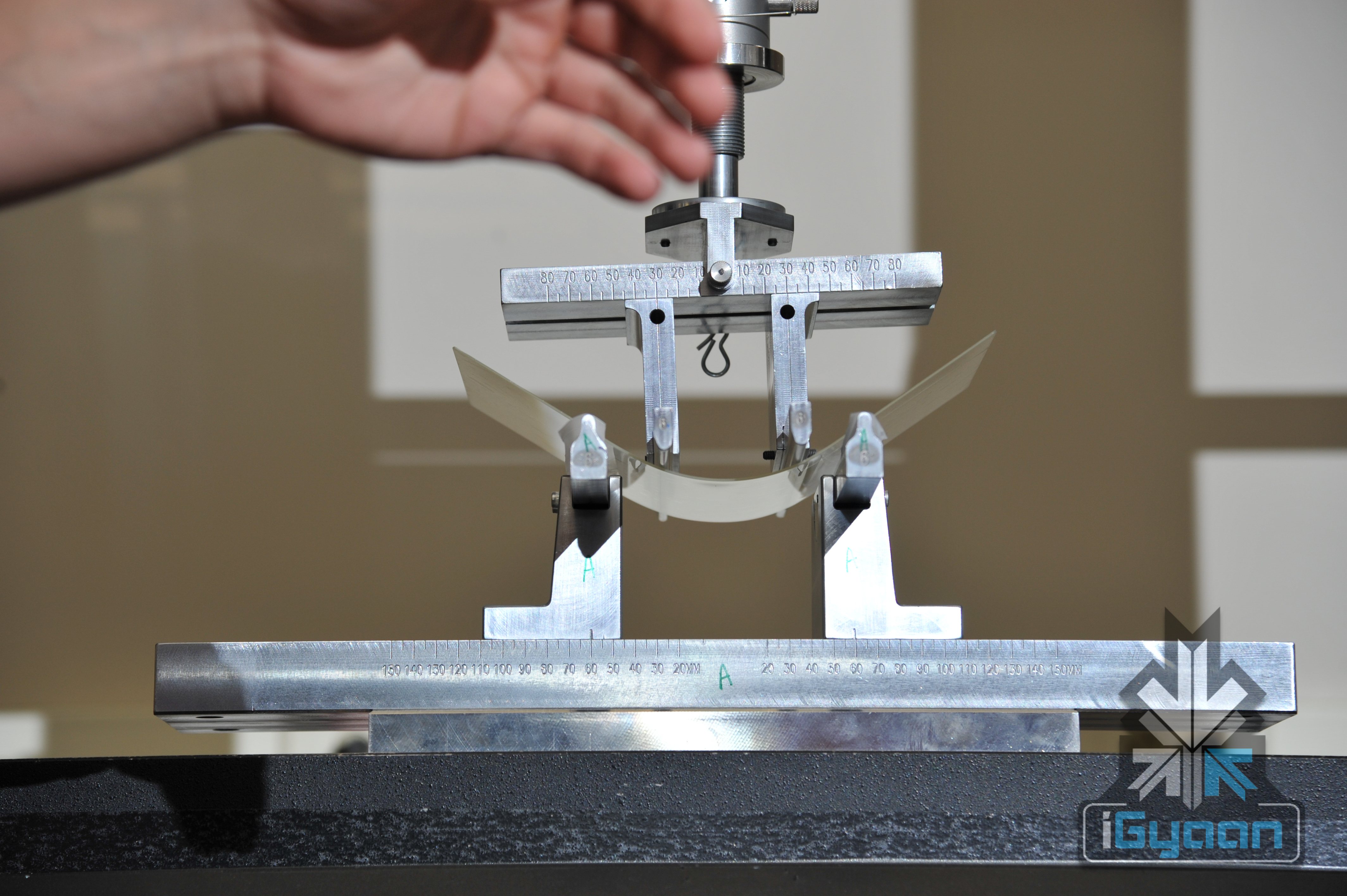
Bend Test Gorilla Glass 4
Corning conducts tests on a daily basis to understand scenarios that could introduce flaws on the surface of the glass. Tests include tumble tests, scratch and bend tests along with concentrated tests like a steel ball drop test or a simple scratch test.
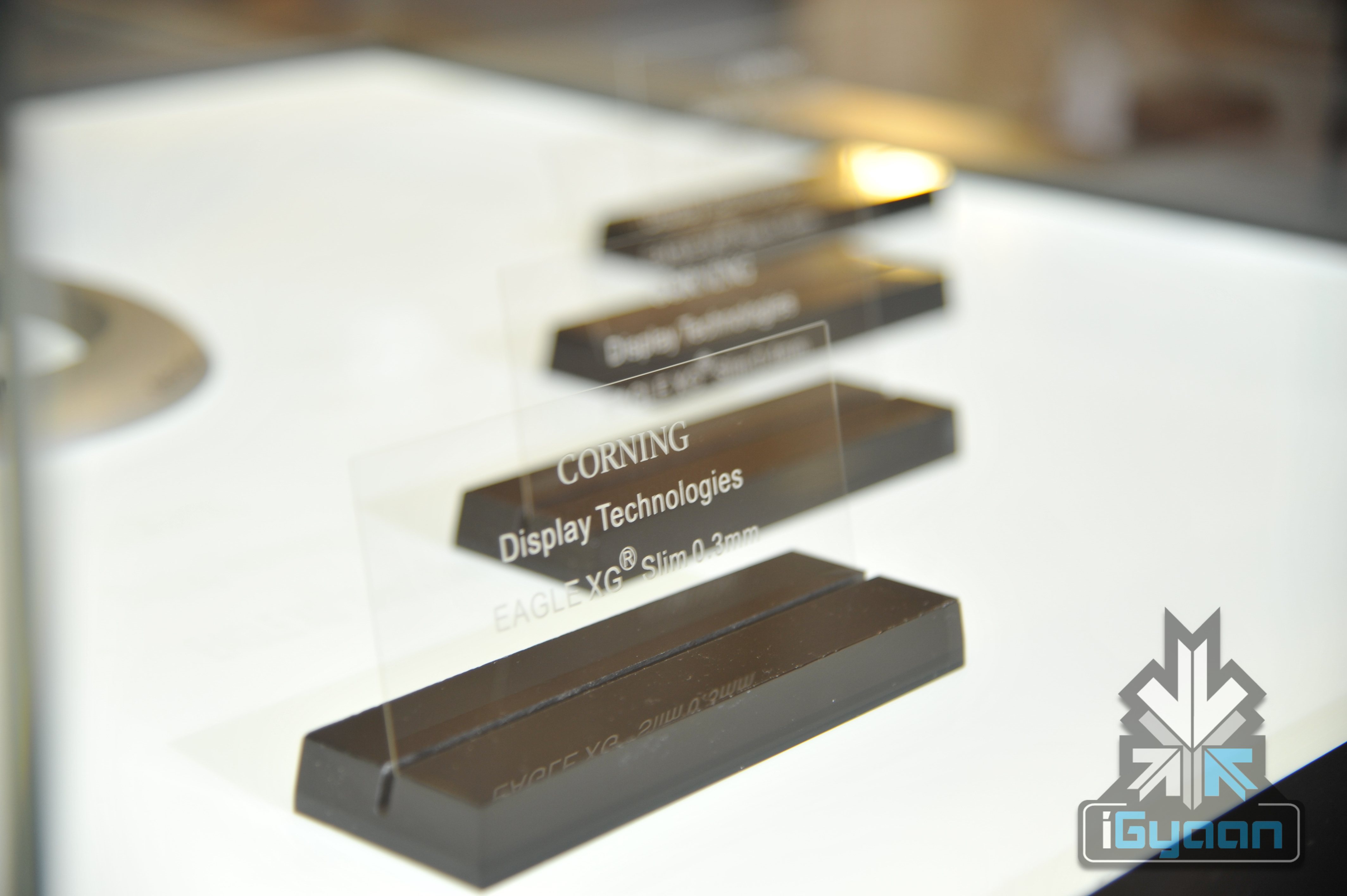
Today the smartphone industry is fighting to create slimmer phones, and the glass-maker is constantly under pressure to make its glass slimmer and slimmer. Reaching a 0.4mm thickness already with Gorilla Glass 4, Corning is expecting the market to be even more aggressive in demanding a thinner front glass solution.
While most of the components on the spec list of the best new smartphone tend to be from one manufacturer or another, it seems that the real innovation may lie more with component manufacturers like Corning rather than smartphone manufacturers who seem to just be putting it all together.
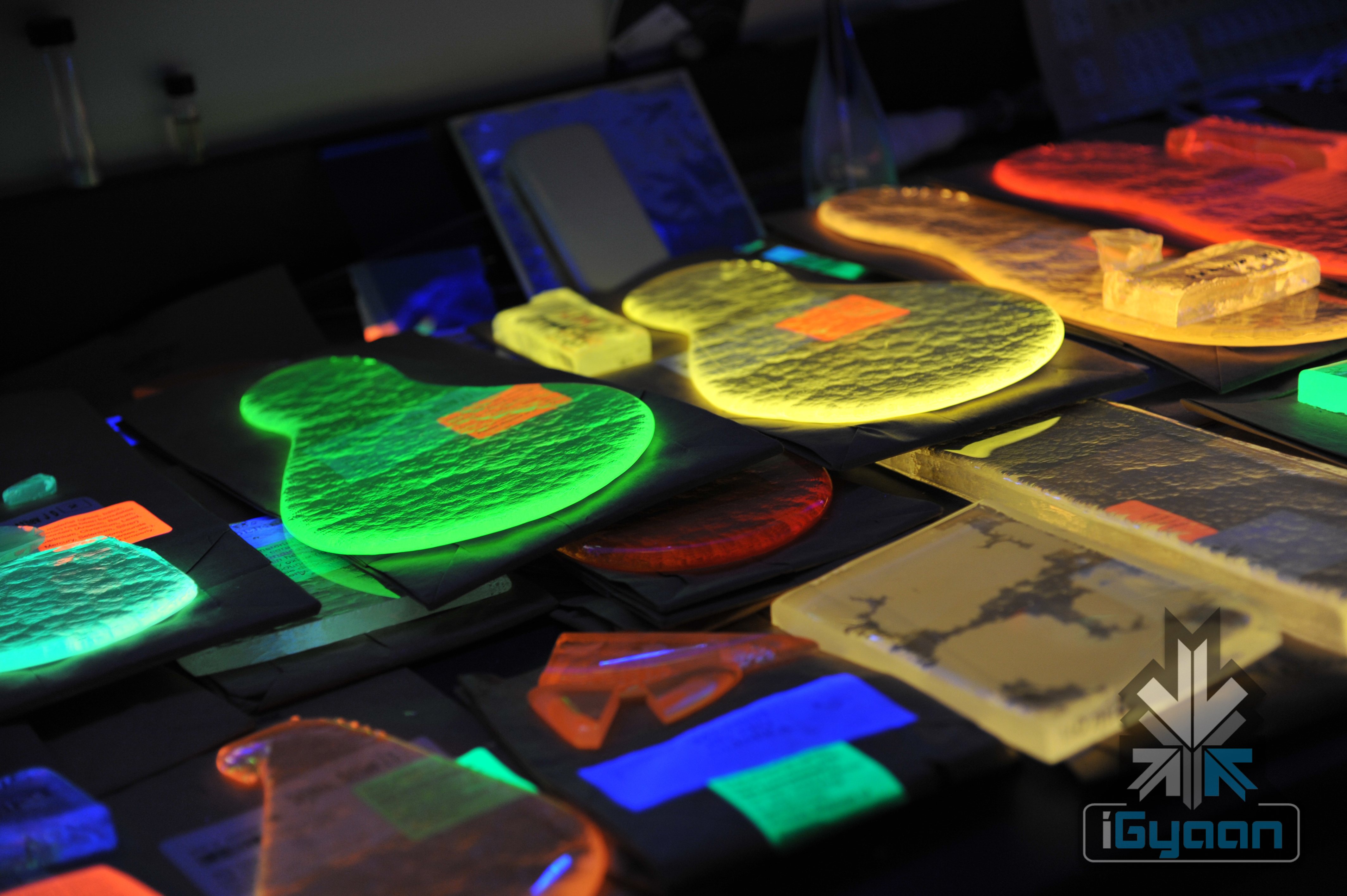
Under the UV light
While we are not sure how long it will take for a form of glass which will “never break” to be made, it is very interesting to see car companies take an interest in Gorilla Glass for their windshields. The technology has not only come full circle and achieved its original purpose, but it has found a better implementation in our daily lives. The Gorilla Glass name has become well-known in the glass industry and with smartphone and tablet owners globally
YU has finally launched the YUnicorn in India for a price of Rs. 12999. The company has been teasing its handset for many a weeks and the leaks had already suggested an upcoming model from the company YU Televentures. You can pre-order the phone here.
The Yu Yunicorn is made much like the Redmi Note 3 or the LeEco 1s out of a metal shell and has a fingerprint scanner that sits under the main display. The display which is a 5.5 inch LCD appears to have great viewing angles and great color saturation indoors and out.
The dual sim handset features a hybrid tray and will accept either two 4G SIM cards or One SIM card and one microSD.
The rear camera has a 13 MP sensor and the front houses a 5 MP sensor. The Cyanogen layer has been removed for a more stock feel with three non stock-Android Apps on the handset. The Yunicorn also comes preloaded with YU’s Around software which like HTC’s blinkfeed, sits on the left of the home screen. The new wallet functionality allows you to have a wallet on the phone and pay for many of the YU’s services with one tap.
The fingerprint sensor is fast and responsive and sits on a tactile home button. The Yunicorn is 8.1mm in terms of thickness and feels great to hold in the hand thanks to rounded edges. You can pre-order the phone here.
Our review will be out shortly, in the meanwhile you can watch the hands-on video below:
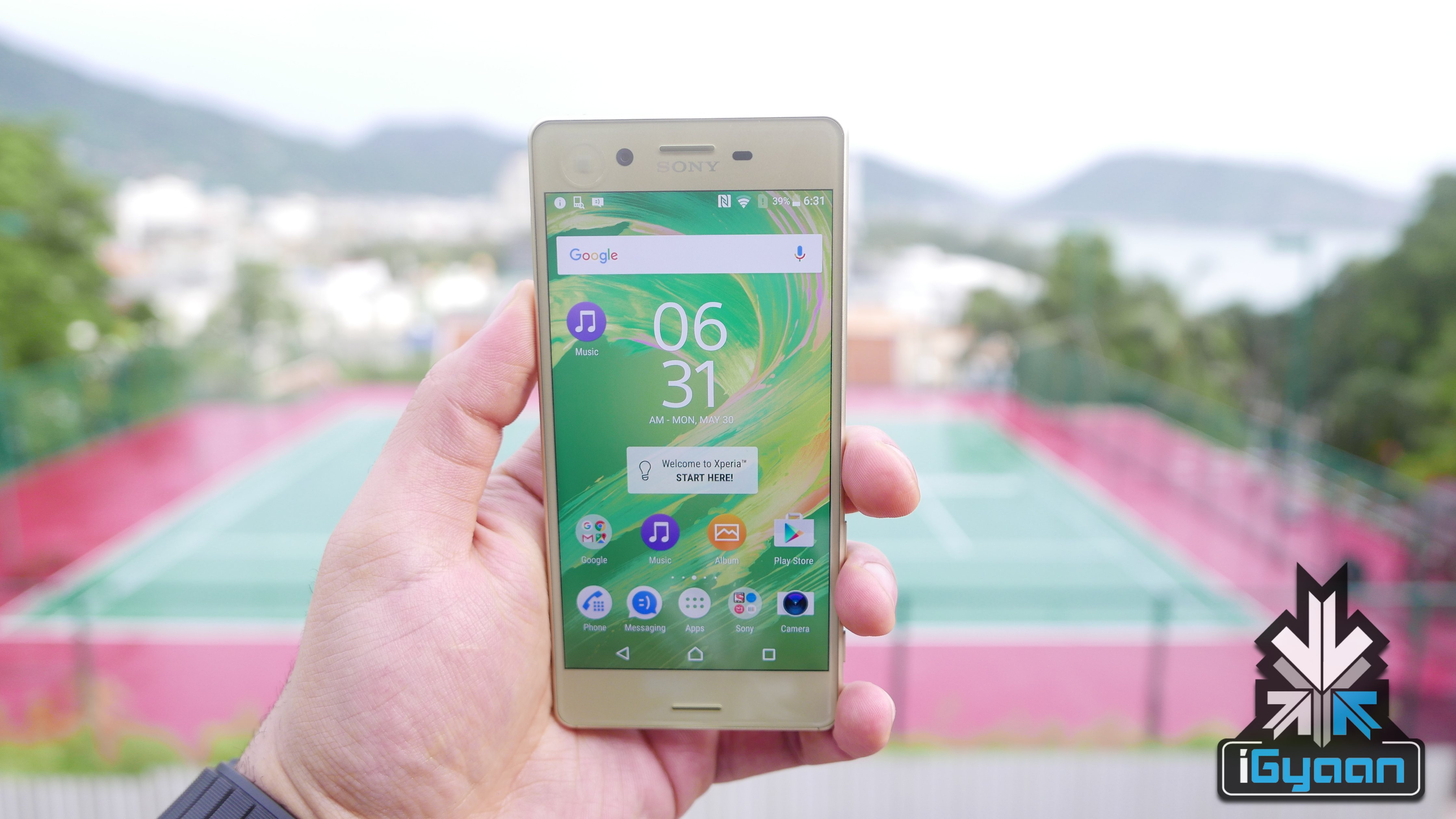
Sony has today launched the Sony Xperia X and Xperia XA along with the announcement of the Xperia XA Ultra. We check out the Sony Xperia X, the 2016 flagship that costs Rs. 48990. Sony is bundling Rs. 6990 worth SBH70 for those who pre-order the phone prior to 6th June. The phone will go on sale on the 7th of June.
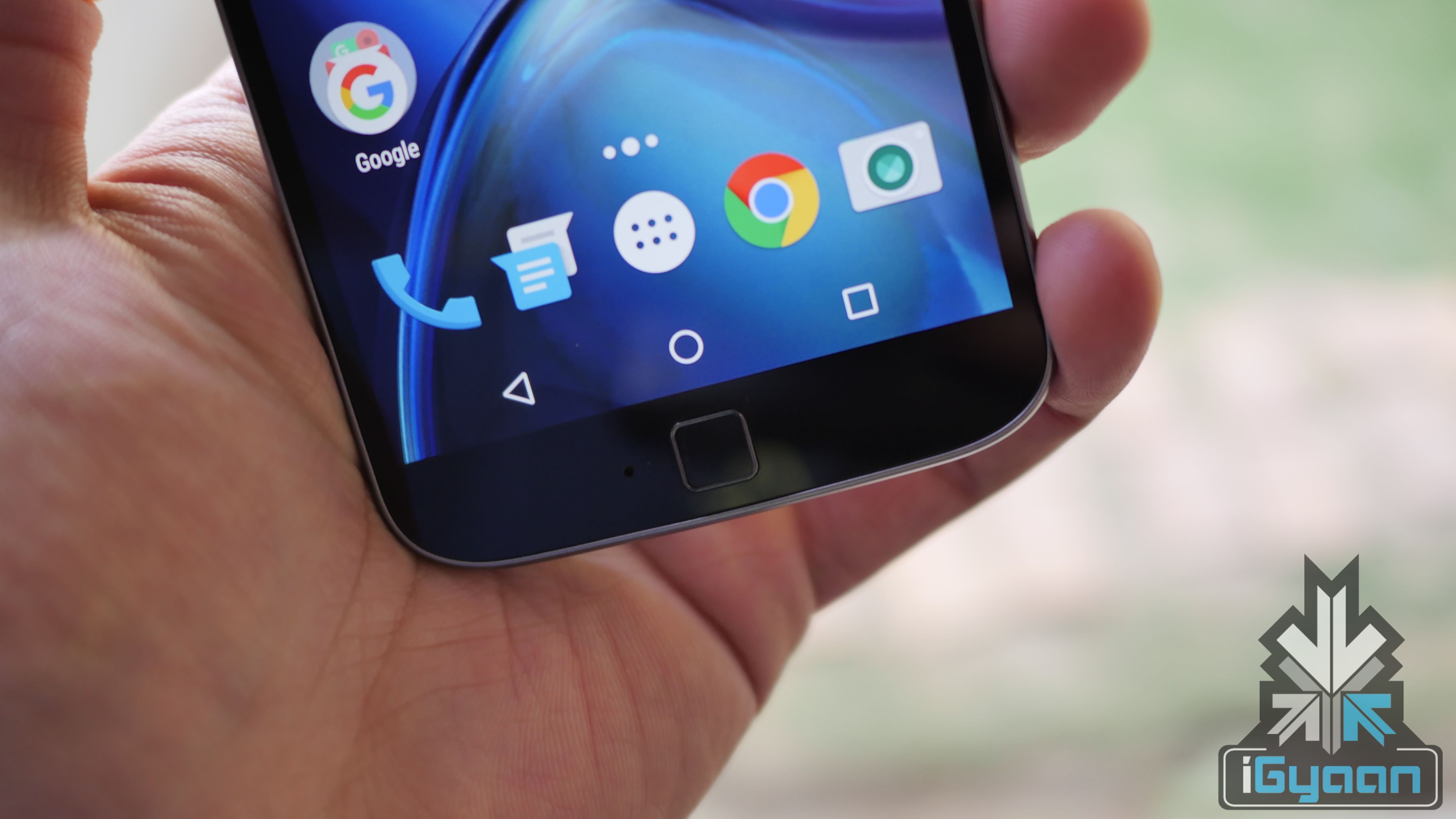
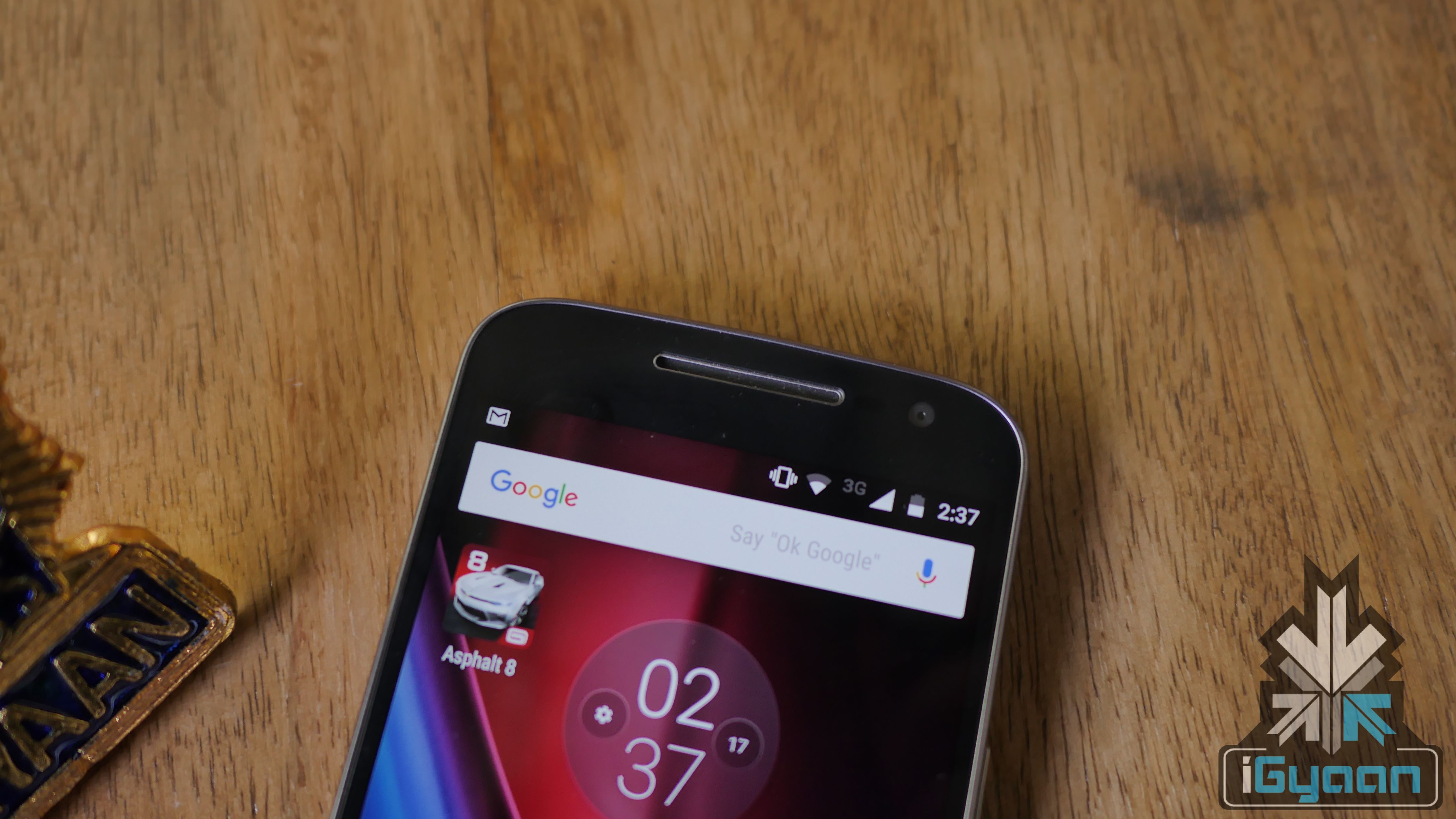
Lenovo owned Moto, today launched the new Moto G4 and Moto G4 Plus in India. While the Moto G4 Plus goes on sale, the Moto G4 will be available at a later date. The G4 Plus has a few additions, a 16 MP camera with laser autofocus vs the regular 13 MP on the Moto G4. You will also get a fingerprint sensor below the display, this is a first for Moto.
The Moto G4 Plus will cost Rs. 13499 for the 2GB RAM + 16 GB Storage variant and Rs 14999 for the 3GB RAM and 32 GB Storage variant.
Inside of the Moto G4 Plus you will get
Moto G4 Plus
Turbo Charger
Earphones
Documentation
The design of the Moto G4 Plus is unique to the Moto G series of phones. A flatter back panel and a more slimmer profile makes the Moto G4 plus look unique and much more premium than its predecessors.
The handset is still boasting a plastic frame, however is extremely durable and feels like metal thanks to the metal paint coating even though its not.
Lenovo branding is apparent, shown off on the box and each time you turn on the handset. The back features a 16 MP camera with a snappy auto-focus assisted with the laser focus and phase detection Auto-focusing. The camera also has a pro mode which like pro modes from many other manufacturers gives you great detail of control over your setting before you begin to capture a photograph.
The fingerprint sensor is quick with a response time of 750 millisecond and the sensor basically works from any angle.
The phone feels great in the hand and the back panel aka shell is available in a black or white at launch, you will be later able to buy coloured shells for changing out the back.
Moto has removed IP rating which means that the G4 unlike the Moto G Gen 3 will be not be water resistant, but the handset does have nano coating.
The sim slots come with nano to micro sim adapters, which is great if you have been using a nano sim slot device. If not, then you get free adapters.
Specs
Moto G4 Plus
Display
5.5 inches Full HD Display
Resolution
1920 x 1080 Gorilla Glass 3 401ppi
Dimensions
153mm x 76.6mm x 7.9 – 9.8mm (at camera)
Weight
155g
Chipset
Qualcomm Snapdragon 617 SOC
CPU
1.5 GHz octa-core CPU
GPU
Adreno 405 / 550 MHz GPU
RAM
2GB / 3GB
Storage
16GB / 32GB flash storage
Rear Camera
16 MP with laser auto-focus and phase detect auto-focus (PDAF)
f/2.0 aperture, Professional ModeAuto HDR
Video Stabilization
1080p HD video (30 fps)
Slow Motion video
Front Camera
5 MP
f/2.2 aperture
Field of view (FOV) 84 degrees
With almost every smartphone company forking out into a “budget online only model”, Lenovo too seems to have jumped on the boat. Zuk is a Lenovo owned brand targetted solely at the online space. The Zuk Z1 is their first handset and has been launched for Rs. 13499, Although is presently only up for preorder with sales starting 19th May.
The Zuk Z1 brings some old hardware like the Snapdragon 801, with some new improved cameras and a good looking, robust, metal shell with a glossy back panel. The phone also comes with 64 GB of Storage (53 GB Available) and 3 GB of RAM with no expandability, Dual SIM slots and Cyanogen OS 12.1. Reminds us of OnePlus and their launch strategy.
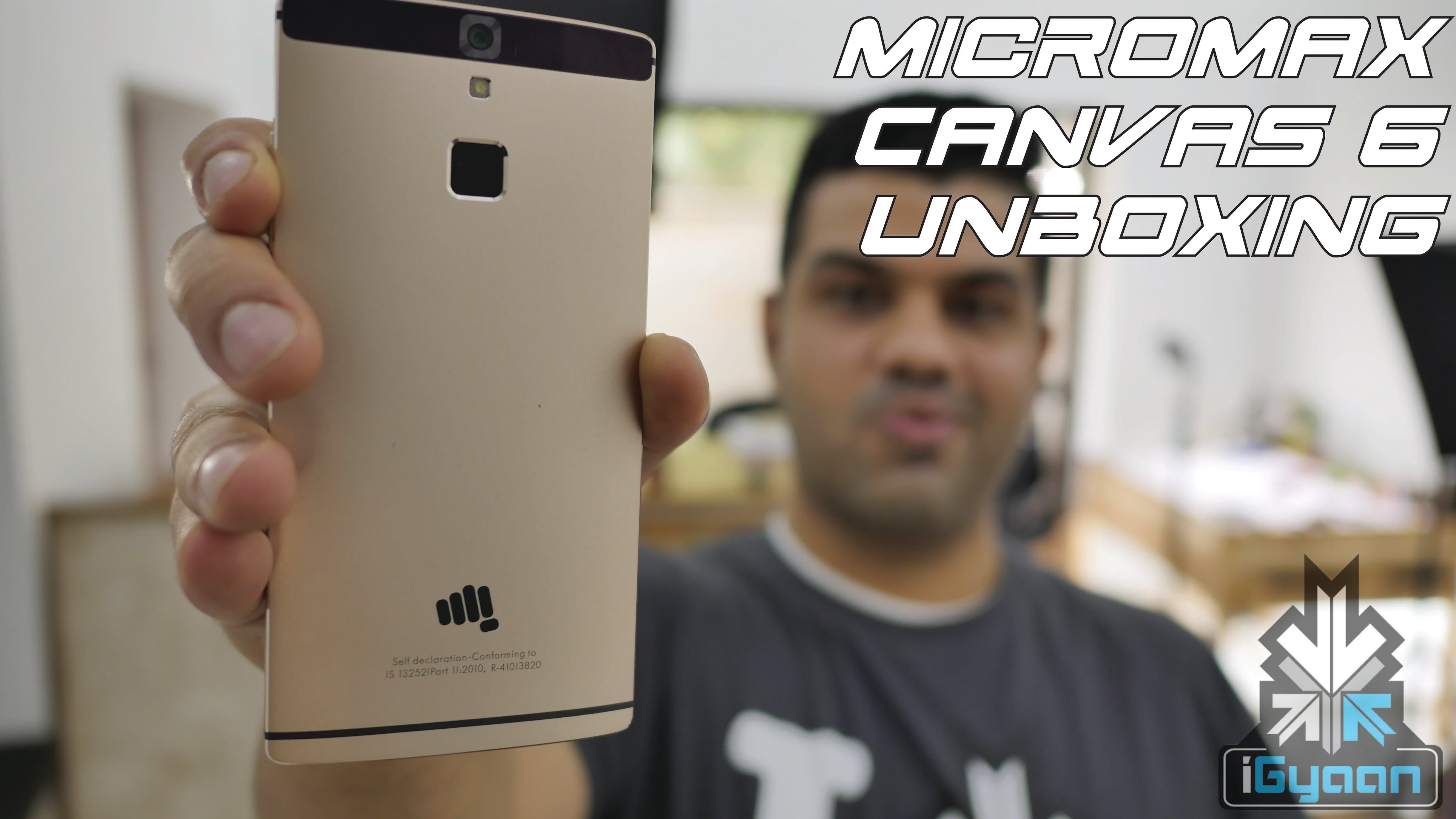
Micromax’s Canvas 6 comes in after a mega revamp of the company, a new logo and new management. But is it enough to get a new outlook towards the brand? Or will Micromax need to do more?
The new canvas features a 5.5 inch display and a full metal body. The sharp edges are not very comfortable and pinch the hand. The phone is 173 gms in weight and 8.7 MM thick. Check out the unboxing video below. The phone is available for pre-order (here) and will start shipping 18th May.
Specs
Micromax Canvas 6
Display
5.5 inches Full HD
Resolution
1920 x 1080p
Dimensions
TBA / 173gm
Processor
MT6753 1.3GHz Octa coreMT6753 1.3GHz Octa core
GPU
Mali-T720
RAM
3GB
Storage
32GB flash storage
Rear Camera
13 MP, f/2.0, phase detection autofocus
Front Camera
8 MP
Expandability
microSD, up to 64 GB
Battery
Li-Po 3000 mAh
Connectivity
4G+, Wi-Fi 802.11ad, VoLTE, Wi-Fi Direct, hotspot, Bluetooth v4.1, A-GPS, GLONASS, NFC, VoLTE
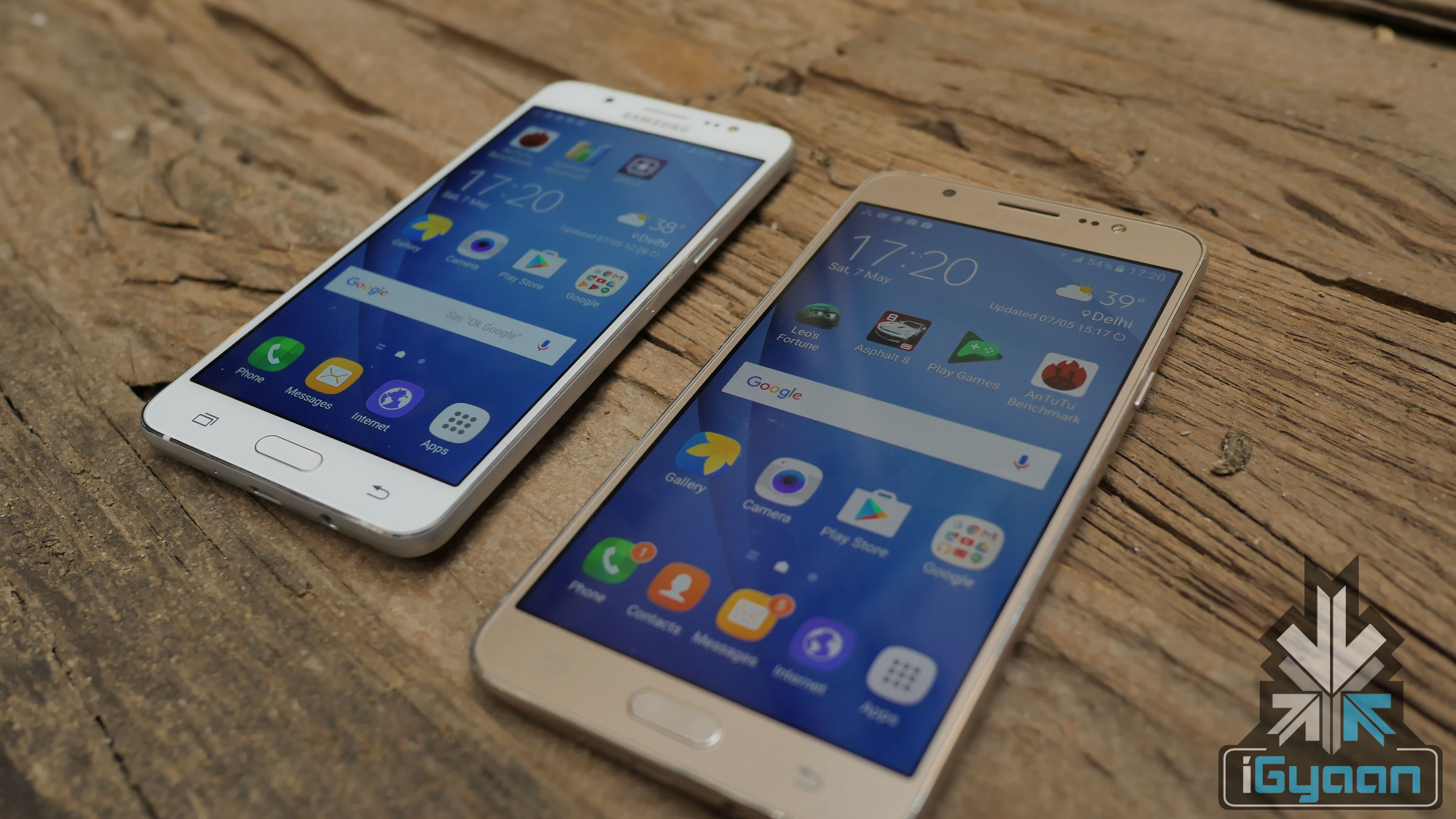
Samsung has today announced the Samsung Galaxy J5 (6) and J7 (6) for India. The company had previously launched the phones in other markets including Korea and China, however in India they have been launched for prices much lower than their overseas siblings.
The Galaxy J5 (6) has been launched in India for a price of Rs. 13990 and the Galaxy J7 (6) for Rs. 15990. The are several differences in the phones including battery, screen and the chipsets that power them. You can get more details on the handsets here.
The boxes of the J5 and J7 2016 variant are similar and have the 4G branding on them meaning that they are primarily followups of the the popular J series from 2015. Inside you will get the following:
Handset
Wall Charger
USB Cable
Earphones
Battery
User Manual
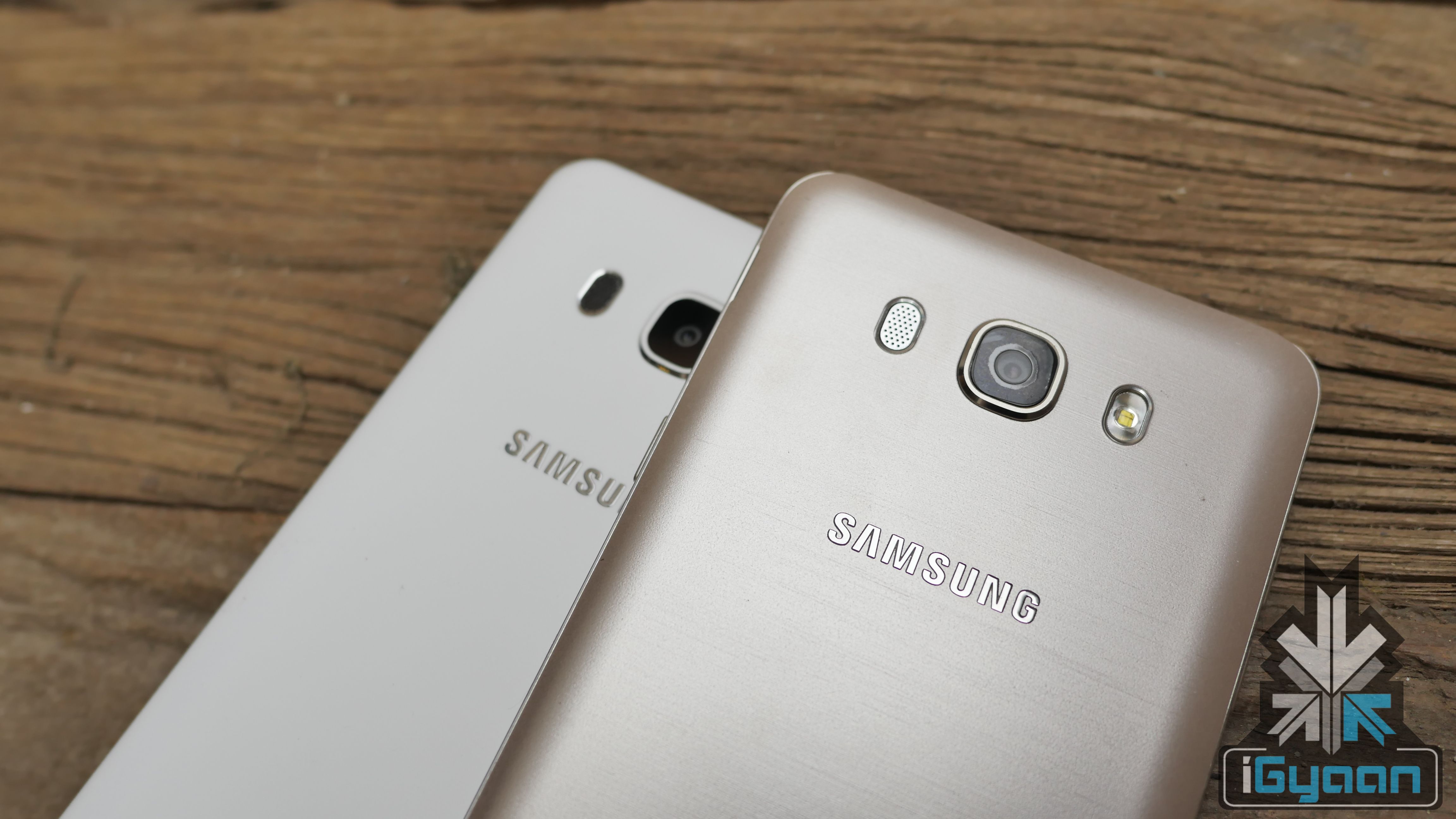
Both phones now have a metal frame which improves the build and feel of the Galaxy J5 (6) and J7 (6). The back panels on both the phones have also been switched up for brushed metal finish, while they remain to be plastic in material, this new look adds a matte finish and good grip in the hand. The back panel also becomes less prone to fingerprints.
The phones now come with impressive f1.9 aperture cameras which is basically the same aperture on last years flagship Galaxy S6, so Samsung is trifling down specs quite quickly onto newer handsets. The rear camera shoots 13 MP stills and full HD video on both phones and the front camera shoot 5MP stills.
Both the J5 and J7 for 2016 have dual sim card capabilities, with 4G speeds where supported and 128 GB expandability via Micro SD cards. Both have 2 GB of RAM and 16 GB of storage. The J5 is running on a Qualcomm Snapdragon 410 whereas the J7 is based on a Exynos 7780 Chipset
The handsets are running on Android 6, Marshmallow, which makes them extremely responsive and snappy. The UI is still Touchwiz laden and full of Samsung’s Apps which will eventually trouble people. However, apps can be disabled which is a good thing.
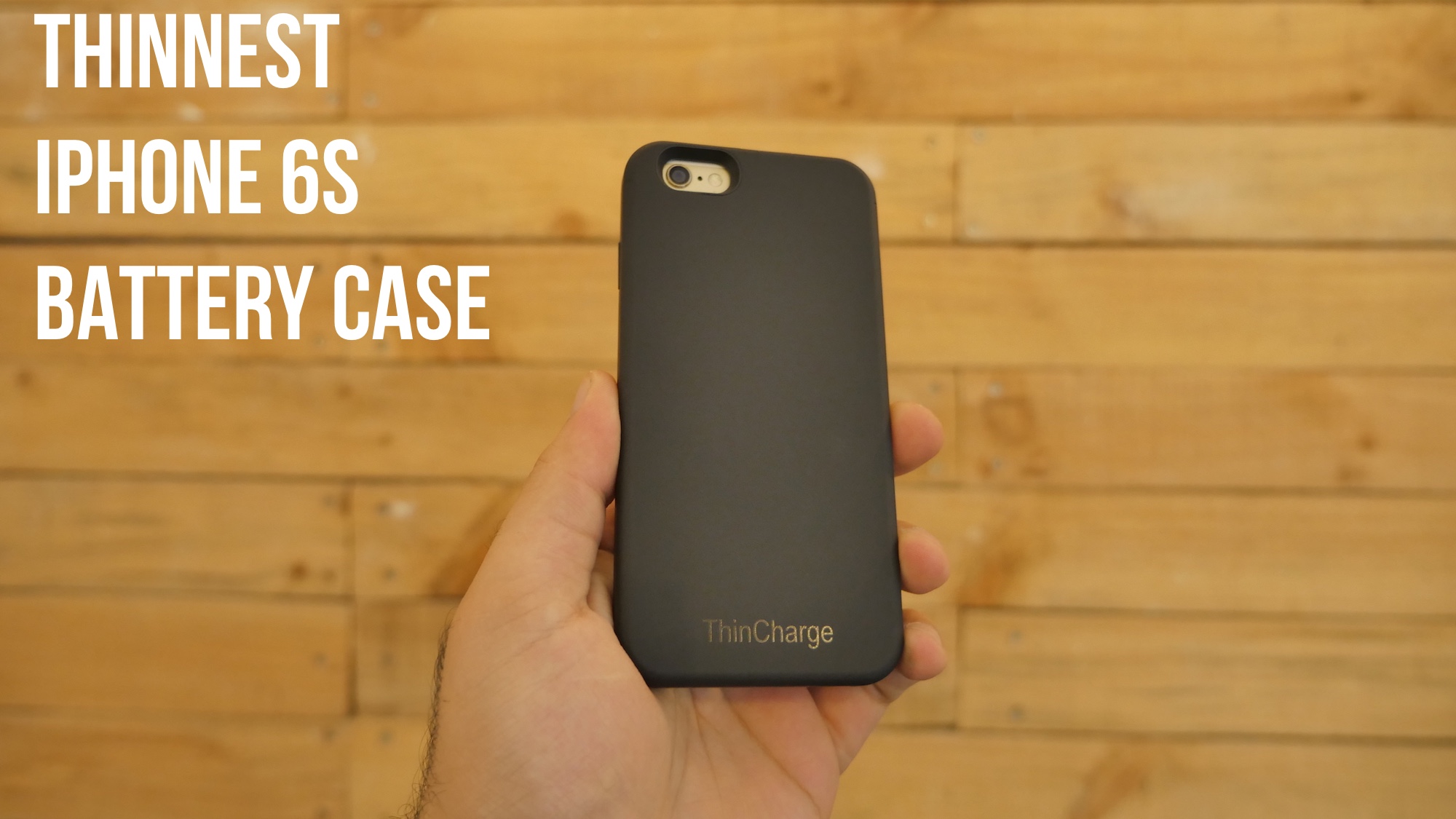
We quickly review the thinnest iPhone 6s Case aka the ThinCharge .
Product Dimensions: 11mm x 5.6 in x 3.2 in – Weight: 70 grams
Compatibility: Apple iPhone 6/6s
Package Dimensions: 205mm x 105mm x 16mm – Weight: 5 ounces
Battery capacity: 2600mAh – Type: Lithium-polymer