If there is one unchangeable fact about Indians, it is their unconditional love for music. From Bollywood music to hip hop, Indian audience has a varied taste when it comes to music. With the launch of multiple music streaming platforms in the country, it’s tough to select one app which can fit all your music needs. The music streaming battle in India heated up when Apple Music, Google Play Music, and Amazon Prime Music stepped into the scene.
 Potential users have recurring thoughts regarding the purchase of a dedicated music streaming service. Some users still prefer YouTube to listen to music, but that’s not very convenient as many of them will agree. For instance, you cannot minimize the YouTube app while playing a song. Doing so cuts off the music, so you have to keep the app awake at all times. This means that your battery drain is significant. Also, music applications don’t go very hard on your data plan, whereas 720p YouTube streaming consumes almost 1 GB per hour. Using YouTube for your music needs may be more hassle-free, but certainly not the best possible solution
We have compiled a list of the best music streaming applications available in India as of now. Audiophiles can pick a specific subscription as per their needs and taste. Read on to find what each of these applications has to offer.
1. Apple Music
 Let’s not forget that Apple brought iPods into the market, changing the way music was played everywhere. Apple music is built on top of a similar infrastructure that focuses more on the ‘ease-of-use’ aspect than anything else. Agreed, it’s not the cheapest music streaming subscription out there, but it offers much more for the price what people pay.
If you have an Apple ID, you can stream unlimited songs on all your devices. Furthermore, five people can use the Apple Music service at the same time. With one of the most sorted UIs, Apple Music is highly optimized for Android and iOS.
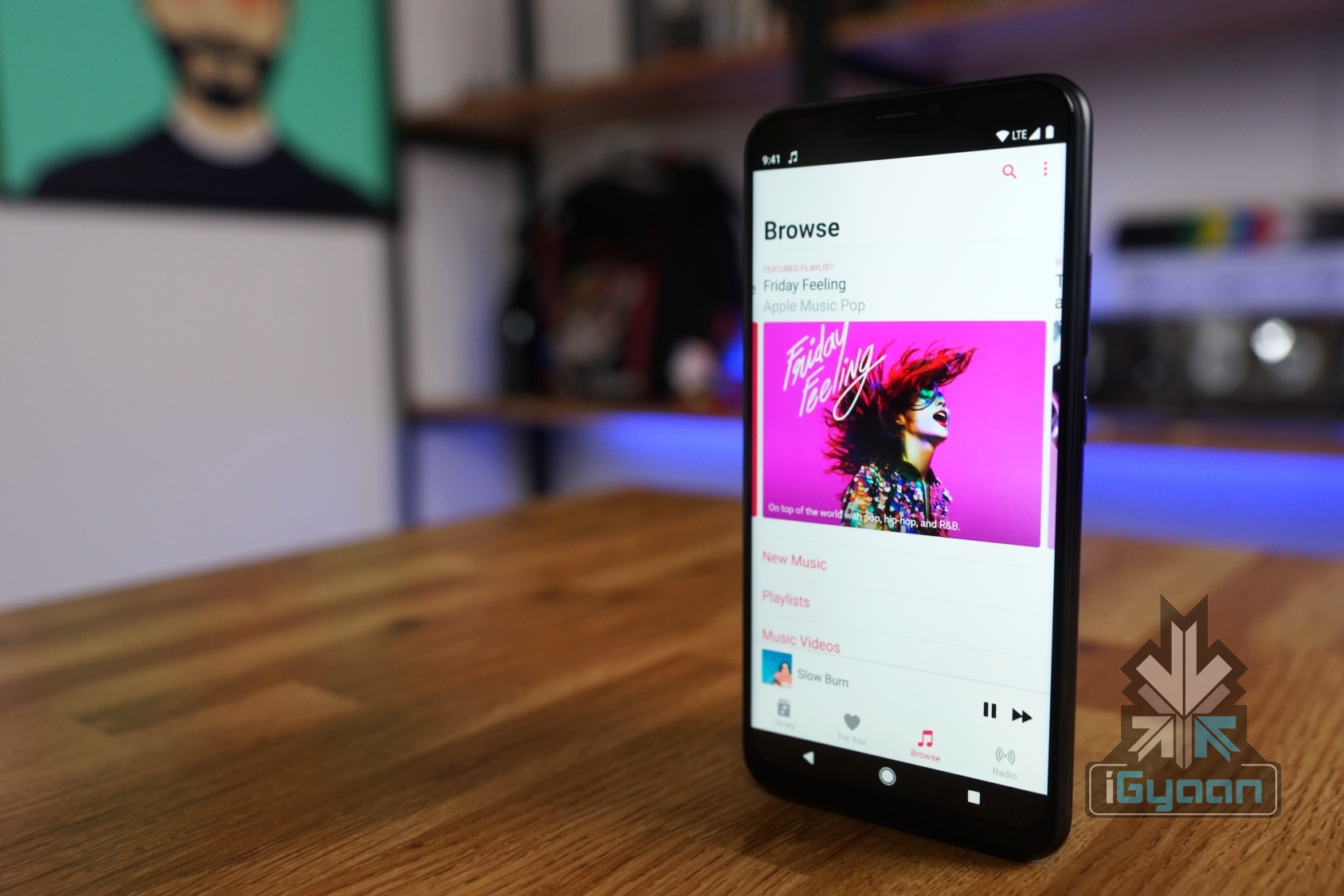
Apple Music has a massive library with over 45 million songs, and hundreds of songs are added every day. The library is especially tailored for Indian audiences, with the inclusion of songs from almost all Indian Languages. High quality music, Apple’s 24-hour radio and the social ‘Connect’ feature are useful features integrated into the app.
Platforms Supported : Android, iOS, Web, MacOS etc.
Price :
Student: Rs. 60 per month
Single Person: Rs. 120 per month
Family: Rs. 190 per month
2. Amazon Prime Music
 Amazon Prime Music was primarily launched in India with the motive of an Amazon Alexa integration. Eventually, Prime Music made its way on to newer platforms like iOS, Web, and Android. Amazon Prime also provides services for streaming movies and online shopping worldwide. The music streaming service has a huge music library with over 30 million tracks. Amazon Prime Music is also known for its seamless music playback over its popular voice assistant, Alexa. A person can easily manage playlists, queue songs and play/pause music using just voice commands. Prime music has full Chromecast support, unlike Prime Video.
Also, the web app for Prime music is neatly designed to provide users with a good experience.
Platforms Supported : Android, iOS, Web, Amazon Alexa, Fire TV, etc.
Price: Rs. 999 per year
3. Google Play Music
 From a long time, the search giant has been trying to strengthen its foothold in the Indian Music Streaming service. The Google Play Music App is preinstalled on every Android phone, so almost every user notices the app one way or another. With competitive pricing, Google Play Music offers the solution of a single app for both online and offline music. It comes with both free and premium subscriptions, but the free version is limited to only Indian songs and radio stations. Once you start paying for a subscription, you’ll have access to a complete music catalog with a whole lot of international music and content.
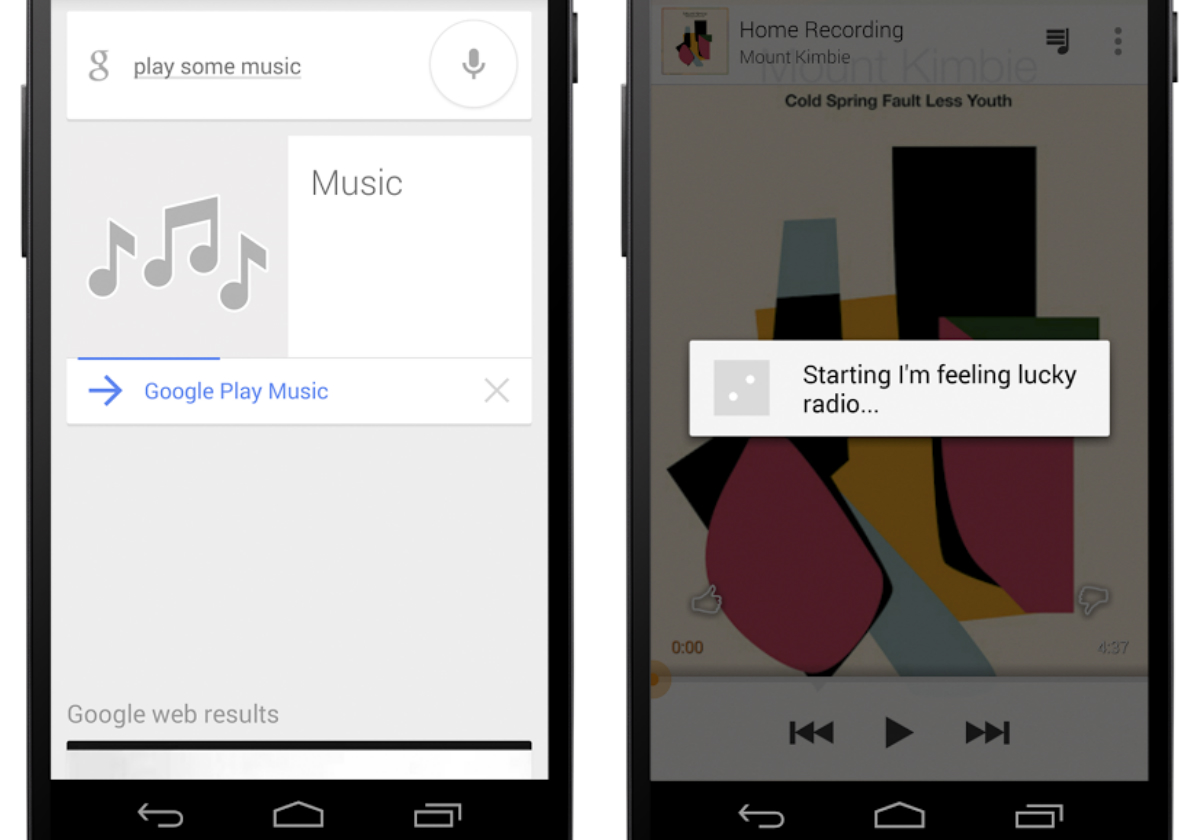
The UI of the app follows the same design as the rest of the Google entertainment apps. On the first look, the application seems to focus more on radio station playback rather than music tracks. You can sync your music and playlists over multiple Google devices, which is quite convenient. On top of that, you get a free 14 day trial to experience the premium functions of the app.
Platforms Supported: Android, iOS, Web, Google Home etc.
Price: Rs. 99 per month?
4. JioSaavn Music
 Two popular music apps, JioMusic & Saavn Music integrated to launch the JioSaavn app on December 4. The app brought a host of features like interactive lyrics and live events to the user’s device. A lot of people confuse Saavn with an Indian app, but it was actually designed by two Indians in the US.
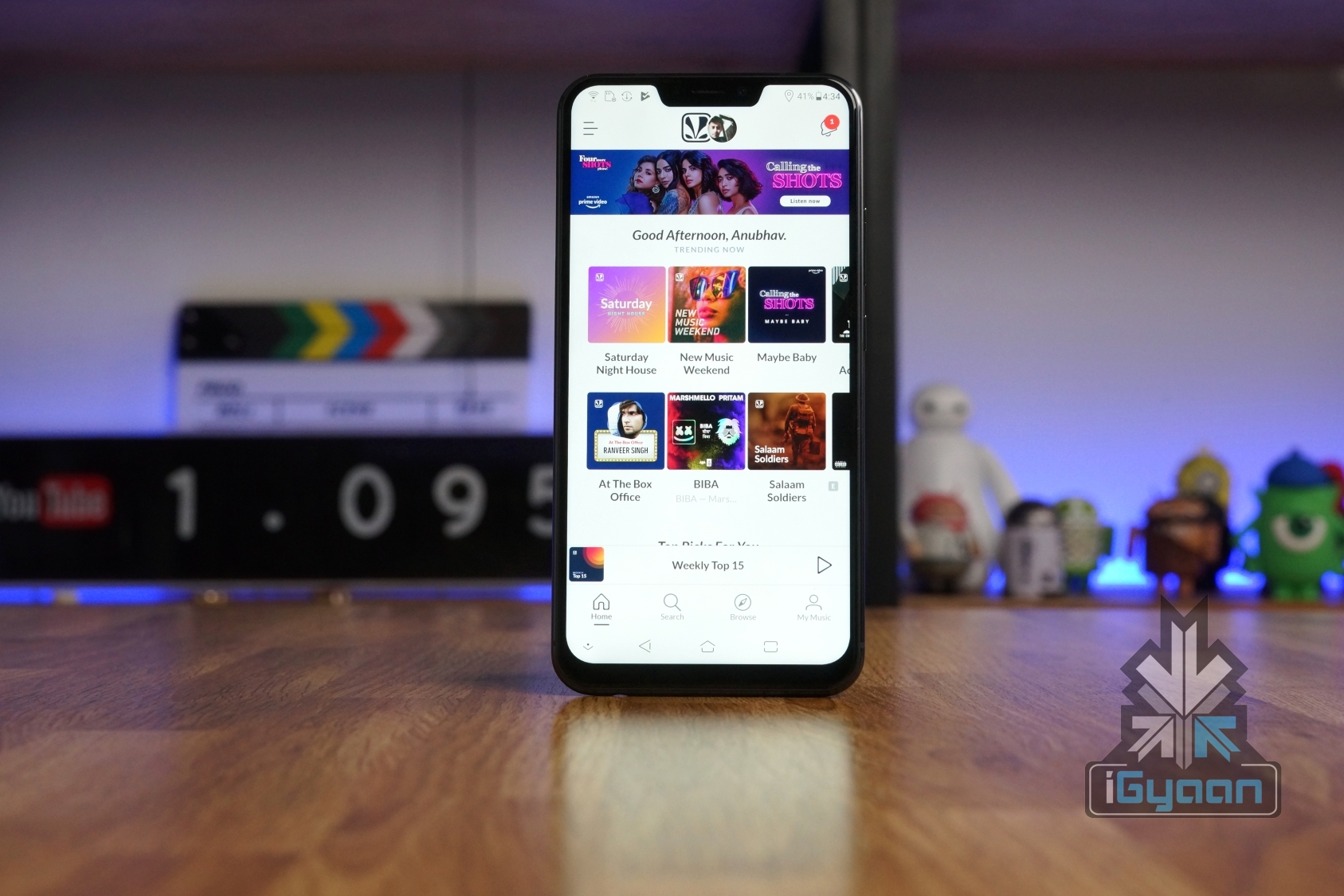 The music streaming service has a ad-based revenue model, but if you’re interested in downloading songs and getting rid of the advertisements at the same time, you can opt for the premium subscription. It offers an interactive UI with a Facebook integration, allowing you and your friends to see what you are listening to. You can adjust the music streaming quality as per your data connection. The application has a nice language filter which you can use to receive recommendations depending upon your selected region.
Platforms Supported: Android, iOS, Web, Google Home etc.
Price: Rs. 99 per month
5. Gaana
 Gaana was one of the earliest music streaming apps in India. Launched in 2010, the app had one of the largest music databases at that time. Over time, the minimal interface of Gaana was taken over by new features like on-screen lyrics and social media integration. Still, to this day, Gaana Music has one of the largest Indian Regional Music databases when compared to similar apps. Sure, it does have a wide selection of International music too, but it isn’t as extensive as its competitors.
Also Read: This Is What The Samsung Foldable Smartphone With Dual Display Will Look Like
The Gaana app has an option to turn off your profile activity if you like your music to be more personal. It also has a load of other features like a night mode, sleep timer, and gapless playback. If you’re a fan of Indian Music, Gaana could be your go-to app.
Platforms Supported : Android, iOS, Web, UWP etc.
Price: Rs. 99 per month, Rs. 999 per year.

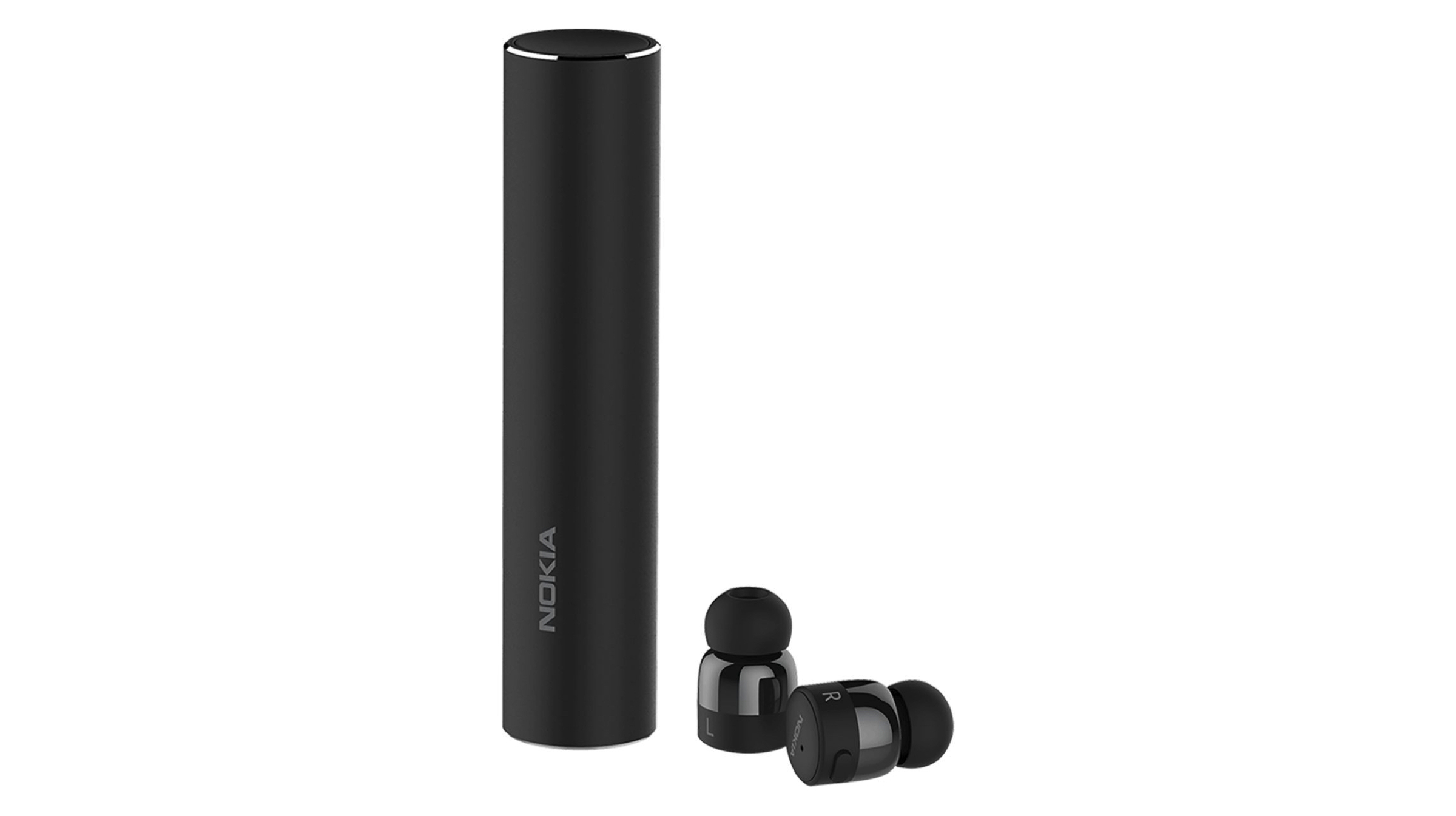
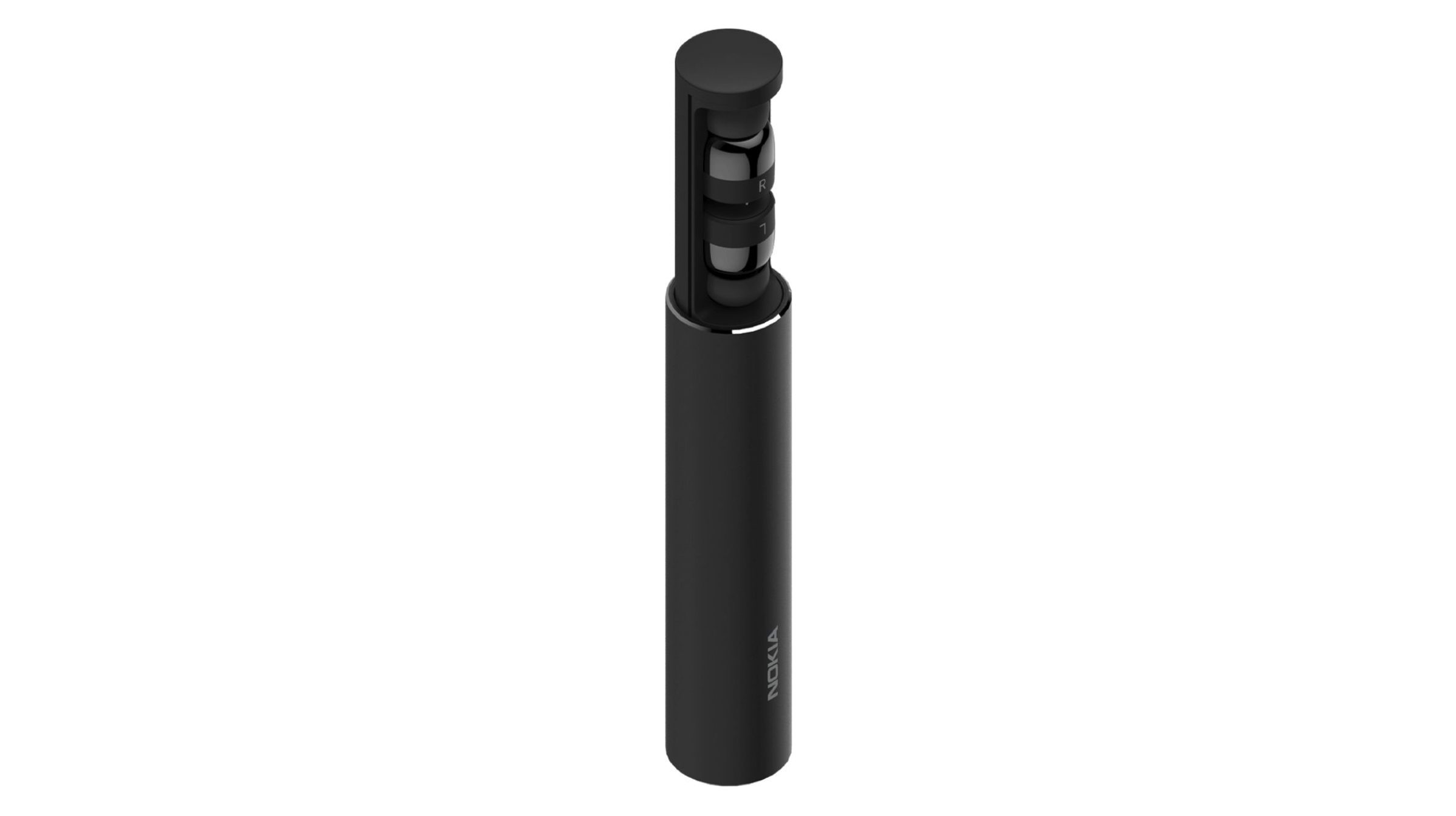
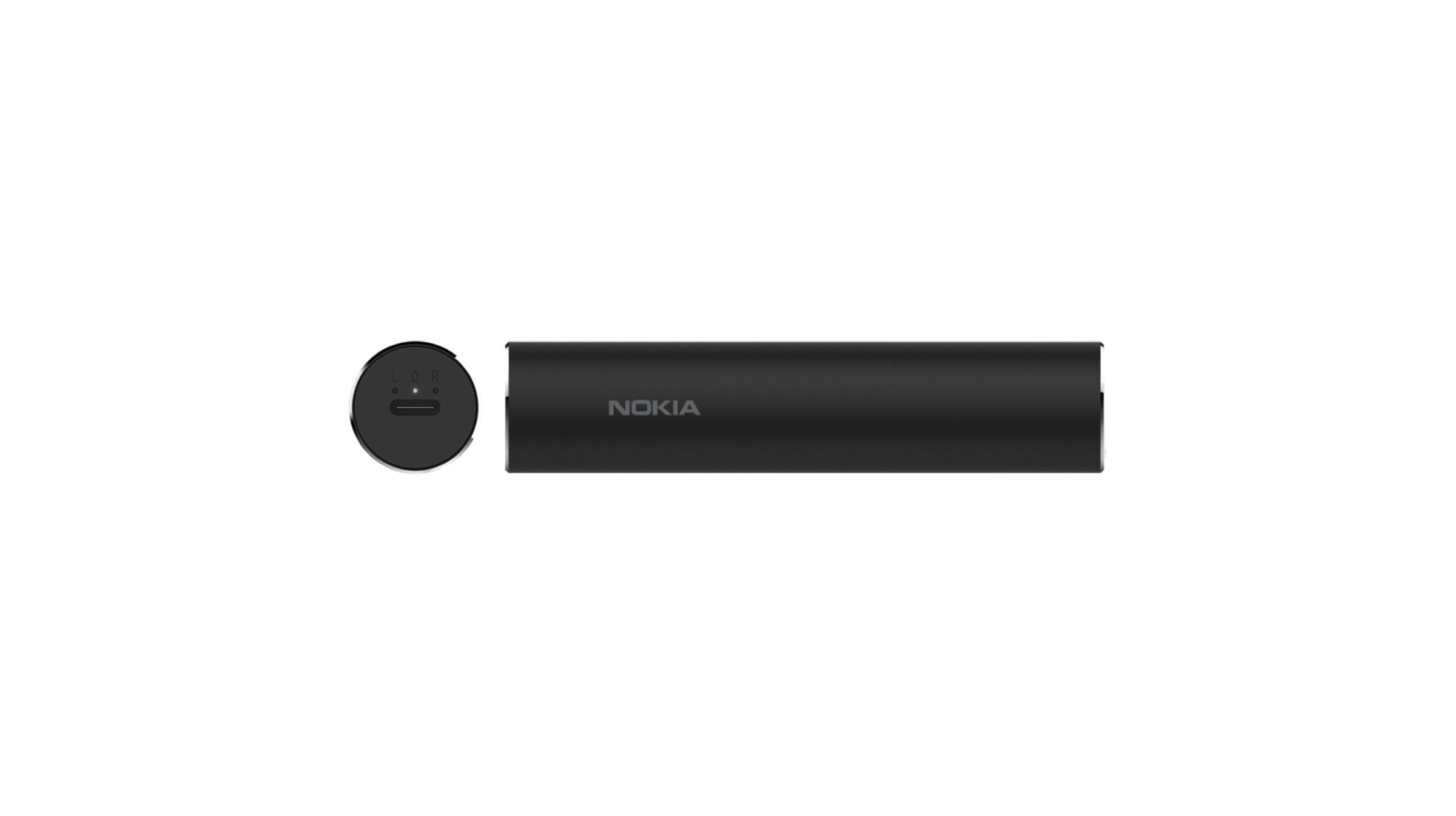 The carrying case features a USB Type-C port for charging, and also a LED charge indicator for easier accessibility. The Nokia True Wireless Earbuds have 3 different earbud sizes in the box, in S, M, and L respectively. These earbuds, though listed on the website, aren’t available to buy as of writing this story. The listing price of the earbuds on the website is Rs 9,999. In comparison, the Apple AirPods retail in India for Rs 11,999.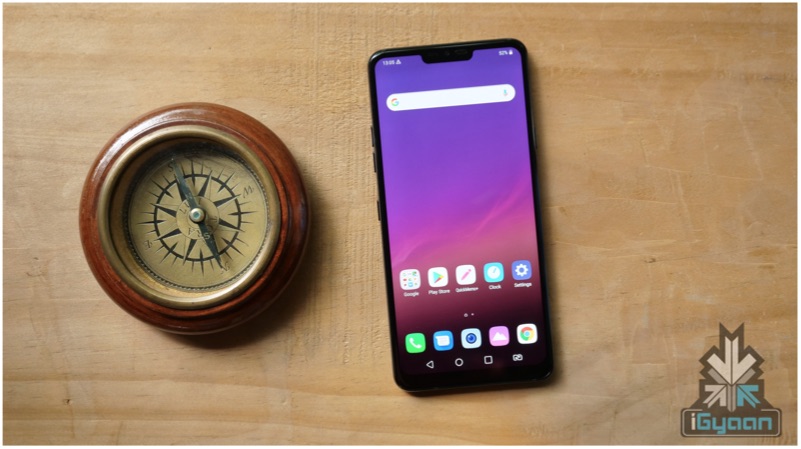
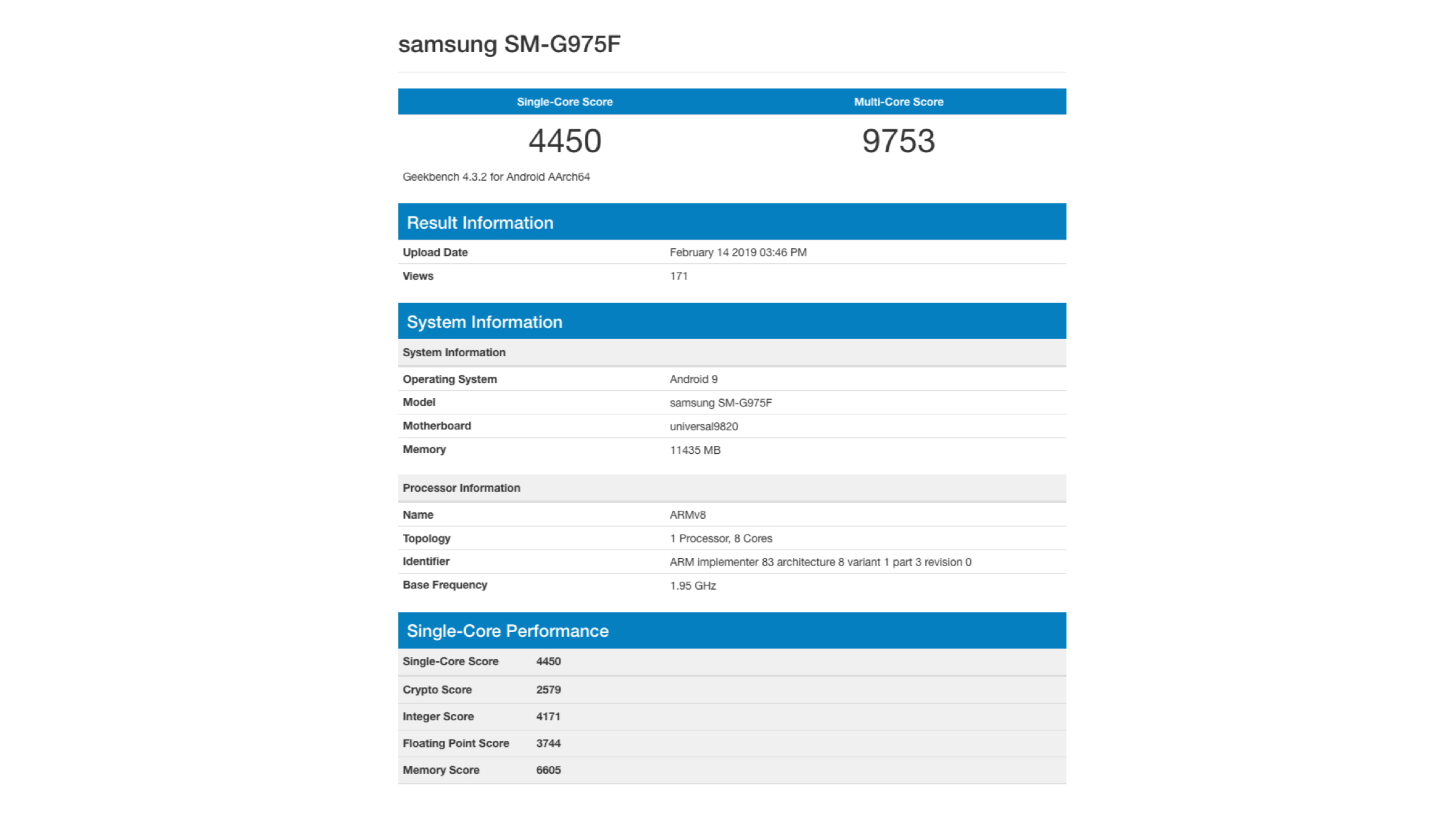 As seen above, the Samsung Galaxy S10+ racked up an impressive single core score of 4,450, with its multi core score hitting 9,753. If us compare this score to its probable competitors, we find that the Huawei Mate 20 had a score 3,390 in single-core performance and 10,318 in its multi core performance. Furthermore, the iPhone XS had the highest single core score at 4,797 and a multi core score of 11,269.
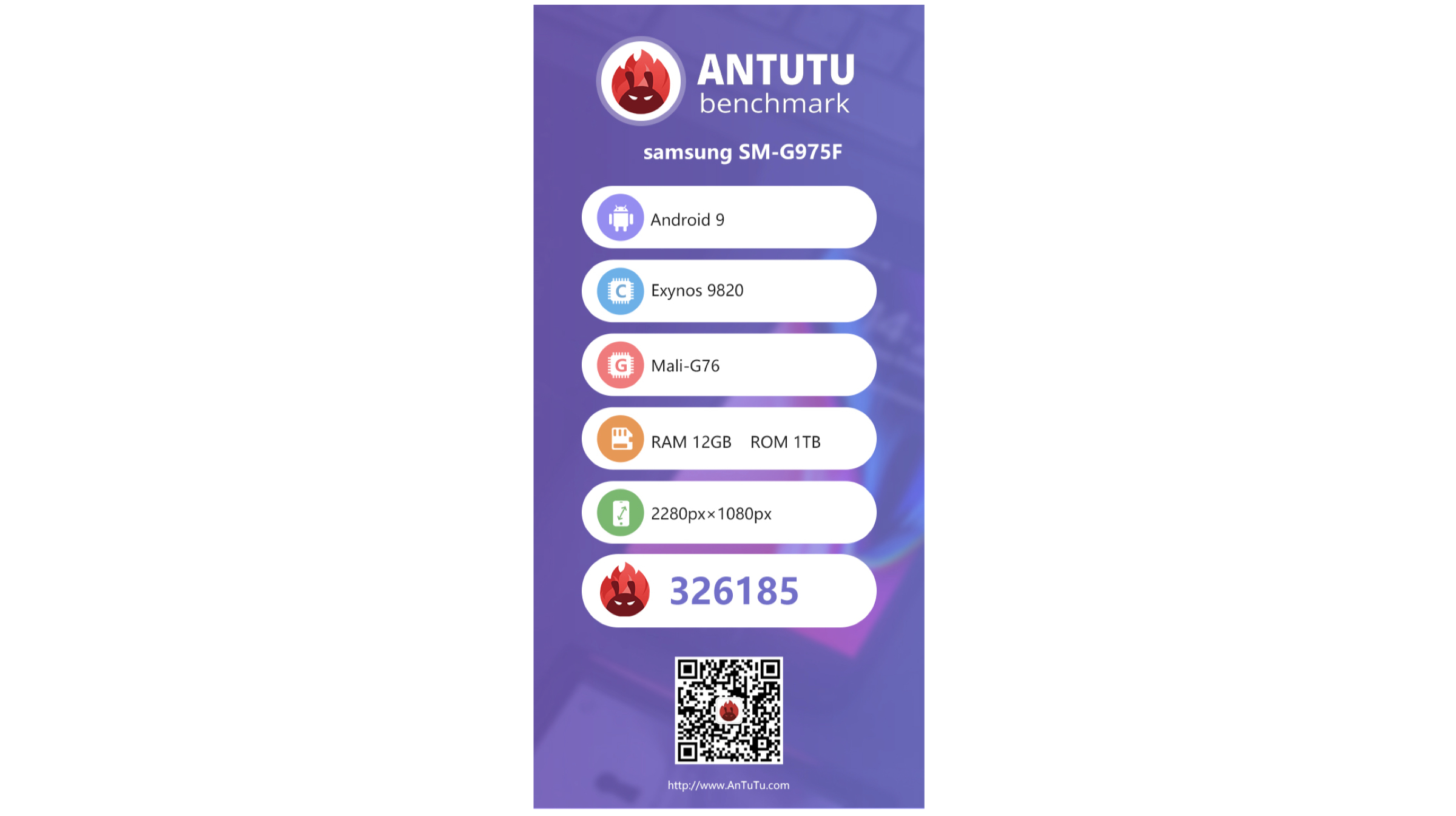 The Samsung Galaxy S10+ hit an Antutu score of 3,26,185. This places it at the top of the Antutu Android Performance Ranking Chart, right above the Huawei Mate 20 which scored 3,03,903 in the test. However, the iPhone XS is still the top performer in the Antutu benchmarking list as well. It has the highest Antutu score at 3,58,317.
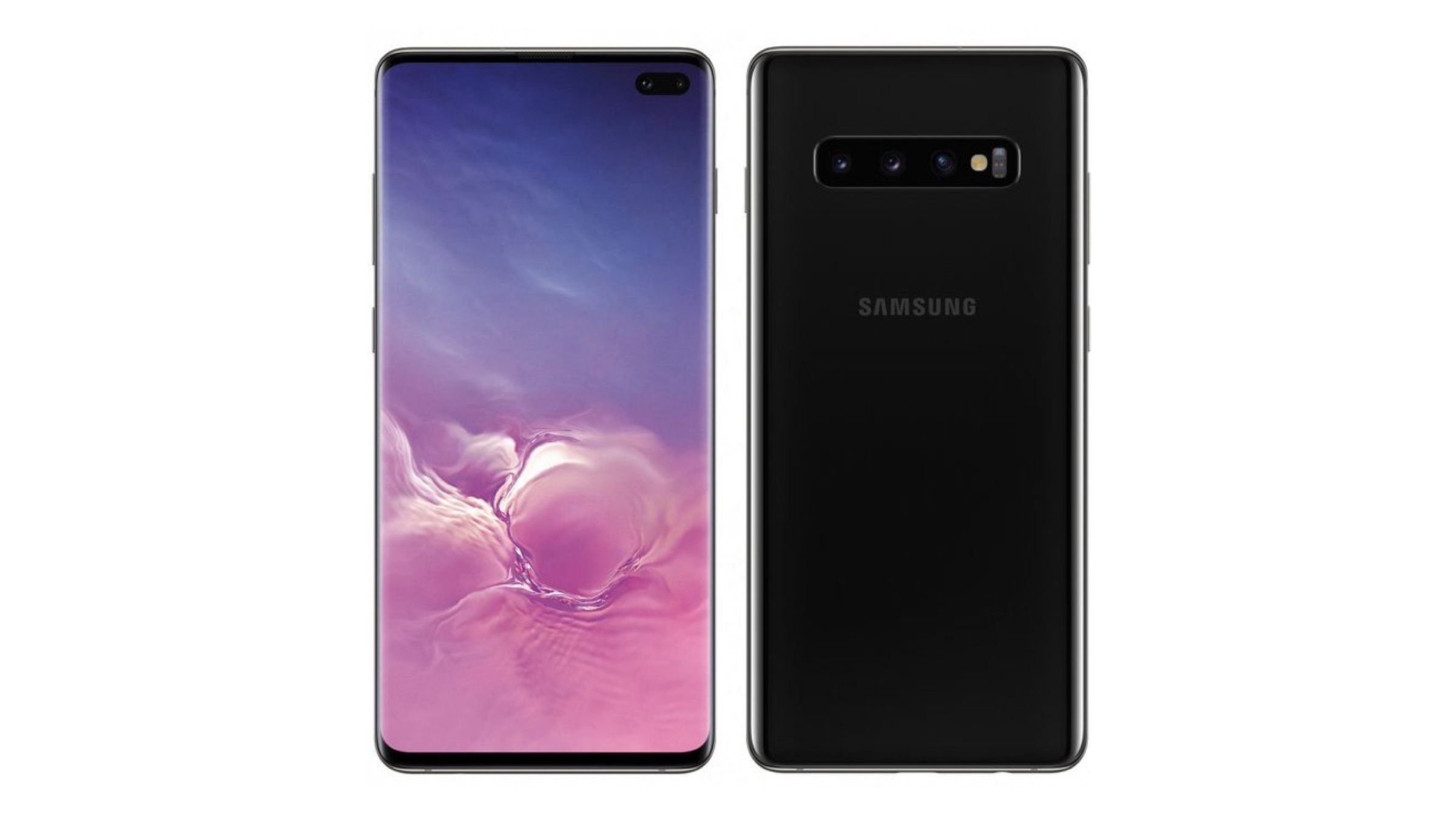
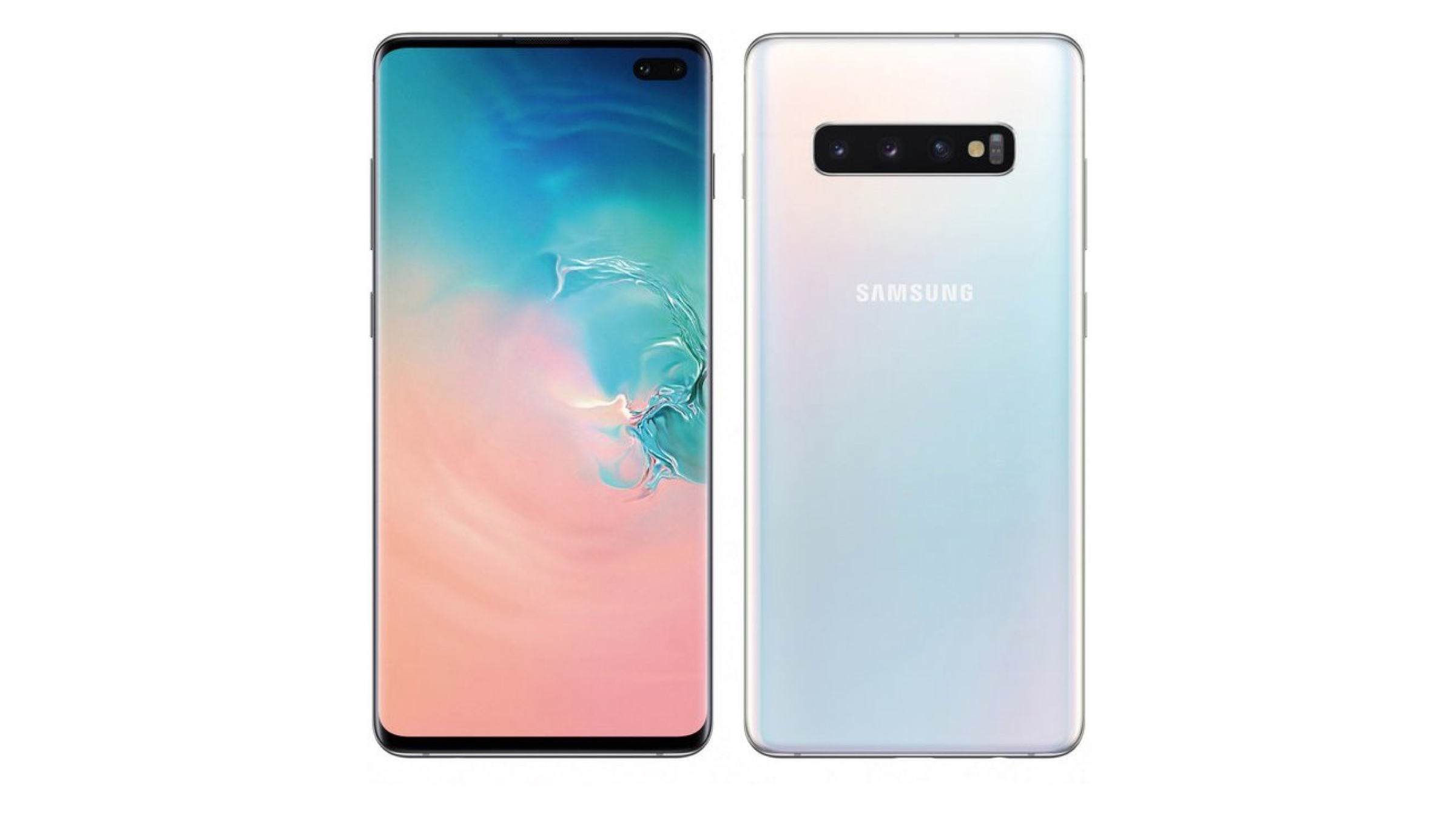 The Samsung Galaxy S10+ will reportedly have a 6.3 inch Infinity-O display with Corning Gorilla Glass Protection. The Dynamic AMOLED screen is expected to have a resolution of 3040 x 1440 px with HDR+ support. The Galaxy S10+ will supposedly run on the Snapdragon 855 for US & Latin variants, while it may be available with the Exynos 9820 chipset for the other variants. It is expected that the device will feature world’s first Ultrasonic Fingerprint Sensor.
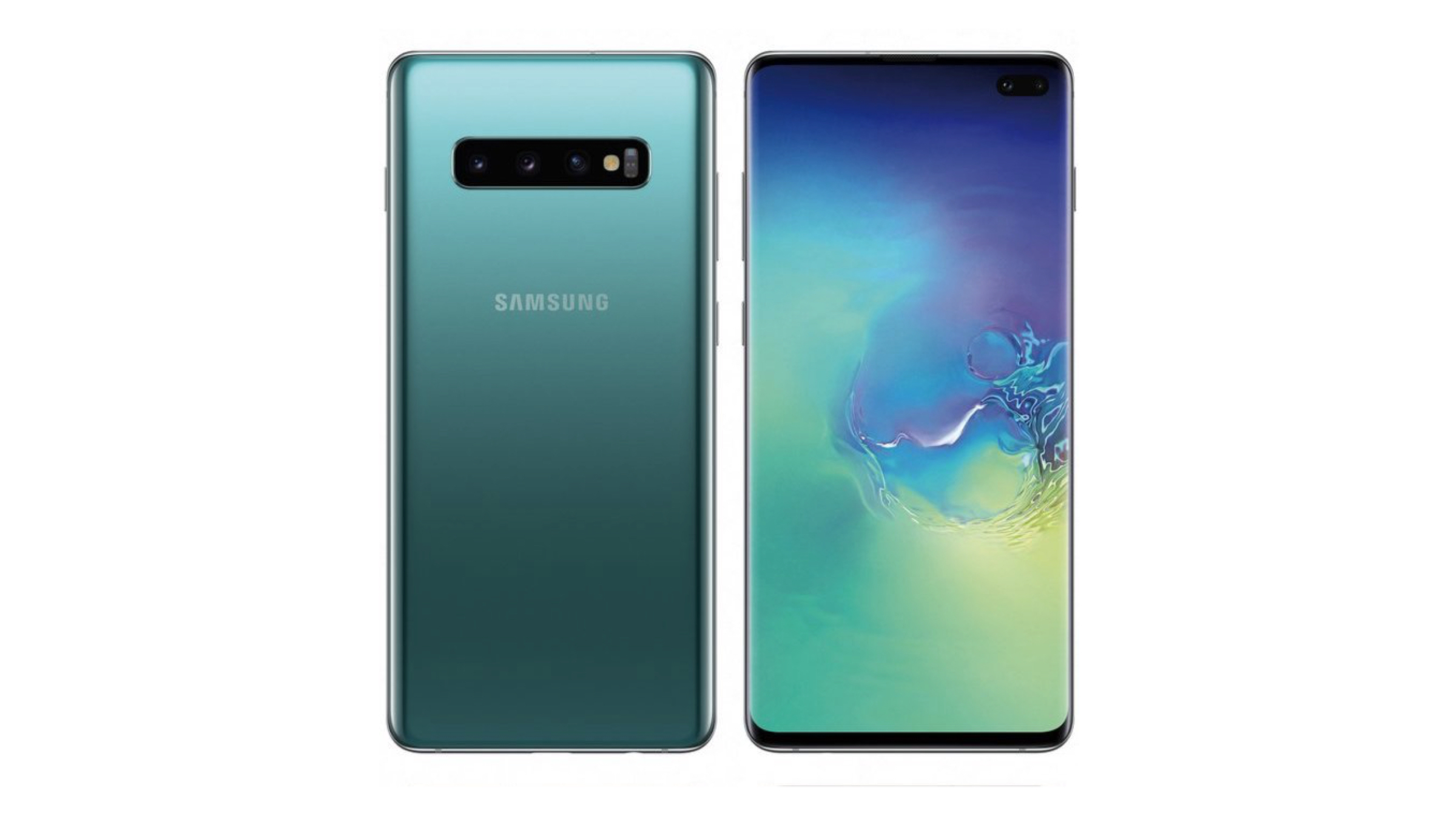 The smartphone is expected to be equipped with a triple rear camera setup, with 12MP+12MP+16MP sensors. The device will supposedly be available in three different variants, a 6GB+128GB variant, 8GB+512GB version, and a top 12GB+1TB limited edition variant. The Galaxy S10+ is likely to be powered by a 4100 mAh battery with support for Fast Charging. Reportedly, the device will launch in three different colours, Prism White, Prism Black, and Prism Green. The Limited Edition variant, however, may be available in Luxurious Ceramic Black & Luxurious Ceramic White.
 Also Read:

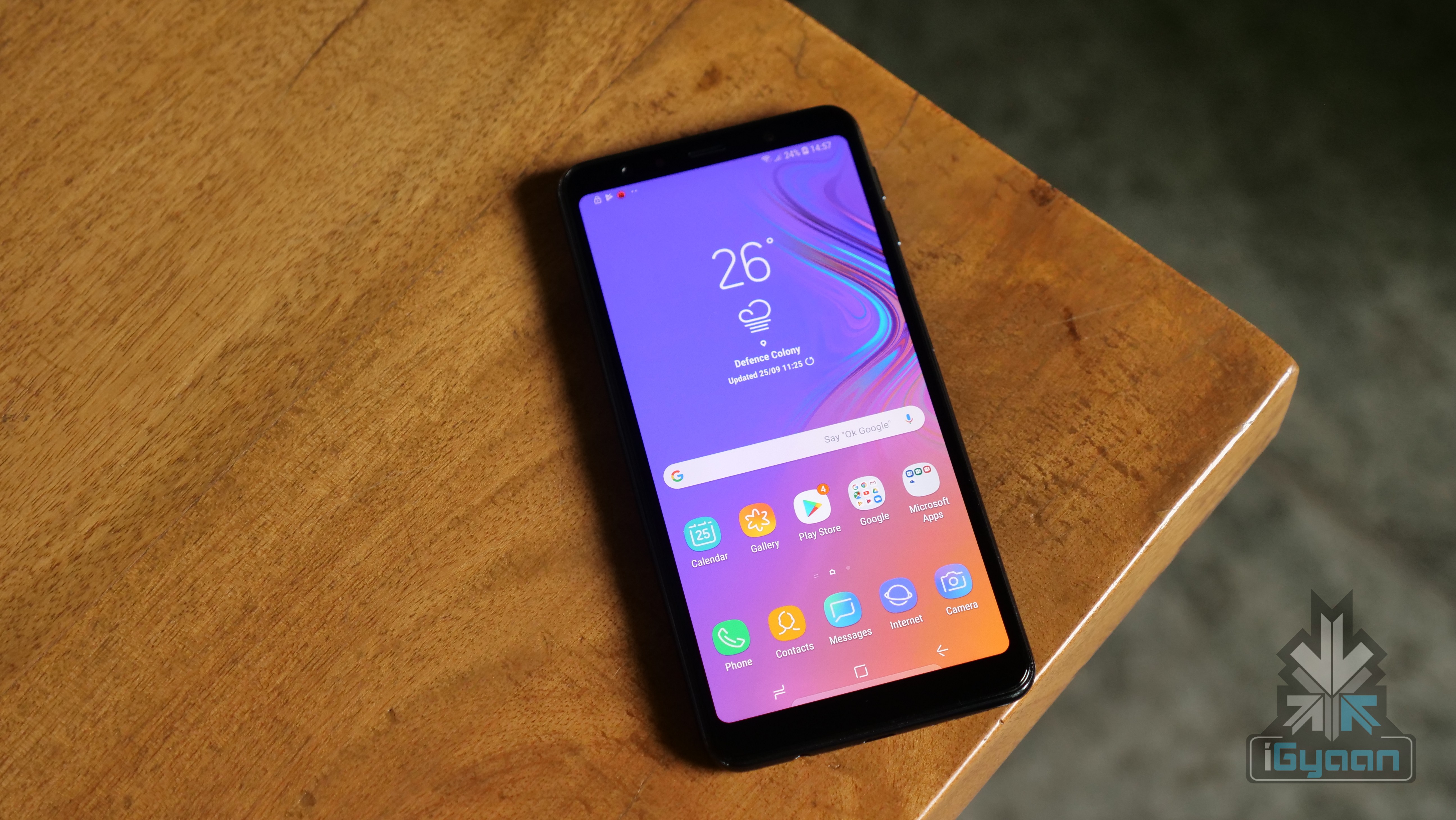 The Galaxy A10 will be available with a plastic body, and a 6.2-inch Infinity-V display with HD+ resolution. The device will have a 5 MP front facing camera, and a 13 MP primary camera. The phone will pack the Exynos 7884B chipset with an octa-core CPU clocked at 1.6GHz. The handset will have 3GB of RAM and 32 GB of internal storage.
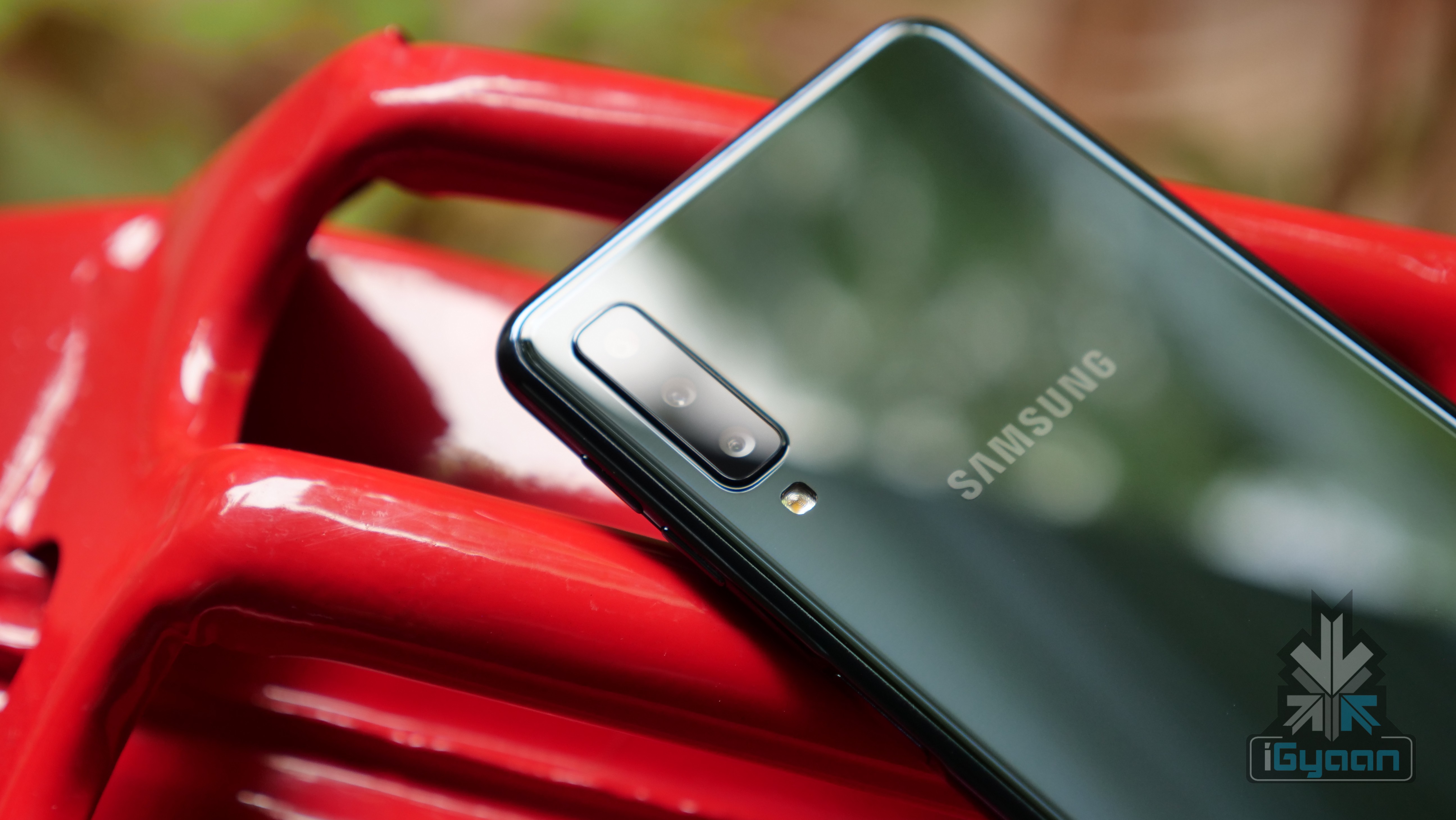 The Samsung Galaxy A30 will sport a glossy plastic body, with a 6.4 inch Super AMOLED display and a full HD+ resolution. The phone boasts of an Infinity-U design and the Always-on display. The Galaxy A30 will have a 16MP primary sensor with f/1.9 aperture and a 5MP ultra-wide camera with f/2.2 aperture. As for the front camera, the device will have a 16 MP (f/1.9) selfie shooter. The camera on the device will also support a ton of other features like AR Stickers, Background Blur & Pro Lighting. The device will run on the Exynos 7904 chipset, with an octa-core CPU clocked at 1.8 GHz. The device will be launched in two variants, a 3GB+32GB version, and a 4GB+64GB variant.
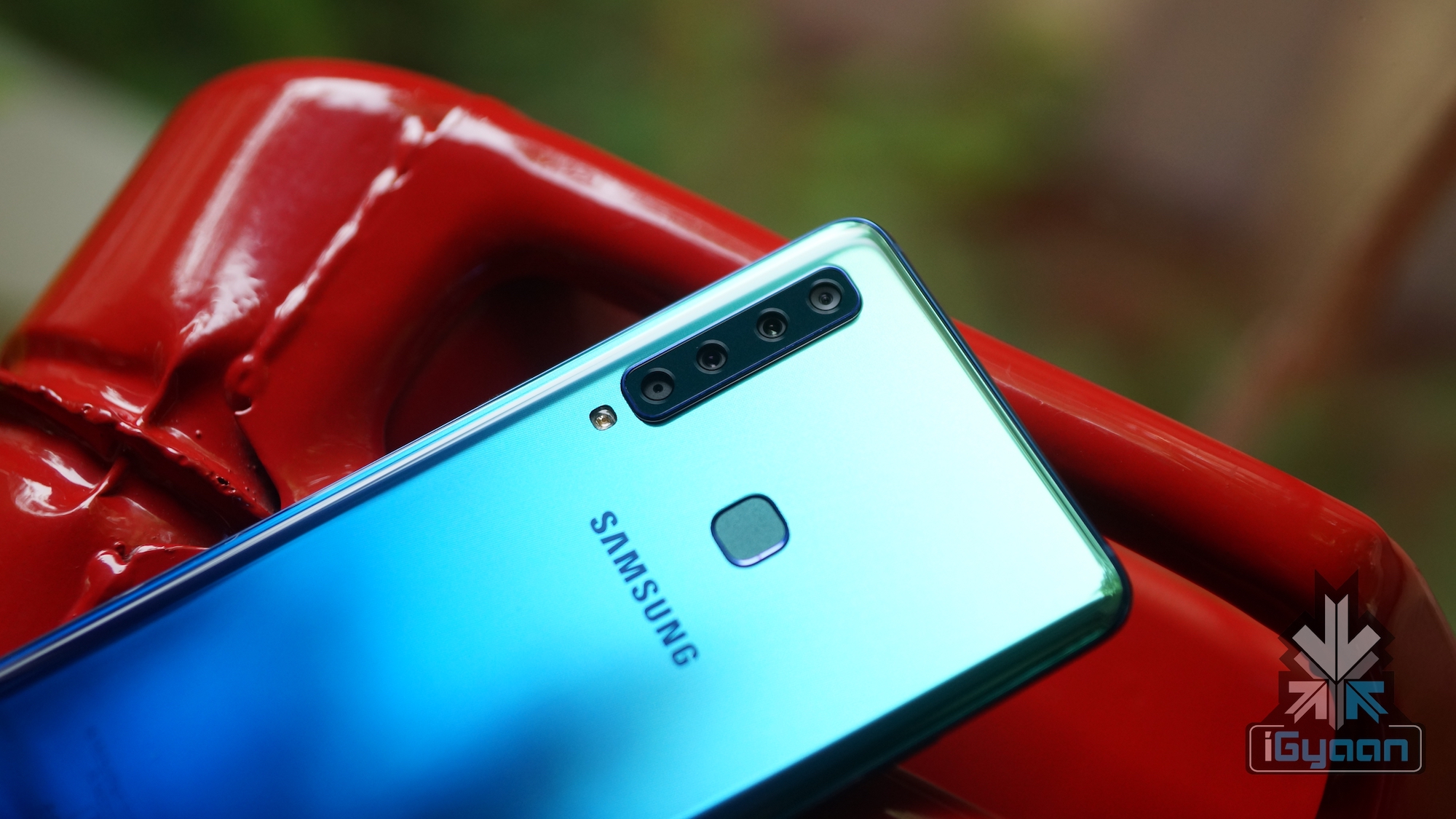 The Samsung Galaxy A50 is the top variant out of the three devices in the new A series. The highlighting feature of this smartphone will be its in-display fingerprint sensor, which is the norm for any high-end smartphone these days. It will have a triple camera setup on the back, and a 25 MP front facing selfie camera. The triple camera setup would consist of a 25MP main sensor with f/1.7 aperture, a 5MP depth sensor, and an 8MP fixed-focus ultra-wide camera with f/2.4 aperture.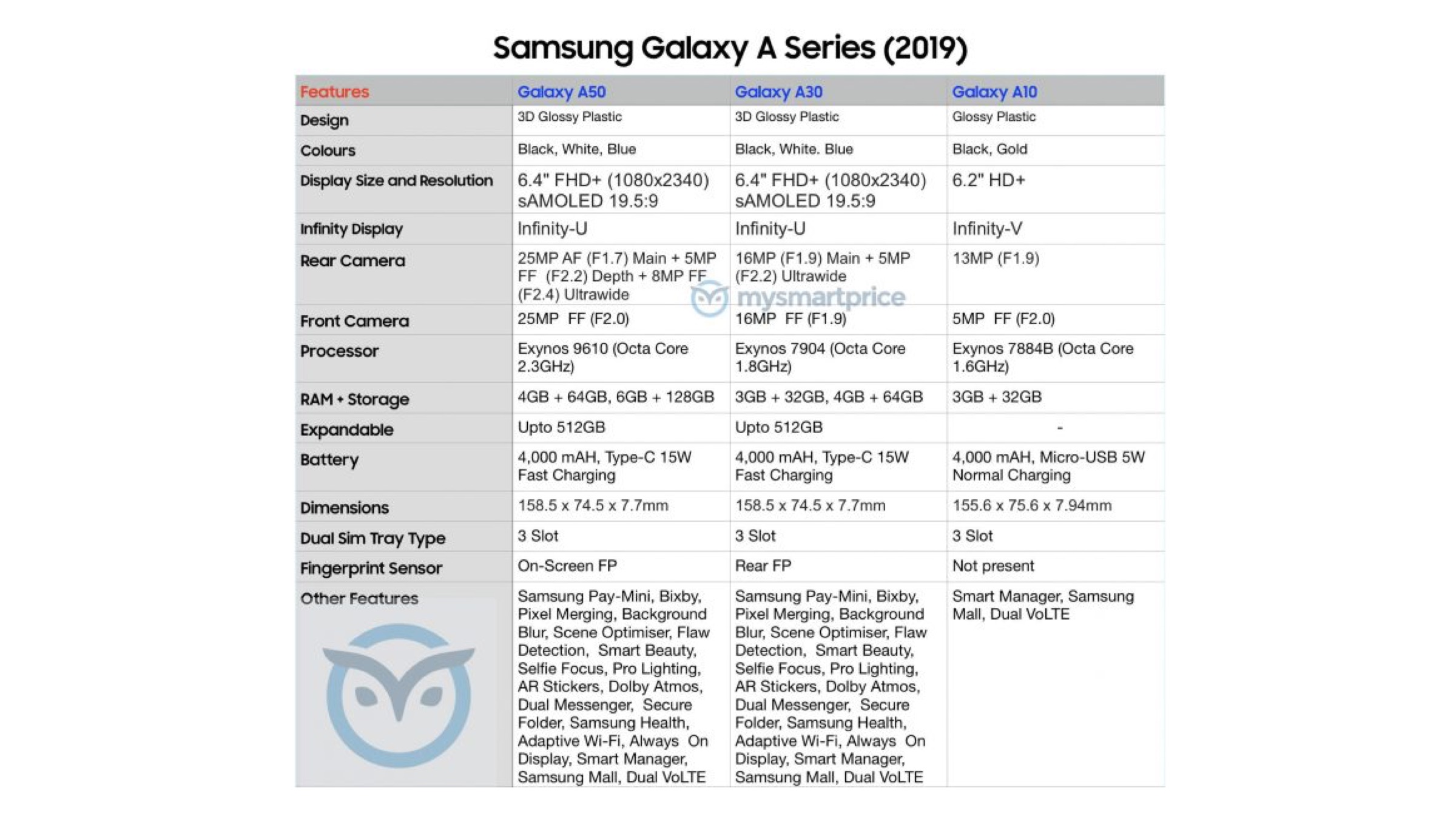
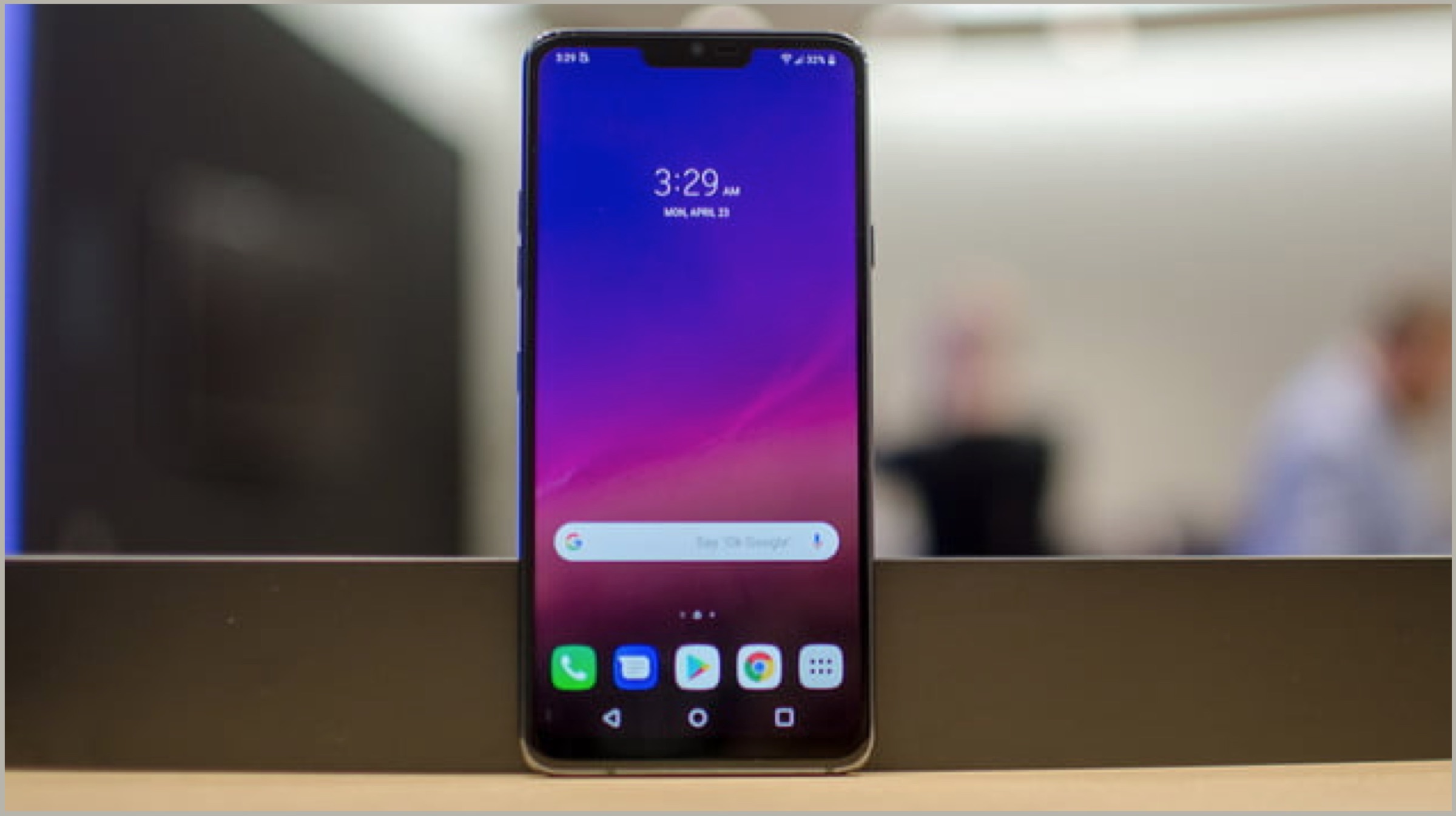
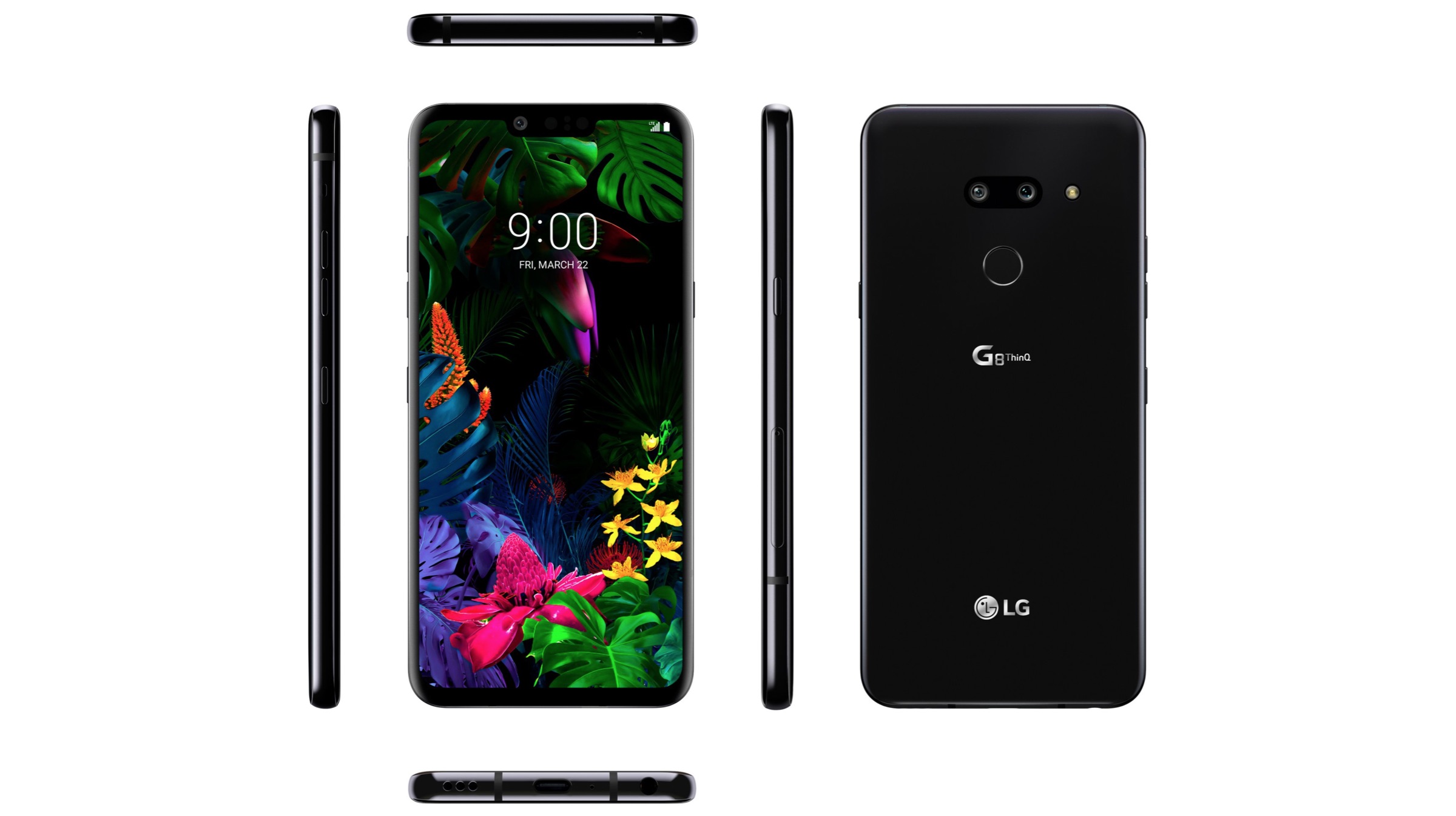 Basically, the entire OLED display of the device acts as a diaphragm, so the entire screen will vibrate to produce sound. In case you switch your phone to speakerphone mode, however, the sound will be produced through the speakers at the bottom. LG claims that this technology can work perfectly in smartphones, the same way it worked in LG TVs. Crystal Sound OLED technology boosts every musical note you hear while improving sound clarity at the same time. Also, the device has the capability to generate dual channel audio by using the bottom speaker & the display together.
 The
The