Category: Latest

All the Latest, News, Reviews, Updates, How To, Mobile Phone news, Global and International News, From Cameras to Automobiles, from TV To PC and a lot more! Constantly updating!

  • Swedish University Develops Power Paper That Stores Energy

    Swedish University Develops Power Paper That Stores Energy

    Linköping University’s Laboratory of Organic Electronics in Sweden has developed a type of power paper that is capable of storing as much as 1 F of electricity in a single sheet which is 15 cms in diameter and the fraction of a millimetre in thickness. It is possible to charge the paper hundreds of times, with each charge lasting not more than a couple of seconds.

    The paper requires nothing more than renewable cellulose and an easily available polymer as its components. The polymer-cellulose material simultaneously conducts both ions and electrons, thereby setting a world record with this kind of conduction activity. This attribute of the material also allows it to have an efficient power storage capacity.Power Paper stores energy

    Some other previous world records set by power papers include highest charge and capacitance in organic electronics, 1 C and 2 F (Coulomb and Farad) and highest transconductance in a transistor, 1 S (Siemens).

    Early in July 2015, Pennstate State University also developed a polymer capable of storing energy. However, PennState’s development loses out to its Swedish counterpart in terms of production cost and ability to withstand wear and tear. It is susceptible to defects as well.

    The paper developed by the Swedish university has a slight plastic feel to it. The researchers used a sheet to make an origami swan out of it, also providing an index of its strength. Needless to say, it is a brilliant specimen of tech that can go ahead to become a reliable source of reusable energy, at the same time being an efficient means of storing energy.

    Source

  • TRAI Received Only 21 Counter-Comments On Net Neutrality

    TRAI Received Only 21 Counter-Comments On Net Neutrality

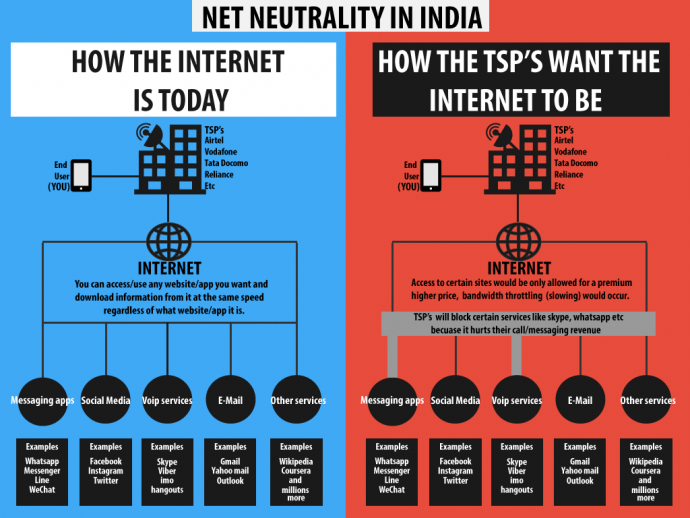
    Last year, the Telecom Regulatory Authority of India (TRAI) raised the issue of net neutrality and, needless to say, it sparked off a major debate. This eventually led TRAI to invite public comments on the differential pricing of net services and the last date to submit counter-comments was 14th January.Net Neutrality

    Of the total 24 million applications submitted over TRAI’s paper on the differential pricing of data, a significant aspect of net neutrality, there were only 21 counter-comments submitted by individuals or organisations.

    List of telecom operators that countered the proposal of keeping net services neutral of discriminatory pricing include Airtel, Vodafone, Idea Cellular and Reliance Communications, through industry bodies, Cellular Operators Association of India (COAI) and Association of Unified Telecom Service of India (AUSPI). COAI and AUSPI said in their joint counter-comment,

    “Price differentiation will allow TSPs to cater to specific consumer requirements, including facilitation of access to those segments that are currently unconnected or poorly connected. Price differentiation is a widely adopted business practice used in many industries.”

    While talking about the net-neutrality debate in India, how can we not talk about Facebook and its Free Basics? While openly opposing differential pricing of internet services, Facebook continued to defend Free Basics and claimed one more time that it’s not a threat to net neutrality.The company defended itself in an official statement,

    “This is not true and evidence refutes it. In addition, this need not be a material concern since the programme is open to all operators on the same terms in a non-exclusive manner.”

    While the future of net neutrality still seems uncertain, we can only hope to wait and watch the events unfold. In the meantime, find more information here Facebook’s Free Basics.

  • Could Smart Gun Technology be the Cure to Gun Violence?

    Could Smart Gun Technology be the Cure to Gun Violence?

    Gun violence in America is an issue that cannot be brushed under the rug. Last year, gun violence resulted in at least a 1,000 injuries and deaths, and about 400 deaths were caused due to mass shootings alone. An incident last April shocked the world to no end when a three year old boy shot a baby (Braylon Robinson) dead using a gun the boy found lying in the house in Cleveland, Ohio.

    Such horrific stories have made politicians stand up and take notice, turning towards technology for help. President Barack Obama asked during his Jan. 5 gun control address from the White House that, “if we can set it up so you can’t unlock your phone unless you’ve got the right fingerprint, why can’t we do the same thing for our guns?” The proposition was reasonable indeed, and this is exactly what ‘smart gun technology’ is all about.

    Walther-PPK-S-9MM-Short

    The United States President has called for three called for three federal agencies – the Department of Defence, the Justice Department, and the Department of Homeland Security – to speed up research in smart gun technology with the aim of preventing the “accidental discharge or unauthorised use of firearms.”

    The technology has been around since the 90s. Digitally equipped firearms were designed to work for the authorized owner only. Smart guns typically employ fingerprint scanners, or a radio-frequency-identification device (RFID), such as a ring or bracelet that sends a signal to unlock the weapon. Like modern smartphones, smart guns are being developed that use biometrics to unlock.

    https://www.youtube.com/watch?time_continue=20&v=6LTKSuHNEmk

    One such device, the Identilock, created by Detroit-based engineer and National Rifle Association (NRA) member Omer Kiyani, takes the form of a black box that fastens on to the end of a handgun. The Identitylock works by preventing the trigger to move unless the device recognizes the user’s fingerprint when they place their fingertip against the scanner on the side of the device. Once the device recognizes the fingerprint, the Identitilock falls to the ground allowing the user to fire the gun.

    Armatix is another company that has worked on a smart gun, iP1 that requires the user to wear a companion watch into which a pin number is entered. The gun will refuse to fire if it is taken more than 10-inches away from the watch.

    https://www.youtube.com/watch?v=XHHT1PuM3K8

    Smart guns aren’t likely to completely stop deliberate mass shootings, like the racially motivated shooting at a South Carolina church last year where nine people were killed. However, smart guns can avoid incidents like the above mentioned Braylon Robinson shooting.

    Smart gun technology has also met with a lot of criticism. The opposition comes due to the unreliability of technology and the security concerns that such gins can be hacked. Moreover, the fact that fingerprint scanners take a couple of seconds before authorizing the user can be fatal in a situation where the user needs to act under duress. Nevertheless, the need for a solution is at hand and perhaps technology is the only way out. We’ll just have to wait and see how far this goes to curb gun violence in America and other countries with liberal gun laws.

  • Huawei P9 Leaks Reveal Impressive Specifications and a Revamped Design

    Huawei P9 Leaks Reveal Impressive Specifications and a Revamped Design

    CES saw a lot of big companies show off their new phones, and upcoming projects, but Huawei, the thirld largest phone maker in the world in terms of sales volumes, revealed nothing, leaving its fans guessing what the company has in works for them. But worry no more, new leaks suggest that all the suspense, and the wait was worth it.

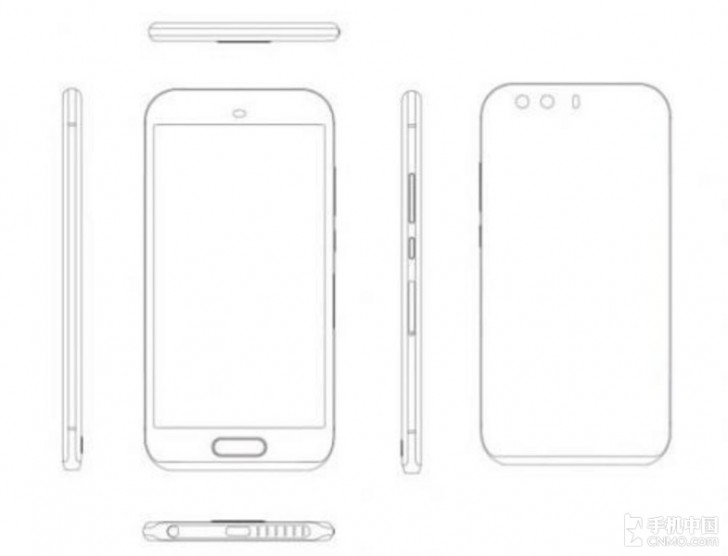
    Reports, and leaked design schematics reveal that Huawei is delivering final touches to what is going to be its next offering, the P9, which can be expected to be unveiled by the company in the coming weeks.

    Huawei p9

    The schematics reveal major changes to the design of the phone from last year’s P8. The new phone will come with a physical home button which according to reports will also house a finger print scanner. The phone will also sport dual-cameras along with dual-led setup at the back. There’s also a speaker at the bottom, with a headset jack nearby.

    On the specs front the phone is rumoured to come with a 5.2 inch Full HD Display, 3000 mAh battery, and 4 GB of RAM, but most interesting is the news of the P9 coming with a Kirin 950 SoC. That means that the phone will have an octa-core CPU and the Mali-T880 MP4 GPU.

    Want to know what that translates to in real life? Well, something very impressive according to benchmarks reports posted on GeekBench. The website today listed an anonymous Huawei device with the Kirin SoC on board clocking up a serious Multi-Core score of 7313. That score is more than the previous best clocked by the X20 Helio Deca-Core processor.

    If these leaks are indeed true, and the benchmark results anything to go by, it looks like Huawei has in works a powerhouse waiting to be unleashed. Can’t say we’re not excited.

  • India Has Most Selfie Related Deaths than Any Other Country in the World

    India Has Most Selfie Related Deaths than Any Other Country in the World

    Why the selfie-parade, o people of social media? According to an article in the Washington Post, of the 27 officially recorded selfie-related deaths, almost half happened in India.

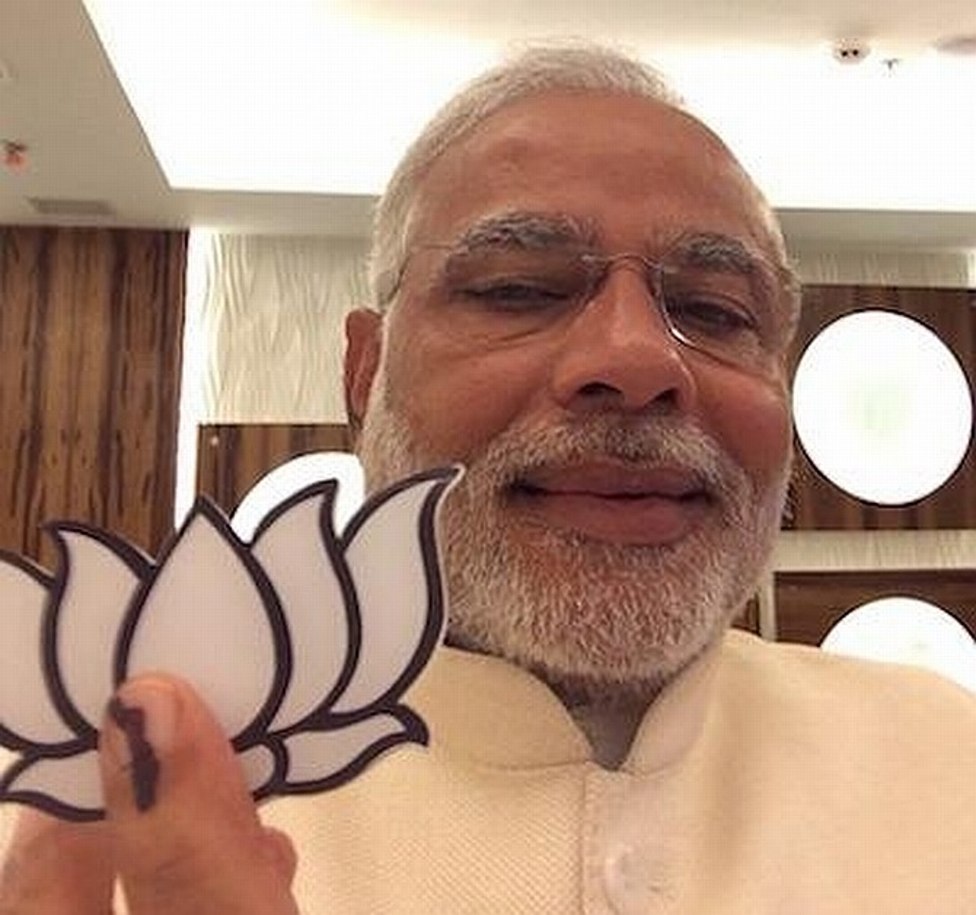
    Yes, we are a country which has a very tech savvy Prime Minister, with various active social media accounts. PM Modi’s selfie-love is no big secret and now it looks like Indians are taking it a little too seriously. Narendra Modi Selfie

    Three girls were swept into the Arabian Sea while they tried to click a selfie on a rock. One of the girls, and a man who dived in to rescue them, were later reported dead. Following this, Mumbai now has specifically marked “no selfie zones” in the city.

    Similarly, the Kumbh ka Mela was another potential site for selfie-disasters last year. Authorities feared that selfie-groups at hugely crowded affair might cause blockages and congestion triggering stampedes.Selfie stick

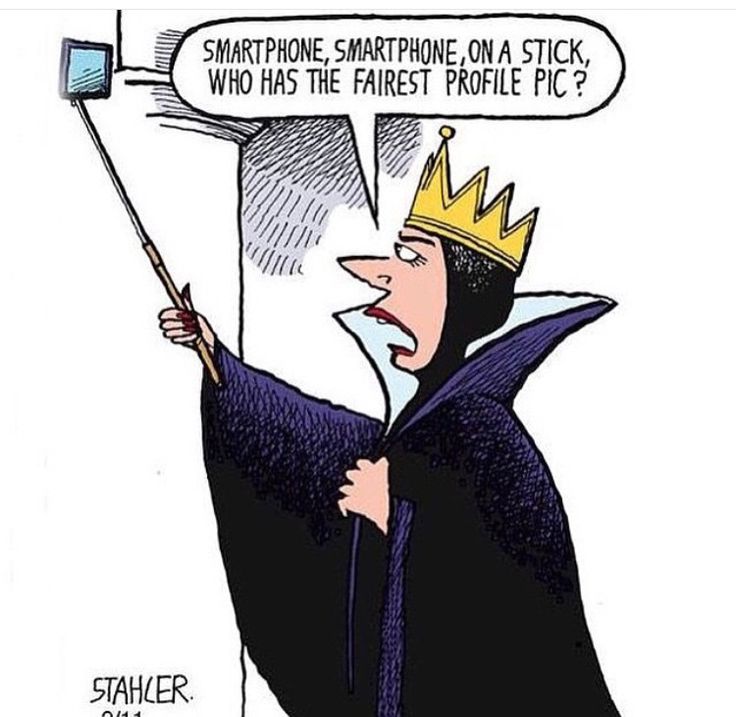
    The selfie-obsession has seen a phenomenal growth ever since its recent arrival. Social networking had brought huge attention to physical appearance. One fine day, people woke up to realise that no other person could make them look their best in their pictures -and hello, selfies.

    Thus began a pageant of duck-faces and pouts and squinted-eyes (the latest fad in the selfie-world, in case you were wondering). Leave a toddler with a device with a front camera, and they would never be in want of anything else.

    But don’t let any of this stop you from fluttering your eye-lashes in front of a selfie-snapper. Bring out that selfie-stick already, just make sure to keep yourself safe and alive, is all.

    Source

  • Should You Subscribe to Netflix in India?

    Should You Subscribe to Netflix in India?

    Netflix announced that its taking measures to stop subscribers that use proxies in order to stream shows and movies that are only available outside their own country. “In coming weeks, those using proxies and unblockers will only be able to access the service in the country where they currently are,” David Fullagar, Netflix’s VP of content delivery architecture, wrote in a blog post. “We are confident this change won’t impact members not using proxies.”

    The internet streaming giant recently went global at CES 2016, launching its services in a number of new countries including India. However, the launch of Netflix also comes with a few potholes. Let’s have a look at some of the pros and cons of having Netflix in India, and whether those who have been eagerly awaiting the service should go for it or not.

    Pros

    Netflix is Completely Legal

    Online streaming, be it music or videos, is the next big thing. Gone are the days of actually owning physical CDs and a DVD player (Well, almost). And rightly so, when one can now find all the content available online. The only contention is does one take the privacy route or does one go completely legit. The problem was for a long time that privacy allowed people to get the latest of content in entertainment quickly through torrents and other ways that aren’t legal.

    Netflix, however, is one of those companies out there that’s trying to fight online piracy. It’s channel and the contents are completely legal and are available though subscription. Yes, you have  to pay, but it is worth given the content Netflix is offering.

    Censor Board’s Got Nothing on Netflix

    Netflix is completely and 100% uncensored. In a country where the censor board is looming around every corner, waiting to censor explicit (even mildly explicit) content. Netflix, however, does not fall under the jurisdiction of the censor board, as of now. And there are some shows and movies out there that just need to be seen the way they were meant to be seen. So for those who just abhor the beeps and cuts when enjoying their favorite movies and shows on television, can watch them uncensored on Netflix.

    neflix india

    Netflix Guarantees Top Notch Quality, No Pop Ups

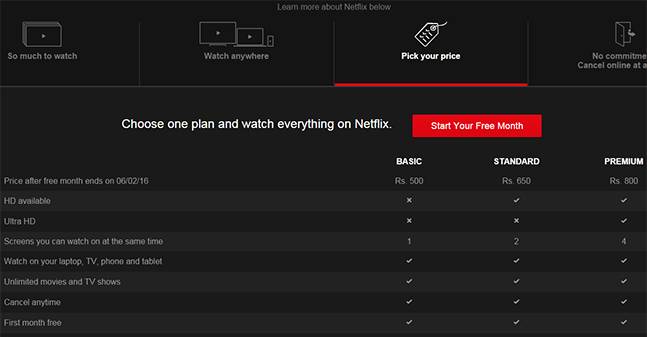
    Being a paid service mean subscribers expect some benefits. When it comes to watching videos (and streaming them more importantly), one expects quality and clarity. This is what Netflix promises with its service. The Subscription plans are divided into three – the basic plan which costs Rs. 500 doesn’t provide HD quality, while the Rs. 650 and Rs. 800 plans do. The best choice for customers would be the middle one where HD quality and unlimited streaming are both offered. So, the one thing you can expect, if not anything else, is good streaming quality.

    Another piggy back pro that can be included here is the lack of any pop ups or ads. While there are many free streaming sites available online that can give you shows and movies for free, these sites come cluttered with pop ups and possible viruses as well. So Netflix is the way to go for a clear screen with high quality streaming.
    netflix-devices1

    Anytime, Anywhere

    This is the main selling point of any online streaming site. The whole idea is that you can watch your favorite content anytime across multiple devices. That’s the one downside to television, isn’t it? Fixed airing times mean that one is bound to miss out on some shows a or movie.

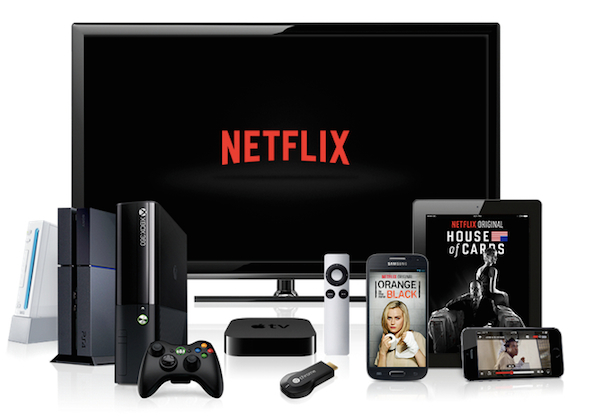
    Netflix lets you watch any content (that’s available in its catalogue) anytime, and through laptop, mobile, tablet or even PlayStation and Xbox consoles. You can resume where you left off or binge through an entire season, the choice is yours.

    Cons

    Bandwidth Still a Problem in India

    India is still catching up in terms of bandwidth. Speeds are good these days but still has a ways to go before we’re quite there in terms of seamless connectivity. Netflix is a guzzler of bandwidth and you will you require a decent broadband speed (2 mbps and above is good), and a ton of gigabytes in your plan. In effect, your total cost (subscription and broadband) will be above Rs 1000 at least.

    Movies will drain a lot of data, be it on broadband or cellular, which means you will have to shell out a lot more for that. 3G connectivity will be needed while streaming and you may experience regular buffering.
    netflix-inline_010616113701

    Few Takers in the Indian Market

    At least initially, Netflix in India is going to find a very niche audience. Many are yet unaccustomed to the online streaming site or the content it has to offer. Moreover, indian streaming sites like Hotstar already enjoys a huge population and these sites also deliver a great variety of Indian content, more so than Netflix. So, audience may prefer sticking to local streaming sites rather than dabble outside.

    Lack of a Full Catalogue

    Netflix subscribers do not have access to a lot of content due to a number of restrictions that are country specific. Netflix has arrived in India with a number of shows and movies that are still wanting. In order for subscribers in India, for example, to stream a show like House of Cards (which is unavailable on Netflix India), they would have had to bypass their own country and jump on to say the US region using proxy applications to watch the show. This is due to television channels owning exclusive rights to broadcast these shows in India.

    The practice of using VPN, proxies and unblocking tools to bypass viewing restrictions has become pretty common these days. Indeed, since the launch of Netflix India, a number of stories have emerged online suggesting applications and tools with which one can do this. Netflix says it is working on bringing a full catalogue of content everywhere, and is working hard to stop proxy access.

    While the pros and cons seem evenly matched, there is no denying that Netflix is here to stay. Despite not having a full catalogue, Netflix has some pretty great shows on offer which are definitely binge worthy. The first month is free so there’s no harm in trying it out before you make up your mind, is there? We suggest you start binging on Black Mirror, Narcos, Daredevil, Jessica Jones, Orange is the New Black, for starters. Lastly, their original content is brilliant so go ahead, Netflix and chill!


  • US Woman Sues Twitter For Allowing ISIS Accounts on its Platform

    US Woman Sues Twitter For Allowing ISIS Accounts on its Platform

    A woman in the US has sued Twitter for allowing official ISIS accounts to run on its platform, sparking off yet another debate about the exchange of content on social media.

    This lawsuit follows an attack by an ISIS member on November 9th when he shot down five people to death in Jordan. Two of them happened to be Americans. The husband of the plaintiff was one of the two American victims. The lawsuit demands unspecified damages from Twitter.

    The fact that ISIS is immensely tech-savvy and uses various social media platforms to assert its presence has been a topic of debate for a while now. The extremist group has a team of social media experts to take care of the content it puts up on different networking websites. But all of these networking portals defend themselves by stating that they are simply the channels of content-exchange, with no participation in the creation of this content whatsoever.Isis Facebook page

    Websites like Facebook, Twitter and YouTube are protected by Section 230 of the Communications Decency Act. It means that these websites are exempt from laws that would otherwise make them responsible for the content that users put up on their platform.

    However, the lawsuit claims, “for years, Twitter has knowingly permitted the terrorist group ISIS to use its social network as a tool for spreading extremist propaganda, raising funds and attracting new recruits. This material support has been instrumental to the rise of ISIS and has enabled it to carry out numerous terrorist attacks.”Twitter IPO

    Twitter defended itself in an official statement where it claimed, “While we believe the lawsuit is without merit, we are deeply saddened to hear of this family’s terrible loss. Like people around the world, we are horrified by the atrocities perpetrated by extremist groups and their ripple effects on the Internet. Violent threats and the promotion of terrorism deserve no place on Twitter and, like other social networks, our rules make that clear.”

    Source

  • Fixstars Launches 13000M : World’s Biggest SSD

    Fixstars Launches 13000M : World’s Biggest SSD

    While the personal computer industry is still trying to make the massive transition from mechanical Hard Drives to Solid State Drives, a new entrant has jumped into the fray to tilt the balance towards the newer technology’s favour.

    For years now, SSDs have lurked in the shadows, and because of technological constraints have trailed HDD’s in terms of storage space, but all of this is about to change now. Meet Fixstars SSD-13000M.

    fixstars-1

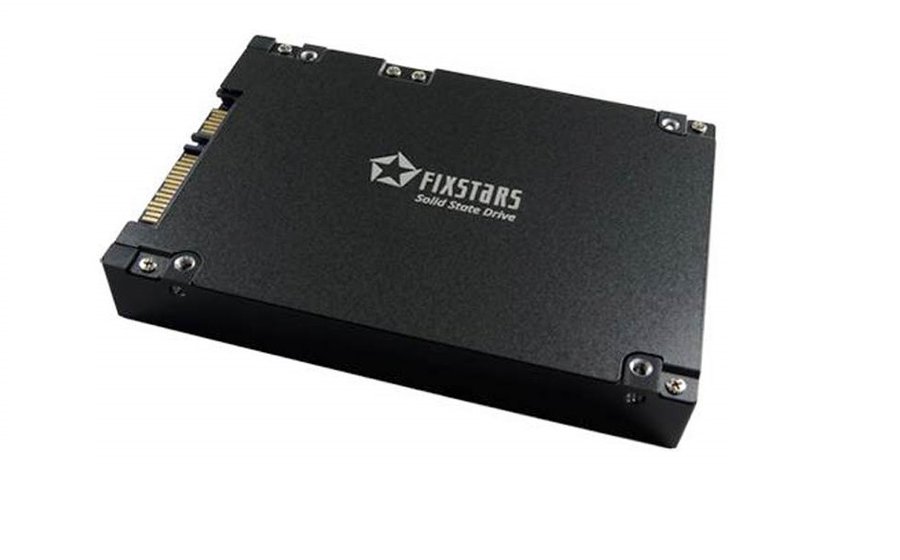
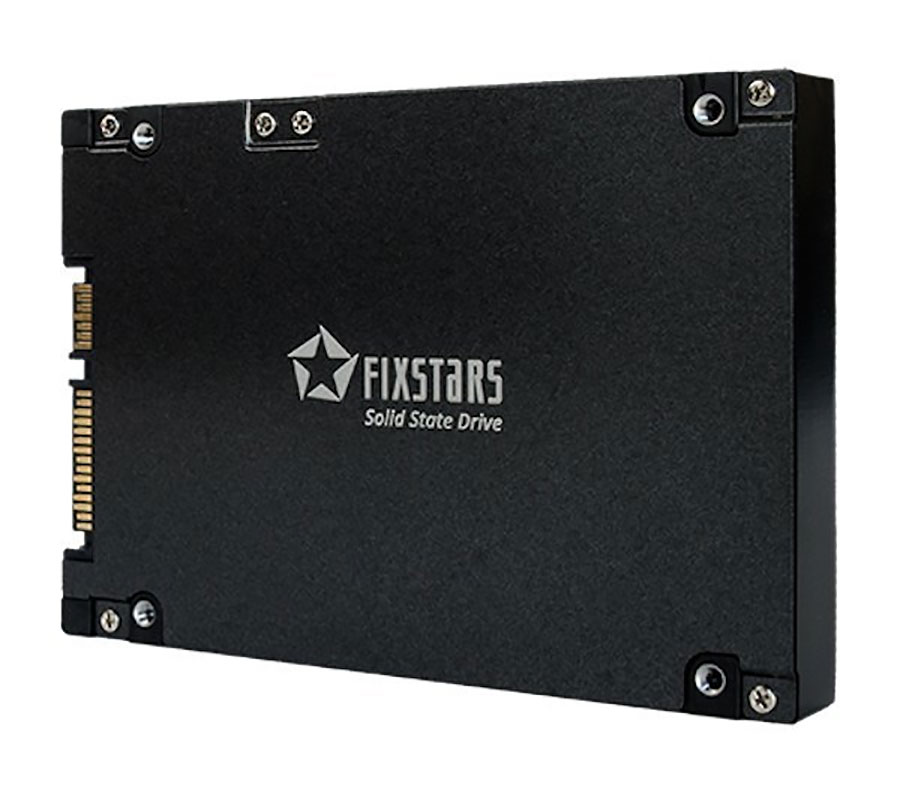
    This dull looking SSD from Fixstars comes with a massive 13TB of NAND-based flash memory, and is the biggest SSD so far. Put that in context with the fact that the biggest 2.5 Inch HDD available in the market is a 10 TB storage device by Seagate, you understand how impressive the tech behind this piece of computer hardware is.

    But as with most good things, this SSD also comes at a cost, and I’m not talking about the interesting price tag of $13000( approx Rs 8,50,000)  that it comes at. According to Fixstars own benchmarks, SSD-13000M because of its size loses out a bit on the speed. The company here has decided to go for steady performance instead of speed.

    This device is not focused at home users, and as such the steady performance at the exorbitant price does end up making sense. Considering that it’s no trivial task to combine, and validate so much NAND per drive, such pricing for the device can be considered acceptable.

    The Fixstars 13000M uses a specialized disk controller designed by the company and 15nm Toshiba MLC NAND memory. Sequential speed is listed as 580MB/s, sequential write is 540MB/s. Power consumption is listed to be 3W at idle and up to 6.5W under load.

    It can be years before NAND Technology becomes cheap enough for such applications to make its way into our homes, but for enterprise users with cash to burn, this offering from Fixstars does make a compelling argument in its favour.

  • Mi India Announces Price Cut for Mi Pad

    Mi India Announces Price Cut for Mi Pad

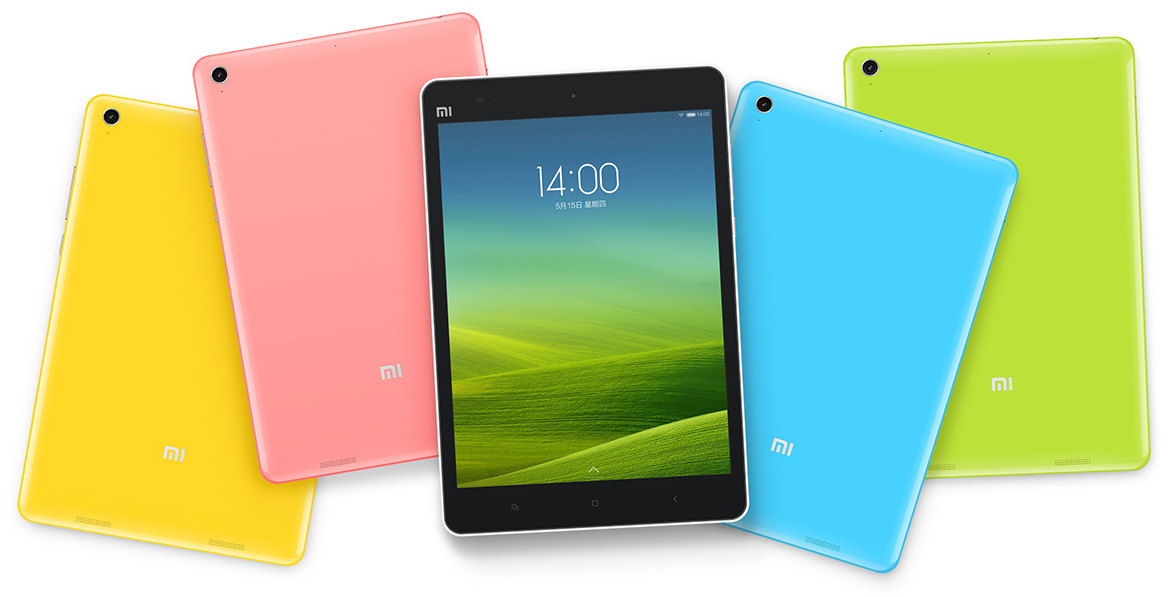
    Mi India has slashed the price of the Mi Pad. The Chinese electronics major announced today that the 16 GB Mi Pad is now available for Rs 10,999, down Rs 2,000 from the original launch price of Rs 12,999 and can be purchased through its exclusive online partner Flipkart or on Mi.com.

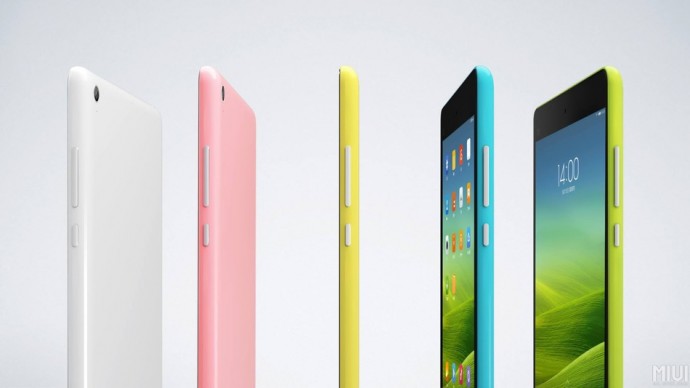
    The Mi Pad comes with specifications of a high-end device. The device is thin at 9.4mm and sports a 7.9-inch IPS display with a resolution of 2048×1536. The tablet is powered by a 2.2 GHz Nvidia Tegra K1 SoC ARM Cortex-A15 processor, 2GB RAM and 16GB inbuilt storage space. The Xiaomi tablet runs on Android 4.4 KitKat with MIUI skin on top. The device comes with an 8MP rear camera and a 5MP front camera, and has a powerful battery of 6700mAh.

    mi pad

    Brief details about its specs are provided below:

    SPECS

    Xiaomi Mi Pad

    Display 7.9-inch IPS326 PPI
    Processor 2.2 GHz Nvidia Tegra K1 SoC ARM Cortex-A15
    RAM 2GB
    Internal Memory 16GB
    Expandability Up to 128GB
    Camera 8MP rear, 5MP front
    Battery 6700mAh
    Operating System Android 4.4 KitKat
    Price Rs. 10,999
  • Asus Zenfone Max with 5000mAh Battery Goes on Sale

    Asus Zenfone Max with 5000mAh Battery Goes on Sale

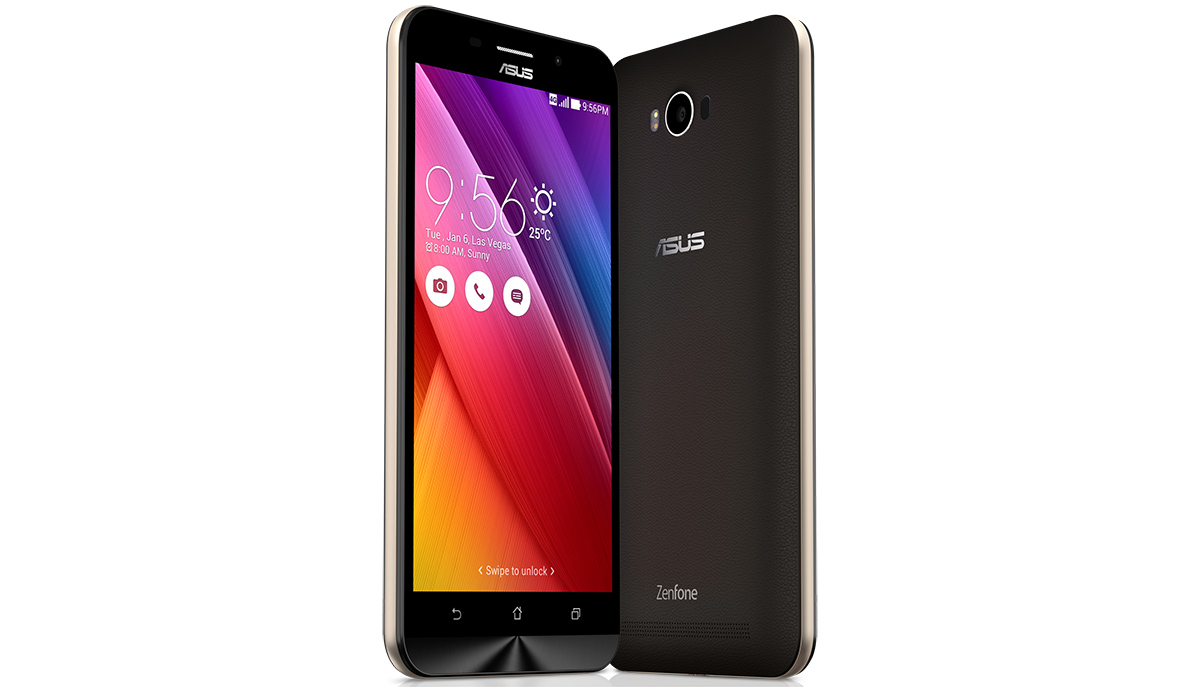
    Asus India’s latest enterant to the already crowded market is a phone that sets itsellf apart from the crowd. The new Zenfone handset promises what its buddies couldn’t offer, a long battery life. The Selfie, and Lazer range phones albeit good, still did lack in stamina, and that is where this phone excels.

    The Max, with it’s enormous 5000mAh battery, not only offers a phone that won’t die on you mid way through the day, but surprise surprise, it can also double up as a portable charger for other power hungry devices that might need some assistance. Well, that my friends, is an offer that even Don Corleone can’t refuse.

    Zenfone Max

    On the specifications front, the phone holds out its own in the crowded budget phone segment. ZenFone Max features a 5.5-inch HD (720×1280 pixels) IPS display which has 10 finger touch support and comes with anti-fingerprint coating. The phone is powered by a Qualcomm Snapdragon 410 quad-core processor which is paired with 2GB RAM, Android 5.0 Lollipop operating system and Adreno 306 graphics processor.

    On the photography front, the phone integrates a 13-MegaPixel rear and 5-MegaPixel front PixelMaster camera with an f/2.0 aperture lens and laser auto-focus. It also comes along with a low-light mode that claims to capture up to 400 percent brighter photos at night or low light condition without utilizing the flash.

    The Asus Zenfone Maxx has started retailing for Rs 9,999 , which to be honest is decent pricing for a phone with nice specs, and outstanding battery life, as such making it highly recommended.

  • Fujifilm Unveils Three Powerful Cameras with Wi-Fi Connectivity

    Fujifilm Unveils Three Powerful Cameras with Wi-Fi Connectivity

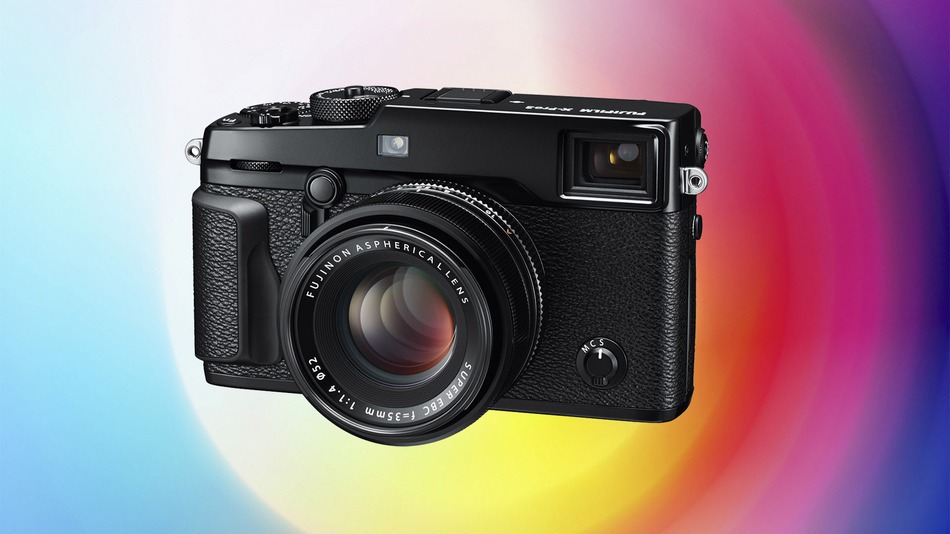
    Fujifilm unveiled a trio of powerful new cameras that are sure to find eager buyers. The new X-Pro2 is the biggest of the lot and the successor to the X-Pro1. These new cameras dare the camera world which is already being dominated by the likes of Sony’s A7R II, which won the Camera of the Year, according to Popular Photography.

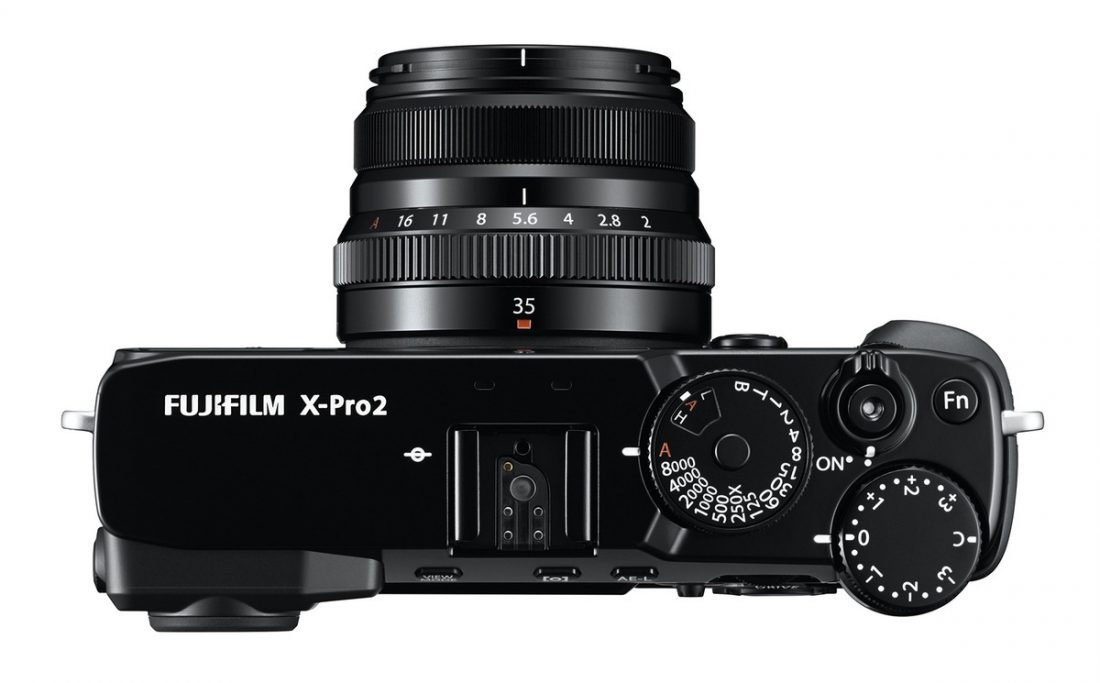
    The X-Pro2 comes with a new 24.3-magapixel X-Trans CMOS III sensor which is powered by the X-Processor Pro image processor. It takes 0.08 seconds for the camera’s autofocus to lock on to a subject and continuous shooting is at 8 frames per second. The ISO range goes fro 100-51200. Beautiful timelapses are guaranteed with the built-in interval timer that can shoot up to 999 frames. The maximum mechanical shutter speed has been doubled up to 1/8000 seconds.

    fujifilm-x-pro2-top
    X-Pro2

    The X-Pro2 is dust and splash-resistant like the X-TI with 61 points. While the camera cannot go underwater, it will survive rainfall and splashes. The camera’s 3-inch screen is sharper with a 1.62-million dot resolution, and the camera comes with two SD card slots, one compatible with UHS-II Standards, and built-in Wi-Fi connectivity.

    The only downside to the X-Pro2 is that it doesn’t shoot 4K video. The camera can, however, record full HD video at 1080p resolution at up to 60 fps. The camera comes with updated hybrid optical and electronic viewfinder. The camera also has a grain effect mode for grainy photos, which will win over film enthusiasts.

    The powerful camera comes with a massive price tag of $1,699 and will be available in February.

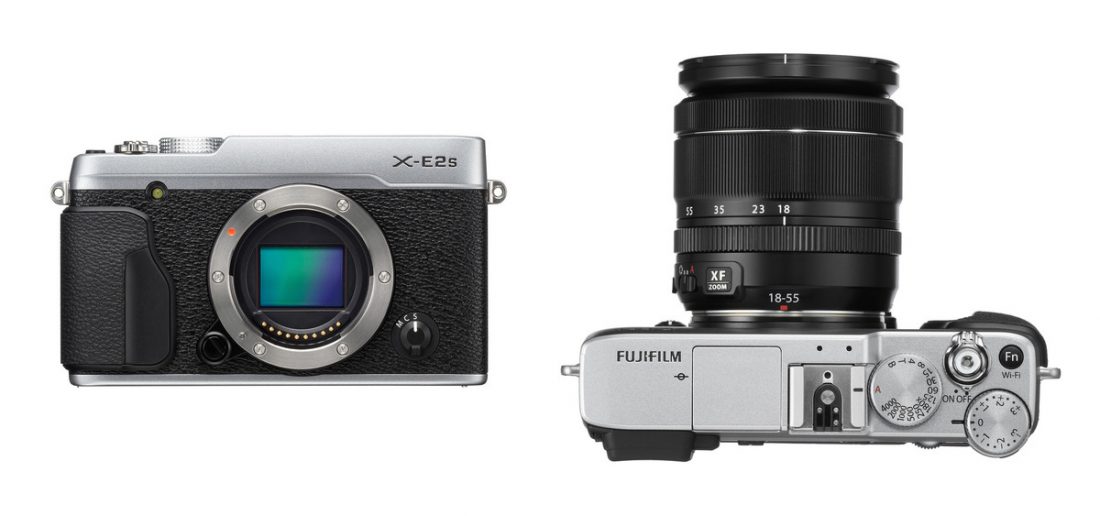
    fujifilm-x-e2s
    X-E2S

    Meanwhile, the company also updated its mid-range X-E line. The $699 X-E2S comes with a 16.3-megapixel APS-C X-Trans CMOS II sensor, a 49-point single focus mode, 77-point wide-tracking mode for freezing quick moving subjects, and ISO sensitivity up to 51200. Like the X-Pro2, the X-E2S records 1080p full HD video at up to 60 fps, and comes with a built-in interval timer and Wi-Fi connectivity. Though cheaper than the X-Pro2, the X-E2S packs some powerful specs and is a great choice for advanced photographers.

    fujifilm-x70
    X70

    The X-70 is priced exactly as the X-E2S and comes with a 16.3-megapixel APS-C X-Trans CMOS II sensor and a fixed 18.5mm lens with f/2.8 aperture, and ISO sensitivity up to 51200. The X-70 includes all the features seen in the X-E2S like 1080p video recording at 60fps, interval timer and Wi-Fi. The 3-inch screen here is a touchscreen and tilts 180-degrees. Both the mid-range cameras will be available in February as well.

  • Samsung Galaxy S7 to Have Apple’s ‘Live Photos’-Like Feature

    Samsung Galaxy S7 to Have Apple’s ‘Live Photos’-Like Feature

    One of the coolest, and most loved things about the iPhone 6s and 6s Plus when it launched was the inclusion of Live Photos. A really fun feature to use, it helps you click photos with short video clips just, and after the photo so that you can immerse yourself in the emotion of the photograph whenever you look at it.

    Samsung-Galaxy-S7

    It’s a fun feature, but not something ground-breaking that we expected Android to bring to their devices, but such is the lack of ingenuity in the smartphone market these days that we have Samsung’s already porting the idea on to their next flagship.

    Galaxy-s7

    According to reports, Samsung is planning to bring a Live Photos-like feature to the Galaxy S7 under the name of Vivid Photos. But, Samsung’s version will be a bit different than Apple’s offering. Vivid Photos will not capture sound, but only the image. These images will be saved as GIFs, and will be particularly of interest to users who’ve struggled to upload Live Photos on Facebook.  Let’s see if Vivid Photos works as well for Samsung as Live Photos did for Apple.


  • Samsung to be Apple’s Primary OLED Display Supplier

    Samsung to be Apple’s Primary OLED Display Supplier

    Rumors of Apple finally shifting to OLED displays for its iPhones aren’t going away. It looks like Samsung is set to be the primary OLED supplier for the new iPhones as the Korean giant gets ready to invest up to $7.27 billion depending on order levels.

    Now, while the shift to OLED panels is imminent, the move will only happen in 2018, which means that the upcoming iPhone 7 will continue to sport LCD displays. Currently, the Apple Watch is the only device by the Cupertino giant that sports an OLED display.

    Earlier, it was rumored that both Samsung and LG will be the suppliers for the OLED panels, but it looks like Apple’s love-hate relationship with Samsung trumps all. Though this doesn’t completely rule out LG as a supplier.

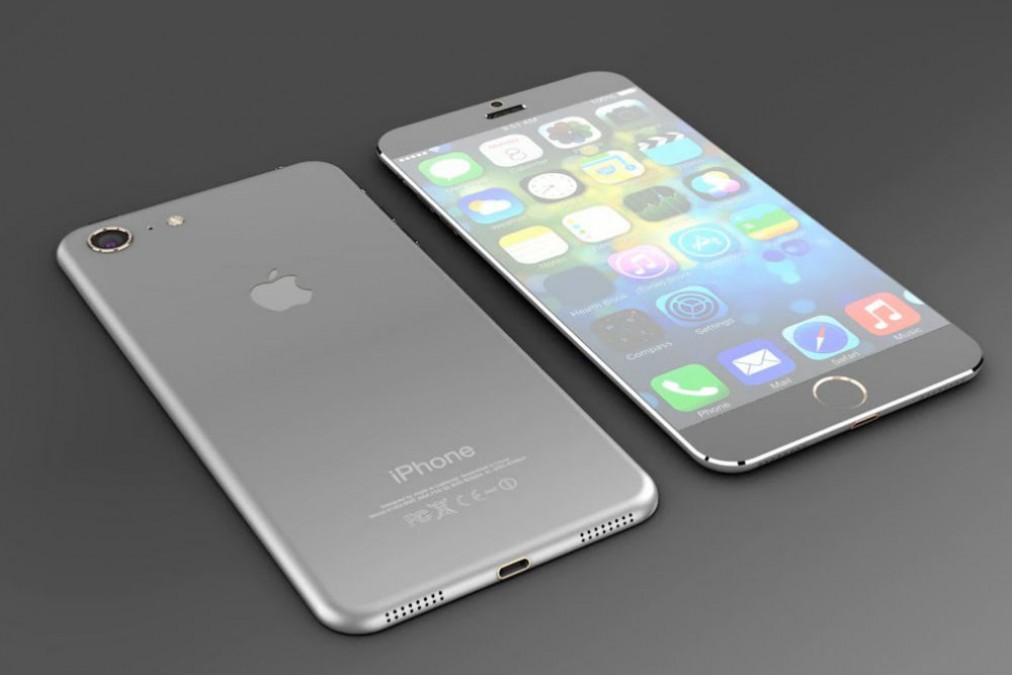
    iphone 7

    No official statement has been released by either companies yet, but insiders have claimed that the contract has been signed. Furthermore, it is rumored that Samsung is planning to invest up to $7.47 billion in its display business. This would go towards equipment, plant improvements and staff to increase production loads.

    The investment will be broken down to into an initial $2.49 billion to $3.32 billion this year, so that the company can begin production of 30 000 to 45 000 OLED sheets per month. Another set of recent rumors also suggest that Apple has a secret lab in Taiwan where where former Qualcomm and AUO employees are working on developing micro-LED screen tech for thinner, lighter, and brighter displays for the iPhone, though we’ll know how much of the latter is true once the next set of iPhones come out.

  • Oukitel K4000 Pro with 4,600mAh Battery Can Power Your Phone for 6 Days

    Oukitel K4000 Pro with 4,600mAh Battery Can Power Your Phone for 6 Days

    Back in December, we heard that a Chinese company by the name Oukitel was setting out to launch a smartphone with a 10,000mAh battery that could power the device for unto 10 days. The device, named K10000 Pro will start shipping from January 21st.

    But that’s not the only device Oukitel is pushing out. Word is that the company also has a smaller K4000 Pro, which, as the name suggests, comes with a 4600mAh battery that promises to give you enough juice for up to 6 days of “normal use” (according to the manufacturer’s standards), and up to 80.5 hours of talk time.

    While the main attraction of the device is the massive battery pack, the device also comes with decent specs for a low-priced phone. The K4000 Pro sports a 5-inch, 720p-resolution LCD screen. It is powered by a MediaTek 6735P chipset with a quad-core CPU running at 1GHz. Other features include 2GB of RAM and 16GB of expandable storage memory, which isn’t going to do well under graphic intense games, but that’s also one of the reasons behind the long-lasting battery.

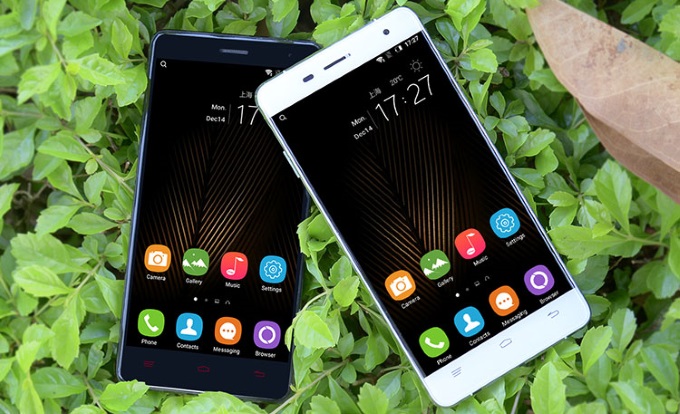
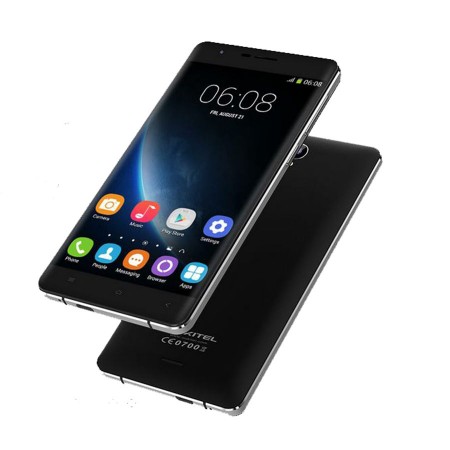
    Oukitel-K4000-image

    In terms of looks, the K4000 Pro comes with a machined metal frame whose four angles are reinforced to improve its endurance under drops. A 0.4-inch thick tempered glass gives the display device an added protection and durability, so much so that the device substitutes for a hammer, according to the company’s video.

    The device will run on Android 5.1 Lollipop and Ouktitel says that it will be upgradable to Android 6.0 Marshmallow later on. The handset supports dual-SIM and comes with basic connectivity features like Wi-Fi, Bluetooth, GPS, and USB OTG.

    Oukitel is having a pre-sale event between January 19 to February 1, where it will sell the device for $120. Furthermore, a limited batch of the K4000 Pro will be up for grabs for $90 on Tuesdays.

  • iPhone 6s Plus Tops AnTuTu’s Smartphone Performance Chart for 2015

    iPhone 6s Plus Tops AnTuTu’s Smartphone Performance Chart for 2015

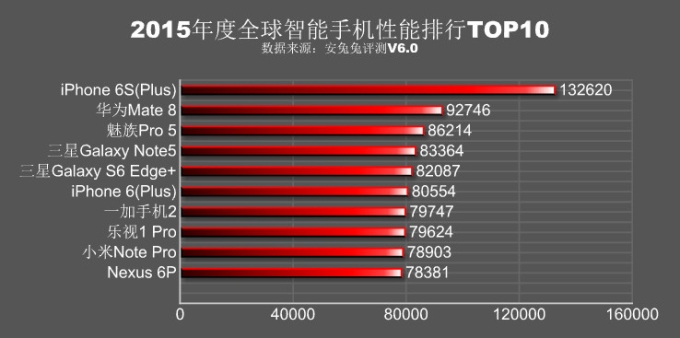
    The iPhones may not have specifications as highly marked as its counterparts from other companies but when it comes to performance, looks like nothing matches up to Apple’s user interface. Proving this right is AnTuTu’s list of smartphones from 2015 rated in terms of their performance.AnTuTu Benchmark Chart Apple iPhone 6s PlusTalking strictly in terms of raw processors, iPhone 6s Plus has won hands down, beating competition from devices by Samsung and Huawei. The test ranks these smartphones in terms of their average benchmark scores.

    iPhone 6s Plus has acquired the top spot on the chart by a big margin, with no contender in sight capable of dethroning it. For more specs, details and a hands on of the device, click here. Surprisingly enough, iPhone 6, which was launched in 2014 also made it to the top 10 based solely on its performance.

    With companies working around the clock on improving their tech with every passing day, let’s see if they manage to dethrone Apple from its top position in 2016. What do you think of  Apple devices, are they truly as worthy as this list makes them sound? Let us know in the comments below.

iGyaan Network
Privacy Overview

This website uses cookies so that we can provide you with the best user experience possible. Cookie information is stored in your browser and performs functions such as recognising you when you return to our website and helping our team to understand which sections of the website you find most interesting and useful.