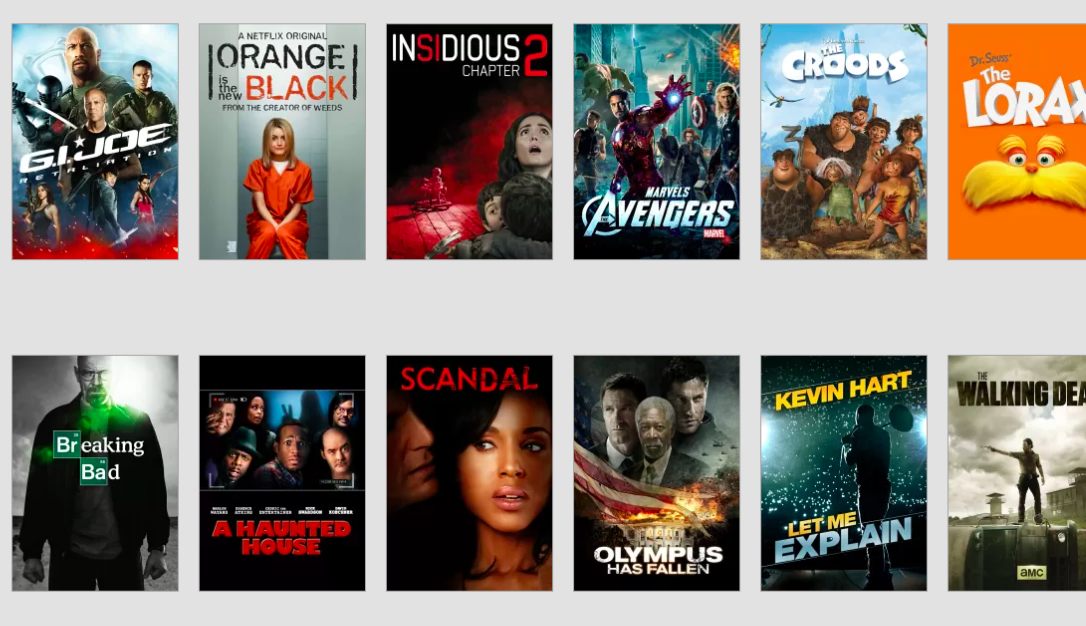
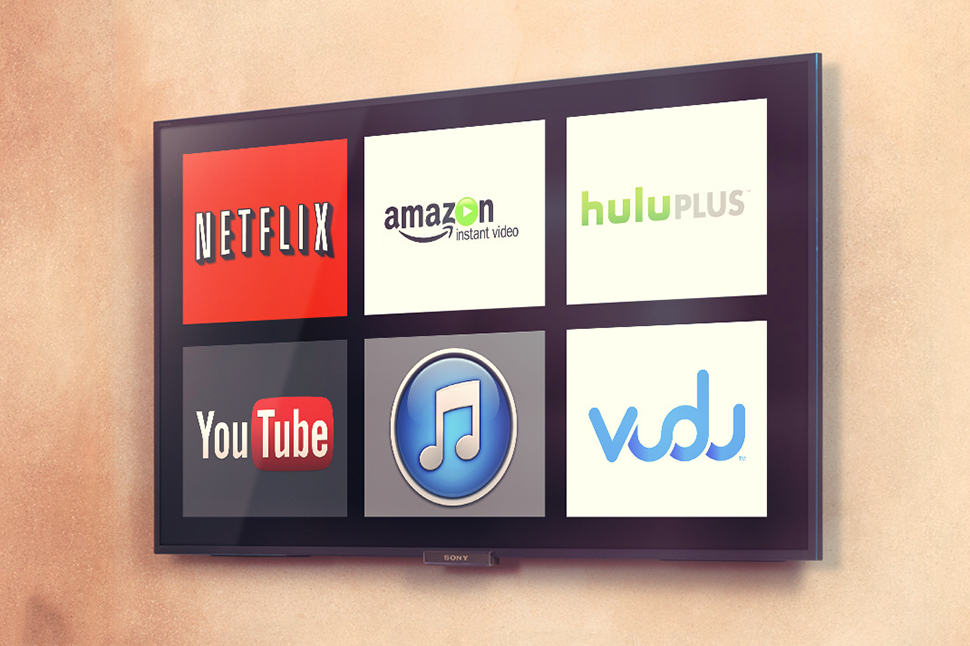
Singtel, owner of Australian Telecom giant Optus, is planning to beat Netflix to push video streaming in Asia with its new partners, Sony Pictures’s AXN network and Warner Brothers.
The new service which is called HOOQ, will work with Warner Brothers and AXN to buy, sell, market and produce films and TV products through an over-the-top (also called OTT, and sends TV and movies over any internet connection) service across a range of markets.
It will offer Hollywood movies and U.S. TV shows alongside domestic content from India, China, Thailand, Philippines, Indonesia, Korea and Japan. In total, HOOQ will begin with an initial catalog of over 10,000 shows and movies.
HOOQ will be the first video streaming service in Asia. Its biggest competitor is obviously is Netflix, but its expansion into Asia has been slow.
HOOQ will be rolled out aggressively in the Singtel Group’s Asian footprint. First in the line is Indonesia, the Philippines, India and Thailand, in the first quarter of 2015.
The company at the launch said that the service won’t be limited to credit card holders. Singtel said it will use its “billing capabilities” in countries where credit card ownership remains low.
This will be the first video streaming service in Asia. Its biggest competitor, obviously, is Netflix, but its expansion into Asia has been slow. Netflix ventured into Australia and New Zealand last year, but there’s no word on when it’ll hit the other markets.
Piracy and lack of awareness are often cited as major barriers for licensed streaming services in Asia. With peer-to-peer file sharing as well as VPN services at any user’s fingertips, people can easily access the latest shows as they are released. Even as local versions of Netflix become available, it sometimes fails to draw in audiences due to the limited range of programs caused by licensing issues.
It’s good to see entertainment professionals engaging in technological innovation. We saw Dr.Dre managing his multi-billion dollar audio equipment company, then we saw Ashton Kutcher working on some amazing tablets and notebook for Lenovo. Now Justin Timberlake has partnered with a company called AfterMaster to boost the quality of the audio on any device.
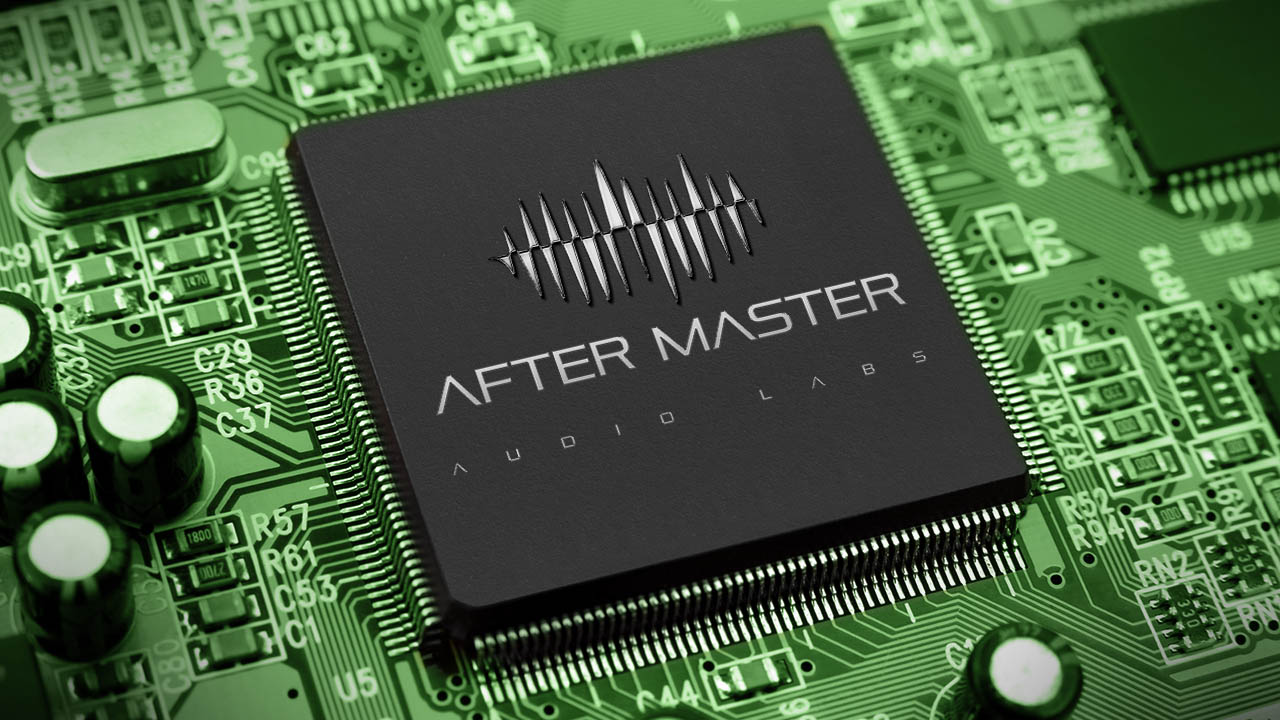
AfterMaster takes any music you are playing and tunes it in real time to give the best possible audio output. The company has partnered with ON Semiconductor, who has put AfterMaster’s technology on a chip. This chip can be embedded in TVs, headphones, laptops and all other gadgets.
The chip can be embedded in almost any device capable of playing media.
It’s not just music that gets a boost in quality, the company claims that any audio, video, audiobooks and other forms of media also benefit from their technology. It makes their audio louder, clearer and closely resemble studio-based sound.
Justin Timberlake is the co-owner in this enterprise, and he will surely increase the brand value of this product. AfterMaster sounds like an amazing technology that can transform the way we listen to music. Right now the company is looking for electronics manufacturers who’d be willing to induct the AfterMaster chip in their devices. Now this is a kind of technological innovation that gets us excited.
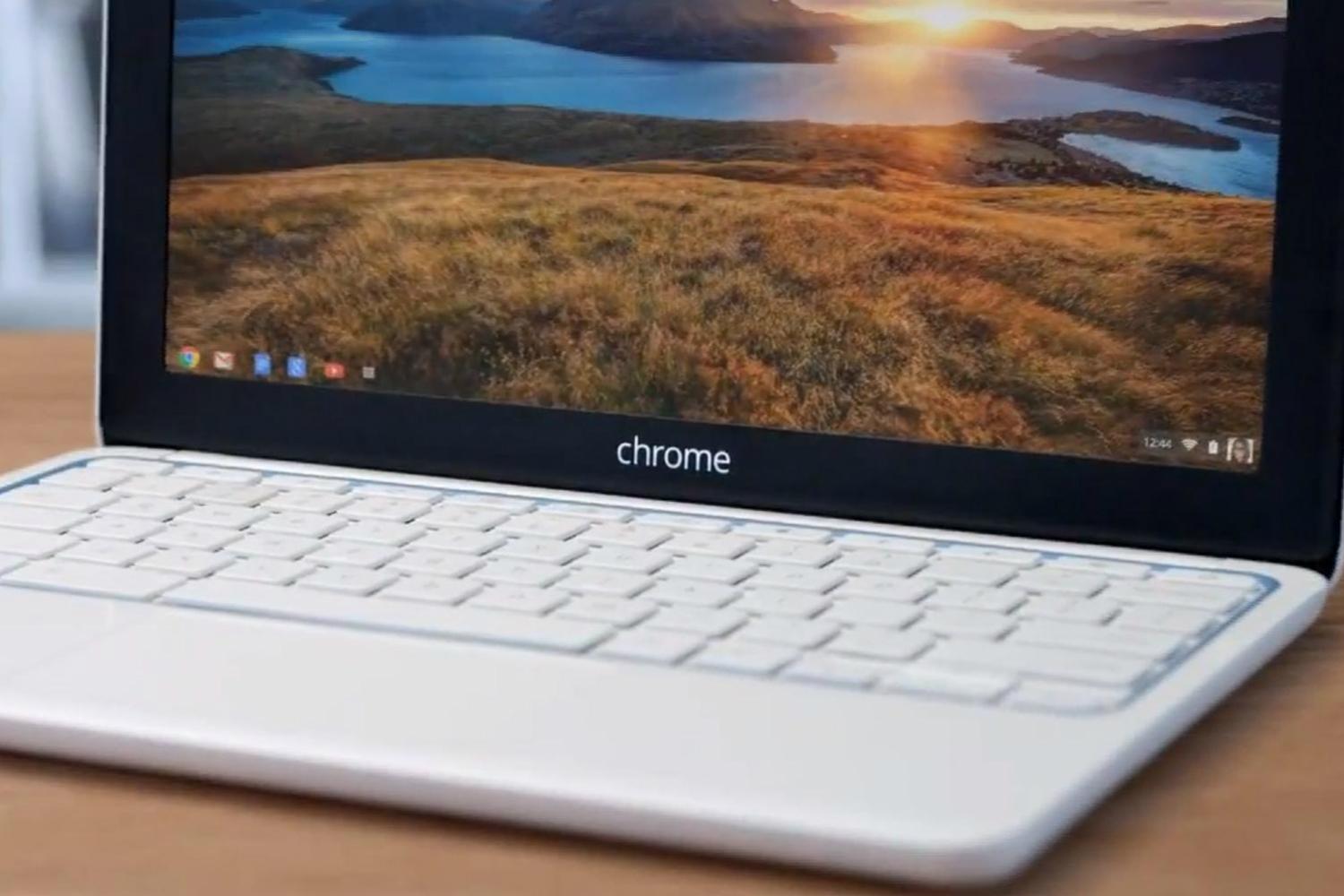
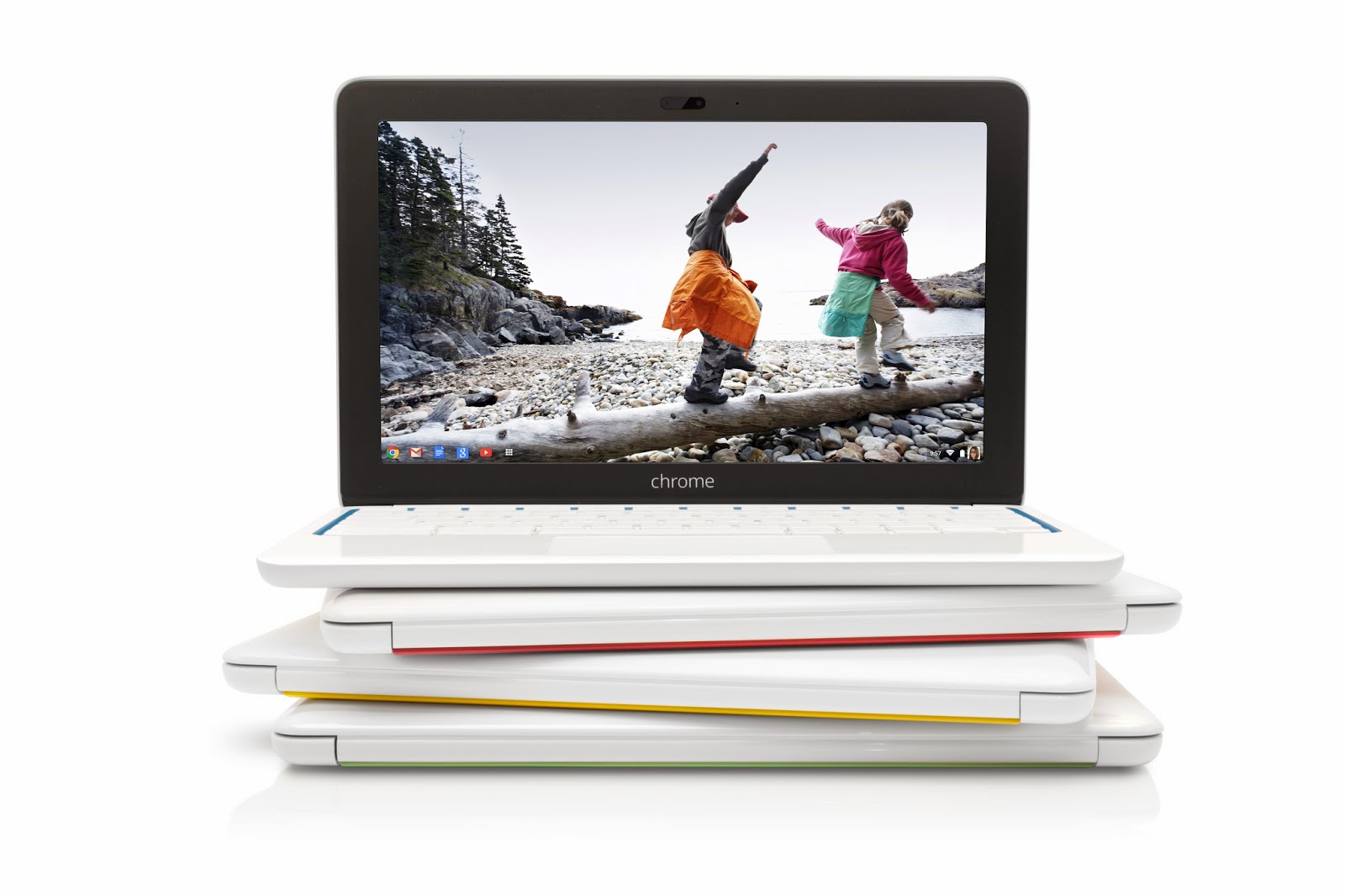
Chromebooks are basically Cloud-driven netbooks, which according to most industry watchers is the future of computing in both consumer and enterprise ecosystem. Even though, we have seen a serious price cut on the Cloud data this year, there’s nothing better than free.
Google, wooing customers this holiday season, is offering new Chromebook buyers 1 TB of Google Drive storage to go along with their purchase for two years. To take advantage of the deal, you just have to buy any new Chromebook between now and 1st January, 2015.
Chromebooks run Chrome OS, an operating system based on the Chrome web browser. Everything you want to do on your Chromebook, you have to do on the web. So, instead of saving your Microsoft Word document on your desktop, you use Google Drive to store your docs, spreadsheets, slides etc. in the Cloud. And for that reason, the free data is a sweet deal. That amount of space would usually cost you almost $240.
Google said, “Chromebooks make day-to-day computing fast, simple and secure, whether you’re searching for a great pumpkin pie recipe or sharing a family photo from Google Drive. And now, as a bonus for the holiday season, new Chromebook buyers can get 1 TB of Google Drive storage for two years – a $240 value – absolutely free. That’s enough space to keep more than 100,000 awkward holiday sweater pics safe and shareable in Drive. With that much free storage, you can use your Chromebook for work, play and pretty much everything else you’ll do this holiday season.”
Chromebooks like Acer’s C720 start at $199, though you’d do well to spend more money and get more than 2 GB of RAM. If the Cloud model doesn’t work for you, a new class of cheap Windows laptops like HP’s Stream have been creeping down into the $200 price category lately.
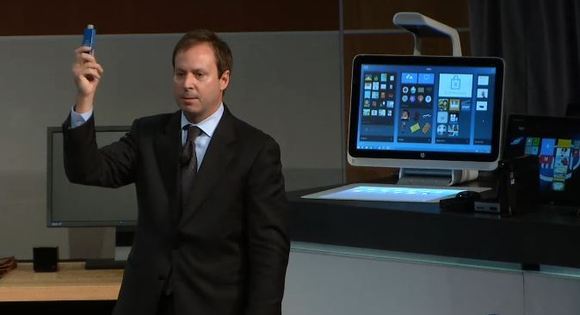
Intel, in an event yesterday, disclosed its plans to release thumb-sized ‘compute sticks’ next year. This thumb-sized technology will plug into smart TVs or monitors, and promises to bring more than typical content streaming capabilities. Even though, there are a handful of such products such as Chromecast from Google that lets you stream your content from your android phone to smart TVs, they are limited to just simple streaming.
Unveiled by Kirk Skaugen, Intel PC Client Group General Manager, the shrinked PC is expected to feature the company’s Atom processor. Along with that, it will come with a chunk of memory with a USB input for power, an HDMI output for display, Wi-Fi and Bluetooth for network and peripheral connectivity. If that sounds familiar, that’s because numerous companies have released near-identical devices as add-ons for TVs, typically using system-on-chip processors based on the ARM instruction set architecture and Google’s Android operating system.
Intel has subtly hinted that this thumb-sized stick is so much more than the simple streaming device. Intel has already been playing cards against ARM and its multitudinous licensees in the mobile market as expected, and it appears that the ‘smart-stick’ market is next. However, Skaugen did not get into the details of the operating system that will run on the gadget when it launches next year.
What he said was that the devices will be an extension to laptops and mini-desktops. It will bring x86 computing to fanless designs. It is quite obvious that the device will run on low-power Atom processors that could also be used into TV sticks like Google Chromecast and Amazon’s Fire TV stick.
Thumb PCs have been already available and typically run on Android OS and ARM processors. They might be quite late to enter the market but based on what Skaugen said, it seems like the company is in with more interesting and general-purpose plans.
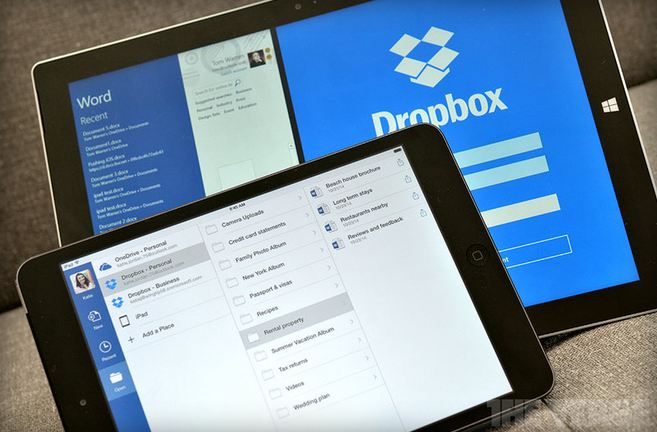
Microsoft and Dropbox are surprisingly working together to closely integrate the cloud services into Office. The deal between the two rivals means users will be able to edit and share Office content across different devices and softwares.
“Access to Dropbox content popped as one of the very first [Office for iPad] requests that customers had,” explains Kirk Koenigsbauer, Head of Microsoft’s Office Engineering team. “They want access to where their content is. We’re doing it to make sure customers have a great experience.”
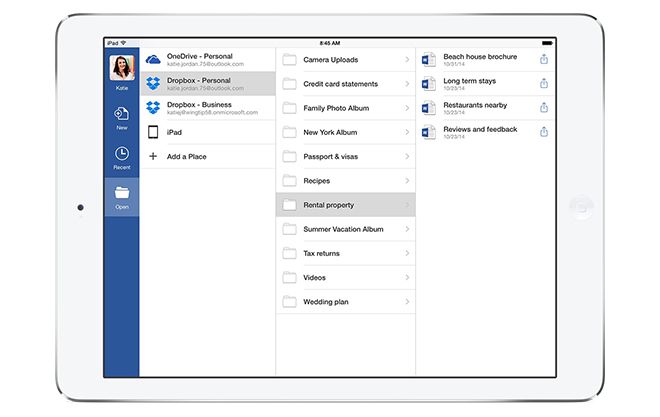
Under the partnership, Dropbox gets a prime space that is used by more than a billion people, and the potential to make an even bigger name for itself particularly in the business enterprises. Notably, Microsoft has its own cloud service called OneDrive which will co-exist with Dropbox in the Office for iPad apps, letting users natively browse, open and edit Office documents uploaded on Dropbox directly within the app.
“From our perspective, it is about users’ choice,” says Kirk Koenigsbauer. “Of course, we have a OneDrive service, which is quite differentiated — it works incredibly well for users. But there are also people who use Dropbox, and we want to provide that choice and flexibility.”
In turn, Dropbox is adding options to its mobile application to push users over to Microsoft Office to edit documents. If you’re on a mobile device that doesn’t have Office installed, you’ll be prompted to download the apps to edit, and any changes will sync back directly to Dropbox automatically. Microsoft Office for iPad and Android application, at present, requires an Office 365 subscription to edit documents.
“It’s really about creating a deep connection between Dropbox and Office,” says Ilya Fushman, Head of Product for Dropbox and Dropbox for Business. “We think this is a huge win for our users. We think this will result in the best possible experience for people trying to get work done, and trying to get work done on the go.” The move came just months after Dropbox unveiled its “Project Harmony” work to bring collaborative features to Microsoft Office. “We’re continuing that experience,” explains Fushman. “That experience is really about making it simple and easy to work on the desktop.” Most of the changes for which Dropbox is partnering up with Microsoft are focused on web and mobile.
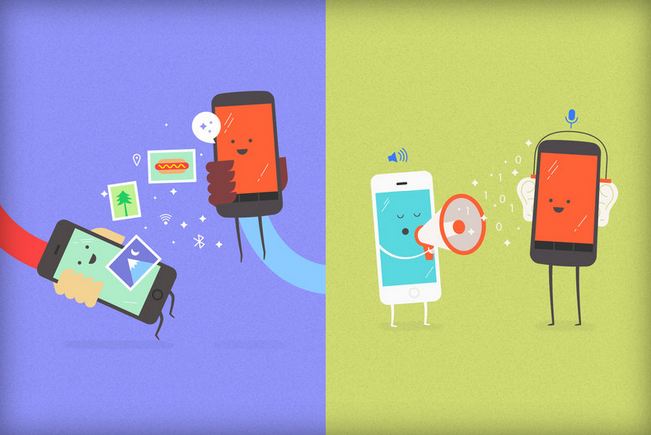
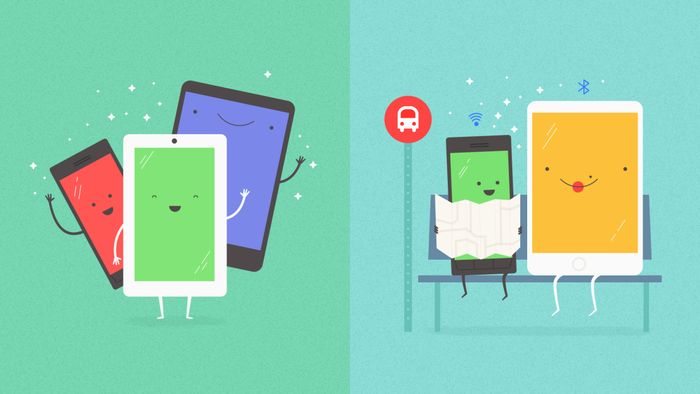
Recent reports have hinted that Google has been working on a new service that would allow Android users to share media with other nearby devices, even with the iOS devices like iPhones and iPads instead of gadgets running Google’s mobile OS only.
That means, this feature will allow us to exchange photos, music, contacts, directions, messages and other data between cross-platform devices easily. It is said that Google is planning to optimize this service with location information, Bluetooth and Wi-Fi, which is rumored to be based around the same kind of technology on which Chromecast works.
A tipster leaked the information saying that the service is codenamed as “Copresence”. Code buried in the Google Play Services’ latest version, an app on Android responsible for keeping much of Google’s core functionality working, reportedly revealed the upcoming feature, along with a few images that go with the service.
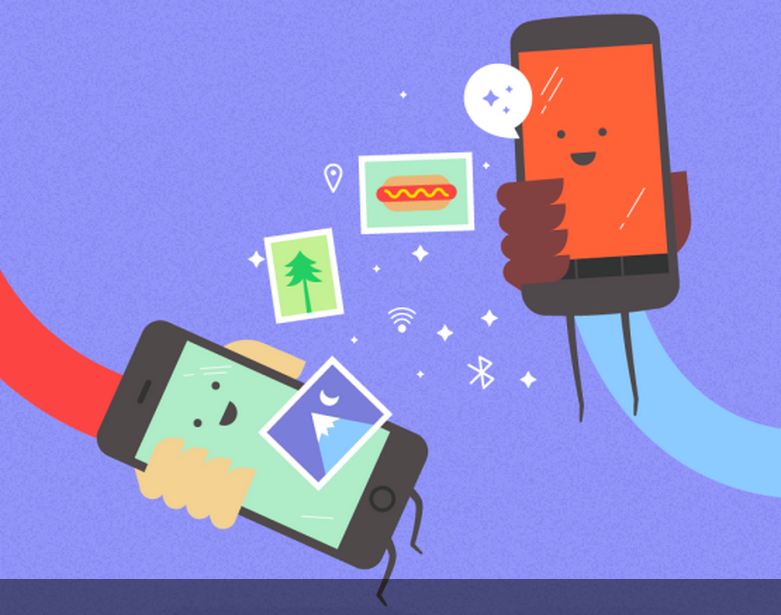
The illustrations that you see below are possibly for the Google Play Services. These are presumably designed to inform users about the service, and they suggest that “Copresence” will work with both Android and iOS devices.
Along with this, GigaOM has pointed out a number of references to the feature in bug reports for a developer version of Google Chrome, suggesting that the service could work with the popular browsers and computers as well. The new service sounds a lot like Apple’s AirDrop on iOS, which allows for sharing between iOS devices that are close to one another, across networks and with the option of sharing beyond your address book.
The fact that the new data sharing service by Google will be cross-platform has already created a stir. If Copresence is a real deal, we might see it first with a limited number of Google’s products, most notably Google Drive.
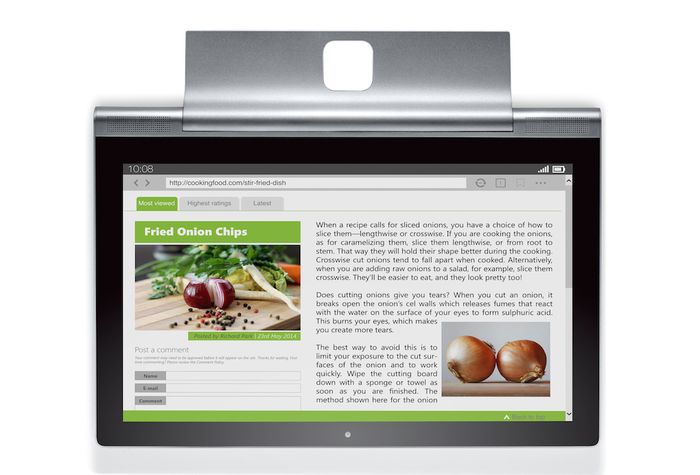
Lenovo has launched a new tablet in its Yoga series, the Yoga Tablet 2 Pro. It is a 13-inch tablet that the company created with special inputs from Ashton Kutcher, who joined Lenovo’s ranks as a product engineer last year.
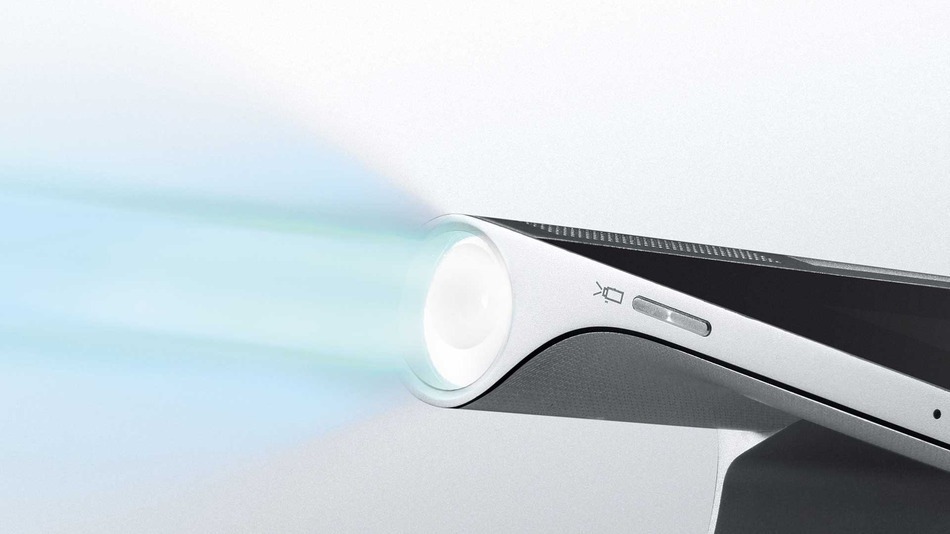
The company said that the tablet has been designed specifically for digitally-hungry consumers. Well, that explains its standout feature: a built-in pico projector.
The 13-inch device offers all the usual features you might expect from a high-end tablet computer: An advanced edition of the Android operating system, a high-speed processor, and high-quality camera. According to the company, Yoga Tablet 2 Pro is able to project a 16:9 image onto any surface for an instant 50-inch theater experience that lasts for up to three hours on full charge.
Watch Ashton Kutcher introduce the new tablet here:
It is said that the new tablet will be an interesting choice for business users. You can also use the Yoga Tablet 2 Pro as a way to easily project presentations during meetings on the go. Other than that, the Yoga Tablet 2 Pro is a typical Atom-powered Android tablet.
It runs on a fourth-generation Intel Atom processor and Android 4.4 KitKat. It comes with 32GB of storage and supports up to 64GB through microSD, houses an 8-megapixel camera, and can optionally be purchased with 4G connectivity.
The company said that when not being used as a projector, the tablet has 15 hours of battery life. The Yoga Tablet 2 Pro will cost $499, while the 8-inch Android version of the Tablet 2 will be priced at $249. The 10-inch Android tablet and the 8-inch Windows 8 slate will both cost $299.
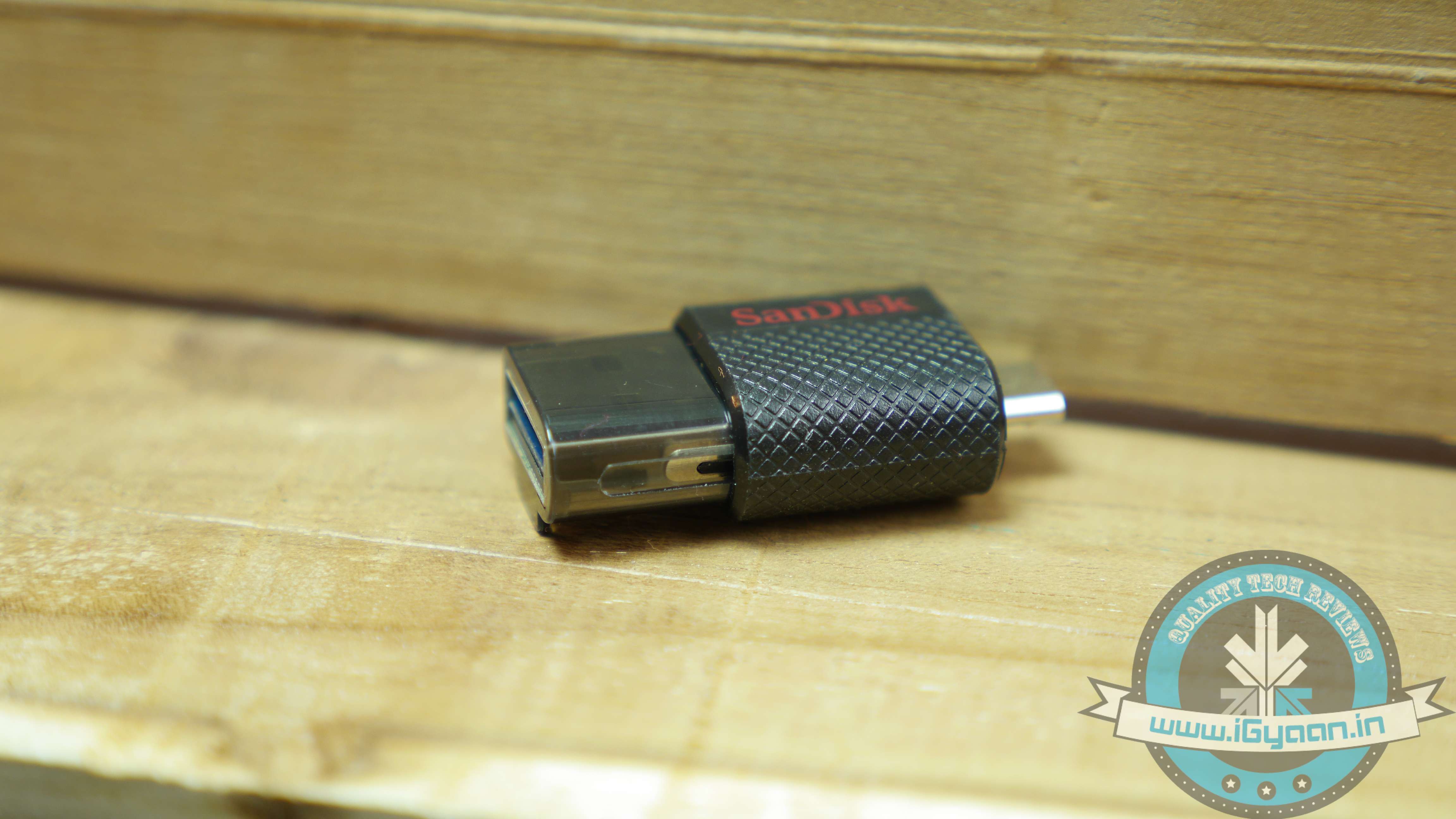
Ever since the inception of multimedia enabled phones, one question that has bothered the users is the storage space of these devices. Listening to the complaints, many companies have added the expandable storage feature, which is without a doubt, one of the most important feature of the phones. With the companies providing easy accessibility in terms of storing data as well as installing app data on the SD card, some of those issues are addressed. But what about devices which only have limited storage options like the blockbuster MOTO G which only comes in an 8 or 16 GB option. And what if you are a multimedia hoarder and even with expandable memory, you are not satisfied with the storage space. Here the SanDisk Ultra 16GB Micro USB 2.0 OTG Pen Drive
will come for your rescue.
The Sandisk Ultra is a boon for OTG devices with limited storage
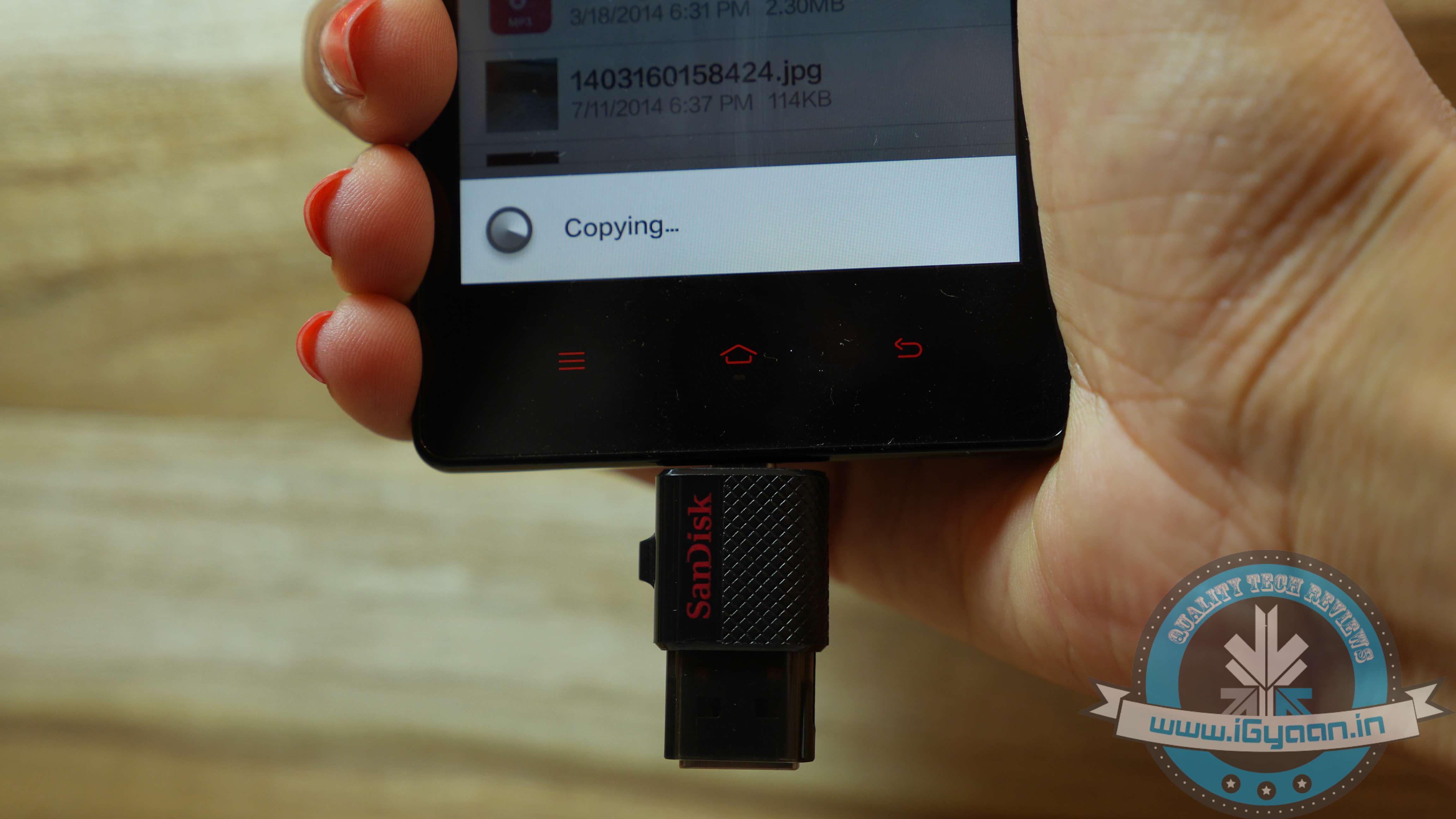
The Sandisk On-The-Go Pendrive is a tiny dual sided flash drive that comes with a USB 2.0 jack on one end and a micro USB slot on the other end. It is available in 16,32 and 64 GB variants starting at Rs. 629. The drive attaches to your OTG enabled phones and is recognized easily on the phones we tested the drive on.
On the design front, this drive has a protective casing for both USB ends. The casing clicks when it completely covers the USB to secure the ends. But while dropping it head on to the ground for testing we found that the micro USB side would slide back on impact, exposing the head, which is a bit of a worry. The micro USB end is also a bit tiny so you may have to take off the protective casing on your phone to connect the device. The middle portion with is sturdy and easy to hold.
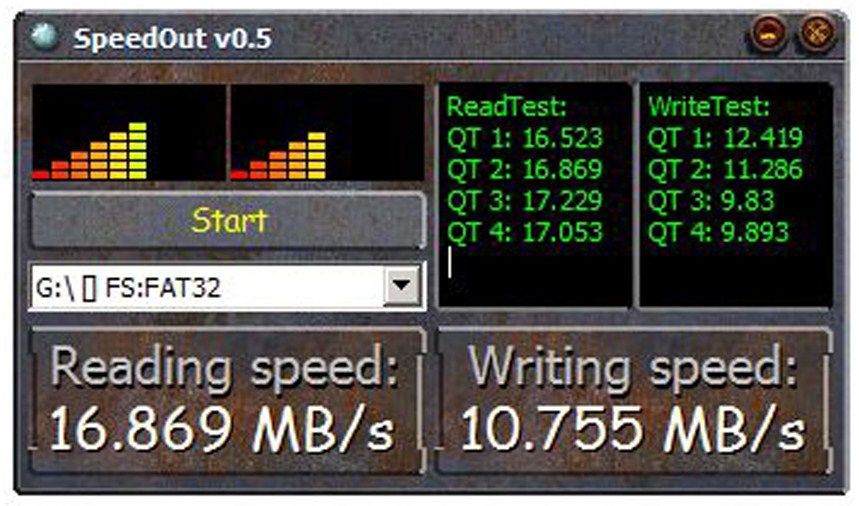
The drive’s read and write performance though are not satisfactory. In our test we found the reading speed was 16.86 MB/s whereas the writing speed was 10.75 MB/s, which is almost a third of the USB 2.0 speeds. But with the convenience it offers, some may overlook the low transfer speeds.
SanDisk provides a downloadable app, Memory Zone. This sleek looking app has a user friendly interface and allows you to password-protect your content. It also lets you sync your data with cloud storage options like Dropbox, Google Drive or Box.
Overall the tiny, one of a kind device is functional with some flaws. Considering its price and what it offers it can also be considered a value for money. Sandisk needs to work on the speeds of the device, immediately and make the casings better so they don’t expose the Micro-USB end.
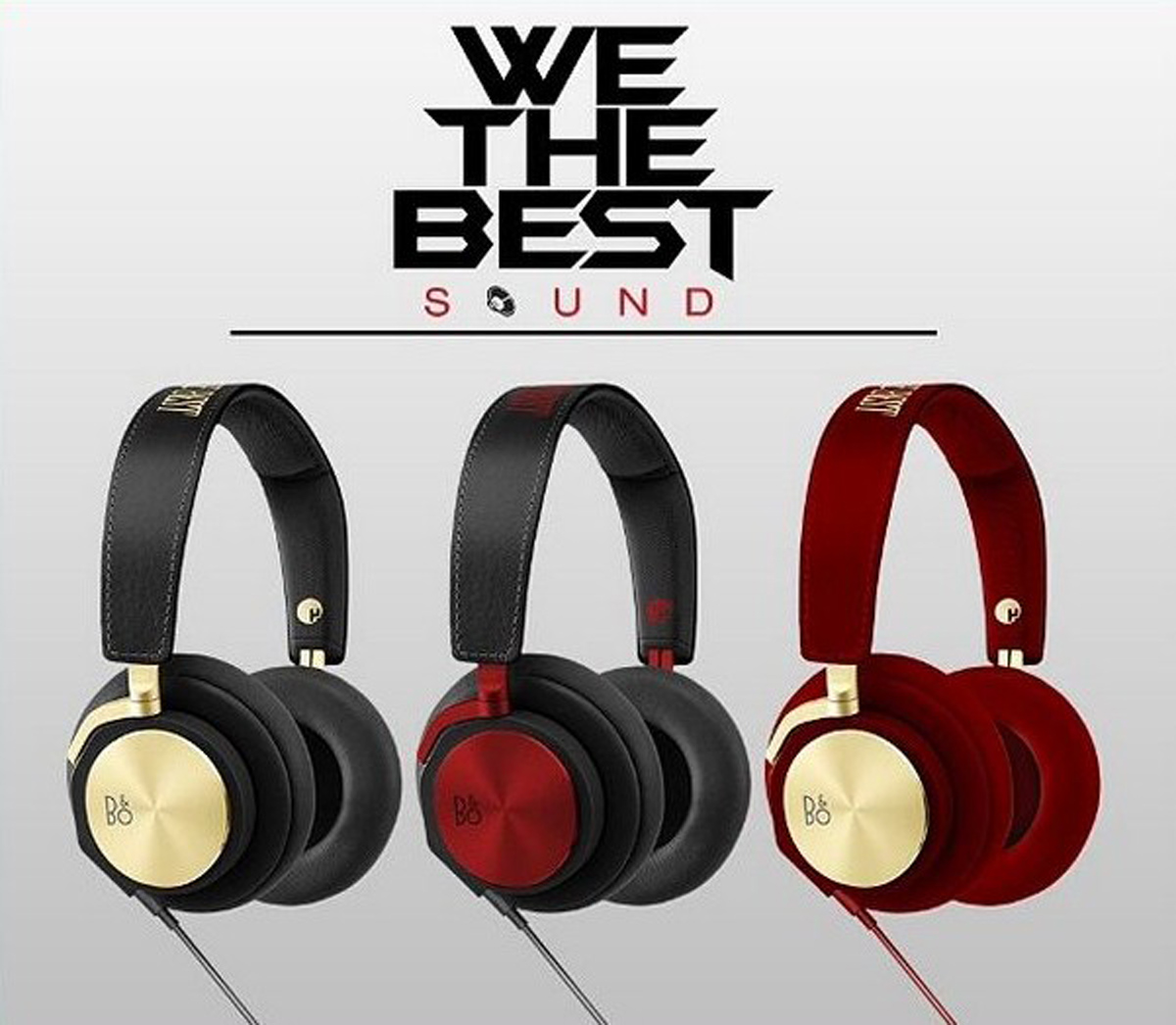
After the amazing record label “We The Best Music Group”, DJ Khaled partnered with Heads Audio & Bang Olufsen to introduce a namesake Headphones brand to take on the Dr. Dre’s Beats. The brand will be known as We The Best Sound.
Dj Khaled is known for his collaborations with the crème de la crème of the Hip Hop world like Jay-Z, Kanye West, Nicky Minaj, Ludacris, Chris Brown, Drake and many more. He has also won multiple awards for his collaborations.
On the Headphones front he has a much more formidable opponent in Beats. Dr Dre’s brand has had a long head start and has also been featured on DJ Khaled’s videos. Also the recent Apple acquisition gave it a considerable boost. So it would be interesting to see how We The Best scores up against the Beats.
Yesterday, he posted an update on Instagram and he had this to say:
[quote text_size=”small” author=”DJ Khaled”]
“Today I am proud to announce that I have partnered with Heads Audio & Bang Olufsen to create the best audio in the market place, We The Best Sound. We The Best Sound represents the very best in audio entertainment. Alongside the prestigious Bang Olufsen brand, We The Best Sound and Heads Audio will provide the listener with the highest quality sound in electronic audio entertainment and will continue to carry on the tradition in excellence set by Bang Olufsen. It will also provide the listener a chance to hear audio the way I hear it when creating my music. I take pride in crafting a sound based on time, care and most importantly the best quality sound on the planet. Embark on this journey in sound with me…you won’t be disappointed. We The Best Sound, the brand you can trust. H6 with Dj Khaled by B&O @wethebestmusic @wethebestsound @headsaudio @beoplay #GODISTHEGREATEST!”
[/quote]
The Headphones themselves look good. Though special consideration should go to the Iron Man Red and Gold color tones, a combination of classy and flashy. Since yesterday his instagram account has been filling up with him posing with a wide barrage of celebrities. He even had one with Larry King (who knew someone would consider Larry King for headphone endorsement).
It’s actually good for the music industry to have sound equipment merchandising. Considering the fact that it is hard to make money out of sales because of internet piracy, a trademarked hardware would definitely be an advantage for the industry. We’d surely like to see more competition in the field.
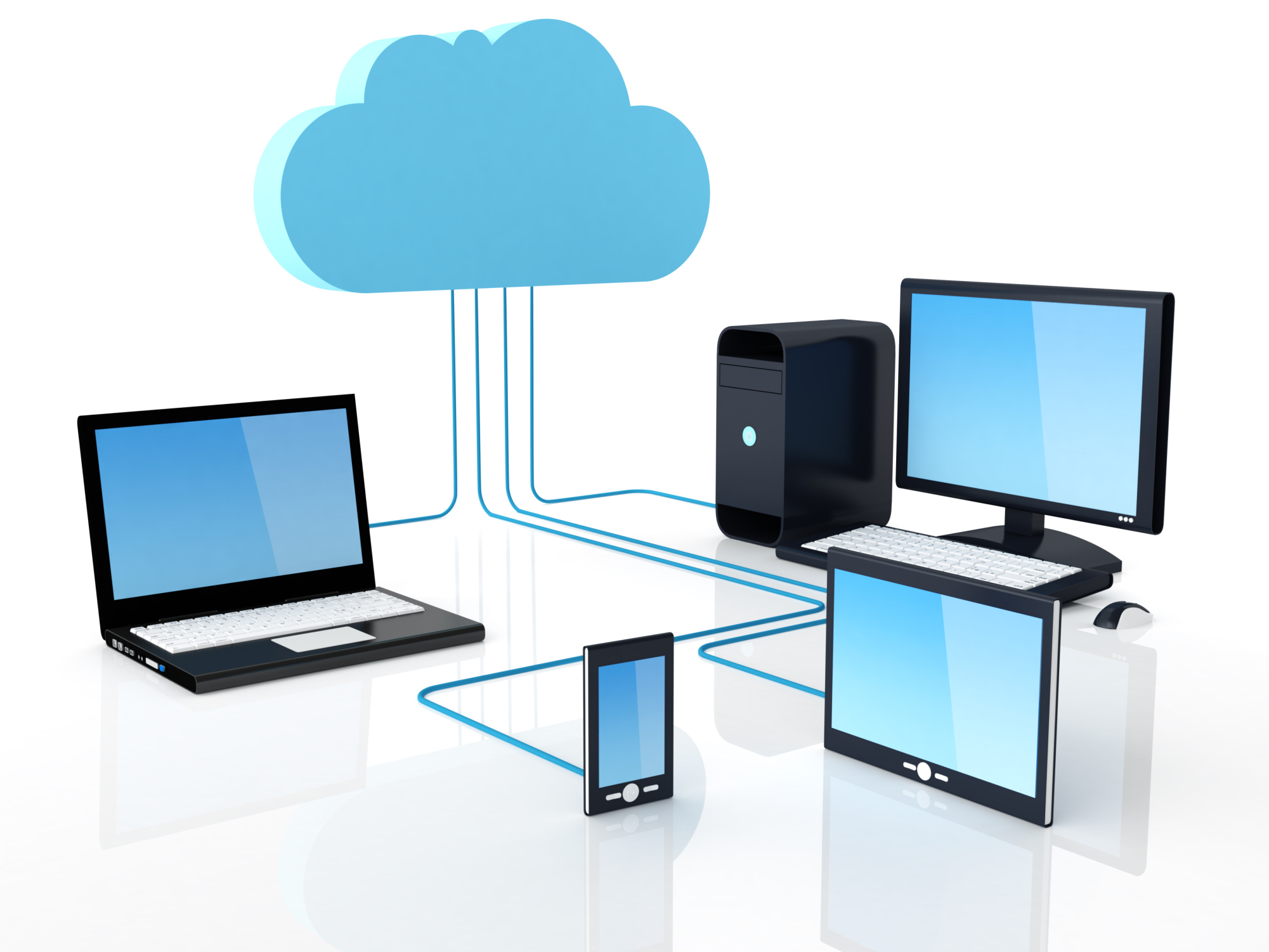
Juggling between smartphones, desktops, laptops and tablets makes it increasingly hard to keep track of all our files. For example, as easy it is to snap a picture, the harder its become to keep tabs of the every-growing bulk of images. We tend to keep scattered folders for our pictures on various storage devices and laptops. Cloud storage rescues us from these restraints, ensuring that the files we need are available where and when we want them. Clearly, it should now be a fundamental part of our modern, mobile lives.
The ultimate advantage? You never have depend on your gadgets or fear losing any important data. We review the best cloud storage services and see what each of them have to offer:
Dropbox is the only online storage solutions to offer clients for Linux and Blackberry, along with the usual Windows, Mac OS X, Android and iOS standards – even though an official Windows Phone app still remains indefinable. This goes a long way to ensuring that your data can be with you, no matter what kind of technology you want to use. The basic free account provides a with a somewhat small – in contrast to competitor services – 2GB of storage. For documents, this amount works, however if you want to store any kind of media – photos, music, or video – it will fade away very fast. You have an option of investing and upgrading to the 100GB plan. Dropbox also offers 500MB of additional free storage for each friend you get to sign up to the service – with a limit of 16GB.
Overall it is an excellent cross-platform service, a benchmark which is hard to compete. It may lack several services which others provide, but its user-friendly interface and multi-technology compatibility makes it one of the most popular choices.
Google drive is a heart of various services Google currently offers. It offers 15 GB of free space on signup or when you link it with your old Google account. Drive works in the same fashion as most cloud storage solutions, with a local folder on your PC linked to a replica for cloud version. The interface across the apps is smart and simple to navigate, with a basic file tree showing where your data is kept. You can choose specific files to be available offline on the mobile versions, and these can be edited – if they were created in Google Docs – then synced when you return online.
Google Drive is the most munificent of all the services in this category. If you live in the Google universe then it actually is an brilliant storage option, predominantly if you use Google Docs a lot.
Our Favourite find! The lesser known Streem is a cloud-based hard drive that offers unlimited storage space for your files. All files are securely stored in the cloud and streamed to you on-demand, saving you terabytes of space on your devices. Unlike other cloud storage services, you are not require to store your files on your hard drive and sync them to the cloud. All your files are securely stored on the servers and streamed to you on-demand.
The edge about this storage service is that they give you free unlimited storage and that you don’t have to keep a copy on all of your computers in order to access them. As long as you have an internet connection, you’re set.
Sometimes mistaken for the similarly named Dropbox, Box is the eldest of it’s competitors, having launched in 2005. It’s major focus is cloud computing for business side of the market and has impressive enterprise reputation.
Box still offers solid personal storage options, however, with a generous 10GB of space for any new account. However Box limits the file size to 250MB, which is a major drawback. This is noticeably lower than the 10GB limits of both Google Drive and Dropbox, with OneDrive’s 2GB limit still plenty for most people. Of course 250MB is more than sufficient for most documents and spreadsheets, but if large media files – especially videos – are part of your plan then this could be a problem.
Much of the functionality of OneDrive (previously SkyDrive) is equivalent to Dropbox, with its apps available to Windows, Mac, Android, iOS, and of course, Windows Phone users. Microsoft to attract more users launched as offer whereby users gain 500MB of storage for every friend that signs up to an account through them.There’s also an added 3GB offered if you link OneDrive to your mobile phone’s camera roll, enabling it to routinely back up your photos online.
The OneDrive interface is similar to Windows 8’s Modern UI design. You have a choice between the boxy style or a more traditional file tree. Folders and files can be created on the web, including Office and OneNote formats thanks to tight Office Online integration. They’ve also added a social element to the web version – a range of popular messaging services are accessible to be connected to your OneDrive account.
We grew up listening to the classic Beatle ( or Kishore Kumar for most) songs that our parents used to listen to. As we matured, we formed our own taste and style in music, and the technology surrounding us evolved. And as consumers, we adapted to it. We embraced the technology, incorporating it into our lifestyle and thereby becoming routine. Music plays a vital role in our society.
Hence, it was only natural for most of us to own a portable mp3 player that we would listen to every day, everywhere. But dwindling sales have led many to believe that the days of portable media players are numbered. We take a look.
Why MP3?
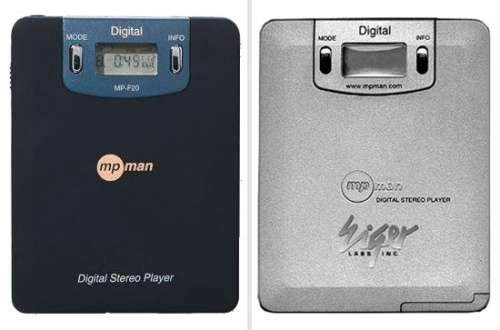
Before there were any MP3 players, there were MP3s: invented in 1987 by a group of German scientists looking for a way to shrink video files so that they would be easier to use on computers. To achieve this they stripped out as much “extraneous” data as possible, supposedly the stuff we wouldn’t miss. This loss of quality is at its least discernable when listening on headphones with the volume cranked up, so by 1998 the first portable digital music player had arrived: the MPMan F10, created by South Korean company SaeHan. (It wasn’t a hit; SaeHan now mostly manufactures textiles.)
The world’s first portable media player.
Mp3 also known as MPEG Audio Layer 3 is used to compress audio files so they take up lesser hard disk space. It can be stored and played on many digital devices such as computers, mobile phones and portable mp3 players. Consumers use mp3 files to listen to and store music.
For example, “A four-minute song on a CD would create a file of 42 MB (megabytes), while the same song encoded to MP3 would be reduced to just 3.84 MB. This reduction means that the file requires one-tenth of the hard disc space, allowing 10 times as much music to be stored in the same space.”
Quick Adoption
These new Portable Media Players would hold 1000 songs, could be recharged within an hour and would cost around 3-4k at that time. They were compact, came in a bunch of colours and were the “in thing” during that era.
[pullquote_left]”The internet and easy-to-share programs like Napster and Limewire played the role of catalysts for Portable Media Players by providing easy and free access to music files.”[/pullquote_left]
By 2004, the digital music market was still wide open, with MP3 players comprising a small portion of all portable audio sales, and the biggest players wanted in. Apple had launched the iTunes Music Store in October of 2003, but wouldn’t sell a billion songs for nearly two years. Companies like Archos, Creative, and iRiver had been building players all along, but the early aughts weren’t for purely digital music yet. With the arrival of faster internet speeds and easy-to-share programs like Napster and Limewire, acquiring music was easier than ever.
This led to people opening up to the idea of carrying a portable, compact device to fulfill their music needs.
Apple – The Biggest Player
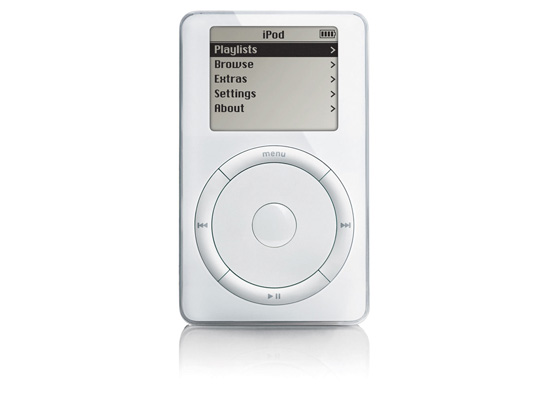
Apple was without doubt the biggest player in this segment. The iPod was a very clever piece of hardware that utilized new 1.8?”hard drives that Toshiba had developed for a market that didn’t exist yet. Encased in a pearl white and metal casing, the iPod utilized a moving scroll wheel (later, a touch-based one) that served a novel scrolling interface on a relatively large 2″ monochromatic display.
The first Apple iPod
The iPod would set the standard for Portable Media Players for years to follow, ignoring the plethora of buttons that plagued devices at the time, going so far as to omit a power button. But while the iPod hardware had many of the markings of a success story, its ecosystem (or rather, lack thereof) and price held it back from significant sales numbers for the first three years of its life.
During that time, numerous other companies realised the hidden potential in this segment of technology. MP3 players were substantially less expensive compared to CD players.
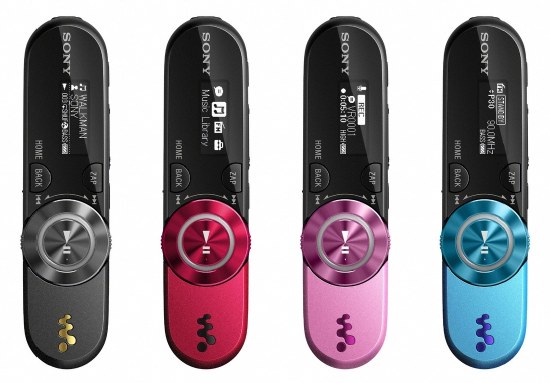
The Sony Walkmans were a hit among teenagers.
Companies like Sony, Philips, Cowon began churning out various different models of Portable Media Players. The Sony Walkman series gained popularity among teenagers.
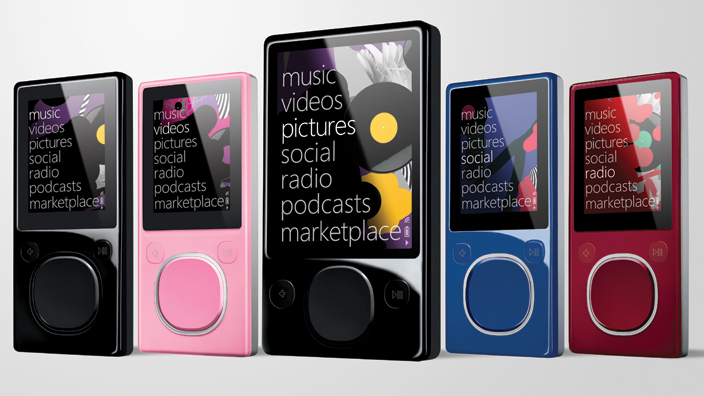
Microsoft unveiled various versions of the Zune to compete with Apple.
Microsoft’s Zune was probably Apple’s closest competitor. The hardware was slightly bigger than iPod’s similar hard drive model at the time, but came equipped with a large 3″ color screen, an FM tuner, a segmented circular directional pad that favored the Media Center-derived Twist interface for navigating menus, and a pair of buttons on its face mirrored by a shallow concavity on the backside. The player’s software was also a direct descendant of the Portable Mobile Center OS.
The casing came in five iridescent color schemes. Connectivity was provided by a proprietary 30-pin connector similar to ones used by the iPod. But their success didn’t last long.
Non-Apple Portable Media Players were put to shame. Bruised. Battered. Beaten to death. All gadgets that attempted to outrank the iPod were ambushed and annihilated. Unless you held a personal grudge against Mr. Steve Jobs, or have had some downers with Apple in the past, you wouldn’t switch to a media player not belonging to the Apple clan.
The Demise
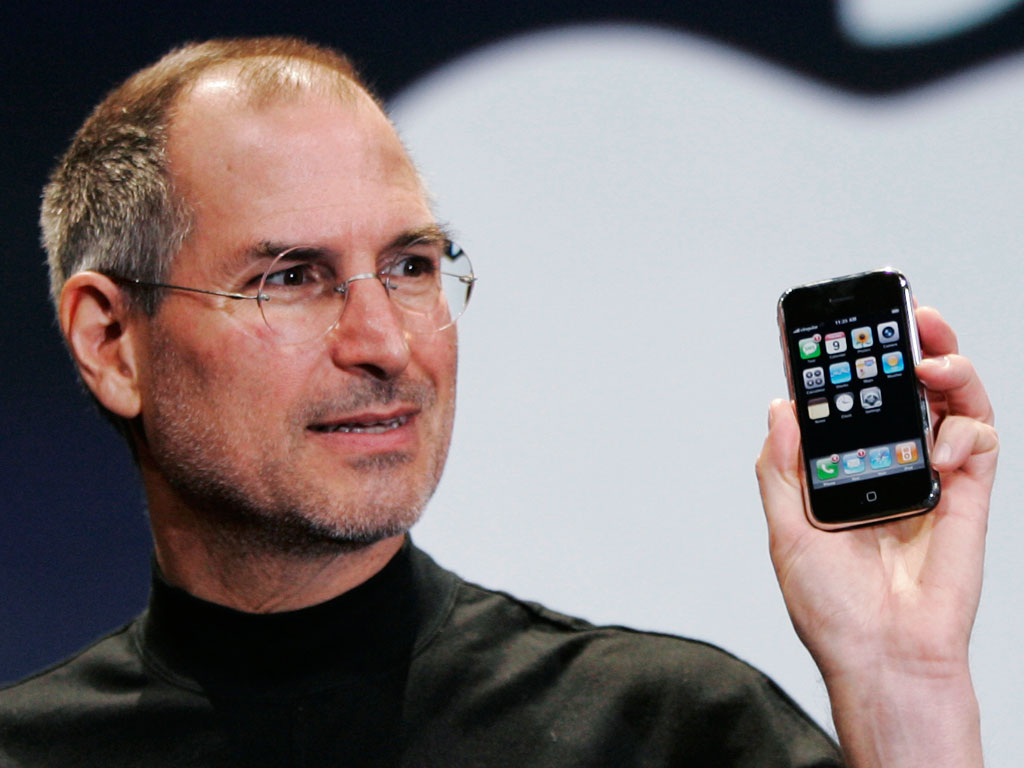
In 2007, Steve Jobs introduced the first iPhone to the world. People were awestruck. But right there, a small iPod logo on the device’s screen spelled the beginning of the end for portable media players.
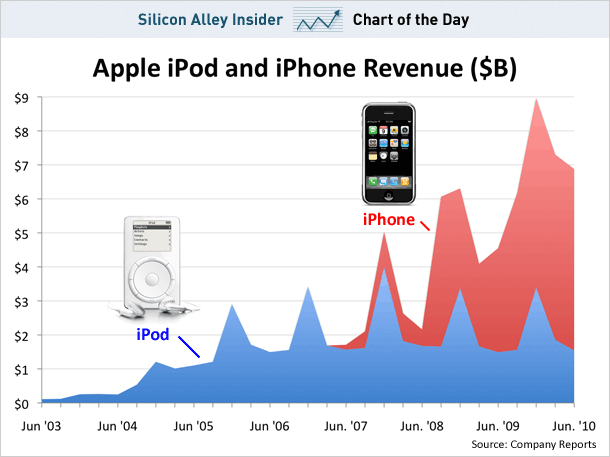
The iPhone killed its own parent product.
The iPhone promised a music experience which matched that of the iPod. Except you could make calls, play games, surf the internet, all at the same time while listening to your favourite tracks. Why have two gadgets when you can have one?
We all love our shiny smartphones, but the latest stats on MP3 players prove that the sleek handset in your pocket is a cold-eyed killer.
Yep, according to Mintel’s research sales of the humble portable media players – and let’s face it that means mainly Apple iPods – have dropped by a massive 22 per cent year on year.
‘Microsoft will no longer be producing Zune players,’ the company recently said in a statement timed very close to Apple’s latest iPhone announcements – a good time for tech companies to bury bad news.
Earlier, mobile phones did not offer music playback and so consumers were forced to carry a separate MP3 player, but when the smartphone market took off in 2007, offering devices with huge storage and comprehensive media players, the MP3 player’s days were numbered.
Sales have been dwindling.
Despite Sony and Samsung each offering alternatives to the iPod with their Walkman and Galaxy ranges respectively, iPods dominates the MP3 player market; but their sales are falling continuously as smartphones continue to thrive, and while the iPod classic is still available, it features in none of Apple’s advertising and hasn’t received an update for more than three years.
I personally like using my 3rd generation iPod Nano and would’t trade it for anything, but smartphone provide me with the convenience of not having to carry two separate devices in the notorious Delhi public transport.
So while you may still use your portable media players while at the gym (though I’ve seen people use tablets to listen to music in the gym! Ridiculous!) or while out for a jog, the fact is that the end of MP3 players is near.
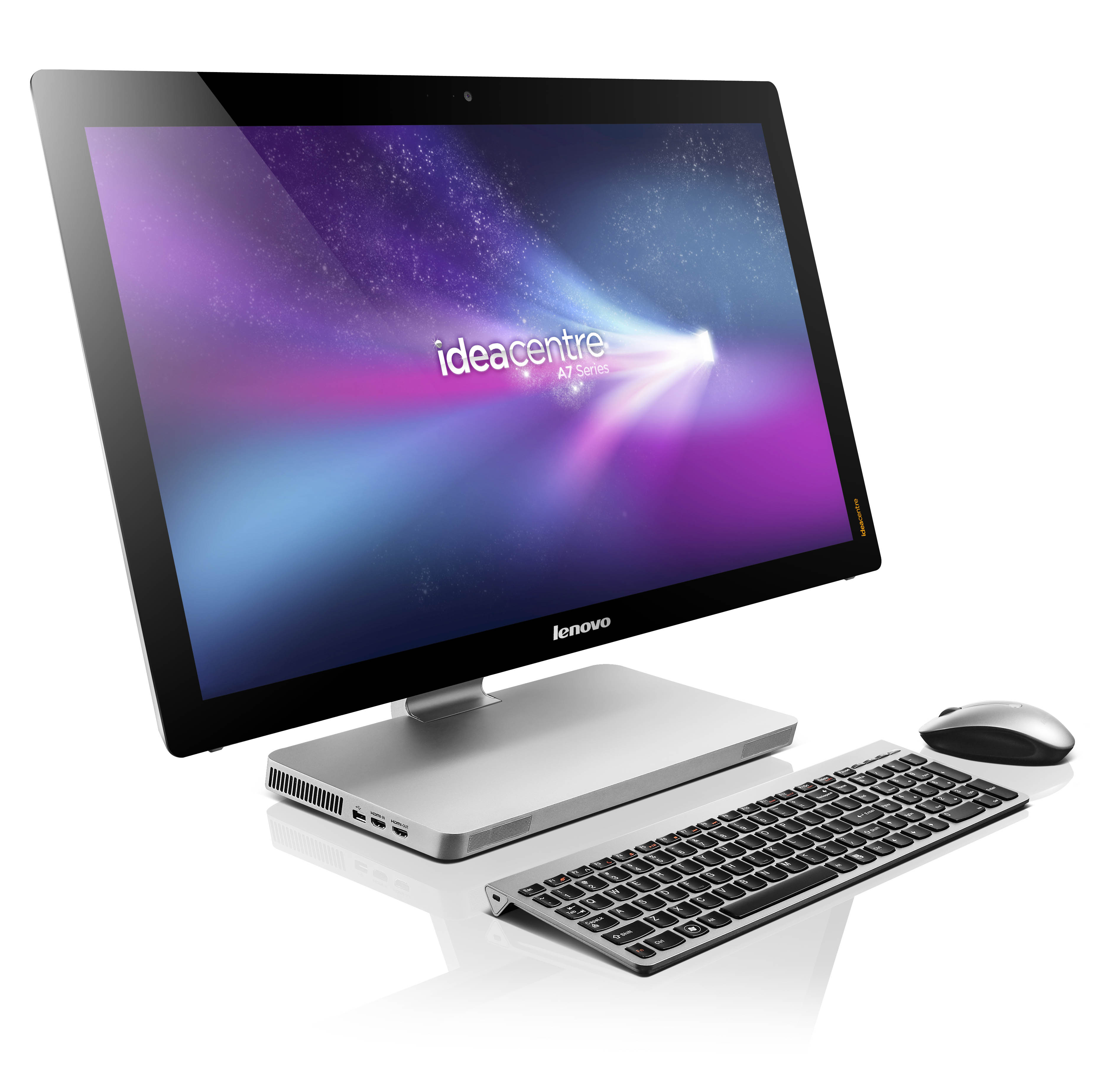
PC vendor Lenovo has announced the launchof IdeaCentre A720, billed the world’s slimmest all-in-one at a price of Rs 89,000. The USP of this PC, which is powered by a 3rd generation Intel Core i7 processor, is its thin, frameless display.
The Lenovo IdeaCentre A720 boats of a 10-finger multi-touch screen that folds down for interactive tabletop games. It is packed with entertainment features—like Lenovo High-Sense (720p HD) webcam and Lenovo IdeaTouch, a suite of touch-optimised applications and games.
The Lenovo IdeaCentre A720 is powered by NVIDIA® GeForce® graphic engine and apart from coming alongwith Windows 7 Home Premium, it is also Windows 8-ready.
It sports a 27-inch full HD (1920×1080) frameless 10-point multi-touch display, has Bluetooth, Wi-Fi (802.11b/g/n), USB2.0, and USB3.0 connectivity. It has an in-built 6-in-1 card-reader, HDMI in/out and integrated stereo speakers that support Dolby Home Theatre.
It also boasts of 40% faster boot time than standard Windows 7 computers.
Electronics major Samsung India today said it is eyeing 60% market share in the smart television space in the country this year and a sales turnover of Rs 225 crore from Kerala during ‘Onam’ festival next month.
[quote]”Samsung aims to garner 35% market share in flat panel television in India against the current market share of 30% and 60% market share in smart televisions,” Samsung India Vice-President (AV Business) Raj Kumar Rishi said.[/quote]
To attract consumers in the state during the festive season, the company launched a smart TV that enables consumers use voice, gesture control and face recognition through ‘Smart Interaction’ technology to control and interact with TV without touching the remote.
Consumers can switch the television on or off, activate applications or search and select content in the web browser just by speaking, moving their hands or showing themselves to the systems built in cameras, he said.
The company also announced the global availability of the Angry Birds App for the smart TV.
Developed by Rovio Entertainment, a Finnish entertainment media company, Angry Birds is one of the top smartphone application worldwide.
The new ‘India customised’ EH series will also be available to consumers during the festival period. Samsung is also offering consumers an enhanced Home Appliance line up, comprising five star rated Refrigerators, Split ACs, ‘Ecobuble’ front-loading washing machines and Microwave ovens.
Mahesh Krishnan, Vice-President, Home Appliance Business, said they hope to achieve Rs 225 crore sales during the Onam festival period from July 25-Aug 31. Samsung is targetting sales of about 30,000 units of flat panel TV and 1,500 smart TVs during Onam in the state.
Microsoft on Wednesday announced that its next-generation operating system tailored for a world shifting from personal computers to smartphones and tablets will be available on 26 October.
Windows unit boss Steven Sinofsky revealed the Windows 8 debut date at a sales meeting, Microsoft communications manager Brandon LeBlanc said in a blog post.
Windows 8 will be available in 109 languages across 231 markets worldwide, according to LeBlanc.
Microsoft has promised to make the new operating system available in August for computer, tablet or smartphone makers to build into hardware.
The Redmond, Washington-based firm has gone on record stating that Surface tablets would hit the market when the Windows 8 operating system became publicly available.
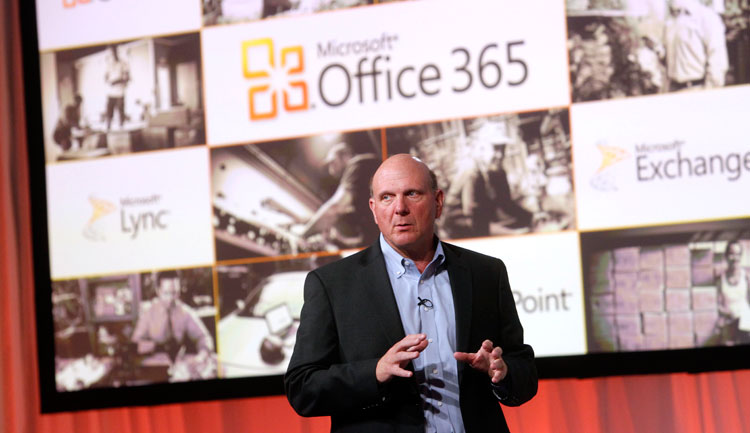
At a press event in San Francisco, Microsoft has unveiled the new Office suite, sporting a new look in line with Windows 8 and Windows Phone 8.
One of the key features of the new Office is cloud integration using SkyDrive. Users will be able to sync key settings across multiple devices after logging in to SkyDrive. You can continue working on the same document using a different device, as well as share it with others.
Microsoft also showed off how users can collaborate on Office through social network integration. For example, you can see if your Skype contacts are available from any application in the new Office suite and make Skype calls directly from within Outlook. There’s also the ability to collaborate on documents through Microsoft’s Lync application.
Good news for tablet users: A Microsoft RT version of Office for ARM-based tablets will be included for free on RT devices, including the Surface.
The new Office will have touchscreen capabilities, where users can use taps, swipes, and other gestures to create presentations. You can also draw on your presentations using a stylus.
Meanwhile, the subscription-based Office 365 will now come with three tiers–Office 365 Home Premium, Office 365 Small Business Premium and Office 365 ProPlus–with pricing information to be announced later.
Microsoft also unveiled a new version of its notetaking app, OneNote, which will have touch, pen and keyboard input.
Although Office is currently being used by more than one billion people, it faces stiff competition from cheaper alternatives, such as Google’s suite of Web-based office applications.



 Dropbox is the only online storage solutions to offer clients for Linux and Blackberry, along with the usual Windows, Mac OS X, Android and iOS standards – even though an official Windows Phone app still remains indefinable. This goes a long way to ensuring that your data can be with you, no matter what kind of technology you want to use. The basic free account provides a with a somewhat small – in contrast to competitor services – 2GB of storage. For documents, this amount works, however if you want to store any kind of media – photos, music, or video – it will fade away very fast. You have an option of investing and upgrading to the 100GB plan. Dropbox also offers 500MB of additional free storage for each friend you get to sign up to the service – with a limit of 16GB.