Category: Social Media

  • Mark Zuckerberg is Connected to Every Facebook User by 3 Degrees of Separation

    Mark Zuckerberg is Connected to Every Facebook User by 3 Degrees of Separation

    Frigyes Karinthyan, a Hungarian playwright, proposed the theory of six degrees of separation for the first time in early twentieth century. According to this theory, everyone in the world is connected with each other by way of 6 people. Since then the proposition is a fairly popular and widely accepted one.

    However, now Facebook has chosen to differ from it. The networking platform has brought down the number to 3.5 from 6 people. After conducting a study of 1.59 billion active Facebook users, it was concluded that every person is connected to another by 3.57 people.Mark Zuckerberg Degrees of Separation

    According to the report, the collective degree of separation between people all over the world has shrunk over the last 5 years. And now Mark Zuckerberg is separated from every Facebook user by only a 3.17 degrees of separation.

    “Calculating this number across billions of people and hundreds of billions of friendship connections is challenging; we use statistical techniques described below to precisely estimate distance based on de-identified, aggregate data,” says the team.

    It was further commented that, “Within the US, people are connected to each other by an average of 3.46 degrees.” In a country like India, where there are so many of us, we can probably half this number.

  • Twitter Shuts Down 125,000 Accounts For Promoting Terrorist Activity

    Twitter Shuts Down 125,000 Accounts For Promoting Terrorist Activity

    Twitter took off 125,000 accounts from the website for threatening or promoting terrorist activity. All these accounts were linked to the extremist group, ISIS -both its members as well as sympathisers. ISIS’ tech-expertise are no big secret. Its members have been brazenly using the virtual space to get their message across.

    There has been no official verification for the identity of the users of these accounts. Also, if they truly were related to ISIS -there really is no way to know how effective this move was. Many of these accounts are often handled by the same person who can very easily create another network of Twitter accounts and pick up exactly from where they left.ISIS Twitter
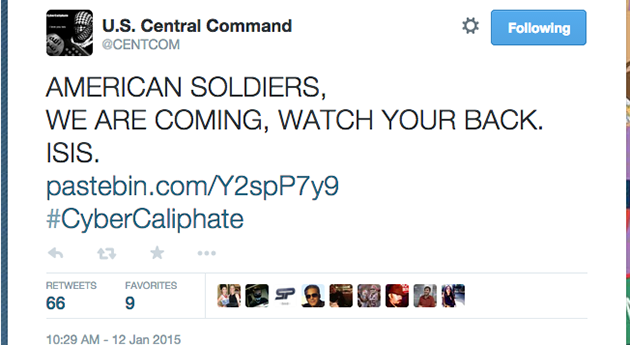
    In the past, ISIS has used many apps, websites, softwares and all sorts of virtual entities to keep itself on its feet. While SoundCloud has been used to release audio reports, Instagram and WhatsApp have been the platforms to share graphic content in the form of videos and images.

    Battle summaries have been published on JustPaste, while hundreds of questions have been answered about joining ISIS on  Ask.fm. The website also gives guidelines regarding the footwear to carry and availability of toothbrushes for new recruits.

    Reportedly, many ISIS volunteers have been put in touch with members of the organisation in Turkey or Syria following an introduction that says, “Kik me”, followed by discussion in private on many smartphones-based virtual platforms.

    Quite recently a woman in the US sued Twitter for allowing official ISIS accounts to run on its platform, sparking off yet another debate about the exchange of content on social media.

    The lawsuit followed an attack by an ISIS member on November 9th when he shot down five people to death in Jordan. Two of them happened to be Americans. The husband of the plaintiff was one of the two American victims.Isis on Twitter

    However, despite various complaints and lawsuits over the last couple of years, no serious action has been possible against any social media platform. Websites like Facebook, Twitter and YouTube are protected by Section 230 of the Communications Decency Act. It means that these websites are exempt from laws that would otherwise make them responsible for the content that users put up on their platform.

    Additionally, US authorities often prefer the existence of accounts of antisocial elements. Officials think activities on social media platforms would enable them to keep an eye on ISIS and their supporters. Issues like these have been a much debated topic with no imminent conclusion for now. Twitter, on the other hand, has decided to take some form of a definitive step and remove 125,000 accounts. A lot of Anons will sleep more peacefully than usual tonight.

  • Twitter to Revamp Itself, Introduce a Facebook-Like Timeline

    Twitter to Revamp Itself, Introduce a Facebook-Like Timeline

    If this latest report is to be believed, Twitter is expected to introduce its revamped version next week and bring in a newsfeed very similar to Facebook’s timeline. It would combine data and tweets in a way that would no longer follow a chronological order.

    This new algorithm would order tweets based on what it thinks people would want to see more as opposed to adhering to a strict chronology. It is unclear at this point if this would be a change forced on all users or if it would simply be an option to choose or ignore.o-TWITTER-facebook

    Rumours about this redesigning have been milling around for a couple of weeks now. As Twitter struggled to stay on its feet the last couple of days, this revamping seemed like one of company’s desperate measures to stay afloat.

    No official comments have been made  by the company on the topic. Jack Dorsey did say recently, however, that they would “continue to question our reverse chronological timeline”.

    Source

  • New WhatsApp Scam Raises Privacy Scare

    New WhatsApp Scam Raises Privacy Scare

    As privacy becomes more and more treacherous in virtual space, there is yet another update from the front to make matters worse. WhatsApp has become the target of a scam threatening users’ privacy and their devices with malware.

    The new scam tricks users into revealing personal information like passwords and account details. A link comes from what seems to be a friend and when the recipient opens it, they are directed to a website which asks for their private details. Users often find themselves on a discount page asking for log-in ids and passwords.whatsapp-app

    While this website not only manages to obtain important personal information like passwords, it also infects the device with viruses. Furthermore, the victims are then asked to forward the message to their friends in return for a promotion like a discount coupon with a famous brand and so on and so forth.

    What is more disturbing is the fact that owing to its far reach all over the world, this virus makes makes use of different languages.

    David Emm, principal security researcher at an internet security and anti-virus software company comments on this and says, “We have noted that this WhatsApp scam has been actively circling for some time. It ‘speaks’ several languages so the attacks can be customised for each market.

    WhatsApp has gained immense popularity ever since its inception, becoming the most popular messaging platform in the world. After having secured itself 1 billion customers, WhatsApp recently also increased its upper limit of members in a group from 100 to 256. Because the platform is expanding in such an exponential manner, it is bound to attract scammers. WhatsApp has issued no official comment on how it plans to address the problem.


  • WhatsApp Increases its Group Member Limit: Brace Yourself for Spam

    WhatsApp Increases its Group Member Limit: Brace Yourself for Spam

    Say hello to the world of social media and inanity that only seems to be increasing with every passing day. Amidst millions of pointless comments and cat-pictures that are exchanged every day, here is some news to make you shudder at the prospect of more spam. WhatsApp has increased the number of members that can be part of a group from 100 to 256.

    The move has perhaps been made to make users stick to the platform, especially in the face of competition its facing from other companies like Hike, Viber and KakaoTalk, to name a few. The company is clearly trying to hard to keep up its status of being the world’s most popular messaging app. WhatsApp confirmed 1 billion users on the platform with 42 billion messages being exchanged every day.Whatsapp

    Since Facebook’s acquisition of WhatsApp, it is only likely that the platform would be entering into different methods of generating revenue. Now that the platform is all set to be cost-free minus any charge at all, the move to increase members in a group could be aimed at creating an income from those using WhatsApp as a means to publicise themselves. From personal business to brokers to marketing firms, everyone seems to be using this platform to publicise themselves. And it is precisely this section of WhatsApp users the increased group limit seems to be directed at.

    An average WhatsApp user is not likely to be effected by the update at all. Also, the update could have been announced on a trial basis as well. Even if Facebook is tinkering with the platform to test different ways of increasing its profits, a random figure like 256 (why not 250 or 300?) still seems an odd way to start. Let’s see what the company has in mind and what all it leads to.

  • WhatsApp Reaches 1 Billion Users

    WhatsApp Reaches 1 Billion Users

    The Facebook-owned, and arguably the world’s most popular instant messaging app, Whatsapp has reached a major milestone today. CEO Mark Zuckerberg announced on Tuesday that the app was now being used by a Billion people around the globe, with 42 billion messages along with 1.6 billion photos and 250 million videos beaming across through WhatsApp servers daily.

    Zuckerberg through his Facebook profile conveyed, “One billion people now use WhatsApp. There are only a few services that connect more than a billion people. This milestone is an important step towards connecting the entire world. WhatsApp’s community has more than doubled since joining Facebook. We’ve added the ability for you to call loved ones far away. We’ve dropped the subscription fee and made WhatsApp completely free. Next, we’re going to work to connect more people around the world and make it easier to communicate with businesses.”

    Facebook-buys-WhatsApp-feature1

    Facebook bought the mobile messaging app in 2014, in a deal worth $19bn which back then was described by many analysts as not the best move forward for Facebook. Though most such doubts have been cast away but a couple of questions still linger.

    Jack Kent, mobile analyst at IHS reacting to this news said, “WhatsApp still trails behind local competition in some key markets. There are big markets where WhatsApp isn’t the dominant player. WeChat in China has more than 500 million users, while Line is popular in Japan, and Kakao Talk is big in South Korea. But WhatsApp is certainly the most internationally successful.”

  • Facebook App To Bring more 3D Touch Capabilities

    Facebook App To Bring more 3D Touch Capabilities

    Facebook which had earlier introduced some 3D touch capabilities to its native iPhone app, has now added some more features for its users. This will be a slow rollout and Facebook will now release more features that can make use of the tech.

    Facebook

    The Facebook app will let users of iPhone 6s, and 6s Plus peek and pop to view profiles, take a closer look at photos or to preview web links, pages, groups and events. The app’s icon will also get a new shortcut option along with an option that will take you directly to your timeline.

    “We are excited to start rolling out support for 3D Touch in our iOS app so people can quickly and easily peek into a preview of anything they are interested in on Facebook, and pop into that content to see more,” a Facebook spokesperson said, confirming the addition.

    But there’s a catch, Facebook has said that it’ll start the roll out of these new 3D Touch tricks first to “a small group of people beginning today,”. The rest of the loyal Facebook community on the iPhone 6s and 6s Plus will get this update “over the coming months.” That’s sounds like a long wait really.

  • Weibo Beats Twitter in Removing140-Character Limit

    Weibo Beats Twitter in Removing140-Character Limit

    China’s very own social media network, Sina Weibo, which can be at best described as a cross between Twitter, and Facebook, today revealed its plans to remove the 140-character limit that it has had from the time of its inception.

    According to a report from Xinhua, a Chinese news agency of repute, the company’s CEO confirmed the plans for this change, told the agency what will follow. The new format will see Weibo allowing posts up to 2,000 characters in length. This new feature will initially roll out to “senior users” on January 28th, and will be live on all other accounts in exactly a month’s time.

    In a letter to developers sent from the desk of Weibo’s CEO, Wang Gaofei, the social networking company explained how exactly the change be like. Wang informed that users will still only see 140 characters per message in their feeds, but in added functionality, they’ll also be able to click a link to the whole post if it exceeds the 140 character limit.

    Twitter-140-Character-Limit

    Funny enough, this change comes amid rumours that Twitter has future plans to drop the character limit on its own platform. The company has already dropped the limit for direct messages but it’s still not clear as to how it will implement taking this cap off tweets.

    The last fiscal year saw Twitter face increasing pressure from investors because of its falling share prices. The company is said to be in dire need for new users, and as such, this step from Weibo of removing the cap on character limit could well push Twitter into serious contemplation mode over its strategy going ahead.

  • After TRAI, Google Too Makes Life Difficult for Facebook

    After TRAI, Google Too Makes Life Difficult for Facebook

    Looks like it’s not the best of times for Facebook. There is another potential blow headed towards the company now, thanks to Google.

    Google is allowing some Android users to download apps directly from search results without the need to visit the App Store. Though these downloads are available only through organic searches and not ads yet, but we can hope to see this extension soon as well.
    mark_zuckerberg

    Now these downloads mean some not-so-good-news for Facebook which had begun advertising apps on its website a few years ago. Since then users have been able to download apps from these ads. However, since Google is allowing for direct downloads of its apps from search results, app developers are likely to pay less and less to Facebook to promote themselves.

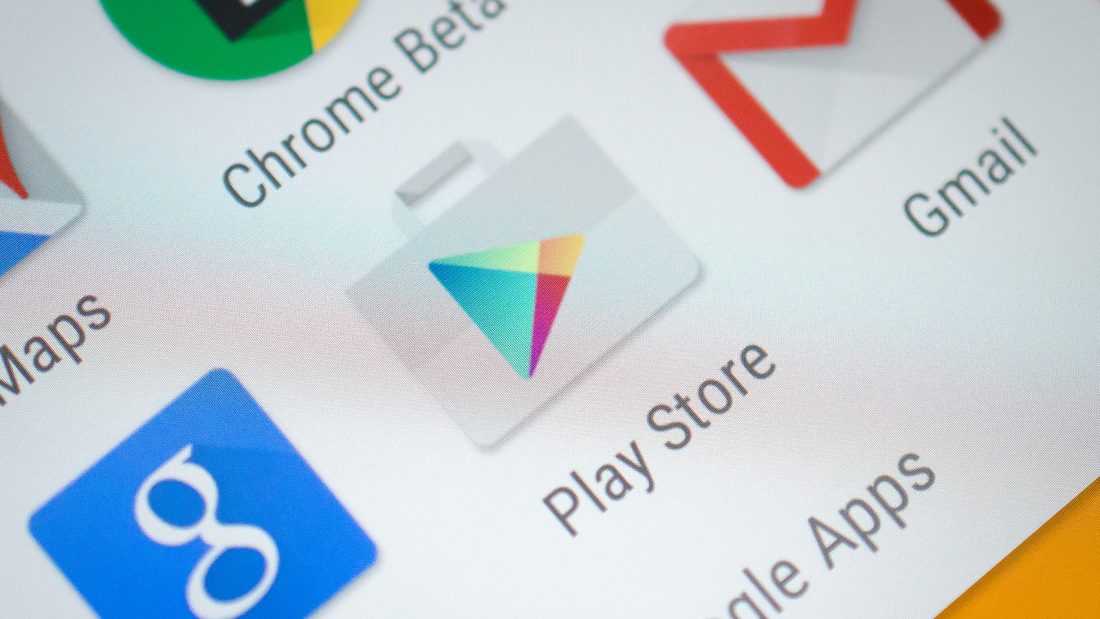
    This, in turn, means a cut in revenue for Facebook. Also, it should be noted that one of Facebook’s main arguments in support of its app ads is that it can direct app-developers to their target audience -with the help of the information Facebook has of its users. Not creepy at all, Facebook.google-play-iconThe new development in Google’s add-download might be quite a setback for the networking website since mobile app ads has been a significant source of its revenue.


    Google, on the other hand, is making app-downloads more and more inviting for users by introducing features like “trial run ads” which lets users use an app for 60 seconds before deciding whether or not they want to download it. Additionally, the users can now also stream app content from search without actually downloading the app.

  • Facebook Extends Tor Support to Android Facebook App

    Facebook Extends Tor Support to Android Facebook App

    Facebook has revealed that it’s Android app now offers Tor support to users concerned about keeping their social networking activity private. While this functionality has for some time now allowed Facebook users to directly access its site via Tor’s browser on personal computers,  this support for Tor on the Android app will be welcomed by users who majorly use facebook through their phones.

    tor-structure

    This step is expected to give users a relatively easy way to encrypt their Facebook viewing on the road. The user along with Facebook Android app will need to download the Orbot proxy app to make it work with Tor.

    The Tor access support will take some time before all users can take advantage of it. For now, Facebook is looking at gathering as much feedback on the app as possible. The whole idea still requires a lot of polishing, but nonetheless, it’s worth a try if you’re  paranoid about privacy when it comes to Facebook. Also, just in case you were wondering, Facebook does not intend to extend this Tor support functionality for its iOS users anytime soon.

  • TRAI Takes on Free Basics After Response from Users

    TRAI Takes on Free Basics After Response from Users

    In what will come as welcome news to millions of netizens across the country, the Telecom Regulatory Authority of India(TRAI) in its latest communication to Facebook, has in rather stern words intimated to the company that it does not approve of the manner in which Facebook is misrepresenting the results of its ‘support Free Basics’ campaign, and what it seems to be suggesting is a subtle attempt at nudging the voice of the people out of the decision-making equation.

    This letter from the desk of TRAI’s joint advisor K.V Sebastian, pulls up Facebook for the way it has conducted itself through the campaign to save Free Basics from being shut down. TRAI has suggested that Facebook is guilty of not conveying the full text of the regulator’s message to users who had supported Free Basics, and hence is misleading them into making uninformed choices.

    India-for-or-against-Net-Neutrality

    TRAI had earlier asked Facebook to convey to its users in support of Free Basics and zero-rating campaigns four specific questions which the telecom regulator wanted answers to before taking any final decision on the matter. Facebook, for its part responded to TRAI’s request by sending back a highly charged template response in favour of saving Free Basics which it claimed reflected the sentiment of its users.

    TRAI’s reply to this read,

    “Your response is silent on whether the text of TRAI has been shared with users as was specifically requested by TRAI. In light of the tangential natures of the responses by the users to the questions asked, the communication of the text was vital to demonstrating and ensuring that those who are responding to TRAI are making informed decisions.”

    The letter further goes on to say that in light of Facebook not disclosing crucial information to users, TRAI does not accept Facebook’s assertion that the initial template responses in support for ‘Free Basics’ and ‘Digital Equality’ are an appropriate representation of what people are saying.

    TRAI, not mincing its words, has also slammed Facebook in this letter over what it calls as ‘self-appointed’ spokesmanship on behalf of its users who it says “have not authorized Facebook of speaking on their behalf collectively.”

    It has further said that it does not approve of this practice of Facebook, and believes that what the company is doing through these uninformed template responses is curbing “public consultation” which it believes “has the flavour of reducing this meaningful consultative exercise designed to produce informed decisions in a transparent manner into a crudely majoritarian and orchestrated opinion poll”.

  • YouTube Urdu Launched in Pakistan

    YouTube Urdu Launched in Pakistan

    Google has unveiled a new Urdu language variant of YouTube in Pakistan. Users from the country will be redirected to the new web address YouTube.com.pk which will be a repository of local Urdu language videos from the country.

    The launch of this new site is regarded as a step in the right direction to get the ban on the website revoked which has been in place since 2012. The new homepage, YouTube.com.pk, will boast of local language and content, but is presently not accessible within Pakistan. The blockade could be lifted in the coming weeks as the country’s Supreme Court is expected to come up with a decision whether YouTube should be accessible again or not.

    92F71572-0C6B-4B1E-929D-C376A0322943_mw1024_s_n

    Goutam Anand, Director of Operations and Content, YouTube Asia Pacific, had this to say about the launch, “With these launches, we hope to pave the way for the work of more local creators, personalities and musicians to shine on the world’s largest and most vibrant video community. To all our YouTube viewers and creators from South Asia and around the world, we can’t wait to see what you share.”

  • India Has Most Selfie Related Deaths than Any Other Country in the World

    India Has Most Selfie Related Deaths than Any Other Country in the World

    Why the selfie-parade, o people of social media? According to an article in the Washington Post, of the 27 officially recorded selfie-related deaths, almost half happened in India.

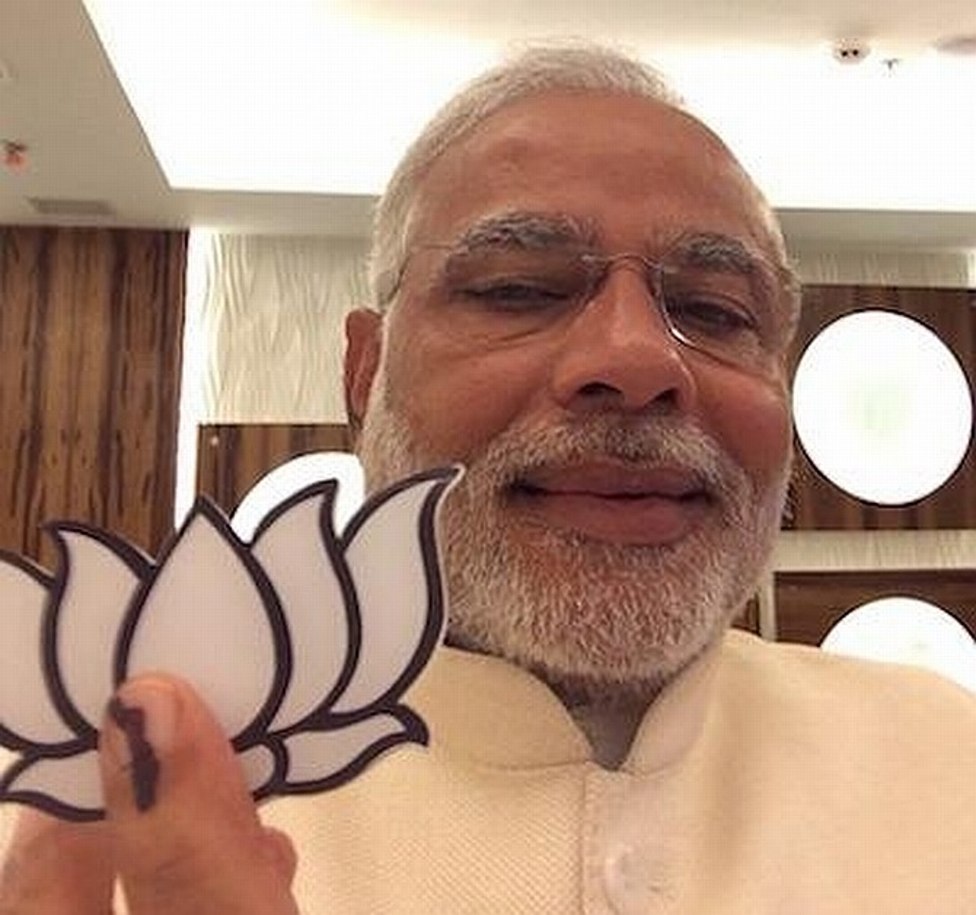
    Yes, we are a country which has a very tech savvy Prime Minister, with various active social media accounts. PM Modi’s selfie-love is no big secret and now it looks like Indians are taking it a little too seriously. Narendra Modi Selfie

    Three girls were swept into the Arabian Sea while they tried to click a selfie on a rock. One of the girls, and a man who dived in to rescue them, were later reported dead. Following this, Mumbai now has specifically marked “no selfie zones” in the city.

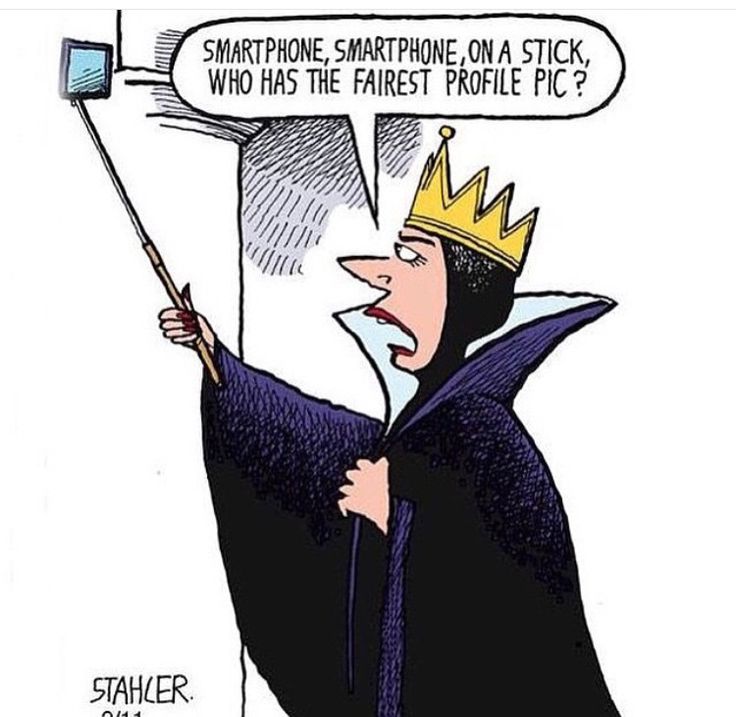
    Similarly, the Kumbh ka Mela was another potential site for selfie-disasters last year. Authorities feared that selfie-groups at hugely crowded affair might cause blockages and congestion triggering stampedes.Selfie stick

    The selfie-obsession has seen a phenomenal growth ever since its recent arrival. Social networking had brought huge attention to physical appearance. One fine day, people woke up to realise that no other person could make them look their best in their pictures -and hello, selfies.

    Thus began a pageant of duck-faces and pouts and squinted-eyes (the latest fad in the selfie-world, in case you were wondering). Leave a toddler with a device with a front camera, and they would never be in want of anything else.

    But don’t let any of this stop you from fluttering your eye-lashes in front of a selfie-snapper. Bring out that selfie-stick already, just make sure to keep yourself safe and alive, is all.

    Source

  • US Woman Sues Twitter For Allowing ISIS Accounts on its Platform

    US Woman Sues Twitter For Allowing ISIS Accounts on its Platform

    A woman in the US has sued Twitter for allowing official ISIS accounts to run on its platform, sparking off yet another debate about the exchange of content on social media.

    This lawsuit follows an attack by an ISIS member on November 9th when he shot down five people to death in Jordan. Two of them happened to be Americans. The husband of the plaintiff was one of the two American victims. The lawsuit demands unspecified damages from Twitter.

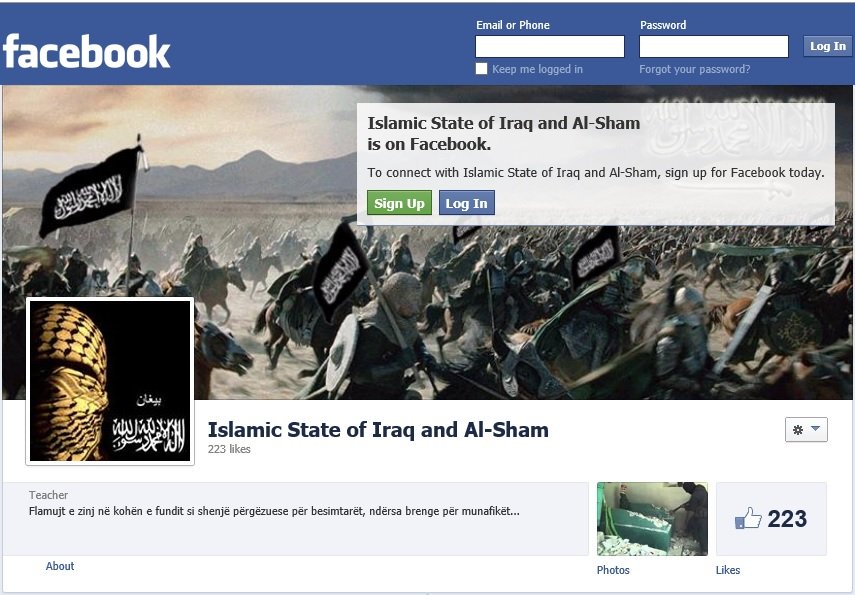
    The fact that ISIS is immensely tech-savvy and uses various social media platforms to assert its presence has been a topic of debate for a while now. The extremist group has a team of social media experts to take care of the content it puts up on different networking websites. But all of these networking portals defend themselves by stating that they are simply the channels of content-exchange, with no participation in the creation of this content whatsoever.Isis Facebook page

    Websites like Facebook, Twitter and YouTube are protected by Section 230 of the Communications Decency Act. It means that these websites are exempt from laws that would otherwise make them responsible for the content that users put up on their platform.

    However, the lawsuit claims, “for years, Twitter has knowingly permitted the terrorist group ISIS to use its social network as a tool for spreading extremist propaganda, raising funds and attracting new recruits. This material support has been instrumental to the rise of ISIS and has enabled it to carry out numerous terrorist attacks.”Twitter IPO

    Twitter defended itself in an official statement where it claimed, “While we believe the lawsuit is without merit, we are deeply saddened to hear of this family’s terrible loss. Like people around the world, we are horrified by the atrocities perpetrated by extremist groups and their ripple effects on the Internet. Violent threats and the promotion of terrorism deserve no place on Twitter and, like other social networks, our rules make that clear.”

    Source

iGyaan Network
Privacy Overview

This website uses cookies so that we can provide you with the best user experience possible. Cookie information is stored in your browser and performs functions such as recognising you when you return to our website and helping our team to understand which sections of the website you find most interesting and useful.