Smartphone News and Reviews, Latest Cellphones, Accessories, New Launches, Specifications, Details with Image and Video from Apple, Samsung, Lenovo, Moto, HTC, Xiaomi, Oneplus, Meizu, Sony, Lava, Micromax Yu Mobile and More.
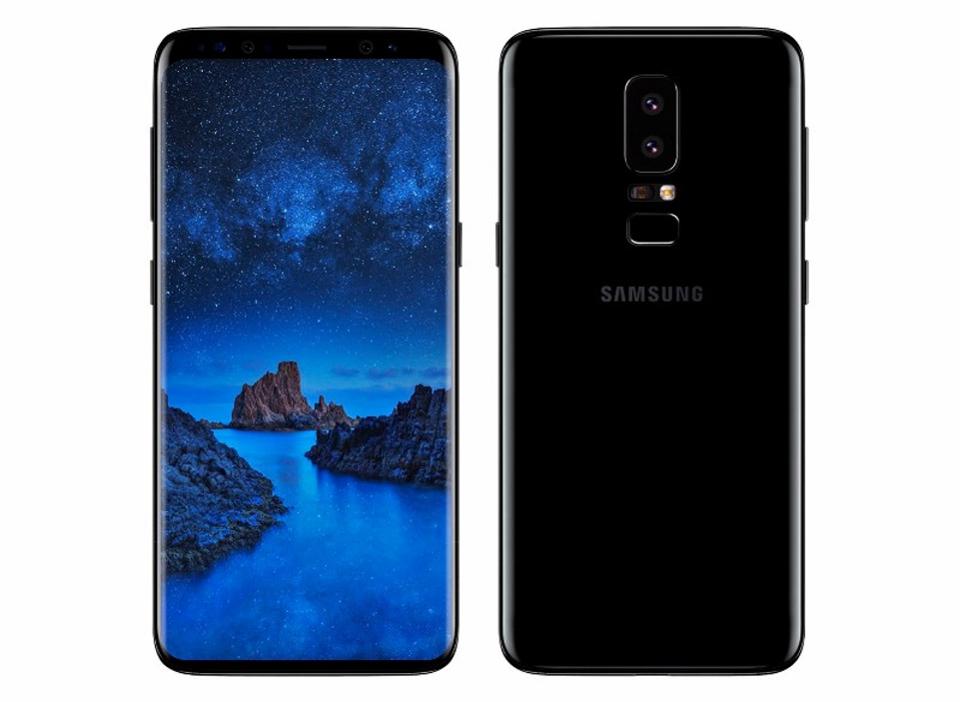
Samsung’s upcoming mid-range smartphones in 2018 will be inspired by its 2017 flagship phone lineup. According to a listing, the Samsung Galaxy A5 2018 will have a display with an 18.5:9 aspect ratio, something which was found on the Galaxy S8, S8+ and the Galaxy Note8.
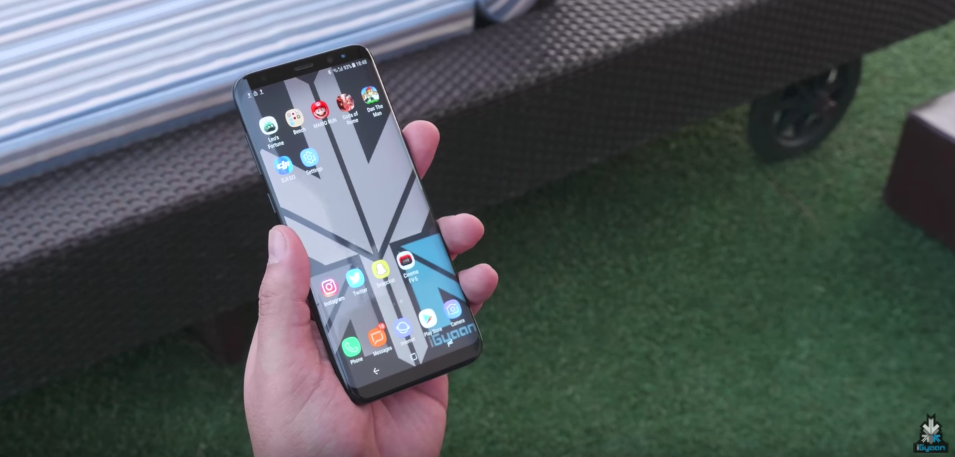
Samsung Galaxy S8+
It appears that even though the Galaxy A5 2018 will have an infinity display, the edges of the phone will not be curved. This means that the phone will look similar to the Galaxy S8 Active. The listing reveals that the Galaxy A5 2018 is being tested with Android 7.1.1 Nougat. That’s in line with previous reports that the Galaxy A (2018) series will come with Nougat out of the box and not Oreo. This is particularly starnge since Android 8.0 Oreo is already 3 months old and by the time the smartphone is released, it will be even older.
It is worth noting here that early listings can show wrong specifications and Samsung might introduce Android 8.0 Oreo with Galaxy A5 2018. The resolution of the display in the listing is said to be 846 x 412 px, which is clearly inaccurate. What this does confirm though, is the 18.5:9 aspect ratio.
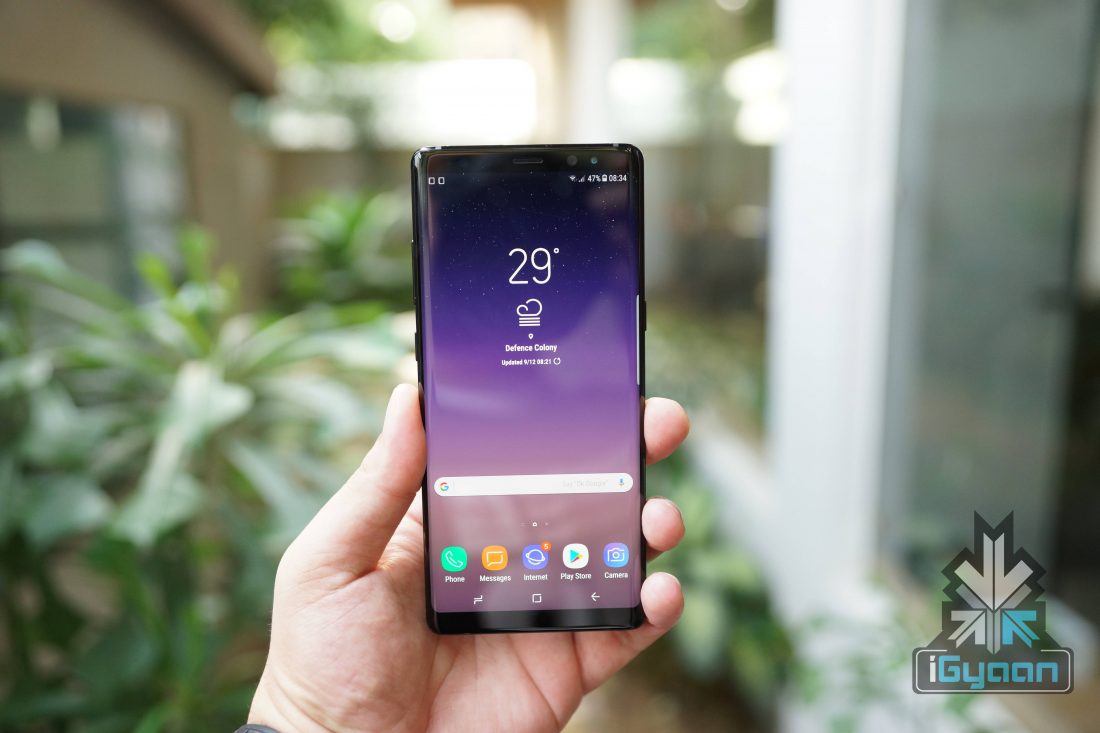
Galaxy Note8
With 2017 being the year for bezel-less flagship phones, it is expected that 2018 will see more mid-range phones with thin bezels and no home button.
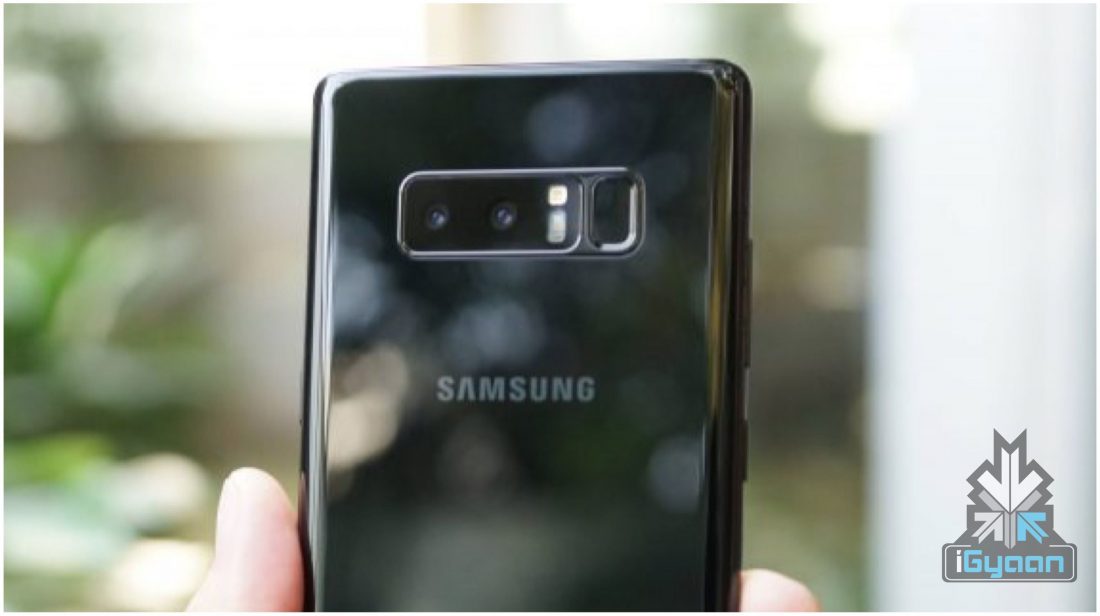
A report from South Korea claims that the upcoming Samsung Galaxy S9 and Galaxy S9+ will not have a screen-embedded fingerprint sensor. The Samsung Galaxy S9 and Galaxy S9+ are expected to be launched by April 2018 and ever since the Galaxy Note8 was launched back in August, it was expected that Samsung will introduce the new fingerprint sensor technology in its ‘S’ smartphone lineup.
Fingerprint sensor on the Galaxy Note8
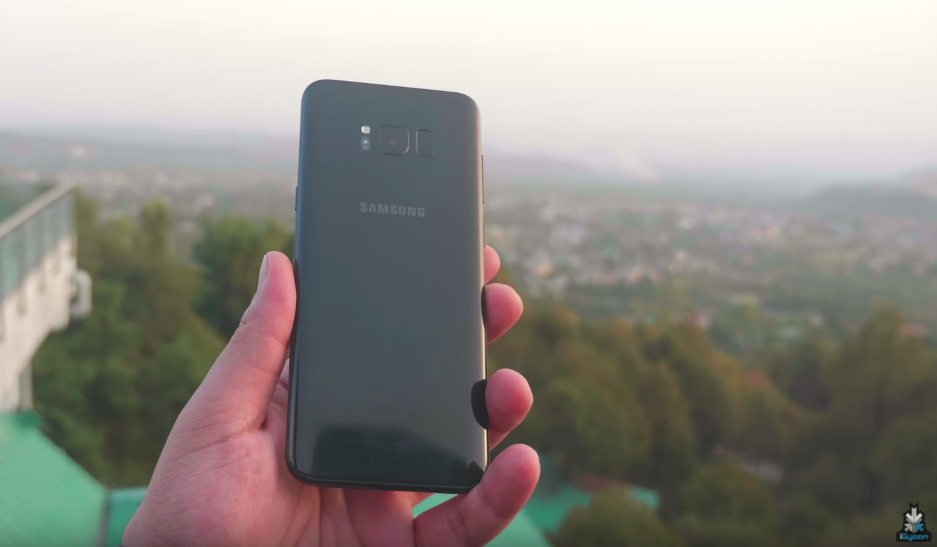
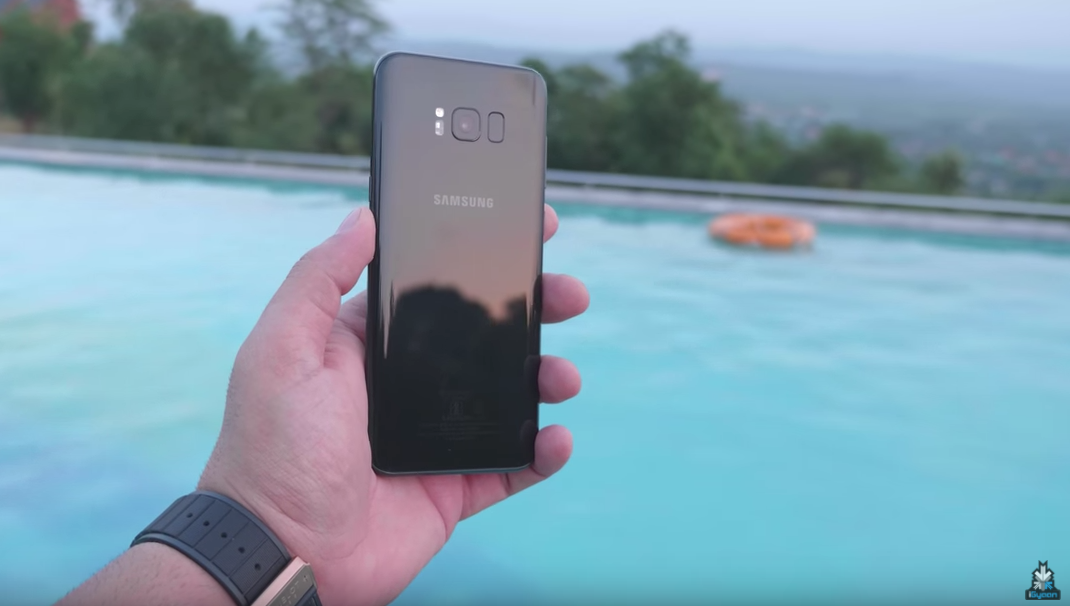
Launched in April 2017, the Samsung Galaxy S8 and S8+ received rave reviews from critics and consumers alike. iGyaan reviewed the two phones as well and barely found a con in either of the phones. The one blemish to otherwise top notch phones was the placement of the fingerprint sensor. Samsung reduced the bezels around the display considerably, and chose design over practicality when it came to repositioning the fingerprint sensor.
Instead of placing it in the centre of the phone like the LG G6 or the Google Pixel, Samsung placed it right next to the camera making it hard for people to reach the sensor without a little shimmy of the hand. When the screen embedded fingerprint sensor technology was showcased early in 2017, there were rumours that the iPhone X and the Galaxy Note8 will incorporate this technology since both the phones were expected to have minimal bezels.
Fingerprint sensor on the Galaxy S8/S8+
The report however, does say that even though the fingerprint sensor on the Galaxy S9 and Galaxy S9+ will be placed at the back, the position could be changed.
It’s not yet clear whether it will continue to sit awkwardly and inconveniently right next to the camera lens.
It appears that an early report of the Galaxy Note9 being the first Samsung phone with a screen embedded fingerprint sensor will turn out to be true.
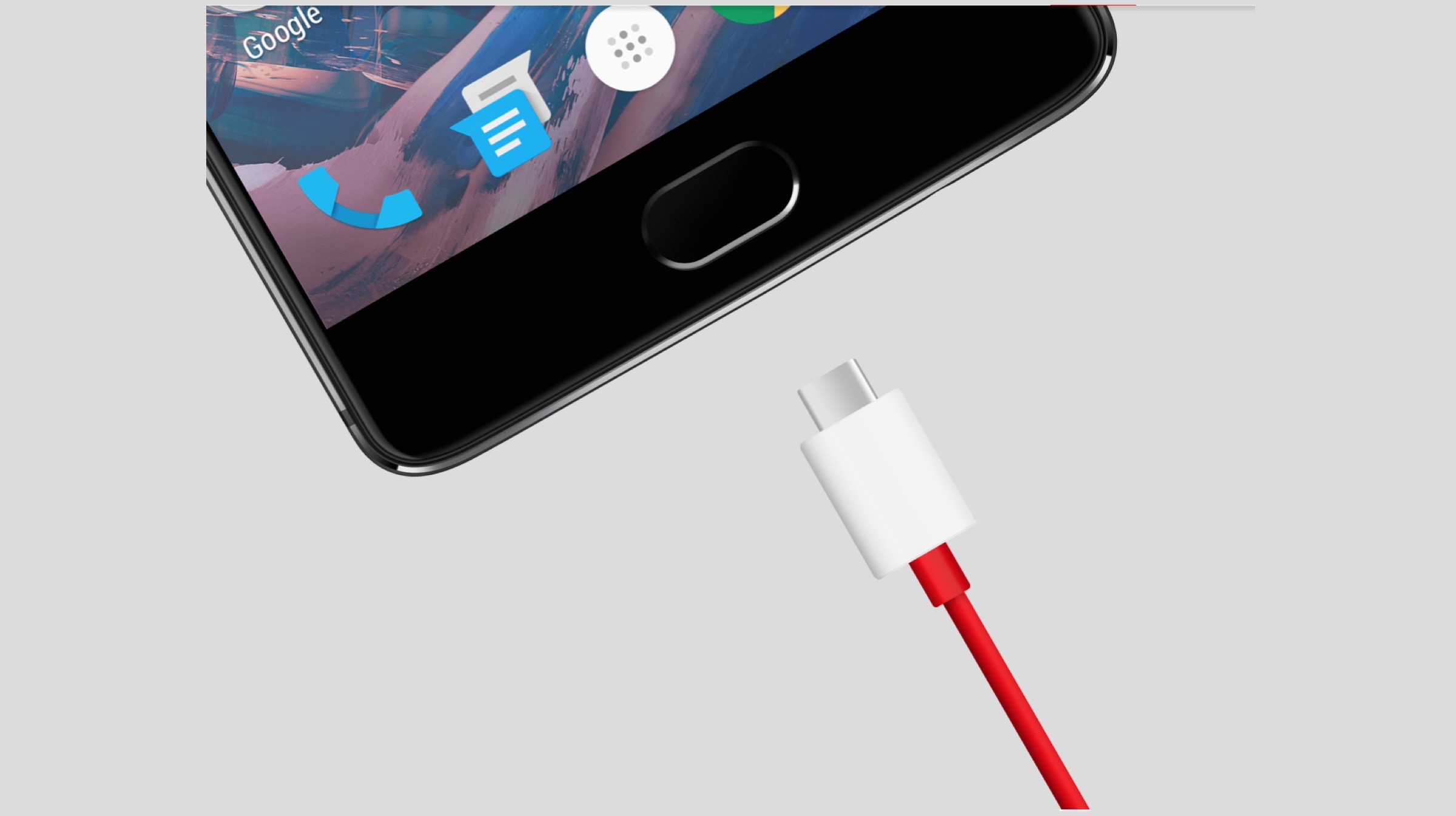
The upcoming OnePlus 5T appears to be the 2017 flagship phone that OnePlus 5 should have been. A tall display with thin bezels, dual-cameras, great hardware and rumoured competitive pricing. One thing that would be missing from the OnePlus 5T is wireless charging. OnePlus believes that its ‘Dash Charging’ is better than wireless charging hence, it decided to forego including wireless charging.
Pete Lau, co-founder of OnePlus shared two reasons why the company decided to not include a popular feature in the OnePlus 5T:
Reason 1: Wired quick charging solutions like ours clearly outshine wireless on quantitative measures. Just plug your device in, and Dash Charge produces 20 watts of power, reliably giving a day’s power in half an hour.
Reason 2: Dash Charge gives you enough power for the day with just one charging session. All you need is the Dash Charge cable and adaptor to consistently power your device at superior rate. It doesn’t matter whether you’re gaming or streaming video. Dash Charge stays cool and power efficient.
Wireless charging has been around for a long time now but, it became a mainstream topic of discussion after Apple included it in its latest 2017 iPhones. It is true that wireless charging doesn’t produce enough electrical juice to “fast charge” your smartphone and doesn’t even compare to OnePlus’ dash charge technology.
However, OnePlus has not dismissed the idea of wireless charging in their phones. Pete Lau says the company will “consider adopting the wireless charging technology when the time is right.”
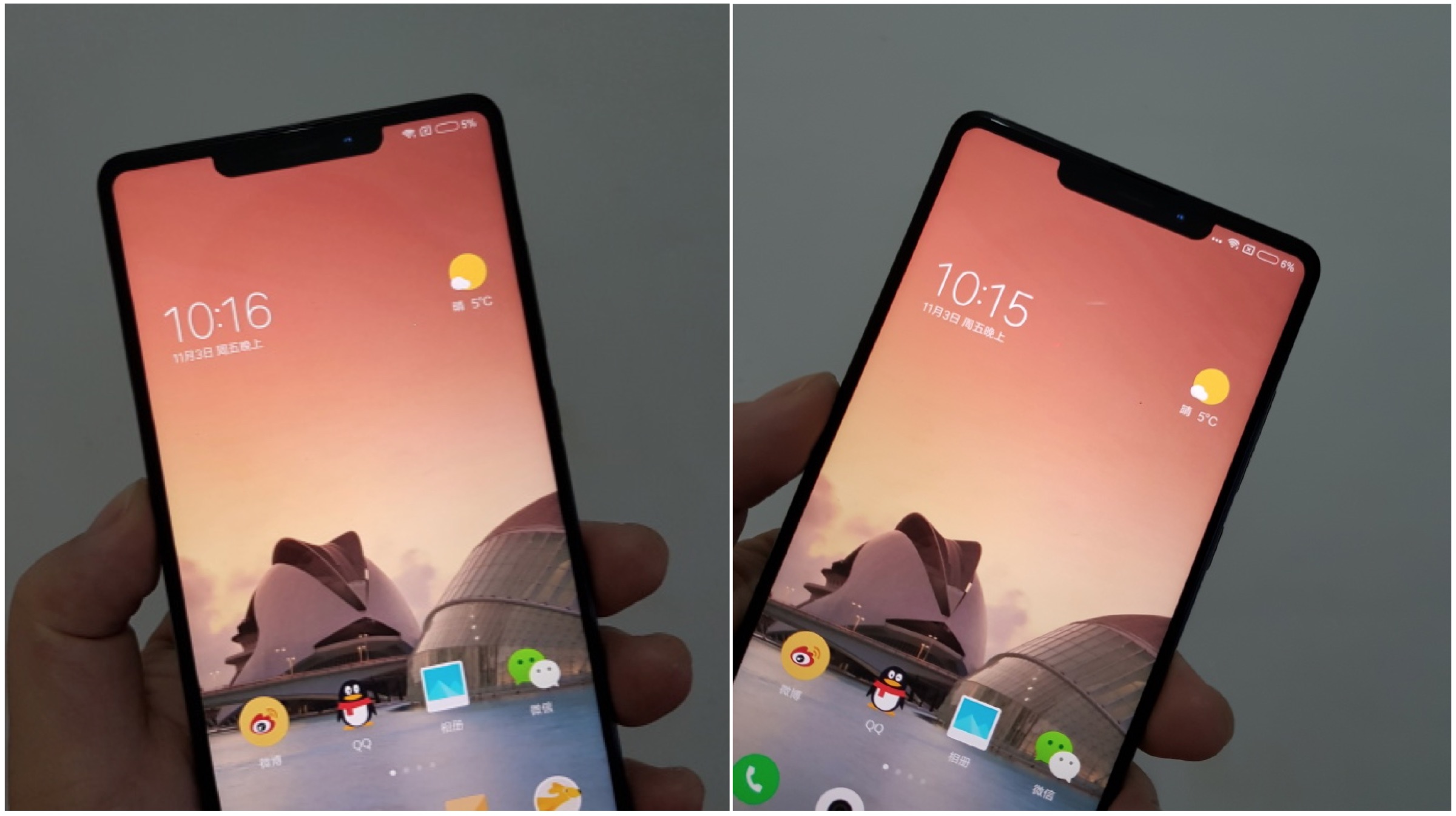
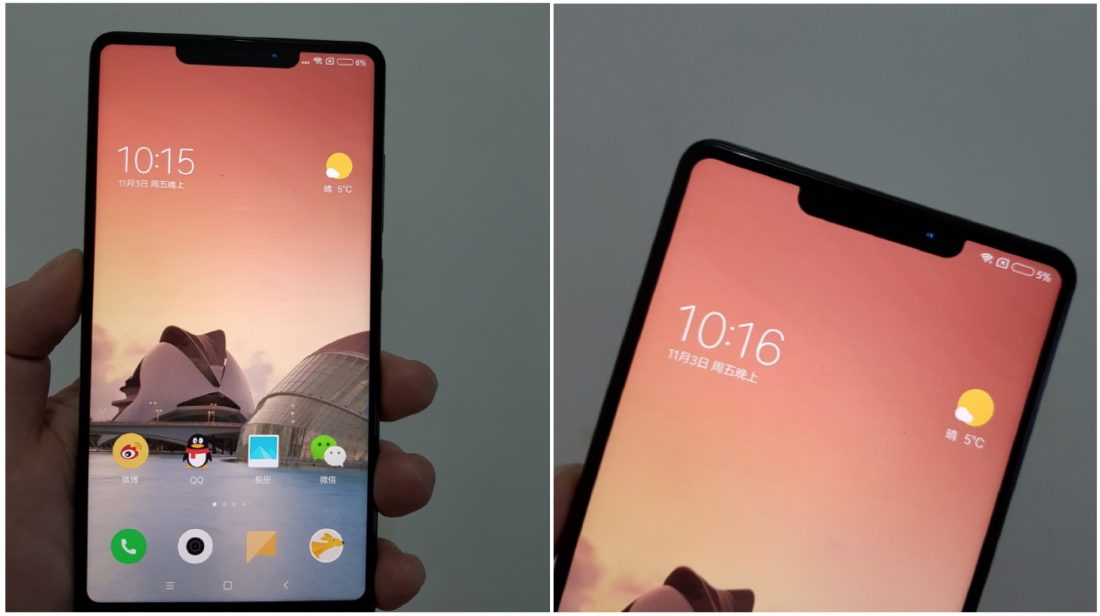
If these early images of the alleged Xiaomi Mi Mix 2s are anything to go by, then it looks like the iPhone X ‘notch’ is here to stay. The leaked images of the upcoming Mi Mix 2s show a very iPhone X-like top notch which appears to house the front camera and sensors.
If this does happen, and the Mi Mix 2s is launched with a notch so similar to the iPhone X, this phone will definitely grab the headlines. For design purposes, a notch will help the front camera move to a more natural position than in the bottom bezels, found on the Mi Mix and Mi Mix 2. Further, the notch can also help decrease the size of the bottom bezel which is not visible in the images.
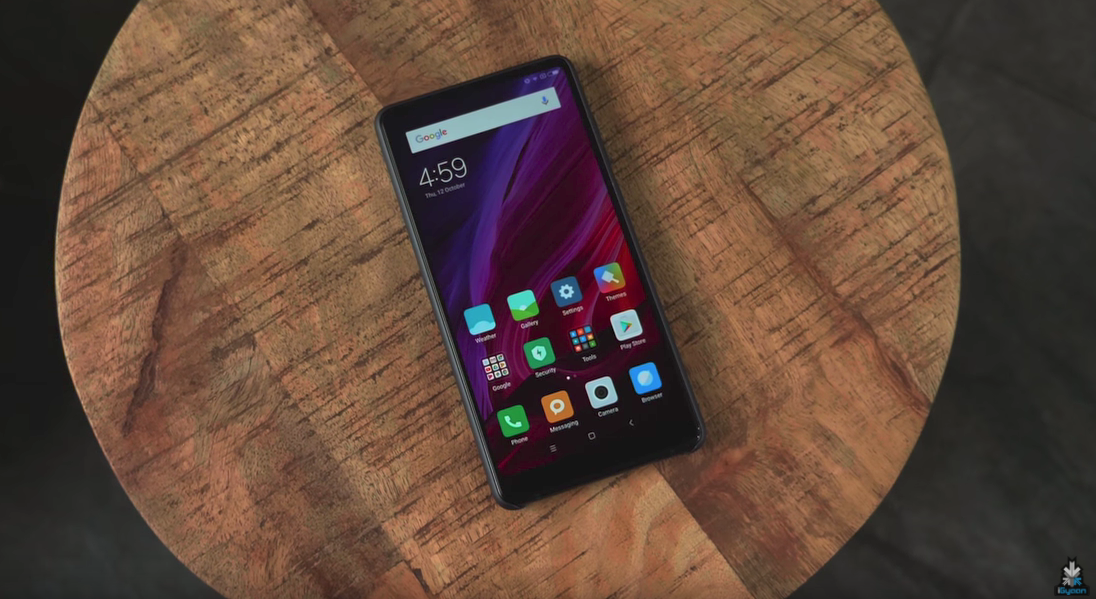
Xiaomi Mi Mix 2
The notch on the Mi Mix 2s however, looks a bit forced, rather than natural as compared to the one found on the iPhone X. Looking at the inages, it is visible that the “horns” around the cutout are wider, leaving more room for icons in the status bar compared to the iPhone.
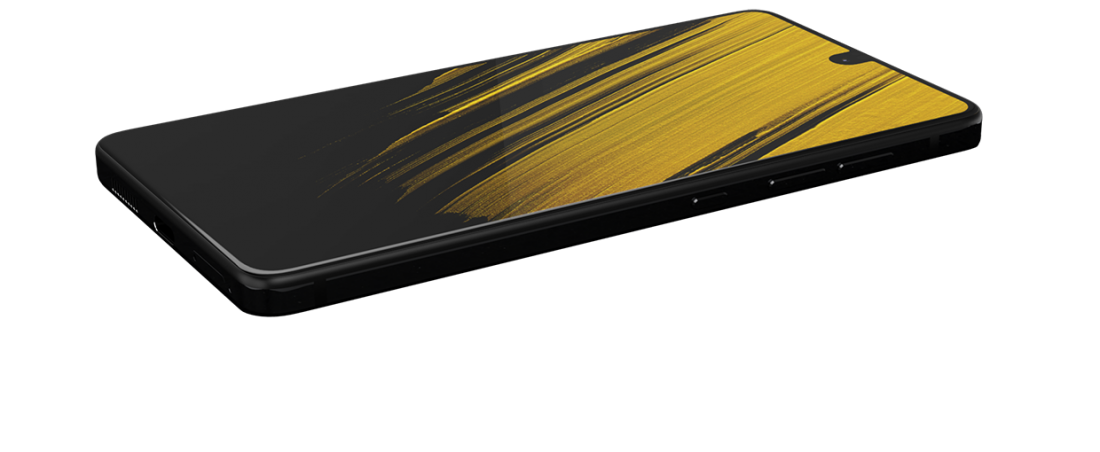
The Xiaomi Mi Mix 2s if launched, will not be the first Android device with a notch. The Essential Ph-1, which was released in August has a cyborg-like cutout for the front facing camera. Android apps, as found on the Essential Ph-1 do not deal well with a notch and developers need to actively update their apps to make use of the full 18:9 aspect ratio and also deal with a notch on the screen.
Essential Ph-1
The Xiaomi Mi Mix, launched in 2016 was the phone that prompted big smartphone makers to produce bezel-less devices. With the Mi Mix 2, Xiaomi entered a global market with its marquee device and with the Mi Mix 2s, it looks like the Chinese smartphone maker wants to take Apple head-on with another ‘top-notch’ device.
Smartphones in today’s day and age have become accessible to everyone because of their cheap price tag without compromising a lot on features. A few years ago what was only available on a premium smartphone has now made its way into the ‘budget category’. As Xiaomi launched the Redmi Y1 at a starting price of Rs 8999, it entered that segment of the market which is already overflowing with different phones from different companies. Let’s stack up four of the best offerings, Redmi Y1, Moto G5, Lenovo K8 Plus and Micromax Infinity from this price range and see which one comes out on top:
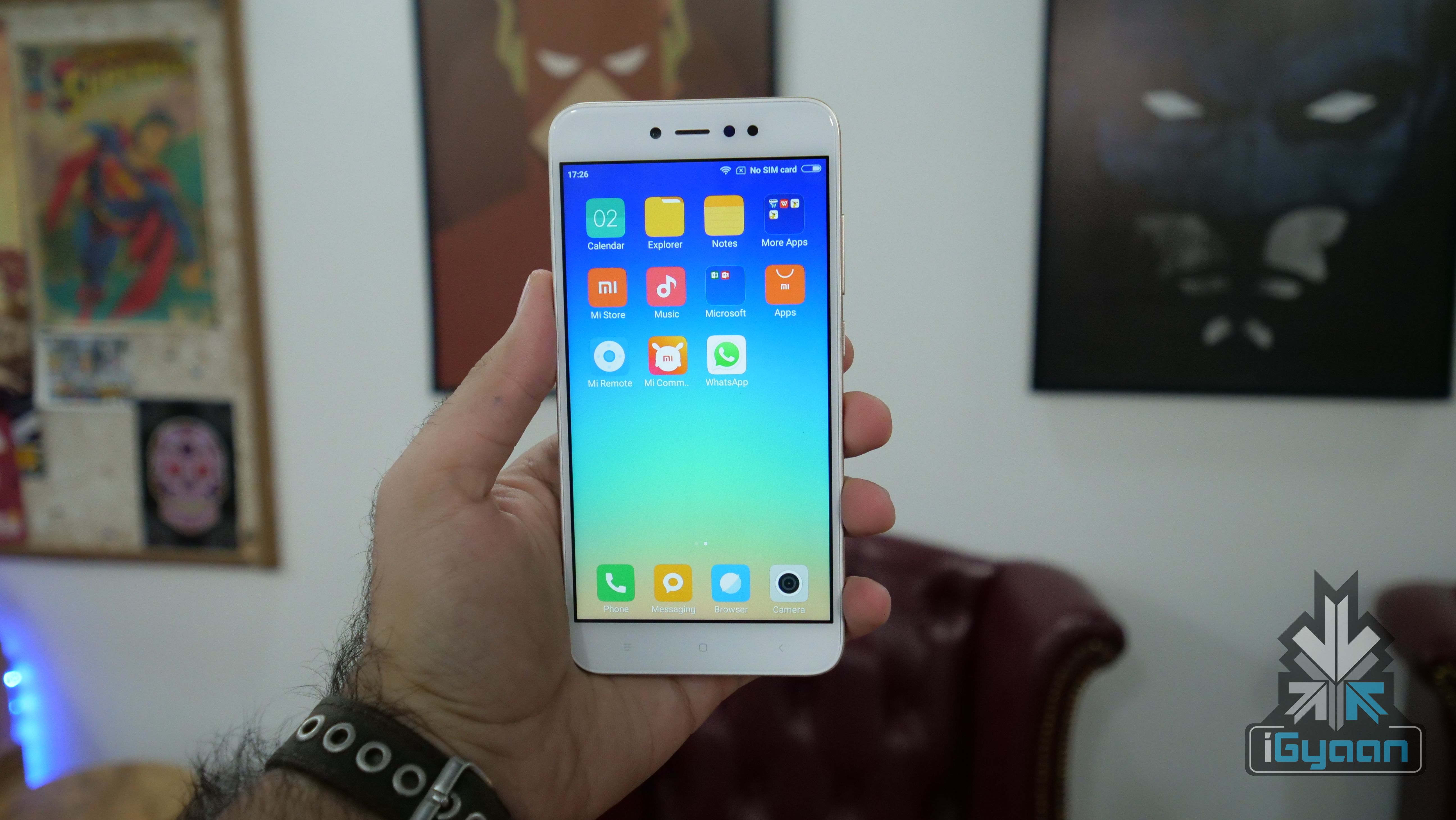
Xiaomi Redmi Y1
The Xiaomi Redmi Y1 was launched in India as a part of a new lineup that focuses on selfies. The Redmi Y1 has a 5.5 inch IPS LCD display with a 1280 x 720 px resolution. In a lot of ways, it is an updated variant of the Redmi 4, which is also priced at Rs 8999 with the same chipset and RAM/storage configuration.
Where the Xiaomi Redmi Y1 supposedly excels is the camera department and specifically, the front camera. On the front of the phone is a 16MP camera with an f/2.0 aperture. Xiaomi claims that the software processing and beautify mode will result “in your best selfie ever.” The rear-mounted 13MP camera with PDAF and LED flash.
Moto G5
Lenovo-owned Motorola launched the Moto G5 along with the Moto G5 Plus in India in February 2017. Even though in August, Moto G5s and Moto G5s Plus were launched as an incremental upgrade, the Moto G5 at a price of Rs 10500 is a great option. With stock Android OS, and a more than capable Snapdragon 425 chipset, the Moto G5 fits the bill for a lot of consumers.
For the Moto G5 as well, the camera has been the highlight. The Moto G5 has a 13MP f/2.0 camera with phase detect autofocus with a 5 MP front camera.
Micromax Infinity
A phone made for people who prefer design over everything else, the Micromax Infinity offers a display with an 18:9 aspect ratio. The Micromax Infinity has a 5.7 inch IPS LCD display with a 1440 x 720 px display. Similar to the Moto G5, the Micromax Infinity also has the Qualcomm Snapdragon 425 chipset, 3GB RAM and 32GB onboard storage which can be expanded via microSD card.
It has a 16MP front camera and a 13MP rear camera with auto scene detection, bokeh effect, super pixel and panorama.
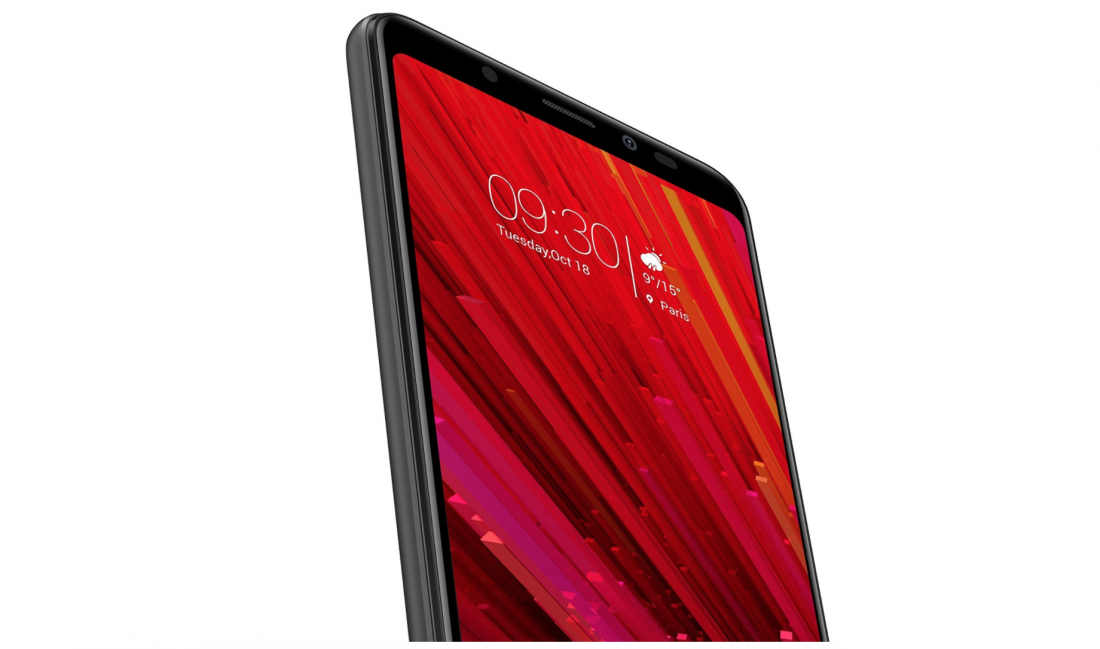
Lenovo K8 Plus
The Lenovo K8 Plus is the only phone in this list that has a dual-camera setup at the back. It has a 5.2 inch IPS LCD display with a 1920 x 1080 px resolution. The Lenovo K8 Plus runs stock Android 7.1 Nougat and Lenovo has promised an update to Android 8.0 Oreo by early 2018.
The Lenovo K8 Plus sports a vertically placed dual-camera setup at the back. It has a primary 13MP Pure cell sensor mated with a 5MP Samsung BSI sensor dual camera with an f/2.0 aperture and dual LED flash. The smartphone is capable of depth effect shots, bokeh effect shots, and dual ISP images. On the front is an 8MP wide angle lens with an f/2.0 and an LED flash.
Xiaomi introduced a new lineup of smartphones in India which will focus on the ever-growing craze of selfies. The Redmi Y1 is the first smartphone launched in the lineup along with the Redmi Y1 Lite. Priced competitively, is the Redmi Y1 the new budget king?
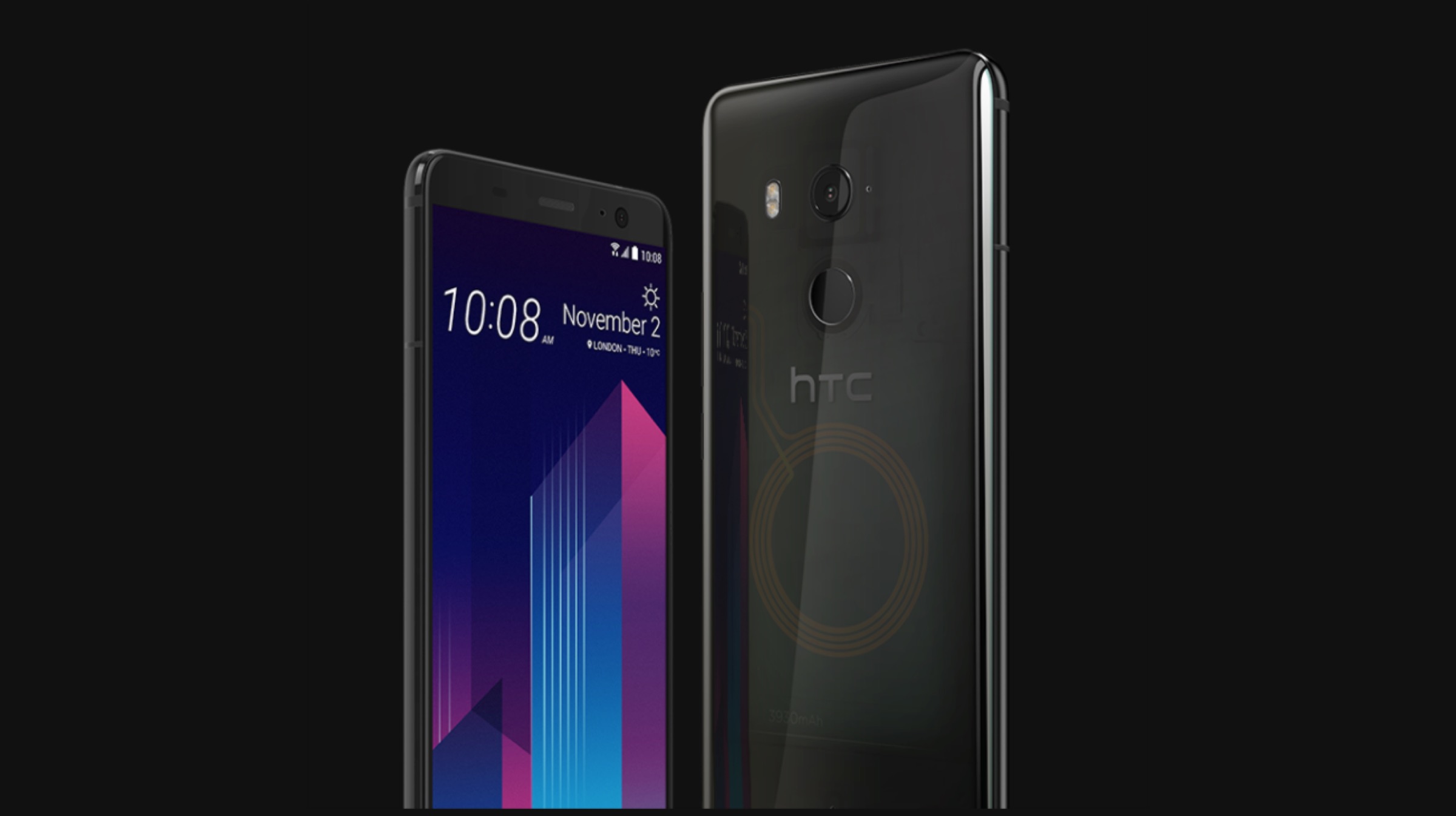
HTC has launched the HTC U11 Life in two variants, one variant running Android 7.1 Nougat with Sense UI and an Android One variant running Android 8.0 Oreo. The HTC U11 Life is priced at US $349 (Rs 22500 approx.) for the unlocked version in the US. There is no official word on its availability in India as of now.
HTC has launched the HTC U11+ at a price of £699 (Rs 59800 approx.) in the UK. There is no official word on the phone’s availability in India as of now. There were multiple leaks leading up to the launch of the phone and most of them have turned out to be accurate. HTC U11+ will succeed the HTC U11 which was launched back in March 2017. Along with the HTC U11+, the HTC U11 Life was also launched, which is a mid-range device with design aesthetics similar to the HTC U11.
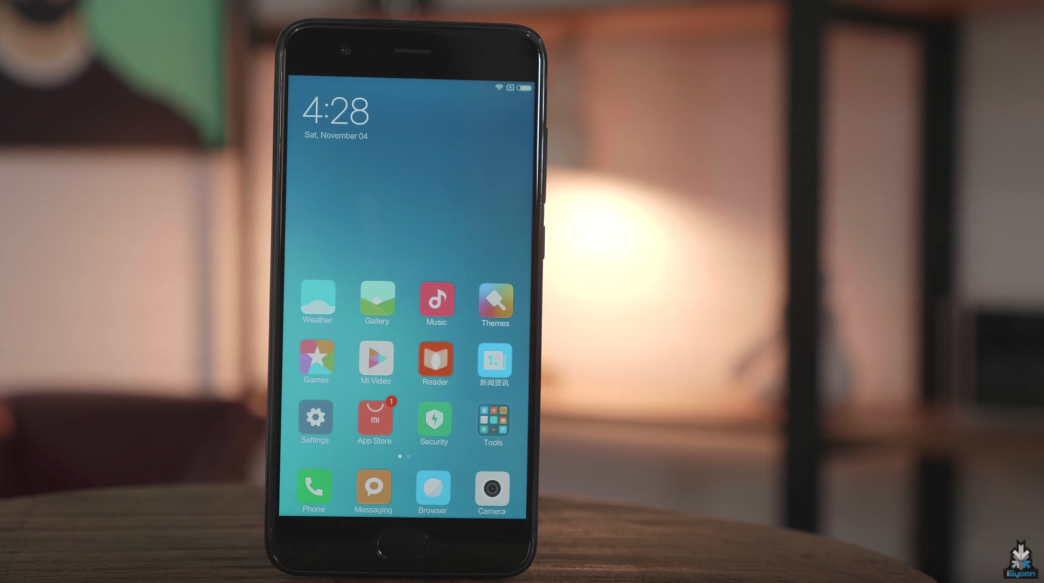
The Xiaomi Mi Note 3 was launched in China on the 11th of September at a starting price of CNY 2,899 (Rs. 28,300 approx.). The Mi Note 3 succeeds the Xiaomi Mi Note 2 which was launched in 2016 with a fair amount of upgrades.
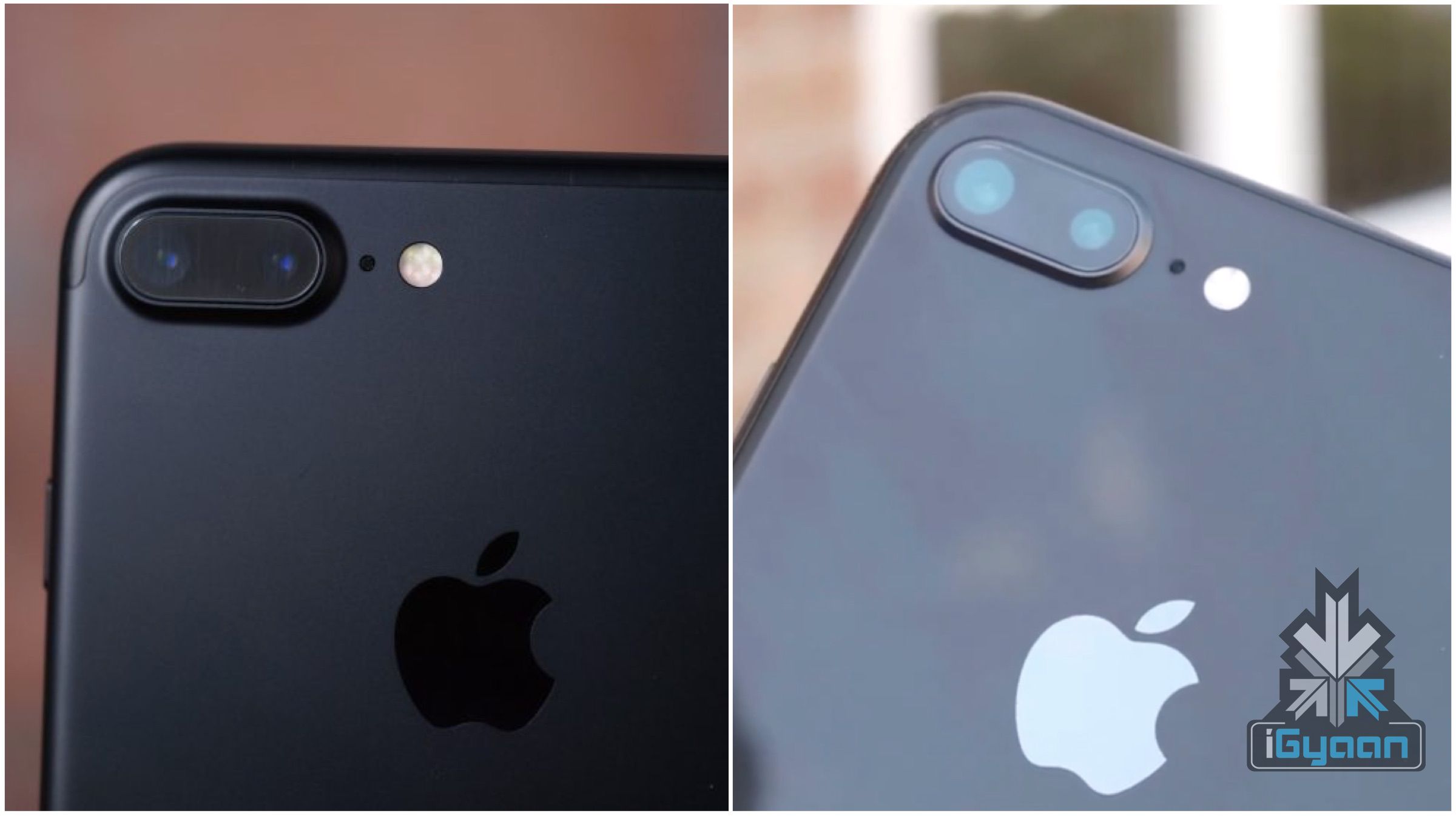
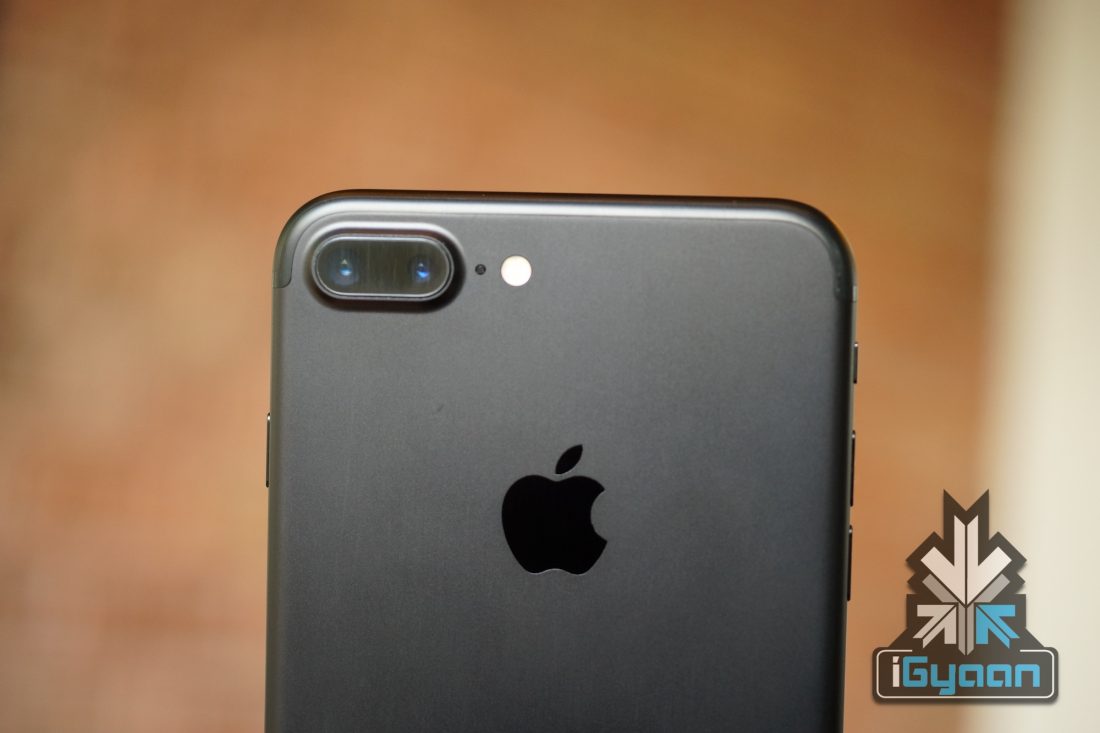
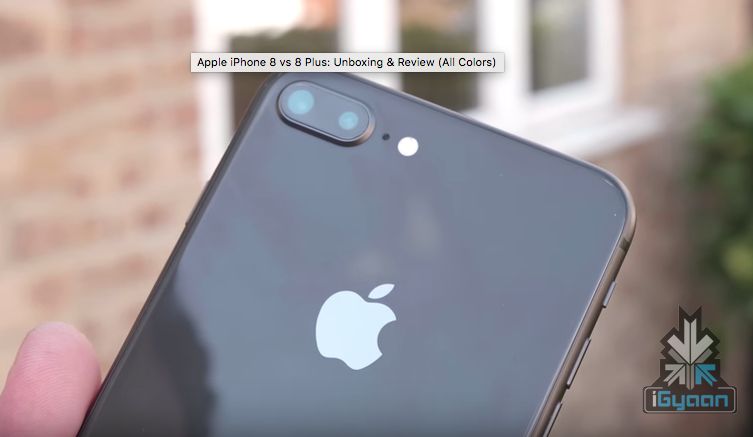
Israeli company Corephotonics has filed a lawsuit against Apple for patent infringement. It looks like Apple can’t catch a break, as this case has emerged right after it won a US $120 million case against Samsung. Corephotonics, a maker of dual lens camera technology, claims that the cameras featured in the iPhone 7 Plus and iPhone 8 Plus infringe on four of its patents.
Corephotonics was founded in 2012 by Dr. David Medlovic, a Tel Aviv University professor and former chief scientist in the Israeli government.
iPhone 7 Plus
Corephotonics claims in the lawsuit that it reached out to Apple “as one of its first acts as a company” to establish a strategic partnership. The exchanges with Apple continued for a some time but never resulted in a license agreement for Corephotonics’ dual lens technology. In the lawsuit, the company claims:
Apple’s lead negotiator expressed contempt for Corephotonics’ patents, telling Dr. Mendlovic and others that even if Apple infringed, it would take years and millions of dollars in litigation before Apple might have to pay something.
According to the lawsuit filed, Apple infinged four patents that Corephotonics filed between 2012 and 2015. Of the four, two patents were on mini telephoto lens assembly, one patent on dual aperture zoom digital cameras, and one on high resolution thin multi-aperture imaging systems, which is essentially an umbrella term that covers what dual lens cameras are.
The company claims that its dual aperture camera technology has two fixed-focal length lenses, including a wide angle and a telephoto lens, which is what Apple uses in its iPhone 7 Plus and iPhone 8 Plus.
In a bizarre turn of events, the Israeli company has roped in the consumers as well in this lawsuit. Corephotonics says since Apple is selling the phones with “knowledge of or wilful blindness” of the patents it’s allegedly infringing, the lawsuit claims that consumers who buy the iPhone 7 Plus and the iPhone 8 Plus are infringing on the Corephotonics’ telephoto lens assembly patent as well.
The lawsuit demands monetary compensation for the lawyers that Corephotonics has had to hire along with additional damages. It is also demanding that Apple stop using dual-aperture cameras immediately.
Xiaomi has launched its first ever selfie focussed Android phone lineup in India. The Redmi Y1 and the Redmi Y1 Lite are the first part of a new lineup of smartphones in India which will focus on selfies. Along with the new phone, Xiaomi also introduced MIUI 9 in India. Launched back in August in China, the MIUI 9 brings new features like split-screen and CPU acceleration and new themes.
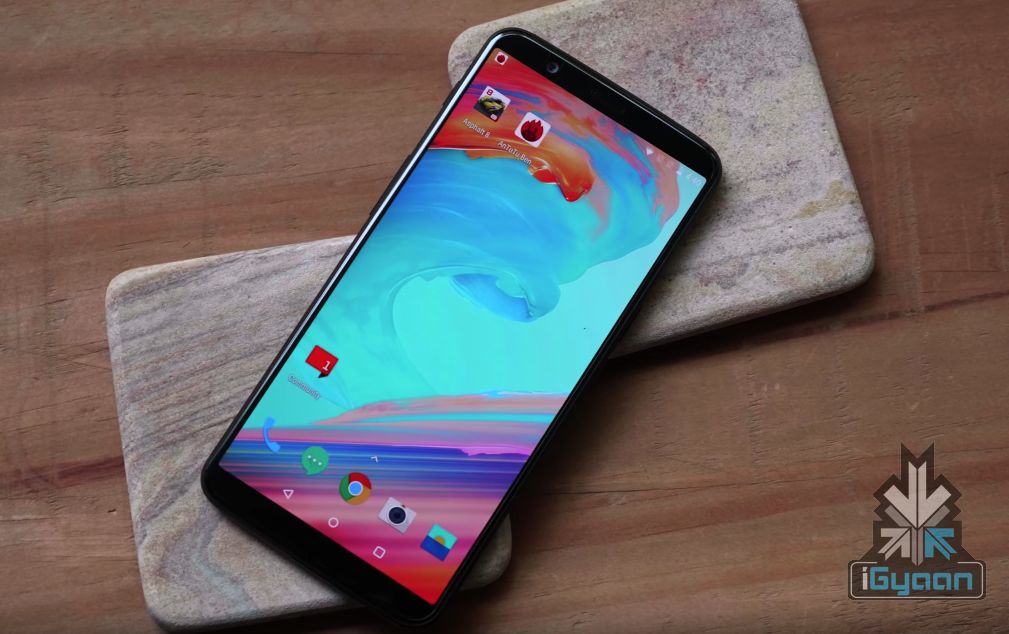
OnePlus has launched its second flagship smartphone in 2017, the OnePlus 5T at a price of US $499. The device will be available globally on and will go on sale in India on the 21st of November via a flash sale exclusively on Amazon.
The OnePlus 5T is an incremental upgrade over the OnePlus 5 which was launched in June 2017. The hardware is more or less the same as the OnePlus 5, with a new design and display size. The OnePlus 5T is more in line with 2017 flagship phones with thin bezels and a tall display which has become a norm in 2017 flagship phones like the Galaxy Note8 and the iPhone X.
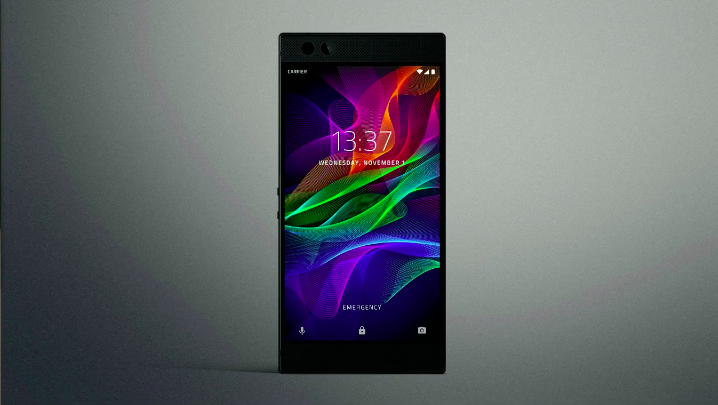
After weeks of speculation and leaks, Razer has launched the Razer Phone during an event in London. Launched as a gamer’s phone, the Razer Phone has flagship phone specifications. Razer poked fun at the price of its Razer products and announced that the phone will be priced at US $699 and ship it to the US and EU from the 17th of November.
There is no official word on the availability of the Razer phone in other markets including India.
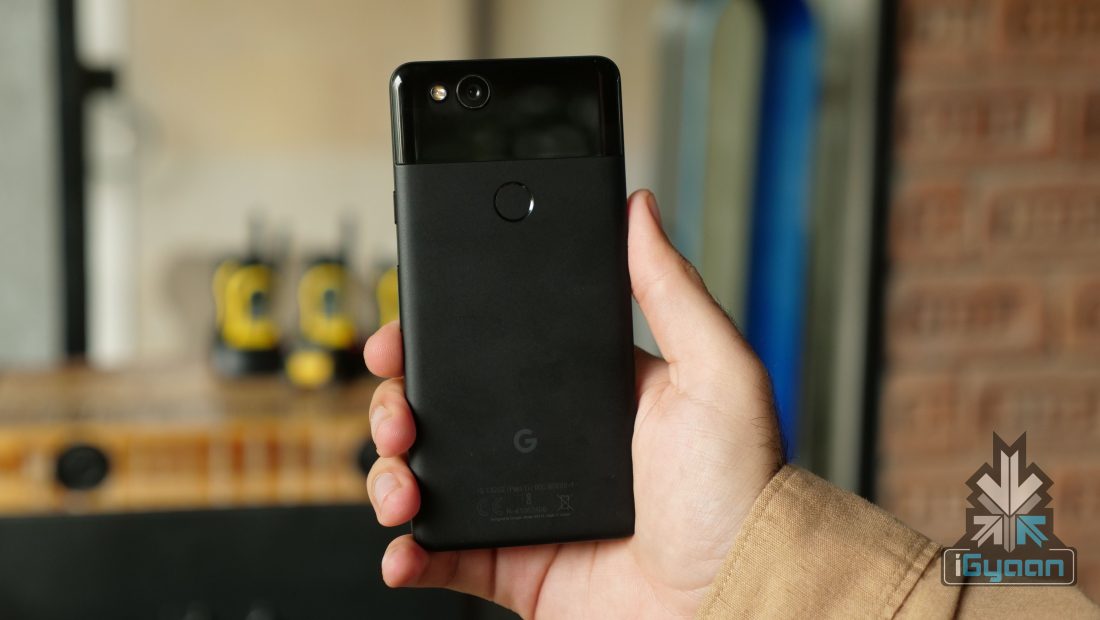
The Google Pixel 2 was launched after the iPhone X but, thanks to it being available before the iPhone X the phone was put through its paces all over the internet. DXOmark is a portal that rates the camera of a smartphone on different parameters and the Google Pixel 2 came out to be the highest rated smartphone ever. The recently launched iPhone X was tested by DXOmark and was given an overall rating of 97, which is onepoint less than the Pixel 2.
In its summary, DXOmark said:
With a Photo score of 101, the Apple iPhone X achieves the best results so far for still images, edging out the Huawei Mate 10 Pro and the Samsung Galaxy Note 8, the previous joint leaders in the Photo ranking, by one point.
Its overall score of 97 puts the iPhone X into joint second place with the Huawei Mate 10 in the current DxOMark Mobile overall rankings, just behind the Google Pixel 2 with 98 points.
It is interesting to note here that despite clicking the best still images, the iPhone X falls short of the overall score of the Pixel 2 because of its video recording capabilities. The iPhone X is the only smartphone that records 3840 x 2160 px videos at 60fps.
For video, the X doesn’t quite rise to the same high-water mark, achieving a video sub-score of 89 points.
Photos are an extremely subjective aspect of smartphones, just like sound hence, scores by DXOmark can mean everything or absolutely nothing to a consumer. Still, having the second best smartphone camera in the world is no mean feat.
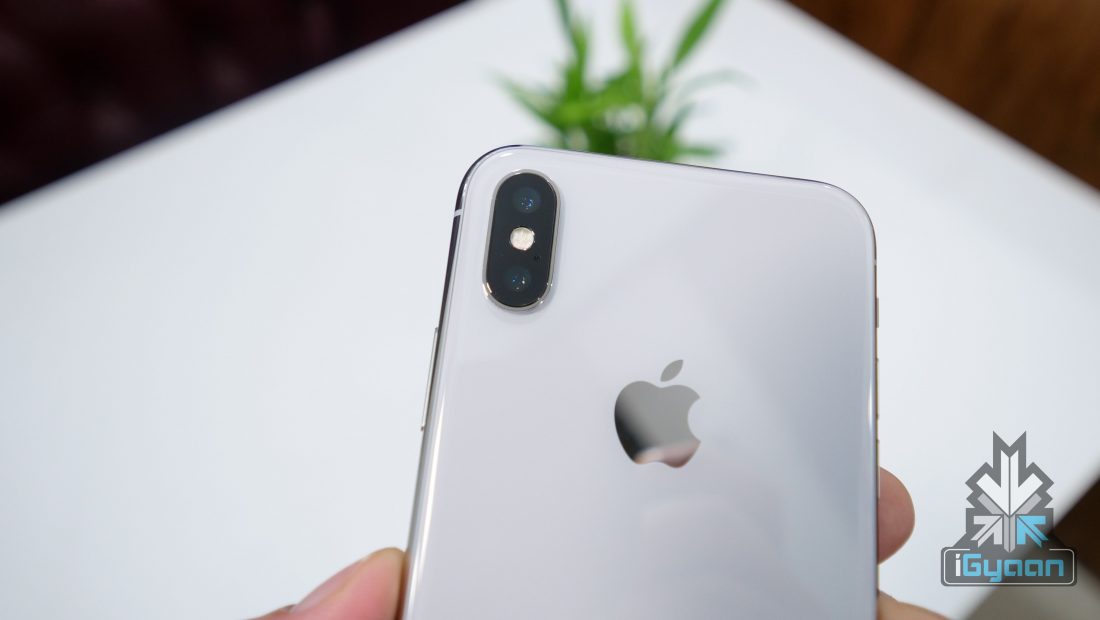
The iPhone X has dual 12-megapixel rear cameras, and it’s equipped with dual optical image stabilisation. The sensors are both larger and faster, according to Apple, and the main camera is equipped with a wide angle lens and has an f/1.8 aperture while the secondary telephoto lens has an f/2.4 aperture. In between the two cameras is a quad-LED True Tone flash. Both the front and back cameras have the portrait mode. The rear cameras have the portrait lighting feature, just like the iPhone 8 and iPhone 8 Plus.
Would you prefer the Google Pixel 2 over the iPhoneX on the sole basis of their DXOmark scores? Let us know in the comments below.
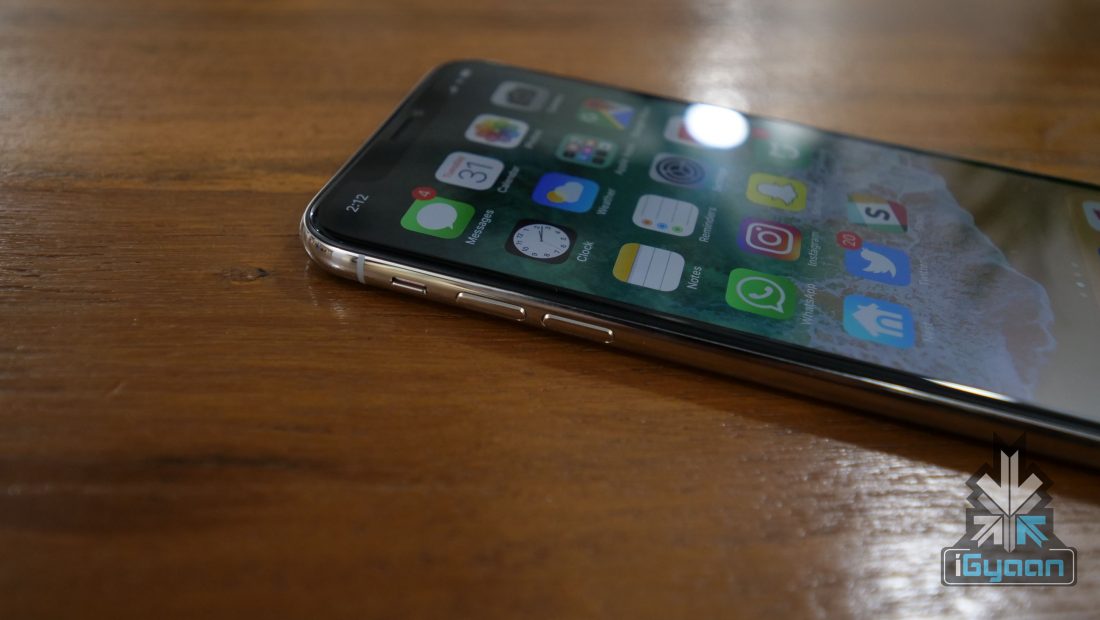
The highly anticipated Apple iPhone X is now available to the consumers and has received great early reviews. it may not have broken the Pixel 2’s record on DXOmark, but, its display appears to be doing great. According to a report by DisplayMate, the 5.8 inch OLED Super Retina display of the iPhone X is the “most colour accurate” display.
The report was presented by DisplayMate President, Dr. Raymond M. Soneira and claims that the iPhone X display has “close to textbook perfect calibration and performance” through a built-in automatic colour management system. The system switches to a relevant colour gamut on the basis of the image displayed within the Wide DCI-P3 Colour Space that has an ICC Profile. This process helps in rendering correct colours, neither over-saturated nor under-saturated, the report mentions.
The display of the iPhone X is reported to have the highest brightness for OLED smartphones at 634 nits. This is higher than the 560-nit brightness of the Samsung Galaxy Note8. Similarly, the iPhone X has a Super Dim Setting that can drop down the display brightness to as down as two nits. The image contrast of the iPhone X was found to be “slightly too high”.
However, the viewing-angle performance of its display is apparently better than any mobile display, monitor, TV or UHD TV that are available in the market right now. The OLED panel on the iPhone X displays 22% decrease in brightness, this is less than the 30% that traditional OLED panels display.
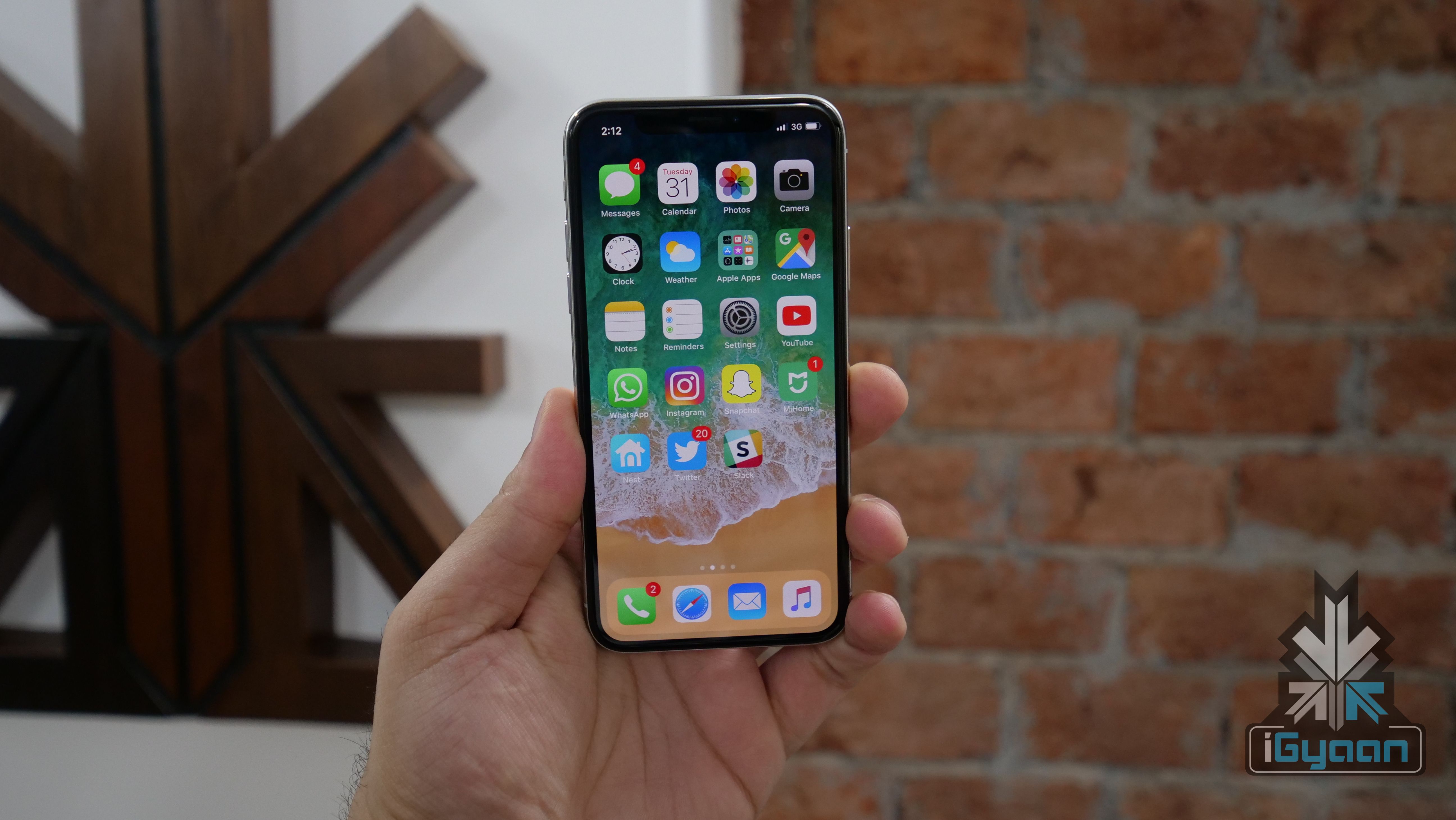
DisplayMate also mentions the highly discussed ‘notch’ at the top of the display. The notch, which houses the TrueDepth cameras for FaceID and ‘portrait mode’ selfies has a negligible presence on the front, taking up to 2% of the total screen area.