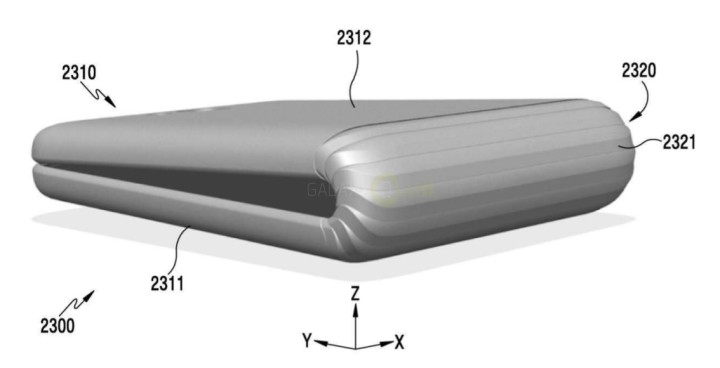
While Apple took to the Steve Jobs Theater to launch the all-new iPhone X, Samsung has expressed its aim to release a foldable display based Android device in 2018. According to a report by the Associated Press, the phone would feature a bendable display and will be released under the company’s flagship Galaxy Note line. Samsung unveiled the foldable tab/phone concept in 2013 and unveiled an improved prototype at the MWC 2017, which suggests that a working retail model of the ambitious foldable smartphone might not be too far away.
Dongjin Koh, President of mobile business at Samsung told some reporters at a news conference in South Korea that there are still hurdles to overcome and a possible release would be pushed back if the issues are not resolved in time.
When we can overcome some problems for sure, we will launch the product. We are digging thoroughly into several issues we must overcome, as we don’t want to just make a few, sell a few and be done. We want to hear that Samsung made a very good product. We have a plan to adopt a foldable display in our roadmap.
The foldable smartphone has long been touted as the Galaxy X, which now sounds like a rip-off of the iPhone X which means Samsung will definitely not go with this name. A number of patents as well as Samsung’s own concept video from CES 2013 tell us what to expect from the Galaxy X. Samsung is most likely to start small, with a smartphone that folds halfway like a wallet. Another design, in line with Samsung’s prototype unveiling, could see the phone unfold into a full-size tablet.
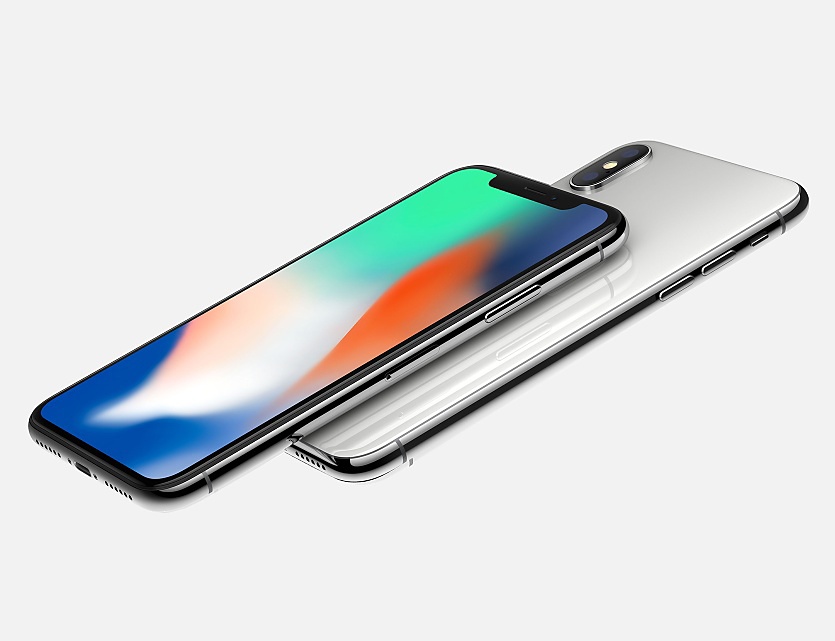
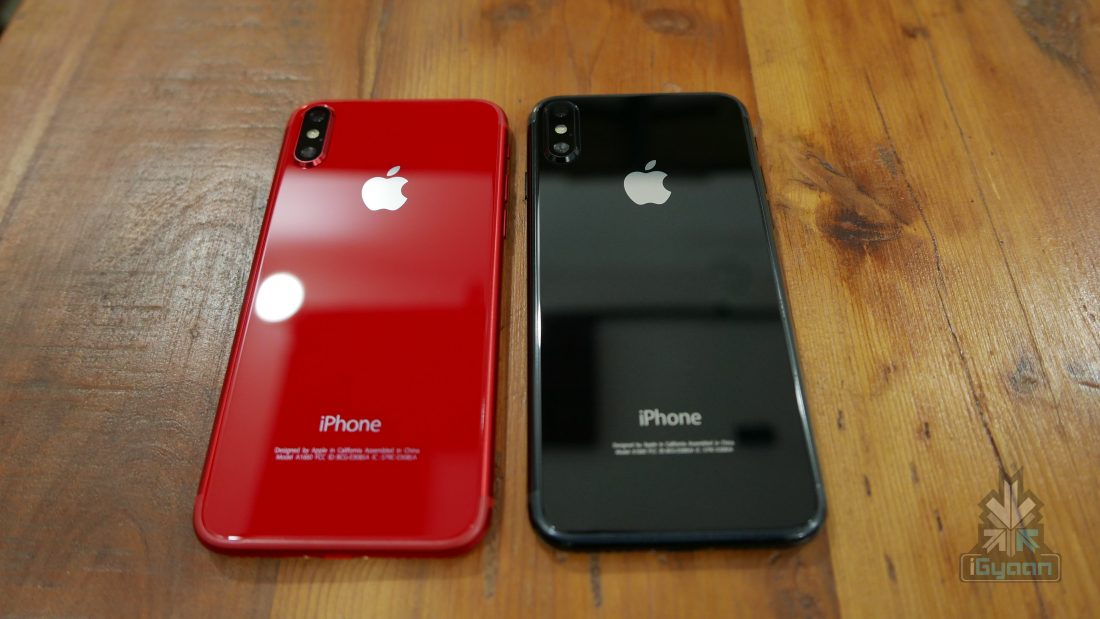
After months of speculation and numerous leaks, Apple has finally launched the iPhone X. Apple announced the new iPhone during the annual launch event being held at the Steve Jobs Theater in San Cupertino. The Apple iPhone X will be available in Space Gray and Silver colour variants.
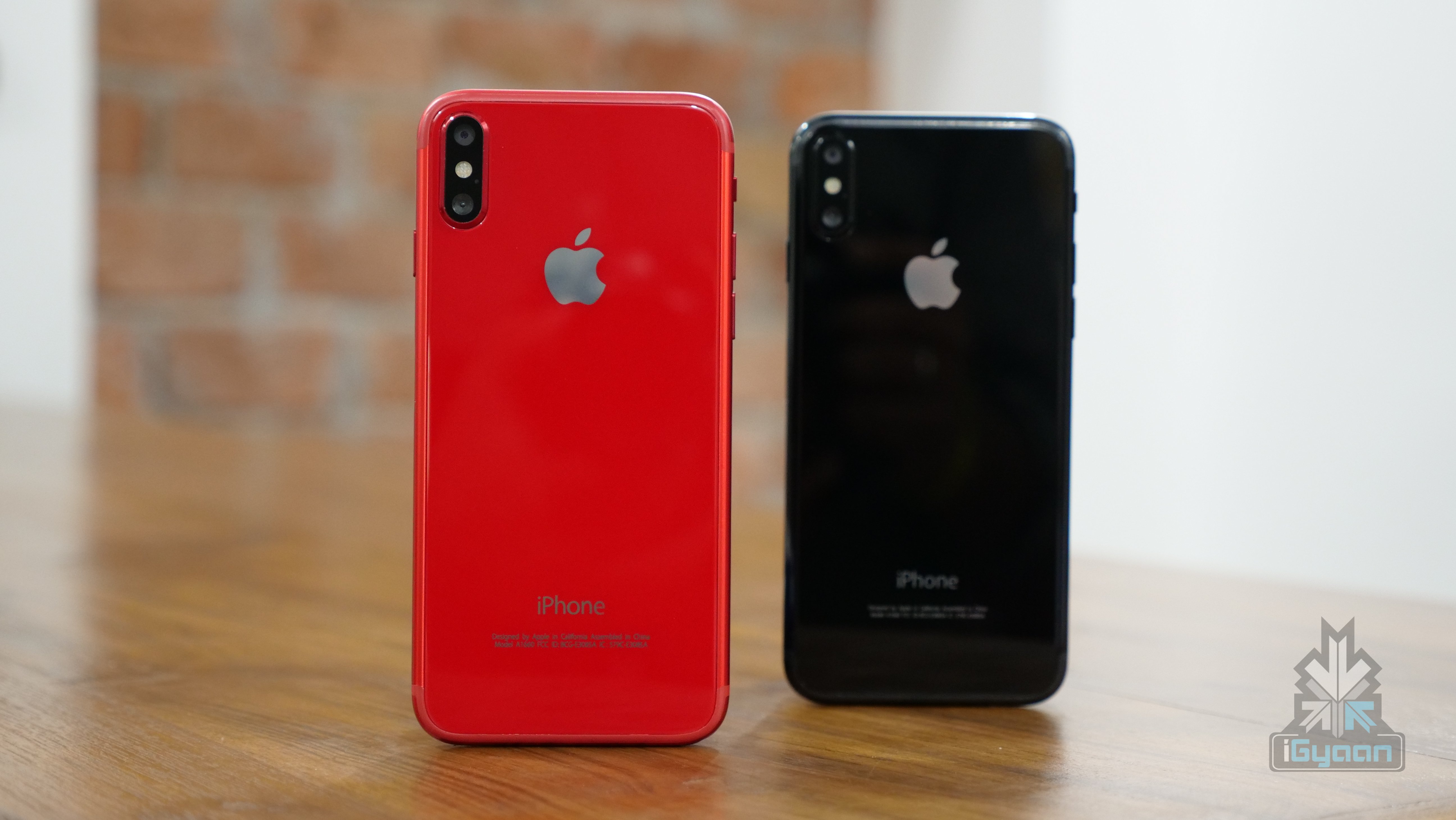
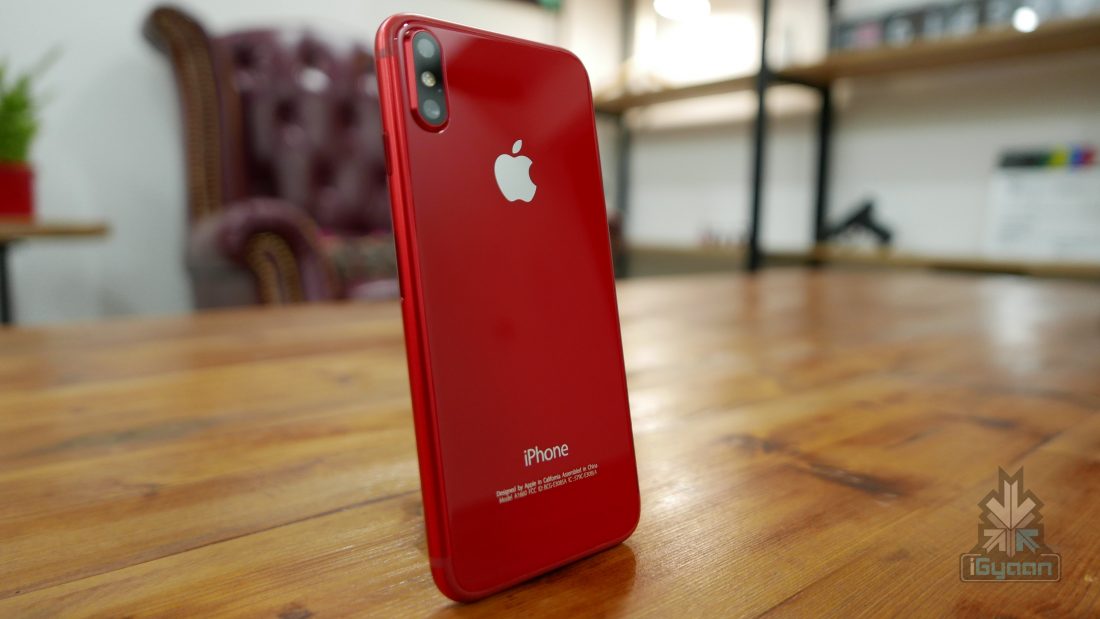
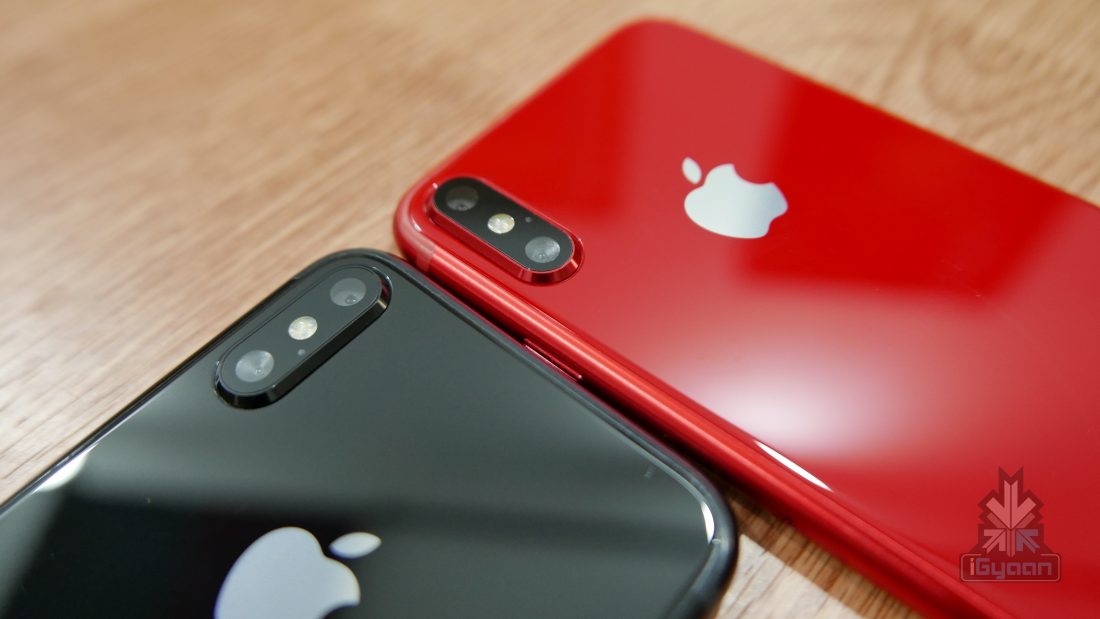
The iPhone 8 has an all-glass design with a stainless steel frame around the edges. The design of the iPhone 8 is a huge departure from the previous generation and the vertically placed dual-camera setup might divide opinions.
Over the past decade, we’ve pushed forward with innovation after innovation, bringing us to this moment, when we can create devices that are far more intelligent, far more capable, and far more creative than ever before.
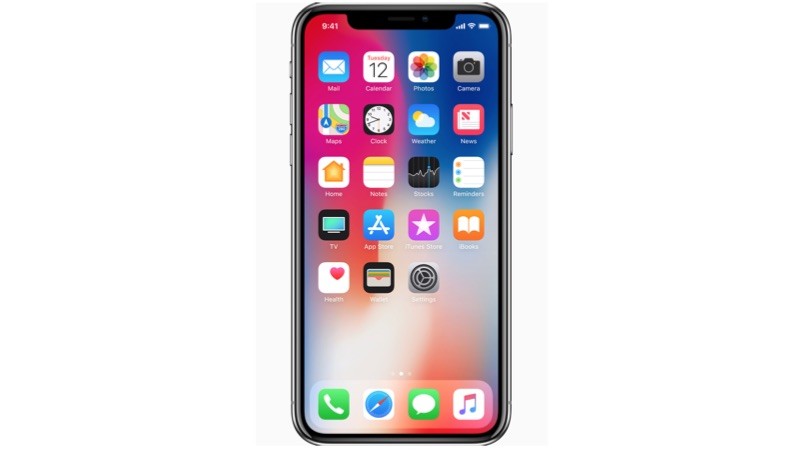
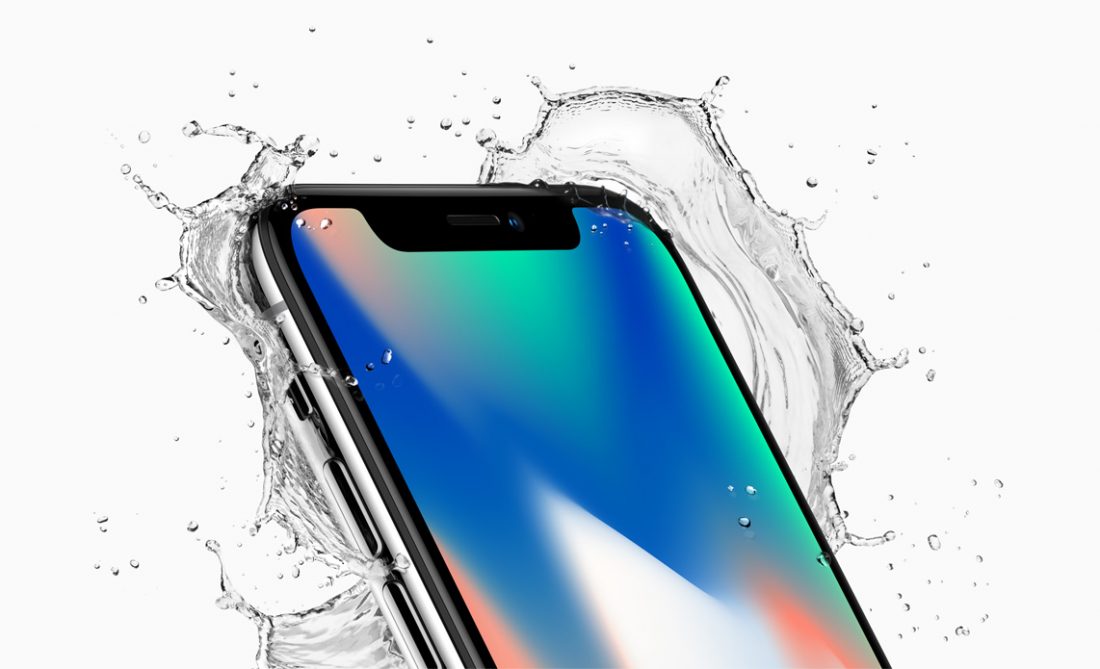
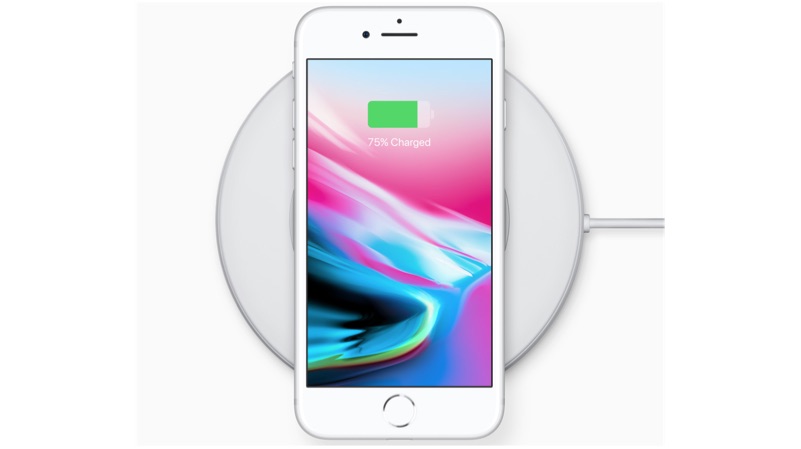
The flagship iPhone X has a 5.8-inch 2436 x 1125 px OLED True Tone Super Retina display with minimal bezels around it. The phone runs iOS 11 and is powered by a 3,000 mAh battery which charges through the Apple signature lightning port placed at the bottom of the phone. Because of the all-glass design, the iPhone 8 also has wireless charging. Under the hood, the smartphone has the Apple A11 Bionic chipset with a neural engine, a hexacore processor, 3GB of RAM and storage options of 64GB, and 256GB. As is with every iPhone, the onboard storage can not be expanded via a microSD card. The small bezels mean there is no physical home button, which is now replaced with gestures for navigation. Siri is activated by pressing the now larger lock/unlock button. The iPhone X is also IP67 certified for water and dust resistance, and wireless charging.
A move that was heavily leaked has also been confirmed. Apple has gotten rid of the TouchID and replaced it with 3D facial recognition. The technology is called FaceID and unlocks the phone by just looking at it. The new iPhone X will detect your face even in the dark by mapping your face. Apple claims the chances of someone else unlocking your iPhone through FaceID is one in a million. FaceID will work with Apple Pay and third party apps that supported TouchID. Another feature is called Animojis. Yiu can create emojis controlled by your face and share it on iMessage.
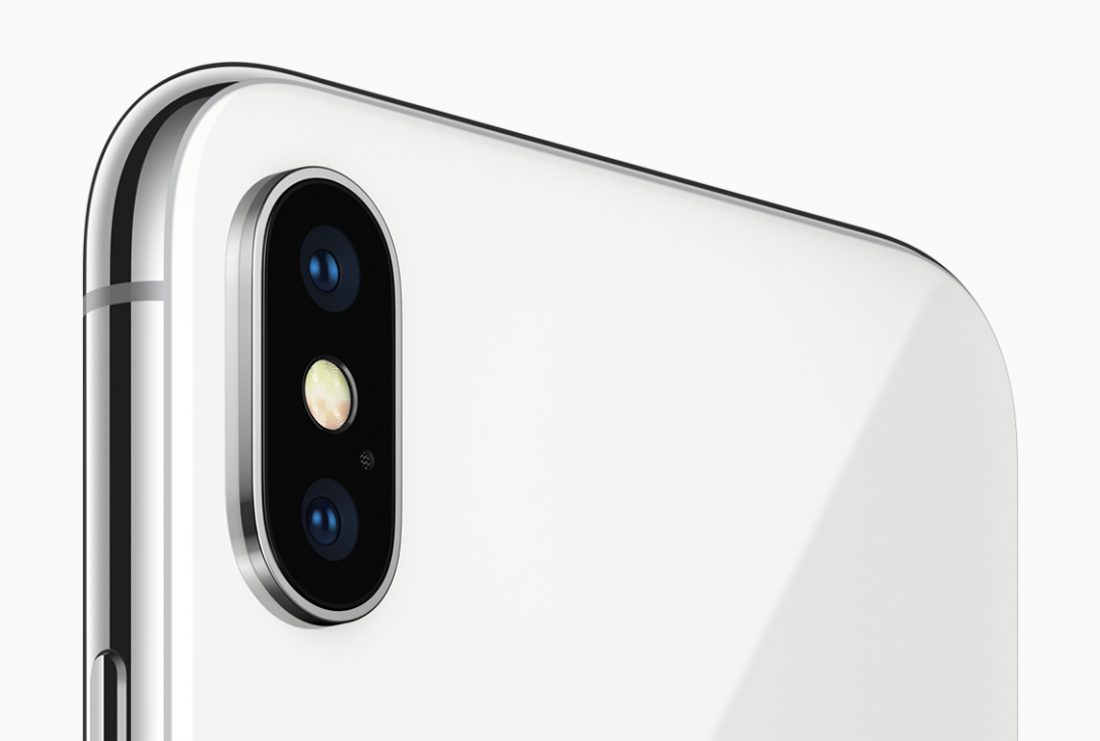
On the optics front, the iPhone X has dual 12-megapixel rear cameras, and it’s equipped with dual optical image stabilization. The sensors are both larger and faster, according to Apple, and the main camera is equipped with a wide angle lens and has an f/1.8 aperture while the secondary telephoto lens has an f/2.4 aperture. In between the two cameras is a quad-LED True Tone flash. Both the front and back cameras have the portrait mode. The rear cameras have the portrait lighting feature, just like the iPhone 8 and iPhone 8 Plus.
The iPhone 8 is priced at USD 999 for the 64GB variant and USD 1149 for the 256GB variant. The smartphone will go on sale in the United States on 24th October 2017 and subsequently make its way to the global market in late September and early October. In India, the iPhone X 64GB variant is priced at Rs 89000 and will be available in India from November 3, 2017.
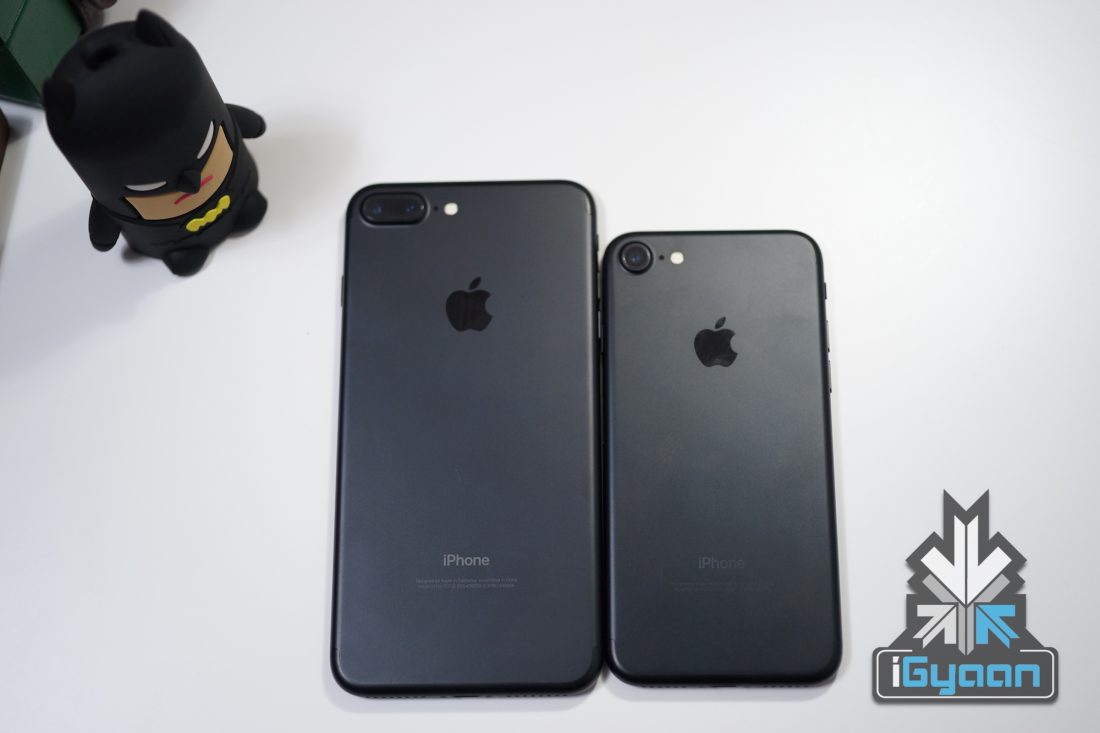
Along with the iPhone 8, Apple has also launched the iPhone 8 and iPhone 8 Plus. The two new smartphones are a new iteration of the previous year’s iPhone 7 and iPhone 7 Plus with upgraded cameras. Apple has improved the display on the iPhone 8 lineup, adding the same True Tone technology it has on the 10.5-inch iPad Pro to automatically adjust the screen based on the ambient light in the room to offer more accurate colors.
Both the smartphones retain thick bezels around the display but, have a glass back and front. Among the internal upgrades, the iPhone 7S and iPhone 7S Plus also feature wireless charging this time, just like the iPhone 8. Apple is touting the iPhone 8 as the first smartphone designed for AR, with cameras calibrated for AR, along with a new gyroscope and accelerometer for better motion tracking.
The Apple iPhone 8 has a 4.7 inch 1334 x 750 px True Tone display and the iPhone 8 Plus has a 5.5 inch 1920 x 1080 px True Tone Display. Under the hood, the iPhone 8 and iPhone 8 Plus have the A11 Bionic chipset with a hexacore processor and the new Apple GPU. It’s a six-core chip with two performance cores that are 25 percent faster than the A10, and four performance cores that the company says are 70 percent faster than the old model. There’s also a new Apple-designed GPU that’s 30 percent faster, with the same performance as the A10 at half the power. Apple claims that the batteries on the iPhone 8 and iPhone 8 Plus are identical to the iPhone 7 and iPhone 7 Plus respectively.
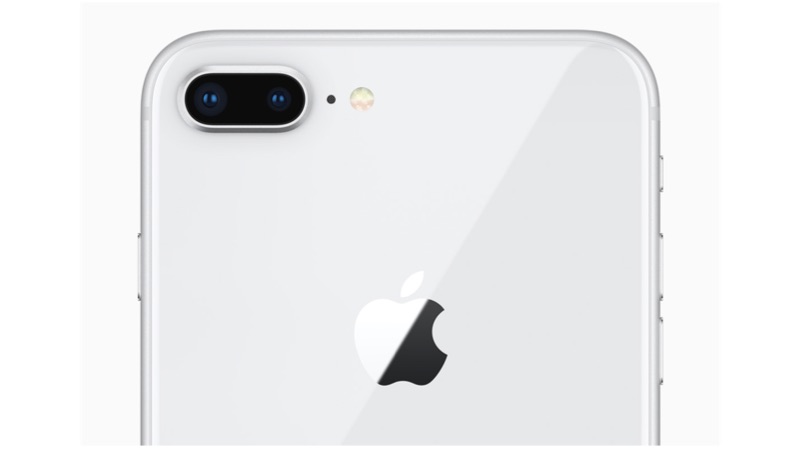
On the camera front, there’s a 12-megapixel sensor on the iPhone 8 that is larger, faster and has optical image stabilization. The iPhone 8 Plus also has new 12 MP sensors. The main camera is equipped with a wide angle lens and has an f/1.8 aperture while the secondary telephoto lens has an f/2.8 aperture. The dual cameras on the iPhone 8 Plus also have a new “Portrait Lighting” feature to adjust the lighting for portrait shots. Both the phones will record 4K videos at 60 FPS and 1080P videos at 240 FPS.
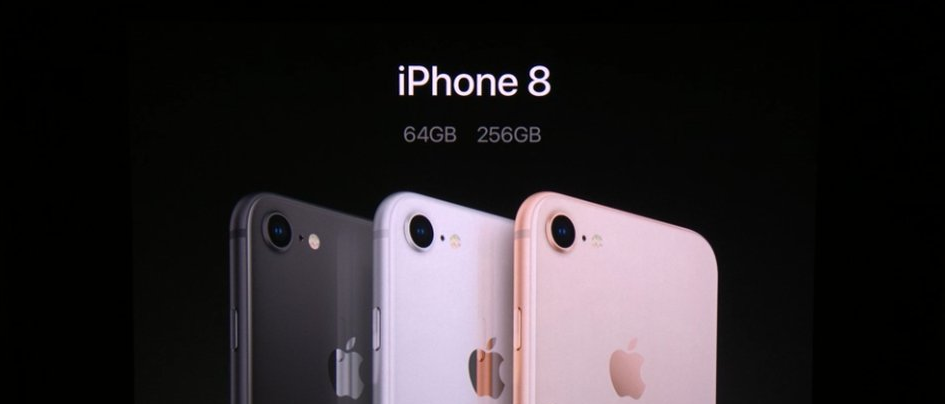
The iPhone 8 and iPhone 8 Plus will be available in three colors, Space Gray, Silver, and Gold. The iPhone8 model will start at USD 699 for a 64GB model, while the iPhone8 Plus will start at USD 799 for 64GB of storage. Both the models also have larger 256GB models, for $849 and $949, respectively. The two phones will be available for preorder starting Friday, September 15th, with a release date a week later on September 22nd. In India, the price of the iPhone 8 64GB variant is Rs 64000.
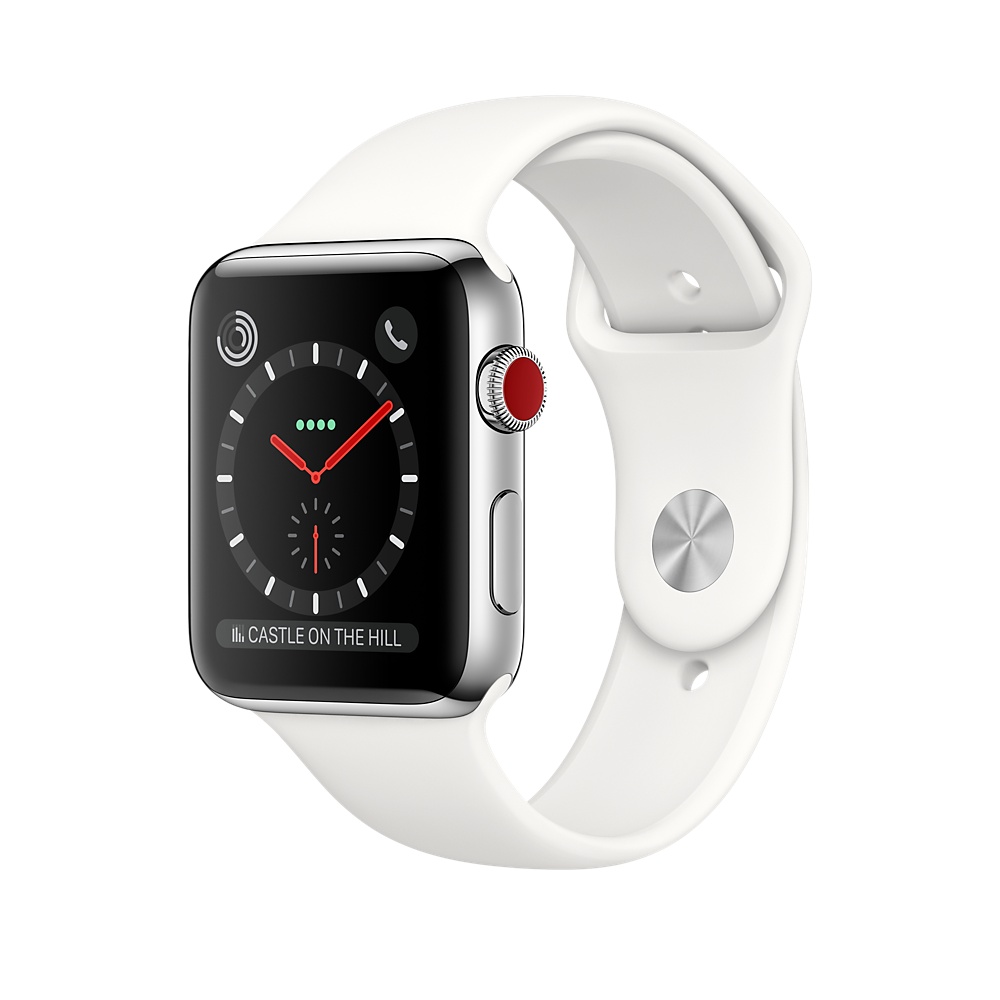
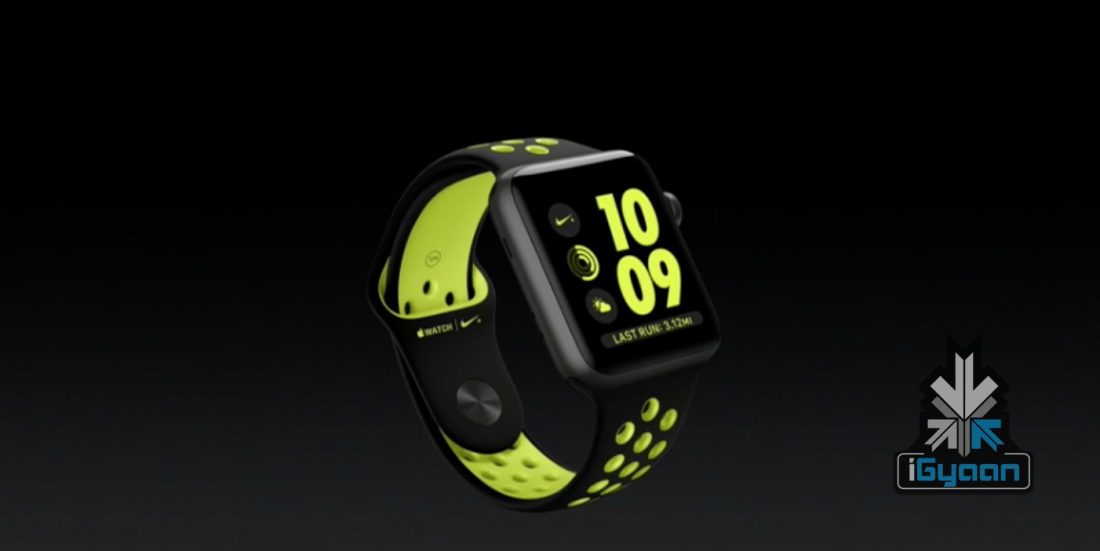
Apple has launched the Apple Watch Series 3 during the September 12 launch event at the Steve Jobs Theater in Cupertino, California. The new Apple Watch has LTE connectivity and can replace your iPhone if you manage to forget it at home or somewhere else.
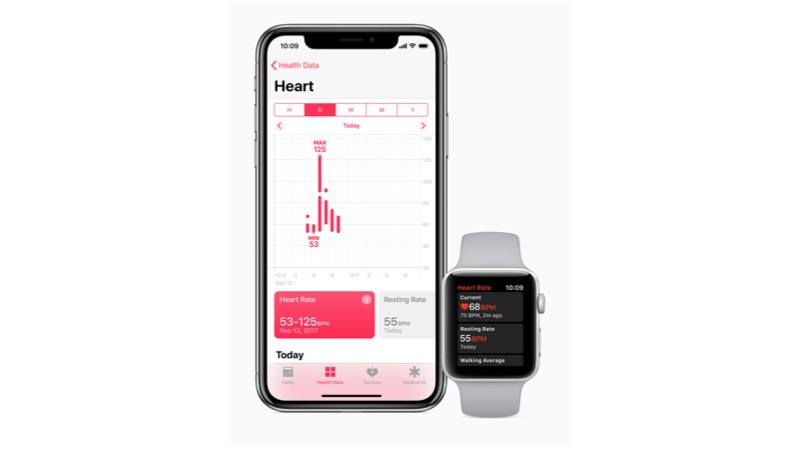
The new Apple Watch OS 4 has an advanced heart rate sensor wherein the watch will notify an increased heart rate if you’re not active. Apple also announced that Apple Watch OS 4 will be available to all the Apple Watch owners from September 19th.
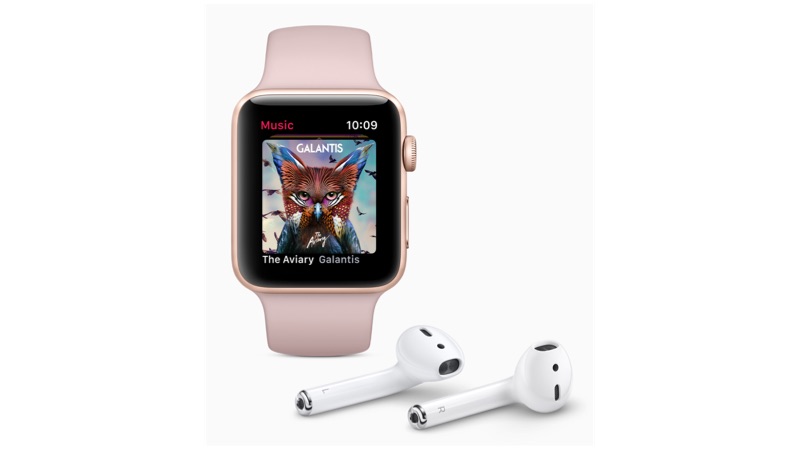
In the new Apple Watch, the number will remain the same as your iPhone and you can perform tasks such as iMessage directly from your watch without having your smartphone connected to it. The Apple Watch Series 3 will also stream 40 million songs from the iTunes and the Music App. The Siri on the smartwatch will also be voice enabled for communication with the watch without looking at the screen. The display of the watch will act as an antenna and an electronic SIM card which is smaller than a nano SIM card. The smartwatch has a dual-core processor to carry out all the tasks. The smartwatch will run Apple Watch OS 4 out of the box and has a battery life of up to 18 hours, Apple claims. The new W2 chip inside delivers 85 percent faster Wi-Fi while also being 50 percent more power efficient, which will be crucial because of the cellular connectivity feature using up more battery than usual.
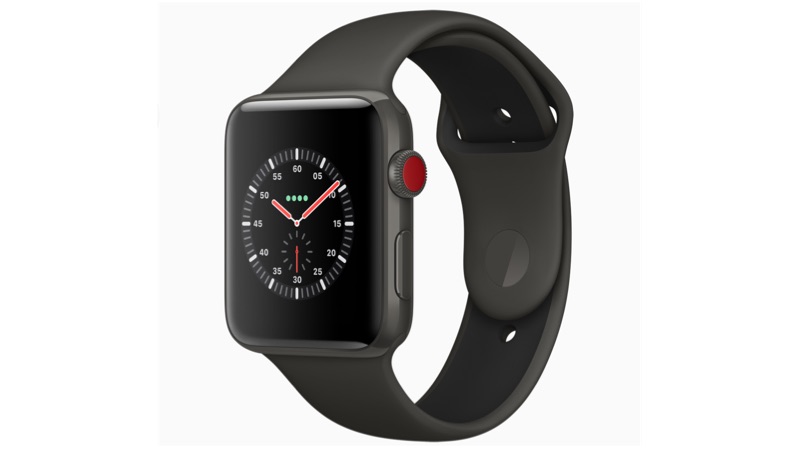
Even with the cellular connectivity, the Apple Watch Series 3 is the same size as the Series 2, but the back is expanded by 2.5mm. The Apple Watch Series 3 will retail in a ceramic gray colour finish as well. The Apple Watch Series 3 will retail at a price of Rs 29,900 for the cellular variant and will be available from October 5th in India.
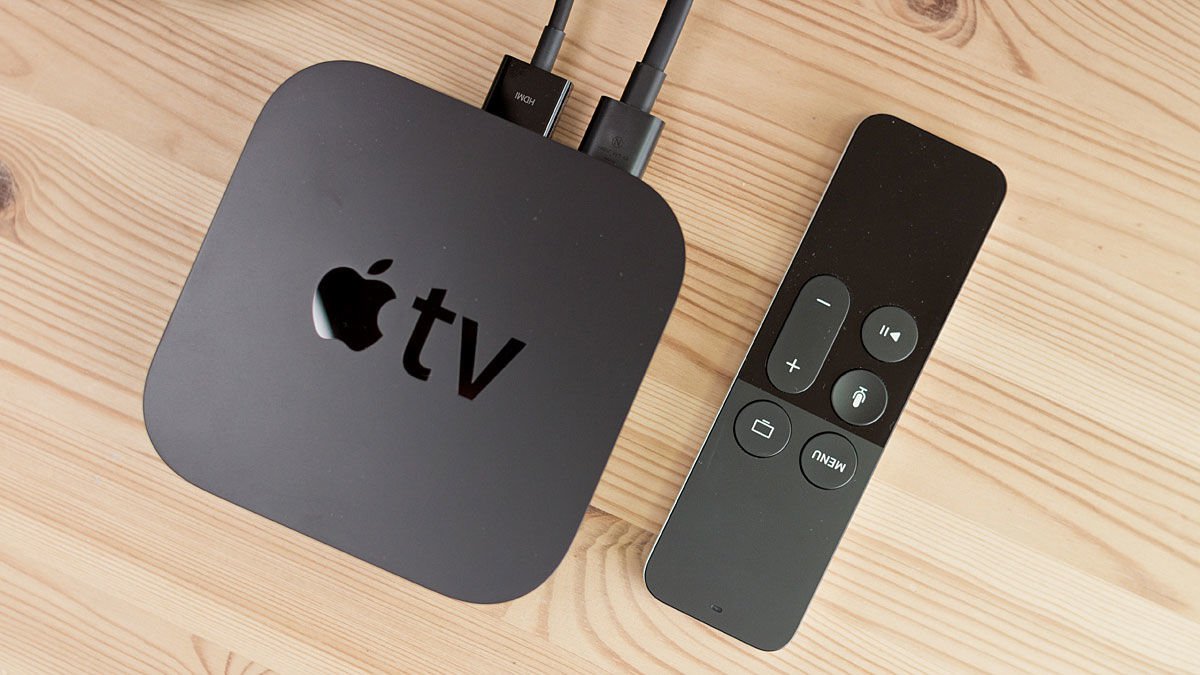
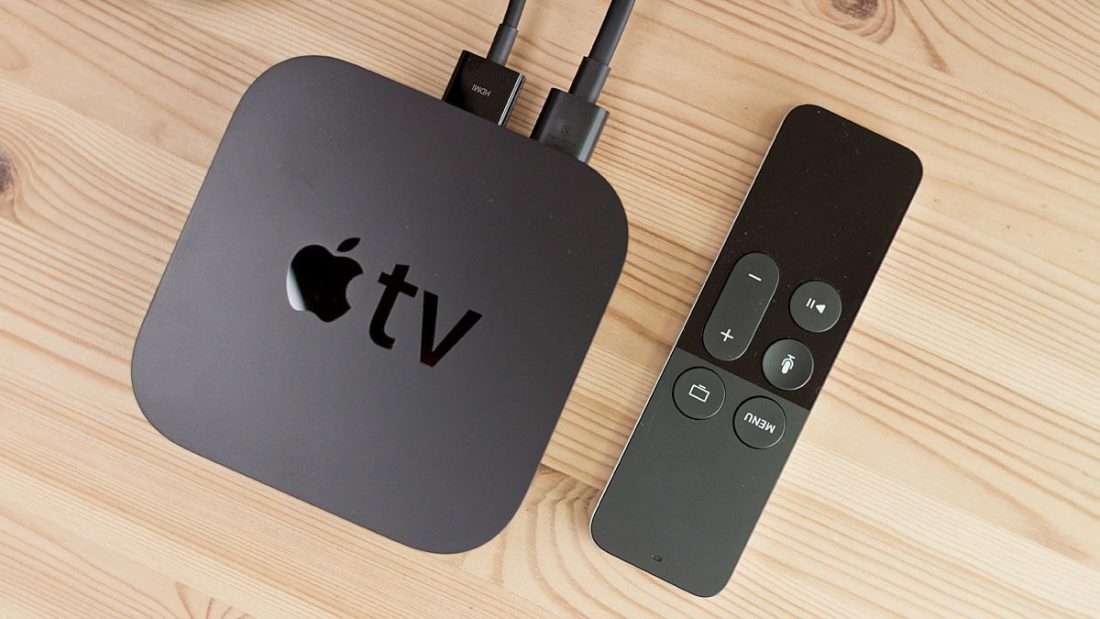
Apple has announced a much-awaited upgrade to its Apple TV lineup which is now capable of playing movies and TV shows at 4K Ultra HD resolution.
Under the hood, the Apple TV 4K now features an A10X Fusion processor, the same as what’s currently in the iPad Pro and 3GB of RAM. This upgraded internals should allow for smooth playback of 4K content at up to 60 frames per second. Apple is also concentrating on HDR with the latest Apple TV, as it supports both Dolby Vision and HDR10. These high dynamic range technologies allow for brighter highlights and an expanded range of colors on television sets that support HDR.
The Apple TV 4K will also start streaming live sports later in 2017. Apple has announced that Netflix and Amazon Prime Video will bring its titles to Apple TV 4K. With the A10X Fusion chip, Apple TV 4K will be able to handle high-end gaming as well which can be streamed to your 4K TV.
The Apple TV 4K starts at Rs 15900 for 32GB or Rs 17900 for 64GB and will go on sale in India later this month or early October.
The annual iPhone launch event hosted by Apple is set to take place at the Steve Jobs Theatre in San Cupertino, California in less than 3 hours and. The event starts at 10 a.m. PDT/10:30 p.m. IST and will stream live on Apple Inc.’s website. The stream can be watched live here. It is worth noting that the live stream uses Apple’s HLS technology. HLS requires an iPhone, iPad, or iPod touch with Safari on iOS 9.0 or later, a Mac with Safari on macOS v10.11 or later, or a PC with Microsoft Edge on Windows 10. Streaming via Apple TV requires an Apple TV (2nd or 3rd generation) with software 6.2 or later or an Apple TV (4th generation). The American tech giant is expected to unveil a host of products at the event, most notably the iPhone 8.
iPhone 8
The iPhone or the iPhone X Edition, whatever Apple decides to call it, is one of the most anticipated smartphones of 2017. Apple is expected to shed the bezels from its previous generation iPhones and present smartphone which will have a 6 inch OLED display with minimal bezels around it. The smartphone will run iOS 11 and will be powered by a 3000 mAh battery. Apple will also drop the Rose Gold colour variant and introduce the iPhone 8 in Black, White and Blush Gold colours. The cameras at the back will be vertically placed this time around also shoot 4K videos at 60 FPS. Due to the exclusion of bezels, Apple will reportedly also drop the TouchID home button and replace it with a 3D facial recognition system.
The two variants will be an upgrade over the last year’s iPhone 7 and iPhone 7 Plus. Not a lot has been said about the two ‘S’ models because of all the hype surrounding the iPhone 8. The iPhone 7S and 7S Plus will retain the design language of the previous generation iPhones and have thick bezels around the display. A major upgrade this time around will be the wireless charging capabilities, much like the iPhone 8, meaning the phones will have a glass back instead of metal. The frame around the phone will still be metal to give it a more sturdy look. The iPhone 7S Plus will feature horizontally placed dual-cameras, much like the iPhone 7 Plus. Reports also suggest that Apple will name the two models the iPhone 8 and iPhone 8 Plus and the flagship iPhone as the iPhone X Edition.
LTE Enabled Apple Watch
The Apple Watch has dominated the wearable gadgets industry and it looks like Apple is gearing up to launch an LTE enabled Apple Watch which can replace your iPhone for a day if you manage to forget it at home or somewhere else.Intel will be the LTE chip supplier for the new smartwatch. Qualcomm has long been the chip supplier for Apple mobile devices, but since the companies are embroiled in a legal dispute, Apple has chosen Intel for the task at hand. Intel also supplied chips for some of the iPhones last year. Apple is already in talks with network carriers in the US and Europe, such AT&T, T-Mobile etc for the next gen Apple Watch.
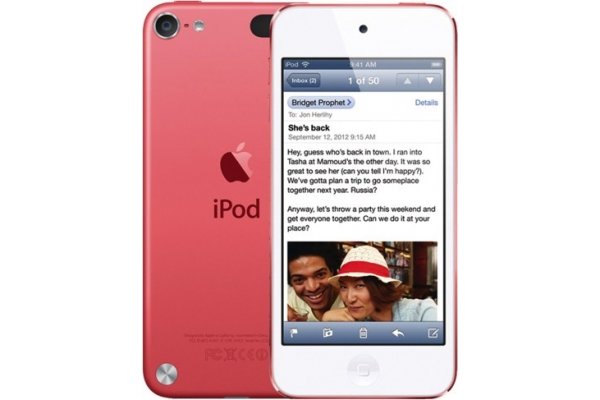
A recent glitch on Discover’s “Deals” website revealed a 7th generation iPod Touch which was also vaguely indicated in the recent iOS 11 GM leak. A 4K video capable Apple TV will also be unveiled on September 12.
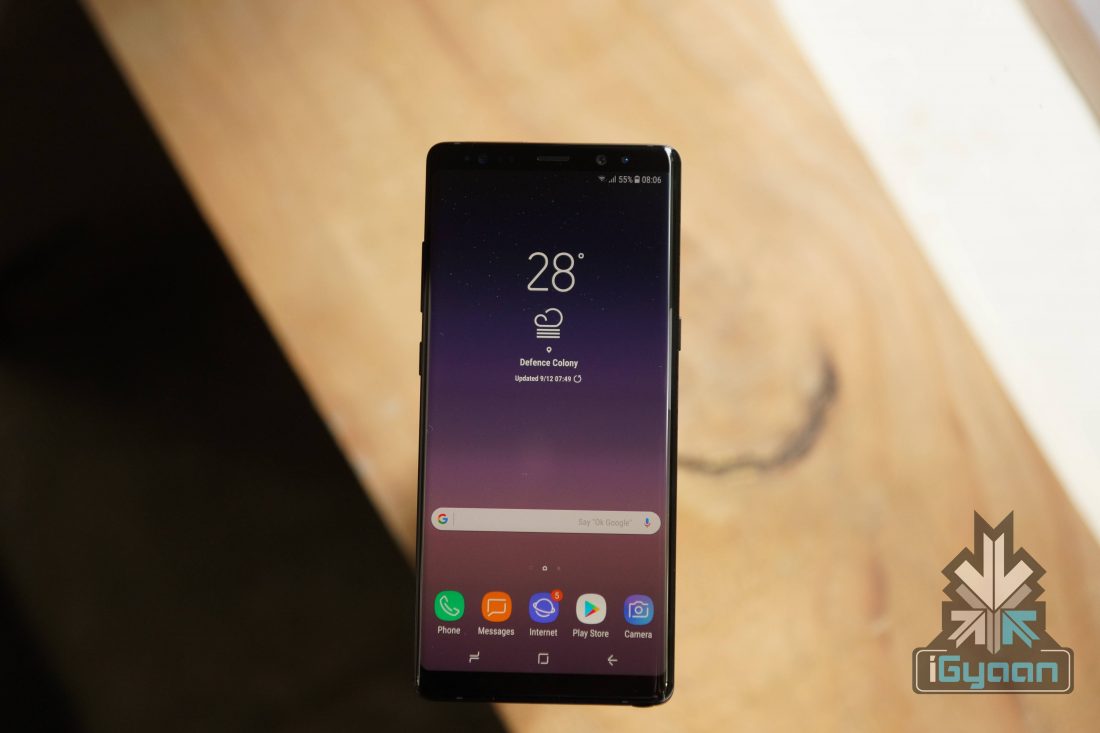
The Samsung Galaxy Note8 has been launched in India at a price of Rs 67900 for the 6GB of RAM and 64GB onboard storage variant, the price is not a lot more than that of the S8+ 128GB variant. The Note8 which was announced recently for the global market, has made its way to India rather soon. The signature flagship S Pen equipped Note8 replaces the Note7 which never made its way to India officially.
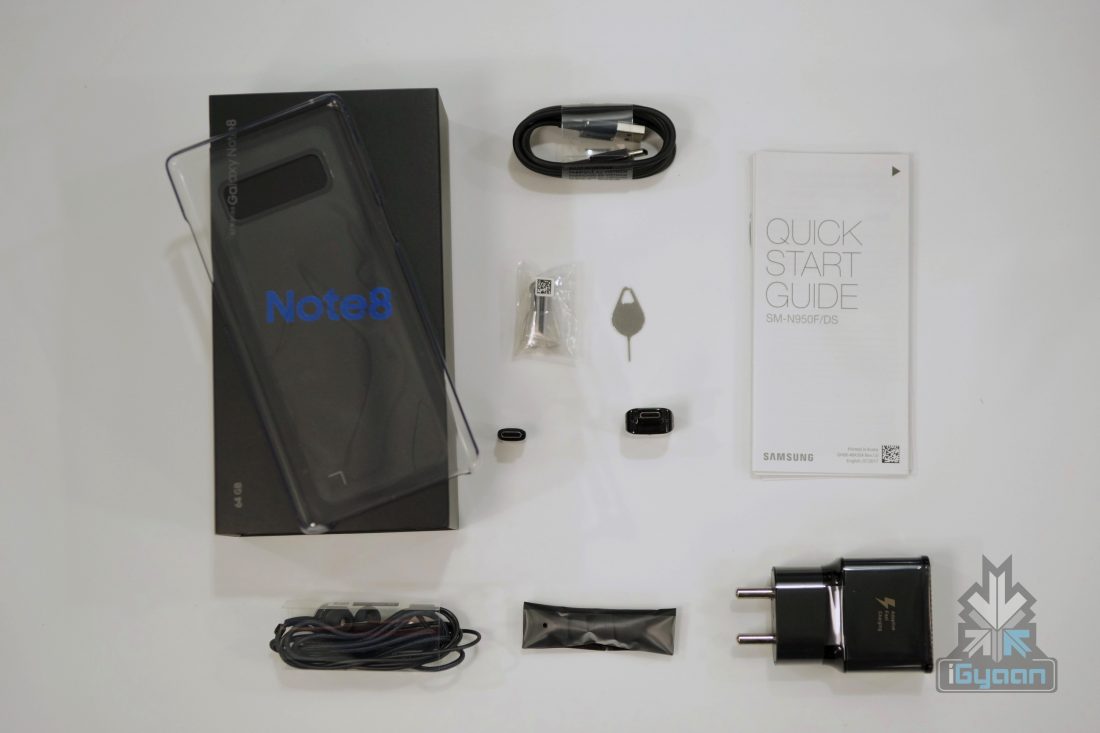
In a signature Samsung fashion, the box of the Galaxy Note8 has ‘Note8’ embossed on the box in a blue colour, with the storage variant written at the side of it. An over view of the specifications can be found on the back of the box. Inside You get the following:
The Samsung Galaxy Note8
S Pen
Tweezer And Extra Pen Tips
USB Power Adaptor
USB Type C Cable
Micro USB Connector
USB Connector (USB Type C)
AKG Earphones
Sim Ejection Tool
Documentation
Protective Case (India Only)
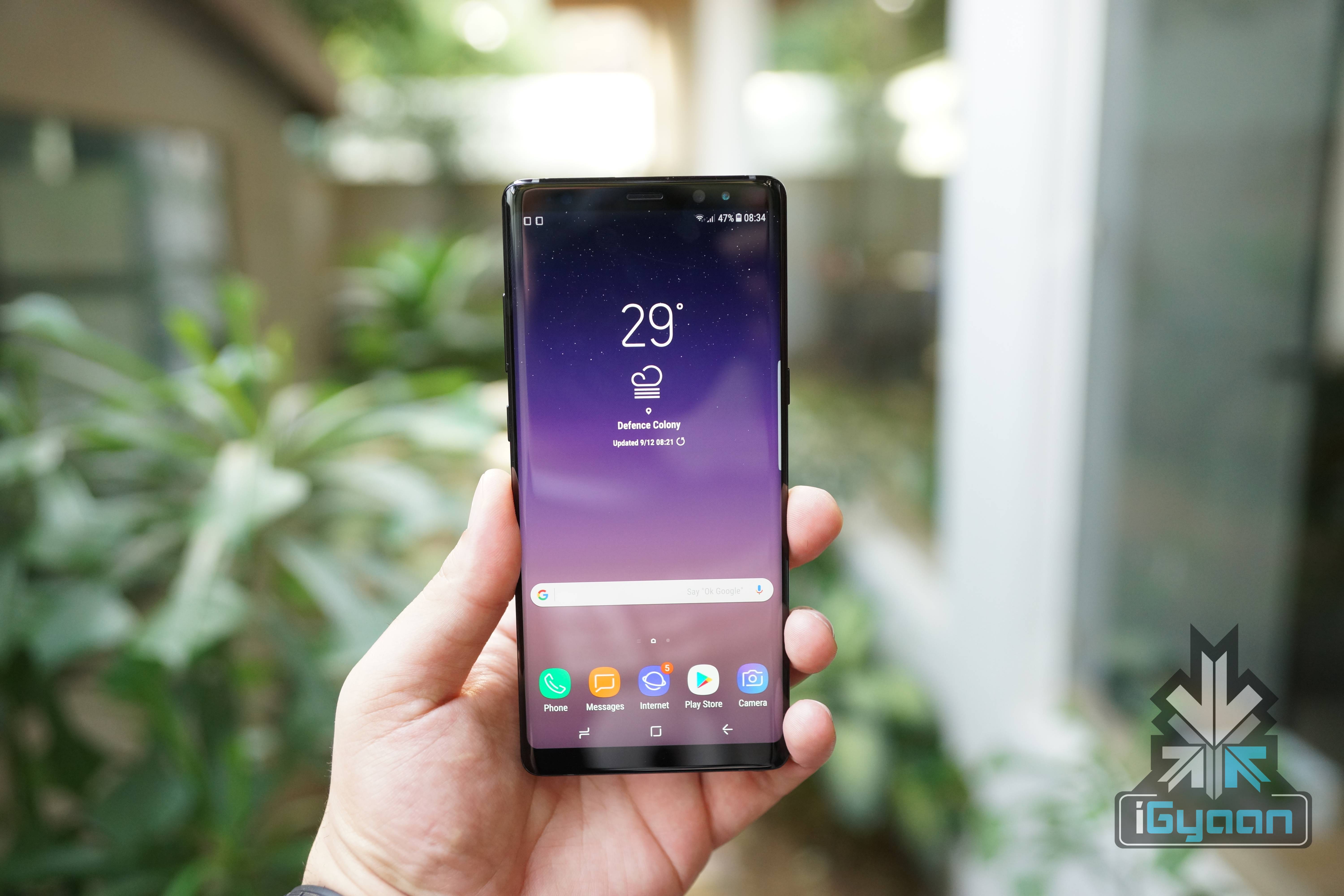
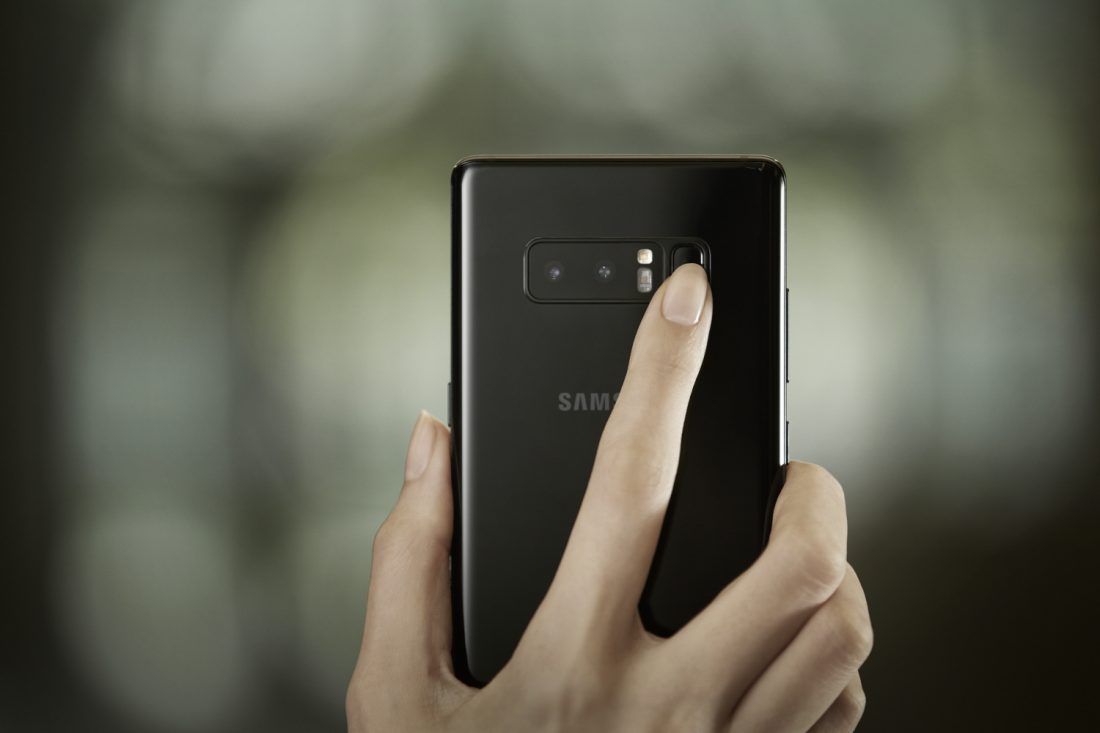
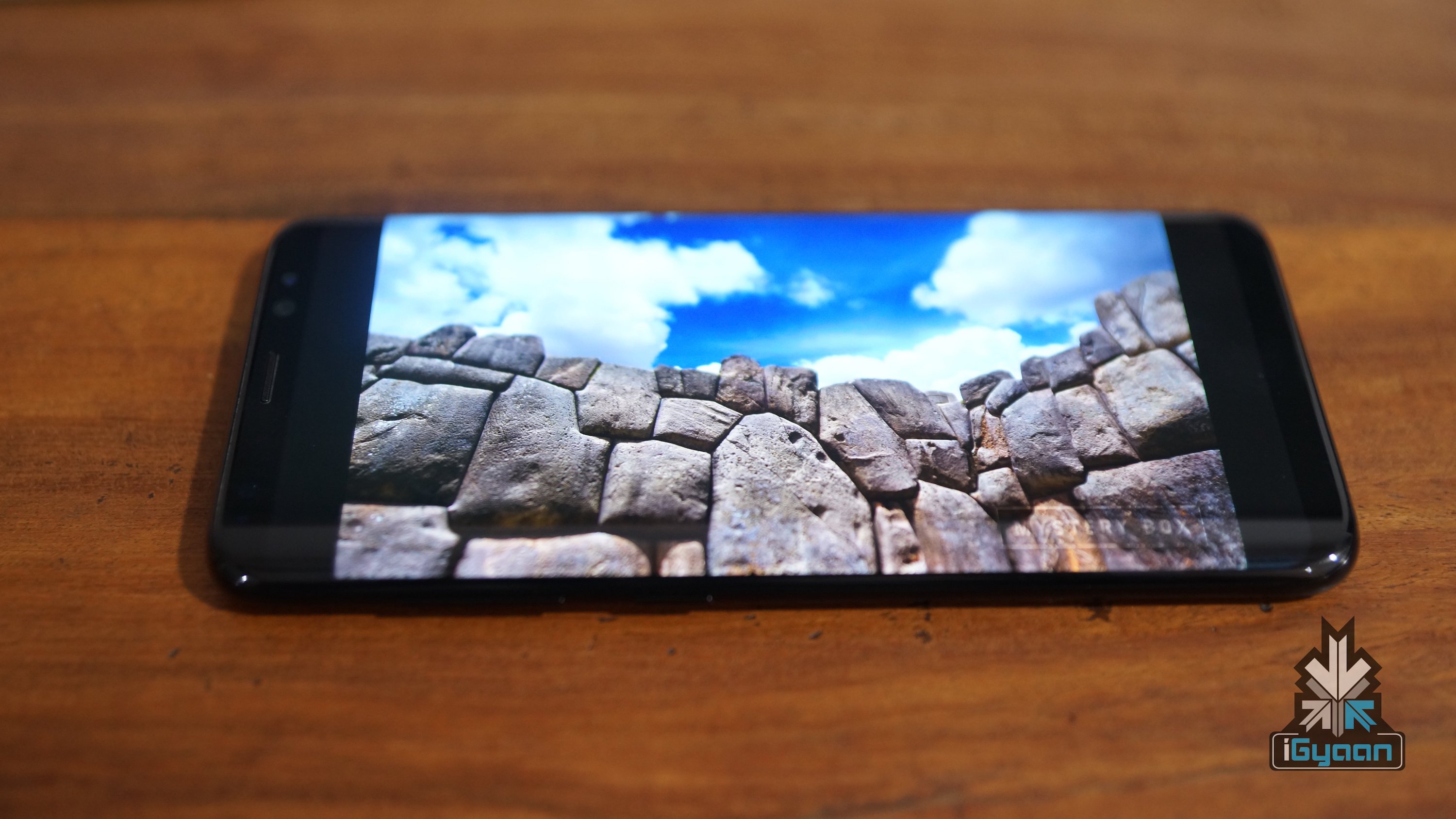
We have the Midnight Black colour variant and the phone has been lauched in Maple Gold colour as well. The Samsung Galaxy Note8 is the first Note device to launch in India after the Galaxy Note5, but, the design of the Note8 is more reminiscent of the Galaxy S8 and S8+. The device retains most of the design elements of the Galaxy S8 and S8+ with Corning Gorilla Glass 5 on the front and back and a metal frame around the edges. On the front is also a 6.3 inch 2960 x 1440 px Super AMOLED infinity display with minimal bezels on the top and bottom of the phone. The aspect ratio of the phone is 18.5:9, which is the same as the Galaxy S8 and S8+. The fingerprint sensor as well is still placed at the back of the phone right next to the dual-cameras. The edges of the device are more squared off, which is a signature design aspect of the Note series.
Powering the device is a 3300 mAh battery which is smaller than the 3500 mAh battery found on the Galaxy Note7 with wireless charging capabilities, and runs Android Nougat 7.1.1 with Samsung’s custom skin on top. The device has the Exynos 8895 chipset, 2.3GHz Quad-Core (Custom CPU) + 1.7GHz Quad-Core (Cortex-A53) processor, 6GB of RAM and 128GB onboard storage, which is expandable up to 256GB via microSD card. The graphics are handled by the Mali-G71 MP20 GPU. The Galaxy Note8 and the S Pen are both IP68 certified water and dust resistant.
The new Note8 has a 12MP dual-camera setup, one of which has a wide lens and the other a telephoto. The telephoto lens allows a user to zoom in losslessly for an up to 2x magnification. The use of dual camera allows for the ability to blur out the background for professional looking bokeh effect shots, something that seems to be common in smartphones in 2017. This is much like effects seen on past dual camera phones like the iPhone 7 Plus to the OnePlus 5 and the Xiaomi Mi A1.
The Samsung Galaxy Note8 also records 4K videos at 30 FPS along with high-speed video at a lower resolution. The front camera has an 8MP sensor with an f/1.7 aperture and also records 4K UHD videos at 30 FPS.
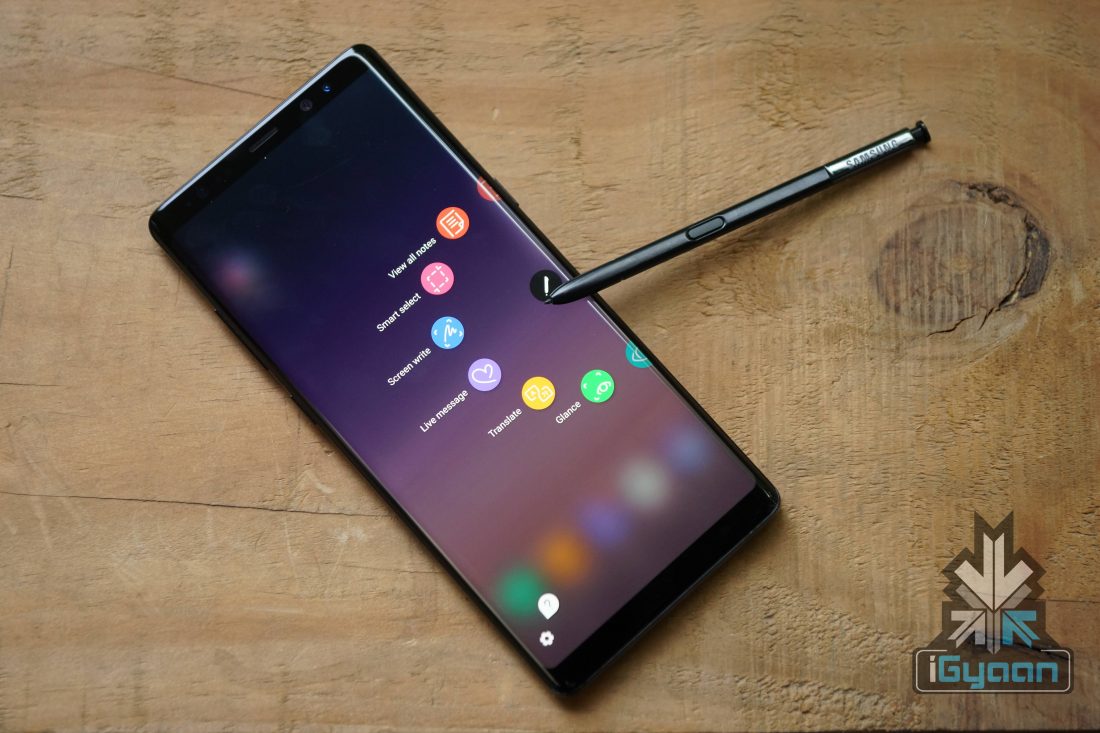
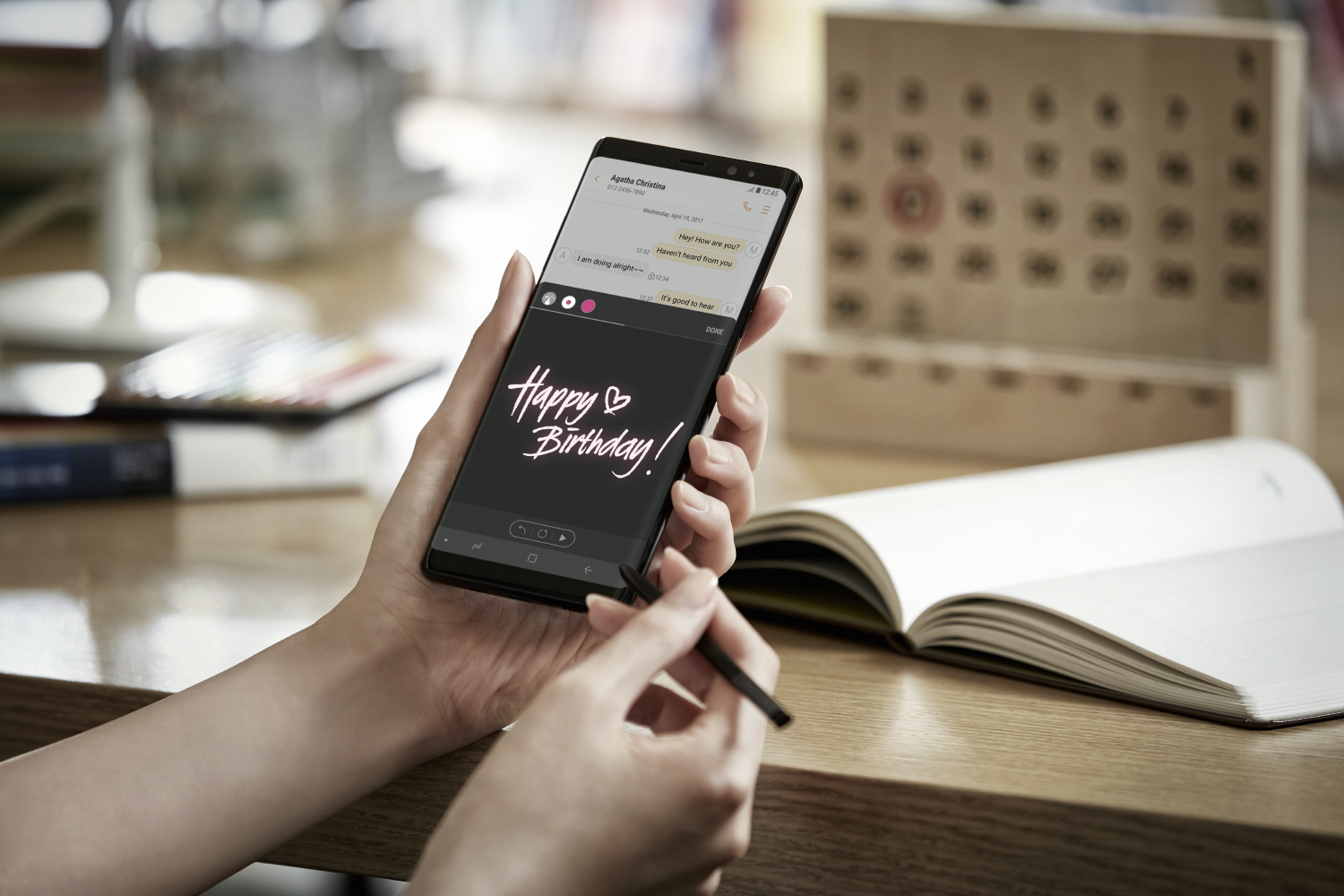
The new S Pen has a list of new features that make the Note8 exciting, especially for previous Note device owners. The new live message allows you to scribble a message and then save the animation as a Gif file. This can then be shared with anyone using any app that supports Gif files and is not restricted to Samsung devices. The Pen glance feature and snap window are some other interesting things that we have detailed in our unboxing video below.
For more details on the launch offers, Click Here.
Watch our unboxing of the Samsung Galaxy Note8 here
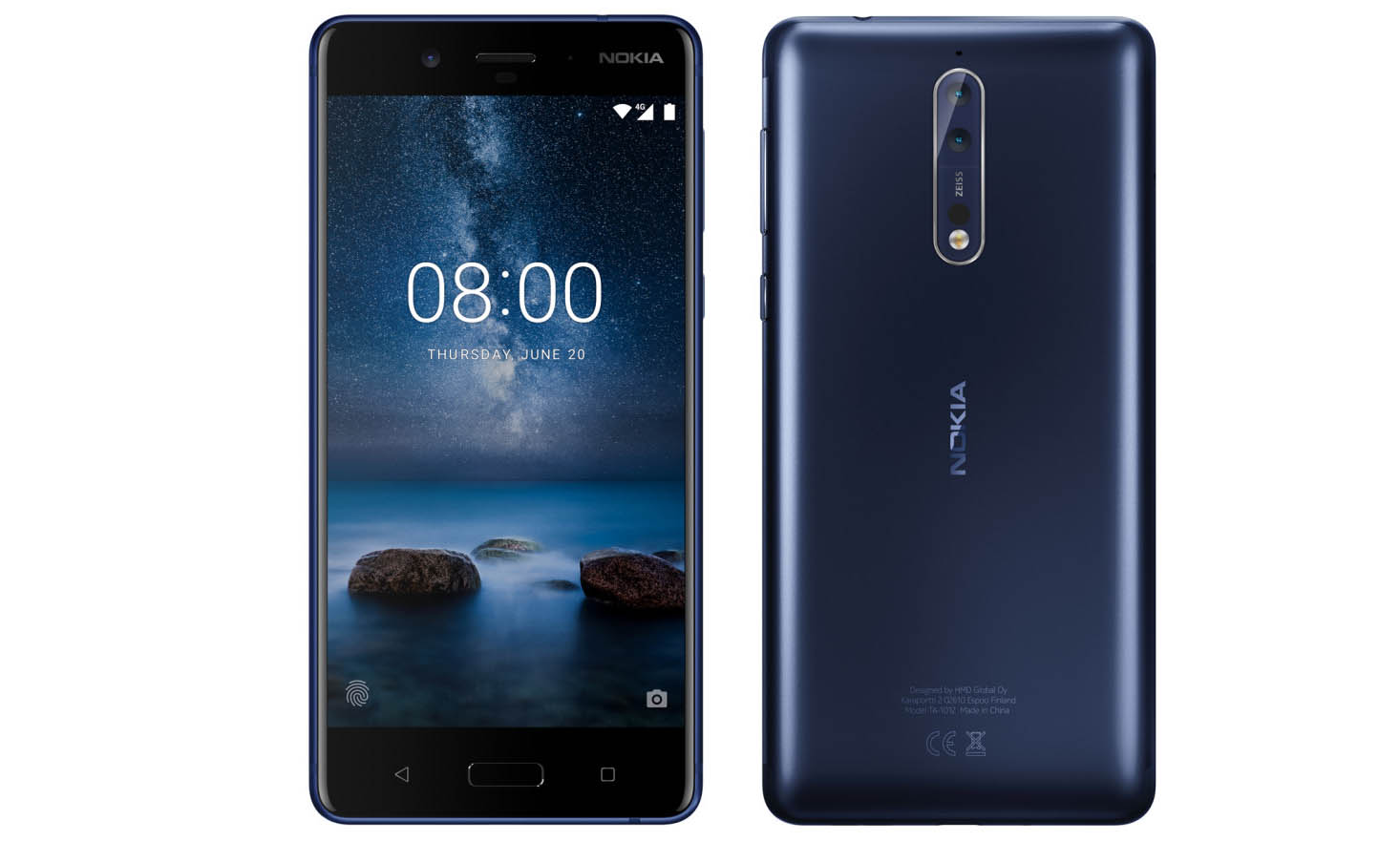
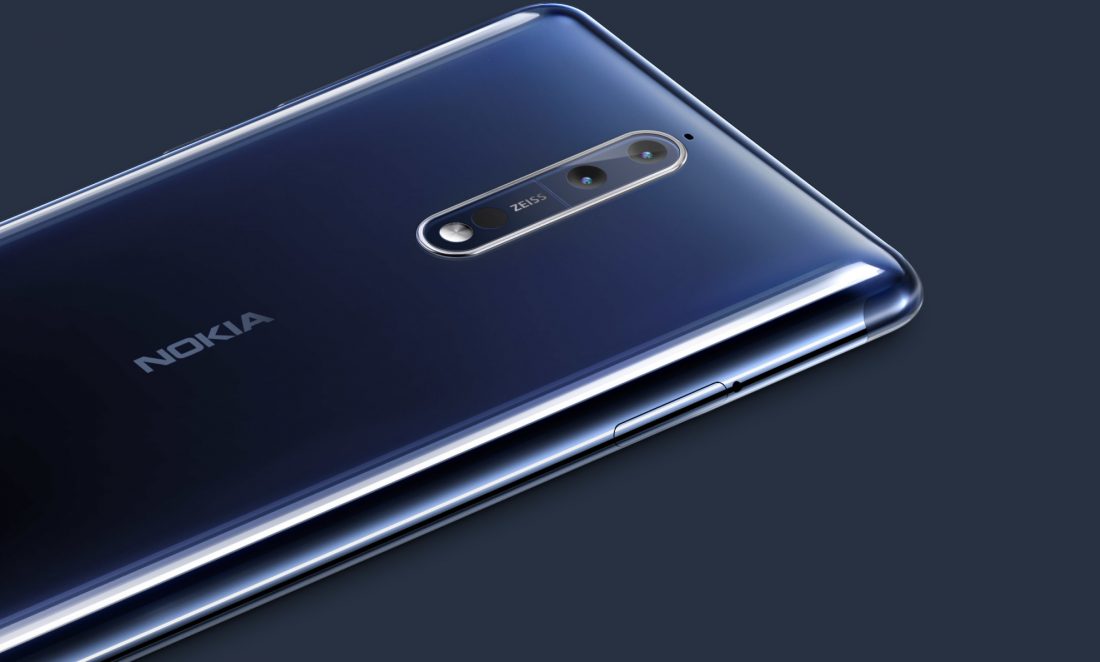
HMD Global launched the Nokia 8 in August at an event held in London. The Nokia 8 is the first flagship smartphone running Android OS under the brand name of Nokia and turned a few heads at the time of its launch. The smartphone was highly anticipated because of the nostalgia factor and launched with high-end specifications. At the time of its launch, HMD Global announced that the phone will be made globally available in mid-September. Now, the Nokia 8 has been launched in Malaysia at a price of RM 2,299 (Rs. 35,000 approx.), which means that its entry in other major Asian markets like India is not too far away. That being said, there is no official word on the date of launch of the Nokia 8 in India yet. The smartphone might have a lot of suitors in India as Nokia was one of the most well-known brands in the pre-smartphone era and a chance to hold a premium Nokia handset again might influence quite a few buyers.
To recall, the Nokia 8 has a 5.3 inch 2560 x 1440 px display and 2.5D Corning Gorilla Glass 5 for protection. A flagship device of 2017, the Nokia 8 does have a very unlike 2017 design with thick bezels around the display. The smartphone has an aluminum unibody design. The Nokia 8, however, has IP54 rating for splash resistance. The fingerprint sensor is housed inside a physical home button which sits between two navigation touch capacitive buttons below the screen. Powering the device is a 3,090mAh battery with QuickCharge 3.0 support via USB Type-C port. The Nokia 8 runs stock Android 7.1.1 OS and the company has promised monthly security updates and yearly Android updates. Under the hood is the Qualcomm Snapdragon 835 chipset and a 2.45GHz octa-core processor, the Adreno 540 GPU, 4GB of RAM and 64GB of onboard storage which is expandable via microSD card.
In terms of optics, the Nokia 8 is very 2017 flagship-like device. The smartphone is the first Nokia Android device to feature Carl Zeiss optics. In a very 2017 move, the Nokia 8 boasts a Zeiss powered dual camera setup at the rear – a primary 13MP RGB (colour) sensor with optical image stabilisation paired with a 13MP secondary monochrome (black and white) sensor and an f/2.0 aperture. The dual-camera setup is capable of recording videos in 4K at 30 FPS and has a portrait mode for bokeh effect. On the front is a 13MP camera with an f/2.0 aperture which can also record 4K videos at 30FPS.
In the overcrowded world of premium smartphones, Nokia has taken a step further to try and differentiate itself from the crowd. The device has a feature called Bothie. It is the first smartphone in the world which allows ‘Dual-Sight’ video to be live streamed natively and in real-time to social feeds such as YouTube and Facebook. Dual-Sight allows you to use the front and rear camera at the same time in a split screen view. Another feature that the smartphone boasts is called OZO Audio in which the smartphone’s three microphones and Nokia’s acoustic algorithms allow you to capture 360-degree spatial surround sound. You can also share 4K videos with OZO audio with anyone – binaural codecs ensure high fidelity playback even on devices without OZO Audio.
The Nokia 8, when it does enter the India market, might be priced in the sub-45K category, considering the price bracket of its launch in Malaysia. The smartphone will face competition from the likes of the OnePlus and LG G6, both of which also offer dual-camera setups, albeit different implementations. The wait for a Nokia branded Android flagship is not too far away and we will keep you updated on all the latest developments surrounding the Nokia 8 launch in India.
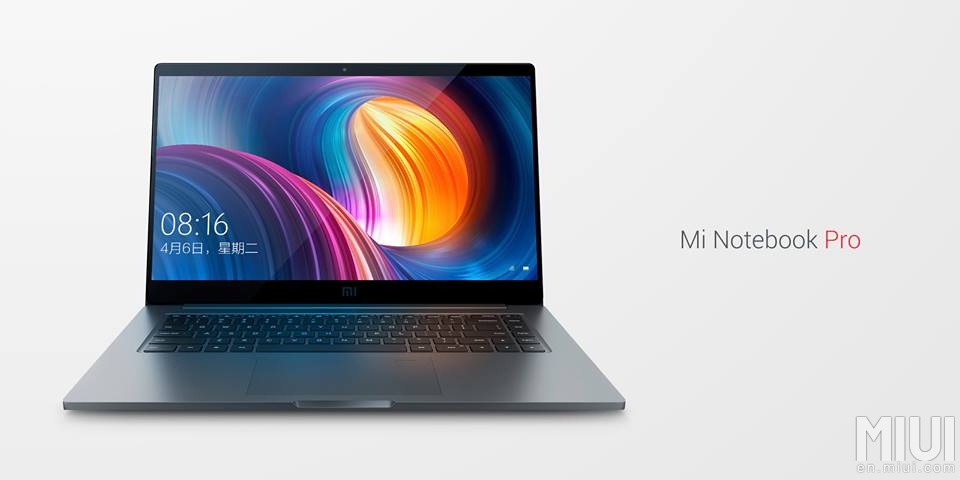
Xiaomi has launched the Mi Notebook Pro in China at the Mi Mix 2 event along with the Mi Note 3. The launch of the Mi Notebook Pro saw Xiaomi take a sly dig at Apple MacBook Pro while boasting about its several ports, a better keyboard, fingerprint sensor and the Windows 10 operating system. The Mi Notebook Air, that launched in 2016 was a cheaper competitor to the MacBook Air and its 2017 iteration has targeted the more expensive Apple laptop.
You can now forget about carrying port extensions just because.. you know, we've got it all! pic.twitter.com/FxxGbXaySE
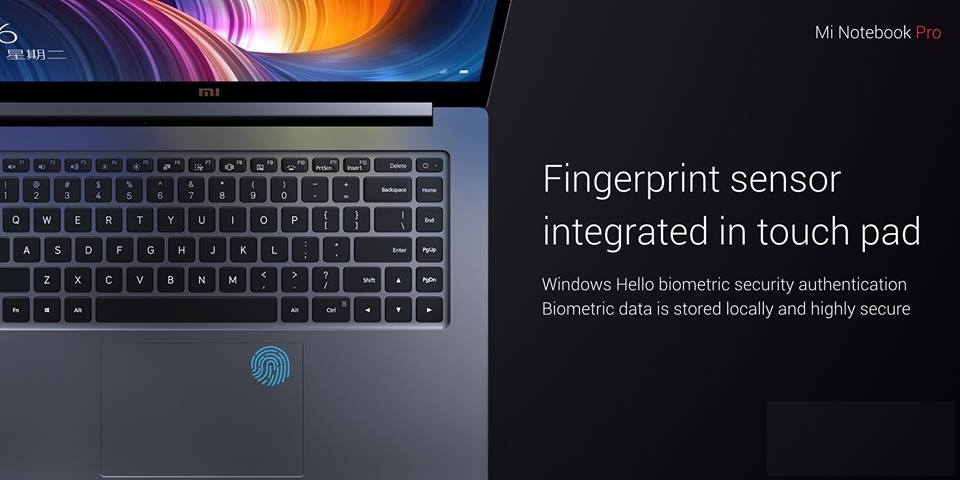
The nomenclature of the Mi Notebook Pro is very similar to the MacBook Pro, has a 15.6-inch 1920 x 1080 px display and the top-end variant is powered by an 8th generation Intel Core i7 processor with up to 16GB RAM and a Nvidia GeForce MX150 graphics chip. Xiaomi claims that because of what’s under the hood, the Notebook Pro will be 40% faster than the Notebook Air from 2016. The laptop has a full-metal unibody design and 7 integrated ports. The new Notebook Pro includes a fingerprint sensor housed inside the trackpad, three-in-one SD card support, a total of 7 USB-C and regular USB ports, a headphone jack and a full HDMI slot. The speakers are custom-built and powered by Harman.
The Mi Notebook Pro as of now looks like a China-only product, just like the Mi Notebook Air. The Pro variant is also a little more expensive than its Air sibling.
Intel i5/8GB of RAM – 5599 RMB (Rs. 55,000 approx.)
Intel Coffee Lake i7/8GB of RAM – 6699 RMB (Rs. 62,000 approx.)
Intel Coffee Lake i7/16GB of RAM – 6999 RMB (Rs. 68,000 approx.)
Even though Xiaomi wants to pit the Notebook Pro against the Apple MacBook Pro, there are enough Windows powered laptops in a similar price bracket with top-end specifications. There is no word right now whether the Notebook Pro will launch in the global markets or not hence, how much of a threat the Xiaomi laptop will be to the MacBook Pro is yet to be seen.
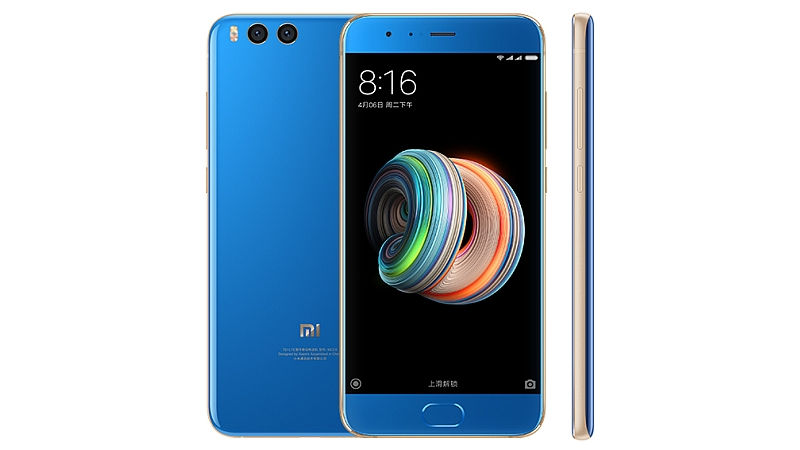
Similar to last year’s Xiaomi Mi Mix launch event, Xiaomi unveiled its new iteration of the Mi Note series during the Mi Mix 2 launch. The Mi Note 3 has been launched along with the Mi Mix 2 at a starting price of CNY 2,899 (Rs. 28,300 approx.). The smartphone will be available in Black and Blue colour variants.
The Xiaomi Mi Note 3 has a 5.5 inch 1920 x 1080 px IPS LCD display with a pixel density of 403ppi and a 94.4 percent NTSC colour gamut. The smartphone is powered by a 3,500 mAh battery with QuickCharge 3.0 through USB TYpe C port and runs Android 7.1.1 Nougat with Xiaomi’s custom MIUI 9 on top. Xiaomi has boasted about the phone’s ‘Adaptable AI Beautify’ feature, which the Chinese smartphone maker claims is a result of over half a year’s R&D. The feature uses AI-based algorithms to beautify selfies and has a different algorithm for men and women. Under the hood, the Xiaomi Mi Note 3 has the Qualcomm Snapdragon 660 chipset, 6GB RAM, and 64GB or 128GB onboard storage options. The onboard storage can not be expanded. The fingerprint sensor is placed under the glass at the front device, just below the display.
In the camera department, unlike the Mi Mix 2, the Mi Note 3 features a dual-camera setup at the back. The primary 12MP camera has a wide angle lens and an f/1.8 aperture and the secondary 12MP camera has a telephoto lens with an f/2.6 aperture. This setup is similar to a lot of dual-camera smartphones and offers 2X lossless zooming capabilities. It also has features such as Bokeh effect shots and a portrait mode very similar to the one on the iPhone 7 Plus. The front facing camera has a 16MP sensor with a 2-micron pixel size.
The Xiaomi Mi Note 3 price starts at CNY 2,499 (Rs. 24,500 approx.) for the 6GB RAM/64GB storage variant, CNY 2,899 (Rs. 28,300 approx.) for the 6GB RAM/128GB storage variant in Black, and CNY 2,999 (roughly Rs. 29,400) for the 6GB RAM/ 128GB inbuilt storage variant in Blue. As is the case with the Mi Mix 2, there is no word on the Mi Note 3’s availability in the global market yet.
The highly anticipated successor to last year’s bezel-less Mi Mix, the Xiaomi Mi Mix 2 has been launched in China at a starting price of CNY 3,299 (Rs. 32,000 approx.). The Xiaomi Mi Mix received a lot of traction in 2016 because of its tri-bezel less design and a front camera placed in the bottom chin. The Mi Mix 2 has been launched with 2017 flagship specifications, thinner bezels and will be available in Black and White colour variants.
While the Mi Mix had a 6.4-inch display with a 17:9 aspect ratio, the new Mi Mix 2 has a 5.99 inch 2160 x 1080 px LCD display with an 18:9 aspect ratio. The Mi Mix 2 has a 12% reduced bottom bezel and a screen-to-body ratio of 80.8%. The device features a cantilever piezoelectric ceramic acoustic speaker and ultrasonic proximity sensor. The device is powered by a 3,400 mAh battery which is considerably smaller than the previous generation Mix’s 4,400 mAh battery. The Mi Mix 2 runs Android 7.1.1 with Xiaomi’s custom MIUI 9 on top. Under the hood, the flagship smartphone has the Qualcomm Snapdragon 835 chipset, Adreno 540 GPU, 6GB RAM and storage options of 64GB, 128GB or 256GB. A special edition Mi Mix 2 with a full ceramic body, 8GB RAM and 128GB onboard storage has also been announced. The onboard storage will not be expandable due to the absence of a microSD card slot. The fingerprint sensor is placed at the back of the device just below the camera.
On the optics front, the Mi Mix 2 has a very unlike-2017 flagship single camera setup at the back. The smartphone sports a 12-megapixel Sony IMX386 sensor with 1.25-micron pixels, an f/2.0 aperture 4-axis optical image stabilisation, 5-piece lens, and facial recognition. On the front is a 5MP which features facial recognition as well.
As far as pricing is concerned, the 6GB RAM/64GB storage variant is priced at CNY 3,299 (Rs. 32,000 approx.). The 6GB RAM/128GB variant will cost CNY 3,599 (Rs. 35,300 approx.) and the 6GB/256GB variant will be priced at CNY 3,999 (Rs. 39,200 approx.) The special edition full ceramic body variant with 8GB RAM/128GB storage is priced at CNY 4,699 (Rs. 46,000 approx.). There is no word on the Mi Mix 2’s global availability yet.
The Samsung Galaxy Note8 has already received record-breaking pre-orders in the United States and South Korea. In India, Samsung’s new flagship device, the Galaxy Note8 will launch on September 12th and according to the company over 250,000 people have already registered on Samsung India’s official website.
Samsung India’s website accepts registration by collecting contact information. This registration does not require any financial transaction and is different from a pre-order. In comparison the Galaxy S8 and S8+ had received 150,000 Pre-orders (not registrations) when they were launched in India earlier this year. How many of the 2.5 lac people, already registered with Samsung,will buy the phone is yet unknown. The Galaxy Note8 is the first note series smartphone to sell in India in always two years, since the launch of the Note5. While Samsung had taken registration for the Note7 last year, the company never launched the phone in India due to its global recall. The high number of Note8 registrations is also said to be due to the large number of Note loyalist waiting to upgrade from their dated Note5 devices. Samsung will bundle the first few orders of the Galaxy Note8 with its DeX dock and data offers to excite the customer, and also to introduce them to the new DeX dock which is an upgraded version of the DeX dock launched with the Galaxy S8 and S8+. The Note8 also features the Bixby assistant, with a dedicated button like the Galaxy S8 and S8+, however, Bixby voice is not available in India yet.
Samsung’s Note lineup has always been unique, and is presently the only smartphone which sells with a stylus as a bundle. The Pen was designed and utilised in the Note series by the South Korean manufacturer because the company wanted to make and sell a phone to the business buyer. However, after several launches of the Note series of phones, the consumer audience has accepted and appreciated the Note phones as a flagship, due to the design and materials used in the phone along with some of the features it offers.
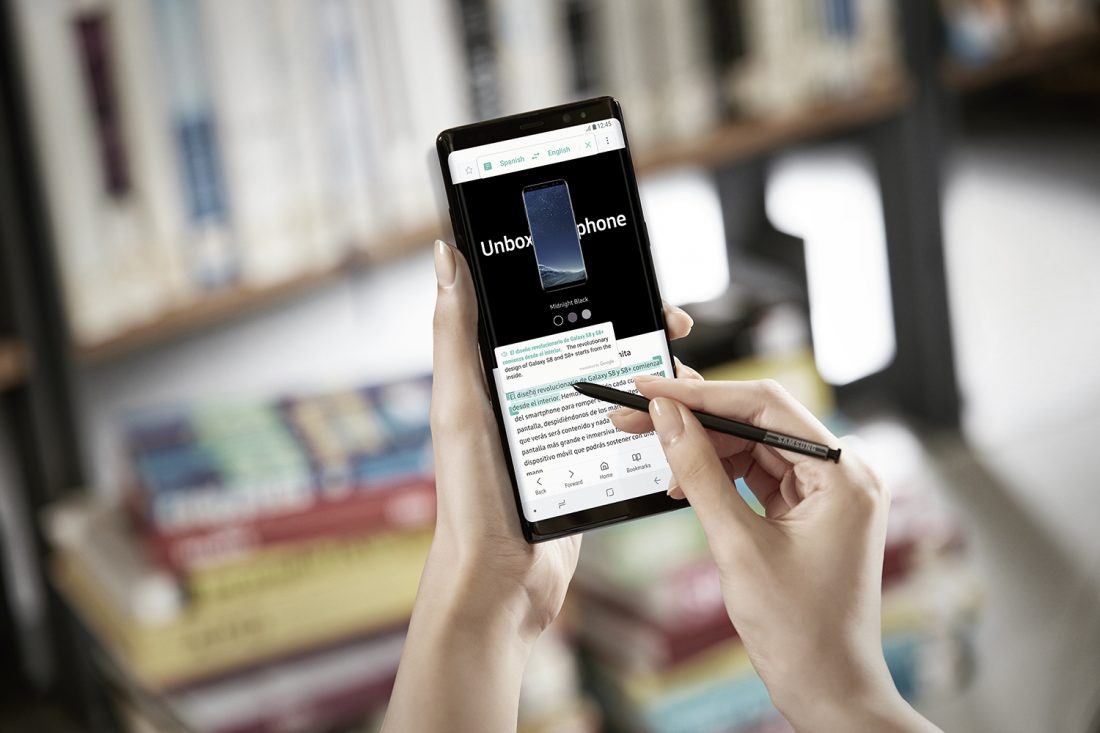
The Note8 just like every Note phone before it includes a S Pen. But, the S pen is not an ordinary stylus and has a lot of features that make it unique. Smart Select, which allows you to easily select, clip and copy the content that you like. A new addition to the Note8 is the ability to send .gif messages drawn using the S Pen, which will playback to the recipient in the way you draw them, much like those seen on iMessage. The Screen Off Memo, allows users to quickly jot down important notes and details, when the phone is locked with the screen off, this is activated automatically when the pen is removed from the Note8. The S Pen is closely linked to the Note8, so the phone will remind you to pick if your S Pen if you leave it behind. The Note8 also activates a S Pen specific menu each time you pull the Pen from the device. These features mixed with the iP68 certification of both the S-pen and Note8 can draw the consumers toward shelling out the extra money Samsung is asking for the Note8.
Samsung has a lot riding on the Galaxy Note8, especially considering the bad press the company got from the Note7 last year. The new note has a 12MP dual-camera setup, one of which has a wide lens and the other a telephoto. The telephoto lens allows a user to zoom in loss-lessly for an upto 2x magnification. The use of dual camera allows for the ability to blur out the background for professional looking bokeh effect shots, something that seems to be common in smartphones in 2017. This is much like effects seen on past dual camera phones all the way from the iPhone 7 Plus to the new Mi Ai with devices from companies like Huawei and OnePlus offing similar functionality. The Samsung Galaxy Note8 also records 4K videos at 30 FPS along with high speed video at a lower resolution. The front camera has an 8MP sensor with an f/1.7 aperture and also records 4K UHD videos at 30 FPS.
The Note8 is expected to launch in India in only one of the three storage variants available globally, the phone will subsequently go on sale after the September 12th launch. With a high expected launch price (Rs. 74999) and not a lot of unique differences in the new Samsung Galaxy Note 8, buyers may opt for the Samsung Galaxy S8+ with identical features (sans S Pen) and a much lower price of Rs. 65,999.
High Dynamic Range (HDR) is not new in the world of tech, but, it is no longer restricted to high-end Televisions anymore. YouTube has started rolling out an update for HDR support to select Android devices.
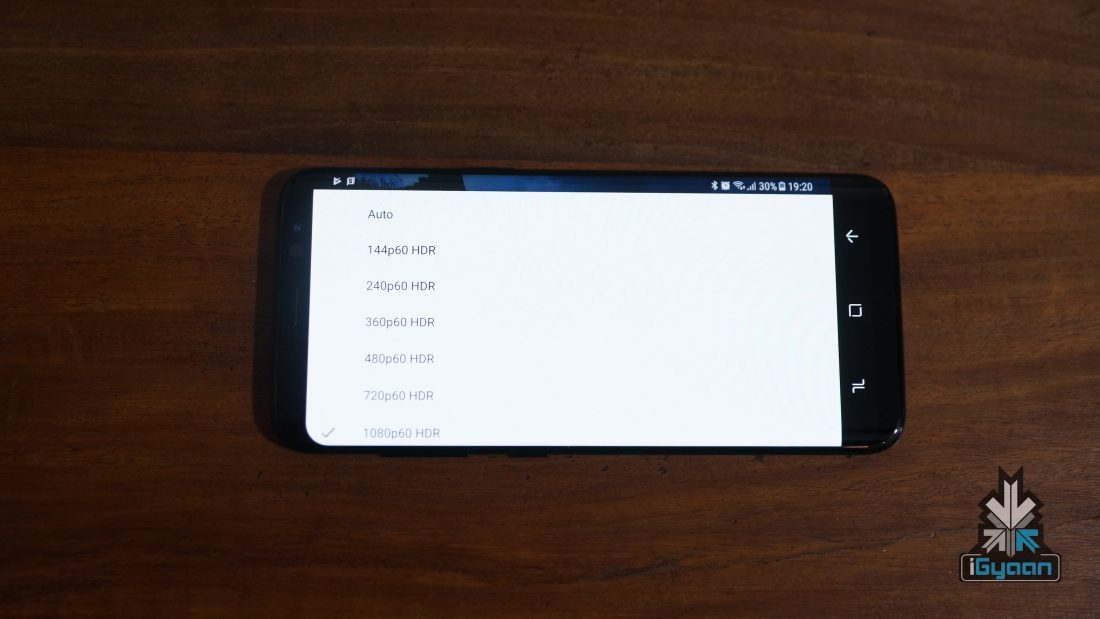
The feature was made available to HDR televisions last year and now phones like the Google Pixel, Samsung Galaxy S8 and S8+, Galaxy Note8, Sony Xperia XZ Premium, and the LG V30 will have HDR support as well. Since YouTube has not officially announced the update yet, there are doubts over other handsets getting the update. The feature was observed to be available in videos starting 144p resolution.
Even though the update is a useful upgrade and will surely bump up the video viewing experience, all doesn’t seem rosy for the users of aforementioned devices, According to SlashGear, Reddit users are reporting stuttering videos and battery-draining brightness levels. Some users have also claimed that the update gets rid of the option to switch to full screen.
HDR videos have a wider colour gamut with the shadows having more details than the usual non-HDR video formats. HDR images are supported a more accurate representation of what a human-eye can see. Netflix has also jumped this ship and the Netflix CEO said, “Starting with the LG G6 phones that support both Dolby Vision and HDR 10 streams, Netflix would be supporting HDR on mobile devices” during the 2017 Mobile World Congress.
A more aggressive push with fixed bugs expected to be rolled out by Google to more devices in the future, but, as of now, if you own any of the devices currently supported, click on the three dots while playing a video and select the desired resolution.
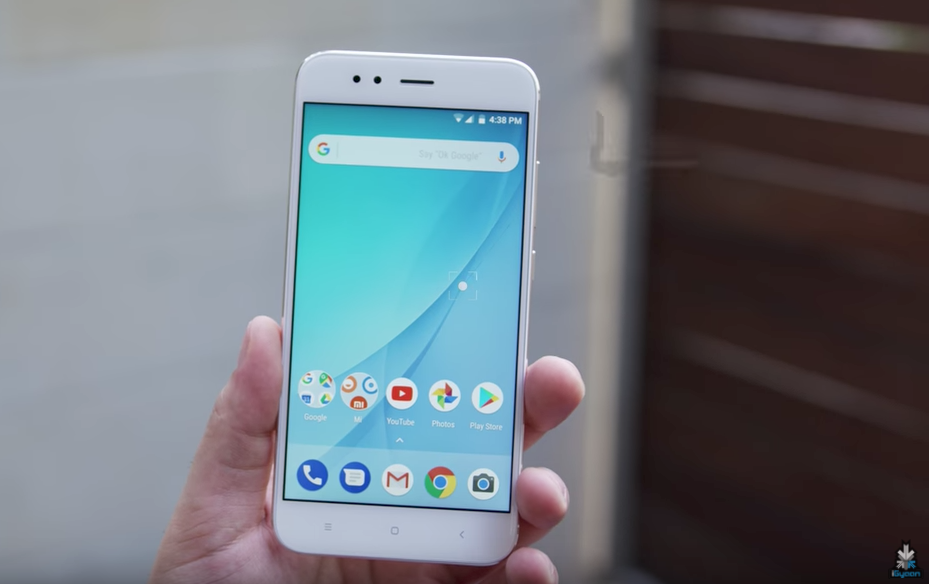
Xiaomi Mi A1 was launched in India on September 5th at a price of Rs 14999. Two USPs of the device are the dual-camera setup and stock Android OS. The Mi A1 is the first Xiaomi smartphone to feature stock Android OS in association with Google’s Android One program. The company has also confirmed that the device will receive Android 8.0 Oreo update before the end of 2017.
The smartphone has a 5.5 inch 1920 x 1080 px LTPS display with Corning Gorilla Glass on top for protection and aluminum unibody build. Powering the device is a 3080 mAh battery and 2A charging through the Type C port. The Mi A1 runs pure Android 7.1.2 Nougat OS. Even though the phone has stock Android OS, Xiaomi has retained a few apps, such as the Mi camera app since the Google app doesn’t support dual-camera functions right now. The phone has the Qualcomm Snapdragon 625 chipset, 8x ARM Cortex A53 2.0GHz 64-bit processor, 4GB RAM and 64GB of onboard storage which is expandable via microSD card. Handling the graphics under the hood is the Adreno 505 GPU. The fingerprint sensor sits at the back of the device below the camera. Xiaomi has also included a dedicated headphone amplifier for better music listening experience.
In terms of optics, the smartphone features dual sensors – 12MP with an f/2.2 aperture (26mm) and 12MP with an f/2.6 aperture (50mm) setup with 1.25-micron pixel size. Out of the two cameras at the back, the primary one is equipped with a telephoto lens and the secondary camera has a wide-angle lens. The telephoto lens allows the user to take bokeh effect shots with blurred background and a 2X optical lossless zoom. For landscape shots, Xiaomi has introduced a wide angle lens while on the front is a 5MP camera.
Apple recently sent out invites for its September 12 event where it will announce three new iPhones and a host of upgrades to its existing products. Keeping the excitement of the new iPhones aside, products like an LTE enabled Apple Watch, 4K supported Apple TV will also be launched during the event.
Without a doubt, the most anticipated launch is that of the iPhone 8. There have been a lot of rumours and leaks about the upcoming flagship iPhone, let’s take a look at what we know about it so far
Display
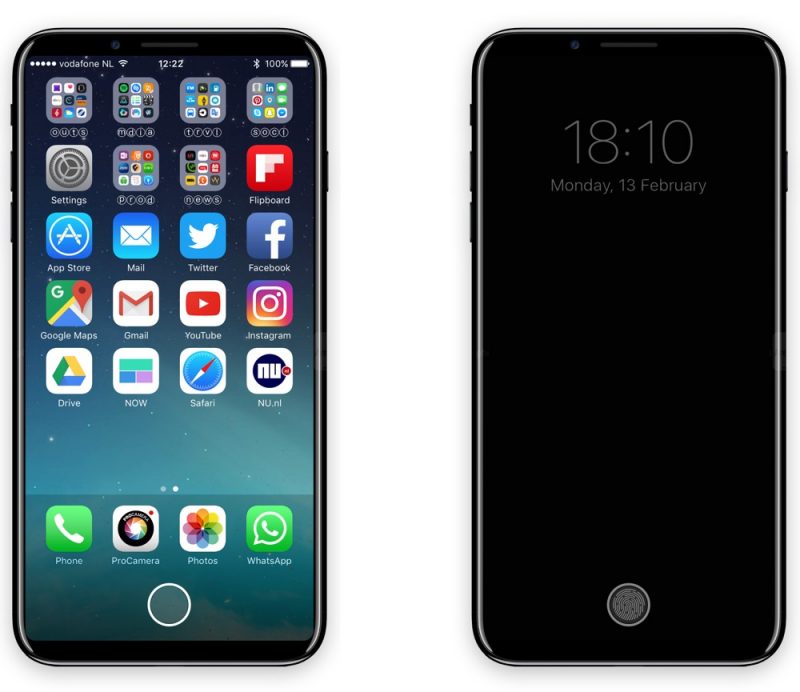
The most talked-about feature of the upcoming iPhone 8 is its bezel less display. Ever since the launch of the Samsung Galaxy S8 and S8+ with the infinity display, rumours have suggested a 5.8 inch bezel-less display on the next iPhone. Apple is also said to finally be using OLED panels, and rumours suggest that the iPhone 8 will feature a curved OLED display which will pit it against the Samsung Galaxy S8 and S8+’s display. A new iOS 11 GM leak suggests that tThe display of the device may feature True Tone support like the iPad Pro.
Design
One of the most noticeable deviations for the iPhone 8 from the previous gen iPhones is going to its design. The smartphone will reportedly sport a “glass sandwich” design to support wireless charging. The phone will have a metal frame and very thin bezels with a notch on top to house the front camera, 3D sensors and other along with all the other necessary sensors. The lock button was reported to be larger this time around, mainly due to a fingerprint sensor housed in it but, these reports seem to have been deemed false. The headphone jack will still be dearly missed although, it may not seem that out of order or radical this time around.
Price
Multiple reports have confirmed that the new iPhone will break the US 1000 price barrier and cost USD 999 for the base 64GB variant. The other two variants will be the 256GB variant for USD 1099 and the 512GB variant for USD 1199. This bumped up storage is reportedly due to the phone’s 4K ay 60 FPS video taking capabilities through the front and back camera. Apple will also market the phone for AR functionalities and the apps to support that won’t be light on the storage, hence, the increased storage space makes sense. The price, on the other hand, will take a while to get used to.
Security
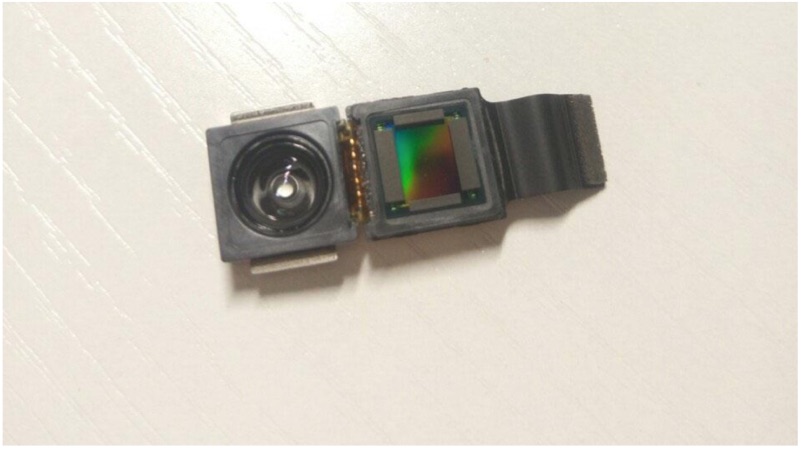
Ever since the iPhone 5S, TouchID has been a staple for all Apple mobile devices and has become the main security feature to access your Apple Account as well. According to the HomePod firmware leak, the new iPhone 8 will not feature a fingerprint sensor and instead will be replaced by a facial recognition system dubbed as ‘FaceID’. These rumours gained impedance when the 3D sensing modules of the iPhone 8 were leaked.
The lack of bezels forced Apple to replace the home button and after the initial reports of a virtual home button, it seems like the iPhone 8 will come without a physical or virtual home button and instead use gestures for navigation. A new iOS 11 GM leak has revealed that the iPhone 8 will have gesture support. Pulling upwards on the bar brings up the Home screen and a longer pull brings up the App Switcher.
iPhone 8 3D Sensing Module
Camera
Interestingly, not a lot has been revealed about the iPhone 8’s cameras, except that this time around the dual cameras will be vertically placed. The HomePod firmware also revealed that the rear front facing cameras will record 4K videos at 60 FPS. According to Korea Economic Daily, Apple is working on facial recognition technology leveraging the cameras for “biometric” identification. Like Touch ID — but with your face instead of your thumbprint. In addition to that, a leaked patent application spills out the details of a sensor that will tell you if you’re human or not. This is Apple’s effort towards developing a rear-facing 3D laser system that would improve AR depth detection as well autofocus for photography. The phone will support Apple’s new HVEC file type, which reduces the file size by a significant amount. This makes sense because 4K videos generally have large file sizes and HVEC can reduce the size by almost 50 per cent resulting in better storage management. The same iOS 11 GM leak has revealed new video recording options
– 1080p HD at 240 fps 480 MB
– 4K at 24 fps (film style)
– 4K at 60 fps 400 MB
New Colour?
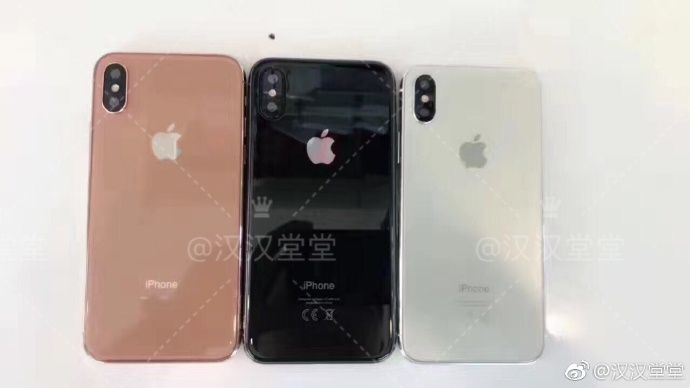
The Rose Gold colour variant on the iPhone 6S back in 2015 was a trendsetter and how. Apple led the charge in experimenting with its flagship device’s colour variants and a lot of companies followed suit. But the iPhone 7 and 7 Plus might be the last ones to sport the swanky Rose Gold colour as KGI Securities analyst Ming-Chi Kuo has said that Apple might drop the colour variant for the upcoming iPhone 8. Ming-Chi Kuo, who has been a reliable source of Apple news suggests that the new iPhone will only arrive in Black, Silver and Copper Gold. The new Copper Gold Colour may be called “Blush Gold.”
Under The Hood
Apple will introduce the new A11 Fusion chipset at the September 12 event. All the three new iPhones will have the A11 Fusion chipset which will like every chipset upgrade, be more power efficient and faster than the previous generations. The iPhone 8 will have 4GB RAM and as discussed earlier, come in three storage variants, 64GB, 256GB and 512GB. The battery
Apple A11 Geekbench4,?4600,8500 and 4300,7000?This is two different clock frequencies, and the final result may be between the two
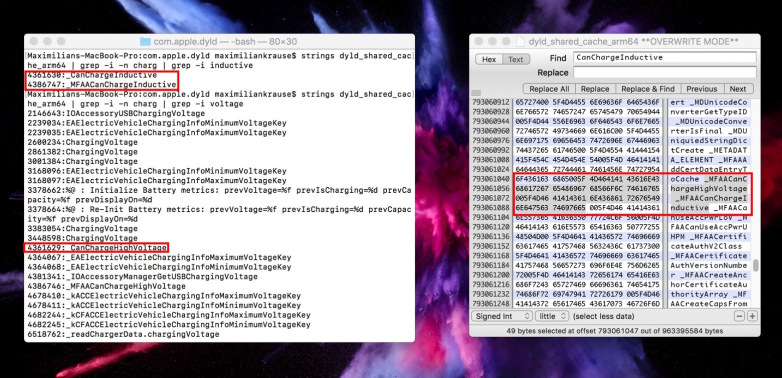
Apple’s decision to remove the headphone jack from the iPhone 7 and 7 Plus and not introduce wireless charging was heavily panned in 2016. Things in 2017 though, are looking much better for iPhone fans as new leaks suggest that the iPhone 8 will definitely feature wireless charging.
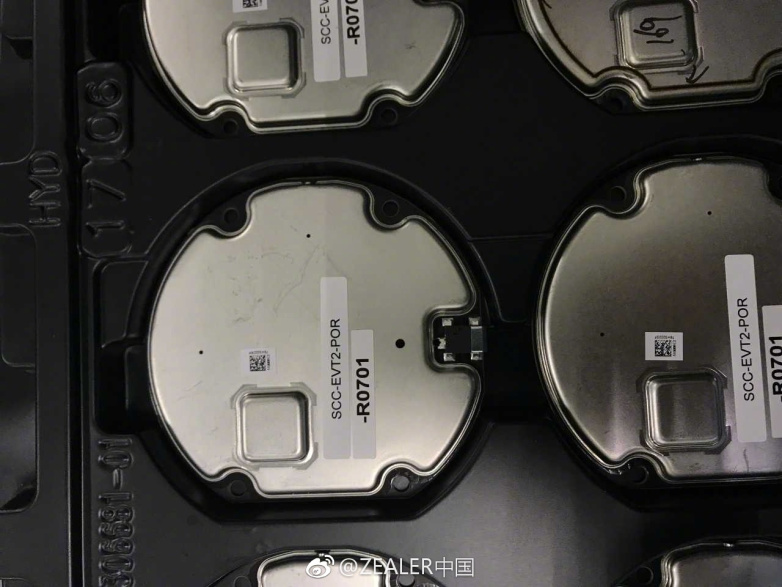
The images show the purported component that will enable wireless charging on all of Apple’s next-generation iPhones. The part will be placed on the back of the iPhone 8 and iPhone 7s, right under the rear glass shell. It has been already reported that the iPhone lineup will have a “glass sandwich” design, which means glass front and back. This news further legitimises the HomePod firmware leak which suggested that wireless charging support will be built into iOS. Having an all glass design allows manufacturers to add wireless charging capabilities even though it’s not as durable as having an all metal design.
What’s It Going To Be Called?
The new iPhone was touted as the iPhone 8 and the other two devices as the iPhone 7S and iPhone 7S Plus, going by Apple’s history. A recent report however, has revealed that the marquee device will be called the iPhone X, as it is the 10th anniversary iPhone or the iPhone Edition. The other two variants will then be named iPhone 8 and iPhone 8 Plus. The Apple invite for the event doesn’t give anything away and in fact does not even hint towards an iPhone launch, unlike a lot of other recent flagship launch invites like the Samsung Galaxy Note8 or Huawei Mate 10.