In the physical world, it may be difficult for you to cut some annoying people from your life. And admit it, we’ve all been in that situation where we wish we could ‘block’ that obnoxious boss, a lecherous acquaintance or maybe a spiteful ex, without confrontation. Facebook understands this and makes it super easy to shut someone out, without being harassed. Here is a three-step process to severe ties, instantly. Just virtually, of course.
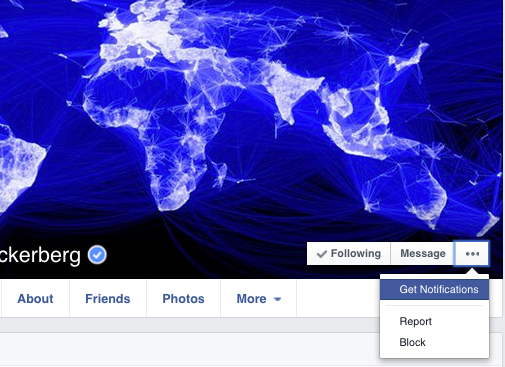
1. Go to the profile of the person you wish to block.
2. Click the three dots “…” alongside Message and a list will appear
3. Select ‘Block’ to restrict the person from sharing things with you.
How Does Facebook Blocking Help?
As soon as you confirm, the user will be blocked from receiving any notifications from you. Blocking is not permanent and you may choose to unblock anyone, anytime. It’s extremely efficient and the person will not be notified about the blocking. He/She can’t even find you on the social networking site, even if they try. If that sounds a bit harsh, then there are options to unfriend them or hide the particular post which you don’t want to see on your wall.
There are no surprises that the first lot of the Yuphoria sold out within seconds. The inception of YU as a brand is relatively recent. However, Micromax, its parent company, has been around for a while. Yu was started as an online exclusive spinoff resulting in deeper competition for the likes of Xiaomi and others who mastered this domain. The success of the Yureka has proved that Indian brands are ready to change their old decaying methods
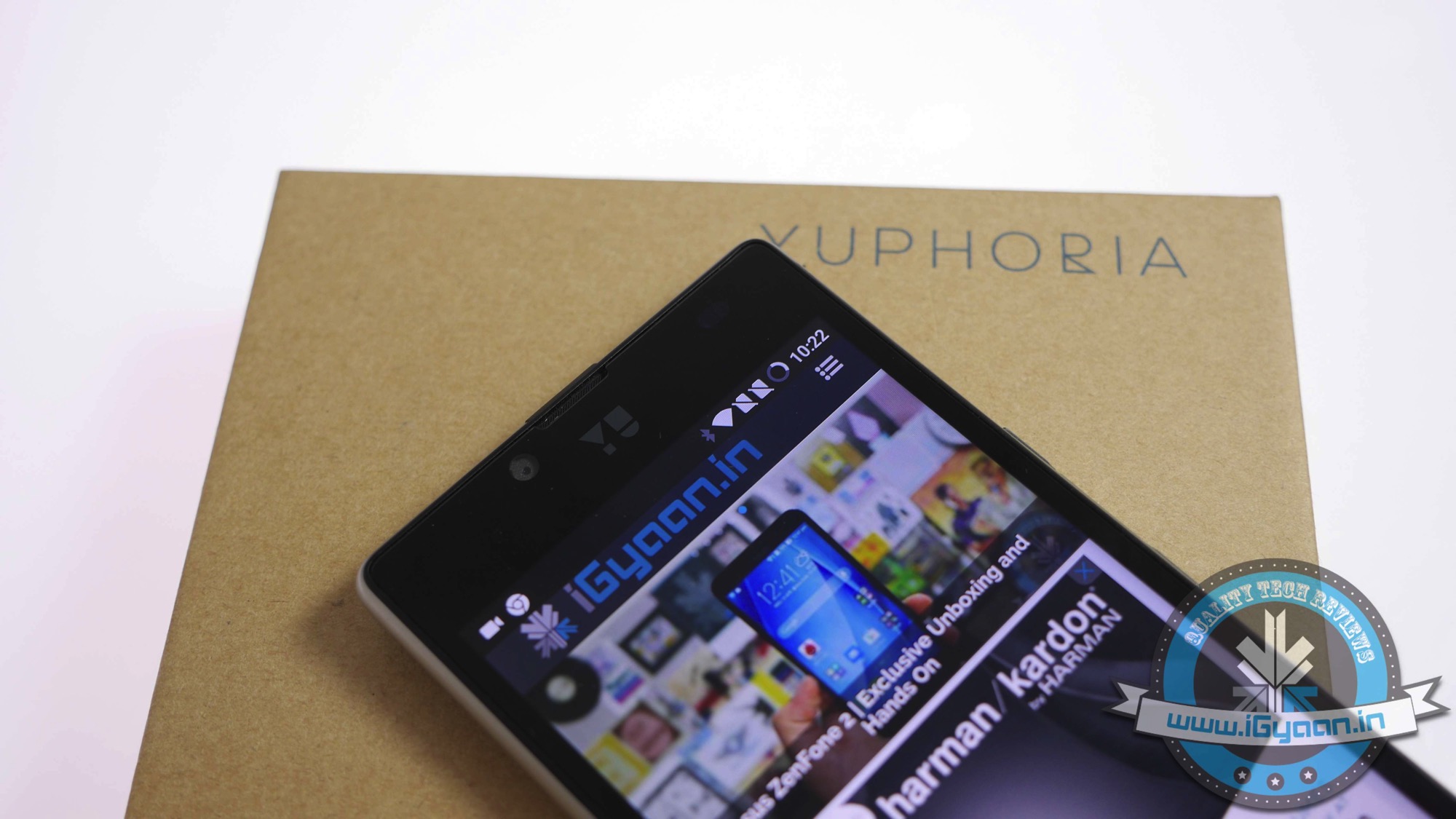
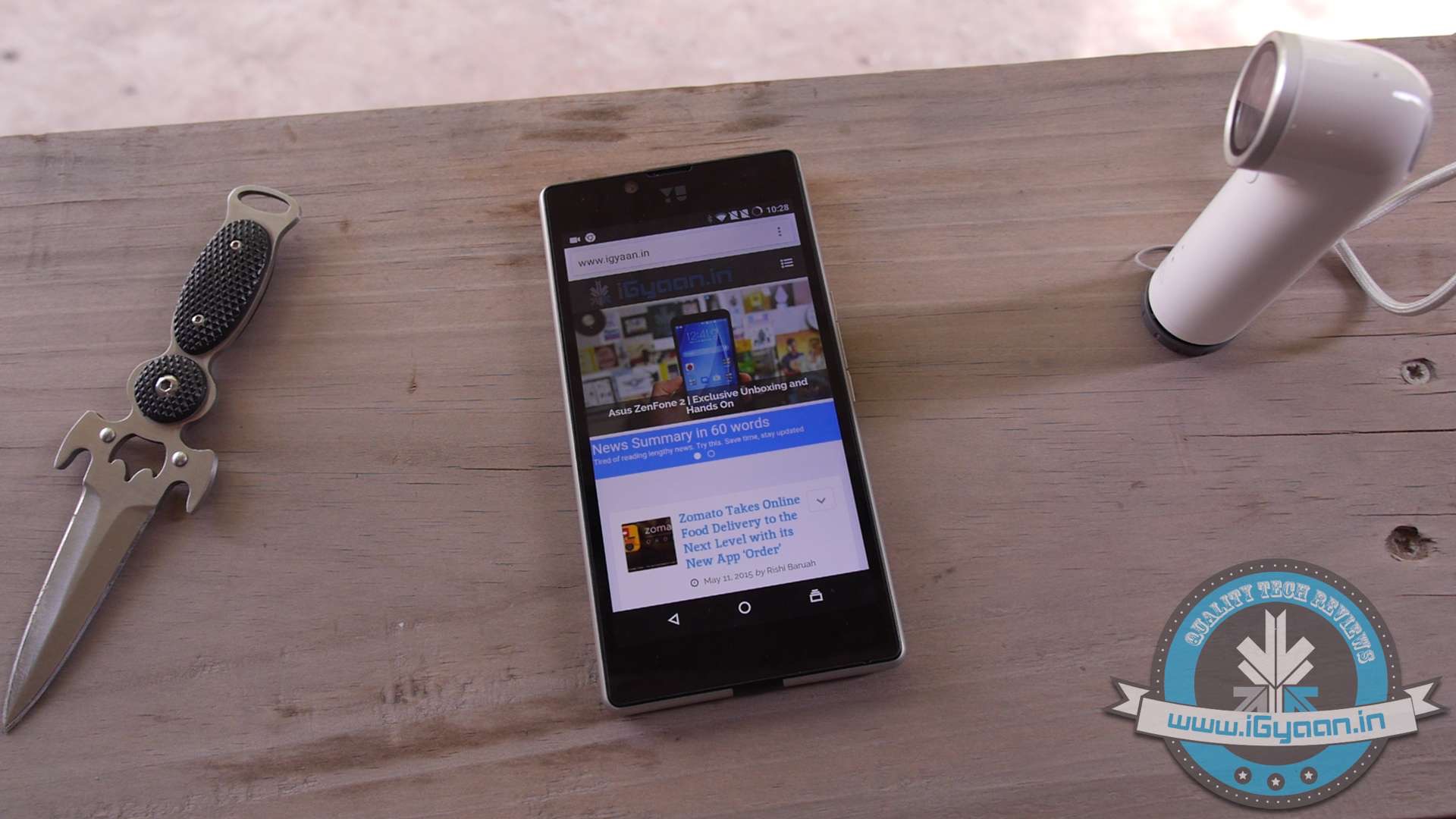
The Yuphoria is YU’s new handset. However, the company is not pegging it as a sequel, more like a different segment hero. The Yuphoria is their budget end of the spectrum, but YU as a company have ensured that people don’t think of this handset as a budget handset.
Overview
The Yuphoria is priced at a low Rs 6999/- however it packs in a big bang for its buck. Good construction is what YU and Rahul Sharma played off well while launching this device. Packed with more than you can expect from a budget handset. However, the market is now saturated, with the likes of Honor, Xiaomi, and Lenovo. So what makes the Yuphoria different and why is it getting attention? For Starters, in its entirety the Yuphoria handset will be assembled in India. It was made clear at the launch that the initial lot would come from China, however, post the first few thousands, the Yuphoria will be assembled in their local plant in India.
Hardware
The Yuphoria promises a lot and packs a decent set too. No, it is not game changing in performance, but its got a good lineup.
For a price of Rs. 6999/- one begins as thinking of this handset from YU as a no-brainer.
Specification
YU Yuphoria
Display
5-inch IPS HD
Resolution
1280×720 pixel (294ppi)
Additional
Protected by Gorilla Glass 3
Processor
1.2GHz Quad Core, ARM Cortex- A53
Chipset
Qualcomm Snapdragon 410 | 64bit
GPU
Adreno A306 3D Graphics Core | 400 MHz
RAM
2GB
Internal Memory
16GB
Expandable Up to
64 GB
Sim Cards
2 x LTE Enabled Sim Card Slots
Primary Camera
8MP
Secondary Camera
5MP
Connectivity Options
4G LTE
Battery
2,230mAh
Operating System
Cyanogen 12.0 (Android 5.0 based)
Price
Rs. 6,999
Build and Design
[pullquote_left] The included screen protector is a great freebie [/pullquote_left]
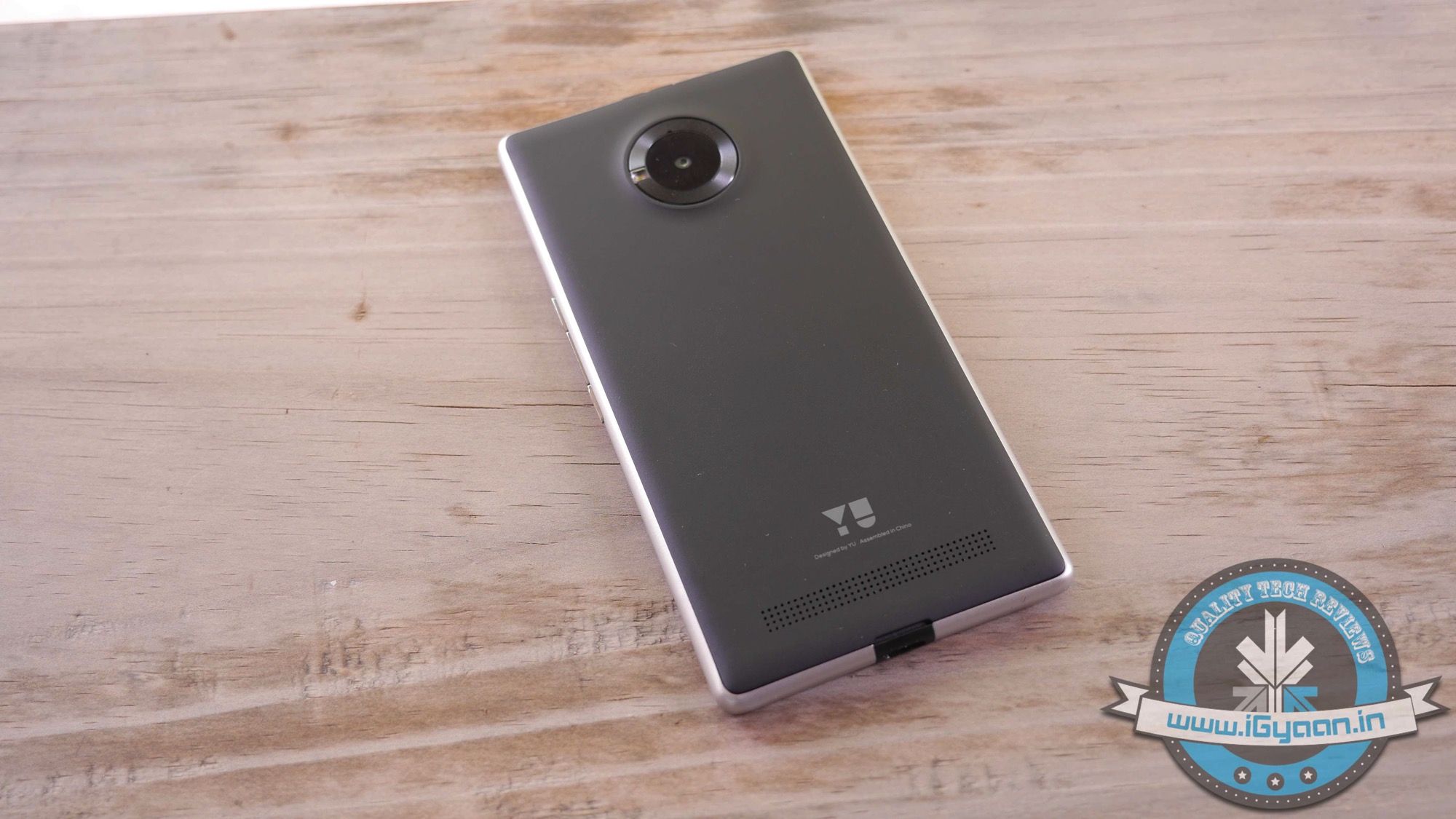
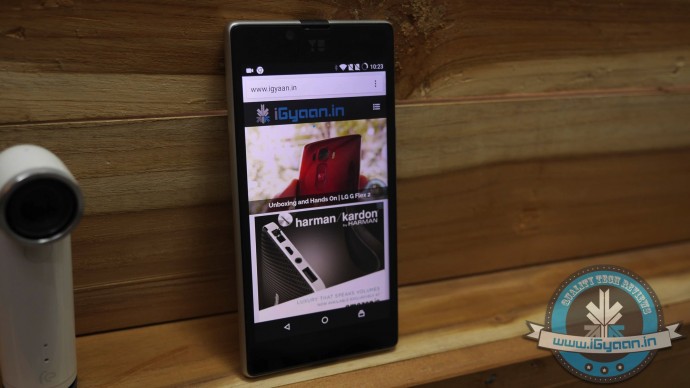
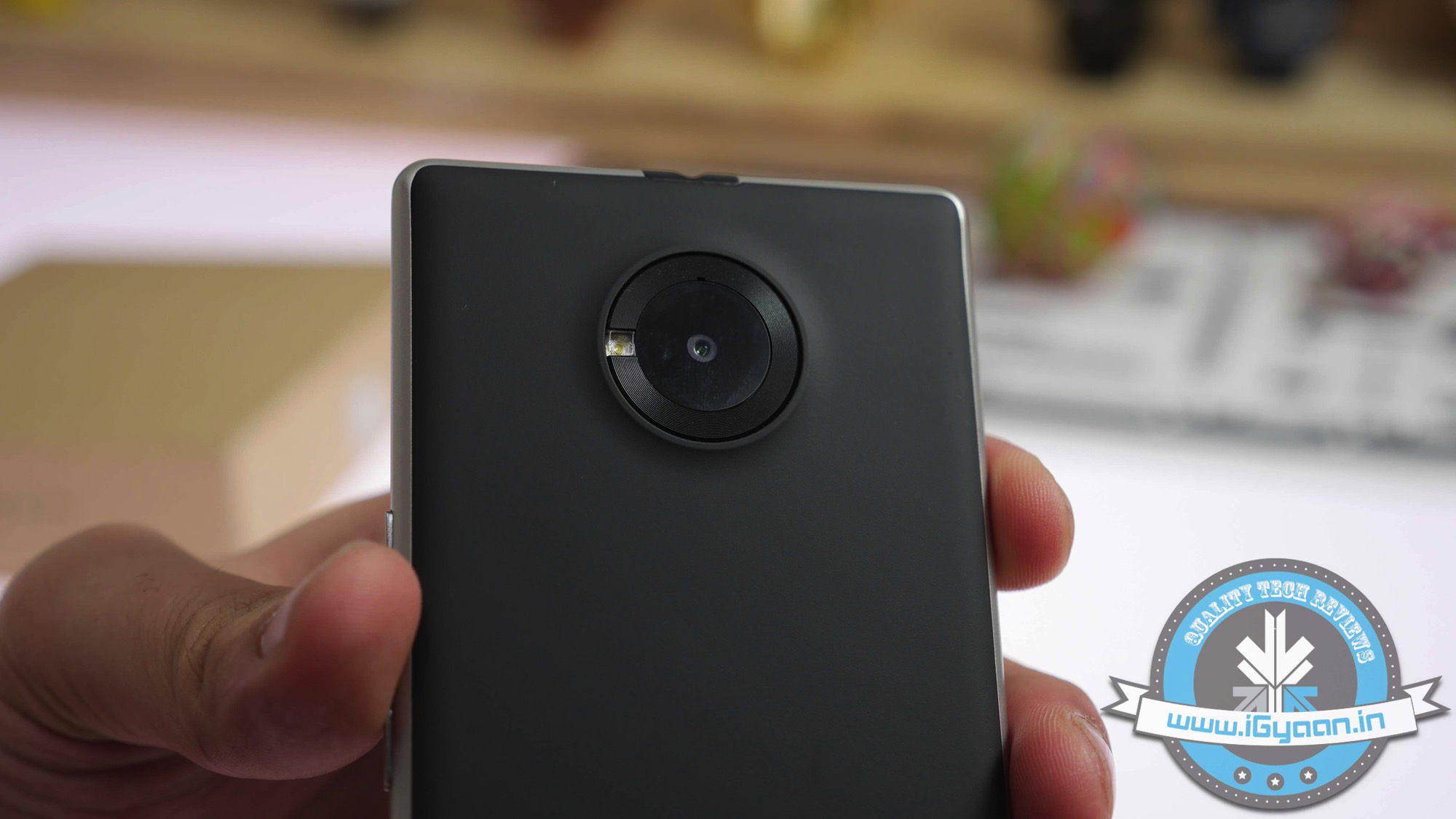
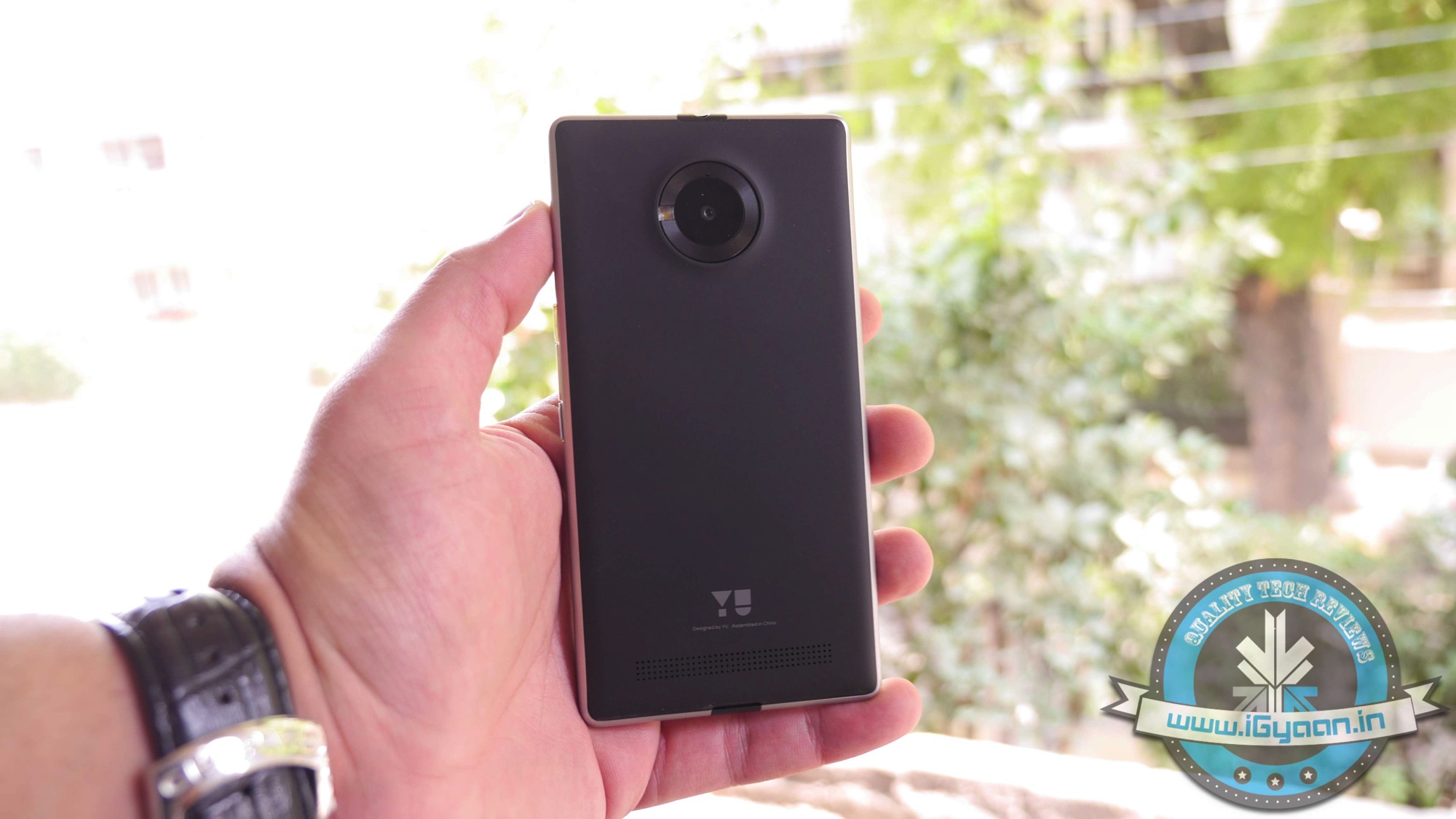
The YU Yuphoria may be a budget handset, but it feels like a lot more. The phone has fantastic construction for its price, an all metal frame, made from stamped parts, which have been laser welded into place. The edges give the phone a lot of rigidity and strength, which in turn gives a reassuring feeling to the holder. The back has a soft touch rubberized back panel, which is not prone to fingerprints. The fat lens cap, however, is like an oil slick ; slippery and constantly smudgy.
The design is very Lumia-like and resembles good-old Nokia Lumia handsets with the metal frame shape and fat lens in the back centre. There is a very slight, almost negligible, lip on the front glass of the handset that may attribute to some protection for the front glass. However the included screen protector is a great freebie, especially for a device that may not see case manufacturers running after it.
Performance and OS (Cyanogen)
The Yuphoria is not a benchmark king, but then again it costs Rs 6999. We ran several benchmark tests, and the results were average. We weren’t surprised by the performance because the Qualcomm Snapdragon 410 is fairly limited in capability. However the way cyanogen is built, and the use of Android 5.0.2 on the inside will make day to day operations a breeze. Expect no lag in the usage of the device, while switching from and to backgrounded apps, making calls, browsing the internet.
The 64-bit architecture comes into play here, and while you won’t get the best “extreme” performance scenarios, the handset can handle high-end games at lower graphics.
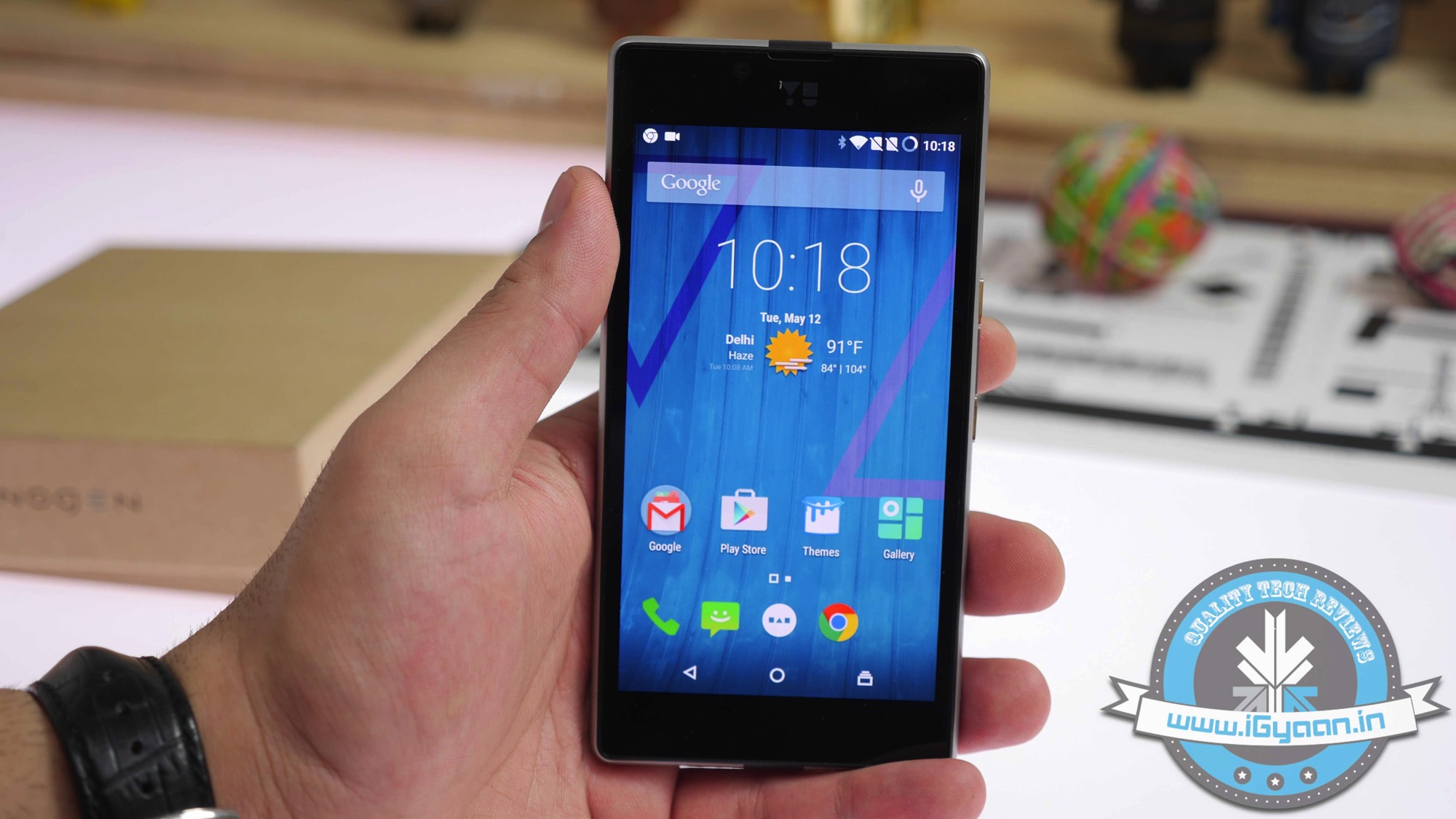
No special points for guessing that Cyanogen 12 works well on the Yuphoria. The Lollipop version of Android with Cyanogen’s custom tweaks have made sense for this budget device, eliminating daily bothersome lags. Post many days of use, the operating system on the device remains smooth.
Many things are easier thanks to Cyanogen. You get tap to wake and sleep, but you don’t get screen-off gestures that let you turn on the flashlight or jump into the camera.
Benchmark results were off the usual expectations, and low. If you are expecting a performance workhorse, this truly is not your price segment, nor is the Yuphoria your device. This device runs smoothly through the day and will keep up with almost all sorts of usage as long as you are not going to work it too hard. It tends to heat up, however, the plastic back panel doesn’t let you bear the brunt of it. The metal frame appears to have been insulated to prevent it from getting hot.
Multimedia and Camera
YU’s promotions prior to the launch of the Yuphoria included a music demo which showed off the loudness of the speakers. No, do not expect that at all. However, the AAC Technologies manufactured speakers are loud and clear and placing the Yuphoria flat on the table causes them to muffle out.
The camera is an interesting mix while the Yuphoria has a smaller MP size it has a wider aperture lens. You also get a big 1.4-micron pixel size that drastically improves low light performance. However, when the images are viewed on a larger screen, noise is apparent.
The front facing camera is equipped with a 5 MP sensor that allows for higher resolution imagery however images are still noisy. Contrast is pretty good, and colour saturation is more accurate than many in this segment, but still off.
Cyanogen’s camera app is the same as what you saw in the previous version and adds just a few changes. Functionality remains simple, and you can swipe down to add effects/filters and jump to the settings to enable face detection etc. The camera is fast and snappy especially for a shooter in this class. YU paid special focus to the camera at the time of launch, however, it may not be a magical clicking machine that they promised, but it does overtake many in the region.
Phone and Networks
What good is a smartphone that makes no calls? The Yuphoria does not have that problem. The phone has been designed to accept 4G Sim Cards, which might be an excellent option. However, considering the rollout speeds of India’s 4G capabilities, you might be many models down by the time you get to use it.
The LTE band support makes the phone great for travel, again something that may only be useful depending on how much you travel. The connectivity is good, and dropped calls appear to be a non-issue with the Yuphoria.
Battery
Unlike the Yureka, the Yuphoria has great battery life and there are no signs of the heating issues mentioned before.
Talk time standards were good when tested with 3G network, giving an average of 6 hours of talk time in a day of use.
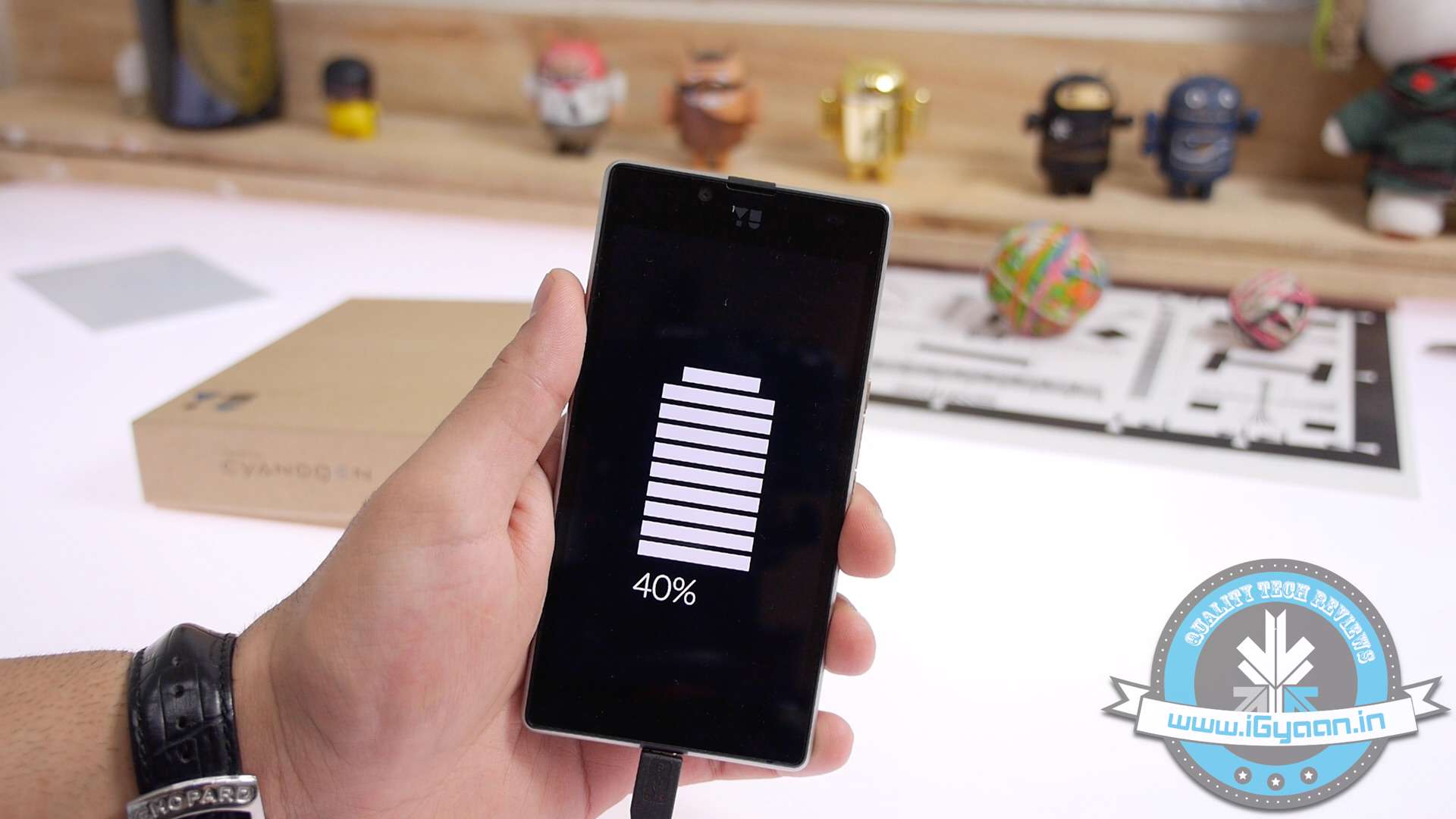
The battery also charges quickly, giving you a full charge in about 1.5 hours. However, it’s not the fastest we have seen. The supplied “fast charge” charger would be the best way to charge this handset.
Battery Test
2G
3G
WiFi
NO Connection
Phone Calls
8 Hr
6 Hr
N/A
NA
Gaming
N/A
N/A
7 hours
8.5 hours
Music Playback
10 Hr
10 Hr
9 Hr
13 Hr
Internet Only
10 Hr
6 Hr
4.5 Hr
N/A
Conclusion
In a market that is a mess, with all kinds of phones from all kinds of companies, there seems to be some hope. The YU Yuphoria illustrates that you don’t need to pack loads of money to get a good smartphone experience. That’s what the Yuphoria is; A Good Smartphone Experience. But, it also just stops there, leaving a large void for improvements. As technology becomes more and more affordable, you might see what you call today “high end” trickle down to this price bracket sooner than you expect.
[pullquote_left] The Yuphoria will not impress the true geeks, the power hungry or even the benchmark crazy [/pullquote_left]
The Yuphoria makes for a good first smartphone, a good built premium feel smartphone, a good gift, a great new Android phone if you are replacing something in this price bracket, or even a second phone to already have a special device. The Yuphoria will not impress the true geeks, the power hungry or even the benchmark crazy. The Camera is good, the battery is good and phone call capabilities are excellent. Cyanogen makes for the best experience of “Raw Android,” and the Yuphoria gives it at a mighty impressive price tag.
Just like any other domain, you do have alternatives from Lenovo and Xiaomi. But none of them run Cyanogen, and none of them are made of metal.
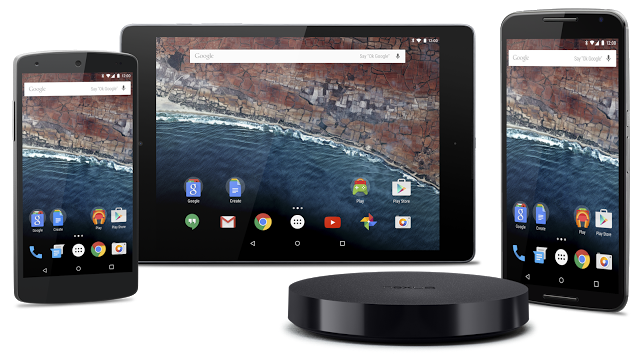
Google kicked off its annual developers’ conference, the 2015 I/O yesterday in San Francisco, California. As anticipated, the search engine giant threw light on the much-awaited version of Android OS, disclosing functions of Android M in fine detail. Along with some anticipated features like app permissions, Photo app, Android Pay; there are many more additions to the Google ecosystem.
Here are all the important announcements by the company:
1. App Permissions
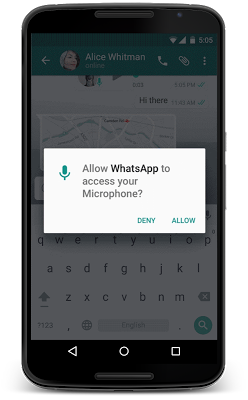
Google has tweaked Android M to terminate the traditional way of gaining app permissions. Unlike the current practice, users can permit apps to use a particular function and can also revoke its use. Google has defined eight parameters to give apps permission. These include camera, location, contacts, calendar and few more. With Android M, users can now easily understand the different parameters an app is accessing.
2. Resolved Battery Issue
With Android Lollipop, Battery drain was one of the major issues that ticked off Android users to a large extent. The tech giant has introduced a new feature that helps the phone battery run for an extended period of time. Dubbed as Doze, the feature uses motion detection to check if the smartphone is left unattended for a while. The screen then automatically goes to sleep, reducing the background activity; hence giving the phone a longer battery life.
3. Chrome Custom Tabs to Switch Between Apps
Android M comes with an interesting feature called Chrome Custom Tabs that appear like an in-app Chrome browser. It loads pages faster, filling vital information like email and password. Another important function is that it allows developers to add custom features on top of the apps. For example, Twitter can provide a tweet on any app, which will direct the user to the Twitter app loading it automatically. It allows for quick movements between two applications.
4. New Google Photos App
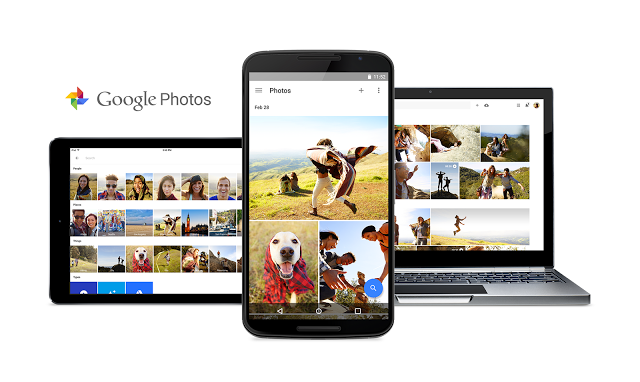
Google Photo app is a refurbished app with an ability to back up photos and videos, and that too free of cost. However, there is a restriction on their size, but you can upload as many as you wish. These images can be segregated on the basis of location, people, time interval and more. Besides the new app, some interface tools were also introduced for the purpose of sharing and making collages and turning them into movies. As per the company, the app is now available on Android, iOS and web.
5. Maps and Chrome Go Offline
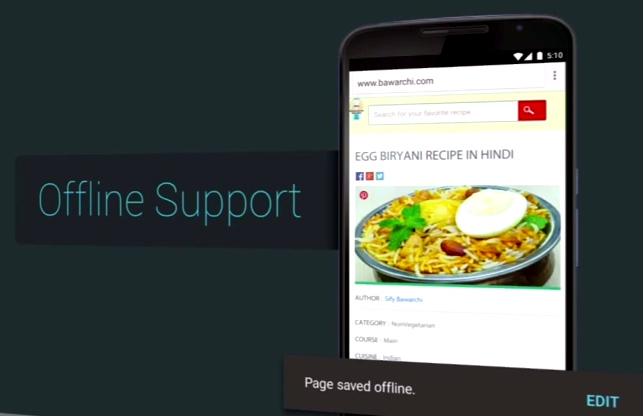
This new feature by Google will help internet users access its products in every corner of the world. A dedicated search results page is built for faster loading by showing fewer images. Users will be able to save web pages offline just like YouTube videos. Along with that, Google Maps has been given a push offline where users can access a bunch of features with no internet connectivity like reviews and information, and give turn-by-turn directions offline. The feature will work in areas with poor internet connectivity.
6. Revamped Android Wear
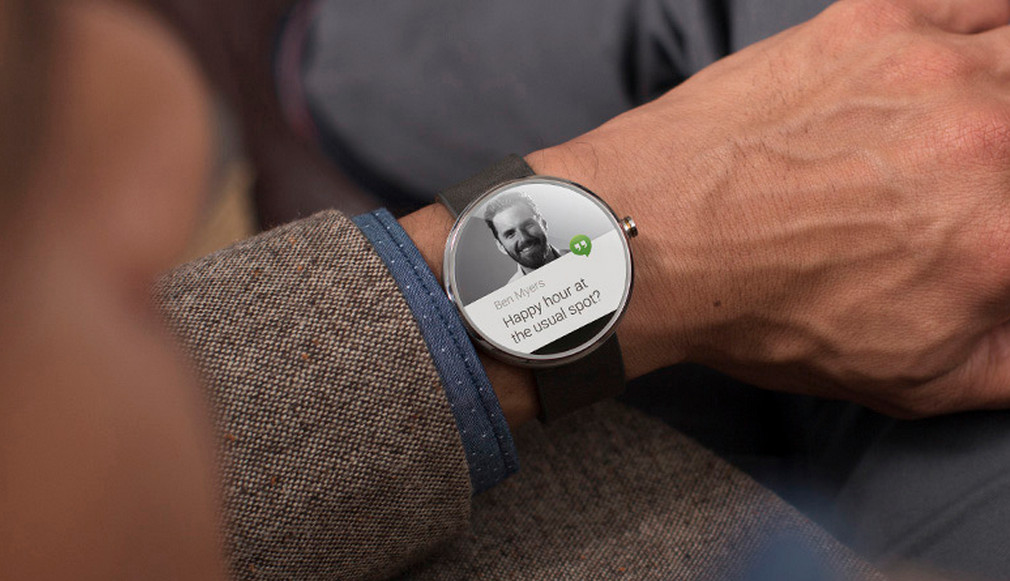
Android Wear has been updated with a slew of new apps and features. There will be a convenient option to call Uber cabs now. Just like the always-on screen, apps will also remain on always showing information in black and white mode, taking care of the battery. Navigating through Google Maps to get constant direction status and many more features that requires the screen to be on, will be a lot easier. A new app launcher is inculcated as well, along with a feature to convert drawings to emojis.
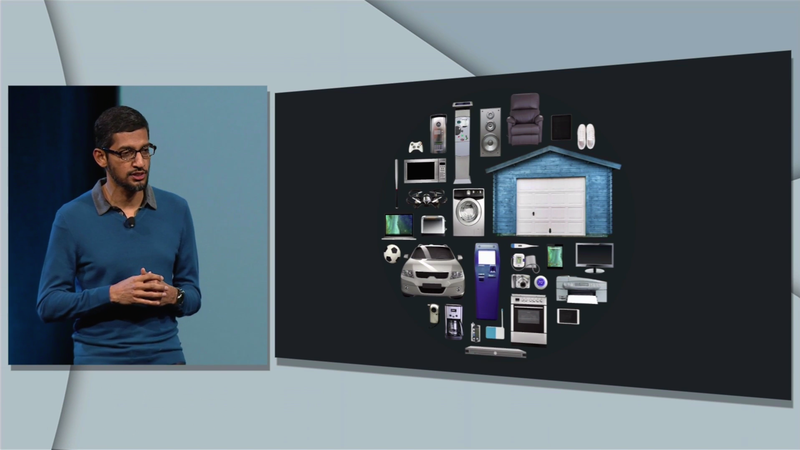
7. Smart Home
Another expected update was the Smart Home launched along with an operating system Project Brillo and a communication system Weave. Brillo is a trimmed down version of Android, while the latter is Google’s IoT that allows devices to communicate with each other. Both the softwares work together to make your homes truly smart homes. Once both Brillo and Weave are installed on the smart devices, Weave can command devices like refrigerators, ovens, lift bulbs, door locks, etc. The system has build-in Wi-Fi and Bluetooth support.
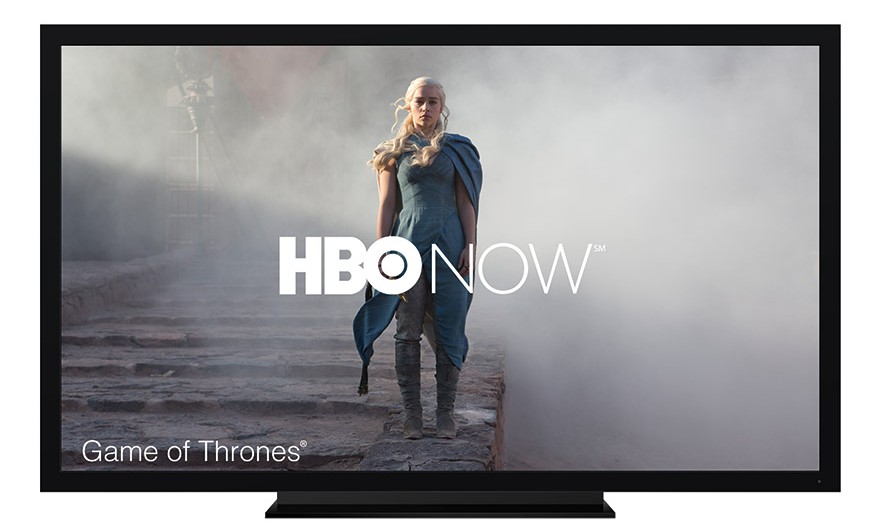
8. HBO Now on Android
Far from our anticipation, Google announced the arrival of the streaming-only service HBO Now on Android and Chromecast. There is no definite time of its launch on the platform, but speculations are rife about it coming in June this year. Surprisingly, there are no fresh Chromecast or Android TV this time.
9. Redesigned Google Cardboard
Seeing the current trends of bigger phones, the tech major decided to reconstruct its affordable VR headset, Google Cardboard. The new version of Google Cardboard can hold phones with six inch displays. A cardboard button will appear on the new version instead of the original magnet clicker that is said to work with any phone. Google has launched a dedicated Cardboard app, along with a virtual reality education tool Expeditions for educational purpose. The bigger VR headset can be acquired through Google’s partners.
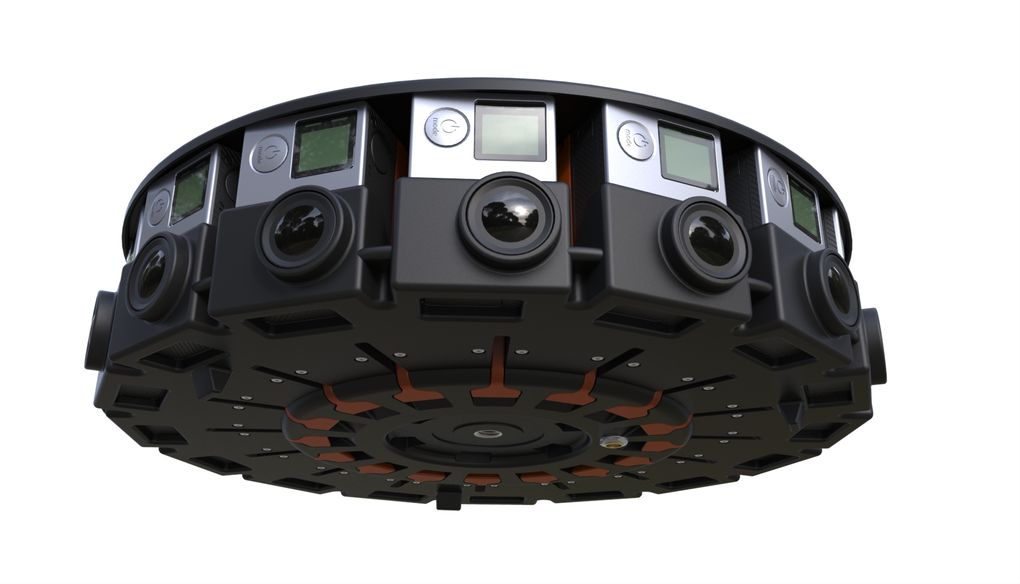
10. Google VR Camera Rig
The company seems to have given a deeper thought to the recently explored virtual reality domain. VR headsets have been available for quite a while, but the content for them was missing. Google in partnership with GoPro has built a VR camera rig, Jump, that is a 16-camera array designed to shoot 3D VR content. The VR camera rig will shoot content and the assembler of Google will weave them together figuring out the depth of different images. It can build content for the VR headsets as well as video-sharing websites like YouTube.
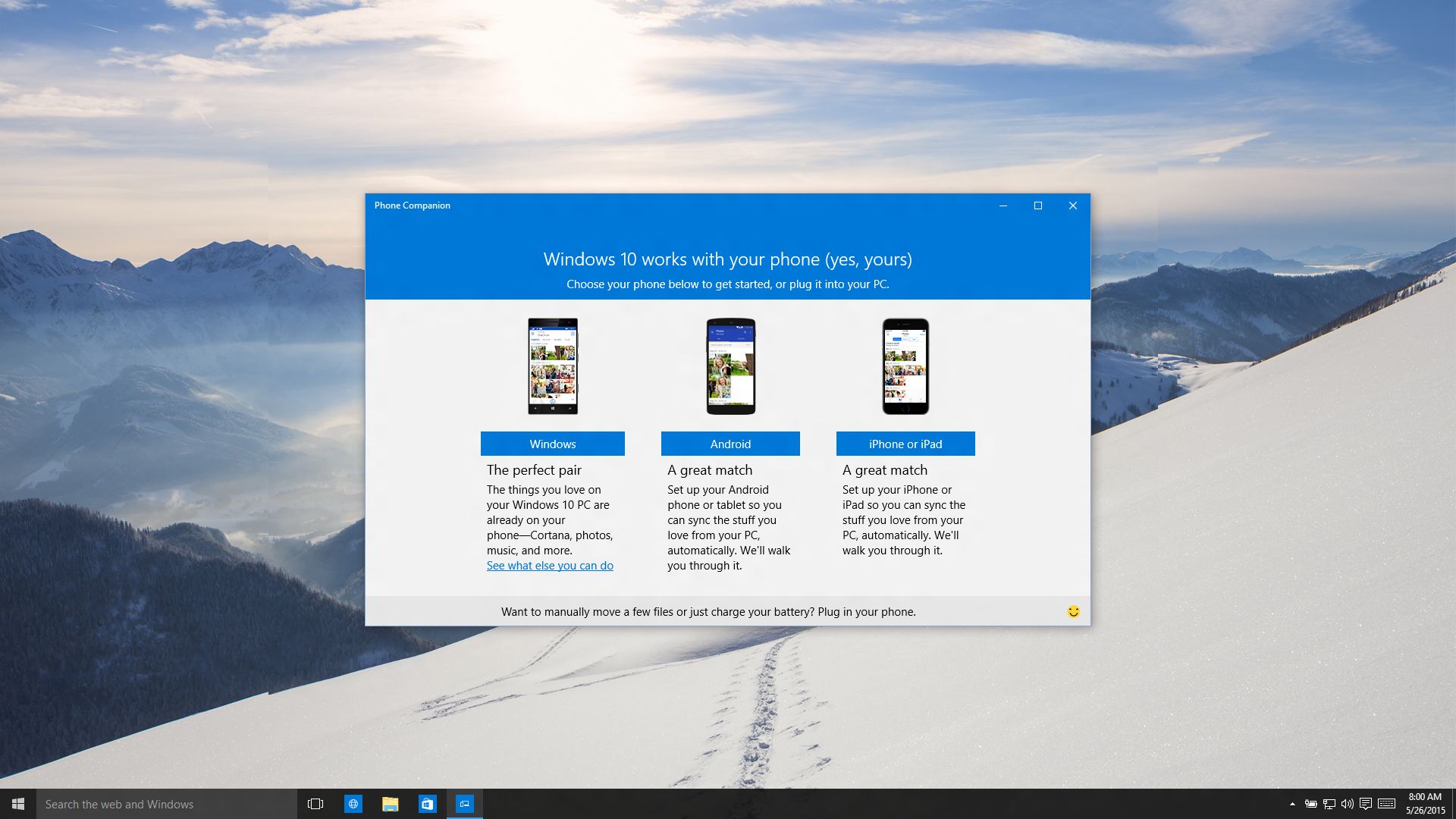
Catching up with the ground-breaking innovations of Google and Apple, Microsoft updated its latest Windows OS with the delayed but functional voice assistant Cortana. Windows’ personal virtual companion was rightly named after the fictional character of Halo game series as it had similar personality traits like intelligence and wittiness. But recently, Microsoft made an announcement that dilutes the exclusive rights of Windows Phone users. The Redmond-based tech behemoth launched an app called ‘Phone Companion’ that will make Cortana and many other apps privileged to Windows Phone users across platforms. It means users will soon be able to download Cortana and Music apps on their Android and iOS smartphones.
As soon as a user plugs in the iOS or Android device to a Windows 10 running machine with Phone Companion pre-installed, a slew of apps become available to the user for installation. The list includes Microsoft Office, OneDrive, Skype, OneNote, Outlook, Cortana and Music. Phone Companion will help set up your phone to work seamlessly with Windows 10. Although, the Cortana functionality would be limited on iOS and Android platforms, the most basic feature of questioning Cortana would be there for all operating systems. Along with that, users will receive flight notifications, alerts including geographical ones, pre-set reminders and much more. The apps will be available in late June on Android and later this year, on iOS.
Cortana was one exceptional feature that caught hold of everybody’s attention. Even with the presence of Apple’s Siri and Google’s virtual assistant Google Now, tech critics were compelled to accolade Cortana for its humorous responses, exceptional performance and being an all time companion. With Cortana invading the two major operating systems, it is likely to corner Siri and Google Now to a certain extent. The content on the devices will be more synchronized with the aforementioned set of apps. Photos, files and songs saved on your handset, will automatically transfer to your PC for easy accessibility.
Here’s the video demonstrating how the Phone Companion app will work:
https://youtu.be/lXREpLEwgOY
According to Microsoft, the company “set up with the goal to make Windows 10 for everyone” and this led to the release of the Phone Companion app. But does this move really favour Microsoft? The firm is dropping its unconventional invention in the wide ecosystem of Android and iOS, which it could have cashed in on. The exclusivity of Cortana on a Windows Phone could have given a push to the company in the smartphone segment, which Microsoft is in dire need of. The recent move can further plunge the demand of Windows Phones in the market as users now have the option to activate voice assistance on their handsets.
If you examine Microsoft’s current trend with respect to its apps and softwares, you’ll see that Microsoft is making its distinctive tools, omnipresent. It started with Microsoft Office, earlier exclusively available to Windows Phone users, and Skype and many other apps soon added to the universal apps listing. It’s a plus for Windows’ antagonists, Android and iOS, but it is uncertain if this move turns out to be profitable for Microsoft. The tech firm could have easily tapped on Cortana and Continuum features to convert them into increased market shares. Seems like Microsoft is opting for a different approach to make a higher podium for itself in the flooded smartphone market. But if the strategy fails to work, Microsoft’s smartphone division may soon face a similar situation to Nokia.
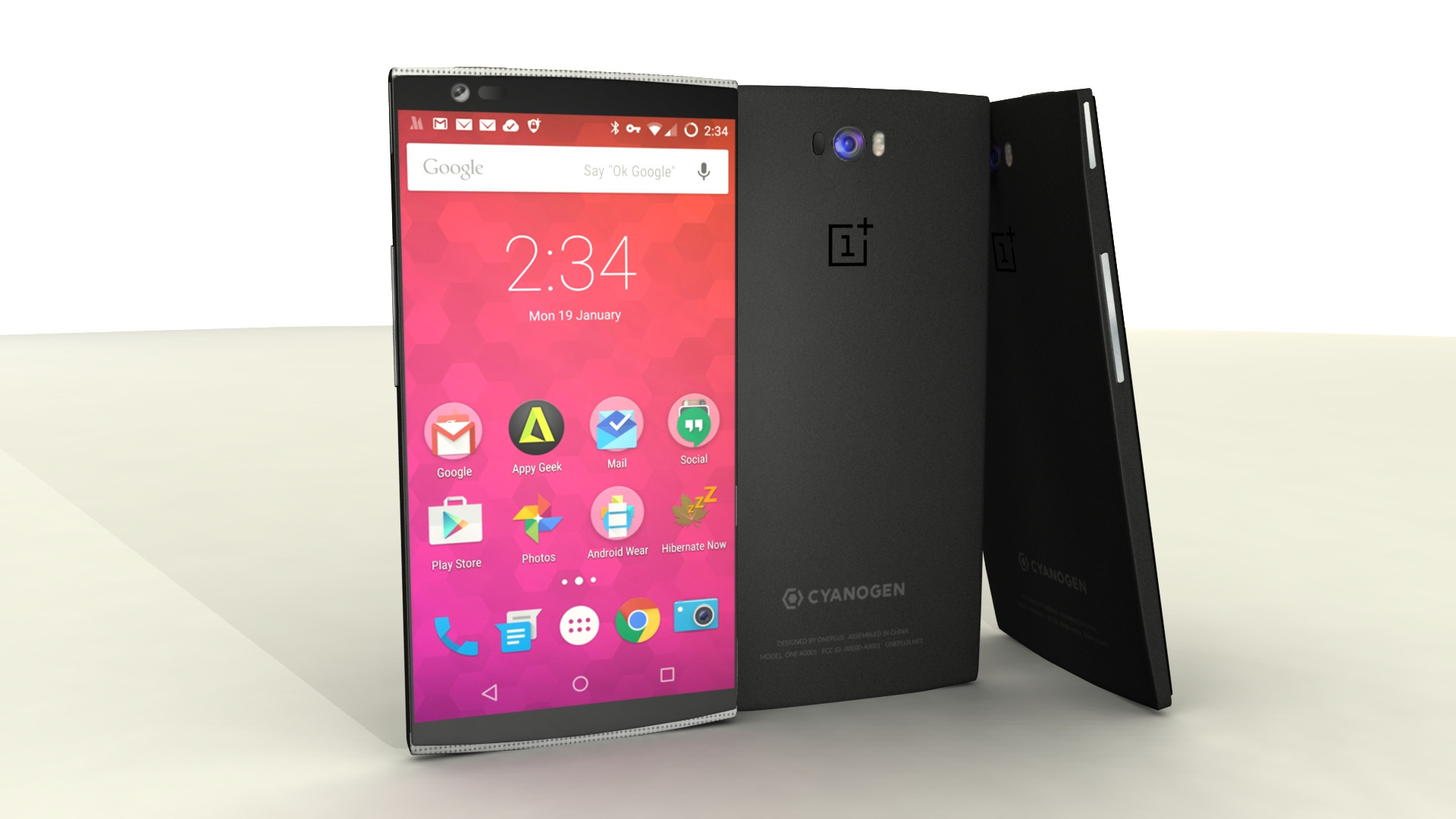
OnePlus Two, the successor of last year’s flagship killer, is anticipated to boast an unprecedented set of specs while maintaining the impressive price scheme. It has already created a buzz with the revelation of it’s price ahead of the launch, i.e. 2499 Yuan or Rs. 25,700, and a fingerprint scanner that is expected to be much better than Apple’s Touch ID. Now, fresh specifications of an unknown OnePlus device have surfaced on Geekbench Test results, that may be the rumoured OnePlus One variant, or the future flagship OnePlus Two.
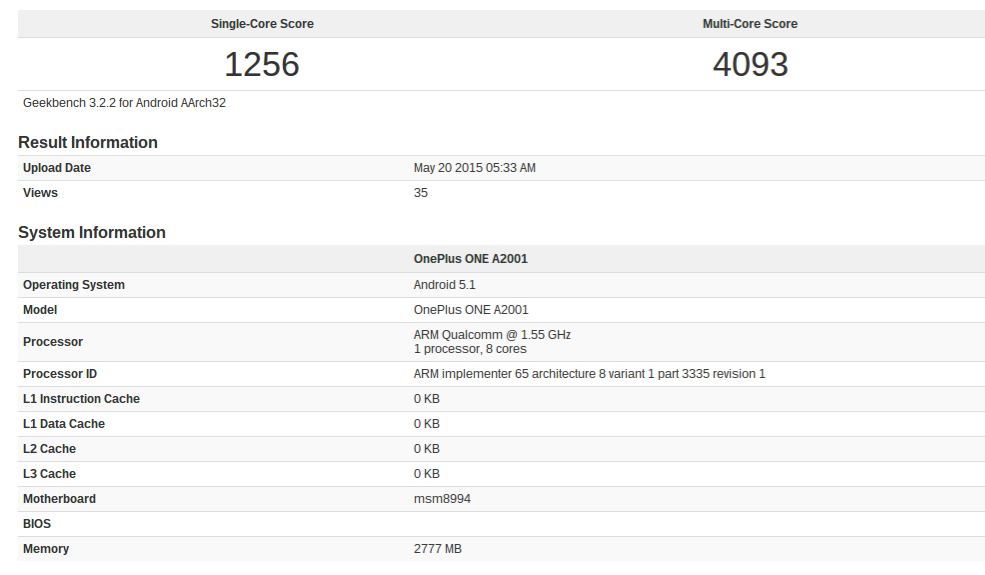
The benchmarking report speaks of a new device, OnePlus One, with model number A2001. This is different from the model number of the original OnePlus One, which was A0001 running on quad-core Snapdragon 801. The test results confirm that the next smartphone is armed with an octa-core processor, with each core clocked at 1.55 GHz. The device would run on the latest Android 5.1 Lollipop.
Another notable detail of the spotted OnePlus handset includes 3GB RAM, which is a little disappointing for OnePlus fans who were expecting an upgrade. Here are the complete benchmark results.
Earlier this year, OnePlus CEO Pete Lau announced another smartphone release alongside OnePlus Two. There is a possibility that these benchmarks are of the other OnePlus device, which is rumoured to be called OnePlus Lite.
The Chinese smartphone firm hasn’t announced its forthcoming device yet, but there are reports of the OnePlus smartphone coming in the next few weeks. It is still unclear if it would be another flagship or a low-end alternative of OnePlus One, but the coming weeks will unfold many unanswered questions by the company.
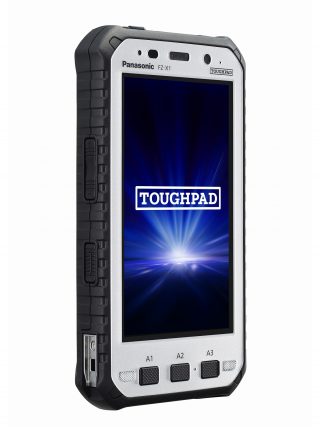
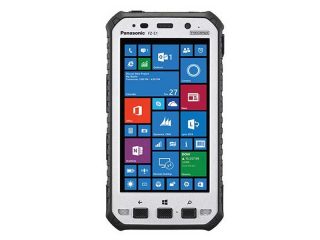
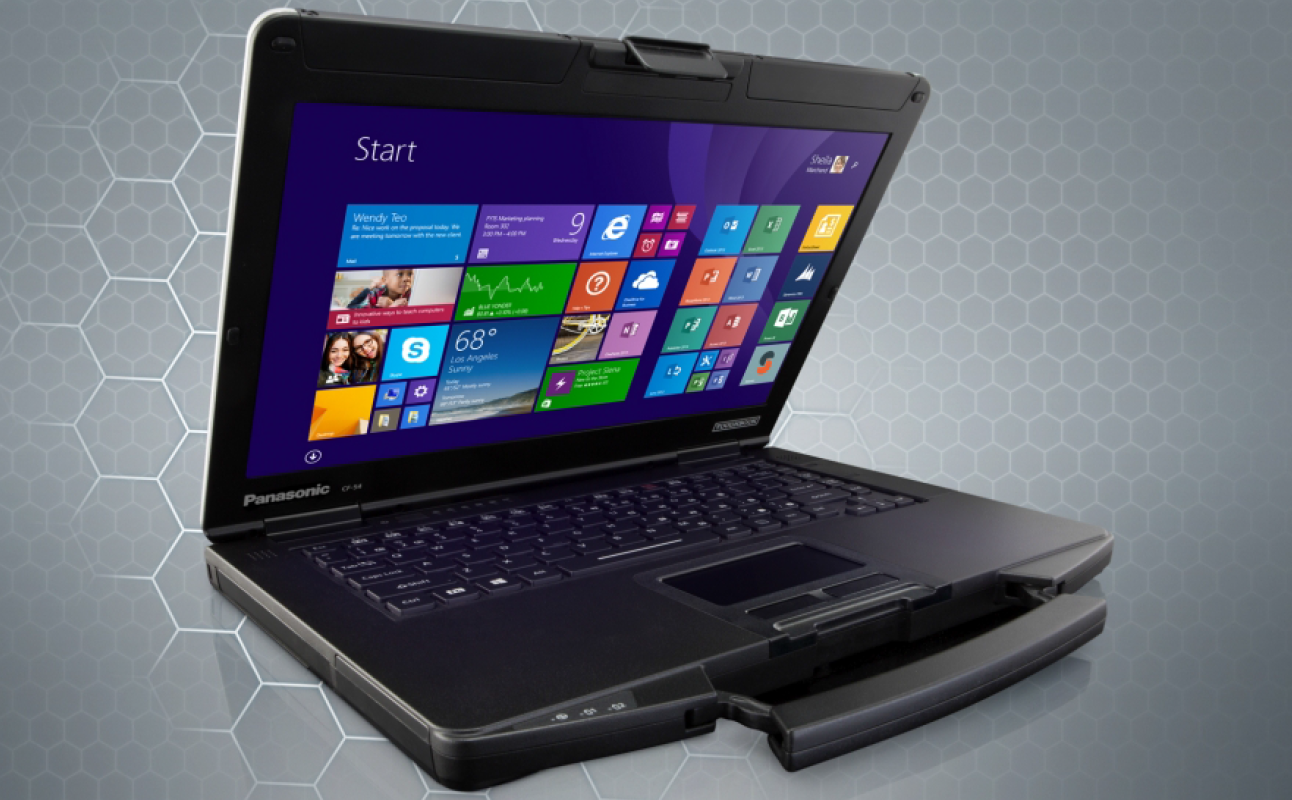
Panasonic’s new range of products may hold more interest for adventure seekers and mountaineers. The company today has launched two Toughpads and a semi-rugged Toughbook, an expansion of Panasonic’s Toughpad line. The company states that a growing number of organizations see value in a device that boosts employee productivity by expanding the concept of the workspace, allowing tablets or laptop users to do more while on the go between meeting rooms, job sites or office locations.
The two Toughpads, FZ-E1 and FZ-X1, are resistant from a drop of 10 feet on concrete with MIL-STD-810G specifications and is IP65/IP68 dust and water proof. Both devices sport a 5-inch 720p display with a 1.3MP front camera. Memory specification includes 32GB of internal memory which can be expanded via microSD card. The Windows 8.1-based Toughpad FZ-E1 is priced at Rs 1,19,000 while the Android 4.2.2 Jelly Bean version, Toughpad FZ-X1 costs Rs 1,09,000.
Panasonic FZ-X1
Panasonic FZ-E1
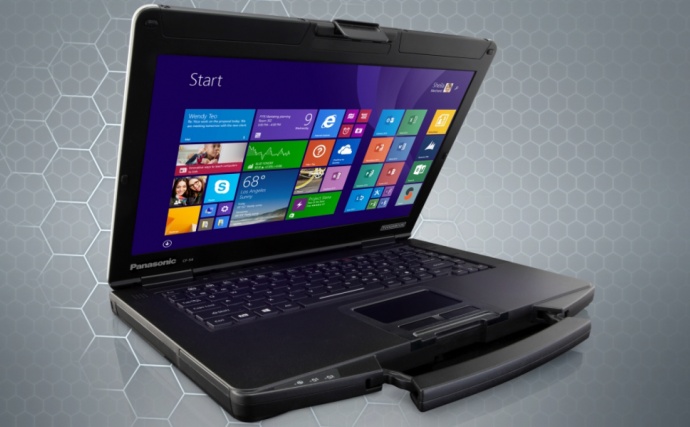
As for the semi-rugged Toughbook CF-54, it runs on the new 5th gen Intel Core i5-5300U vPro processor. It has a hot-swappable battery option, and its single battery can last up to 11 hours. The new semi-rugged Toughbook CF-54 is the thinnest and lightest semi-rugged PC in its category, according to Panasonic. It is priced at Rs 1,39,000.
Panasonic Toughbook CF-54
The notebook also has a broad range of customization options. Panasonic hopes to increase its presence in the Rugged IT devices segment from 60% to 65% with these latest entrants in this department.
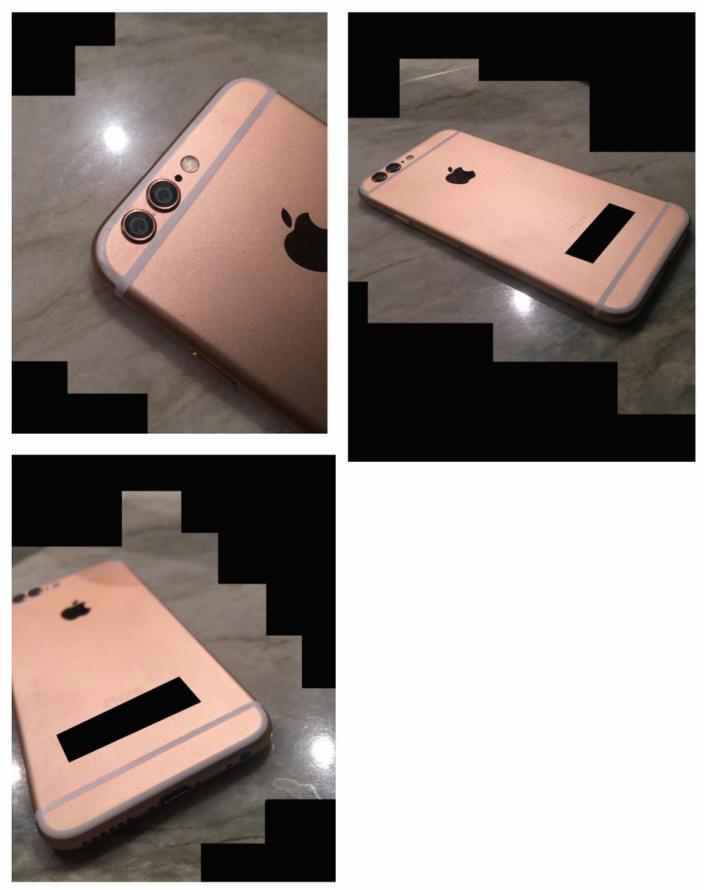
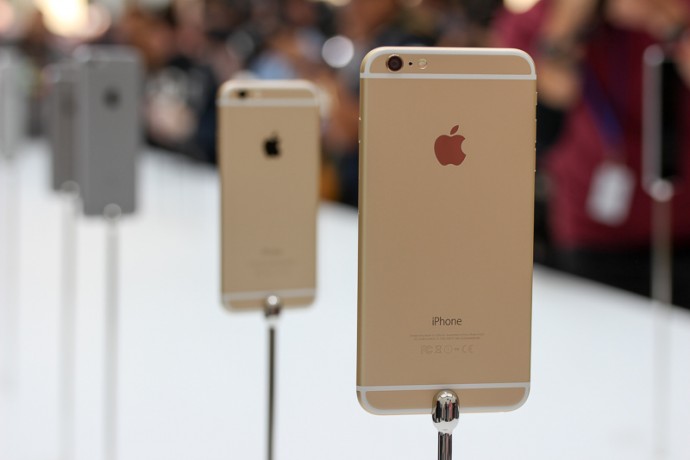
Apple hasn’t said anything about the next iPhone 6 iteration, but rumours about Apple’s upcoming flagship are spreading like wild fire. Until now, speculations surfaced about the much-awaited iPhone 6s, but today, 9to5mac has confirmed the improved version under works. The online publication reporting Apple’s developments showed off some pictures of the rumoured iPhone 6s alongside other features that gives us a fair idea of what the device will look like.
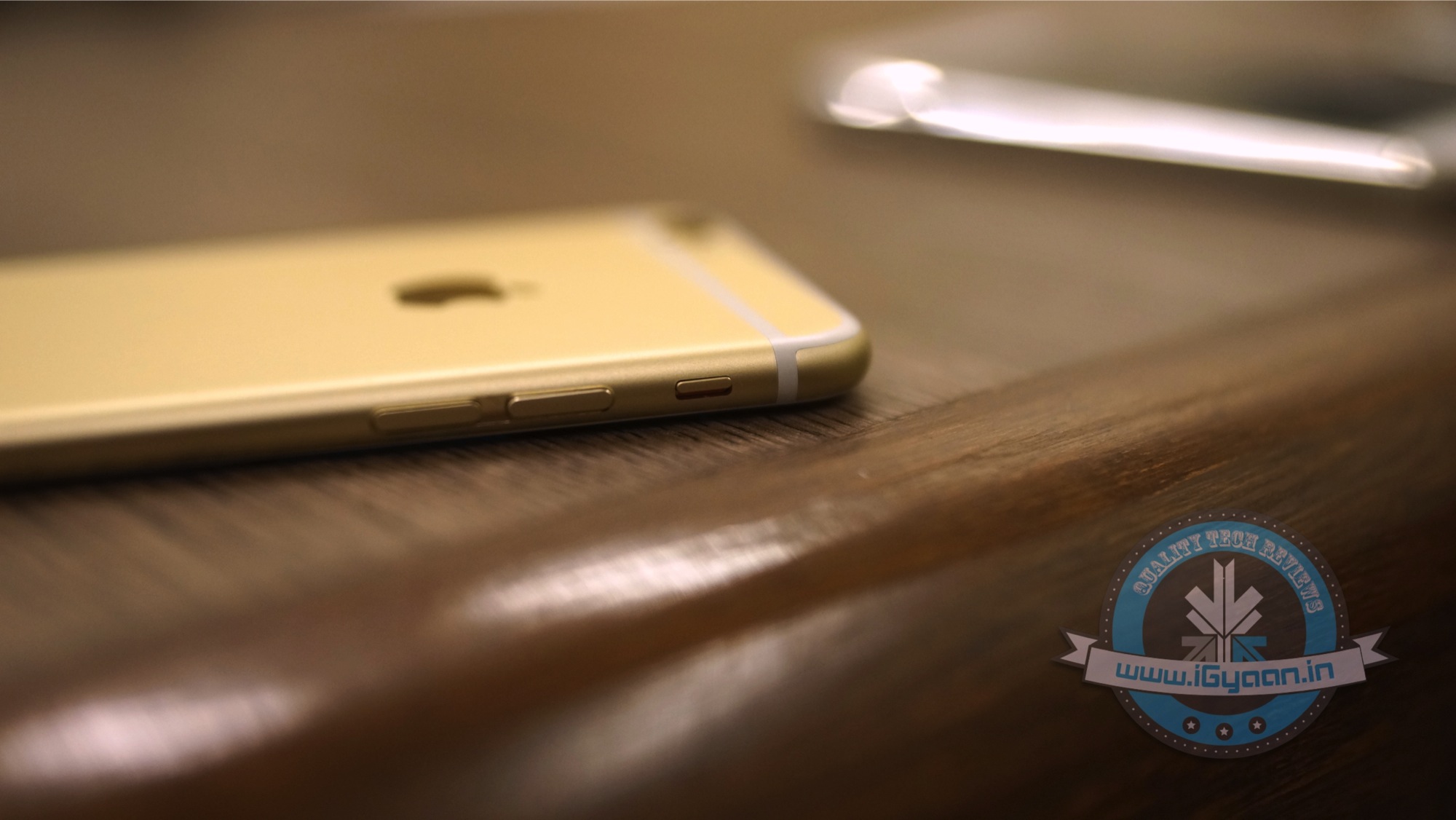
The leaked pictures show iPhone 6s in a rose gold colour with a dual-lens camera at its back. It packs the most radical camera in the history of iPhone. Huawei Honor 6 Plus was the first smartphone to boast a parallel dual lens.
Next to the dual lens is a True Tone flash, which would supplement light in low-light conditions. The rose gold variant is in line with the previous rumours, which suggest that the upcoming iPhone will come in colour options to match the Apple Watch Edition. That means, we will soon come across silver and space grey variants as well.
As reported earlier by an analyst from KGI Securities, the forthcoming iPhone 6s will sport a bumped up camera of 12MP. Powered by a next-gen A9 processor, 2GB RAM will equip the device with newfangled features like Force Touch. Some of the changes the ‘iPhone 6s’ is said to include is a new design using an improved casing material and a newly resurrected inner design. One more microphone is said to be added near the new handset’s speakers in an attempt to improve sound quality.
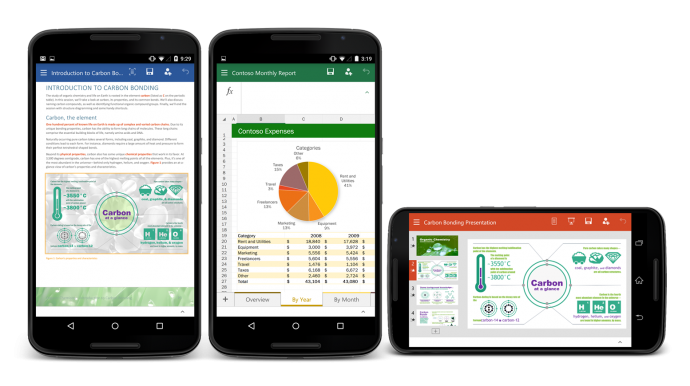
Android phones were the only devices that were left for Office apps. Following the roll out of Office preview apps for iPhone, Windows Phone and Android tablets, Microsoft has today launched Word, Excel and Powerpoint apps for Android devices. This release will only see the beta, or preview version available. Microsoft said in its statement:
The Office for Android phone apps are modern, optimised for touch and designed to work on the go.
Users will be able to create, open, save files from their Android devices and access them through services like OneDrive, SharePoint, Dropbox and Google Drive. Collaboration within a group project will become easier as Office for Android allows users to track changes, comment and markup documents. These apps are optimised for touch and smaller screens, with the Menu button at the bottom of the screen instead of the top for user-friendly thumb use.
To download the apps, users will have to join the Office for Android community on Google+. Once users have joined, they will receive links for downloading each app separately, for Word, Excel and Powerpoint. But be warned, users will not be able to access these links unless they are approved. Microsoft also recommends a device with at least 1GB of RAM and Android 4.4 or later versions.
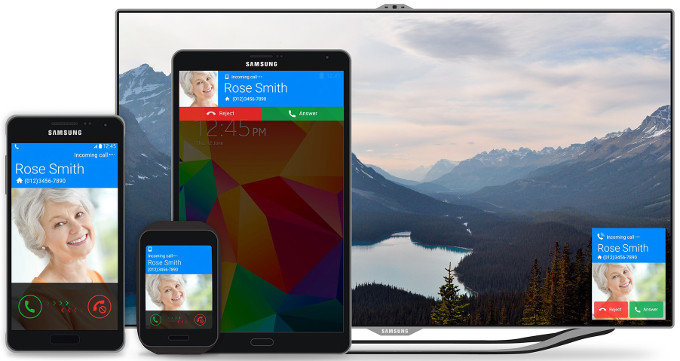
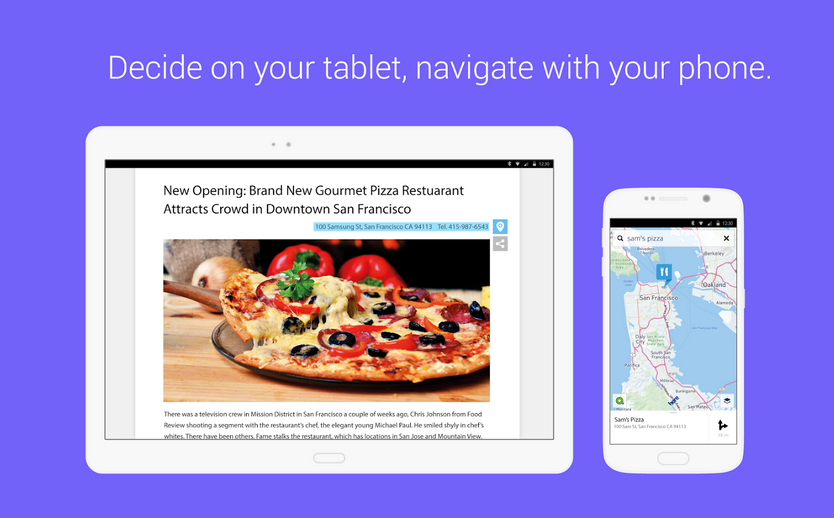
Apple has an edge over other smartphone brands for its unique Continuity feature that lets iPhone partner with other iOS devices. Samsung is not falling behind to give its users the distinctive tool and has launched a Continuity clone for Samsung devices. Titled Flow, the application integrates all Samsung devices like smartphones, tablets and laptops, allowing applications to seamlessly transit your activities across devices. The application in Beta version is available for download on Play Store.
Just like Continuity, the tool allows transfer of any activity from one device to another. Flow uses Android’s built-in Share feature, which makes it easy for developers to lend support to third-party apps. Since users have to tap on the share button, the feature should work with most apps, according to the company.
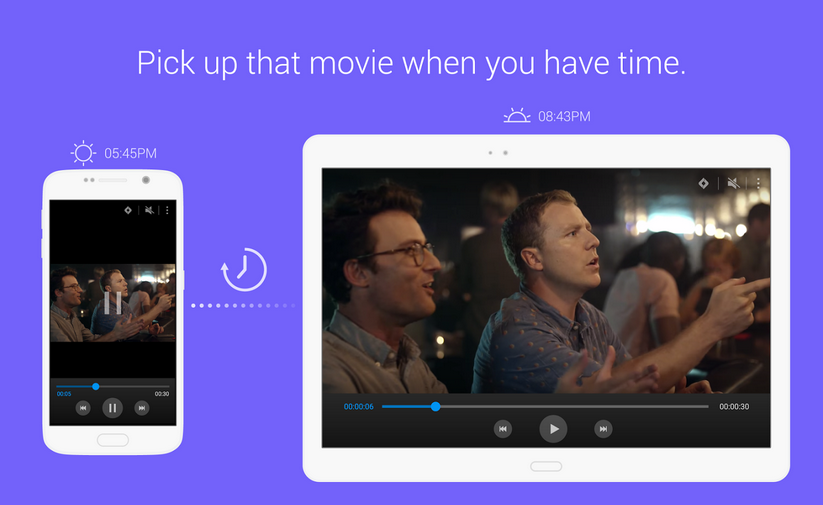
According to the promotional video released by Samsung, Flow can send a link from say a mobile to a tablet, so that you can pick up on the tablet where you left. One can also move a call to any of the Samsung devices without any interruption. This includes video chat as well. Flow doesn’t offer transferring activities only, but also allows you to set reminders of a particular activity to resume it later. Just select the right device and tap Remind later for later viewing. You can resume editing of share images, Office files, and can share directions, movies and more.
Users have to set the Flow app on all of their Samsung gizmos once, and then they can continue transporting the activities. It can be activated by using the share button within the app, and some apps also come with a dedicated Flow button. The app compatibility is limited to a handful of devices running on Android 4.4 and above. These include Samsung Galaxy S5, Galaxy S6, Galaxy S6 Edge, Galaxy Note 4, Galaxy Note Edge, Galaxy Alpha and Galaxy Tab S.
The app is no doubt remarkable, and such efforts will give a push to Samsung’s market. A fraction of people who consider Apple the best for its unconventional features like Continuity, will definitely take a second to switch.
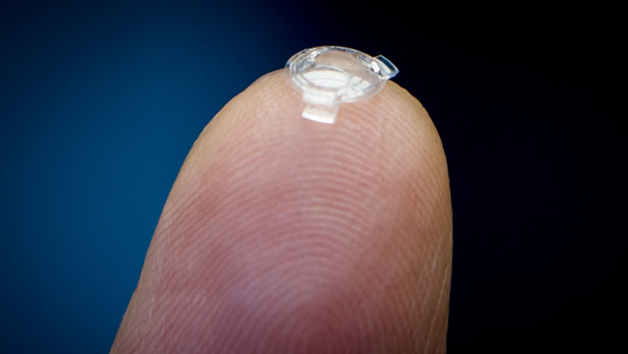
Today is the era of high-definition. From Television sets, camera lenses to phone screens, almost everything now mandatorily has superior viewing quality. Medical technology is also striving to catch up with the rapidly evolving world and is showing signs of achievement. Thus, a bionic contact lens has been invented by a British Columbia optometrist, Dr. Garth Webb that can give its wearer a vision three times better than 20/20.
Titled as Ocumetic Bionic Lens, the custom-made contact lens technology is said to become the holy grail of excellent vision at all ranges. Any adult till the age of 100 or more can implant the bionic lens, and can get impeccable vision without wearing spectacles or lenses. According to Webb, a user wearing specialized lenses will never get cataracts as their natural lens would replace with Ocumetic Bionic Lens. Dr. Garth Webb said in a statement –
This is vision enhancement that the world has never seen before. If you can just barely see the clock at 10 feet, when you get the Bionic Lens you can see the clock at 30 feet away.
The procedure of implanting the bionic lens is similar to cataract surgery. The lens is surgically inserted into the eyes through a syringe. The lens is folded in a saline-filled syringe and placed inside the eyes. The whole process takes 8 minutes in total and the person gets a perfect vision immediately after the operation.
This breakthrough innovation would be extremely beneficial to mankind. At a time when people face different vision-related problems, the Ocumetic Bionic Lens will prove to be a saviour and one-stop solution for all eye complications. The technology is under trial on animals and the visually impaired for now, and is expected to come out in the next two years.
When Facebook acquired WhatsApp for $19 billion last year, we weren’t sure how the social media giant would make use of the messaging app. However, at the F8 conference 2015, Facebook announced a new Business for Messenger initiative, through which the company might be able to make some profit. According to this initiative, Business for its Messenger app will give users the choice to install apps and make purchases with the Facebook Messenger app itself.
The company said that they would include some of the features of Facebook Messenger and experiment with it on WhatsApp, to promote business to consumer communications that could be paid up by marketers.
We think that enabling that [business to consumer] messaging has an excellent business potential for us. As we learn those things, I think there are going to be opportunities to bring some of those things to WhatsApp, but that’s more longer-term than the near-term.
[/quote]
Facebook CEO, Mark Zuckerberg says that once WhatsApp reaches 1 billion users, will business through the messaging app is meaningful. For now, WhatsApp has got around 800 million users. After the $22 billion acquisition by Facebook, WhatsApp Chief Jan Koum said that the messaging app will be ad-free.
Currently, Facebook is working with more business partners and will soon begin Business for its Messenger app.
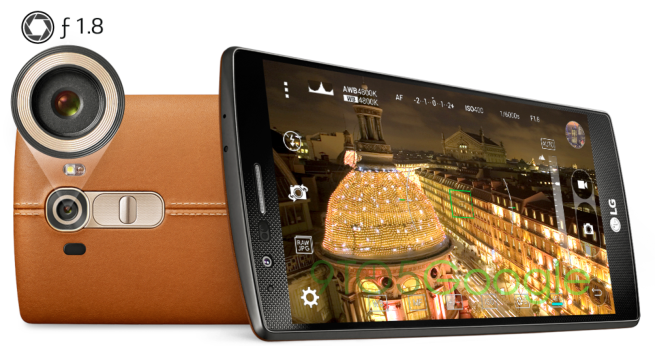
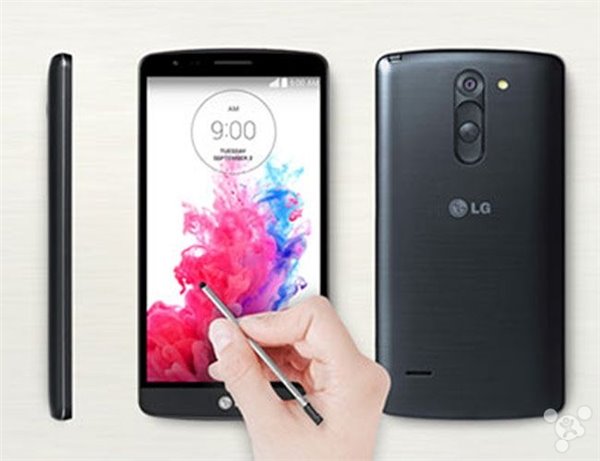
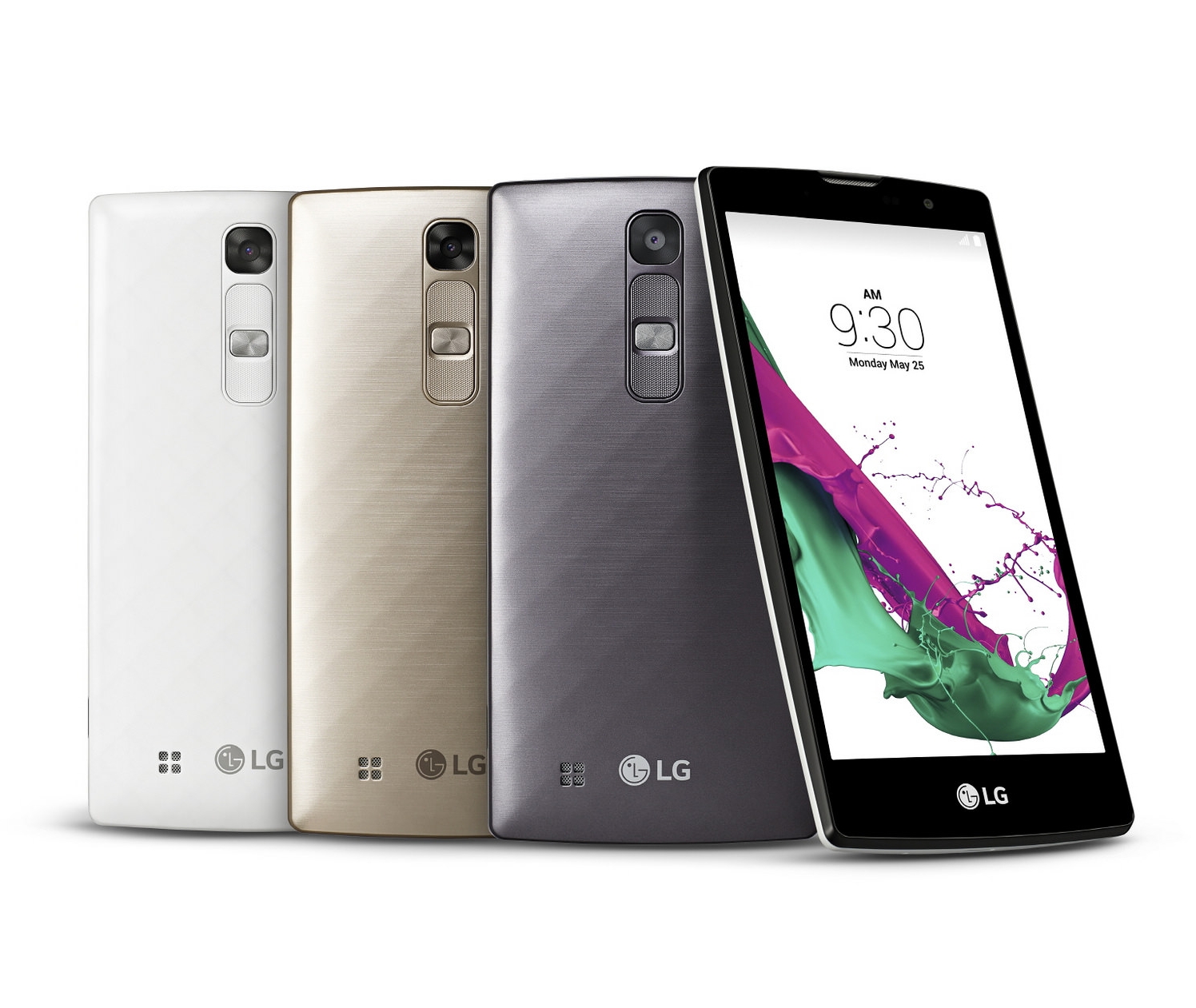
Soon after LG announced the global roll out of LG G4 yesterday, the Korea-based firm came up with yet another announcement that may entice LG followers. The consumer electronics manufacturer made official two new smartphones, G4 Stylus and G4c, expanding the G4 line-up with low-budget devices. Both the handsets borrow some of the features and looks of the newest LG flagship.
Talking about the G4 Stylus first, the device features a bigger 5.7-inch HD IPS display with 258ppi pixel density. As the name suggests, the handset is accompanied by a versatile Rubberdium Stylus, allowing for easy note taking and drawing on the generously-sized screen. The device comes in two variants, LTE and 3G, both embedding different chipsets. The LTE version comes with a 1.2GHz Quad-Core chipset, while a 1.4GHz Octa-Core chipset is stuffed in the other. It has 1GB RAM, 8GB ROM and holds support for a MicroSD card. Google’s latest Android 5.0 Lollipop runs on the device.
Coming to the optics, the rear camera of LTE is 13MP and that of 3G variant is 8MP. The front shooter of both the models are same at 5MP. A 3,000mAh removable battery is fitted at its back. Other features include Laser Auto Focus, Gesture Shot, Glance View, and Knock Code. Connectivity options include Wi-Fi, Bluetooth 4.1, NFC, A-GPS, Glonass and USB 2.0. It will be available in two colour choices – Metallic Silver and Floral White.
The second device, LG G4c, is a smaller sibling of the G4. The display size of this model is a 5.0-inch HD IPS with 294ppi pixel density. It is an LTE only model, equipped with a 1.2GHz Quad-Core chipset. Memory specifications include 1GB RAM and 8GM ROM, along with MicroSD card support. Just like the G4 Stylus, it also runs on Android 5.0 Lollipop.
The camera specs of the model stands identical to the 3G model of LG G4 Stylus. The rear camera is 8MP, and the secondary snapper is 5MP. The 2,540mAh battery is sufficient to keep the device running for a full day. Additional features comprise of Gesture Shot, Glance View, and Knock Code. Connectivity options include Wi-Fi, Bluetooth 4.1, NFC, A-GPS, Glonass and USB 2.0. Customers can choose from Metallic Gray, Ceramic White, and Shiny Gold colour options.
The company hasn’t spoke about the price and availability of both the handsets as yet. Prices and participating carriers will be announced locally at the time of availability. Both the handsets are scheduled to launch in key strategic markets in weeks to come.
The Chinese consumer electronics brand Meizu, debuted into the Indian smartphone market, as per schedule. It brought the much-anticipated flagship Meizu M1 Note to India from its long product catalogue. The device will be available from May 20th after 2PM exclusively on Amazon India. The price of the device is still under wraps and is expected to be disclosed on the release date itself.
Meizu India made a formal announcement about the M1 Note on Twitter:
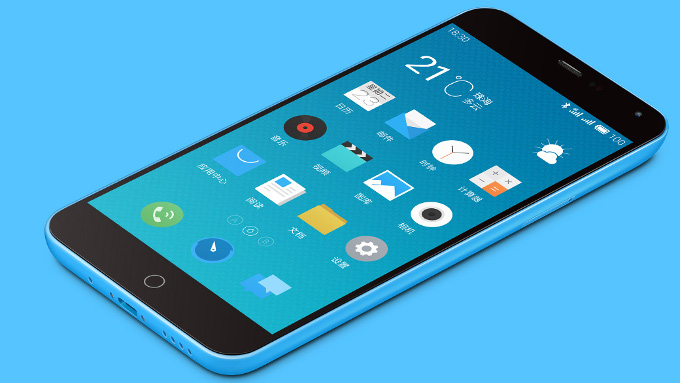
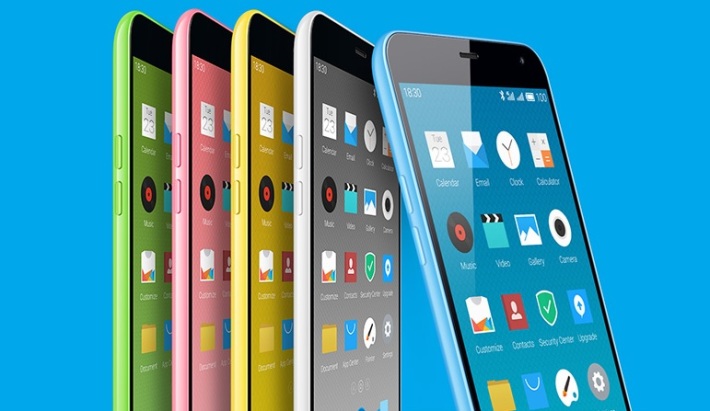
The Meizu M1 Note bears a strong resemblance with the iPhone 5c. Talking about the specification, the device sports a 5.5-inch 1080p display with 403ppi pixel density. Inside is a 64-bit 1.7GHzocta-core MediaTek MT6752 SoC powering the device along with 2GB of RAM. The device comes in two memory options – 16GB and 32GB, which cannot be expanded. The Dual-SIM handset runs on Android KitKat with Flyme 4.0 UI on top.
Optics include a 13MP rear camera along with 5MP snapper upfront. A robust battery of 3,140mAh is fitted at its back to keep it running all day long. There will be four colour options available in M1 Note – green, pink, blue, yellow and white.
The smartphone costs CNY 999 on its home ground, which translates to around Rs. 10,000. The phone has to compete with Yu Yuphoria, Xiaomi Mi 4i and more.
India’s mobile market has developed over the past few years. Every global firm is eyeing to set up a manufacturing plant in the country, and many Chinese firms have already taken progressive steps in this direction. Amid all these advancements, the recent report have raised concern over the future of mobiles in the country. According to research firm CyberMedia Research, the mobile phone sales in India has shrinked consecutively for the second time in Q1 2015.
The statistics released by the firm clearly speaks of the dropped sales in Q1 2015 (January – March) and in the last quarter of 2014 (October – December). In the first quarter of this year, the mobile phone sales in total dropped 14.5% that is, from 62 million to 53 million. Out of this, feature phones sale rolled down to 34 million, while that of smartphones remained 20 million.
The Lead Analyst at CyberMedia Faisal Kawoosa spoke on the same –
With major announcements of new handsets and with the entry of some new brands happening in a big way in Q4 2014, there wasn’t really something very exciting in the market for customers that could push up sales in Q1 2015. At the same time, a change in duty structure and the longer continuation of Chinese new year festivities which generally conclude by mid-February each year, affected the supply chain and inventories
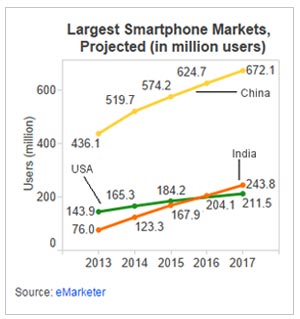
India is one of the tremendously booming electronic markets in the world. In 2014, the nation emerged as the fastest growing smartphone market in Asia-Pacific, and was speculated to overtake the US as the second-largest smartphone market across the globe after China.
The slow down of mobile sales in India reportedly depends on a number of factors like unexciting phones, increased tax, mounting competition and the extended Chinese new year festivities. The smartphone brands need to think of innovative device structures that stand out of the pack; immediately enticing the customers to buy one. LG’s G Flex series is one such example of innovation and style, which makes it ahead of the league. The increased tax is another area which is pulling smartphone vendors to offer devices at cheaper rates. Oppo, Xiaomi, and a few more manufacturers have found a solution to this, but there are many more who are yet to find an answer.
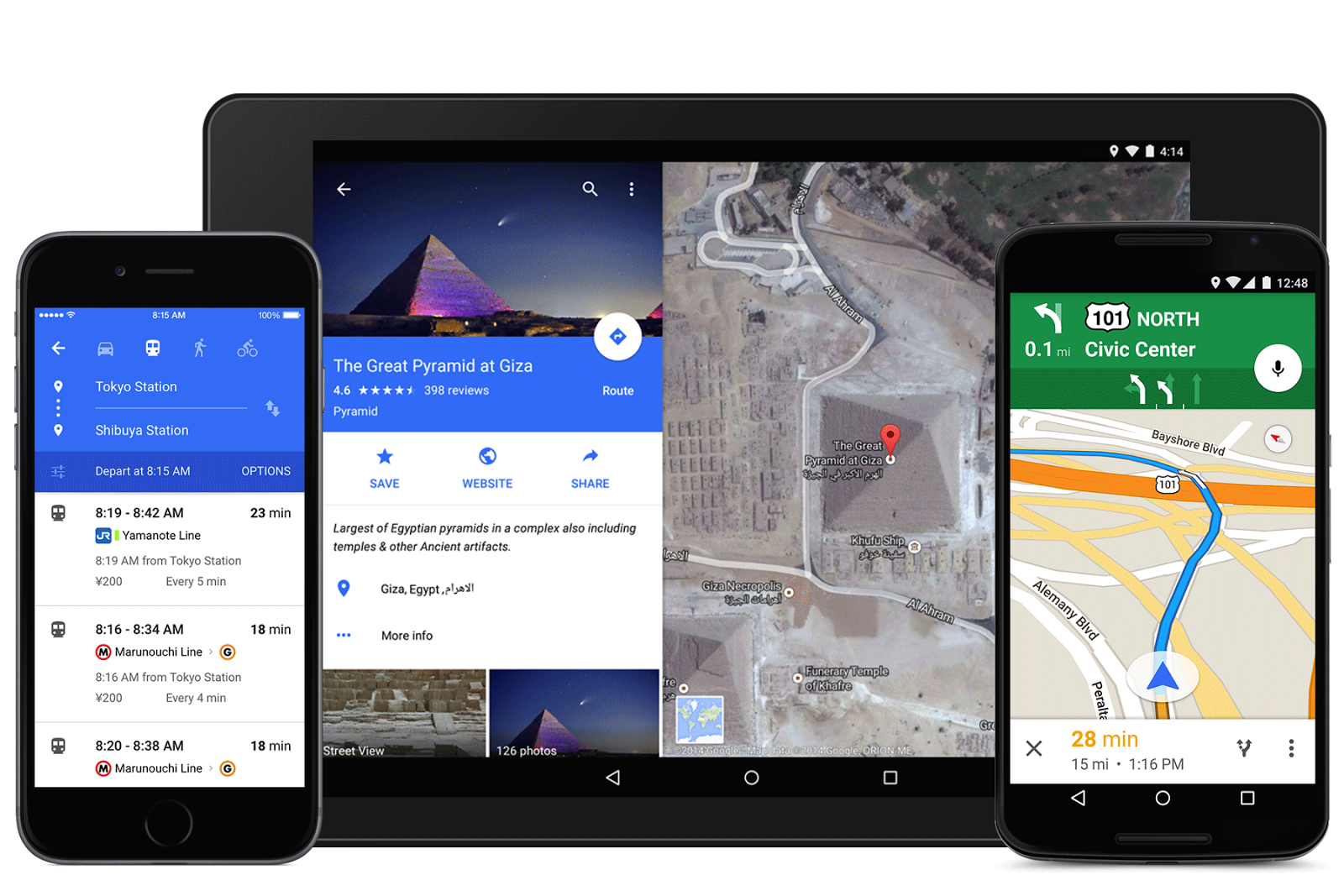
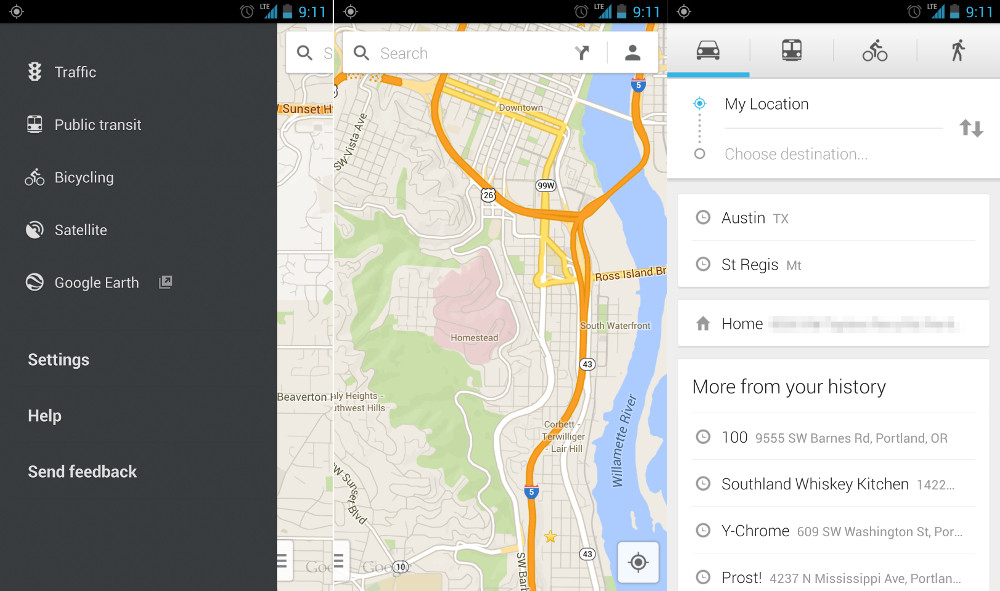
Apple has been facing stiff competition on its Maps services from Google Maps. But, according to MacRumors, one company has been added to Apple’s roster to help it improve its Mapping service exponentially. The Silicon Valley technology company has confirmed the purchase of Coherent Navigation, a Bay Area global positioning company that will help Apple to further boost its location technology and services.
Google maps has always been ahead of the game
Coherent Navigation was formed back in 2008 and focused on creating commercial navigation services that were based on partnerships with companies like Boeing and Iridium, a satellite network operator. This company has worked on highly precise navigation technologies, which are accurate to up to 3-5 metres. Coherent Navigation had also worked on autonomous navigation and robotics previously. The company is known for its High Integrity GPS system, which combined signals from mid-earth orbit GPS satellites with low-earth satellites to offer improved precision and accuracy.
According to MacRumors, some key employees have started working for Apple, including CEO Paul Lego in January and co-founders William Bencze and Brett Ledvina in April. Their Linkedin profile also confirmed that they are working at Apple. The company’s website is currently offline but was updated to Apple servers on 30th April.
For now, neither Apple nor Coherent Navigation has provided any information about how this partnership will be moved forward or what technology would be used. It is likely that Apple may show off the new navigation system at the WWDC next month. Watch out, Google Maps!