Samsung is ready to unveil the next iteration in its A series this year. We already know that Samsung is launching the Galaxy S10 lineup on February 20. As per sources, full specifications and details of the Galaxy A10, Galaxy A30 and Galaxy A50 are available now. Read on to find out more about the much-awaited A series.
Samsung Galaxy A10 Specifications
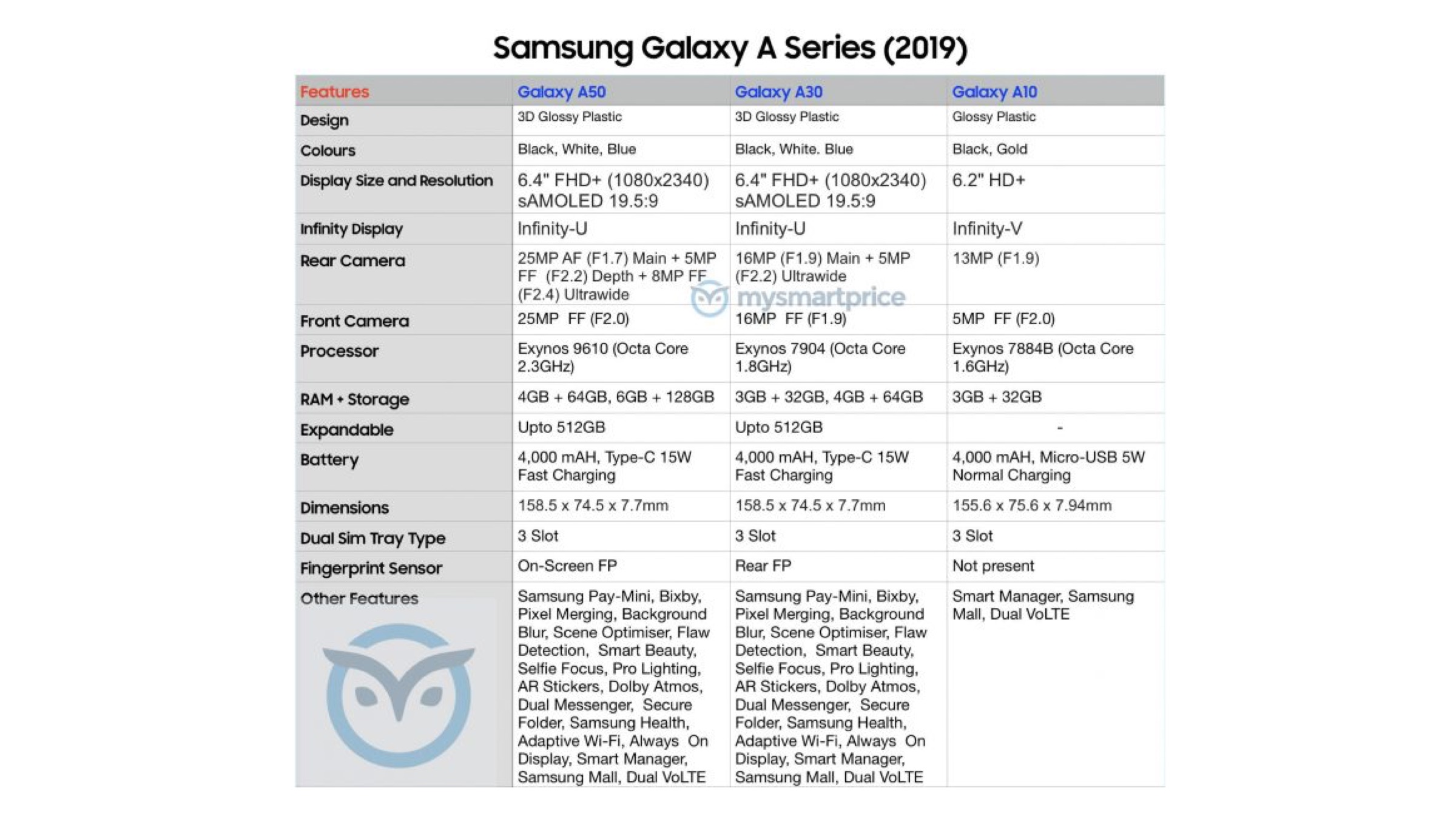
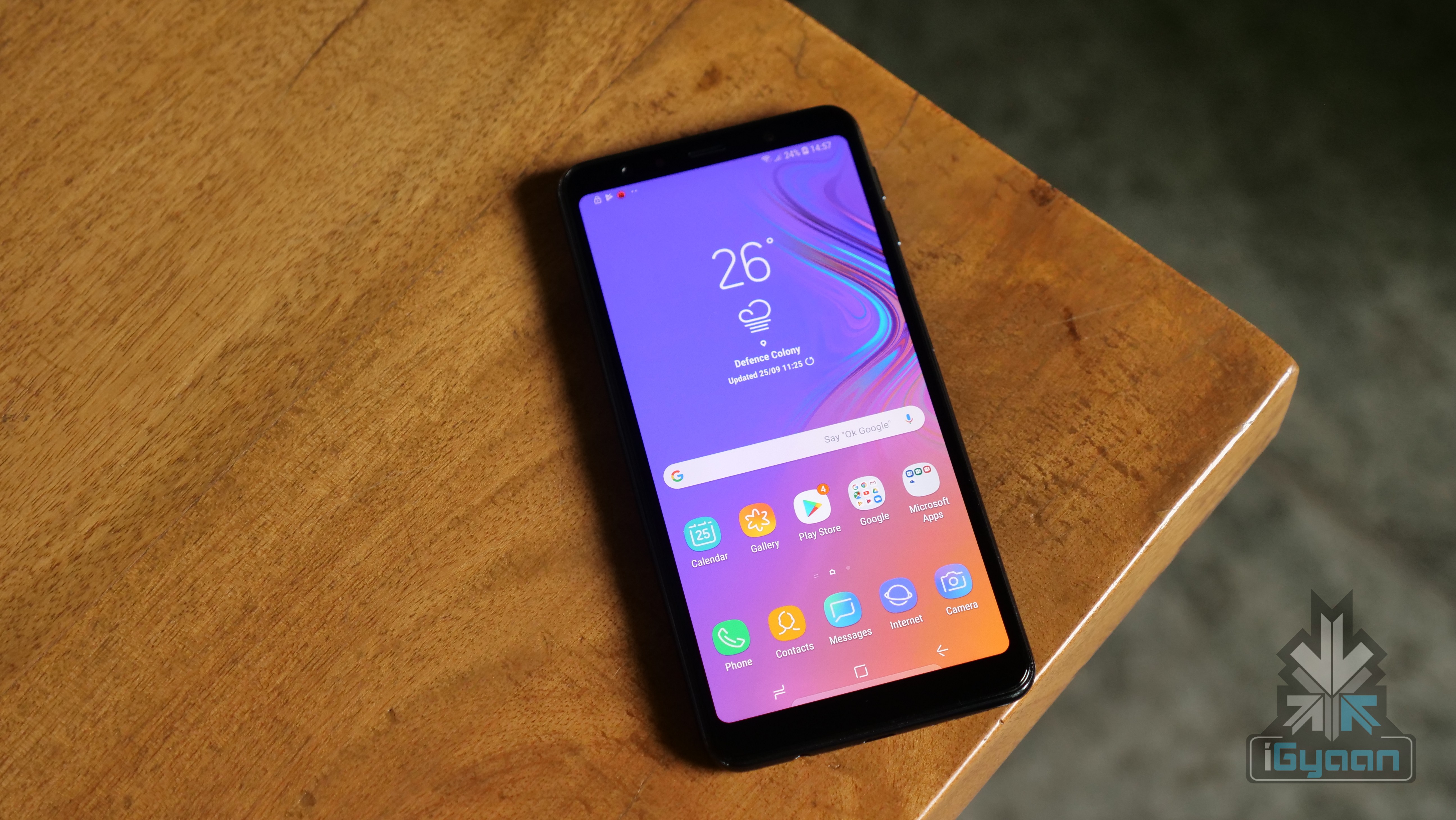 The Galaxy A10 will be available with a plastic body, and a 6.2-inch Infinity-V display with HD+ resolution. The device will have a 5 MP front facing camera, and a 13 MP primary camera. The phone will pack the Exynos 7884B chipset with an octa-core CPU clocked at 1.6GHz. The handset will have 3GB of RAM and 32 GB of internal storage.
The Galaxy A10 will not have a fingerprint sensor, so it will rely on Face Unlock and older security mechanisms. The device will have dual SIM card slots, with a dedicated microSD card slot. The smartphone will be powered by a 4,000 mAh battery. Surprisingly, the Galaxy A10 will ‘still’ retain a micro USB port. The phone’s dimensions are 155.6×75.6×7.94 mm, and the A10 will launch in 2 colours, Black & Gold.
Samsung Galaxy A30 Specifications
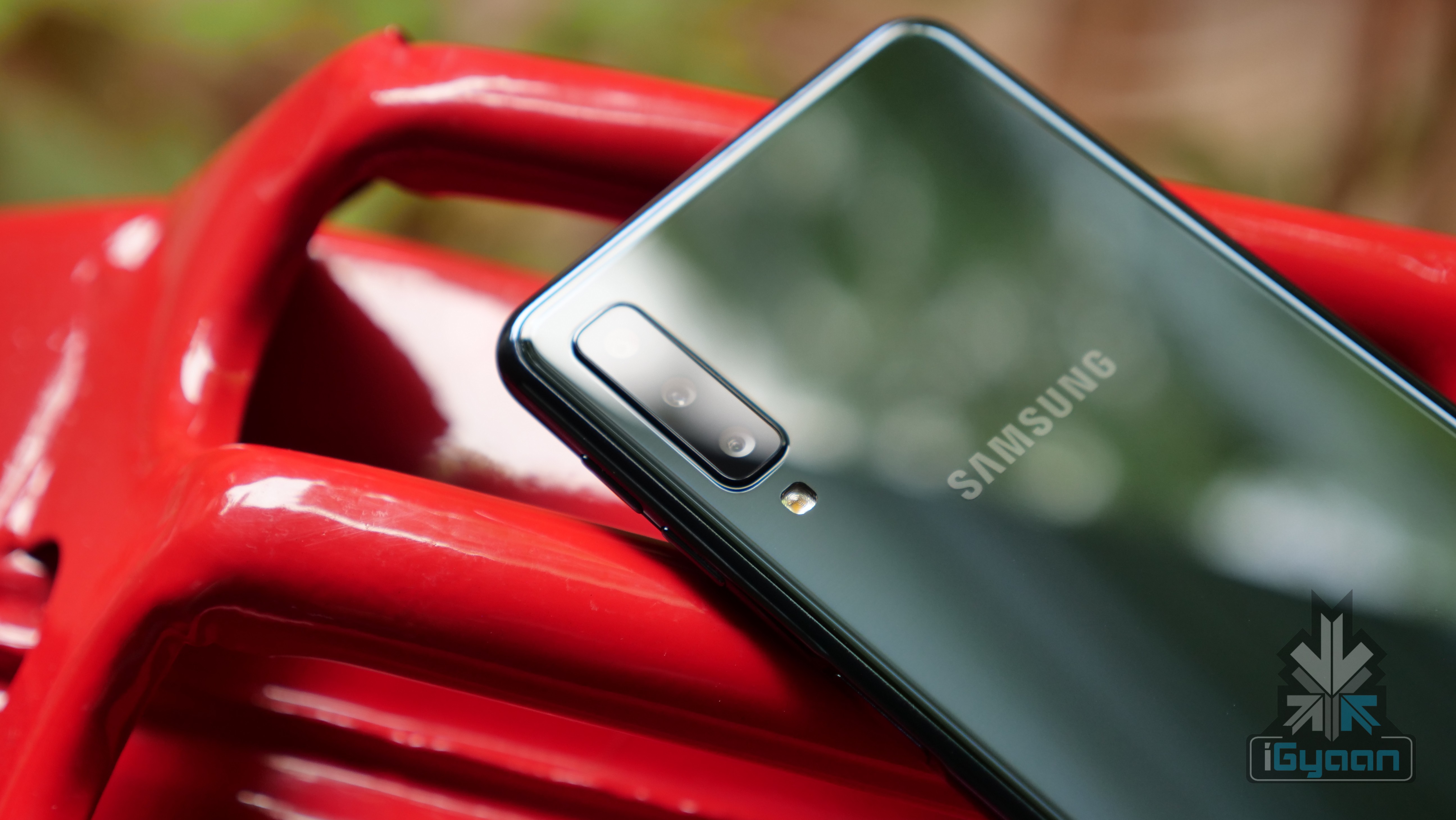 The Samsung Galaxy A30 will sport a glossy plastic body, with a 6.4 inch Super AMOLED display and a full HD+ resolution. The phone boasts of an Infinity-U design and the Always-on display. The Galaxy A30 will have a 16MP primary sensor with f/1.9 aperture and a 5MP ultra-wide camera with f/2.2 aperture. As for the front camera, the device will have a 16 MP (f/1.9) selfie shooter. The camera on the device will also support a ton of other features like AR Stickers, Background Blur & Pro Lighting. The device will run on the Exynos 7904 chipset, with an octa-core CPU clocked at 1.8 GHz. The device will be launched in two variants, a 3GB+32GB version, and a 4GB+64GB variant.
The Samsung Galaxy A30 will feature memory expansion up to 512GB, a similar dual SIM card slot to the Galaxy A10 and a USB Type-C port. The smartphone will pack a 4,000 mAh battery, and will also support 15W fast charging. Unlike the A10, the Samsung Galaxy A30 will have a rear-facing fingerprint sensor and Bixby support. The device measures 158.5×74.5×7.7 mm, and will be available in three colours, Black, Blue & White.
Samsung Galaxy A50 Specifications
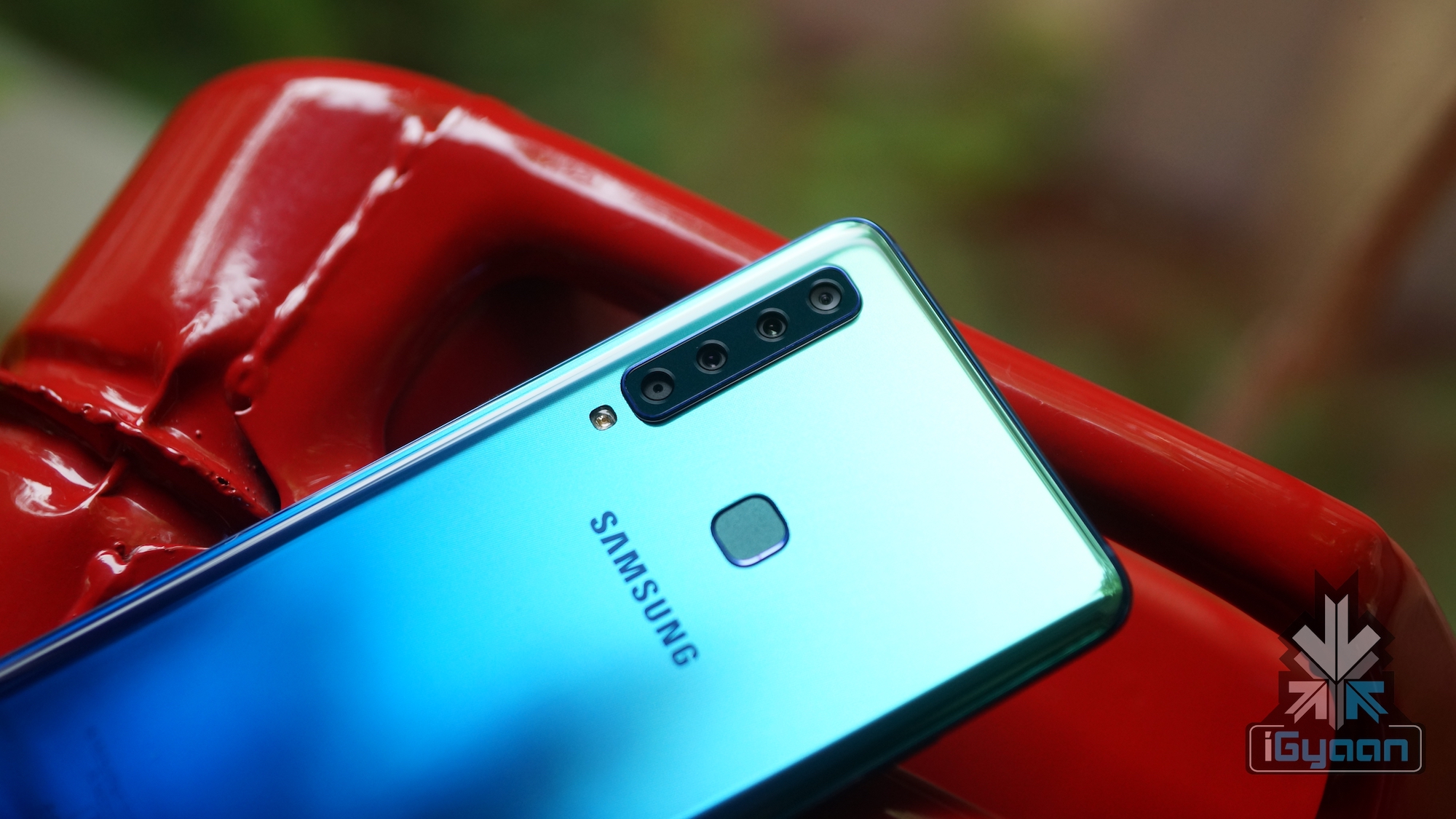 The Samsung Galaxy A50 is the top variant out of the three devices in the new A series. The highlighting feature of this smartphone will be its in-display fingerprint sensor, which is the norm for any high-end smartphone these days. It will have a triple camera setup on the back, and a 25 MP front facing selfie camera. The triple camera setup would consist of a 25MP main sensor with f/1.7 aperture, a 5MP depth sensor, and an 8MP fixed-focus ultra-wide camera with f/2.4 aperture.
The Galaxy A50 will be kitted with the Exynos 9610 chipset, and will be available in two different variants, a 4GB RAM+64GB version and a 6GB RAM+128GB variant. It will have similar features to the Samsung Galaxy A30.
Also Read: Samsung Teases The Launch Of Its Foldable Phone
The detailed spec sheet of the Galaxy A series is given below
 Basically, the entire OLED display of the device acts as a diaphragm, so the entire screen will vibrate to produce sound. In case you switch your phone to speakerphone mode, however, the sound will be produced through the speakers at the bottom. LG claims that this technology can work perfectly in smartphones, the same way it worked in LG TVs. Crystal Sound OLED technology boosts every musical note you hear while improving sound clarity at the same time. Also, the device has the capability to generate dual channel audio by using the bottom speaker & the display together.
 LG is using Meridien to deliver high quality audio via the LG G8 ThinQ. In addition to this, the LG G8 ThinQ will have support for DTS:X 3D surround sound as well as Hi-Fi Quad DAC. Using Quad DAC, you can listen to high quality sound which is very close to the original sound. Interestingly, the smartphone has Master Quality Authenticated (MQA) so that you can listen to studio quality recordings of your favourite music. Like the LG G7 ThinQ, the G8 will pack a Boombox Speaker too.
 The
The 


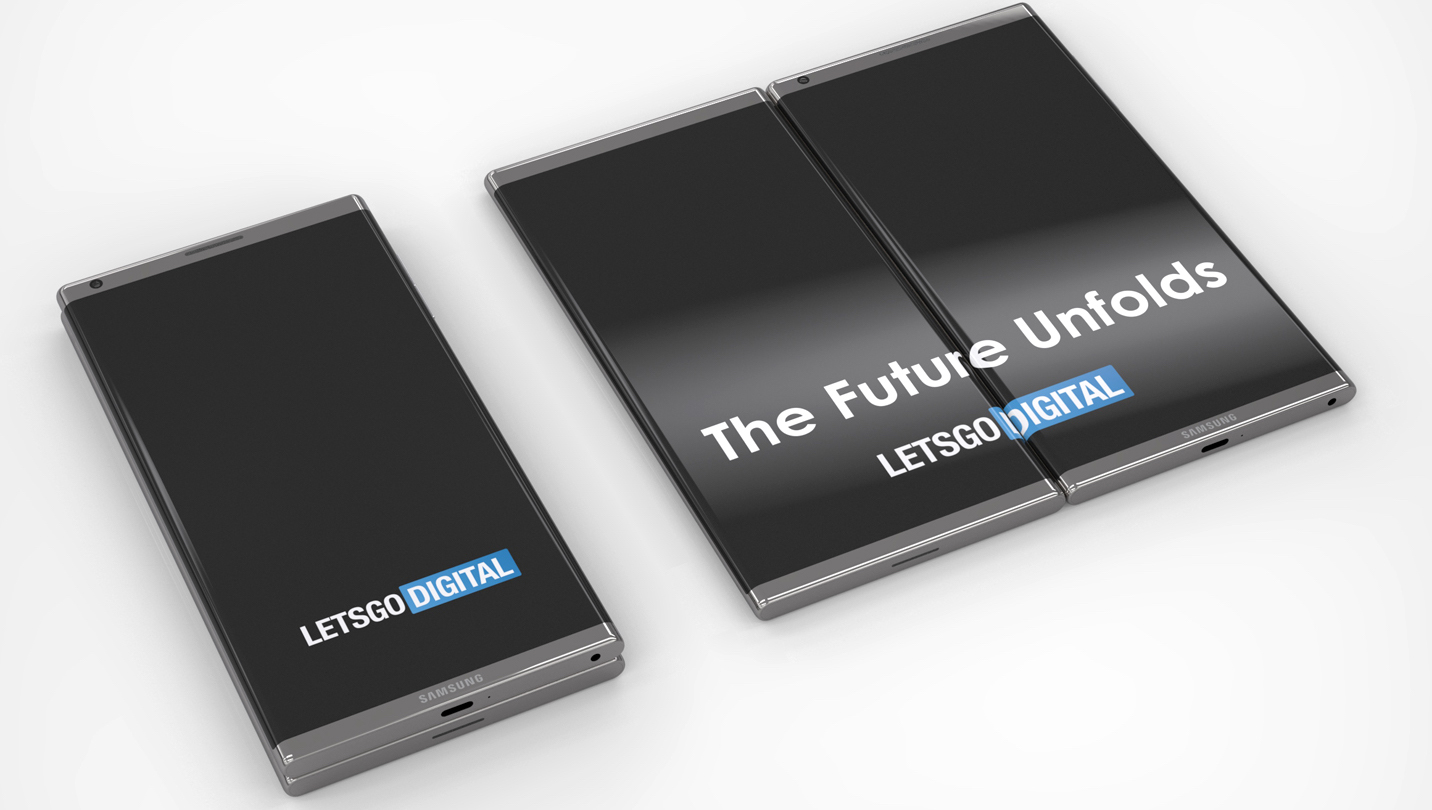
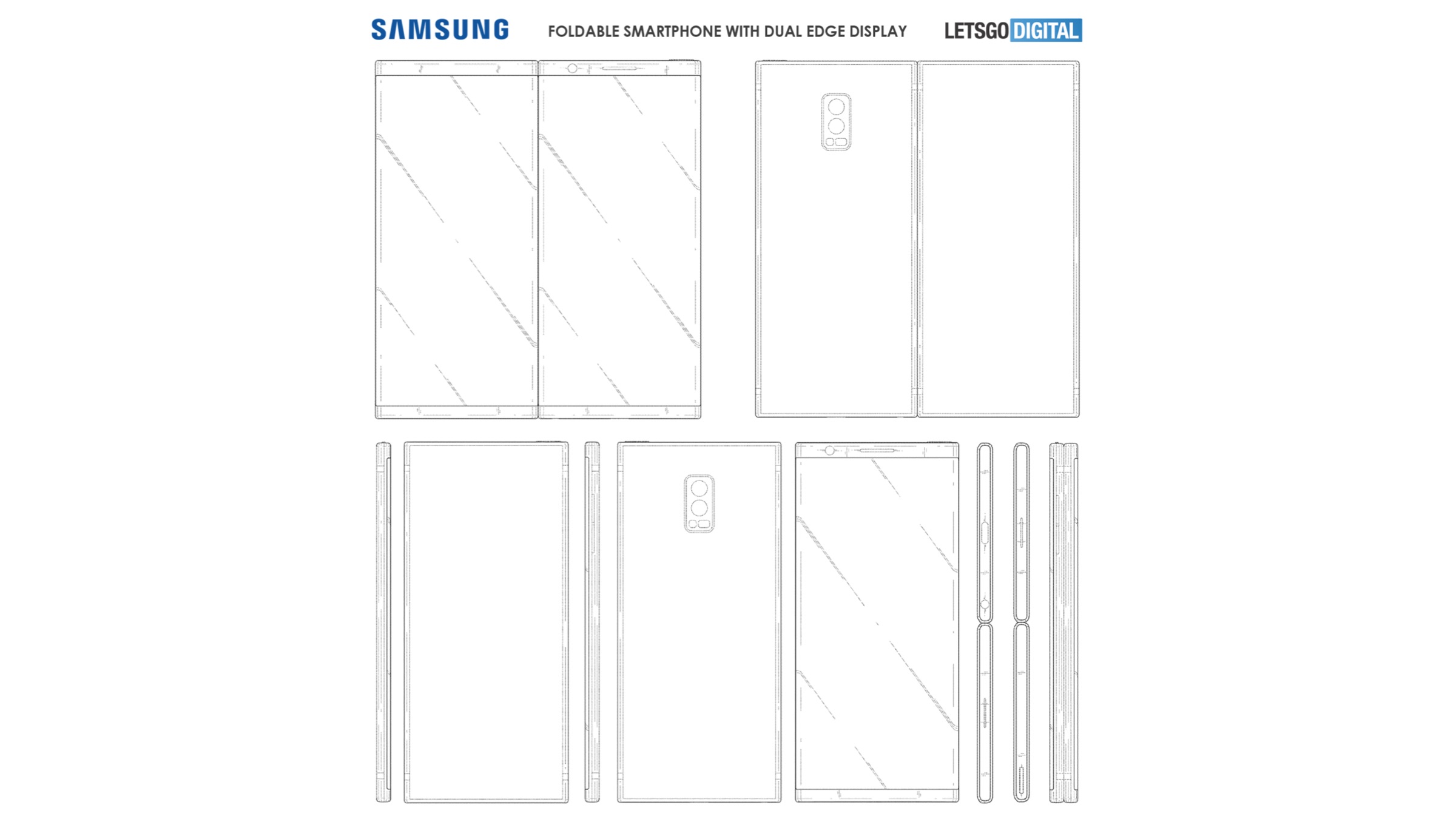 Samsung has a design patent published at the
 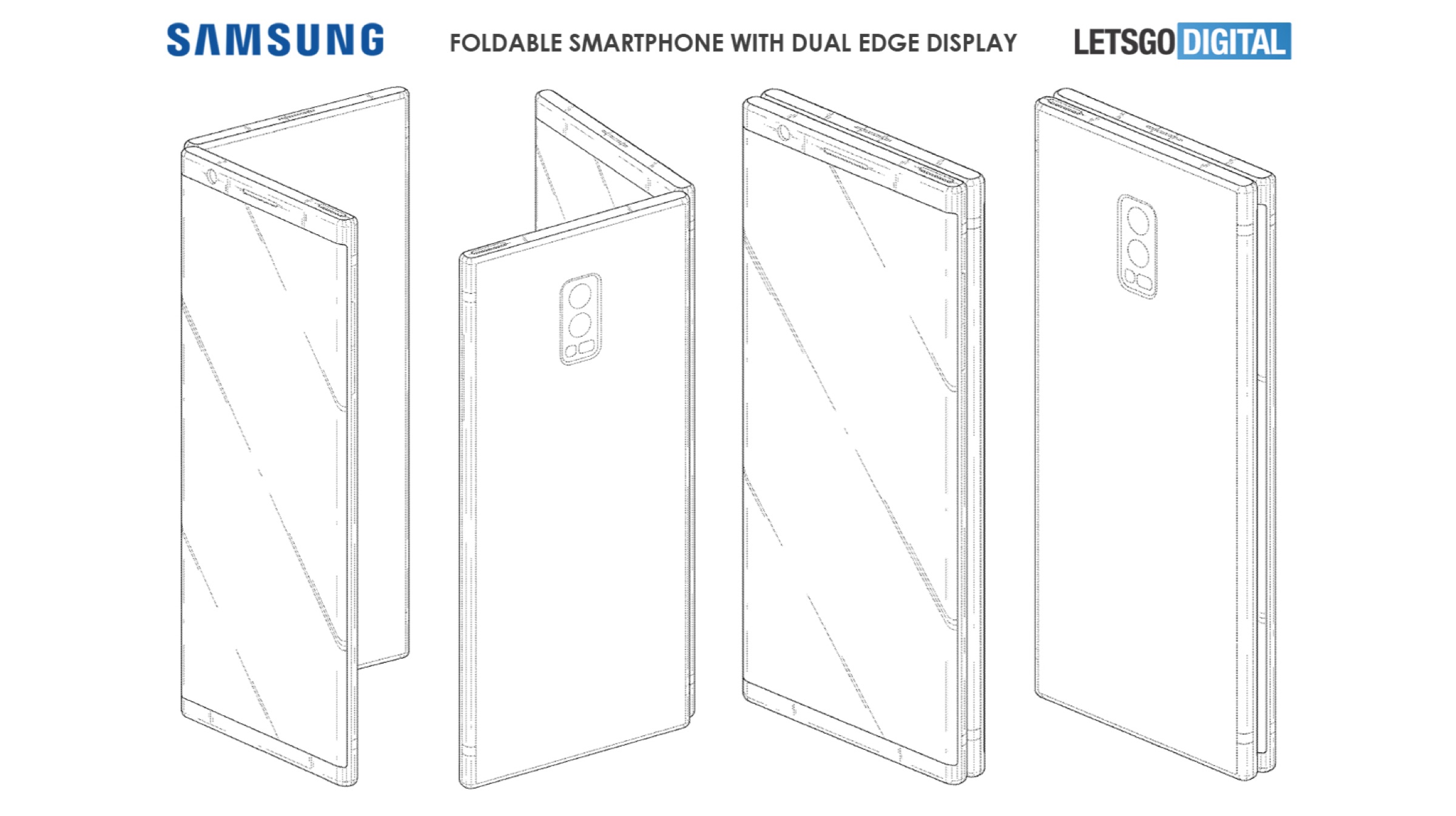 For mobility, the device can be folded so that the display gets shifted to the inside. This will ensure the protection of the display, as the screen won’t be scratched or broken while carrying the device. According to your convenience, the smartphone can be folded all the way back, so that you can use one single display just like a regular smartphone.
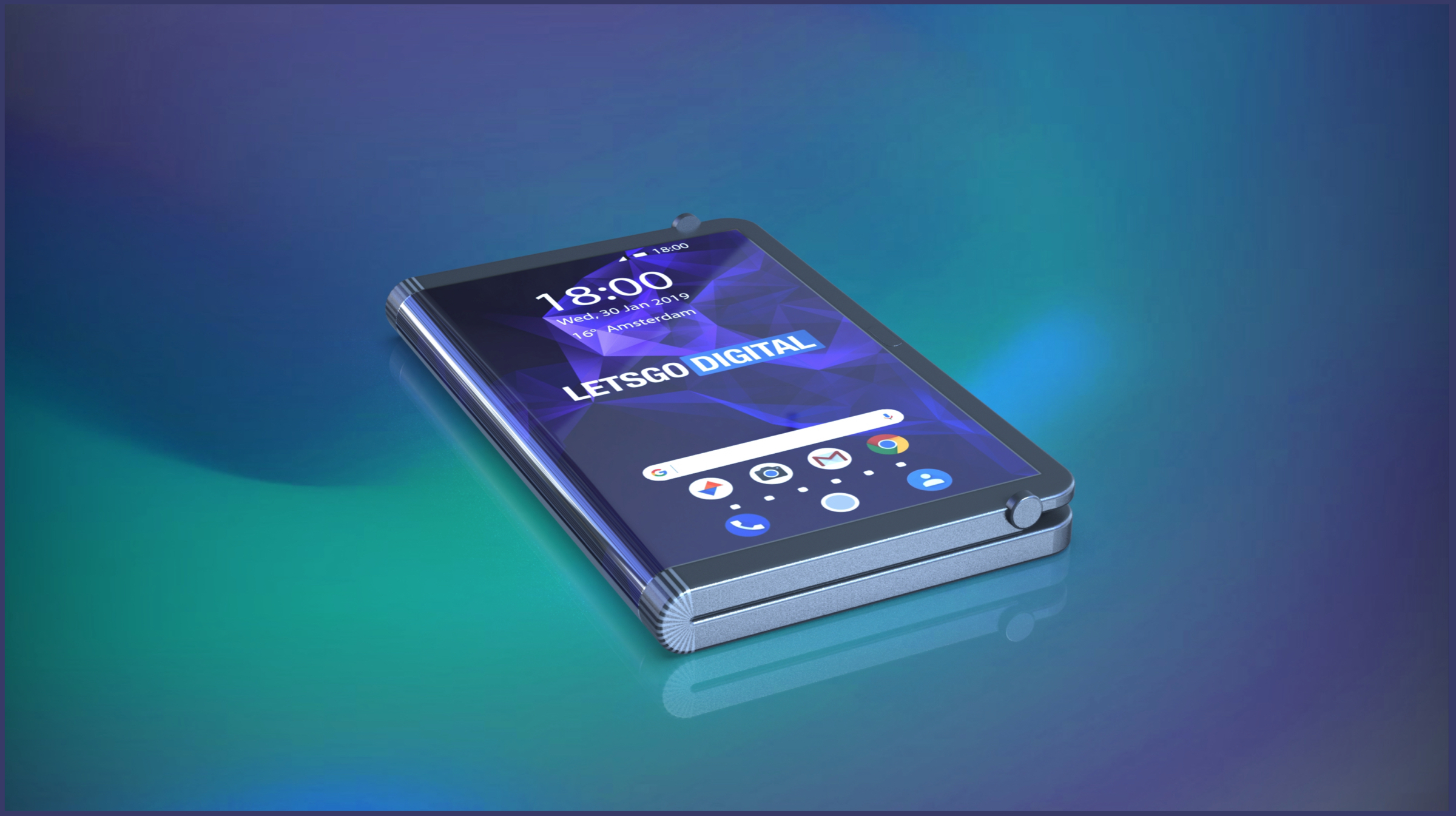 Everyone is eagerly waiting for a device like this which could combine elegance and mobility into one single foldable smartphone. Samsung may or may not release any information about its foldable device anytime soon, but if it does so, we’ll have to wait for the MWC 2019 for that.
 Also read:

 Also read:
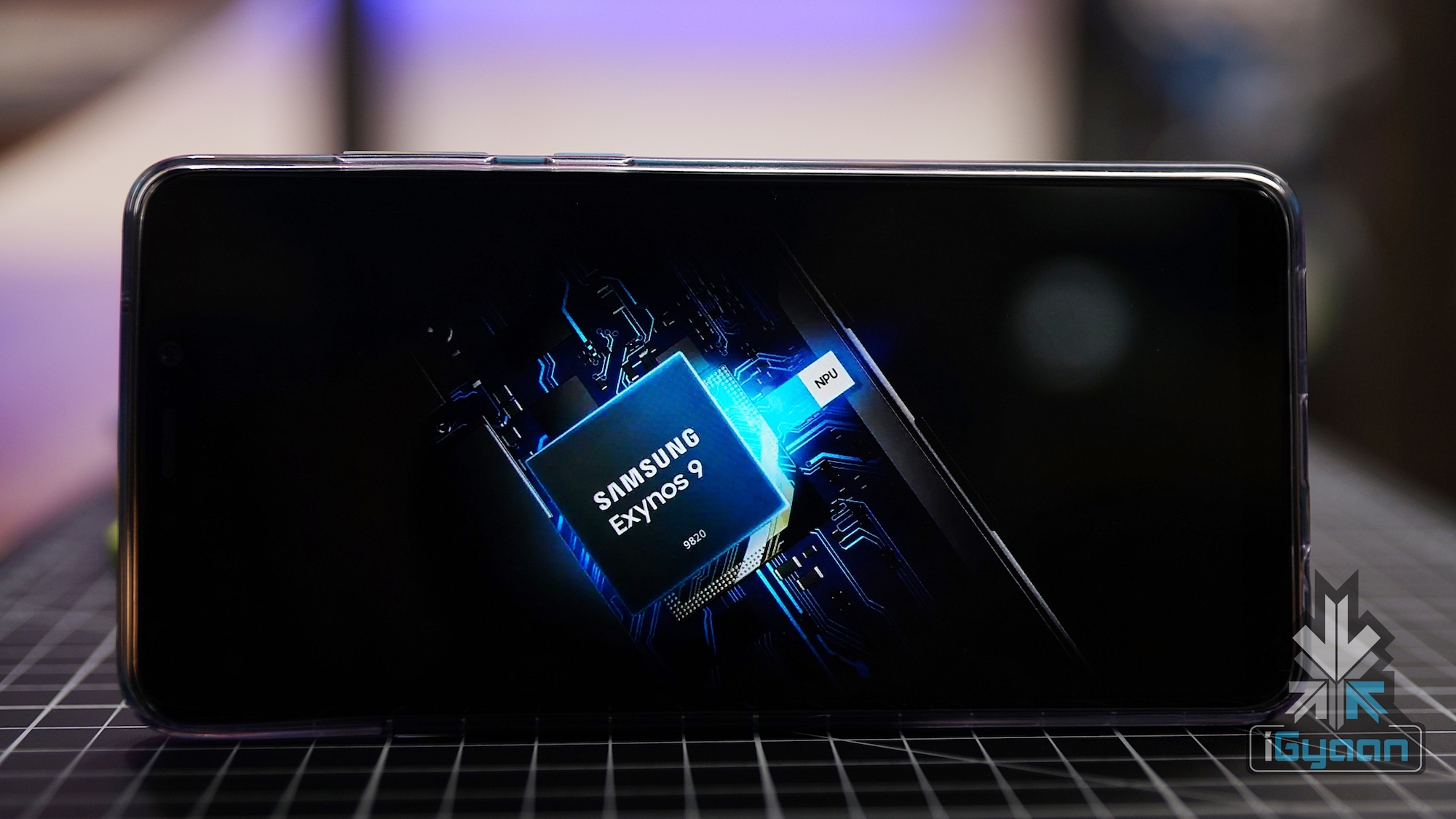 As mentioned before, The Motorola P40 will pack Samsung’s very own 10nm Exynos 9610 octa-core SoC. The device will probably be available in three different RAM & storage options, most likely in 3GB + 32GB, 4GB + 64GB and 4GB + 128GB. The Moto smartphone will sport a 48 MP primary camera.
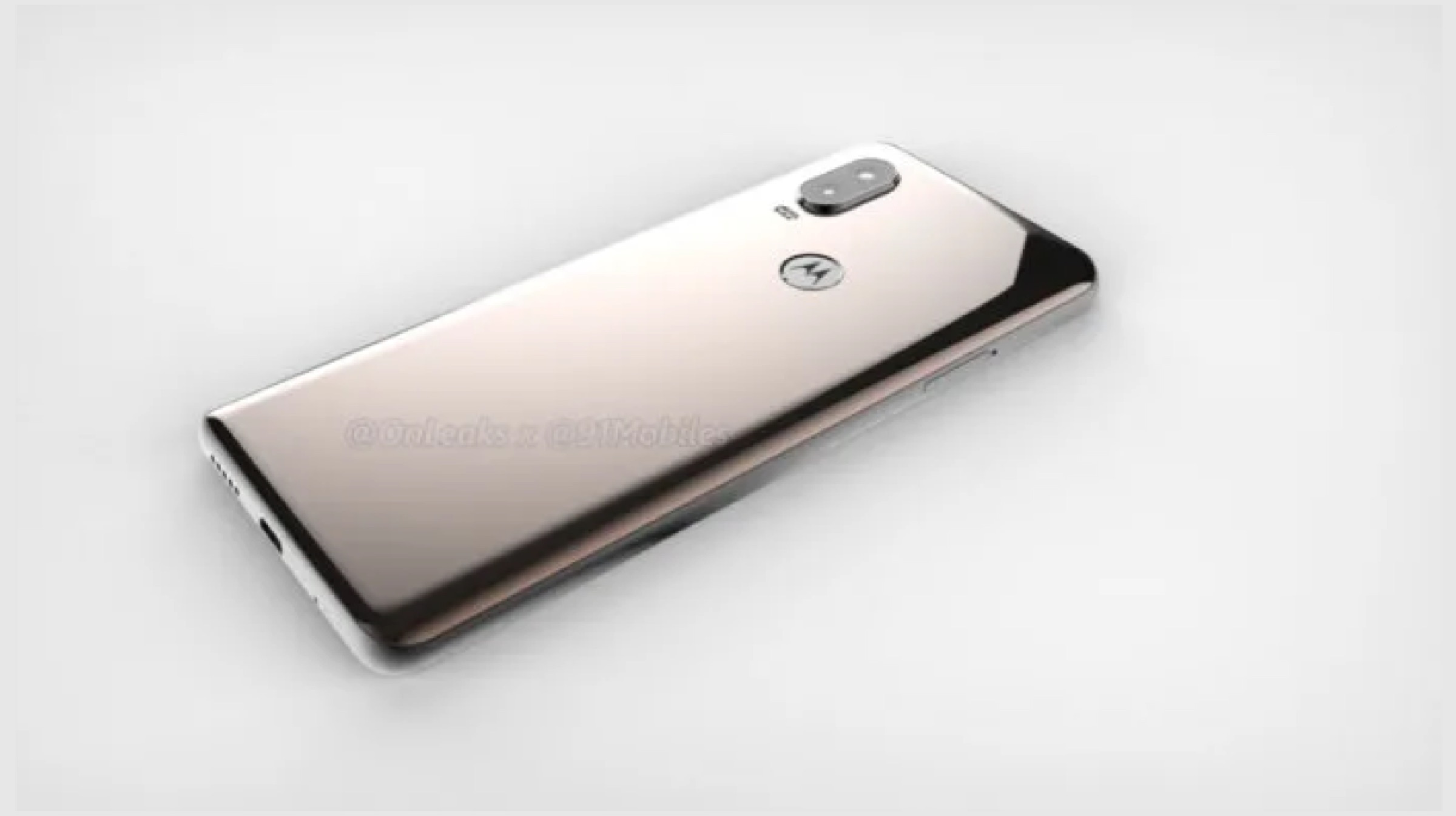 Sources say that the Motorola P40 will have a punch hole display design, with a single front camera. Since the P30 was an Android One device, we can expect the same offering from the Motorola P40. The smartphone is also rumoured to support NFC technology, unlike the P30.
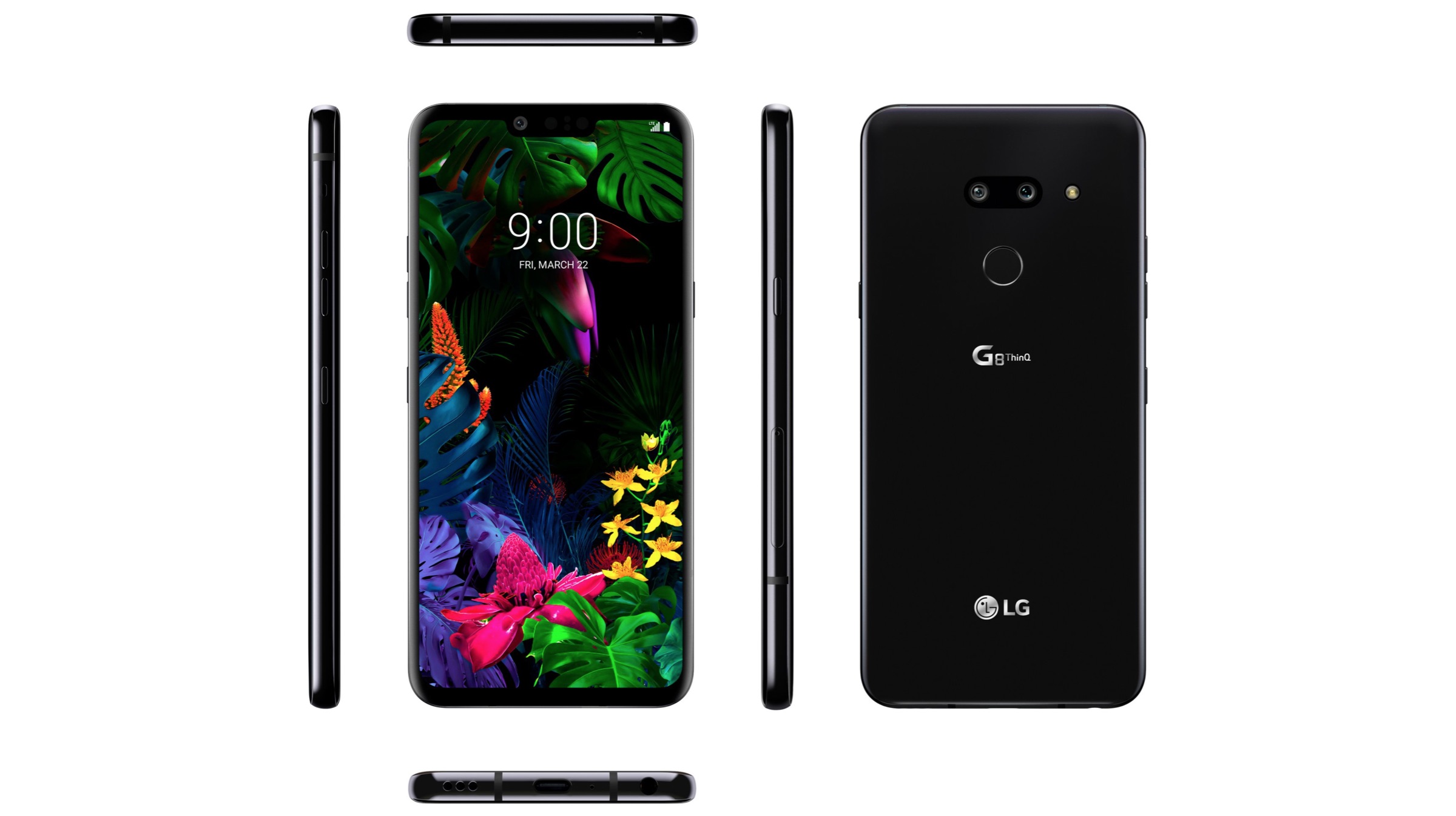
 The G8 ThinQ may have a 6.1 inch OLED display and might offer a QHD+ resolution at 3120 x 1440 px. It is possible that the device is powered by the Snapdragon 855 SoC. The smartphone may or may not be available in different variants, but it is sure to have 6 GB RAM and 128 gigs of internal storage for one of its variants. The LG G8 ThinQ is expected to pack a 3,400 mAh battery, with Android 9 Pie powering the device.
 As of today,
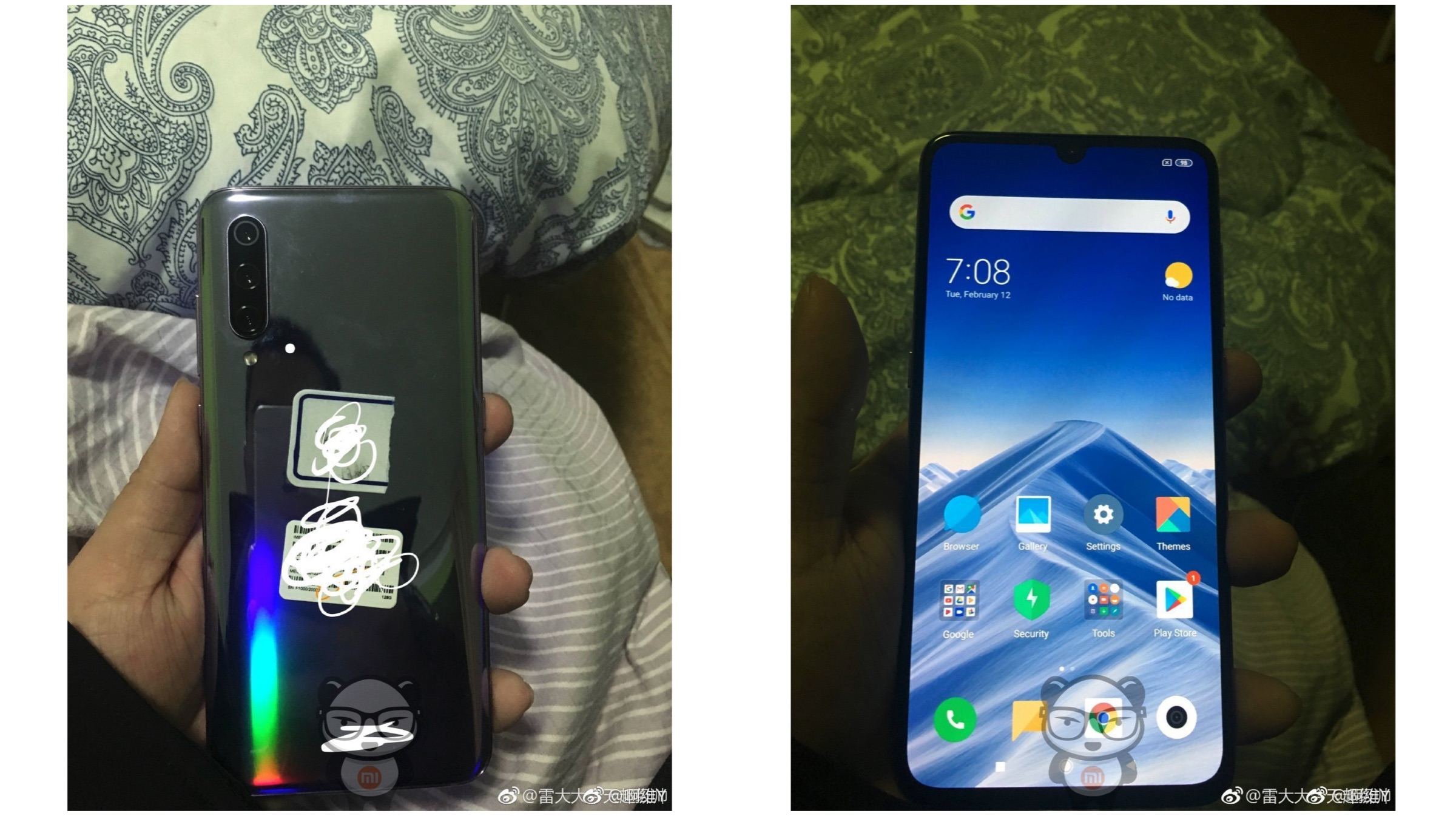
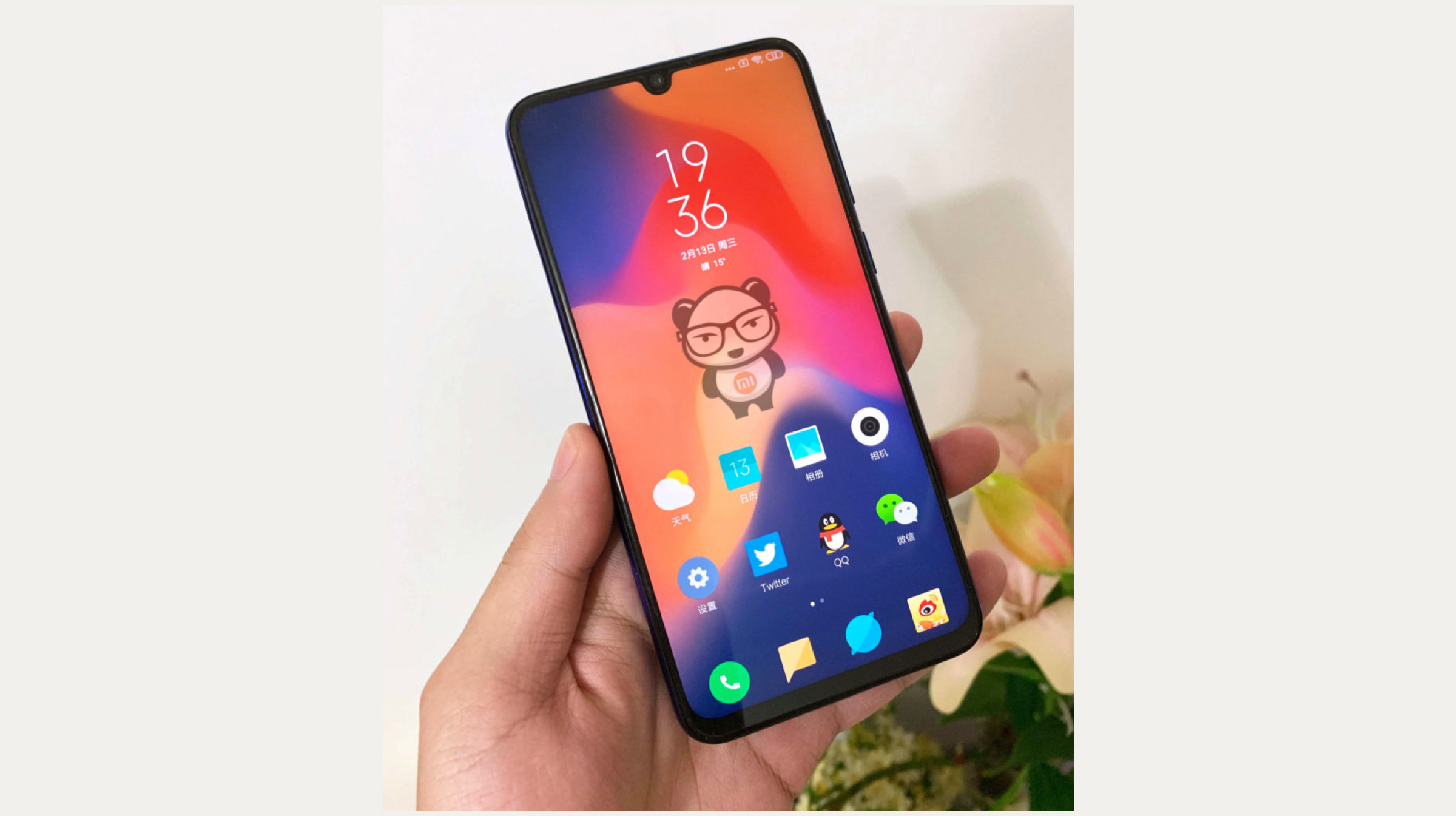
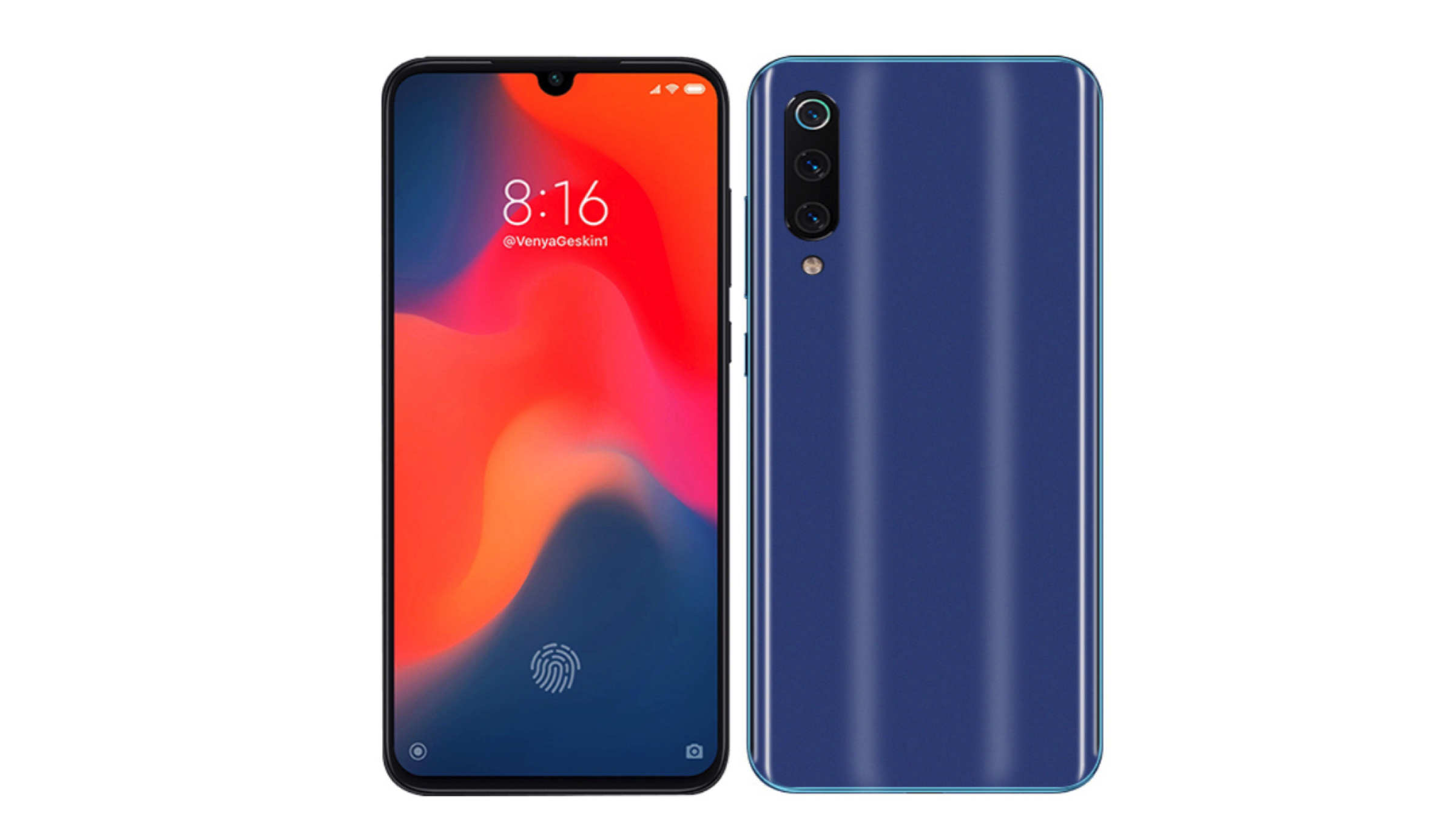
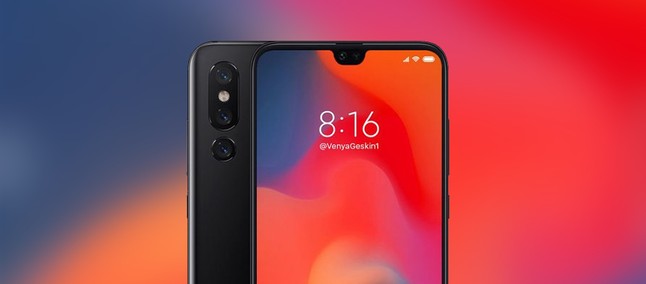
 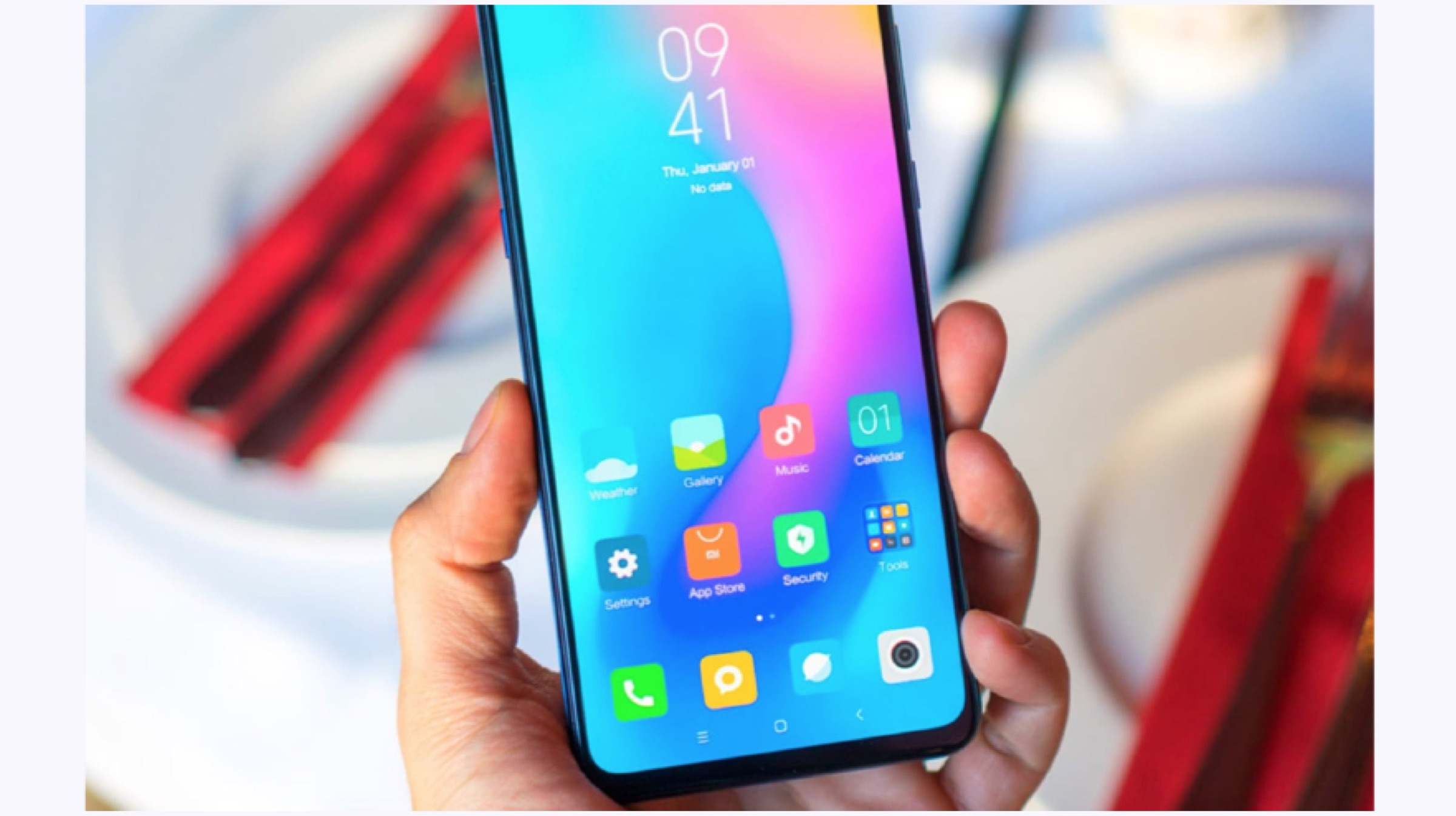 Previous reports indicate that the upcoming Xiaomi Mi 9 will be powered by a Qualcomm Snapdragon 855 SoC, with an octa-core CPU. The phone’s performance can be analyzed from its Geekbench score, which showed up back in January. The Mi 9 racked up a single-core score of 3158 and a multi-core score of 11174 points.
 Also Read:
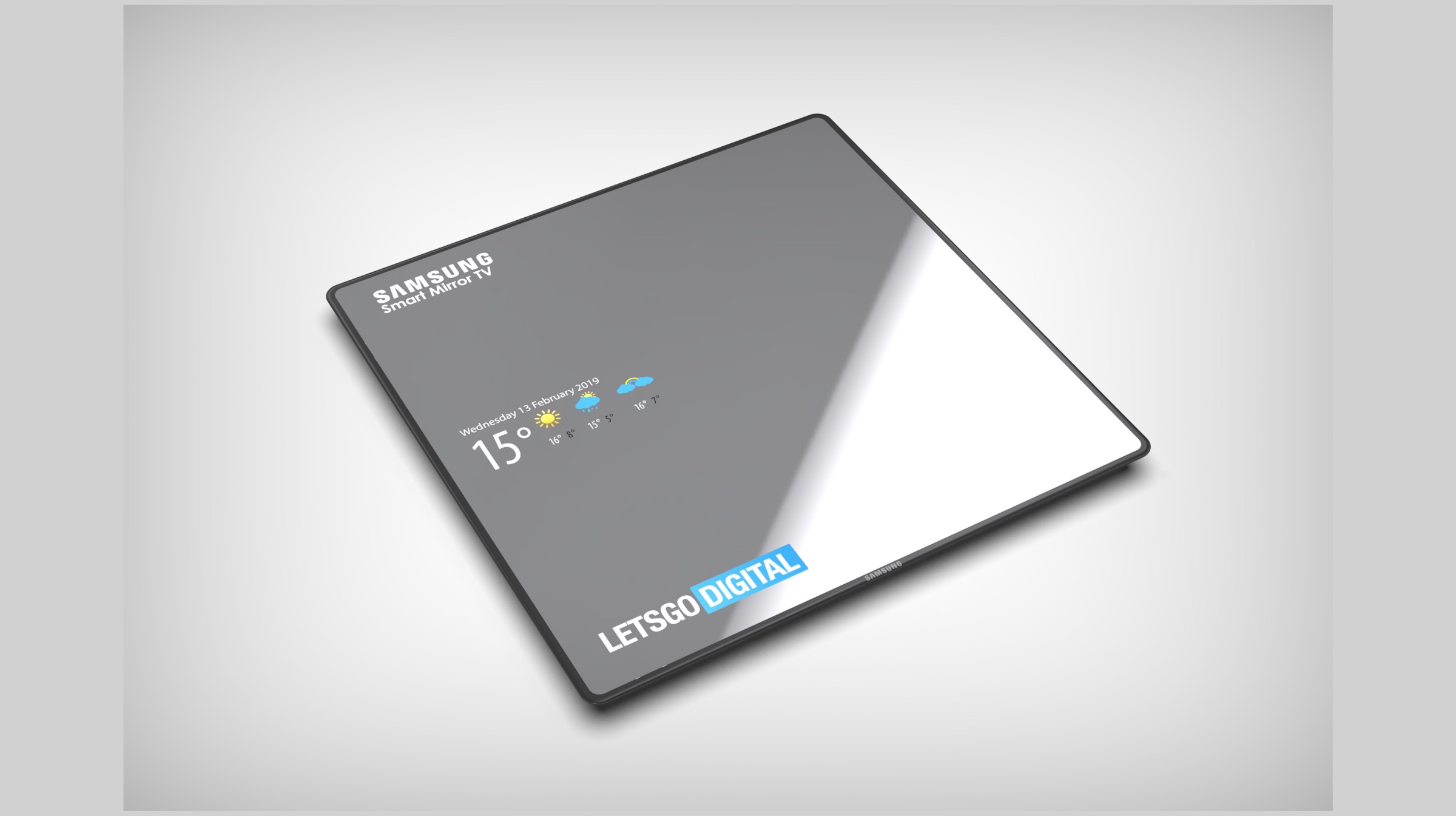
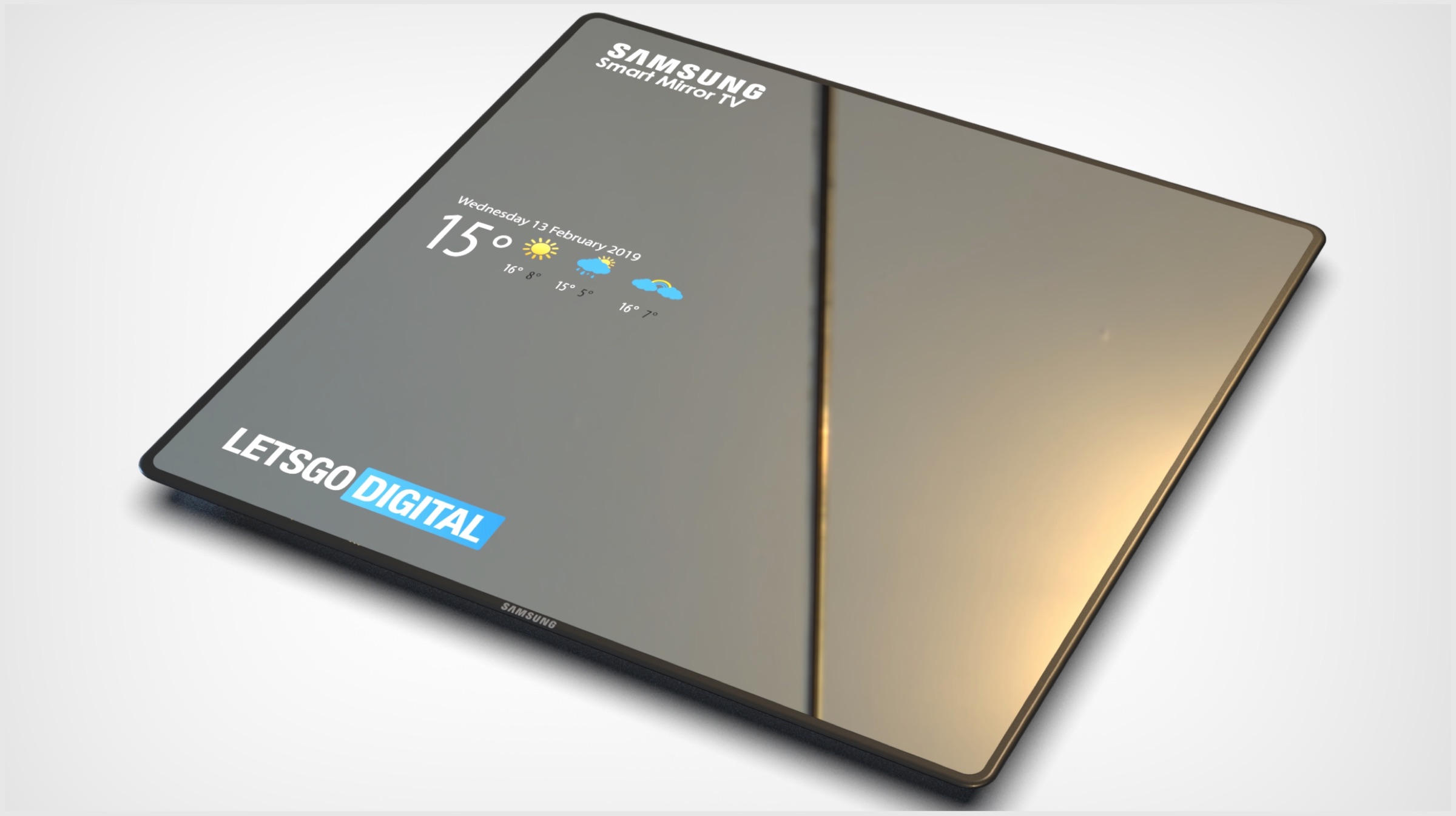 We have seen Samsung Smart TVs making their mark in the market. Samsung even designed a lifestyle television called “The Frame” which could be used as an art frame when the TV wasn’t being used. Samsung can use the same concept with the Smart Mirror with some tweaks.
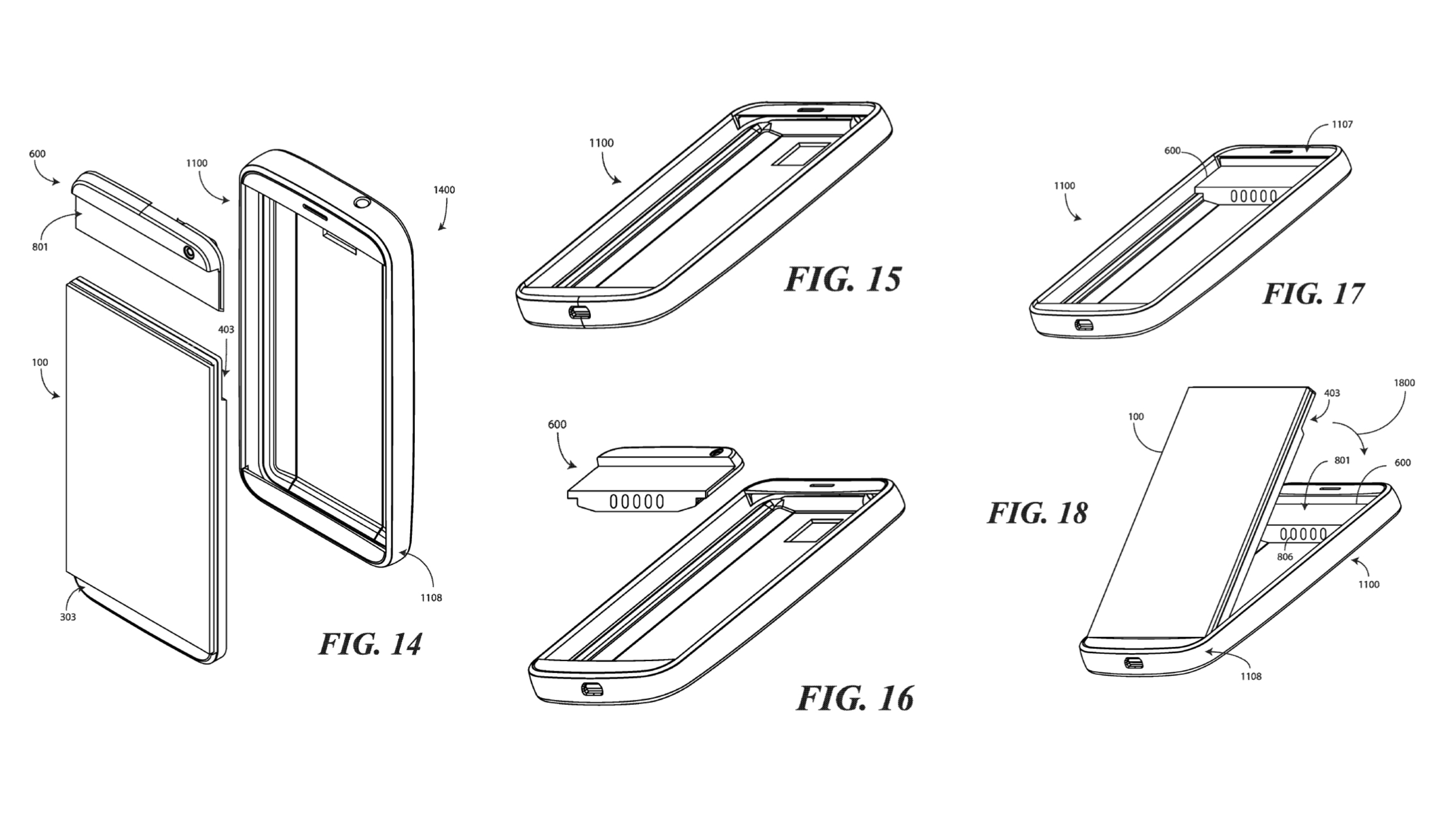
 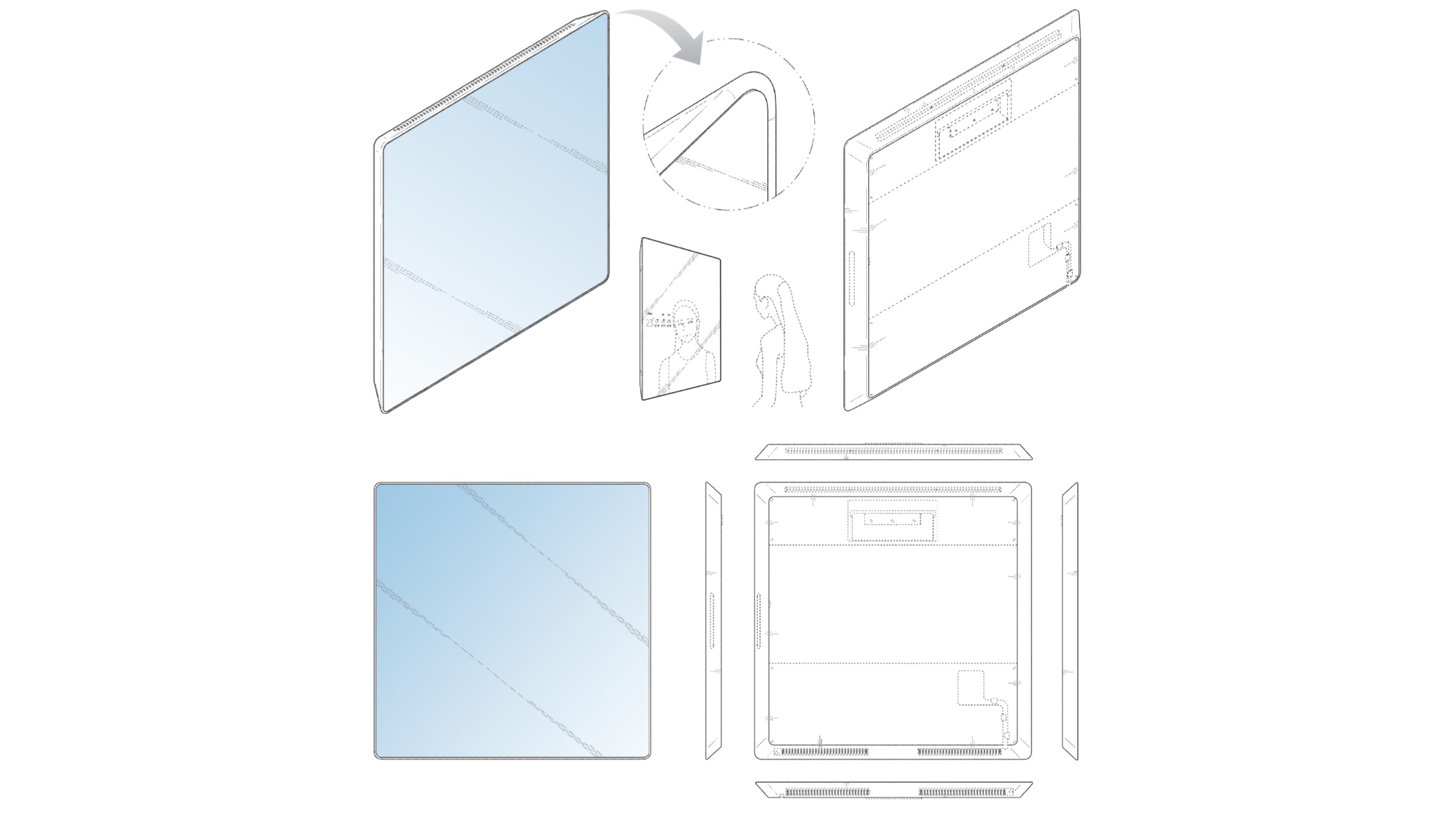 The patent was filed in the US with the United States Patent and Trademark Office (USPTO). Shortly afterward, the patent was registered with the Global Design Database of the World Intellectual Property Office (WIPO). The patent was actually filed on October 16, 2018. According to the design patent, the Samsung Mirror TV will have a square design with rounded corners. The screen edges look to be almost non-existent, indicating that the device can be illuminated from all sides. The rear of the Mirror TV had space for all the connections and the power supply.
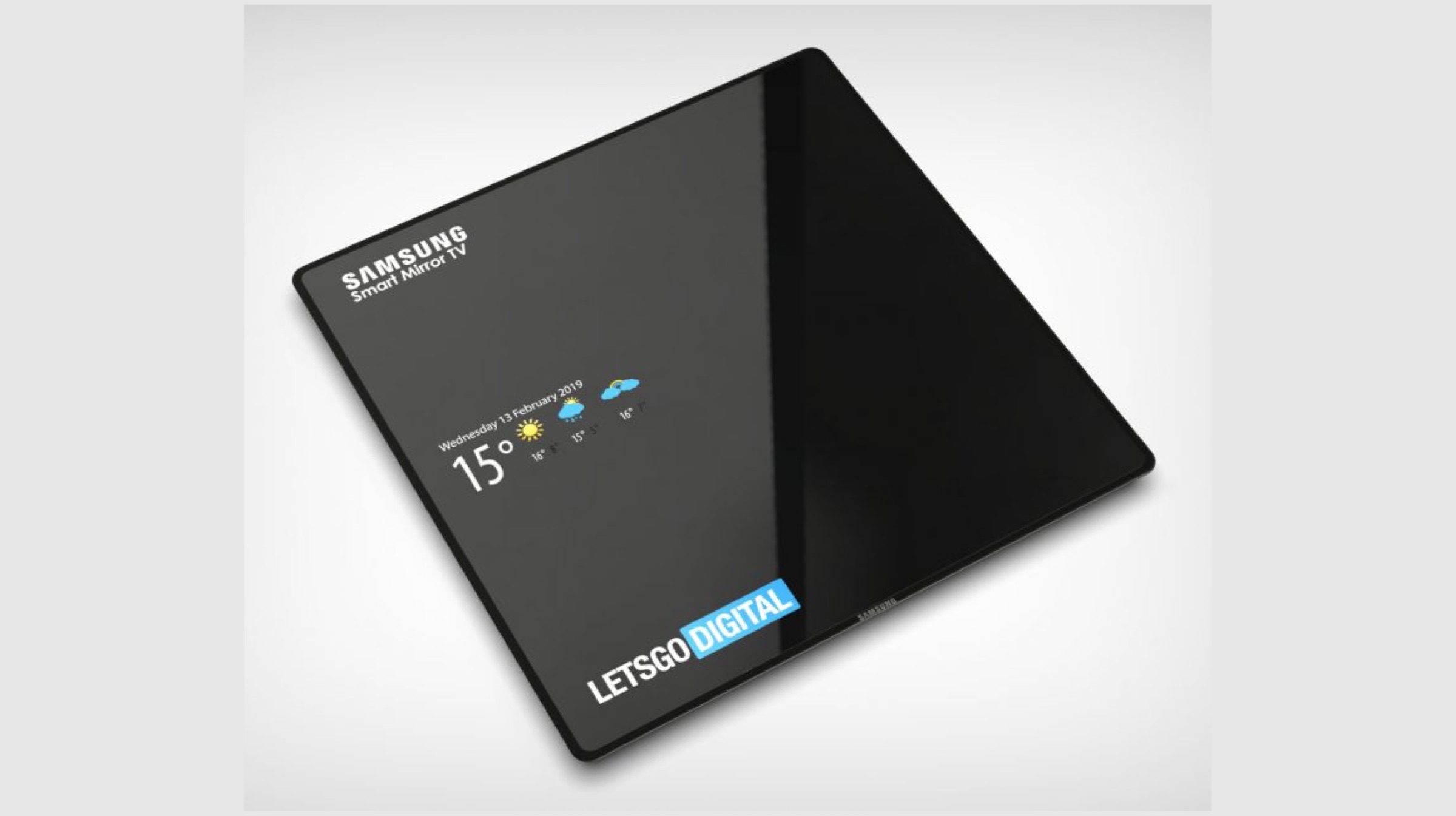 The Mirror TV is supposed to have two different states. In the first state, you can use the device as a television, whereas, in the second state, you can use the device as a mirror. A similar principle was used with Samsung’s “The Frame”. It still isn’t clear how a square television can take the place of the conventional rectangular television, but all we can do is wait for an official launch in the distant future. As per the images included in the patent, it’s possible that you can display the contents of your smartphone directly on the TV. The device is also expected to have touchscreen enabled on the Mirror TV, in addition to Samsung’s very own voice assistant, Bixby.