Category: Top Around the Web

All the best of Online in one place.

  • Google Plans to Cover Earth in an Internet Blanket

    Google Plans to Cover Earth in an Internet Blanket

    Google is planning to launch 180 small satellites which will provide access to the two thirds of human population which still doesn’t have access to the internet.

    The project will be organized in collaboration with Dutch satellite start-up O3b Networks Ltd. Its founder Greg Wyler is at the helm of this project. The project cost is being estimated to be around a billion dollars.

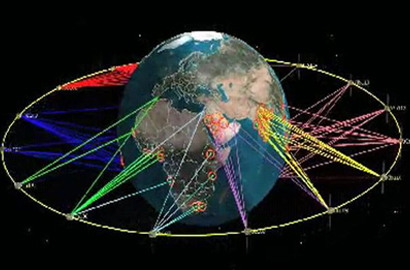
    O3b has already launched satellite orbiters, 4 satellites in 2013 and they’re going to launch 4 more this year. The intention is to bring High Speed Broadband connectivity to rural areas. It plans to create a constellation of satellites with Google’s assistance.
    O3b 1
    Google will make a constellation of satellites for affordable internet for all

    These orbiters will be much more efficient as they orbit the planet at a lower altitude in comparison to the conventional satellite. Geostationary communications satellites fly at 36000kms from the surface whereas O3b satellites will fly at about 9000kms. As they have a low altitude, the data delay from one round-trip between the station and the satellite will also be decreases from an average of 638 milliseconds to less than 150 milliseconds.

    This will be an extension of Google’s ambitious Project Loon. The ingenious project has Solar powered ballons flying at the height of about 20 kms from the surface. They use stratospheric winds for navigation for both sides of the equator. Check out this video to see how it’s done:


    Apart from this, there are high hopes from Google’s acquisition of Titan Aerospace. The company is the inventor of the Solora 50, a solar powered drone which can be used for bettering telecom services around the world. The drone is massive; it has a wingspan of 50 meters and is 15 meters in length and can cruise at speeds of 104 kilometers an hour.
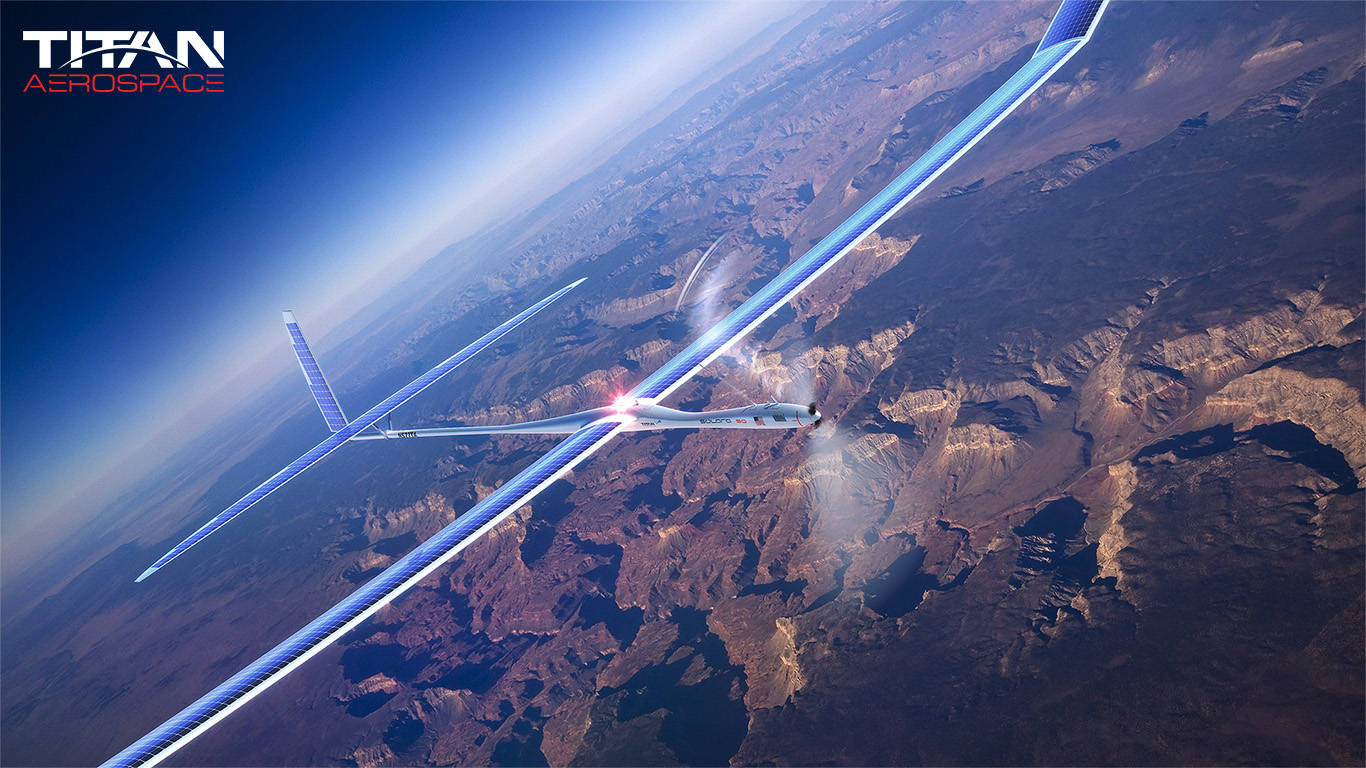
    titan_aerospace_solara_50
    Google Acquired Titan Aerospace for the Drone technology

    It is not just Google that is investing heavily in the broadband access business. Facebook founder Mark Zuckerberg with his internet.org initiative wants to achieve something similar. According to him, the internet is a basic human right and we couldn’t agree more.

    But the intentions of these major corporations are seen by some as self-serving philanthropy. After all Google and Facebook’s entire business is based on how many people are connected to the internet. There are still 4 billion people who don’t access the internet. Think about the vast amounts of profits to be made.

    Even if they are self-interested ventures, these companies will be doing a lot of good for the people around the world. They internet has become an inseperable utility of our present culture. By connecting more people to this massive network would lead to more dialogue between the people of the world which will lead to better understanding.
  • NASA Enters The Marvel Universe With The S.T.A.T.I.O.N

    NASA Enters The Marvel Universe With The S.T.A.T.I.O.N

    Marvel has in a manner reinvented the superhero universe. It took the usual good versus bad story lines and created an entire universe with complex characters whose stories are interlinked with one another. With the release of Avengers 2: Age of Ultron next year, Marvel Cinematic Universe(MCU) will conclude its Phase Two.

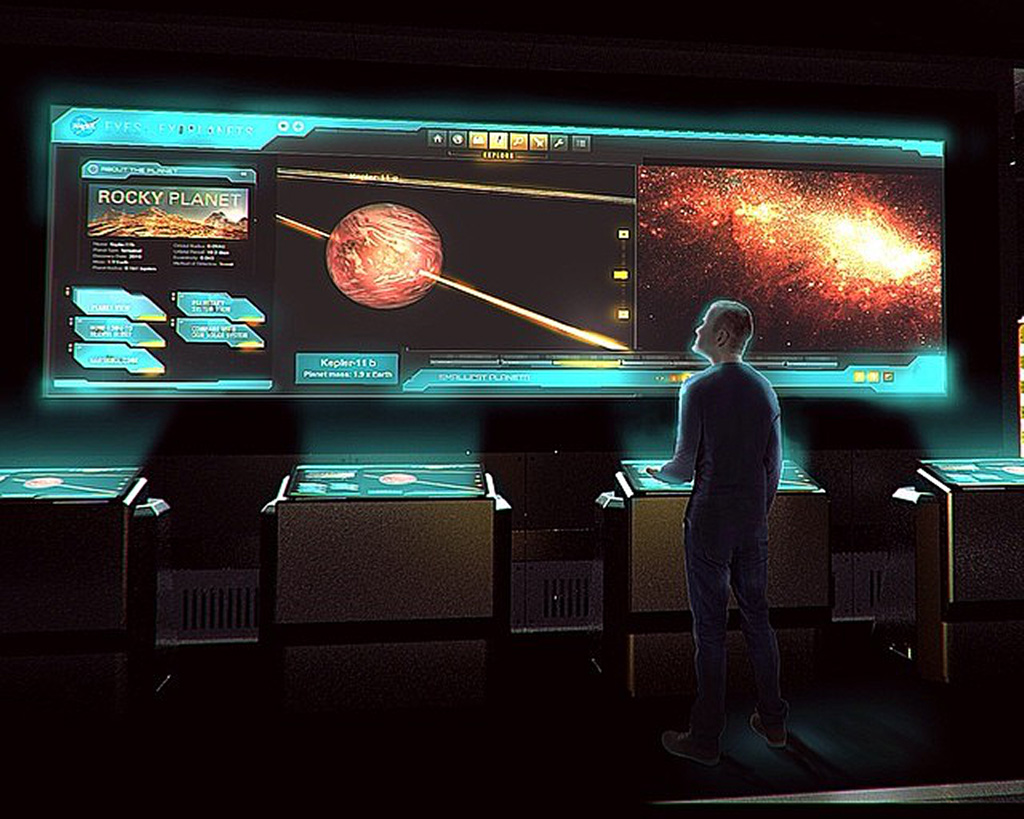
    While everyone is waiting for MCU’s next installment, Marvel in association with NASA and the National Academy of Sciences is close to opening the Marvel S.T.A.T.I.O.N (Scientific Training and Tactical Intelligence Operative Network) exhibit at the Discovery Times Square exhibition centre.

    The six month long exhibition will teach the attendees about the science of the Marvel Universe. It is one massive exhibition with 140 video screens, dozens of large-scale touch interfaces, working robotics, augmented reality, and motion response applications.

    The visitor is oriented as an Agent of SHEILD (the show’s first season had an Awesome finale). The lucky ones who get to go will be treated as Agents in training and will get to play around with lots of cool stuff.

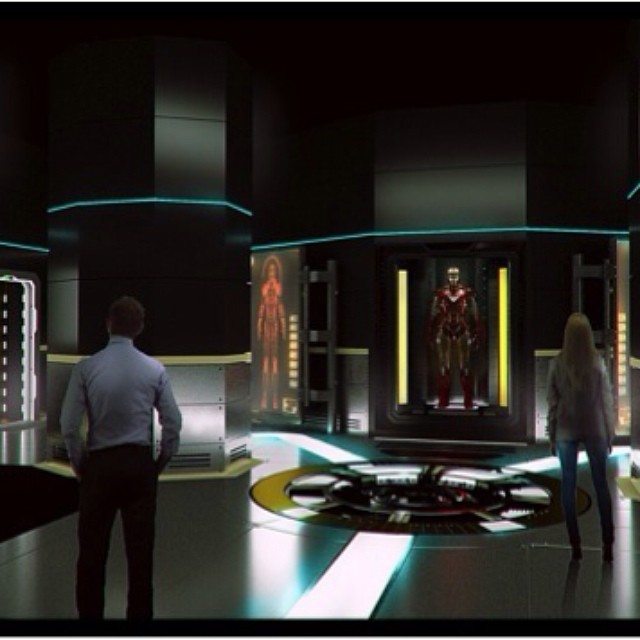
    They will get to learn to operate Iron Man’s suit, see the neurological effects of Bruce Banner’s transformation into the Hulk, and physically test themselves against Captain America. The agents will also get to see some of the memorabilia from the attack on New York which was defended by the Avengers. There are some amazing visuals at the S.T.A.T.I.O.N.

    Its almost like entering into Tony Stark's workspace
    Its almost like entering into Tony Stark’s workspace

    The organizers approached NASA’s Jet Propulsion Laboratory for authentic scientific content. The MCU itself is a very science centric universe. Across the Movies and the TV shows, it tries to explain the events with a scientific perspective. They even backup the supernatural phenomenons of the universe with scientific explanations. Here is an example from Thor 2 of regular dialogues from which downplay the supernatural elements:

    Loki: “I went down to Midgard to rule the people of Earth as a benevolent God, just like you.”

    Odin: “We are not gods! We’re born, we live, we die, just as humans do.”

    Loki: “Give or take five thousand years.”

    Joss Whedon, Director of Avenger 1 & 2, is one of the major science fiction Directors who have tried to interlink fictional narratives with real science. His brother Jed Whedon took an even more indepth scientific approach while making Agents of SHIELD.

    NASA has provided the S.T.A.T.I.O.N with written content, images and videos on topics like electromagnetic spectrum, black holes as powerful energy sources, and aerospace materials used in creating Iron Man’s armor.

    Using the NASA’s exoplanet research technology, the “Agents” will get to map out the exoplanets and try to find Asguard.

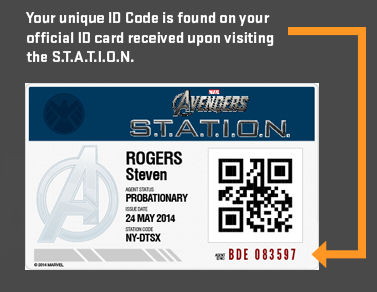
    STATIONloginform
    Your ID card gives you access to an Awesome interactive website

    The Exhibition also gives you an access to an interactive website for which you to us the login id given on the pass at entry (Lame.)

    This unique, interactive educational display was to open on May 30th but was delayed for extensive testing of equipment. This is  one novel approach of teaching regular folks about the awe-inspiring knowledge of science. We really hope that it comes to India someday.

  • SpaceX Dragon V2 : A New Spaceship is Born

    SpaceX Dragon V2 : A New Spaceship is Born

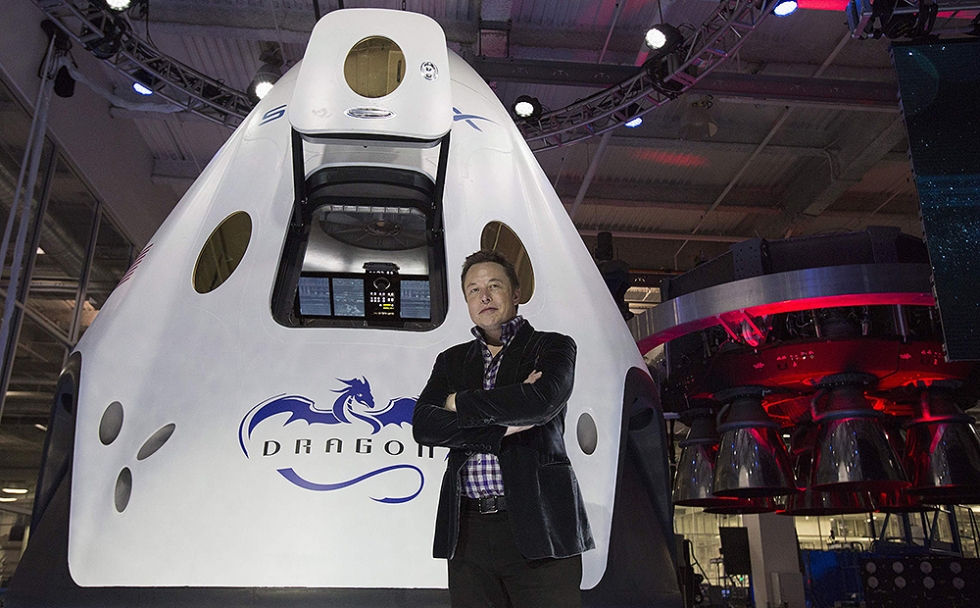
    California based Private space enterprise SpaceX has finally revealed its Dragon V2 Space Capsule. The dragon V2 is different from its predecessor because it is capable of carrying an extremely valuable cargo, the human Astronauts.

    The company’s owner Elon Musk is the real life inspiration for Iron Man. He is a phenomenal human being. He is the co-founder of PayPal, CEO and CTO of SpaceX and CEO of the world’s best electric car brand called Tesla Motors. He plans to bring in a transportation revolution with his Hyperloop proposal. He is one of the most respected and revolutionary tech entrepreneurs.

    SpaceX was founded in 2002 with rocket propulsion engineer Tom Mueller. The companies economical space travel model was so well appreciated, that in 2008 SpaceX was awarded a $1.6 billion contract with NASA. As per the agreement Space X will send 12 flights of its Falcon 9 rocket and Dragon spacecraft to the International Space Station(ISS). With the retirement of the iconic Space Shuttle program in 2011, American ingenuity in space was at peril. Luckily Space X was there for rescue.

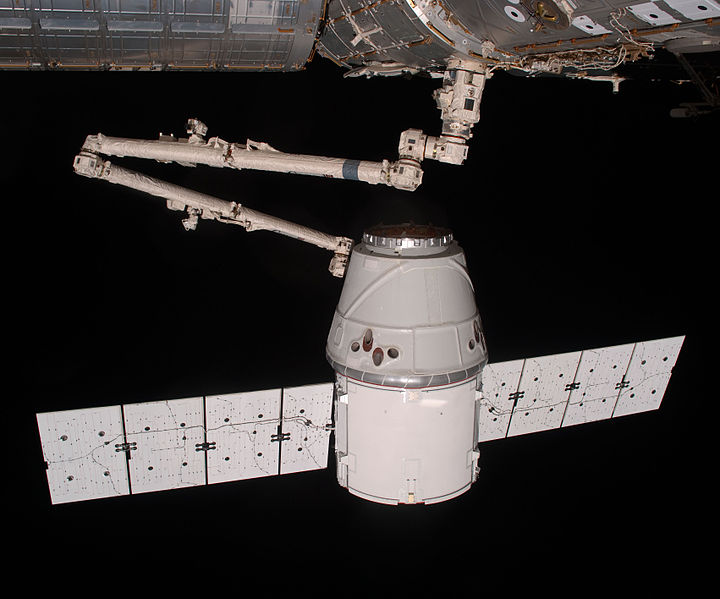
    Dragon_at_ISS
    The Dragon spacecraft first docked with the ISS in 2012

    The first SpaceX Dragon spacecraft successfully launched and docked at the ISS in 2012. It was basically a test mission to assess the capabilities of the Dragon to deliver payload to the ISS. Since then, it has completed 3 of its 12 missions. These were Cargo missions but the Dragon V2 will be capable of human flights which are extremely important considering our severely restricted means of access to space. Space research also is facing several issues because of the increased tensions between the West and Russia.

    The 4.5 meter tall Dragon V2 will be the first space craft to land vertically on any surface like a helicopter. This will take us miles ahead in terms of reusability and making space travel more economical. Space X experimented with the Grasshopper rocket to achieve vertical launch and land capability. This technology will help in reducing the costs of building new rockets for every mission.

    The Spacecraft has multiple backups for safety. It is powered by a main and backup engine which will ensure safe landings of the astronauts on surface; if one fails the other will take over. Dragon V2 also has a parachute as the ultimate time tested backup for landing.

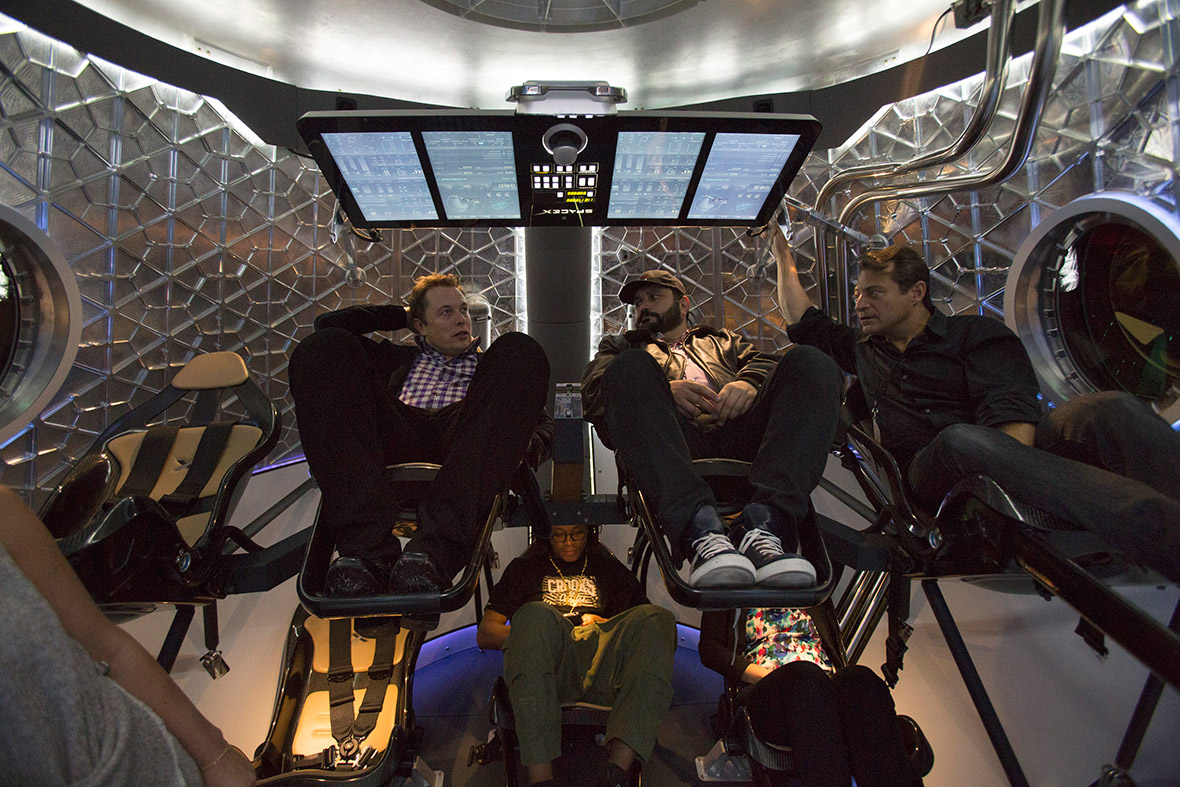
    Dragon V2 is Capable of transporting Astronauts
    Dragon V2 is fully capable of transporting Astronauts

    The need for the manned SpaceX Dragon 2 to succeed is direr considering that Russia plans to do away with the ISS missions by 2020. Currently the Russian Soyuz is the only way to carry astronauts to and from the ISS. This will be a big step back for all of us if we don’t have access to space based research anymore.

    Apart from Space X, Boeing and Sierra Nevada Corporation Space Systems have also cleared first step of NASA certification. Even President Barack Obama has encouraged more private investment in space exploration to speed up the research process.

    Elon Musk wishes to now enter into the arena of planetary exploration with a trip to Mars. It is the only way we can ascertain the survival of the future for our species against the threats faced by our own self (global warming, wars, etc) or circumstances which are not in our control (asteroid strike or a super volcano eruption). We are in essence surviving on a living planet highly capable of getting bruised.

    Space exploration has always been an aspirational area of interest for everyone, it entices us all. Throughout our history the heavens have enticed us. A scientific colleague of Carl Sagan once told him about a Stone Age tribe which was ignorant about all our scientific and technological achievements but they knew one thing, we had landed on the moon. It was a disappointment to them to know that no one goes there anymore.

    In the last century, we have taken the human curiosity worth of 20,000 centuries to flight by gaining the ability to leave the surface and take a look back at our grand blue planet. If we stop now, we won’t just be disappointing that one Stone Age tribe, but all our predecessors who went to great lengths to ascertain the survival of our species. Elon Musk and the engineers at Space X deserve our gratitude for keeping that hope and curiosity alive and giving it wings to fly high.

  • Say Goodbye to the Trial Room with Augmented Reality

    Say Goodbye to the Trial Room with Augmented Reality

    Augmented reality has come a long way. My first experience with the technology was while playing Agent V on the Nokia 3230. It was kind of rudimentary but it got the imagination rolling for a lot of fellow enthusiasts regarding the future of the technology.

    Augmented reality (AR) is a digital overlay onto the real world. It enhances the real world with digital data, and therefore it is much more interesting than a completely fabricated environment of virtual reality systems. It is an ideal Reality-Virtual connect.

    Eyewear-AR
    Try your Accessories right where you are.

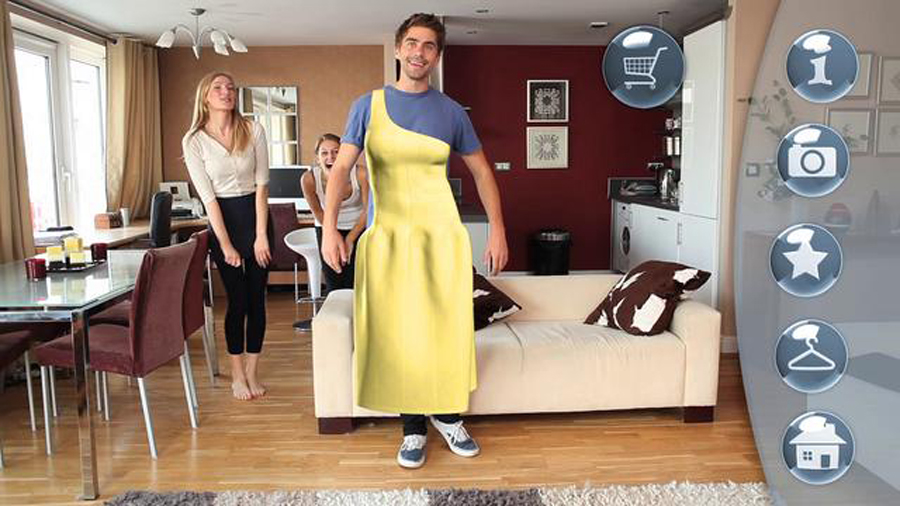
    AR presently is used in many different fields, from mobile games to areas of industrial maintenance. Its ease of integration across many mediums give it universal accessibility. One industry is presently experimenting a lot with AR is fashion.

    It can help in literally every field of fashion, right from designing to marketing to retail sales. Some of the biggest names such as Hugo Boss, Burberry, Ebay’s with its “See It On” app have started inducting AR in their business model.

    For example: The Hugo Boss store at Westfield Stratford City, features an 8-meter, media wall that allows customers to “dress” onscreen models who respond to consumers’ movements by looking at them, moving towards them and walking alongside them.

    The coolest and the most advantageous aspect of AR is its flexibility of integration across a multitude of mediums like computers, mobiles, eyeglasses and even contact lenses with AR capabilities are in development. These will give the companies much more innovative ability to reach to the customers.

    Cassete playa
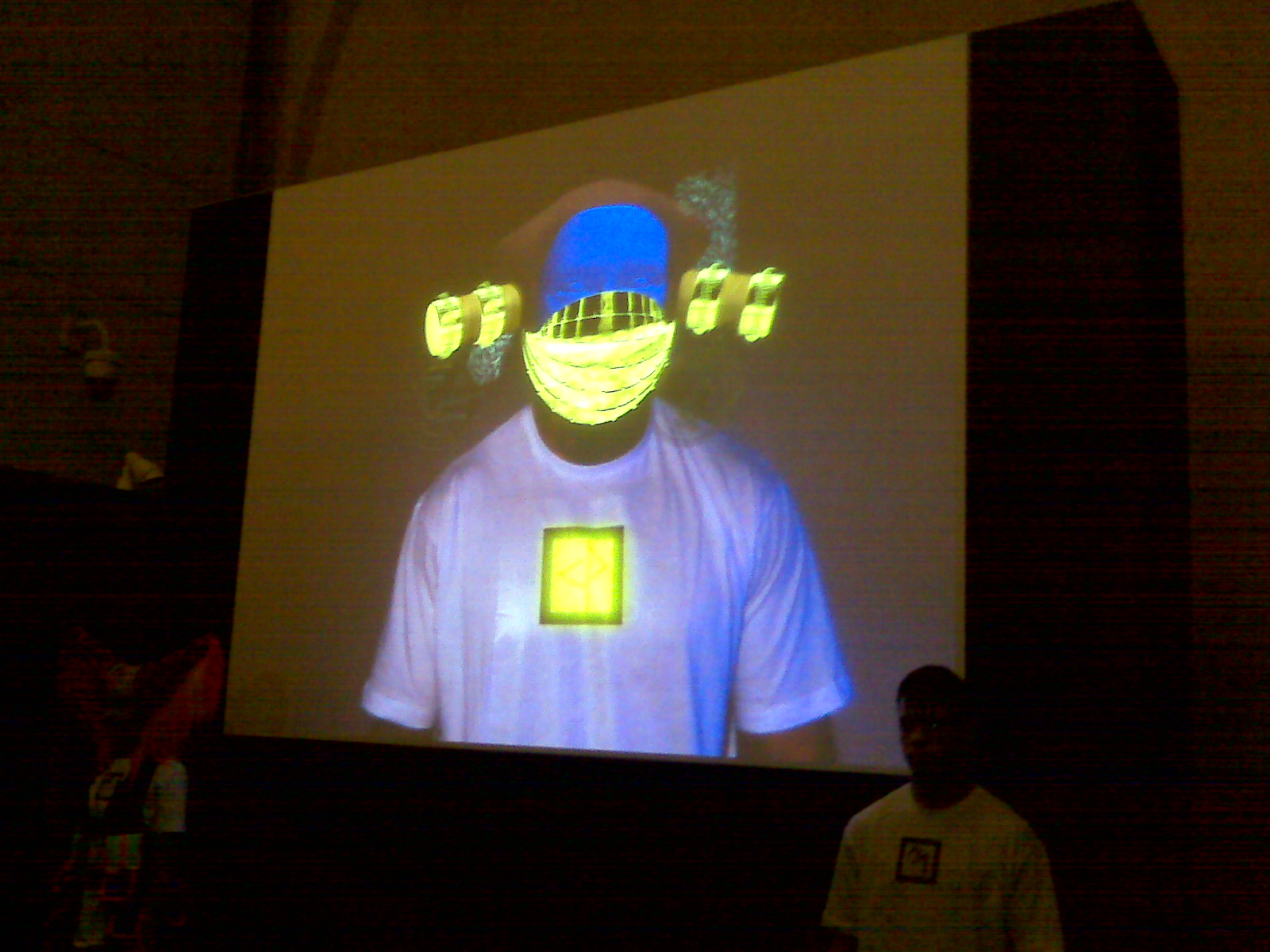
    Cassete Playa makes things interesting with AR

    London fashion label Cassette Playa is making it more interesting with their T-shirts. When seen through a Webcam, an AR code on the T-shirt is activated to reveal, for example, horns growing from the wearer’s head.

    The fact that when people see fashion they imagine it on themselves is what encourages the company’s to give a more physical feel. The race is on towards a virtual changing room and AR is the best way forward.

    If you are a person who hates shopping and the frustrating multiple visits to the changing room this may be a boon. The only issue is that if you have fat thighs like me you won’t be able to do the usual squats to make sure you are not getting choked by your jeans.

    Even Google is getting in the game with its Google Glass.  The company recently hired fashion executive Ivy Ross to market the glass to the general public. Ross has worked with industry giants like Calvin Klein, Swatch, Gap, Coach, and more. Guess we can anticipate a fashion trial app on the Glass too.

    Banana-Flame
    Virtual Trial Room with AR on Banana Flame

    There are of course some dissenting voices who say practical application will take some time and its still in a marketing gimmick phase. But these critics do agree that virtual trial rooms are the more economical way forward and if history teaches us anything it’s that economic decisions always win.

    It would be a wonderful technology to keep our eyes on. Maybe the days of boyfriends and husbands desperately looking for seats while their ladies take their sweet time deciding on their perfect attire is close to being history, hopefully.

  • A French Failure and Other Major Engineering Blunders

    A French Failure and Other Major Engineering Blunders

     The French have given the world a lot of things; photography, parachutes, modern philosophy and fashion snoot-ism. But something they are not known for is their heavy work ethics. The country recently passed a regulation which allows workers to ignore work emails after work hours – even though their work week only consists of 35 hours. No wonder they are good at philosophy, they have a ton of time to sit around and think.

    This gives us an idea about their work culture, which may or may not be responsible for the recent French railway blunder. Which, incidentally, is the inspiration for this article.

    France recently invested 20 billion dollars on 2000 new trains called TERs (trains express regionaux), which they later found to be too wide to fit in their older platforms. Almost 1 in 6 stations are affected. You can blame the Indian Railways for a lot of things, but they have never shown this level of inefficiency. Now the French rail operators have had to invest an additional 70 million dollars to narrow the affected platforms. The problem occurred when the train manufacturers were handed measurements of stations built in the last 30 years. The platforms older than 30 years were ignored that lead to a situation where two of these new trains can’t even pass on parallel tracks.

    This of course is not one of the major engineering blunders, lets look at some other past examples of institutional failures:

    1. Tacoma Washington Bridge Disaster:

    The Tacoma Narrows Bridge is a pair of mile-long (1600 meter) suspension bridges with main spans of 850m. The first bridge, nicknamed Galloping Gertie, was opened to traffic on July 1, 1940. The bridge became famous four months later after a dramatic wind-induced structural collapse that was caught on film. The only fatality was a poor black Cocker Spaniel. The first replacement bridge opened in 1950, and a parallel bridge opened in 2007.

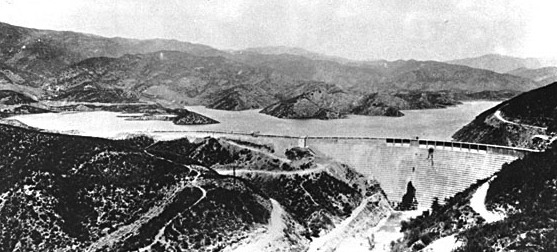
    2. St. Francis Dam Flooding:

    St_Francis_Dam_cropWilliam Mulholland was a self taught architect whose career came to a crashing halt on March 12, 1928, when his St. Francis Dam failed just hours after being inspected by Mulholland himself. The dam sent 12.5 billion gallons (47,000,000 m³) of water flooding into the Santa Clarita Valley, north of Los Angeles. It laid the town of Santa Paula under 6 meters of mud and debris. Some parts of Ventura County were covered up to 21 m high pile of muck. The final death count has been estimated at 450, including 42 school children.
    3. The Vasa:

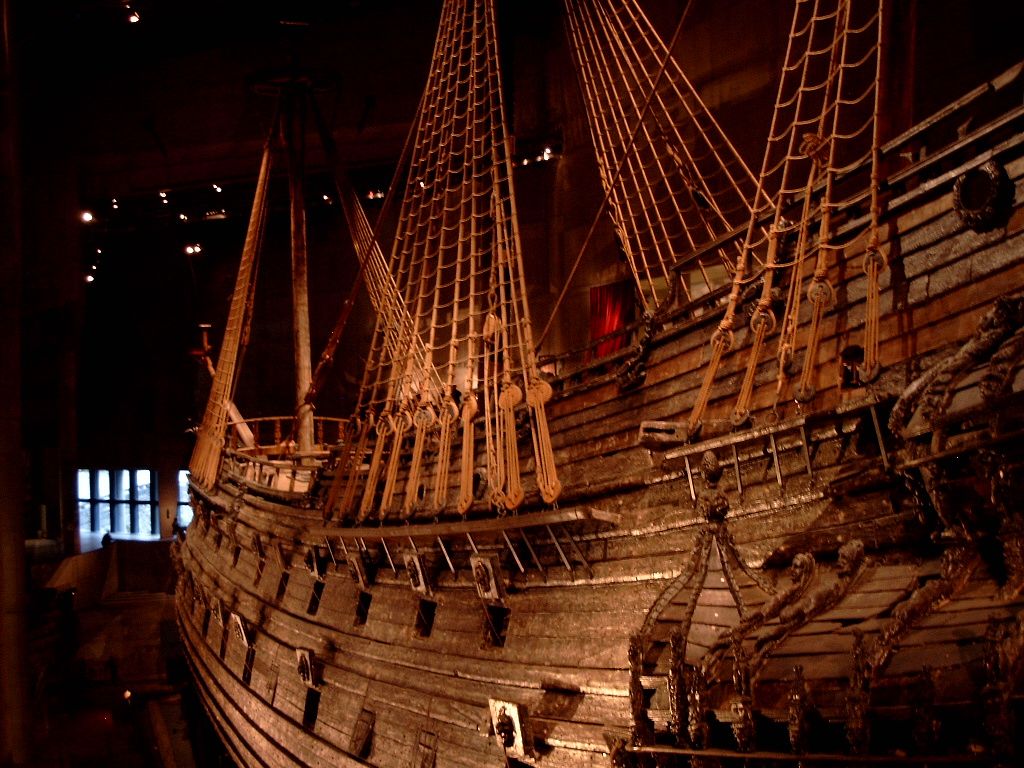
    Stockholm_ship_VasaA long time before the Titanic there was The Vasa. It was the biggest ship of its era and it sunk after travelling just 120 meters from the shore. The reason cited was that it was built top-heavy and had low gun doors which let the water in, capsizing the vessel just a few minutes after first setting sail on her maiden voyage on August, 10th, 1628. Surprisingly, even after clearly lacking stability at the port, she was allowed to set sail. Apparently the impatience from King Gustavus Adolphus, was seen as a major reason for the disaster. The death toll reached between 35-50 sailors and crew but no sentences were handed out.

    4. Skylab:

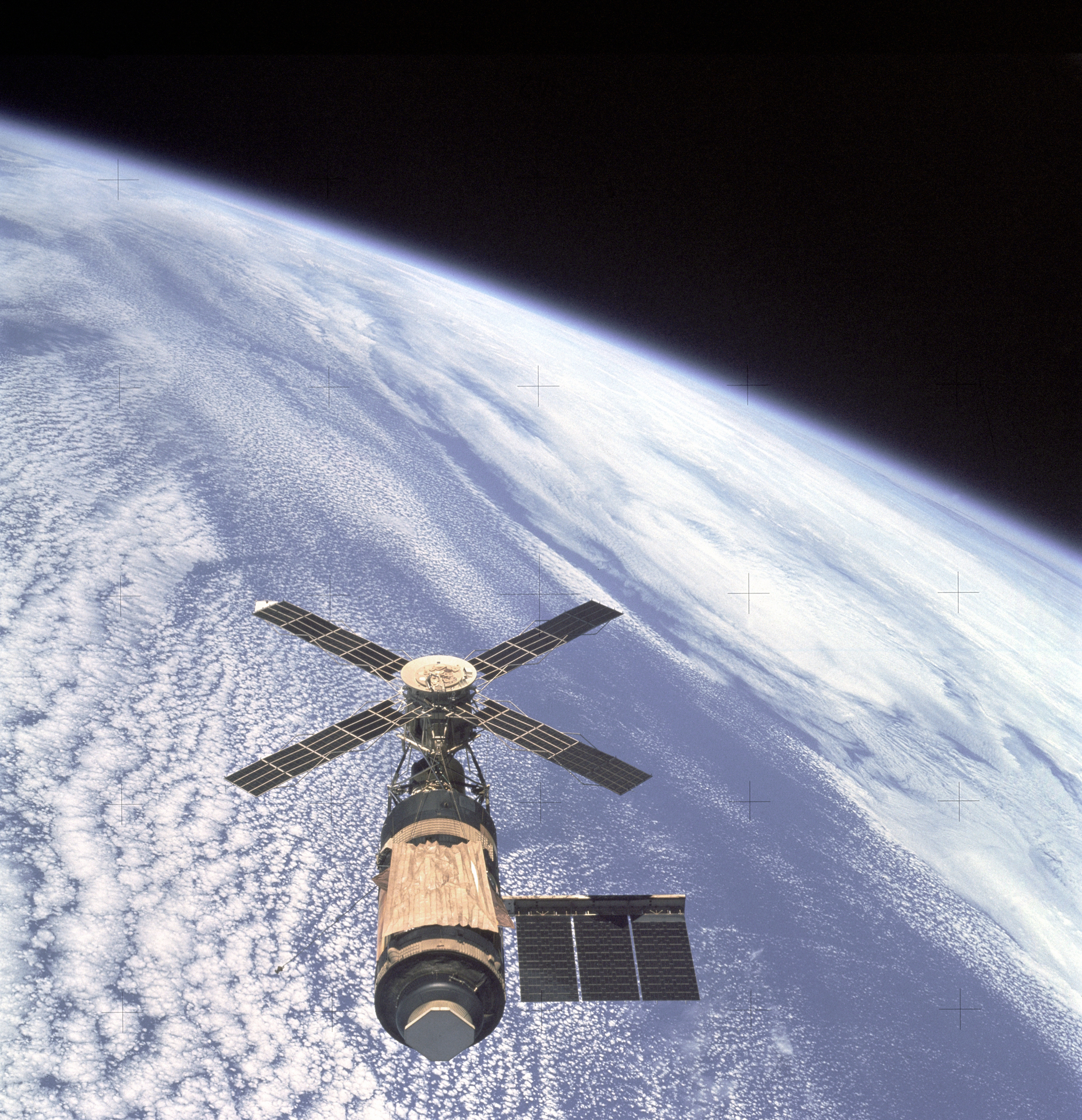
    SkylabDuring the peak of the cold war, America launched its first space station called the Skylab. Weighing 75 Metric tons, Skylab was launched on 14 May 1973 by a Saturn rocket into a 435 km orbit. The launch is sometimes referred to as Skylab 1. There was severe damage to the vehicle during launch. The station lost its micrometeoroid shield, sun shade and one of its main solar panels. Even the debris from the lost micrometeoroid shield prevented the deployment of all solar panels and left the station with a huge power deficit. The first american space station failed miserably and cost the tax payers about $3.6 Billion dollars. There were of course a lot of lessons learned from this disaster which were later corrected on the ISS.

    5. The Leaning tower of Pisa:

    Leaning_tower_of_pisaThis is without a doubt one of the most prominent engineering failures, probably the most photographed blunder too. This bell tower’s tilt began during its construction itself. It was caused by an inadequate foundation on a ground that was too soft on one side to properly support the tower’s weight. The tilt increased gradually in the following decades till the structure was stabilized (and the tilt partially corrected) by efforts in the late 20th and early 21st centuries.
  • MJ’s Resurrection and The Future of Holography

    MJ’s Resurrection and The Future of Holography

    Love him, hate him, but you can’t ignore the grooves of the King of Pop. Michael Jackson continues to get our foot tapping from the other side of the consciousness wall. His latest posthumous album, Xscape, brings back the the classic MJ, the one we 90’s kids were in love with while growing up. It took half a years worth of effort but we saw MJ’s resurrection at this year’s Billboard Music Awards,  showing off his signature moves and making us all slaves to his Rhythm.

    His latest feat at billboard awards was made possible due to the awesome powers of Holography. No, holography is not limited to the “Holodeck” on Star Trek alone. It’s here, it’s real and it’s getting us a lot more nostalgic. This incredible technology helped us witness the man with the golden feet after almost a decade. The experience was nothing short of breathtaking.

    In 2012, Tupac was resurrected at Coachella and recently Indian Prime Minister elect Narendra Modi used the technology to address multiple rallies at the same time. Celine Dion also performed with a 1968 version of Elvis at the American Idol. All these were made possible through the technique called Pepper’s Ghost.

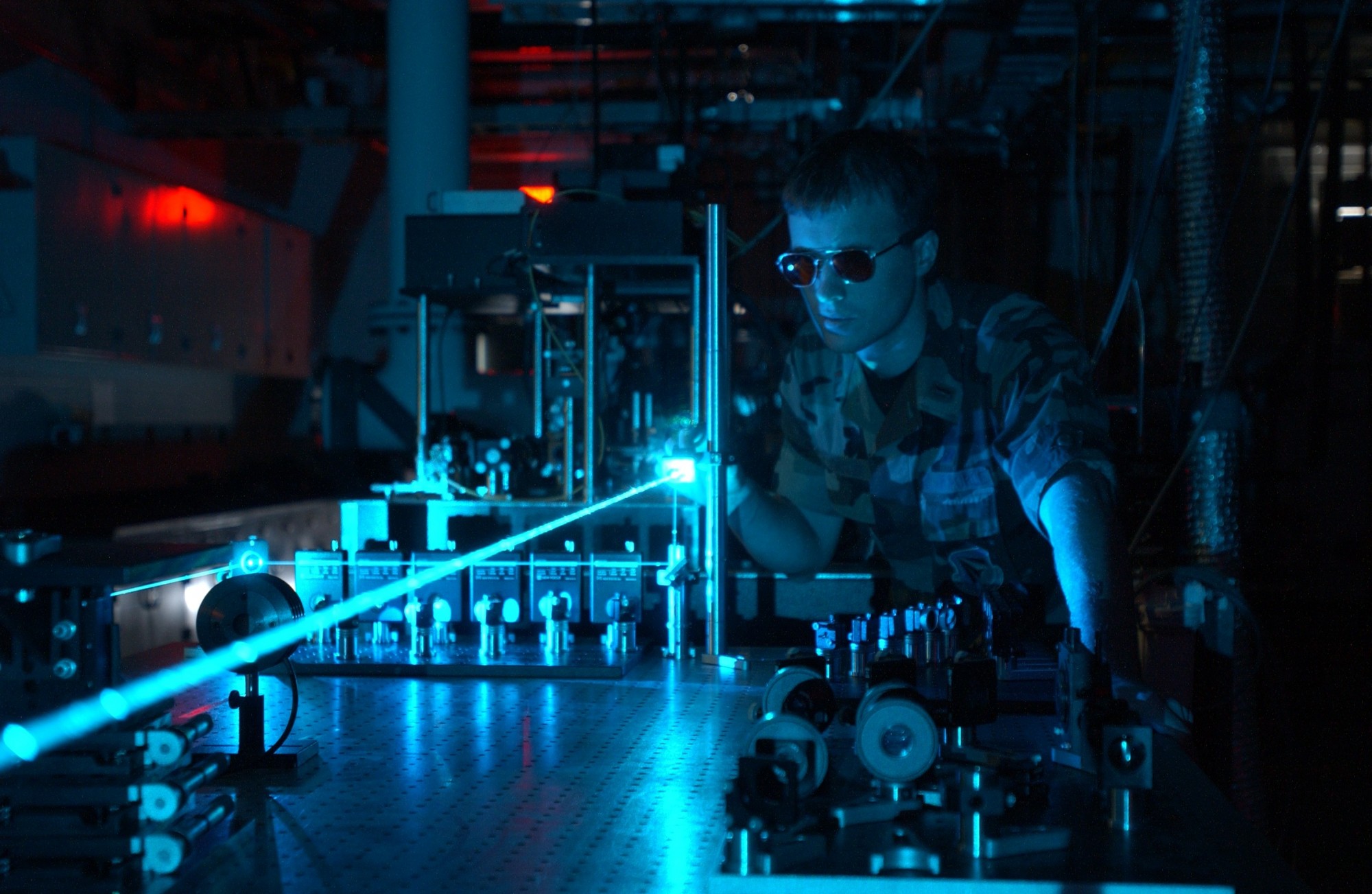
    Holography is a technique which enables three-dimensional images (holograms) to be made. It involves the use of a laser and light measurement for recording visual data. The image changes as the position and orientation of the viewing system changes in exactly the same way as if the object were still present, thus making the image appear three-dimensional. The Holographic principles also states that our own lives must be just projections at a grand scale.

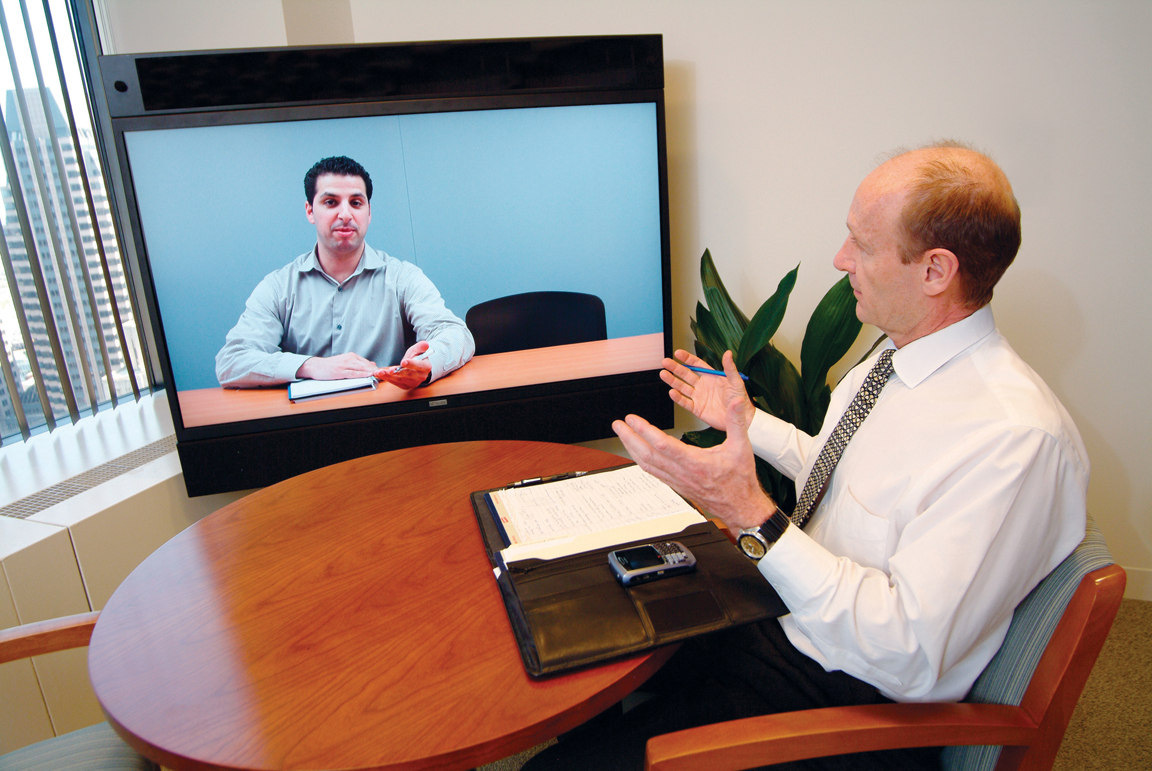
    The technology though is not just restricted to these performances. We can pretty soon have holographic communication capabilities. The research is in progress to allow you and your friends to have a conversations in simulated environments. It will be like video conferencing but you don’t have the distraction of a screen. This is the closest we can come to real life interactions with people thousands of miles away.

    A Teliris telepresence videoconferencing system in 2007.
    A Teliris telepresence videoconferencing system in 2007.

    Tele-Immersion seem to be the future of communication. It gives you a fully simulated environment where you can have complete immersive interactions. The users will feel as if they are  looking, talking, and meeting with each other face-to-face in the same room.

    To achieve this, the computers recognize the presence and movements of individuals and objects. Two or  more cameras are used to capture the objects or people.  They track those individuals and images and reconstruct them onto one stereo-immersive surface.

    Two or more cameras take rapid sequential shots of the same object, continuously performing distance calculations, and projecting them into the computer-simulated environment, as to replicate real-time movement. Tele-immersion presents the greatest technological challenge for Internet2 (The Research Network).

    We are still far away from projections like the one that got Leia’s message to Luke and Obi wan through R2D2. There is though an option for fog projection, in which the fog will act as a three dimensional screen where images can be projected. But that would not be immersive enough for true 3D involvement.

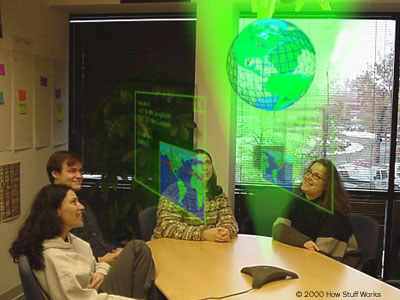
    Holographic Slideshows are so much cooler than present day projectors
    Holographic Slideshows are so much cooler than present day projectors

    Holographic technology will also help in 3D slide shows. It will be the end of  staring at the boring 2D projections on a wall. Imagine interacting with the virtual world with your fingers while presenting a slide show; surely the best way to engage a bored audience. It will be reminiscent of the slide show at rebel ships where they studied the plans of the Death Star. It can also be seen in Big Bang Theory’s episode “The Holographic Excitation”.

    Holographic Theory is a great area of study and we should all be taking interest in its evolution. Maybe if we have more innovative brains working on it, we’ll be closer to a Star War style communication apparatus.

  • New Milestone Unlocked: Creating Matter from Light

    New Milestone Unlocked: Creating Matter from Light

    Physicists at Imperial College London have created a new milestone for Human civilization. They have just proved that light can be molded into matter, something nobody before now thought was possible to recreate in the laboratory. Physicists have for long wondered about the possibilities of creating matter from light and this development brings us a lot closer.

    The experiment is yet to be done, but it has passed peer review as practical and the inventors are in discussions with experimentalists about the equipment to carry it out. These are exciting times because it has been accepted for 80 years that two photons of light could theoretically create matter, but there has never been demonstrable evidence yet.

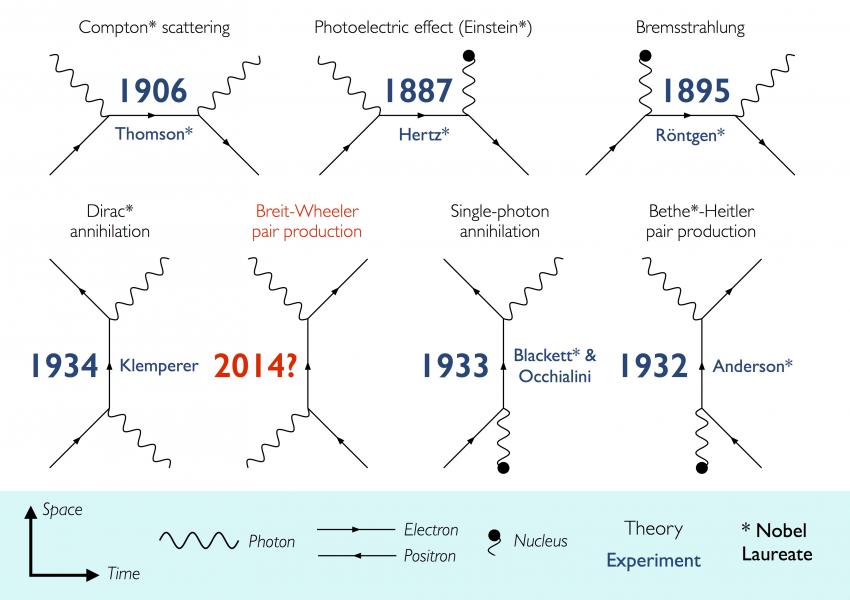
    In 1934 Gregory Breit and John Wheeler proposed that, under the right circumstances, two photons of light would convert into an electron and the positron(the antimatter equivalent).

    Even if this theory was universally accepted by physicists to be true, when Breit and Wheeler first proposed it, they said that they never expected it to be shown in the laboratory. The scientific evolution of today makes it easier to prove the theory now.

    The proposal is fairly simple in scientific terms. Professor Steve Rose and his Phd student Oliver Pike have designed the model on which the tests can be done. Their paper in Nature Photonics proposes a two-step process. High intensity lasers would be used to push electrons until they are traveling close to the speed of light, directing them towards a slab of gold. The scientists then would fire a high-energy laser at the inner surface of this gold can called hohlraum, to create a thermal radiation field, generating light similar to the light emitted by stars.

    They would then direct the photon beam from the first stage of the experiment through the centre of the can, causing the photons from the two sources to collide and form electrons and positrons. It would then be possible to detect the formation of the electrons and positrons when they exited the can.

    For this, they would require a “Photon-photon collider”. This collider would convert light directly into matter using technology that is already available. Like the Large Hadron Collider, this will be a whole new type of high-energy physics experiment.

    The Seven proposed models of photon collision, all others have got Nobel prizes

    This experiment would also recreate a process that was important in the first 100 seconds of the universe and this is also seen in gamma ray bursts, which are the biggest explosions in the universe but one of physics’ greatest unsolved mysteries.

    Lead researcher Oliver Pike said that although the theory is conceptually simple, it will be very difficult to verify experimentally. But what is good is that the experimental design they propose can be carried out with relative ease and with existing technology.

    Experiments like this bring us closer to understanding our own universe. They allow us to break the secrets of nature and stare in the face of the creation. Also, knowledge of Physics has an added bonus of making The Big Bang Theory episodes more enjoyable.

  • Google’s next version of Glass in Works

    Google’s next version of Glass in Works

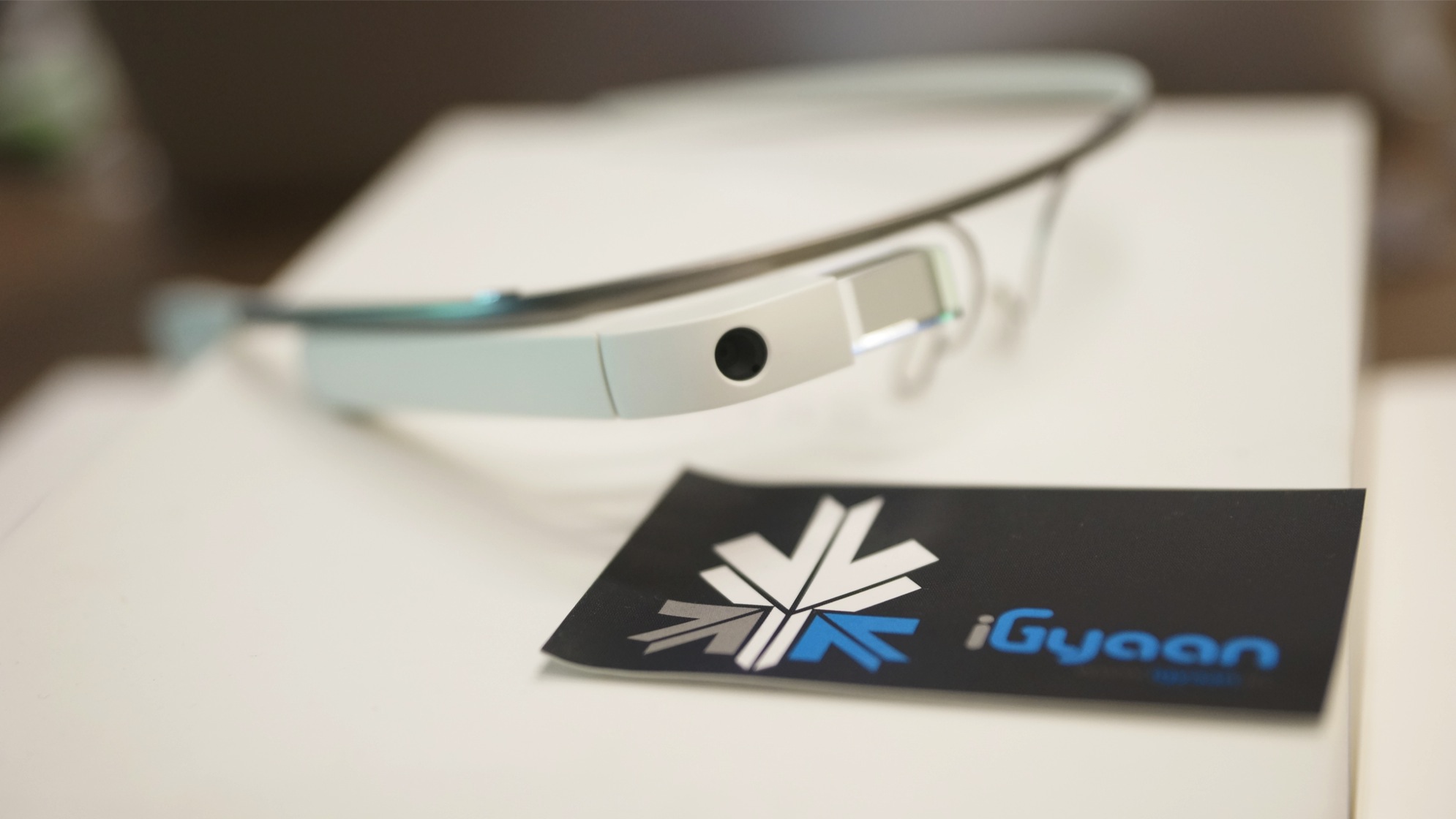
    A few days back Google opened up the Glass program for everyone in the US with a valid credit card. While there were also reports of the Google Glass actually costing US $ 150 to build (which were later scrapped), it appears that the next version of Glass is already doing rounds of the RnD department.

    Crystal Optech supplies Liquid Crystal on Silicon displays for the current version of Google Glass, Kong Wenjun of the company said that they were shipping newer displays for the next version of Glass.

    Google has also involved a middle company in the purchase process which would help the Mountain View based search giant keep all of this under wraps. The latest version and the one we have is referred to as Google Glass Explorer Edition 2, which came out in October of 2013 and ships with a Mono Earbud.

    While there are no specs or details or even a name available for the next version of Google Glass, it is also expected that Google will announce it at the upcoming I/O conference and this version may also be a public edition costing in the US $ 500 price bracket.

    Google Glassware Gallery ( application store) also added new apps for Foursquare, TripIt and OpenTable making it a boon for the everyday traveller and connoisseur.

  • Identity Theft : How Safe is Your Personal Information Online?

    Identity Theft : How Safe is Your Personal Information Online?

    Clicking on the ‘Buy Now’ tab on Amazon or Flipkart surely gives you that good feeling of owning the very product you wanted to have for long time. But have you ever thought of the possibility of you compromising your personal information in internet Eco-system; that may be used against you or for stealing your money. We’re sure you are aware of these crimes but you think they won’t happen to you. Well you are wrong, and statistics say otherwise.

    photo-4

    According to ‘Internet Security Threat’ report that was recently released by Norton (Symantec), India has 42 million cyber crimes affecting 42 million cyber crime victims every year on a pan-India basis. During the last year, 52 per cent of such victims had suffered attacks such as malware, viruses, hacking, scams, fraud and theft. The report adds eighty people are vicitimised under various cyber crimes, every minute across India. The study reports seven out of 10 adults have been victims of different modes of cyber crime in their life time.

    Anonymous_emblem.svg_
    Anonymous Group Embelem

    With the Internet becoming available at the touch of a button and wannabe computer whiz kids dabbling in hacking for sport, cyber crime has seen an unprecedented upsurge. What makes it infinitely more dangerous than any other crime is the comparative lack of awareness and identification. How could you be expected to know that behind the innocent looking website lurks a compulsive hacker, or worse, consummate identity thief?

    History of hacking and identity theft can be traced back to 2004 with the rise of collective called ‘Anonymous‘ who targeted government organisations and corporate. Wikileaks is another major example of hacking and recent one’s like Heartbleed bug posed a major threat to many international organisations. Think if these hacker can bring down biggest names in the global business, where we stand in this mayhem of cyber-crime and identity theft.

    Identity theft is a crime whereby criminals impersonate individuals, usually for financial gain. In today’s society, you often need to reveal personal bits of information about yourself, such as your social security number, signature, name, address, phone number, cell number or even banking and credit card information. If a thief is able to access this personal information, he or she can use it to commit fraud in your name.

    Armed with your personal information, a malicious person could do any number of things, like apply for loans or new credit card accounts. This individual could request a billing address change and run up your existing credit card without your knowledge. A thief could use counterfeit checks and debit cards or authorize electronic transfers in your name and wipe out funds in a bank account.

    Supposedly, Identity theft is one of the biggest practiced crime of our generation and you need to secure your self with these thefts. Almost every worldwide government agency responsible for identity theft issues will tell you the same thing: The first step to fighting identity theft is to minimize the risk.

    To do this they urge consumers to protect their personal information. Start by asking companies how they use your information, and for online transaction, take a moment to review a website’s privacy policy.  For Internet transactions, be sure the Web site offers secure data encryption and other services to protect your personal information.

    cc-ID_Theft

    In offline transactions don’t provide credit card numbers, financial account numbers, and personal identifying information over the phone unless you know the communication line is secure. Ideally, you should initiate the phone conversation.

    Lastly, there are recommended everyday practices, such as keeping an eye on postal mail to ensure your bills are arriving when they should be, and taking the time to properly dispose of paper documents that may contain credit card numbers and other identifying personal information.

    Remember: The more private and secure you keep your personal identifying information, the less susceptible to identify theft you are.

iGyaan Network
Privacy Overview

This website uses cookies so that we can provide you with the best user experience possible. Cookie information is stored in your browser and performs functions such as recognising you when you return to our website and helping our team to understand which sections of the website you find most interesting and useful.