Category: World

  • A Galaxy S7 Edge Unit Appears Online for Sale in Dubai

    A Galaxy S7 Edge Unit Appears Online for Sale in Dubai

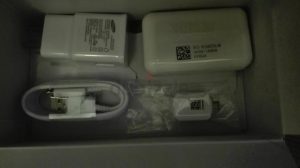
    A Samsung Galaxy S7 Edge unit has appeared on the Dubai counterpart of Craigslist called Dubizzle. It’s being sold for 4500 AED or approximately $1100 (about Rs.75,000). The phone comes with all accessories inside the box.

    There have been lots of leaks over the last couple of days, outing design details of the Galaxy S7 Edge and this latest development shows this S7 Edge unit to be in line with them. But nobody can really be sure of the authenticity of this device which has been “imported from USA”. It may very well turn out to be a dummy unit.

    According to reports so far the Galaxy S7 Edge will come equipped with a 5.5-inch QHD AMOLED display when it finally released at the MWC this year. The device wiill be powered by a Samsung Exynos 8890/Qualcomm Snapdragon 820 SoC and paired with 4 GB of RAM, and a 12 MP rear camera with f/1.7 aperture. A 8 MP selfie camera is expected at the front of the phone. The phone will come in two storage variants, 32GB and 64GB which will be further expandable via a MicroSD card.

    Source

  • UK Researchers Develop 5D Disc to Store 360TB of Data Over 13 Billion Years

    UK Researchers Develop 5D Disc to Store 360TB of Data Over 13 Billion Years

    There is no end to the data that is being produced every single day all over the planet. From selfies to controversial art to international documents of utmost secrecy, to name a few -the data being produced and stored regularly is equivalent to the space on 10 milliion Blue-ray discs.

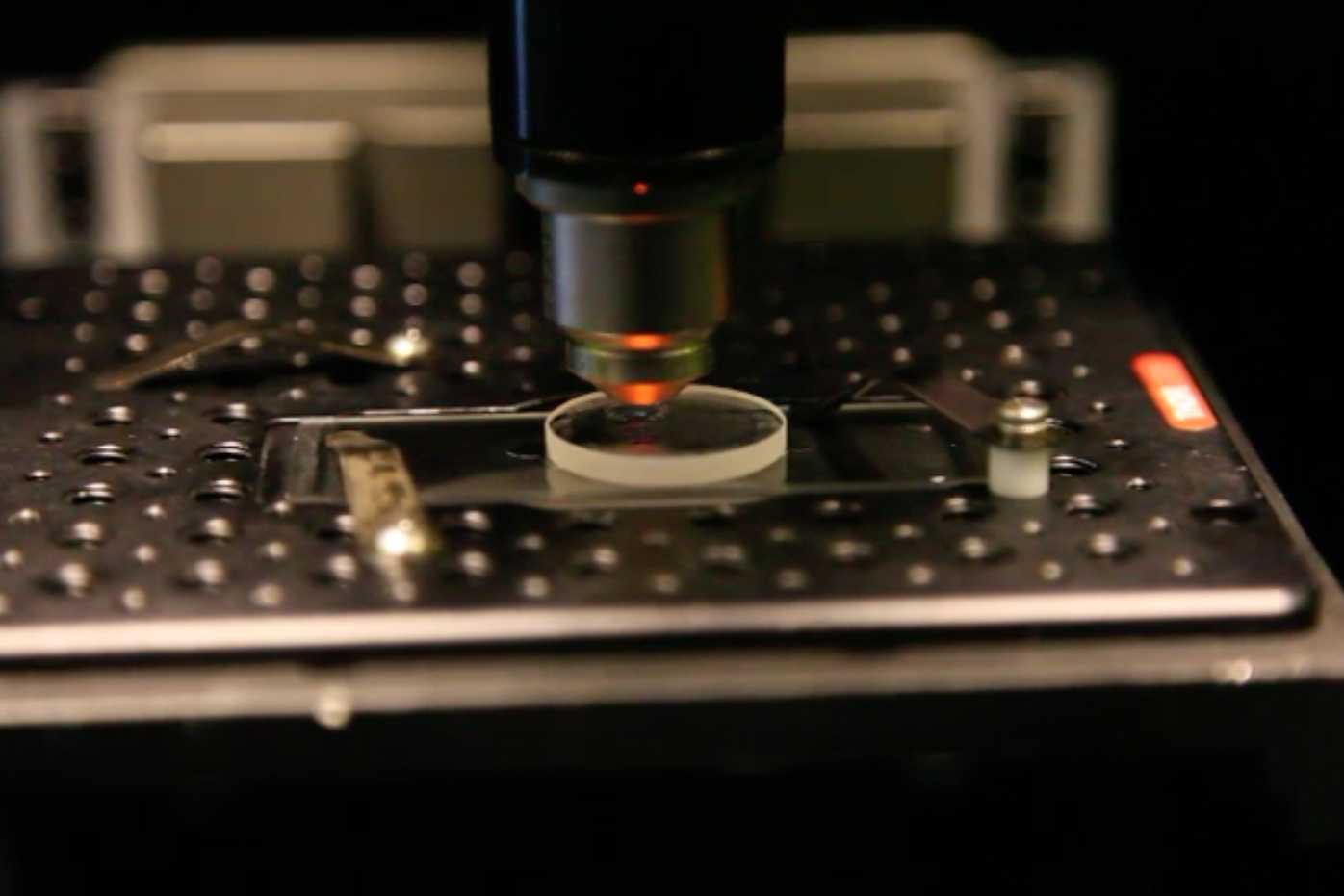
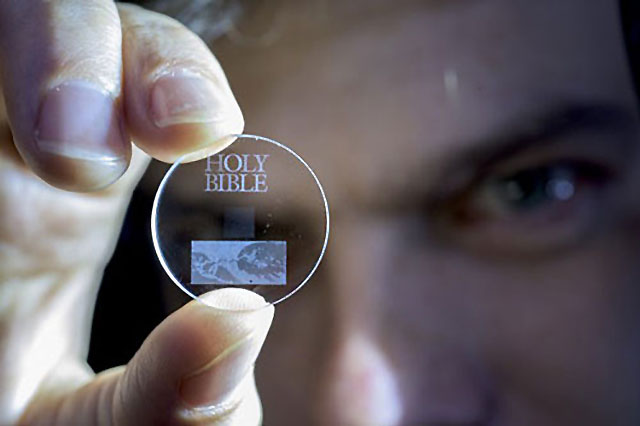
    As data production continues to increase exponentially, there also arises an urgent need to find a way to store all of it. However, it looks like the University of Southampton may have just found the solution. A team of researchers at the university have developed a tiny 5-dimensional (5D) disc capable of storing 360 terabytes of data over 13.8 billion years. Yes, they like their numbers accurate.University of Southampton disc

    Important texts like the Magna Carta and King James Bible have already been stored in the memory of the disc. This virtually means that the texts have a very good chance of out-living the human race.

    “It is thrilling to think that we have created the technology to preserve documents and information and store it in space for future generations. This technology can secure the last evidence of our civilisation: all we’ve learnt will not be forgotten,” says Professor Peter Kazanksy, a member of the research team.

    The technology had its first experimental demonstration in 2013 when a 300 kb digital copy of a text file was recorded in 5D. With the ability to withstand temperatures as high as 1,000°C,  to last 13.8 billion years at 190°C and all eternity at room temperature, the disc is also called “Superman memory crystal”.


    Source via

  • Scientists 3D Print an Entire Human Ear in Lab

    Scientists 3D Print an Entire Human Ear in Lab

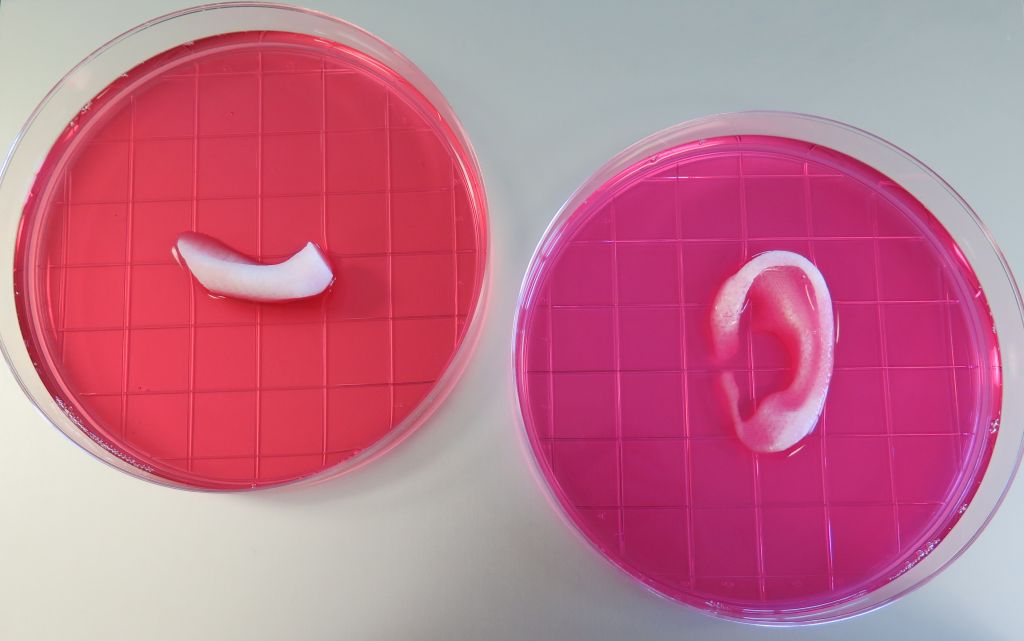
    The unthinkable has happened. Researchers have managed to develop a 3D printer that is capable of bioprinting tissues to be used in transplants. These transplants can include muscle, bone, cartilage and even an entire human ear, which is precisely what the team has achieved.3D Printed ear

    The study has been published by researchers at Wake Forest Institute for Regenerative Medicine and has provided modern medicine with a 3D printer called the integrated tissue-organ printer (ITOP). It is the first of its kind printer capable of printing human-scale tissue constructs.

    Even though the technology has still not been tested on humans, the team has tried it with lab rats where 3D printed tissues were attached to them. These tissues included bioprinted bone tissue which were then analysed after a period of 5 months. It was discovered at the end of the set duration that the implants were completely free of necrosis, while also showing presence of new vascularised tissue.

    This incredible development has ushered in endless possibilities for people requiring muscle repair treatment post accidents or diseases. Even though currently the study is only in its nascent stages, it has some big achievements to its credit. We can only hope for the progress graph to move upwards from here.

    Source

  • John Hopkins Creates Human ‘Mini-brains’ in Petridish

    John Hopkins Creates Human ‘Mini-brains’ in Petridish

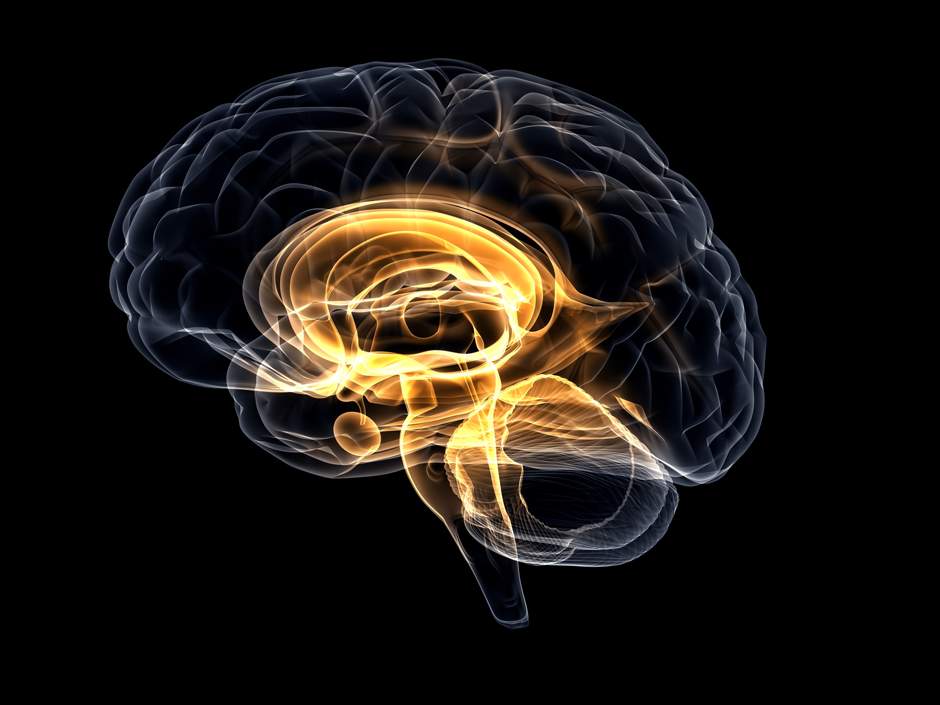
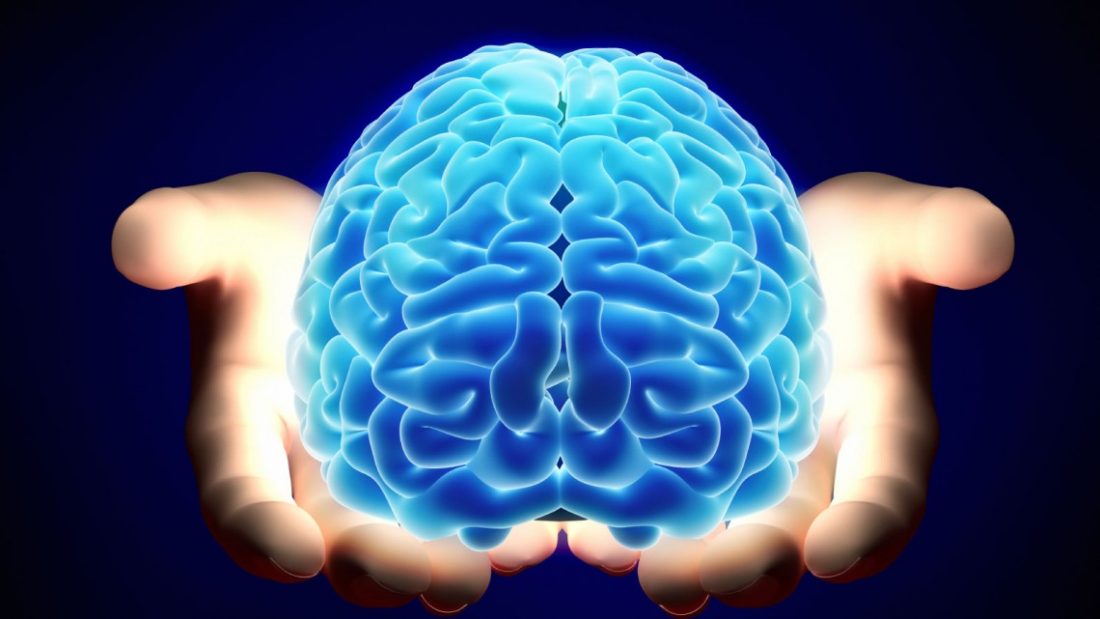
    Researchers at Johns Hopkins Bloomberg School of Public Health have developed “minibrains”. Made up of human cells and neurons, these tiny brains are capable of imitating the human mind in functionality, while also possess the ability to be replicated manifold.

    Needless to say, this research is a breakthrough in the world of neuro-sciences with immense potential for the future. One of the direct consequences of this development is that hundreds and thousands of animals being used for testing can now be replaced with these cells. Not only is this welcomed news by the entire rodent-community, it also means more accurate research for humans.

    “Ninety-five percent of drugs that look promising when tested in animal models fail once they are tested in humans at great expense of time and money. While rodent models have been useful, we are not 150-pound rats. And even though we are not balls of cells either, you can often get much better information from these balls of cells than from rodents,” aptly puts study leader Thomas Hartung.

    These cells were created using a specific kind of protein called induced pluripotent stem cells (iPSCs). Along with proteins, cells from healthy adults form the composition of the mini-brains. In the future, the research also hopes to include cells from people with genetic disorders and specific genetic traits to create mini-brains. This would help with the study and treatment of diseases like Alzheimer’s, Parkinson’s, multiple sclerosis and maybe autism. At the same time, projects to study viral infections, trauma and stroke are already underway.Minibrains

    The mini-brains measure a 350 micrometers in diameter and are visible to the naked human eye. Researchers claim they can grow a hundred of them in one petri-dish. Production for these mini-brains is expected to begin in 2016 and the researcher group hopes to see them in as many labs as possible.

    Source

  • UK Newspaper to Shut Down 30 Year Old Press, Focus on Online

    UK Newspaper to Shut Down 30 Year Old Press, Focus on Online

    As contemporary existence becomes more and more technology-centric, there is another development to emphasise this movement further. UK’s Independent has announced that the paper will go out of print, after a long, flourishing career of 30 years. Instead, the platform would become a digital news portal with http://www.independent.co.uk and its associated sites.Independent newspaper

    The owner of The Independent and the Independent on Sunday newspapers, Evgeny Lebedev announced today. The last Independent issue would hit the stands on the 20th of March, while Independent on Sunday on the 26th of March. Following this, it will be a digital-only product sold to Johnston Press for £24 million.

    Lebedev told his staff, “We faced a choice: manage the continued decline of print, or convert the digital foundation we’ve built into a sustainable, profitable future.”

    Many employees would join Johnston Press while many would have to be laid off. However, it’s been further added that those who are “long-term casuals” as per their contract will receive two weeks’ pay for each year worked, along with their notice period.

    It is indeed time to say goodbye, and perhaps go on a trip of nostalgia often associated with the forward movement of contemporary lifestyle owing to the changes ushered in by technology.

    Source

  • Harvard Study: Mechanical Stimulation Leads to Muscle Repair

    Harvard Study: Mechanical Stimulation Leads to Muscle Repair

    A new research to come out of Wyss Institute for Biologically Inspired Engineering at Harvard University and the Harvard John A. Paulson School of Engineering and Applied Sciences (SEAS) suggests that mechanical stimulation will one day be able to help with muscle repair.

    picture40-13F1BDBCB3E0CC74C68


    The study, published in the Proceedings of the National Academy of Sciences. recently, shows skeletal muscle regeneration can be promoted in this manner. It could improve upon the current practices, or perhaps replace them entirely in the future if the method is adopted successfully.

    “The results of our new study demonstrate how direct physical and mechanical intervention can impact biological processes and can potentially be exploited to improve clinical outcomes,” says David Mooney, a member of the team that is carrying out the study.

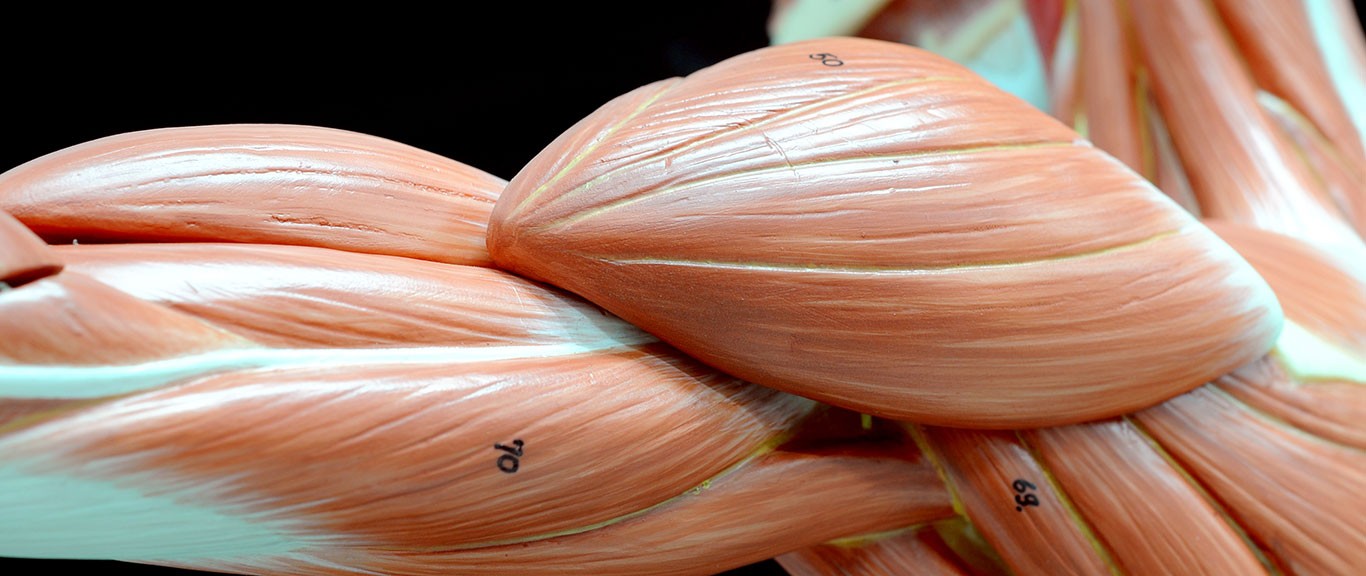
    Half of the human body is made up of skeletal muscle which is capable of repairing itself in case of minor injuries. However severe trauma to the body as a result of accidents requires some sort of muscle regeneration which the body is often unable to provide on its own. This is where research like the mechanical stimulation of this specific process becomes relevant.

    The method was tested upon two separate groups of mice. While one was provided with magnetized gel to be in direct contact with the damaged tissue, the other group was only given a robotic, pressurized cuff placed over the damaged part in a non-invasive manner.

    The gel was exposed to magnetic pulses to bring about regular stimulation to the muscle. The robotic cuffs on the other hand were provided with pulses of air to regularly massage the required part. Over a period of two weeks, the results turned out to be markedly different.

    There was a 2.5-times improvement in muscle regeneration and reduced tissue damage in the group which was provided mechanical stimulation. The reason behind this is that oxygen, fluids and important nutrients get transported to the injured regions as a result of direct stimulation and therefore help with muscle repair.

    “This work clearly demonstrates that mechanical forces are as important biological regulators as chemicals and genes, and it shows the immense potential of developing mechanotherapies to treat injury and disease,” says Donald Ingber, a leading name in the field of mechanobiology.

    Source

  • Contact Lenses Could Work as Displays and Fitness Trackers in the Future

    Contact Lenses Could Work as Displays and Fitness Trackers in the Future

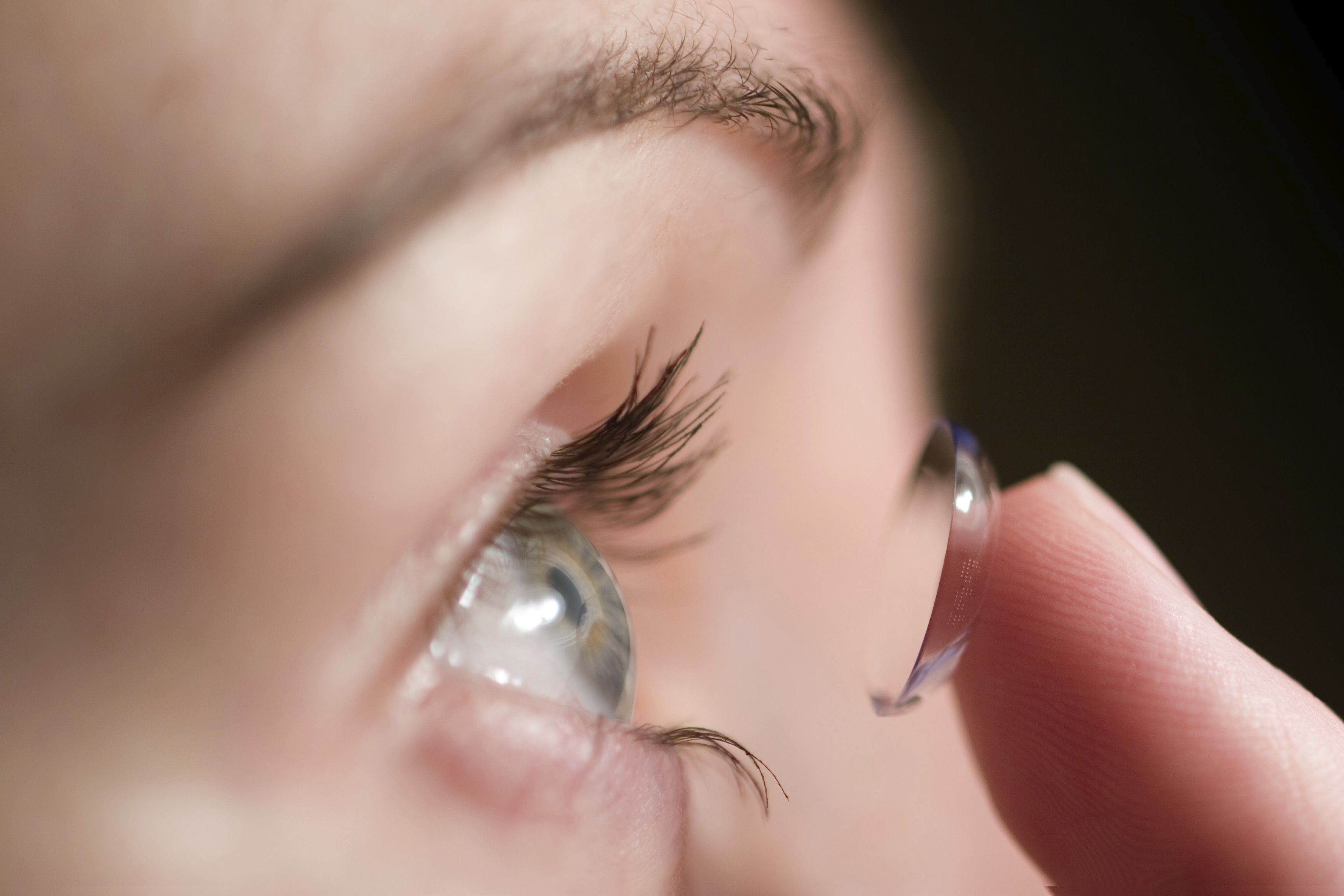
    Forget VR headsets that simulate concussions or augmented reality that alters the world around you. Here’s a concept of lenses from the future that could work as electronic displays, along with tracking the vital stats of the body. A team of researchers at University of South Australia have come up with a concept of a conductive polymer film coating that is capable of achieving this with future contact lenses.

    If the concept is realised into reality, it would be an immensely huge leap for virtual reality. As users do away with cumbersome VR headsets, this piece of futuristic technology would change lifestyles in an unprecedented way.

    The idea behind the research is to use water-compatible conductors on contact lenses which would render them capable of measuring glucose levels or creating electronic displays.

    Is it time for good-bye already?
    Is it time for good-bye already?

    Professor Drew Evans describes comments on their research and says, “The trick is to provide power to the contact lens display. We are excited by advances from other researchers showing you can use tear drops to power special batteries. There is a possibility to modify this for use with our conductive coatings.” He further added that the inspiration behind the research came from wearables and their increasing presence in the contemporary world.

    Many people who require contact lenses for eye-sight correction, shy away from opting for them because the idea of making the eye under-go any kind of external physical contact is not a welcomed one. But if the future truly offers us electronic displays that could be attached to the eye-ball would you say yay or nay? Let us know in the comments below.

    Source

  • Bionic Limbs Would Now Move With the Power of Thought

    Bionic Limbs Would Now Move With the Power of Thought

    According to a report published on Tuesday at University of Melbourne, researchers in Australia may have developed a device, not bigger than a matchstick, that  could help victims of spinal injury immensely. The device would make use of thoughts to help control bionic limbs or exoskeleton, and therefore employ neuro-motor rehabilitation.

    The  stent-electrode recording array or stentrode would be made part of blood-vessels inside the brain. Using this stentrode, thoughts would be converted into electrical commands that could be used in moving the bionic limbs, which are otherwise controlled manually with a joystick.

    The research is the result of a collaboration between the Royal Melbourne Hospital, the Florey Institute of Neuroscience and Mental Health, and the University of Melbourne. The team put the current device through numerous design changes before a final design was finalised suitable to be positioned inside a blood-vessel measuring no more than one millimeter.

    Paralysis is not the only physical condition this stentrode could be used in. Epilepsy and predictions of epileptic attacks in patients could also be treated using it. A foreseeable hindrance in the application of this tech would be tutoring the patients in using it.

    “With our device, you’ve essentially connected an electronic limb to the patient’s brain, but they have to learn how to use it,” says Thomas Oxley, a neurologist at the Royal Melbourne Hospital. The stentrode should be available for use by 2022 and is expected to cost close to $10,500 to $14,000.


    Source

  • Morroco Switches on the World’s Largest Solar Power Plant

    Morroco Switches on the World’s Largest Solar Power Plant

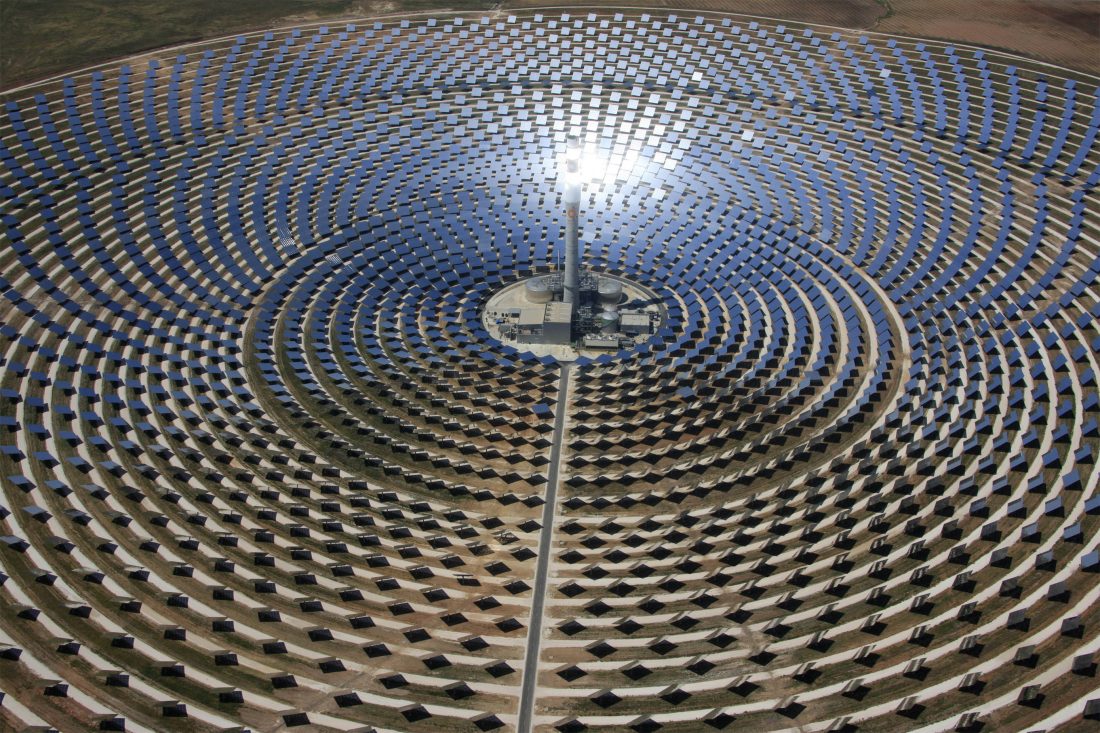
    Morocco has switched on what will be the world’s largest solar power plant. The site near the city of Ouarzazate saw the launch of the first phase of the largest concentrated solar power (CSP) plant in the world.

    gemasolar-2011-2_low_res

    When fully operational, the plant will produce enough energy for more than one million Moroccan households, and according to the Climate Investment Funds (CIF) finance group at the same time will help reduce carbon emissions by an estimated 760,000 tons which could further result in an estimated reduction of over 17.5 million tons of carbon emissions over 25 years.

    The Noor Solar Complex uses concentrating solar power. It is comparatively more expensive than normal solar panels but also allows for the panels to save solar energy for future use on nights and cloudy days. The Noor Solar Complex currently in its first phase of launch has a production capacity of 160 megawatts but in two years when it reaches its third phase, it’s expected to have its capacity expanded to over 500 MW.

    Mirrors installed at the facility diverts the sun’s rays on a liquid, which, when mixed with water, reaches high temperatures of around 400 degree Celsius. The process further produces steam which is used to drives a turbine that generates electricity.

    Morroco which currently relies on imported fossil fuels for 97% of its energy requirements plans to bring that down to just over 60% by 2020 with the help of ambitious projects such as the Noor Solar Complex.

  • This Computer Program Can Read Your Thoughts

    This Computer Program Can Read Your Thoughts

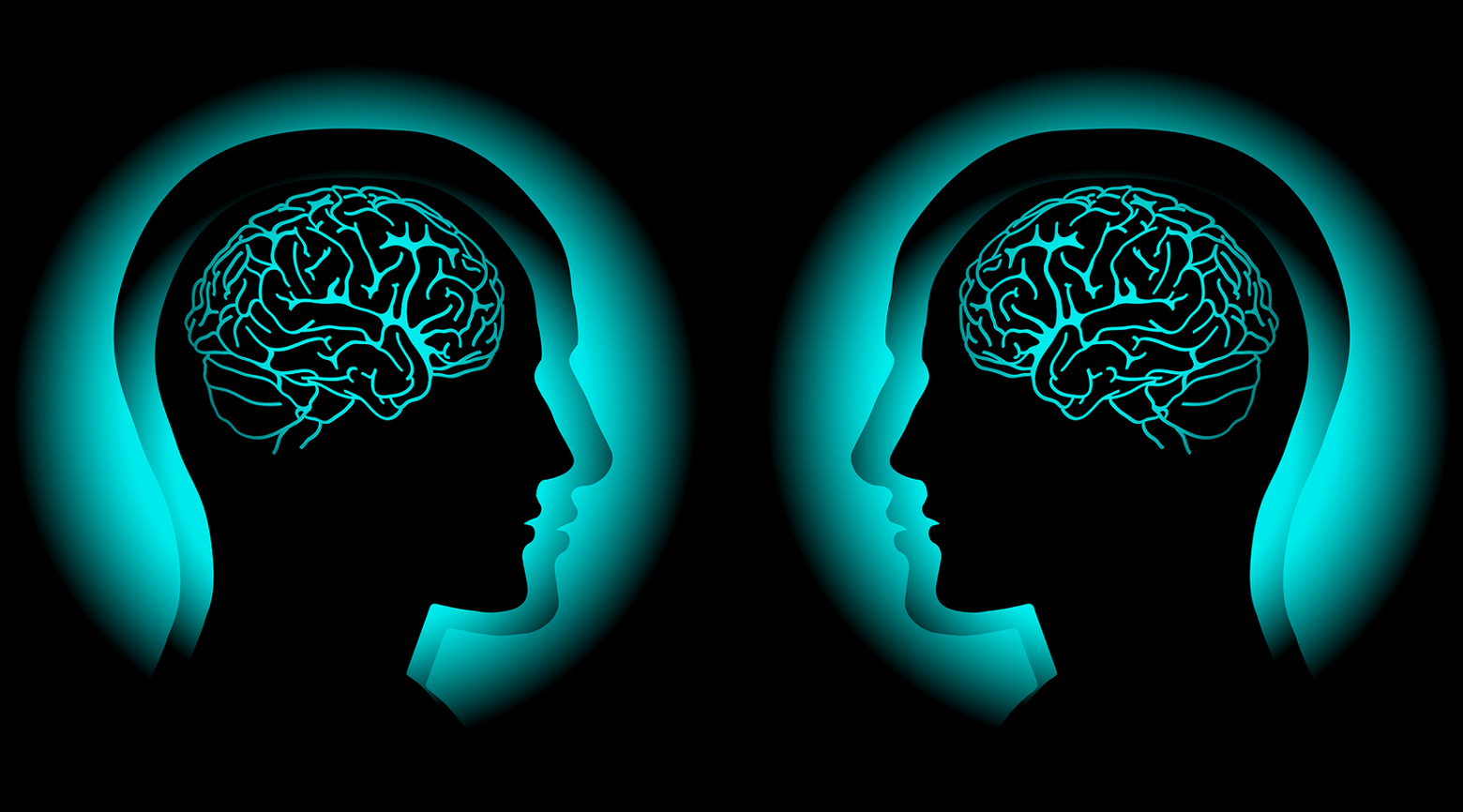
    Welcome to the future where computers read your mind and Artificial Intelligence is on the cards. A new computer program developed by a team of researchers at the University of Washington in Seattle can decode your thoughts with the help of electrodes.

    This program requires electrodes to be implanted in the mind of the subject. Based on the chemical changes that thoughts lead to, these electrodes would convey electrical signs which can then be read to decipher a person’s thoughts. The entire decoding process takes no more than a few milliseconds after an image is seen by the subject.

    “Clinically, you could think of our result as a proof of concept toward building a communication mechanism for patients who are paralyzed or have had a stroke and are completely locked in,”says Rajesh Rao, a neuro-scientist at the University of Washington.

    Any development in communication of this kind between a human and a machine is a huge leap -it could be of immense use for people who cannot speak or have any kind of trouble conveying their thoughts. This specific program, however, is not the first of its kind. There have been similar developments in the past where researchers recorded brain waves of viewers in the form of movie clips people were watching at the time.

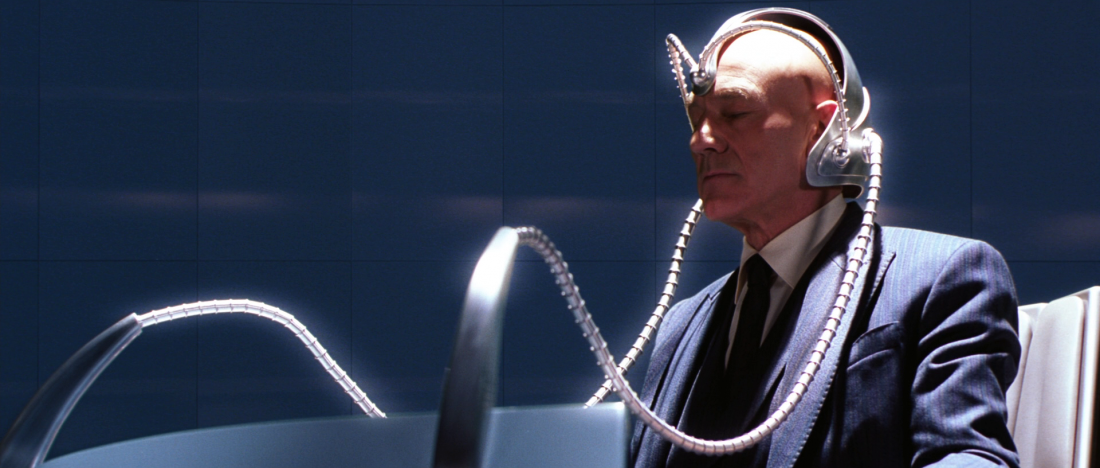
    Professor Xavier uses Cerebro, a computer, to amplify his powers of telepathy. Is the union of telepathy and technology already here in real life as well?
    Professor Xavier uses Cerebro, a computer, to amplify his powers of telepathy in X-Men. Could complex communication between computers and humans be here in the real world as well?

    In this experiment conducted by Rajesh Rao’s team, a difference was observed between neural patterns when people saw images of houses and images of faces. Additionally, there were also different kinds of brain signals the computer required to decode the thoughts. Both these sets of patterns work in unison to help researchers understand the responses of the human mind, and decoding them in real time, better. More research in the field can help neuroscientists map the entire brain and its responses one day,

    Source

  • The U.S. Authorities are Still Snooping on the Public

    The U.S. Authorities are Still Snooping on the Public

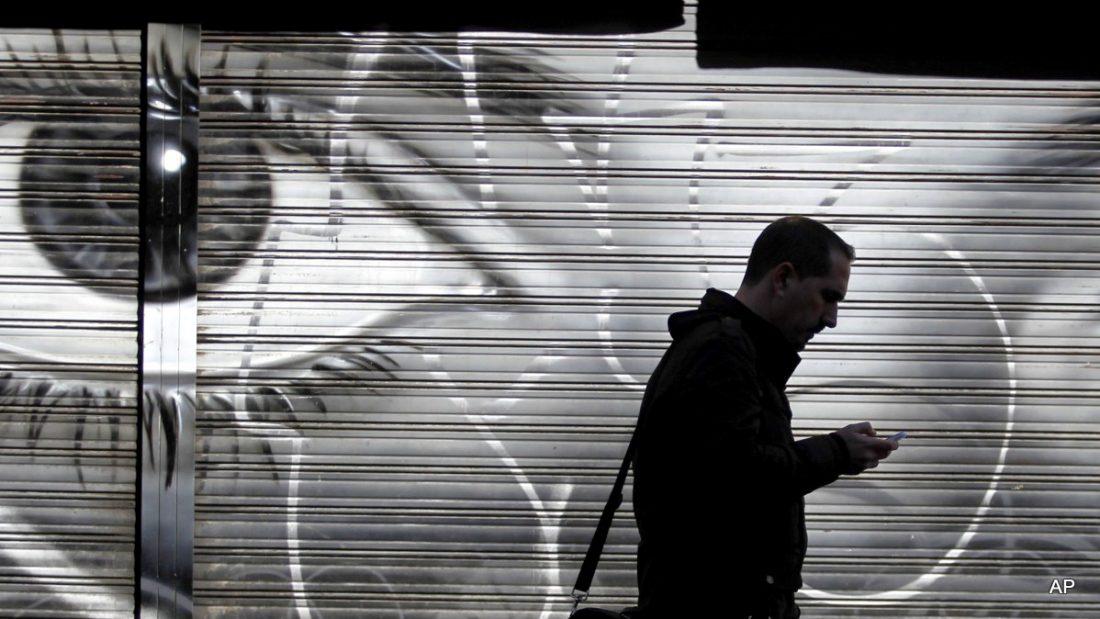
    The Anaheim Police Department has just made life creepier for everybody. The authorities have been using stingrays, a kind of mobile surveillance system, to keep track of people’s location. Dirtboxes, which are plain-mounted sting-rays, were employed by the Department in 2009, followed by land-mounted stingrays in 2011.

    These stingrays are attached to aircrafts that fly over Southern California city. The region is home to Disneyland, one of the most frequented places by tourists in the world.

    “This cell phone spying program—which potentially affects the privacy of everyone from Orange County’s 3 million residents to the 16 million people who visit Disneyland every year—shows the dangers of allowing law enforcement to secretly acquire surveillance technology,” says Matt Cagle, technology and civil liberties policy attorney for ACLU-NC.

    The surveillance tech in question here works by impersonating cellphone towers tricking mobile phones into connecting to them. This connection ensures that whoever is controlling the impostor-tower has full information of the phone’s location and unique ID. Stingrays send out signals stronger than other towers in the vicinity, ensuring the phone’s connection with them. Also, they are not selective in getting devices to connect with them -all devices in the location would inadvertently connect with them.MObile phone surveillance

    Additionally, the surveillance also causes disruption in services for innumerable users in the Orange County when they are connected to one of the stingray devices. However, the authorities have ensured that the surveillance system is capable of identifying calls made to 911 and letting them through minus any disruption. This also implies that emergency calls made to non-911 numbers would have trouble getting through.

    In the past, there have been reports about other American cities using these Dirtboxes as well. Chicago and Los Angeles are two such names that pop up. Anaheim by far, however, is the smallest city to have been using this kind of surveillance tech.

    Cagle comments on this and says, “If a city of this size possesses a Dirtbox it really begs the question what other cities smaller than Los Angeles and Chicago were able to buy these devices in the six years since it has had one.”

    Though the extent of control Anaheim’s stingrays and Dirtboxes are unclear at this point, it doesn’t leave us with a very comfortable scenario. These are one of the few kinds of surveillance we are aware of. Nobody truly knows what goes on under the facade of the supposed transparency of the administration. Does this piece of news leave you uneasy about your privacy? Let us know in the comments below.

  • Apple, Samsung, Microsoft Amongst others face Child Labour Claims

    Apple, Samsung, Microsoft Amongst others face Child Labour Claims

    Several big-name tech firms, including Apple, Samsung, Microsoft and Sony have been accused by Human Rights Organization Amnesty of using kids for sourcing minerals used in their various products.

    Citing a report that it did into cobalt mining in the Democratic Republic of the Congo, it found children as young as seven were working in unearthing cobalt that these large incorporations use for their Lithium Ion batteries.

    child lab

    The African country produces over 50% of the world’s cobalt. Miners working in the area face long-term health problems and the risk of fatal accidents, according to Amnesty. Amnesty also claimed that at a minimum of 80 miners had died underground in the country between September-December last year.

    The report by Amnesty is the first comprehensive account of cobalt mining in Democratic Republic of the Congo. To arrive at their conclusions, Amnesty International along with Afrewatch visited five mines in DRC in April and May 2015. They interviewed 90 workers, 17 of them children.

    According to Amnesty, “more than half of the world’s total supply of cobalt comes from the [DRC]. According to the government’s own estimates, 20 percent of the cobalt currently exported from the DRC comes from artisanal miners in the southern parts of the country. “There are approximately 110,000 to 150,000 artisanal miners in this region, who work alongside much larger industrial operations.”

    The report further reveals, ”  the miners who are referred to as ‘creuseurs’ in the DRC, mine by hand using the most basic tools to dig out rocks from the tunnels deep underground. Artisanal miners include children as young as seven who scavenge for rocks containing cobalt in the discarded by-products of industrial mines, and who wash and sort the ore before it is sold.”

    Not surprisingly, these major tech firms such as Samsung, Sony and Vodafone denied any link to this supply chain or to DRC sourced Cobalt . Apple informed that it is evaluating alooking at a number of different materials, including cobalt, to identify both labor and environmental risks. Microsoft on the other hand said it hadn’t traced cobalt use in Microsoft products all the way to the source “due to the complexity and resources required.”



  • Australia to Have 5G Network by 2020, Says Vodafone

    Australia to Have 5G Network by 2020, Says Vodafone

    We all know that 5G is the next big thing. We are also aware that the speeds 5G promises will be massive. While many countries still try to have an established 4G network, including India, Australia is one country which wants to stay ahead of the pack. According to Vodafone, Australia will likely have 5G mobile network by 2020.

    The development of the fifth-generation mobile network has invited a number of eager investors. After all, the next-gen network promises supremely fast speeds and will be the guiding factor for everything from ‘Internet of Things’ to driverless cars.

    Vodafone’s Australian chief Benoit Hanssen believes Australia will be among the first countries to have 5G network by 2020. “Australia adopted the smartphone enthusiastically — smartphone penetration is one of the highest in the world,” he said. “There is a readiness to adopt new things, and you have a population that can largely afford to adopt new things. We do think that as 5G comes out, Australia will be there.”

    corbis

    Indeed, Australia has embraced 4G greatly with almost 70% of Vodafone customers on 4G phones. Hanssen expects the figure to cross 90% this year. 5G is all set to break speed records if the tests have anything to show for it. In 2015,  British scientists claimed they broke speed records during tests of 5G data connections, reaching one terabit per second. According to the BBC, with such a speed, it “would be theoretically possible to download a file 100 times the size of a feature film in about three seconds.”

    Spectrums have and continue to be the main reason behind the delay of not only 5G but 4G as well. In fact, many countries still face a lack of 3G connectivity. The release of spectrum is being negotiated globally. We wonder how long it takes before we can even begin talking about 5G in India, which is still being introduced to 4G network slowly.

  • Microsoft To Donate $1Billion in ‘Cloud Computing Services’

    Microsoft To Donate $1Billion in ‘Cloud Computing Services’

    Microsoft yesterday took a giant leap towards fulfilling its mission of giving back to society, and acknowledged through philanthropy the growing importance of cloud computing in the modern age.

    The Redmond-based company made an announcement yesterday to donate $1 Billion worth of ‘cloud computing services’ to university researchers, and non-profit organizations. These services, billing into multiple digits, would be doled out to these universities, and over 70,000 such organizations over the span of next three years.

    Microsoft’s Hyderabad-born CEO, Satya Nadela, who was at the heart of this decision said that he believes that cloud computing has become a vital resource for addressing the world’s problems that many of these institutions and non-profit organizations are trying to fix, and as such this is the best way to help them in their cause.

    In an online post Satya Nadela elaborated on the reasons behind this decision. He said,

    ” Last fall, world leaders at the United Nations adopted 17 sustainable development goals to tackle some of the toughest global problems by 2030, including poverty, hunger, health and education.
    A careful read of those goals reveals the central role that data and cloud computing must play for analysis and action.”

    This particular project will be a part of a greater three-part Microsoft donation program.In what will be welcome news to the various organizations who will be helped by it, yesterday’s announcement will see the company expand its global donation program to include its full suite of cloud services.

    The particular suite will include Microsoft Azure, allowing nonprofit organizations to use Microsoft’s vast data centers for their apps and Enterprise Mobility Suite that will enable the organizations to manage all their devices/apps/data on a cross-platform basis.

  • Apple Wins Lawsuit Against Samsung, 9 Samsung Devices Banned from Sale

    Apple Wins Lawsuit Against Samsung, 9 Samsung Devices Banned from Sale

    Say hello to yet another courtroom drama between Samsung and Apple. As always, the bone of contention was patent infringement where Apple accused Samsung of having stolen features like word recommendations and unlock gestures.

    Judge Lucy Koh of the Northern California District San Jose court agreed with Apple leading to banning of Samsung’s flagship devices from 2012. The list of devices now banned from sale in the US includes Samsung Admire, Galaxy Nexus, Galaxy Note, Galaxy Note II, Galaxy S II, Galaxy S II Epic 4G Touch, Galaxy S II Skyrocket, Galaxy S III and Samsung Stratosphere.Samsung vs Apple

    The lawsuit had been stretched over a period of three years before the final verdict was passed. This means there has been three new generations of smartphones since the first violation of patents. Other than many sellers making some extra dough by selling these banned Samsung devices for a higher-than-normal price on eBay, one wonders what else this verdict could lead to. While Samsung may not feel too amused at this point, this is a blow it will definitely recover from without much effort.

    Besides, it wouldn’t be too long before Samsung’s gets a chance to even out the two scores once the two companies find themselves pitted against each other again in another courtroom scenario. Hold your breath until then.

iGyaan Network
Privacy Overview

This website uses cookies so that we can provide you with the best user experience possible. Cookie information is stored in your browser and performs functions such as recognising you when you return to our website and helping our team to understand which sections of the website you find most interesting and useful.