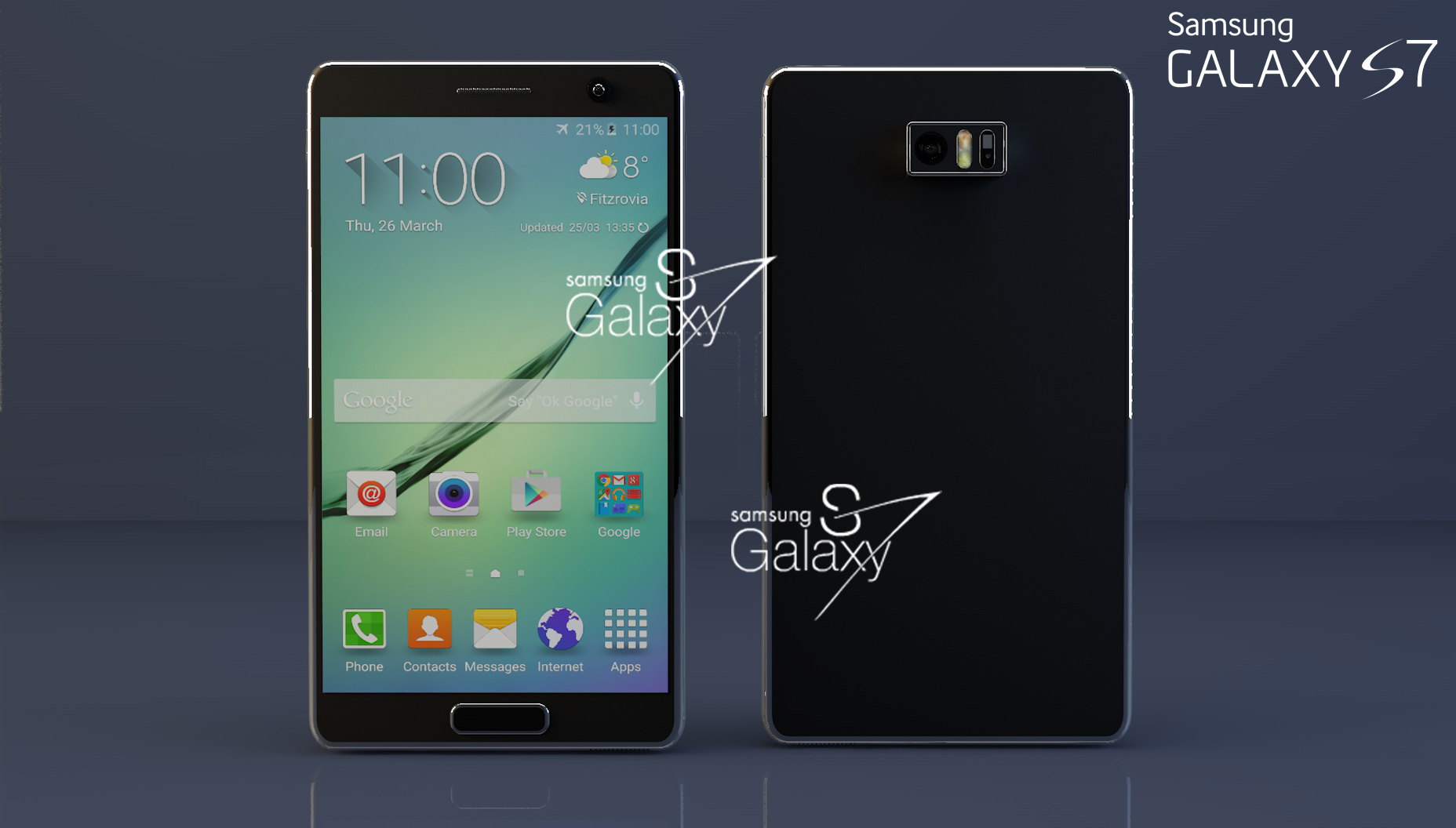
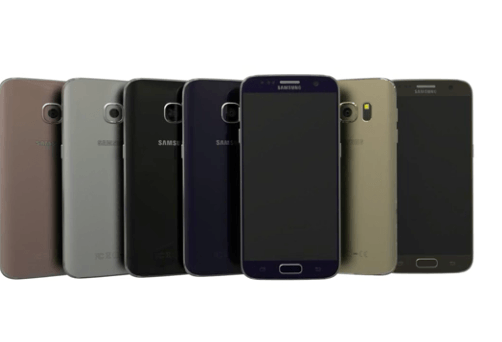
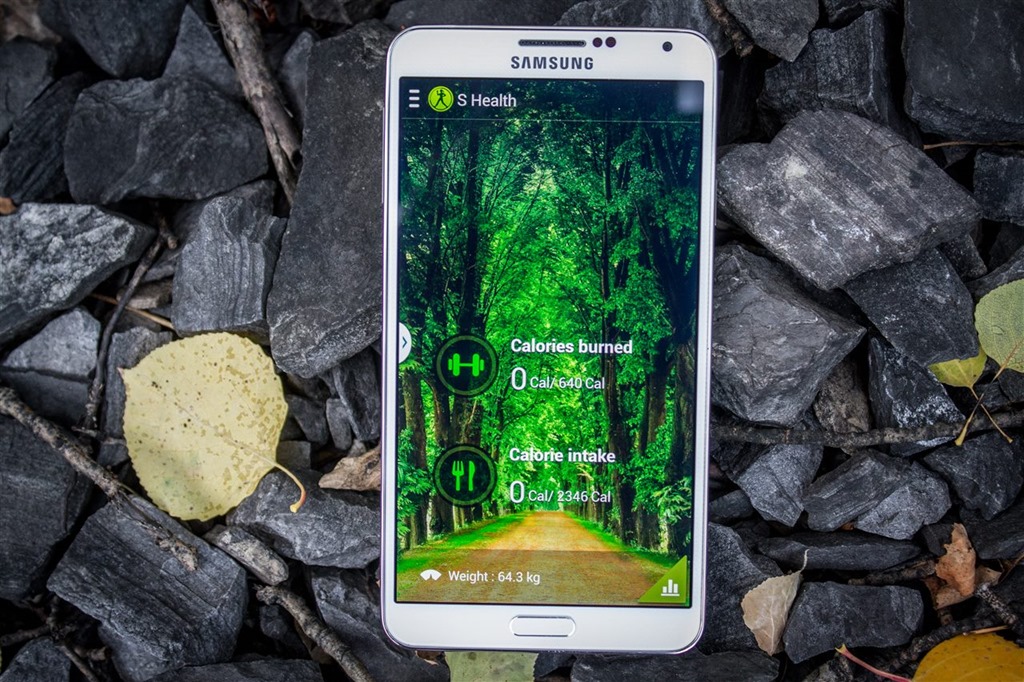
If Korean sources are to be believed, Samsung is expected to launch a new upgrade program for its devices. This upgrade would go hand in hand with the sale of the new Galaxy S7 devices in March, reports Korea’s ET News.
The S7 family of smartphones would be the first devices to benefit from this upgrade. It will initially be available only in South Korea and soon the upgrade would be rolled out to other markets as well.
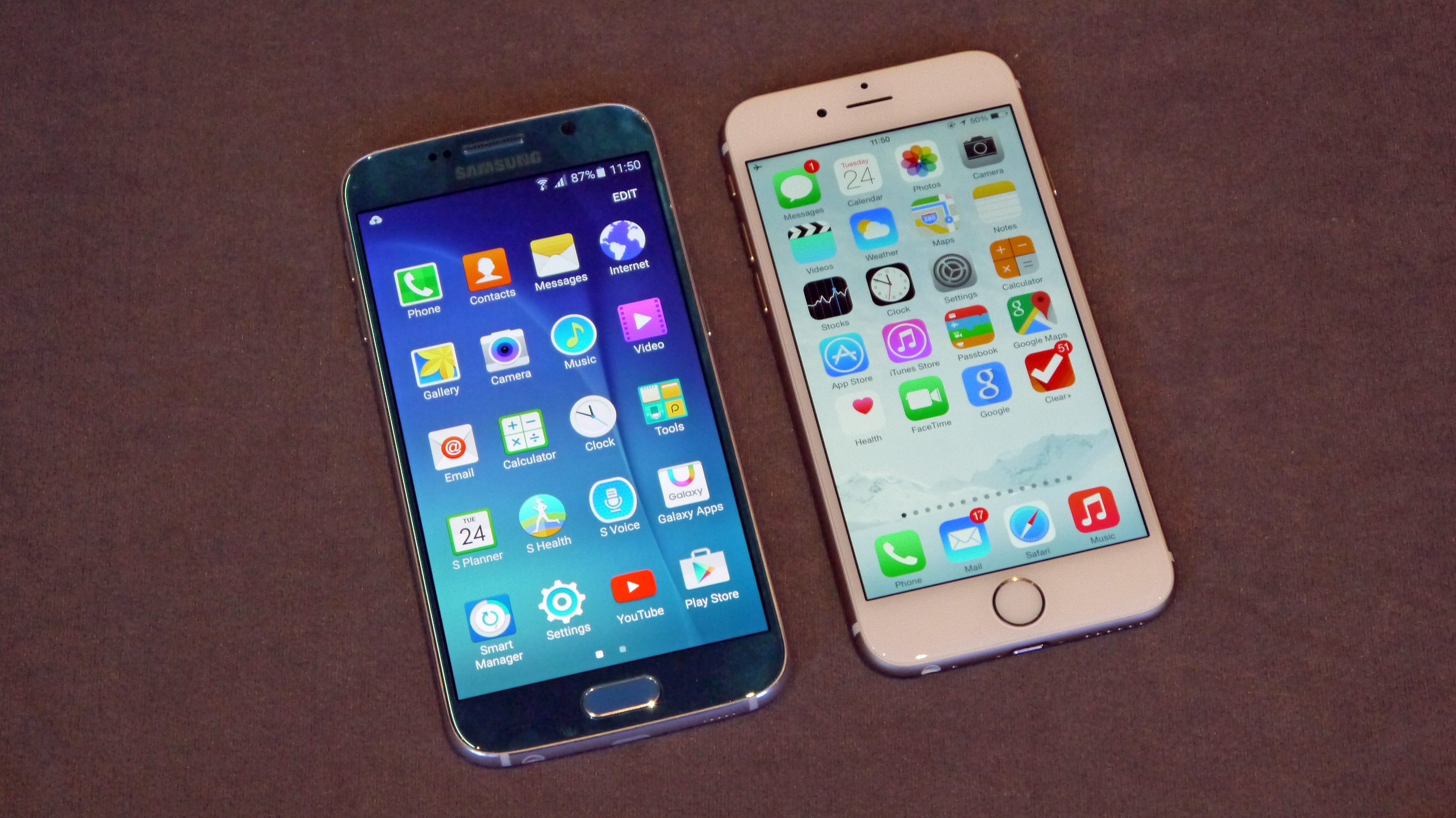
The upgrade is a direct reminder of the same move by Apple which allowed customers to get the iPhone 6s for a monthly rent, and allows them to trade it in for a new device every year. Now, Samsung is going to do something similar. The program would involve a fixed amount of payment to be made by customers on their Galaxy devices. In return, they would be able to upgrade them year after year.
The latest additions to Samsung’s Galaxy line-up -the S7 and S7 Edge – are expected to be unveiled at the company’s Unpacked event prior to the Mobile World Congress next month. Watch this space for all the latest developments on the Galaxy S7 front.
The mobile phone market over the years has grown by leaps and bounds. The evolution of the industry has been so staggering that it has seen hardware once thought only for the elite rich make its way to the pockets of the masses, and this evolution in no way looks to be coming to a halt.
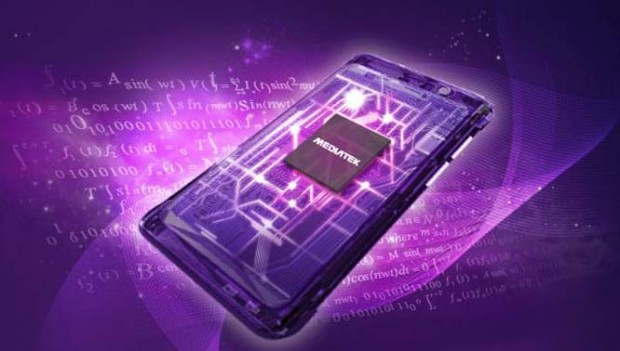
Mediatek which has been at the forefront of this evolution looks set to do more in its aim of giving the masses access to phones with high-end specifications by equipping its low budget processor chips with LTE capability. Mediatek will be bringing to the phone makers three new chipsets, all affordable, and each one of them LTE ready for low budget handsets of the future.
The MT6738 is the least expensive of the three chipsets on offer. It comes with four ARM Cortex-A53 chips running at 1.5 GHz and a Mali T860 MP1 GPU. On the downside, screen resolution support is capped at 720P, but the MT6738 will support up to 4GB of RAM and a 13MP camera along with the Cat.6 LTE support.
The MT6750 is the second offering, and sits above the MT6738 in the hierarchy order. It houses a total of eight Cortex-A53 cores, four clocked at 1.5 GHz and the other four at 1.0 Ghz. The GPU on the chipset is the more powerful Mali T860 MP2, but like the MT6738 resolution support is capped at 720p. The camera support, however, is bumped up to 16MP.
Finally, the big daddy of the list, the MT6750T, is a beefed up version of the MT6750. It comes with the same octa-core configuration and support for 4 GB of RAM. Camera support is also 16MP for this chipset, and it will also come equipped with the same Mali-T860 Mp2 GPU.This processor will support 1080p displays.
These chipsets are expected to be available to handset makers sometime in the second half of February.
Another year another record quarterly earnings by Apple. The Cupertino-based giant announced their fiscal first quarter earnings ended December 26, 2015. A record quarterly revenue of $75.9 billion with a profit of $18.4 billion, the largest in history. This is a little over than the numbers Apple raked in the same quarter the year before, which was the largest ever recorded by a single public corporation then.
“Our team delivered Apple’s biggest quarter ever, thanks to the world’s most innovative products and all-time record sales of iPhone, Apple Watch and Apple TV,” said Tim Cook, Apple’s CEO. “The growth of our Services business accelerated during the quarter to produce record results, and our installed base recently crossed a major milestone of one billion active devices.”
Now that the earnings are in, Apple has provided their prediction for the second quarter, which is the first three months of 2016 for the company. It expects to generate between $50 billion to $53 billion in revenues which is down from $58 billion in revenues it booked for the same quarter last year.
“Our record sales and strong margins drove all-time records for net income and EPS in spite of a very difficult macroeconomic environment,” said Luca Maestri, Apple’s CFO. “We generated operating cash flow of $27.5 billion during the quarter, and returned over $9 billion to investors through share repurchases and dividends. We have now completed $153 billion of our $200 billion capital return program.”
The past few weeks, reports have been emerging that Apple suppliers have seen a decline on orders, but the earnings tell a different tale. This is partly due to the record-setting sales seen in China. As usual, the iPhones have been the major generators of revenue for the company, but now it also looks like Apple is earning well from its “services” and “other products”. The services consist of things like the app store, iCloud, AppleCare, and Apple Pay, which grew 26 percent year over year to $6.05 billion.
“Other products” includes the Apple Watch and Apple TV, grew its revenue 62 percent year-over-year, bringing in $4.3 billion this quarter.
What does the future look like now for Apple and what new product can become the next cash-cow for the giant is something we’ll just have to wait and see. If recent trend is any sign, then Apple could be making its entry into the virtual reality sector pretty soon.
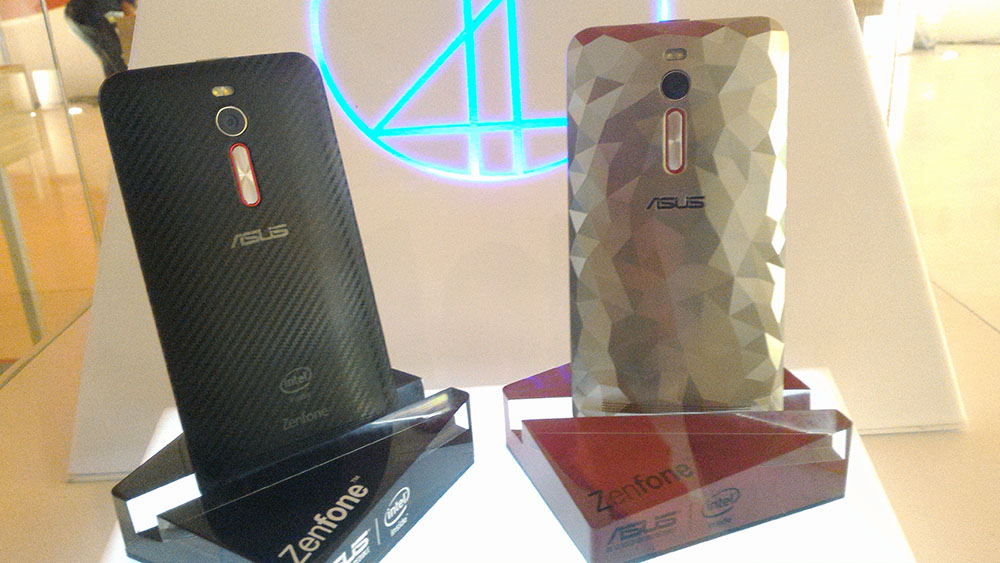
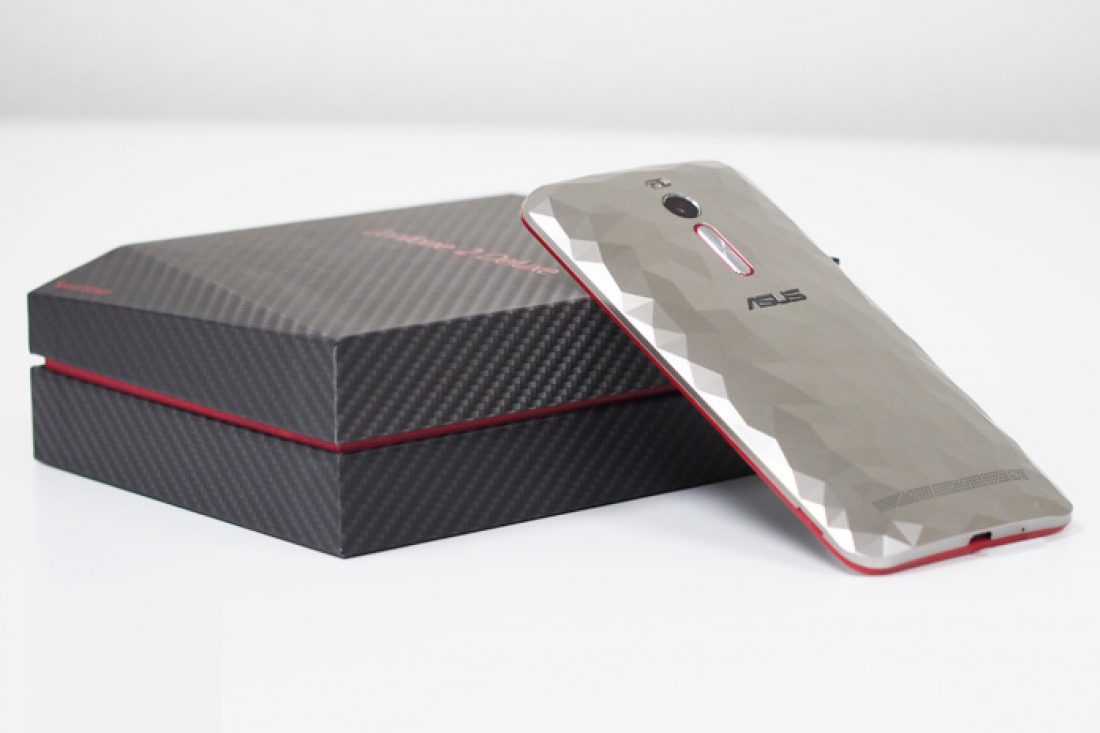
Asus has announced a new phone for its much Zenfone lineup. This new phone will be the top of the line variant and will be called Asus Zenfone Deluxe. This new variant will come equipped with an Intel Z3590 chipset which boasts of four processor cores running at 2.5 GHz.
The Zenfone 2 Deluxe will come packing 4GB of low power DDR3 RAM and 256 GB of internal storage. Option to further expand this using a memory card will also be available.
Other than these the variant comes with the same specs as its siblings. There’s a 5.5 -Inch Full HD display with Gorilla Glass 3 protection shielding it from the outside. A 5-Megapixel camera will also be housed at the front with the beautiful display.
At the back will be a 13-Megapixel PixelMaster snapper,and all this sophisticated hardware will be juiced by a decent 3000mAh battery pack.
The Zenfone 2 Deluxe will be available in two designs, Silver Polygon and Night Carbon. No launch date or price has been revealed, but expect it to start retailing for around the Rs 25,000 mark in India.
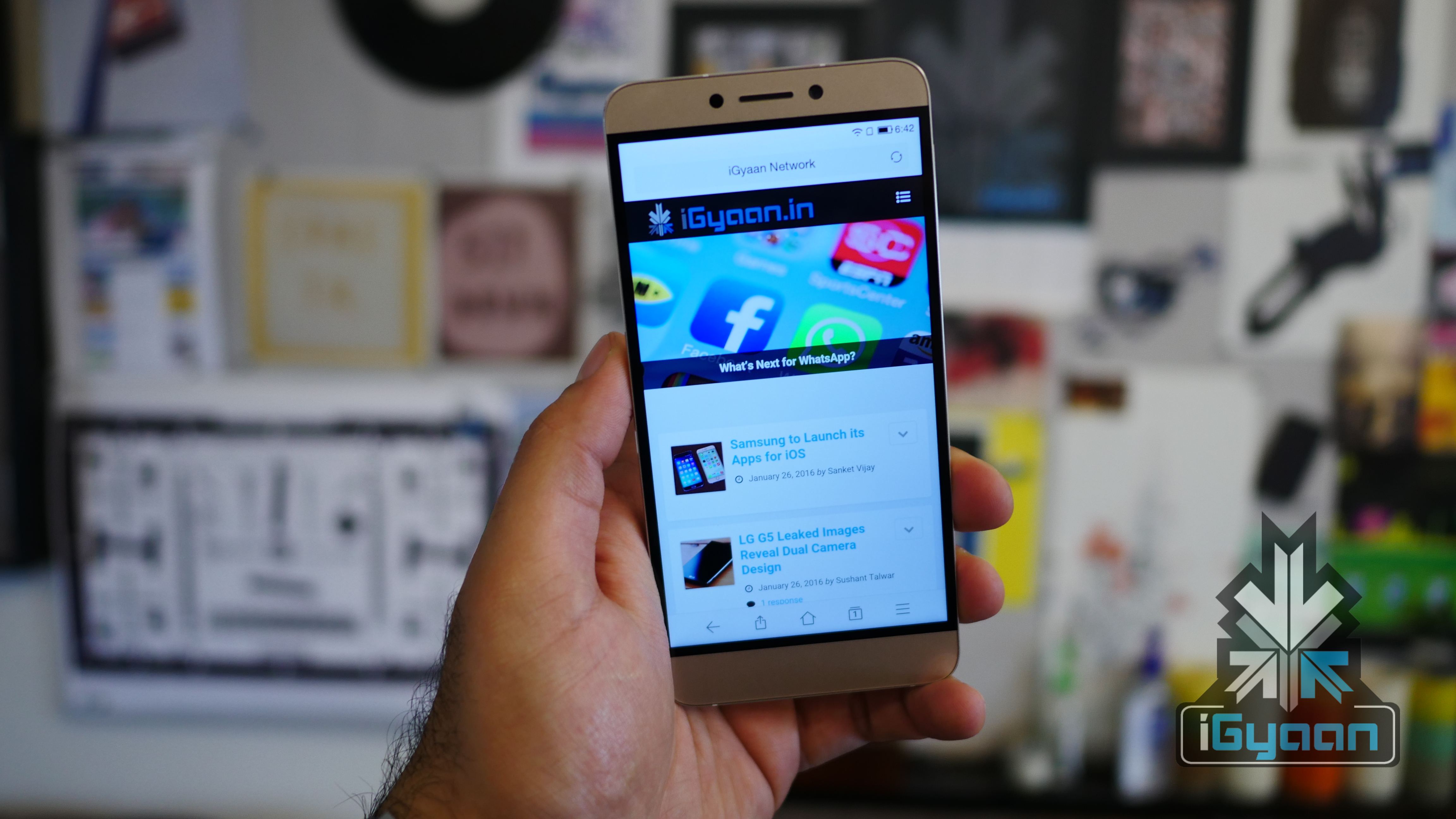
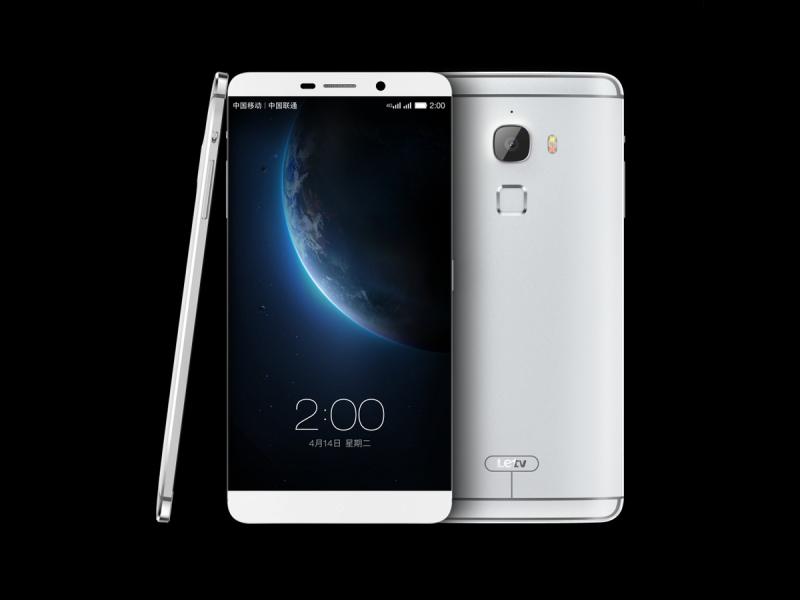
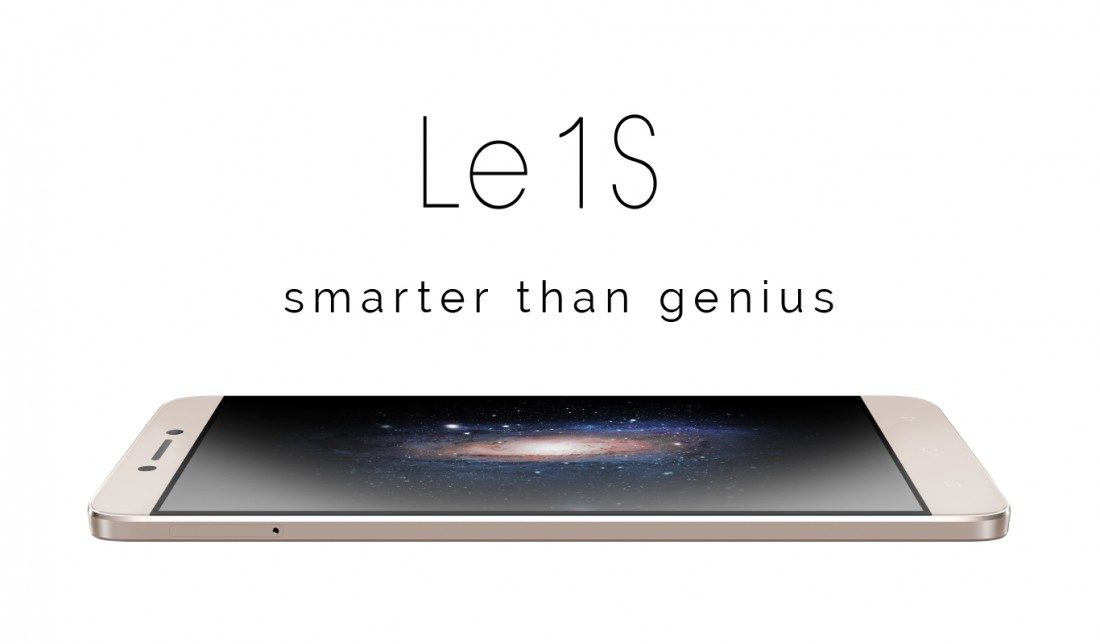
LeEco (formerly known as LeTV) unveiled to eager audiences last week the Le 1s. This budget phone from the Chinese phone maker has finally arrived in India, and will be sold exclusively through Flipkart.
The device is marked for a price of Rs 10,999, and will start retail via flash sales on the 2nd of February. Registration for the device is already open.
The Phone will be available in one variant, with pretty impressive specs for the price. The Le 1s will come equipped with a MediaTek X10 Turbo running at 2.2 GHz. It will house a VR6200 GPU, 3GB RAM with 32GB storage.
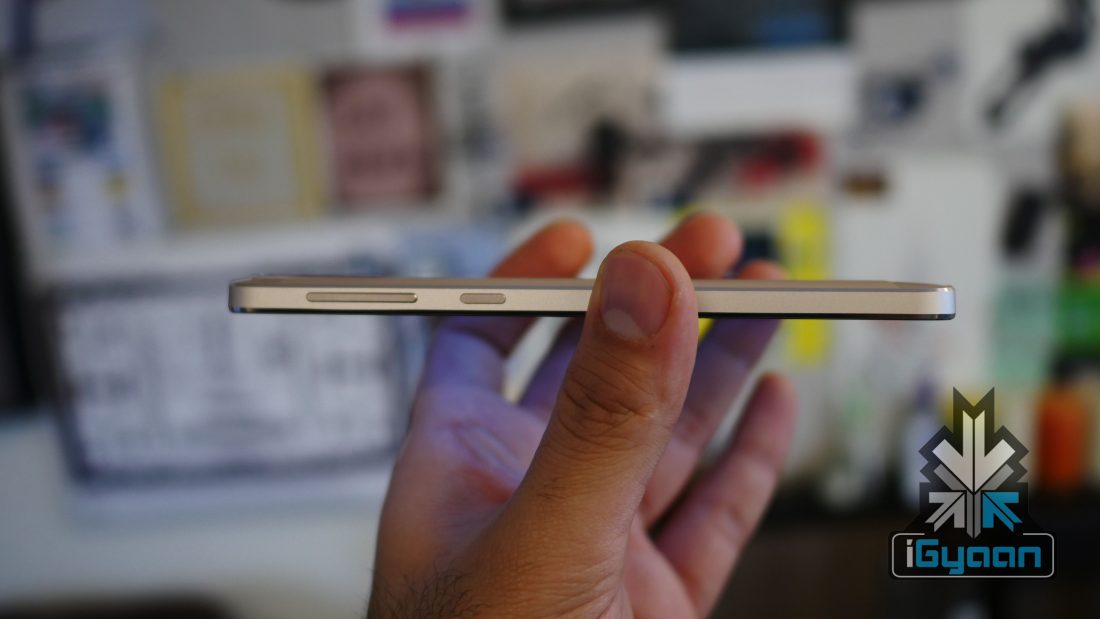
The ‘SuperPhone’ will also support Dual Sim 4G connectivity, backed by a 3000mAh battery pack in only one color option. It’s slimmer than the Le Max at 7.5 mm, and will boast of a 5.5-Inch Full HD Display, with a clarity of 403 ppi.
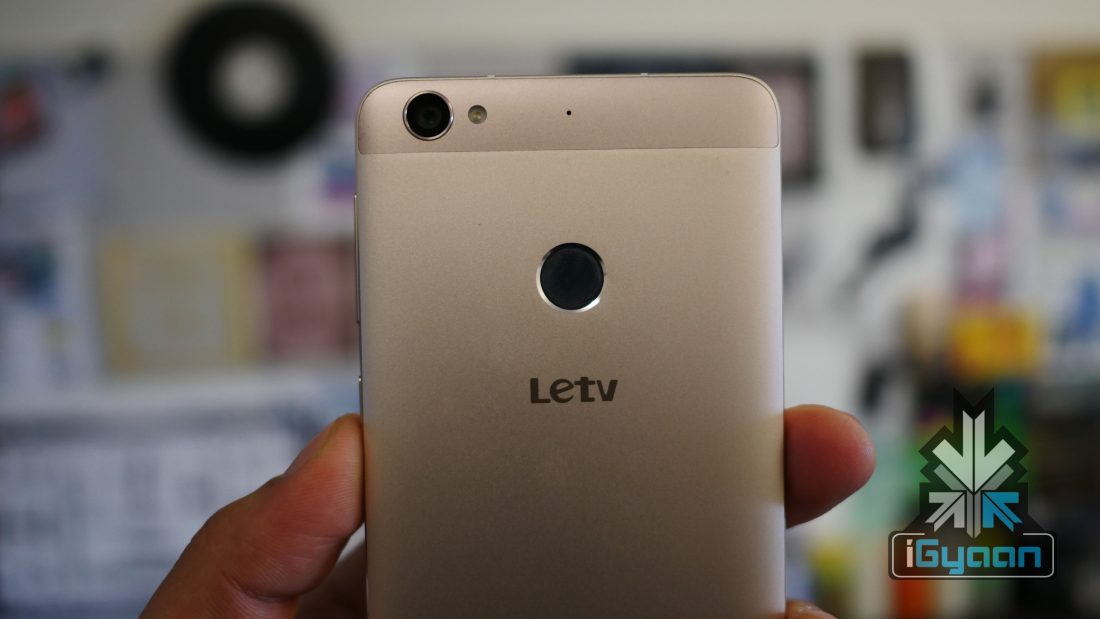
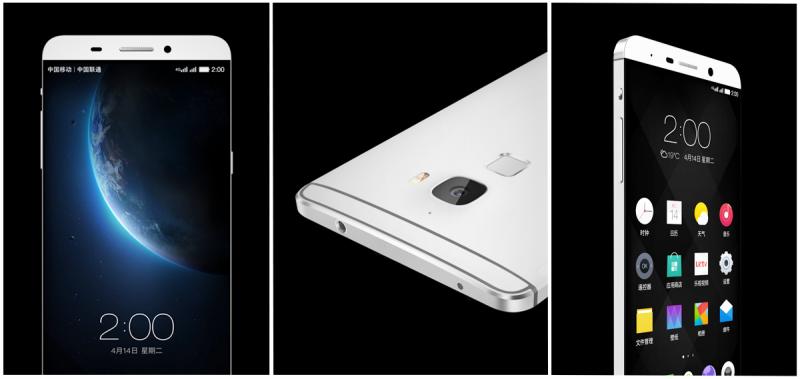
The Le 1s has a couple of other fancy tricks up its sleeve. It comes with the LeTouch Mirror Faced fingerprint scanner which will be the first finger scanner in the world with mirror surface. It will also come equipped with USB Type- C charging, and fast charging which will enable it to be used for 3.5 hours on a 5-minute charge.
The design is a full metal double chamber unibody design. It will be made completely out of Aircraft grade aluminium, and just like the Le Max will be bezel-less.
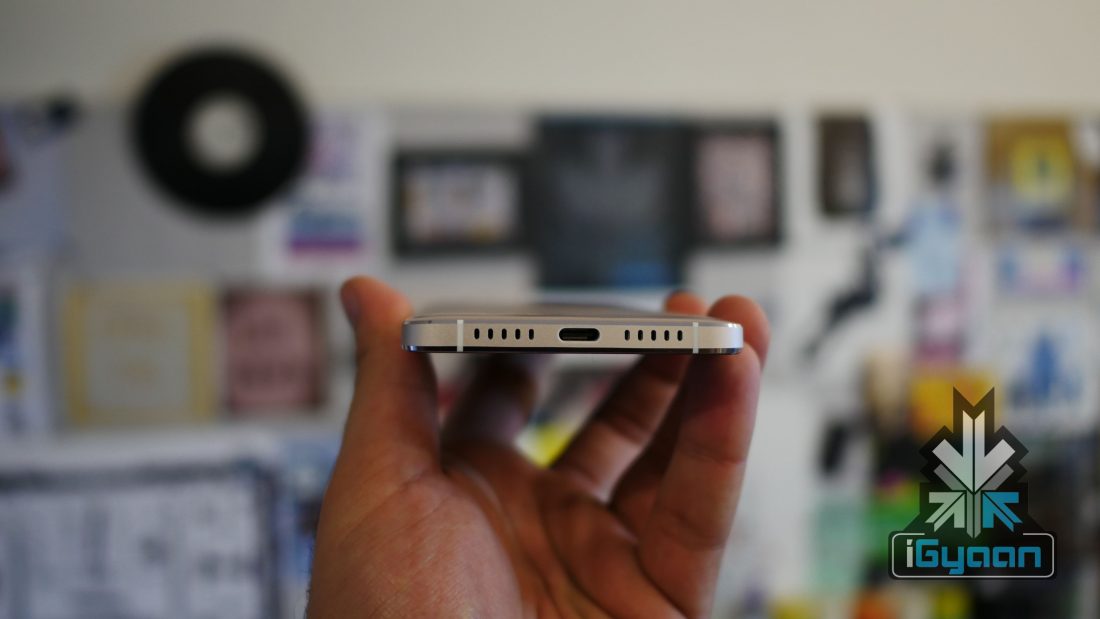
Our initial response towards the Le 1s is favourable. Design and build wise, the Le 1s looks premium and has a solid frame. The metallic body is smooth and feels great in the hand. The device is on the heavier side at around 160 grams, which is 30 grams more than the iPhone 6. The mirror faced fingerprint sensor on the back looks great as well, although the LeTV sticker gives it a rather cheap look.
The display is bright and the colours are sharp especially the blacks. The bezel-less screen makes the display look big although there is a black frame within the display, but you won’t be complaining about that when the screen is turned off.
Coming to the camera, the phone comes loaded with a front 5 MP shooter, and a rear 13 MP high definition rear shooter. It will have a ‘Blue Glass Infrared Filter’ F2.0 aperture and High CSR Flash for great looking pictures. The camera is pretty good and the quality is sharp, especially in outdoor conditions.
We’ll have an unboxing and hands-on video up soon so stay tuned for that, Meanwhile, have a look at the spec table for everything you need to know.
Specification
LeEco 1s
Display
5.5-Inch Full HD Besel Less Floating Glass Display
Resolution
1080 x 1920 pixels (~403 ppi pixel density)
Chipset
2.2 GHz MediaTek X10 Turbo
CPU
Octa-Core Helio X10
GPU
VR 6200
RAM
3GB DDR3
Front Camera
5 MP
Rear Camera
13 MP with F 2.0 aperture
Storage
32 GB ROM
Expandability
NA
Battery
3000 mAh (embedded)
Connectivity
Wi-Fi 802.11 a, b, g, n, ac / Bluetooth 4.2 / NFC / Type-C USB
As revealed by reports, the U.S. Patent and Trademark Office has granted Apple a Patent for a “Small form factor high-resolution camera” that will see the amalgamation of cutting edge sensor technology with similarly complex optics to create a compact, high-performance camera suitable for use in there future ultra slim iPhones.
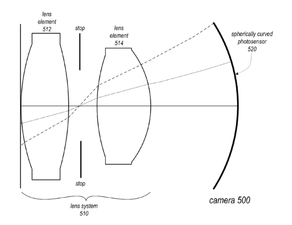
The application, aptly titled “Small form factor high-resolution camera,” reveals a spherically curved sensor that would work with three different lenses to focus light onto a sensing surface.
This would be in line with the already strong rumours of a new iPhone for the next year which will be thinnner than anything that we’ve seen before. Apple has also been looking for ways to make the iPhone thinner and add a higher capacity battery, and this particular switch in camera tech will help in achieving this.
But this move will not come without its drawbacks, the biggest being native barrel distortion, or a bubble-like warping of photos. But if reports are to be beileved then Apple plans to fix this with a software solution for this.
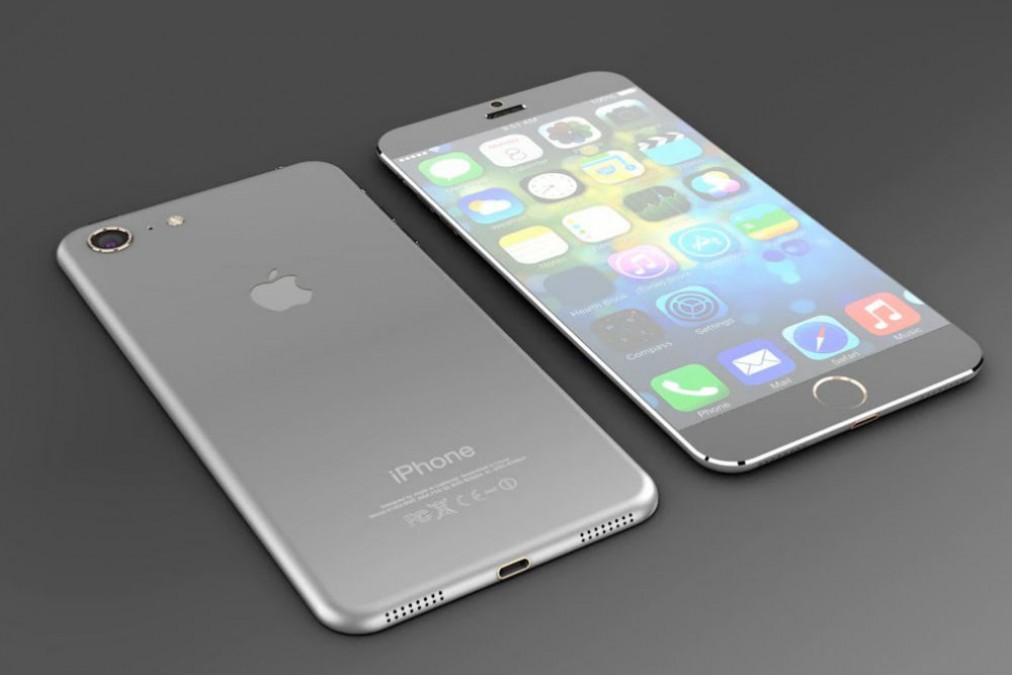
Other than this, the next iteration of the iPhone is expected to come with an OLED diplay, with a full body speaker grill, and could even support Li-Fi. It is also expected to skip on the 3.5mm jack in favour of a system that will see audio accesories being connected to it via the lightning port.
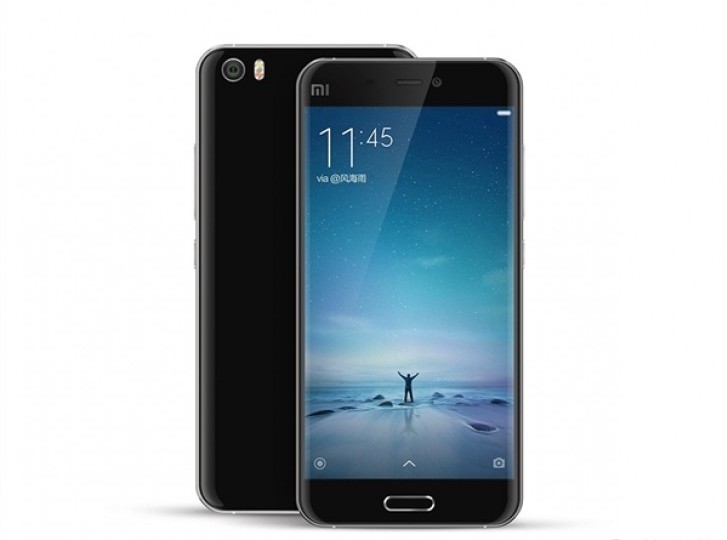
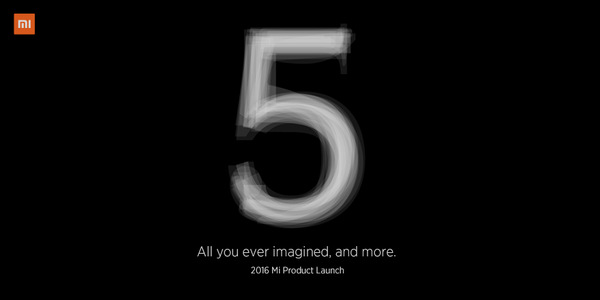
The long wait and all the speculation has finally come to an end. There is at last official word on the launch date of the much awaited Xiaomi Mi 5. The company Global VP, Hugo Barra has joined in the fun and teased users around the globe with a tweet
#Mi5 is almost here! Xiaomi’s first product launch in 2016, on February 24. It’s everything you imagined, and more.- https://twitter.com/hbarra/status/691934558758031360
Internet has been buzzing with leaks and rumours about the Xiaomi Mi 5, and it looks set to grow in the coming days given the kind of hype that Xiaomi is creating for its upcoming handset.
On the specifications front, not much is known apart from the processor that was earlier disclosed by the manufacturer. But according to reports, the device will be equipped with impressive under the hood specs that should be a match for flagships from other brands
The Mi 5 is expected to boast of a 5.2-inch Quad HD display coated in 2.5D Corning Gorilla Glass 4. It also suggested the phone will have a 6-element 16MP camera on the back with f/2.2 aperture and 4K video recording.
Last week, LeEco entered the Indian market with the launch of its smartphones – Le 1s, Le Max, Le Max Sapphire. The launch happened after the company explained its rebranding from LeTV to LeEco as an effort to expand and enter a number of businesses. We wondered whether LeEco can make good on the many promises it made during the launch event, one of which was the plan to hold a flash sale on the 2nd for the smartphones, which can be damaging to the company’s image if it fails to deliver.
Well, it looks like LeEco is serious about establishing its place in India and wants to assure customers that it is here to stay. The company has announced plans to open at least 555 service centres across India to offer after-sales support for customers. LeEco says these centres will spread across 300 cities in India and will have a 24/7 toll-free helpline with support in 10 languages, which includes English, Hindi, Bengali, Gujarati, Kannada, Malayalam, Marathi, Punjabi, Tamil, and Telugu.
Furthermore, LeEco is offering an excellent warranty on its devices. If the phone breaks or stops working within the warranty period, customer’s will receive a brand new handset. LeEco is also offering free pick-up and drop-off service for the LeMax smartphone.
“At LeEco, it is our constant endeavour to provide our users with superior products and content integrated ecosystem which ensure that their user experience on all our devices is unified and exceptional. We are very excited about our launch in India and look forward to a long-term association with consumers in this market. We are confident to disrupt the market with our innovative products at sustainable prices,” said Atul Jain, LeEco, India CEO in a press release.
Le Max
The Le Max features a 6.3-inch screen with 2K display and sports a metal body design with slim bezels. The device is powered by a Qualcomm 64-bit 2GHz octa-core Snapdragon 810 SoC coupled with 4GB of RAM. It is available in 64GB and 128GB storage variants.
On the camera front, the Le Max comes with 21-megapixel and runs on Android 5.1 with custom EUI running on top. The device comes equipped with multiple desktops – Application Desktop, LeView Desktop, Live Desktop -different screens for the phone that makes different applications, live streaming of events and multimedia available to the user conveniently and smoothly.
The Le 1s sports a 5.5-inch Full HD display and is powered by a MediaTek’s Helio X10 processor. It features a 13MP rear camera and a 5MP front camera. The smartphone will run on Android 5.1 with custom EUI on top. It is a Dual-SIM device with an AnTuTu score of 55844, beating HTC One M9.
It has a type-C USB port which ensures 3.5 hours of usage in 5 minutes of charging, along with a double chamber, symmetrical design, and super-slim, full-metal body with 7.5 mm of thickness. The finger-print scanner of the device called LeTouch, is mirror-surfaced with 99.3% accuracy and .15 seconds flash recognization.
iGyaan has been busy working on something truly groundbreaking. Over the next few weeks you’re going to find out exactly what that is. Without revealing too much right now, have a look at the teaser below for an idea of where iGyaan is heading. Follow the space for more.
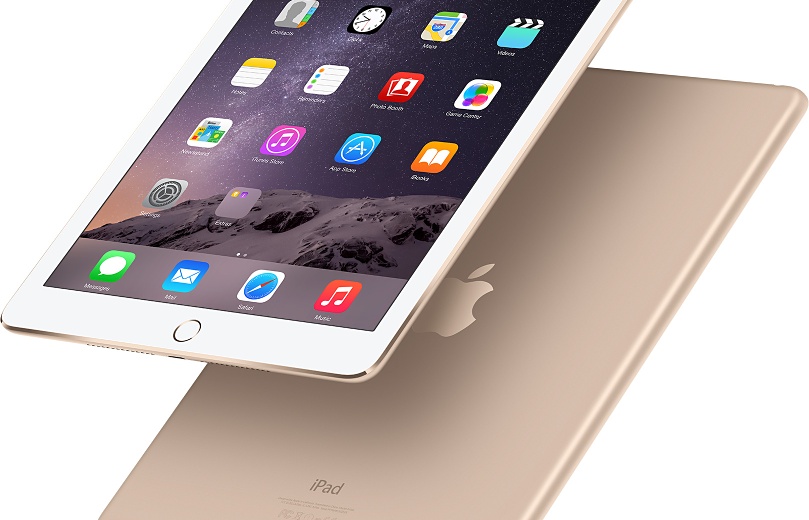
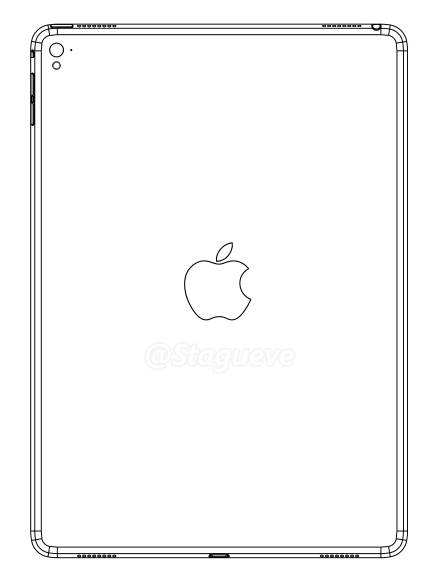
Instead of an iPad Air 3 release a couple of months back, we saw the launch of the iPad Pro instead. However, recent rumours point to the possibility of the iPad Air 3 arriving early this year. And from what leaked schematics of the iPad Air 3 reveal, it could very well be worth the wait.
On the outside, the shape of the tablet appears to be similar in dimensions to its predecessors. The schematics also reveal the iPad Air 3 could be equipped with additional speakers around the tablet, similar to the ones found on the iPad Pro. The schematic shows speakers on the bottom and on the top of the device.
What will also be interesting news is that a cut out below the camera is seen which could well house a flash to complement the shooter. The schematic also shows the survival of the 3.5mm jack on the iPad 3 Air.
Looks like Samsung is going by the “if you can’t beat them, join them” philosophy. The Korean giant is reportedly planning to launch its apps for iOS devices. Though the love-hate relationship between Samsung and Apple continues, it doesn’t mean the former can’t make some cash off of the latter’s user base.
Gear Manager, S Health, Smart Camera and Remote Control are some of the apps that Samsung is planning to launch on iOS. These utility apps are meant to work for Samsung’s smart devices like smart TVs, smartwatches and smart cameras.
Samsung’s idea accepts that there is a huge iOS user base who are being shunned from buying Samsung’s other smart devices for compatibility reasons, and it wishes to change that. Samsung’s smart TVs, for example, have a number of neat features that iPhone users cannot use through their phones. The company wants to make money where it can, and including iOS users is just a smart way to do that.
Google and HTC have already embraced the idea of having as many users using their products as they can no matter which platform they use. It doesn’t look like Apple would have any problem with Samsung’s app on its App Store if it means more users buying iOS devices as well. It looks like a win-win situation from where we see it.
If reports are to be believed the much awaited flagship the G5 from the South Korean tech giant, LG will be unveiled next month at the Mobile World Congress. As the launch date nears, more information through secondary sources is making its way to the media.
The G5 which was already speculated to come with market disrupting feature of a modular attachment such as removable battery pack at the bottom will also house dual cameras at the back, amongst other changes.
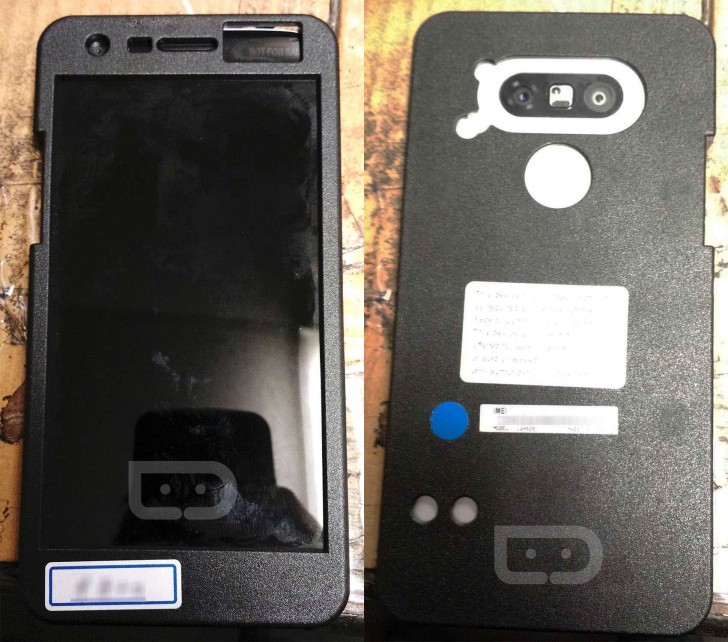
A new set of leaked images of a LG G5 unit wearing a sturdy case have surfaced on the internet which provides some valuable insight into the upcoming flagship. The leaked images reveal a pair of 16-megapixel and 8-megapixel cameras on the back. There’s also a flash and what looks like a fingerprint sensor below.which is also expected to double up as the power button.
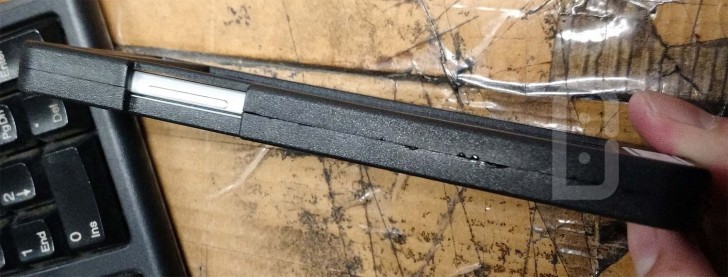
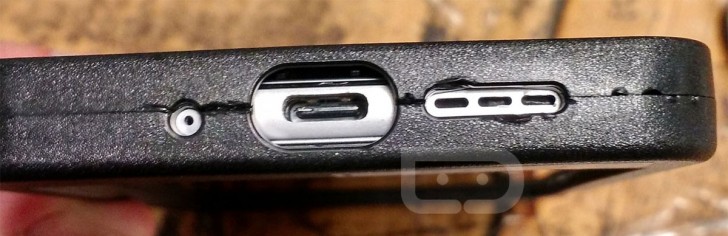
Cutouts on both sides of the device for the volume rocker and SIM card slot are also visible in the pictures. A single speaker grill is also visible on the bottom of the phone. All this will be housed on a body with dimensions of 149.4 x 73.9 x 8.2 mm.
Other rumors suggest it featuring a 5.6-inch QHD display along with a Qualcomm Snapdragon 820 SoC and an 8 MP selfie snapper.
BIt by bit, picture by picture, more and more clues regarding what could be Apple’s next phone are making their way out of Apple’s manufacturing plants and on to the Internet helping us get a fair idea of what exactly the final 5se puzzle is going to look like.
But now what has emerged courtesy of latest leaks pieces it all together. Latest leaked images show The new 4-inch handset from the stables of Apple. With Apple’s iPhone sales slowing down in the past two-quarters, there’s no doubt that Apple is going to see a boost in interest and sales with the 4-inch iPhone 5se if and when it comes to the markets.
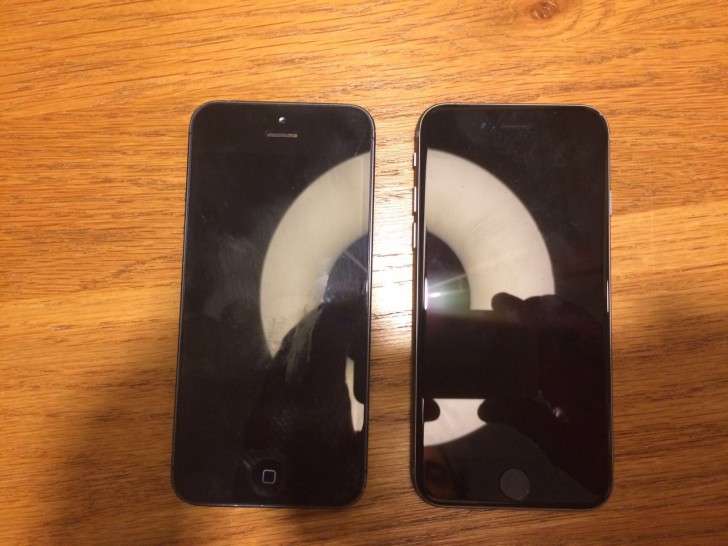
iPhone 5 (left), iPhone 5se (right)
Leaked picture that have surfaced show the 4-inch iPhone 5se on the right-hand side and the iPhone 5 on the left. The images fail to hide much, and its easy to observe that the iPhone 5se will come with a TouchID fingerprint scanner embedded in its home button and thinner bezels as compared to the iPhone 5. The phone’s power button will be on the side, and a FaceTime camera also housed left of the earpiece.
Hardware-wise, the latest rumours suggest that the iPhone 5se will come equipped with an A8 chipset, Bluetooth 4.2, Wi-Fi 802.11ac, an 8 MP rear camera, and a 1.2 MP front snapper. A march Release date is expected for the phone.
It’s close to four years now that graphics chips for our favourite video cards have been manufactured using 28nm process. Back in the day when TSMC moved up from the 40nm process directly to the 28nm process node capable of fitting billions more transistors into their GPUs it marked a monumental leap for the gaming industry.
This leap was what lead to the Xbox One, and PS4 coming to reality, the reason that gave Nvidia and ATI the power to equip us with the hardware to achieve what then was the dream of 1080p/1440p at 60+ frames with a single card. Fast forward to 2016, and thanks largely to the Taiwanese chip maker, TSMC, the industry has been stuck in a limbo struggling to improve the graphics hardware at hand.
1440p and 4K monitor and TVs have made their way to into our homes some time back, but sadly gaming on them at their native resolutions without shelling a fortune has remained a distant dream because of this stagnation that the industry has faced. But worry no more, 2016 comes bearing gifts in the form of the upgrade to the new 14/16nm process nodes.
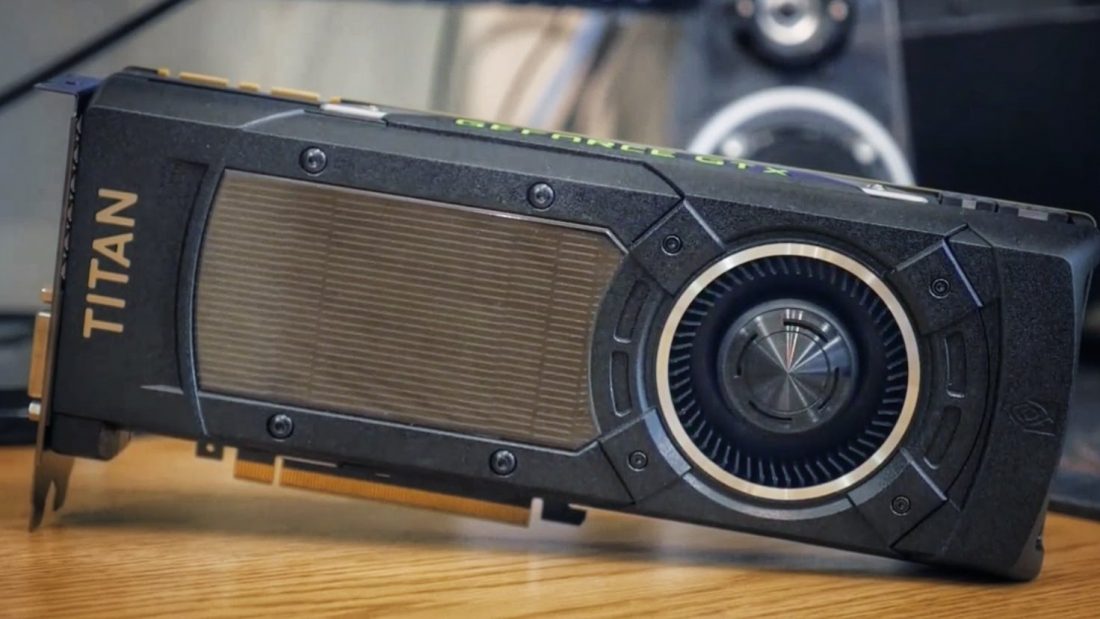
The beast GTX Titan
In simple terms, you will see 2016 come with graphics hardware that would give almost double the performance for the same price point. More importantly for budget conscious users in India building low-cost builds you will get graphic cards that maintain performance but cost almost half as what you would be paying for a card right now.
This upgrade on the manufacturing side of things should allow for much, much more complex GPUs. To put things in perspective last year’s high-end cards such as the Gtx Titan X and the Radeon Fury X which maxed out at between 8-9 billion transistors will see their successors using the Pascal, and Arctic architecture house between 16-17 billion transistors, resulting in almost double the power, at the same cost. No amount of stress on this fact could explain how big a leap this will be for the gaming industry in the coming days.
This move up will also enable these new architecture cards to use second-generation stacked HBM (High Bandwith Memory) which will provide better optimization of VRAM(Video card memory) than what previous generation GDDR5 memory provided. First-generation of HBM only allowed 4GB of HBM RAM to be used, but improved bandwidth using the new process node could take this figure easily up to 16/32 GB of RAM.This could be especially useful for managing the high demands of 4K, multiple displays, and VR gaming that the future holds for us.
Add to this the added bonus of highly improved power efficiency leading to low chances of a need for an upgrade to a new expensive PSU, and possibly even decreased power bills, it just makes it more and more obvious as to why the average gamer should be excited about 2016.
With VR making for an increased push into our gaming world, and people looking at 1440 and 4k gaming seriously, these advancements in GPU tech could make all of it well within an average gaming enthusiasts reach in a few months time when the first cards carrying 14/16nm nodes hit the market.
And just to be clear, if VR, and high-resolution PC gaming isn’t your thing, the impact of this switch in process will extend across the market, and into your homes in one way or the other. This ripple effect might take some time but as the whole range of 14/16nm GPUs appears with new chips, we could very well be looking at not far off double the performance at any given price point by year’s end.
This move could also prompt console makers such as Sony, and Microsoft which use iterations of Radeon HD 7870, and 7790 to power their beasts to use the latest in GPU technology for cheaper consoles in a year’s time. So no matter what platform is your choice, 2016 is going to be a good time for all those who like to game.
If you had to quickly think of a messaging service today, chances are that WhatsApp will be the first name to pop up in your head. And it should since the name has taken over our messaging unanimously, pretty much making standard SMS services obsolete.
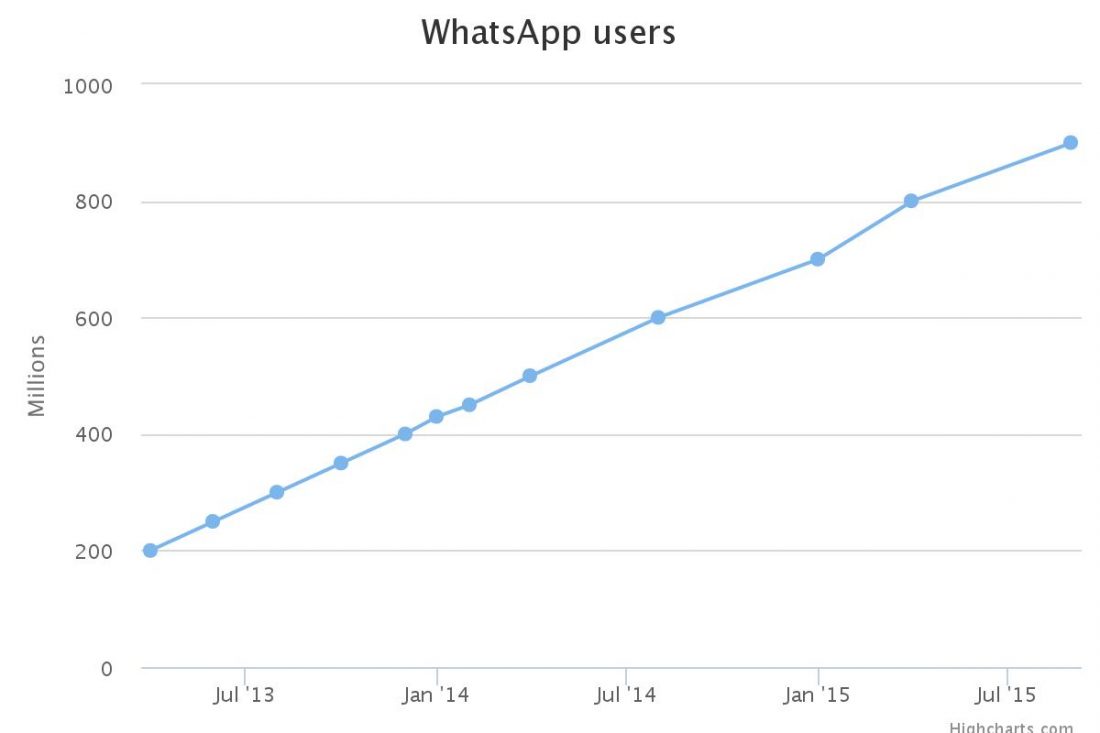
WhatsApp has seen a rise that shows a steady upward curve ever since its inception. Two years and 450 million users ago, the wildly popular messaging service was bought by Facebook for roughly $19 billion. An acquisition Zuckerberg knew would reap him great rewards. Charging a measly 99 cents a year for the service didn’t pinch anyone, but would generate substantial revenue for Facebook. But $19 billion is no small amount, and to make even $2 billion in revenue would mean the app would need 2.3 billion users, and it’s yet to reach a billion.
But WhatsApp is showing no signs of slowing down. The app is just short of a billion users, and if the trend continues, it is likely to touch 2 billion by the end of the decade. So, when the news broke that WhatsApp is going entirely free, the world began to wonder how Facebook would earn its revenues. Part of the confusion was around the decision to go free when Facebook is on the brink of a major cash-cow in WhatsApp.
Last week, WhatsApp founder Jan Koum, announced that the company would ditch the 99 cent fee and make its app completely free. He cited the reason that there are many of those who still aren’t on WhatsApp because they don’t own a credit/debit card. While a genuinely altruistic intention, the move in effect stops the revenue for Facebook.
But the move has clearly been decided with an intention to do more with the app. It’s clear that WhatsApp wants to be more than just a messaging platform. It wishes to take over many of the functions for which one uses the phone. It has already embraced voice calling functionality and has been rumoured introduce video calling soon as well.
The bulk of the worry behind going free was that people were concerned if WhatsApp would resort to the much-hated advertisements for revenue. But the company has denied the intrusion of ads. What the company is planning, however, is to charge businesses to use the app to talk to customers. So, it won’t just be call centres, soon customers will be able to express their dissatisfaction over a messaging app.
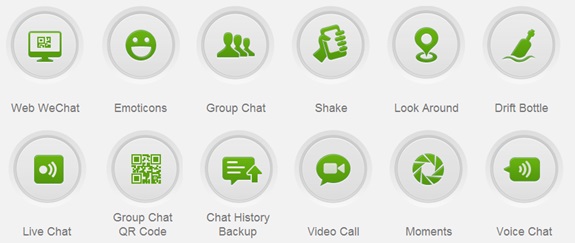
Calling for businesses to interact with customers via WhatsApp will have its benefits and will have its annoying moments, depending on how well WhatsApp integrates the moves. Yu may soon be able to pay off your bills and ask a bank official about your bank details through a simple text message. This is already in practice with WeChat, a Chinese app owned by internet giant Tencent. The app is used in China for messaging as well as to pay bills, make medical appointments, and check traffic.
WeChat Features
Furthermore, it’s no secret that WhatsApp and Facebook have been inspired by the Chinese app. So we could very well see WhatsApp move in a similar direction. Which wouldn’t be a bad thing in terms of revenue – WeChat houses many apps in one and this has led to an average revenue per user to around $7, against the 99 cents that WhatsApp has charged its users.
The success of WeChat in China may not exactly spell success for Facebook and WhatsApp, but it is something that both the companies are eagerly looking to adopt. The challenge, however, is to get Apple and Google on board if WhatsApp and Facebook do plan to build a platform out of the messaging app. Apple and Google are unlikely to appreciate a platform like that that could leave their own apps redundant.
We’ll just have to wait and see how much Facebook and WhatsApp are planning to fit into one app, and how much is too much for an audience that largely believes in the concept of “unbundling” or having apps that do less not more, thereby making it simple and easier to use. After all, it’s not that difficult to jump from one app to another to fulfill one’s needs.
On a parting note, you may also like to know that a new WhatsApp beta update for Android now lets you share your account information on Facebook for better experience and suggestions. Just how much of the user’s chat information is up for grabs is still unknown. Looks like WhatsApp’s move to become the ‘one app to rule them all’has already begun.