Blog

  • Google X’s New Study, Baseline : The Portrait of a Perfect Human Body

    Google X’s New Study, Baseline : The Portrait of a Perfect Human Body

    Google’s semi-secret workshop is one of the most innovation oriented institutions in the world. The research facility takes on some of the most fundamental questions on transportation, communication and others. Then, it takes an alternative bottom-up effort to understand them. The facility worked on concepts like Teleportation, Space elevators, and it is also the birthplace of projects like Google Glass, Driverless car and the upcoming Project Loon. Now with Project Baseline, Google plans to understand how a perfectly healthy human should look like and what factors restricts humans from achieving it.

    The plan is as audacious as President Obama's Brain Initiative.
    The plan is as audacious as President Obama’s Brain Initiative.

    The study will collect anonymous genetic and molecular data beginning with 175 people. They will eventually accumulate data of thousand more individuals. The study is lead by Dr. Andrew Conrad, who is a molecular biologist. He is credited for the development of cheap, high-volume tests for HIV in blood-plasma donations. Dr. Conrad has set up a team of about 70-to-100 experts from fields including physiology, biochemistry, optics, imaging and molecular biology for the study.

    The study is a reimagination of the workings of the human body and how diseases can be prevented. This will be a prevention-oriented study which will try to find ways to inhibit naturally occurring diseases like stomach and heart ailments.

    The project will collect hundreds of different samples using a wide variety of new diagnostic tools instead of focusing on specific diseases. Then Google will use its massive computing power to find particular biological patterns, or “biomarkers,” buried in the information. The researchers hope to use these biomarkers to see if they can be helpful in detecting diseases at an earlier stage. Google wants data on parameters like contributors’ entire genomes, their parents’ genetic history. Apart from that, information on how they metabolize food, nutrients and drugs, how fast their hearts beat under stress and how chemical reactions change the behavior of their genes will also be assessed.

    Google has massive computing infrastructure for processing the massive information that will be generated by this project. According to the research team, Baseline, like previous Google X projects will be a look into the unknown. This project can also run in correlation with President Obama’s BRAIN initiative which is one of the most intensive looks into the functioning of the human neurons.

    Like other Google X moonshot projects, this project is not time bound. Google’s look into teleportation was seen as scientifically unachievable, whereas a look into a healthy human body will be practical and help some of the fundamental problems with healthcare. Google has also promised that it will not share the data with corporate interests, and this will be anonymous study.

    Baseline will try to identify Biomarkers which can be used to identify and prevent diseases earlier
    Baseline will try to identify Biomarkers which can be used to identify and prevent diseases earlier

    There is of course series oversight as the study tries to peer into the human body at a molecular level. When the study kick starts, it will be monitored by institutional review boards comprising of medical professionals from Duke and Stanford University. The board will also keep a vigilant eye on how the information is being utilized.

    This project basically is a massive pattern recognition exercise. It aims to understand in the most fundamental sense as to what makes us human and what makes us tick. Studies like this and the BRAIN initiative will certainly help us gaze into our self and figure out what separates and unites us. Health research should be a priority research and done by the government thereby democratizing the data. As they also involve massive costs; the BRAIN initiative will cost $300 Million a year for ten years; these projects should have public investment to prevent misuse of data for commercial purposes.

    Google also deserves credit for envisioning this audacious study, for taking on the research in an open, transparent manner, unlike the healthcare industry which persists on closed patented knowledge. Google has always pushed for free knowledge and its most prominent success in this field has been the Android operating system. Also, they need to be appreciated for taking on resource intensive projects without compromising with their quarterly results. Google has shown that it is not hard for a giant corporation to not be evil.

  • Rumor : Apple To Launch an iWallet With The iPhone 6

    Rumor : Apple To Launch an iWallet With The iPhone 6

    We have been waiting to get our hands on the Apple’s new iPhone 6 with its new design. But while we wait, there are many other rumours flying high. Most recently, the rumors are that along with the launch of the highly anticipated iPhone 6, Apple will also launch a Google Wallet rival.

    According to these rumors, Apple is in talks with major credit card company Visa to collaborate and create an iWallet technology that could revolutionize the way consumers pay for goods. As noted by the publication, a direct partnership with Visa — or  any similar company — would be a huge step in bypassing the payment processing chain, saving both merchants and customers money.

    Apple is aiming to proceed with its payment system without handing over any control to wireless carriers, which may allow it to avoid difficulties that its competitors have faced. It has been expected for some time now that Apple would step into the mobile wallet sector and use the millions of shoppers who already store their card information with its iTunes Store and App Store. The iPhone maker has had to be cautious after seeing Google Inc. and others fail to rally users to make payments using their phones.

    iPhone-4S-E-Wallet

    With partnership talks ongoing, Apple is also working out the technology behind a mobile payment system. The reports illustrate that the company at one point planned to integrate Near Field Communication (NFC) modules in its iPhone lineup, though other rumors claim the system will rely on Bluetooth and Wi-Fi.

    In either case, sensitive customer information is likely to be stored in the iPhone’s secure enclave or alternatively in the cloud.

  • Google Plays The Acquisition Game With $1 Billion Twitch Take Over Plan

    Google Plays The Acquisition Game With $1 Billion Twitch Take Over Plan

    It seems the year 2014 would be known as ‘The year of takeovers’. In just the last few months we have seen some major billion dollar acquisitions by tech giants. Without a doubt the golden throne of big dollar takeovers is ruled by Mark Zuckerberg with his takeover of Oculus, Whatsapp and Liverail. Microsoft finished the $7.2 billion acquition of Nokia this year. Google is now planning its own billion dollar deal. The Search giants are now interested in taking over gaming video streaming network Twitch under the Youtube brand name.

    It was reported in Variety and the Wall Street Journal that Google was in talks with Twitch for acquiring the company. It is now being reported that the companies have reached an agreement and will announce it soon. Though as of now both parties have refused to comment on the issue.

    Twitch is a cool service which lets users share their game video streams. It’s a great way for the nerds and super-nerds to hangout, share stats and their gameplay. You can easily see how this service can be in line with YouTube’s streaming medium. Maybe its an effort by Google to give gamers some kind of contact with the mainstream world.

  • Airtel Rolls Out 4G Services In Nagpur

    Airtel Rolls Out 4G Services In Nagpur

    Even though the customers are still not satisfied with the 3G services in our country, Airtel and Aircel are rolling out 4G services with wild speed. Airtel today announced that it will now provide their 4G services in Nagpur. Nagpur will the second city in Maharashtra and 14th city in India to get Airtel 4G services.

    Announcing the launch, Ashok Ganapathy, Hub CEO –Maharashtra, Goa & Gujrat, Bharti Airtel (India) said, “We are proud to announce the launch of Airtel 4G services in Nagpur enabling customers to access the most advanced wireless broadband experience available across the globe. As a brand, we are committed to enriching the lives of our customers and invite all the data savvy customers in the city to enjoy this world class data experience which we are offering at unbeatable prices.”

    The company says that 4G services user  can use this service anytime on either dongles or on Wi-Fi with the home broadband solution of CPEs (Customer Premise Equipment/ routers). Customers can leverage advanced 4G technology capabilities like high definition video streaming with zero buffering, download 10 movies in less than 30 minutes, upload full holiday albums in less than 5 minutes by uploading 2 high quality photos per second and also connect multiple devices without any experience constraint.

    Airtel provide 4G dongles at the price of Rs. 1500 and CPE (Customer Premise Equipment) at the cost of Rs. 2500 with array of postpaid and prepaid options. A special plan for heavy Data users  is also announced 40 GB of 4g data at the price of Rs. 2000. Company is spreading the word with special demos and kiosks around the city.

  • Images of the Upcoming Sony Xperia Z3 Leaked Online

    Images of the Upcoming Sony Xperia Z3 Leaked Online

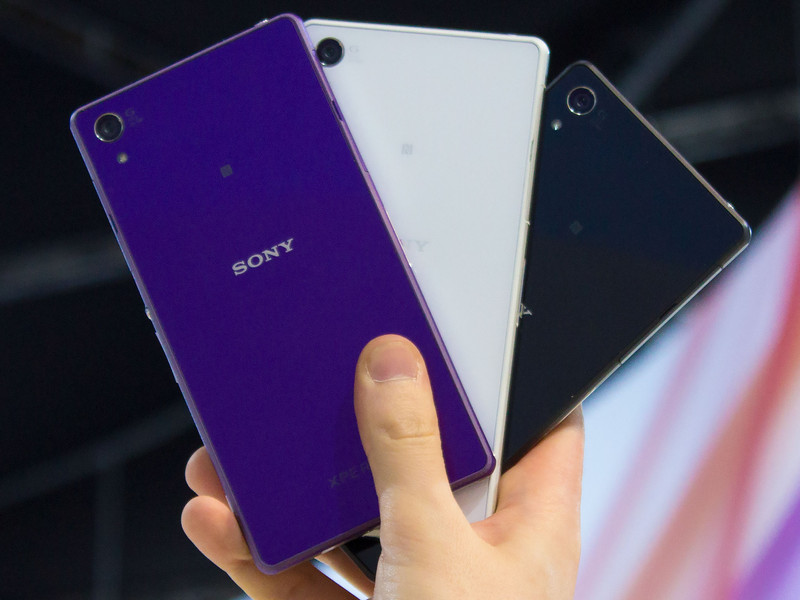
    As per the company traditions, Sony is expected to launch Z3 at the IFA in Berlin this September. The new handset in the Xperia Z series is supposed to be a mere upgrade of its predecessor. Sony is known for releasing one high-end flagship phone every half-yearly instead of annually like most smartphone companies.

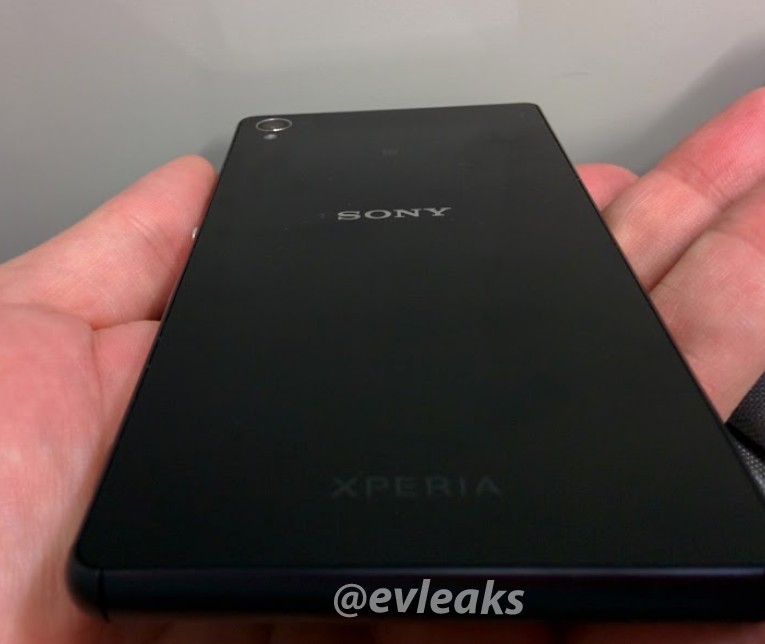
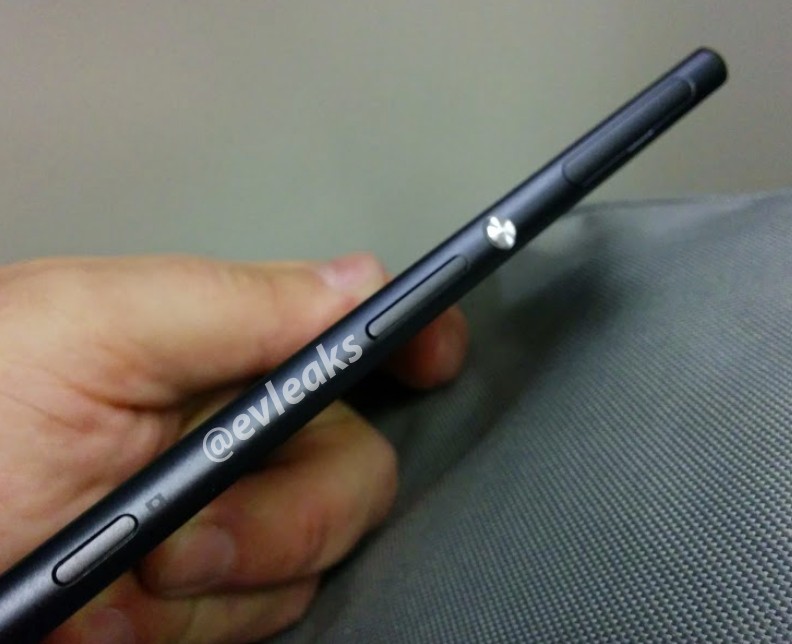
    One benefit of releasing a new phone every six months is that Sony can stay ahead of the technological curve. Two new images have leaked showing the alleged Sony Xperia Z3. While the images don’t reveal much about the phone’s innards, they show the exterior, and it looks the same, if referred to earlier leaks.

    sony z3 leak

    The similarities run through the design and show the  rounded edges – unlike the Xperia Z2, which has flatter, sharper edges. Other than a slightly larger screen, a faster processor, and what seems like a less powerful front camera, the Xperia Z3 hardly differs from the Xperia Z2.

    z3 leak

    The Sony Xperia Z3 is expected to retain the Snapdragon 801 processor and 3GB of RAM of the Xperia Z2, as well as its 20.7MP camera and probably the 1080p 5.2″ display. The water resistance is also a sure thing and perhaps only the design will be different.

    If in fact these are the Xperia Z3’s real specs, they’re very similar to the hardware offered by Sony’s current flagship phone, however it wouldn’t be the first time that a company released a follow up device with minimal improvements.

    Rumored Specs

    • 5.15-inch 1080p
    • Qualcomm Snapdragon 801 quad-core 2.4Ghz
    • Adreno 330
    • 3GB RAM
    • Storage: 16GB
    • 20.7-megapixel rear camera; 2.1-megapixel front camera
    • Android 4.4.4 KitKat
  • OS X Yosemite Public Beta Released, Here’s How You Can Get it

    OS X Yosemite Public Beta Released, Here’s How You Can Get it

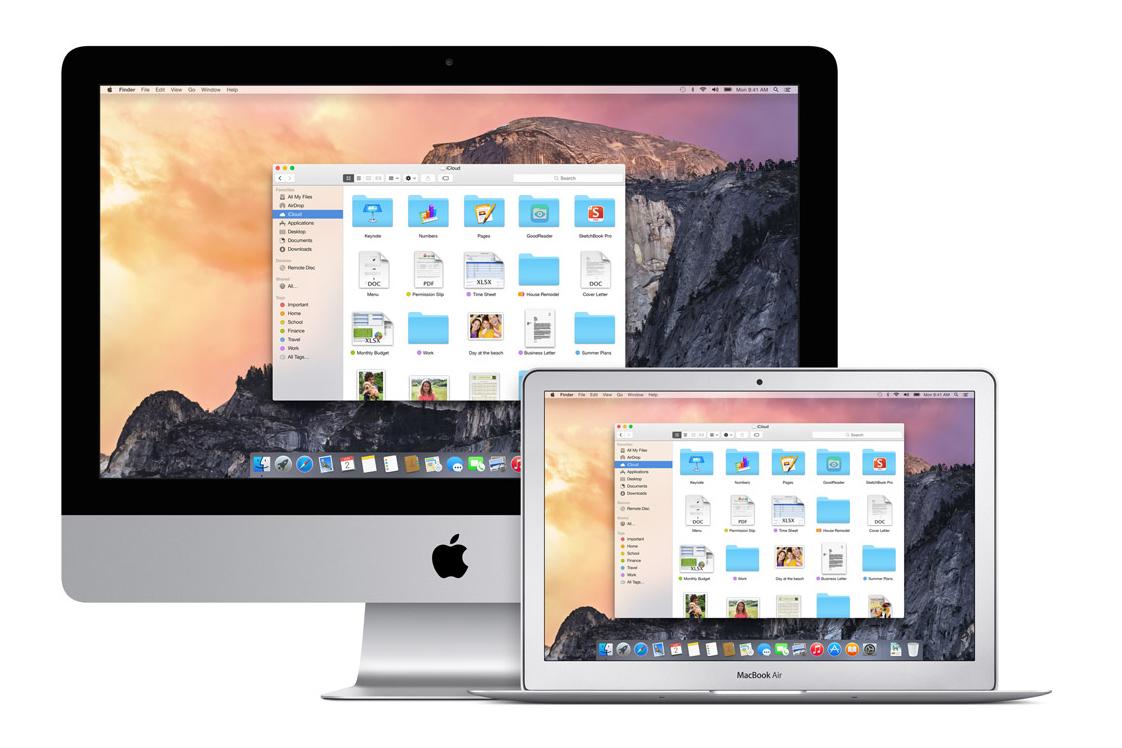
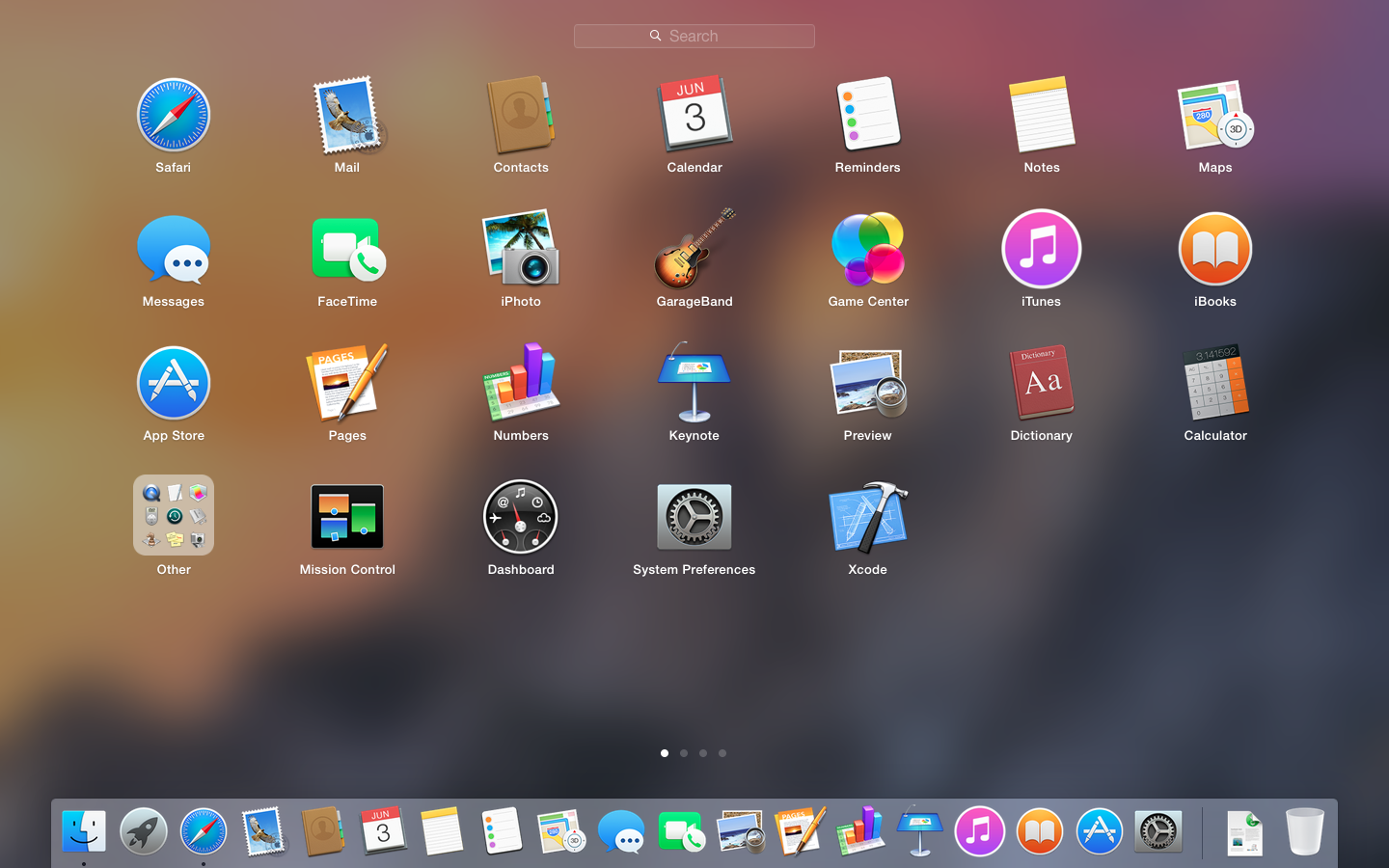
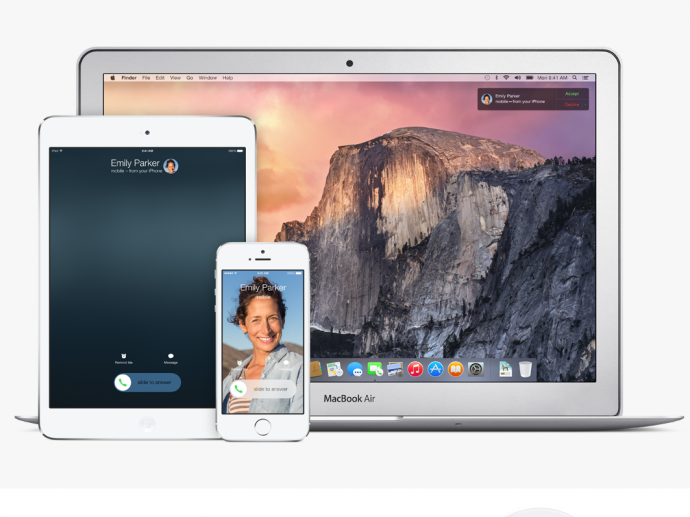
    Apple first showcased their latest version of Mac OS, labeled OS X Yosemite, earlier this year at WWDC. It featured a completely redesigned user interface and better OS X to iOS integration. A lot of users have been waiting patiently to get their hands on it ever since. While developers have had access to the all new versions of Mac OS X ever since the announcement, Apple are finally allowing the general public to get a taste of Yosemite starting Thursday, 24th July.

    To know about its various new features and their functionalities, follow this link to read more.

    OSX 3

    So here’s how it works. All users who signed up with their Apple ID on the beta program website (its still not too late to do so) will get an email with a link and an activation code which will allow them to download the latest build.

    Users should keep in mind that this beta build, while fairly stable, might (and will) still contain bugs and errors. Apple clearly states that the software is still in development, which means some applications and services might not function properly. Also, some of those awesome new features require an iOS 8 device, which is not part of the program.  The beta version has a built-in Feedback Assistant application, if users want to report any bugs or provide any feedback on the build as they’re using it.

    OSX 4Having the latest OS X Mavericks is a prerequisite for the installation of this build. We also recommend that you first back up your Mac using Time Machine before installing this build. Also, if you have a secondary Mac, you should install the beta onto that, rather than risking your primary machine.
    Now, if at any stage, users feel that they do not want to be part of the program, Apple will also give instructions to revert back to OS X Mavericks. So, if you just can’t wait till Apple officially releases the latest Mac OS X this fall, hit this link.

    By Pranav Arora

  • Xiaomi-Competitor One Plus Might Arrive in India Soon

    Xiaomi-Competitor One Plus Might Arrive in India Soon

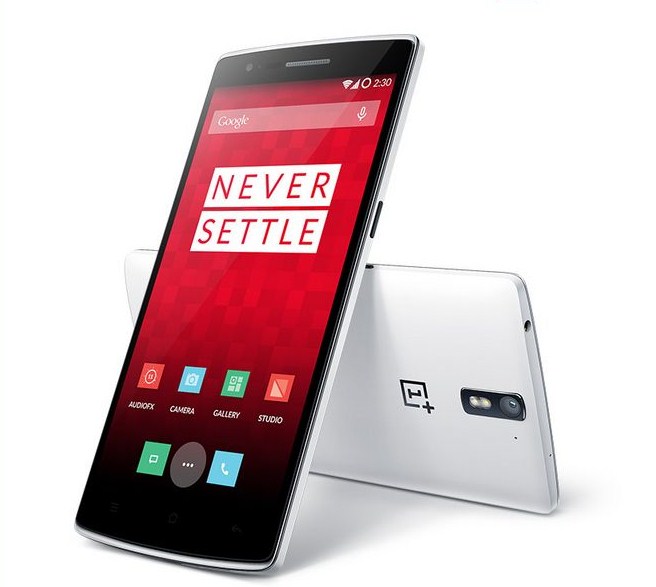
    Just when you were thinking that Xiaomi was the kickass all-in-one package, a new competitor is raising its head at the horizon. Smartphone manufacturer One Plus is planning to come to India with its One Plus One smartphone and boy, is it impressive.

    The One Plus One has an incomparable spec sheet at the price it is offered. The phone runs on CyanogenMod 11S based on Android 4.4 Kitkat. It has a heart of steel with a Snapdragon 801 2.5GHz Quad-core processor. Its graphics is powered by a 578MHz Adreno 330 GPU. The RAM on the One Plus One is a phenomenal 3 GB LP-DDR3 and comes in a 16 GB and 64 GB variants.

    Everything is Aweso,me about the One Plus One
    Everything is Awesome about the One Plus One

    The camera department is as impressive as the hardware spec sheet. The main camera is 13 Megapixel with Sony Exmor IMX 214 sensors and a dual LED Flash. The front camera is a distortion free 5 MP Selfie Shooter. The camera also has a wide aperture of f/2.0. The most remarkable feature is its 4K recording capability with and its ability to record slow motion at 720p resolution at 120 frames per second(fps). Now that’s a camera!

    The display on the One Plus One is a giant Full HD, 5.5 inch, Corning Gorrila Glass 3 screen. There is nothing to complain about in this phone, a true all-rounder from every angle. To power all of these epic features, this phone comes with 3100 mAh battery.

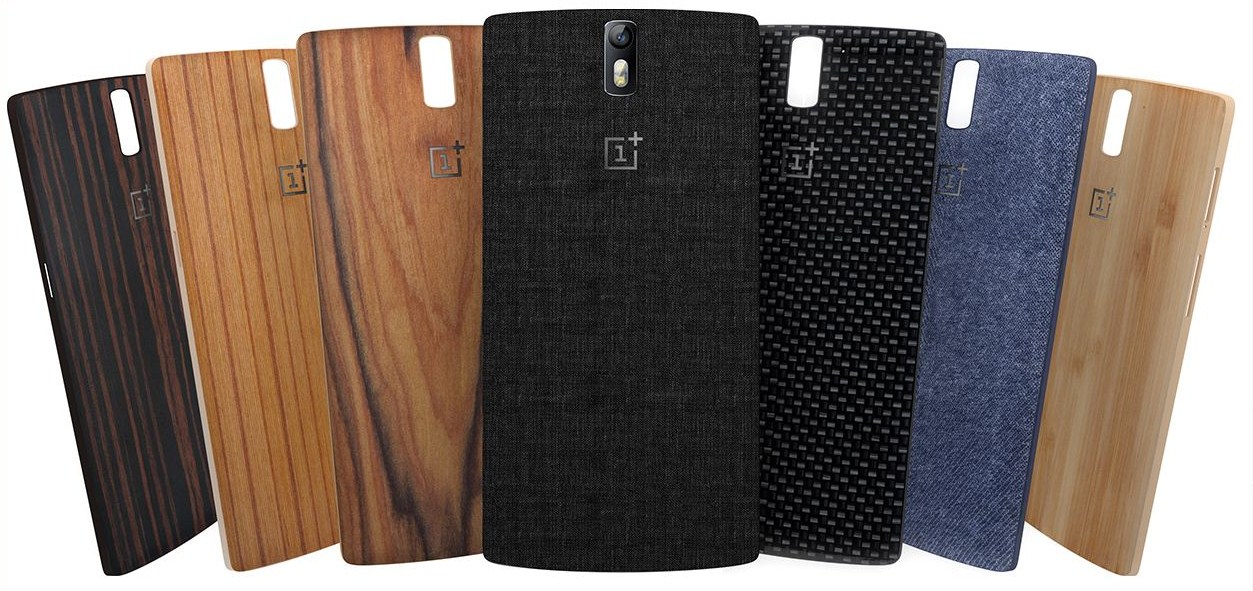
    If you thought the features are impressive the One Plus One also provides impressive back panel options
    If you thought the features are impressive the One Plus One also provides impressive back panel options

    Now you might be asking, how much lighter would your pockets get if you get this power packed gizmo, well the answer is: the 16 GB variant comes at $299 (around Rs. 17,900)and the 64 GB variant comes at $349 (around Rs. 20,900). Yeah, you read that right, go ahead pull your jaw up!

    The company said that there is an enormous interest in their phones in India and they have heard talks of Indians importing them from the US. They would like to take advantage of this favorable situation.

    Now this is a real competitor to Xiaomi, which came in and cleared the market and took the limelight away from the Moto G. Indian smartphone consumers might be feeling like a king right now in the times of heavy inflation. So what if food is expensive, you can simply distract yourself with these badass phones.

  • Oplus Introduces the Xonphone 5 in India

    Oplus Introduces the Xonphone 5 in India

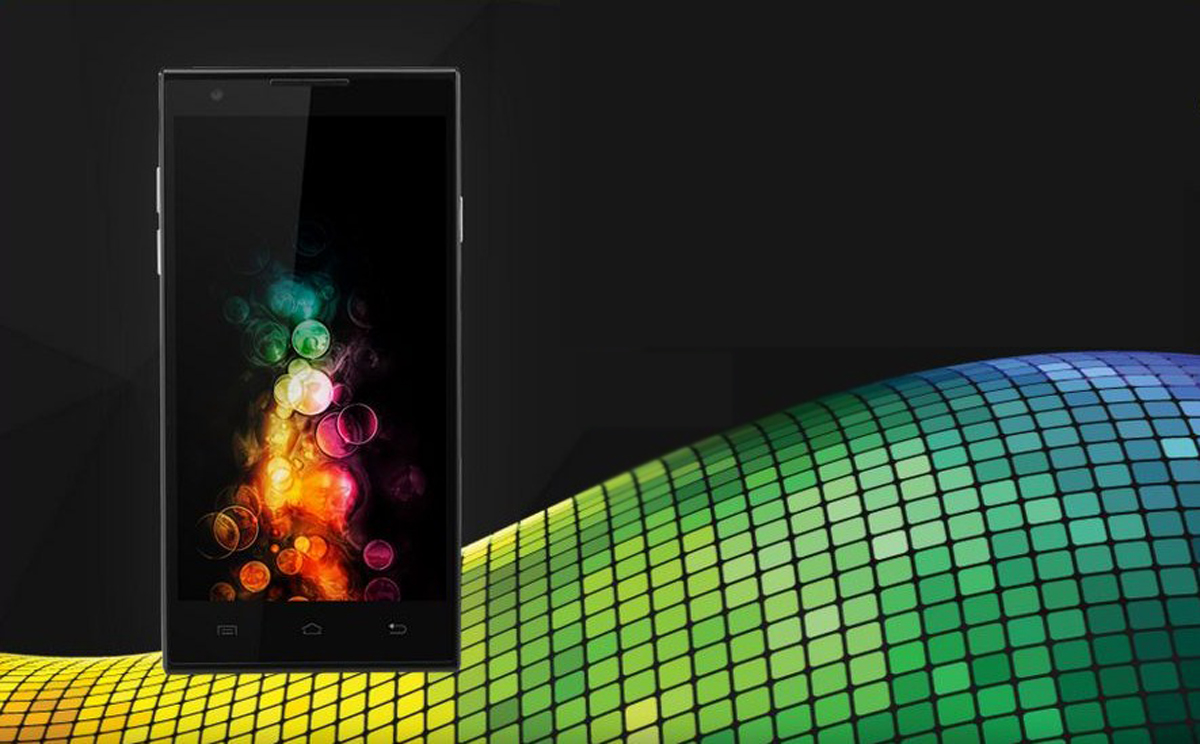
    Taiwan based phone manufacturers Oplus have introduced their 5-inch smartphone by the name Xonphone 5 in India today.

    The Xonphone 5 runs Android 4.4.2 out of the box. It gets it processing power from a Mediatek 1.3GHz quad-core processor. It possesses 1 GB of RAM with 16 GB’s of internal storage with expandable storage support for a 32 GB MicroSD card. The phone is powered by a 2000 mAh battery. The phone is dual sim capable with a Micro SIM and Mini SIM slot.

    The display on the Xonphone 5 is a 5 inch 1280x720p HD display with an 180-degree viewing angles. The display also has a 320 ppi display which sounds impressive for the price. The main camera on the device is an 8 MP shooter with autofocus and LED flash, and the front cam is a 2 MP fixed focus selfie cam.

    The makers of the phone provide a screen protector inside the box with the usual USB connector, charger and earphones. The phone provides a Yamaha professional bass speaker system which will give a good audio experience.

    The selling price of the device is set at Rs7,999 which is pretty competitive for the Indian market. The company has made an exclusive deal with Snapdeal to reach the consumers. If its performance matches up to its spec sheet, it might be another Asian brand that will create troubles for the Indian manufacturers like Micromax, Lava and others.

  • Phones With a Terabyte Of Storage To Become a Reality Soon With RRAM

    Phones With a Terabyte Of Storage To Become a Reality Soon With RRAM

    Now right when you were wondering if the 128 GB expandable option would make your memory troubles obsolete, a group of scientists has something better in store for you. The researchers at Rice University have come up with a new resistive RAM (RRAM) which can be made with regular equipment at room temperature.

    Several companies have been in the process of developing an RRAM, but they all have required higher temperature and voltages thereby making the production process expensive and inefficient for the manufacturers.

    The RRAM acts as a flash memory and can store data without a constant influx of power. Now unlike the regular flash memory which uses transistors to save the data, this new technique uses resistance to save their bits. These bits can, therefore, be stored in a smaller area in comparison to a flash drive and hence increasing the amount of data that can be stored in a small amount of space.

    Also like a multiple core processor, these RRAM’s can be stacked on top of each other so their storage capacity increases phenomenally. It is also said that RRAM performs much faster than regular flash storage, about a hundred times faster. They are apparently so efficient that they a postage stamp sized chip can hold a terabyte worth of data.

    The research is being led by Professor James Tour of the Material science department. The technique is cheap and efficient as it utilizes one of the most abundant elements on the planet, Silicon. The process involves a silicon oxide with tiny 5 nanometers holes. This material acts as an active electrode and data bits can be stored by changing the conductivity of the electrode with low-voltage pulses.

    Mobile technology will get a boost with this advancement. Major companies like Samsung are also experimenting with RRAM’s. While we would want our phones to be as robust and large data capable as our computers, we are restricted by the miniaturizability of the storage technology. RRAM’s and technology like it will bring us closer to achieving that. Maybe we could someday have a pro video rendering capability on our iPads.

  • Get Exploring with the New Google Maps Feature

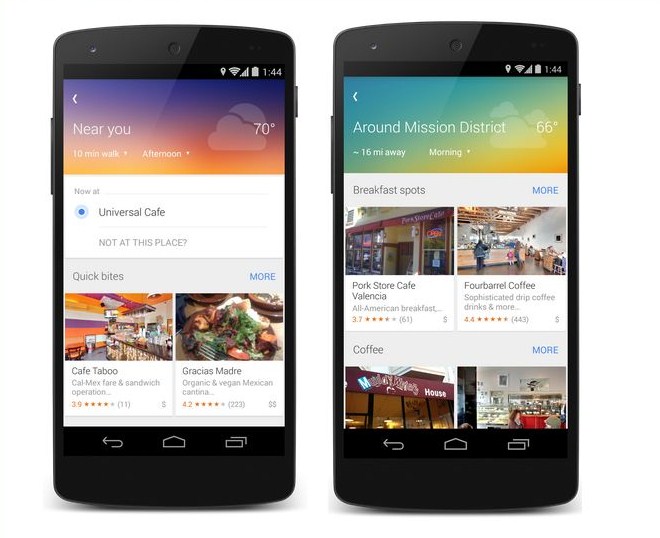
    Remember the time when there was a profession dedicated to guides? oh yes they still exist and Google has plans to make that job obsolete. With the new ‘Explore’ feature, exploring new places will get a lot easier. The feature will be available on Google Maps app on both Android and iOS platform.

    The Explore feature will be available on Android as well as iOS
    The Explore feature will be available on Android as well as iOS

    All the user needs to do with this update is to tap the new Explore button at the bottom right corner of the map to get a quick look at what’s nearby (where available). The feature will provide you information on different places and activities that adapt to each area and moment throughout the day. This also allows you to browse other neighborhoods and cities on the map so you can plan your day’s outing or daydream about your next vacation.

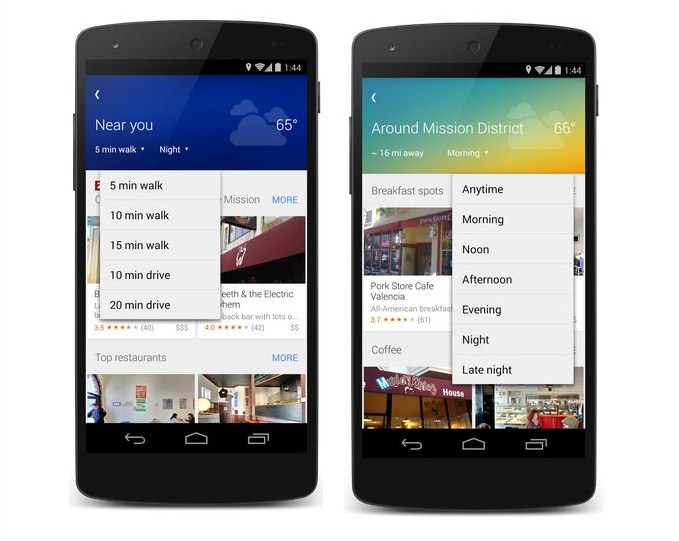
    The feature also gives you an option of finding what is nearby the place where you’ll be in the next five minute walk or a 20 minute drive. The convenience of finding a spot that suits your taste has never been this easy. As the results change according to the time of the day and weather, you can be assured that you will find exactly what you are looking for. The feature performs optimally when the location reporting and web history have been turned on.

    Google explore
    The Awesome functionality of this app will make it stand out.

    The feature also lets you assess the reviews and relevant information about the spot you have chosen to hang at. This can be done by tapping on the ‘My location’ on an Android devices. You can also save these places for future references. Like other data analysis based system, the app will personalize itself with regular use.

    On the look from, the upgrade features Google’s latest material design. The interface is simple, clean and easy to understand.

    So if you have an itch to always be outdoor and exploring, Google Maps and the Explore feature was what the doctor would prescribe for you. So go ahead, get Exploring !

  • Apple Reportedly Working on a 12-Inch Macbook and a 4K iMac

    Apple Reportedly Working on a 12-Inch Macbook and a 4K iMac

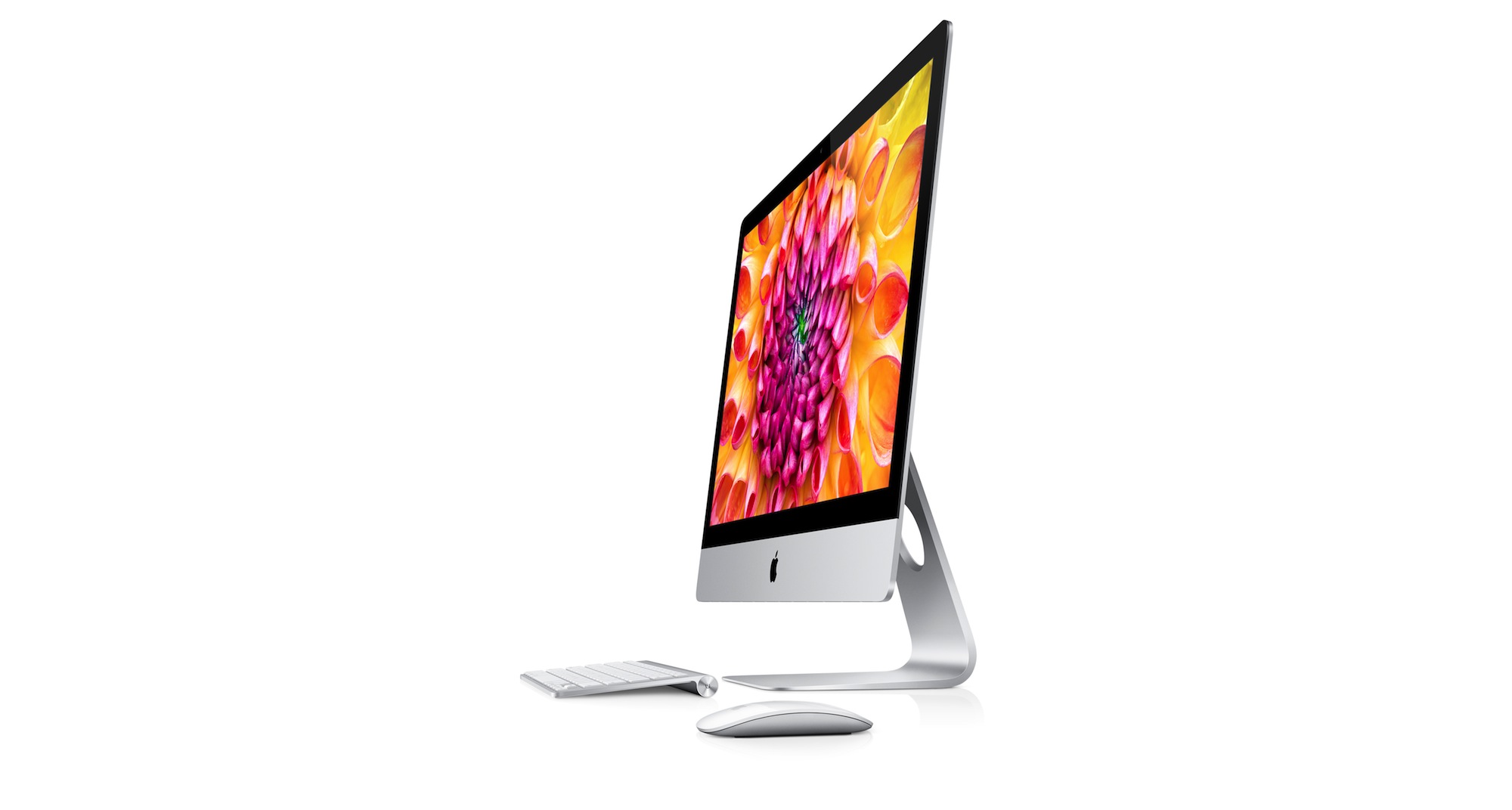
    Apple is surely going to have a good this year. With the mega buzz around the new operating system, the OSX Yosemite and the iOS, Apple is confident of its hands being full with cash by the end of this year. Now the company is planning to bring out a 12-inch Macbook and a new iMac with 4K display or a standalone 4K monitor.

    The 4K display would be immense step forward for the company and for the graphical and entertainment industry. An entire industry thrives on Apple systems and by having an iMac with 4K display will really speed up the content production for that medium. This will also help in bringing in these advanced displays to the lower mediums like the Macbook Pros.

    The new Macbook is described to have a thickness between the Macbook Air and the Macbook Pros. This laptop computer will come with an intel processor instead of the Apple A8 processor. Though this started off as a rumor last year but its validity is getting established with each new report.

    This report coming from Mark Gurman at 9to5Mac, is definitely going to make a lot of people happy. The software prowess of the Mac’s is the best in business and when united with superior displays, it’s going to be magical. Let’s hope these come out as soon as possible. They will surely obliterate the competition.

  • 5 Ways Technology Can Change The Way We Shop

    5 Ways Technology Can Change The Way We Shop

    Guilty pleasure shopping sprees have turned into couch surfing with the increasing popularity of e-commerce websites. Some latest surveys show that the by 2020 sales in shopping centers and on the high street will have shrunk by 27%.

    However, these real life retailers are prepared to fight back with the very same technology that threatened it in the first place. Retailers have only just started to explore the potential uses new technology could have. By mimicking and adapting how technology has been used in online retail, real-life retailers could combine all the advantages of online shopping with the benefits of shopping in-store.

    Here are 5 ways real-world retail is using new technology to adapt to changing consumer habits.

    1. Virtual Reality

    vurtual reality

    With virtual reality being the next big thing in technology ecosystem, it is no doubt that it will be one of integral part of the new-age shopping. However, we have to wait till virtual reality breaks through the developer mode and comes to commercial market to explore full potential of the technology. Leading fashion brand Burberry has virtual reality mirrors in its flagship store on London’s Regent Street. The mirrors read chips hidden in each item and change instantly into a screen displaying information about the product. In a world where an item’s provenance is becoming increasingly important to the modern consumer, Burberry is providing the backstory of their products in store.

    2. Google Glass

    shopping-glass3

    Google Glass, Google’s biggest bet on wearable technology, opens up a huge number of possibilities for retailers and a guaranteed improved customer experience. In stores, Google Glass and iBeacon technology could be used to recognise frequent customers and transmit the information to employees. Virgin Atlantic, Tesco and Waitrose in USA have already begun experimenting with the technology.

    3. Personalised purchases

    safeway

    Instead of having set prices, a number of stores are experimenting with personalised ones. US supermarket Safeway’s Just For U scheme alters prices based on the customer’s purchasing habits. Offers are loaded onto a customer’s club card that can then be used in store.

    4. iBeacons

    53397-beacon_teaser1

    iBeacons are Apple’s low-power transmitters that are already being installed in shops. iBeacons can recognise iOS devices in their vicinity and send them specific notifications. For example, customers could enter a shop and receive messages about new products and even localised offers on their Apple devices.

    5. Visual Light Communication

    vlc

    Emart, a South Korean megastore, has introduced a new technology to their stores that enables customers to find their way to specific offers.  Called VLC (Visual Light Communication) technology was installed into the store’s lighting fixtures, which gives real-time location information to customers with the correct app on their phone. Users just have to put their smartphone in a special holder on their trolley and follow directions to the nearest deals. When they get close enough to an offer item a discount coupon appears on their phone.

  • Blackberry Slashes the Price on its QWERTY Smartphones

    Blackberry Slashes the Price on its QWERTY Smartphones

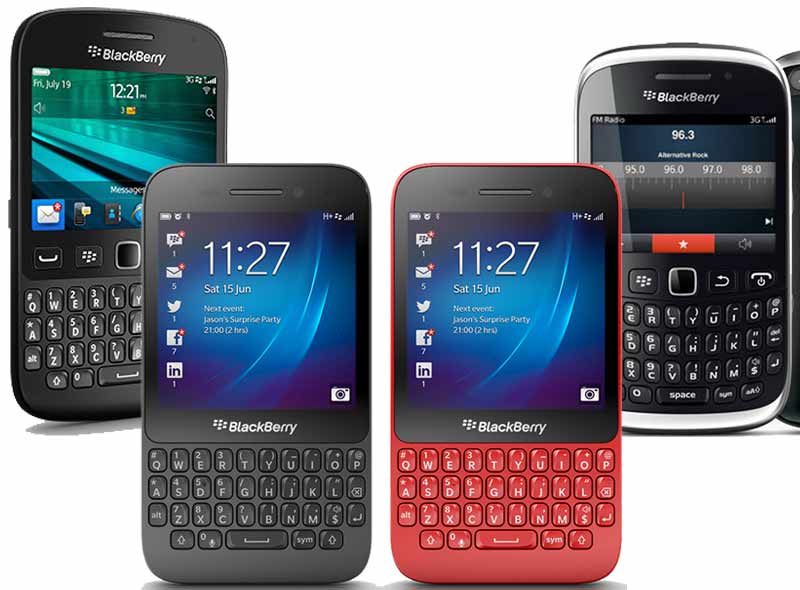
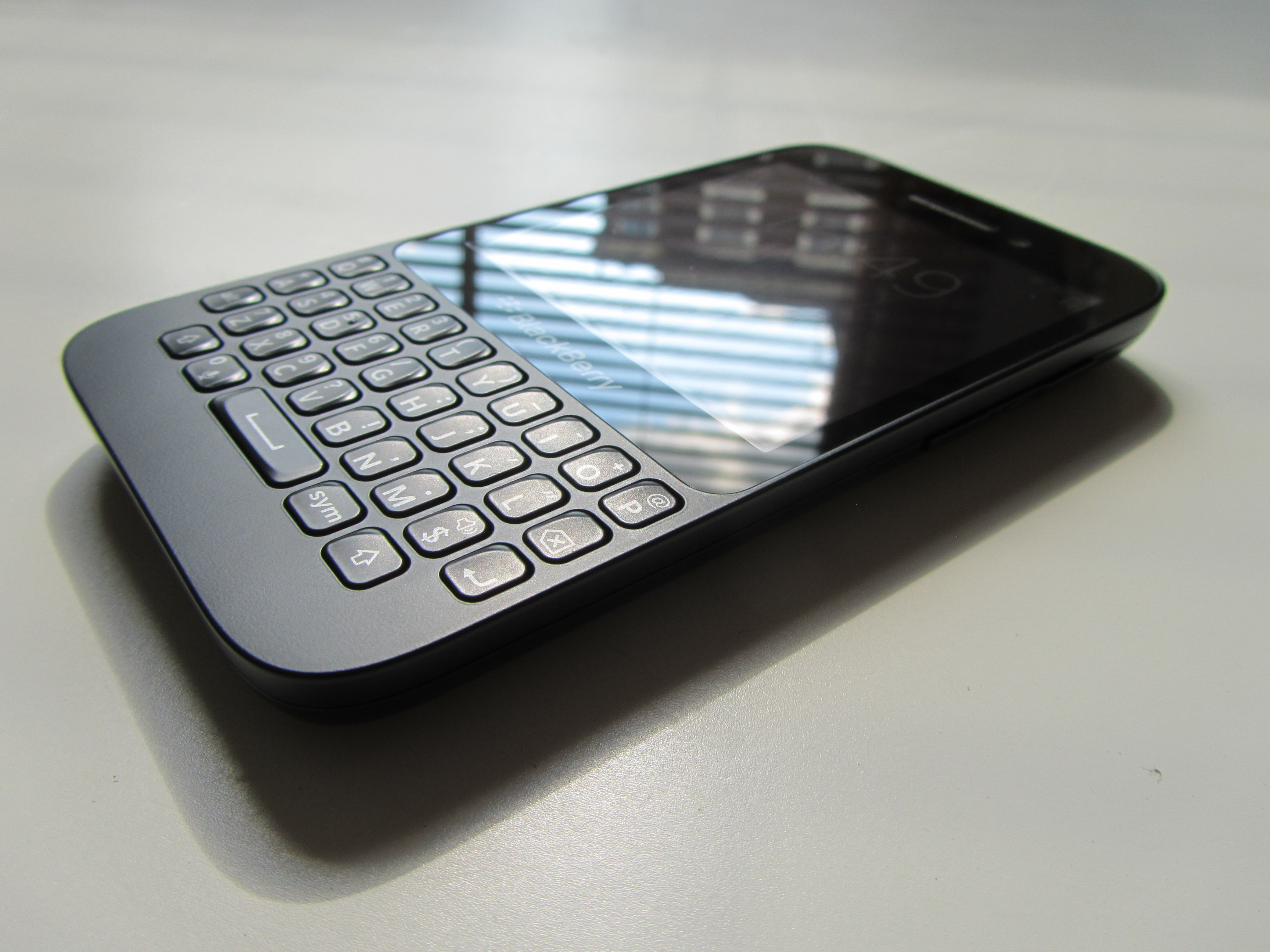
    The Canadian handset maker, Blackberry’s numbers have been tumbling since the last few year. The company is going through rough patch these days, which can be further sensed with the recent drop of the prices of their QWERTY devices – 9320, 9720 and Q5 – by as much as Rs 6,000.

    blackberry q5
    Blackberry Q5

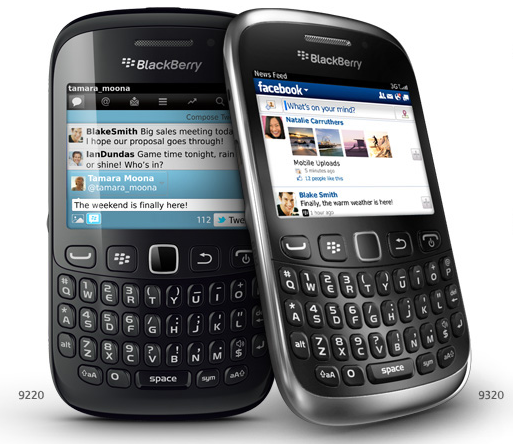
    The BlackBerry 9320 is essentially a 3G variant of the 9220, and was launched for Rs 15,499. With this price cut, the BlackBerry 9320 becomes the cheapest 3G-enabled QWERTY device in BlackBerry’s portfolio.

    Sameer Bhatia, Director, Distribution, BlackBerry, India, said, “The classic BlackBerry Keyboard, re-engineered for the fast efficient navigation and one-handed use, has huge fan base who swear by the distinct typing experience that BlackBerry offers. These compelling price-points will enable QWERTY fans to experience the latest technology and ease of use in one device.

    bb-curve-9320-2
    Blackberry 9320

    The BlackBerry 9720 was launched last year for Rs 15,990 and after the price slash will retail at Rs 11,990. The Q5, on the other hand, was launched for Rs 24,990 last year. It got a 20 percent price cut at the beginning of the year, which brought the price down to Rs 19,990, and with the latest cut, the price tag is down to Rs 13,990.

    These compelling price-points will enable QWERTY fans to experience the latest technology and ease of use in one device. BlackBerry’s special offer comes shortly after the company launched its Z3 smartphone for Rs. 15,990. The company has previously used price drop model to push sales of its devices.

    Earlier when the company slashed prices of its devices like Z30 and Z10 under special offers, the response they got was phenomenal, often resulting in stocks running out.

  • NVIDIA’s New Shield Tablet Takes Portable Gaming to the Next Level

    NVIDIA’s New Shield Tablet Takes Portable Gaming to the Next Level

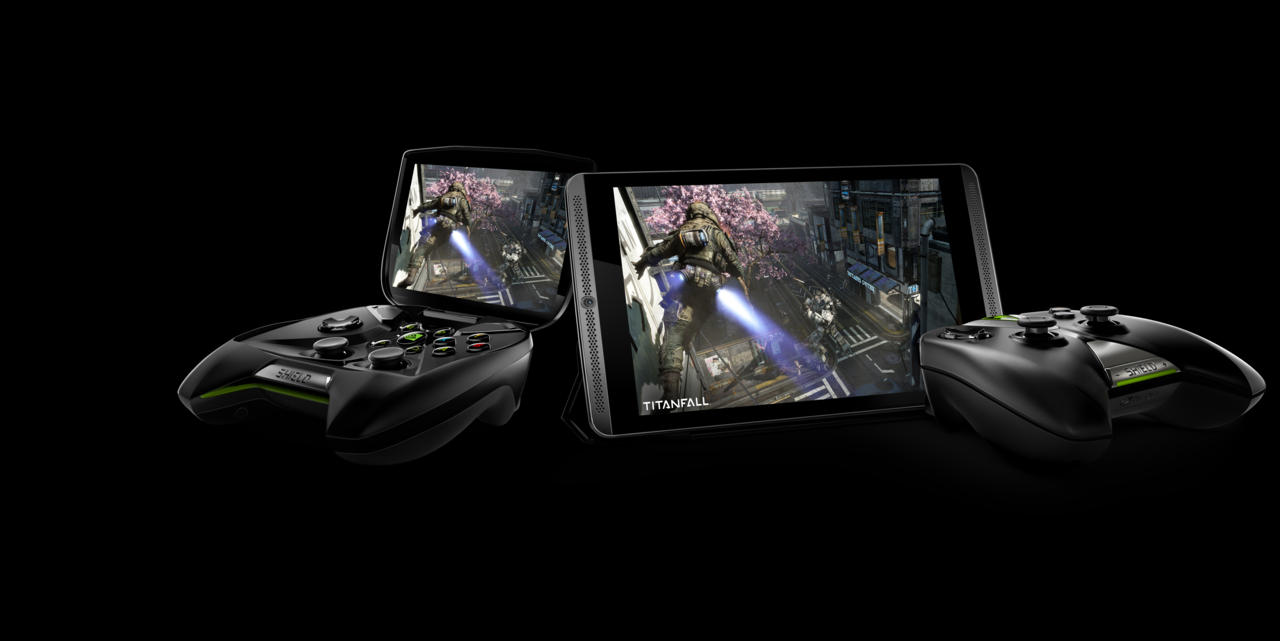
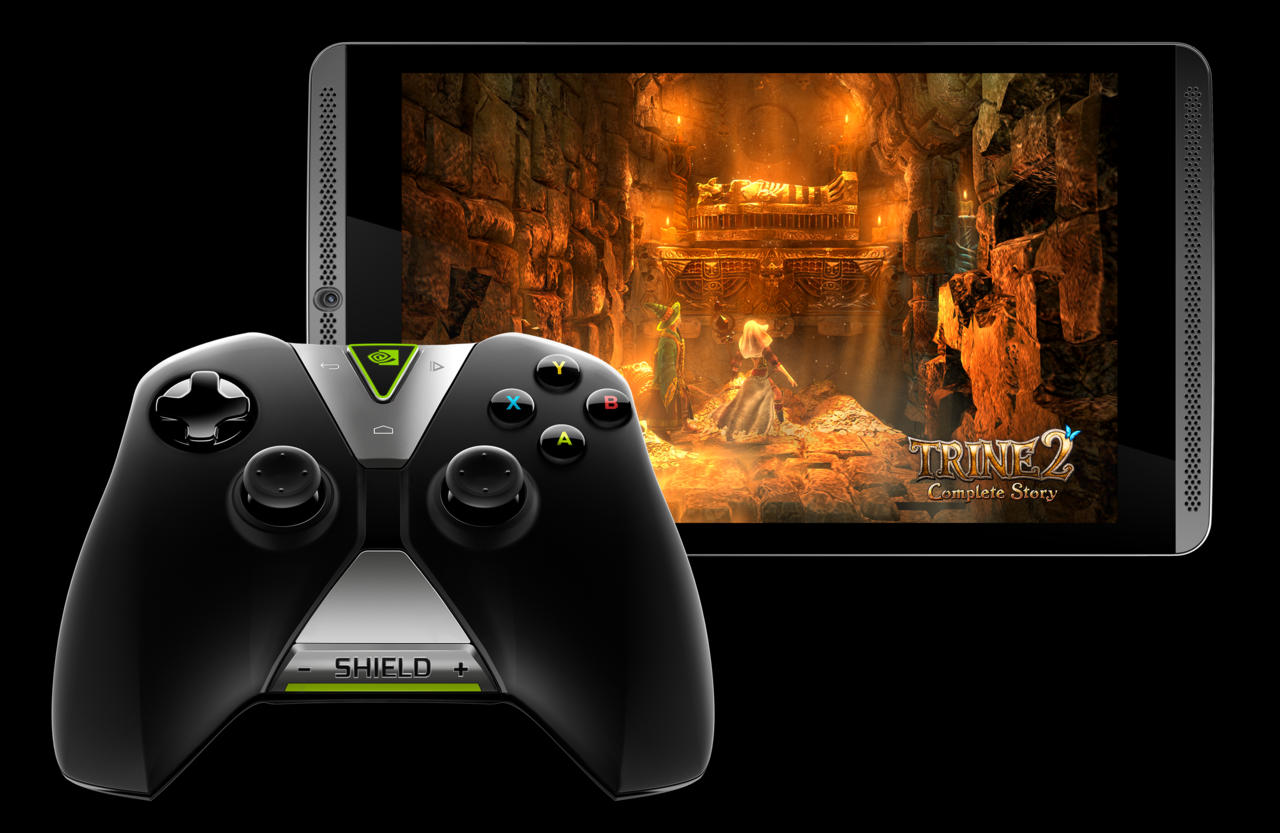
    Back in 2013, we saw the launch of first end-to-end consumer product: NVIDIA Shield. Now, Nvidia has unveiled the next generation of its Shield gaming hardware.

    Later this month, the company will be offering a new Shield Wireless Controller and the Tegra K1-powered Shield Tablet, changing up the formula from the original Shield clamshell portable that was announced at the beginning of last year.

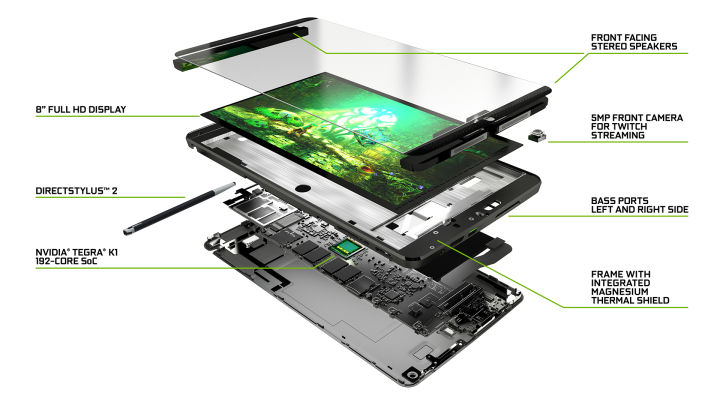
    The new NVIDIA Sheild will replace original Shield’s 5-inch screen in favor of a bigger 8-inch, 1080p display. The Shield Tablet is equipped with an 8-inch 1,920 x 1,200 display, a 2.2Ghz quad-core A15 CPU, 2GB  RAM and Nvidia’s impressive Tegra K1 mobile processor.

    shield_tablet

    On the software side, it will be shipped largely with a stock of the Android 4.4.3, with just a few gaming tweaks. Twitch is integrated into the device system, allowing players to stream almost any app, game, or part of the Android interface.

    The front-facing camera can be used for picture-in-picture, with audio coming from the integrated microphone or an external headset. When plugged into a TV, the tablet automatically switches into “Console Mode,” which brings up a controller-optimised 1080p interface for launching and purchasing apps and games.

    It is equipped with a pair of front-facing stereo speakers sporting a solid and sleek design. At 9.2mm thick and weighing 390 grams, it’s also small and light enough to easily toss into a bag or purse when on the go.

    Some apps that come out of the box include 1080p Netflix streaming, Hulu Plus, Shadowplay for capturing gameplay footage and Gamestream for streaming PC games directly to the tablet. 11 Tegra-K1 optimised games will be available at launch, including The Talos Principle, Half Life 2 and War Thunder, complete with cross-platform online play.

    shield-02-720x405

    The new Shield Controller is similar to the game pad found with the current Shield portable, but features a smoother attractive design. Its layout features a pair of analog sticks at the bottom, a directional pad on the top left, four face buttons to the right and a set of dual-shoulder buttons that are perpendicularly-aligned, not unlike those on the Xbox 360 controller. In the center of the controller are buttons that are used to navigate around Android and Nvidia’s software, as well as launch voice-activated commands.

    Nvidia’s new Shield Tablet will be available for an affordable $299 USD with 16GB of built-in storage and Wi-Fi connectivity. Doubling the storage and adding LTE will cost $399—the tablet is compatible with AT&T and T-Mobile in the United States. The Shield Controller will be sold for $59, and a cover for the tablet that can also be used as a kick stand is priced at $39.

  • BenQ Launches a New 24-inch Monitor For Competitive Gaming

    BenQ Launches a New 24-inch Monitor For Competitive Gaming

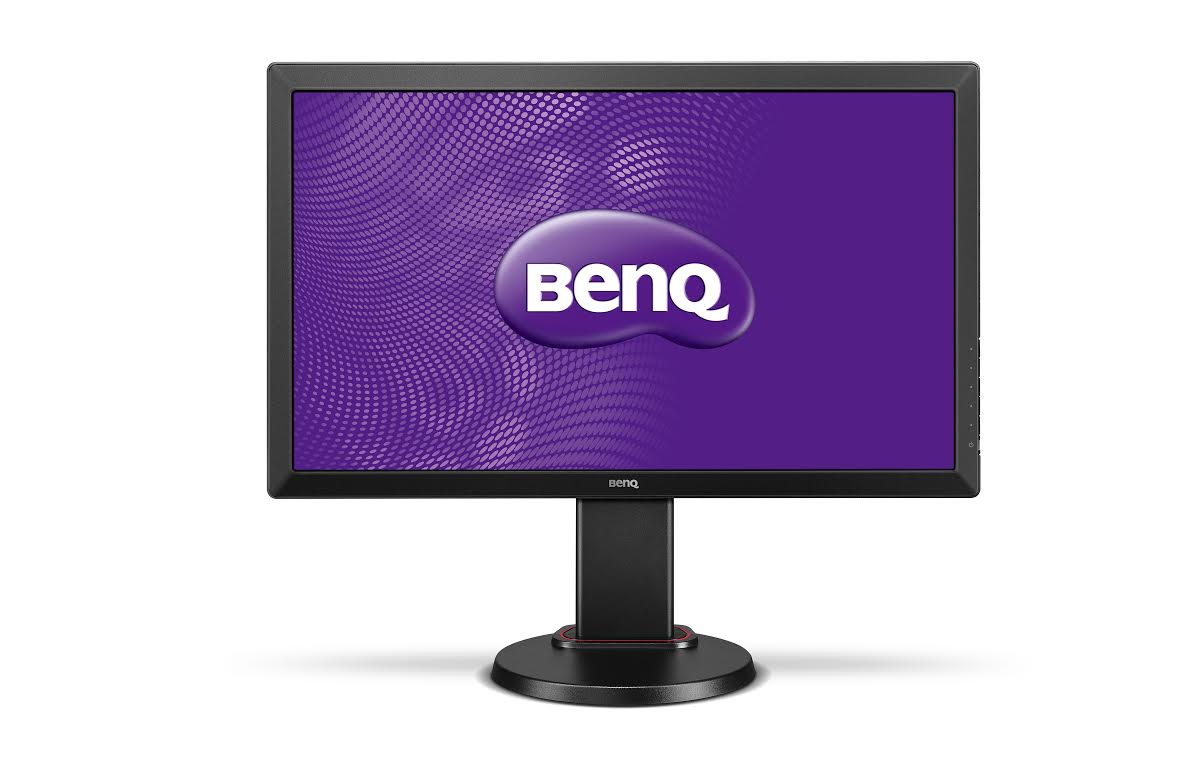
    BenQ, a renowned digital lifestyle provider and professional gaming monitor pioneer, announced a new addition to its RL Series: the RL2460HT. Company said that RL2460HT is a fully optimized monitor for high-speed PC and console gaming — perfect for RTS- and MOBA-style games, as well as fighting games.

    benq

    The new addition to RL series is packed with exclusively designed Fighting Mode and HDMI Output for console games, as well as all the latest features from 1ms GTG to Flicker-free Technology, Black eQualizer, Low Blue Light Technology and Height Adjustment Stand with Precision Scale System, the 24” novelty is the world’s first-ever professional gaming monitor dedicated to optimize the experience of high speed gaming. This is also BenQ’s first time to work with professional gamers of this exciting genre, inviting console game legend, Justin Wong of Evil Geniuses, to co-develop the new Fighting Mode.

    penq1“With the launch of RL2460HT, BenQ aims to offer exciting special features for some of the professional gaming industry’s most popular titles, played by millions of in-person and online gamers,” said, Rajeev Singh, Country Head & General Manager, BenQ India. “The RL2460HT has been engineered in collaboration with the world’s top professional fighting game champions enabling it to deliver the precision, speed, and market-first innovations needed to provide gamers with a memorable experience”.

    The RL2460HT now features a built-in HDMI output, which eliminates the risk of system input lag and delay by allowing for action to be captured after rather than prior to going through the monitor. This ensures an ultra-smooth, distortion-free gaming experience and uncompromised streaming while also enabling easy head-to-head setup capabilities for multiplayer games using a single screen – giving gamers a solid combination of game play supremacy and setup satisfaction.

    With the RL2460HT’s HDMI Out port, pro gamers can stream their game content after it goes through the monitor so that the audience sees exactly what the player has seen, without risk of lag or delay to the player. In this manner, pro gamers can preserve monitor speed and performance regardless of the streaming system used. The monitor provides a height-adjustable stand with a precision adjustment marker system that makes setup fast and easy, enabling the player to duplicate the precise setup every time and everywhere.

    The RL2460HT is available at a price of Rs.17,500 across India.

iGyaan Network
Privacy Overview

This website uses cookies so that we can provide you with the best user experience possible. Cookie information is stored in your browser and performs functions such as recognising you when you return to our website and helping our team to understand which sections of the website you find most interesting and useful.