Blog

  • ARM unveils Mid Range Cortex-A12 CPU and Mali-T622 GPU (PR)

    ARM unveils Mid Range Cortex-A12 CPU and Mali-T622 GPU (PR)

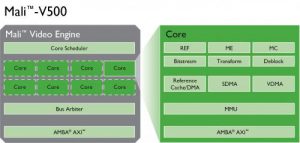
    ARM has just announced a new Cortex-A12, which will replace the industry king the Cortex-A9, and will offer a 40% increase in performance.To increase power savings the A12 will initially be fabricated at 28nm instead of 40nm, and will be offered to manufacturers alongside a new Mali GPU (the Mali-T622) and video engine (Mali-V500) that promise further reduction on consumption and enhance the life of the battery.
    The configuration of the chip will allow the Cortex-A12 chipset to be placed along with an A7 for example, to take over for tasks that require less processing power. The same system that was implemented in the “Octa-Core” version of the Galaxy S4. The Chipset will land with manufacturers by 2014 and should reach consumer hands almost instantly. 

    [toggle title=”Press Release”]ARM Targets 580 Million Mid-Range Mobile Devices with New Suite of IP

    News Highlights:

    · Faster time to market and less design risk with suite of IP including: ARM Cortex-A12 processor, Mali-T622 GPU, Mali-V500 video solution and POP IP technology;

    · 580 million mid-range smartphones and tablets are forecast to be sold in 2015_[i];
    · Cortex-A12 processor delivers 40 percent more performance than Cortex-A9 and brings premium features such as virtualization to the mid-range mobile device market; efficiency profile also makes it ideal for DTV and home networking;

    · Cortex-A12 processor brings optimum performance and maximum efficiency of big.LITTLE processing to mid-range smartphones and tablets;

    · Mali-T622 GPU offers an efficient and qualified OpenGL ES 3.0 solution and smallest Full Profile GPU Compute solution, putting even greater compute power into the hands of more mobile users;

    · Mali-V500 video IP solution reduces system bandwidth and power, while enabling the protection of premium video content with TrustZone support.

    Cambridge, UK and Taipei – 3 June 2013: Today at Computex, ARM announced an optimized IP solution designed to power the 580 million mid-range mobile devices expected over the next two years. The mid-range market is projected to exceed the number of premium smartphones and tablets beginning in 2015. Targeted at the mid-range market, this new suite of ARM IP is optimized for power, performance and die size. Used together, this suite of IP will provide consumers with premium features like virtualization, big.LITTLE processing and GPU compute at mid-range price points.

    The suite extends the ARM® Cortex®-A processor and ARM Mali™-T GPU series with the Cortex-A12 processor and Mali-T622 GPU and introduces a new video IP product, the Mali-V500. With support from ARM POP™ technology and the ARM Development Studio 5 (DS-5™) toolchain, ARM partners can deliver smartphones and tablets with higher efficiency and reduced time to market. Partners will announce their plans in due course, but ARM expects this IP solution will be in mobile devices by mid-2014.

    “Mobile users expect a range of devices at different price points and for a mid-range mobile experience to include some high end mobile features. With a billion smartphones predicted to ship in 2013 and tablets projected to out-ship notebook PCs, device-makers can now provide quality, high-performance mobile products with the features that matter the most, at a range of price points,” said Ian Drew, chief marketing officer and executive vice president, ARM. “The market is evolving at an amazing rate and there is now a choice of solutions for semiconductor companies and for mobile device-makers. Our suite of optimized IP expands the choice for the mid-range mobile market.”

    Bringing Premium Features to the Mid-Range
    The energy-saving technology known as ARM big.LITTLE™ processing is only just coming to high-end devices today, but now can be designed into mid-range smartphones, allowing users to do more with their devices. The Cortex-A12 processor offers ARM partners a 40 percent performance uplift in the same power envelope when compared to the successful Cortex-A9 processor. The Cortex-A12 processor builds on best-in-class efficiency as a standalone solution and additionally supports the innovative big.LITTLE™ processing technology with the Cortex-A7 processor. The Cortex-A12 introduces features found in premium smartphones and tablets to mid-range devices, including virtualization. Additional information for the Cortex-A12 processor can be found here.

    Ready for the Next Graphics Standards
    The Mali-T622 GPU, is OpenGL ES 3.0 conformant, supports the Renderscript and OpenCL™ APIs, and is the smallest full profile GPU Compute solution available for mobile devices. The Mali-T622 GPU brings a rich, visual experience to mid-range mobile devices with functionality only now becoming available in the highest-end premium smartphones and tablets. It does all of this while providing a 50 percent energy-efficiency improvement over first-generation Mali-T600 series products. A closer look at the Mali-T622 GPU can be found here.

    High-Quality Video in Mid-range Mobile
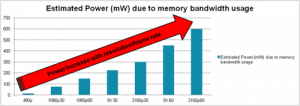
    The energy-efficient Mali-V500 video solution provides dedicated video processing and reduces system bandwidth requirements by more than 50 percent_[ii] compared to currently available solutions. The Mali-V500 is a multicore video solution, scaling from a single core capable of 1080p/60 encode and decode to multiple cores supporting ultra-high definition 4K at a blistering 120 frames per second. Additionally, the Mali-V500 video solution was architected with support for TrustZone® security technology enabling efficient, hardware-backed security for movie and TV content from download to display. More details on the Mali-V500 video solution are available here.

    ARM Brings it all Together
    ARM is best positioned to ensure its IP can be combined together for optimal performance with minimal energy consumption across the entire SoC, thus allowing every task to be run on the right processor. System advances include:
    · ARM POP IP supports leading 28-nanometer foundry processes. ARM POP IP is the only implementation solution which is co-developed and co-optimized, offering the best design points and fastest time to market for the Cortex-A12 processor and Mali-T622 GPU. More information on ARM POP IP, featuring Artisan® physical IP, available for this optimized suite can be found here.
    · ARM DS-5 toolchain to support development and optimization of software for systems based on the Cortex-A12 processor, Mali-T622 GPU, and CoreLink CCI-400 cache coherent interconnect. Complemented by the addition of the ARM Fast Models simulation library, the DS-5 toolchain enables early software development and system-wide performance and power optimization. Learn more about system software optimization here.
    “The immense success of Cortex-A9 processor-based SoCs, and the demand for highest performance at best energy efficiency, makes the new Cortex-A12 processor the perfect choice for VIA and will help drive our strong commitment to provide leading-edge platforms for our partners and the ARM ecosystem. The premium feature set of the Cortex-A12 processor will enable new use cases previously only limited to high-end devices and will allow the mid-range mobile device segment to continue growing rapidly,” said Tzu-Mu Lin, senior vice president, VIA Technologies.

    Tweet this story

    About ARM

    ARM designs the technology that is at the heart of advanced digital products, from wireless, networking and consumer entertainment solutions to imaging, automotive, security and storage devices. ARM’s comprehensive product offering includes RISC microprocessors, graphics processors, video engines, enabling software, cell libraries, embedded memories, high-speed connectivity products, peripherals and development tools. Combined with comprehensive design services, training, support and maintenance, and the company’s broad Partner community, they provide a total system solution that offers a fast, reliable path to market for leading electronics companies. Find out more about ARM by following these links:[/toggle]

    [VIA]

  • New Leaked Image Shows Samsung Galaxy S4 Active In Teal Colour

    New Leaked Image Shows Samsung Galaxy S4 Active In Teal Colour

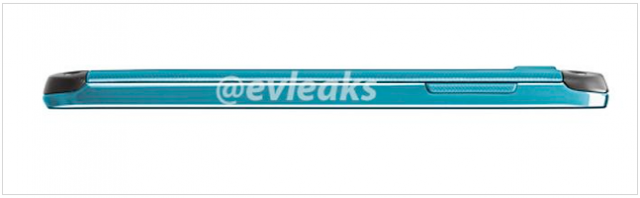
    @evleaks, known for its recent leaks, has dug up some images of the purported Samsung Galaxy S4 Active in teal. We’ve already seen this pop up in Red, plus it seems that there will also be a grey version.

    galaxy s4 active

    Over the past number of weeks the Samsung Galaxy S4 Active has arrived online in both picture and video format. This rugged device will most likely be announced at Samsung’s upcoming “Premier” event on June 20th. The device will attract people who work in the field, or those simply who are prone to dropping their precious Android.

    According to rumours, the ruggedized version of the Galaxy S4, the Galaxy S4 Active, which is expected to be a water and dust resistant phone, is likely to feature a 5-inch full-HD super AMOLED display. It would be powered by a quad-core Qualcomm Snapdragon 600 processor and Adreno 320 graphics processor. The phone is expected to have 2GB of RAM and run Android 4.2 Jelly Bean, the latest iteration of the OS. The phone will offer 16GB internal storage expandable via microSD card and is expected to come with a 2600mAh battery. The Galaxy S4 Active will come with Bluetooth 4.0, Wi-Fi 802.11 a/b/g/n, and NFC connectivity options in addition to an IR blaster just like the Galaxy S4.

    The Samsung Galaxy S4 currently is available in 2 colours only. 

    [@evleaks on twitter]

  • HTC One Android 4.2.2 Update With Sense 5.0 Detailed

    HTC One Android 4.2.2 Update With Sense 5.0 Detailed

    According to a report by Android Revolution, HTC One users can expect an update from the current Android 4.1 to 4.2.2 soon, with the international model already receiving the update.

    “There were quite a lot of rumours about upcoming HTC Sense and Android 4.2.2 update for HTC One and HTC Butterfly. All were expecting HTC Sense 5.1 to show up, but instead, the version of HTC UI in latest Android 4.2.2 update is still 5.0,” wrote AndroidRevolution which got the screenshots of HTC One Android 4.2.2 update.

    htc one

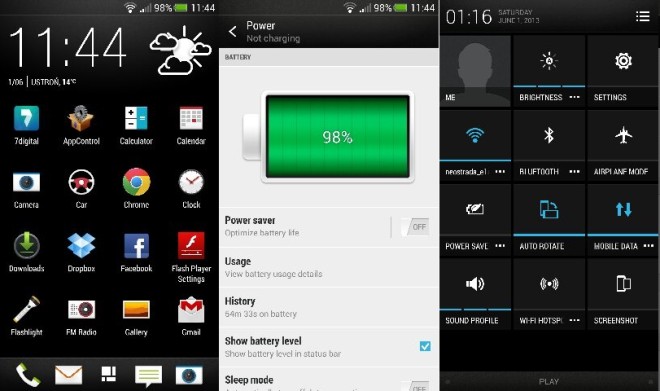
    The new software release lands on handsets with some appealing new features packed inside, such as a percentage battery level indicator and extended quick settings, along with enhancements to Blinkfeed. 

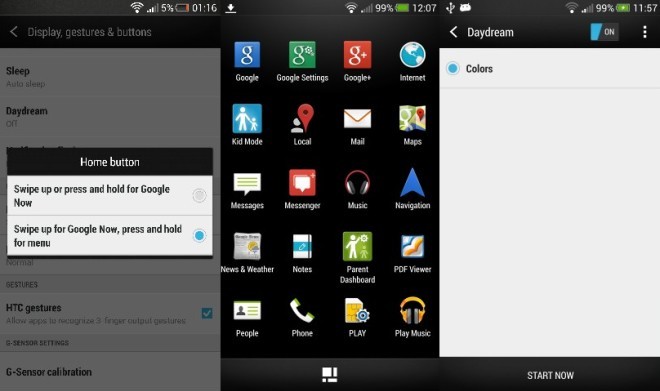
    Android daydream and the ability to remove the docked icons are also coming to smartphone with the update. The ability to long press the home button for menu settings is another clever touch which is set to arrive on the One with Android 4.2.2.

    htc one

    This update adds the ability to work with Android-native sound profiles – aka EQS or equalizer controls. These controls can be found by tapping one’s EQS icon in the upper right corner of the notifications menu.

    The HTC One was unveiled earlier this year as the company’s new flagship smartphone hosting a bundle of features including a 4.7-inch screen with a full HD resolution, 4MP camera, and two front-facing speakers for stereo sound.

    You can read our review of the HTC One here.

    [Android Revolution]

  • Peugeot Testing 208 T16 ahead of Pikes Peak Hill Climb [w/video]

    Peugeot Testing 208 T16 ahead of Pikes Peak Hill Climb [w/video]

    Peugeot has released a new video of the 208 T16 undergoing heavy testing at Mont Ventoux in preparation for the Pikes Peak International Hill Climb to be held at the end of this month. The location for one of the most grueling stages of the Tour de France, Mont Ventoux represents the perfect spot to test the car because of its steep terrain and high attitudes which attracted racers as far back as 1902. Using the last six kilometers of the mountain’s summit road, the 208 T16 tested at rather high altitudes for Europe, but with a peak of 6,263 feet, even the barren summit is more than 3,000 feet below the start of the Pikes Peak International Hill Climb. The finish line sits at 14,110 feet, nearly 5,000 feet above the start.

    This is what team technical chief Jean-Christophe Pailler had to say:

    Okay, the altitude isn’t as extreme here as it is at Pikes Peak which reaches 4,301 meters, but it’s a valuable intermediate step. It allows us to see the differences in the way the engine functions, although we hope to suffer less from altitude-induced power-loss than our rivals because of the turbochargers we have chosen.

    The Peugeot team is very confident that they have a car which can not only win the Hill Climb, but obliterate the competition, and they may be right considering that the mid-mounted 3.2-litre V6 power plant produces 875 bhp. It is connected to a six-speed sequential transmission and an all-wheel drive system that enables the 875 kg race car to accelerate from 0-100 km/h in just 1.8 seconds. If that wasn’t enough, Peugeot have 9-time WRC champion, Sebastien Loeb piloting the 208 T16 up the hill.

    Watch the video below to see how Loeb gets along with the 208 T16 at Mont Ventoux.

    [youtube id=”6sHlBX4KqBM” width=”100%” height=”300px”]

    Enjoy some pictures of the 208 T16 in its Red Bull race livery, as well as the previewed all-black version.


    News source: Car Magazine

    Image credit: GTspirit.com

  • 2014 BMW X5 Revealed

    2014 BMW X5 Revealed

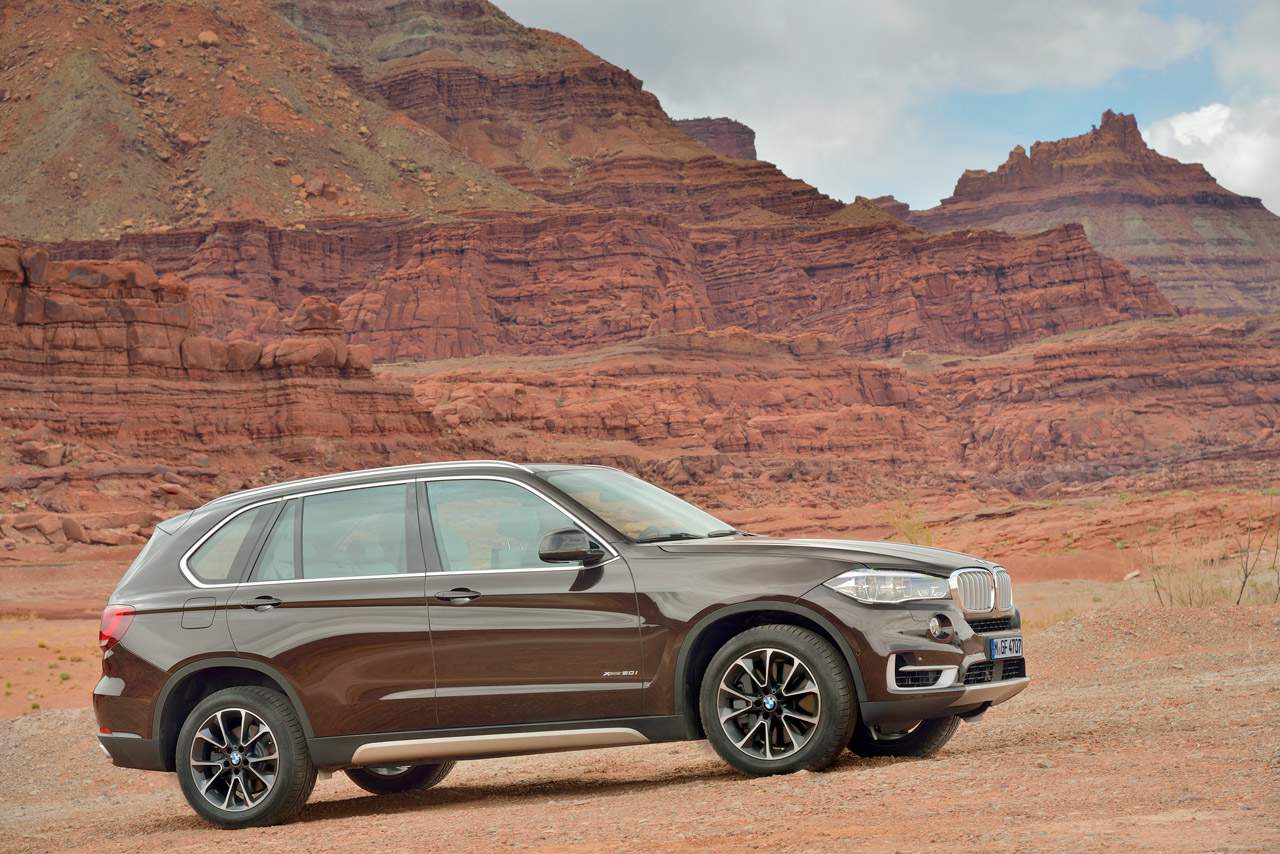
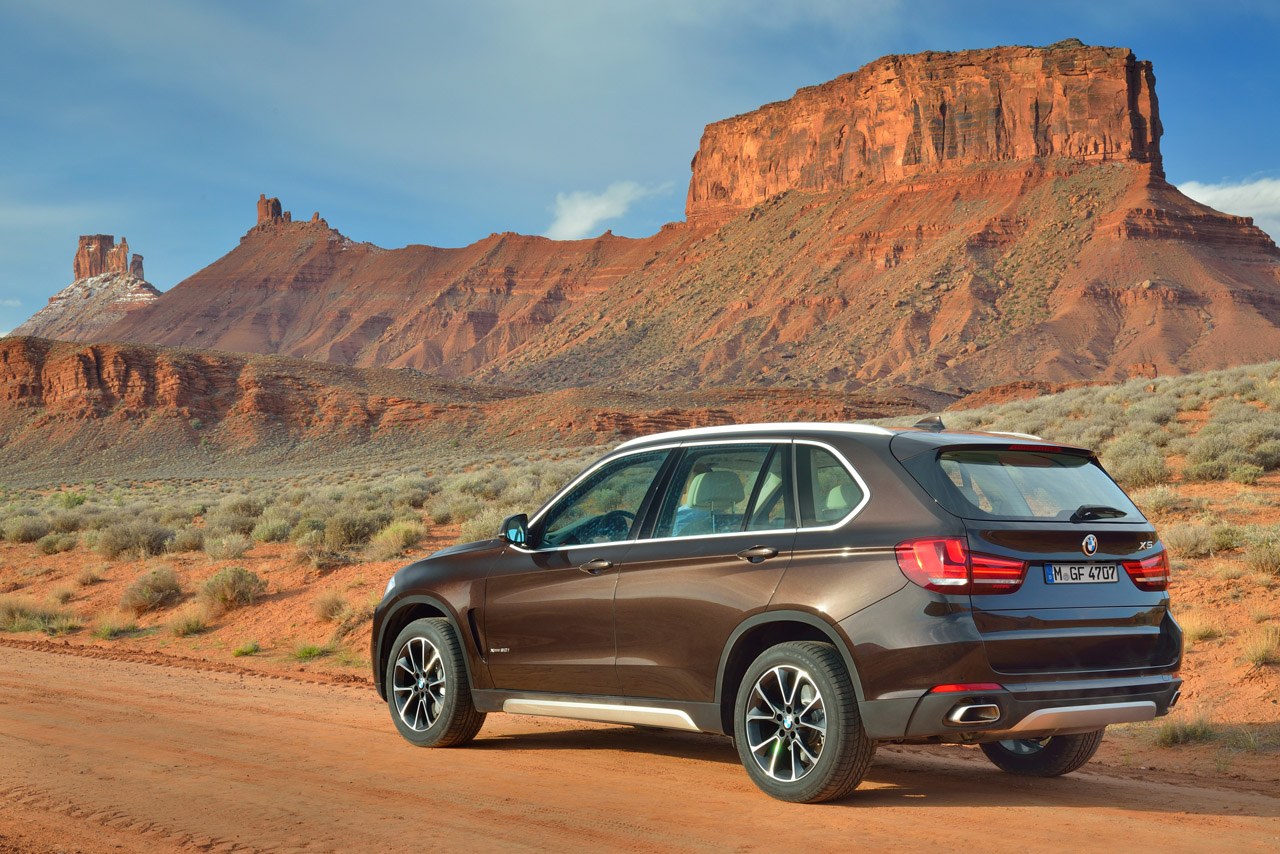
    After months of speculation and spy shots, the 2014 BMW X5 has finally been revealed by the Bavaria based manufacturer. Since its launch in 1999, the BMW X5 has gone from strength to strength and established itself as one of the world’s best SUVs. The third generation is more evolution than revolution as it builds on these strengths, but doesn’t bring about any radical changes.

    X5

    The new grille, bumper and headlamps are in alignment with BMW’s new direction in style and are reminiscent of the current 3-series and 5-series ranges. The bumper is slightly more aggressive than its predecessor too. A prominent character line runs down the side from the newly designed front apron all the way to the taillights. At the back, the new X5 gets a redesigned tailgate, new taillights and a new bumper with reflectors and twin tail pipes.

    X5 

    The BMW X5 will be available with a choice of three engines. The X5 sDrive 35i comes with a 3.0-litre twin turbo straight six petrol unit producing 300 bhp and 406Nm of torque that can power the SUV from 0-100 km/h in 6.2 seconds. For those looking for extra thrust, the X5 sDrive 50i packs a potent 4.4-litre twin turbo V8 petrol motor putting out 445 bhp and 650Nm of torque, which can propel the SUV from 0-100 km/h in 4.9 seconds. An all new 3.0 litre turbo straight six diesel producing 251 bhp and 559 Nm of torque will also be on offer. All engines will be mated to an eight-speed automatic gearbox. For the first time ever, BMW is offering the X5 with rear-wheel drive on the X5 sDrive 35i (the one with the 3.0-litre petrol engine), and traditional all-wheel drive systems will be available as well.

    X5

    The 2014 BMW X5 is a classic case of ‘don’t fix it if it ain’t broken’. BMW seems to have figured out the formula to success in the SUV market and are now working to perfect it rather than reinvent it. The 2014 X5 is a well thought out vehicle and should be a worthy successor to the outgoing model.

  • Mercedes Benz A-class Launched at Rs. 21.93 Lakh

    Mercedes Benz A-class Launched at Rs. 21.93 Lakh

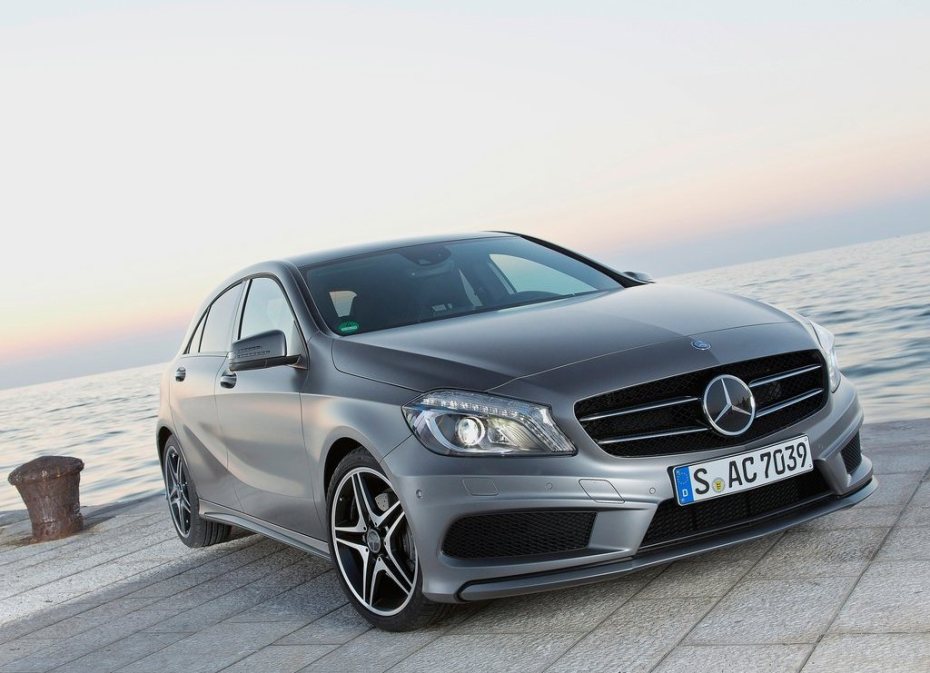
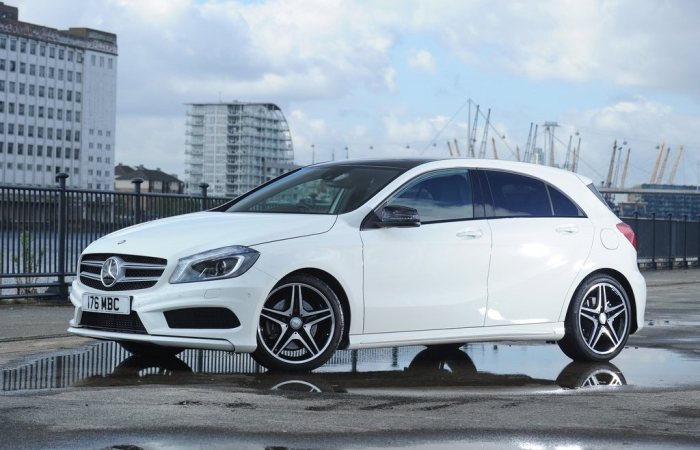
    The striking Mercedes Benz A-class has been launched in India in two variants, the petrol A180 CGI and the diesel A180 CDI. Representing the younger face of the German auto giant, the new A-class is a breath of fresh air, bringing with it a revamped design and a new outlook to the market. There has been a lot of hype surrounding the smallest and cheapest member of the Benz family, and when it comes to looks, Mercedes has definitely matched the hype.

    A-Class

    The A-class is very easy on the eyes. The low and sloping roofline along with the long hood impart the hatch an athletic stance and the ducted rear bumper as well as the diffuser add character to the well sculpted rear end. The new metallic grille flanked by swooping LED headlights are the cherry on top of a sumptuous little treat.

    The A-Class range internationally gives buyers a range of models to pick from, but for now India gets just the A 180CGI and the A180 CDI. The petrol A180 CGI is powered by a 1.6-litre unit producing 122 bhp and the diesel A180 CDI features a 2.2-litre powerplant pushing out 109 bhp. Both engines send power to the front wheels through a seven-speed dual-clutch gearbox. The diesel A-class reaches a top speed of 190kph while the petrol tops out at 202kph.

    A-Class

    The A 180 CGI comes equipped with a panoramic sunroof, black diamond pattern trim seats, contrasting topstitching on the door centre panels and armrests. The instrument cluster comes with silver-finish dials. The car also has 17-inch smoked grey alloy wheels as standard as well as Bluetooth connectivity, seven airbags, an ECO start/stop function, adaptive brakes, Attention Assist system, ESP, bi-xenon lamps, and USB and iPod connectivity. 

    The large and imposing hatchback may be the cheapest Benz on offer, but at Rs. 21.93 Lakh for the A 180 CDI Style and Rs. 22.73 Lakh for the A 180 CGI Sport(both ex-showroom Mumbai), it may still be quite heavy on the wallet for most Indians, especially for a hatchback. 

    [Autocar]

  • Rumour: Samsung Galaxy Tab 3 To Be Powered By Intel Clover Trail+ Chip

    Rumour: Samsung Galaxy Tab 3 To Be Powered By Intel Clover Trail+ Chip

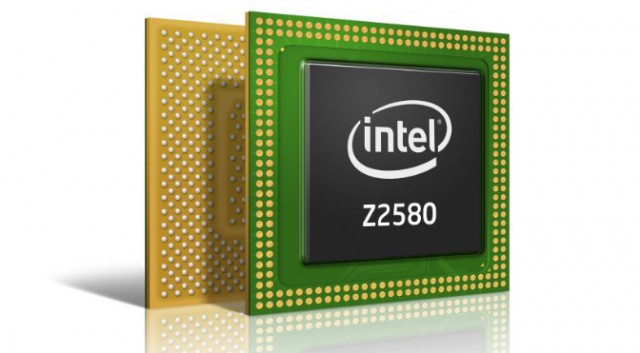
    Samsung’s upcoming Galaxy Tab refresh, known in certain circles as the Galaxy Tab 3 10.1, will be powered by Intel’s Clover Trail+ SoC and not, as widely expected, an ARM-based chip.

    According to Reuters and the Korea Times, Samsung is taking Intel’s foray into mobile chips quite seriously, and plans to release other devices — likely only tablets — with its newer, faster, more energy-efficient technology. The Times says that up to 50 Intel engineers are working with Samsung in Korea to develop chips optimized for all use cases, though we’re assuming that does not extend to high-end phones. ARM’s advantage, especially with Qualcomm, is too great at the moment.

    Samsung is holding a conference in London on June 20th to show off some of its new Galaxy and ATIV products. It is rumoured that among them will be a new Galaxy Tab, though it’s unclear whether it will remain an entry- to mid-range device like its predecessor or if Samsung will offer a premium experience akin to the hardware on the Nexus 10 (or both).

    Apparently LG is also considering using Intel chips as the U.S.-based chip maker lobbies increasingly hard in Korea for the two largest electronics companies to adopt its chips. Intel has also been working very hard to adapt and optimize Android for x86-based processors in recent years, and now has a version of Android 4.2 that appears to be indistinguishable from its ARM-based counterpart.

    Applications processors based on technology from ARM and designed by Qualcomm Inc, Samsung and Nvidia now dominate a market that research firm Strategy Analytics estimated could hit $25 billion by 2016 versus $9 billion in 2011.

    Intel today launched it’s next generation of chipsets, the Haswell series, which boast of better performance, battery life and better graphics. 

    Intel is rushing to adapt its powerful PC chips to use less energy and work more efficiently in mobile devices.

    [Reuters, Mobile Syrup]

  • Intel Haswell Chips Launched With Better Performance, Graphics And Battery Life

    Intel Haswell Chips Launched With Better Performance, Graphics And Battery Life

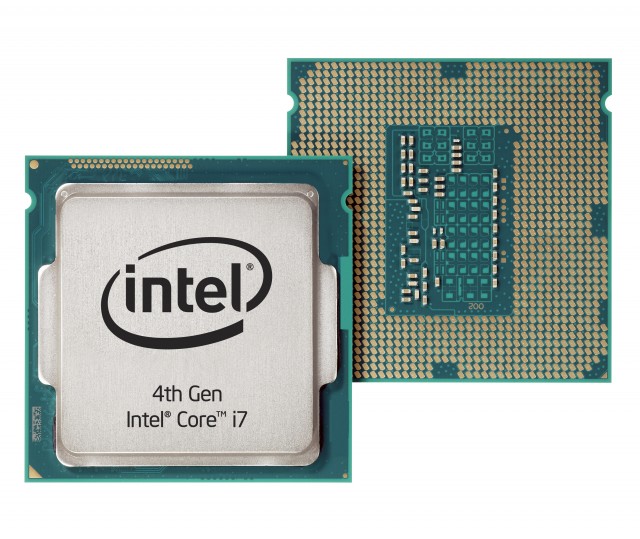
    Intel is launching its 4th generation Core processor family, code-named “Haswell,” and we should start to see computers based on the new chips at the Computex trade show starting June 4th . 

    Intel’s Haswell chips will try to take up where Microsoft’s Windows 8 failed to invigorate the PC and laptop market. The firm announced a slew of quad-core desktop and laptop chips, with the Core i7-4770K heading the desktop line and the Core i7-4930MX topping off the firm’s laptop range, the former of which will require Sandy Bridge and Ivy Bridge owners to undergo a motherboard upgrade, as the chip uses the new LGA-1150 socket.

    Intel has also signficantly revised the required spec laptop makers must hit in order to earn the ‘Ultrabook’ moniker. Performance, obviously, is one of the major highlights of the new chip. 

    As PCPro reports – Our benchmark results on the first Haswell desktop processor – the Core i7-4440K – show significant performance improvements over the last generation chips, especially when it comes to graphics.

    The Core i7-4440K showed an overall improvement of almost 10% in our Real World Benchmarks, scoring 1.16 compared to 1.06 for the last-generation Ivy Bridge i7-3770K.

    Haswell also promises to deliver significant advantages for mobile users. Forthcoming Haswell processors aimed at Ultrabooks and tablets promise to extend battery life by combining the chipset into the CPU package, but Intel has yet to release the mobile processors for testing.

    Some of these power savings come because Haswell is the first architecture tailored specifically for the 22nm process rather than being designed for a larger process and then shrunk down, as Ivy Bridge was. Others come from improvements that Intel has made it to idle power usage and the amount of power used when switching between those active and idle states.

    Improving the performance of its chips’ integrated graphics is another key area where Intel seems to have put in a lot of work. This has, resulted in an integrated graphics solution that delivers double the performance of Ivy Bridge-powered laptops and thrice that of Ivy Bridge-based desktops.

    If you’re looking for specific information about U- and Y- series low-voltage chips for Ultrabooks or anything belonging to the Core i3, Pentium, or Celeron families, you’ll have to wait a little while longer. We’ll be sure to pass that information along as we have it.

    [PCPro, Lilliputing]

  • Apple iPhone’s India Sales Grows By 400%, Are EMI Schemes To Thank?

    Apple iPhone’s India Sales Grows By 400%, Are EMI Schemes To Thank?

    India has become Apple’s test bed for emerging markets, with the company rolling out a series of discounts and payment plans in order to entice purchases and improve its market standing in the 1.24 billion people market.

    According to analyst Sunil Tirumalai, Apple’s equal monthly installment (EMI) and cash-back programs have jump-started sales in India, which used to be around 70,000 to 80,000 units per month before the aggressive pricing schemes, reports Economic Times.

    These efforts are paying off as iPhone sales have risen 400 percent over the past four months.

    Tirumalai says the benefit of the new initiatives is clear, “The 4-9 percent implicit discount coupled with the option of easy EMIs spread over 6-12 months became popular. Within a few months, our discussions with handset retailers indicated that iPhone sales went up 3-4x, forcing companies to respond.”

    Based on those numbers, Apple only trails Samsung in terms of overall sales in the country. Samsung, however, offers a much larger range of devices in India, including entry-level smartphones and feature phones which attract less well-to-do buyers.

    apple

    Apple’s recent success in India also followed a rebranding of the iPhone as an affordable product rather than a high-end luxury item.

    Apple had introduced the cash back scheme for its iPhone 4. Under this scheme consumers had to bring in their old smartphone and could take home a brand new iPhone 4 at a minimum discount of Rs. 7,000. As per the conditions of the scheme, Rs. 5,000 was the cash back discount given and the additional Rs. 2,000 was the minimum resale value pegged for the old smartphone.

    If the consumers tried to exchange a smartphone, whose resale value was more than Rs. 2,000 then the effective cash back to them was Rs. 5,000 plus the value the resale of the phone. Initially, the scheme was launched for just 15 days. However, given the popularity the scheme was extended till May.

    Even now, Apple is running a scheme, where in students are eligible for Rs. 7,777 discount on purchase of Apple iPhone 4. Apart from this, the American Express card holders can get an additional 10 percent on purchasing this smartphone.

    Apple also sells older models of the handset in India that pre-date the iPhone 4 and are not officially sold by the company in any other country.

    [The Economic Times]

  • Facial Recognition Apps For Google Glass Will Not Be Approved For Now

    Facial Recognition Apps For Google Glass Will Not Be Approved For Now

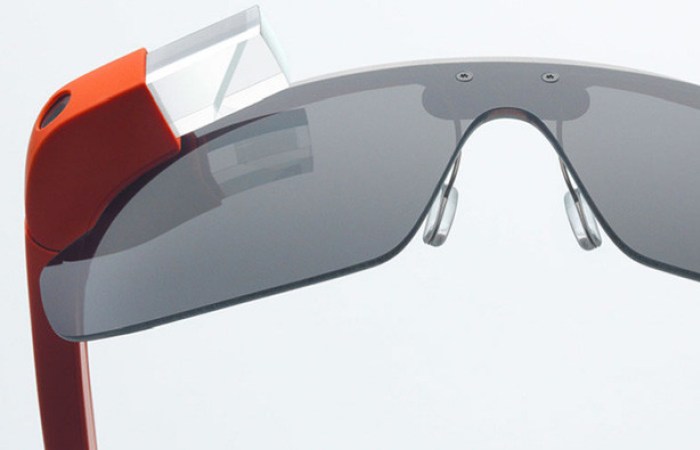
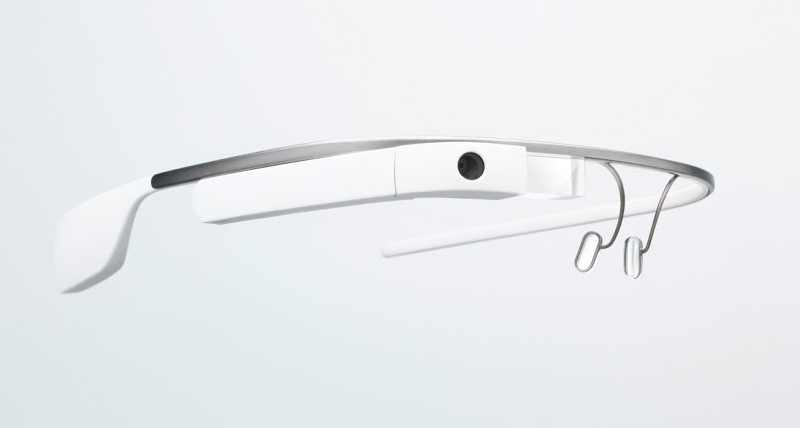
    Google has attempted to assuage some of the privacy concerns surrounding Google Glass with a new Google+ post on facial recognition.

    As Google has said for several years, we won’t add facial recognition features to our products without having strong privacy protections in place. With that in mind, we won’t be approving any facial recognition Glassware at this time.”

    The company also said developers would not be allowed to disable the Google Glass display while using the device’s camera. This comes in response to concerns that Glass wearers could surreptitiously take photos and videos of their surroundings, without those nearby able to see that they were doing so by noticing the lit display in front of their faces.

    google glass

    Glass, despite its holding pattern in beta, has already been scrutinized from an ethical perspective by many technology watchers, some of whom have said they’re troubled by the challenges to privacy posed by a wearable computer which could potentially be used to photograph people in public spaces without fair warning.

    Google Glass is currently only available to Explorer Program members, with #ifihadglass contest winners joining them soon. Google says that it’s using this early period in Glass’s lifecycle to listen to users and the public and to shape its policies accordingly.

    Google has in recent years been a target of privacy hawks concerned with the company’s access to growing amounts of personal information through its search services and mobile device software.

    [PCMag, AllThingsD]

  • Samsung Galaxy S4 active gets pictured for US AT&T

    Samsung Galaxy S4 active gets pictured for US AT&T

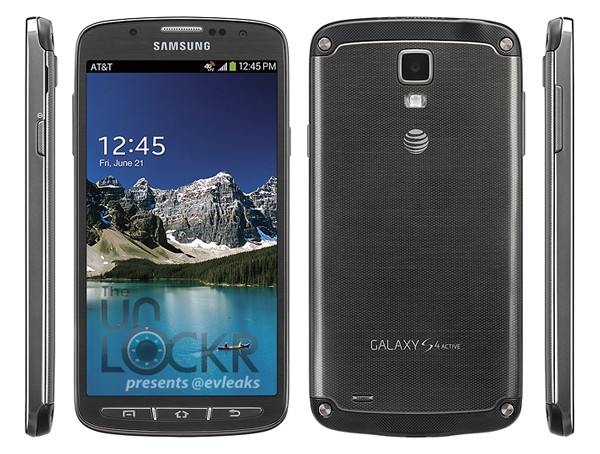
    The Samsung Galaxy S4 Active has been in the limelight for quite some time, but this time around Press shots confirm its existence. @evleaks, known for its recent leaks, has dug up some images of the purported Samsung Galaxy S4 Active with US AT&T branding. The hardware could bring to silence all those who have asked for a better built Samsung phone, and this could be the Korean manufacturers answer. 

    Specifications on rumor include a 1.9GHz quad-core Snapdragon 600 chipset, HD display, 8-megapixel rear camera and water-resistant protection. The Samsung Galaxy S4 mini could see an announcement at the upcoming Samsung event scheduled in London.

    Galaxy S4 Active[VIA]

  • Rumor : LG could make the Nexus 5 After All

    LG was the OEM of choice for building the Google Nexus phone last year, and the Nexus 4 has been quite a hit in the industry. Several tipsters and online rumors have pointed to different hardware being manufactured by different companies. The latest news comes from a Korean site called  Daum, that claims that the Nexus 5 is already in testing and may be announced sooner than expected. The site also claims that LG is the choice as a manufacturer due to huge success with the Nexus 4 and an overall positive report from the market watch. 


    Google is known to have the same company build the Nexus device year after year, as they did with Samsung’s Nexus S and Galaxy Nexus, LG could be chosen for the Nexus 5 seeing as how well they executed the previous edition of the Google Phone.

    While no real specs, images or design ideas for the upcoming product are available, it is claimed that the Hardware has already done several rounds of the Google Campus. With no real information to back this one, take it with a pinch of salt guys.

  • LG Optimus G Pro Coming to India on June 20th (PR)

    LG Optimus G Pro Coming to India on June 20th (PR)

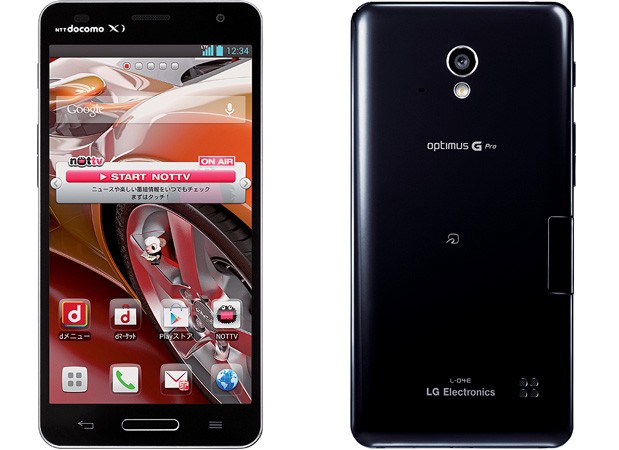
    LG might be enjoying the success of the Nexus 4 in India, and in order to retain that streak the company is planning to launch the new LG Optimus G Pro in India on the 20th of June. 

    The 5.5 inch smartphone from LG will fall into the Galaxy Note 2 category of phone sans the stylus.The LG Optimus G Pro has a  True Full HD IPS Plus LCD capacitive touchscreen with a resolution of 1080 x 1920 pixels.

    For the hardware geeks, the Optimus G Pro has a Qualcomm Snapdragon 600 processor, which features a 1.7GHz Quad-Core CPU and Adreno 320 GPU. A massive 3140 mAh battery and 2GB of RAM.

    The LG Optimus G Pro has a 32 GB storage along with 64 GB expandability via microSD card. A 13 MP rear camera and a 2.1 MP front camera enable full HD video recording and LG was also the first to show off dual camera features with the LG Optimus G Pro, right before Samsung launched the S4 into the market. 

    While the exact dates are unknown, several of our resources within LG have hinted at a June 20 launch, and now an independent report from Indiatimes confirms the date.

    LG has somehow managed to always remain the underdog in the Indian market, thanks to delays in their products. But it looks like the company has great plans ahead and should be able to gain a large market share in India. The Price of the Optimus G Pro is expected to be in the Rs. 35,000 price bracket, but exact pricing is unknown. It is crucial for LG to launch the LG Optimus G Pro at a price that would totally capture and take the market away from Samsung, else the Note 2 and Galaxy S4 will remain the key phones.

     att-lg-optimus-g-pro

    [toggle title=”Press Release”]LG OPTIMUS G PRO ARRIVES IN ASIA

    Fully Packed with Advanced UX and Features, LG’s Biggest Smartphone

    Offers Asian Consumers Differentiated Smartphone Experience

    SEOUL, May 30, 2013 – LG Electronics (LG) is demonstrating its commitment to the premium smartphone market in Asia with the introduction of its flagship smartphone, Optimus G Pro, in the rest of the region. Originally introduced in its home market of Korea earlier this year, the 5.5-inch display Android device is being rolled-out in the rest of the region starting on May 30. The smartphone will debut in Hong Kong in June followed by other Asian markets including Taiwan, Singapore, Thailand, India, Indonesia, Philippine, Vietnam and Malaysia throughout the month.

    “LG’s Optimus G Pro sets a new benchmark in the over 5-inch display smartphone category which is catching on with consumers everywhere who aren’t interested in owning both a phone and a tablet,” said Dr. Jong-seok Park, president and CEO of LG Electronics Mobile Communications Company. “Asian customers are leading many of today’s technology trends and we’re confident Optimus G Pro will find a large following in this region.”

    The Optimus G Pro is equipped with the swift Qualcomm Snapdragon 600 processor, which features a 1.7GHz Quad-Core CPU and Adreno 320 GPU. Combined with other industry-leading features such as a long-lasting 3,140mAh battery and 2GB RAM, LG’s Optimus G Pro is one of the most advanced smartphones currently on the market today. With its expansive 5.5-inch 1080p Full HD IPS display delivering a resolution of 1920×1080 pixels at 400ppi, the Optimus G Pro provides razor sharp images and wide viewing angles as well as a comfortable in-hand experience and great “pocketability.”

    Backed by powerful hardware features, the Optimus G Pro also comes packed with differentiated UX features, such as:

    • Dual Camera and Dual Recording: The Dual Camera and Dual Recording functions allow users to capture pictures or videos with both the front and rear cameras simultaneously for a unique picture-in-picture experience;
    • VR Panorama: The VR Panorama allows shots of entire horizontal and vertical environments for a full 360°view;
    • Pause and Resume Recording: The Pause and Resume Recording feature allows for the recording of short snippets of video which can then be viewed as one continuous file.
    • Smart Video: Smart Video recognizes the position of the viewer’s eyes and automatically plays or stops the video without any manual input from the user.[/toggle]

  • Blackberry Q10 Launching in India on June 6th

    We just got an invite from Blackberry and by the looks of it, the company is all set to launch the Q10 in India on June 6th. The Invite clearly asks if you need more than touch with Blackberry devices, and it is a clear cut indication of the Q10 launch. 

    Blackberry Q10 India

    The BlackBerry Q10 sports a 3.1-inch super AMOLED touchscreen. It also comes with a physical QWERTY keyboard, similar to the one seen on the Bold 9900 but has been flattened out a little for ergonomics. There is an 8-megapixel rear camera and a 2-megapixel front-facing camera, Wi-Fi, Bluetooth, 4G and NFC come to boot and the BlackBerry Q10 also packs in 2GB of RAM, 16GB of internal storage and a 2100mAh battery. 

    With the Blackberry Z10, the company failed to deliver the experience that they hoped they could. Blackberry, with the Q10, is trying to aggressively enter the price/value market to regain the trust of the Indian consumer. 

    With no rumored price on the Q10 is is anticipated that the Blackberry Q10 will cost over Rs. 35000, once it launches on June 6th. The Blackberry Q10 was listed on online retail sites for pre order, Blackberry claims they have already received over 1000 pre orders. 

    We will get you the live action from launch grounds right here on iGyaan.

  • Pioneer announces XDJ-R1 all-in-one digital DJ deck with iOS control (PR)

    Pioneer announces XDJ-R1 all-in-one digital DJ deck with iOS control (PR)

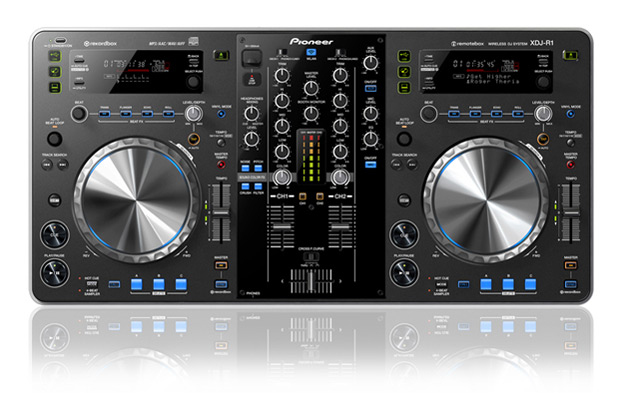
    Pioneer is a name synonymous with DJs and there is a real reason behind it, the company has been in the fore front of the technology for years and continues to do so. The compnay has continued its tradition into the digital age, and has launched a Hybrid all-in-on deck/console dubbed “XDJ-R1”. The XDJ-R1 all-in-one unit has two CD players, USB media playback and MIDI controller functionality. An iOS device lets you control the deck wirelessly so the DJ can now be a part of the party. The app is called remotebox and it lets you control ove 80% of the decks features.

    Wireless direct ensures the connection and rids of any issues that may occur when using a router. The deck has a wonderful built in two-channel mixer with loop, sync, hot cue and sampling features, along with effects like flutter and wah-wah and many color effects.

    The XDJ-R1 also comes with XLR inputs to ensure that device is found in professional setups, and with a price of US $ 1099 (Rs. 60000 approx) the company is truly eyeing the commercial market. The XDJ-R1 goes on sale in June and should be the fancy of any upcoming digital age DJs.

    xdjripioneerjt

    [toggle title=”Press Release”]

    PIONEER INTEGRATES IPAD®/IPHONE®/IPOD® TOUCH CONTROL IN LATEST DJ SYSTEM
    XDJ-R1 is the Industry’s First Wireless DJ System with iOS Device Control Capability

    LONG BEACH, Calif. (May 30, 2013) – Pioneer Electronics (USA) Inc. Professional Sound and Visual Division today unveiled the XDJ-R1, the industry’s first1 all-in-one DJ system to feature wireless control functionality through an iPad, iPhone or iPod touch via Pioneer’s specially designed “remotebox” app2. The versatile system features Wireless Direct, to enable reliable wireless connectivity with an iOS device even when a WiFi® network is not available, Auto Beat Loop, Beat Sync, USB device connectivity, built-in CD players and MIDI control.

    “Pioneer continues its efforts to build innovative DJ products that match today’s consumer lifestyle with the introduction of the XDJ-R1,” said David Arevalo, marketing director, Professional Sound and Visual Division for Pioneer Electronics (USA) Inc. “Expanding on Pioneer’s latest connectivity philosophy, with the XDJ-R1, iPhone and iPad devices can be used as additional control devices so the DJ is free to move around the room he/she is performing in while still having complete control over the music playing.”

    XDJ-R1 Mobility
    By utilizing the “remotebox” app with an iOS device such as iPhone or iPad, the XDJ-R1 can be remotely controlled wirelessly, giving DJs the ability to continue their music mixing performances even when they move away from the system. The remotebox app provides access to many of the system’s functions directly on the display of a compatible smart device including controlling volume levels, choosing and changing songs, as well as the ability to mix songs from a USB device plugged into the system. Users can also apply the “Auto Beat Loop” function3 that automatically loops music at a specified tempo as well as intuitively control various effects using the X-Y pads from a smart device.

    Media Support
    Unlike conventional systems, the XDJ-R1 is equipped with dual CD players in addition to a USB port for media playback. The system supports a variety of different music formats including conventional compact discs and MP3, AAC4, WAV and AIFF files stored on CD-R/RW and USB storage devices. For added convenience, the unit also offers MIDI support for operation of various DJ software.

    Mix and Match Features
    The XDJ-R1 offers a multitude of fun and convenient features for creating unique mixes including:

    Beat Sync5 – With a touch of the Sync button, the system automatically synchronizes the beats of songs analyzed through Pioneer’s rekordbox music management software

    Hot Cue – The unit features three points of Hot Cues to enable playback of music from specified points

    Sampler – For added effects, the system’s Sampler function enables recorded sampling sounds to be added with the press of a button. Sound sources can be recorded from songs on a USB storage device or a compact disc

    Beat FX – Four different effects including Trans, Flanger, Echo and Roll are available to combine with songs currently playing

    Sound Color FX – The unit offers four additional effects (Filter, Crush, Noise and Jet) for more creative mixing options
    Quantize Function – Automatically corrects synchronization of effects when using Auto Beat Loop or Beat Effect.

    Additional Features
    Noise Reduction – To significantly reduce noise, internal analog and digital circuits were separated, and the distance for digital conversion of analog input signals was shortened. All signal processing is conducted using a high-performance CPU for clear audio output
    Independent 3-band isolator
    Internal sound card (Audio Interface)
    Complete with Master Out (XLR), Booth Out, AUX and MIC ports

    Free Virtual DJ Limited Edition
    The Virtual DJ® Limited Edition DJ software6 by Atomix Inc. is included with the purchase of a XDJ-R1. The software features an easy-to-use user interface for the XDJ-R1 and enables optimum enjoyment of various DJ play styles with features including loops, effects, a sampler and 4-channel mixing.

    The XDJ-R1 will be available in June with a suggested retail price of $1,099.[/toggle]

iGyaan Network
Privacy Overview

This website uses cookies so that we can provide you with the best user experience possible. Cookie information is stored in your browser and performs functions such as recognising you when you return to our website and helping our team to understand which sections of the website you find most interesting and useful.