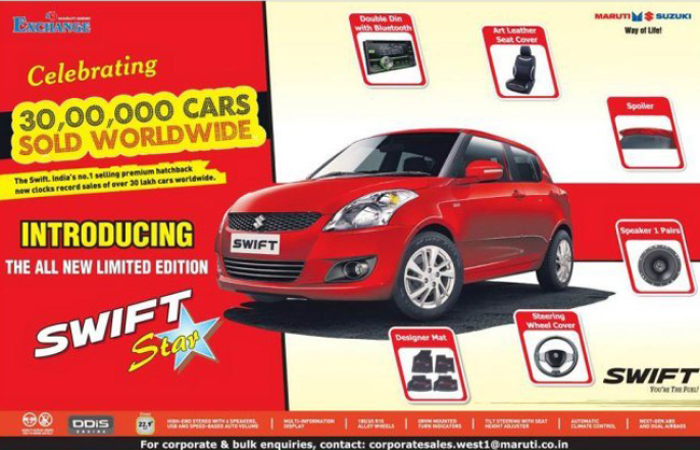
One of India’s top hatchbacks, the Maruti Suzuki Swift has crossed yet another landmark. The model has reached sales of 30 lakh units globally, and to celebrate this achievement, Maruti Suzuki has launched a limited edition trim called the ‘Swift Star’.
Largely featuring cosmetic changes, the Swift Star will offer a Double DIN audio unit with bluetooth connectivity, a rear roof spoiler, steering wheel cover, art leather seat covers and designer floor mats. The regular Swift is available with a 1.3-litre diesel engine producing 74 bhp and 190Nm of torque as well as 1.2-litre petrol engine producing 85bhp and 114Nm of torque. The diesel variants start at Rs. 5.6 Lakh and go upto Rs. 6.9 Lakh, and the petrol variants start at Rs. 4.5 Lakh and go upto Rs. 5.8 Lakh (all ex-showroom Delhi). The special edition ‘Swift Star’ will be available with both engines and will cost Rs. 23,000 over the regular variants.
The Swift has been on sale in the global market for 8 odd years, and Maruti Suzuki reports that a massive 45% of the 30 lakh units were sold in India. These sales figures epitomise the huge popularity the Swift enjoys in the Indian market. Recently there was news that Maruti Suzuki was offering the Swift at a discount of Rs. 5000 for the first time ever in its lifetime. It also announced that there was no waiting period on the diesel Swift at all. Market slowdown has affected bigger players like Maruti Suzuki as well, and the Swift Star may be a smart move by the Indo-Jap carmaker to keep its inventories moving.
We as Indians love hatchbacks. We love how they are practical and economical. We love how they can be easily manoeuvred out of any traffic jam and parked in the tightest of corners, doing all this while not emptying our bank accounts. Here are 5 hatchbacks we’d love to see on Indian roads (only if they were assembled here, of course).
1) Volkswagen Golf
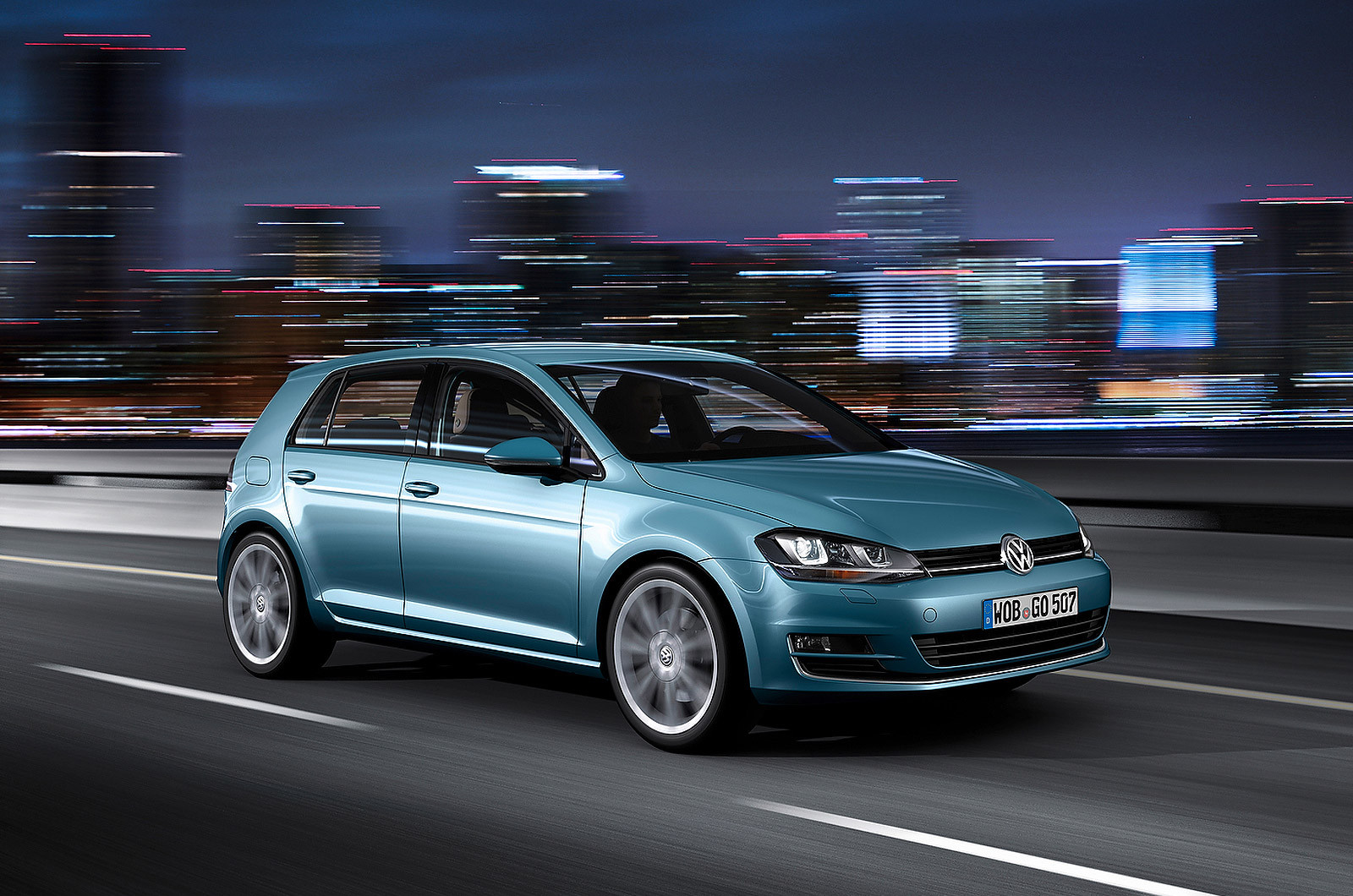
The quintessential hatchback, the VW Golf is one of the all-time best selling cars, and has graced international ‘car of the year lists’ time and again. The newest iteration is over a 100kg lighter than the previous one, and has impressive safety features such as lane keeping assistance and adaptive cruise control. It’s still a great ‘driver’s car’ and does everything that a hatchback should, and how.
2) Ford Focus
Like the Golf, the Focus is hatchback royalty. It has been an unmitigated success since its launch in 1998. The 2013 model manages to improve upon an aging design with new stylish looks and a well thought out interior. Very refined and practical, it still handles brilliantly and the pricier sporty versions offer some of the quickest engines in the range. Hot hatches really don’t get better than this (just look at those alloy wheels!).
3) Renault Clio
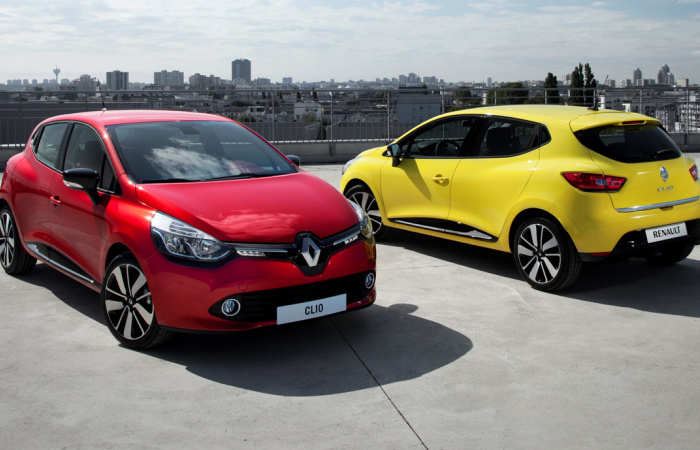
First things first, the Clio’s menacing looks ooze character, you can’t help but notice it. The supermini ticks all the boxes its accomplished predecessor dealt with, and still manages to improve upon others. It’s wider, lower and lighter than before making it handle much better and providing a very composed and comfortable ride. It has a bold, lively interior and comes with a punch-filled economical engine. It may not be as refined as some of its competitors, but it might put a bigger smile on your face.
4) Volkswagen Up
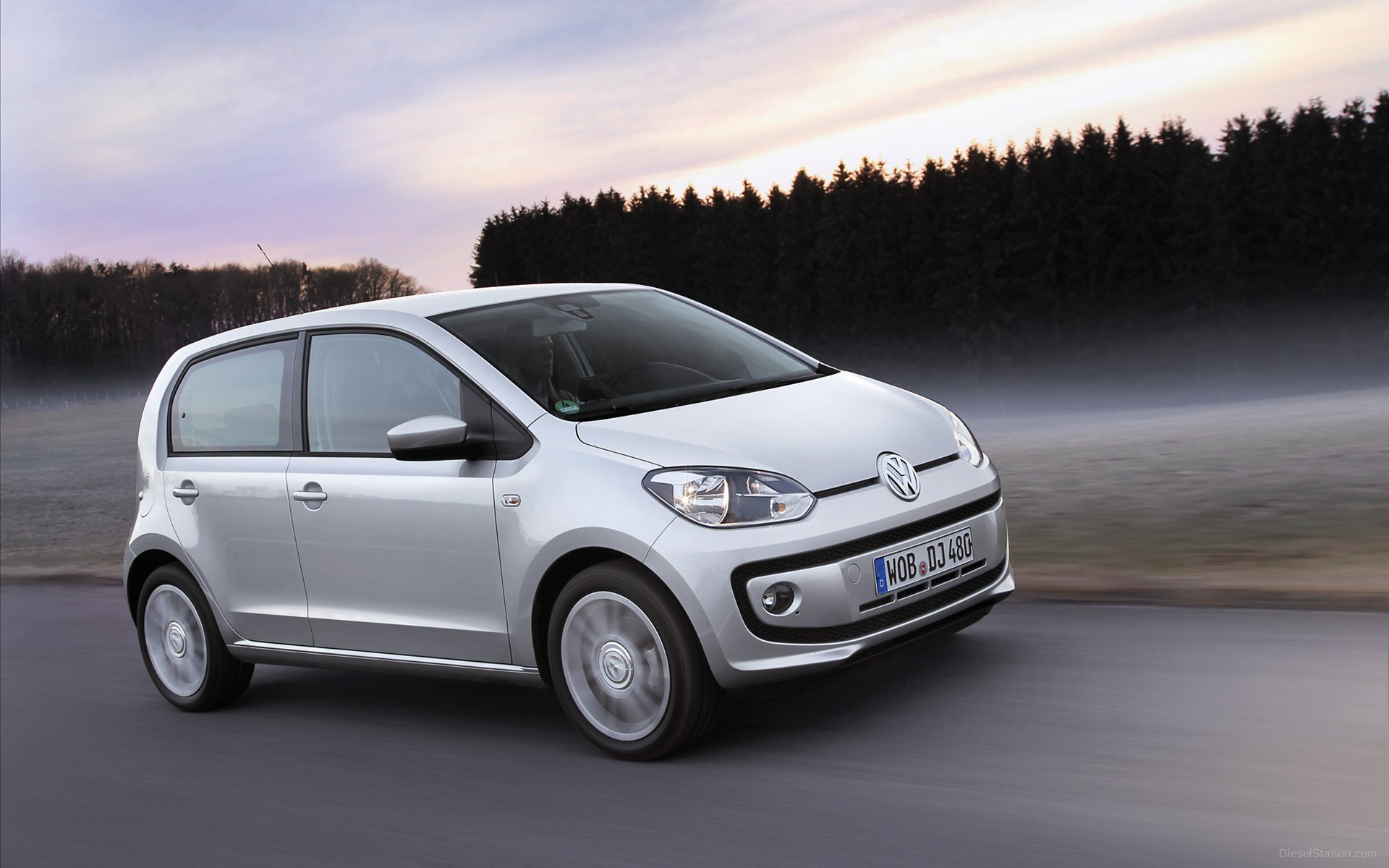
Volkswagen has built more than its share of hatchbacks, and there have been quite a few misses (read VW Fox) to go with the hits. But let there be no doubt, the Up belongs with the latter. This agile, little city car has a lot more space than it seems, and an interior that will put many pricier hatchbacks to shame. It’s not the most powerful or the best equipped car in its class, however it more than makes up for it with a very forgiving ride and a snappy gearbox. The Up does a lot more than is expected from it, and is just too much fun to drive for us to ignore it.
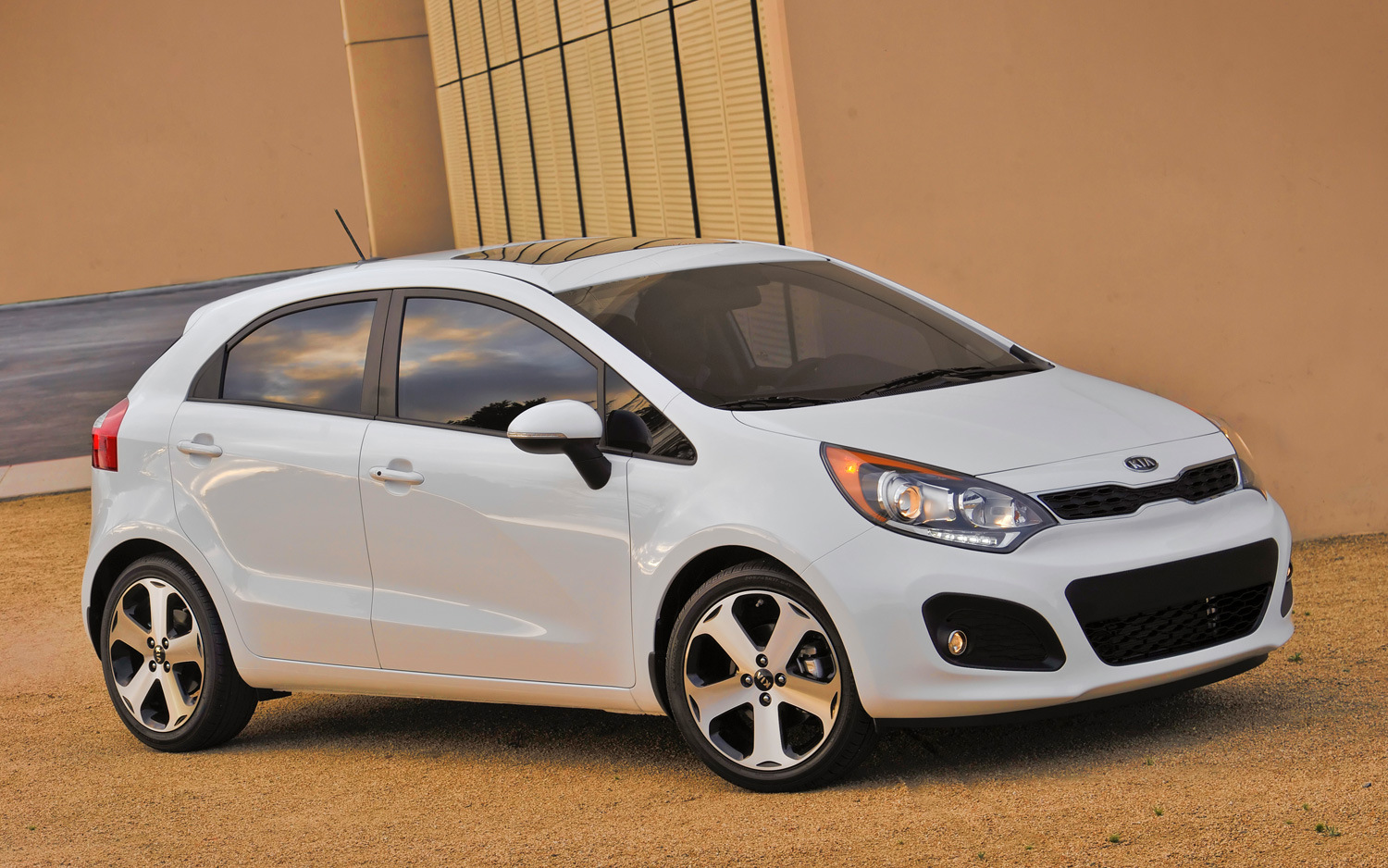
5) Kia Rio
Considerably cheaper than the Golf and the Focus, the Kia Rio will fit in well in the Indian market. Although its performance and handling is not at par with most of its pricier competitors, it has an extremely spacious and stylish interior. Coupled with great modern looks, the gulf between it and its rivals isn’t as big as you’d expect it to be. Boasting a five star NCAP crash test rating, it’s very safe and sturdily built. On top of what is simply a very solid and reliable car, Kia offers a mind-boggling 7 year warranty on all its models in more than 20 European countries. If that won’t sell a car, god knows what will.
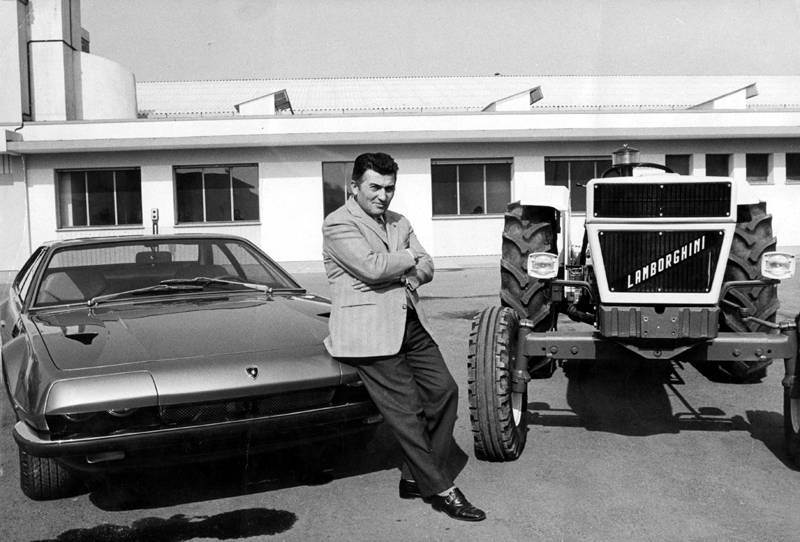
Back in the 50s, there lived a man in Italy, who had a very successful tractor business. His name was Ferruccio Lamborghini, and like any other wealthy Italian industrialist, he had a penchant for fast, expensive cars. The proud owner of a vast and stunning collection including a Mercedes Benz 300 SL and a Jaguar E-Type, he decided to gift himself the legendary Ferrari 250 GT. He liked it a lot but was also disappointed with the lack of refinement. Repeated trips to Maranello for maintenance added to his annoyance. Legend has it, that he was so frustrated with the gearbox in his 250 GT that he went to visit Enzo Ferrari personally to discuss the matter. In reply, the proud Modenan dismissed him, telling him to stick to tractors and to let him build the sports cars. At this point, he decided that there was nothing Ferrari could do which he couldn’t do better, and so began the tale of Automobili Lamborghini.
Today, Lamborghini is famous globally for producing some of the world’s fastest cars, very easy on the eyes and very heavy on the wallet. The current flagship model, the Aventador has quickly become one of the most desired cars in the world. A spectacle to see and a dream to drive, it boasts a 6.5 L V12 engine producing a mammoth 690 BHP. It goes from 0 to 100km/h in 2.9 seconds and using its pushrod-actuated double wishbone suspension, it can manoeuvre any corner without so much as breaking a sweat. The Aventador is named after a valiant bull, keeping with the long-standing Lamborghini tradition of associating itself with bullfighting. Dripping with character and typical Italian flair, it reeks of the identity Ferruccio Lamborghini worked so hard to build, right from the beginning.
The Miura, popularly known as the first supercar ever made, was truly an engineering marvel when it arrived in 1966. It looked like nothing anyone had seen before, and went faster than was thought possible. At the same time, the clutch was too heavy, the ride was unbearably stiff and it was easier to turn an 18-wheeler. Driving it would surely cause a case of arthritis, but none of it mattered one bit. Time stood still when a Miura drove by.
The Lamborghini Miura
Much of the same followed when the Countach was launched in 1974. Featuring a striking and revolutionary design, the Countach was the first production car to feature ‘scissor doors’, which have since then become a trademark for all flagship Lamborghinis. It was again, extremely uncomfortable to drive, but became an instant icon because of its outrageous design.
The Diablo, launched in 1990, was the first Lambo capable of exceeding 200mph and was a humongous hit, not only for its head-turning looks, but for record-breaking performance as well. Automotive engineers, race car drivers and car designers were equally in awe of the machine, which was the fastest car in production at the time.
But despite the uproar over the Countach & the Diablo, Lamborghini had been suffering from financial troubles for almost half its existence. In 1998 Audi acquired Lamborghini, and soon followed the asphalt hugging Murcielago. The ‘baby Lambo’ called the Gallardo was also launched soon after, and the two along with responsible management by Audi phenomenally turned the manufacturer’s fortunes, slowly achieving unprecedented sales figures.
The Murcielago with its big V12 engine was still plagued with the typical handling issues of all the big Lambos which came before it, but stayed true to their extraterrestrial performance figures, reaching a top speed of 340km/h. Calling it understated would be a bit of a stretch, with its low, wide stance and aerodynamically designed body. However, it seemed to lack the madness of the Countach and the Diablo. Much more refined, and engineered, it was a lot more civilised than its ancestors.
Rear, left to right: Miura, Countach Front, left to right: Murcielago, Aventador, Diablo
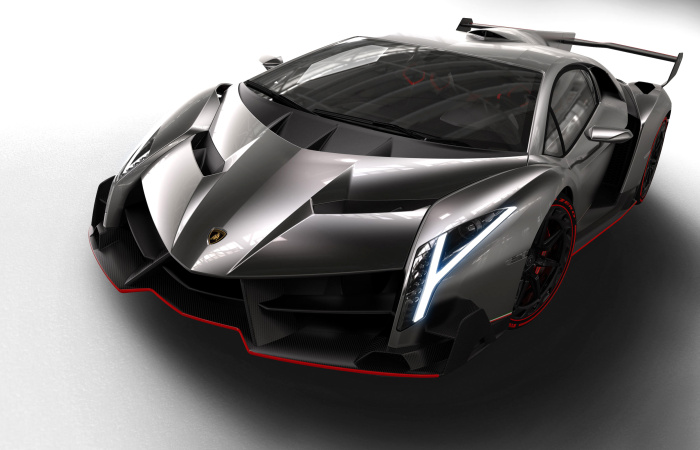
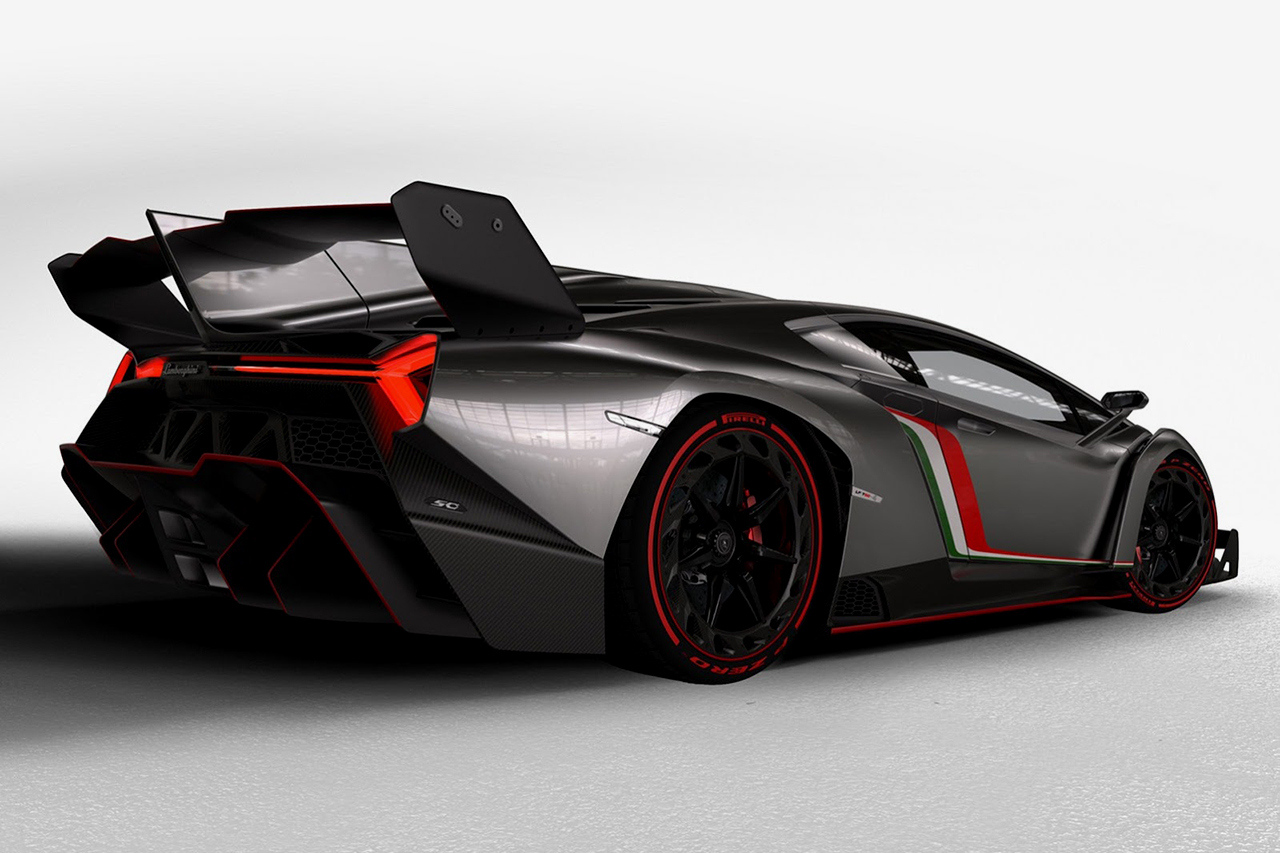
And then, there was one. In early March 2013, Lamborghini unveiled the Veneno, a limited edition hypercar which looks like Megatron on steroids. A grand total of 3 Venenos were produced for sale as part of the 50th year celebrations at Lamborghini, and all were sold by invitation for a jaw-dropping $ 4.6 million before the buyers had even seen the car.
The Lamborghini Veneno
Fanaticism of this sort comes as no surprise when you take a look at some of the other recent show cars, the fighter jet inspired Reventon & the lightest Lambo ever, the Sesto Elemento. Literally translating to ‘poison’, the 740 BHP Veneno has brought back the era of the poster car, and will surely grace the bedroom walls of 14 year old boys for years to come.
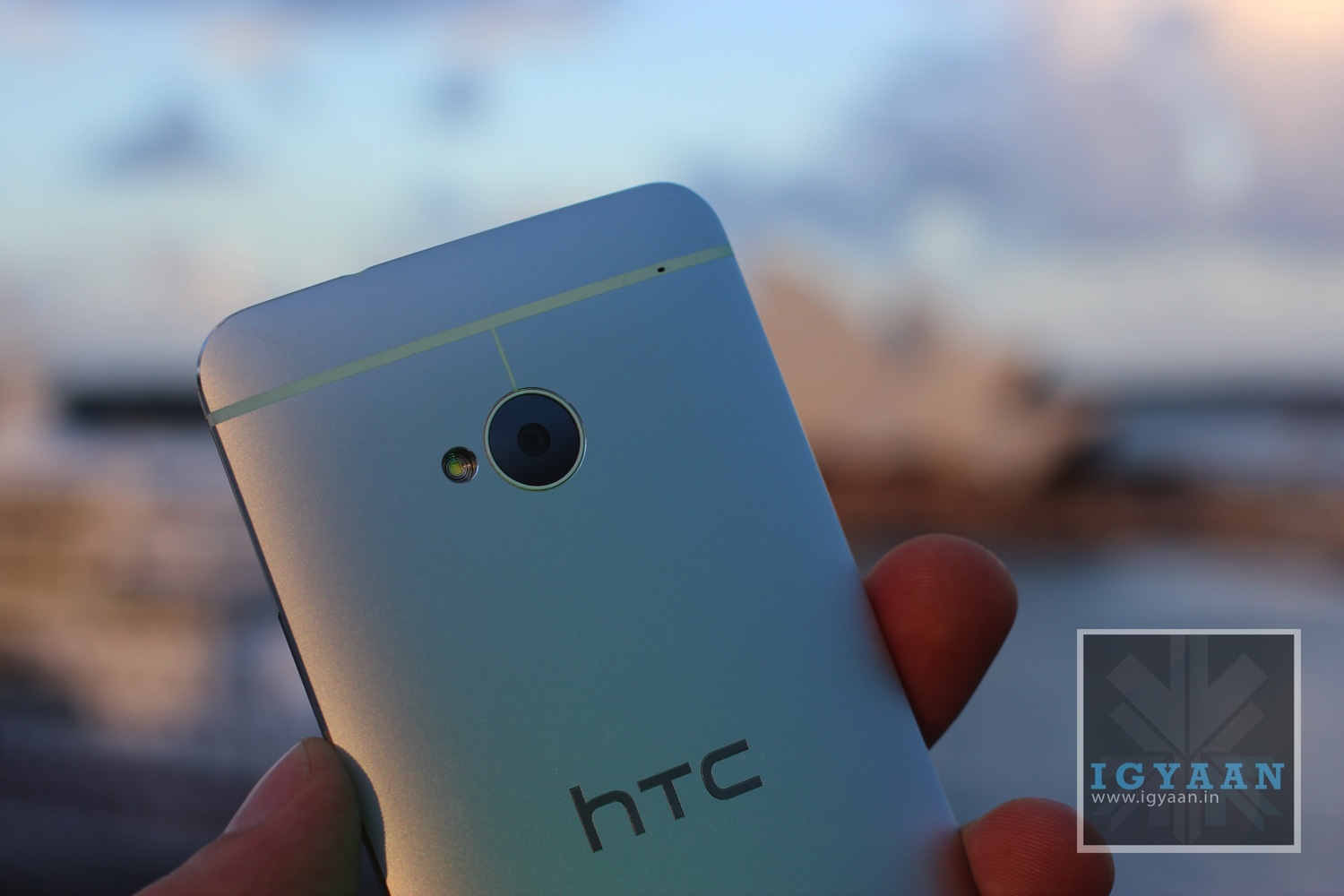
HTC has just issued another official statement regarding the HTC One’s delayed launch.
“HTC has seen unprecedented demand for and interest in the new HTC One, and the care taken to design and build it is evidenced in early reviews. The new HTC One will roll out in the UK, Germany and Taiwan next week and across Europe, North America and most of Asia-Pacific before the end of April. We appreciate our customers’ patience, and believe that once they have the phone in their hands they will agree that it has been worth the wait.”
The company’s statement comes several days after reports that said the HTC One’s rollout would be delayed. A shortage of components like metal casings and camera parts slowed shipments of the HTC One, executives told the Wall Street Journal.
The HTC One has drawn early praise from tech reviewers, but the delay is another setback for a company that has struggled to keep up with competitors like Samsung. Last month, the company reported that revenue fell 44 percent from the previous year.
The HTC One boasts a 4.7-inch full HD 1080p display with 468 ppi. It runs a 1.7-GHz, quad-core Qualcomm Snapdragon 600 processor and HTC Sense, a customized version of Android. The phone supports NFC, Bluetooth 4.0, and DLNA for wireless streaming to a TV or computer. It can also work as a remote control on supported devices. There’s a microUSB 2.0 port with a mobile high-def video link for USB or HDMI hookup. There’s also a new “UltraPixel” camera which HTC has been touting.
Apple has made a subtle change to the App Store to make consumers more aware of apps that offer in-app purchases. Apple recently added a new “Offers In-App Purchases” warning directly underneath the download button in iTunes following the settlement (as pictured below).
Rather than continue to cash back to users, Apple has attempted to make perfectly clear which apps should be kept out of the reach of children if their folks aren’t savvy enough to password-protect purchases.
Just last week the iPhone-maker refunded the parents of an 8-year-old British boy who had blown £980 (US$1,493, AU$1,429) of very real cash on virtual donuts in the ‘free’ Simpsons: Tapped Out game.
It wasn’t the first time, either. Last month, the company agreed to pay out up to $100m (UK£66m, AUD$96m) in refunds to parents in the United States whose kids had also made unsanctioned in-app purchases.
The new “Offers In-App Purchases” warning is currently only visible within the desktop version of the iTunes App Store; but we would expect that to be rolled out across the iPhone and iPad versions of the store very soon.
The new warning will still not prevent careless parents from allowing their children access to their passwords and running up huge bills but it will give Apple a better legal argument. Also it may be a sign that Apple could offer the ability to filter apps from the App Store that contain in-app purchases; this could be a good option for parents that give their children access to their iTunes password to download free apps.
Making it clearer which apps use IAP is a step in the right direction on the latter front. More may follow at Apple’s WWDC developer event this summer, when the company is expected to unveil its iOS 7 software.
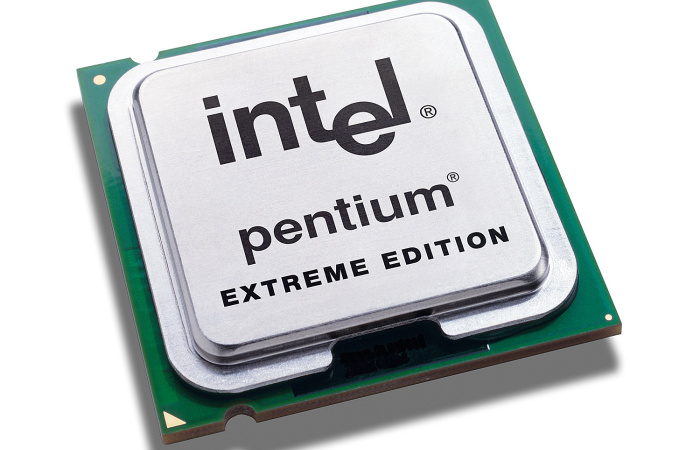
Following Intel’s previous series of 8086, 80186, 80286, 80386, and 80486 microprocessors, the company’s first P5-based microprocessor was released as the original Intel Pentium, 20 years ago today, on March 22, 1993.
Marketing firm Lexicon Branding was hired to coin a name for the new processor. The suffix -ium was chosen as it could connote a fundamental ingredient of a computer, like a chemical element, while the prefix pent- could refer to the fifth generation of x86.
If you’re old enough to recall, the chip ran circles around its 486DX2 predecessor, and thanks to a heavy dose of marketing from Intel, the brand quickly became synonymous with the PC. For you trivia types, the original Pentium P5 was available in 60MHz and 66MHz variants, and was manufactured with an 800-nanometer fabrication process, which is quite the contrast to the 22nm chips on the market today.
Despite Intel’s poor initial handling of the Pentium FDIV bug, the processor went on to become arguably the firm’s most successful piece of silicon. Intel’s Pentium chip hasn’t been its highest volume part, as the computer industry was considerably smaller during its original three and a half year run, but such is its association with the firm that the company still uses the branding to this day, 20 years on.
These chips also ran extremely hot, meaning they required a large heatsink and noisy cooling fan to keep under control. The misstep ultimately allowed AMD to take the performance crown with their highly successful Athlon line for several years.
Intel eventually found their way again with the Core architecture that debuted near the end of 2007. Interestingly enough, this platform was based on the same P6 architecture used in the first Pentium Pro back in 1995.
A worrying new security hole allows for an Apple ID to be hacked, simply by knowing the user’s email address and date of birth. The Verge first reported the vulnerability after being tipped off to the hack.
The Verge reports:
[T]oday a new exploit has been discovered that affects all customers who haven’t yet enabled [two-step verification]. It allows anyone with your email address and date of birth to reset your password — using Apple’s own tools. We’ve been made aware of a step-by-step tutorial (which remains available as of this writing) that explains in detail how to take advantage of the vulnerability. The exploit involves pasting in a modified URL while answering the DOB security question on Apple’s iForgot page.
The vulnerability affects all customers yet to upgrade to the two-step verification process, leaving those users’ accounts wide open to anyone who knows those not-exactly-hard-to-track down pieces of basic data.
The bad news is that two-step verification is not yet available in many countries. According to the Apple FAQ:
Initially, two-step verification is being offered in the U.S., UK, Australia, Ireland, and New Zealand. Additional countries will be added over time. When your country is added, two-step verification will automatically appear in the Password and Security section of Manage My Apple ID when you sign in to My Apple ID.
After the discovery, Apple subsequently took down the iForgot password reset page “for maintenance,” and updated the iCloud System Status webpage to inform users of the issue.
In a statement to The Verge the company said, “Apple takes customer privacy very seriously. We are aware of this issue, and working on a fix.”
At the time of posting, Apple has taken down the iForgot page to avoid further hacks.
Update : Several online sources report that the loophole has been fixed.
US content owners’ battle against online piracy has received a significant boost with the US Court of Appeals for the Ninth Circuit issuing a unanimous decision against the website isoHunt for “inducing” users to download and distribute copyrighted material such as movies and TV programmes illegally.
The decision by a three-judge panel of the 9th U.S. Circuit Court of Appeals, hailed by the Motion Picture Association of America, marks the first time a federal appeals court has ruled against a BitTorrent search engine. IsoHunt, TorrenTBox and Podtropolis unlawfully pointed the way to free movies, music, videogames and software that were copyrighted and not authorized for the sites’ operator — Gary Fung — to help distribute, the court said.
Programmer Bram Cohen released the BitTorrent file-sharing protocol in 2001, and its efficient way of transferring files has become the method of choice for illicit, peer-to-peer sharing of copyright-protected content that sites like Canada’s isoHunt and Europe’s The Pirate Bay have capitalized upon.
“This ruling affirms a core principle of copyright law: Those who build businesses around encouraging, enabling and helping others to commit copyright infringement are themselves infringers, and will be held accountable for their illegal actions,” said Henry Hoberman, a vice president for the MPAA, which initially sued Fung in 2009.
Even if you interpret the data in a light favorable to IsoHunt, there’s no question that the site’s main use was to trade copyrighted material, the judges wrote. Columbia’s expert found that between 90 and 96 percent of content on the site was confirmed or “highly likely” to infringe copyright. And while Fung “takes issue” with some aspects of the methodology, “he does not attempt to rebut the factual assertion that his services were widely used to infringe copyrights.” Even tripling the margin of error on the Columbia survey would mean that the overwhelming use of IsoHunt was to violate copyright.
The Sony Xperia Tablet Z is currently the thinnest tablet yet at only 6.9mm and it weighs just 495grams. That’s actually thinner than the 7.9mm Xperia Z. To find out how its top notching hardware gets packed in such a slim profile, Sony has released its official tear down of the Xperia Tablet Z. Of course, dissecting the tablet would automatically void its warranty, so don’t try this at home (if you have one, that is, which is highly unlikely for people living in India)!
The Sony Xperia Tablet Z was announced back in January, and has gone on sale in Japan today, it will also launch in the US and Europe shortly followed by Asia, the device comes with Android 4.1 Jelly Bean and it features a 10.1 inch full HD display with a resolution of 1920 x 1080 pixels.
Other specifications on the Sony Xperia Tablet Z include a quad core Qualcomm APQ8064 processor clocked at 1.5GHz, plus 2GB of RAM and 32GB of built in storage, and there is also a rear facing 8.1 megapixel camera with Sony’s Exmor R sensor.
The Sony Xperia Tablet Z teardown begins with cracking the device open. Sounds easy? Well, think again. Since the tablet is resistant to dust and water damage, it comes as no surprise that taking its back cover off isn’t a job for everyone. Once that’s unglued, the delicate part dismantling process begins, starting with the Sony-made lithium-ion battery weighing 130 grams and then moving on to the smaller components. There’s plenty of glue and tape holding the Xperia Tablet Z together, which leads us to believe that its repairability score might not be very high.
Back in October, iOS leader Scott Forstall was, along retail SVP John Browett, removed from Apple. It was a surprising decision, even after the nightmare iOS 6 Maps issue, but it quickly emerged that Forstall, in particular, had stepped on more than a few toes within the Cupertino executive ranks. Jony Ive, head of Industrial Design and credited with molding the vast majority of the company’s recent success stories, was said to strongly disagree with Forstall’s rampant skeuomorphism within the iOS UI, and since the Englishman has taken on the role as leader of Human Interface following Forstall’s departure, it now looks as though he plans to remove all remnants of the former iOS Senior Vice President.
Jonathan Ive is pushing for a more ‘flat design’ to iOS 7, reports the WSJ.
In the past, most of the iOS designers were cut out of the loop on specifics relating to the hardware of the devices they were designing for. On prototype projects, Ive used a stealth group of software developers. However, that is slowing starting to change, says the Journal.
The Human Interface team led by Greg Christie is being briefed about industrial prototypes earlier. A source described the change as “a thawing”. Ive now sits in on the team’s review sessions to vet new designs and despite Christie being a blunt talker the sessions are described as “pleasant and cordial”.
Some suggested that in Apple’s next mobile operating system, Ive is pushing a more “flat design” that is starker and simpler, according to developers who have spoken to Apple employees but didn’t have further details. Overall, they expect any changes to be pretty conservative. For the past few years, Apple has unveiled versions of its mobile operating system in the summer.
While this report makes it sound as though there won’t be any earth-shattering changes made to the next version of iOS, a slight makeover could be in the cards. That obviously isn’t going to sit well with anyone that’s hoping for a major overhaul of iOS
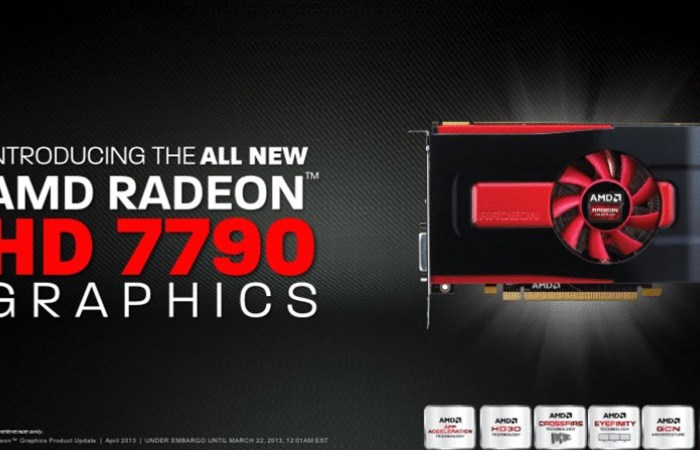
After weeks of predictions and reports about it, the latest graphics card from Advanced Micro Devices is finally ready to land in people’s computers, or to be used in totally new systems as the situation demands.
AMD will spend most of 2013 expanding its Radeon 7000 series of GPUs, and today it made good on that commitment by announcing an incremental evolution, the Radeon HD 7790, priced at $149.
[pullquote_left] “We want to augment and solidify the [7000] product stack, and we’ll do that through the 7790,” Evan Groenke, graphics product manager at AMD, said during a press briefing earlier this week. [/pullquote_left]
The 7790 is based on a slick new piece of silicon, Groenke said, making this a never-before-seen GPU to add to the chipmaker’s already well-selling 7000 repertoire.
Based on AMD’s Graphics Core Next architecture, the chip is built on the promise of delivering excellent 1080p performance for a market that’s become saturated with the mode.
“1080p is the minimum bar these days,” Groenke noted, and AMD aims to have the 7790 dominate the field.
AMD, however, tried to make up for a lack of clock speed, 1GHz, by doubling the processor’s PowerTune Technology. In doing so, AMD claims it’s created the first discrete chip to oscillate between eight DPM states. This allows for higher sustained engine clocks, greater performance and improved power efficiency, AMD explained.
In as little as 10 milliseconds, the 7790 can switch between an octagonal bunch of clock/voltage DPM pairings.
AMD also loaded the chip with 896 stream processors (14 compute units in all, four more than the 7770 model), a typical power draw of 85W and 1GB GDDR5 memory.
Nokia CEO Stephen Elop decided to have some fun at a Finnish TV show, and what better way to entertain the audience than throwing the host’s phone on the floor?! Even better when the phone in question is an iPhone!
Stephen Elop faced some tough questions from a Finnish TV presenter this week, focusing on the upcoming Lumia 928 handset. In a show aired on commercial TV station MTV3 in Finland, Elop is repeatedly questioned about when the company plans to introduce its Lumia 928 Verizon flagship handset. Elop claims he doesn’t know what the Lumia 928 is because the company hasn’t announced it, before trying to divert the questioning to the recently launched Lumia 620.
As part of the interview the presenter asked Stephen Elop when he will release a product which would allow him to replace his iPhone. Finally, the host took out his iPhone and said that he doesn’t want to have an iPhone, but a Nokia phone, because he believes in Nokia (and he’s Finnish, so it kind of makes sense). Then Elop said that he can easily remedy this, took the presenter’s phone and threw it away. It didn’t become clear if the iPhone survived the fall, but a minute later Elop promised to give the host a new Nokia phone.
It’s not clear what phone would Nokia’s CEO give him. My bet goes for a Lumia 920.
Check out the part of the interview in question from the video below.
Google Play, previously known as the Android Market, has over 700,000 available apps and has seen over 25 billion downloads. The Google Play app design has come a long way over the years and it looks like a refresh is once again in the works. Droid-Life has posted some images and a video of the upcoming Google Play 4.0 app (4.0.16). While it seems that Google is still working on the fine details, the UI has been completely overhauled in a Holo-focused design with brighter colours (now matching what’s on Google Play), bigger icons and bigger pictures.
The settings pane has also been slightly changed around, making it slightly simpler to customize how items are displayed and downloaded.
The update is expected to be unveiled at this year’s I/O event, alongside an update to Android itself, either 4.3, or maybe even 5.0.
According to Distimo’s year-end review, Google Play experienced an aggregated daily revenue growth of 43 percent across 20 of the largest markets where the store is available.
To celebrate its success, and its first birthday, early this month, the Android shop offered users limited-time deals on music, movies, books, magazines, TV shows, and games.
The guys over at Droid-Life were kind enough to record a preview of Google Play Store 4.0, so without any further ado check out the video below.
It’s Twitter’s seventh birthday, and the social network has two reasons to celebrate: It’s also reached its 200 million active user milestone.
Twitter is now boasting some big user numbers, a 60 million user bump since last year. Now 400 million tweets are being sent per day.
Twitter has come a long way since Jack Dorsey, Twitter’s co-founder, published the first tweet “just setting up my Twitter” back in 2006. It started out as a microblogging site by Dorsey and co-founders, Florian Webb, Noah Glass, Evan Williams, and Biz Stone who could never have imagined the cultural, business, and societal impact that Twitter would have on Internet users today. There are some details surrounding the founding of Twitter (then Twttr) that are hotly contested. Some of its co-founders aren’t even recognized for their role with building out the foundation of Twitter, back when it was just a side project at once doomed and now defunct podcasting company Odeo.
However, Twitter has also played a more serious role; for many people, it helped shape global events such as the Arab Spring and the responses to the 2010 Haiti earthquake and 2011 Japanese tsunami.
Top Twitter moments also include: Barack Obama’s tweet after winning his second presidency, the first off-Earth message from the International Space Station and, more recently, the coverage of the papacy – when activity reached an astonishing 130,000 tweets per minute during the announcement of the new Pope.
Today Twitter released this video to commemorate its seventh birthday.
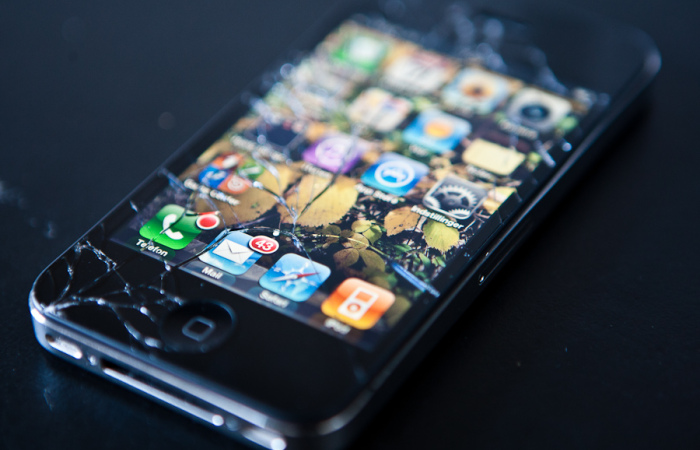
Apple Inc. got a patent that could help protect iPhones from drops, including one that could help the smartphones change direction mid-air.
Anyone with a pricey smartphone has likely felt that moment of panic when it slips from your fingers and tumbles to the floor. “Please be ok, please be ok,” you say to yourself, praying for a responsive gadget and a screen free of cracks.
The patent is described as a “protective mechanism for an electronic device.” Apple Insider was the first to report on the new patent. The filing for it just appeared today, and it even mentions the Apple iPhone specifically as being a device that could be protected by the mechanism
The patent describes a quantity of ways Apple may be capable to make a device that can change path mid-flight, which would let it to place its most effect-resistant surface forward to fulfill the floor. These incorporate an internal gadget for shifting mass to one stop of the Apple iPhone, an real “thrust mechanism” that could even consist of a “gas canister,” an air foil that activates in cost-free tumble, a way to agreement external bits like switches within the scenario for security, and a gripping system that can clamp down on charging and headphone cables to guarantee those capture the falling phone.
We can’t help but be reminded of Amazon’s patent for a phone airbag. We won’t be seeing this in an iPhone anytime soon. Until then, we’ll have to stick with our conventional case.