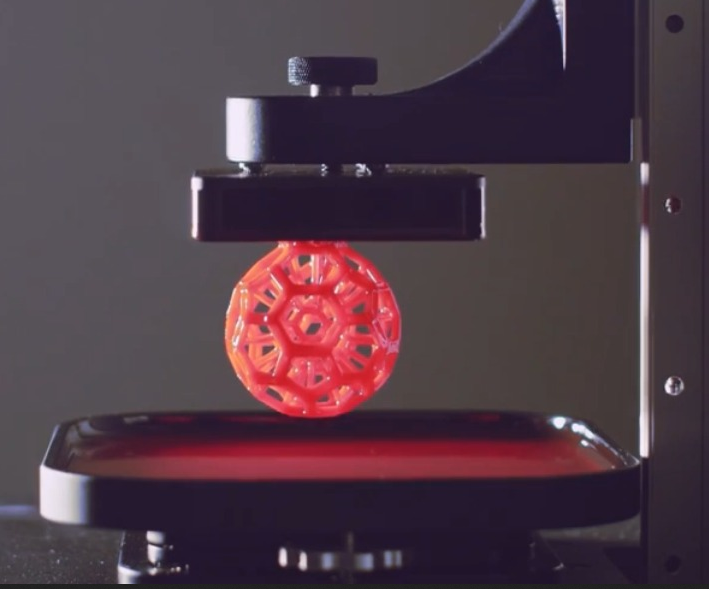
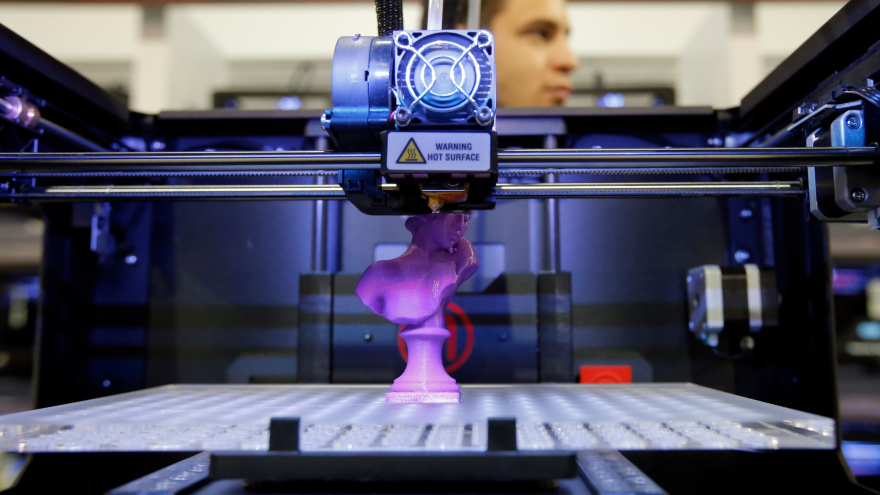
3D printing is the technology revolution that will revolutionize the manufacturing process in the near future. The technology can be used to create almost anything under the sun. It has already been used to print human body parts to engine bits from rockets. The only hitch with this incredible feat of engineering is that at present the process of printing an object is a bit slow. A usual printer may take a few hours to complete its tasks. A California-based company called Carbon 3D has brought out a 3D printer technology which seems to address this issue. According to the company, an object can be created 25-100 times faster than the conventional printers.
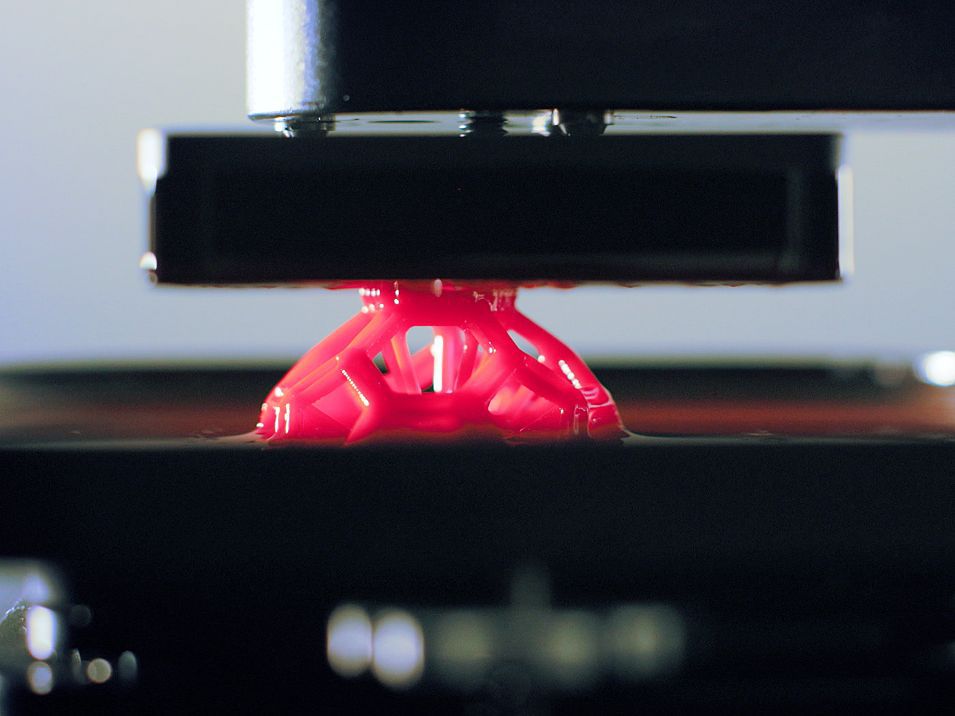
Carbon 3D’s technology is called Continuous Liquid Interface Production (CLIP). This technique uses laser and oxygen to control the process of creation of the object that is faster than ever before. Unlike the conventional 3D printers where the process of creation of the object happens layer by layer, this printer forms the entire three-dimensional object at once.
The process works like this; the machine creates an oxygen window which allows it to mix the laser light and oxygen in precise amounts in the resulting resin. A variation in this mixtures leads to the change in shapes. Though it is transparent to light, it allows oxygen to pass through it.
Below is the promotional video from Carbon 3D. The video doesn’t have an audio track, but we would suggest you play the Terminator 2 soundtrack to really get the feel of creation. It will totally remind you of the famous scene where the T-1000 rises after being frozen and blown into pieces.
The objects built by CLIP technology is also said to be stronger than its layered counterparts. The makers say that objects created by this technique almost resemble injection moulded parts which have consistent, predictable mechanical properties. The parts created are smooth on the outside and solid on the inside. The range of materials will also be broadened with CLIP. It can be used to create anything, from sports shoes to parts for automobiles.
Technologies like CLIP will ensure the mass scalability of 3D printing. It will help to build objects faster and stronger. Carbon 3D may have just put the 3D printing revolution on the fast track.
If you want to learn about the basics and more about 3D Printing check out our new show right here:
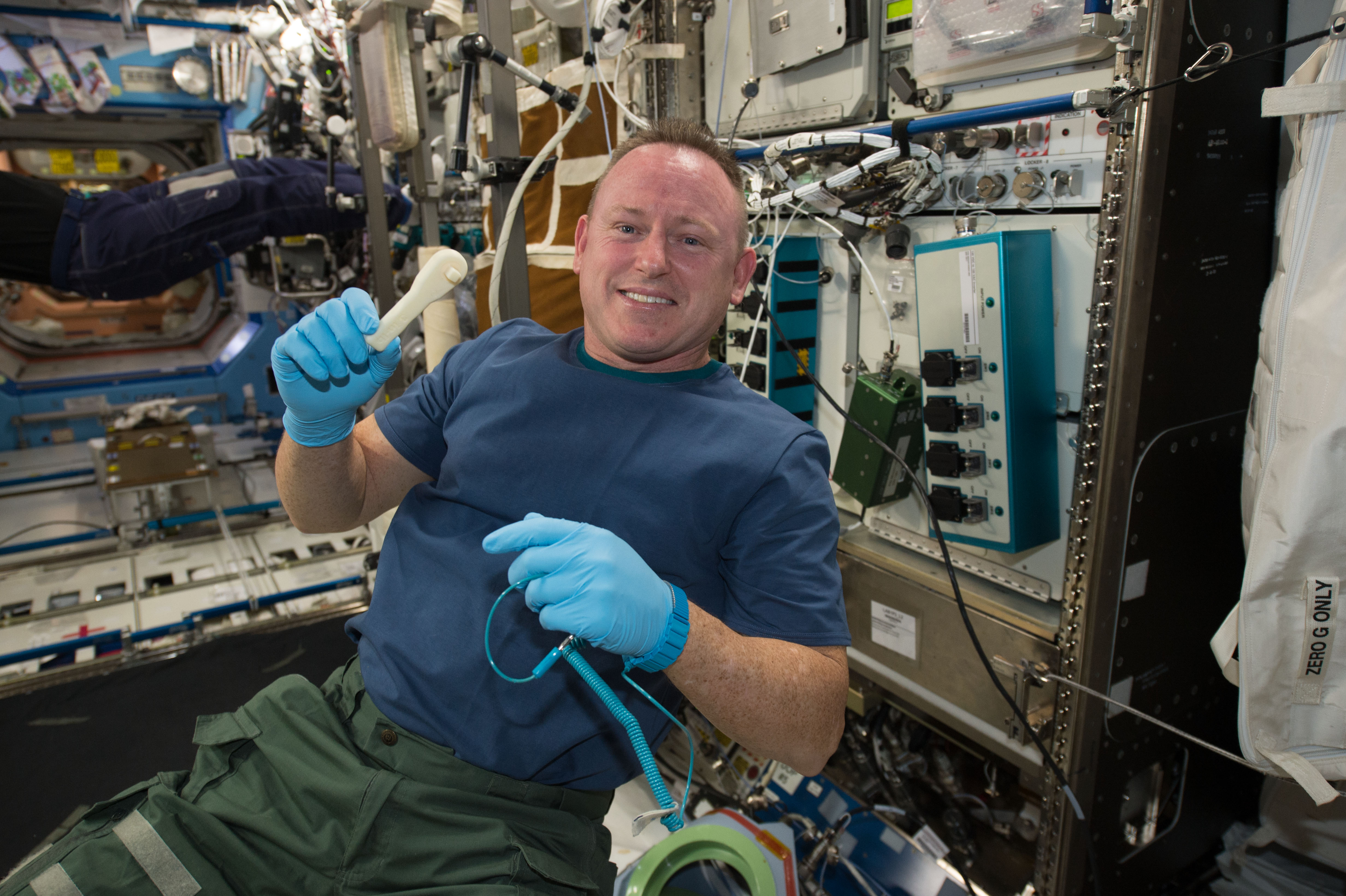
3D printing is the ultimate technology revolution. It will give people the ability to create, customize and print out almost anything they need. One major arena, where the technology will bring immense convenience, is space travel. Instead of storing a massive inventory of tools and supplies, the astronauts can just print out what they require, when they need it. The testing of 3D printers capabilities in space is underway at the International Space Station(ISS). Now the tools made in space are being brought back to earth for research purposes.
The tools are being brought back to Earth in SpaceX’s Dragon spaceship in its fifth resupply mission. These tools will help the researchers understand the nitty gritty of printing in space. After heavy study, the researchers will validate if the technology is dependable for long duration human flights like a trip to Mars.
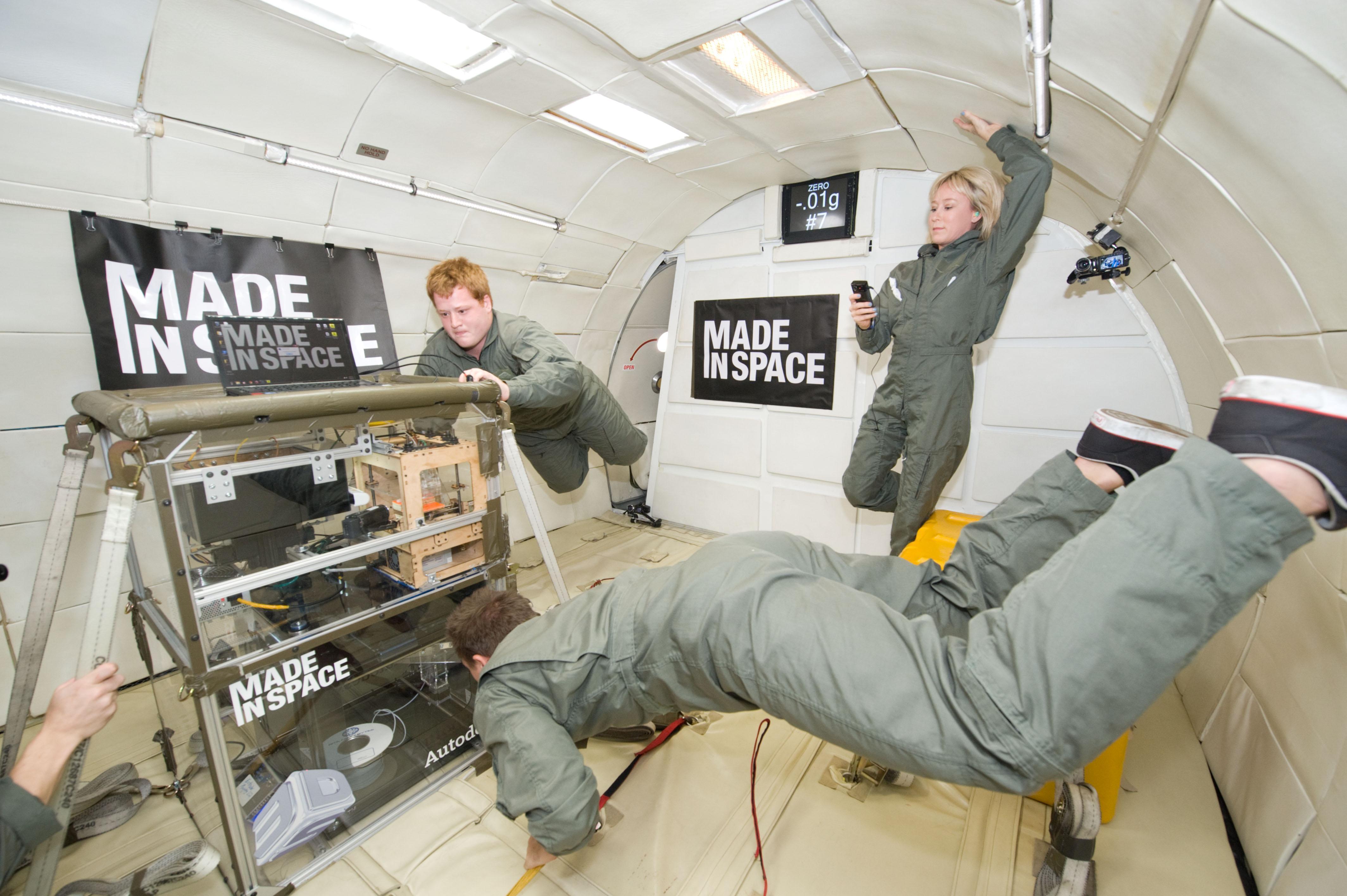
Zero-G Printer from Made in Space was used to create these the tools at the ISS.
The Zero-G printer experiments are a joint project between Nasa and Made in Space. It uses a low-temperature plastic stock. To finish the experimental phase at the ISS, a ratchet wrench was printed, and the designs were fed to the printer directly from the ground station. The lessons learnt from this research will help to further strengthen the utility of 3D printing in the microgravity of space.
3D printing will make access to travel more accessible and economical. Nasa is already testing the technology for creating essential engine bits for its rockets. The technology surely will have a bigger role to play in the field of space travel in the coming future
The selfie culture refuses die down. It is the ultimate expression medium for the inner narcissist. Smartphone makers are also hard at work to give the best front camera capabilities to their handsets. Now a German company is taking things a step ahead. Why should you be only contended with digital images of yourselves when you can create a real life 3D printed replica.
Meet DOOB 3D created by a Dusseldorf-based company. To scan a person DOOB 3D system requires a room size scanning booth. The system incorporates 54 DSLRs, 54 lenses, an extensive 3D modeling pipeline. The final replica or the DOOB is printed out of full-colour 3D printer worth USD 80,000.
You can get DOOBed on your special occasions.
DOOB 3D can also print multiple people at one. A person just steps in the booth, and the cameras are all fired at once to capture the moment from all angles. All the images are transferred to a propriety software that creates the 3D model which is ready to be brought into the real world through the 3D printer.
You can also DOOB your furry friends.
The printer prints out the replica at a leisurely pace of 1.1 inches in an hour. The DOOBs are as tall as four to fourteen inches. It might take a few hours to half a day to print out a complete DOOB.
The 3D Printing revolution has begun and has unlimited possibilities. DOOB is utilizing the technology well, and the massive system could be shrunk down so that it can be introduced everywhere. Maybe the next step of this technology would be to create 3D self-replicas with moving parts. It might also let people print themselves as various different characters such as superheroes so imagine your shelf full of Marvel character action figures with your face on them. May however you look at it, DOOBs are cool.
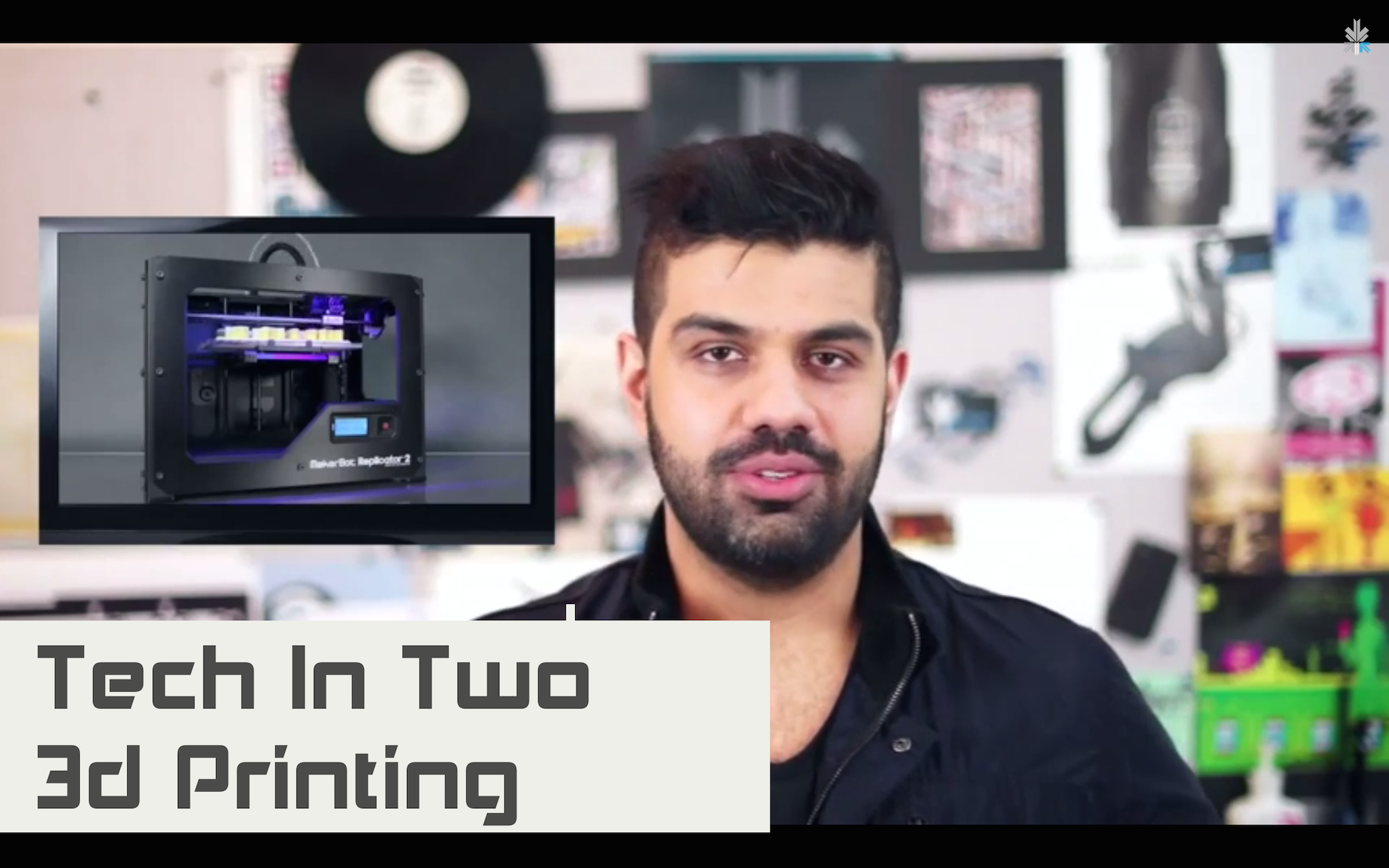
To know more about the prospects of 3D printing in just two quick minutes, watch our new show, Tech in Two:
In this fast-paced world, wouldn’t it be great if someone explained complex technology in the time your instant noodles cooked? We took it upon ourselves to bring the best of the information in one easy sized bite.
Welcome to ‘Tech In 2’, iGyaan’s latest show. Here you get everything you want to know about any gizmo or technology you desire. If you want to know about anything in the world of technology, leave a comment below, and we’ll bring out an episode for you.
To begin, we bring you this episode on 3D printing or additive manufacturing(AM). It is a revolutionary technology that will completely revolutionize the way we buy things. We explain how you can create almost anything from a small tool to an entire house using the technology. Feel free to share the video with someone you think needs the info.
Every where people are using 3D printers to make plastic figures and Yoda heads. However, 3D printing is not limited to these small DIY projects. Many designers and engineers are taking this growing technology to even more amazing (and useful) levels.
3D printing may not be quite there yet, but in three decades the technology has progressed leaps and bounds in terms of the scope and utility of 3D-printed objects.
We are listing 5 things that have evolved with this exciting technology – in ways we could have hardly imaged.
1. Makeup
Makeup is all about color, and printers can print millions of color combinations. Why not combine traditional inkjet printing with 3D printing and print your own makeup? Well, Grace Choi, a former student of Harvard Business School, came up with this idea. She has constructed a 3D printer which can make powders, creams, and just about any type of cosmetic you might need.
2. Vinyl Records
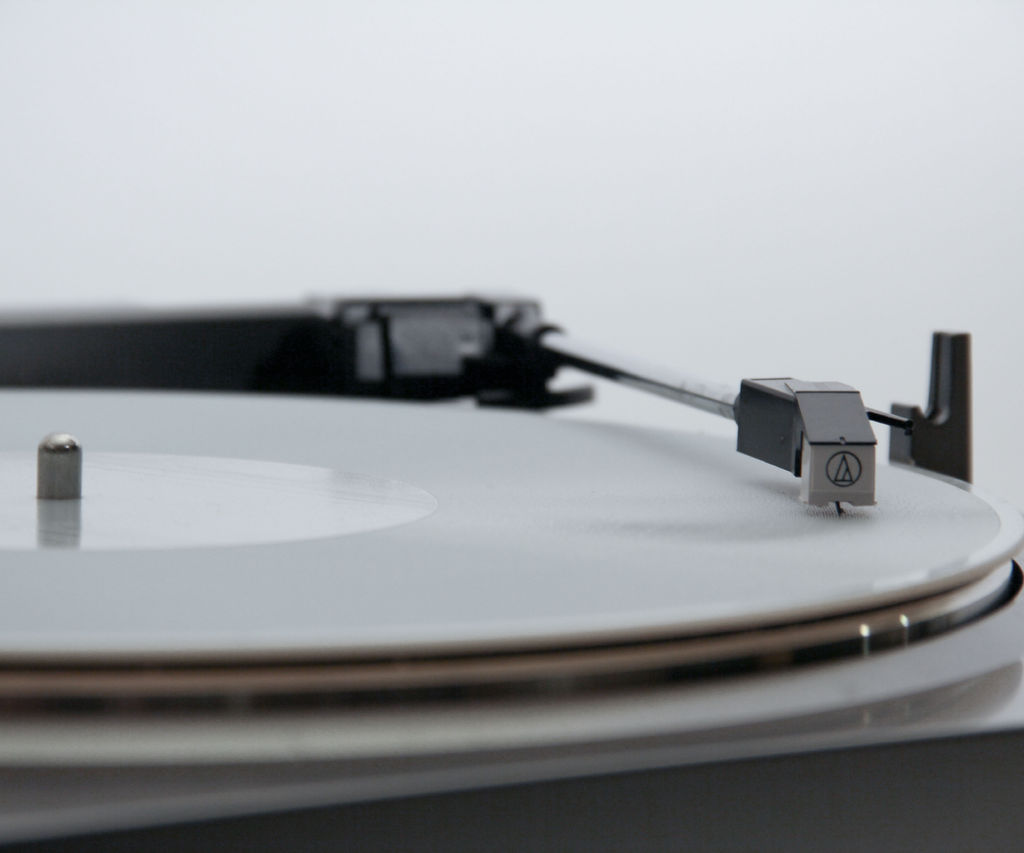
Amanda Ghassaei, a software engineer, developed a way to take any piece of digital music and 3D print an LP record that actually plays on a standard turntable. Even though vinyl records are old school, plenty of people still prefer them to digital music files and mp3 players.
3. Food
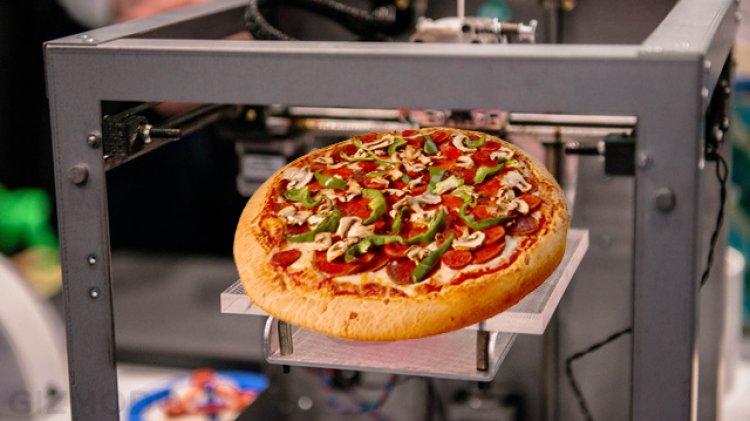
Honestly, 3D printed food doesn’t sound appetizing at all. But believe it or not, 3D printing tech has started delving into printing actual meals. NASA has funded an initiative to print food that astronauts can consume in space, and food scientists have been working with the U.S. military to prepare ready-to-eat meals. Also, 3D chocolates, pancakes and pastas has been successfully printed, however, we have our reservations about it.
4. Organs
As crazy as it sounds, 3D printed organs have been a major part of medical research lately. Ears, kidneys, blood vessels, skin and bones have all been successfully 3D printed by scientists. Instead of the typical plastic normally associated with 3D printing, these 3D medical “bioprinters” use a gel-like substance made from cells.
5. 3D printers
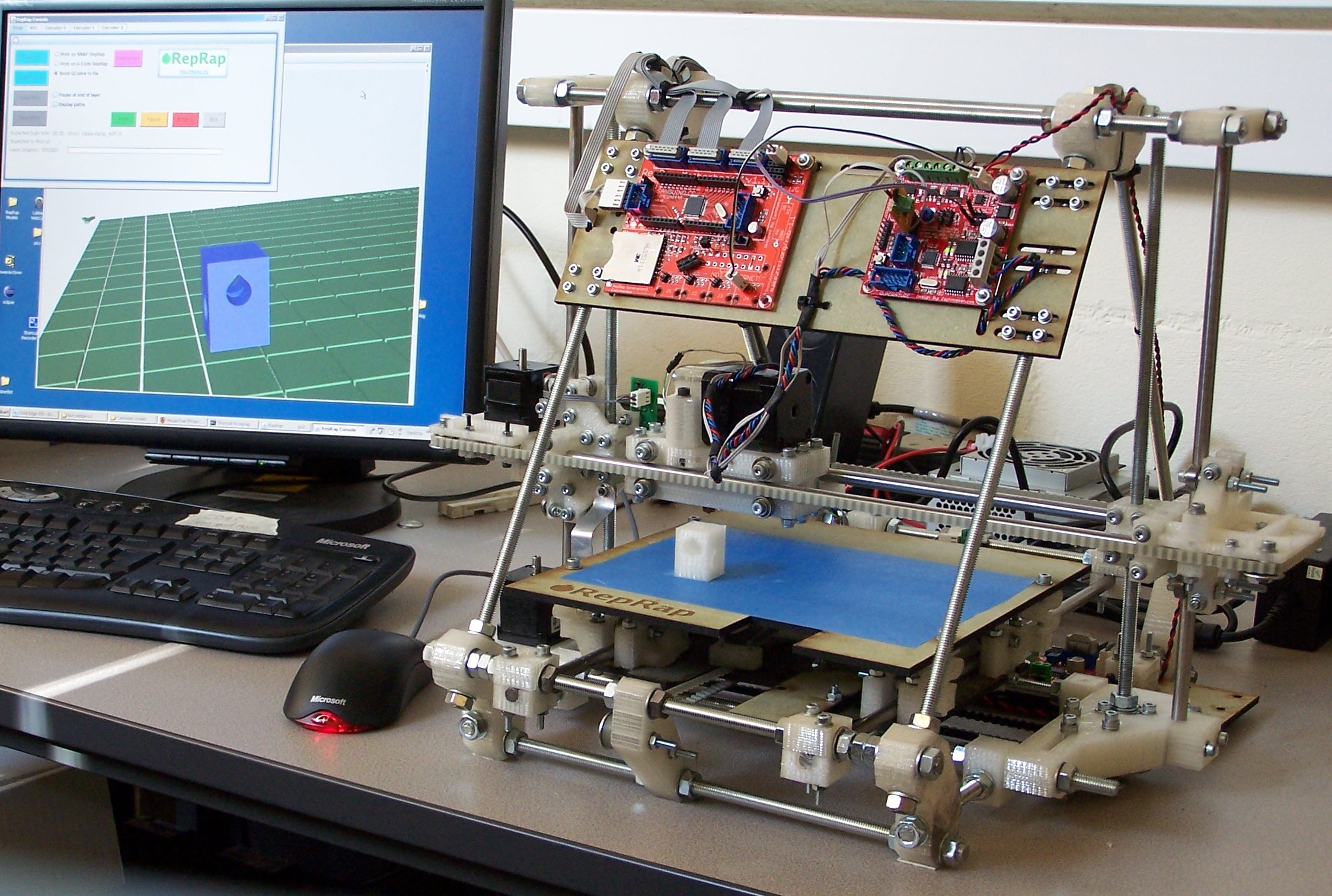
Yes, you can even print out a 3D printer with a 3D printer. A DIY project called RepRap is an open source printer that does just that. RepRap takes the form of a free desktop 3D printer, capable of printing plastic objects. Since many parts of RepRap are made from plastic and RepRap prints those parts, RepRap self-replicates by making a kit of itself – a kit that anyone can assemble given the required time and materials.
3D printing is one of the most beneficial technologies out there and it is all set to bring immense comfort to our lives in the coming decades. It is a process through which one can create three-dimensional objects in which successive layers of material are laid down under computer control. NASA pushed the limits of this technology and decided to create one of the most complex parts of a rocket engine, and then they tested the prototype. What happened next will blow your mind.
At a test stand at NASA’s Marshall Space Flight Center in Huntsville, Alabama, scientist tested out a design with a new manufacturing process. The design was fed into the computer and then manufactured layer by layer in a 3D printer. The process involved layering metal powder and fusing it together with a laser, a process known as selective laser melting.
3D Printing will make Space travel immensely convenient.
This injector design was similar to the ones that are used in small rocket engines. It is also close to the design of the RS-25 engine which will power the Space Launch System (SLS), which will be the biggest rocket ever built. The entire injector was created as a single component instead of manufacturing each element individually. In traditional processes, about 163 individual parts are made and then assembled for this extremely complex equiment. This process is economical, both money and time wise.
NASA engineers tested out two designs for five seconds each, and they produced 20,000 pounds of thrust. They performed as per the expectations. The 3D printing process afforded the engineers the convenience of building parts that enhance the performance of the rocket engine. They created geometric flow patterns that allowed oxygen and hydrogen to swirl together before combusting at 1,400 pounds per square inch and temperatures up to 6,000 degrees Fahrenheit.
For this initiative, NASA took the assistance of two private companies, Solid Concepts in Valencia, California, and Directed Manufacturing in Austin, Texas. Both companies were responsible for printing out one injector for testing.
NASA now plans to test out the feasibility of additive manufacturing process in the entire manufacturing process of a rocket engine. They have already tried complex injectors and other components through 3D printing process, and are impressed by the speed at which the components are manufactured and the ease of testing these components. The technology will make space travel a lot more convenient too. Instead of taking huge cargo of equipments, astronauts can simply print out the tools they need, thereby being independent of the earth base. 3D printing, by the looks of it, is here to stay, and this technology is capable of changing the world.
We live in a world where technology evolves every minute, heck, every second. Even before you’ve got the hang of something, it is replaced by something newer, better.
The other day while I was watching an episode of “The Big Bang Theory”, I was intrigued by something I hadn’t heard of before – 3D printing.
While the “Third Dimension” had crept into virtual space quite some time ago – 3D games, 3D movies etc. – I never really imagined it being introduced into print any time soon (though it has been available and used by companies in automobiles sector for the past 8-10 years).
So the first thing I did after the episode was to switch on my computer and, as is the norm these days, turn to the tried and trusted Google Search to enlighten me on this topic.
What is 3D printing? – An Overview.
Imagine a future in which a device connected to a computer can print a solid object. A future in which we can have tangible goods as well as intangible services delivered to our desktops or highstreet shops over the Internet. And a future in which the everyday “atomization” of virtual objects into hard reality has turned the mass pre-production and stock-holding of a wide range of goods and spare parts into no more than an historical legacy.
Such a future may sound like it is being plucked from the worlds of Star Trek. But lo and behold, 3D printing. The medium which can help us achieve these.
[pullquote_left]Charles Hull is the inventor of the modern 3D printer and originator of de facto standard technologies. The first published account of a printed solid model was made in 1981 by Hideo Kodama of Nagoya Municipal Industrial Research Institute.[/pullquote_left]
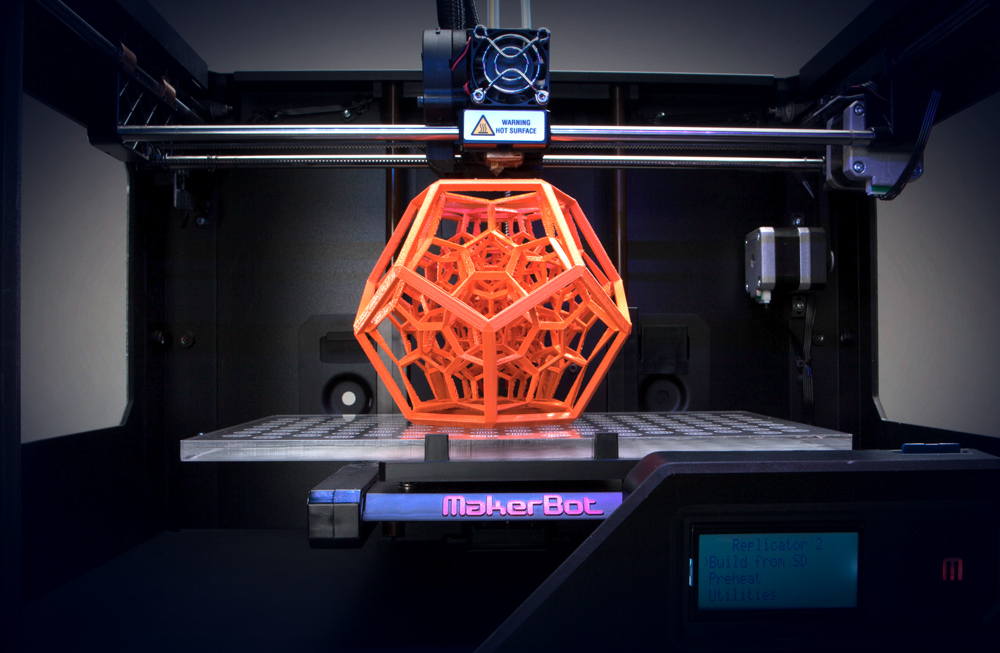
There are a variety of very different types of 3D printing technologies, but they all share one core thing in common: they create a three dimensional object creating it layer by successive layer, until the entire object is complete.
Each of these layers is a thinly sliced, horizontal cross-section of the eventual object. Imagine a multi-layer cake, with the baker laying down each layer one at a time until the entire cake is formed. 3D printing is similar, but just a bit more precise, and scientific if you may, than 3D baking.
Two particular technologies are used in 3D printing – fused deposition modeling (FDM) and PolyJet.
FDM printers essentially use thermoplastic ABS filament, that is fed into the printhead which melts the material and then deposits it layer by layer to build up the object.
PolyJet printers, on the other hand, are more similar to regular inkjet printers, but instead of jetting drops of ink on paper, a PolyJet 3D printer deposits droplets of liquid photopolymer which is then cured (or hardened) by exposing it to ultraviolet (UV) light.
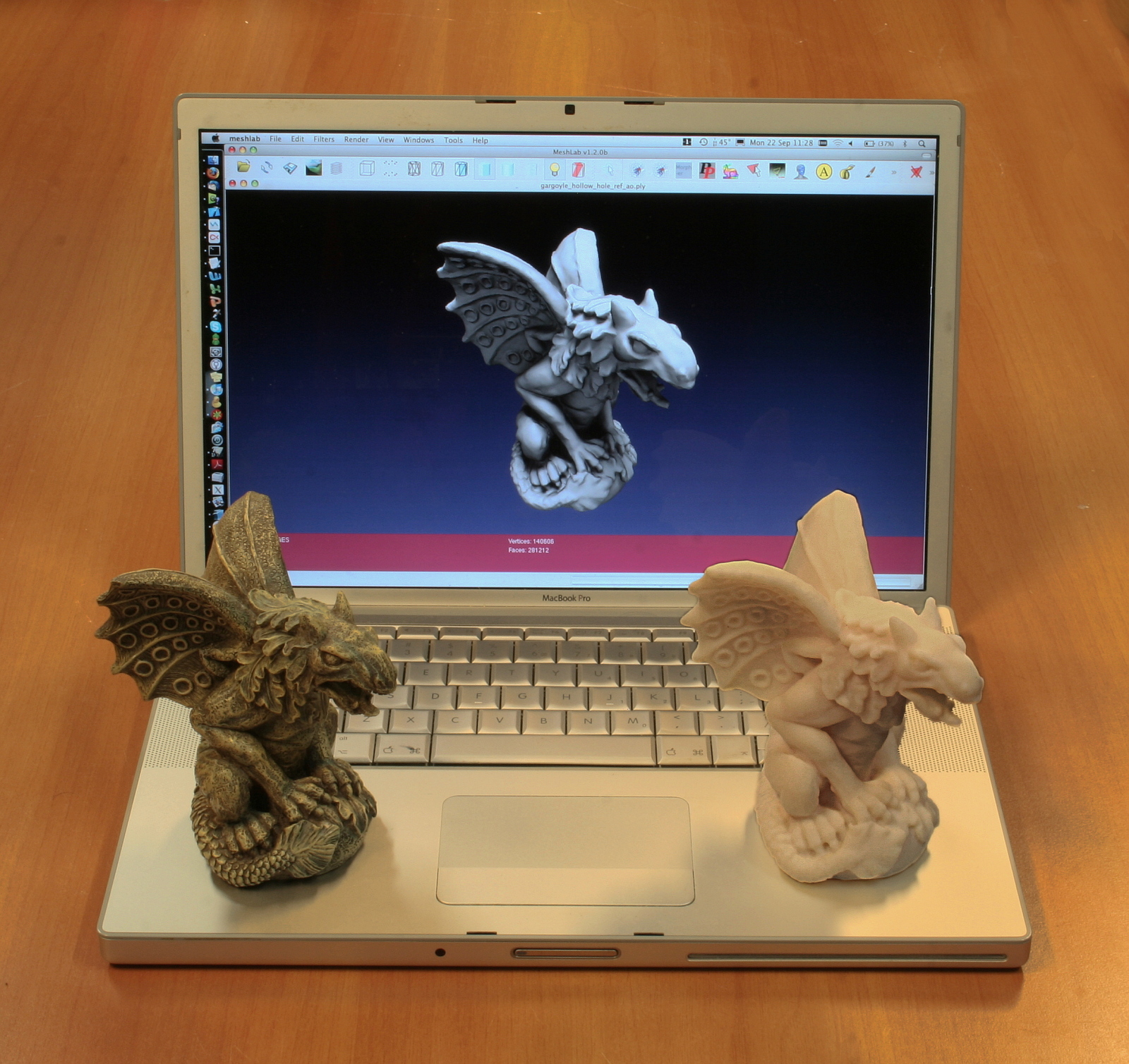
Each 3D-printed object begins with a digital Computer Aided Design (CAD) file, created with a 3D modeling program, or which was scanned into a 3D modeling program with a 3D scanner. To get from this digital file into instructions that the 3D printer understands, software then slices the design into hundred or thousands of horizontal layers.
The 3D printer reads this file, and proceeds to create each layer exactly to specification. As the layers are created, they blend together with no hint of the layering visible, resulting in one three dimensional object.
What can we do with 3D printing?
The answer to the above question is simple yet complicated – anything.
Once a science-fiction fantasy, three-dimensional printers are popping up everywhere from the desks of home hobbyists to Air Force drone research centers. The machines, generally the size of a microwave oven, cost from $400 to more than $500,000.
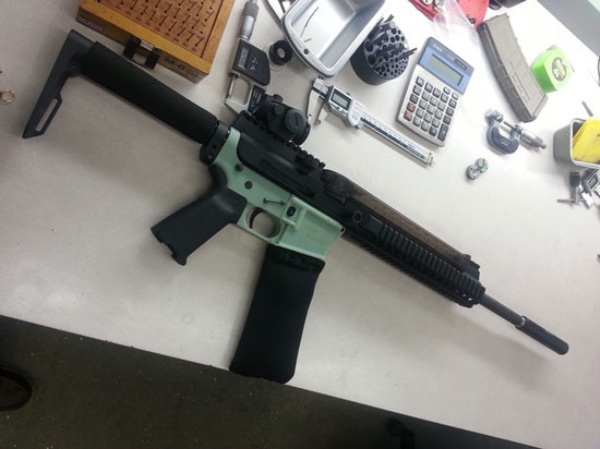
From bicycles, toys, accessories to Nuclear warheads, guns and buildings. Anything and everything.
Recently, a baby was afflicted with a condition that blocked his ability to breathe, professors at the University of Michigan developed a 3D-printed splint that saved the child’s life.
A 3D printed splint helped cure this baby’s breathing problem.
Companies are continuing to reap the benefits of 3D printing, a decades-old technology that has increased in popularity over the past few years as the prices of printing machines and materials have come down.
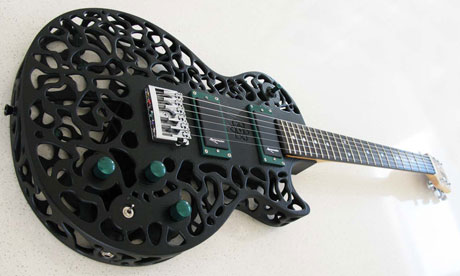
A 3D printed guitar
The Wall Street Journal recently took a look at how three major U.S. manufacturers — Ford, GE and Mattel — are using 3D printing to cut costs and production times during the prototyping phase.
Thanks to 3D printing, production time for one type of cylinder head, used in its fuel-efficient EcoBoost engines, is cut down from four to five months to three, shaving 25% to 40% off production time.
The Side Effect
[pullquote_right]The effect of 3D printers falling into the wrong hands can be catastrophic.[/pullquote_right]
New South Wales Police Force, the largest in Australia recently issued a public warning video about the ‘emerging worldwide threat’ of 3D printable weapons.
In a YouTube video highlighting the dangers 3D printable guns, Andrew Schipione, the commissioner for New South Wales Police, urges the public not to download the Computer Aided Design (CAD) files for the gun, known as the Liberator.
A 3D Printed Gun
He explained how his ballistics team had acquired a 3D printer, downloaded the blueprint for the weapons and assembled two possible future application is in the use of 3D printers to create replacement organs for the human body. This is known as bioprinting, and is an area of rapid development.pistols at a cost of just £22.
When fired, a bullet from one of the guns penetrated almost seven inches into a solid resin block resembling human flesh, deep enough to kill any human. The other weapon fell apart when it was fired.
Though some fear it is already too late.
A May 21 Department of Homeland Security bulletin distributed to several law enforcement agencies across the country, and obtained by Fox News, basically states that there might be nothing that can be done to stop people from downloading and printing plastic guns. “Limiting access may be impossible,” the memo states.
What Lies Ahead
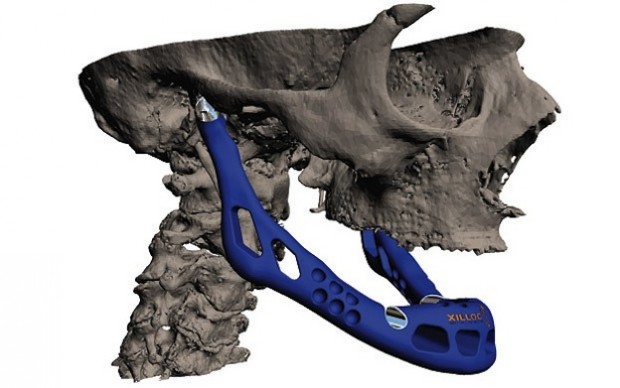
A possible future application is in the use of 3D printers to create replacement organs for the human body. This is known as bioprinting, and is an area of rapid development.
A 3D printed jaw.
Instantly printing parts and entire products, anywhere in the world, is a game changer. But it doesn’t stop there. 3D printing will affect almost every aspect of industry and our personal lives.
3-D printing is a disruptive technology of mammoth proportions, with effects on energy use, waste, customization, product availability, art, medicine, construction, the sciences and of course manufacturing. It will change the world as we know it. Before you know it.
[With valuable inputs from Explaining The Future, Wikipedia and 3dprinter,net]