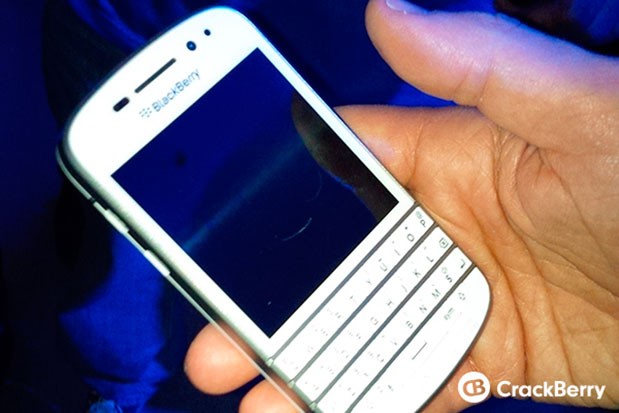
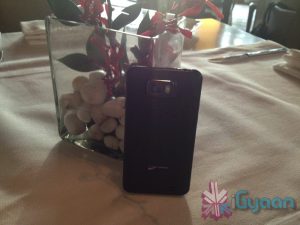
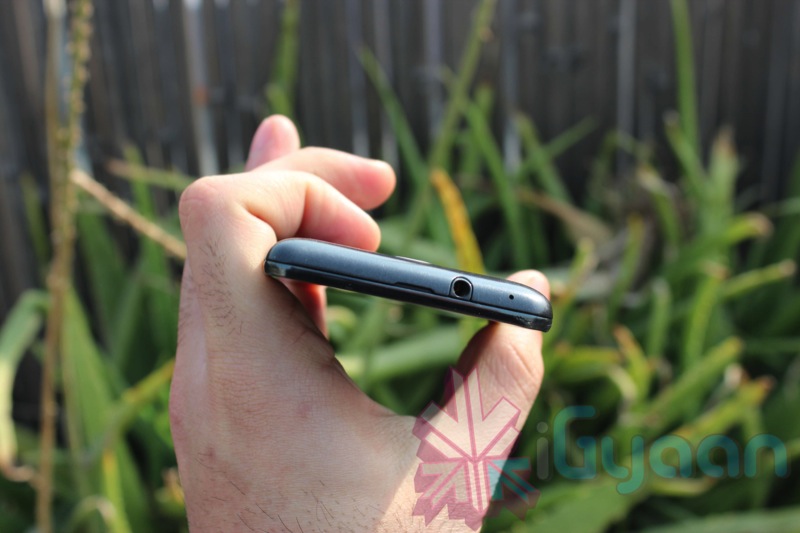
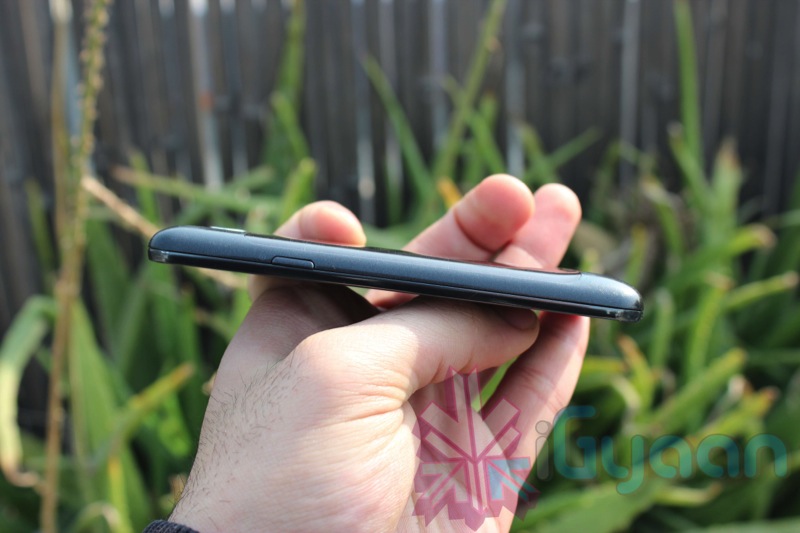
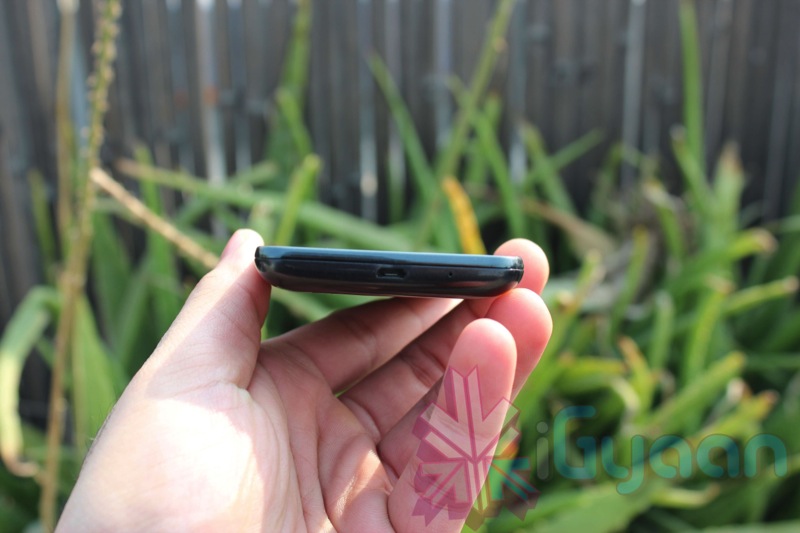
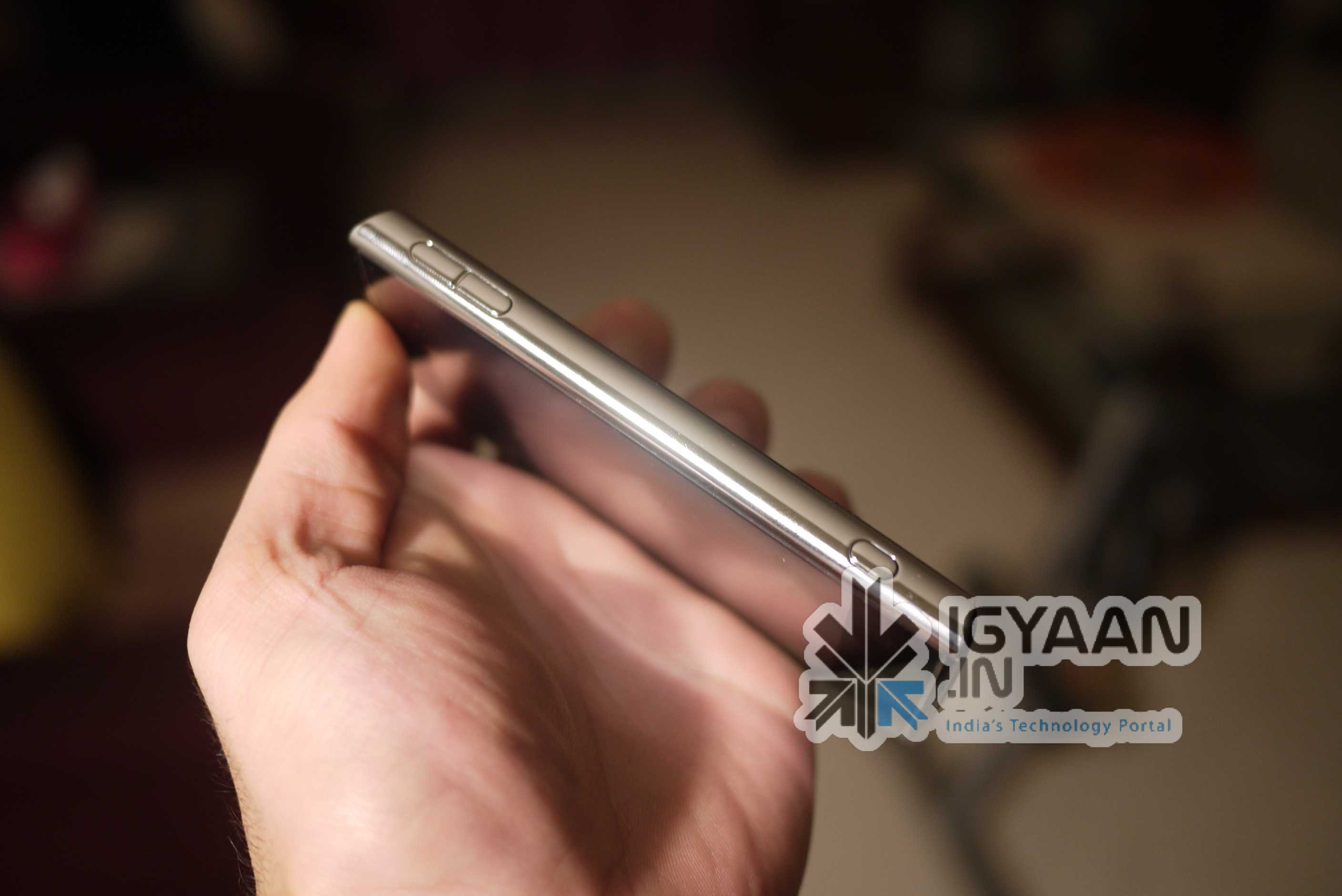
While Blackberry was busy renaming their parent company and launching the new OS along with black variants of the Z10 and Q10 a white version of the BOLD series replacement the Blackberry Q10 has been spotted at the event.
The Blackberry Q10 is packed with a 720 x 720 Super AMOLED 3.1-inch display, the Blackberry Q10’s screen is slightly larger than its touch-hybrid predecessor, the Bold 9930, and has a pixel density of 328ppi. Other specs include the 1.5GHz dual-core CPU and 2GB of RAM, 10.3mm-thick body and a 139g weight.
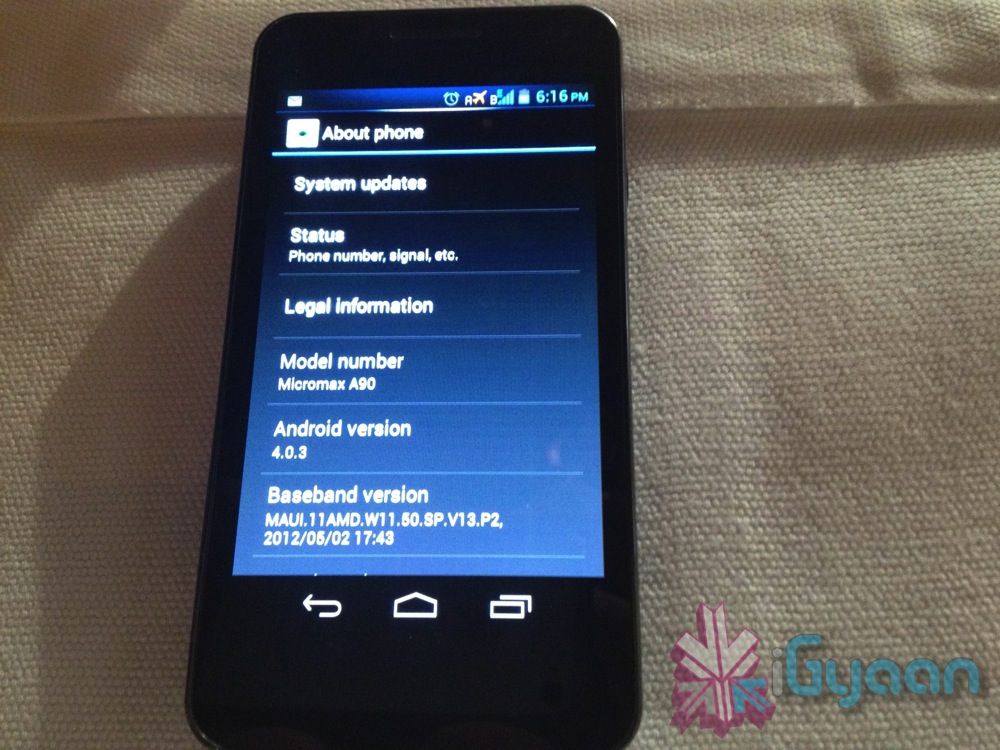
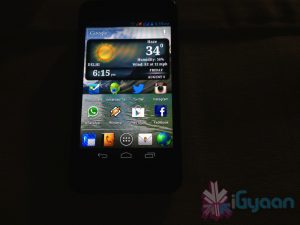
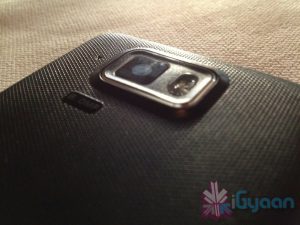
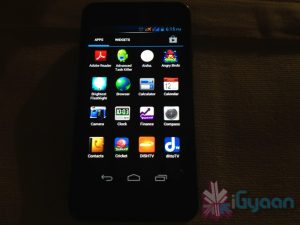
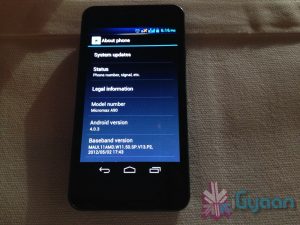
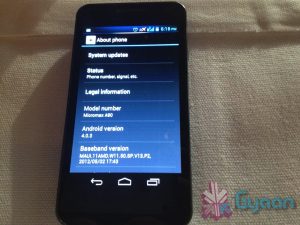
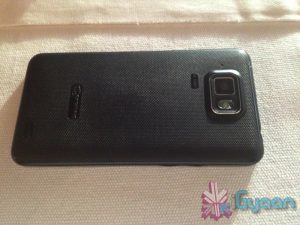
Mr. Blurrycam and shaky hands sent us a set of hands on images and video of the upcoming Micromax A90 Superfone. This comes after iGyaan exclusively reported the phone being leaked a few days back. The details are now clearer than ever, A 4.3 inch Super Amoled screen, Dual Sim Cards and Android 4.0.3 among other UI tweaks and a fast interface.
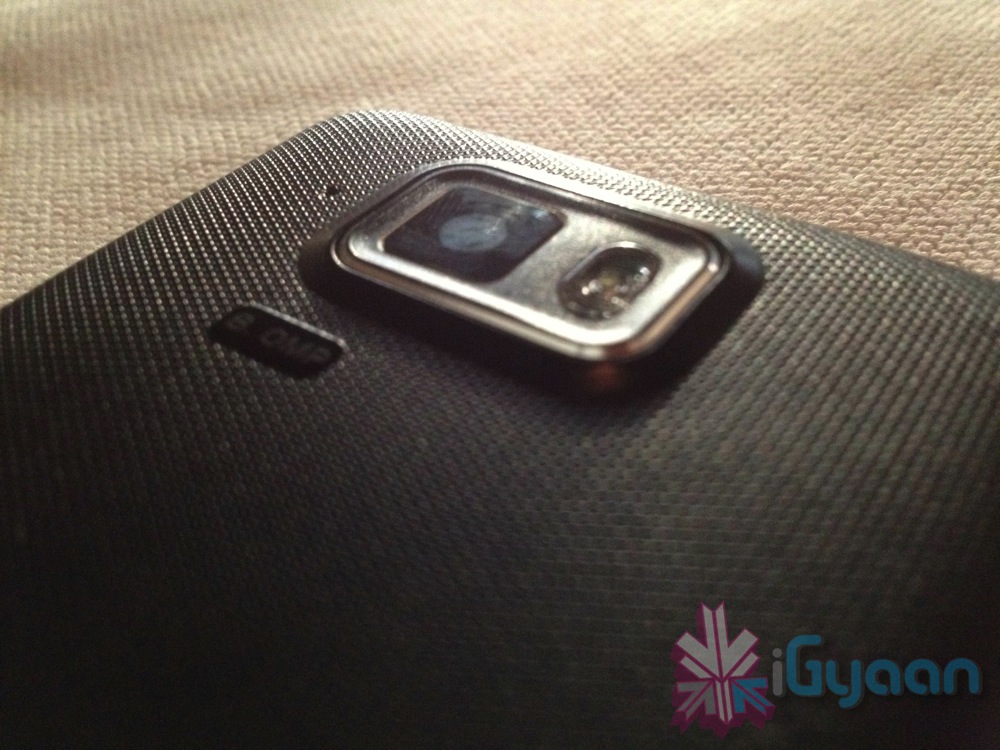
Want more? there is a Full HD, 1080p capture,Video camera that shoots high quality 8 MP stills and has a high sensitivity sensor. There is also a front 1.3 MP camera and guess what – slider door usb port cover, the kinds we like.
The price of the phone you ask? The phone will come into market for around Rs. 12,500 /-, that’s impressive considering a dual core, dual sim, Amoled display with Android 4.0 ICS.
But, the story does not end here, iGyaan Also reported a leaked image of a Micromax upcoming phone, the A100 Superfone, little details of this monster have also surfaced. The phone will sport a 5 inch display with( take this ) “features to rival the Galaxy Note”. Will Micromax really come out with a Pen Input 5 inch Dual Sim phone?
More details of this phone include 8 MP camera, Dual Core chipset ( same as the one in A90) and a price of Indian Rs. 14999/- .
Take it with a pinch of salt. More details to come as soon as we get them , information also points to a Aug 8th or Aug 9th Release date of these two phones. If that happens, we will report from there live.
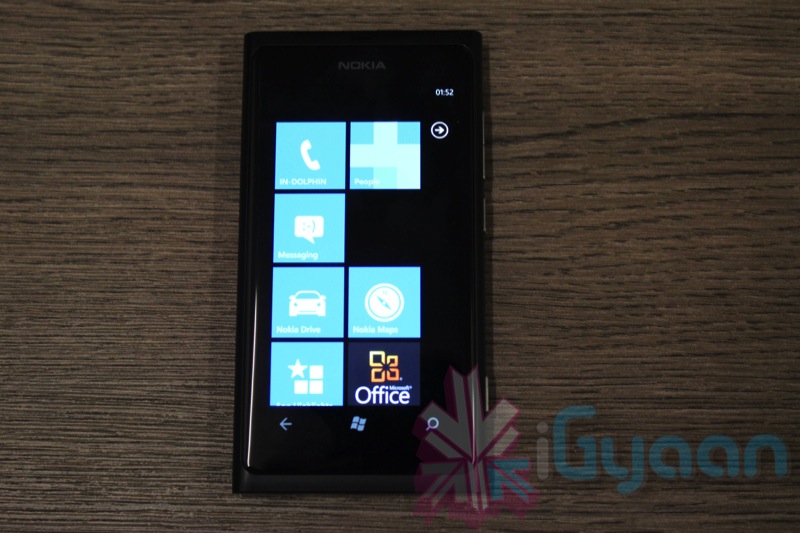
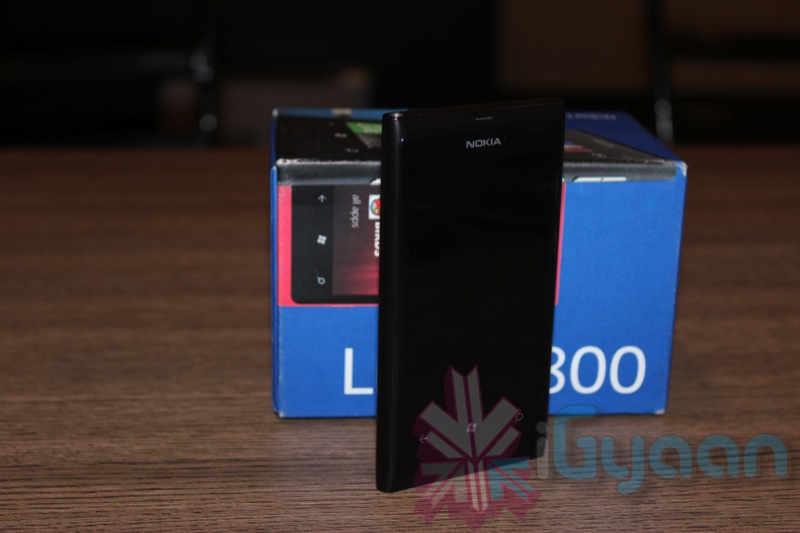
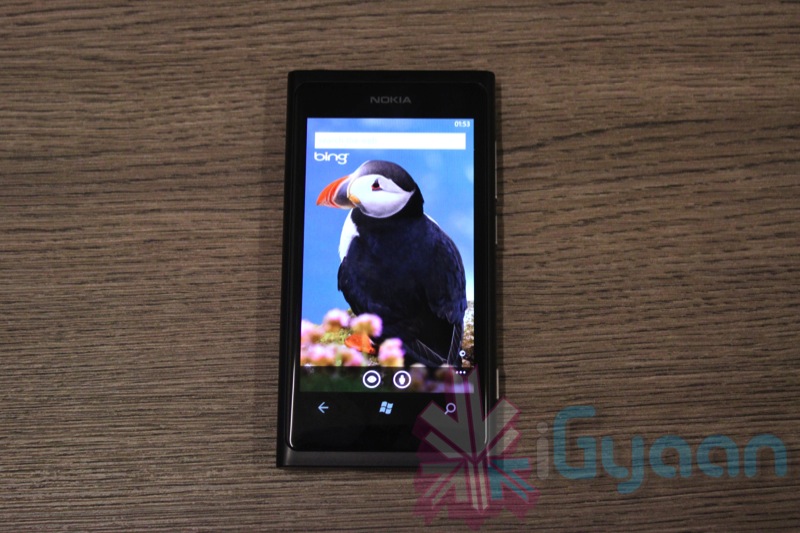
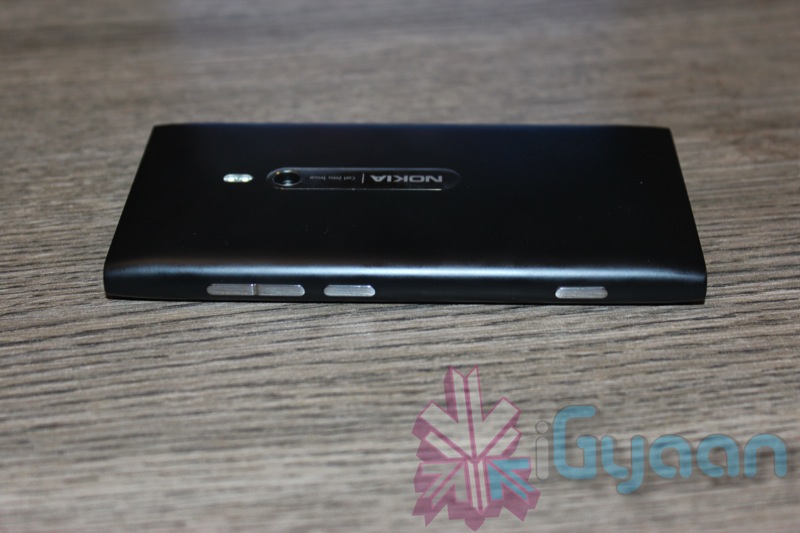
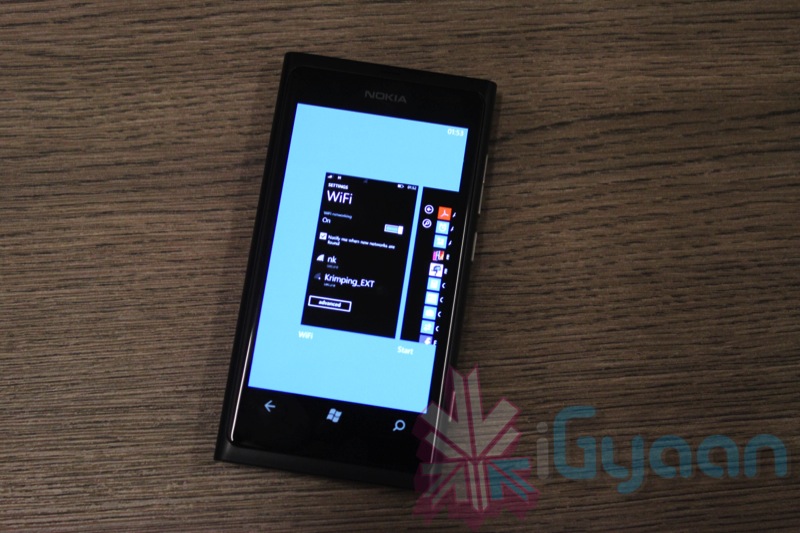
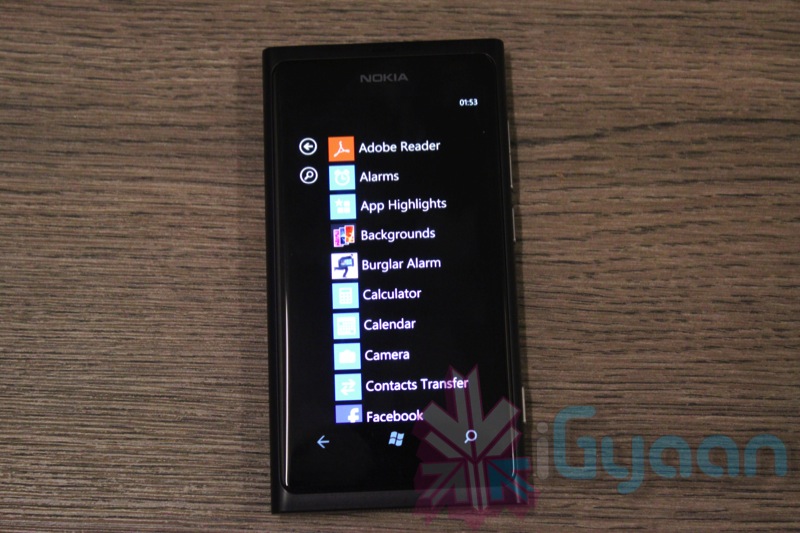
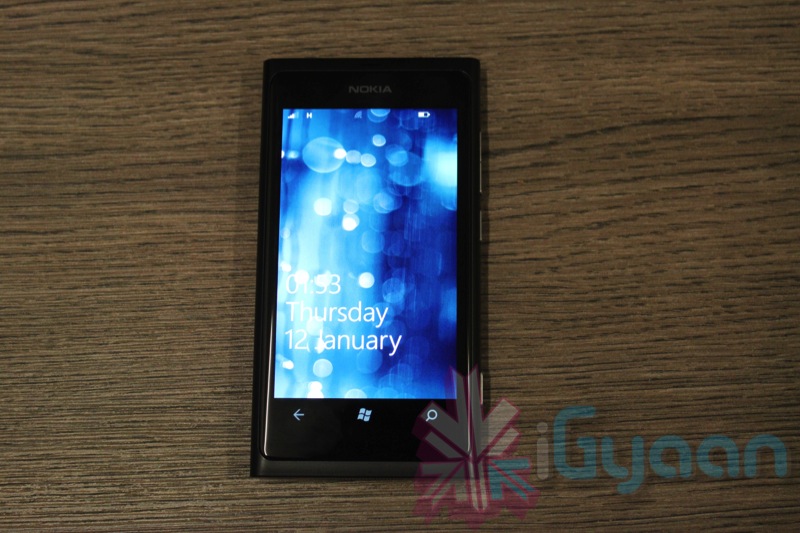
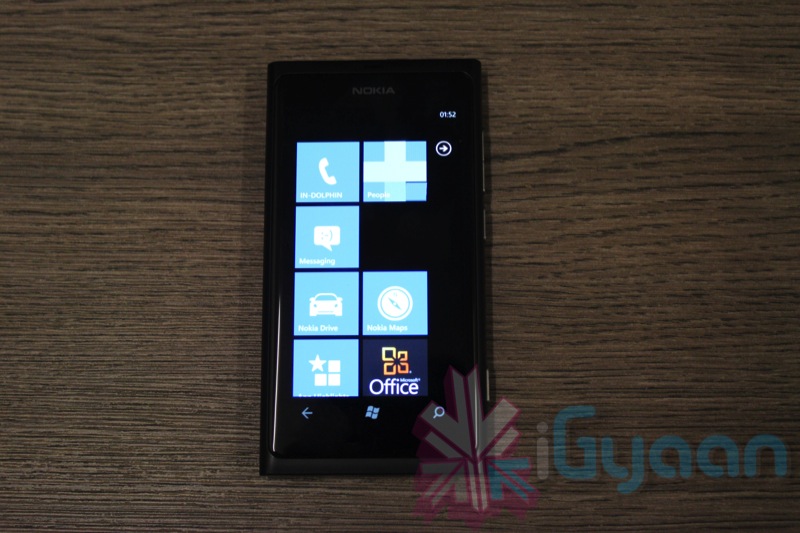
The phone that marks a beginning for a change for the Legendary Mobile phone company. Nokia recently Launched the Lumia 800 in India and it has led Windows Phone to another level, at least in India. Still priced way above expected the phone is available for just under Rs. 30,000.
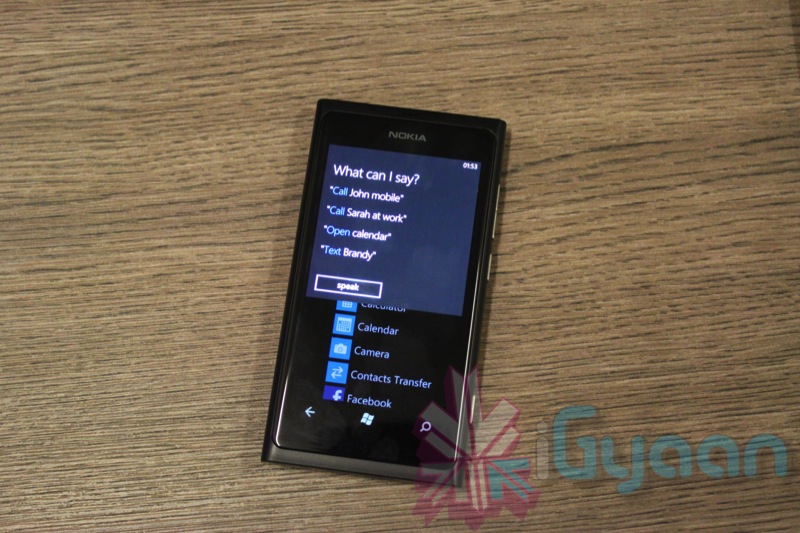
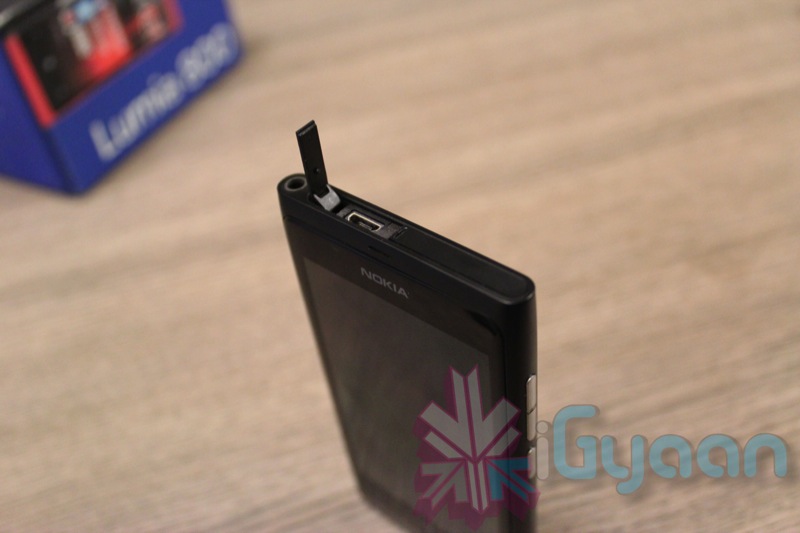
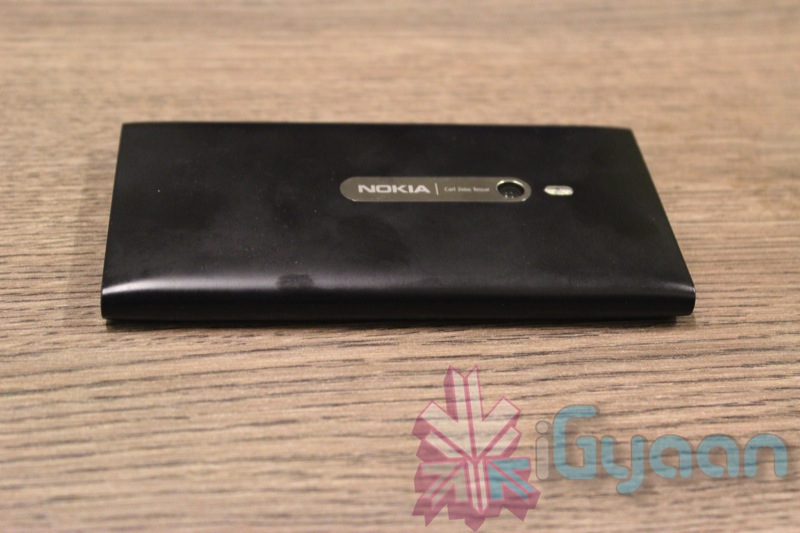
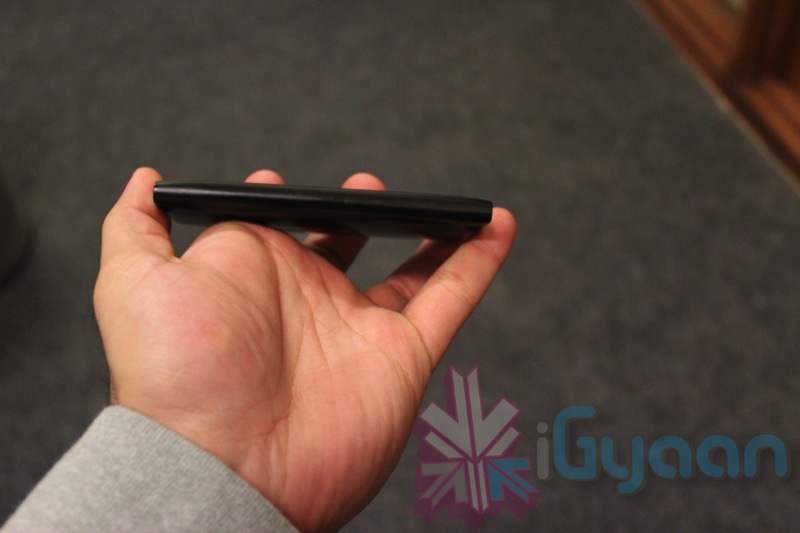
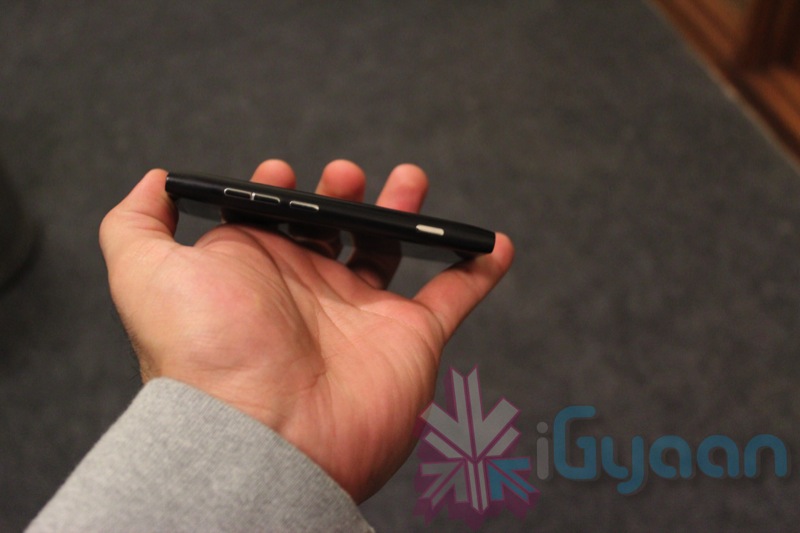
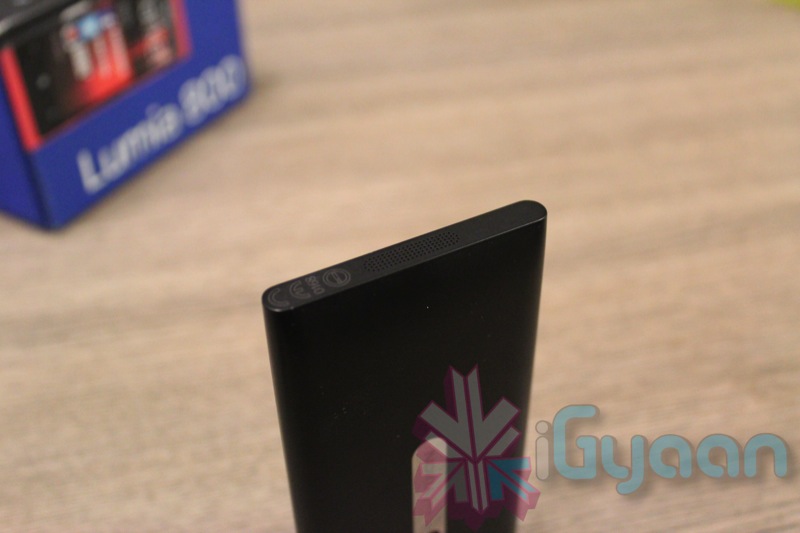
[tabs style=”default”] [tab title=”Initial Impressions”] The device is superiorly well built and has a stunning gorilla glass display. Under the hood is a 1.4GHz processor and 16GB of Storage. It runs the latest version of mango yet there are some features missing. Also on the OS front are some applications that have been custom made by Nokia for the device, For Example Nokia Drive. Nothing is openable or removable in the injection moulded shell of the phone. The only two openings are on the top of the device for micro USB ports and a micro SIM slot. The Speaker is located at the bottom of the Phone, a rather inconvenient location if you ask us.[/tab] [tab title=”Pros”]
Well built
Good Specs ( Windows Phone)
Unibody Design
Excellent display
Custom Apps ( Nokia Drive/Maps)
Nokia Support in India
[/tab] [tab title=”Cons”]
Expensive at Rs.30,000
Few features missing
Underpowered
micro SIM
[/tab] [tab title=”Specifications”]
Price: RS. 29,999. Network: 3G Display: 3.7-inch bright AMOLED ClearBlack display. Screen Resolution: 800 x 480 pixels Camera: 8 mega-pixel with auto-focus ,Carl Zeiss optics ,and dual LED flash. HD Video Recording/Playback Music: FM Radio, Music Player, 3.3mm Jack Internal Memory: 16GB Battery: standard 1450 mAh Talk time: up to 13hrs. Standby time: up to 335hrs. OS: Windows Phone 7.5 Mango Processor: 1.4GHz Scorpion Social Networking: Support to Social networking and Google Apps WAP 2.0/xHTML, HTML5, RSS feeds Email & IM: Yes Connectivity: Windows Zune PC Sync, USB, Wi-Fi Games, Weight: 142gm
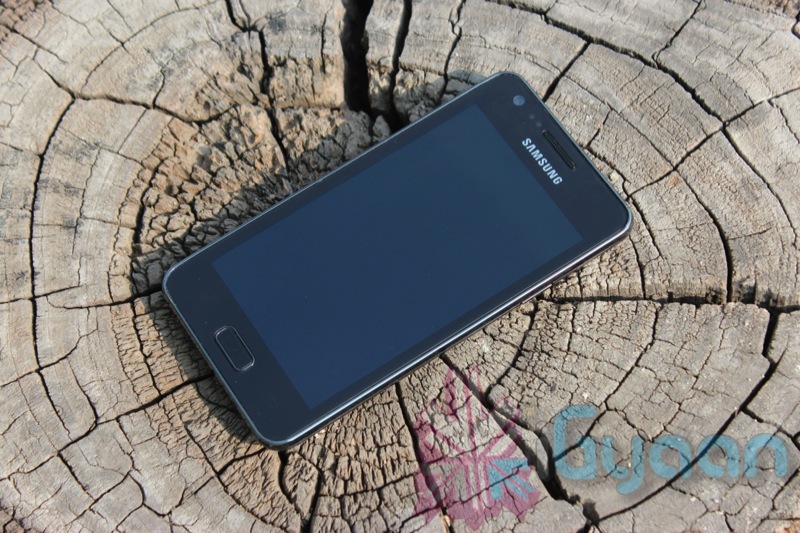
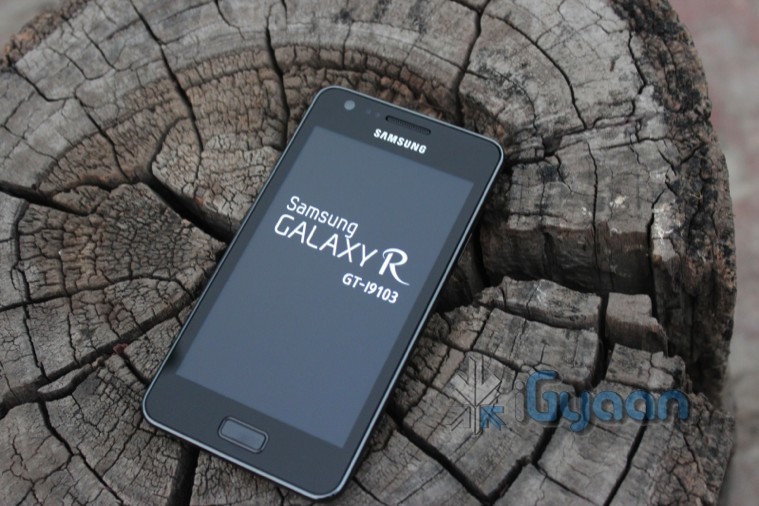
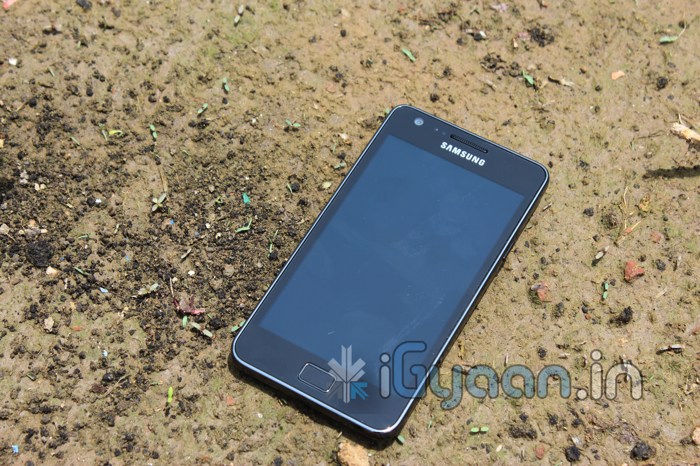
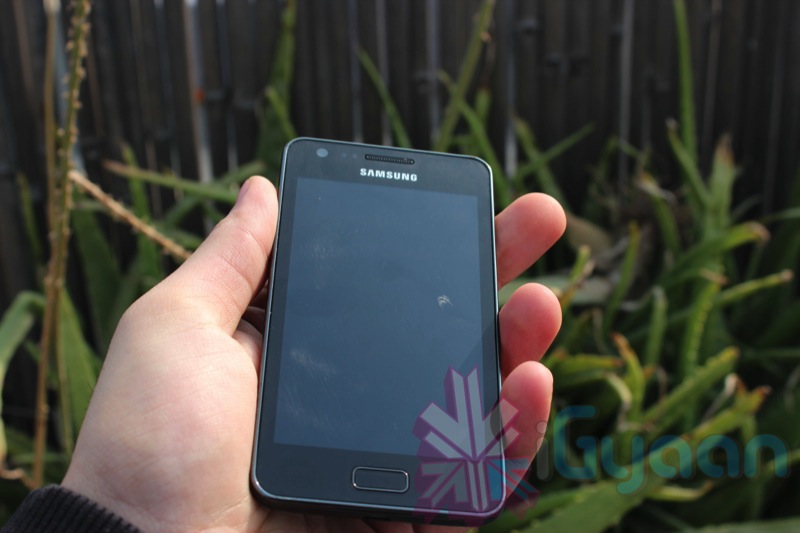
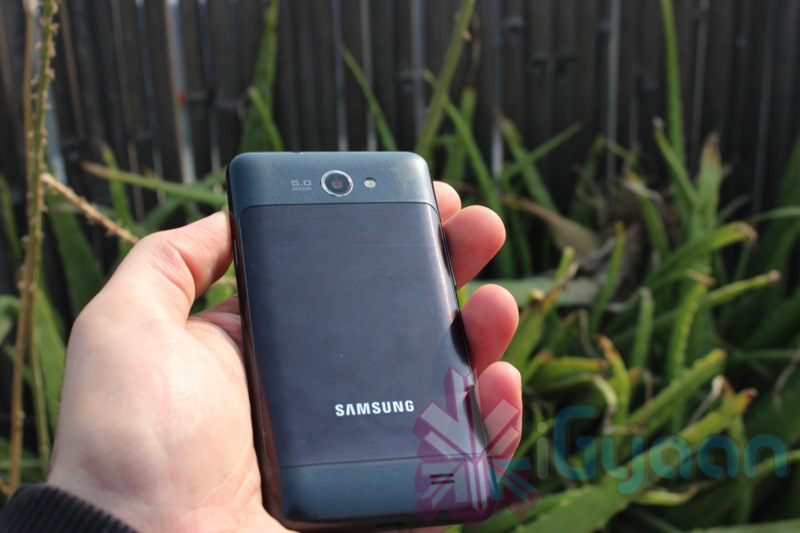
We got over a thousand requests to review the Samsung Galaxy R especially after the price drop. The device originally launched at Rs. 27000, just a little shy of the price of the Galaxy S2, but now the phone is priced at a mere 20,800 , also available at online retailers for a discount of 1000 using a coupon. Making it the best under 20k handset, here is why.
Build Quality and Design
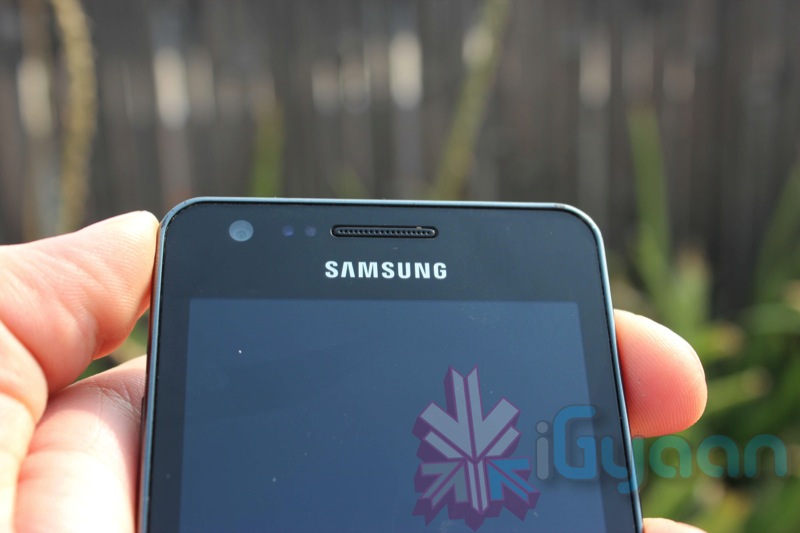
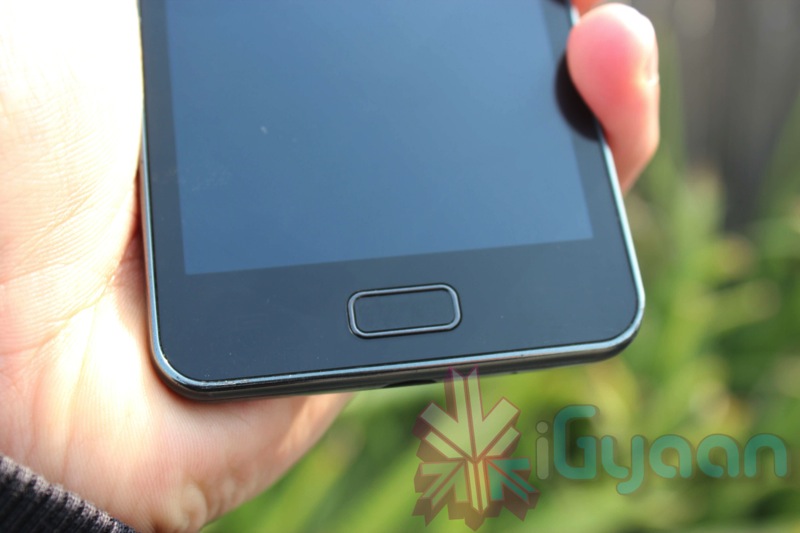
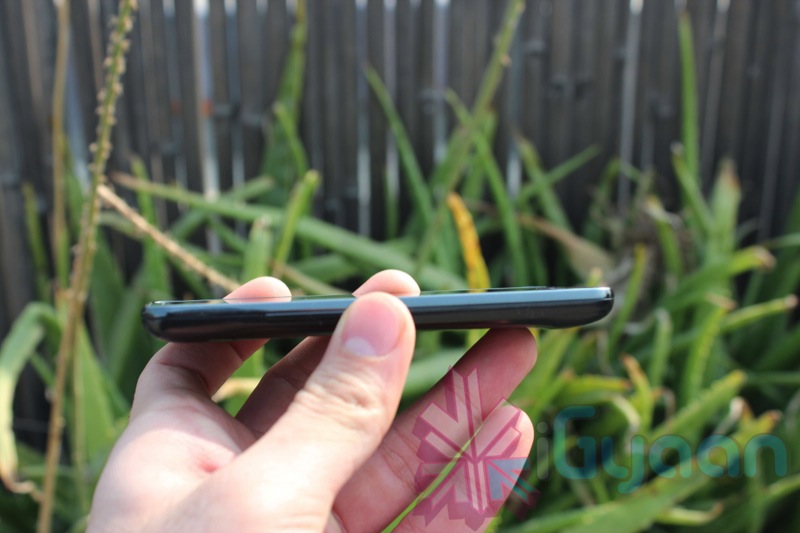
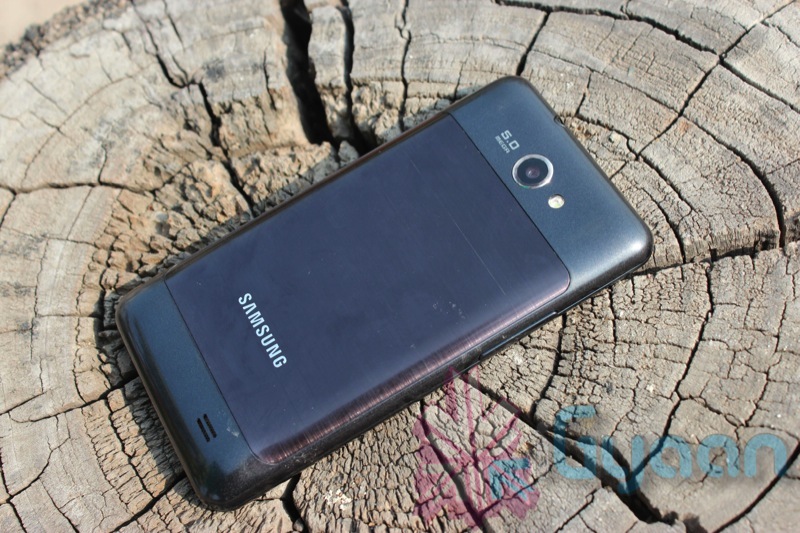
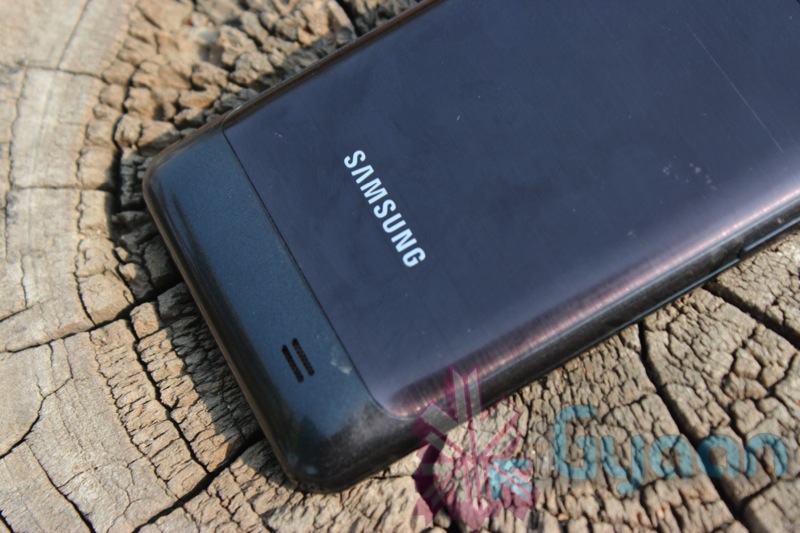
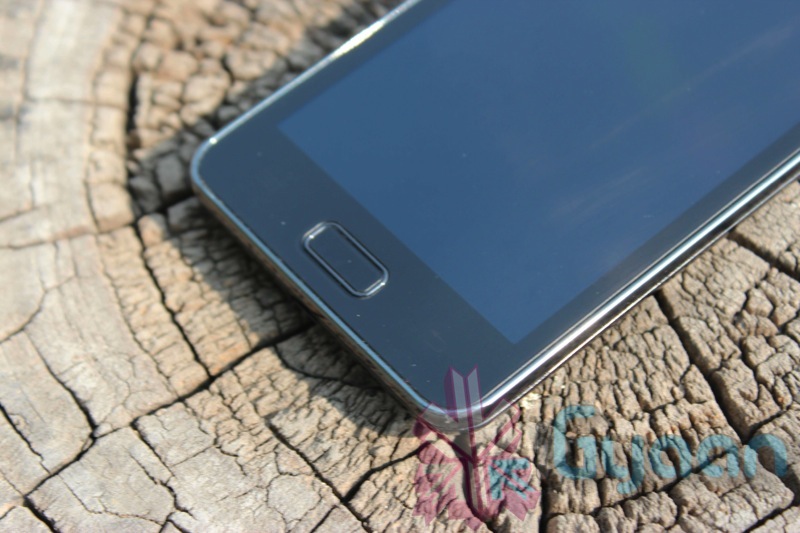
Not the best build quality by Samsung, the Galaxy R lacks precious looks and precious materials. The back panel especially fades away after just light use, the scratch resistant front display is not so scratch resistant after all. We did face some issue with the power button and it turned out to be really fidgety. Apart from the downsides, we did like the look of the handset and it does feature some great elements, including a nice sized, tactile home button along with a nice chrome bezel.
The design is identical to the S2 but is much fatter than the powerful predecessor. The back of the device makes it look a bit ugly, and since it fades easily the look worsens day by day.
Hardware and Multimedia
Now that the price is so different, we see that there is a slight difference b/w the specs of the S2 and the R.
COMPARISON
Samsung Galaxy R I9103
Samsung Galaxy S 2 I9100
Platform
Operating Freq
GSM – 900, 1800
GSM – 850, 900, 1800, 1900; UMTS – 2100
OS
Android v2.3 (Gingerbread)
Android v2.3 (Gingerbread)
User Interface
TouchWiz
TouchWiz 4.0
Java
Processor
1 GHz ARM Cortex A9, Dual Core
1.2 GHz ARM Cortex A9, Dual Core
Graphics
ULP GeForce
Mali-400 MP
Display
Type
Super Clear LCD
Super AMOLED Plus
Size
4.2 Inches
4.27 Inches
Resolution
WVGA, 480 x 800 Pixels
800 x 480 Pixels
Colors
16 M
16 M
Camera
Primary Camera
5 Megapixel
8 Megapixel
Secondary Camera
VGA
2 Megapixel
Flash
LED
LED
Video Recording
1280 x 720
1920 x 1080, 30 fps
HD Recording
HD
HD, Full HD
Other Camera Features
Geo-tagging, Smile Detection, Auto Focus, Image Editor
Auto Focus, Shot Mode, Photo Effects, White Balance, Geo-tagging, Face and Smile Detection
Zoom
Digital Zoom
Dimensions
Size
66 x 125 x 9.5 mm
66.1 x 125.3 x 8.4 mm
Weight
135 g
116 g
Battery
Type
Li-lon, 1650 mAh
1650 mAh
Talktime
18 hrs (2G), 8 hrs (3G)
Standby Time
710 hrs (2G), 610 hrs (3G)
Memory and Storage
Internal
8 GB
16 GB
Expandable Memory Slot
Micro SD, upto 32 GB
Micro SD, upto 32 GB
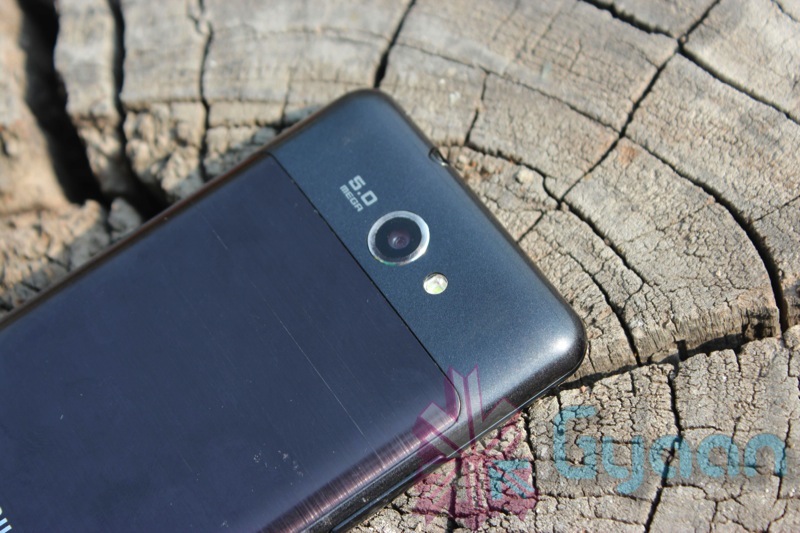
The camera on the device is a 5MP snapper and it gives out decent image quality and 720p video, the LED flash is also good enough to illuminate low lit subjects, but don’t expect it to fill a room. Images are as crisp as can be from a 5Mp sensor, the quality when compared to a 5MP snapper from the iPhone 4 is a bit lower. 720p video is smooth and without jitters and we will soon upload a video sample to demonstrate that.
The screen is not anything like the Super AMOLED Plus display on the S2 but the SLCD display is the same size and same pixel resolution, also the same color density and is a exceptionally bright display with great outdoor visibility. The display is try capable of playing good video and the device supports unto 1080p video playback without any issues.
Audio on the device is loud, a bit louder than the S2 we presume, the earpiece did give us some problems as we mentioned in the unboxing, but somehow the volume keeps going up and down in the earpiece and we suspect its a software thing. Mic works great without any problem.
The NVidia Tegra 2 chipset is well supported in the gaming developer community, so expect to find more games work on this device than were supported on the S2 initially. Let us mention that all sort of games play brilliantly.
Call Quality and Messaging
The network is great and no breakages in sustained network, even while traveling. We did however face low signal in key areas like flyovers and tower changes. Audio is good, but like we mentioned the earpiece can get a bit bothersome.
The device also supports video calling over 3G networks which is a great add-on to those who want to use this feature, although we prefer services like Skype and Fring which work great too.
Messaging works great on the nice and large screen, with the ability to switch to Swype which is inbuilt into the system you can enhance the experience of typing. You can also switch to a flurry of available keyboard replacements in the Android Marketplace to best suit your needs of typing.
Battery Life
The battery life on this device is varied out of the box you will struggle to pass a few hours with the device, you will need to charge it at least twice a day if not more. But we found easy fixes, and we have discussed these with Samsung and we believe that a software update should rectify the problem soon. Turn off Wifi, background data sync and Mobile data, when not in use and here are the results
Talk time 2G : 5 hours
Talk Time 3G : 4-4.5 Hours
Standby Time : 2 Days- 3 Days
Internet usage : 8 Hours over Wifi
Video Playback : upto 6 hours constant video
Conclusion
The device is an exceptional device especially after this price drop, it does lack proper construction, but has a set of features that are difficult to match at this price. The only thing that comes close to this device is the LG Optimus 2X with almost the same price and the same chipset. The Galaxy R has a newer built of Android and will definitely get the ICS update. The Galaxy R also has TouchWiz UI which we prefer over the one on LG. We also believe that the device is well supported in the developer community and has a larger user base.
Samsung Galaxy R is a great purchase and a brilliant holiday gift.
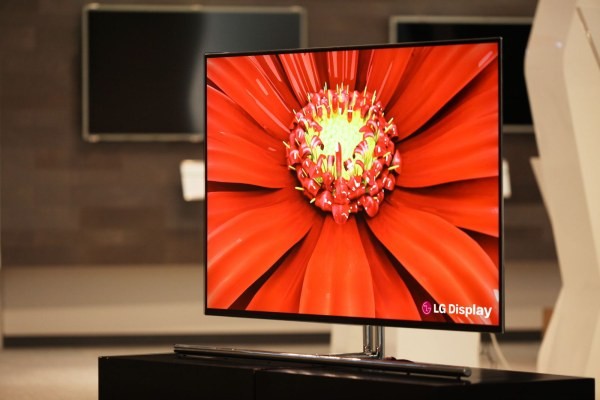
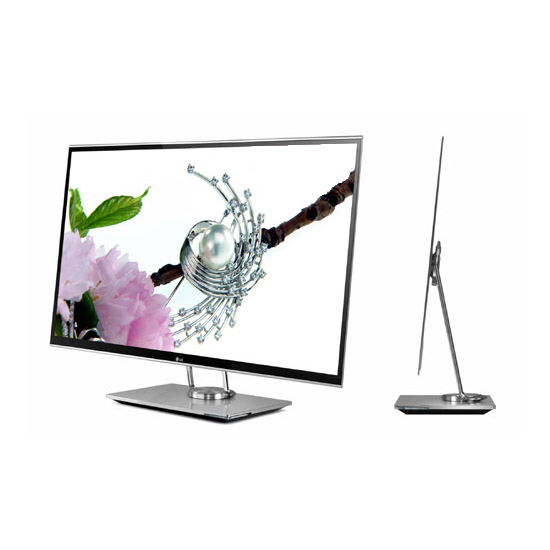
LG has confirmed that it will be releasing the OLED displays of the future at the CES 2012. The Worlds largest OLED display measuring 55 inches will also be unveiled at the event. The unveiling will happen on January 9th, LG claims their technology uses white OLEDs overlaid with colors for a lower error rate and clearer “ultra definition” screen.
LG Display Announces World’s Largest OLED TV Panel 55″ Panel to Advance Popularization of OLED TV Market
Seoul, Korea (December 26, 2011) – LG Display [NYSE: LPL, KRX: 034220], a leading innovator of thin-film transistor liquid crystal display (TFT-LCD) technology, today announced that it has developed the world’s largest 55-inch OLED(Organic Light Emitting Diodes) TV panel. The 55-inch panel is a significant step forward in the popularization of OLED TVs and demonstrates the effective application of AM OLED technology to larger panel sizes at a more cost efficient level.
“Our objective has always been to actively define and lead emerging display technology markets,” said Dr. Sang Beom Han, CEO and Executive Vice President of LG Display. “Although OLED technology is seen as the future of TV display, the technology has been limited to smaller display sizes and by high costs, until now. LG Display’s 55-inch OLED TV panel has overcome these barriers.”
Superior Image Quality in an Ultra Thin Design LG Display’s 55″ OLED TV panel produces remarkable image quality with no after image due to its high reaction velocity, as well as high contrast ratio of over 100,000:1 and wider color gamut than that produced by LCD panels.
OLED, a medium that controls pixels is a departure from LCD panels which utilize liquid crystals. The new technology allows light emitting diodes to self-generate light and features a reaction velocity to electric signals over 1000 times faster than liquid crystal.
The environmentally conscious will also appreciate LG Display’s 55″ OLED TV panel. While light sources in backlight units, like LCD panels, must always be kept on, the OLED panel allows diodes to be turned on or off which enables lower power consumption than conventional LCD panels.
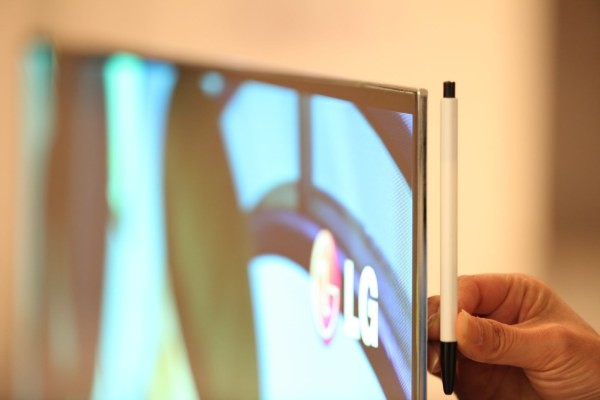
With no need for a special light source, LG Display’s 55″ OLED TV panel is also able to utilize a simplified structure thinner than that of a pen (5mm), and lighter than LCD panels. The panel’s minimalist structure also allows for the realization of unique design elements.
Advancing the Popularization of OLED TVs Although industry watchers anticipate OLED as the future of TV display, to date, the technology has faced challenges due to limitations on the sizes of displays it can be applied to and a high level of investment required. LG Display has successfully addressed these issues with its 55″ OLED TV panel.
The panel adopts an Oxide TFT technology for backplane which is different from a Low Temperature Poly Silicon (LTPS) type generally used in existing small-sized OLED panels. The Oxide TFT type that LG Display utilizes is similar to the existing TFT process, with the simple difference lying in replacing Amorphous Silicon with Oxide. Moreover, the Oxide TFT type produces identical image quality to high performance of LTPS base panels at significantly reduced investment levels.
Additionally, LG Display uses White OLED (WOLED). WOLED vertically accumulates red, green, and blue diodes. With white color light emitting from the diode, it displays screen information through color layers below the TFT base panel, which leads to a lower error rate, higher productivity, and a clearer Ultra Definition screen via the benefits of small pixels. Further, it is possible to realize identical colors in diverse angles via color information displayed through a thin layer. Lower electricity consumption in web browsing environments for smart TVs is another key strength of WOLED.
Showing at CES 2012 The world’s first 55″ OLED TV panel from LG Display will be made available for showing to select media and customers at a private booth starting on January 9 in Las Vegas through the end of CES 2012. For information regarding a product tour, please contact the individuals listed below.
About LG Display LG Display Co., Ltd. [NYSE: LPL, KRX: 034220] is a leading manufacturer and supplier of thin-film transistor liquid crystal display (TFT-LCD) panels, OLEDs and flexible displays. The company provides TFT-LCD panels in a wide range of sizes and specifications for use in TVs, monitors, notebook PCs, mobile products and other various applications. LG Display currently operates eight fabrication facilities and five back-end assembly facilities in Korea, China and Poland. The company has a total of 55,000 employees operating worldwide. Please visit http://www.lgdisplay.com for more information.
Forward-Looking Statement Disclaimer This press release contains forward-looking statements. Statements that are not historical facts, including statements about our beliefs and expectations, are forward-looking statements. These statements are based on current plans, estimates and projections, and therefore you should not place undue reliance on them. Forward-looking statements speak only as of the date they are made, and we undertake no obligation to update publicly any of them in light of new information or future events. Forward-looking statements involve inherent risks and uncertainties. We caution you that a number of important factors could cause actual results to differ materially from those contained in any forward-looking statement. Additional information as to factors that may cause actual results to differ materially from our forward-looking statements can be found in our filings with the United States Securities and Exchange Commission.
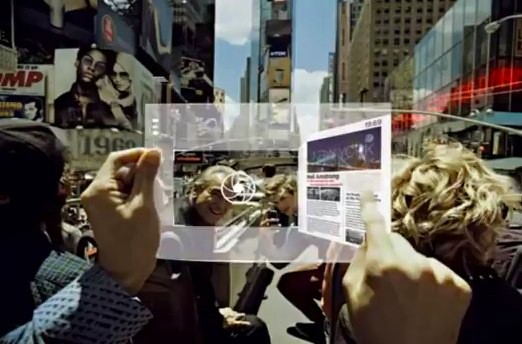
Samsung has released an Ad of what the future of our displays may be like. A mix of tablets and AR gives you a great look at what the future may hold if we are to believe Sammy.
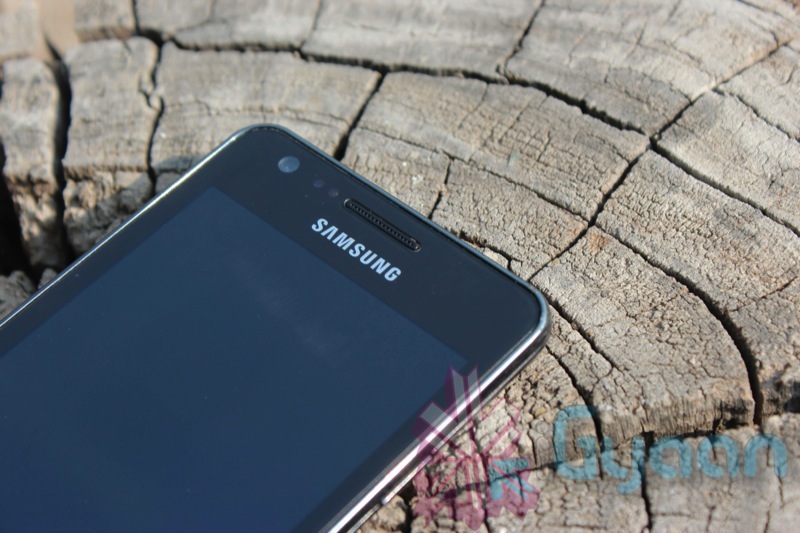
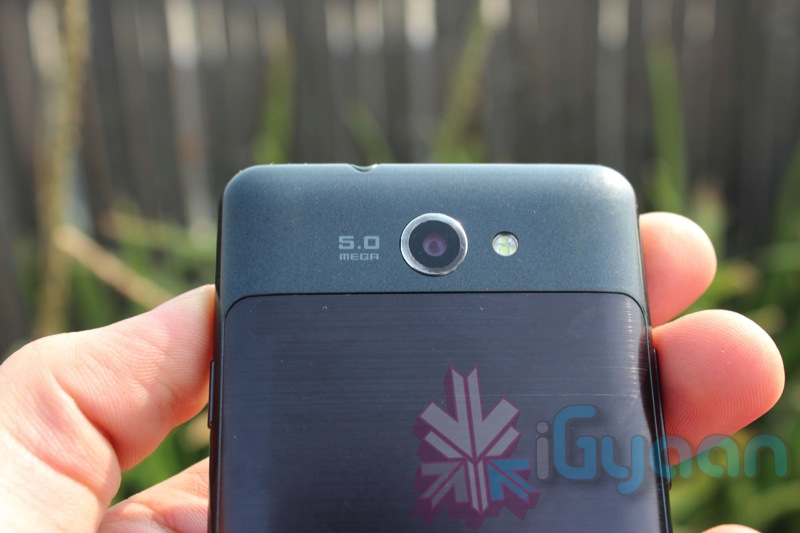
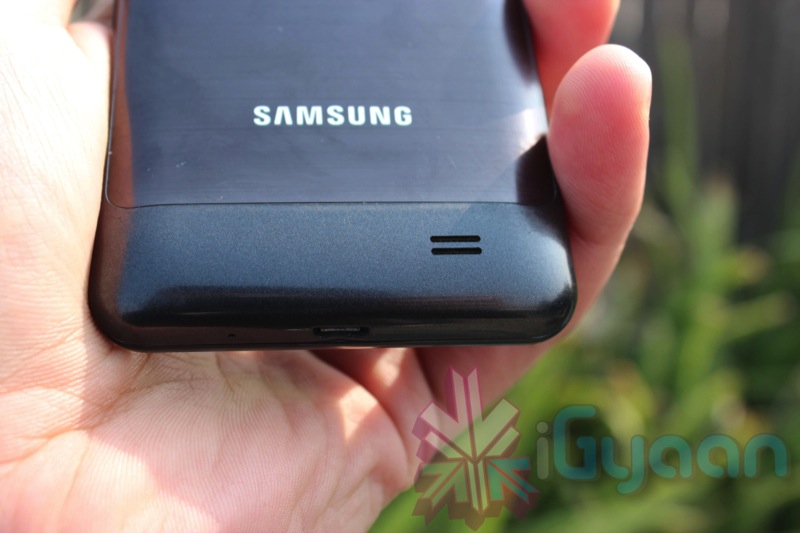
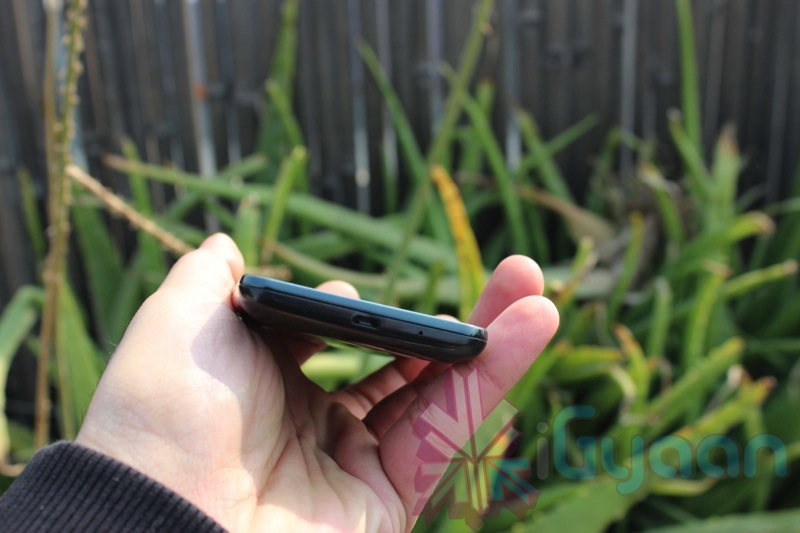
The Samsung Galaxy R is the company’s attempt at making their success story with the Samsung Galaxy Slcd move over to the higher segment. Read on through to understand why we don’t recommend this device.
Build and Hardware
The i9103 is build in traditional samsung fashion, making “plastics feel like metals” look, which makes the device look great and feel great in the hand. But what makes it better is the fact that its styled almost along the lines of the Galaxy S2, which is Samsung’s Flagship. The overall use of materials and build quality is good if not better than the S2.
In terms of Hardware Specs the Galaxy R fails to stand up to serious competition that the S2 gives.
COMPARISON
Samsung Galaxy R I9103
Samsung Galaxy S 2 I9100
Platform
Operating Freq
GSM – 900, 1800
GSM – 850, 900, 1800, 1900; UMTS – 2100
OS
Android v2.3 (Gingerbread)
Android v2.3 (Gingerbread)
User Interface
TouchWiz
TouchWiz 4.0
Java
Processor
1 GHz ARM Cortex A9, Dual Core
1.2 GHz ARM Cortex A9, Dual Core
Graphics
ULP GeForce
Mali-400 MP
Display
Type
Super Clear LCD
Super AMOLED Plus
Size
4.2 Inches
4.27 Inches
Resolution
WVGA, 480 x 800 Pixels
800 x 480 Pixels
Colors
16 M
16 M
Camera
Primary Camera
5 Megapixel
8 Megapixel
Secondary Camera
VGA
2 Megapixel
Flash
LED
LED
Video Recording
1280 x 720
1920 x 1080, 30 fps
HD Recording
HD
HD, Full HD
Other Camera Features
Geo-tagging, Smile Detection, Auto Focus, Image Editor
Auto Focus, Shot Mode, Photo Effects, White Balance, Geo-tagging, Face and Smile Detection
Zoom
Digital Zoom
Dimensions
Size
66 x 125 x 9.5 mm
66.1 x 125.3 x 8.4 mm
Weight
135 g
116 g
Battery
Type
Li-lon, 1650 mAh
1650 mAh
Talktime
18 hrs (2G), 8 hrs (3G)
Standby Time
710 hrs (2G), 610 hrs (3G)
Memory and Storage
Internal
8 GB
16 GB
Expandable Memory Slot
Micro SD, upto 32 GB
Micro SD, upto 32 GB
Display, Camera and Multimedia
The device is after all a good spec’d phone, so expect great performance in terms of the display and sound quality. The display is not as vivid as the one on the S2 simply because of the lack of an AMOLED screen. The speakerphone we found was a bit more organized with its audio quality.
The device features a 4.2 Inch SLCD which appears to be washed out in front of the high intensity black of the S2’s Amoled display. Although both rank in at the same resolution the S2 has a slightly larger 4.27 inch screen. Watching videos and browsing websites is great in the combination of the internal hardware and external display. The device fares well agains competition like the Optimus 2X , but then again if you can spend a couple thousand and get the S2 why wouldn’t you?
Phone and Battery
So here is the segment where there is an actual improvement. The earpiece is exceptionally clear, and sounds great when on a phone call, the mic pics up your audio without the effect of any breakage and overall network connectivity is robust.
The device also has a greatly improved battery life over the S2, with a decent talk time of 5-7 hours depending on usage , we were pretty impressed to see that the device delivered upto 24 hours of music playback.
OS and UI
The device runs Android 2.3.5 and atop that is the TouchWiz UI from Samsung, now the interface is the same on the galaxy S2, but somehow it looked really dull on this device, possibly because of color usage and definitely because of the SLCD. the UI also adds a large variety of good widgets which make the daily usage of the phone a wonderful experience.
Conclusion
The device is a great alternative to the Samsung Galaxy S2, but not at this price range(Available for Rs. 27,000). It offers far less features to justify just a 1.5-2k price gap between the R and the S2. Our recommendation is DON’T BUY THE GALAXY R, instead get the S2 or some similar device from another manufacturer.
Samsung Has quietly Launched the new Samsung Galaxy S Plus. The stocks for the device started to arrive to vendors on saturday and most vendors in the captial, NCR region are selling the device for 22,000/-
Specs include
4 inch Super Amoled full touch display
No backlighting
Android 2.3 Gingerbread
1.4 GHz processor
512 MB of RAM
5 megapixel autofocus camera
VGA front camera
1650 mAh battery
Talk time of 17 hours on 2G and 7 hours on 3G
3G,Wifi and Bluetooth
DLNA certified
Other options include a USB port and TV out port. The phone comes with a regular suite of Android (Google) apps like GMail, Gtalk, Maps, Push Mail etc.
Expect a full Unboxing followed by an in-depth review shortly afterwards.
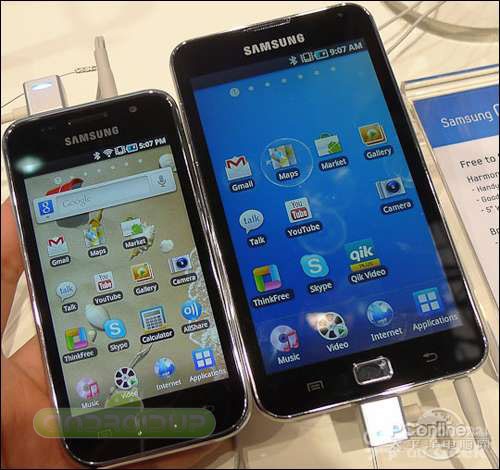
Looks like Samsung was expecting the Apple next smartphone to be a knocker, and has studied a next gen device, in hopes of attracting the crazy iPhone buying crowd.
The device itself has 1280 x 720 Super AMOLED Plus display that measures in at 5.29 inches diagonal, it will run Android 2.3 and will have a 1.5ghz dual core processor, not to forget a 8mp camera
The device hopelessly reminds us of the trailer and details that came out by Samsung recently. Either way there is a big announcement on the 1st and we will wait for that.
In our previous article, we explained How Modern LCDs Work. In this article, we’ll be exploring how the new generation of displays based on OLED technology work.
What Exactly are OLEDs?
There are a lot of products in the market today ranging from TV’s to Laptops and even Smart Phones that contain an OLED display. But what are these displays and how do they work? OLED stands for Organic Light Emitting Diode. This technology is named after the organic polymers that are used in its construction. For a long time, organic compounds have been assumed to be electrical insulators but new research and manufacturing techniques have allowed the industry to use these polymers for many applications on a vast scale.
OLEDs are solid-state devices which are composed of thin films of organic molecules which emit light when a current is applied. OLEDs can provide brighter crisper displays that use less power than conventional Light Emitting Diode (LED) and Liquid Crystal Display (LCD) technologies. Another application for OLEDs is in the form of lights to be used in homes and offices. These lights have a long life and are very efficient.
The Manufacturing Process
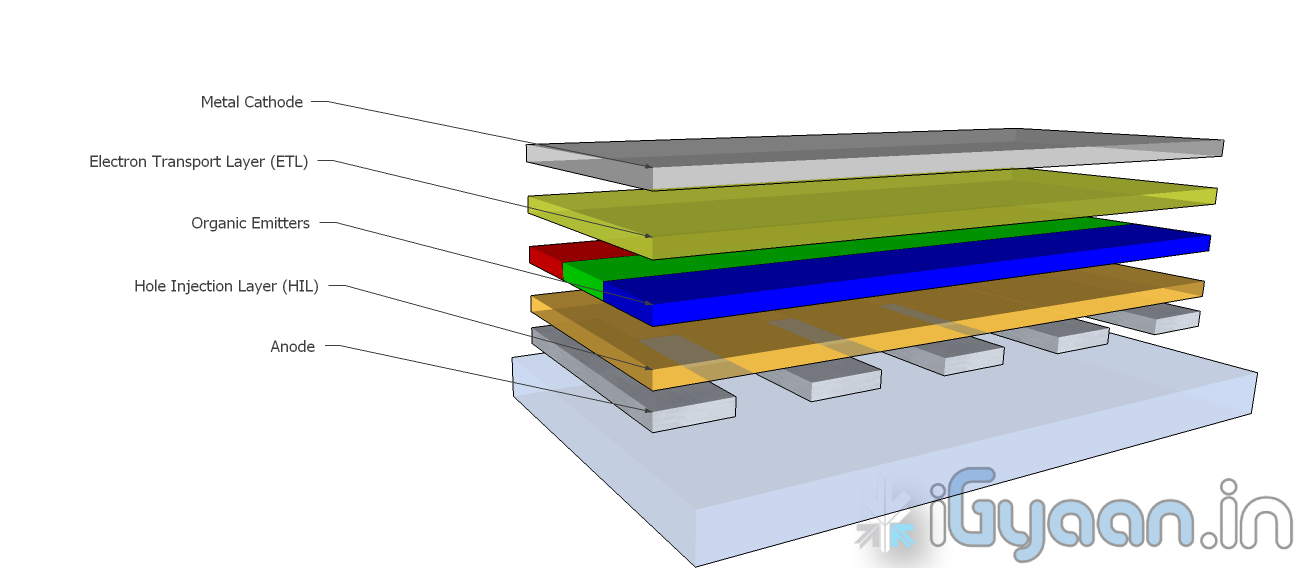
OLEDs are basically layers of organic material sandwiched between an anode and a cathode and mounted on a substrate. This entire device is usually between 100 to 500 nanometers thick or is about 200 times thinner than a human hair.
The substrate is usually a sheet of glass which is coated with a transparent conductive oxide which works as the anode. The next layer consists of hole injection material, the organic emitters and the electron transport layer which are together referred to as the organic stack. On top of the organic stack is the inorganic cathode. The device operates as follows:
Cathode – The cathode injects electrons into the system when a current flows through the device. It may or may not be transparent.
Organic Stack – This layer is made up of different organic polymers that are built up in layers. This is where light is made. The organic stack consists of the following layers:
Electron Transport Layer (ETL) – This layer consists of organic polymers or plastics that transport electrons from the cathode to the Organic Emitters.
Organic Emitters (OE) – This is a layer that is made up of organic polymers that may or may not be mixed with phosphorescent chemicals. One polymer used in this layer is polyfluorene.When an electron finds a hole, it falls into the hole and gives up energy in the form of light.
Hole Injection Layer (HIL) – This layer is made up of polymers that transport electrons to the anode. This leaves ‘holes’ for electrons transported from the ETL to fill.
Anode – The anode removes electrons from the system when a current flows through the device. It is always transparent.
This is the process by which a single OLED works. To turn them into colour displays, manufacturers place several layers of OEs on a display. There are various methods with which these individual pixels can be turned into a full colour display.
Types of OLED Displays
There are several types of OLED Display
Passive-matrix OLED
Active-matrix OLED
Transparent OLED
Top-emitting OLED
Foldable OLED
White OLED
Passive Matrix OLEDs or PMOLEDs
PMOLEDs are designed in a hash pattern. The anode and cathode are made in strips that are arranged perpendicular to each other. The points of intersection of the strips of anode and cathode make up the individual pixels where light is emitted. External circuitry is used to control which pixels are on and what colour they emit. The brightness of each pixel is dependent on the amount of current in the system.
Active Matrix OLEDs or AMOLEDs
AMOLEDs have a full layer of anode and cathode materials but they borrow a technology from LCDs to produce a visible display. Sandwiched between the anode and the organic layer is a layer of thin film transistors or TFTs that makes the array. The TFT array is the circuitry that decides which pixel is on and what colour it displays. AMOLEDs are more efficient than PMOLEDs because the external circuitry used to run the PMOLEDs consumes more power. AMOLEDs also have a faster refresh rate which makes them more suitable to larger displays used in televisions and computer monitors.
Transparent OLEDs or TOLEDs
TOLEDs are constructed with only transparent components, and are upto 85% as transparent as the substrate used when they are turned off. When it is turned on, the display still allows light to pass both ways and remains transparent. It can have either an active matrix or a passive matrix. This technology would be perfect for Heads Up Displays and Medical Equipment.
Top Emitting OLEDs or TEOLEDs
TEOLEDs are constructed with a substrate that is either opaque or reflective. They are perfectly suited for an active matrix design. They are used in smart-cards.
Foldable OLEDs or FOLEDs
FOLEDs are constructed with a highly flexible substrate which could either be a plastic or metallic foil. These types of OLEDs are very lightweight and durable. They are used in cell phones and can reduce breakage. They could also potentially be integrated into fabrics to create smart clothing.
White OLEDs or WOLEDs
WOLEDs emit pure white light that is brighter and more uniform than the light which is emitted by fluorescent lights. . WOLEDs can be made in large sheets and can reduce energy costs massively if used to light homes and buildings due to their low power consumption.
Advantages and Disadvantages of OLEDs
OLEDs offer many advantages over the current favorite, LCDs and LEDs.
The organic construction of an OLED is much thinner than the many layers required for an LCD or LED display.
OLEDs can be built onto a thin plastic substrate which allows them to be flexible instead of the glass used in LCDs and LEDs.
Due to its design, an OLED display is much brighter than an LED display. This is because the conductive and emissive layers of an OLED can be stacked several times to produce more light than an LED while still remaining extremely thin.
Since OLEDs emit light themselves, they do not require a back-light. LCDs work by selectively blocking areas of the back-light to produce individual pixels. OLEDs are also much more energy efficient than LCDs because they lack a back-light.
As OLEDs are made from plastics, they can be built into large thin sheets which makes them much easier to produce. It is much more difficult to create an LCD display of the same size.
OLEDs have a much viewing angle than LCDs because they do not block light in any fashion. Since they produce their own light, they can provide a field of view of upto 170o.
For all their advantages over LCDs and LEDs, OLEDs have a few problems as well.
Red and green OLED films have a very long life of between 46,000 to 230,000 hours while blue OLED films currently have a much shorter lifespan of around 14,000 hours.
The manufacturing process for OLEDs is not cheap as of now.
OLEDs are not at all water resistant and can easily be damaged on contact with even a few drops of water.
While LCD and LED technology remains in the mainstream, OLEDs are making headway into the television, computer and mobile segments. Manufacturers and engineers are realizing the potential benefits of using OLED technology for their devices. In the next few years we should see an increase in OLED sales as well as some novel applications of the technology.
Stay tuned to the Tech 101 segment to learn more about what makes our everyday devices tick.
Android, Android and more Android! Are you already sick of it? We sure are not!
The latest flagship Android smartphone from Dell’s stable is less of a shocker. Check out our Review
The Build Quality
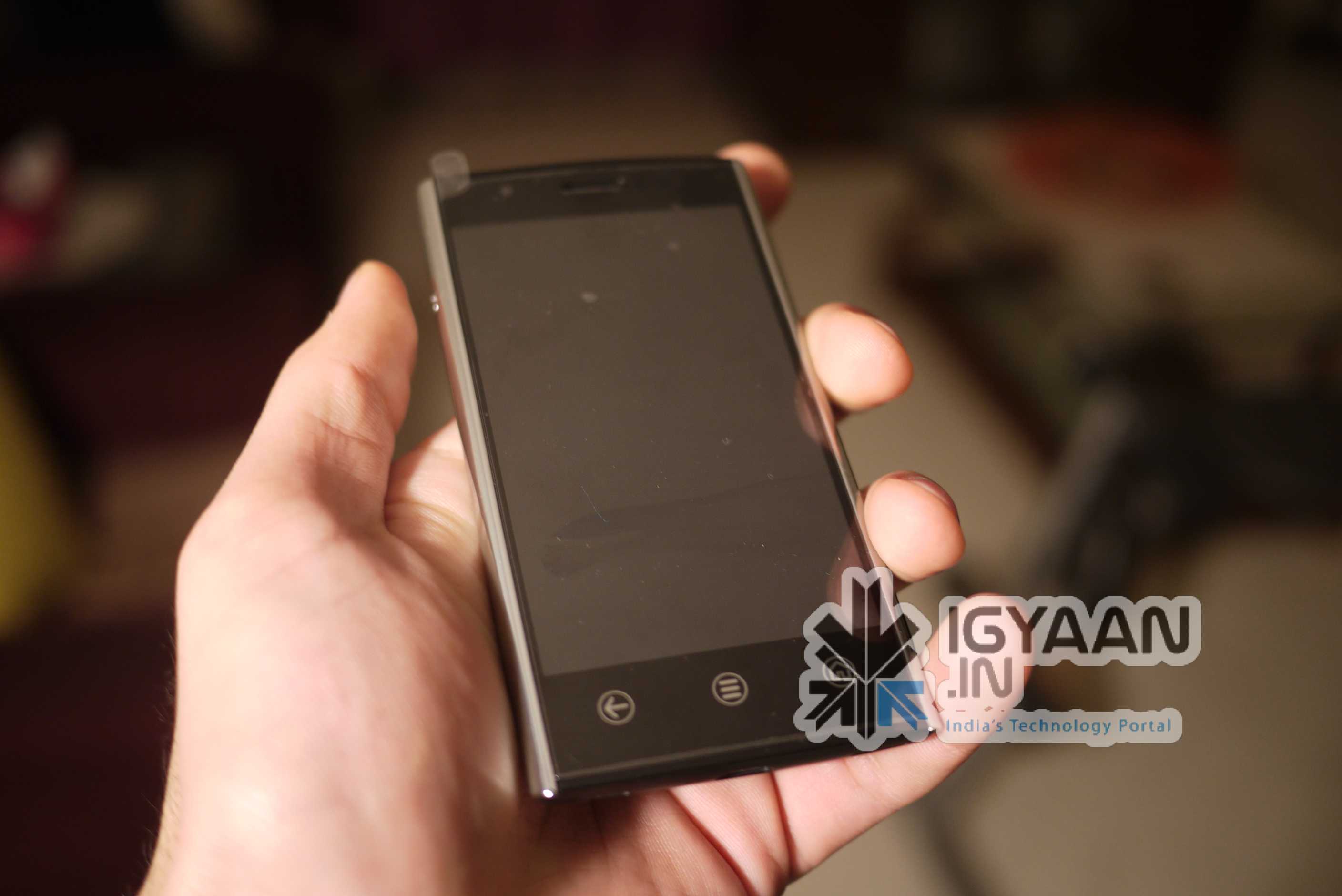
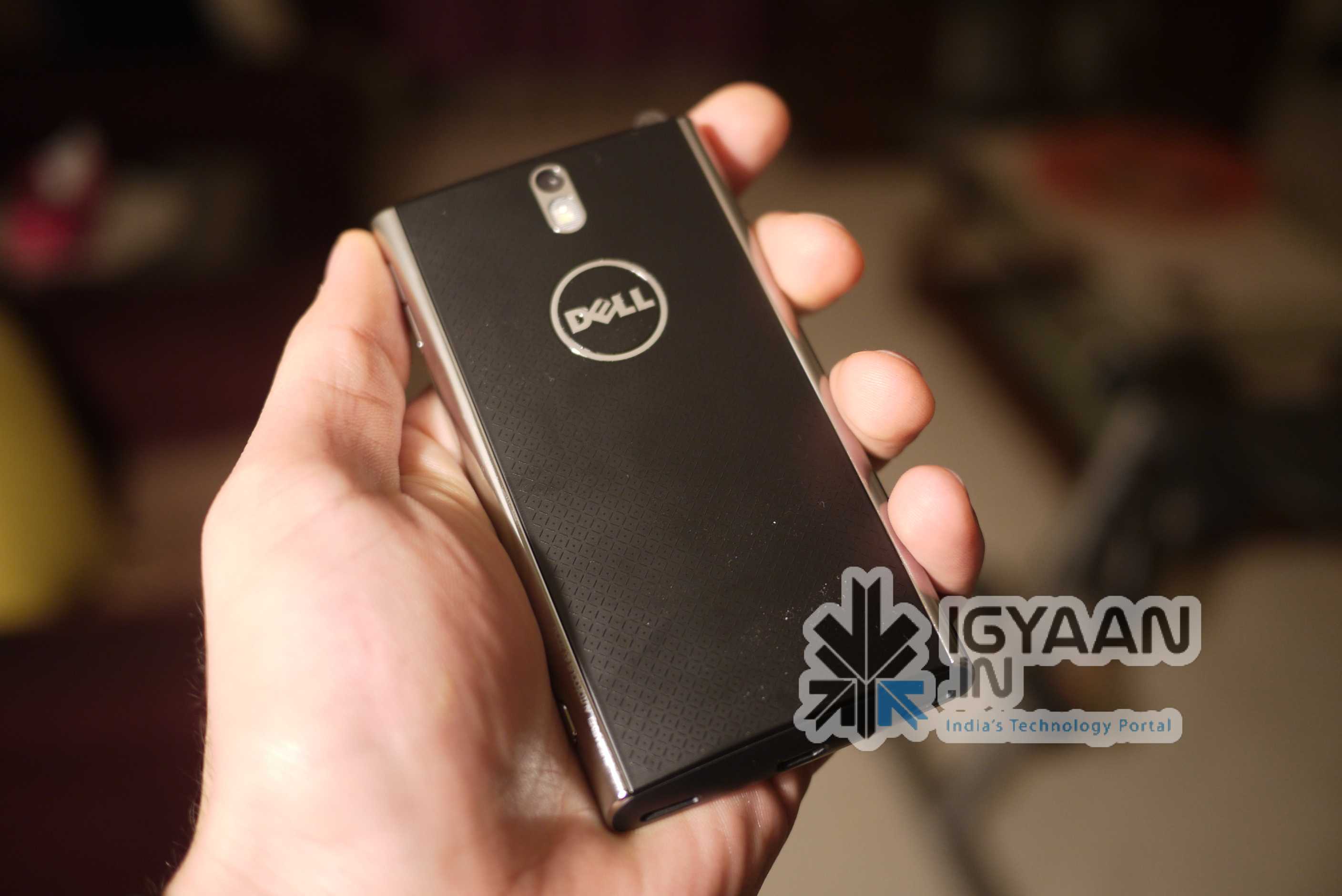
For the Dell Venue , we have two independent views when it comes to build. The front of the device is this shiny, rugged and curved gorilla glass. The chrome trim and good tactile buttons make it an added bonus. But, the poorly designed back cover and cheap plastic utilization suddenly turns our view around.
The overall construction of the device is pretty solid and delivers where most leave off squeaking and rattling. The Dell Venue seems really bulky in the hand and not as refined as the Desire HD when you hold it in your hand.
Hardware Specs
The Dell Venue like others in this price range comes with a whole set of Top notch hardware, But in this age of technology, what was top notch yesterday is a poor mans tale today.
8 MP, 3264×2448 pixels, autofocus, LED flash(Bah!)
4.1 inches, 480 x 800 pixels, AMOLED, 16M Colors capacitive touchcreen.
(Now this is wow! resolution still a tad low if you ask us)
Android 2.2 (why not 2.3, why, why ?)
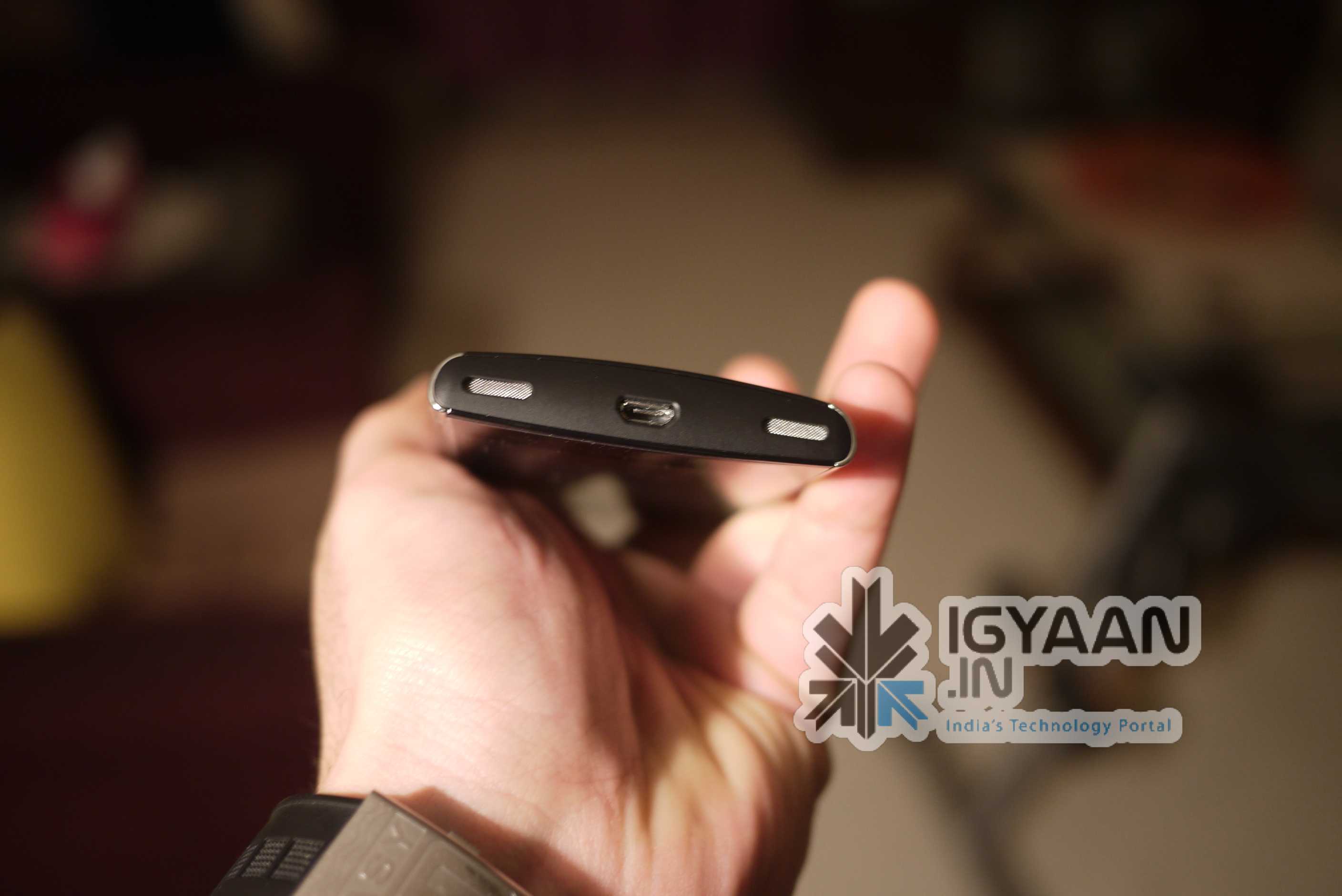
Those are the only specs worth talking about the rest comes down to the usual WiFi, BLuetooth, MicroUSB, MicroSd- upto 32Gb.
Overall hardware is good and the performance of the device is also good. But, the Quadrant Score shows a whole new story, averaging from 600-700 on the scorecard. The result is simply pathetic!
Multimedia and Camera
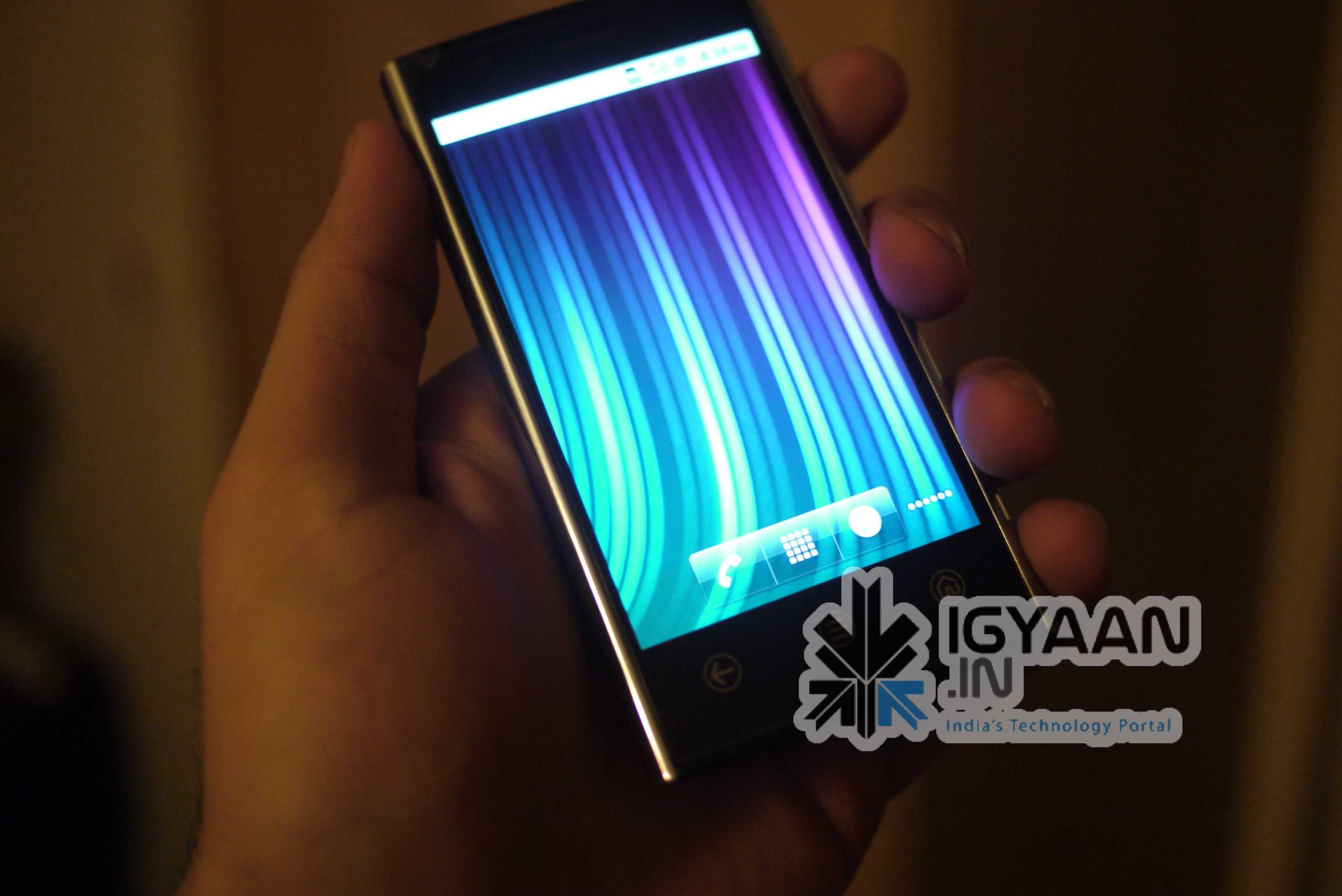
Now this is where the Dell Venue raked up on the Points. The Amoled screen is simply superb! The Blacks are so deep that you don’t see the difference between the screen and the surrounding bezel.
The video performance is extraordinary thanks to the display, and possibly the curved glass front. The display makes video on this almost lifelike –
Now, if only we could stretch the display (rolls eyes)
The Loudspeaker is best in class period, Dell has somehow managed to stuff their Android lineup with superior quality speakers. Surprisingly, no one seems to talk about them, But, how could they not? These Phones have possible the best in device speaker we have heard ever. The bass is so good it makes you want to play he song over and over again. The speaker delivers quality sound with high volume, great bass and mid, trebles can be tweaked.
Camera on the Dell Venue is an 8 Megapixel snapper which has autofocus, touch to focus, macro mode and the works when it comes to effects/ brightness settings and timer etc. Images look not so great on the device but great on a computer screen. This may be due to a mis-calibration between the Amoled screen (which displays colors differently) and the Camera, who knows? This however didnt bother us much, and we were happy as long as the images were the way they should be.
Video on the device is also good and smooth – 720p HD video with a whole flurry of effects and settings makes the video mode a lot of fun to use. The 1Ghz chip allows for fast processing and you can download several apps from the marketplace and do your editing right on the device.
Phone and Messaging
We always stress that a smart phone should at first be a smart – PHONE. The Dell venue was a bit of a let down in performing that, we got frequent signal drops and connection failures. It even failed to get a proper signal at times. The “no service” signal bothered us for quite some time, a couple of reboots and it was gone.
3G Connectivity was (the best word for it ) a “Bi$%h” we couldn’t get the damn thing to connect to 3G.
Messaging on the other hand was a breeze the onboard keyboard comes with swype and a bunch of other input options, The reponsiveness of the touchscreen along with clear letters makes typing fairly simple and quick. This makes emailing and sms on the Dell Venue a fun exercise.
Gaming and Internet
We never talk about gaming in our reviews, But, this time we just had to make an exception. The Screen (have we mentioned before how much we love it) makes gaming so much fun with the deep colors, it almost makes you never want to stop, become game playing zombies tilting the device and driving your car, shooting the other zombies or blowing up those crazy “egg stealin” Pigs.
Uhhhhh. Brains!!!!
Internet browsing is a breeze, kinetic scrolling, accelerometer, pinch to zoom and slide to scroll work brilliantly without showing any form of LAG. Did we mention the greatness of the Amoled display? makes browsing and reading on websites atleast 4x better. The Venue comes preloaded with flash for the browser so seamless internet for all the folks.
Battery Life
The Venue had a phenomenal battery life in our tests.
Phone Calls : 5.5 hours
Web browsing 8 – 9 hours
We couldn’t test web browsing over 3G because well the damn device wouldn’t get a connection. piff!
Video Review
Conclusion
A strong device from Dell, in terms of build and hardware capability, Beautiful screen, great battery life.
But it all boils down to poor connectivity and phone call ability and that has let us down a lot. Unless phone calls is not your main criteria for buying a “Phone”,