Tag: Android 8.0

  • Xiaomi Mi A1 Oreo Update Is Coming Soon

    Xiaomi Mi A1 Oreo Update Is Coming Soon

    Last week, it was reported that Xiaomi was looking for beta testers for Android 8.0 Oreo on the Xiaomi Mi A1. Now, the Android 8.0 Oreo beta update has started seeding to the beta testers and should be available to everyone by the end of 2017, as promised by the company.
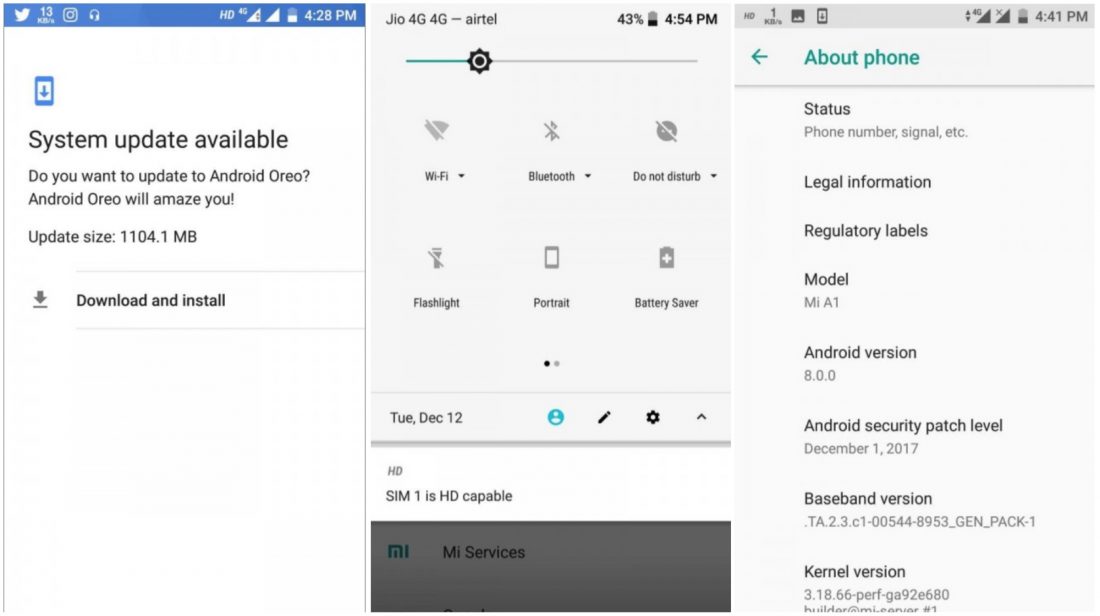
    The update is 1104.1 MB in size and right now is only available for beta testers. During the launch of the Xiaomi Mi A1, the company promised an update to Android 8.0 Oreo by the end of 2017, and it appears that the company might deliver on the promise.

    The Xiaomi Mi A1 recently received a permanent price cut and is now available for Rs. 13999 on Flipkart and mi.com.

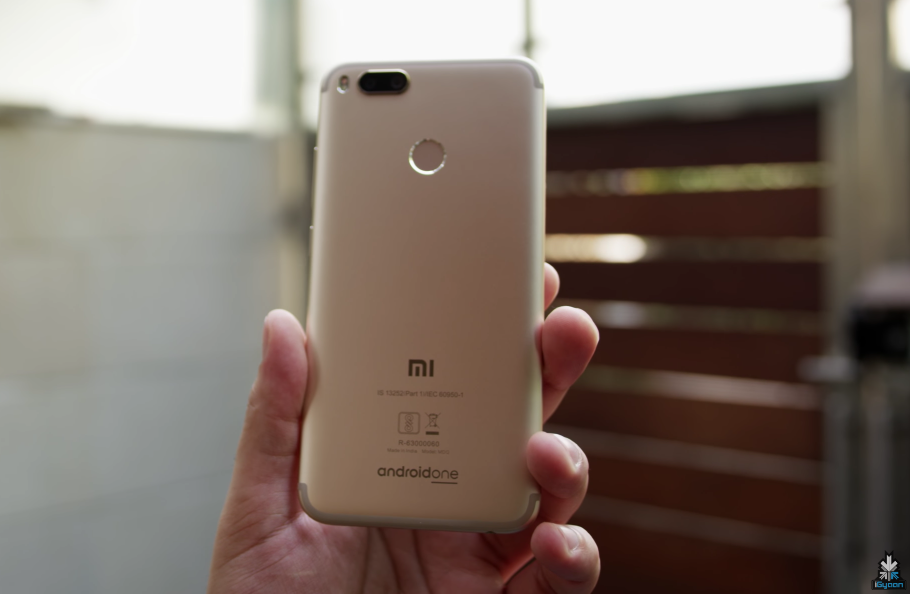
    The smartphone has a 5.5 inch 1920 x 1080 px LTPS display with Corning Gorilla Glass on top for protection along with an aluminium unibody build.

    The Xiaomi Mi A1 has the Qualcomm Snapdragon 625 chipset, 8x ARM Cortex A53 2.0GHz 64-bit processor, 4GB RAM and 64GB of onboard storage which is expandable via microSD card. Handling the graphics under the hood is the Adreno 505 GPU. The pyrolytic graphite sheet will help in heat management as well, Xiaomi claims. The Xiaomi Mi A1 has an IR blaster to control appliances in your home or office. The fingerprint sensor sits at the back of the device below the camera. Xiaomi has also included a dedicated headphone amplifier for better music listening experience.
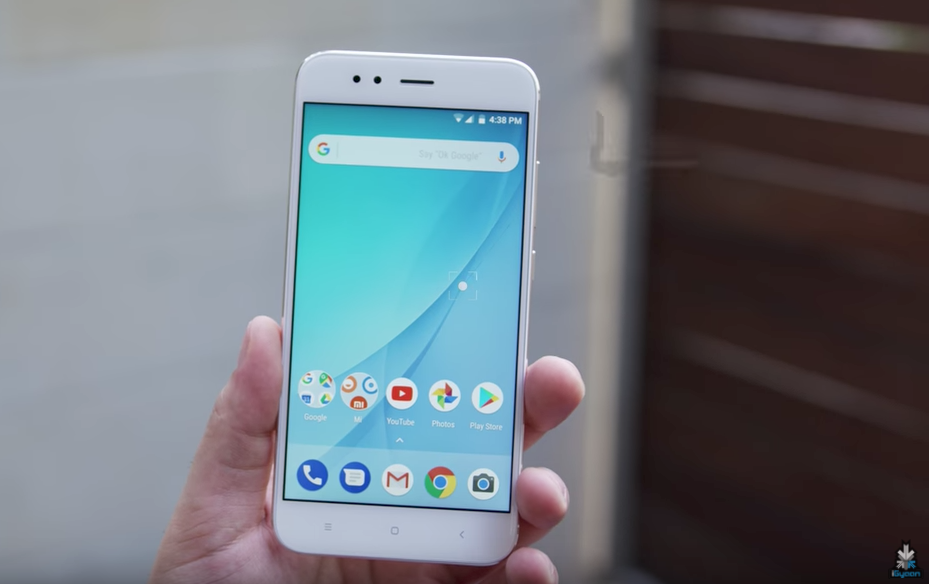
    Powering the device is a 3080 mAh battery and 2A charging through the Type C port.

    Even though the phone has stock Android 7.1.2 Nougat, Xiaomi has retained a few apps, such as the Mi camera app since the Google Camera app doesn’t support dual-camera functions right now.

    The smartphone features dual sensors at the back, a 12MP telephoto lens with an f/2.2 aperture (26mm) and 12MP wide-angle lens with an f/2.6 aperture (50mm) setup with 1.25-micron pixel size. The telephoto lens allows the user to take bokeh effect shots with blurred background and a 2X optical lossless zoom. For landscape shots, Xiaomi has introduced a wide angle lens while on the front is a 5MP camera.

    Watch our full review of the Xiaomi Mi A1-

     

  • Google Launches Android Go Oreo Edition For Budget Smartphones

    Google Launches Android Go Oreo Edition For Budget Smartphones

    Google has launched a version of Android 8.0 Oreo which is best suited for Android phones with 1GB of RAM or less.

    At the Google I/O event in May 2017, Google promised to launch a custom version of Android tailor-made for lower-end devices. On the 5th of December, Android Go (Oreo edition) was officially launched and made available to smartphone manufacturers and developers.

    As Google said, the idea behind Android Go is to create a version of Android software which is designed to run better on phones with either 512MB or 1GB of RAM. In the world of OnePlus 5T with its 8GB of RAM or Galaxy Note8’s 6GB RAM, it is easy to forget that there are lower-end smartphones currently available in the market which have 1GB of RAM or less.

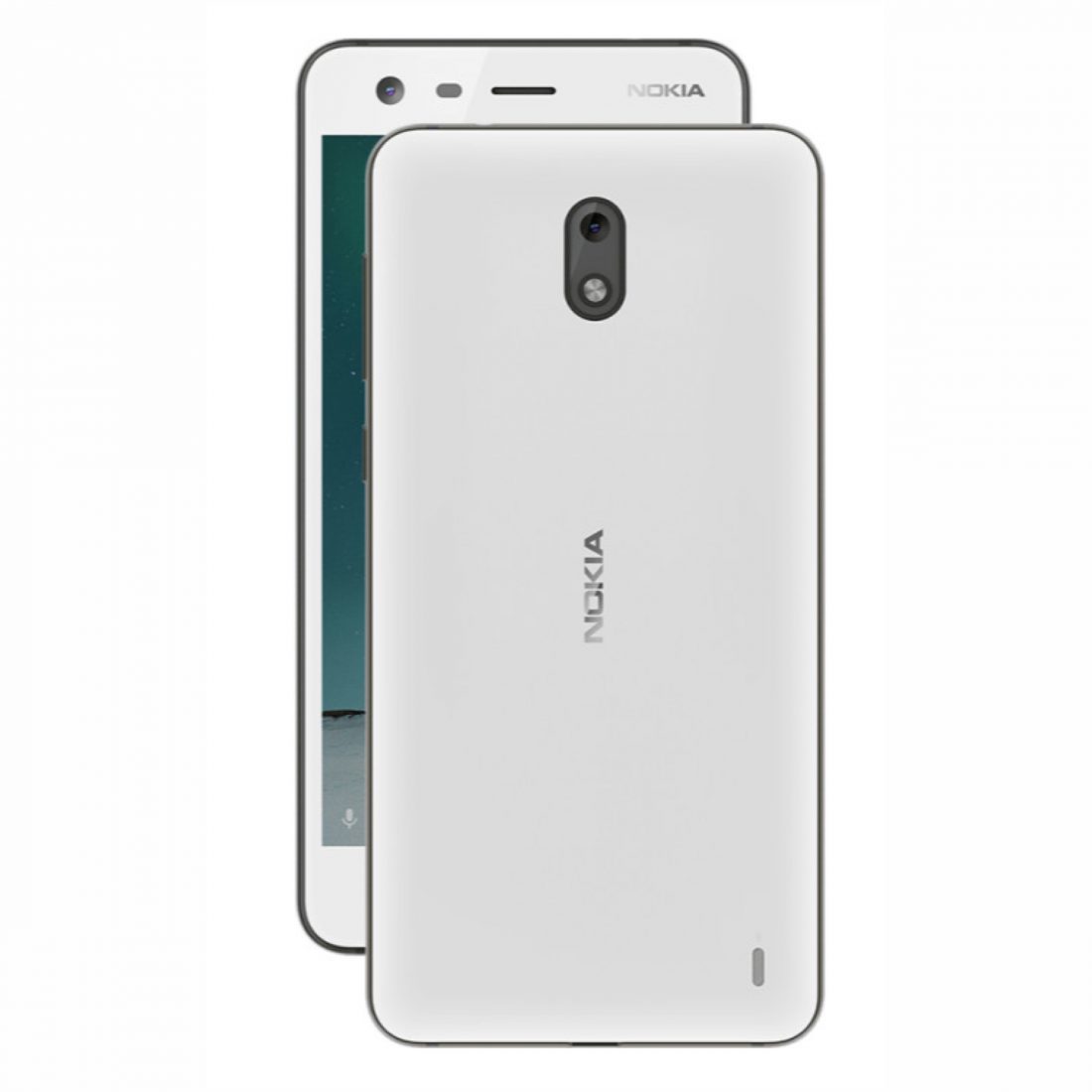
    Recently, the Nokia 2 launched in India at a price of Rs. 6999 with 1GB of RAM and running Android 7.1 Nougat. Android Go’s launch means that HMD Global will be able to push out an Android 8.0 Oreo update for the Nokia 2 faster since the build is already optimised for phones with such specifications.

    Nokia 2

    Google has claimed that Android Go’s Oreo edition will be a variant of Android Oreo that a manufacturer can just set by ticking off a configuration flag. What this basically does is that it sets up the phone to use the “Go” versions of a handful of Google apps such as the main Google app, Google Assistant, Google Maps, Gmail, and others. Google claims that the smaller apps and slimmer OS can as much as halve the amount of storage that’s taken up by default on a new phone running default OS.

    Google will also introduce a few other data saving features on Android Go. For example, in Chrome, everything will get run through a Google server that reduces file sizes before it gets delivered to the user’s phone. The new Datally app will also be pre-installed to keep a track of cellular data.

    Considering India’s budget smartphone segment, it might be one of the first few countries to receive Android Go.

  • Nokia 3 Will Skip Android 7.1.2 Nougat And Get Android 8.0 Oreo Update Instead

    Nokia 3 Will Skip Android 7.1.2 Nougat And Get Android 8.0 Oreo Update Instead

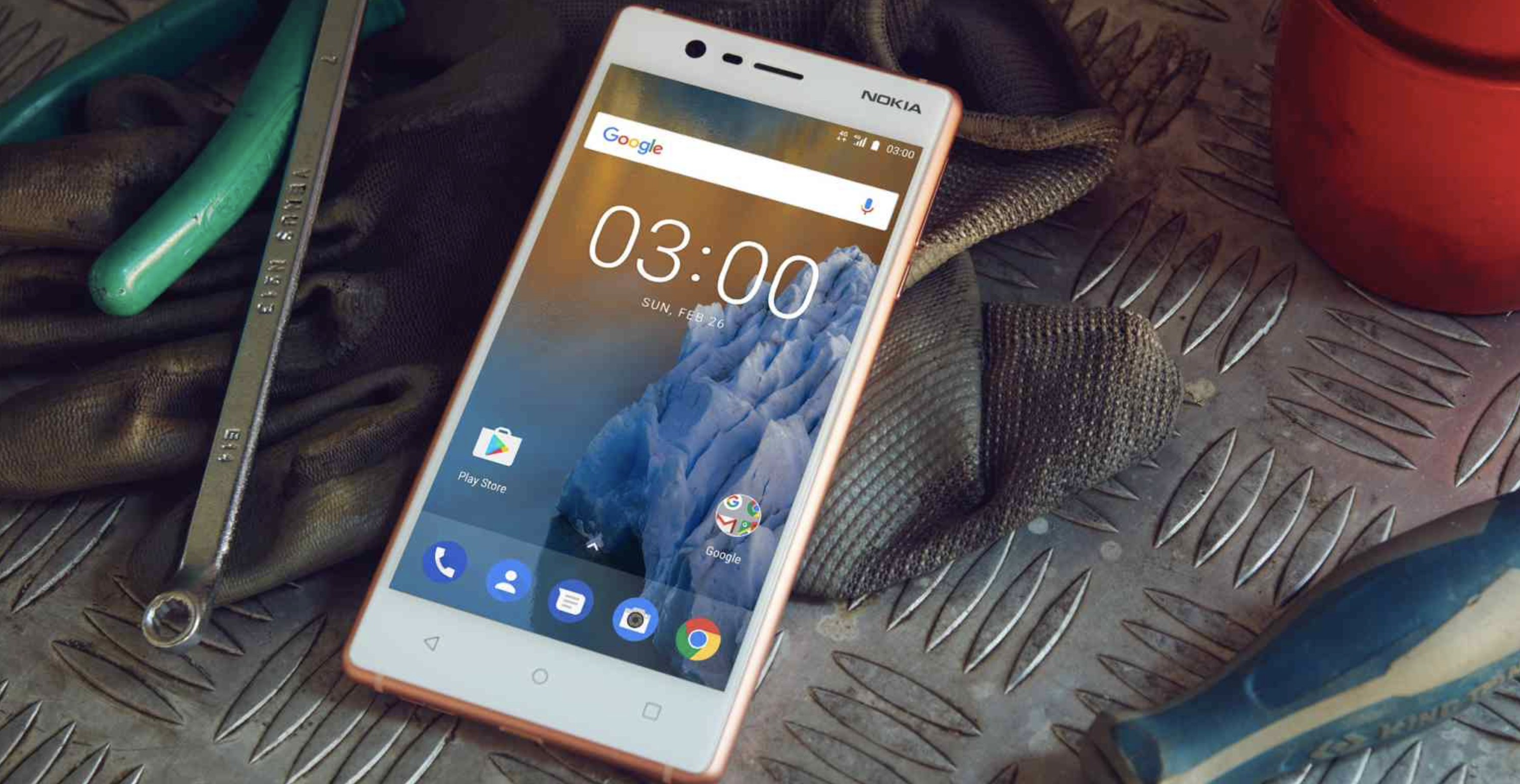
    Android phones, apart from Google’s own Pixel and Nexus lineup have a notorious image for not receiving timely software updates. Mid-range phones go two years without seeing the light of day to any kind of software upgrade. The Nokia 3 was the first Nokia-branded Android pohone to go on sale in India and it appears that the phone is in line to receive Android 8.0 Oreo update soon.

    HMD Global’s Chief Product Officer, Juho Sarvokas confirmed this on Twitter.

    The Nokia 3 has the MediaTek MTK 6737 chipset, quad-core 1.3GHz chipset and currently runs Android 7.1.1 Nougat out of the Box. It has 2GB of RAM and 16GB of onboard storage which can be expanded up to 128GB via microSD card.

    The phone has a 5-inch display with a 1280 x 720 px resolution. The Nokia 3 has a Polycarbonate back and an aluminium frame.

    Both the front and rear cameras have an 8 MP sensor.

  • Here Are All The Samsung Phones That Will Receive Android 8.0 Oreo Update

    Here Are All The Samsung Phones That Will Receive Android 8.0 Oreo Update

    Android 8.0 Oreo was launched back in August and the adoption rate of the newest Android OS has been abysmal, to say the least. Samsung, however, appears to have great plans for updating a slew of its smartphones to the latest Android 8.0 Oreo in the coming months.

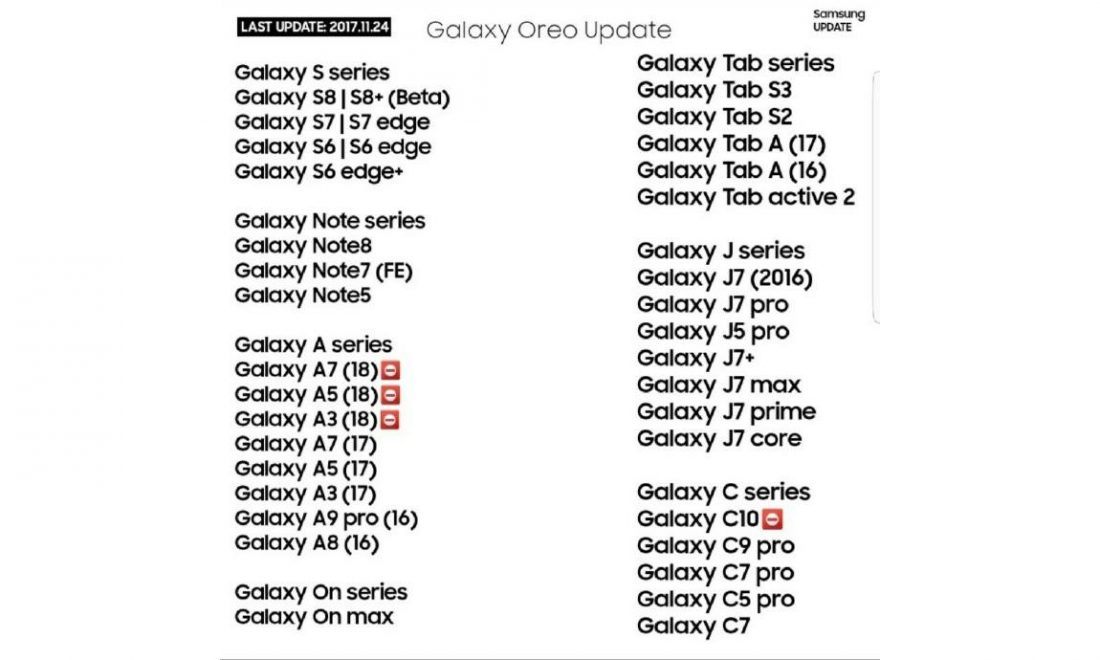
    In the image leaked above, you can see all the phones and tablets from Samsung that will receive the Android 8.0 Oreo update. Android phones have a notorious history of not being updated to the latest software if they are more than a year old. That is one of the reasons why Android adoption rate for the latest OS is so low as compared to iOS. In this list, however, devices such as Galaxy A8 (2016), Galaxy A9 Pro (2016), Galaxy J7 (2016), Galaxy Tab A (2016) and Galaxy C7 were all released back in 2016 and Samsung has plans of updating them to Android 8.0 Oreo.

    Even the Galaxy S6 and S6 Edge, the flagship phones from 2015 will receive the new update. This move from Samsung will definitely be appreciated by the brand loyalists and people who are planning to buy a Samsung mid-ranger in the coming months. It will ensure consumers that their phones will be supported even when newer variants of their phones are launched.

    It is worth noting that the list also includes unannounced 2018 A-series smartphones, which, as per many leaks, will be running Android 7.1 Nougat out of the box.

    [poll id=”50″]

  • Why Are New Android Phones Launching With Old Android OS?

    Why Are New Android Phones Launching With Old Android OS?

    Even though we’ve almost reached the end of 2017, there is a constant flux of high-end phones launching week in and week out. We recently saw three high profile Android phones launching in November itself, the Razer Phone, HTC U11+ (a mid range variant called the HTC U11 Life was launched as well) and the OnePlus 5T. Excluding the HTC U11+, the OnePlus 5T and the Razer Phone have the best specifications you can ask for in an Android phone. Snapdragon 835, up to 8GB of RAM and umpteen amount of storage.

    But, these two phones have one thing in common which should not be acceptable in November of 2017. Both the devices run on an Android OS version which is more than a year old. Android 8.0 Oreo was launched back in August and it has been three months since it was made available for all these big smartphone companies to adopt and install in its new phones.

    When the OnePlus 5T was launched, the Chinese smartphone maker said it is due to the intensive testing programme that it has not yet introduced Android 8.0 Oreo in the latest OnePlus 5T. Razer gave a similar reason and said it will push out an update soon enough. But, is soon enough good enough? You’re paying close US $700 for the Razer Phone and the higher end OnePlus 5T has a price tag of US $549, at this price, a consumer at least deserved whatever the latest software is in the market.

    Yes, at the price these two phones have the best specifications in the market and the performance will be amazing enough to ignore what Android OS version these phones are running.

    But, won’t the latest and greatest Android OS match better with the latest and greatest chipset? With Android 8.0 Oreo, Google introduced faster boot speeds, tighter security and those notification dots along with a lot of under the hood improvements. That should amount to something more than just, “it looks great, it will work great as well.” That is usually our defence for phones running older Android OS versions.

    An average consumer barely even notices what OS version their phone is running. But, it matters, because the latest version of any operating system means that it performs better than the previous one and will be better for the longevity of your phone.

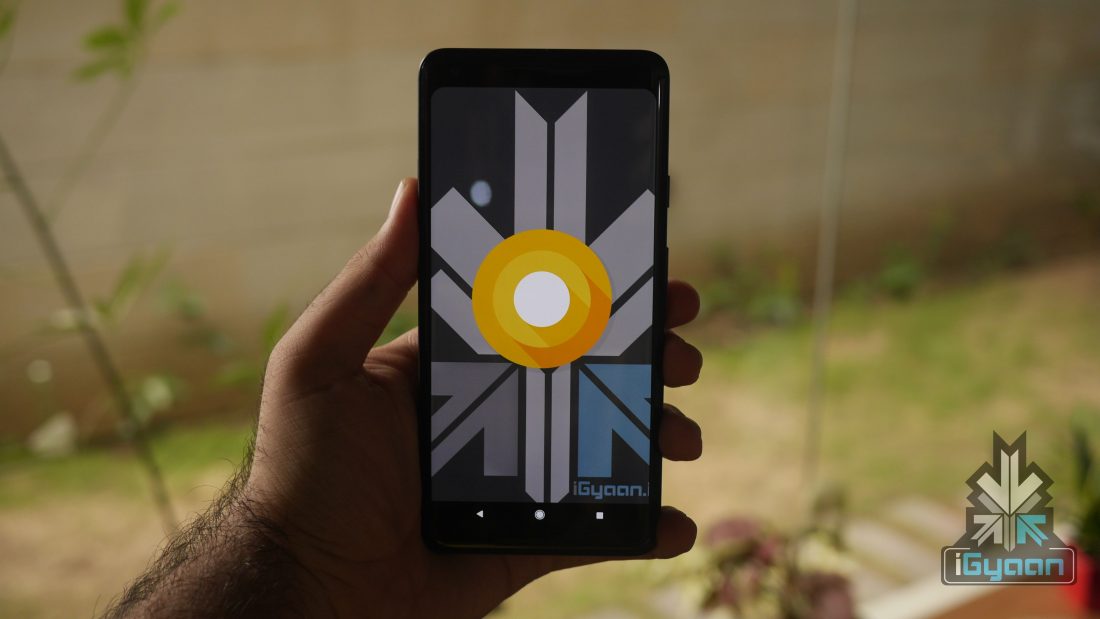
    Android 8.0 Oreo On Pixel 2 XL

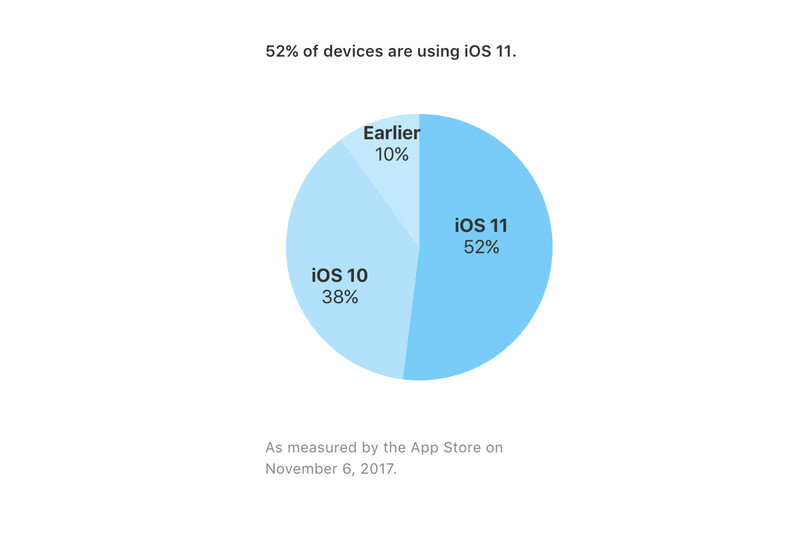
    Android 8.0 Oreo is currently available in only 0.3% Android phones, while iOS 11, which was launched in September is present in over 50% of iOS devices. For further context, here is the Android OS and the percentage of Android phones running it:

    • Android KitKat (13.8%) – 2013,
    • Lollipop (27.2%) – 2014,
    • Marshmallow (30.9%) – 2015
    • Nougat (20.6%) – 2016

    Android Lollipop, launched back in 2014 is more prevalent than Android Nougat that was launched in 2016. This tells you the story of Android’s adoption rate, especially when compared to iOS 11. Even iOS 10, which was launched in 2016 is available in 38% of the iOS devices currently out in the market.

    It is hard to believe that companies like Razer and OnePlus would bring out their marquee phones with dated software because of lack of effort. It may be because the difference between Android Nougat and Android Oreo from the look of it, isn’t much. An average consumer would not make out the difference unless the consumer is coming from KitKat or Gingerbread. Fragmentation of Android devices is also a reason why so many smartphones currently never see a major software upgrade through their lifecycle.

    Google’s Android One resurgence shows that the company wants more people to adopt to the latest OS and not wait for other OEMs to make a skin based on the latest Android OS and then push it out to consumers. Whether the Android One project will be a success is yet to be seen and how the adoption rate will change for Android 8.0 Oreo.

    [poll id=49]

  • Samsung Galaxy S9 Will Launch With Snapdragon 845 And Android Oreo

    Samsung Galaxy S9 Will Launch With Snapdragon 845 And Android Oreo

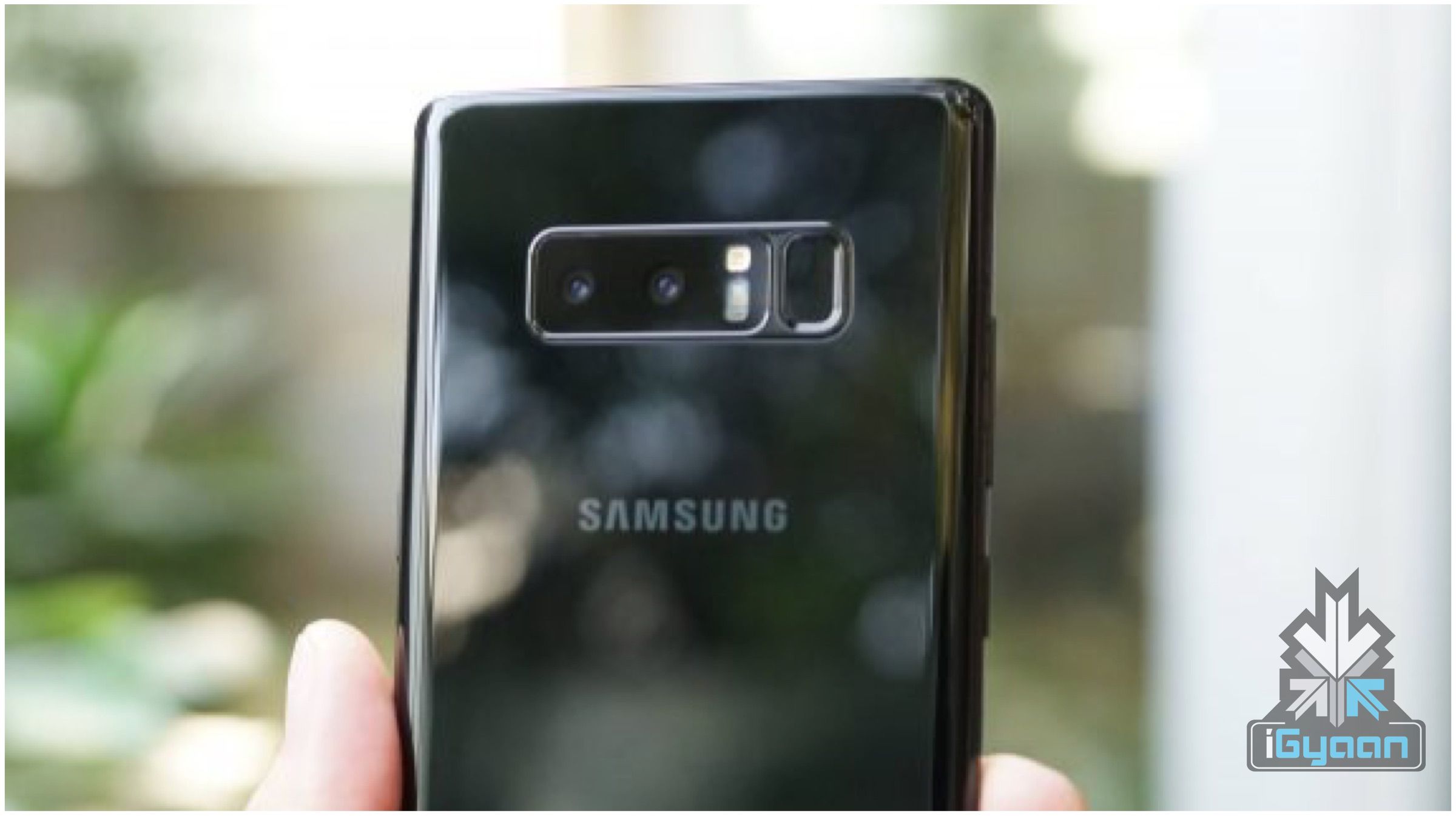
    It has just been a few days to the launch of the Galaxy Note 8 and rumours of the Galaxy S9 have already hit the internet. Some of these speculations include a next-gen Qualcomm chip, a dual lens camera, and a rear mounted fingerprint sensor.

    It is expected that Samsung Galaxy S9 will have a Qualcomm Snapdragon 845 chipset, making it first to use Qualcomm’s newest upcoming chipset. Whereas the previous models, Galaxy S8 and S8 Plus were equipped with the SnapDragon 835 chipset, being the first devices to use said chip.

    The device will reportedly be given the model number of SM-G960 and will run the Android 8.0, as it falls under the category of devices expected to receive or come pre-installed with the newest Android update. Unlike the newly launched Galaxy Note 8, which came with a massive 6GB of RAM, the Galaxy S9 will have 4GB of RAM and 64GB of onboard storage.

    The display is expected to be an edge-to-edge Infinity Display  with 18.5:9 aspect ratio. As for the fingerprint reader, the reports suggest that it will be placed in a centered rectangular cutout at the back, implying that the Galaxy S9 might not have a display embedded fingerprint reader either.

    However, if this rumor is to be believed, then Samsung will finally be moving the heavily criticised location of the fingerprint scanner to a much more convenient one, unlike the ones placed right next to the camera in the Galaxy S8/8+. Even though not much has been revealed on the camera front, the Galaxy S9 could end up with the same dual-camera setup on back as the one on the Galaxy Note 8.


iGyaan Network
Privacy Overview

This website uses cookies so that we can provide you with the best user experience possible. Cookie information is stored in your browser and performs functions such as recognising you when you return to our website and helping our team to understand which sections of the website you find most interesting and useful.