Tag: android tv

  • Xiaomi Launches Mi 4A Pro LED Android TV With 32, 49 And 4K 55 inch Variants

    Xiaomi Launches Mi 4A Pro LED Android TV With 32, 49 And 4K 55 inch Variants

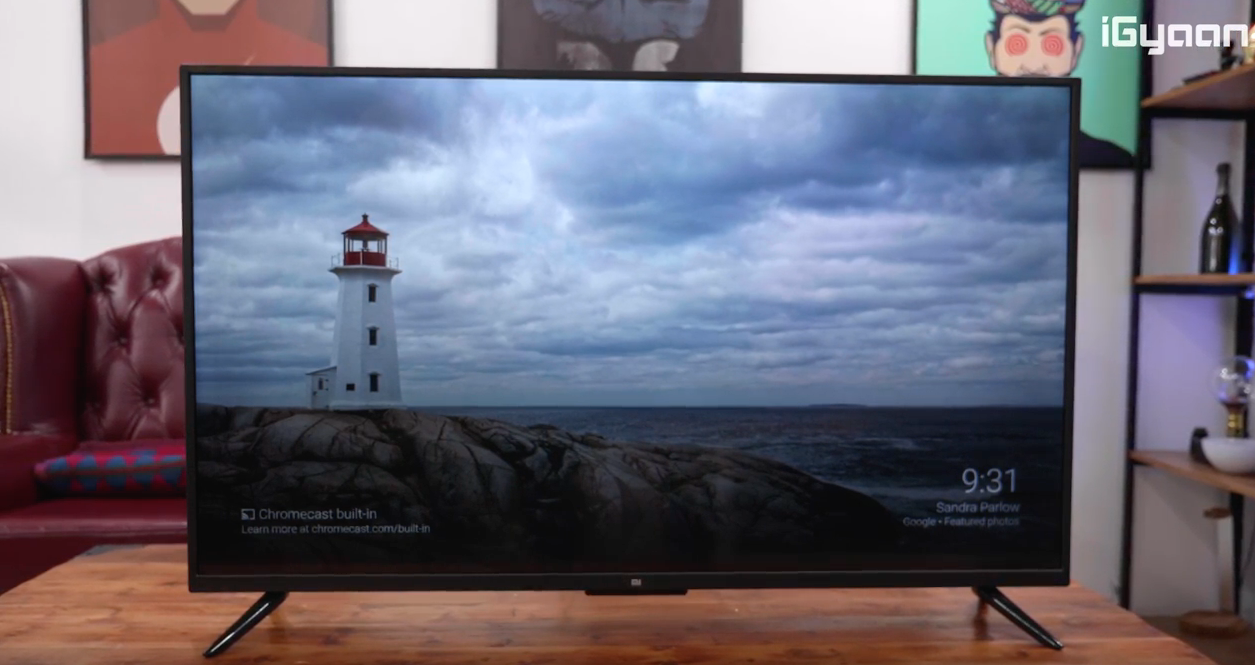
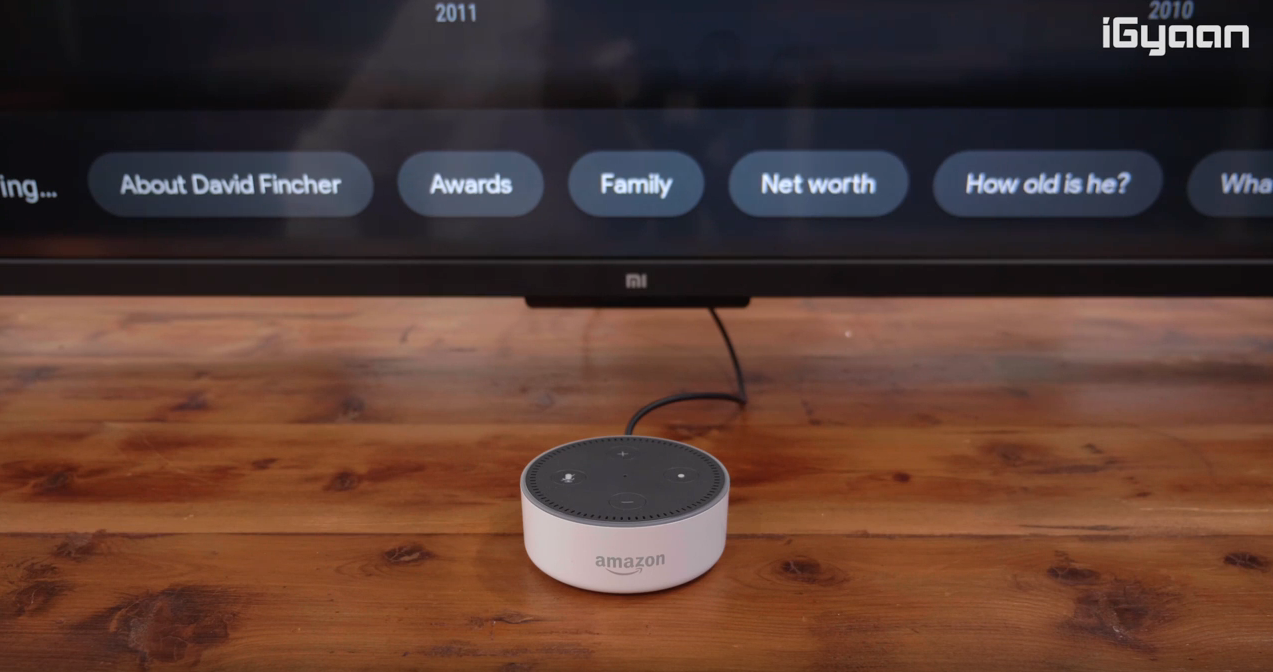
    Xiaomi has launched three new Mi 4A Pro LED Smart TVs today, as part of its launch event. The series consists of three devices of 39 inch, 44 inch and 55 inch sizes.  The 55 inch TV is a 4K set and all the three TVs run Android 8.1 Oreo out of the box. They feature Google Play Store, Youtube and other Google Apps. The devices also have Chromecast built-in and Google Home support. Also featuring on the devices is an advanced voice search which lets you search for content on both online and offline channels. The devices will also receive Amazon Alexa support in sometime.
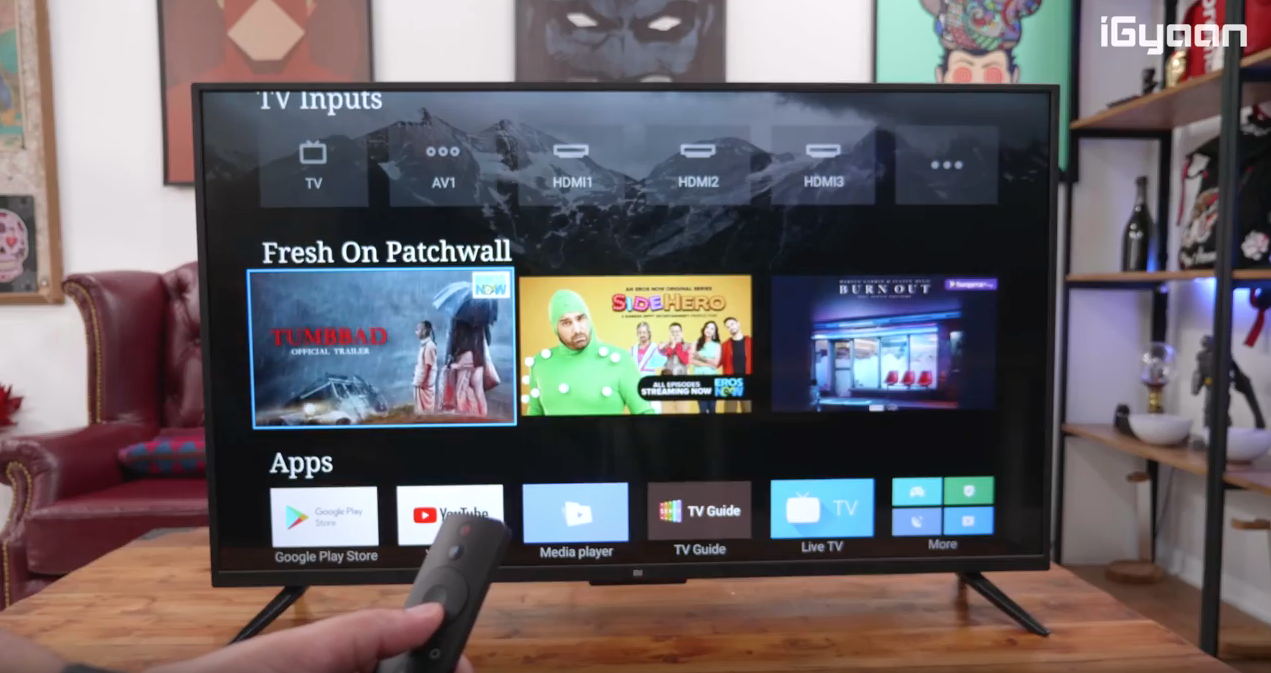
    The Tvs also have Xiaomi’s Patchwall feature. This uses AI to make a customised home page for you. They will receive Amazon Prime video soon after the launch and are expected to have the Netflix app soon.
    The devices vary in both size and specifications. The bigger the size, the better the specifications.

    32 inch HD:

    The 32 inch TV has an HD ‘Ultra Bright’ display. The TV has 20 W stereo speakers and DTS HD sound. The TV runs on the Amlogic Quad Core 64 Bit processor and the Mali 450 GPU. It has 1 GB of RAM and 8 GB of internal storage.
    The TV has 3 HDMI ports, 2 USB ports and an audio out port. It has Wi-fi and Bluetooth 4.2 connectivity.

    49 inch FHD+:

    The 49 inch Mi 4A Pro has a 1080p FHD+ display. The TV has 20 W stereo speakers and DTS HD sound. The TV runs on the Amlogic 64 Bit Quad Core processor and the Mali 450 GPU. It has 2 GB of RAM and 8 GB of internal storage.
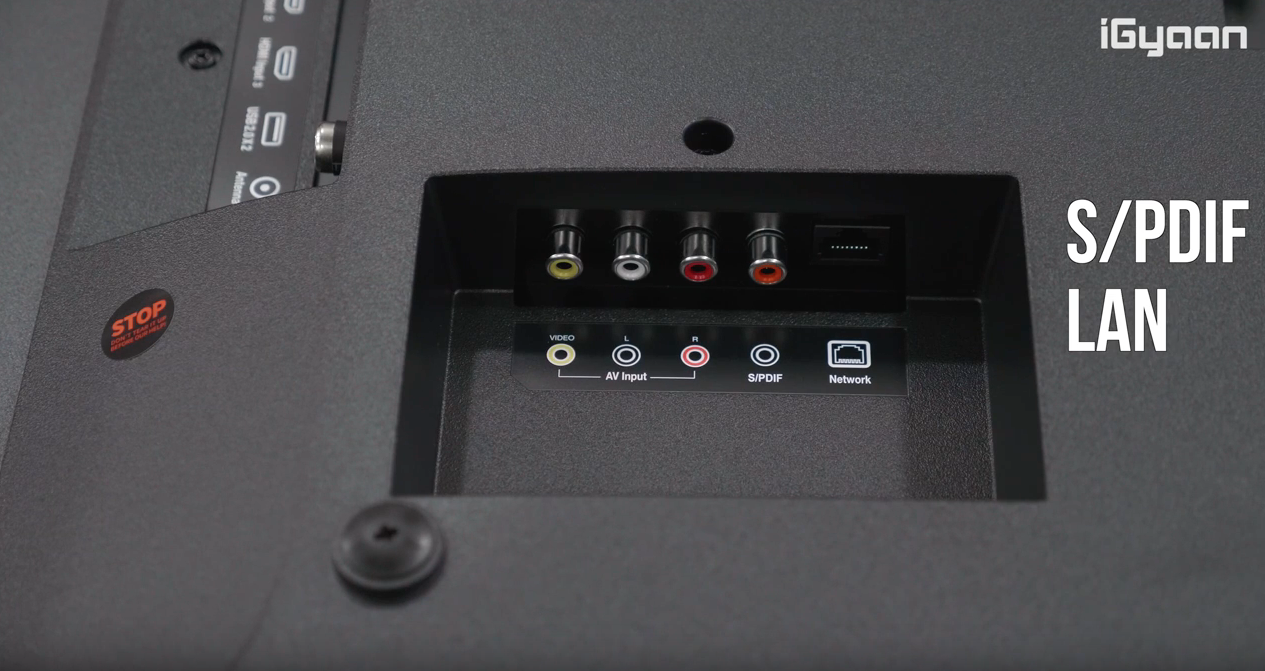
    The TV has 3 HDMI ports and 2 USB ports. It also has Wi-Fi and Bluetooth 4.2 connectivity.

    55 inch 4K:

    The 55 inch TV is the only out of the three that has a 4K + HDR display. The TV has Dolby + DTS Cinema audio quality which promises a rich experience. The device runs on the Amlogic 64 Bit Quad Core processor and the Mali T830 GPU. The TV also has 2 GB of RAM and 8 GB of internal storage.
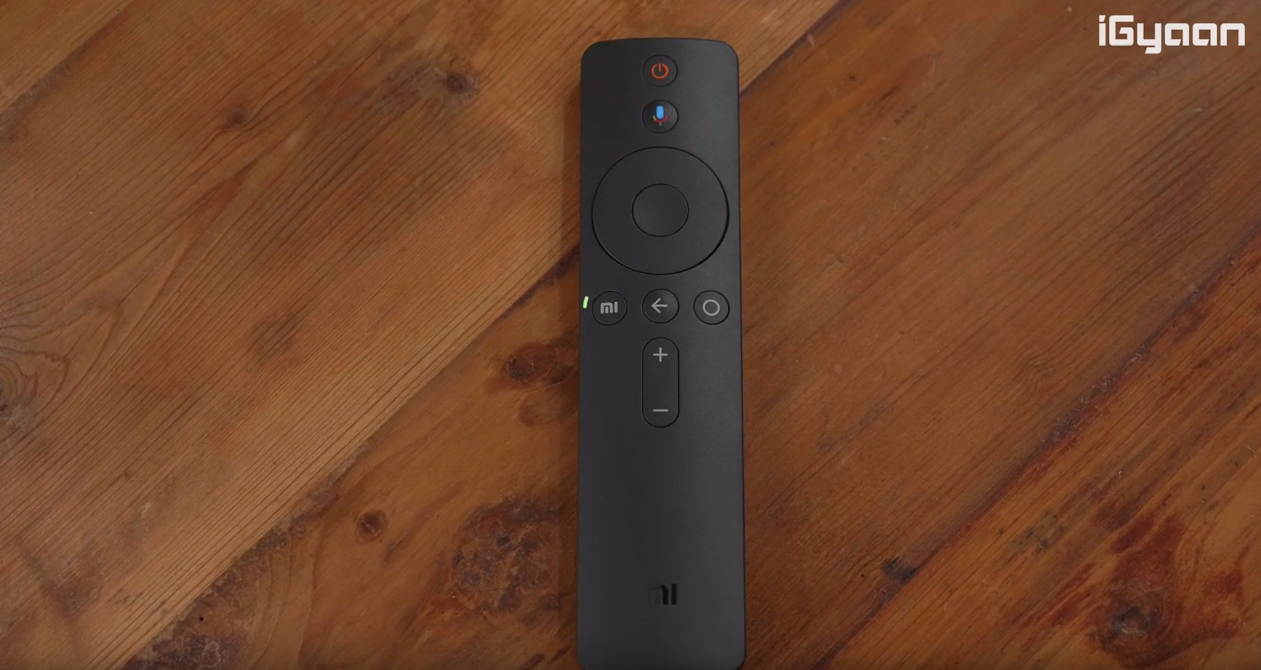
    The TV has 3 HDMI ports and 2 USB (3.0+2.0)  ports. It also has dual band Wi-Fi and Bluetooth 4.2 connectivity.
     

  • Sony Rolls Out its Android TV in India, Starting at Rs. 69,900

    Sony Rolls Out its Android TV in India, Starting at Rs. 69,900

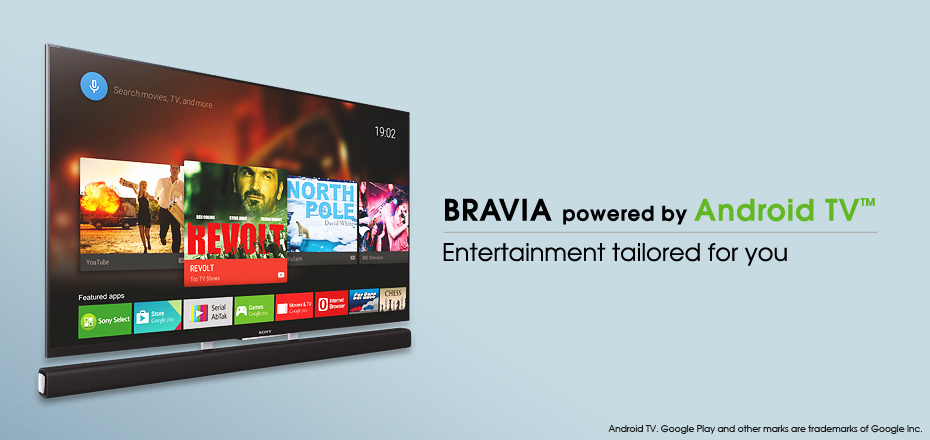
    After announcing at CES, Las Vegas, earlier this year, Sony has finally rolled out the Android TV in the Indian market, becoming the first company to launch TV based on Google’s Android Lollipop. The Android TVs start at a price of Rs. 69,900 for a 43-inch model.

    BRAVIA-Android-TV-930x440

    Earlier this year, Sony partnered with MediaTek at CES, Las Vegas and announced that it would manufacture Android Lollipop based Smart TVs. Sony’s Android TV aims to provide the proper TV viewing experience on Android and deliver the large screen experience it was designed to do.

    Users can access a number of features present on Android OS such as the Google Play Store and YouTube and can play HD videos as long as they have an Internet connection of 8Mbps or more. Plus, you can also play your videos from your smartphone onto the TV, using the the Google Cast feature. The users can also give commands using the voice feature. Sony has customised the OS for Indian users with the app SerialAbTak, that plays most popular soaps and shows from Indian channels.

    Sony has gone one step further and has added the 3D feature onto the Android TV, which means you can plug in your PS4 and enjoy the 3D movies, which will look better with Sony’s X-Reality PRO Picture Engine.

  • Toshiba Brings Out a New Range of Android-Powered LED Smart TVs in India

    Toshiba Brings Out a New Range of Android-Powered LED Smart TVs in India

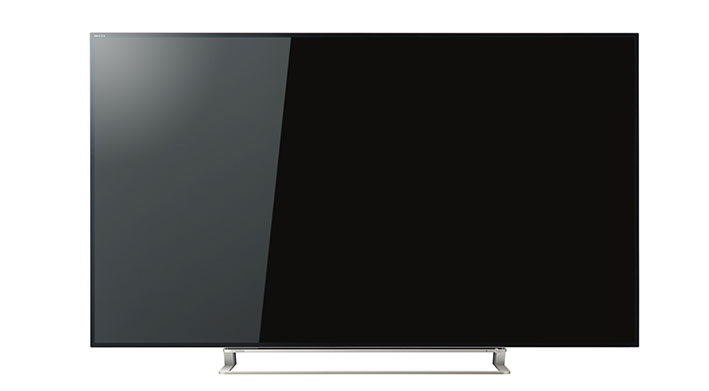
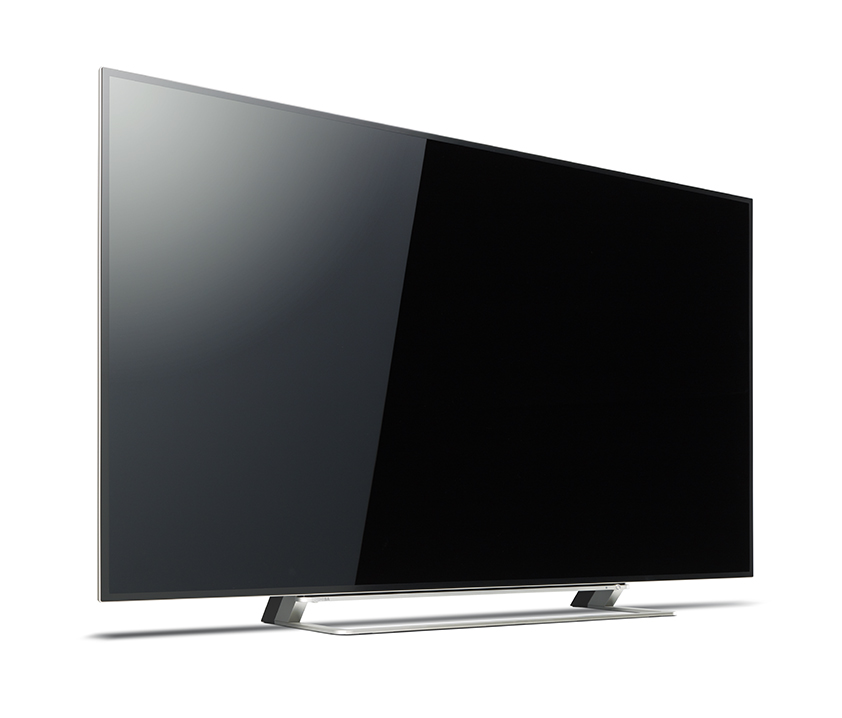
    Toshiba is one of the first television manufacturers to offer Android TVs in the Indian market. The japanese electronic giant has launched a new range of smart TVs powered by Android (v4.4.2 KitKat with access to Google Play) that will allow viewers to access a wide range of apps, games and videos.

    Launched under the brand Regza, the Ultra HD 4K L9450 and the full-HD L5400 seriesfeature personalized content, visual details, stunning graphics, built-in Wi-Fi, and a Web browser to access any website.

    toshiba android tv 1

    The smart TVs support up to eight user accounts, allowing each member of the family to have their own apps such as Facebook without having to log in and out each time. And obviously, the new range also allows viewers to use plug-and-play wireless keyboards and mice.

    There’s also an option to side-load apps or install your own app markets, as the Google Play store loaded on the TV is limited to free apps only. You can also download paid apps that you’ve already bought on your Google account.

    toshiba android tv

    All three models will come with digital video broadcasting support (DVB-T2) for watching free-to-air HD channels.  L9450 UHD 4K series is available in 50, 65 and 84 inches screen sizes priced between Rs. 1.99 lakh to 10.49 lakh. While L5400 HD & Full HD series is 32, 40, 47 and 56-inch screen sizes are priced between Rs 38,990 to Rs. 1.29 lakh.

  • Android TV : Could it Mean Third Time Lucky for Google?

    Android TV : Could it Mean Third Time Lucky for Google?

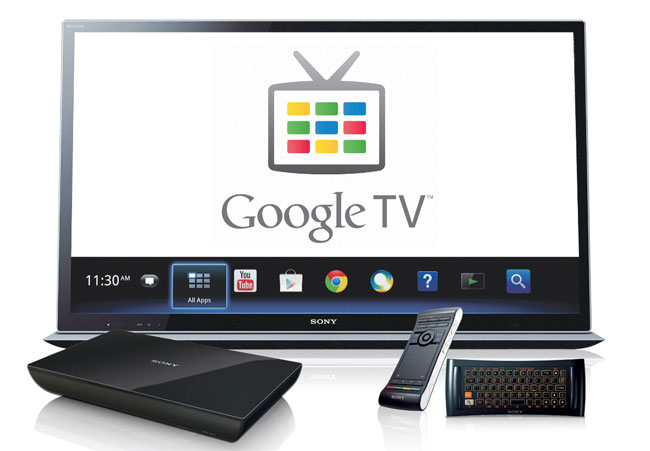
    Google has been trying very hard to get into our living rooms for long time now. Google TV was introduced way back in 2010 with the first Google TV’s being made by Sony and Logitech. In the second generation of devices, LG, Asus and others had also partnered on Google TV. But sadly, Google TV wasn’t a success. Nor was the Nexus Q which was a media-streaming entertainment device introduced in June 2012. Even Nexus Q wasn’t much of a success and later was replaced by Chromecast which was launched at last year’s Google I/O.

    android-tv

    Though, it seems like Google’s new Android TV may have a bright future ahead of it. Since Google has only showcased the developer-kit of the Android TV called ADT-1, you won’t be able to buy it for a while. But that won’t be an issue once manufacturers begin selling their consumer-facing devices later this fall. Android TV is still in pre-production, so a lot of things are likely to change between now and its final release.

    Unlike its previous effort in smart TV software mentioned above, Android TV will work with a number of different chipsets. It’s designed to enable Android developers to create apps using the same Android toolset that they use for mobile phones and tablets.

    android tv3

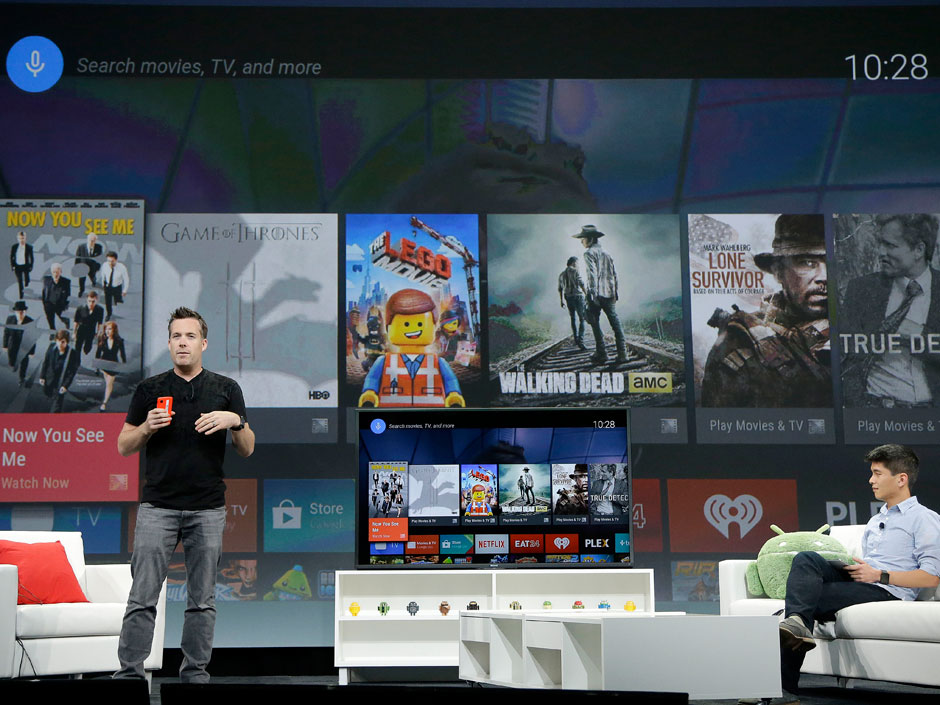
    Android TV will play movies and TV shows, and users will be able to control it via mobiles phones and tablets. Google Engineering Director Dave Burke showed off how the system works to enable search and navigation either via text or voice. He even showed off the ability to control the TV via an Android Gear Smartwatch.

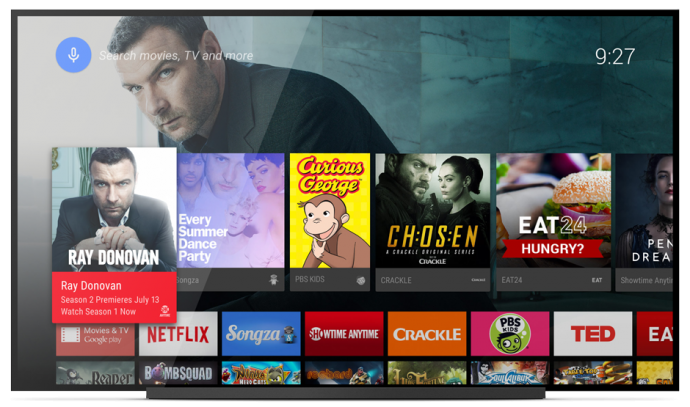
    Chromecast will run on Android TV with full support, so users can beam content from their mobile devices straight to the TV. The new platform also enables users to launch an app store developed specifically for a 10/UI.

    android tv2

    According to Google, the OS will be available for smart TVs (Sony and Sharp have signed on to build televisions with the OS built in), media streamers, set-top boxes, cable boxes and micro consoles. This platform will be ideal for those manufacturers that are interested in getting into the smart TV businesses, but don’t have the resources to develop their own ecosystem. It’s a good opportunity for smaller companies and start-ups to help building the Android TV hardware.

    Google pointed out some technical requirements to ensure that Android TV doesn’t offer an inconsistent  user experience such as:

    • 2GB of RAM,
    • 8GB of flash storage,
    • WiFi and/or Ethernet,
    • Bluetooth 4,
    • Play-ready DRM,
    •  Widevine level

    Companies also suggested to incorporate mics for voice input, and standardized controller button mapping. These guidelines are cricial because the system needs to be powerful enough to handle graphic-intensive games, entertainment apps and connectivity between the TV and mobile devices via Google Cast which Google is focusing on with Android TV.

    No one can give a final verdict for Android TV as yet, company has a long way ahead as far as it is concerned. Of course, a lot will depend on the pricing of the new software which has to compete with the already settled Smart TV makers.

  • Report : Google TV To Be Rechristened As Android TV

    Report : Google TV To Be Rechristened As Android TV

    There’s a new report coming out this evening, via GigaOM, that the next generation of Google TV devices are going to get rebranded as Android TV. GigaOM is also reporting that OEMs are producing new Google TV have been informed them that Google is officially changing the branding to Android TV for the next round of products hitting the market.

    The report also mentions that LG may be planning to update its Google TV hardware to Android 4.2 sometime in October, with other manufacturers to follow in the coming months. Google TV is currently based on Android 3.2 Honeycomb, which is obviously a few versions behind the Android 4.3 software that some of the latest Android phones and tablets are running.

    Despite the fact that a number of manufacturers have thrown their support behind Google TV with products like set top boxes and televisions, the platform never really seemed to gain much traction with consumers.

    It will be interesting to see if the brand change from Google TV to Android TV has any impact on the adoption of the platform, and whether this will help manufacturers to increase sales of these Android powered set to boxes.

    This follows sources who spoke to the Wall Street Journal earlier this month about a set-top box Amazon reportedly has in the works, an effort of its own to better position its streaming Prime instant video service and library of digital videos in consumers’ living rooms.

iGyaan Network
Privacy Overview

This website uses cookies so that we can provide you with the best user experience possible. Cookie information is stored in your browser and performs functions such as recognising you when you return to our website and helping our team to understand which sections of the website you find most interesting and useful.