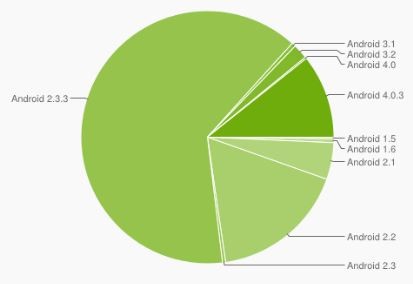
While Android fragmentation continues with Jelly Bean being announced just 6 months away from the ICS update. Android owners have started to shift to ICs with most companies now offering ICS updates for the devices.
While Gingerbread still remains at the top with 64 % of the Android base. GFroyo follows by 17.3 %, and Google’s recently announced Jelly Bean update was not included in this stat.
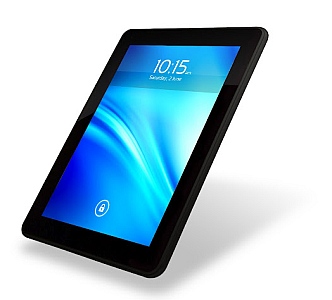
Computer peripherals manufacturer Kobian has launched its tablet, the mTab Rio.
The tablet supports Wi-Fi and provides a battery backup of six to eight hours and runs on Android 4. The device is priced at Rs 11,999, which includes a one-year warranty.
The device boasts of a 9.7-inch IPS panel, and is powered by a 1.2 GHz processor, 1GB of DDR3 RAM and has 8GB/16GB internal storage expandable via microSD card up to 32GB.
The Mercury mTab Rio supports Wi-Fi and claims battery backup of 6-8 hours. The device also has a 2MP camera and a front facing camera for video chatting. The device also supports 3G connectivity via a USB dongle and has HDMI output.
[quote]Commenting on the target audience, Ms Sushmita Das, Country Manager-India, Kobian, said: “Mercury mTab Rio can be a companion for students to surf the net, for office-goers who are able to do their work anywhere and for families to enjoy movies.”[/quote]
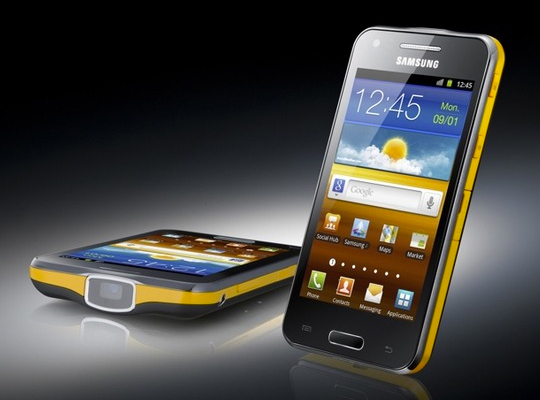
Samsung is all set to introduce its new projector smartphone, the Samsung Galaxy Beam, in India. The phone is available online for pre-order on the Samsung India e-store. Available for Rs 29,900, the entire amount has to be payed upfront.
The Samsung Galaxy Beam’s 15 lumens projector allows users to display and share multimedia content anywhere on a large luminous projector screen – walls, ceilings or improvised flat surfaces. It is powered by a 1GHz dual-core processor, has an internal memory of 8GB, which is expandable up to 32GB using a microSD card. The Samsung Galaxy Beam has 768MB RAM. and a 4.0-inch (480×800) TFT display along with a 5 megapixel autofocus rear camera with flash and a 1.3 megapixel front-facing camera.
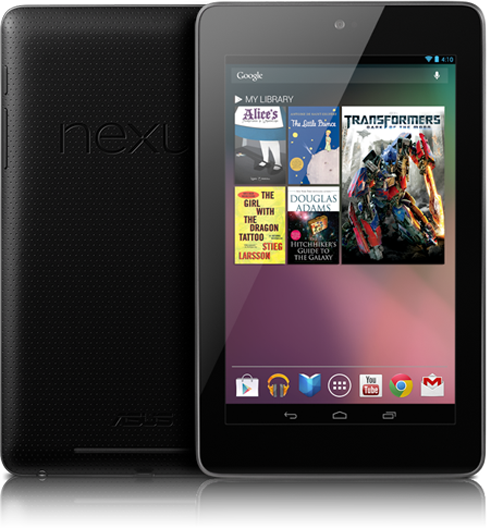
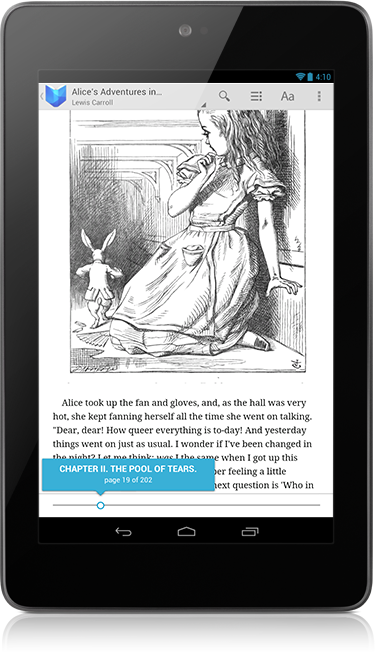
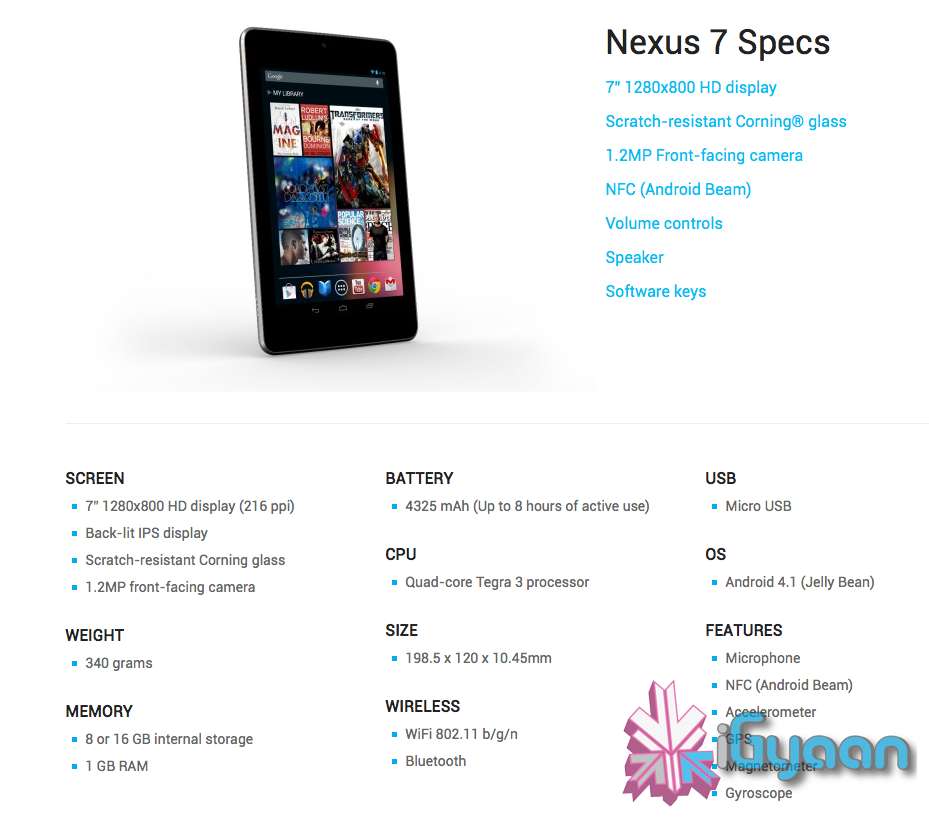
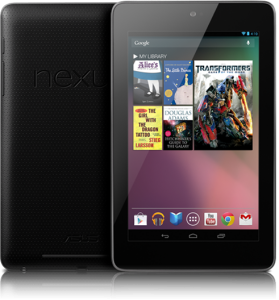
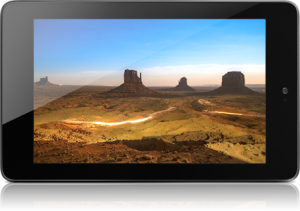
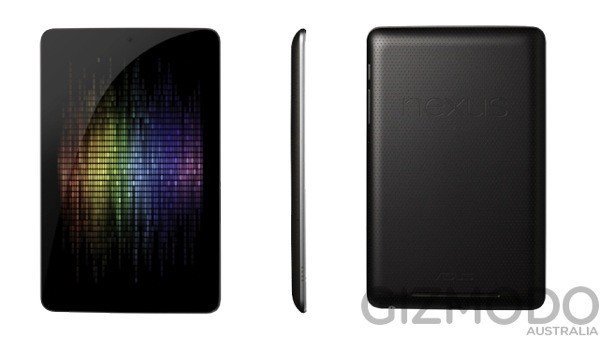
Google has launched their first official Tablet dubbed the “Nexus 7”. Priced aptly or in-fact cheaply at US $ 199 the Tablet will ship with Jelly Bean Android 4.1 out of the Box . The Nexus 7 is made by ASUS and has a 7” 1280×800 HD display (216 ppi), which is a Back-lit IPS display, and has Corning Gorilla Glass front.
The Nexus 7 is powered by a Quad-core Tegra 3 processor and has a 4325 mAh battery, it has a 1.2MP front-facing camera and weighs only 340 grams.
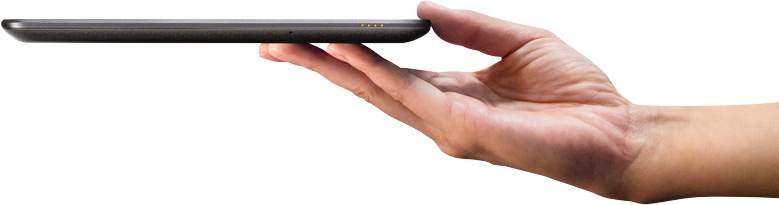
You get two storage options 8 or 16 GB internal storage and Nexus 7 comes standard with 1 GB of RAM. At just 10.4 mm thick the Tablet is pretty slim and has the standard features like, WiFi 802.11 b/g/n and Bluetooth. Apart from that the Nexus 7 also has Microphone, NFC (Android Beam), an Accelerometer, GPS, Magnetometer and a Gyroscope.
Dimensions of the Nexus 7 are 198.5 x 120 x 10.45mm and there is a micro USB for charging + Data Sync.
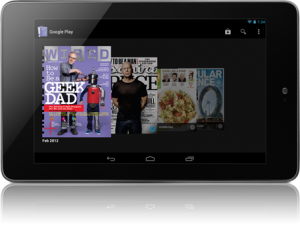
With the Music Manager, you can easily import your entire iTunes music library* into Google Play. Once your music is imported it automatically becomes available on Nexus 7. Take your music anywhere with Nexus 7. When you upload your existing music library to Google Play (up to 20,000 songs for free ) you can stream all your tracks and playlists from the cloud.
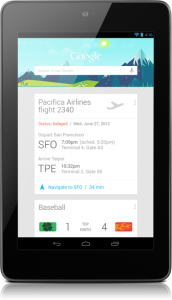
Google Now will also come to the Nexus 7, it tells you today’s weather before you start your day, how much traffic to expect before you leave for work, when the next train will arrive as you’re standing on the platform, or your favorite team’s score while they’re playing. The Knowledge database build around your likes and wants and build your phone to become more and more personal over time.
Your Standard Google Apps come preloaded on the Nexus 7, and the Chrome Browser finally exits Beta to come into final release. Everything is designed to work seamlessly on the Nexus 7. Excited Yet? We Are!
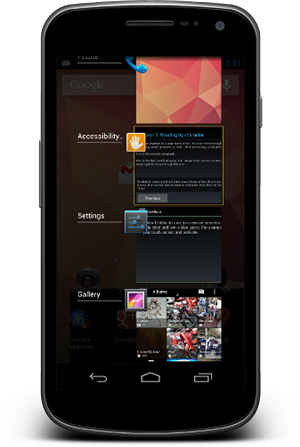
Google has officially taken the curtain down from what is the next big mobile OS for the company. Android 4.1 Jelly Bean brings to Android what ICS missed out on. The biggest change according to Google is something they like to call “project butter” which now allows the the whole interface to run at 60fps. While the difference in speed is a few milliseconds, you will notice the difference when a Jelly Bean device is placed next to a ICS device.
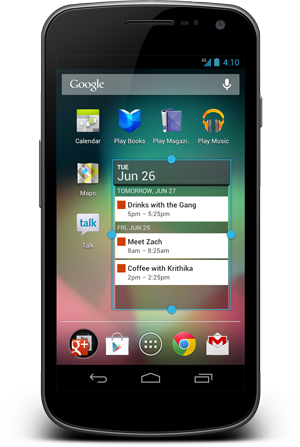
The home screen has been tweaked, adding features like dynamically resizing widgets,that resize and move unwanted apps and icons out of the way. The camera app, which was already a highlight of ICS, has gotten even better in 4.1. Now, the gallery is slickly integrated, allowing you to quickly pull up the photo you just took with a swipe to the left. Something like what you would see in the Windows Phone Camera app.
Deleting images is as simple as swiping a pic off the screen. The unique undo button allows you to recover a photo you might have accidentally deleted. Google Android Jelly Bean 4.1 brings something that most smartphone users have asked for in the past year, voice to text without data. The language model in Jelly Bean adapts over time, and the keyboard even guesses what the next word will be before you’ve started typing it. With improved text-to-speech capabilities, voice typing on Android is even better; it works even when you don’t have a data connection, so you can type with your voice everywhere you go.
Jelly Bean also bring advanced Accessibility to the mix, With Jelly Bean, blind users can use ‘Gesture Mode’ to reliably navigate the UI using touch and swipe gestures in combination with speech output. Jelly Bean also adds support for accessibility plugins to enable external Braille input and output devices via USB and Bluetooth.
Taking note from the Galaxy S3 the new Jelly Bean OS for Android brings Android Beam to every smartphone running it, with just a simple tap, in addition to sharing contacts, web pages, YouTube videos, directions, and apps. Just touch two NFC-enabled Android devices back-to-back, then tap to beam whatever’s on the screen to your friend. Instantly pair your Android phone or tablet to Bluetooth devices like headsets or speakers that support the Simple Secure Pairing standard by just tapping them together – no more syncing or searching required.
Android 4.1 Jelly Bean also Improves Google Search on the phone OS, it has a new look-and-feel, and has faster and more natural Voice Search.Predictive input lets you select your search criteria, before you even ask. The new Knowledge Graph is used to show you search results in a richer way. It’s easier to quickly get answers and explore and browse search results.
With JB 4.1 and the new “Google Now” tells you today’s weather before you start your day, how much traffic to expect before you leave for work, when the next train will arrive as you’re standing on the platform, or your favorite team’s score while they’re playing. The Knowledge database build around your likes and wants and build your phone to become more and more personal over time.
Google’s long rumored Nexus tablet has been rendered and now has a price, $199 to be precise. Specs of this upcoming tablet are expected to be a 7-inch, quad-core Tegra 3 slate with a front 1.2-megapixel camera, NFC, 8GB to 16GB of storage and a 1280 x 800 IPS-based LCD.
Google’s I/O conference should reveal more information about this elusive device, especially wen it is finally showcased.
The Nike+ app lets you keep track of your work outs
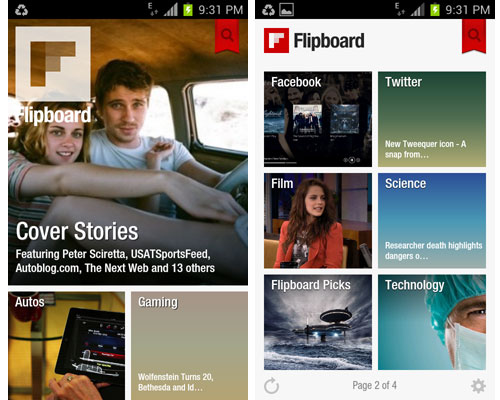
Good news for Android users, the Nike+ and Flipboard apps have finally made their into the OS, after gaining success and popularity on Apple’s iOS.
Nike announced the Nike+ Running App for Android, which, as you’d expect, connects you to nikeplus.com, making exercise social. It features a smooth, intuitive user interface – tailored and optimized for Android – that hosts a number of features to enhance the running experience. The in-run navigation is seamless and simple, allowing runners to easily check key run stats, see their in-progress GPS maps, change songs or get audio feedback without missing a stride. It is available for free on Google Play.
[quote]The expansion of Nike+ onto multiple mobile platforms will allow us to serve more runners than ever before. This opportunity will give even more athletes the chance to experience Nike+, which makes this an incredibly exciting time for the running community, said Stefan Olander, Vice President, Digital Sport.[/quote]
Flipboard is a free application that turns Web content into a magazine format
Flipboard is a free application that turns Web content into a magazine format, and it has also been announced the app will be available for the likes of the Kindle Fire, Android tablets, along with Nook tablets and smartphones around the world. and to run the app, consumers will need to be using Android version 2.2 or later on a devices with a chip running at least 800 megahertz. The app will not be available for tablets with larger screen sizes, such as the 10-inch Samsung Galaxy Tab 10.1. Flipboard also announced that it is adding access to Google+ and YouTube, bringing to 12 the number of social networks users can view within the app.
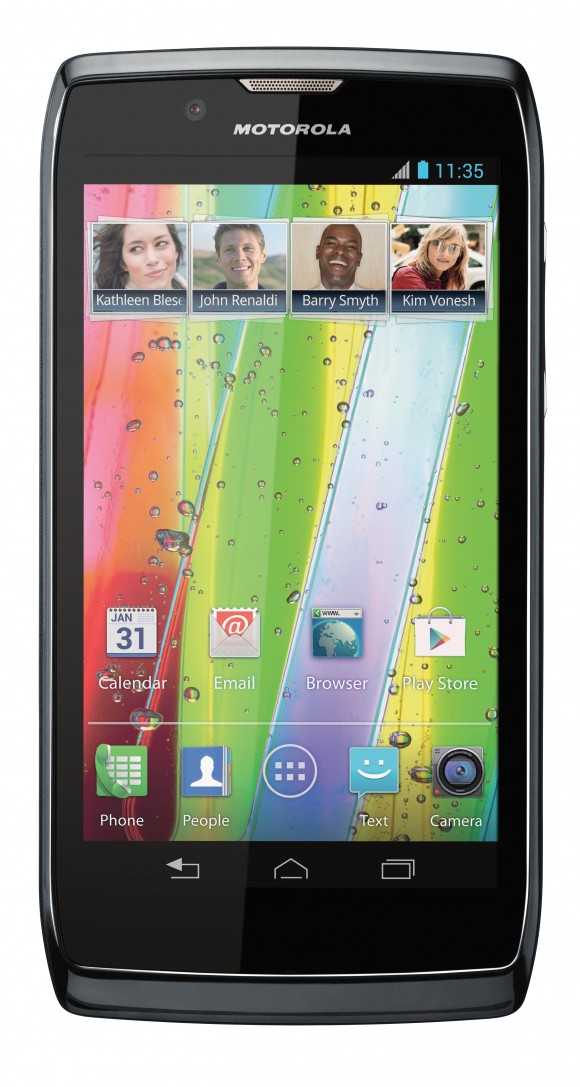
Motorola has announced that it will be releasing the RAZR V during the third quarter of the year. It follows the release of the Razr MAXX which was launched last week.
An amazing 8.35mm thin, the phone comes with ColorBoostTM display technology which makes for extremely vibrant colours for better clarity and sharper images. It comes with Android 4.0 and a dual-core 1.2GHz processor.
[quote]RAZR is synonymous with design excellence and both Motorola RAZR MAXX and Motorola RAZR V reflect that, said Robert van Tilburg, senior regional sales director, South Asia, Motorola Mobility. With its fantastic battery, Motorola RAZR MAXX is in a class of its own. Not only do you get everything you love about the Motorola RAZR, but now you get the power to last through marathon calls, hours of surfing the Web, or streaming movies. You’ll drop long before this phone ever does. With Motorola RAZR V, we’ve created the perfect smartphone for stylish, smart and tech-savvy consumers who want great looks, great performance and great value.[/quote]
Swype has now updated its app available for Android adding a host of new features to the mix. The new version packs the same next-word prediction from Nuance’s XT9 heritage and a new voice-text dictionary sync feature will add new words to both speech and text databases. You can even get the app to crawl around your emails and texts for some extra personalization. The latest version can now download over 55 languages, while Nuance has crystallize all of its know-how into a four-in-one keyboard.
New features include:
· Next Word Prediction: Swype’s next word prediction is amazingly intelligent as Nuance has integrated capabilities from its renowned XT9 portfolio. Swype gets smarter based on historical usage, so prediction becomes more accurate with each use.
· Voice-Text Dictionary Syncing: Swype now includes a personal dictionary. Every new word a user enters on the keyboard gets added to their personal dictionary for speech and text, and you can even have Swype learn from emails, texts and posts. These updates are then mapped into Swype’s unified language model, so people can immediately speak or write that same word no matter how unique or specialized.
· Language Downloads: Swypers everywhere can communicate in any language they speak, as Swype now supports the download of over 55 languages right from the device.
· Four-in-One Keyboard: Swype now delivers a four input modalities in one keyboard. People can swype from letter to letter; type rapidly with predictive text input powered by XT9; speak their text naturally through a fully integrated Dragon button; or, simply write letters, words and symbols using their fingertip. Further, users can switch back and forth between modalities on the fly – providing the ultimate in keyboard personalization.
“People use their keyboards every day in every way – so input needs to be fast and simple,” said Michael Thompson, executive vice president and general manager, Nuance Mobile. “The new Swype living, learning keyboard ushers in a new era of input, where the keyboard adapts to the users’ unique way of communicating every time they swype, speak, tap or write.”
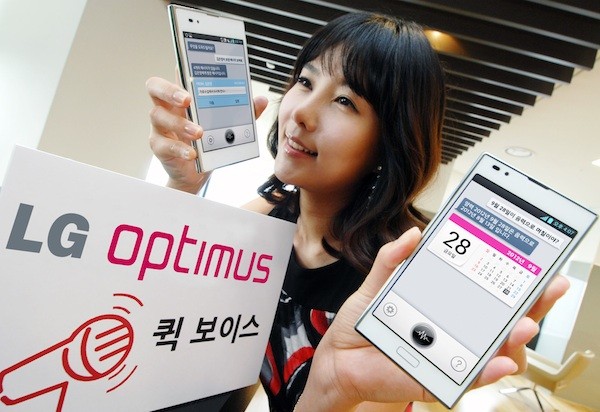
After Apple and Samsung transformed the Voice features on their flagship products, LG must’ve felt left behind. So enter ‘Quick Voice’ for its Android phones (time for more lawsuits). Just announced in Korea and rolling out soon for various members of the Optimus family like the Vu and Optimus 3D Max and L7, it brings natural voice recognition to commonly used functions like searching, setting up appointments or pulling up videos on YouTube.
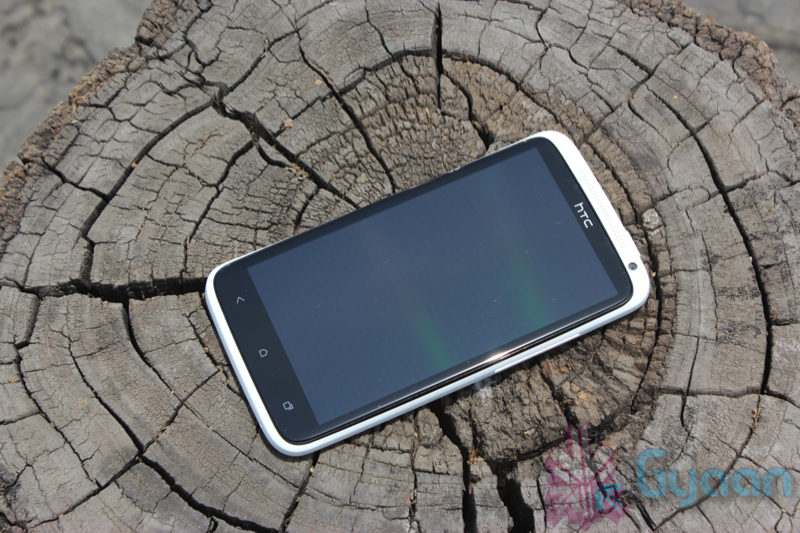
HTC has done extremely well for themselves with their new line of Smartphones, the One Series. Last week several reports of WiFi issues on the HTC One X came to light, issues that led to difficulty connecting to Wi-Fi networks and annoying lag when playing games. The issues, which can also negatively affect the handset’s battery life, may have related to a flaw in manufacturing, have now actually been confirmed.
Taiwanese manufacturer, HTC, has officially confirmed the device is infact suffering said issues. But having finally come clean on the issue, the Taiwanese Smartphone Giant also claims it’s found a fix, and has changed its production process for the One X to tackle the problem.
[quote]
After investigating isolated reports of Wi-Fi connectivity issues in the HTC One X, we have identified a fix that strengthens the area of the phone around the Wi-Fi antennae connection points.
While many customers have not experienced any problems with signal strength, we have taken immediate steps to implement a solution in our production process to prevent this issue from happening in the future.
HTC is committed to making sure every customer has a great experience and we apologise for any inconvenience this issue may have caused while we conducted a thorough investigation.
[/quote]
HTC has not confirmed what its line of action will be for those who are affected by this issue, and whether or not the company will replace affected handsets with the new design ones.
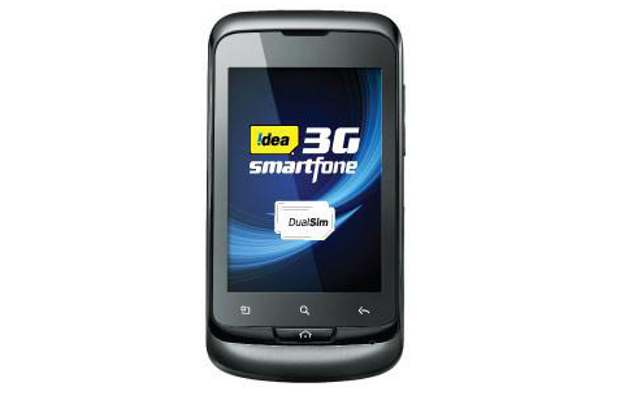
After selling over 1 lakh units of its previous models of 3G phones, from the “What an idea sirji” campaign, Aditya Birla group led Idea launched a new dual-sim (GSM+GSM) 3G device, the ID-918 made by Alcatel in China priced at Rs 5,994.
It runs on Android 2.3 Gingerbread and features include FM Radio, 150 MB internal memory, expandable memory up to 32GB with microSD (2GB card included), 512 MB RAM, 256 MB ROM and a 1300 mAh battery.
Along with the handset, Idea is also offering benefits worth Rs 2,340 apart from a 2 GB data per month for three months after 48-72 hours of recharge.
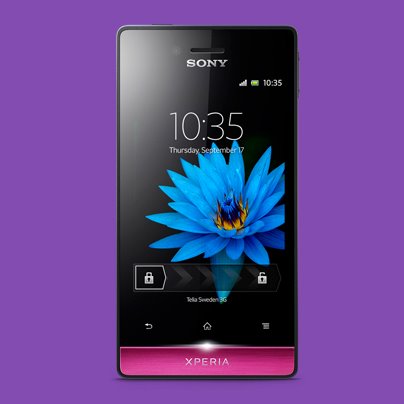
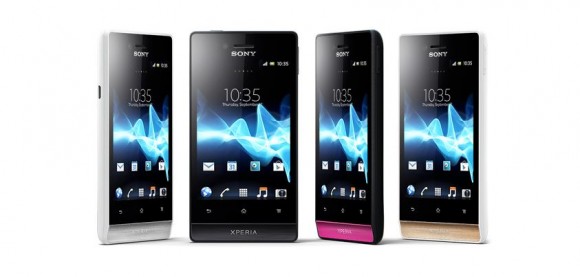
Sony yesterday announced three colorful, entry-level Android handsets (9 days before the official countdown) via its Facebook page that are expected to ship in the third quarter of the year. Though no spec-sheets have been revealed, here they are!
Xperia Miro
The Miro is an entry level Xperia
Xperia miro packs a 3.5″ screen, 5MP camera, DLNA, Android 4.0 Ice Cream Sandwich and, of course, a bunch of Sony exclusive software tricks to go with the adjustable illumination effects of the handset. There’s also a front facing camera for video chat. This is a Sony’s Facebook-centric smartphone, with the social networking site being integrated into the device.
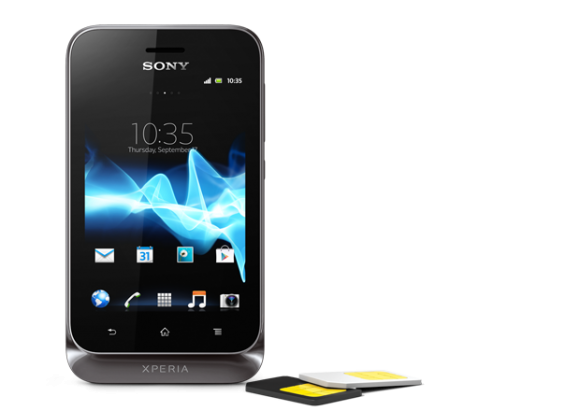
Xperia Tipo, Tipo Dual
The Tipo dual has a dedicated sim-switch button
The Xperia tipo and tipo dual are basic Android ICS handsets with a 3.2″ display and 3.2 MP camera. The phones run on an 800 MHz Qualcomm Snapdragon processor but only 2.5 GB user accessible memory out of the 4 GB onboard memory. The tipo dual features a dedicated SIM-swap key to help switch between SIM cards. Users can also preset the phone to swap between SIM cards at a particular time during the day. Both the devices feature identical specifications except for the dual-SIM capabilities on the Xperia tipo dual.
Check out these introductory videos put up by Sony-
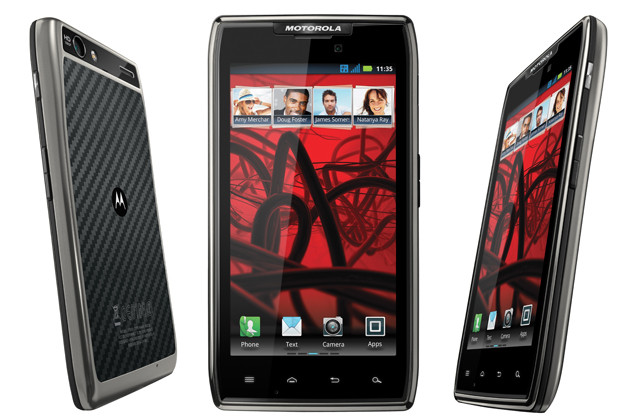
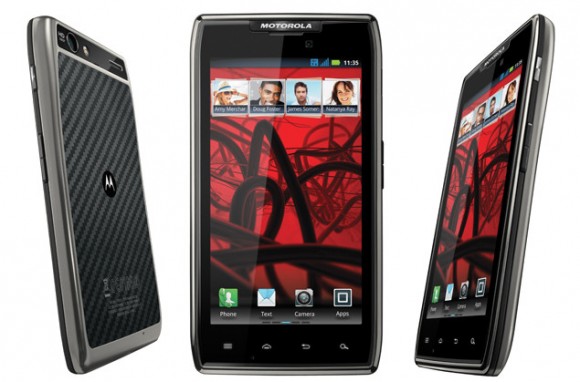
The phone features the same Kevlar coating as that of the Droid Razr
The Motorola Razr Maxx, which was showcased at CES Las Vegas in January, is all set to hit Indian stores starting 24th July. The device is up for pre-orders online from Infibeam at a price of Rs 31,999/-.
The Razr Maxx features a 4.3-inch Super Amoled advanced touchscreen display with qHD (960×540) pixel resolution. It promises an impressive battery backup, providing a standby time of about 380 hours and 20.5 hours of talk time, 7.5 hours of web browsing with around 14 hours of video playback on a single charge.
Powered by dual-core 1.2 GHz mobile processor, the phone packs 1GB RAM and 16GB ROM, has an 8 megapixel camera and 1.3 megapixel front camera. It comes with Android 4.0 Ice Cream Sandwich onboard and has an 8 megapixel rear camera, capable of recording at 1080p at 30 fps. Like the Droid Razr, it comes with a Kevlar coating which adds to the device’s durability.
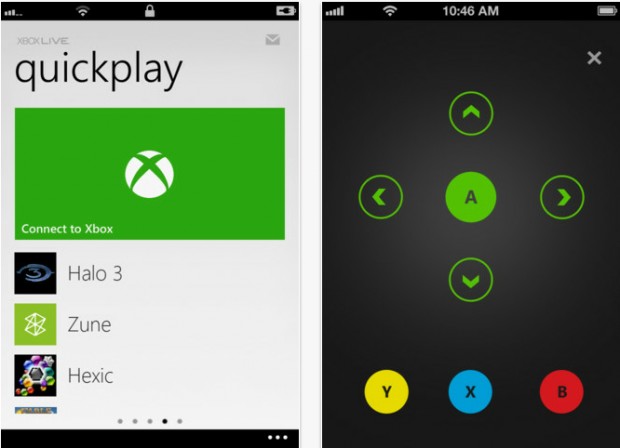
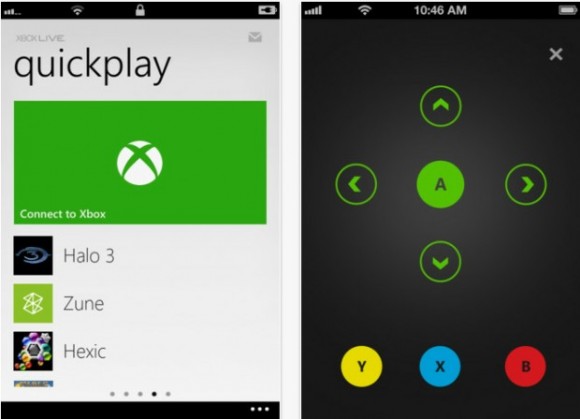
The app will turn the iPhone into an Xbox controller
Microsoft on Wednesday released an update for their My Xbox Live application for iOS (4.3 or later) which allows iPhone users to use the app to control their Xbox 360 consoles using a simple touch interface. The app also lets users launch games or apps on the 360 from the app on their phone without having to wade through tons of menus on the Xbox 360.
Even when the device is not connected to the Xbox, users can make changes to their profile, view their stats etc from their iPhone. Other additions to the iOS My Xbox Live app include improved authentication for increased stability, and high-resolution images for the new iPad. Remote control functionality is not yet available on the iPad.
The app was also released for Android but with restrictions, that is, users cannot gain any practical control over the Xbox, they can now check their Xbox Live profiles, friend statuses and the highlighted games.