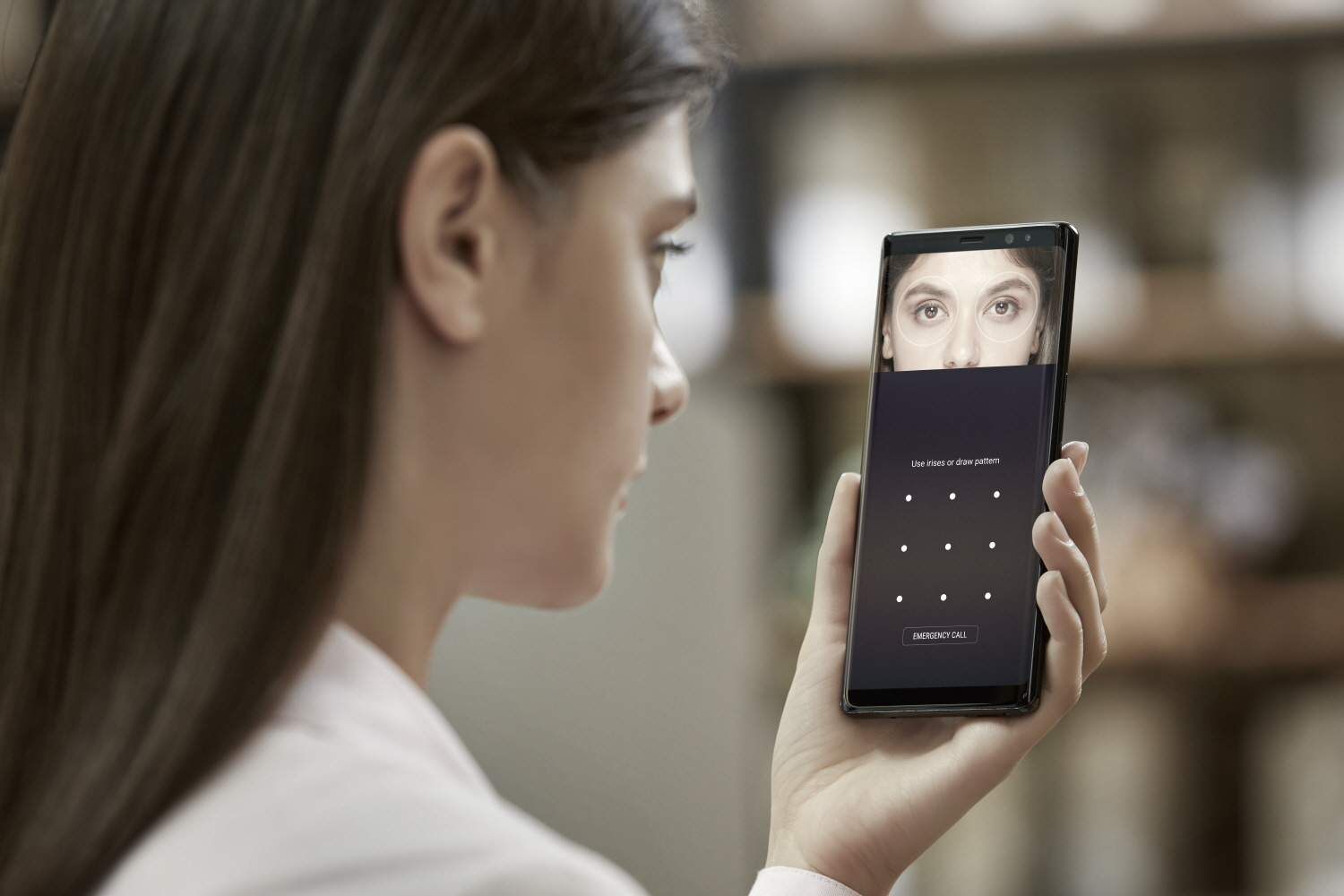
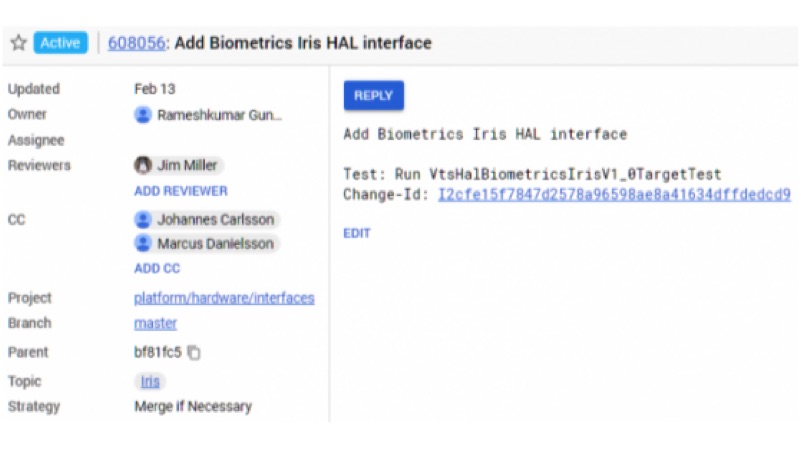
Samsung introduced fingerprint scanner on the Samsung Galaxy S5, it made into stock android on Android Marshmallow. Samsung introduced multi-window mode on the Galaxy Note 4, it made into native Android on Android Nougat. Now Google is all set to adopt the support for Iris scanner in the Android P natively.
What does it mean?
This means that the Google Pixel 3 lineup from Google is expected to feature Iris scanner. Companies like OnePlus, Honor, and Xiaomi have already come up with the phones with face recognition. However, the technology used on these devices is not foolproof like the Iris Scanning.
In fact, the Samsung Galaxy S9 uses both Iris scanner and Face scanning to improve the over experience. Do note that, Samsung is the only mainstream smartphone maker to offer Iris scanner.
Is Iris scanner a safe authentication method?
For the most part yes. It scans different parts of the eyeball, which are very distinct even on twins. However, as of now, the one has to look at the phone from a specific distance to unlock the smartphone. Similarly, it takes an additional second more than the fingerprint scanner.
In fact, one cannot fool it using a 3D model or an identical twin like the Face ID. So, it is safe but not the fastest thing in the world. Even the hardware requirement for the Iris scanner is not as complex as Face ID, so it will be easy to mass produce.
Conclusion
The implementation of Iris scanner has been spotted on the alpha build of the Android P. Google should officially announce this new feature at the Google I/O 2018. The Google Pixel 3 and Pixel 3 XL could be the first set of non-Samsung smartphones to feature this new technology.
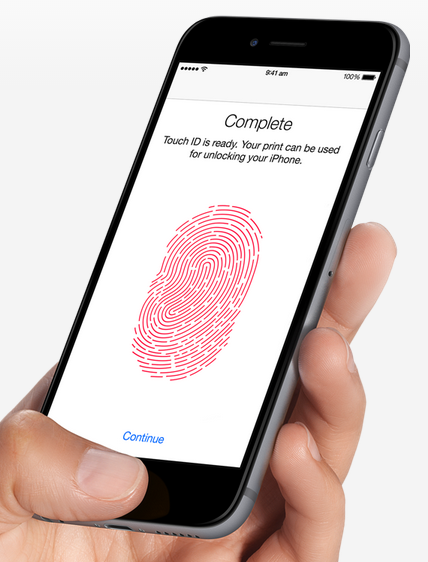
Along with customization, security is another area drawing the attention of software developers. Apple was the first to introduce the breakthrough Touch ID technology that took over manual methods of entering text and numeric combinations to unlock the screen. And following the Cupertino-based giant, Qualcomm brought forward its revolutionary Sense ID at the Mobile World Congress that’s much more secure and authentic than the Touch ID. Let’s find out what separates the two modern day technologies.
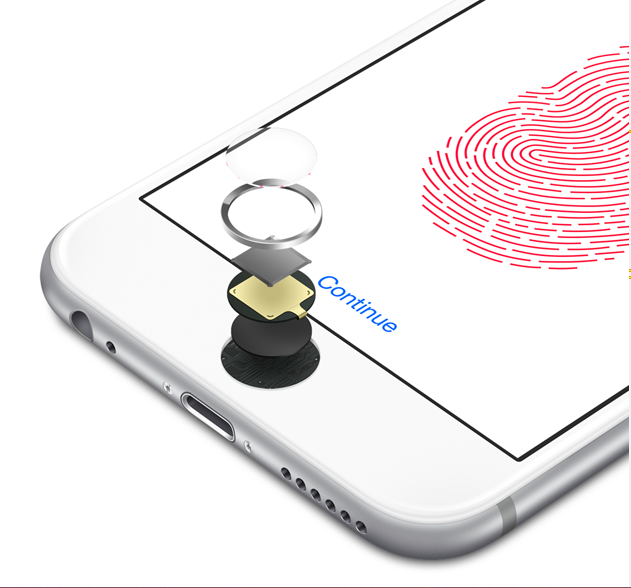
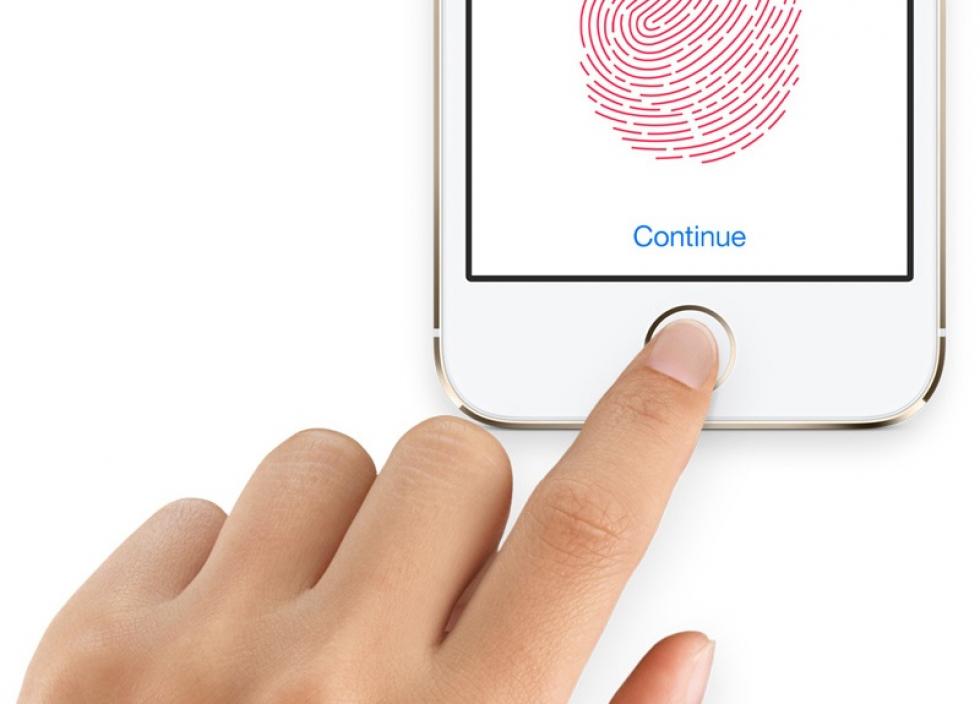
The Touch ID is the simplest way to wake up your lock screen. Just put your finger on the physical button and device will recognise the provided input and let you access the phone. Once the user puts his/her finger on the Home button, the stainless steel ring on the button comes into action and activates the capacitive touch sensor. The finger impression gets imprinted on the button’s sapphire crystal surface, which is sent to the sensor lying beneath. The software then reads the input and unlocks the device for you. The mechanism seems complex, but the whole process takes a fraction of a second.
The Touch ID is capable of reading impressions with a 360-degree orientation. Users can place their finger the way they want and it will still work. One can enrol multiple fingerprints on a device. Its usage is not just limited to unlocking the screen and you can also make purchases on iTunes and the Apple App Store by making mobile payments through your fingerprint. It can also be infused into third-party apps through developers’ support.
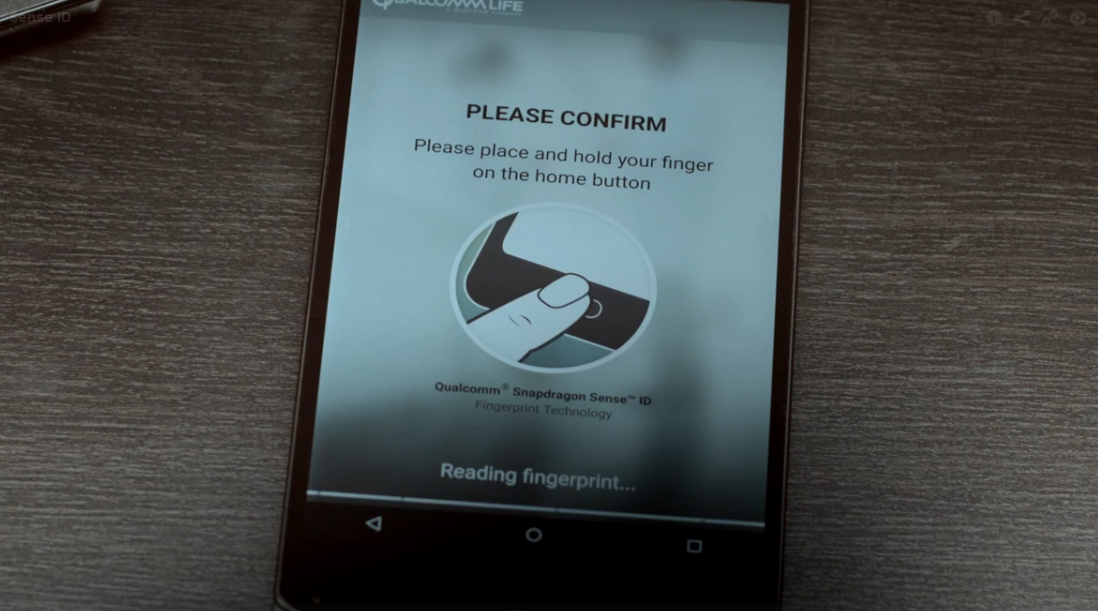
On the other hand, Sense ID is one step ahead of Touch ID. It’s the mobile industry’s first biometric platform based on ultrasonic technology. Instead of just analysing the ridges of your fingers, it makes a 3D map of the minute details including ridge flow and sweat pores. The sound waves penetrate the outer layer of the skin and create a matchless password that is hard to reproduce. According to Qualcomm, the technology “incorporates a Qualcomm biometric integrated circuit (QBIC), custom sensor technology and algorithms managed by the company’s hardware-based SecureMSM technology.”
Here’s the video showing how Sense ID works:
It can work with moist fingers and with other contaminants like dust and dirt. Its ability to scan doesn’t get blocked by the display type and allows fingerprint detection through glass, plastic, steel, aluminium and sapphire. Snapdragon Sense ID permits manufacturers to experiment with designs, enabling them to develop sleeker smartphones in the future.
Along with the added benefits of scanning through multiple surfaces and damp fingers, Sense ID embraces features from FIDO (Fast IDentity Online). It is an Alliance biometric protocol that keeps the fingerprint data on the device, instead of securing it on cloud; allowing people to visit websites, more securely. Online accounts and apps can also be accessed without the need of repeatedly providing a password for authentication.
Fingerprints are unique and make matchless passwords. Their unique characteristics compel smartphone manufacturers to deploy the newest innovations. Qualcomm will install the technology to its Snapdragon processors and soon, fingerprints will replace the traditional character-based passwords, giving faster access to a plethora of features. Since Qualcomm penetration in the Android market is high, more smartphones will have this standout feature on board.
Till date, Apple’s recent handsets, iPhone 6 and 6 Plus have Touch ID, and Samsung implanted its own fingerprint technology on Samsung Galaxy S6. It is learnt that Microsoft and Google have also tied up with FIDO Alliance, which means future Android and Windows devices may pack identical authentication features. Fingerprint scanning is a doorway to enormous features for which we presently need passwords. Akin to Touch ID, if Sense ID also offers third-party app integration, regular apps like Gmail, Yahoo and others will work through your fingerprint. It would be nice to see how Apple revises its technology to compete with Qualcomm’s Sense ID 3D fingerprint technology.
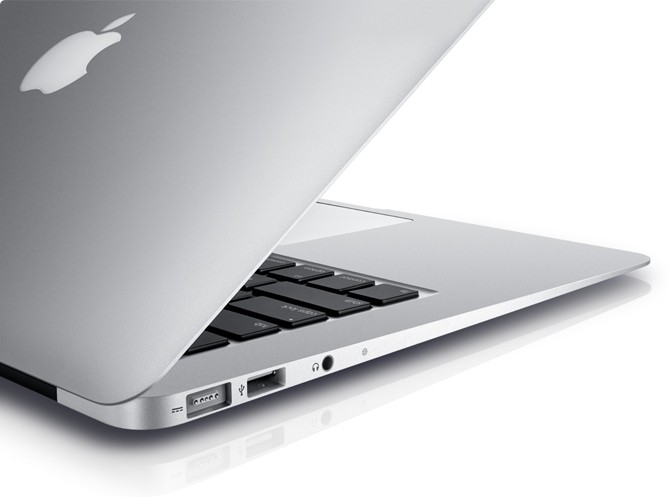
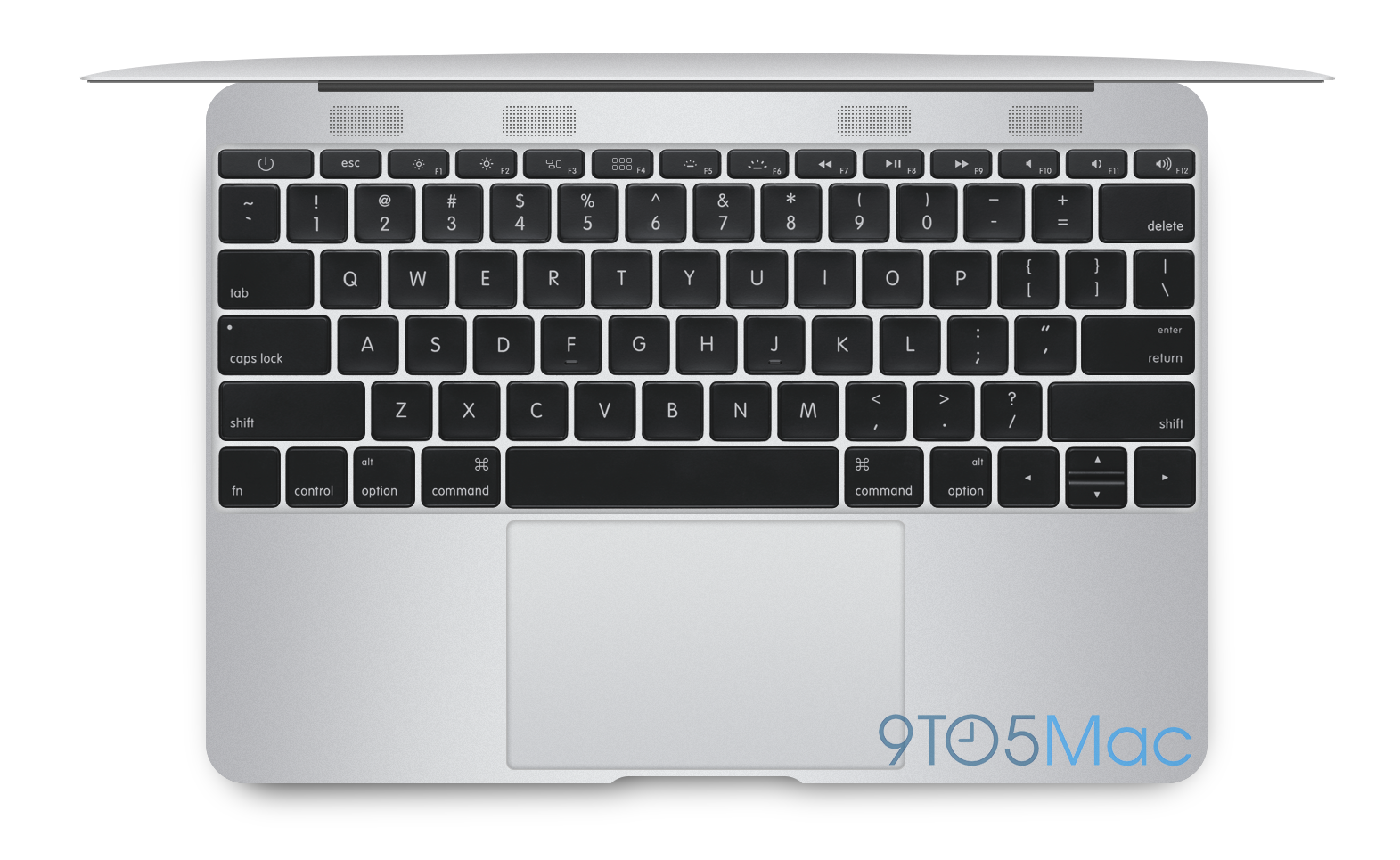
The highly anticipated next generation MacBook Air is said to boast a 12-inch display along with Intel Broadwell chipsets, but its other specs are still behind the veil. A Taiwanese website Apple.club.tw has made an announcement that the Cupertino-based giant will embed the future MacBooks and desktops with Touch ID fingerprint scanner. This includes the rumoured 12-inch MacBook Air as well.
According to the source, Apple will infuse the Touch ID in the trackpad of the purposed 12-inch laptop and next-gen MacBook Pro. As for desktops, the fingerprint scanner is likely to be implanted in the Magic Mouse or Magic Trackpad.
The website also stated that the next sleek and thin MacBook Air may come in three colour variants – silver, space grey, and gold. The colours may remind you of the last released iPhones and iPads.
Meanwhile, it should be noted that these are just rumours, and the company hasn’t come forward with any statement confirming these reports. If the speculations turn out to be true, then it may give a push to the company’s payment system, Apple Pay. The users will be allowed to make safe online purchases using Apple Pay. The mobile payment, as for now, is limited to the two top-end handsets, the iPhone 6 and iPhone 6 Plus. In future, it will be compatible with iPhone 5 series when paired with Apple Watch.
The reported 12-inch MacBook is said to be thinner than its predecessor and will come with a Retina display. It is expected to launch this year by the end of the second quarter.
We have all seen those lame fingerprint sensor apps available on various app stores. They have been able to prank a lot of folks into downloading them. But Apple seems to have cracked the code to bring display-based Touch ID into reality.
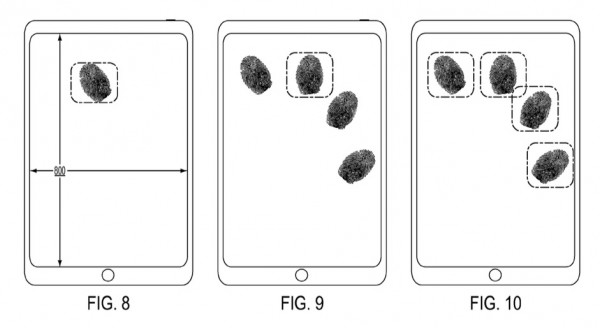
In a patent titled “Fingerprint Sensor in an Electronic Device,” the company explains the technology. According to the abstract, a fingerprint sensor may capture fingerprint at a single pre-defined fixed location on a display, or they can opt for a full panel fingerprint sensor to capture multiple fingerprints.
The Fingerprint sensor can be placed at one spot on the display or it can scan multiple fingers at once.
Users may be able to unlock their device by placing a thumb at a predetermined spot on their iOS displays. On bigger displays like the iPad, there can be multiple fingerprint detection where you may scan with all five fingers.
To keep the sensors sensitive enough, Apple plans to implement the sensor as an integrated circuit connected to a bottom surface of a cover sheet. They can also place it near the bottom surface of the cover sheet, or connected to a top surface of a display.
This initiative will let Apple take off the round home button and make the device even slimmer. The technology still seems to be in the beginning stage and may not show up immediately on the next device by Apple. There will surely be some privacy concerns with this technology though as a thief could gain access to a person’s information by just acquiring their fingerprints. Apple would have to work seriously on the security features before it can bring the technology in the mainstream.