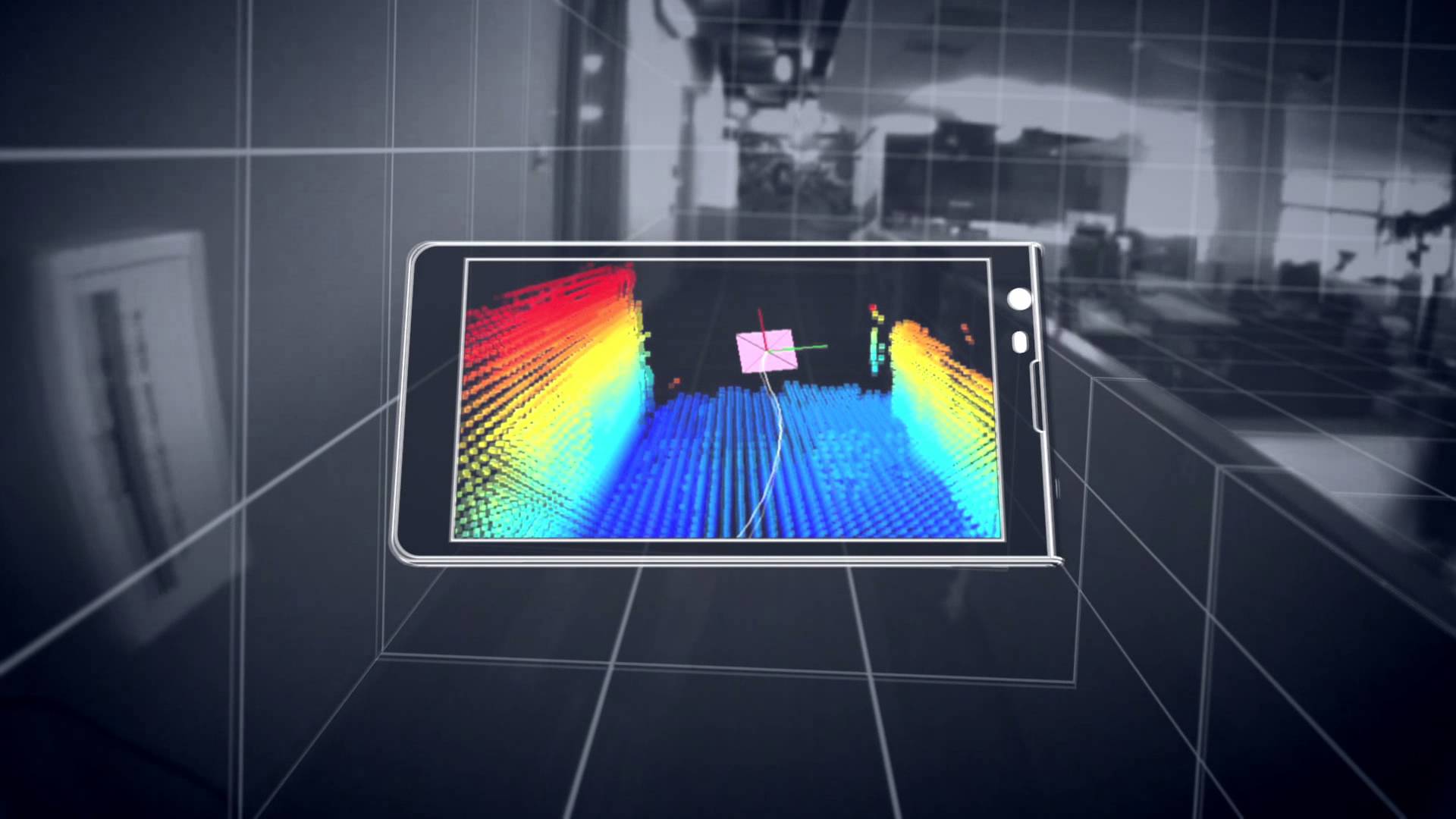
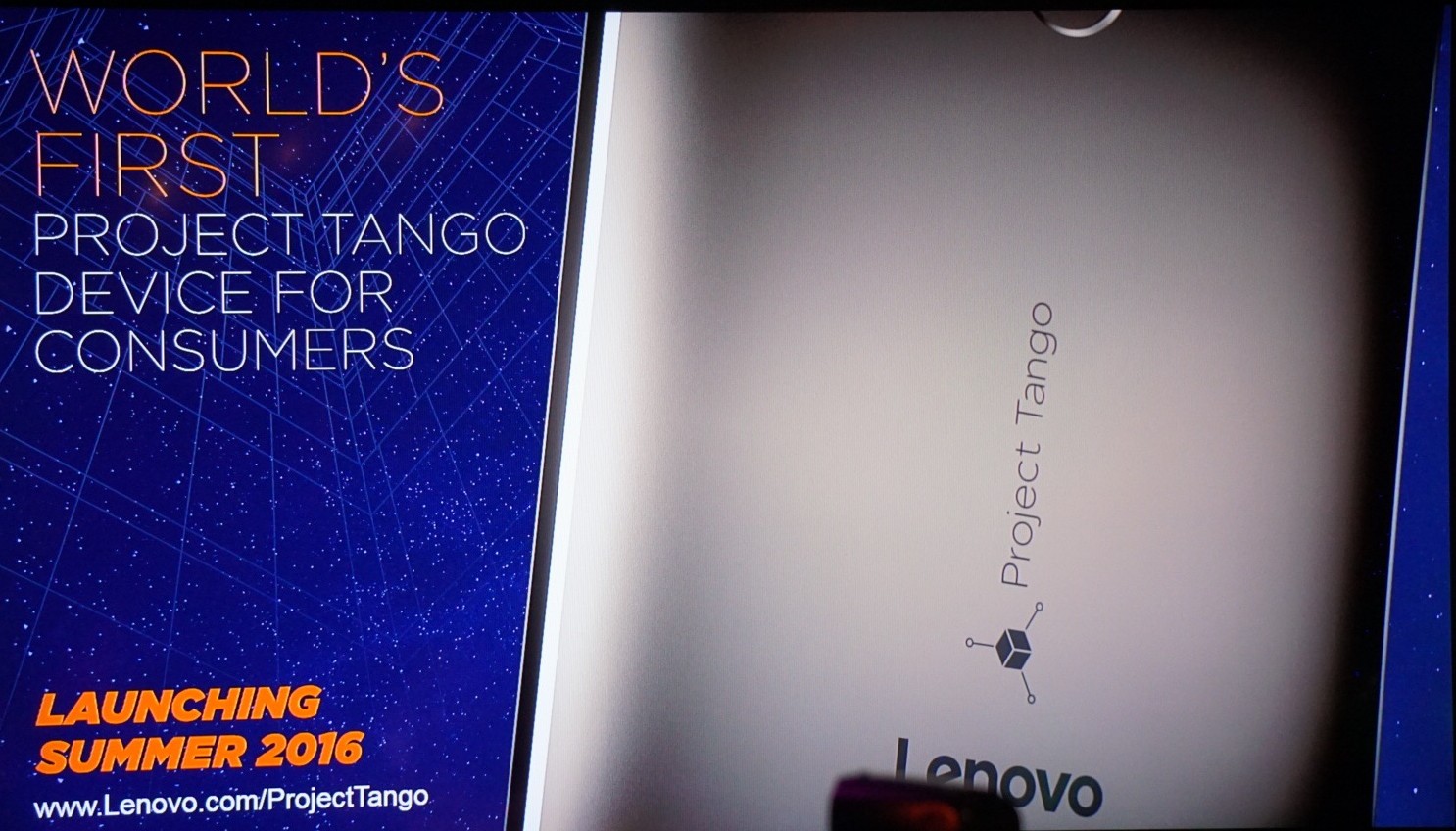
Third day of the Consumer Electronic Show 2016 has seen Google and Lenovo announce plans of a partnership to build, and sell the first smartphone that can make use of the former’s take on 3-D Augmented Reality technology. Google likes to call this tech fondly as ‘Project Tango.’
This tech will help support smart devices figure out space and motion just like humans do, allowing the devices to understand their surroundings in a 3-D view, and track their path as they move through them. Using ‘Project Tango’, a device can map the dimensions of the room, essentially projecting it on the screen in a 3-D form.
Project Tango Development Kits were earlier launched to help developers create apps to better use this technology. Future uses of Tango could be apps that use 3-D augmented reality technology to help you decide how a piece of furniture will look in your room. Several interactive games could also be made using ‘Project Tango’. Possibilities, in all honesty, are endless.
The Lenovo smartphone that will be the first to do the ‘Tango’ with Google’s latest tech, is going to be priced at $500(approx Rs 35,000), and will be out sometime during the “Summer of 2016″. Not much has been disclosed in terms of specs, but the phone will be powered by a Qualcomm processor, sport three cameras (RGB, Fisheye, and Depth) for it’s 3-D mapping needs, and could have a display as big as 6-6.5 inches.
Vice President of Lenovo, Jeff Meridith stressed at the event that this will not be a niche product, but a device for the masses He stressed,” We locked arms with Google to bring out a consumer device based on Tango. The goal here was to create a mainstream device. We don’t want this to be a niche technology. Lenovo is extremely proud of where we are at this stage of the effort.”
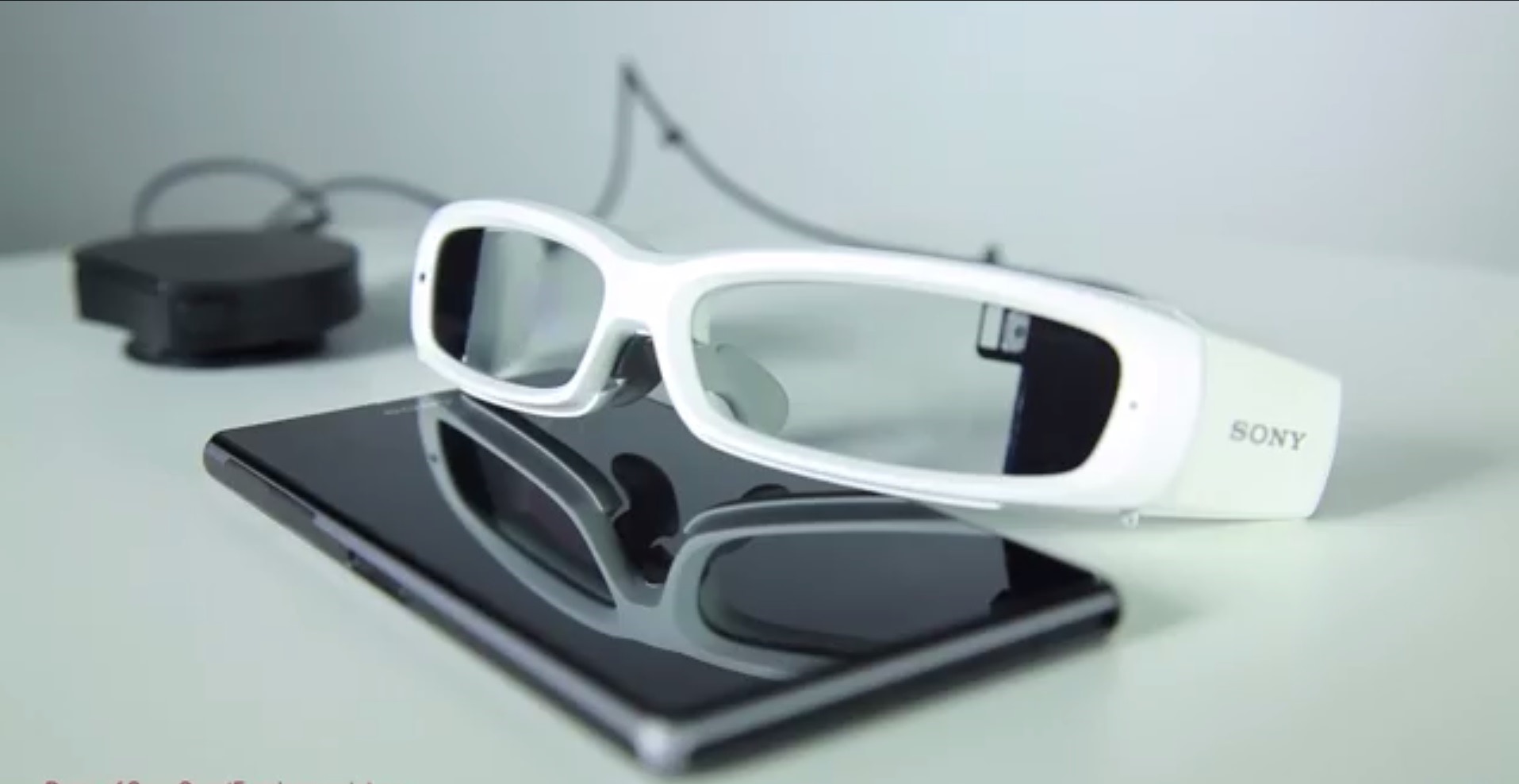
Sony dipped its toes in the field of augmented reality two months back with the launch of SmartEyeglass. The electronics maker is now putting the transparent lens eyewear on sale in 10 countries across the globe.
The smart glass going on sale is the Developer Edition of AR eyewear and comes at a price of $840. The 10 countries where it will be accessible are Belgium, France, Germany, Italy, Japan, Netherlands, Spain, Sweden, UK, and the USA. It is a Developer version, the general audience will get their hands on the device in a while. Only the business customers of the following countries would be able to get their holds on the AR tool.
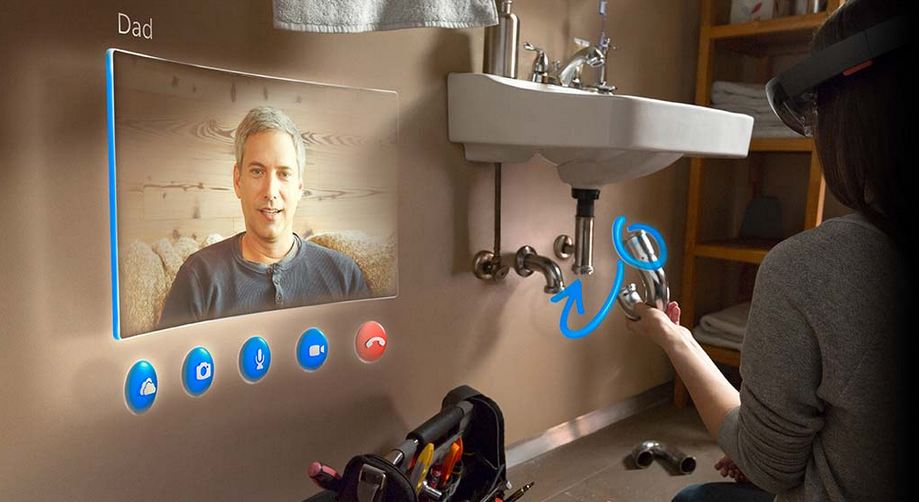
For a while now, an influx of augmented reality devices has increased in the technology sector. Earlier Google came up with the Google Glas, which was pulled back from the market recently. Microsoft also stepped in the arena with the introduction of the HoloLens and gathered appreciation for bringing alive a cordless, self-contained Windows computer with holographic capabilities.
The Sony SmartEyeglass is a see-through binocular that superimposes text, symbols and images into the natural field of view. It projects a virtual image through the holographic elements to the user. The wearer can get updates of bus times, directions, and much more in front of their eyes. The device connects to the Android smartphone and mimics the behaviour of the SmartEyeglass.
For in-depth information on its working, check the video below:
The much-awaited consumer preview of Microsoft’s new operating system, Windows 10 is here. This is, of course, the best Windows OS yet and tries to repent for Microsoft’s follies in Windows 8. There are a lot of amazing features such as the return of the Start menu, Cortana, a new browser dubbed Spartan and much more. Windows 10 seems like it might also give a boost to Microsoft’s ailing smartphone business that it acquired from Nokia. But the gizmo that won everybody’s heart was the HoloLens, a one of a kind wearable that brings science fiction into reality. We look at this amazing innovation from Microsoft and see if the biggest tech company in the world finally found its winning formula.
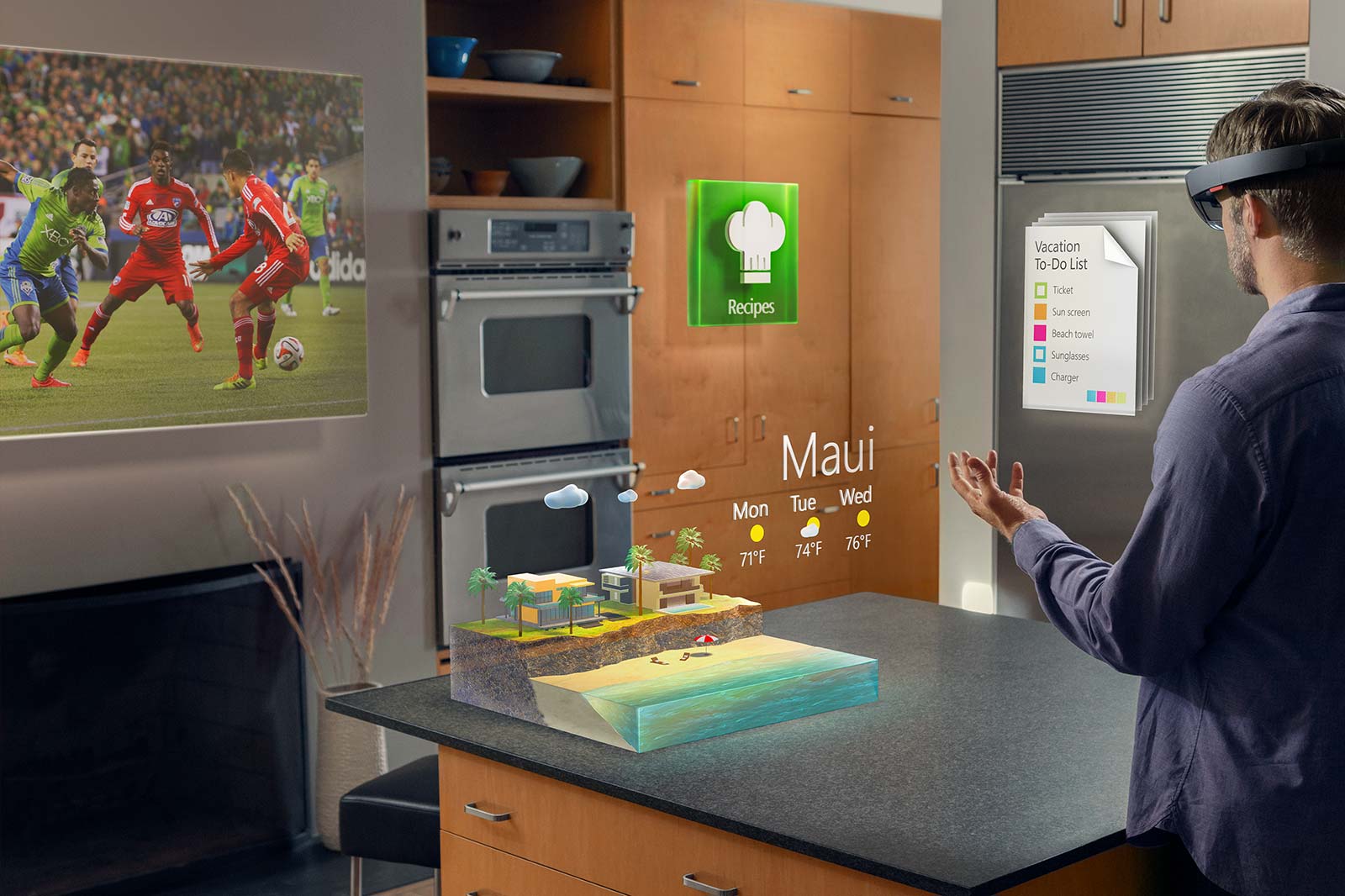
HoloLens can make all our displays obsolete as it can conjure a display anywhere you want
A Seamless Interaction between Digital Life and Real Life
Microsoft hits the top podium stand with the HoloLens at least in terms of imagination and innovation. The HoloLens has no match if you consider the manner in which it is presented. There have been previous attempts at making augmented reality based holographic glasses like Meta 1, but they appeared rather rudimentary. Google’s HoloLens gets the power of Windows 10 that will give it a boost above the rest. Also, with this product, Microsoft finally gets to stand up to Apple, whose biggest innovative offering has been the Apple Watch, which suffers from an extreme battery draining problem.
HoloLens bring Holographs into your everyday life.
The demos of the HoloLens were definitely mind blowing. The virtual holographic objects appear as if they are a part of the real world. Interaction with this world also feels like a breeze. Microsoft has also unveiled the Holo Studio that lets you create 3D objects in a 3D environment and then using 3D printers, bring them into the real world. Unlike most of the product demo videos that exaggerate the possibilities of the technology, HoloLens seemed to perform exactly as it was presented. The creation process of the quad copter literally felt as if we were in Tony Stark’s workspace.
The Technology
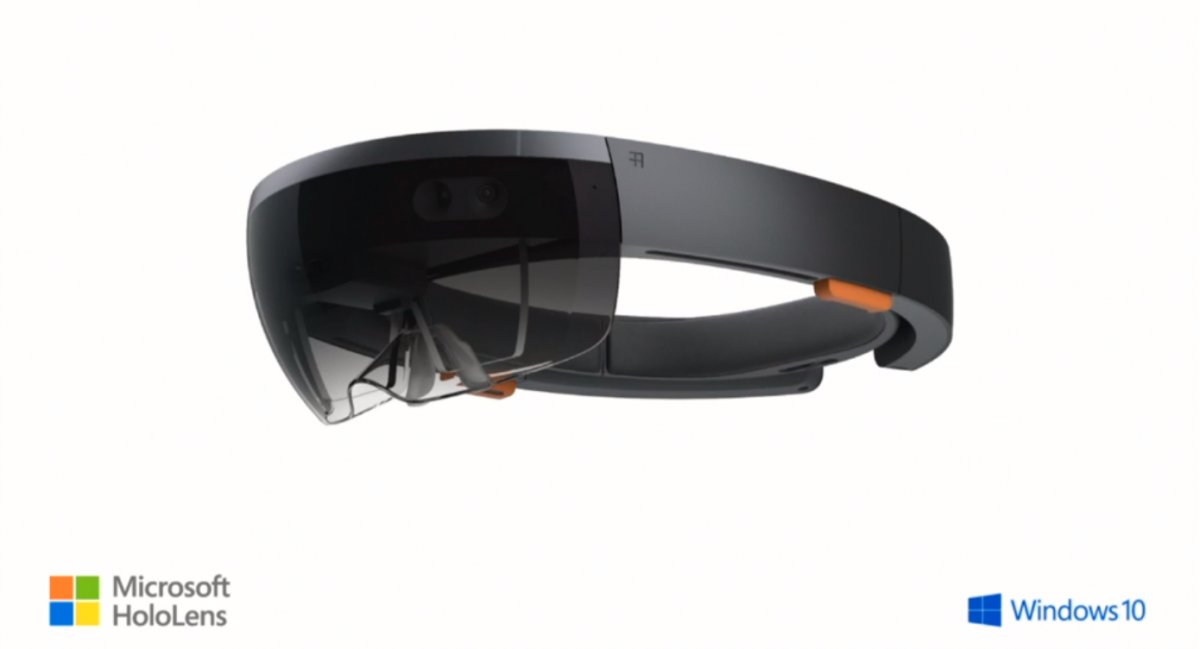
The HoloLens is a self contained computer on its own and doesn’t require connection to Phone or a PC.
The HoloLens is a self-contained computer. It includes a CPU, a GPU, and a dedicated holographic processor unit (HPU). It neither has wire nor does it require a connection to a phone, PC or any other device. It has 120 by 120 field of view, which is even wider than the Kinect. The wide view lets it see what your hands are doing even while they’re completely outstretched. The device has to process a lot of information that might lead to a lot of heat, to solve the issue; there are air vents on the side that disperse the heat. On the right side of the device are the buttons that let you adjust the volume and contrast of the Holographs.
Applications
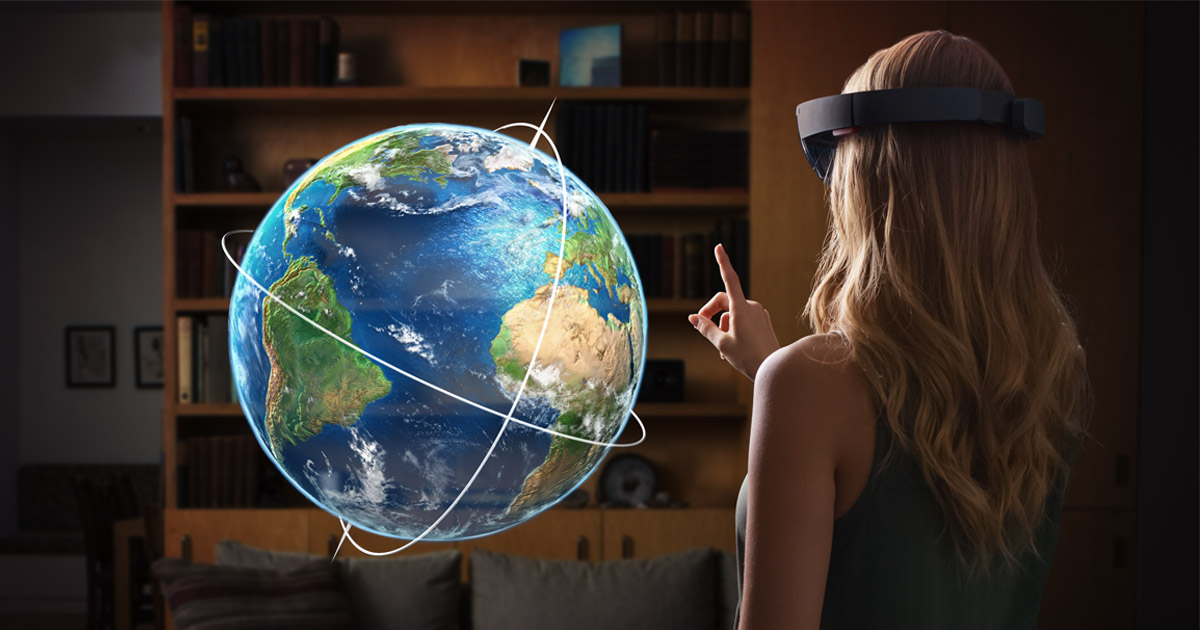
HoloLens doesn’t just present an amazing bunch of features it also makes several previous technology such as various displays almost obsolete. With the HoloLens, you can conjure a display anywhere and of any size you desire. It can be used as a teaching tool and would bring a whole new meaning to “learning by doing”. Students can be given lessons in an interactive format where they’ll get the option to manipulate the lessons to see what happens. For e.g.; a holographic globe can be used in the class learning Geography that shows the movement of ocean currents and the formation clouds caused by it. This would be a lot more interactive than a dull map with lines drawn on them.
Lessons get interactive and more engaging with HoloLens.
You can also bid goodbye to the game boards, and the gaming consoles as the entire world becomes a virtual gaming space. As the technology will progress, developers are bound to introduce virtual reality gaming that with the might of HoloLens, will be better than anything we’ve experienced till now.
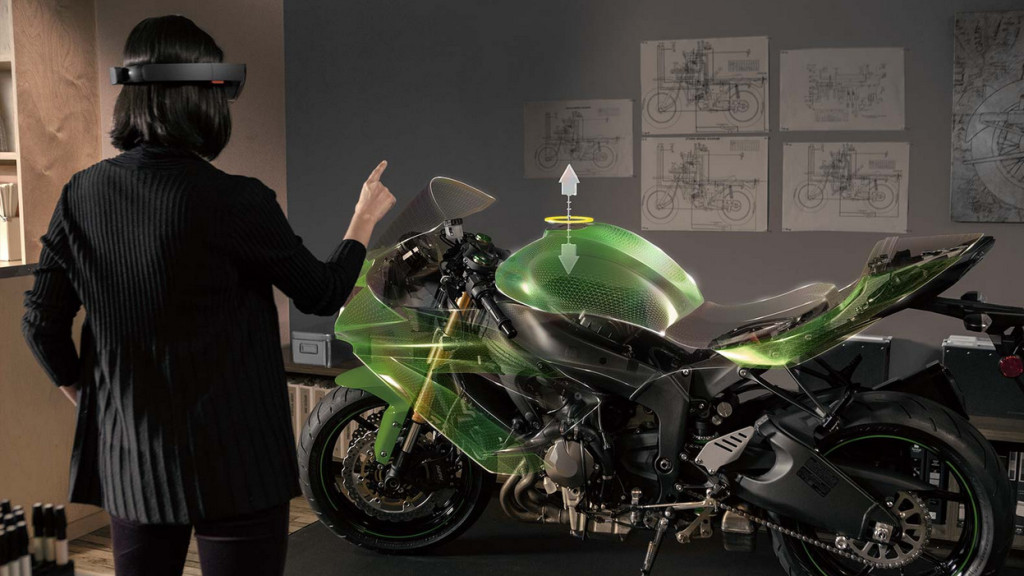
Designing process gets real easy with real time 3D modelling coupled with 3D printing.
On the enterprise front, the HoloLens will allow for virtual interactions between the entire team even if they are sitting thousands of kilometres away. Industrial designing, when coupled with 3D printing, would make the design process a lot more interactive. A vehicle designer or an architect can have an all-round view of their project and can find deficiencies and solve it after which they can get a 3D model printed.
Mars, just a HoloLens away
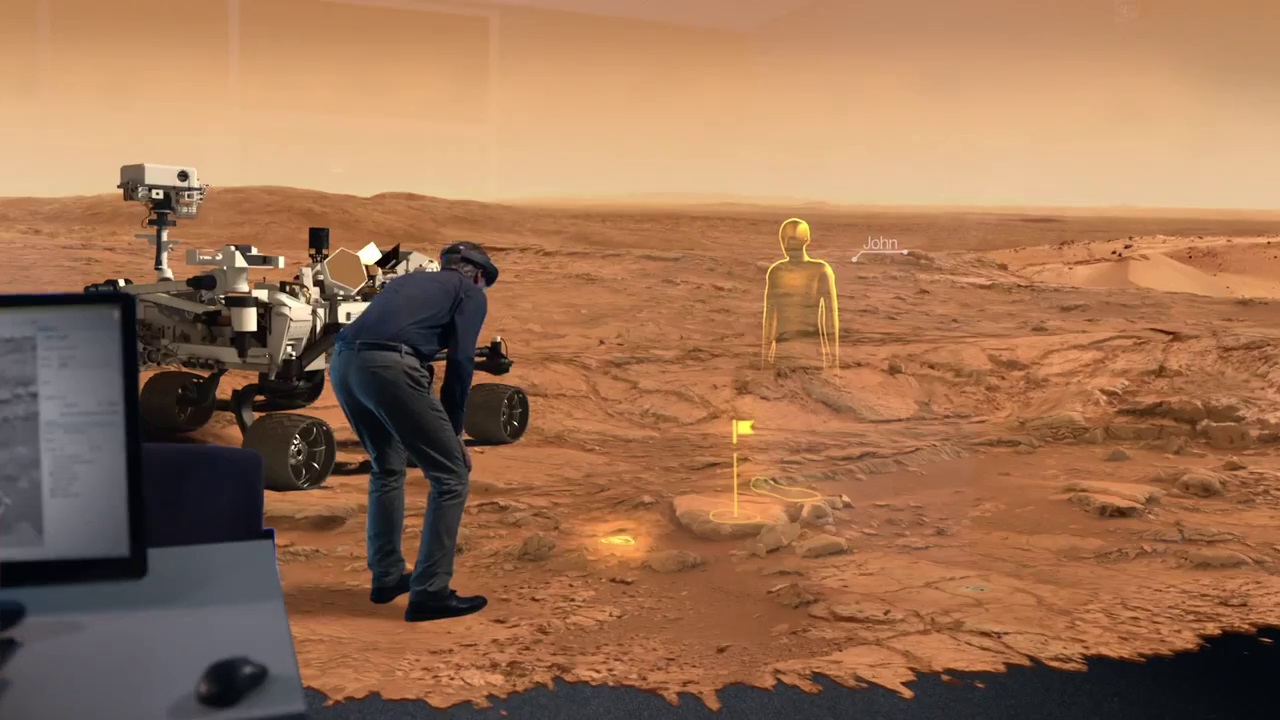
Microsoft has partnered with Nasa to create OnSight that lets scientists walk on Mars surface.
The coolest aspect of the HoloLens is how it is useful for the scientists at NASA. Now the researchers can have an immersive view of the Martian surface. To aid the scientists, Nasa and Microsoft have created a software called OnSight. Using the data sent by the Curiosity Rover on Mars, the scientist can have access to the surroundings of the rover to almost the same degree as a geologist on earth. Nasa plans to proactively use the OnSight software for the research. They also plan to integrate the technology in future missions including the next Mars rover expected to launch in 2020.
Microsoft will be opening the platform for developers this spring. The developers will get access to all the information during Microsoft’s Build conference from April 29 to May 1, 2015. Microsoft has said that it will be priced for both enterprise as well as consumer users. With the HoloLens and the successful preview of the Windows 10, Microsoft has finally managed to win our hearts again. With the HoloLens, everybody gets to be Tony Stark. Microsoft has not just pushed boundaries of holography but has also set a technological standard for others to match.
Dear Apple, that Watch just doesn’t cut it anymore, show us something that really blows our minds.
Augmented reality has come a long way. My first experience with the technology was while playing Agent V on the Nokia 3230. It was kind of rudimentary but it got the imagination rolling for a lot of fellow enthusiasts regarding the future of the technology.
Augmented reality (AR) is a digital overlay onto the real world. It enhances the real world with digital data, and therefore it is much more interesting than a completely fabricated environment of virtual reality systems. It is an ideal Reality-Virtual connect.
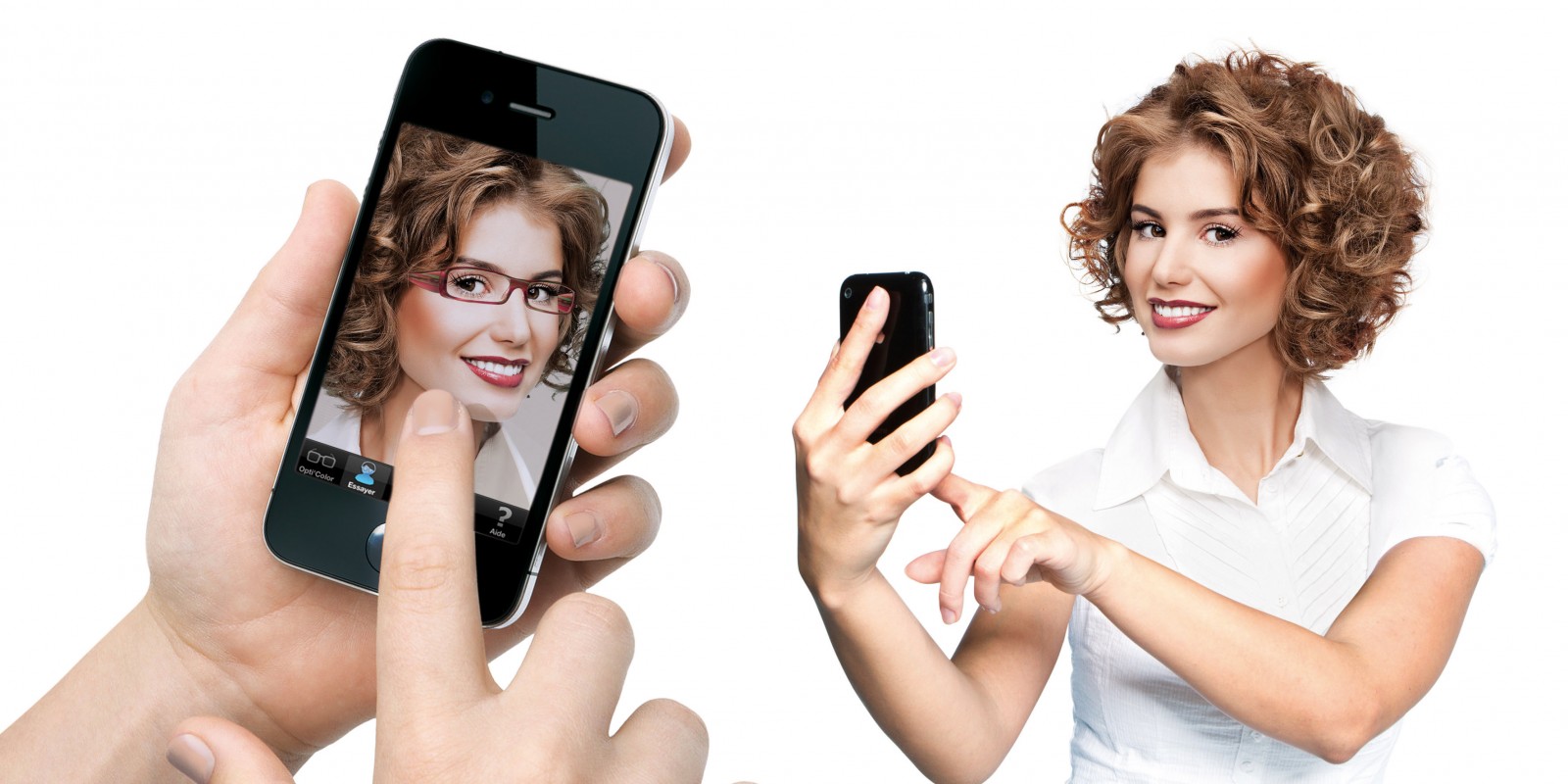
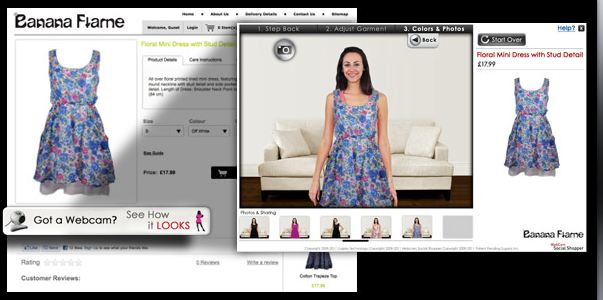
Try your Accessories right where you are.
AR presently is used in many different fields, from mobile games to areas of industrial maintenance. Its ease of integration across many mediums give it universal accessibility. One industry is presently experimenting a lot with AR is fashion.
It can help in literally every field of fashion, right from designing to marketing to retail sales. Some of the biggest names such as Hugo Boss, Burberry, Ebay’s with its “See It On” app have started inducting AR in their business model.
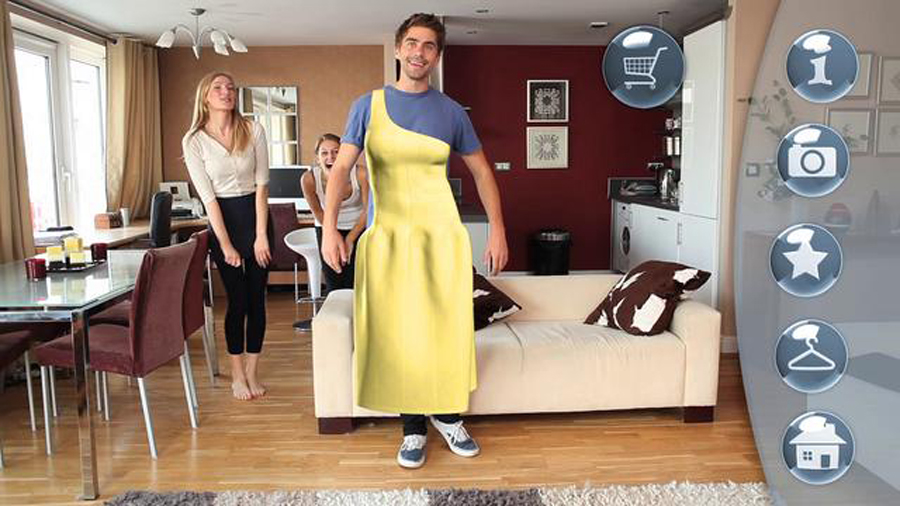
For example: The Hugo Boss store at Westfield Stratford City, features an 8-meter, media wall that allows customers to “dress” onscreen models who respond to consumers’ movements by looking at them, moving towards them and walking alongside them.
The coolest and the most advantageous aspect of AR is its flexibility of integration across a multitude of mediums like computers, mobiles, eyeglasses and even contact lenses with AR capabilities are in development. These will give the companies much more innovative ability to reach to the customers.
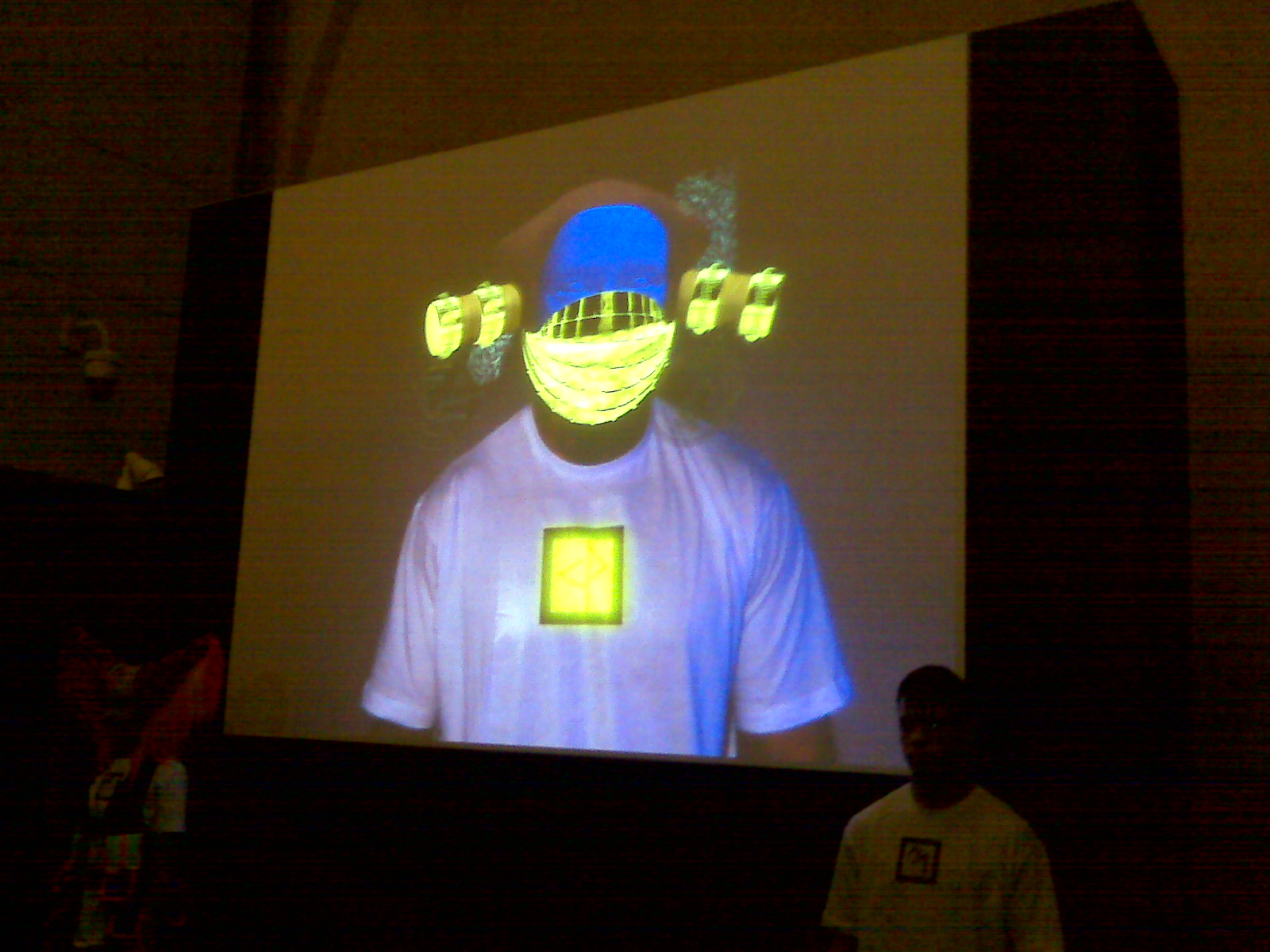
Cassete Playa makes things interesting with AR
London fashion label Cassette Playa is making it more interesting with their T-shirts. When seen through a Webcam, an AR code on the T-shirt is activated to reveal, for example, horns growing from the wearer’s head.
The fact that when people see fashion they imagine it on themselves is what encourages the company’s to give a more physical feel. The race is on towards a virtual changing room and AR is the best way forward.
If you are a person who hates shopping and the frustrating multiple visits to the changing room this may be a boon. The only issue is that if you have fat thighs like me you won’t be able to do the usual squats to make sure you are not getting choked by your jeans.
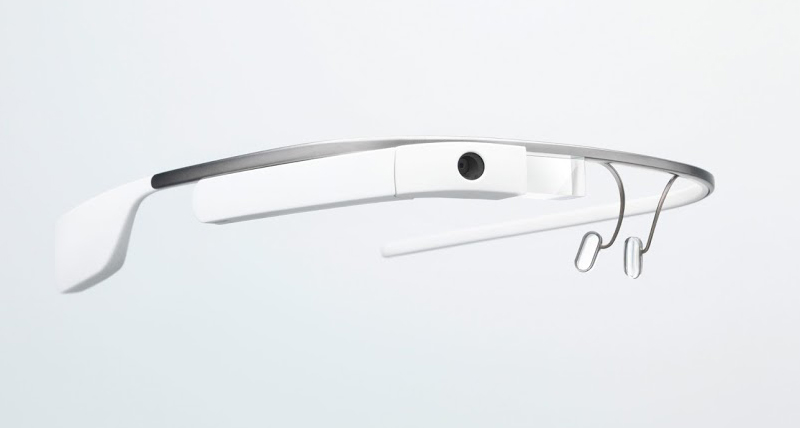
Even Google is getting in the game with its Google Glass. The company recently hired fashion executive Ivy Ross to market the glass to the general public. Ross has worked with industry giants like Calvin Klein, Swatch, Gap, Coach, and more. Guess we can anticipate a fashion trial app on the Glass too.
Virtual Trial Room with AR on Banana Flame
There are of course some dissenting voices who say practical application will take some time and its still in a marketing gimmick phase. But these critics do agree that virtual trial rooms are the more economical way forward and if history teaches us anything it’s that economic decisions always win.
It would be a wonderful technology to keep our eyes on. Maybe the days of boyfriends and husbands desperately looking for seats while their ladies take their sweet time deciding on their perfect attire is close to being history, hopefully.
Google has bought patents for wearable technology used in gaming and training simulations from Hon Hai Precision Industry Co., a primary assembler for Apple Inc.
Hon Hai, a major supplier for Apple and other top IT brands, sold a portfolio of Head Mounted Display (HMD) patents, the company said in a news release on Friday.
The technology, dubbed Head Mounted Display, is commonly used in aviation and ground displays, engineering and scientific design applications, gaming devices and training and simulation tools.
Hon Hai assembles iPhones and iPads, and the company is hiring as many as 90,000 workers in the Chinese cities of Shenzhen and Zhengzhou to meet client demand in the fourth quarter. It said it had applied for over 55,000 patent rights globally, of which over 5,000 have been approved.
Hon Hai has said it will focus on developing new technology, intellectual property rights and e-commerce as it looks to reduce its reliance on Apple.
Google has been working on the release of Google Glass, a wearable device with a head-mounted display that currently is only available to developers and hand-picked testers.
Last month, Google invested in a Taiwanese chip maker that manufactures components used in the wearable device. It said it would buy shares to hold a 6.3 percent interest in Himax Display, a subsidiary of Himax Technologies.
Apple has been granted a patent today for their invention relating to synchronized, interactive augmented reality displays for multifunctional devices or iDevices.
Image Courtesy : Apple Insider
Published by the U.S. Patent and Trademark Office, Apple’s U.S. Patent No. 8,400,548 for “Synchronized, interactive augmented reality displays for multifunction devices” describes an advanced AR system that uses various iOS device features like a multitouch screen, camera and internet connectivity, among others, to facilitate advanced AR functionality.
According to Apple, the granted patent is about a device that can receive live video of a real-world, physical environment on a touch sensitive surface. One or more objects can be identified in the live video. An information layer can be generated related to the objects. In some implementations, the information layer can include annotations made by a user through the touch sensitive surface. The information layer and live video can be combined in a display of the device. Data can be received from one or more onboard sensors indicating that the device is in motion. The sensor data can be used to synchronize the live video and the information layer as the perspective of video camera view changes due to the motion. The live video and information layer can be shared with other devices over a communication link.
Image Courtesy : Patently Apple
According to Apple Insider, The patent describes an AR system for iOS devices, which can be used in a variety of different ways. At its most basic, it works by labeling elements of an image in a live video feed, as when it names the parts of a circuit board being shot with the rear-facing camera on an iPad-like device in Apple’s patent.
The iOS device employing the AR tech is also described as being able to show both the straight image itself, and the version with overlaid information at once in windows side-by-side, allowing both an unobstructed view and one with all the contextual information.
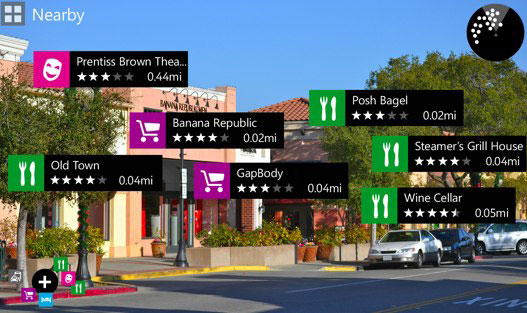
Nokia’s Augmented Reality app from Symbian called “City Lens” has appeared on Lumia devices for trials. Almost LAYAR like interface, the app allows you to check in real time the points of interests around you, like eating joints etc.
The app is only available for Beta testers so you will need to register as one if you are itching to try it on for size.
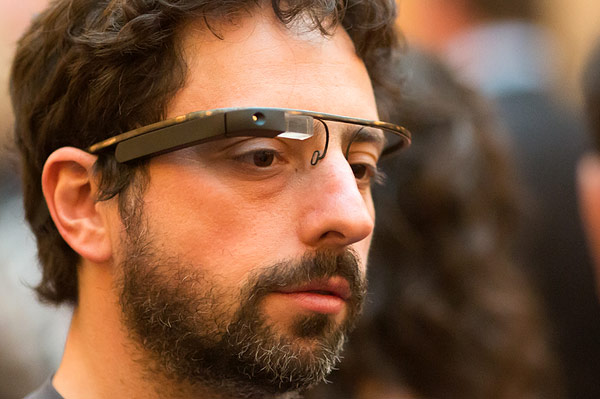
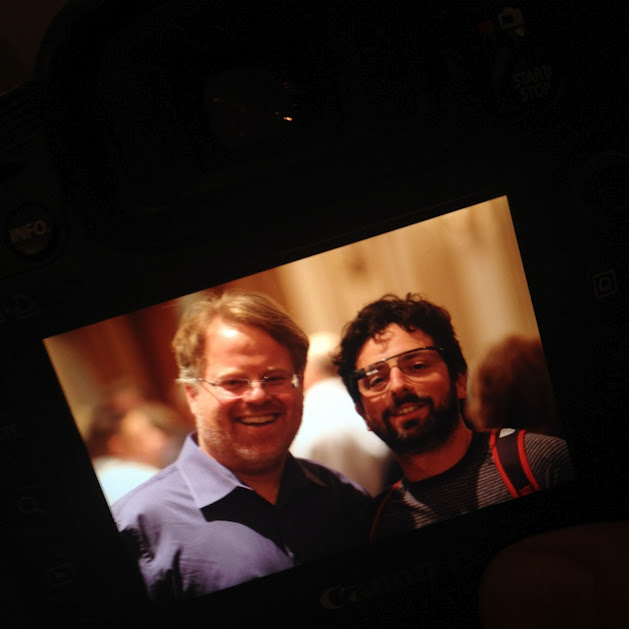
Were you wondering if the Google Glass prototype was actually real or just a pro type in the testing? Well, here is the answer, apparently Google is really serious about the project. How serious you ask? Google C0-Founder Sergey Bring was spotted wearing a prototype at a recent charity event for the Foundation Fighting Blindness. Robert Scoble posted the images on his Google+ account for the world to see in amazement. According to the comments in his post other people, including Google exec Vic Gundotra also have the prototype glasses.
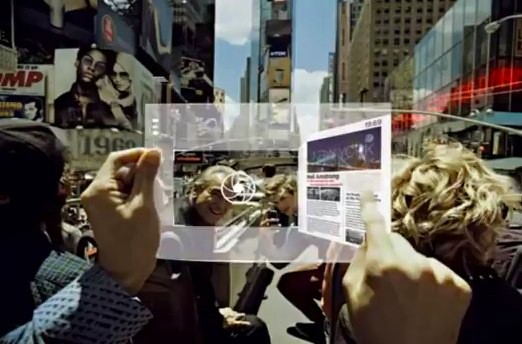
Samsung has released an Ad of what the future of our displays may be like. A mix of tablets and AR gives you a great look at what the future may hold if we are to believe Sammy.
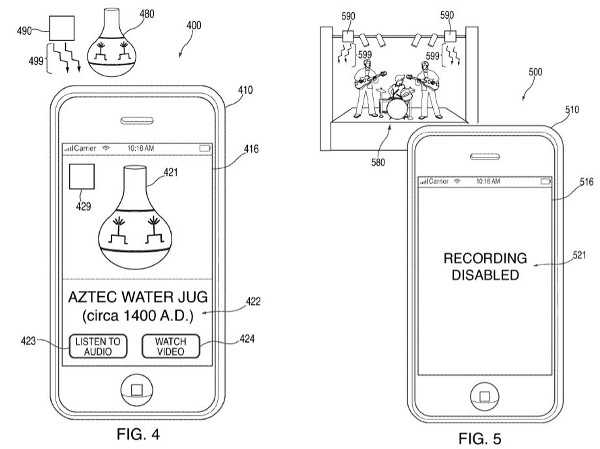
Apple inc. filed a patent yesterday, that they could actually potentially use. Pairing an infrared sensor with the camera already on board, portable devices could receive data from transmitters placed on strategic locations at copyright events.
These transmitters would prevent the camera from recording and would instead show, watermarks, blank screen and even warning messages to the smartphone user.