Tag: Bezel-less

  • Specifications Of Sony’s Upcoming Bezel – Less Phone Leaked

    Specifications Of Sony’s Upcoming Bezel – Less Phone Leaked

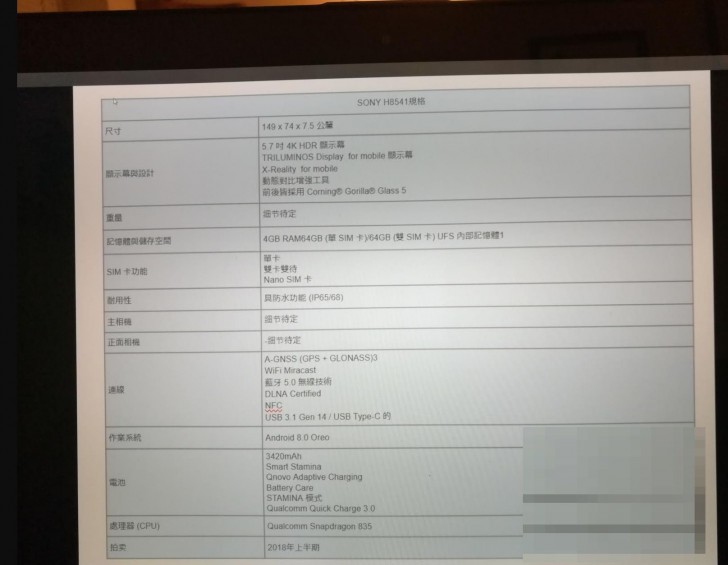
    Sony has been one of the few smartphone makers who hasn’t jumped the bezel-less smartphone train so far and has continued with its tried and tested designs. All of that appears to be changing as the specifications of an upcoming bezel-less smartphone from Sony have been leaked online.

    According to the leaked spec sheet, the device will have a 5.7-inch 4K HDR display with Gorilla Glass 5 on top.

    Another interesting thing to note here is that Sony H8541 will have the Qualcomm Snapdragon 835 chipset. Now, the Snapdragon 835 is a flagship chipset for only a couple of months more as the Galaxy S9 will have the Snapdragon 845 chipset. The new 2018 flagship chipset won’t be available to smartphone makers until a few months after the launch of the Samsung Galaxy S9 and S9+, similar to what happened during the Galax S8 launch, thanks to a deal between Qualcomm and Samsung.

    The upcoming Sony H8541 will have 4GB of RAM, 64GB of onboard storage which could be expandable via microSD card. it will be powered by a 3420 mAh battery which will charge via a USB Type C port.

    Other that that, the spec sheet mentions the presence of Bluetooth 5.0, GPS, GLONASS, NFC, and IP68 water and dust resistance.

    There are no details about the camera on this phone.

  • Samsung Galaxy S9 May Have A Record Breaking 90% Screen-To-Body Ratio

    Samsung Galaxy S9 May Have A Record Breaking 90% Screen-To-Body Ratio

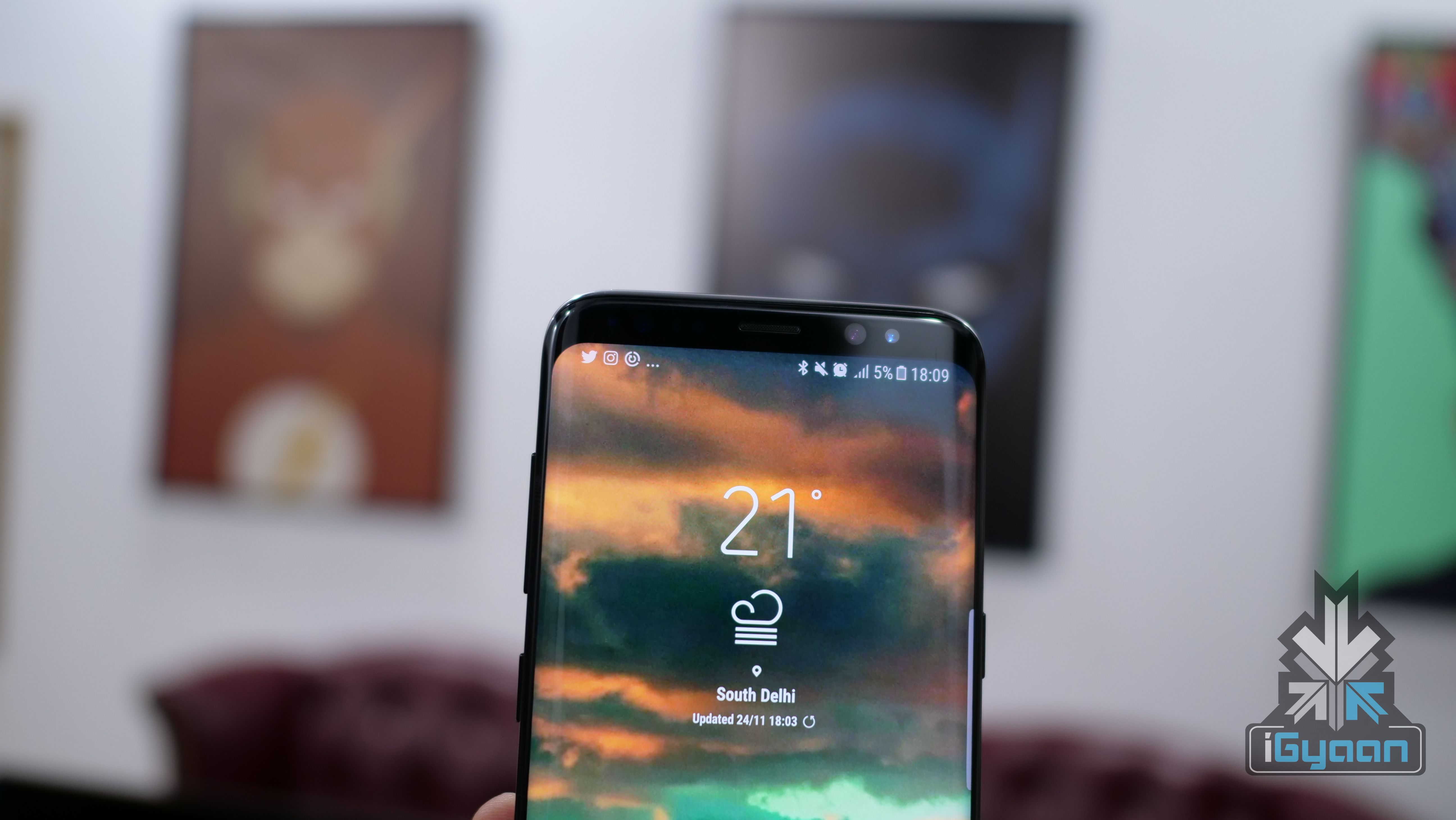
    Bezel-less displays are the talk of the town. 2017 has been the year of shrinking bezels and it appears that 2018 will take this trend a step further. A new report suggests that the Samsung Galaxy S9 will have a whopping 90% screen-to-body ratio.

    To assume that the Galaxy S9 will have smaller bezels than the Galaxy S8 is not wrong. As an incremental upgrade, it is bound have even more shrunken down bezels but, hitting the 90% mark will certainly set the record straight and the precedence of the best screen-to-body ratio on a phone. All of this will happen fairly early on in the year as well, since the Samsung Galaxy S9 and Galaxy S9+ are expected to be launched in March.

    According to the information we have received, the bottom chin seen on the Galaxy S8 will be next to non-existent on the Galaxy S9, and the top bezel will be narrower than the S8’s bottom bezel.

    With all the high profile launches for 2017 done and dusted, it makes sense that we start receiving “exclusive” and “concrete” information about the 2018 flagship phones and there are a few other things that we know about the Galaxy S9 and Galaxy S9+ so far.

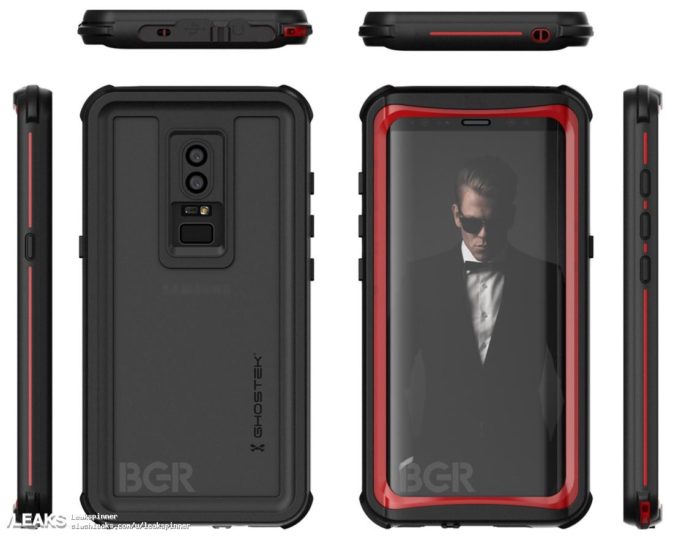
    Galaxy S9 Design Leaked In Case Renders

    The Galaxy S9 series will be nearly identical to their predecessors and will only include some hardware upgrades. The Galaxy S9 is reportedly codenamed Star 1 and will bear the model number SM-G960, while the Galaxy S9+ will be codenamed Star 2 and will have the model number SM-G965.

    The display size of both the phones will be identical to their 2017 counterparts with the Galaxy S9 sporting a 5.8-inch Super AMOLED display while the Galaxy S9+ will have a 6.2-inch display. The bezels will be thinner than the previous generation devices with the infamous curved edges and “Infinity Display.”

    Unlike 2017, where there were barely any differentiating factors between the Galaxy S8 and Galaxy S8+, Samsung is planning something different for 2018. It appears that the Galaxy S9 will have a single camera at the back while the Galaxy S9+ will have a dual camera setup at the back. This will give consumers extra incentive to spend more money on the Galaxy S9+.

    In terms of pricing, it won’t be a surprise if the Galaxy S9+ surpasses the Galaxy Note8 price and touch the thousand dollar mark, similar to the iPhone X.

  • LG Launches The LG V30 At IFA 2017 In Berlin

    LG Launches The LG V30 At IFA 2017 In Berlin

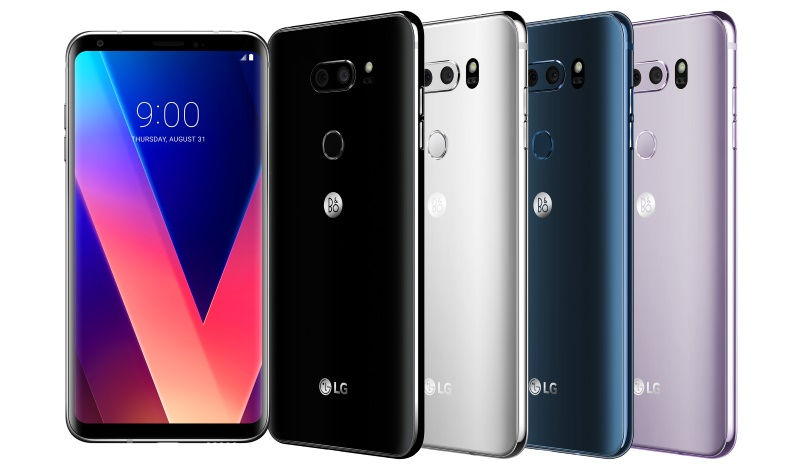
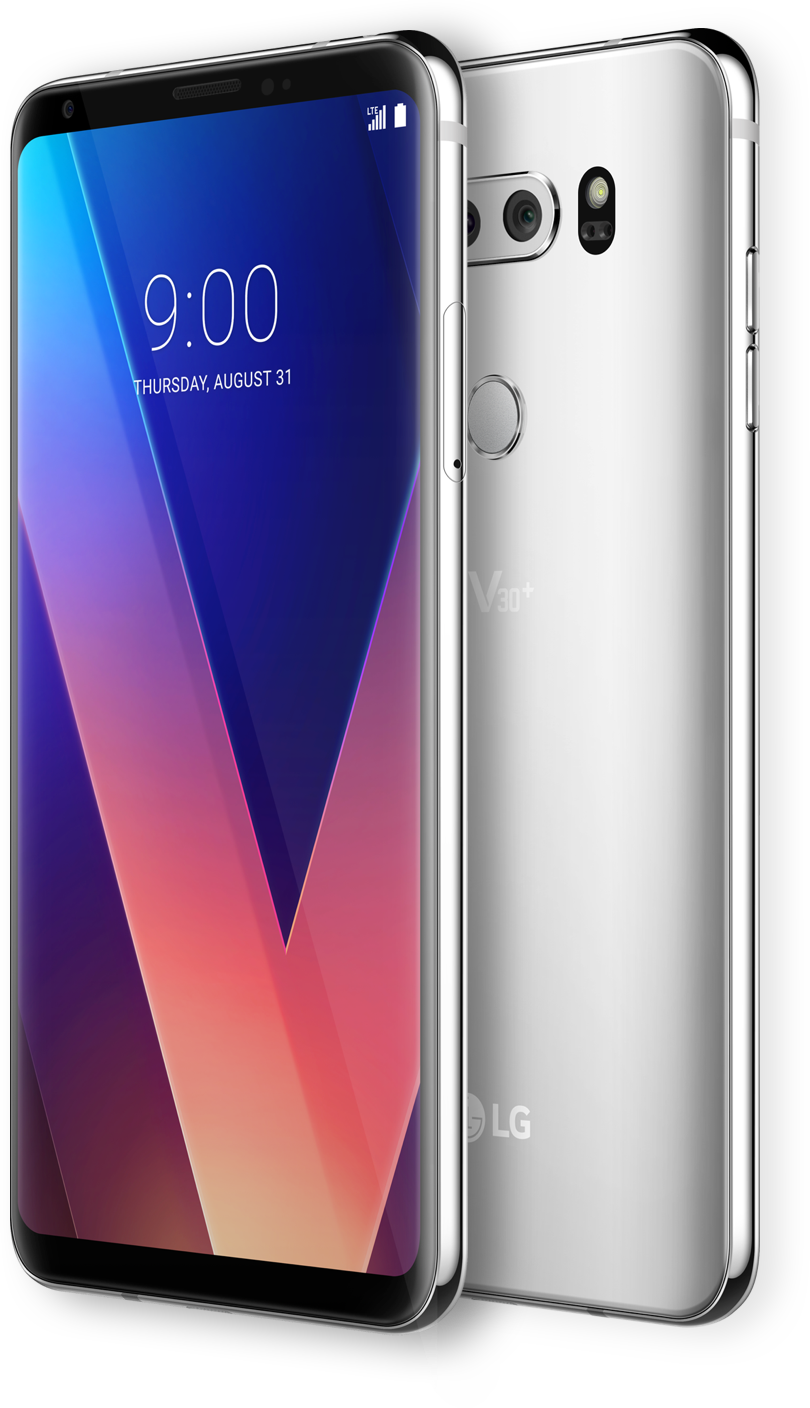
    LG has officially launched the LG V30 today at the IFA 2017 in Berlin. The LG V30 will succeed last year’s V20 and is a significant departure from the design language of LG’s V series. The LG V30 has a design similar to the LG G6 with thin bezels and rounded edges, and an 18:9 aspect ratio display. The LG V30 is available in four colour variants – Aurora black, Cloud silver, Moroccan blue and Lavender violet

    The LG V30 has a 6 inch 2880 x 1440 px OLED FullVision display, LG’s first, with an 18:9 aspect ratio and Corning Gorilla Glass 5 for protection. LG’s nearly edge-to-edge OLED display has HDR 10 format for high level of colour contrast and as announced, the smartphone will be Daydream compatible.
    The LG V30 is powered by a 3300mAh battery with wireless fast charging which supports 3.0 quick charge. The smartphone runs Android 7.1.2 with LG’s UX 6.0+ on top which offers a few customisation options. A big omission from the V30 is the secondary display, which was a signature in the previous V series devices. Instead, LG has introduced a Floating Bar which displays shortcuts and can be disabled when not required. The LG V30 has the Qualcomm Snapdragon 835 chipset, 2.4GHz octa-core processor, GB RAM and 64GB/128GB onboard storage with up to 2TB of expandable storage via a microSD card. The V30 has IP68 rating for water and dust resistance and MIL-STD 810G rating for durability.  

    LG has partnered up with Bang & Olufsen this time around to deliver sound quality ideal for media consumption and the B&O logo appears on the rear of the smartphone just below the fingerprint scanner. Thanks, to the partnership, LG V30 incorporates a 32-bit Hi-Fi Quad DAC powered by Bang & Olufsen with few sound presets like enhanced, detailed, bass and live. The smartphone also has support for Master Quality Authenticated (MQA) technology for high-resolution audio streaming.

    Aside from the rear mounted fingerprint scanner which also doubles as home button, LG has introduced few new security features in the LG V30 such as facial and voice recognition. The voice recognition will even work along with the music playback.
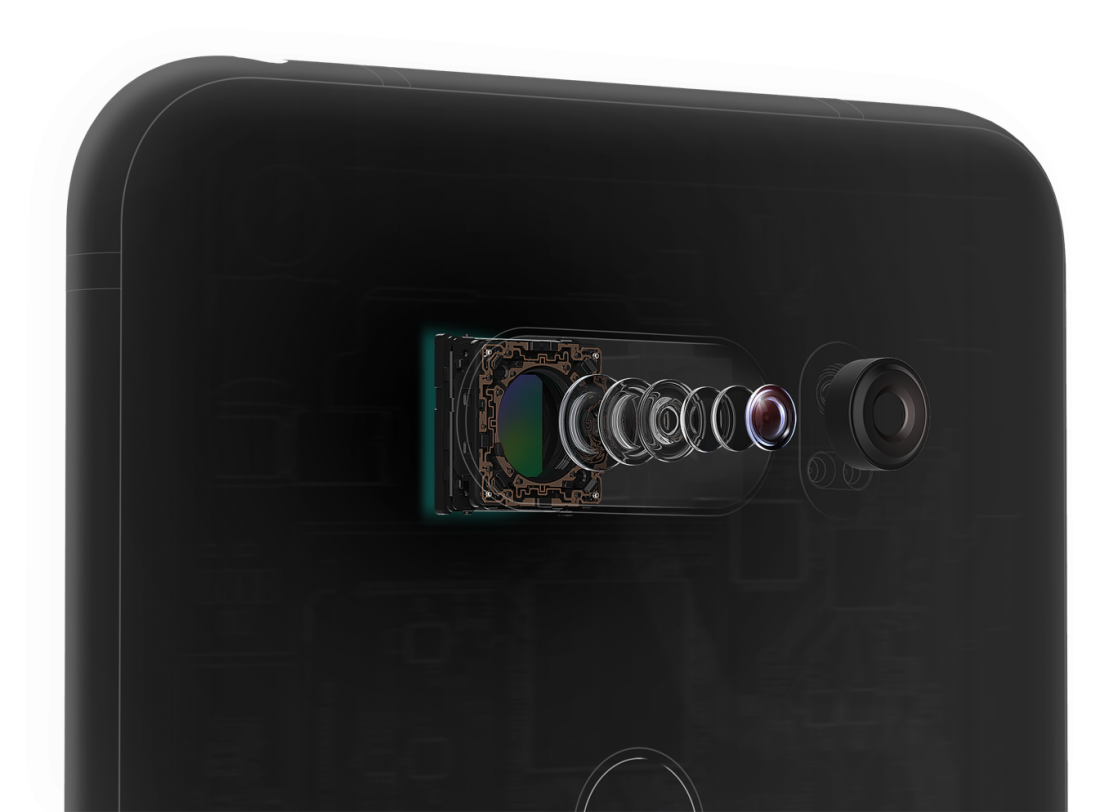
    On the camera front, the LG V30 features a dual-camera setup at the back. As LG had announced, this smartphone has the first ever inbuilt camera unit to feature a 16MP crystal clear lens made of glass with an f/1.6 aperture and another 13MP wide angle lens with an f/1.9 aperture. Compared to the f/1.8 aperture cameras on the iPhone 7Plus and the Samsung Galaxy S8+, the camera on the LG V30 will let 25% more light to pass through. The glass lens also delivers greater light-collecting ability than a plastic lens as well as better colour reproduction. The camera will feature laser detection AF, optical image stabilisation and electronic image stabilisation. On the front side, the LG V30 sports a 5MP wide-angle camera with an aperture f/2.2.

    The LG V30 is designed for cinematic videography, claims the company. The smartphone’s CineShot movie mode and cine effect enables users to apply color palates. Other features include point zoom, which allows you to tap anywhere on the screen to lock your focus and zoom and the LG’s CineLog format for easier color grading.

    Juno Cho, president of LG Electronics Mobile said, “The V series has always been demonstrating new practical mobile technologies that contribute to high quality content creation and the V30 has not lost sight of its roots, with its F1.6 Crystal Clear Lens Camera and Cine Video mode, the LG V30 is designed to help create professional-looking content without professional-level complexity.”

    No details about the pricing or availability of the flagship LG V30 have been revealed yet.
  • Xiaomi Mi MIX 2 Is Officially Launching On September 11

    Xiaomi Mi MIX 2 Is Officially Launching On September 11

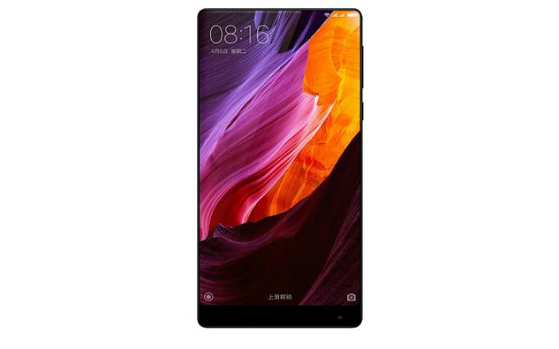
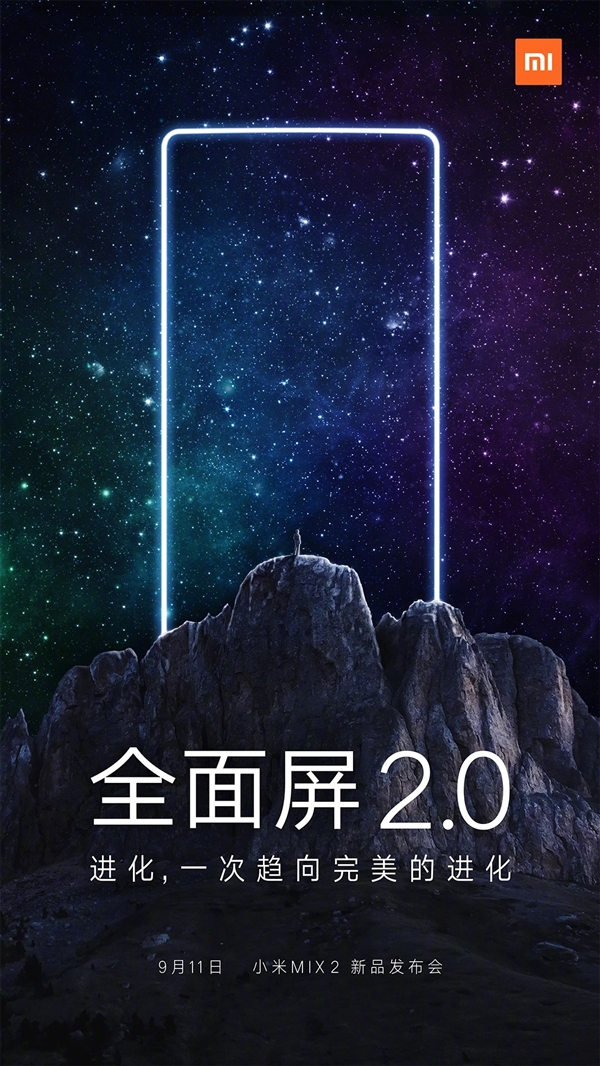
    Xiaomi has just officially announced that the Mi Mix 2, successor to last year’s Mi Mix will be launching on September 11. Xiaomi VP and India MD Manu Kumar Jain tweeted the official launch date.

    An image shared during the event announcement shows that the phone features an all display front much like the last year’s Mi Mix. The launch poster shows the top half of the near bezel-less display of the smartphone, suggesting a 93 per cent screen-to-body ratio, much higher than the original Mi MIX.

    Rumoured specifications of the Mi Mix 2 include a 6.4 inch curved AMOLED display with a QHD resolution, a Qualcomm Snapdragon 835 chipset with up to 6 GB of RAM and and 128 GB of internal storage. The smartphone will run MIUI 9 on Android Nougat. The phone is expected to be powered by a 3,400mAh battery.

    Not much has been disclosed on the camera front, but the Mi Mix 2 is expected have a dual camera setup, similar to that seen on the Xiaomi Mi 6, with Optical image stabilisation and depth effects. The Xiaomi flagship will reportedly be priced at CNY 4999 or Rs. 48000 approx.

    If the date is confirmed then Xiaomi will be going head to head with Apple’s Launch, as the iPhone maker is also reportedly set to launch its iPhone 8, iPhone 7S and iPhone 7S Plus on Sept. 12.

  • Android creator Andy Rubin teases His Upcoming Smartphone’s Bezel-Less Display

    Android creator Andy Rubin teases His Upcoming Smartphone’s Bezel-Less Display

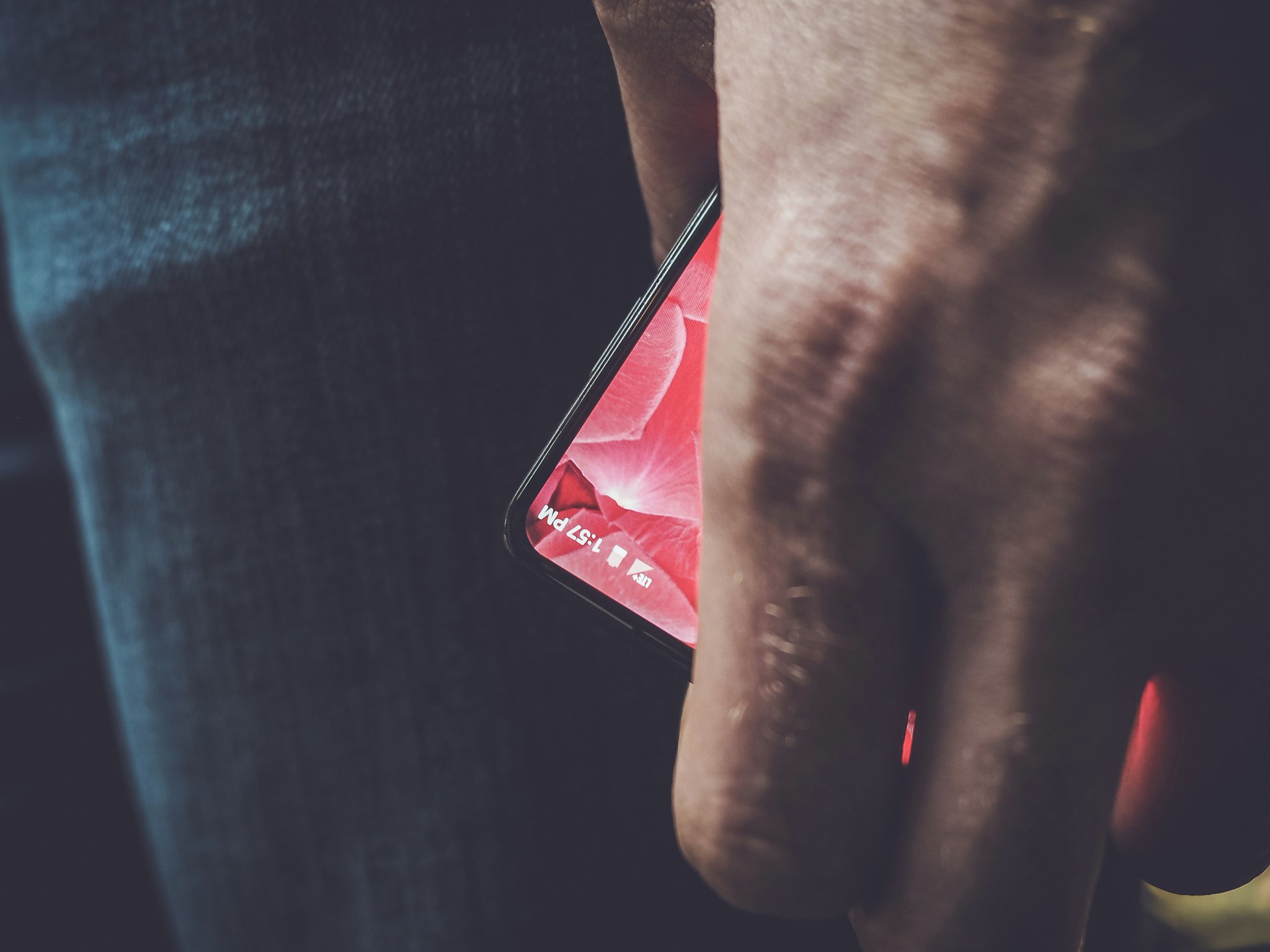
    Android co-creator Andy Rubin is working on a new smartphone, and he just teased it in an image on his twitter. Rubin’s company, Essential Products Inc. will be making this phone which only appears partially with the edge of the front right-top corner showing. The tweet reads :

    I’m really excited about how this is shaping up. Eager to get it in more people’s hands…


    The design reminds us of the Mi MiX however, the edges of the display itself seem to be rounded, and the phone seems a lot more compact than the Mix. Essential Products Inc. is also working on a technology which is similar to Apple’s 3D touch. According to reposts, a few of the prototypes made by Rubin’s company have a size larger than the iPhone 7 plus but with a bezel-less display and ceramic back.


  • Samsung Galaxy S8 May Be Bezel-less And Sport 4K Display

    Samsung Galaxy S8 May Be Bezel-less And Sport 4K Display

    According to reports from Korean publications Samsung is moving hard and fast towards the Samsung Galaxy S8. The upcoming phone will apparently ditch the home button for a full screen experience killing the top and bottom bezel as well.

    The full display front will still house a fingerprint scanner, but it will be under the touchscreen OLED Display and not in a button. The display will be a big play for Samsung for the Galaxy S8 launch allowing Samsung  to fill the front side of the phone with an edge-to-edge display.

    Samsung will keep the Dual Edges seen on the S7 Edge, while rumours in the past have mentioned a 4K display for Samsung’s next years flagship.

    Samsung is barely moving on from the Note 7 Explosion fiasco, a launch of its next model flagship may actually save the hugely affected mobile business.

    The Samsung Galaxy S8 is also expected to appear with a new Exynos chipset for Global markets and a Qualcomm Snapdragon 830s Chipset for the US and select other markets. Samsung will launch only one S8 with the edge display removing the non-edge phone from its lineup.

    The Samsung Galaxy S8 will be the first Samsung phone to feature a dual-camera setup on the rear camera. However, unlike Apple iPhone 7 Plus, the 16 megapixels and 8 megapixels sensors will not be used for a zoom feature. Samsung will also jump on the RAM cart with 6 GB of RAM and offer 128 and 256 GB storage options.


  • New Sony Xperia C6 Render Reveal Design Details

    New Sony Xperia C6 Render Reveal Design Details

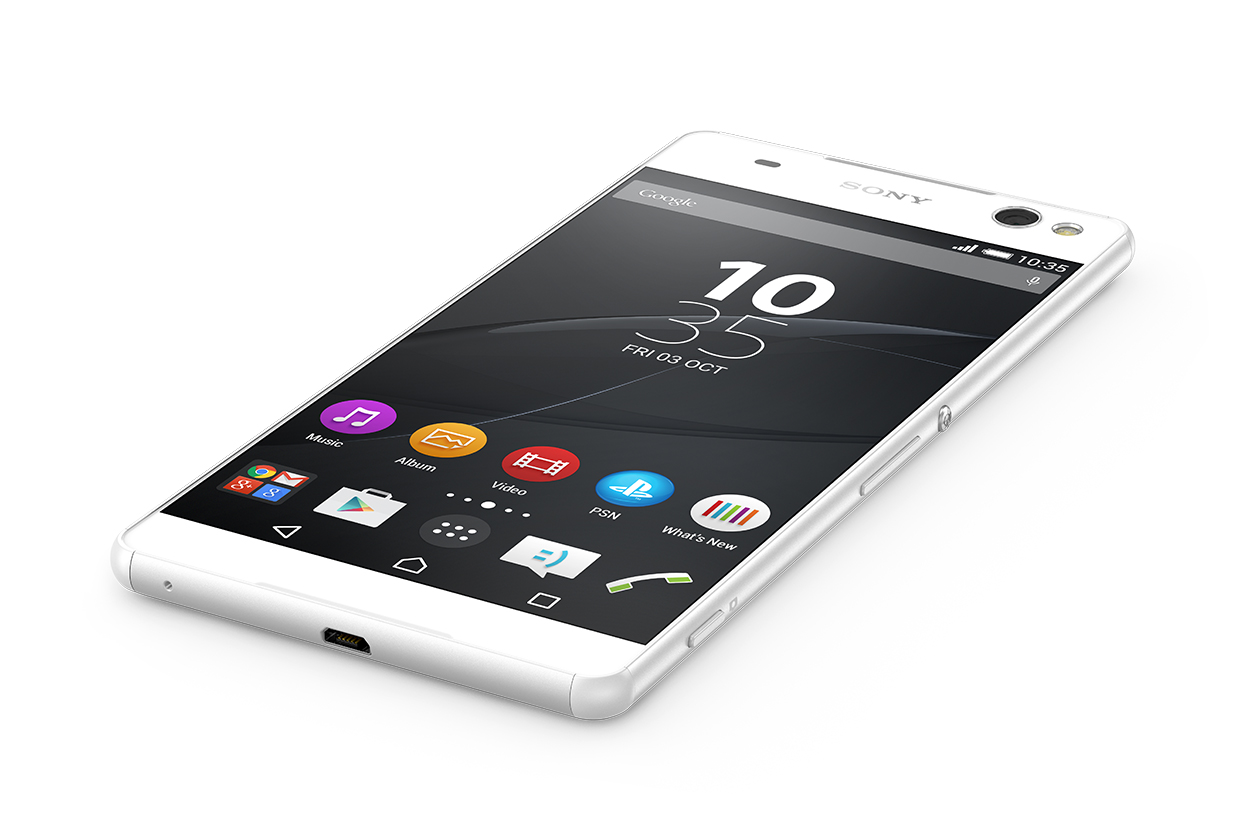
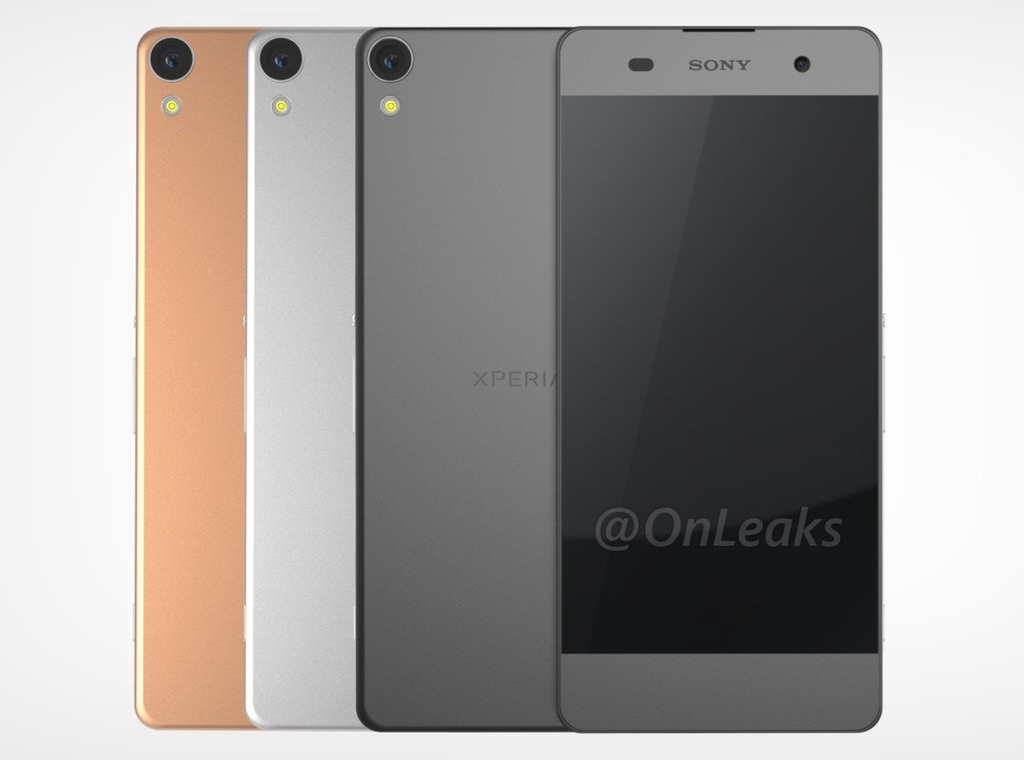
    Just ahead of the Mobile World Congress, rumours and renders and leaks are doing the rounds like there is no tomorrow. The latest update to be added in this list is of a bezel-less design for the Xperia C6. Sony Xperia C6 Renders

    Sony will hold a press conference at the MWC where it would announce new devices, Xperia C6 will be one of them. @OnLeaks have come up with a new render of the device based on its factory schematics. Xperia C6, with its bezel-less display, seems inspired by an older mid-range Sony device, Sony Xperia C5 Ultra, another device which has a near-bezel-less display.

    The device is expected to be powered by an octa-core MediaTek Helio P10 processor. Many believe that Sony is pretty much committing commercial hara-kiri by opting for MediaTek Helios P line. Sure they have low TDP, and Snapdragon 800 is a more expensive series but it’s definitely more reliable.

    Coming back to the design of C6, the render also suggests three colour variants. This is all the dope we have on the new Sony device. Watch this space for more.

iGyaan Network
Privacy Overview

This website uses cookies so that we can provide you with the best user experience possible. Cookie information is stored in your browser and performs functions such as recognising you when you return to our website and helping our team to understand which sections of the website you find most interesting and useful.