Tag: Biometrics

  • Whatsapp Introduces Biometric Authentication On iPhone

    Whatsapp Introduces Biometric Authentication On iPhone

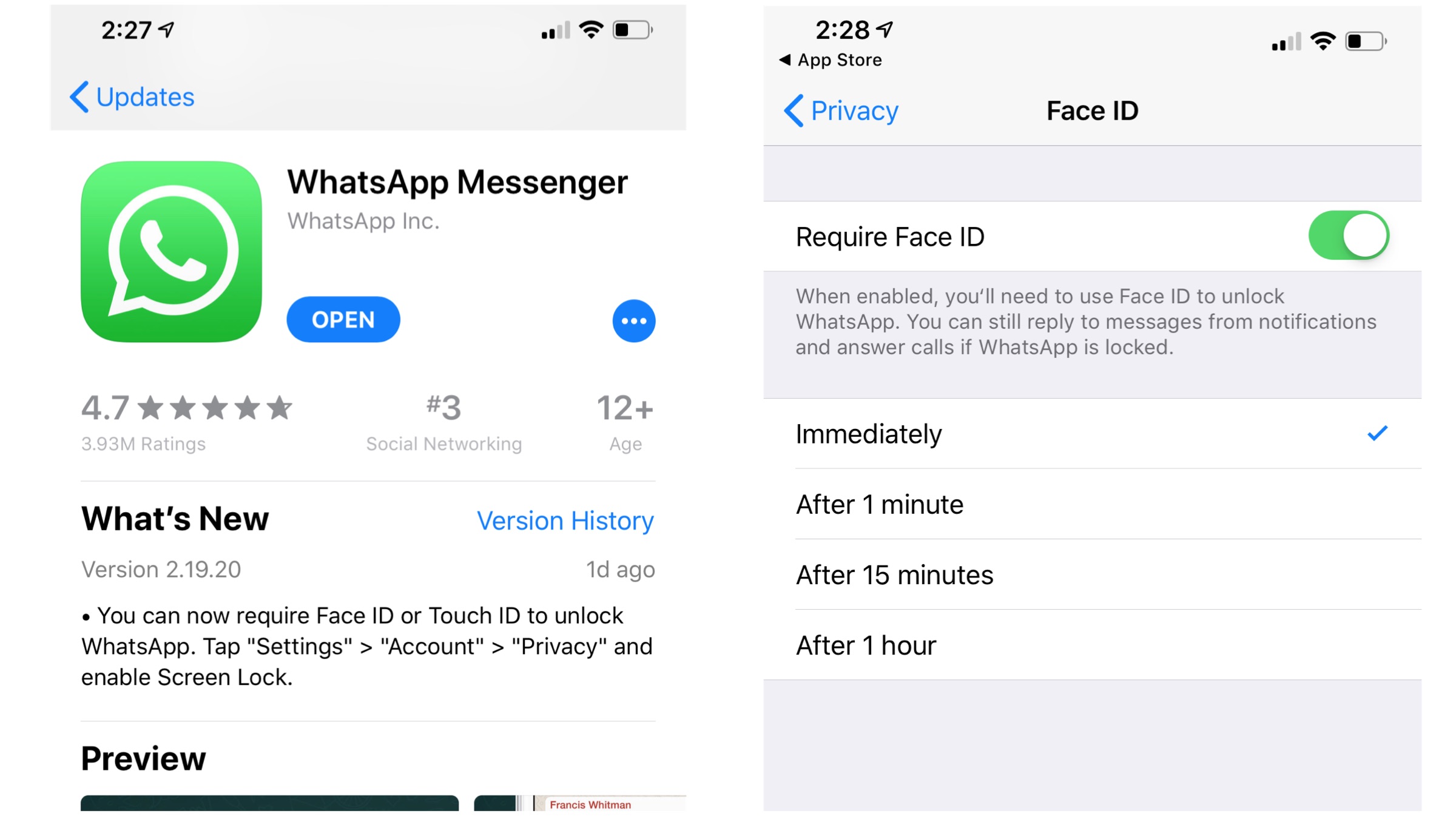
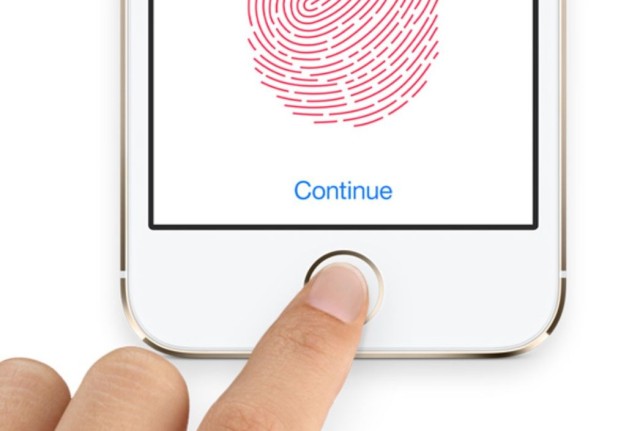
    Whatsapp, the world’s most used IM (Instant Messaging) platform has finally brought its FaceID and TouchID authentication to it’s iOS beta users. First spotted by WABetainfo, the new feature has been introduced with the latest 2.19.20.19 update. This update now adds a fingerprint lock, or TouchID, to all its conversations. 
    Previous Encryption 

    The company already introduced end-to-end encryption to all its instances in 2016. With the introduction of this new feature, whatsapp is even more secure, because it eliminates any snooping from your device. Read on to find out how you can avail the latest changes to the widely used social messaging platform. 

    How To Enable FaceID/TouchID Authentication?

    If you have the iPhone X or above, you can use Face ID to get into the application. And if you have one of the older iPhone versions, don’t worry, because the app will use your TouchID to encrypt your chats. To turn this extra piece of security on, just launch the app, and go to Whatsapp Settings > Account and click on Privacy. You will then need to select your screen lock from your settings menu. One thing to note here is that fact that you can still reply to messages from the locked screen if you’ve allowed access. 

    Once you’ve configured this, you’ll have to restart your Whatsapp application to get the new authentication feature to work. Whatsapp will then authenticate you in order to use the app. You need not worry if you can’t get in. There’s a failsafe, which allows you to enter the app by just entering your passcode. It’s simple as that. 
    Also Read : Google Removes 29 Malicious Photo-Editing Apps From Play Store

    Also, with the new update comes the option to select and download a specific sticker from the sticker pack. But the chats authentication is certainly Whatsapp’s focus here. Are you excited about this added security layer? Share your views with us in the comments below 
     

  • Samsung’s Future Smartwatch to Use Your Veins for Identification

    Samsung’s Future Smartwatch to Use Your Veins for Identification

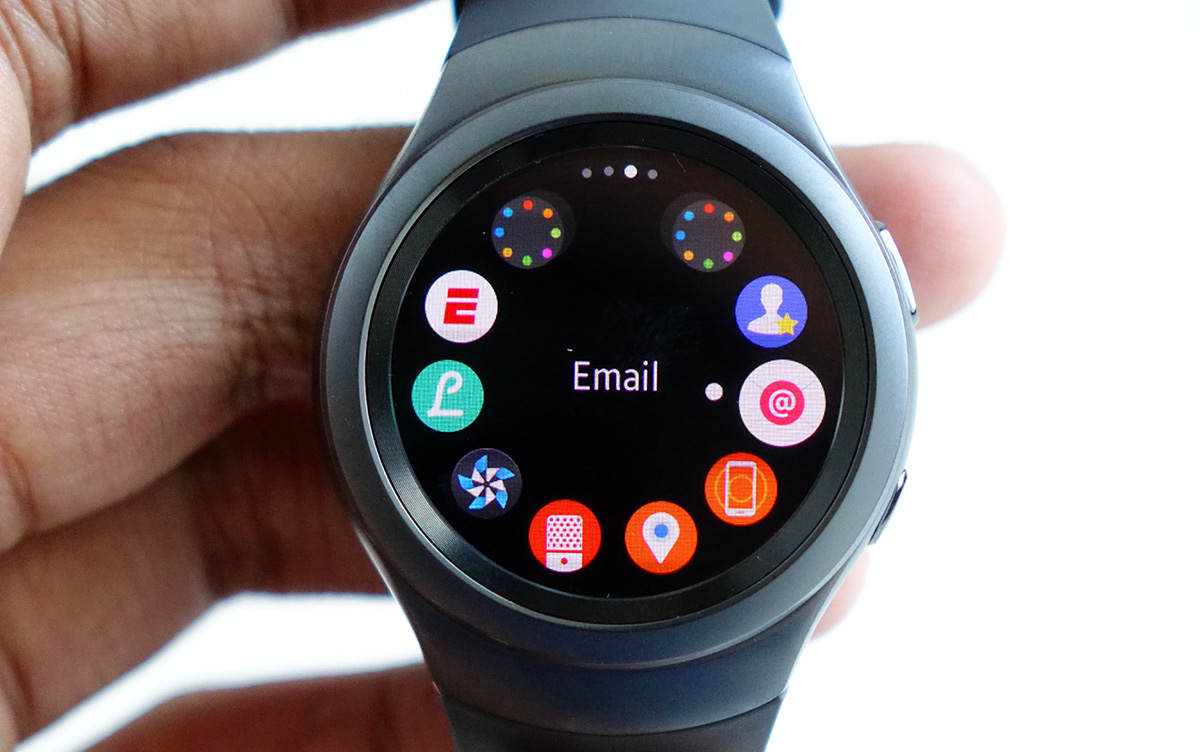
    A new patent granted to Samsung hints that the south Korea based tech giant may bring to the wearable-market a concept futuristic enough to put the Terminator to shame. Samsung plans to incorporate a new biometric user authentication system in its smartwatches and other wrist-based wearables of the future.

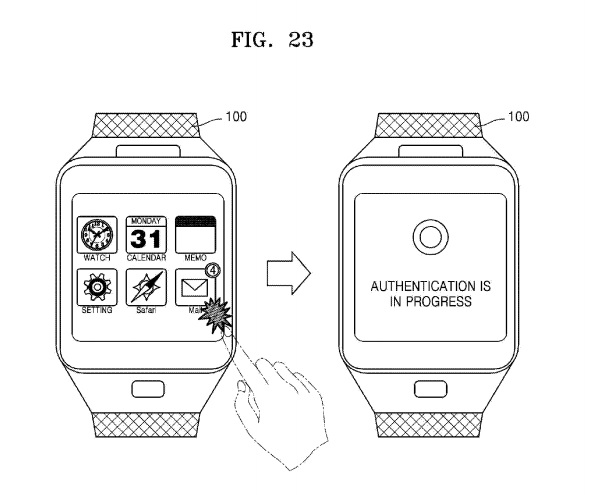
    According to a new patent filed by Samsung, the company is toying with the idea of using advanced biometrics in its smartwatches of the future that will recognize you by your veins.

    Samsung-vein-patent-02

    The patent talks about a system in which light sensors work in tandem with the camera sensors trace the user’s vein structure and simultaneously also detect the user’s pulse. Since vein structure and pulse are unique to individuals they will be used for identification when the user puts on the smartwatch.

    The patent information indicates that the software could offer custom contact lists and ringtones upon identification of the user. Further uses of a smartwatch equipped with such high-level biometric tech could be the smartwatch being used like a key to open a car door or your house. It also could be used to authenticate a mobile payment, replacing the currently used fingerprint sensor or password sign-in.

    The patent filing describes the tech as:

    “A wearable device comprising: a sensor configured to capture a vein image of a user;…identify the user by comparing the captured vein image with at least one registered vein image; and in response to determining that the identified user has an execution authority for the selected function or application, execute the function or the application.”


iGyaan Network
Privacy Overview

This website uses cookies so that we can provide you with the best user experience possible. Cookie information is stored in your browser and performs functions such as recognising you when you return to our website and helping our team to understand which sections of the website you find most interesting and useful.