Have you ever felt that the pictures you take of popular places around you have been photographed to no end? You go to a beautiful location and you’re ready to take pictures to upload on Instagram and Pinterest, but you look around and find everyone else doing the same thing – taking pictures from generic positions and angles.
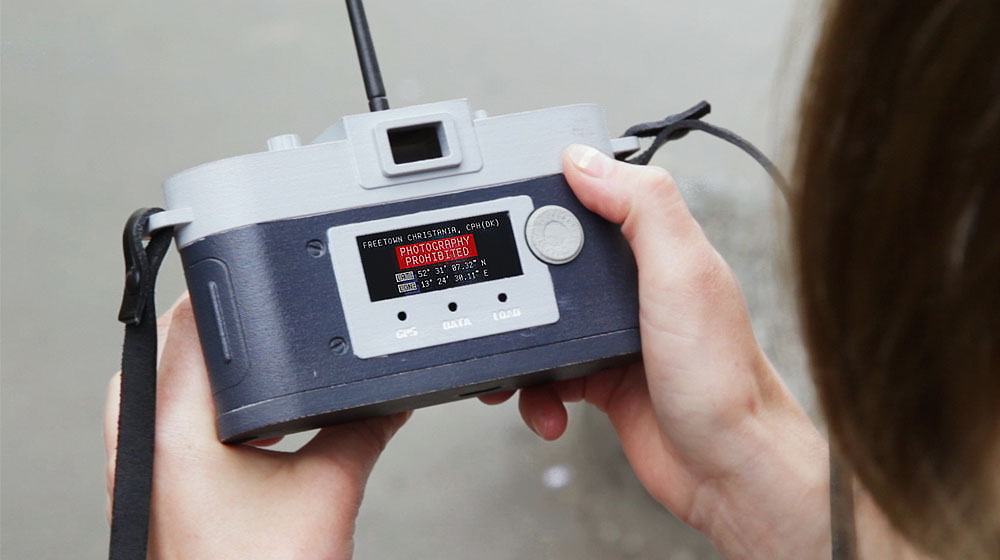
Well, what if we told you that there is a camera that pushes you to take new and innovative pictures of popular locations and won’t let you click them from angles that are too common? This is exactly what a German designer Philipp Schmitt has developed. Schmitt has created a concept camera called, Camera Restricta, that stops you from taking pictures from frequently snapped locations.
The camera uses geotagging to find pictures on the internet that are posted too many times from that particular location and will make a clicking sound and the lens will retract back into the body. Yes, the camera will disobey you if it has to. Unless you find a place from where you can take a picture that is new and different, the camera will refuse to listen to you.
Schmitt stated in his website that geotagging is mainly used as an indicator to determine whether the photo lacks originality. He says that “the camera scans an area of roughly 35×35 meters around its exact location for geotagged photos. Cities and especially tourist sights are so thoroughly photographed that it often finds dozens or even thousands of photos.”
Would you buy a camera that only lets you take new and original photographs? The camera is an open-source software and can be found here.
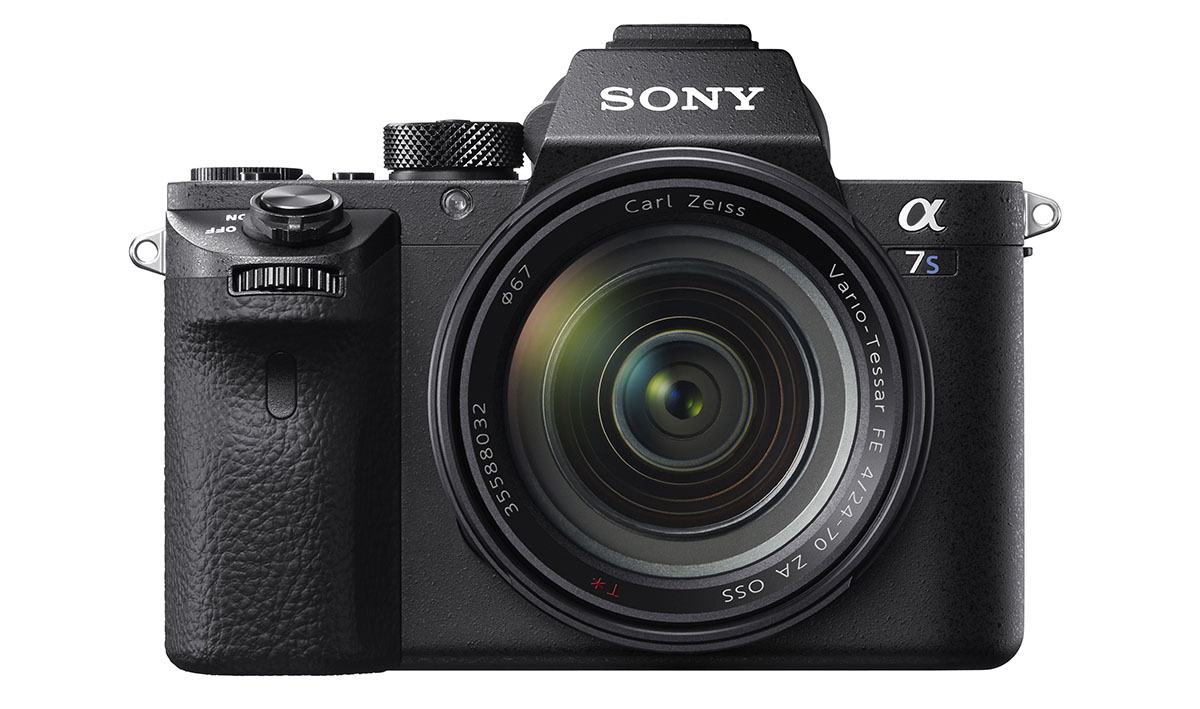
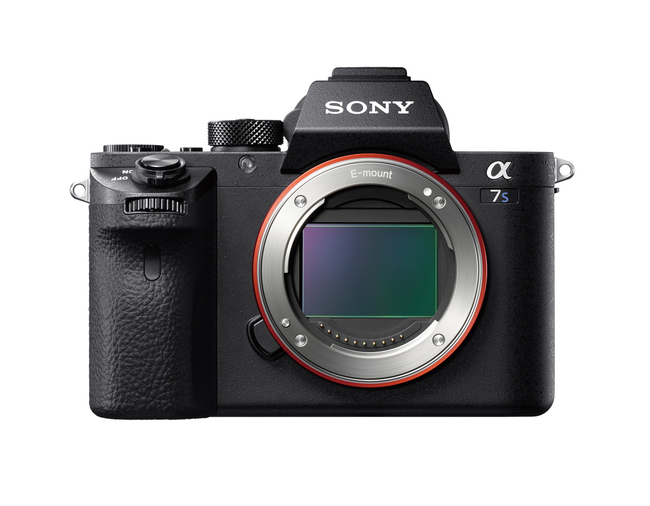
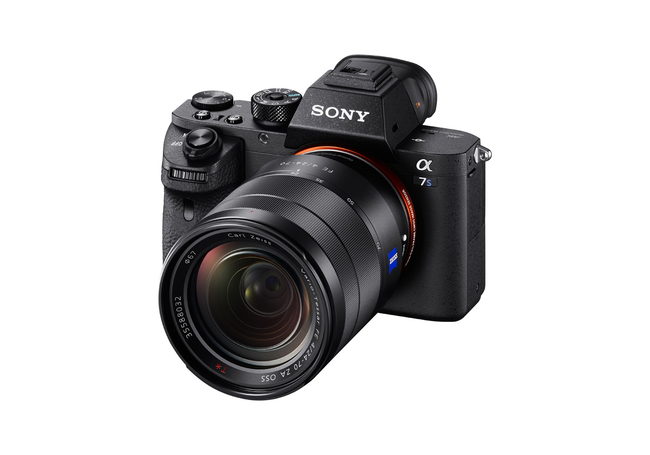
The Alpha 7s II is Sony’s latest offering and a successor to the Alpha 7s that was released last year. The Alpha 7s II will be a mirrorless, full-frame digital camera and will come with a 12-megapixel sensor much like the original. But it is in the new internal 4K video recording that makes the Alpha 7s II stand apart. While the original model could record 4K videos using an external recorder, the A7s II will have an in-built 4K recording (3,840 x 2,160) capability which can shoot at 24 or 30 fps. It can also record 1080p footage at 120 fps.
Furthermore, the A7s II boasts of a massive 50-409,600 ISO range that comes with a 12.2-megapixel sensor and the BIONZ X image processing. While the original model triumphed in capturing images in low-level light, the A7s II promises even better low-level light pictures.
One of the new features of this model is the 5-axis stabilization which will reduce the jitter on shots taken at night or with a long, telephoto lenses. The A7s II will also be Wi-Fi and NFC compatible, which will allow users to hook the camera to an Android or iOS device. Though the 12 megapixel camera may come as a disappointment for many, the 4K video recording will make up for it as videographers are sure to appreciate this feature. The A7s II will be available in Europe from November with no details about it coming to India.
In what seems like tremendously pleasing news for them photography aficionados, Canon has made a camera equipped with a 250-megapixel (19,580 x 12,600) APS-H CMOS sensor. APS-H is a notch bigger than the APS-C commonly found in consumer DSLRs. By making a first of its kind gadget, the Japanese brand has managed to create a lull in the megapixel warfare of the circuit, for now.
With the ability to capture text on a plane eleven miles away, the company proposes the use of the camera for security and surveillance. Other than photography, the sensors are developed enough to capture videos around 30 times sharper than 4K at five frames per second. Equipped with a fast signal readout speed of 1.25 billion pixels a second, this is definitely big news for sensor technology.
A report by Forbes announced a 400% boost in the front camera of the latest iPhones to be released on 9th September. According to MacRumors, the selfie camera would be upgraded to 5 MP, pleasing selfie and FaceTime aficionados all over. This is indeed a big leap from the current 1.2 MP of the iPhone 6. A better quality front camera inevitably makes it one of the most anticipated features of the new iPhones.
In addition to this, a post by 9to5Mac mentions a rear camera case which is not made of Sapphire. If reports are to be believed this is perhaps because of failure during drop tests.
“Aside from upgrading rear camera module to 12MP, Apple will upgrade front camera module to 5MP […] The new iPhone may not be equipped with sapphire cover lens, as it still has quality issues on the drop test.” Ming-Chi Kuo – source, 9to5Mac.
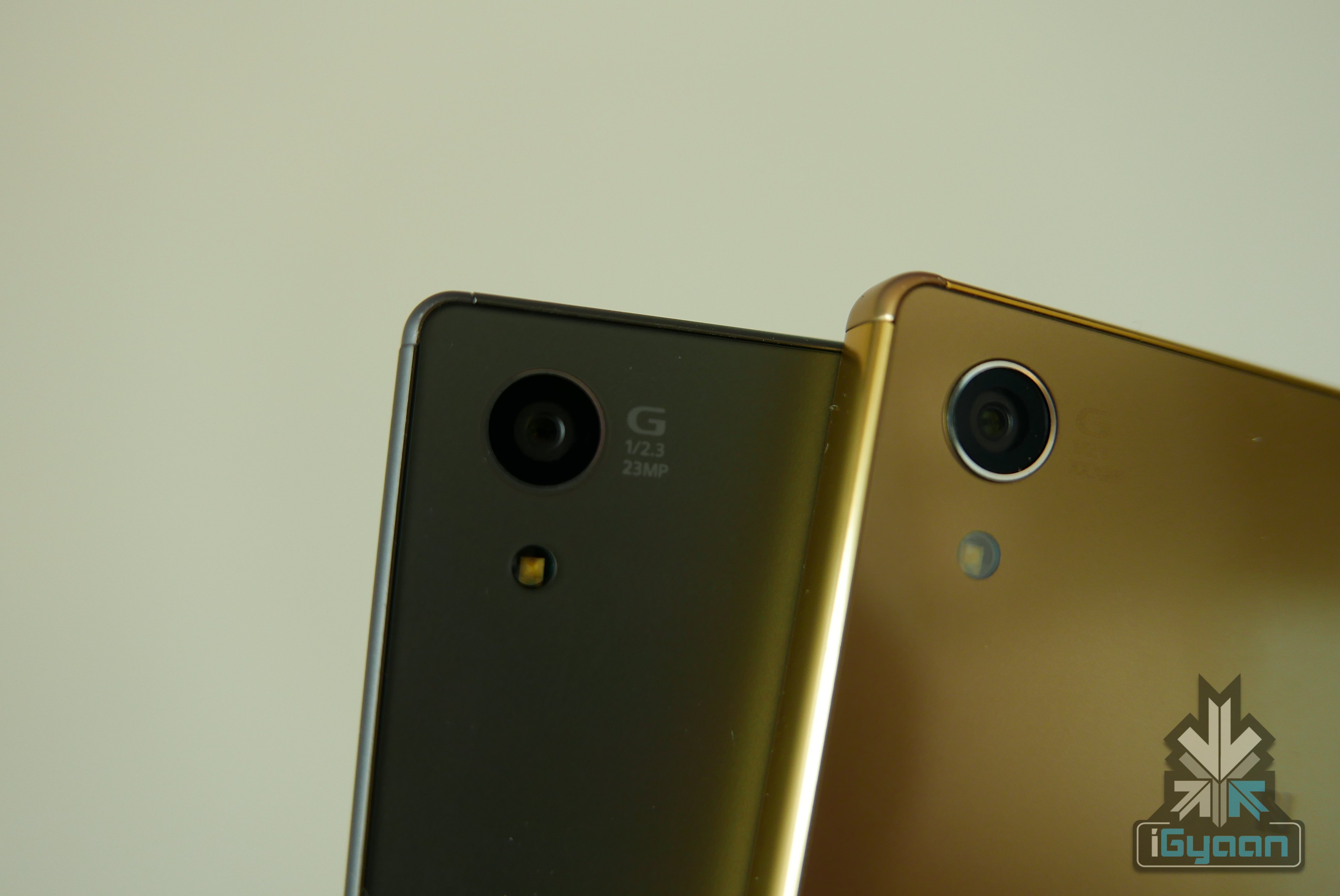
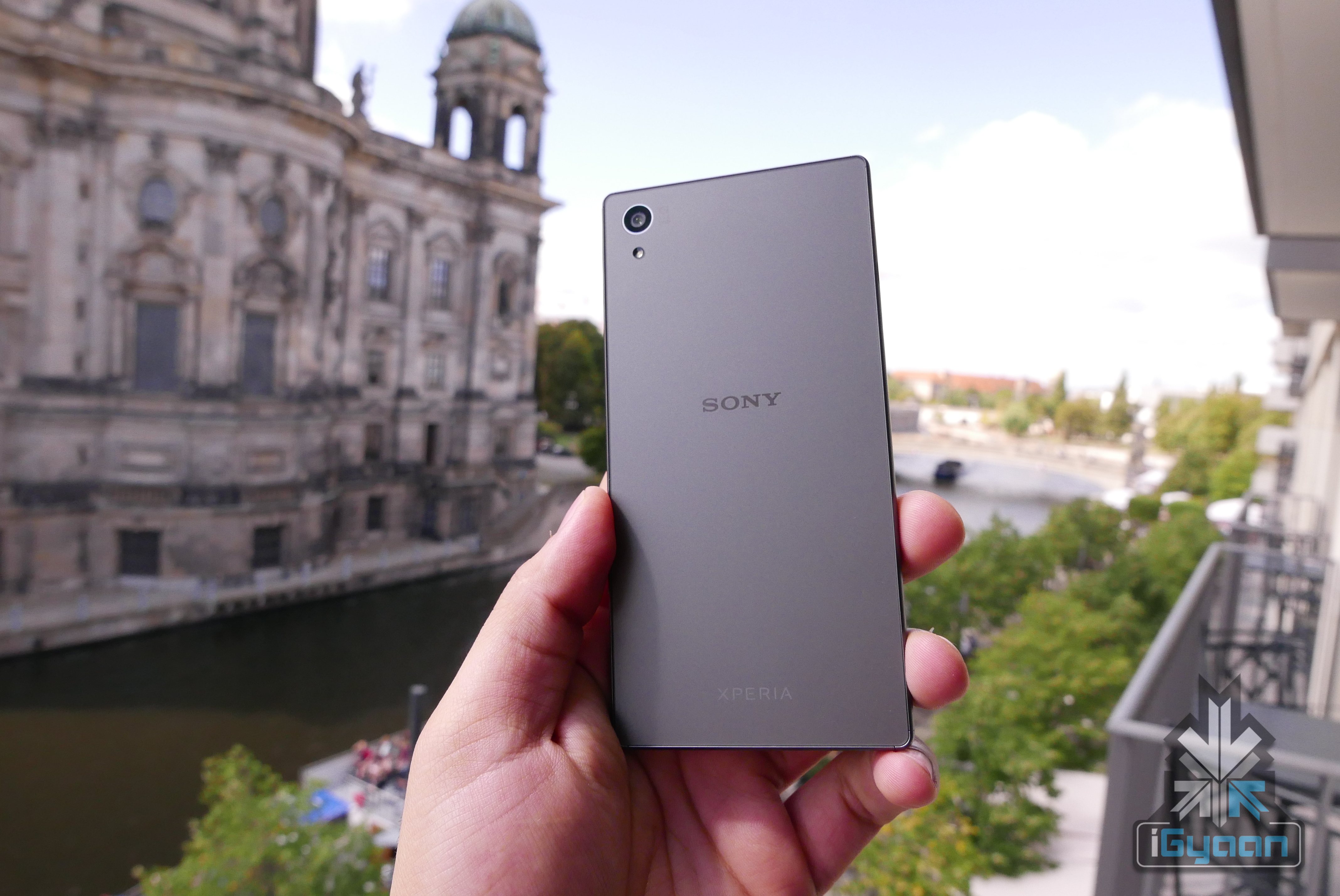
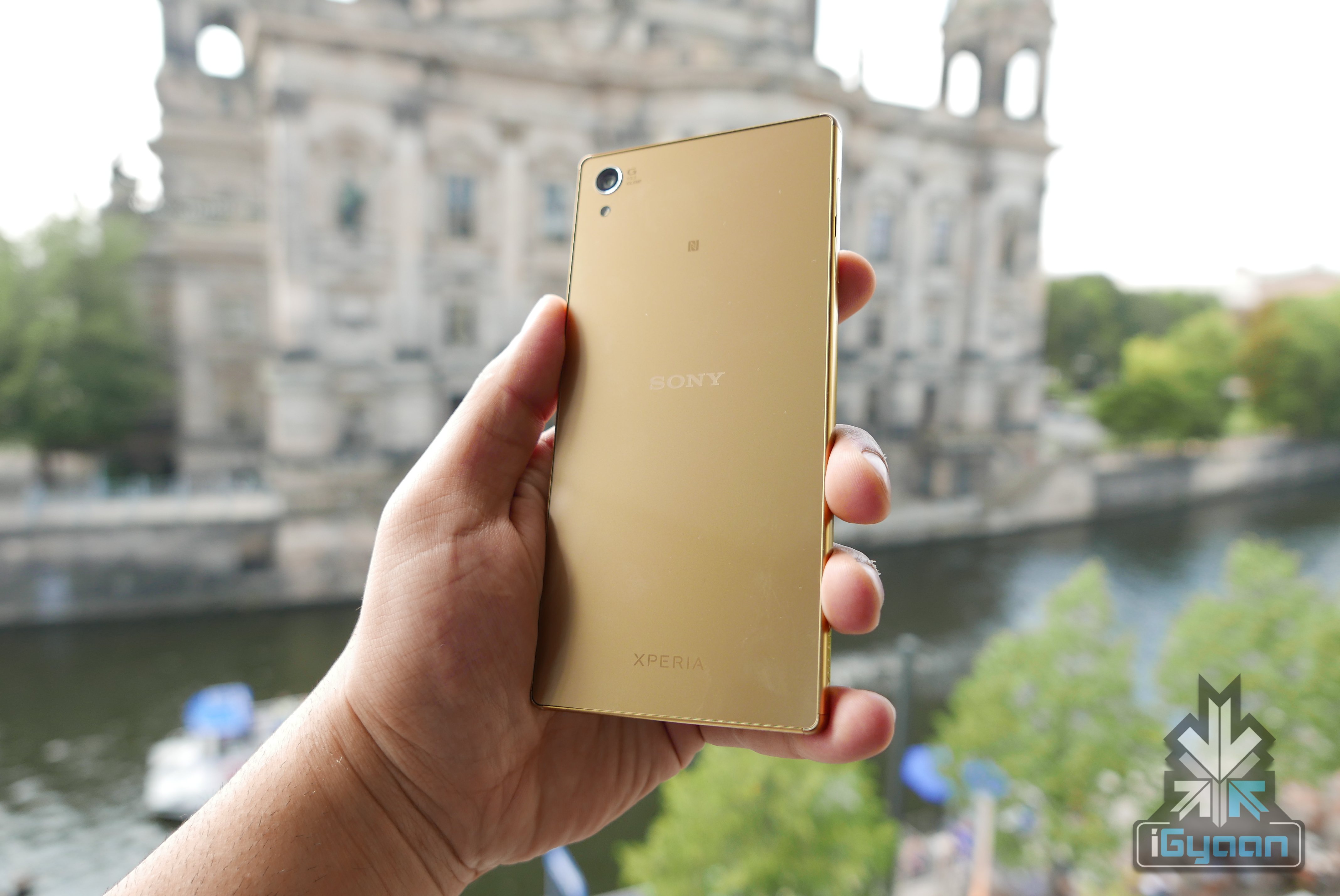
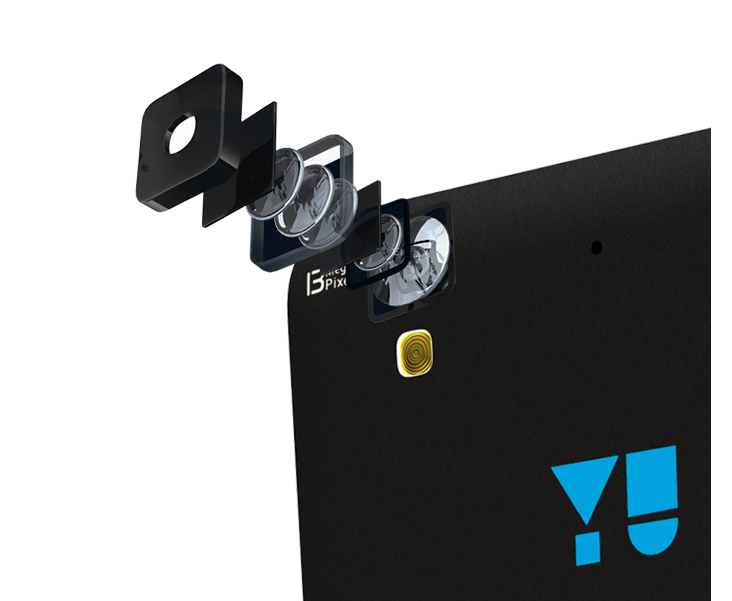
Sony has finally unveiled its three new devices – the Z5, Z5 Compact and the Z5 premium, at the IFA Berlin event today. The most important feature of the Z5, is that it comes with a large 1/2.3 Exmor RS for mobile 23MP sensor and F2.0 G Lens primary camera. This camera is also designed with Sony’s interchangeable lens camera alpha technology, with a speed of 0.03 seconds, and a 5x clear image zoom.
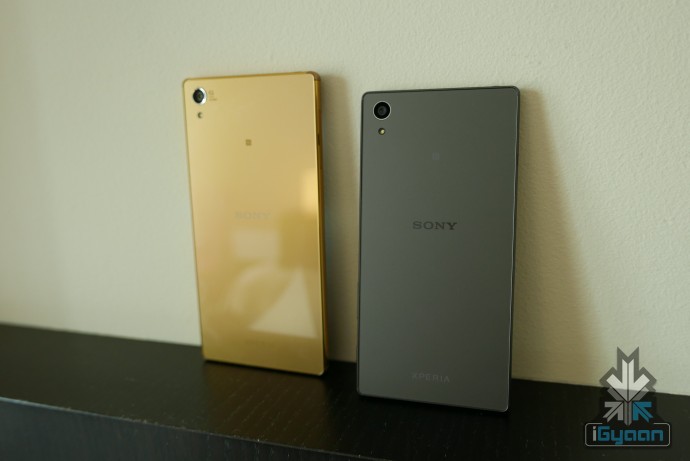
The Z5’s body is made in a continuous plate form, a metal frame, a frosted glass back and is also waterproof. It comes with a 5.2 inch display, and comes in various colours such as – White, Graphite Black, Gold and Green. The handset comes with a fingerprint sensor power button and will also support the FIDO standard – authentication via fingerprint for online payment services.
The other device that has been unveiled alongside the Z5 is the Z5 Compact which also comes with the same camera technology but is a pocket-friendly device with a 4.6-inch display. This phone comes in variants of Yellow and Coral, in addition to White and Graphite Black.
Both devices are powered by the Qualcomm Snapdragon 810 processor, featuring octa-core CPUs, 64 bit capabilities and ultra-fast 4G LTE speeds. They also come with a 2 day battery stamina and is also packed with the Qualcomm Quick charge 2.0, which gives you a 5.5 hours usage with just 10 minutes of charging.
However, the Z5 is said to come in both single and dual SIMed variants, and will launch globally in October 2015.
The Z5 Premium, on the other hand, is touted as being the world’s first 4K smartphone to have been created. It also comes with a 5.5 inch TRILUMINOS display for mobile and IPS which is four times the resolution of Full HD.
The Xperia Z5 Premium will launch from November 2015 onwards and will be also be available in both Single SIM and Dual SIM variants.
Check out the full specifications of the devices here:
Specification
Sony Xperia Z5
Sony Xperia Z5 Premium
Sony Xperia Z5 Compact
Display
5.2 inch display
5.5 inch 4K Ultra HD
4.6 inch display
Resolution
1920 x 1080p
4K – 806ppi
1920 x 1080p
Chipset
Qualcomm Snapdragon 810
Qualcomm Snapdragon 810
Qualcomm Snapdragon 810
Processor
Octa Core 2.2GHz – 64 bit
Octa Core 2.2GHz – 64 bit
Octa Core 2.2GHz – 64 bit
GPU
Adreno 430
Adreno 430
Adreno 430
RAM
3GB
3GB
3GB
Storage
32GB internal memory
32GB internal memory
32GB internal memory
Expandability
–
200 GB
–
Rear Camera
23MP sensor, F2.0 G Lens, 1/2.3 Exmor RS
23MP sensor, F2.0 G Lens, 1/2.3 Exmor RS
23MP sensor, F2.0 G Lens, 1/2.3 Exmor RS
Rear Camera Video
4k
4k
4k
Front Camera
5MP
5MP
5MP
Front Video Camera
1080p
1080p
1080p
Battery
2 days stamina with Qualcomm Quick Charger
3430 mAh battery lasting for up to two days, with quick charge
2 days stamina with Qualcomm Quick Charger
Operating System
Android 5.1
Android 5.1
Android 5.1
Connectivity
4G LTE, Single SIM and Dual SIM
Single SIM and Dual SIM
4G LTE
Miscellaneous
Fingerprint sensor, Colours: White, Graphite Black, Gold and Green
It is impossible to overlook the fact that mobile cameras have changed a lot in the last few years. Far before the now memorialized words of “Let me take a Selfie,” having a camera in your back pocket or purse was something most of us took for granted. But just how far have mobile cameras actually come, and where are they headed in the future?
The first instant camera was made back in 1923. But, it wasn’t until 1948 that these devices gained popularity when the Polaroid camera came out, enabling the user to print instantly a photo in less than a minute.
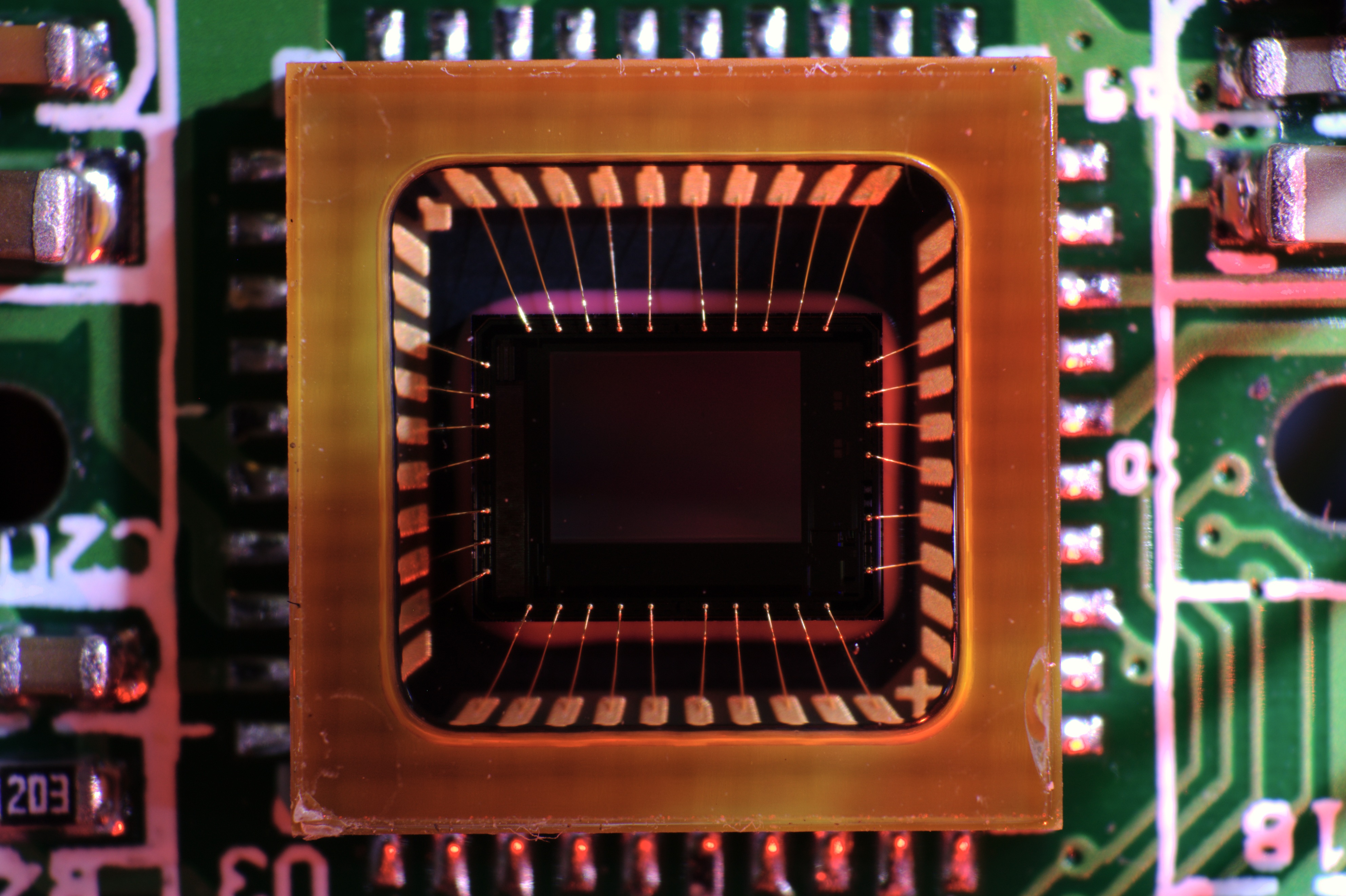
But that was just it. Enter Willard Boyle and George Smith, who invented the CCD Chip (Charge-Coupled Device Chip), which paved the way for digital cameras in 1969.
CCD Chip
However, it wasn’t until 1981 that a commercially available version would hit the market in the form of the Sony Mavica. This monster of a camera let users save up to 50 images on a video floppy disk and view them on a television screen. It paved the way for digital cameras to go mainstream, and it changed how photography would be perceived both literally and metaphorically.
The First Camera Phone
Just as digital cameras began to rise in popularity, cell phone manufacturers could not help but notice the rising trend. In 2000, Sharp produced the J-SH04, the very first phone with an inbuilt camera. It was a 0.1MP camera and was priced at $500.
Sharp J-SH04
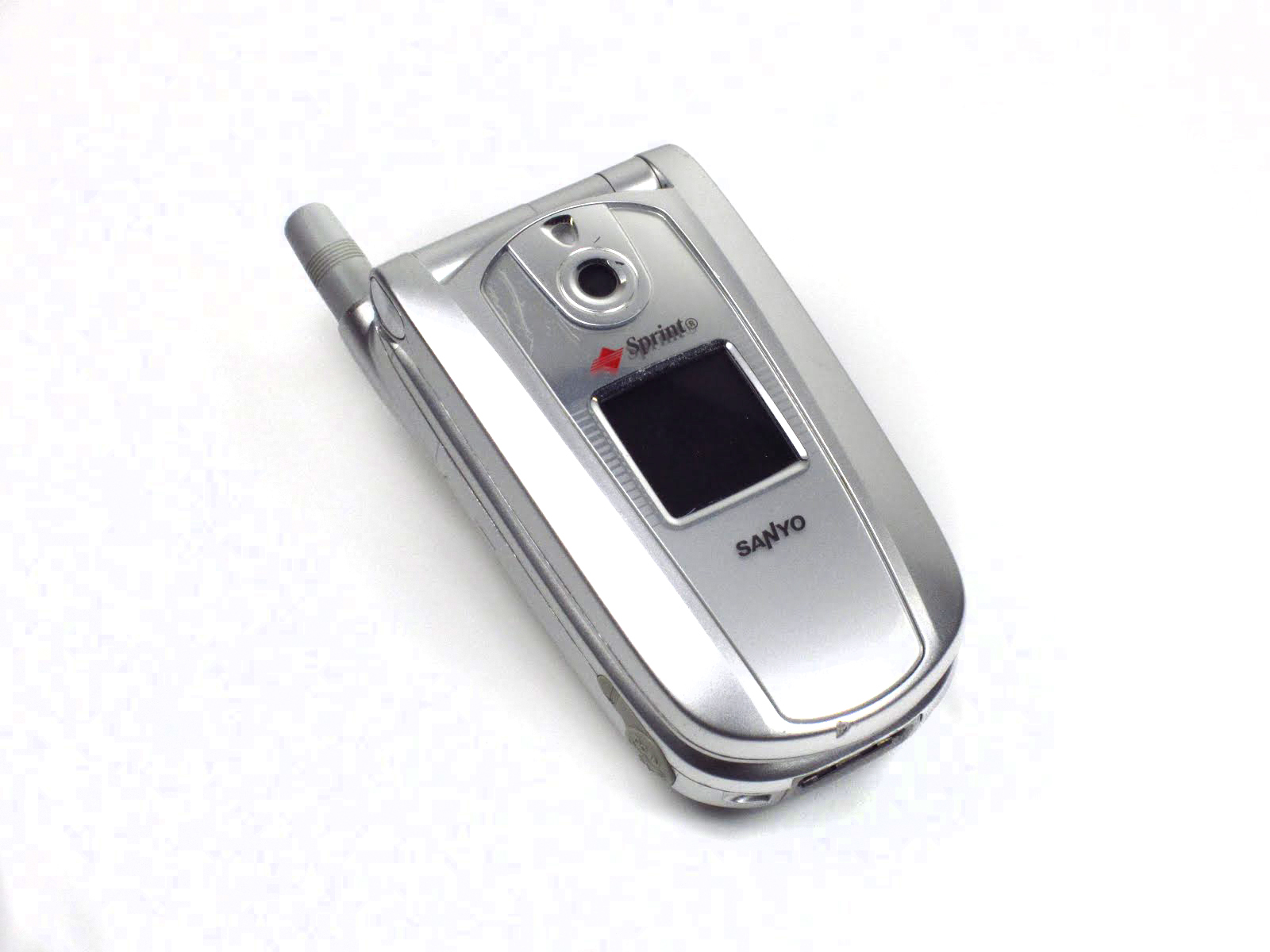
This device became so popular that within two years, Sharp’s device served 40% of J-Phone users around the world. American phone businesses took note of the phone’s success and brought the technology to the U.S. in 2002, in the form Sanyo 5300 flip phones. The camera phone wars had officially begun.
The Second Camera Phone
It was November 2002 before the U.S. embraced the crazy Japanese trend with the Sanyo SCP-5300 handset. It costed $400, and it highlighted a chunky clamshell design.
Sanyo SCP-5300
With a 0.3MP capability, it could capture shots at 640 x 480 pixels.The Sanyo SCP-5300 also had a basic flash, white balance control, self-timer, digital zoom, and several filter effects like sepia, black and white, and negative colors.
By the end of 2004 the camera phone was riding high. Over half of the phones sold worldwide had cameras in them in the first nine months of 2004, and two-thirds of all the phones shipped in the third quarter were camera phones. Leading the way was the Finnish manufacturer, Nokia.
Nokia Battles Its Way To The Top
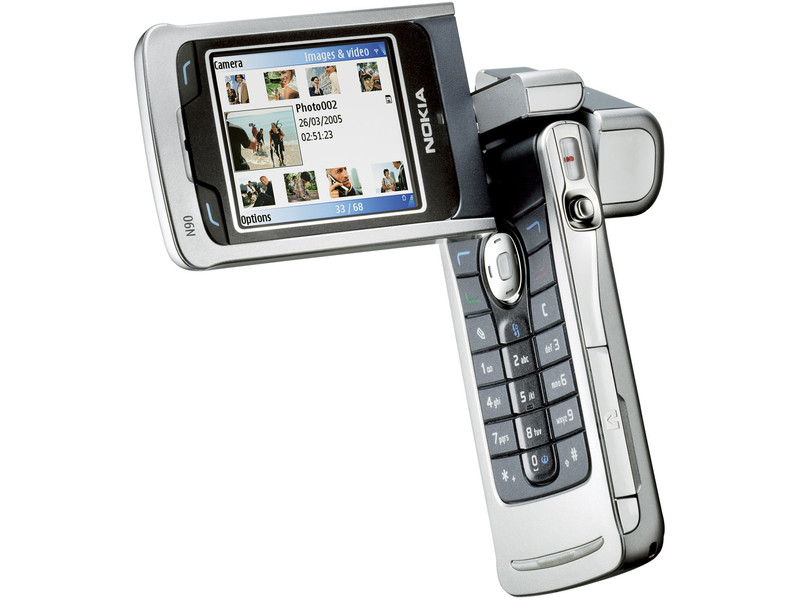
Nokia released the N90 in 2005, thus landing the camera phones to new heights. It featured a 2MP camera, along with Carl Zeiss optics, autofocus, and an LED flash. It instantly became famous because the rotating screen gave a feel of a camcorder.
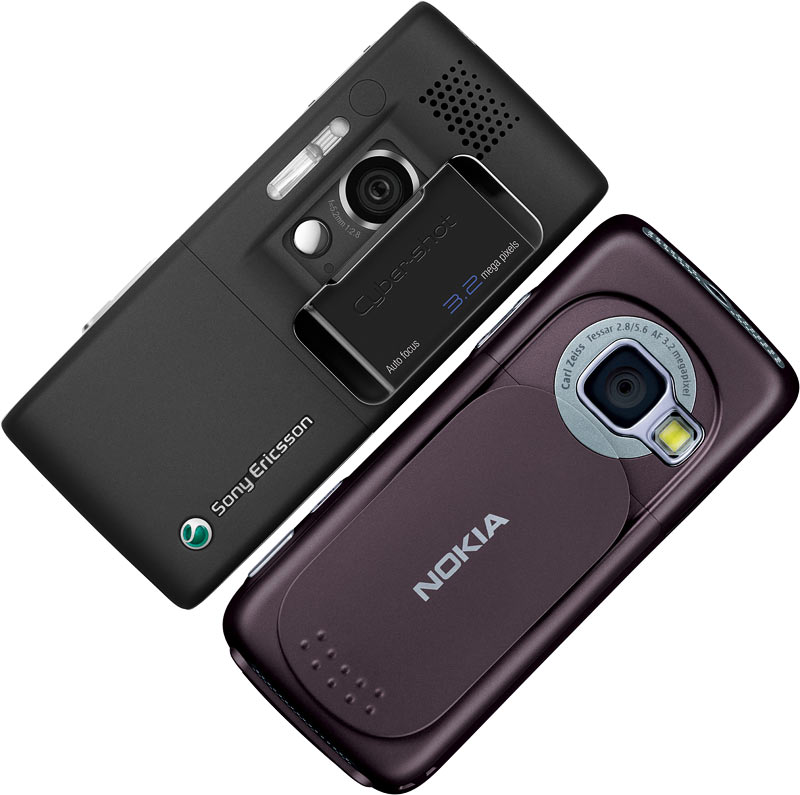
But, Nokia was not the only one who was reaching new heights of mobile cameras. Sony Ericsson’s K800i that was released in 2006 had a 3.2MP camera with auto-focus, image stabilization, and a Xenon flash. Naturally, Nokia countered with models like the 3.2MP N73, but in 2007 the feature phone reached its zenith.
Sony Ericsson’s K800i that was released in 2006 had a 3.2MP camera. Later, Nokia countered with models like the 3.2MP N73.
Nokia 95 was the first phone to feature a 5MP camera with the Carl Zeiss lens. It took excellent photos, and it could record video at 30 frames-per-second. In fact, 5MP remained as a high-end standard for several years. Sadly for Nokia, the smartphone debacle was just around the corner, and a good camera would not be adequate to keep Nokia on the rise.
Next In Line, Samsung and LG
In 2008, the Samsung i8510, also known as the INNOV8, held the first 8MP camera to hit the market, but in design terms, it looked like part of Nokia’s N range, which were getting steadily less popular.
Sample Photo using a Samsung i8510
Nokia followed suit with the N86, but it was LG that released the first touchscreen camera phone with an 8MP camera. It was called the LG Renoir.
The competition for megapixels proceeded, and Samsung hit 12MP first with the M8910 Pixon12 in 2009. It was soon surpassed by Nokia’s N8 in 2010 and the 16MP Sony Ericsson S006 at the end of the year.
The Rise Of Software Features For Cameras
Google gave Photosphere; Apple came out with Panorama mode, even BlackBerry came out with TimeShift. We have seen a lot of filters and effects mixed into various mobile platforms and are proving great for people who click photos in a not-so-normal perspective.
Shot by David K. in Dubai, United Arab Emirates as a part of Shot on iPhone 6 campaign
Camera Phones are not just developing the sensors and resolutions. They are also improving on the lenses, flashes, focussing capabilities and zooming capabilities too.
Apple’s Autofocus feature
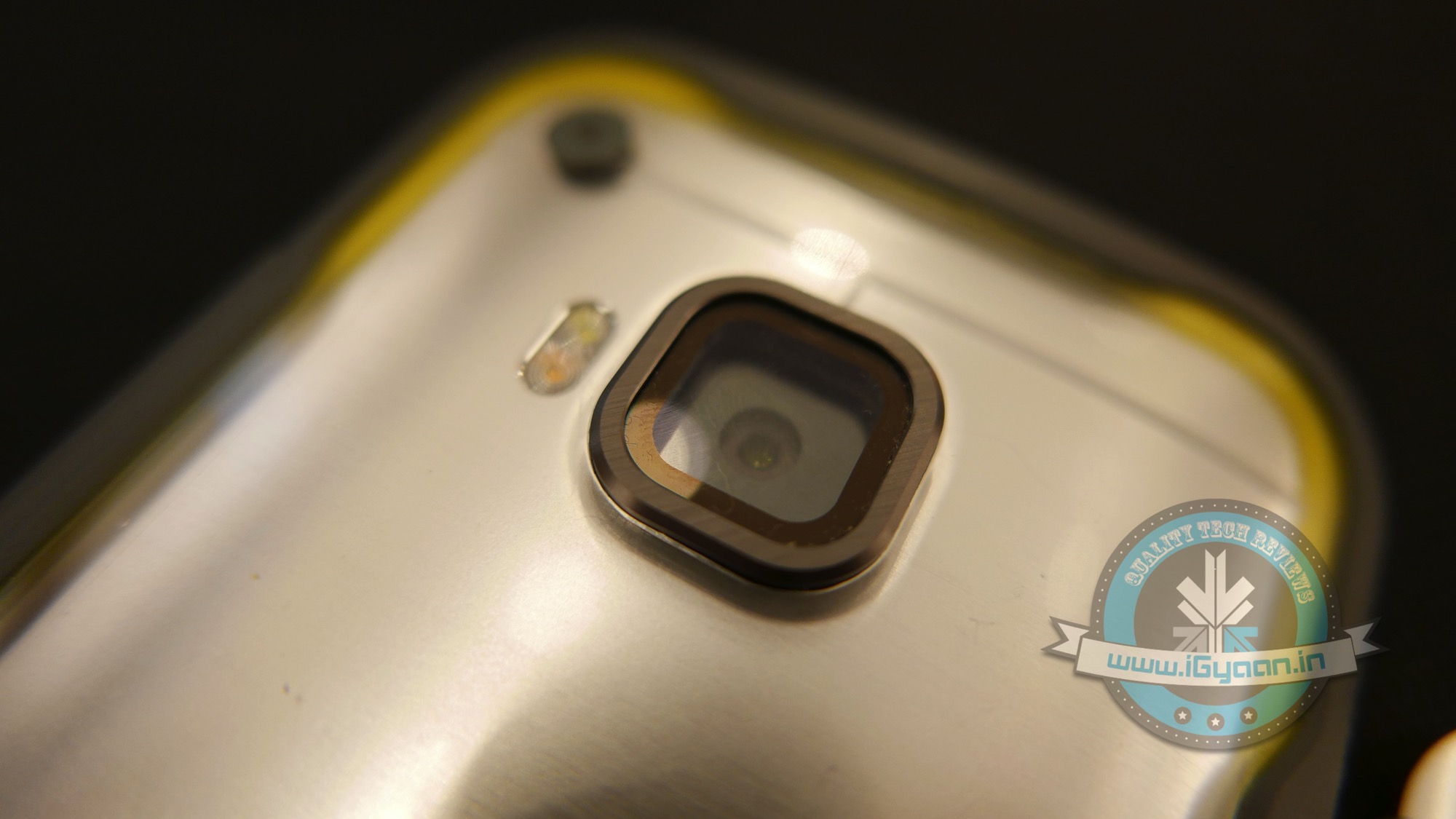
We are observing today the acceptance of xenon flash, Dual-LED flash, Carl-Zeiss lens on camera phones. Camera phone hardware is bettering the hardware specs of stand-alone digital cameras. With the improved availability of raw processing power, location-awareness and the brilliant touchscreen displays, today’s camera phone’s are equipped to manipulate blink-detection, face-detection, smile-detection, touch-focus (sheer ability to focus on a particular spot on the frame by just tapping the touch-screen), Geo-tagging (thanks to GPS capabilities), Image stabilizer, Video Stabilizer, HD image resolutions, 4K Video Recording and much more.
We should talk about the full-HD Video recording capabilities that are made possible now. Optical Zoom and stand-alone camera capability (using a camera while the phone is switched off) are getting upgraded as well. In a new experiment, we mounted the Moto Turbo on a drone and got phenomenal results.
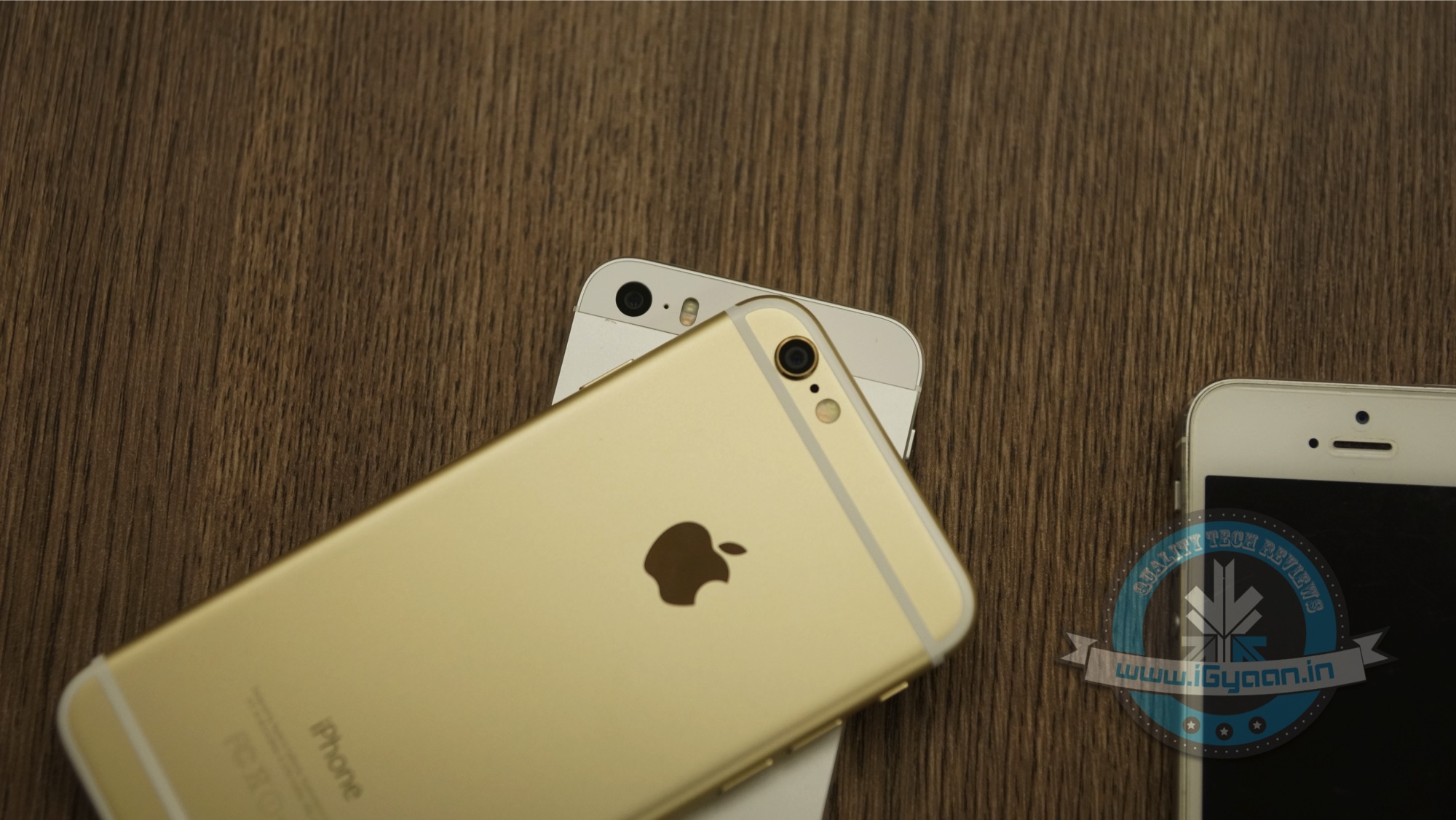
As smartphones become universal, they are quickly replacing traditional point-and-shoot cameras as the go-to devices for capturing quick photos. But not all smartphone cameras are designed equally. The iPhone 6 Plus, for example, has extremely fast autofocus and a dual-LED flash, and the Samsung Galaxy S5 Active can withstand dunks underwater and drops to the ground. In a high-tech world driven by steady consumer demand for bigger and better, it will be exciting to see where our tech will take us next!
Let us look at some of the brilliant iPhone photography that may give professional photographers a run for their money.
Shot by Brendan Ó. in Copenhagen, Denmark
Shot by Renee M. in Union City, CaliforniaShot by Satoshi H. in Tokyo, JapanShot by Dudley W. in Glen Etive, ScotlandShot by Robyn W. in Corvallis, Oregon
You can check out more of these amazing photographs here.
The selfie has gained social, political and global recognition in the past two years, given its high popularity and almost contagious qualities, Apple may be coming up with a plan to up the selfie quotient in the next iPhone or tablet.
Hamza Sood, a developer, said that the phone or tablet will have, not just a front facing camera flash, but also the ability to record 1080p videos along with recording slow-motion videos in 720p. Referring to the codes, Sood also derived that one might be able to take panorama shots using the front facing camera.
iOS 9 is hinting at future device front cameras having: 1080p resolution, 240fps slow mo, panoramamic capture, flash pic.twitter.com/NkMjdsUZEX
So far, all the features that we mentioned, are only present in the rear cameras of smartphones. But with the new set of devices, Apple hopes to makes the selfie game, even stronger. Although these reports seem frivolous, Sood was previously right in recognising that Apple was coming out with fingerprint recognition two months before it actually came to the markets. He also identified slow motion shooting, before it finally made an appearance in the iPhone 5S.
Even though the iPhone 6s is expected to arrive later this year, we’ve already heard several rumours about the upcoming device. As reported earlier by an analyst from KGI Securities, the forthcoming iPhone 6s will sport a bumped up camera of 12MP. Powered by a next-gen A9 processor, 2GB RAM will equip the device with newfangled features like Force Touch. Some of the changes the ‘iPhone 6s’ is said to include is a new design using an improved casing material and a newly resurrected inner design. One more microphone is said to be added near the new handset’s speakers in an attempt to improve sound quality. It is also likely that Apple will release two variants of the iPhone 6s.
While we don’t know if the phone camera, that is slated to be bigger and better, will actually succeed, we hope to be clearer in September, when the announcement might be made.
Every mom in this world is special, and we would always want to take that extra step to make here time worthwhile. A bouquet of flowers, a hand-made card, all add up to it. What we have here are some tech-savvy gifts that may make your mom’s life a little easier.
Check out our list of some tech gadgets you can gift to her:
Fitness Band:
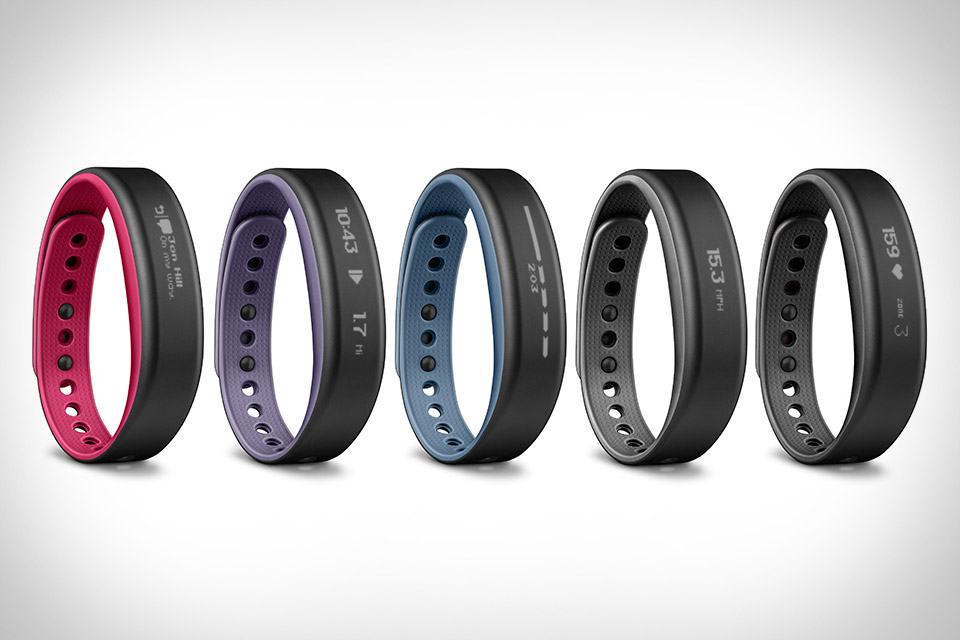
Fitness bands are really cool. Especially for someone who works around the clock for the betterment of the family and have almost negligible time to keep a check on health. Cheap and easily available, these bands make for handy gifts. When coupled up with the corresponding fitness app, this wearable can give details on the heart rate and sleep cycles. Also, some are available in different color variations too.
At the IFA 2014, Garmin, modern in-car navigation systems maker, introduced a new wearable device that combines the communication features of a smartwatch with the fitness-centric abilities of an activity tracker. The Vivosmart does what regular activity trackers do best, along with which it borrows some of the key features typically found in smartwatches. It also tracks your sleep, based on movement, and offers daily reports on how much time you spent moving. In fact, through the Garmin Connect app, all your activity data gets rendered into easier-to-understand charts and graphs.
Chromecast:
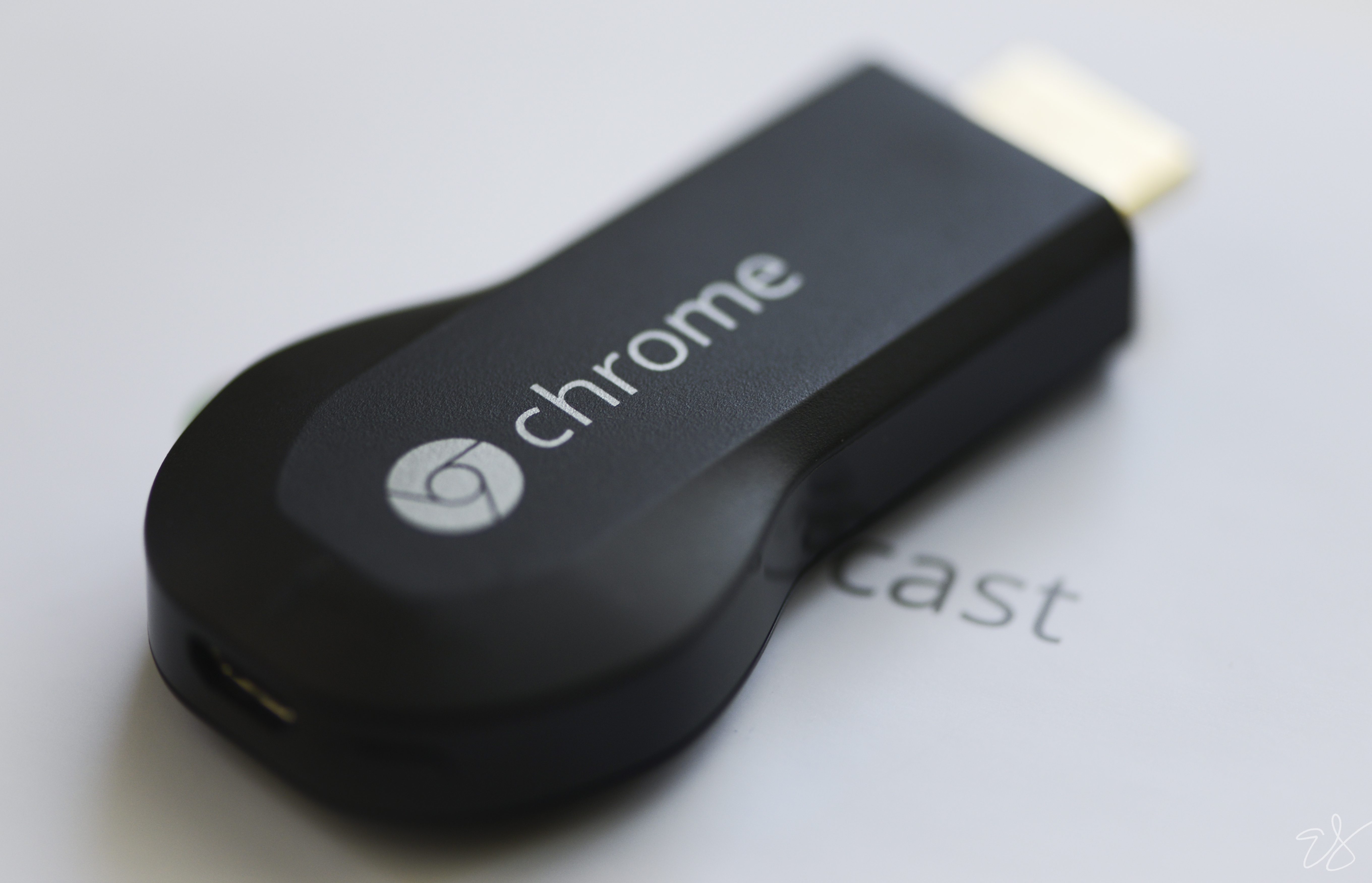
Chromecast is a thumb-sized medium through which you can easily shift viewing from your laptop, Android phone and tablet to TV. For this, your mobile becomes your personalized remote control.You can browse your favourite movies, videos and more and cast it on your TV. You can pause, play, rewind, create playlists and can even control the volume. Just plug in, connect and enjoy. In short, it’s a whole new way for your mom to enjoy video viewing.
Camera:
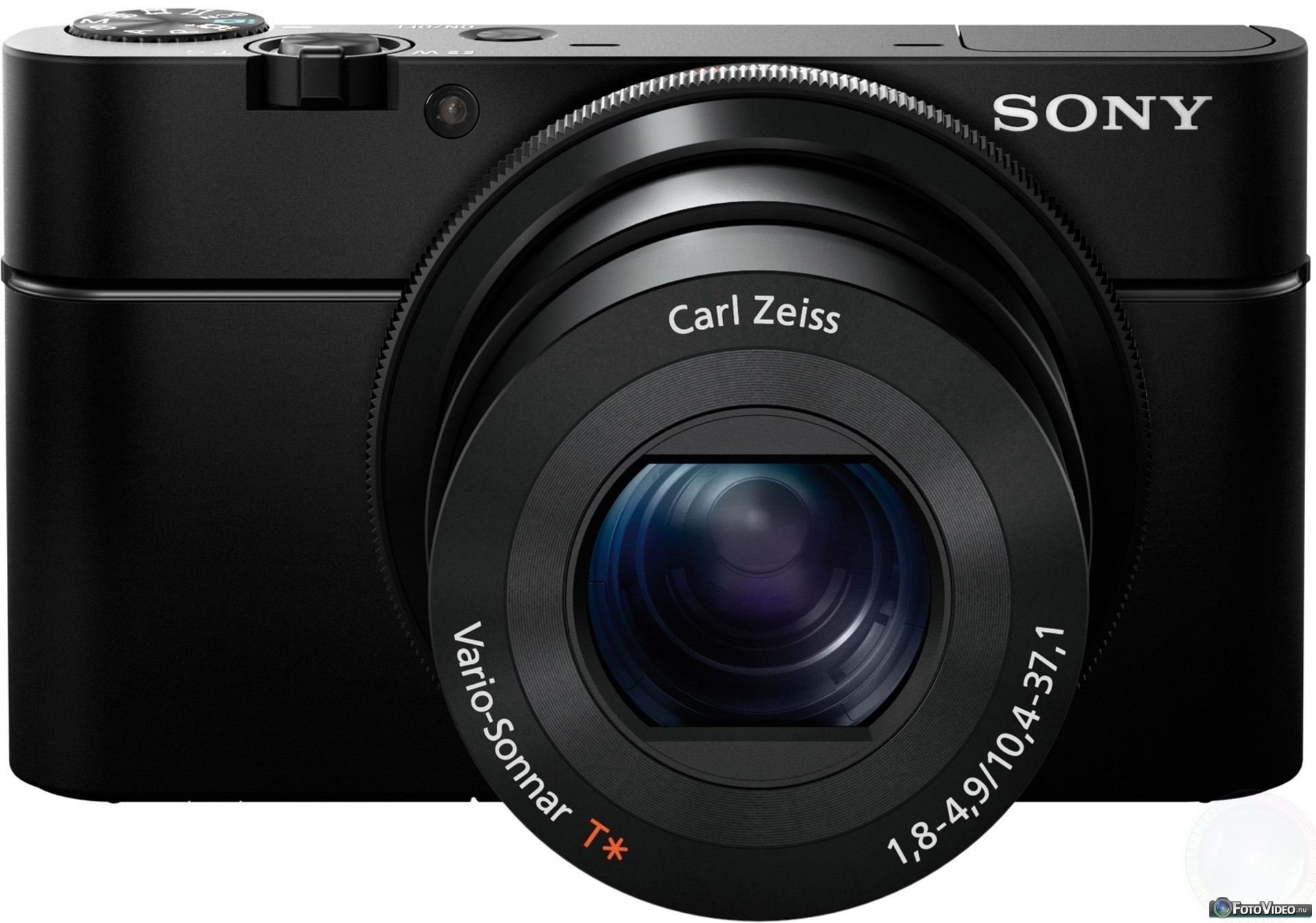
Memories are the best gifts ever! And what would be more impressive than gifting your mom a device to capture and store happy moments? Cameras are one of the best surprises that can ever be offered. Buy that camera, and click the first selfie with your mom.
The Sony-DSCRX10 Cybershot Digital Camera can capture sharp images and full-HD video clips in pretty much any lighting condition, with a vast focal range.
E-Reader:
Designed mainly for reading purposes, this device may help your mom avoid the heated summer shopping for magazines. The hefty burden of carrying books or managing her library. Just a single tab can hold a number of books and magazines for your mom to read. It will be a fantastic gift for your mom if she is a bookworm and save her precious time spent on regular travels to the bookstore.
Amazon’s Kindle is the most prominent of all readers, and it has been in India for quite some time now. It has a 300 ppi display that is claimed to have the highest resolution, contrast, and brightness till date. To give a natural book reading experience, the Kindle has haptic actuator that create advanced vibrations when a page is turned.
Portable Phone Charger:
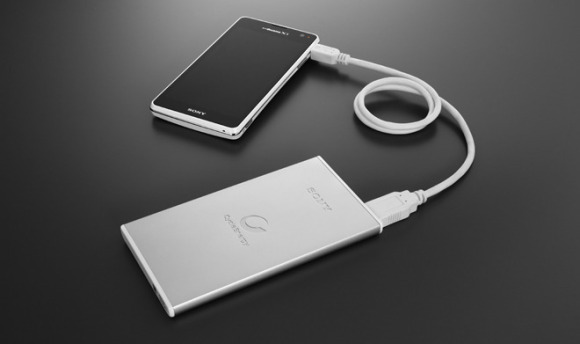
An excellent source of power when you do not have any access to any electricity. Your mom will never have to worry about low-charged mobile phones while traveling or otherwise. It is small and portable, and can be carried along anywhere she goes.
Until the OnePlus power bank is available, the CP-F5 is a 10,000 mAh portable charger from Sony and is rechargeable for 1,000 times and capable of retaining 90 percent of battery capacity even after 1,000 charges. This silver USB portable charger requires a charging time of 7 hours via an AC adapter and 23 hours through a standard USB port.
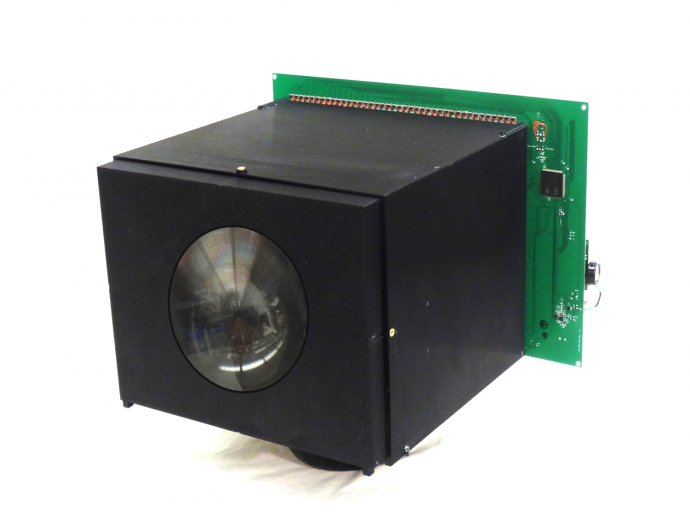
A team led by T.C Chang Professor of Computer Science, Shree K. Nayar, built the world’s first fully functional self-powered video camera that can produce an image per second in a well-lit environment. The resolution is not great, but it can go on recording forever.
Here’s the explanation of the working of the machine: When the camera sensor is exposed to light, the pixels use photodiodes to generate electricity. This helps the sensor to measure the intensity of the light that is then used to produce images. In the case of Nayar’s prototype camera, the team used a 3D printer to construct the body of the camera. The camera takes advantage of a photodiode’s ability to be used in both, a digital camera (photoconductive) and solar cells (photovoltaic). When exposed to light, the camera sensors switch between capturing an image or are used to generate and charge other devices like a phone. After measuring the intensity of light, these sensors convert the light into electricity, which in turn powers the camera.
Nayar states that, even if the invention is at its toddler stage, this could help in boosting a new generation of cameras, like security cameras, CCTV camera or any other camera that works round the clock without needing to be powered. Nayar’s team will present their work officially at the Rice University in Houston April 24-26.
The video below demonstrates the video quality of the camera.
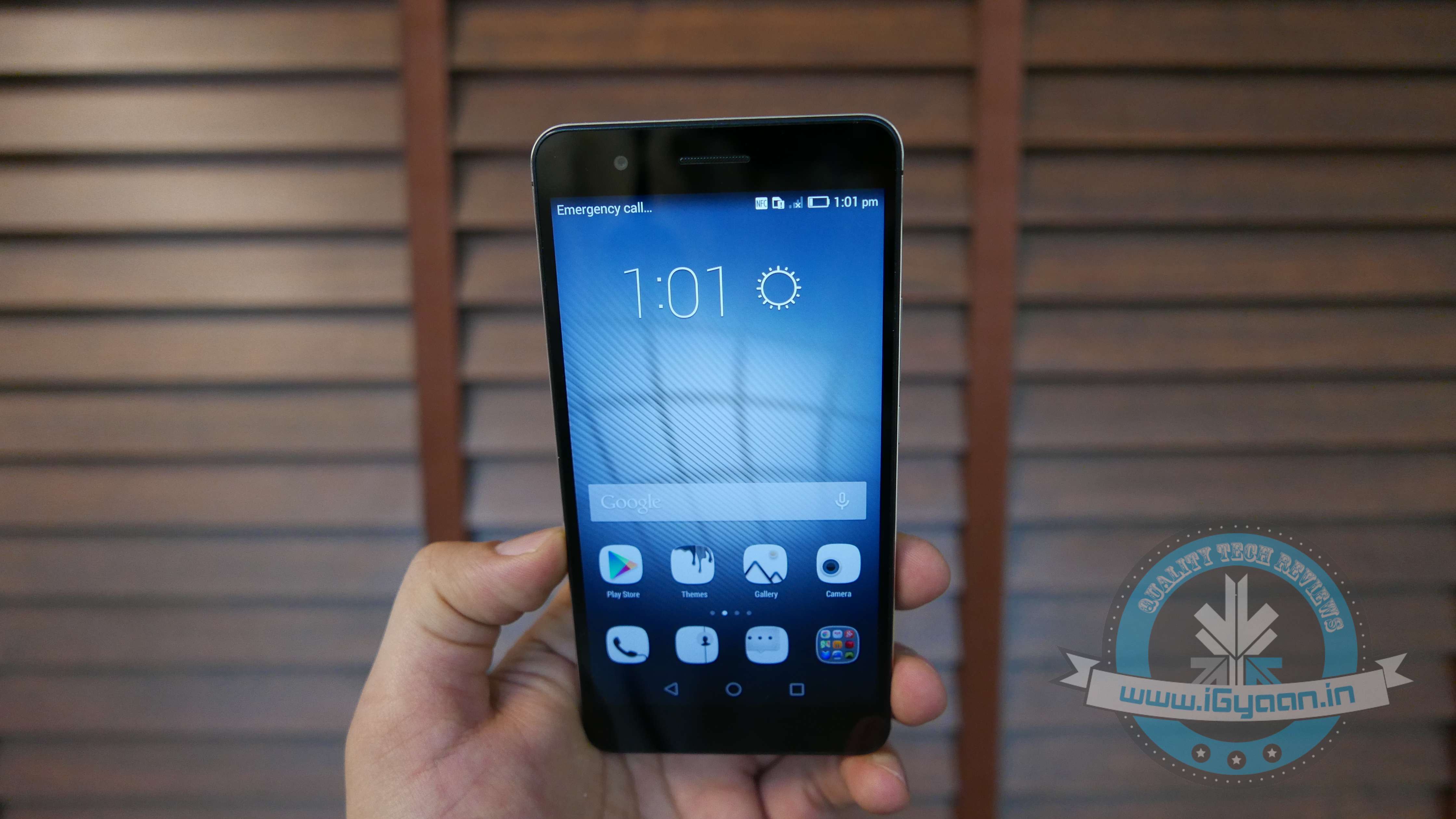
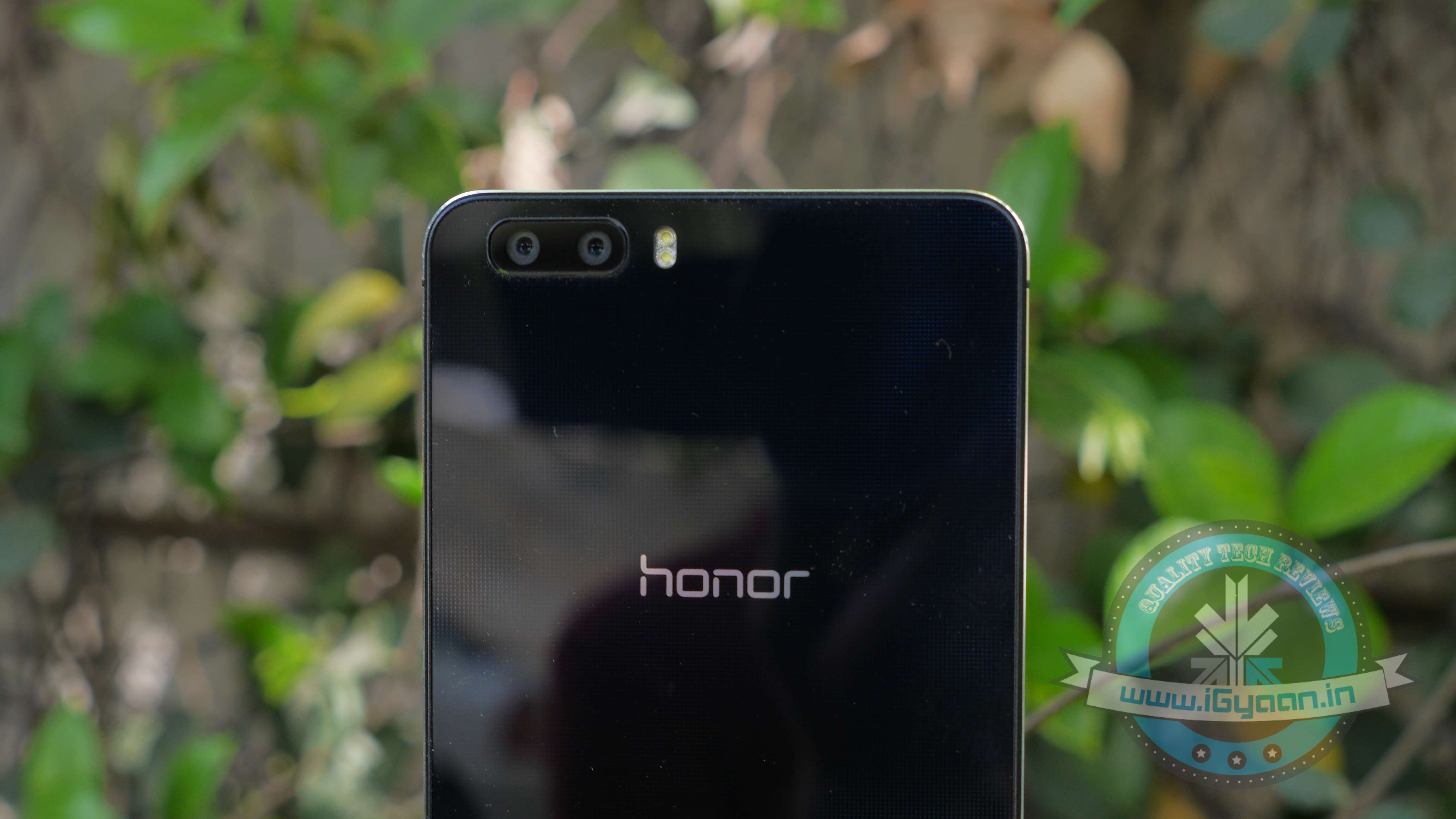
Since the announcement of Honor 6 Plus, the company has been putting stress on the one-of-a-kind dual lens camera of the device. The Chinese smartphone brand called it a competitor of iPhone 6 and even claimed that it is better than the latest iPhone in various camera aspects.
The rear shooter on the Honor 6 Plus is an 8MP bionic parallel dual lens, which offers users an advanced camera experience. Honor claims this innovative camera lets you capture DSLR quality images. It also allows users to refocus images after the shot is taken. The focus time on the camera is claimed to be just 0.1 seconds, which means you won’t ever have a lost moment.
The Camera Interface :
The camera interface of the Honor 6 Plus is fairly simplistic. You can conjure up the camera just by hitting the volume key twice from the lock screen and it will bring up the interface within 1.3 seconds. You can switch between Photo, Video and Wide aperture mode here. The various picture modes are present next to the shutter button on the right side.
The camera interface doesn’t offer a lot of manual options to the user. You can set the ISO and the white balance, but that’s about it. The device though offers excellent object tracking feature that keeps the object you want to click in sharp focus but unfortunately this feature is not available for video where it could have been more useful.
Here are a few camera samples of the different modes to give you a better idea of its performance:
Photo Modes:
Mode: Halo
Mode: Valencia
Mode: Sweet
Mode: Pure
Mode: Vintage
Mode: Mono
Mode: Illusion
Mode: Dawn
Mode: Nostalgia
Mode: Normal
No doubt, the camera of Honor 6 Plus functions brilliantly in normal mode and takes shots in fine detail. It captures true colours of the subject with minimal noise. The other modes offered by Honor 6 Plus include Childhood, Illusion, Halo Effect, Nostalgia and few more. True to their names, each of the modes give the image a new look by adjusting the colour tone. You probably won’t need any Instagram filters with this camera.
Wide Aperture Shot:
The Wide aperture mode creates an artificial bokeh effect. The depth can be adjusted manually with the help of slider provided in the camera app. The aperture can be adjusted from f/0.96 to f/16. By moving the slider, you can see the change in the depth of field and adjust it as you please.
HDR:
HDR OFF
HDR ON
The HDR mode is productive in high contrast light environments. The colors get more saturated and sharpness increases.
Super Night Mode:
Super Night Mode
The super night mode is basically a slow shutter shot and won’t be useful for people with shaky hands. When the shutter button is clicked in super night mode, a countdown starts. The duration of the countdown depends upon the amount of light you have in your vicinity.
So when we took the above shot with the wood block in an almost dark room, it took about 25 seconds to click the image. With a fair amount of lighting, the counter comes down to 3-7 seconds. To get the best out of this feature you need to invest in a tripod or find a stable surface to keep the phone.
Video:
Honor 6 Plus does allow you to tap for focus while shooting videos. This feature will come really handy for folks who want to focus on a particular part of the frame. But every time you tap to focus, there is a visible jerk in the video. So it is advisable to use this feature sparingly.
Conclusion:
Overall, the camera is undoubtedly good. The 8MP dual parallel lens camera shows promise, but it is a slight bit low on software support. Honor should work towards adding more manual features to this camera. The company should also add features like slow motion and time-lapse to let it take on the top-end devices. Honor can also allow users to take 3D images through its dual lens camera which will be appreciated by the consumers. Honor 6 Plus is a great all round device and its unique camera will attract customers towards itself, all it needs is a few software upgrades to become their primary shooter.
Today the Mobile Phone Camera is any man’s best friend; a phone with an excellent camera is imperative. A good camera phone is one with a brilliant primary camera and great secondary camera for selfies. It could have optical image stabilization, auto focus detection and flash. All in all it should be easy to use and give a kickass image which can then be easily shared over the social networks. Here are your Nominees.
Voting is now Closed! The Winner for the Best Camera Phone in the iGyaan Tech Awards 2014 is Iphone 6 Plus.
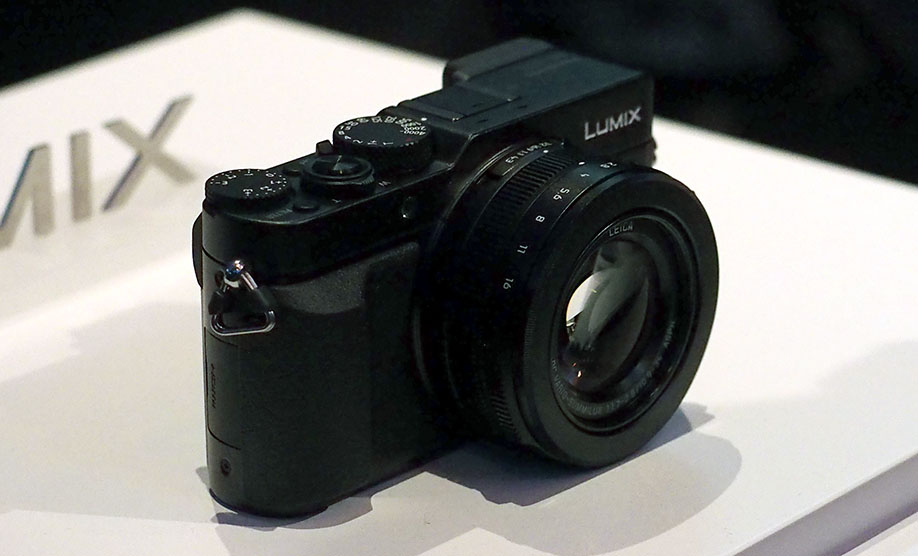
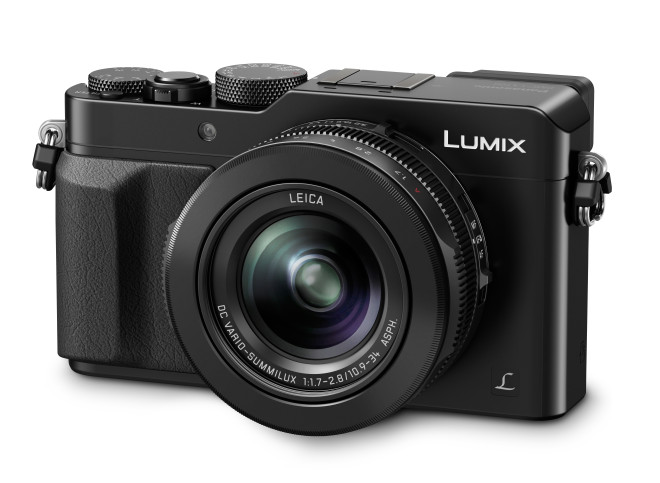
Panasonic’s Lumix LX series includes some of the best cameras in the market, however, recently they’ve taken a backseat with the launch of some large-censored compact cameras like the Sony Cyber-shot RX100 and the Fujfilm X100S. Now, the LX series is coming back with a big sensor of its own.
The new Lumix DMC-LX100 is a remarkable improvement from its LX7 predecessor and probably the most sophisticated compact the Japanese company has ever built. One of main highlights of this camera is it’s Micro Four Thirds-sized, 12.8-megapixel MOS chip which is twice as big as the 1-inch-type sensor in Sony’s RX cameras and the Nikon 1 mirrorless cameras.
The LX100’s F1.7 aperture at the wide-angle end of its 3X zoom (24mm to 75mm) which helps it in harnessing even more light. Also, the LX100 is able to capture 11 shots per second in burst mode. A maximum ISO setting of 25,600 should help low-light shooting even more, and that astronomical setting might even be halfway usable at that sensor size.
It’s also got a fast Leica 24-75mm (35mm equivalent) f/1.7-2.8 lens, a wide-screen, 2,764K dot LVF (live viewfinder) and 4K video capture. The LX100 is also one of the first pocket cameras that captures 4K video footage. Some of those specs put it on par with the company’s flagship GH4, and well ahead of all its other interchangeable MFT models.
Other features include Wi-Fi, NFC capability for easier smartphone pairing, in-camera RAW to JPEG conversion and an external flash. It has a “multi-aspect” feature that allows 4:3, 3:2 and 16:9 angles of view, which reduces the usable area of the sensor.
This premium point-and-shoot camera is due at the end of October. It’s expected to cost between $800 and $900, which makes it a direct competitor of the APS-C-sensored Fujifilm X100s and 1-inch-sensored Sony RX100 III.
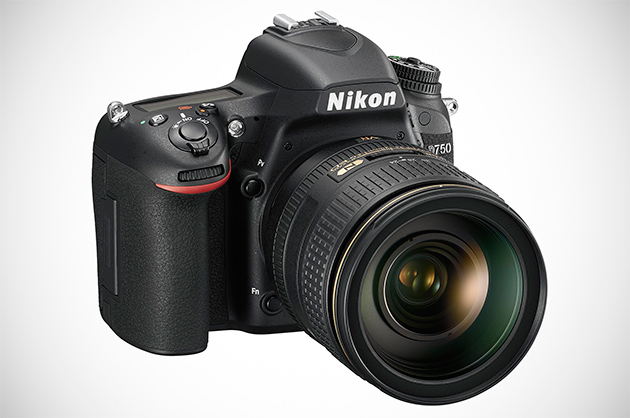
Nikon has launched a new hybrid camera D750. It combines the best features from Nikon’s D810, and the company’s flagship D4S, and wraps them inside a smaller, lighter body. Nikon D750 is full frame DSLR that slots in between the D610 and D810. Replacing the crowd’s favourite D700, this new camera is actually the lightest among Nikon’s traditional pro series.
The D750 has a 24-megapixel FX format CMOS sensor, an Expeed 4 image processor (the same one seen in the much pricier D810), a more light-sensitive 51-point autofocus system, and an ISO range that stretches from 100 to 12,800. It weighs around 750g, it’s significantly lighter than both the D4S and D810, and even bests Nikon’s D610 and Canon’s full-frame EOS 6D
.
It uses a 51-point autofocus system that’s near identical to the higher-end cameras, so you get 15 cross-type AF sensors, 11 of which work up to f/8. The D750 supports burst shooting at 6.5 frames per second in full resolution, which may come as a slight disappointment for those hoping to use it for sports or fast action.
The D750’s greatest strength is its low-light performance. Its ISO range extends from 100 to 12,800 (plus Nikon’s Hi2 mode offers an equivalent of ISO 51,200), and this thing can practically see in the dark and focus at -3EV. That’s a first for any Nikon DSLR. It’s better than what the D810 can manage; even the D4S is only capable of focusing as low as -2EV.
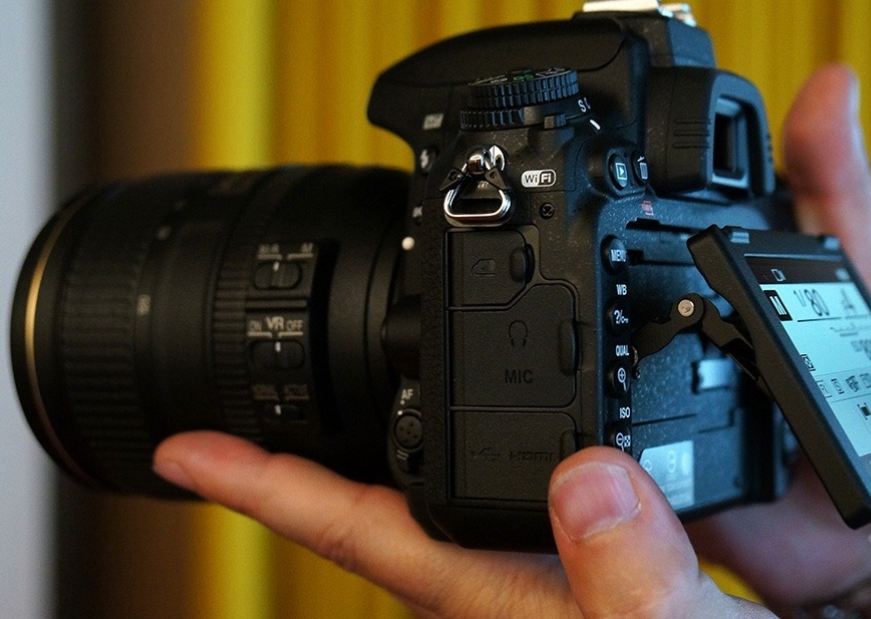
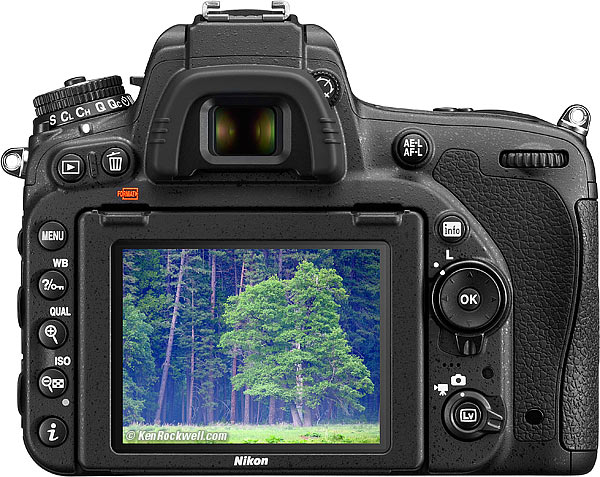
However, the light weight doesn’t come at the cost of functionality. The D750 includes a new 3.2-inch tilting LCD, built-in Wi-Fi, and space for two SD cards. It’s the company’s first FX format camera to have a tilting LCD screen which is 3.2-inches diagonally. It is the first camera to have built-in WiFi which has been crammed into a body that’s thinner than usual. It shoots 1080p at 60, 30, or 24fps with full control over aperture whenever you’re filming. A Power Aperture feature, borrowed from the D810, smooth outs transitions when you’re adjusting aperture.
The Nikon D750 will be available with price tag of $2300 which falls between the $1900 D610 and the $3300 D810. It’s got the same resolution sensor as the D610 as well as a similarly compact design. The D750 is going on sale from September 23rd in a body-only configuration. A kit including Nikon’s 24-120 f/4 lens will follow up in October.
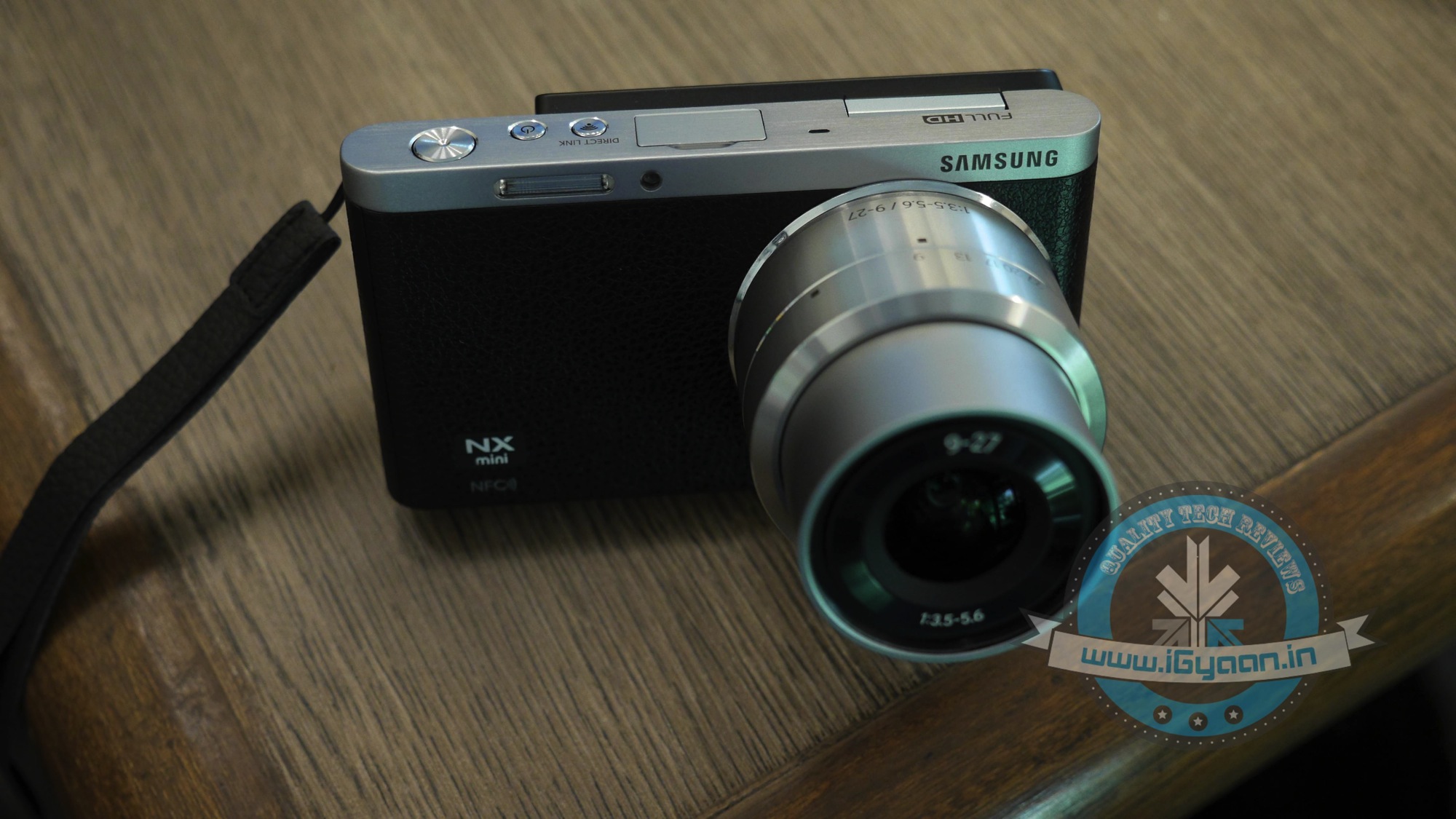
There is always some skepticism when a name of a camera is prefixed with ‘mini’. We have seen in the past that many manufacturers failed to deliver a great camera in a small package. The Samsung NX mini is targeted towards young amateur photographers who focus on style and selfies above all.
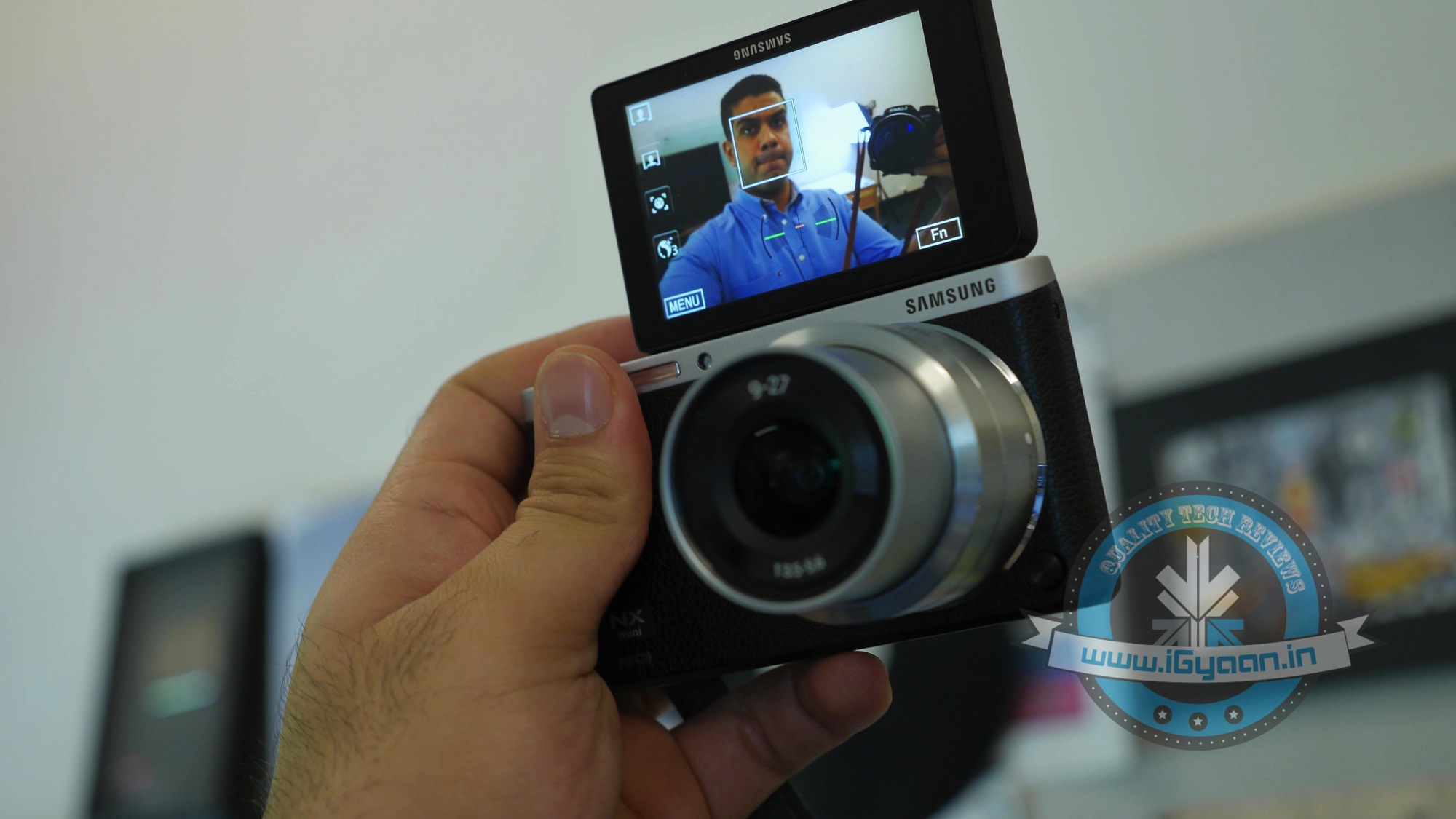
Well, this camera is not yet launched in India, but it is going to be coming soon with an exclusive partnership with Amazon.in priced at less than Rs. 30,000. NX mini is undoubtedly the slimmest interchangeable-lens camera available in the market. It does have a flip-up touchscreen and a cool selfie mode that lets you click a selfie by just blinking. You also get Adobe Photoshop Lightroom for free inside the box; which is a great software for aspiring photographers.
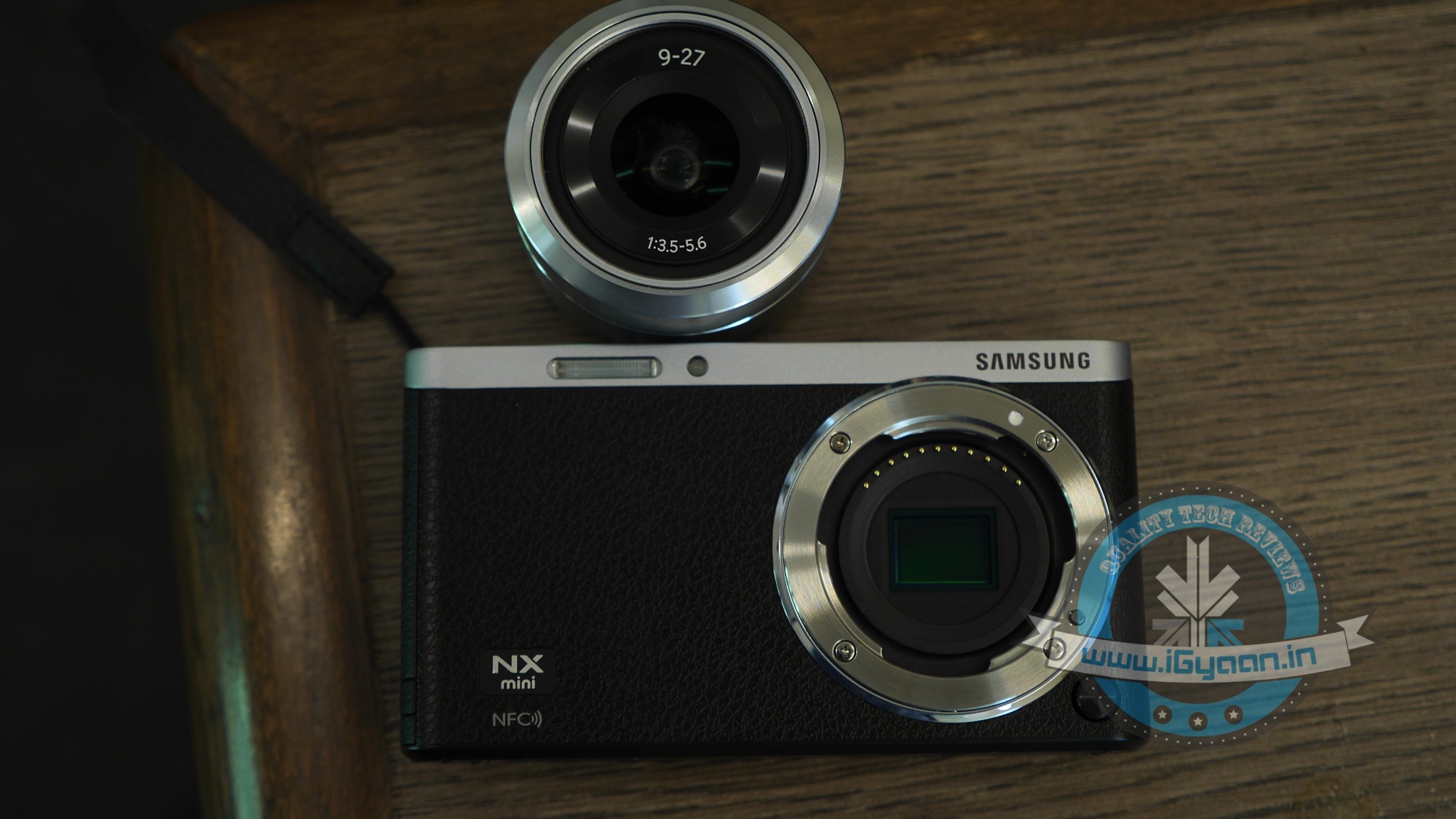
The biggest selling point here is its super-slim, lightweight body that you can slip into a handbag, or even a pocket. Without the lens attached, the NX mini is no larger than many compact point-and-shoots, but when you stick on the 9-27mm (24.3mm, 35mm equivalent) f/3.5 kit lens, it becomes little thick to carry around. There’s a 1-inch, 20.5-megapixel CMOS sensor that is identical in size to what you’ll get with very high-end compacts. However, quite smaller than the APS-C sensor manufacturers included with mirrorless cameras like the Alpha 6000 or the NX30.
The camera comes with a 16 GB micro-SD card and 2330mAh battery, which means that the camera will last for good 300 shots approximately. The camera is NFC-enabled and can be easily connected with NFC-enabled smartphones. The 20.5 MP BSI sensor, the company claims, is made by them. We’re uncertain about the authenticity of that statement, since these kind of sensors are made by Sony only. The lens included in the box is a 9mm (24.3mm, 35mm equivalent) f/3.5 kit lens and is fairly good for this price range.
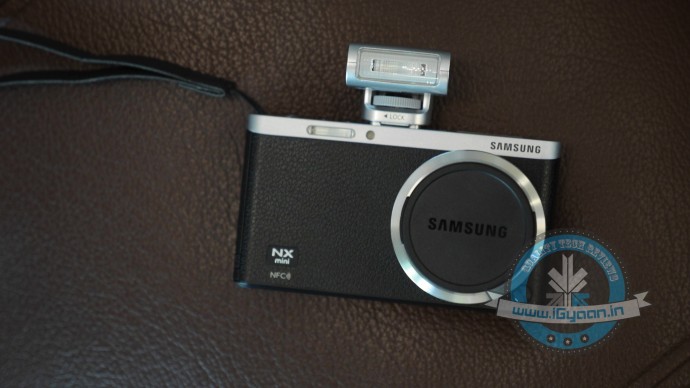
On the top of the camera, you have a microphone pinhole, and hot-shoe sort of mount for Samsung external flash that comes with the package, Wi-Fi button, power on/off button and the shutter button. All of these buttons are seem to be made of metal and brushed aluminium, which makes it a high-quality premium looking device.
The camera supports a set of lenses that are called NX-mini lens and are completely different from regular NX lenses. You can use other lenses from Samsung if you have $150 adapter, which is a third party adapter. However, we heard that Samsung is also working on an in-house adapter.
Once you turn on the camera, you have to further twist the lens to unlock it. The shutter release is nearly full-size, and once you launch the menu, you can adjust many settings simply by tapping the 3-inch, 480 x 320 touchscreen, which also flips up 180 degrees for self-portraits, or at any angle in between for shots below eye-level, or overhead if you flip the camera upside-down.
As for the UI, there’s nothing out of the ordinary here. You can control just about everything using the touchscreen, though you can also use the four-way controller on the side to navigate. The menu interface includes all the general options and isnothing new. You get Auto share, ISO setting, image quality, etc. You also get a picture wizard which changes the setting according to the scene.
Its Wi-Fi mode lets you access a variety of wireless sharing options. MobileLink can be used to send photos from the camera to a smartphone or tablet, or Remote Viewfinder, which miraculously lets you access all of the NX mini’s shooting modes, including manual, from another device.
The Samsung NX mini gives access to Samsung Home Monitor, which requires its smartphone app and lets you use the camera to keep an eye on a child, for example, assuming your camera and phone are connected to the same WiFi network.
The camera fairly fast to focus and click the picture. The capacitative touchscreen allows you zoom in and out extremely easily. Apart from the fact that you don’t have a full manual control during video shooting mode, and its inability to use different lenses, the camera itself is very powerful. The look and the feel is also quite amazing.
The price is expected to be around Rs. 27,000 for 9-27mm lens package and Rs. 24,000 for 9mm lens package when launched exclusively on Amazon.in. This is not an official price but if the pricing remains the same, this device will a perfect starter camera for amateurs or a secondary camera for people who use DSLRs on the daily basis.
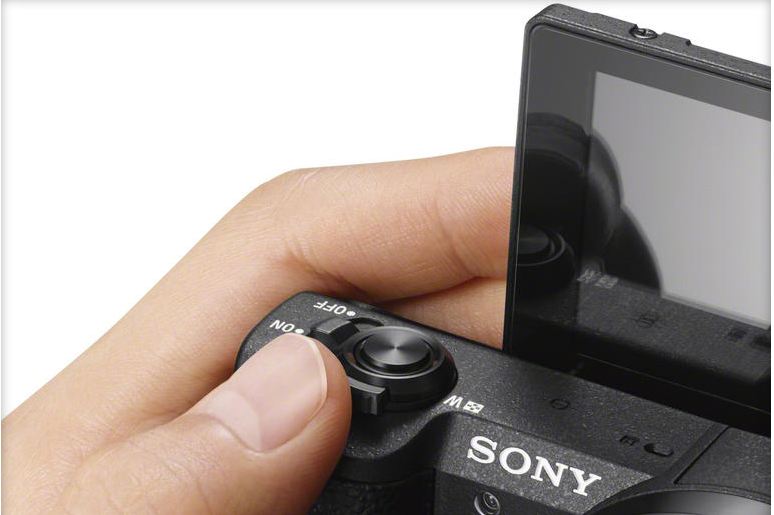
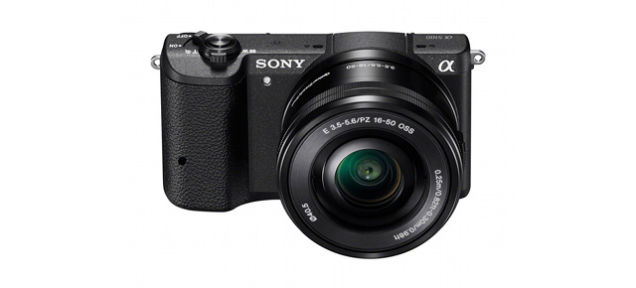
Adding to its line of mirrorless cameras, Sony is back again with the new A5100. Six months after introducing the A6000, Sony replaces the NEX-5T and dropping the NEX line, unifying all its mirrorless interchangeable-lens cameras with Sony Alpha A5100.
It’s also a very minor upgrade over the existing A5000. It has a similar body design, but adds more advanced image sensors. The Sony A5000 is a small size camera with the smallest APS-C interchangeable-lens camera out there. However, before this upgrade, it didn’t have the hybrid autofocus system. The camera is extremely small-sized (4.3 x 2.5 x 1.4 inch) to be packed with so many feature.
The camera does not have an electronic viewfinder, but it does have a NEX-5T-like touchscreen. The ability to tap and focus is quite convenient. It pairs 179 phase-detection AF points with 25 contrast-detection AF points. Sony says it can lock on in as little as 0.07 seconds. Continuous shooting mode supports up to 6fps.
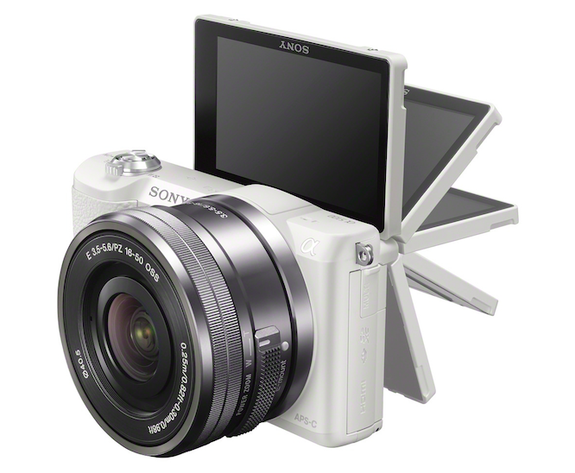
The Sony A5100’s 921k-dot display flips forward 180 degrees for self-portraits. There’s also built-in WiFi, XAVC S video capture and a top sensitivity of ISO 25,600.
If you are a video shooter, then Sony A5100 also stores cool innards for you. There is an option of recording in XAVC S, which allows users to capture footage in 1080p at a bit rate of 50Mbps. Sony says the camera can optionally make two versions of clips: one in AVCHD for easier sharing, and the other in XAVC S with a greater focus on quality. Although, they haven’t provided a mic jack which is disappointing.
But overall, the Sony A5100 seems like a great value. It’ll start shipping in early September, but you can pre-order now. It is available in two color options – white and black.