Tag: cellphone

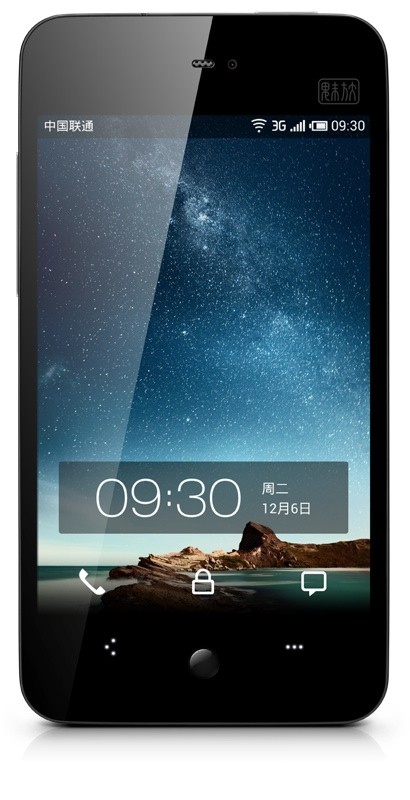
  • Dual Core Meizu MX fully Released, Launching 1st Jan 2012

    Dual Core Meizu MX fully Released, Launching 1st Jan 2012

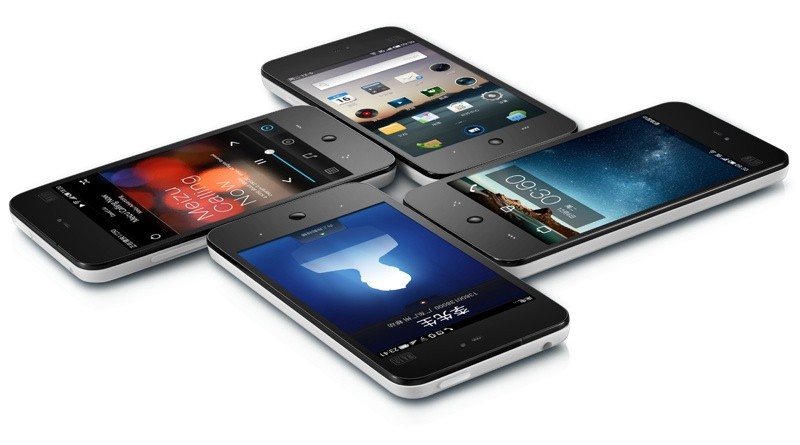
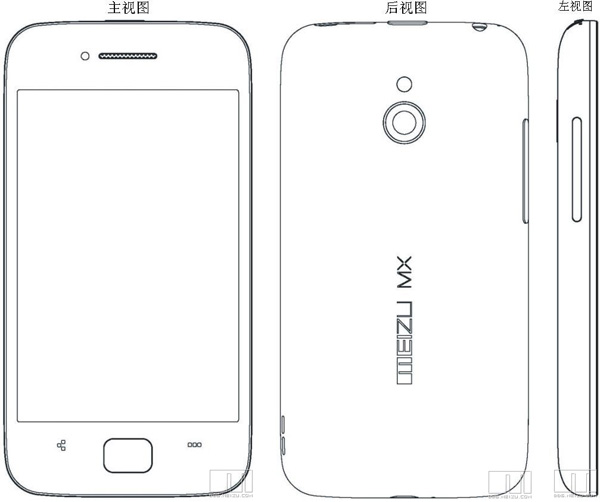
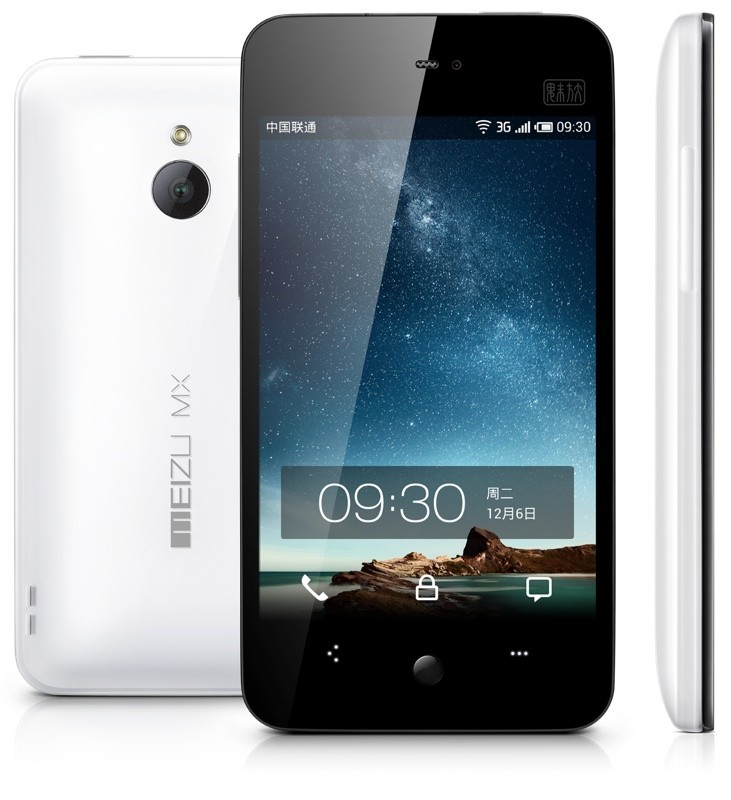
    Meizu has been in the news since the invent of the iPhone, a company trying to take down Apple at what it does best. But with announcements and corp take downs, legal action suits and what not.  The MX is a successor to the M9 announced last year, this dual core model will be available in mainland China starting from ¥2,999 ($470) on January 1st, with a quad core coming later.

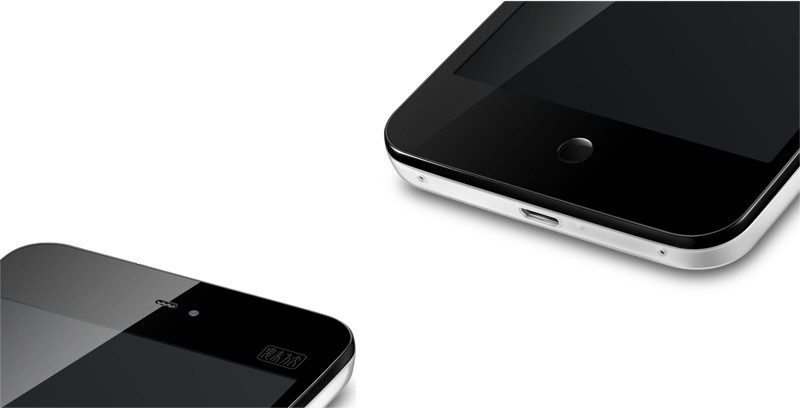
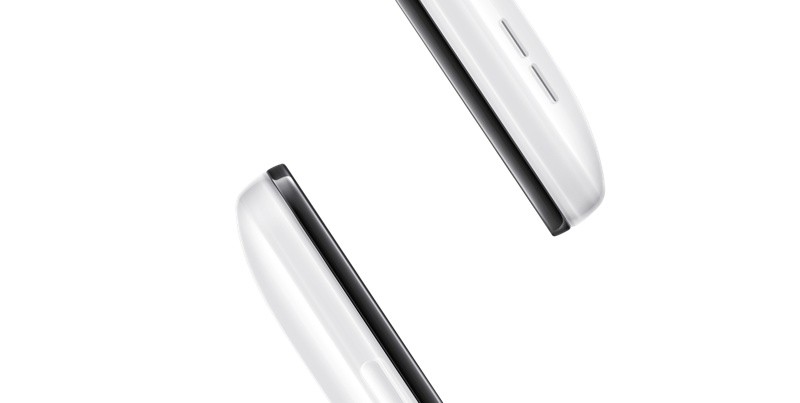
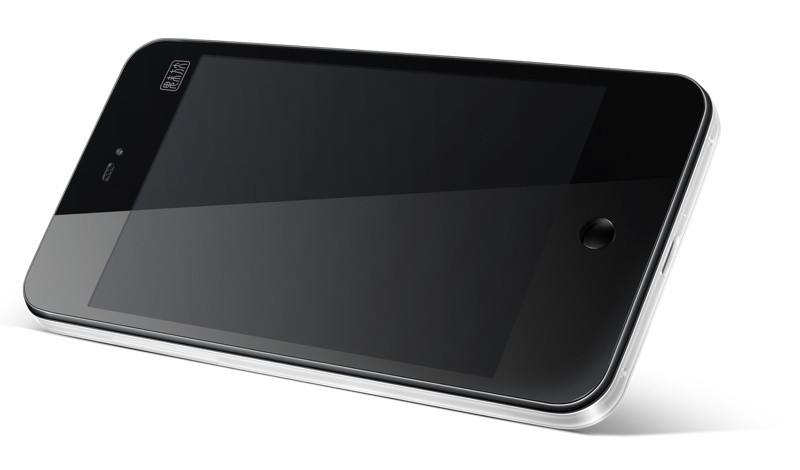
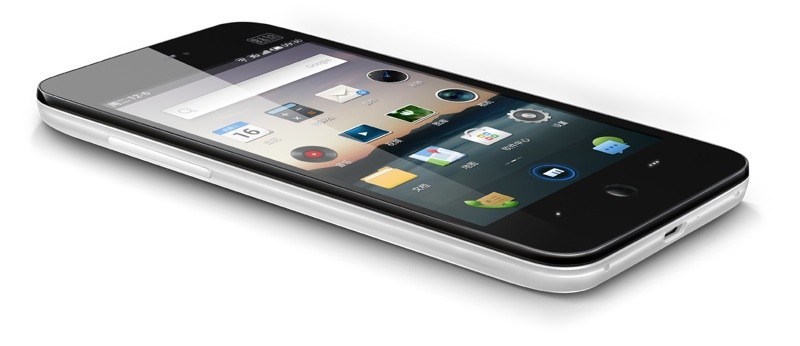
    Spec list now includes a 4-inch 960 x 640 ASV display, 1.4GHz Samsung Exynos 4210 dual core chip, 1GB of LPDDR2 RAM, 16GB of storage, 0.3 megapixel front-facing camera, a secondary mic for noise cancellation and a 1,600mAh battery. The device is 10.3mm-thick and the MX will pack pentaband 3G with HSPA+, the os is customized Android 2.3.5 initially but will eventually get the 4.0 update, as already promised by CEO Jack Wong. 

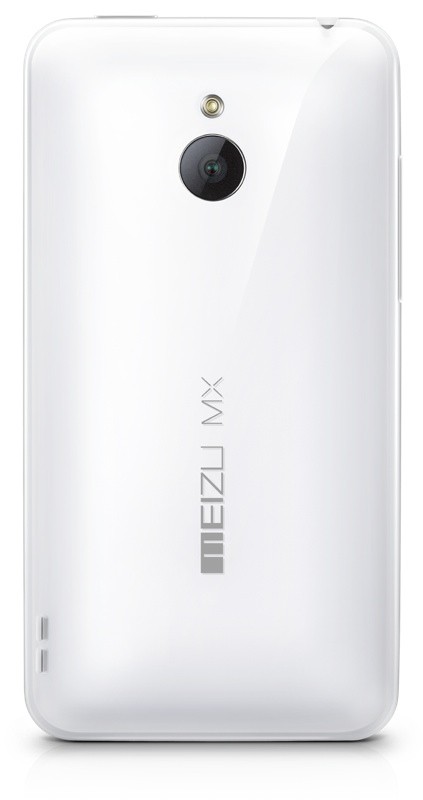
    The camera is an 8 Mp shooter with full hd video capabilities and a f/2.2 backside-illumination lens.
     

    [toggle title_open=”Press Release” title_closed=”Press Release” hide=”yes” border=”yes” style=”default” excerpt_length=”0″ read_more_text=”Read More” read_less_text=”Read Less” include_excerpt_html=”no”]Calling all dreamers, the Meizu MX is unveiled

    HONG KONG-9:30 AM GMT +8, October 6-Today Meizu unveils a new product, the Meizu MX. Borrowing the first two letters from the Chinese characters of the word “dream,” or “meng xiang,” the MX is a dream phone in all its senses. The MX comes with a dual-core 1.4GHz processor, 1GB RAM, 8 megapixel back-illuminated camera and LED flash, along with a gyroscope and other sensors. Its design is clean, intuitive and minimalistic, which is the result of countless discussions, prototypes, and revisions.

    The Meizu MX has a gorgeous 4-inch, high resolution (292 PPI) AVS screen with the ideal 3:2 aspect ratio. Compared to wider 4.3-inch screens, the screen edges are easily reachable with your fingers, while providing better readability for text; both in horizontal and landscape mode. In addition, the phone comes with Meizu’s unique Flyme OS, which features a custom designed UI, as well as cloud services such as data syncing, music store (China-only), and an applications market. The Meizu MX also features a Meizu-only innovation, namely our patented situation-aware bottom light keys.

    MX offers ample connectivity and media sharing options such as a micro USB port, coaxial digital audio output, MHL, USB Host and other features.

    A 16GB version of the MX will be available January 1, 2012 priced at 2 999 CNY.

    With the MX, Meizu is taking its first steps into the international market. Meizu is opening a store later this month in Hong Kong, on Sai Yeung Choi Street, Mong Kok.

    About Meizu
    Founded in 2003, we began producing music players which later came to be world renowned. Since 2008, all our efforts have been focused on making great smartphones, which have made us one of China’s most loved smartphone makers.

    Since the beginning, something we have always held dear was the power of daring to dream. We believe in focus, in doing few things, but doing them really well. To us, focus is the key to achieving and exceeding our dreams. In focusing, our team is devoted, plans for the long-term, and strives for perfection. As a company, we want to transcend convention and imagination, with the ultimate goal of making products worthy of dreaming about.

    Meizu International Division
    Address: Unit 01-02, 19/F, Hollywood Plaza, 610 Nathan Road, Mongkok, Kowloon, Hong Kong
    Press contact: [email protected]
    Mobile: +852 9383 6433
    http://www.meizu.com.hk[/toggle]
  • Samsung Plays dirty games to stop iPhone 4S in Aussie Land – Sells Galaxy S2 for $2

    Samsung Plays dirty games to stop iPhone 4S in Aussie Land – Sells Galaxy S2 for $2

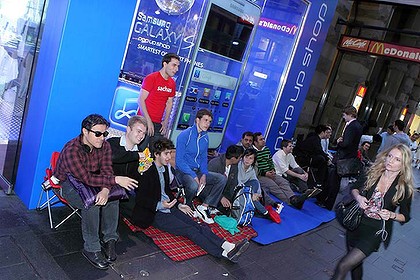
    Have a Hundred rupees ? You can now get a Samsung Galaxy S2 for 2 Dollars (Australian) if you are in Sydney. The line apparently stretches beyond the one at the Apple Store, the first 10 people in line at the store get the device at $2.

    Customers queuing outside of Apple’s George Street store in Sydney waiting for Friday’s iPhone 4S launch have reportedly been approached by Samsung representatives, encouraging them to switch queues and stand in line at the Samsung store instead.

    Unfortunately for Samsung, it doesn’t seem to be working on most, with student Tom Mosca noting:

    There’s this guy who has come up to us trying to convince us to buy the Samsung Galaxy S II two days in a row now. He’s an idiot.

    Oh the dirty Tricks Samsung!

  • Samsung Trying to kill Wave owners by letting everyone upgrade to Wave 2.0

    Samsung Trying to kill Wave owners by letting everyone upgrade to Wave 2.0

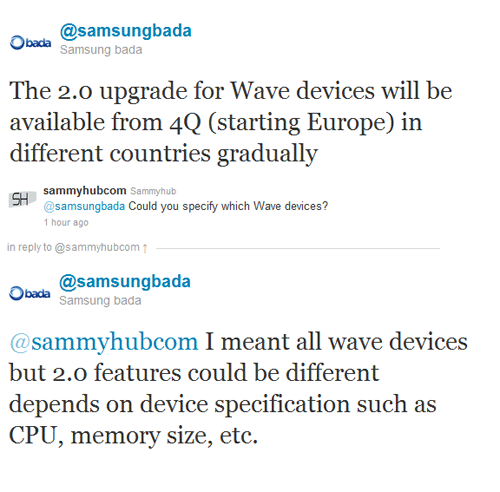
    Its the classic case of “we want you to buy new devices” Wave 2.0 is said to be considerably heavier than the existing version. As in the case of iOS 4 for iPhone 3G , You basically get half the features of higher end phones, a lot of lag and crashing and a chunk load of disappointment all around. Lets hope that this is not the case with BADA 2.0 as SAMSUNGBADA twitter account has updated saying that all existing bada devices get Bada 2.0, but not all get all the features.

    Looks like its gonna be one big battle b/w users, Samsung and App devs (most of whom are already dreading different formats from Bada OS)

    Ready for battle – round 1 – …………………….

  • Leaked : HTC Vigor pictures

    Leaked : HTC Vigor pictures

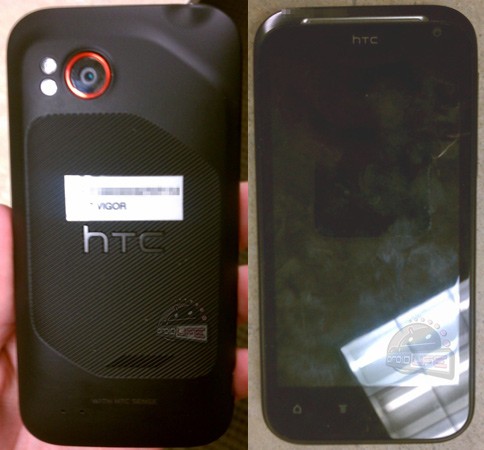
    Droidlife has got its hands on new images of the HTC Vigor, the device is rumored to have a texturized backplate comes “WITH HTC SENSE”  a dual LED flash, a front-facing camera along with four capacitive buttons its also rumored to have a  1.5GHz dual-core processor, 1GB of RAM and 16GB of internal storage. The popular Beats by Dre Sound engine will also possible premiere in this device.

    Looks like this device is heading to Verizon, so it may never reach the Indian Shores.

  • Meizu MX to release in September, with Dual core and Quad core options

    Meizu MX to release in September, with Dual core and Quad core options

    Meizu CEO Jack Wong , announced on tuesday ( in a discreet fashion) that the company upcoming 4 inch phone will be released in China at the end of September this year. The interesting bit here is that the device will have two versions, the 16GB version will come with a dual-core chip, while the 32GB version will sport a quad-core one.

    No other relevant information was released about the device. We will keep you updated as we get more.

    [Meizu]
  • Mobile Gaming By The Numbers

    Mobile Gaming By The Numbers

    The mobile gaming industry was worth $33 Billion in 2010. Statistics show that you are more likely to leave home without your wallet than your phone. While most people would rather play a game on a console or computer, the mobile market is rising. Check out the info-graphic below for more facts on mobile gaming:


  • Samsung Galaxy SII coming in White August 15 : A Savior to the Race

    Samsung Galaxy SII coming in White August 15 : A Savior to the Race

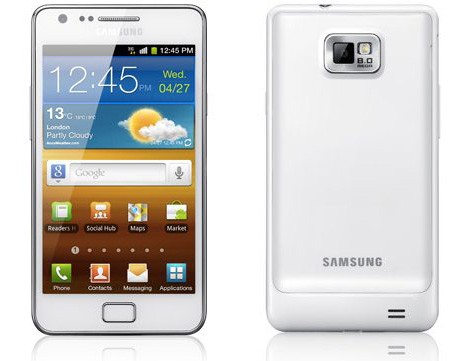
    One of the most successful smartphones of the year, the Samsung Galaxy S2, will now be available in White starting August 15 in the UK. The device is expected to hit India around the same time. The Samsung Galaxy S2 has been the most sought after cellphone in India, right after the iPhone 4 and above the LG Optimus 2X and HTC Sensation. 

    Samsung hopes to continue to sell the device through december, when a newer Galaxy with a 2Ghz dual core processor is supposed to be announced for 2012.

  • Fujitsu Toshiba  au IS12T is the world’s first Mango phone

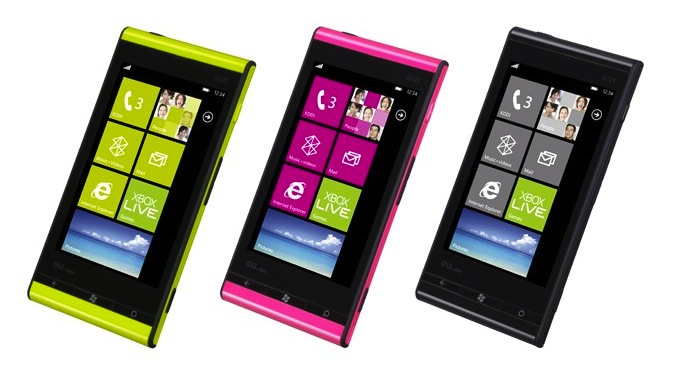
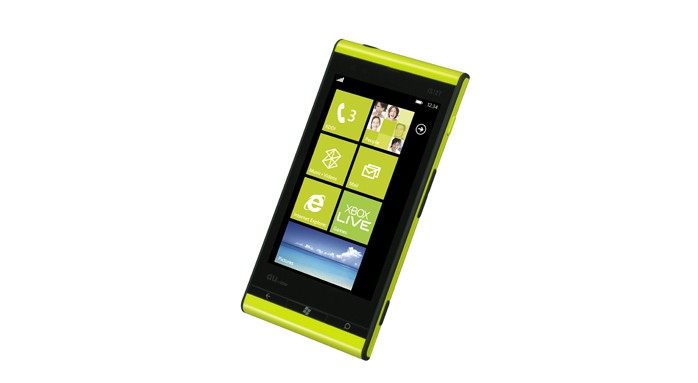
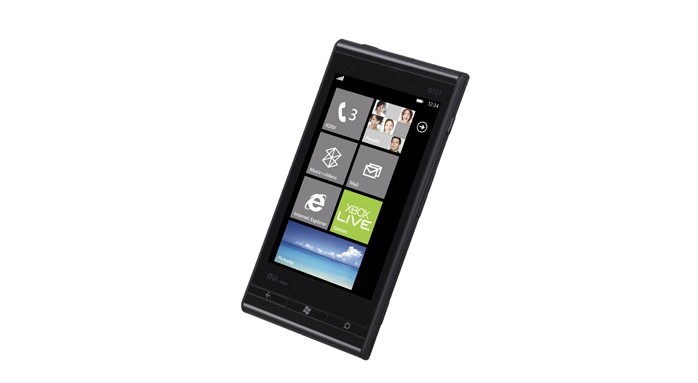
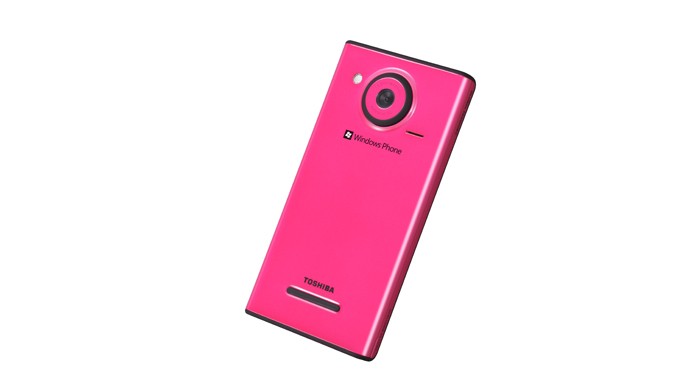
    Fujitsu Toshiba au IS12T is the world’s first Mango phone

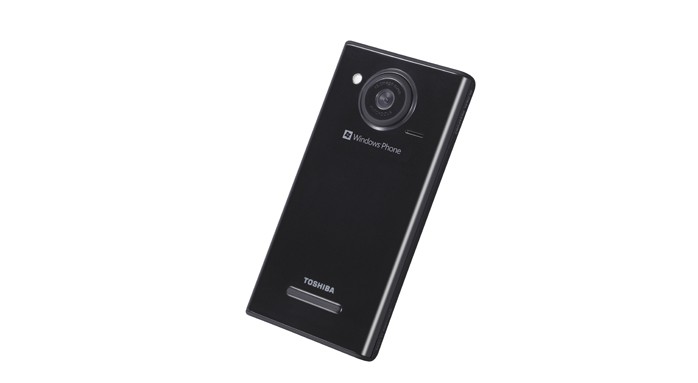
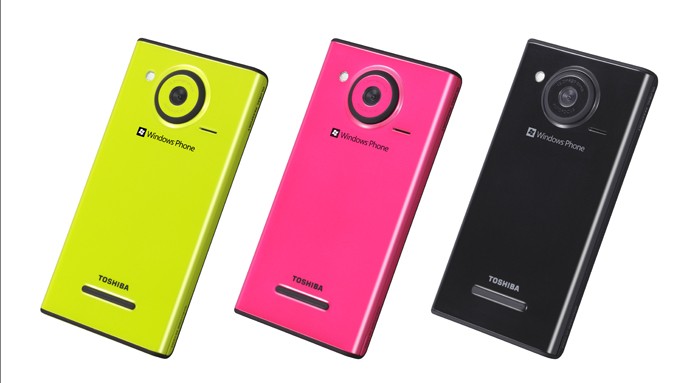
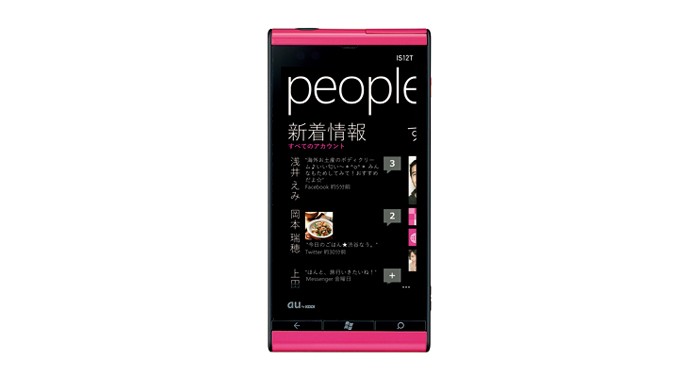
    Fujitsu Toshiba mobile communications have just announced the au IS12T, world’s first Mango phone. The device is not only waterproof but also packs in decent specs including a massive camera.

    • 3.7″ WXGA screen
    • Qualcomm’s MSM8655 CPU
    • 13.2 megapixel camera with autofocus
    • 32GB of flash storage
    • Bluetooth (2.1 + EDR) and WiFi (802.11b/g/n)
    The device was just launched in Japan so don’t expect an Indian version anytime soon.
  • Tech 101: How OLED Displays Work

    Tech 101: How OLED Displays Work

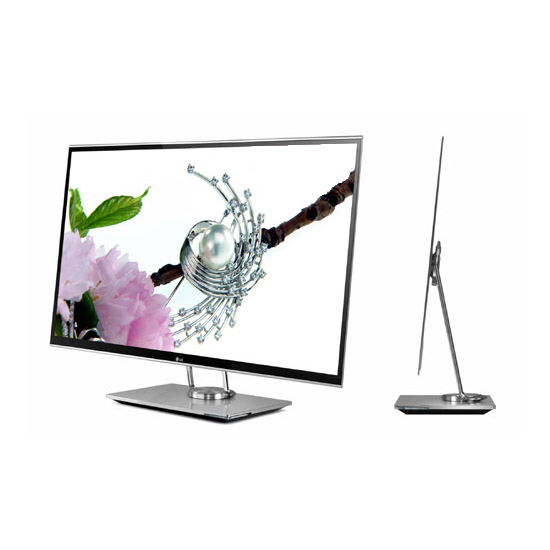
    In our previous article, we explained How Modern LCDs Work. In this article, we’ll be exploring how the new generation of displays based on OLED technology work.


    What Exactly are OLEDs?

    There are a lot of products in the market today ranging from TV’s to Laptops and even Smart Phones that contain an OLED display. But what are these displays and how do they work? OLED stands for Organic Light Emitting Diode. This technology is named after the organic polymers that are used in its construction. For a long time, organic compounds have been assumed to be electrical insulators but new research and manufacturing techniques have allowed the industry to use these polymers for many applications on a vast scale.

    OLEDs are solid-state devices which are composed of thin films of organic molecules which emit light when a current is applied. OLEDs can provide brighter crisper displays that use less power than conventional Light Emitting Diode (LED) and Liquid Crystal Display (LCD) technologies. Another application for OLEDs is in the form of lights to be used in homes and offices. These lights have a long life and are very efficient.


    The Manufacturing Process

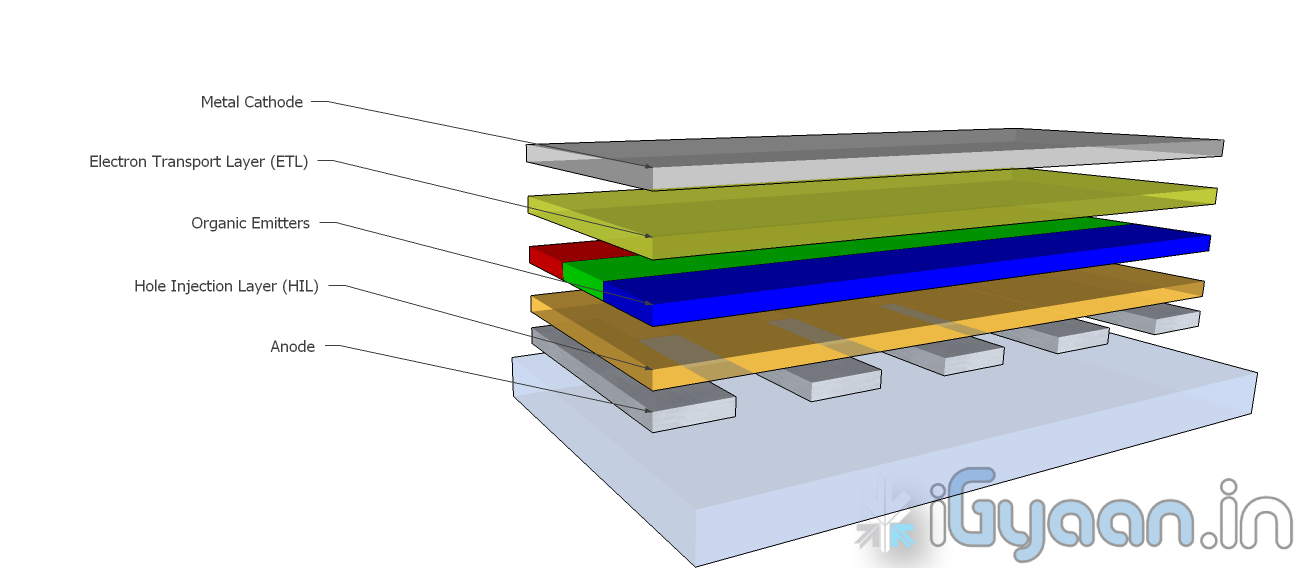
    OLEDs are basically layers of organic material sandwiched between an anode and a cathode and mounted on a substrate. This entire device is usually between 100 to 500 nanometers thick or is about 200 times thinner than a human hair.

    The substrate is usually a sheet of glass which is coated with a transparent conductive oxide which works as the anode. The next layer consists of hole injection material, the organic emitters and the electron transport layer which are together referred to as the organic stack. On top of the organic stack is the inorganic cathode. The device operates as follows:

    • Cathode – The cathode injects electrons into the system when a current flows through the device. It may or may not be transparent.
    • Organic Stack – This layer is made up of different organic polymers that are built up in layers. This is where light is made. The organic stack consists of the following layers:
      • Electron Transport Layer (ETL) – This layer consists of organic polymers or plastics that transport electrons from the cathode to the Organic Emitters.
      • Organic Emitters (OE) – This is a layer that is made up of organic polymers that may or may not be mixed with phosphorescent chemicals.  One polymer used in this layer is polyfluorene.When an electron finds a hole, it falls into the hole and gives up energy in the form of light.
      • Hole Injection Layer (HIL) – This layer is made up of polymers that transport electrons to the anode. This leaves ‘holes’ for electrons transported from the ETL to fill.
    • Anode – The anode removes electrons from the system when a current flows through the device. It is always transparent.

    This is the process by which a single OLED works. To turn them into colour displays, manufacturers place several layers of OEs on a display. There are various methods with which these individual pixels can be turned into a full colour display.


    Types of OLED Displays

    There are several types of OLED Display

    • Passive-matrix OLED
    • Active-matrix OLED
    • Transparent OLED
    • Top-emitting OLED
    • Foldable OLED
    • White OLED
    Passive Matrix OLEDs or PMOLEDs

    PMOLEDs are designed in a hash pattern. The anode and cathode are made in strips that are arranged perpendicular to each other. The points of intersection of the strips of anode and cathode make up the individual pixels where light is emitted. External circuitry is used to control which pixels are on and what colour they emit. The brightness of each pixel is dependent on the amount of current in the system.


    Active Matrix  OLEDs or AMOLEDs

    AMOLEDs have a full layer of anode and cathode materials but they borrow a technology from LCDs to produce a visible display. Sandwiched between the anode and the organic layer is a layer of thin film transistors or TFTs that makes the array. The TFT array is the circuitry that decides which pixel is on and what colour it displays. AMOLEDs are more efficient than PMOLEDs because the external circuitry used to run the PMOLEDs consumes more power. AMOLEDs also have a faster refresh rate which makes them more suitable to larger displays used in televisions and computer monitors.


    Transparent OLEDs or TOLEDs

    TOLEDs are constructed with only transparent  components, and are upto 85% as transparent as the substrate used when they are turned off. When it is turned on, the display still allows light to pass both ways and remains transparent. It can have either an active matrix or a passive matrix. This technology would be perfect for Heads Up Displays and Medical Equipment.


    Top Emitting OLEDs or TEOLEDs

    TEOLEDs are constructed with a substrate that is either opaque or reflective. They are perfectly suited for an active matrix design. They are used in smart-cards.


    Foldable OLEDs or FOLEDs

    FOLEDs are constructed with a highly flexible substrate which could either be a plastic or metallic foil. These types of OLEDs are very lightweight and durable. They are used in cell phones and can reduce breakage. They could also potentially be integrated into fabrics to create smart clothing.


    White OLEDs or WOLEDs

    WOLEDs  emit pure white light that is brighter and more uniform than the light which is emitted by fluorescent lights. . WOLEDs can be made in large sheets and can reduce energy costs massively if used to light homes and buildings due to their low power consumption.


    Advantages and Disadvantages of OLEDs

    OLEDs offer many advantages over the current favorite, LCDs and LEDs.

    • The organic construction of an OLED is much thinner than the many layers required for an LCD or LED display.
    • OLEDs can be built onto a thin plastic substrate which allows them to be flexible instead of the glass used in LCDs and LEDs.
    • Due to its design, an OLED display is much brighter than an LED display. This is because the conductive and emissive layers of an OLED can be stacked several times to produce more light than an LED while still remaining extremely thin.
    • Since OLEDs emit light themselves, they do not require a back-light. LCDs work by selectively  blocking areas of the back-light to produce individual pixels. OLEDs are also much more energy efficient than LCDs because they lack a back-light.
    • As OLEDs are made from plastics, they can be built into large thin sheets which makes them much easier to produce. It is much more difficult to create an LCD display of the same size.
    • OLEDs have a much viewing angle than LCDs because they do not block light in any fashion. Since they produce their own light, they can provide a field of view of upto 170o.

    For all their advantages over LCDs and LEDs, OLEDs have a few problems as well.

    • Red and green OLED films have a very long life of between 46,000 to 230,000 hours while blue OLED films currently have a much shorter lifespan of around 14,000 hours.
    • The manufacturing process for OLEDs is not cheap as of now.
    • OLEDs are not at all water resistant and can easily be damaged on contact with even a few drops of water.


    While LCD and LED technology remains in the mainstream, OLEDs are making headway into the television, computer and mobile segments. Manufacturers and engineers are realizing the potential benefits of using OLED technology for their devices. In the next few years we should see an increase in OLED sales as well as some novel applications of the technology.

    Stay tuned to the Tech 101 segment to learn more about what makes our everyday devices tick.

  • Printable Antenna Generates Electricity from Out of the Blue

    Printable Antenna Generates Electricity from Out of the Blue

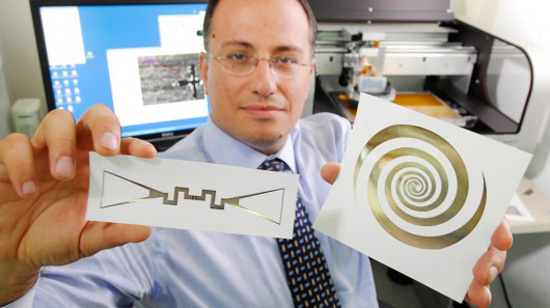
    WiFi networks, Cellphone and Radio Signals. These are just a few of the waves that are spamming the Electro Magnetic Spectrum around you most of the time. You can harvest this energy for more than its intended use. With printable antennas, you can power battery free electronics in most urban environments.

    Since this technology is still in its infancy and generates only a few milliwatts, so don’t expect it to power your cellphone or laptop anytime soon. What this technology is good for is powering networks of sensors in locations that don’t have electrical outlets, batteries or access to solar power. This could be a temperature sensor placed in the wall of your home, or a sensor built into the body of your car to check for structural damage. These sensors could also be teamed up with capacitors to collect power and send short bursts of wireless data to a receiver nearby.

    Theoretically, the amount of electricity generated could be increased in two ways. The first way would involve stacking these antennas one on top of the other and the second way would be to increase the surface area of each antenna. Combined, perhaps we could have a self charging battery or phone in the near future. We can only hope…

  • Spice Popkorn – M9000 Cinema Projector Phone Full Review

    Spice Popkorn – M9000 Cinema Projector Phone Full Review

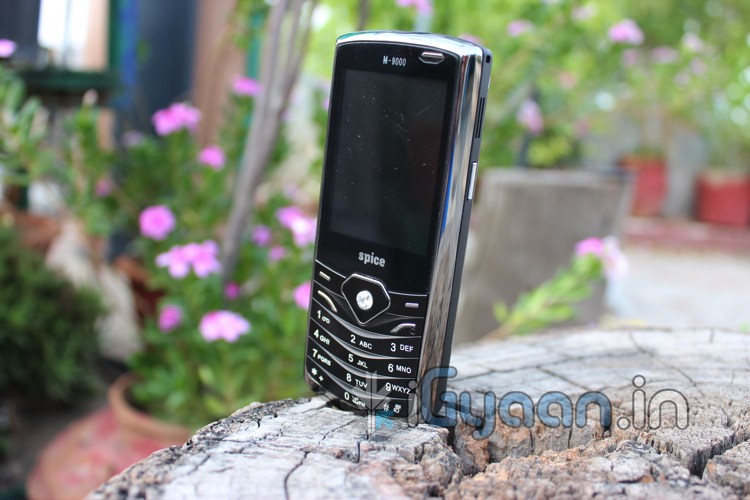
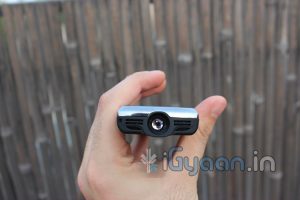
    The Spice Popkorn is the first phone in India to have a built in projector and as such sets the standard for all future devices with this technology. Lets find out how it fared at the iGyaan Lab.


    Build Quality, Hardware & Design

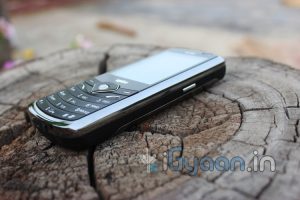
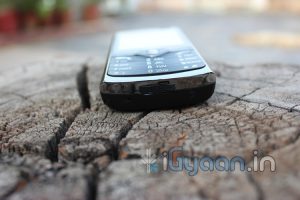
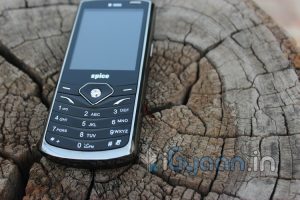
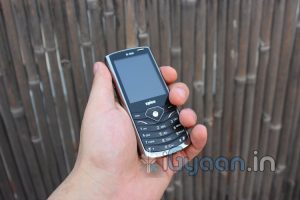
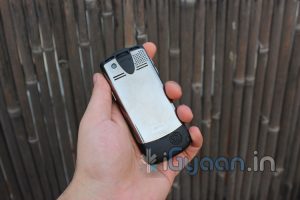
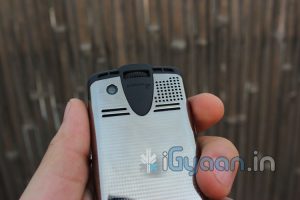
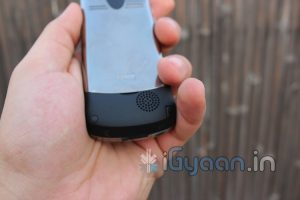
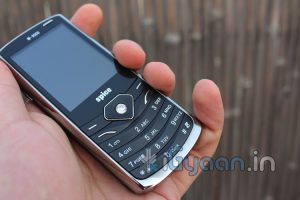
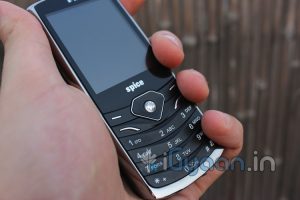
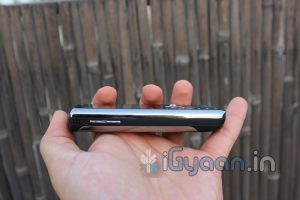
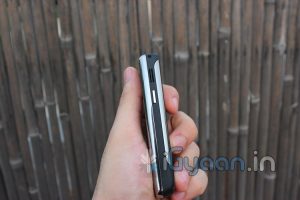
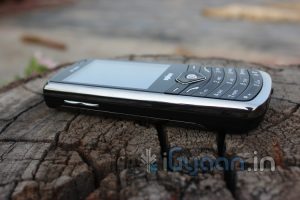
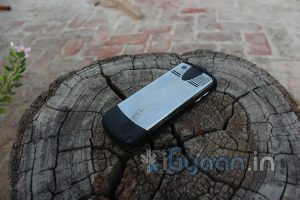
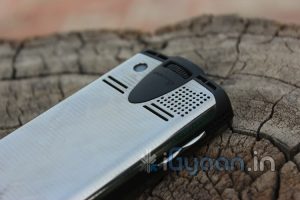
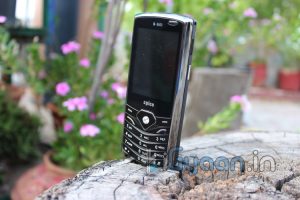
    The Popkorn has a standard candybar design that is much thicker than a regular candybar phone due to the inbuilt projector. It feels quite solid and is comfortable to hold with its metal and rubberized plastic body. The phone weighs 123g and is quite a bit heavier than phones of a similar design, but due to its form factor, it still feels quite comfortable in the pocket.

    One feature that we thought was a little delicate was the telescopic antenna. Its quite thin and fells like it will bend if a little too much pressure is applied. Be careful when expanding and retracting the antenna as you use this device.

    The screen on the Popkorn is a 6cm 320x240px QVGA display which is quite vivid and displays good contrast in colours. Its nothing to boast about, but then its not the only display the phone has. The device has Dual SIM capabilities and supports GPRS and WAP connectivity. It also has built in bluetooth to allow you to connect your phone to a bluetooth device. It does not support 3G or WiFi.

    Included Accessories

    The phone comes with a tripod and a tripod mount. We felt that the quality of the tripod could be improved as  it feels like it might tip over with the weight of the phone, but such is not the case. The tripod mount holds the phone securely and keeps it nicely balanced on top of the tripod.

    Overall, the build quality of this device is exceptional, when you consider the fact that Spice has managed to stuff a projector into a device that weighs only 123g.

    Camera and Multimedia

    The Popkorn has a 3.2MP rear facing fixed focus camera that can capture images upto 2048 x 1536 px. It can also record video at a maximum of 15fps and also comes with a 4x digital zoom.The camera can be used as a webcam as well, once you plug it into your computer via the included USB cable.

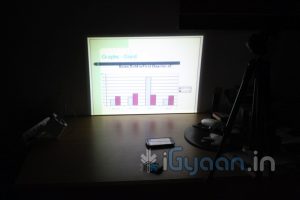
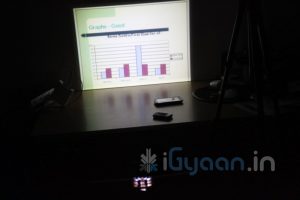
    The projector on the device, in our tests, has given a readable display of approximately 40 inches at its largest and 2″ at the smallest. That’s a HUGE screen from a tiny device. We recommend that the phone be setup so that the display is approximately 27″ to 30″ large as this gives the best picture quality. However, the projector is not extremely bright so using it in a well lit room is not advisable. Keep the lights off and the curtains drawn when using the projector. With many air vents around the phone, we did not notice any significant heating of the device, even after extensive use of the projector.

    Another great use of the projector is to watch TV. The Popkorn catches analog TV signals from its telescopic antenna. Channels can be programmed and saved to the device so that you can view them at your leisure. While watching TV is a nice recreational activity, the phone also has a feature that can come in handy while at work. It has the ability to playback PowerPoint Presentations, and with the included laser pointer, you can make excellent professional presentations. You no longer need to carry your laptop to your meetings. Simply copy your ppt onto the memory card and carry the phone.

    The phone also has built a built in FM radio, and with the telescopic antenna, you do not require headphones to catch a signal. It also has the ability to schedule and record FM radio so you can catch all your shows at your pleasure. The speaker phone is very loud and gives sufficient sound to be clearly heard in a large room. Spice has also included an external speaker which increases the audio output of the device many-fold. The speaker also has a built-in battery so it does not drain the battery on the phone while in use. A few cables have been included to connect as well as charge the speaker.


    Phone and Messaging

    The Popkorn supports Dual SIM cards. It also has a standard numpad which makes dialing and placing calls a breeze. The microphone and earpiece perform as expected and we have no complaints. As stated, the loudspeaker is really loud and provides a good hands free experience.

    Typing on the phone is also easy as the keypad is quite responsive and the keys are easy to press.


    Data & Internet

    The Popkorn supports GPRS and WAP. It has a browser that leaves a lot to be desired. One feature we found lacking was WiFI. It would have been great if we could use WiFi to browse the internet on the projector or even stream videos directly to the device via our desktops/laptops. Maybe they will include this feature in the next version of the device.


    Conclusion

    When we got this device, we had low expectations of its performance. However, after using it for a while, we were, quite literally, blown away. The phone by itself is comparable to any number of Dual SIM phones that are on the market today, but the other features that it packs set it a world apart. The Projector with its Video playback, Analog TV and Presentation capabilities left us in awe. For its price, it is possibly the most inexpensive projector on the market today. The fact that its a phone and can fit in your pocket just adds icing to the cake.

    MRP: Rs. 6699/-

    [xrr rating=3.75/5 label=”We Rate it : ” imageset=shiny_yellow_star display_as=fraction_stars]


    Unboxing Video

    Full Review


  • 13 Year Old Invents the Smart Bell

    13 Year Old Invents the Smart Bell

    Laurence Rook, a 13 year old boy from Whyteleafe, Surrey, has invented a bell that uses a SIM card and existing mobile technology to call your phone when someone rings the bell. The device adds a layer of white noise so people think that you are speaking from an intercom system indoors. This is a specially usefull device for people who live alone or people who are out of their houses for most days. It can allow you to speak to the courier or fool a robber into thinking your at home.

    Laurence has already sold 20,000 units to telecoms giant Commtel Innovate and is finalising a deal with an unnamed second company for a further 25,000 units. When the deal is signed, he will be £250,000 richer. Each bell will be retailed for £40 and will soon be available.


  • World’s First Solar Powered Android Smartphone: Umeox Apollo

    World’s First Solar Powered Android Smartphone: Umeox Apollo

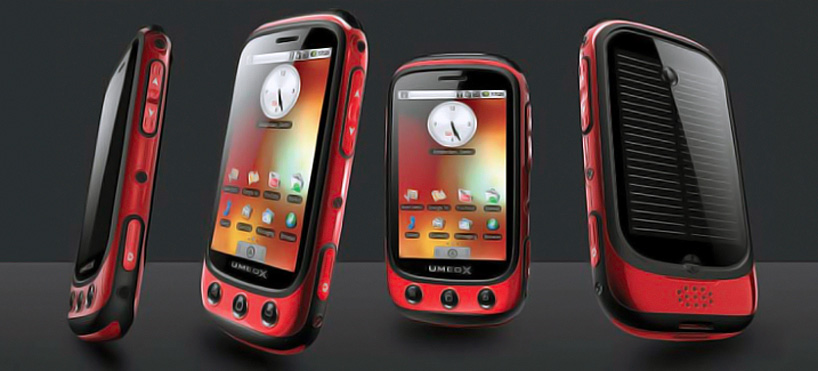
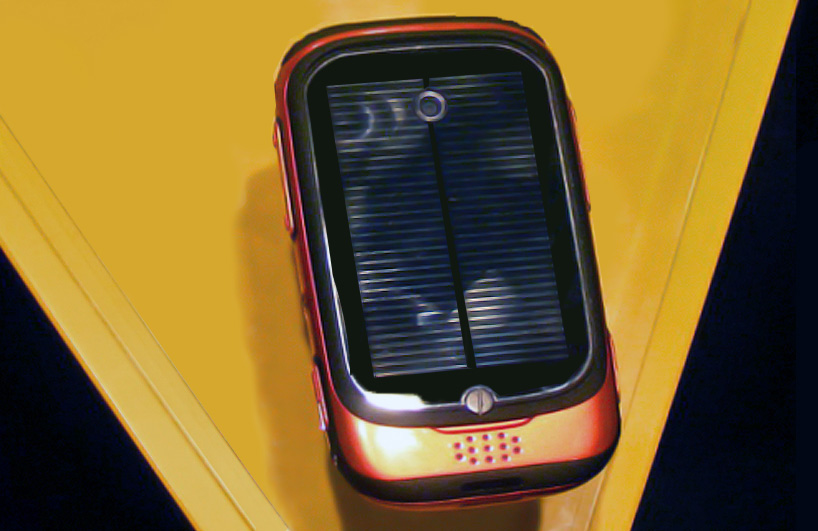
    With a hardware prototype on display at Mobile World Congress 2011, phone manufacturing company Umeox has announced ‘Apollo’, the first solar-powered android smartphone. With few features but an expected price point below 100 USD, the phone is designed primarily for developing markets. the 3.2″ touch screen is backed with Android 2.3, and uses Dutch energy developer Intivation’s efficient sunboost technology for its solar panel.

    One hour of full sunlight provides sixteen minutes of talk time, and the company estimates that approximately 2.5 hours of light exposure is sufficient for daily use. Although natural sunlight is most efficient, the phone can also charge on ambient artificial light. ‘Apollo’ also includes a 3-megapixel rear facing photo and video camera, along with SD memory card slot.

    Tech Specs:

    • 3.21″ 320 x 240px display
    • 1300 mAh Battery
    • 3MP rear facing Photo & Video Camera
    • 24 cm2 Solar Panel
    • 3G HSDPA Internet Access

    Expected to launch in 3rd quarter of 2011 at a price range of Rs 4500 to 6000.


  • The Asus PadFone Leaked

    The Asus PadFone Leaked

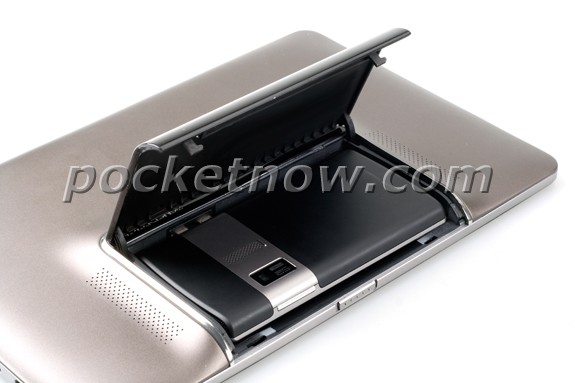
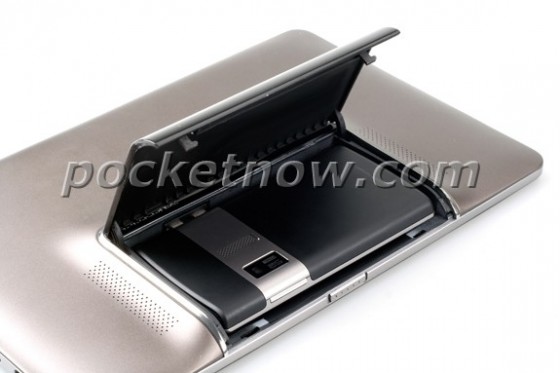
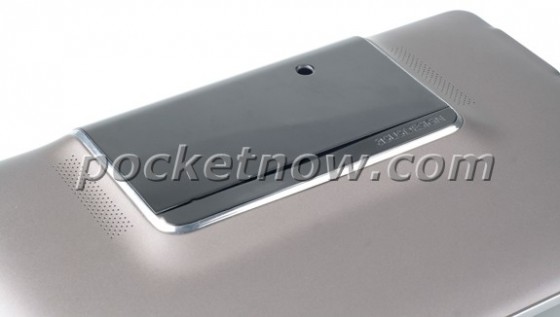
    The folks from Pocketnow have got exclusive pictures of the upcoming Asus PADFone. According to the images, the android phone will dock behind a Touchscreen shell with a shielded cover. Now the only thing speculating the web-o-sphere is whether this will run Gingerbread or the muti-platform Ice Cream Sandwich.

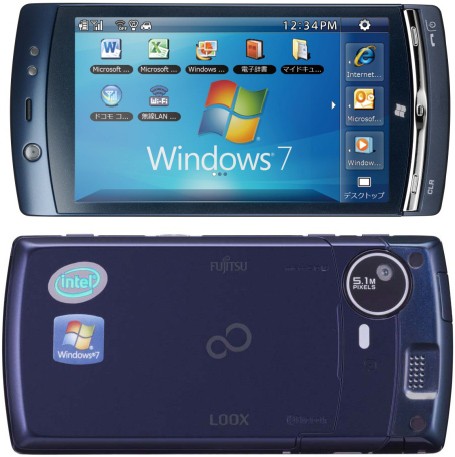
  • Fujitsu LOOX F-07C launched with dual boot Windows 7 and Symbian

    Fujitsu LOOX F-07C launched with dual boot Windows 7 and Symbian

    NTT DoCoMo’s Fujitsu LOOX F-07C has been officially announced. Specs include

    • 4-inch 1,024 x 600 LCD
    • 1.2GHz Intel Atom processor
    • 1GB of LPDDR400 RAM
    • 802.11b/g/n WiFi
    • 32GB of eMMC disk space
    • Expandable memory via microSDHC
    • 5 megapixel autofocus camera with face detection
    • VGA front-facing camera
    • 600 minutes of standby time
    • 370 minutes of 3G talk time
    • Windows 7 mode  gives 120 Mins
    • HDMI-out via a USB adapter
    • ¥70,000 ($860) – Approx INR 42,000

    Pricing is possibly high , but decent for a Phone with a real life processor and a real life operating system.

    PRESS RELEASE

    NTT DOCOMO Unveils 24 New Mobile Devices
    – Including biggest and most diverse lineup of smartphones –

    TOKYO, JAPAN, May 16, 2011 — NTT DOCOMO, INC. announced today its 2011 summer lineup of 24 new mobile devices for launch on or after May 20, including nine smartphones, the largest and most diverse collection of smartphones ever released by DOCOMO, plus a wide variety of feature phones compatible with DOCOMO’s i-mode™ mobile Internet platform, as well as mobile Wi-Fi® routers for DOCOMO’s Xi™ (read “Crossy”) LTE extra-high-speed service.

    The smartphone lineup offers user-friendly features for tethering, mobile-wallet (Osaifu-Keitai™) and infrared-based data exchange, plus downlink speeds up to a theoretical maximum of 14 Mbps starting from early June. The lineup also boasts the world’s first wirelessly chargeable smartphone. All Android™ smartphones, including the globally popular Xperia™ and GALAXY models, are preinstalled with Android 2.3.

    DOCOMO’s new lineup meets a broad range of needs for mobile users in Japan:

    Numerous i-mode services and technologies available for smartphones, including Area Mail™ disaster information service, i-channel™ push-based information service and Melody Call™ ringback tones.
    Smartphones offering enhanced convenience and operability thanks to the new “docomo Palette UI” feature for easy sorting, searching and management of apps.
    Eleven high-spec, i-mode-compatible feature phones equipped variously with 3D screens for dynamic viewing, HD-quality cameras and much more.
    The i-motion™ video-clip distribution service for FOMA™ 3G feature phones now offers 50 MB capacity for both long and high-definition video. Batch downloads of various content are possible with DOCOMO’s new “content package” service.
    Two mobile Wi-Fi routers compatible with DOCOMO’s Xi-brand LTE service, offering fiber-optic-level mobile connectivity for wireless devices. LTE service will include Japan’s six largest urban metropolises by July and other large cities including prefectural capitals by March 2012.

    The new models and their planned launches are as follows:

    docomo Smartphone (9 models)

    AQUOS™ PHONE SH-12C
    May 20
    Android smartphone with 8.0-megapixel 3D twin cameras. LCD panel and image processor based on AQUOS technology for high-resolution images.

    Optimus bright L-07C
    Mid June
    Equipped with a world’s brightest display*. Body is 9.5 mm thin and weighs only 112 g. Interchangeable rear cover comes in 3 colors.

    GALAXY S II SC-02C
    Late June
    Android smartphone with 4.3-inch SUPER AMOLED Plus display. Powerful 1.2 GHz dual-core CPU enables fast app launches and stable video.

    MEDIAS WP N-06C
    June or July
    Waterproof Android smartphone in world’ first 7.9-mm body**. Mobile wallet, infrared-based data exchange and one-seg TV. Premium model designed with appliance brand amadana.
    BlackBerry® Bold™ 9780 June or July Featuring the new BlackBerry OS 6.0 for faster, richer web browsing.

    Xperia™ acro SO-02C
    June or July
    Android smartphone with mobile wallet, infrared -based data exchange and one-seg TV features. 4.2-inch “Reality Display” delivers brilliant, crystal-clear images.

    F-12C
    July or August
    Android smartphone features Bright Color Liquid Display and voice-enhancement capability for extra-clear audio. Designed in collaboration with luxury luggage brand Globe-Trotter.

    P-07C
    July or August
    Stylishly beautiful Android smartphone with 4.3-inch touchscreen. Screen position of keypad and touch-speed selector can be customized for easy one-hand operation.
    AQUOS PHONE™ f SH-13C July or August First smartphone capable of wireless charging*** merely by placement on top of a pad. Compact body is both dustproof and waterproof.

    *As of May 13, 2011, according to LG Electronics Japan.
    **Among 3G mobile phones as of May 13 2011, according to NEC CASIO Mobile Communications, Ltd.
    ***Requiring no other accessory, and among smartphones of IEC-member/Taiwanese makers as of May 15, 2011.

    docomo STYLE series™ (5 models)

    SH-11C
    May or June
    Dust/waterproof phone with combined mat/glossy body scheme. 8.1-megapixel camera, over 2,000 preinstalled Deco-mail™ pictograms/animations, and various mail-decorating functions.

    F-10C
    June
    11.8-mm waterproof phone with 12.2-megapixel camera for shooting Full High Vision video. Prism glass illumination and beautiful jewel-like design features.

    P-04C
    June
    Elegant body embedded with Swarovski-brand white crystals. 13.2-megapixel camera features synchronized operation of quick-action auto focus and shutter release.

    P-06C
    July
    Waterproof body with 12 color variations for personalized styling. Equipped for mobile wallet and one-seg TV. Preinstalled with Snoopy screensavers and wallpapers.

    L-10C
    Sept.
    Elegantly simple phone with four dedicated keys for quick access to favorite functions/contacts. “Clear voice” function for enhanced audio.

    docomo PRIME series™ (4 models)

    SH-10C
    May or June
    Dust/waterproof body with 3.4-inch Full Wide VGA mobile 3D touchscreen. 16.1-megapixel camera shoots Full HD video. Beautiful function-linked illumination on side edge.

    F-09C
    June
    High-spec waterproof body with responsive touchscreen. Vibrant 3D experiences on large 3.5-inch rotating screen. 16.3-megapixel camera with CMOS sensor shoots Full HD movie.

    CA-01C
    June or July
    First EXILIM™ Handset for DOCOMO. 16.3-megapixel camera shoots Full HD video. 3D screen for enjoyment of dynamic images and games.

    P-05C
    July
    LUMIX Phone™is world’s first phone with optical anti-shake*. “My Color Mode” enables easy creation of highly artistic photos taken with 13.2-megapixel camera.

    *For photo/video functions as of May 13, 2011, according to Panasonic Mobile Communications Co., Ltd.

    docomo SMART series™ (2 models)

    F-11C
    July
    12.8-mm waterproof phone with security features such as fingerprint sensor. Business-support features including business card reader linked to address book and “whiteboard photo” mode.
    N-05C June or July Waterproof slider phone with quick-shooting 8.1-megapixel camera equipped with highly sensitive lens. Professional/personal tool equipped with Wi-Fi connectivity, various dictionaries, etc.

    Xi™ Data Terminals (2 models)

    L-09C
    June or July
    Stylish mobile Wi-Fi router for FOMA 3G/Xi LTE services. Robust battery lasts up to 6 hours for Xi and 8 hours for FOMA. Works simultaneously with up to 10 devices.

    BF-01C
    July or August
    Mobile Wi-Fi router for FOMA 3G, Xi LTE, WLAN and wired LAN. Connects to 6 devices. Preinstalled with Network Attached Storage (NAS) and media server function.

    FOMA USB Data Terminal (1 model)
    L-08C
    May or June
    FOMA USB data terminal with protective cap. Stylish design and weighs just 25g.

    Windows® 7 Handset (1 model)
    Windows® 7 Handset F-07C
    June or July
    World’s smallest Windows 7 PC (Windows 7 Home Premium 32-bit Japanese edition)*. Enhanced security and practical mobile-wallet functions preinstalled. USB/HDMI cradle optional.

    *According to Fujitsu Limited as of May 13, 2011.

iGyaan Network
Privacy Overview

This website uses cookies so that we can provide you with the best user experience possible. Cookie information is stored in your browser and performs functions such as recognising you when you return to our website and helping our team to understand which sections of the website you find most interesting and useful.