Tag: Censorship

  • Google Is Reportedly Shutting Down Its Controversial Chinese Search Engine Project

    Google Is Reportedly Shutting Down Its Controversial Chinese Search Engine Project

    Google’s Project Dragonfly has been one of the most controversial issues associated with the company in modern times. It is a ‘secret’ project taken by the internet giant to set up a search engine in China. While that seems like a pretty normal thing, it drew a lot of flak. This was due to the fact that this search engine was allegedly going to help the Chinese government ‘spy’ on users and censor and control content. But now, reports suggest that Google might have internally shut down this project.

    Project Dragonfly

    The news of the apparent shutting down of Project Dragonfly brought a lot of cheer and joy from organisations around the world. A lot of people believed that the project aided censorship and surveillance. Which added to the already ongoing Human Rights violations in China. Recently, Google CEO Sundar Pichai was also subjected to a Senate hearing, which dwelled into whether Google has been censoring and controlling content and spying on people.
    While the Senate Hearing did not bring out a judgement that might have affected Google’s decision, it seems that the entire movement against the project could have motivated the company to do so. In fact, an open letter signed by 200 engineers from Alphabet Inc, which is Google’s parent company might have added to the already existing internal conflict regarding the project. Even members of Google’s privacy team were repeatedly shut out from meetings regarding Project Dragonfly.

    Also ReadWhy Indian Smartphone Brands Lost To Their Chinese Counterparts

    Google’s Move

    All the dispute rose due to a website, 265.com. This had been purchased by Google way back in 2008. The company then used it for ‘market research’. They allegedly used it to see what Chinese users searched for on Baidu and then went ahead to build a prototype of Dragonfly based on this information. Despite all the issues, the project was one of the key efforts of Google, and receiving backing from most of its top executives. Now that the project has been shut down, we can believe that it is a move in the direction of protection of a users data and the safeguard of freedom on the internet.

  • China to Target Online Music Platforms in 2016, Apple Music Likely to Suffer

    China to Target Online Music Platforms in 2016, Apple Music Likely to Suffer

    Aren’t we all aware of China’s internet policing? So, nothing it does can further surprise us. Now they are going to tighten their policing on online music services including Apple, in order to filter out “harmful” content before streaming.

    apple music china

    The self-censorship program states that companies offering streaming services will need to start filtering out content from the 1st of January 2016. As of now, Chinese customers rely on local firms such as Ali Baba, Baidu etc for streaming music.

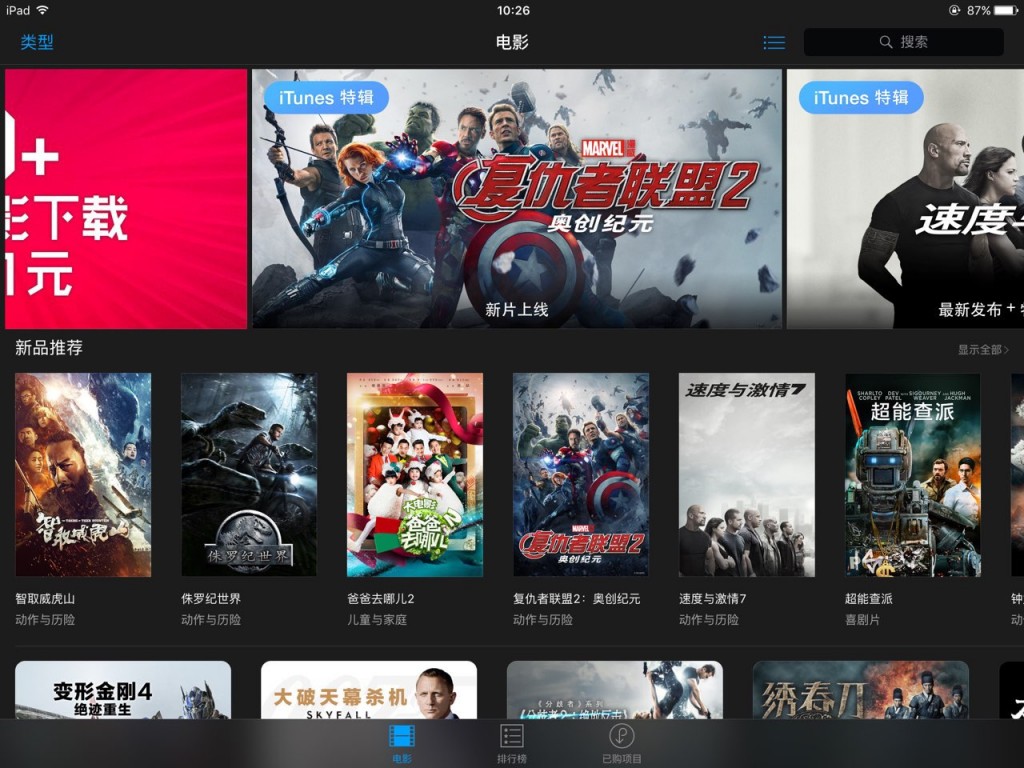
    However, Apple had just launched a special Chinese version of Apple Music alongside an access to iTunes Movies and iBooks. So, customers who signed up then, are halfway through their three-month free trial period, soon after which China will enact the above mentioned regulations.

    apple music china

    As of now, nobody knows how much these regulations will affect Apple Music. Although if Apple Music chooses to give China a miss, which is most likely what will happen because Apple has usually always been against censorship, then it might mean a whole lot of profit for other music platforms such as Spotify and Pandora. But what good is a platform without the global musicians, who might also back out with all the censorship issues? Let us know what you think about this.

  • Government Listens to India, Ban on Porn Lifted

    Government Listens to India, Ban on Porn Lifted

    After the GOI (Government of India) received a lot of criticism for banning porn all over the country, they have now made the decision to lift the ban on all those websites except the ones containing child pornography.

    Previously, the government had made the hasty decision of telling ISPs (Internet Service Providers) to ban all pornography available on the internet. Under this, 857 sites were blocked and even those that had jokes and memes bearing no pornographic content, like 9GaG and CollegeHumour, were shut down. However, in a new directive issued by the Telecomm Minister, Ravi Shankar Prasad, he stated:

    “The intermediaries (ISPs) are hereby directed that they are free not to disable any of the 857 URLs… which do not have child pornographic content.”

    In a previous statement, while commenting on the governments commitment towards freedom of communication, Prasad had said, “The government compliments the dissemination of idea on the social media. We have launched the mygov platform seeking views of people of India on developmental agenda and lakhs of people are participating on this platform.”

    Naturally then, this platform would’ve been bombarded with resentment and disapproval by the Governments involvement in censoring the internet, especially in a day and age where people are already battling censorship guidelines in all other forms of media and communication.

    It may come as a relief that all sites have now been left alone, barring those containing child pornography and with good reason.

    While it is good to see the government taking the peoples view into consideration, it is ironic that they made such a controversial decision around two weeks before ‘Independence Day.’ Perhaps, we will soon be able to celebrate freedom of censorship or is it too soon? Let us know your views in the comments below.

  • Netflix to Enter India Soon; Here are Some of the Challenges it Will Face

    Netflix to Enter India Soon; Here are Some of the Challenges it Will Face

    A report suggests that Netflix, the US streaming giant, will enter India by 2016. This is great news for us film and TV buffs across India; we have been practically raised on a steady diet of films and TV shows. We recreate the famous train scene from DDLJ at railway stations to Dubsmash-ing the famous “Kitne Aadmi The?“. Even our politicians get filmy sometimes. No one loves films like Indians do.

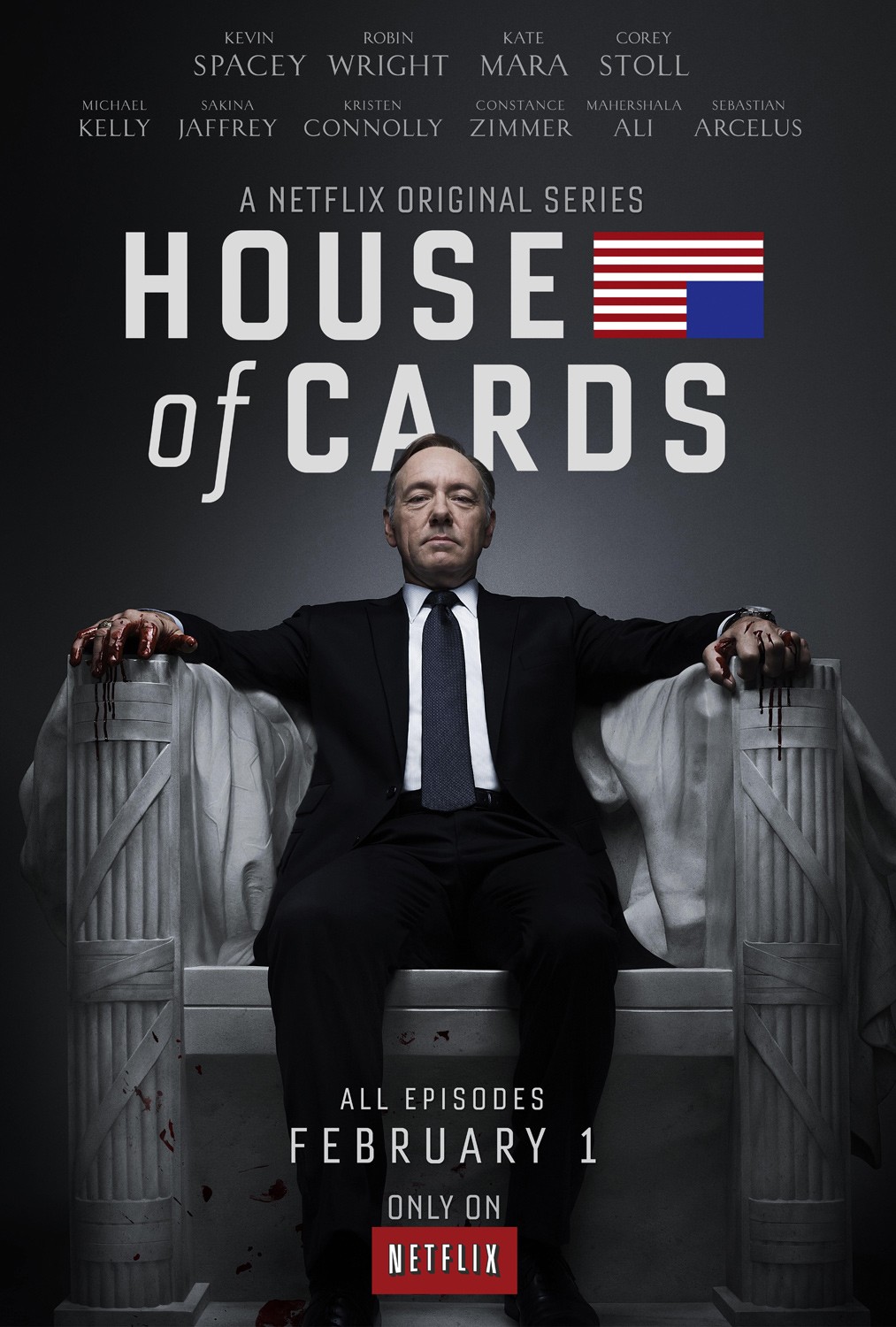
    House_of_Cards_Season_1_Poster
    Netflix has produced shows like House of Cards

    Netflix will not be the first company to provide a streaming service in India. In 2015, rival TV Networks STAR and Zee launched Hotstar and Ditto TV respectively. Before that, Sony LIV was launched. Earlier this month, Hooq was launched as a joint venture between Sony, Warner Bros. and SingTel. Then there is Ogle, backed by media-person Pritish Nandy and Spuul. Still, Netflix’ s arrival is interesting because it has been established worldwide and is known for producing popular TV shows such as House of Cards and Orange Is The New Black, which have a cult following in India.

    However exciting Netflix’s arrival may seem, the company still faces some hurdles, the major ones being Internet speed, pricing, censorship and piracy. In terms of connectivity, Netflix demands at least 1.5 MBps Internet speed to watch the content. Most high speed Internet plans in India have a data usage limit and thus restrict the very nature of binge-watching, which has helped Netflix grow over the years.

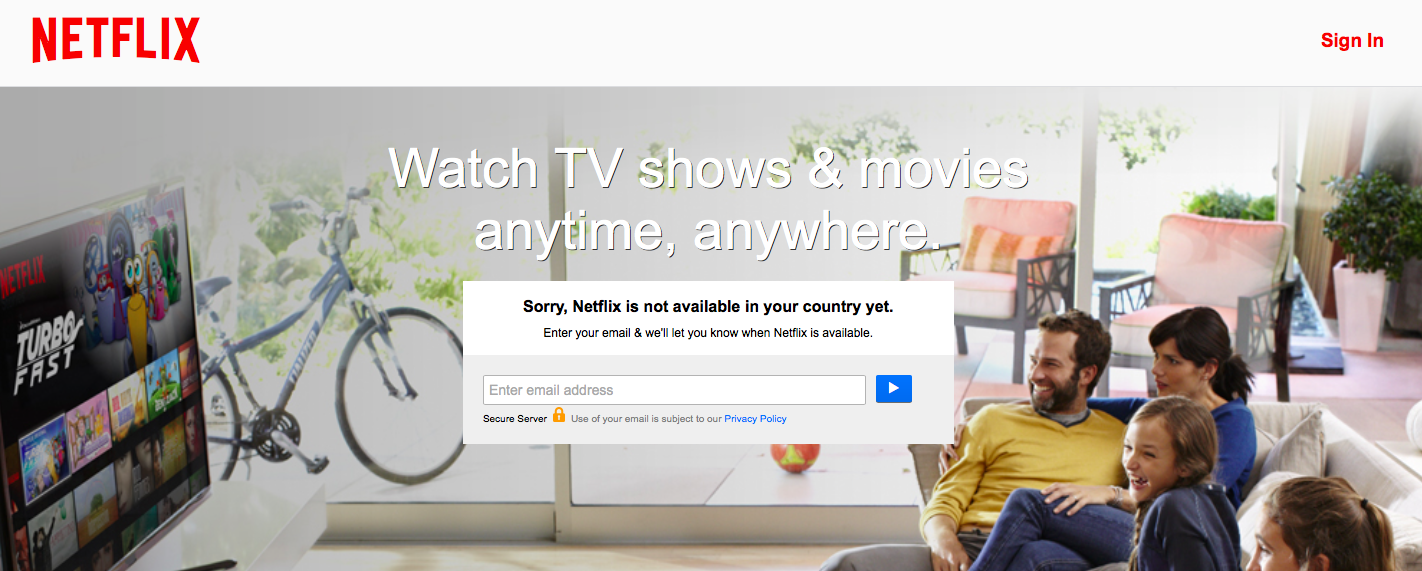
    netflix
    “Sorry, Netflix is not available in your country yet.”

    Even if Netflix survives despite slow Internet connections, there will still be some doubts over its commercial viability. In India, the streaming services can be categorized into two parts – free and premium service. Almost every service provides some sort of free service, because it guarantees audience. This goes against the business model of Netflix, which provides a trial period but ultimately charges. While Ditto charges Rs. 49 for a nine day pack, Spuul charges Rs. 150 per month for the Premium catalog. Hooq which has recently entered India, will charge Rs. 199 for unlimited access to Hollywood and Indian content. Combine that with the appropriate Internet package needed for streaming, the total bill for entertainment costs more than a High-Definition cable/DTH connection. Thus, Netflix has to decide a price which can suit the pocket.

    Then, there is the issue of censorship. The Central Board of Film Certification (CBFC) is responsible for regulation of TV shows and films. CBFC’s power can be estimated by the fact that movies which stream on YouTube carry a CBFC certificate. So, for those who hope to see the uncensored version of Orange Is The New Black may be left disappointed. Even HBO has to censor Game of Thrones, even when it airs exclusively on the paid service.

    Last but not the least, Netflix’s biggest worry is piracy. In April, Netflix’s show, Marvel’s Daredevil was downloaded at least 150,000 times in India alone within its first week of premiere. There are mainly two reasons people pirate a popular movie or TV show: they either cannot pay for the service or they want the uncensored version. As a result, Netflix has to carefully consider what it offers in terms of content and pricing.

    Still, Netflix’s decision to enter India is a wonderful thing, since it will guarantee quality programming. Moreover, if Netflix decides to produce local content, it will enhance Indian entertainment. As our government puts it, good days have come.

iGyaan Network
Privacy Overview

This website uses cookies so that we can provide you with the best user experience possible. Cookie information is stored in your browser and performs functions such as recognising you when you return to our website and helping our team to understand which sections of the website you find most interesting and useful.