Tag: Chinese smartphones

  • China Sees Decrease In Domestic Mobile Phone Shipments

    China Sees Decrease In Domestic Mobile Phone Shipments

    Telecommunications Research Institute of the Ministry of Industry and Information Technology recently released a report on the domestic phone shipments in China and it does not look too good for the smartphone market. In the period from January-September 2018, the domestic mobile phone market shipped 305 million units, down 17% year on year. September 2018 saw 91 new model launches, down 26.0% year-on-year and 65.5% quarter-on-quarter. 18 models of 2G phones, 1 model of 3G phones and 72 models of 4G mobile phones saw their release in that month.

    Reports also stated that in the period of January to September 2018, 2G mobile phone shipments were 16.762 million units, down 19.7% year-on-year. 3G mobile phone shipments were 49,000 units, down 90.9% year-on-year. While the 4G mobile phone shipments were 288 million units, down 16.7% year-on-year.

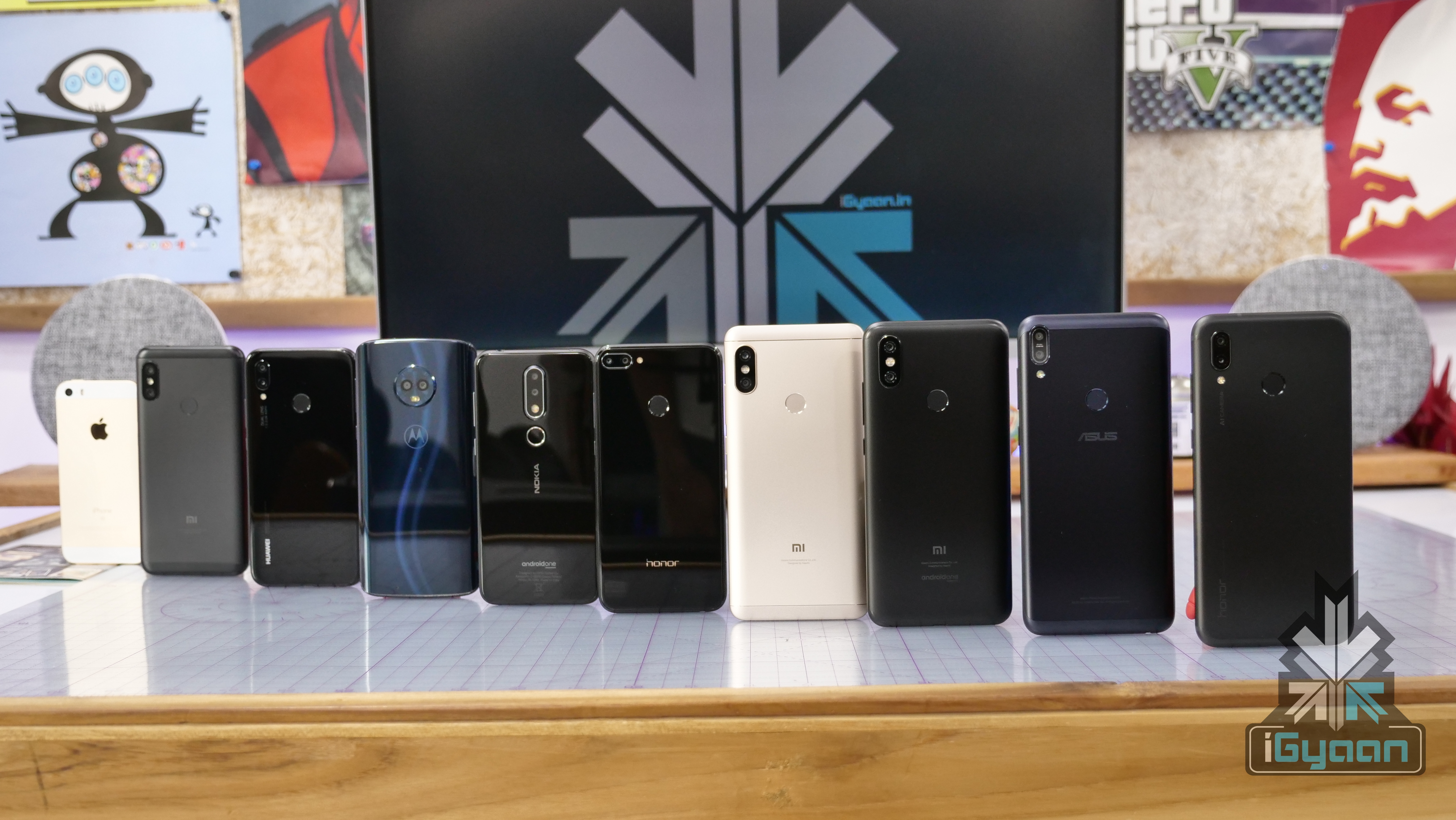
    635 new phones were launched since the beginning of the year. Out of this, 144 models were 2G compatible and 488 models were available with 4G support. 92% of the sales were garnered by the top 10 manufacturers in China. This includes giants like Xiaomi, Oppo and Apple.

    Smartphones

    Around The World

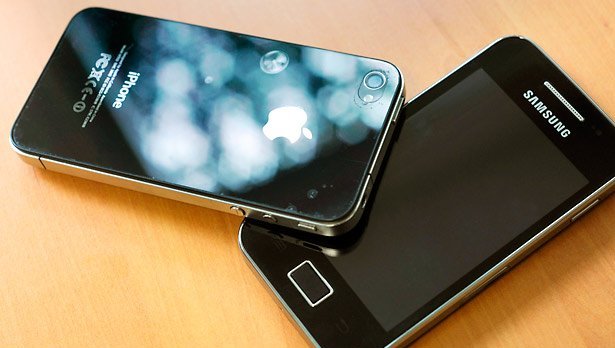
    September also saw Korean smartphone manufacturers Samsung beating Apple in the global smartphone market. This is hapenning as companies like Xiaomi, Huawei and Oppo are closing in. Apple however targets the top end of the market while most Chinese manufacturers target the lower end. This is much more price sensitive. Other manufacturers may win the race in terms of the number of phones sold but Apple almost always wins the profitability race.

    In Quarter 2, according to a research website, the best selling smartphone models were the Oppo R15, Vivo X21, iPhone X, iPhone 8 Plus and Honor 7C. A research analyst when talking about Q2 had commented that during the quarter, OPPO and Vivo also expanded their presence in the premium segment by launching devices like the Find X and Nex. According to him, the premium segment is likely to get more competitive in the later part of 2018.
  • How Do They Do It : Chinese Phone Pricing Explained

    How Do They Do It : Chinese Phone Pricing Explained

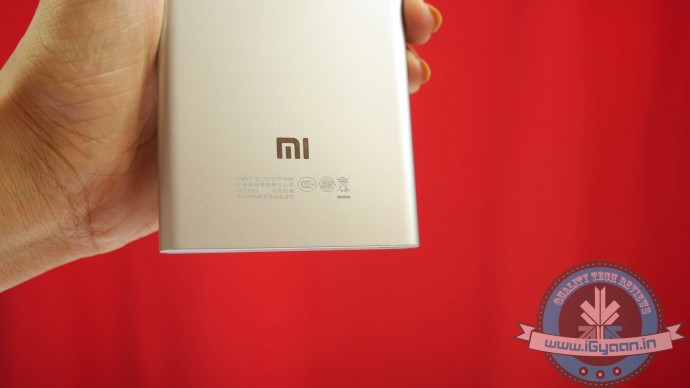
    Many of you have inquired as to how the Chinese smartphone manufacturers are capable of bringing high speced devices that are priced so low. Here we attempt to explain how the likes of Xiaomi and others go about their business of creating havoc in the mobile markets everywhere.

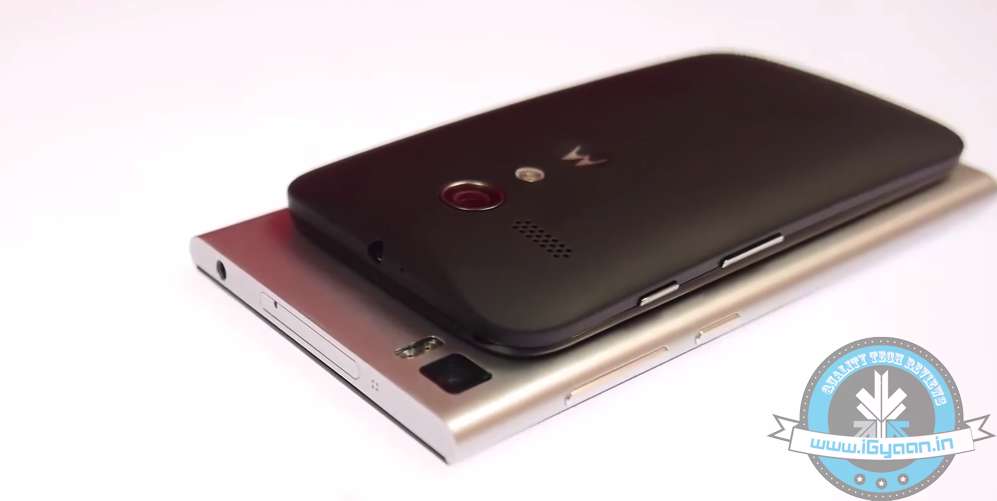
    Both Motorola and Xiaomi have kept prices low by using the e-tailing route
    Both Motorola and Xiaomi have kept prices low by using the e-tailing route

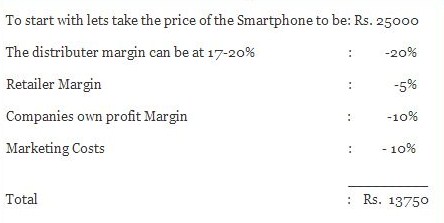
    It is estimated that companies like Xiaomi are selling their phones at a loss of Rs. 1000 so that they can create a market buzz around their products. Xiaomi is bringing in just about a 1,00,000 units of their phones to India and have been selling them out in periodic flash sales. By bringing in a limited number of device the company start a stampede and this causes other competitors to reduce their prices, something we saw Motorola do when they slashed Moto G’s price by Rs. 2000. By using this strategy, Xiaomi, with its limited marketing budget has made its name shine out in the market.

    However there is a downside to this marketing technique. The flash sales are now confusing and sometimes irritating the potential consumers who want the phone but cannot buy them. It has started to create a negative perception amongst such consumers. They are now seeking alternatives to the phone.

    chinese calNow here is where the internet marketing convenience adds in. Basically, by just using an online sales channel, a strategy devised by companies like Motorola, the companies get to save massive amounts in distribution, marketing, dealership and other costs. And hence these high speced products reach the consumers in what can be called shockingly low prices, well its shocking for big brands at least.

    It is also speculated that another Chinese smartphone manufacturer, One Plus, intends to try its luck in the Indian market. Their phone, the One Plus One is a high speced powerhouse which comes at mid segment prices. They too have limited stocks and might take the Xiaomi approach. But if these companies plan to stay in the Indian market for the long run, they need to come with stocks in accordance with the demand in the market. Or else they will just act as an inspiration to companies with already big reach to bring similar products and in turn, take away these companies potential customers.

  • Chinese Vendors Trouble Samsung and Apple for Smartphone Market Share

    Chinese Vendors Trouble Samsung and Apple for Smartphone Market Share

    We all know that Samsung is losing market internationally as well as in India, now we have exact numbers to believe it. Over the past years, Apple and Samsung slugging it out at the top of the phone and tablet markets. But it seems that the recent boom in Chinese smartphone market has taken a toll on both companies.

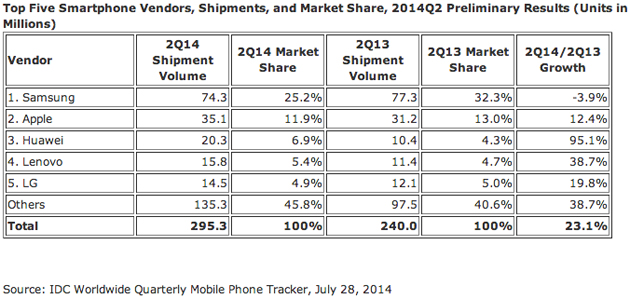
    IDC (International Data Corporation) estimates that Samsung’s smartphone shipments saw a rare year-over-year drop in the second quarter, taking it from a lofty 32.3 percent market share down to 25.2 percent. This week’s news that Apple suffered a slump in iPad sales would normally be accompanied by news of Samsung taking customers from Apple as it has done in the past. But not this time round.

    idc-smartphone-share-q2-2014

    The cause, analysts say, is the rapid rise of Chinese brands that cuts directly into Samsung’s low-end business. Huawei claimed 6.9 percent of the smartphone space after doubling its shipments, thanks in part to heavy discounts on phones; Lenovo too jumped to 5.4 percent on the back of both budget phones at home as well as rapid expansion abroad.

    The worldwide smartphone market grew 23.1% year-over-year in 2014 setting a record of 295.3 million shipments, reported IDC. The market grew 2.6% sequentially due to strong demand and low-cost smartphones. Next quarter is forecasted to be the first to surpass shipments of 300 million smartphone units worldwide.

    [quote text_size=”medium” author=”Melissa Chau” author_title=”Senior Research Manager with IDC’s Worldwide Quarterly Mobile Phone Tracker.”]

    As the death of the feature phone approaches more rapidly than ever before, it is the Chinese vendors that are ready to usher emerging market consumers into smartphones. The offer of smartphones at a much better value than the top global players but with a stronger build quality and larger scale than local competitors gives these vendors a precarious competitive advantage,

    [/quote]

    Samsung’s fall is especially troubling given that the measured quarter included the release of the company’s new flagship Galaxy S5. Despite the high-profile launch, Samsung shipped 3 million fewer handsets this year than last year. Chinese brands were the big winners in the second quarter, helped along by the still-significant growth from the domestic market. By far the most impressive was Huawei, nearly doubling its shipments from a year ago, followed by another strong performance from Lenovo.

iGyaan Network
Privacy Overview

This website uses cookies so that we can provide you with the best user experience possible. Cookie information is stored in your browser and performs functions such as recognising you when you return to our website and helping our team to understand which sections of the website you find most interesting and useful.