Tag: earthquake

  • Before, During and After : What to do During an Earthquake

    Before, During and After : What to do During an Earthquake

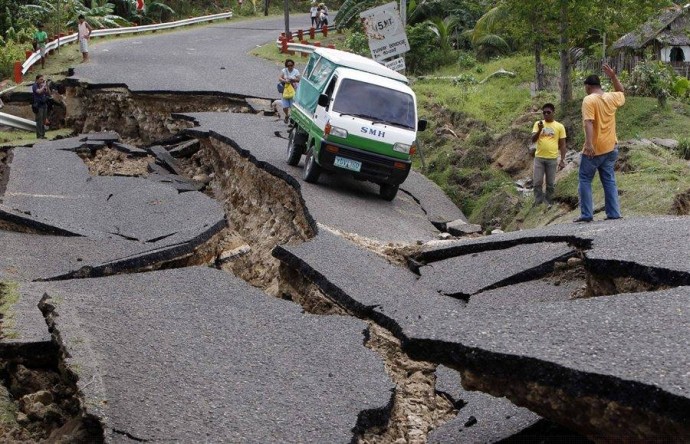
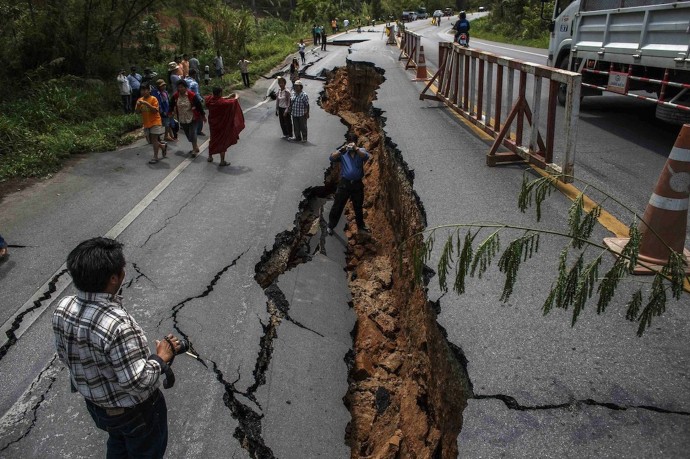
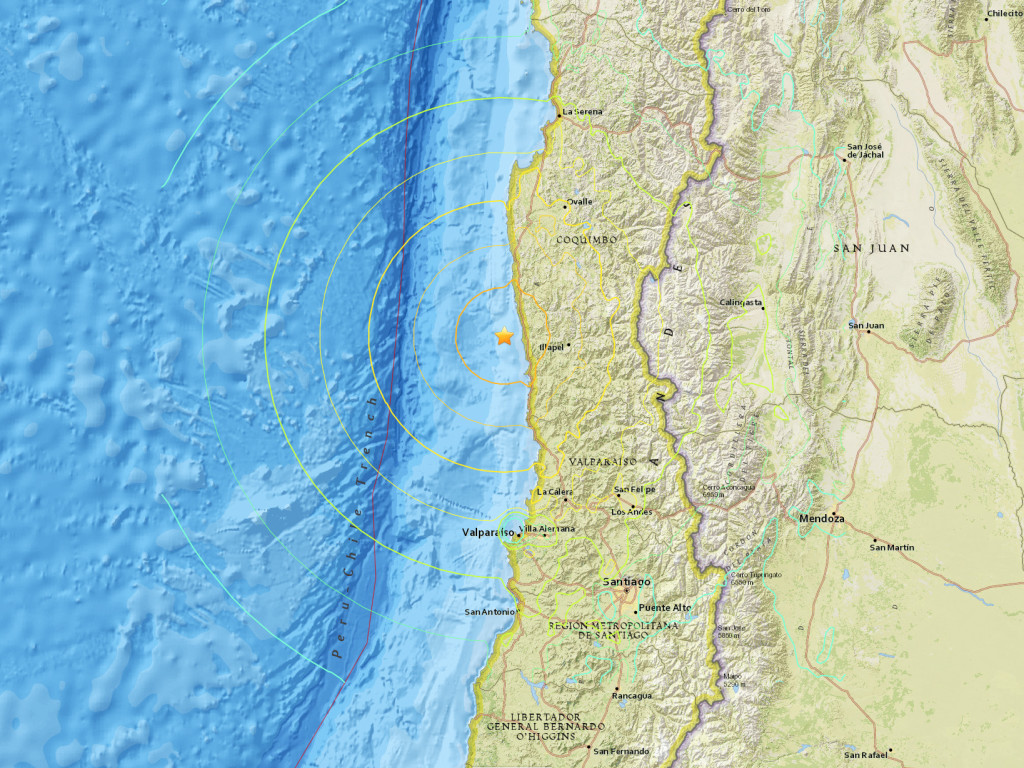
    We have just heard about the catastrophic earthquake that hit Chile yesterday. This quake measured 8.3 on the Richter scale and was the biggest since Chile’s February 2010 earthquake. It also set the Tsunami alarm off and has reportedly flooded some coastal areas, apart from destroying buildings.

    Even though Chile is one of the most earthquake-prone areas in the world, nobody can be prepared for a natural calamity. The reactions will always be the same, along with the helplessness and strangely there will also be political repercussions. Despite all that we’re here to tell you about a few ways you can deal with an earthquake.
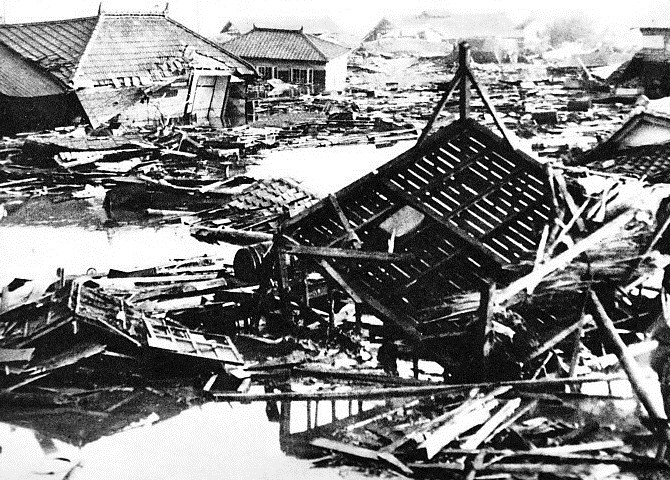
    First let’s talk a little bit about what you can do to be prepared (as prepared as one can be) before an earthquake hits. We don’t mean to say that you’re expected to predict earthquakes, we’re just saying that in case you live in an earthquake prone area here’s what you can do.

    Firstly, whether you’re at work or at home, just identify safe places where you can “Drop, Cover and Hold On”; it would also help if you knew at least two ways to exit your building. Secondly, you can keep emergency supplies such as – a torch, first-aid kit, whistle, gloves, shoes, googles and blankets, ready. Stocking up on food is also essential if the earthquake hits real strong and your water and food supply are cut off. And Thirdly, for your work space, if you are in an earthquake prone area, it would be wise to keep all big furniture such as bookshelves, and cabinets anchored while storing heavy objects in low drawers or shelves.

    Now, for what you can do during an earthquake. Remain calm. You see, in a tense situation where most people panic and emulate thoughtlessly, someone else might thoughtlessly emulate your cool and hence be saved; depending on the extent of the quake that is. There are usually two situations in which you can be caught during an earthquake – Indoors or Outdoors, unless you practice black magic and are in some ‘in-between’ space, in which case you can probably help yourself and others.

    If you are indoors, then immediately move away from glass structures or unsecured heavy furniture and then “Drop, Cover and Hold On”, under a desk or table while protecting your head, face and neck, and then hang in there and pray until the debris settles or the earth stops quaking.

    Let’s go back a couple months when our city, Delhi had faced a number of earthquakes and well honestly, we saw people run out of their office spaces and PGs. To where? The main road. Now unless you live in an open space there is honestly no reason you’d want to run out of tall concrete monsters. But, let’s say you are outdoors, try and find an open space away from trees, power lines and tall buildings and once again – “Drop, Cover and Hold On”. After an earthquake, spending a night in the open is recommended as after shocks are equally brutal.
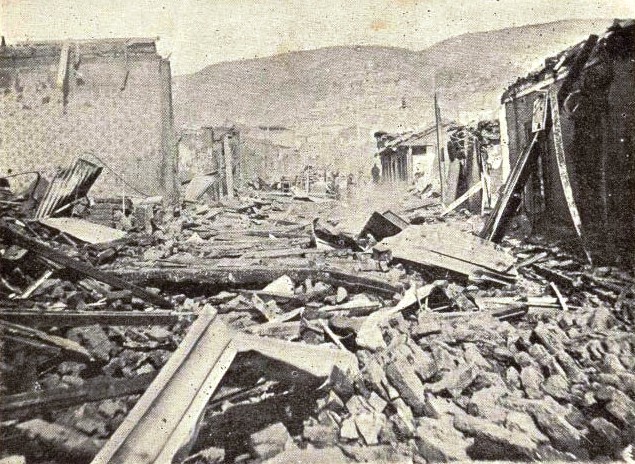
    Damage in Valparaíso after the earthquake

    Here’s what you may do after the earthquake: remain calm and reassuring. It is advisable to first check whether you are injured before checking up on others. Also, it’s better not to move injured people unless they are in danger, however, you can use your first-aid awareness to help them and yourself.

    Remember, if there is a large earthquake there will probably be after shocks that will continue for days. So, just be prepared.

    After a huge earthquake, usually the power lines get disturbed or destroyed, so you should be very careful while moving around in the dark and be very aware of things that have fallen down during the earthquake, lest you get hurt. If you need to leave the building, then do so cautiously and take all your essentials and a first-aid kit with you. And lastly, since telephone lines are usually jammed, in case of a major incident, text messages are more efficient.

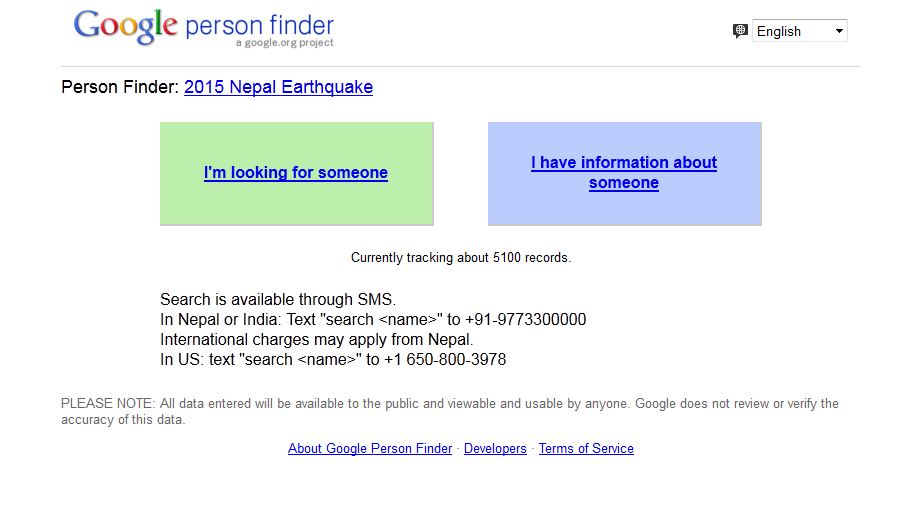
    If your phone data is working, then you shouldn’t have any trouble getting in touch with friends and family. In case you’re unable to connect to the internet on your smartphone, try and locate a wi-fi connection. Google’s Person Finder is a free tool that doubles up as a registry or a message board for survivors. This app was developed first during the 2010 Haiti earthquake, and its aggregated data include registries run by CNN, the Miami Herald and the New York Times. This tool can be used by family or friends to locate missing people or loved ones.

    In extreme scenarios, use a landline since they work using underground cables. Something you can do in advance? Find out information about your local CB Radio which may be with the nearby fire station and/or police station.
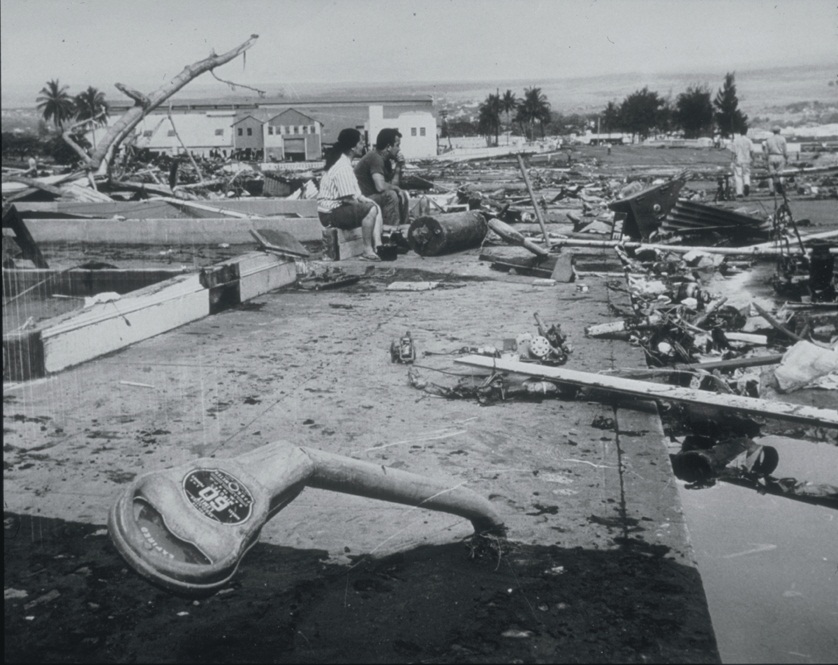
    Today we see natural calamities hitting and destroying human life so often that it has become just another piece of news, for us and we react to it accordingly. Especially in the age of social media, you’ll see statuses, memes and god knows what, but let’s try to keep it simple and most importantly, helpful.
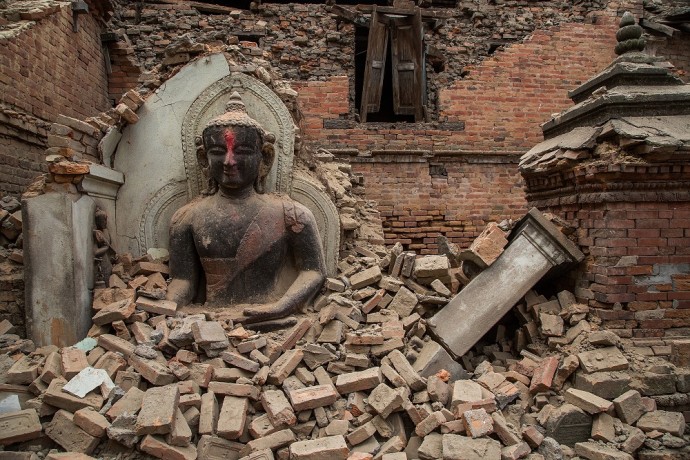
  • Nepal’s Homegrown Solar Company Makes an Innovative Contribution to Help Nepal

    Nepal’s Homegrown Solar Company Makes an Innovative Contribution to Help Nepal

    On 12th May, Nepal was hit by yet another earthquake measuring 7.9 on the Richter Scale. Before this, an earthquake of 7.8 magnitude struck the country on April 25th, leaving more than 20,000 people dead, injured or missing.

    During this phase of time, many technological powerhouses like Facebook, Google, and telephone subscribers pooled in resources for the people of Nepal. Google People Finder app helped a lot of people search for their friends and family while Facebook collected a grand sum of $10 million through its Donation Drive. Companies like Airtel, Vodafone, etc. lowered down their call rates for a few days.

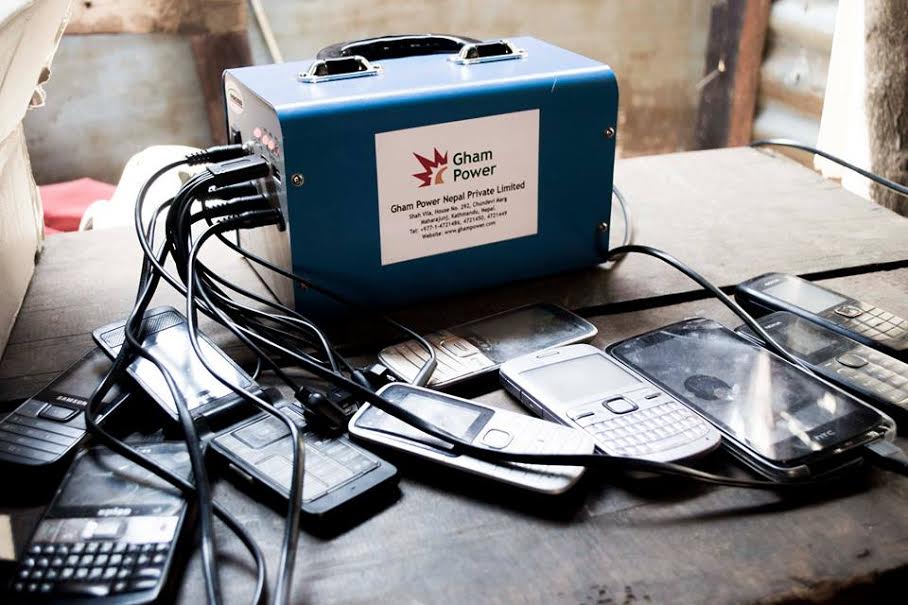
    Nepal’s own solar power company, Gham Power, has played a pivotal role in providing relief and helping the victims. Run by Sandeep Giri, Gham Power sprung into action to deploy solar power systems to help  lighting up camps and mobile charging stations.

    gham power

    Sandeep Giri says that two major issues interfere while addressing basic needs like medical attention, food, water, and shelter.

    Firstly, you don’t want to be in the dark, as it’s scary, you don’t feel safe, and it is also very cumbersome to get, or administer relief without light. Second, in this day and age, your first instinct is to reach out for your loved ones to check if they are okay and let them know you are okay, and when you reach for your mobile phone, it’s dead and there is no place to charge it.

    Gham Power has teamed up with many other local solar companies and is right now working with Global Nepali Professional Network to raise money and build as many solar power systems as possible. The project has been named ‘Rebuild with Sun’ and has been launched on Indiegogo campaign. Its initial fundraising goal is $150,000. The contribution has been broken down to provide energy supply in different areas like: $50 provides lights and charging for one family, a hundred dollar buys a 20-watt system that can serve three families and $500 can provide a 100-watt system aiding 15 families and up to 100 phone users.

    You can read more about how different tech powerhouses joined hands in an effort to help out Nepal in distress here.

    Click here to see the aftermath of the deadly earthquake that hit Nepal on 25th April.

  • Here’s How Drones Are Helping Search for Earthquake Survivors in Nepal

    Here’s How Drones Are Helping Search for Earthquake Survivors in Nepal

    Nepal was hit by one of the most dangerous earthquakes, with the death toll rising more than 6,000 and many more missing. The quake toppled most of their buildings,  from where people and dead bodies are still being removed. Technology has played an important role in managing the after-disaster effect. From Google’s Person Finder and Facebook’s donation drive to major telecom operators proving cheaper or free services, technology is doing its best to help Nepal regain its losses.

    Drones are playing an indispensable role in the search mission to inaccessible areas. Experts of Etobicoke, Ontario-based GlobalMedic, which manages Unmanned Ariel Vehicles (UAV) have already sent a fleet to the Himalayas. The drones are now aerially mapping the crisis-hit area and compiling the images into maps. A GlobalMedic spokeswoman says searching for survivors becomes very much extensive using drones. For now, the organization is using three high-end drones built by Aeryon Labs and are controlled by a touch-screen interface. These are equipped with thermal cameras that come in handy while locating for people under rubble or snow.

    drones nepal earthquake

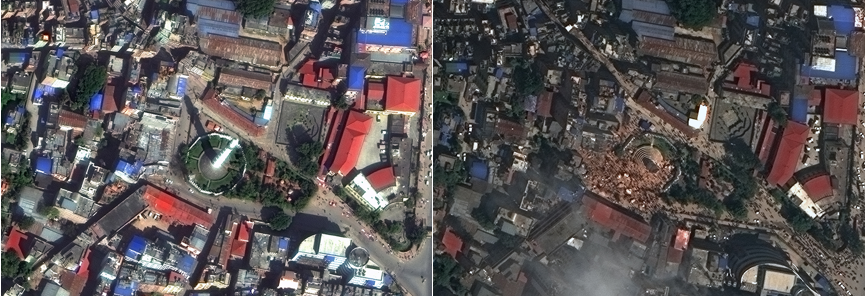
    Other than the drones, crowdsourcing maps is another important tech that is being used right now in Nepal. This mapping works by calculating distances and plot-driving routes using satellite imagery, private images and open-source mapping technology to re-map areas that are affected by the earthquake. All damaged structures and difficult areas are marked, thus making it easier for rescue workers to engage through less dangerous routes. 48 hours after the earthquake hit Nepal, 2,000 online mappers made three million edits. This tech was first used during the Haiti earthquake in 2010.

    mapping

    Read more about how Facebook, Google, and major telecom services played their part in helping Nepal at this time of crisis here.

    Click here to see the aftermath of the Nepal Earthquake.

  • Facebook Donation Drive Collects $10 Million to Help Nepal

    Facebook Donation Drive Collects $10 Million to Help Nepal

    Last weekend, Nepal was hit by a devastating earthquake which claimed more than 6,000 lives and many more missing are still missing. The earthquake’s epicentre originated 17km south of Kodari, Nepal and measured 7.9 on the Richter scale. Its after-tremors could be felt in places as far as Delhi and Uttar Pradesh. Many communication and technological powerhouses came forward to aid Nepal in this time of crisis. Google came up with an app that can be used to locate missing people, telecom enterprises like BSNL, MTNL, Idea, Vodafone and Airtel lowered down their call rates or made it entirely free of charge.

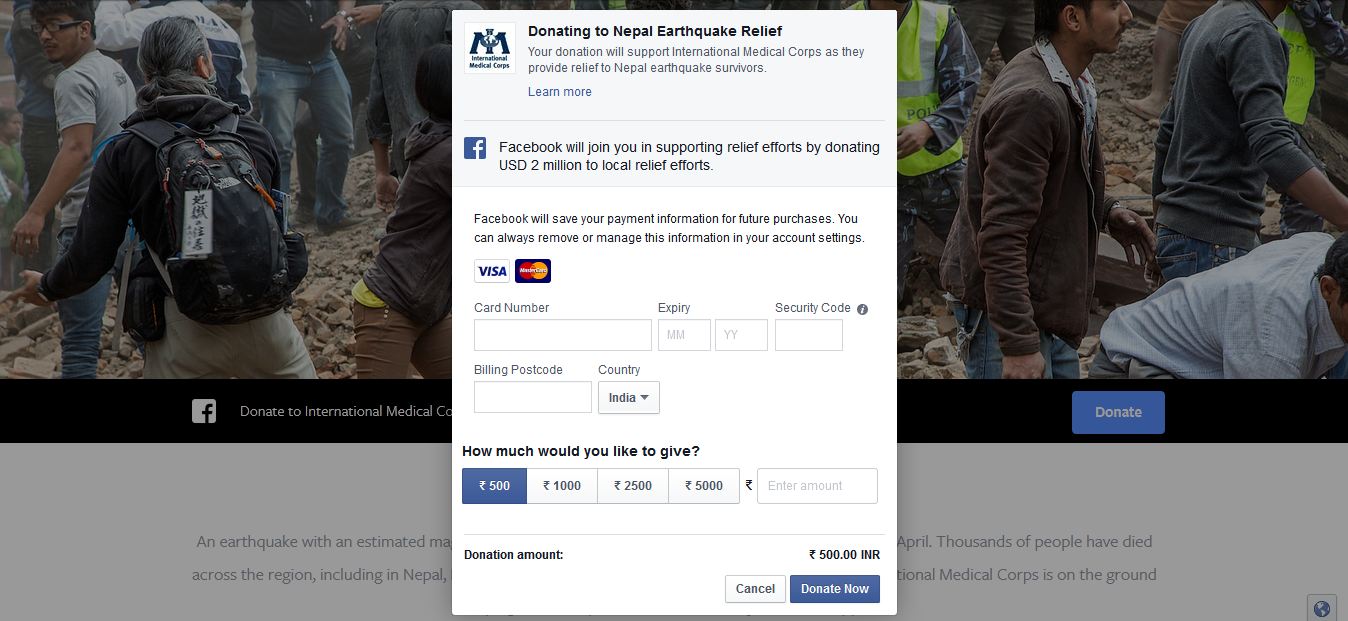
    Facebook initiated a donation drive in order to collect money for Nepal. The social networking giant launched a donation button that reached out almost 1.4 billion users worldwide. Facebook successfully raised over $10 million (Rs. 1.2 billion) within two days. Zuckerberg stated that the company would add $2 million, bringing the total to $12 million.

    We’ve seen our community come together in some amazing ways since the earthquake in Nepal. We activated Safety Check... Posted by Mark Zuckerberg on Thursday, April 30, 2015

    All the money will be handed over to a non-profit organization, International Medical Corps, who will be providing medical care, medicines, food, water, and other basic amenities for the Nepalese community. Zuckerberg states this effort have been amazing.

    Capture

    Read more in detail about how different technological powerhouses joined hands to help Nepal here.

    A picture is worth a thousand words. Click here to witness the devastation in Nepal after the earthquake.

  • Thinking of Donating to Help Nepal? Check Out Facebook’s Impressive New Initiative

    Thinking of Donating to Help Nepal? Check Out Facebook’s Impressive New Initiative

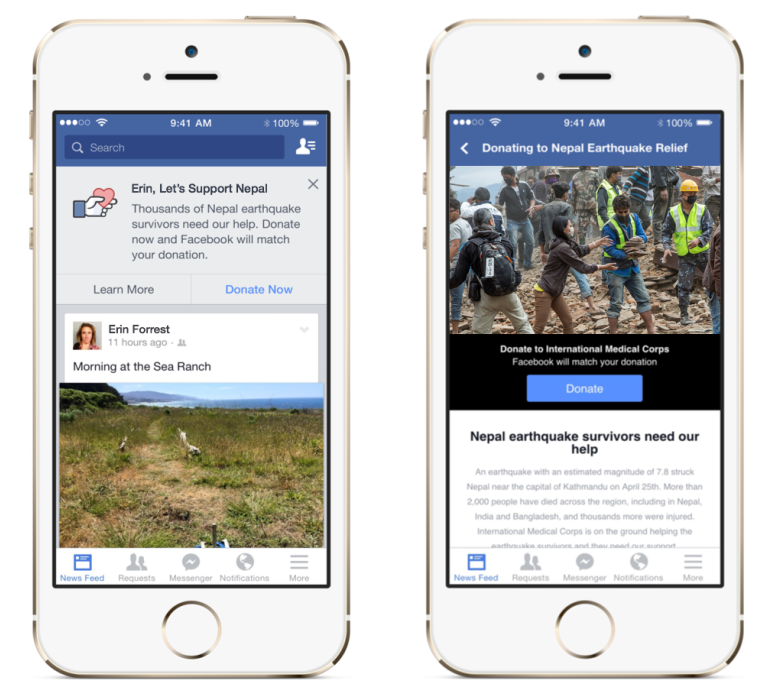
    Facebook’s initiatives to help the earthquake-hit people in Nepal are appreciable. Earlier it launched a ‘Safety Check’ feature to help people know who all are safe in the affected region. The social networking service has now come up with a new tool that will lend a hand in making contributions for the victims of the Nepal earthquake.

    The company has rolled out a ‘Donate button’ within the website which lets millions of connected users make a donation through Facebook. The fund raised for the Nepal earthquake-affected victims will go to International Medical Corps, which are on the ground serving the needful. The most brilliant part about this initiative is that the amount you donate, Facebook will match your donation till $2 million.

    facebook donate

    The CEO of Facebook Mark Zuckerberg stated in his blog post –

    People are coming together to support those affected by the earthquake that struck Nepal and impacted the populations of Nepal, India and Bangladesh

    Mark also announced through his Facebook account that it will match every dollar donated up to $2 million, and matching funds i.e. $2 million will be donated by the company. Facebook will distribute the amount to the local relief and rescue organizations providing immediate and continuous relief. The official page of Mark Zuckerberg reads

    Today we’re launching a special campaign to help raise funds for those affected by the Nepal earthquake.At the top of…

    Posted by Mark Zuckerberg on Monday, April 27, 2015


    Facebook says that till date, millions of people have been marked as safe and tens of millions of others have learnt about their safety across different sections of the world.

    Many countries have joined hands to help Nepal get over this tragic situation. India has already sent and is sending assistance to its neighboring nation. United States has also stood up to do its bit and has announced to send $10 million in relief to stand by Nepal in its hard time.

    The natural disaster that struck Nepal a few days back shook the very existence of the country. The death toll has passed 4,000 and is still increasing. According to UN, as much as eight million people are affected by this devastating incident.

    Willing people can make their contribution here and save lives.

  • These 20 Images Capture the Devastation of Nepal Earthquake

    These 20 Images Capture the Devastation of Nepal Earthquake

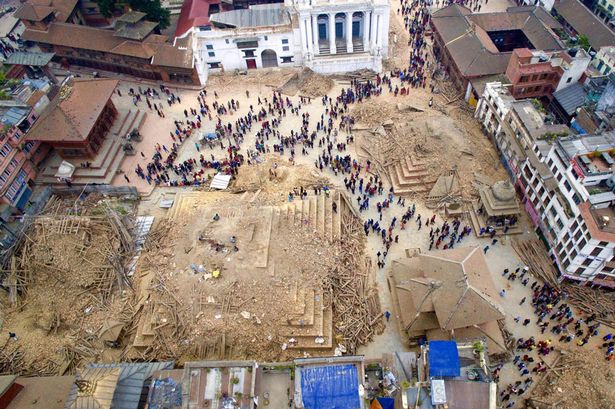
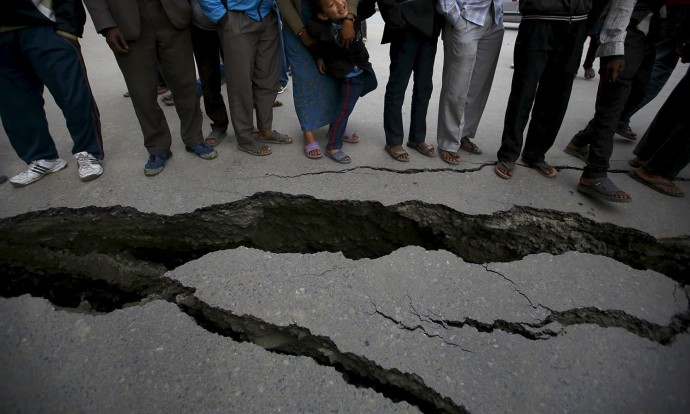
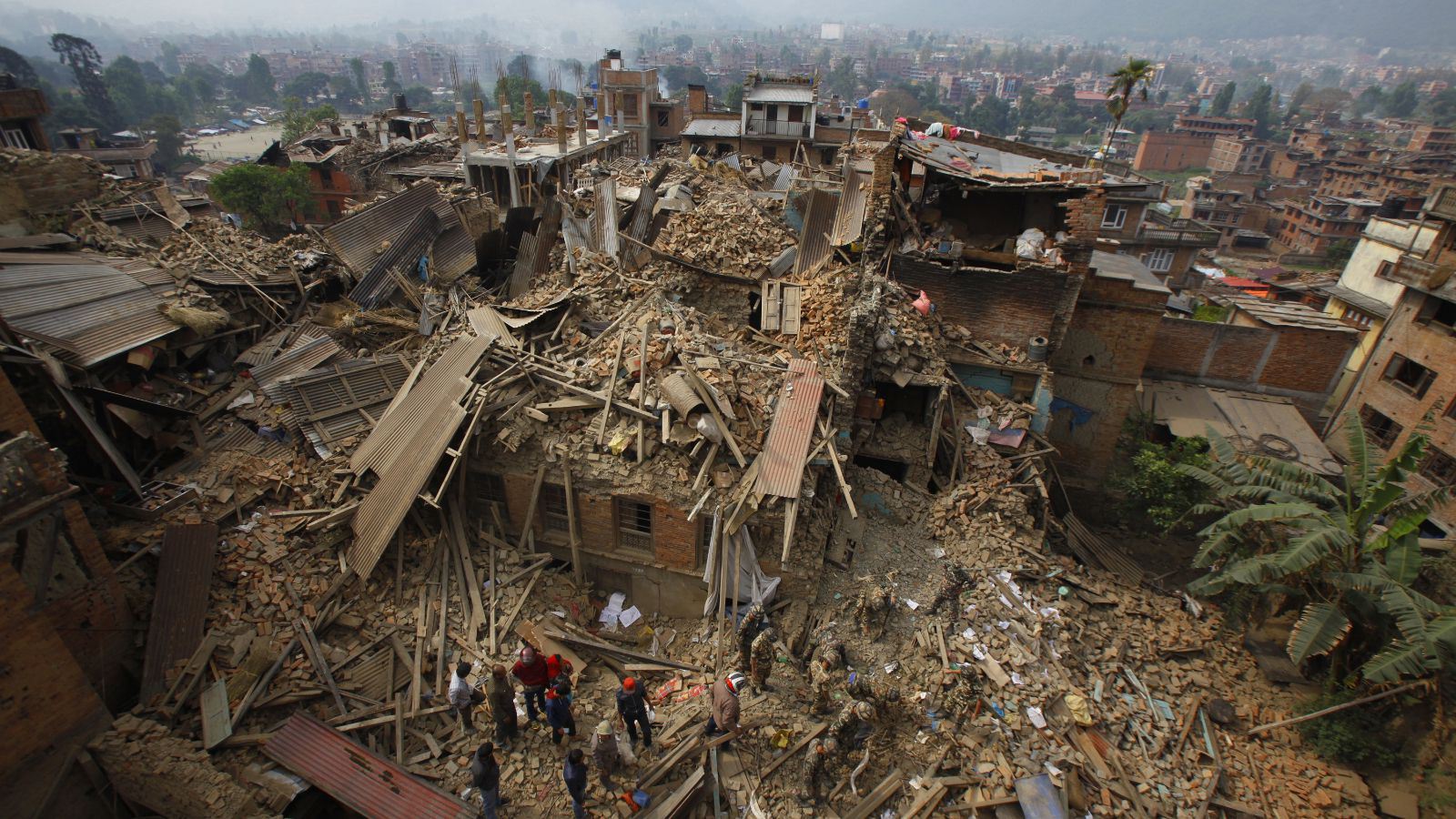
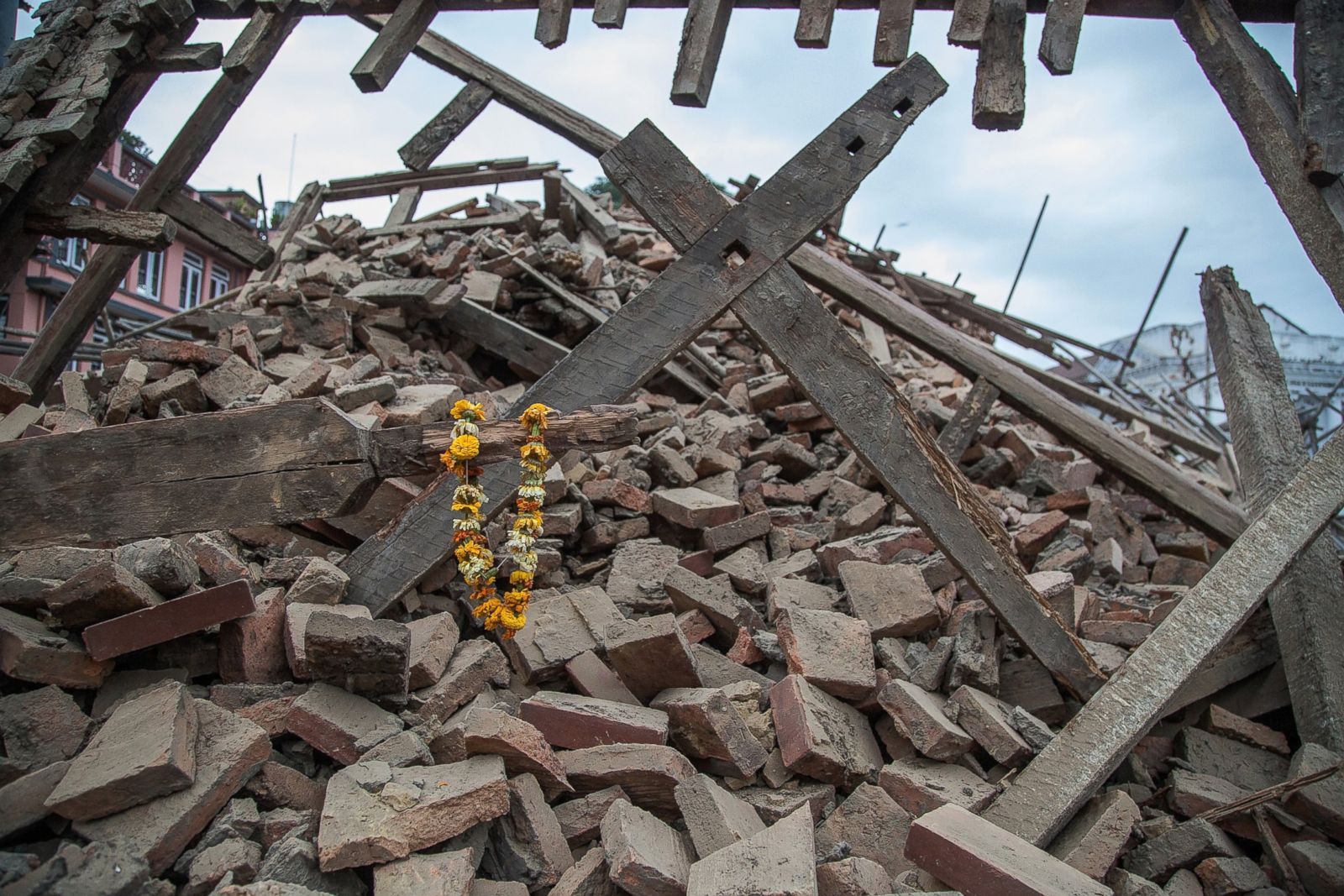
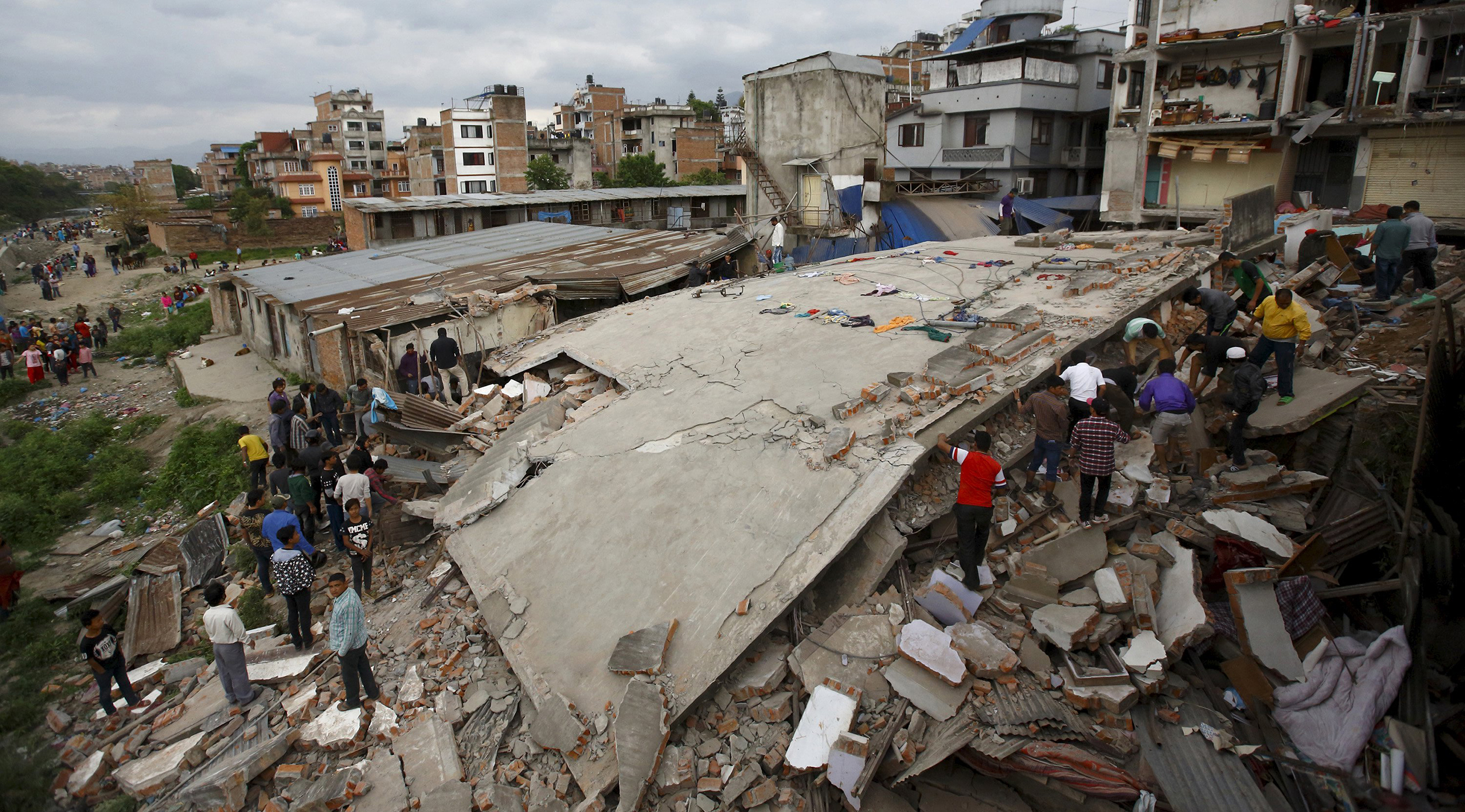
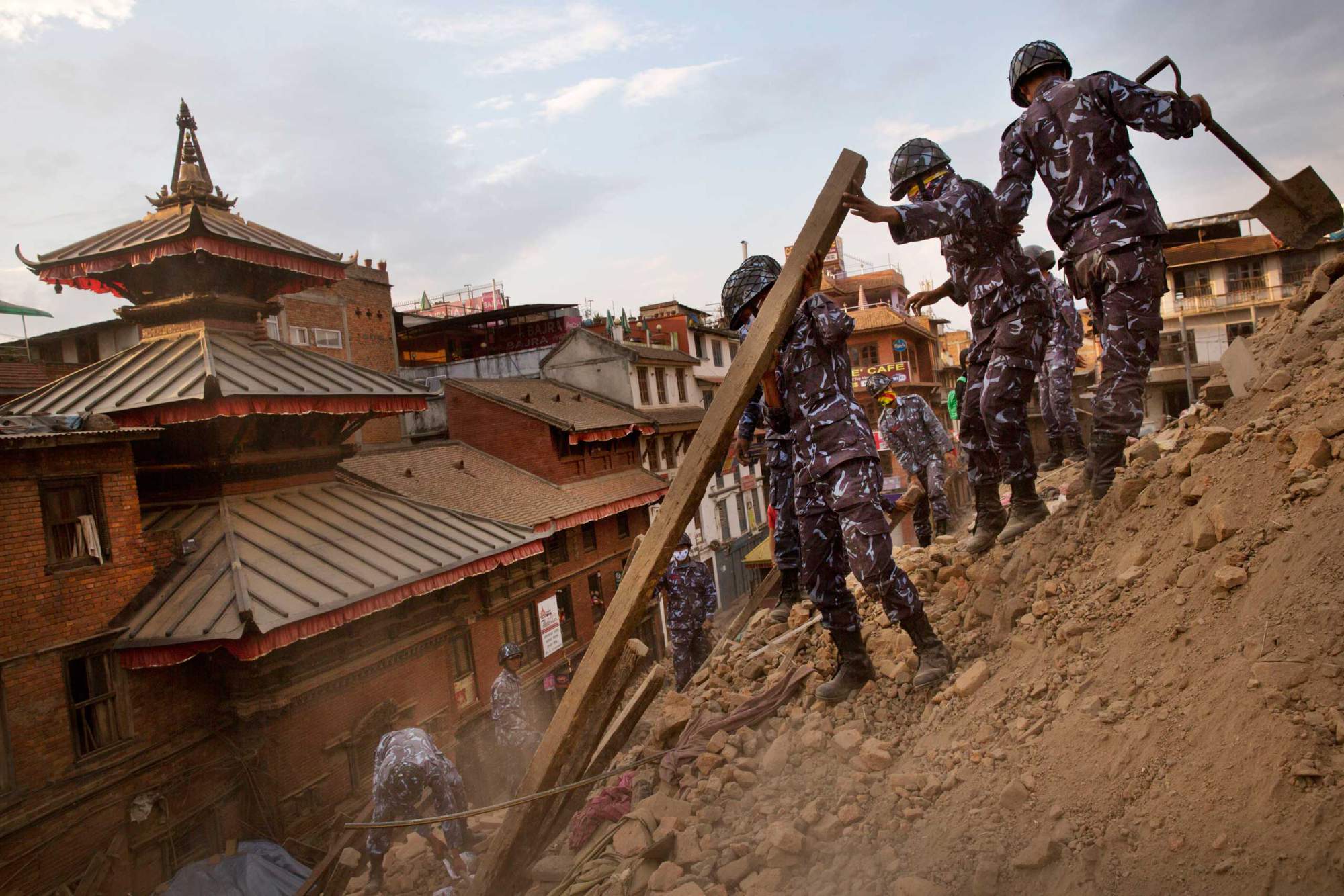
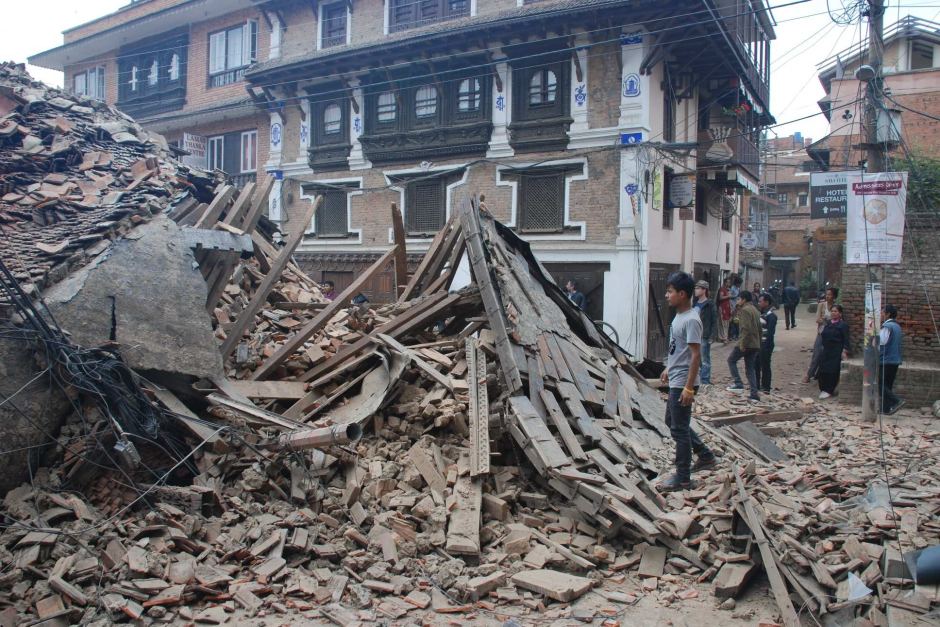
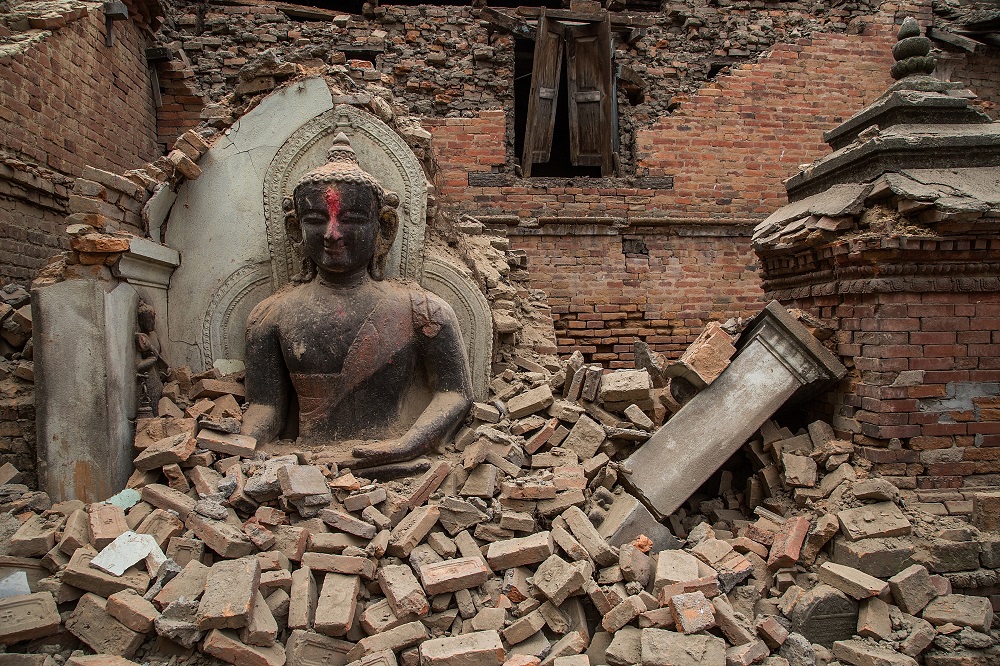
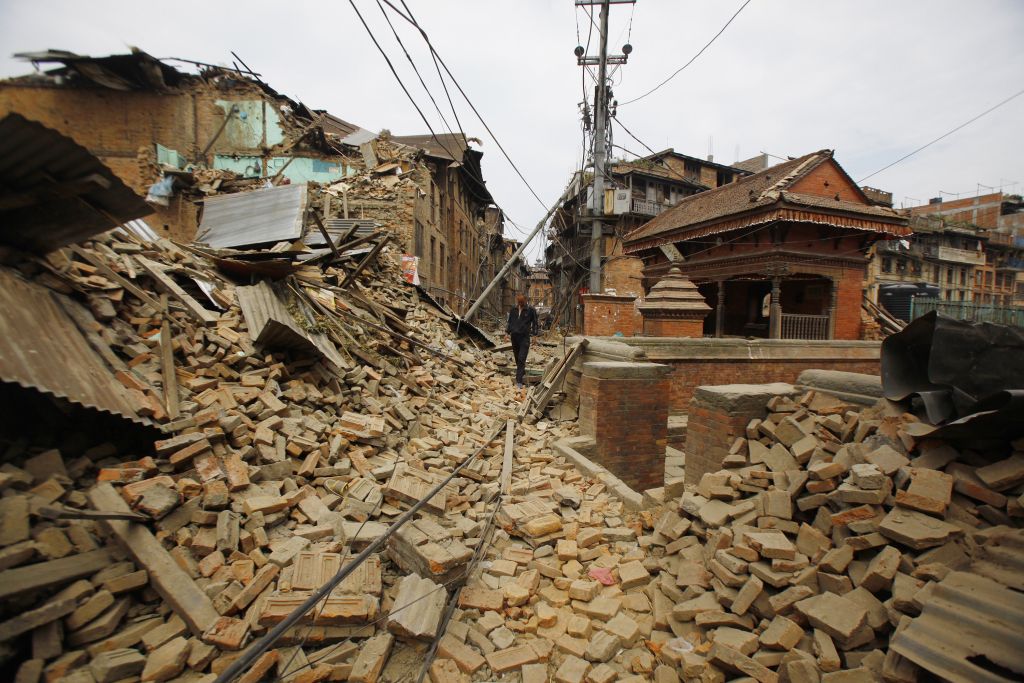
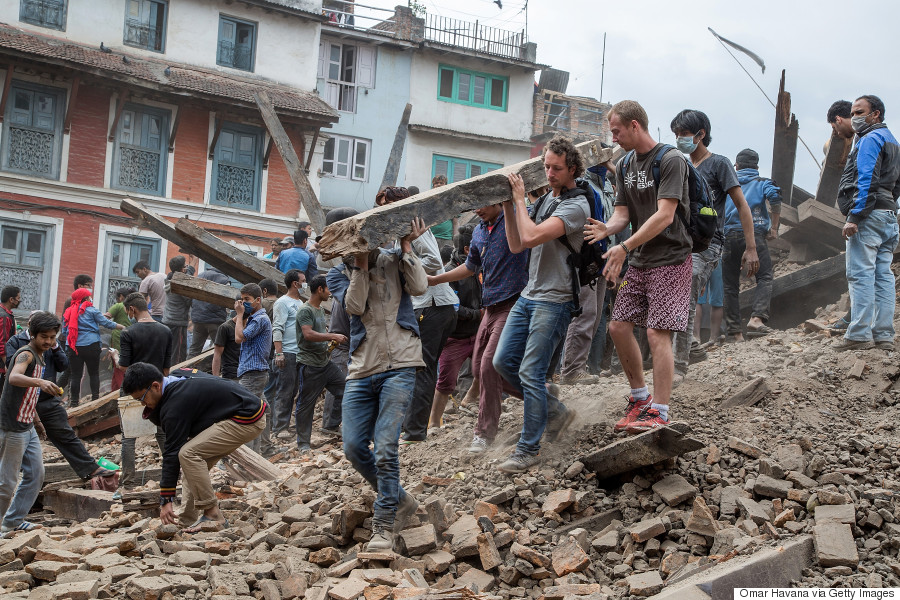
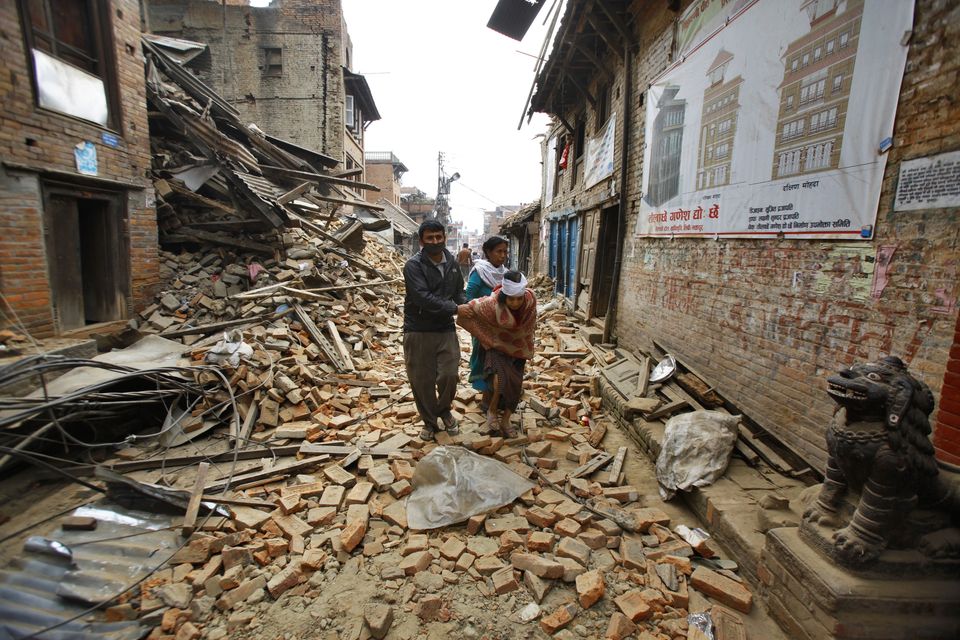
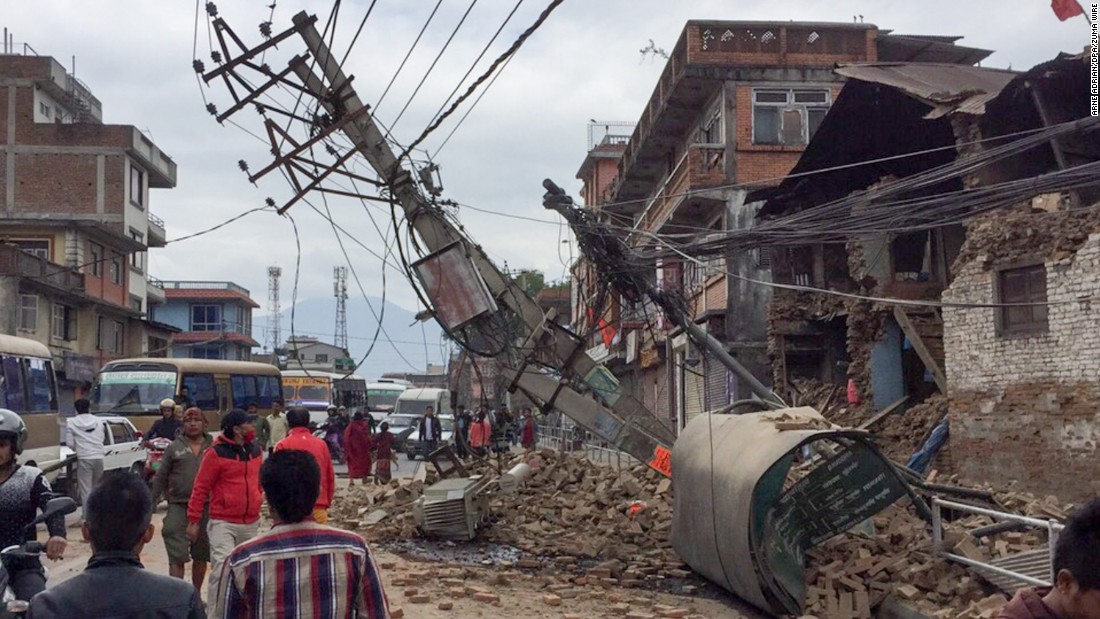
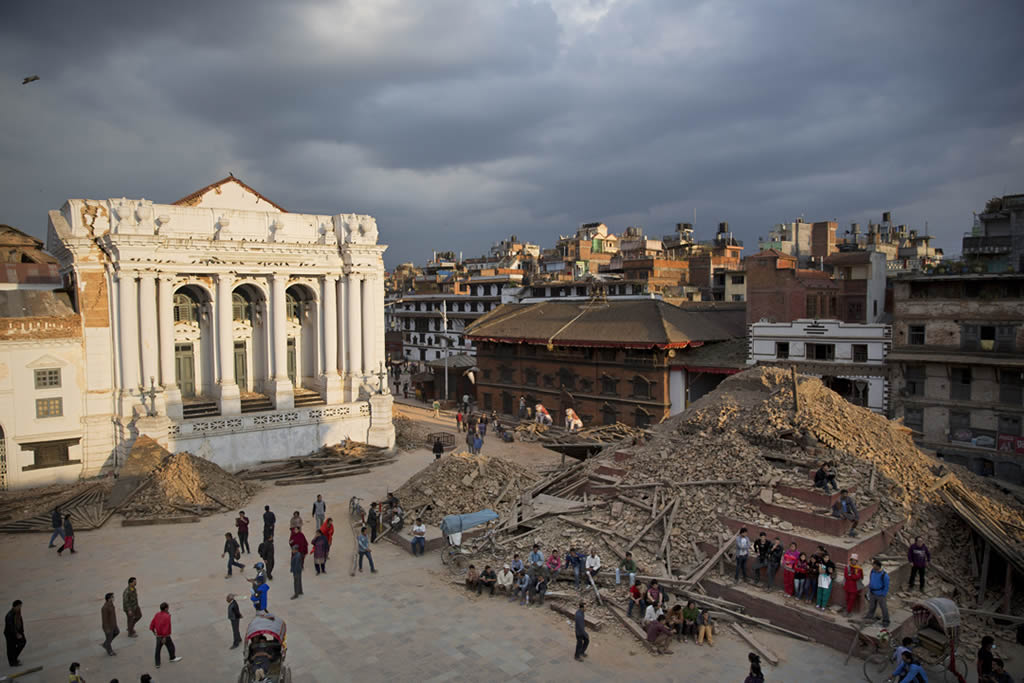
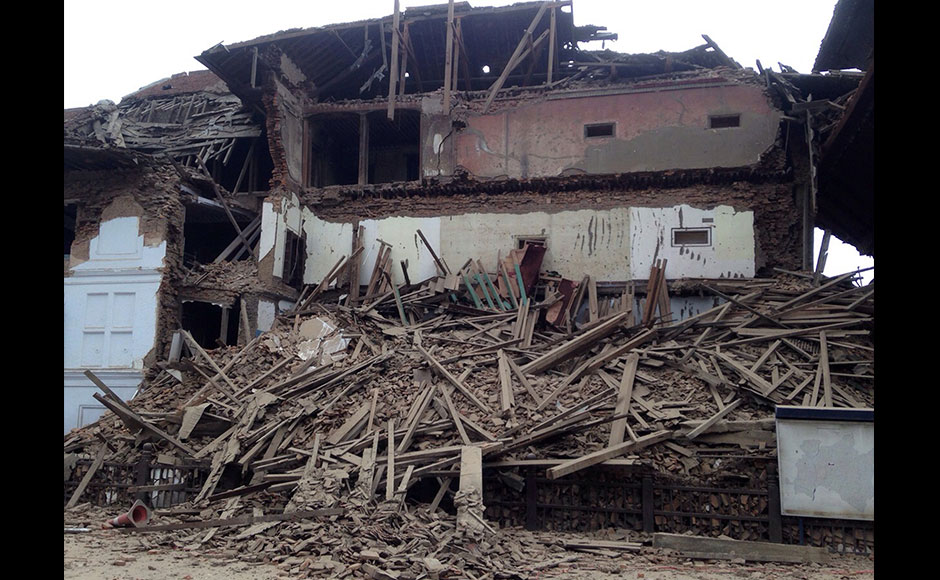
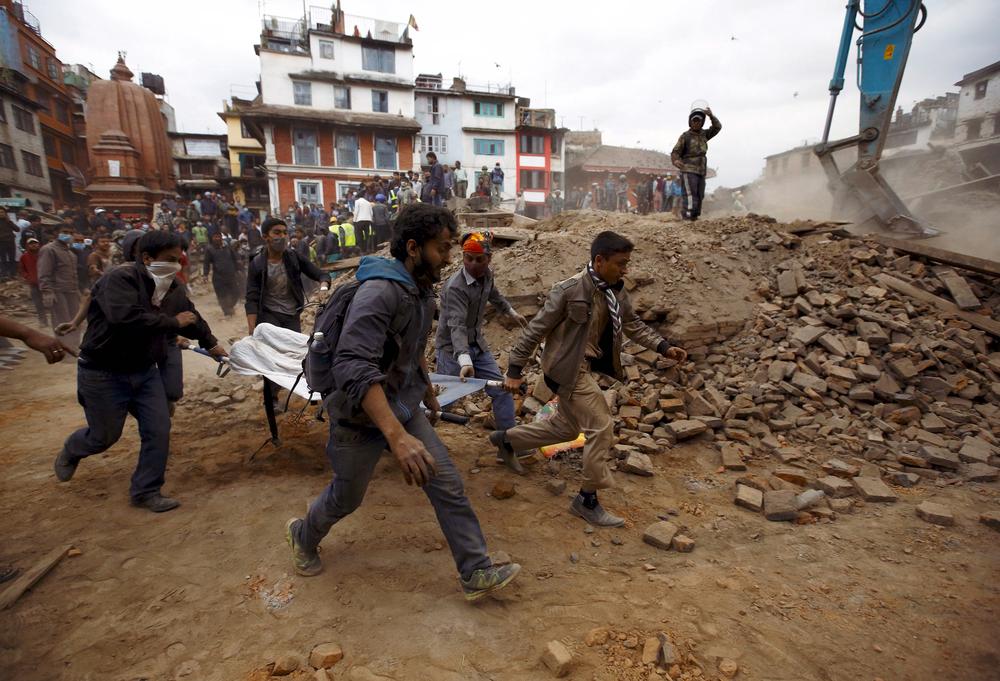
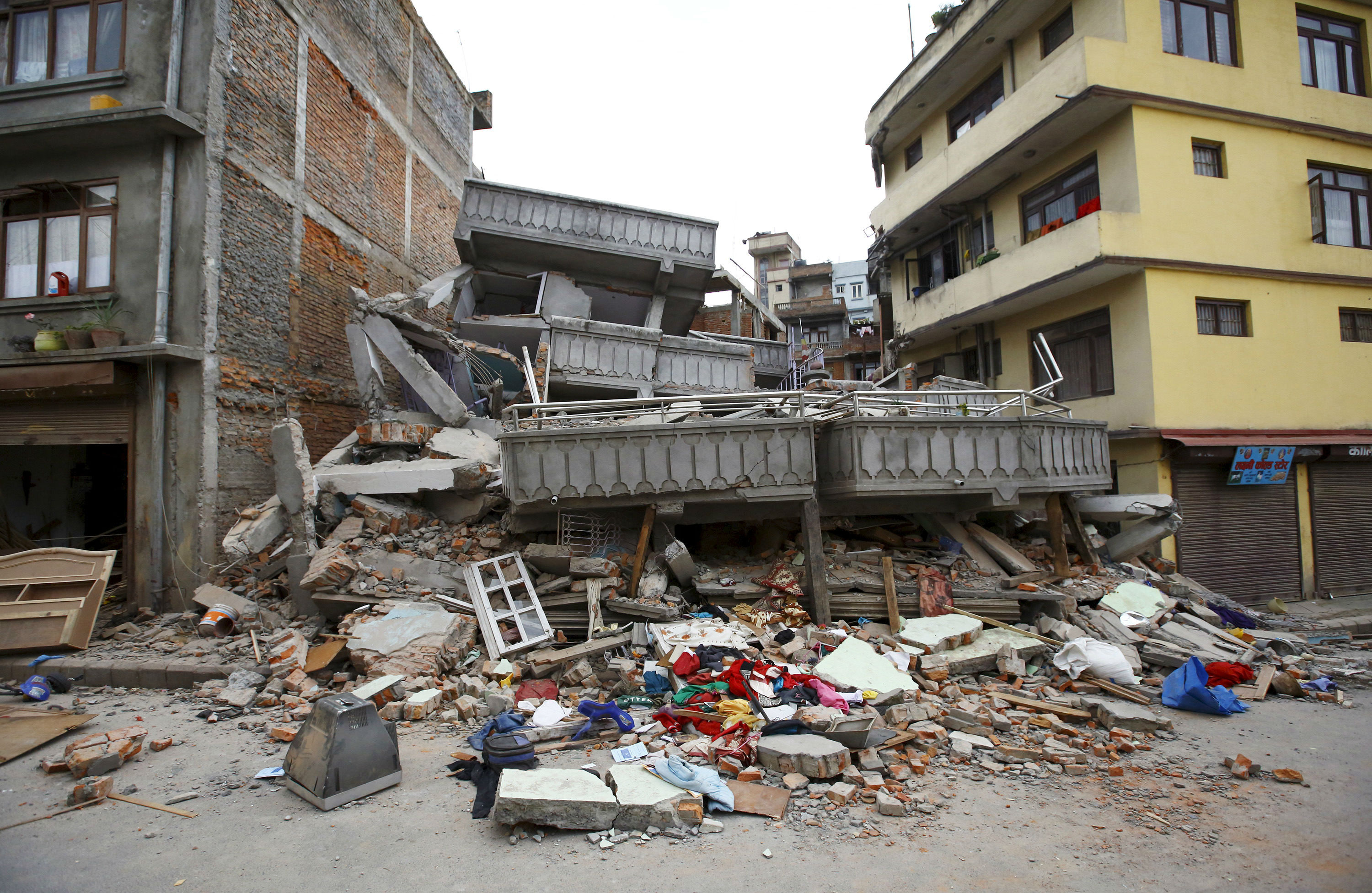
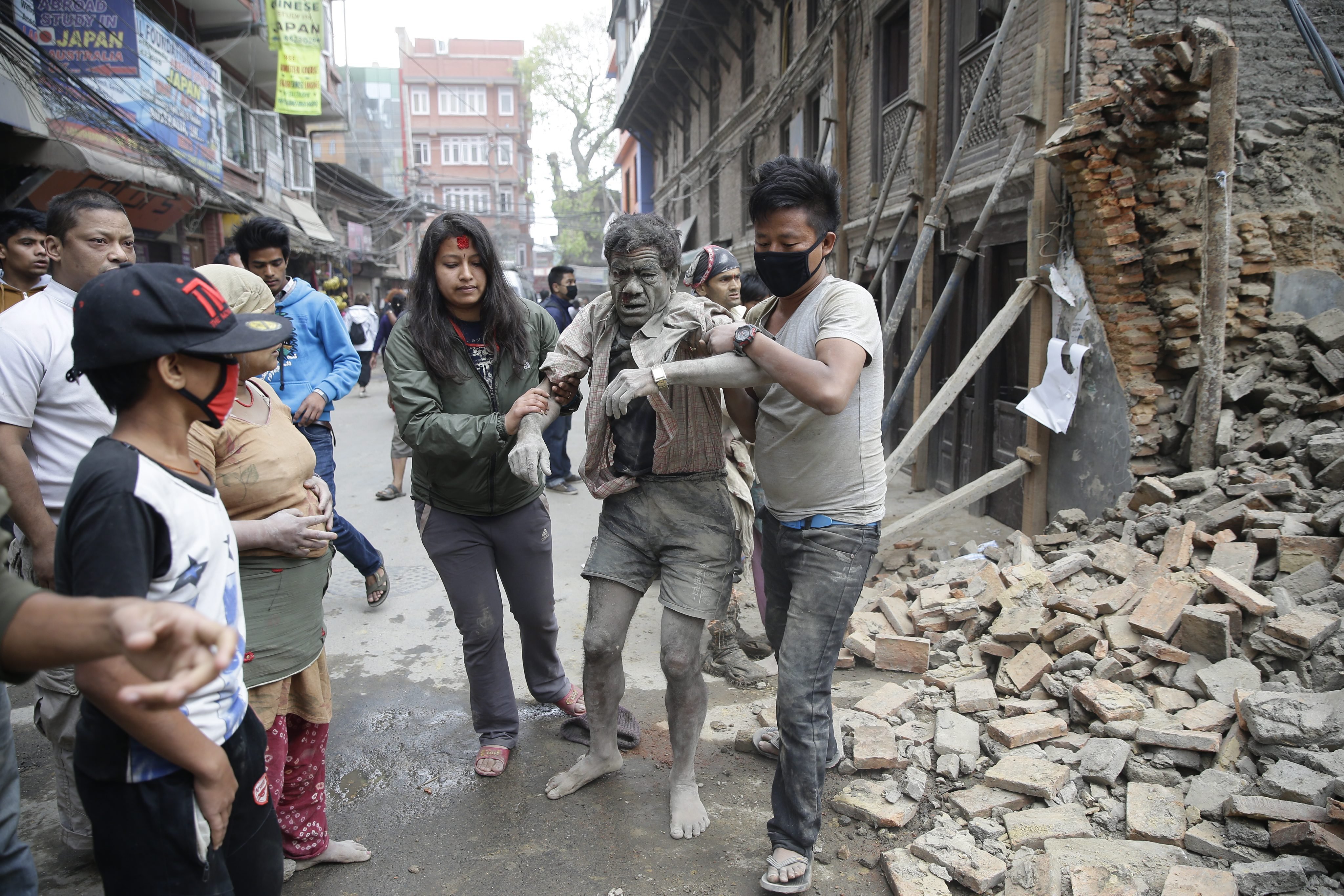
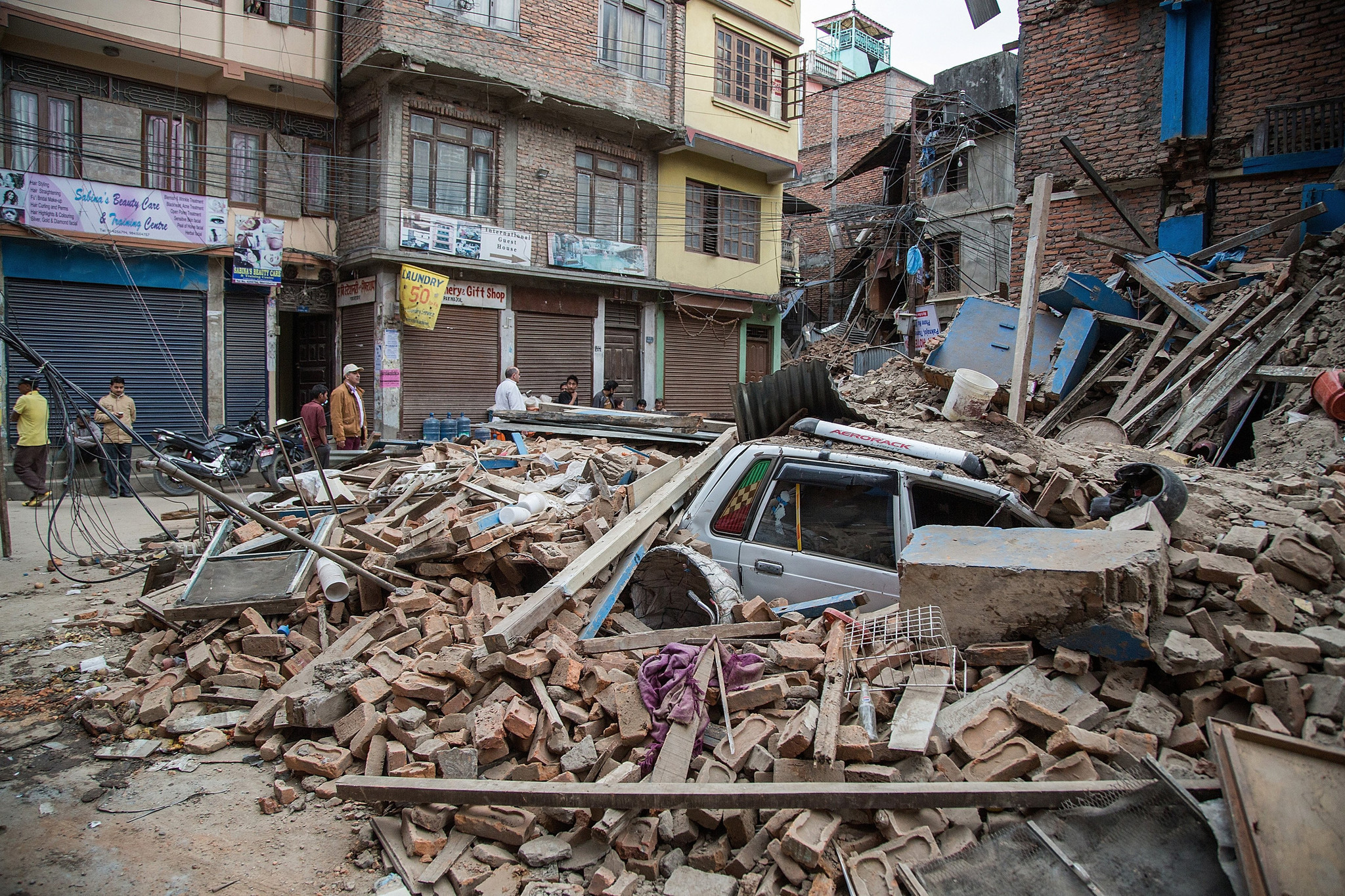
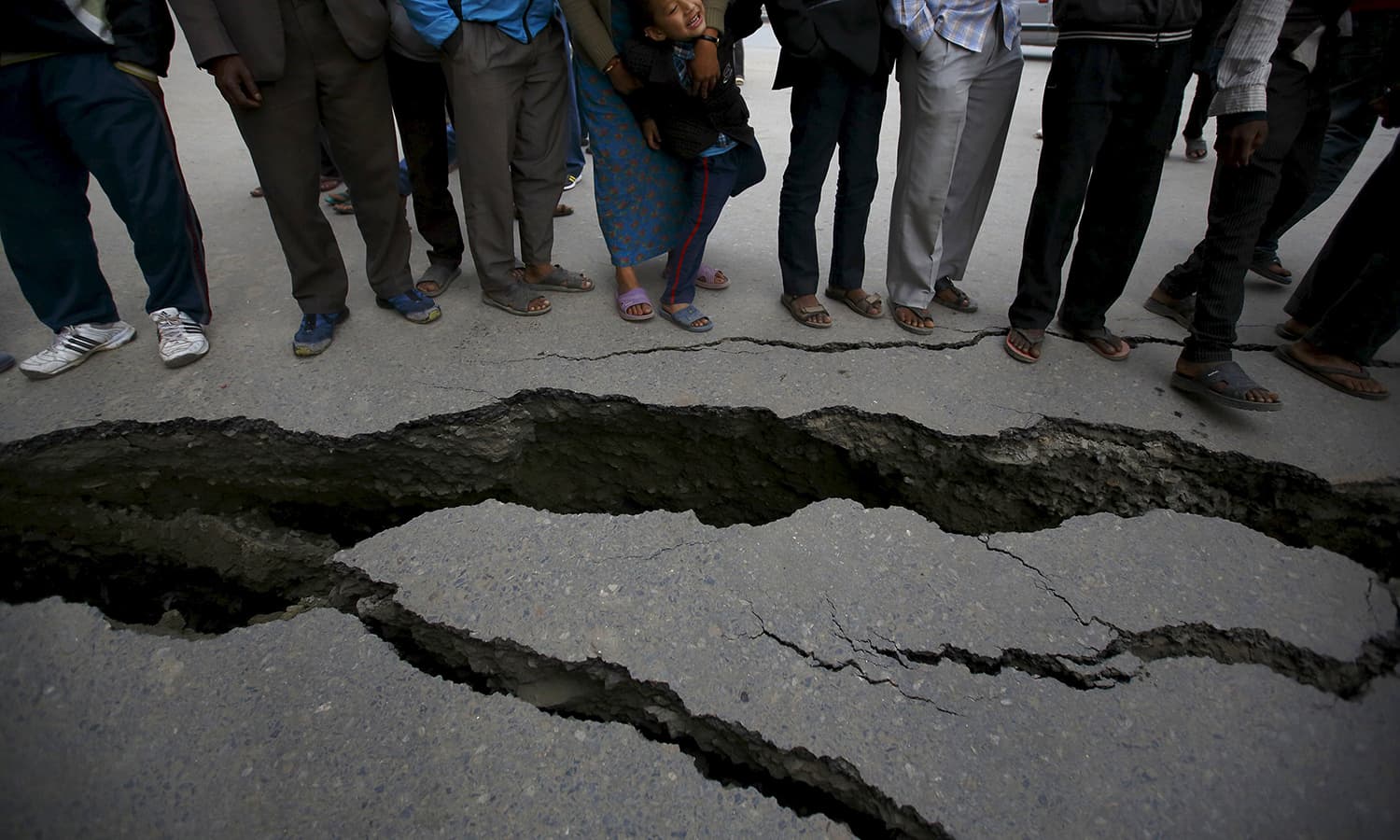
    On Saturday, April 25, Nepal was hit by a 7.8-magnitude earthquake. At least 2,500 people have died in this disaster till now, and the number is still increasing. Thousands of people are missing in Nepal following the earthquake, and the rescues teams are constantly working to reach the needy stuck under the pile of bricks.

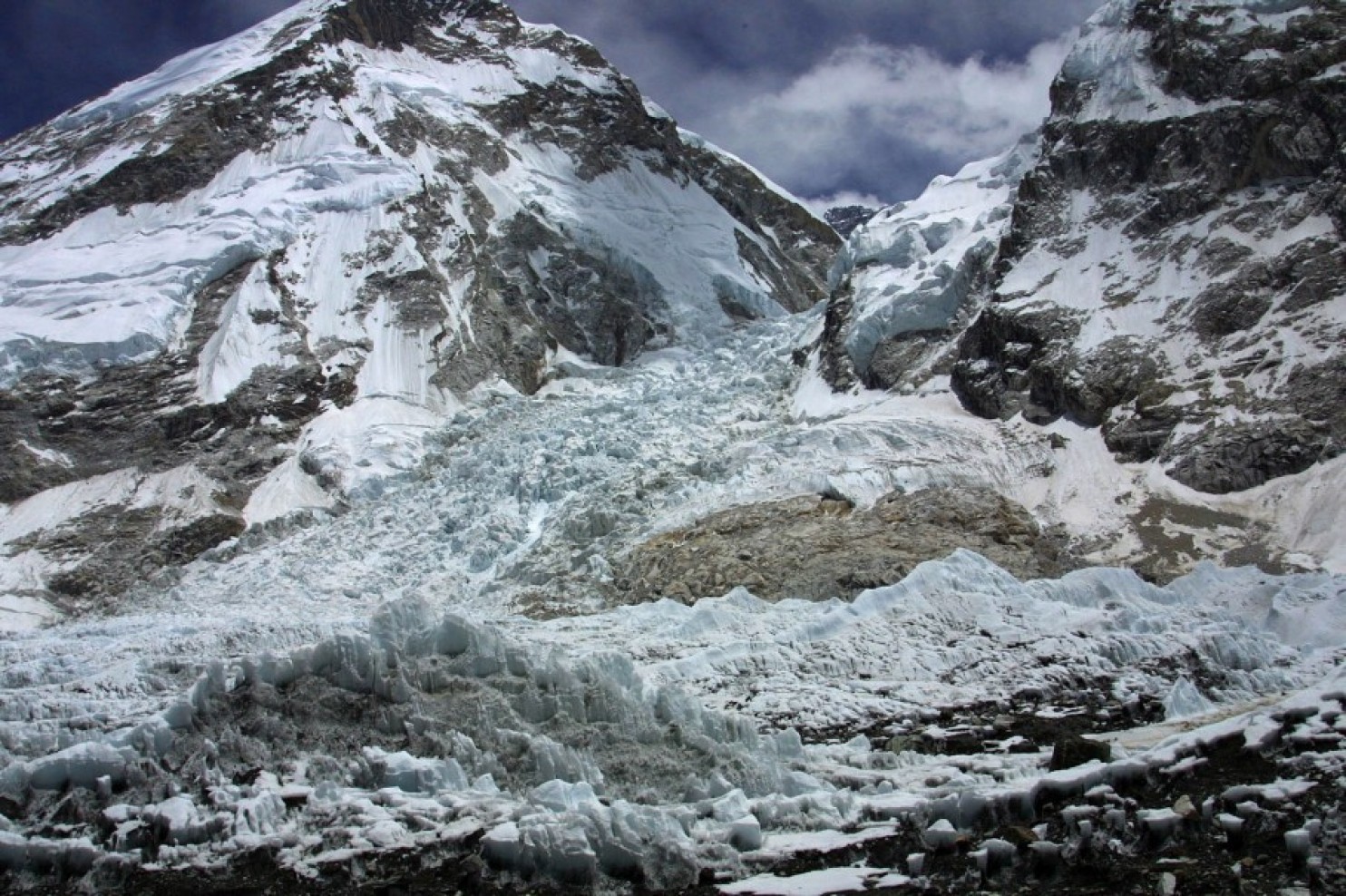
    The earthquake also triggered deadly avalanches in and around Mount Everest. Below is a set of images that captures the image of devastation:

    Image Source: http://www.qz.com/
    Image Source: QZ
    Image Source: www.abcnews.go.com
    Image Source: abcnews
    Image Source: www.nbcnews.com
    Image Source: nbcnews
    Image Source: time.com
    Image Source: time
    Image Source: www.abc.net.au
    Image Source: abc.net
    Image Source: www.thestar.com
    Image Source: thestar
    Image Source: www.timesofisrael.com
    Image Source: timesofisrael
    Image Source: www.huffingtonpost.com
    Image Source: huffingtonpost
    Image Source: www.allindiaroundup.com
    Image Source: allindiaroundup
    Image Source: www.wsbradio.com
    Image Source: wsbradio
    Image Source: www.cnn.com
    Image Source: www.cnn.com
    Image Source: www.abc7.com
    Image Source: abc7
    Image Source: www.inforum.com
    Image Source: inforum
    Image Source: www.washingtonpost.com
    Image Source: washingtonpost
    Image Source: www.inforum.com
    Image Source: inforum
    Image Source: www.chicagotribune.com
    Image Source: chicagotribune
    Image Source: www.3news.co.nz
    Image Source: 3news
    Image Source: www.nbcnews.com
    Image Source: nbcnews
    Image Source: www.chicagotribune.com
    Image Source: chicagotribune
    Image Source: www.dawn.com
    Image Source: dawn
  • Facebook and Google Have Been Instrumental In Locating Nepal Earthquake Survivors

    Facebook and Google Have Been Instrumental In Locating Nepal Earthquake Survivors

    A destructive earthquake shocked Nepal for two days and left nearly 2,200 people dead, and many more were left injured or missing. It was one of the most dangerous earthquakes whose epicenter originated 17km south of Kodari, Nepal and measured 7.9 on the Richter scale. At this hour of crisis, many technological powerhouses have made it easier for rescue workers and family members to reach out to missing people.

    Google’s Person Finder is a free tool that doubles up as a registry or a message board for survivors. This app was developed first during the 2010 Haiti earthquake, and its aggregated data include registries run by CNN, the Miami Herald and the New York Times. This tool can be used by family or friends to locate missing people or loved ones.

    google finder

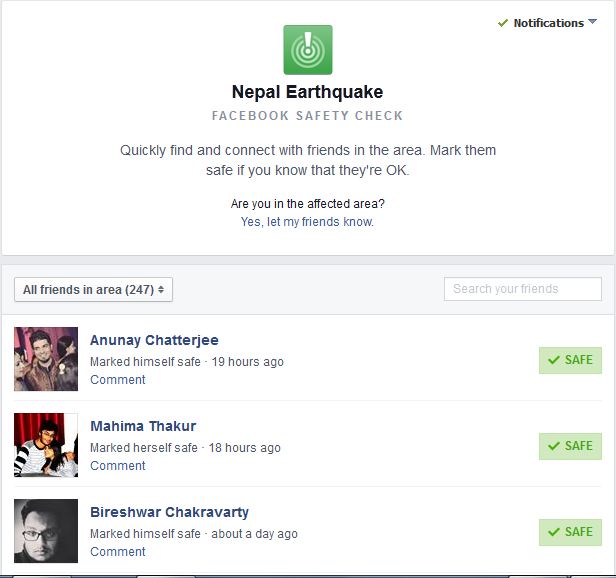
    Facebook’s Safety Check is a tool that allows people to inform their family members or friends about their safety status. This feature works by accessing the user’s profile information and check-in updates and tracks people near the area of impact.

    https://www.facebook.com/zuck/posts/10102050030813611

    This feature was first initiated by Facebook on 16th October 2014.

    For the current disaster in Nepal, Facebook has mapped every person in Nepal and nearby Indian states within the reach.

    facebook safety

    Viber cancelled the Viber Out bill system so that users can make calls for free to any mobile or landline number during the stretch of the disaster. Similar steps were taken by BSNL, MTNL, IDEA, Airtel and Vodafone. BSNL, Vodafone, MTNL and Idea have lowered down the call rates to Re 1 for the next three days while Airtel offered free Airtel India to Nepal calls for the next three days.

    The earthquake jolted Nepal yesterday whose tremors were felt in Delhi and places of Uttar Pradesh and Bihar. The quake flattened down many houses and buildings, including the famous Dharhara tower.

iGyaan Network
Privacy Overview

This website uses cookies so that we can provide you with the best user experience possible. Cookie information is stored in your browser and performs functions such as recognising you when you return to our website and helping our team to understand which sections of the website you find most interesting and useful.