Tag: Facebook

  • Facebook, Ericsson, MediaTek, Nokia, Opera, Samsung and Qualcomm form Internet.org

    Facebook, Ericsson, MediaTek, Nokia, Opera, Samsung and Qualcomm form Internet.org

    The global social network, Facebook and a few major companies like Ericsson, MediaTek, Nokia, Opera, Samsung and Qualcomm have joined hands to form what may be the future of the Internet. Internet.org is an initiative to deliver internet access to two-thirds of the world that currently does not have access to it. 

    The collaborative effort plans to bring down costs for deployment of such large infrastructure, By reducing the cost and amount of data required for most apps and enabling new business models, Internet.org is focused on enabling the next 5 billion people to come online.

    Although, many still struggle with basic internet access, and where implementations can be a lifelong goal, its not one that cannot be achieved. 

    For more than 100 years, Ericsson has been enabling communications for all and today more than 6 billion people in the world have access to mobile communications,” said Hans Vestberg, President and CEO of Ericsson. “We are committed to shaping the Networked Society – where everyone and everything will be connected in real time; creating the freedom, empowerment and opportunity to transform society. We believe affordable connectivity and internet access improves people’s lives and helps build a more sustainable planet and therefore we are excited to participate in the internet.org initiative.”

    “As a world leader in mobile solutions for emerging markets having powered more than 300 million smart devices within 2 years, MediaTek whole heartedly supports the internet.org initiative.” said MK Tsai, Chairman of MediaTek. “Global Internet and social media access represent the biggest shift since the industrial revolution, and we want to make it all-inclusive.”

    “Nokia is deeply passionate about connecting people – to one another and the world around them,” said Nokia President and CEO Stephen Elop. “Over the years, Nokia has connected well over a billion people. Our industry is now at an exciting inflection point where Internet connectivity is becoming more affordable and efficient for consumers while still offering them great experiences. Universal internet access will be the next great industrial revolution.”

    “Today, more than 300 million people use Opera every month to access the Internet. Tomorrow, we have a chance to serve the next 5 billion people connecting on mobile devices in developing countries. It’s in Opera’s DNA to save people time, money and data, and through internet.org we think we can help advance these goals.” — Lars Boilesen, CEO Opera Software.

    “Mobile has helped to transform many people’s lives in the emerging regions where often a computing device will be the first and only mobile experience they’ll ever have” said Paul Jacobs, chairman of the board and CEO of Qualcomm Incorporated. “Having shipped more than 11 billion chips, Qualcomm is a market leader that is committed to the goal of bridging the digital divide. We’re pleased to be a part of internet.org and to be working with key ecosystem players to drive this initiative forward.”

    “This new initiative has big potential to help accelerate access to the Internet for everyone,” said JK Shin, CEO and President of the IT & Mobile Communications Division at Samsung Electronics. “We’re focused on delivering high quality mobile devices to ensure that the next five billion people have great mobile Internet experiences.”


    [toggle title=”Press Release”]Technology Leaders Launch Partnership to Make Internet Access Available to All

    August 20, 2013

    Facebook, Ericsson, MediaTek, Nokia, Opera, Qualcomm, Samsung to be founding partners

    MENLO PARK, CA, — Mark Zuckerberg, founder and CEO of Facebook, today announced the launch of internet.org, a global partnership with the goal of making internet access available to the next 5 billion people.

    “Everything Facebook has done has been about giving all people around the world the power to connect,” Zuckerberg said. “There are huge barriers in developing countries to connecting and joining the knowledge economy. Internet.org brings together a global partnership that will work to overcome these challenges, including making internet access available to those who cannot currently afford it.”

    Today, only 2.7 billion people – just over one-third of the world’s population — have access to the internet. Internet adoption is growing by less than 9% each year, which is slow considering how early we are in its development.

    The goal of Internet.org is to make internet access available to the two-thirds of the world who are not yet connected, and to bring the same opportunities to everyone that the connected third of the world has today.

    The founding members of internet.org — Facebook, Ericsson, MediaTek, Nokia, Opera, Qualcomm and Samsung — will develop joint projects, share knowledge, and mobilize industry and governments to bring the world online. These founding companies have a long history of working closely with mobile operators and expect them to play leading roles within the initiative, which over time will also include NGOs, academics and experts as well. Internet.org is influenced by the successful Open Compute Project, an industry-wide initiative that has lowered the costs of cloud computing by making hardware designs more efficient and innovative.

    In order to achieve its goal of connecting the two-thirds of the world who are not yet online, internet.org will focus on three key challenges in developing countries:

    Making access affordable: Partners will collaborate to develop and adopt technologies that make mobile connectivity more affordable and decrease the cost of delivering data to people worldwide. Potential projects include collaborations to develop lower-cost, higher-quality smartphones and partnerships to more broadly deploy internet access in underserved communities. Mobile operators will play a central role in this effort by driving initiatives that benefit the entire ecosystem.

    Using data more efficiently: Partners will invest in tools that dramatically reduce the amount of data required to use most apps and internet experiences. Potential projects include developing data compression tools, enhancing network capabilities to more efficiently handle data, building systems to cache data efficiently and creating frameworks for apps to reduce data usage.

    Helping businesses drive access: Partners will support development of sustainable new business models and services that make it easier for people to access the internet. This includes testing new models that align incentives for mobile operators, device manufacturers, developers and other businesses to provide more affordable access than has previously been possible. Other efforts will focus on localizing services – working with operating system providers and other partners to enable more languages on mobile devices.

    By reducing the cost and amount of data required for most apps and enabling new business models, Internet.org is focused on enabling the next 5 billion people to come online.

    Facebook, Ericsson, MediaTek, Nokia, Opera, Qualcomm, Samsung and other partners will build on existing partnerships while exploring new ways to collaborate to solve these problems.

    “For more than 100 years, Ericsson has been enabling communications for all and today more than 6 billion people in the world have access to mobile communications,” said Hans Vestberg, President and CEO of Ericsson. “We are committed to shaping the Networked Society – where everyone and everything will be connected in real time; creating the freedom, empowerment and opportunity to transform society. We believe affordable connectivity and internet access improves people’s lives and helps build a more sustainable planet and therefore we are excited to participate in the internet.org initiative.”

    “As a world leader in mobile solutions for emerging markets having powered more than 300 million smart devices within 2 years, MediaTek whole heartedly supports the internet.org initiative.” said MK Tsai, Chairman of MediaTek. “Global Internet and social media access represent the biggest shift since the industrial revolution, and we want to make it all-inclusive.”

    “Nokia is deeply passionate about connecting people – to one another and the world around them,” said Nokia President and CEO Stephen Elop. “Over the years, Nokia has connected well over a billion people. Our industry is now at an exciting inflection point where Internet connectivity is becoming more affordable and efficient for consumers while still offering them great experiences. Universal internet access will be the next great industrial revolution.”

    “Today, more than 300 million people use Opera every month to access the Internet. Tomorrow, we have a chance to serve the next 5 billion people connecting on mobile devices in developing countries. It’s in Opera’s DNA to save people time, money and data, and through internet.org we think we can help advance these goals.” — Lars Boilesen, CEO Opera Software.

    “Mobile has helped to transform many people’s lives in the emerging regions where often a computing device will be the first and only mobile experience they’ll ever have” said Paul Jacobs, chairman of the board and CEO of Qualcomm Incorporated. “Having shipped more than 11 billion chips, Qualcomm is a market leader that is committed to the goal of bridging the digital divide. We’re pleased to be a part of internet.org and to be working with key ecosystem players to drive this initiative forward.”

    “This new initiative has big potential to help accelerate access to the Internet for everyone,” said JK Shin, CEO and President of the IT & Mobile Communications Division at Samsung Electronics. “We’re focused on delivering high quality mobile devices to ensure that the next five billion people have great mobile Internet experiences.”

    The Internet.org website launches today and provides an overview of the mission and goals, as well as a full list of the partners. In the coming weeks, it will feature interviews with technology leaders and experts, along with the latest news on Internet.org activities.[/toggle]

  • Mark Zukerberg’s Profile Hacked By A White Hat Hacker

    Mark Zukerberg’s Profile Hacked By A White Hat Hacker

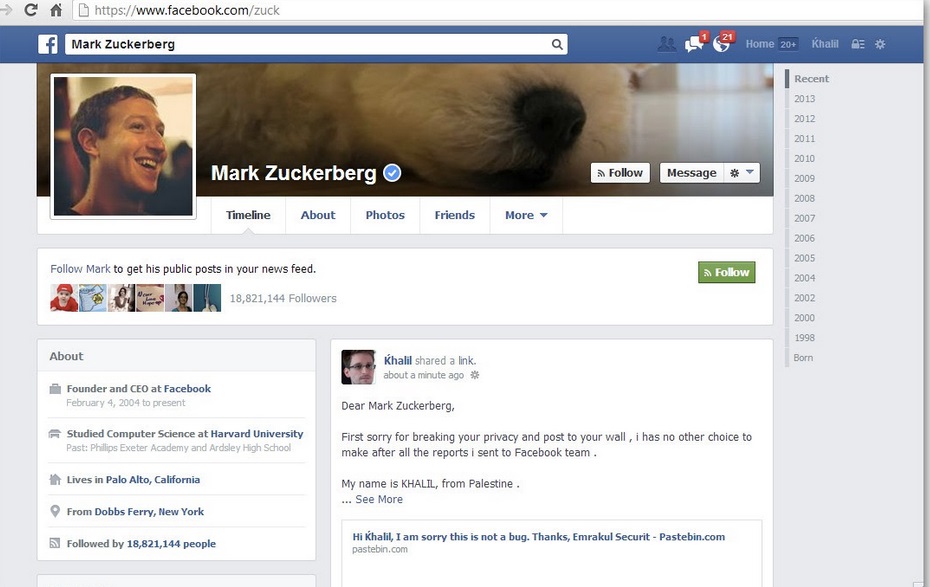
    A Palestinian white hat hacker posted a Facebook security issue on the Social Networks’ CEO Mark Zukerberg’s profile a week ago, in an attempt to prove the security extent of the bugs he had found, to the company. Initial bug reporting attempts by him were not acknowledged by the Facebook team.

    The hacker, who uses the name of ‘Khalil’, discovered an issue that allowed users to make posts to others’ Timeline pages without even being connected to them on Facebook. Khalil said he tried reporting it to the security team earlier in the week, but as it was not acknowledged. Consequently, he made the post on Zuckerberg’s wall by using the security bug he reported for, probably the only way he could think of getting security’s attention.

    It certainly did. The security flaw was fixed as of Thursday, shortly after Khalil posted to Zuckerberg’s page. A post made by a Facebook security team member on Web forum Hacker News said that Khalil’s limited English skills and lack of complete information made it difficult for the team to immediately respond.

    Facebook

    The reason could also be because Facebook receives too many bugs each day thanks to the Bug Bounty Program, which pays hackers for sharing the security related bugs.

    Despite of all this, Facebook admitted its failure to follow up in its dealings with Khalil.

    “We should have pushed back asking for more details here,” Facebook software engineer Matt Jones

    The company said that they encourage further bug reports from Khalil and other White Hat hackers looking to help the site.


    [via] [via]

  • Where Have We Seen That Before? Facebook Testing Trending Topics Feature

    Where Have We Seen That Before? Facebook Testing Trending Topics Feature

    Soon after introducing hashtags, Facebook confirmed that it’s now testing another Twitter-esque feature: trending topics.

    “Today we started running a small test that displays topics trending on Facebook,” confirmed the social network. “It is currently only available to a small percentage of U.S. users who use Facebook’s mobile web site (m.facebook.com) and is still in very early stages of development.”

    What those mobile users will see is a banner atop their News Feed that will highlight the people and subject matter that Facebook users are talking about the most. Tapping the banner will reveal what their friends are saying about the topic in addition to opinions and feedback from other users they don’t know.

    Hopefully, when Facebook rolls out this feature across the site it’ll continue to base trends on newsworthy events being discussed within the community rather than the asinine nonsense users are currently subjected to within the trends section on Twitter.

    Facebook has borrowed several features from Twitter over the years, including “@” mentions, verified accounts and the option to follow people. 

    No word has been given on a timeline for the testing or a full-scale rollout of the Trending Topics system. 

    Meanwhile, in other news, Facebook today confirmed its Graph Search indexing feature has now rolled out to all members using US English. The feature allows users to find people with similar interests, revisit photos they’ve liked, find recommendations and look for movies and music liked by their friends.

    [Via]

  • Facebook Pays Bug Hunters $1 Million, India Second Biggest Recipient

    Facebook Pays Bug Hunters $1 Million, India Second Biggest Recipient

    The social media giant ‘Facebook’ has paid over 1 million USD to security researchers  who report bugs on their website, with India being the second biggest recipient among other countries. India has over 78 million Facebook users, and now is one of the fastest growing in the Bug Bounty program. The social networking major said 329 people have received rewards, including professional researchers, students and part-timers. The youngest recipient was 13 years old.

    A software bug is an error, flaw, failure, or fault in a computer program or system that produces an incorrect or unexpected result, or causes it to behave in unintended ways. Most bugs arise from mistakes and errors made by people in either a program’s source code or its design, and a few are caused by compilers producing incorrect code. 

     As per Facebook To qualify for a bounty, you must:

    • Adhere to the Responsible Disclosure Policy of Facebook.  
    • Be the first person to responsibly disclose the bug
    • Report a bug that could compromise the integrity of Facebook user data, circumvent the privacy protections of Facebook user data, or enable access to a system within the Facebook infrastructure, such as:

      • Cross-Site Scripting (XSS)
      • Cross-Site Request Forgery (CSRF/XSRF)
      • Broken Authentication (including Facebook OAuth bugs)
      • Circumvention of our Platform/Privacy permission models
      • Remote Code Execution
      • Privilege Escalation
      • Provisioning Errors
    • Use a test account instead of a real account when investigating bugs. When you are unable to reproduce a bug with a test account, it is acceptable to use a real account, except for automated testing. Do not interact with other accounts without the consent of their owners.
    • Reside in a country not under any current U.S. Sanctions (e.g., North Korea, Libya, Cuba, etc.

    Facebook offers great prize money which is a minimum of $500 and there is no maximum amount they have quoted, as each bug is awarded a bounty based on its severity and creativity.

    Our Bug Bounty program allows us to harness the talent and perspective of people from all kinds of backgrounds, from all around the world,Two of the bounty recipients have taken up full-time jobs with the Facebook security team” Facebook Security Engineer Collin Greene said 


  • Facebook Planning 15-Second Ads For Your News Feed

    Facebook Planning 15-Second Ads For Your News Feed

    Facebook plans to introduce 15-second television-style ads to its Newsfeed, opening the door to a potentially crazy-lucrative new advertising option. Bloomberg reports that Facebook will sell the ad space for up to $2.5 million a commercial, and that commercial spots will initially run for a full day. The commercials will be targeted, so advertisers will run ads specific to age and gender.

    The social network currently allows advertisers to upload videos to their Facebook page and then broadcast them to a user’s news feed. The new service would let marketers buy their way directly into a person’s feed with a 15-second pitch, according to Bloomberg.

    As TheNextWeb reports, assuming the $2.5 million per day price is accurate, the new ads would create an immediate boost for Facebook’s bottom line. Considering that the company brought in $1.81 billion in revenue during the second quarter of 2013, a quarter worth of commercials at the highest price could hypothetically drive over 12 percent growth by adding as much as $225 million in revenue.

    With Facebook’s incredible dominance of global social networking and the sheer influence of the site on many users’ daily lives, it begs the question – where could unhappy users even migrate to, without losing so many digital connections, photos, and the ability to instantly keep in touch with just about everyone they know? 

    [Via]

  • Facebook Brings Stickers To The Web (PR)

    Facebook Brings Stickers To The Web (PR)

    Earlier this spring Facebook announced Home, a suite of apps for Android meant to make elements of the social site native to the phone. A month later, Facebook pushed out some features of Home to their iOS Messages app, including Chat Heads and stickers. Stickers are now rolling out to desktop users, and these users can choose from a catalog of available images in Facebook’s Sticker Store.

    facebook

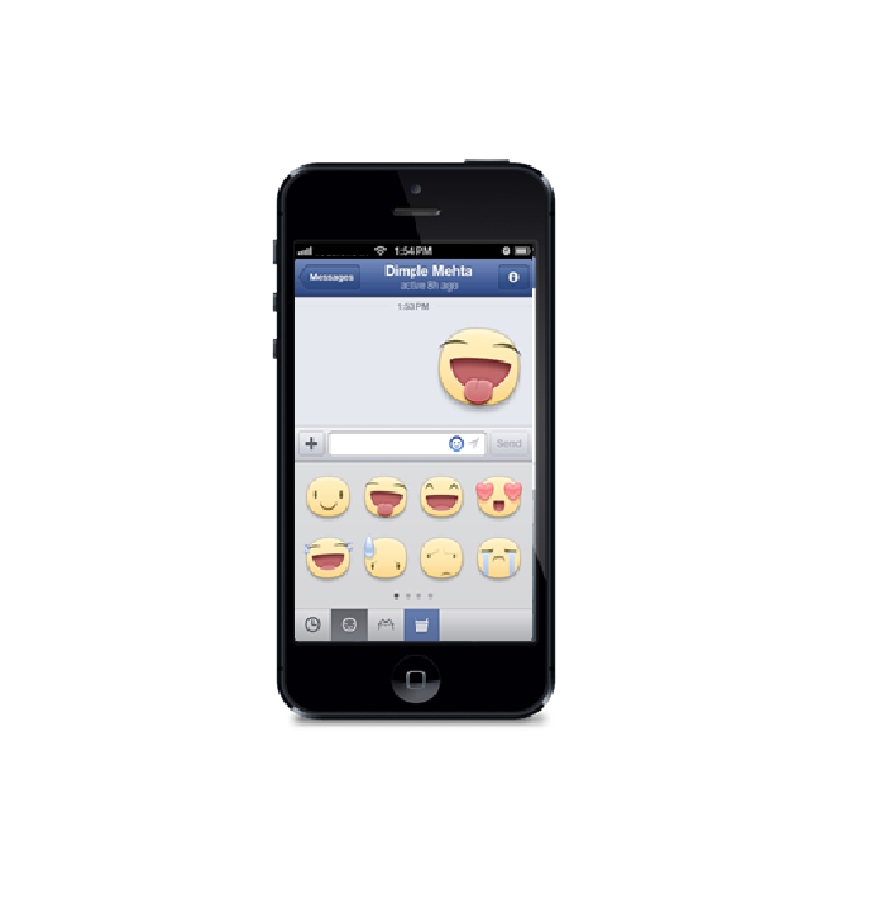
    Sending stickers is simple: click on the smiley icon in your message, browse the top of the sticker window to decide on the pack you want, and make a selection. The basket icon takes you to Facebook’s sticker store, where you can find additional packs.

    Though they’re calling the collection a “store,” the stickers are currently free, although Facebook could one day decide to sell sponsored stickers. Though the social network is increasing their push to bring stickers to their messaging platform, (other social networking apps also offer stickers), TechCrunch says their head sticker designer has left the company.

    [toggle title=”Press Release”]Spice up your conversations now with Facebook Messenger
    Facebook Messenger gets updated with Chat Heads and Stickers

    Facebook, one of the largest social networking platforms has announced some upgrades in its instant messaging app Facebook Messenger and has rolled out a few interesting features such as Chat Heads and Stickers.

    Facebook now makes it easy to send private messages. Today, more than 10 billion messages are sent each day in total on Facebook. Private sharing and connecting is a big part of the Facebook experience. No matter what you’re doing or where you are, you want to reach your friends on Facebook – and you’re reaching your friend, not a phone number or a screen name so it’s personal, real and intimate.

    To spice up the conversation and keep your chats at the finger tips Facebook Messenger comes up with features such as Chat Heads and Stickers. Stickers are a way of letting the user free, of the same old smileys and emoticons. The user can use these to spice up the conversations and make them more interesting and fun. Chat heads allows the user to be just one tap away from chatting with his friends. The most frequently connected user on Facebook, appears on the home screen inside a circular shape, and does not go away until and unless, it is double tapped upon. Chat Heads make the texting experience quick and easy; it allows the user to switch between friends without having to go on the friend list again and again.

    Stickers have been available on the Facebook and Facebook Messenger apps for iOS and Android and now users can send them right from messages or chat on their desktop as well.

    Here are some quick tips to show you how to get the most out of Facebook mobile messaging.

    1. Start messages instantly
    From the Facebook app, tap the icon in the top right of your News Feed to get to the messaging sidebar. Just tap the name of a friend and your message will reach them wherever they log in to Facebook – on their smartphone, feature phone or the web. Want to know who will get notified about your message on their phone? Look for the mobile icon.

    2. Message groups of friends
    Making plans to see a movie with a small group of friends? Tap the message bubble icon at the top of the screen. Tap the Group button, then tap the names of the friends you want to message. Once you start a group conversation, you can give it a name like “Movie Crew” so it’s easy to find it again later.

    3. Send a sticker
    Stickers make Facebook messages more fun. Just tap the smiley to send a bunny, a cat or another cute critter. To download more stickers, just tap the basket icon. Stickers are a lightweight way to tell friends how you’re feeling, what you’re up to or to just say hi.

    4. Share a photo
    Sometimes you only want to share a photo with a handful of people. To add photos to a private conversation, tap + and choose from the photos on your phone or take a new one. People in the conversation just tap the photo to see it expand.

    5. Multi-task with chat heads
    With chat heads in Facebook for iPhone, you can keep chatting while you do other things on Facebook like check News Feed or post to a group. If you have Facebook Messenger for Android, you can keep chatting while you use other apps. Just tap the chat head when a new message arrives. Your friend’s message will open on top of your browser app for example so you can send a response without having to switch back and forth. When you’re done, tap the chat head to close the conversation and drag the chat head down to the ‘X’ to dismiss it.


    6. Download the Messenger app
    Want to get to your messages faster? The standalone Facebook Messenger app lets you get right to all your conversations from your Android or iPhone home screen. To download the app, go to: http://bit.ly/fbandroidmessenger or http://bit.ly/fbiosmessenger
    [/toggle]

  • Report : Facebook Working On Flipboard Like App

    Report : Facebook Working On Flipboard Like App

    Facebook is experimenting with a lot of mobile-centric ideas, aiming to take the social network’s presence beyond just Facebook.  Although it has reportedly been in the works for well over a year, it appears as though Facebook is working on a news aggregating app.

    Now according to a report from The Wall Street Journal, Facebook is developing a new tool that focuses on news consumption in order to re-shape its identity as a social network, like Twitter, that can compete in the news consumption space. The project, which is reportedly called “Reader,” would be a feature that runs on Apple’s iOS Devices such as the iPhone, iPad, and iPod touch. 

    The social network has been quietly working on a service, internally called Reader, that displays content from Facebook users and publishers in a new visual format tailored for mobile devices, people with knowledge of the matter said.

    The project, which the company has been developing for more than a year, is designed to showcase news content in particular. Recent versions of Reader resemble Flipboard Inc., a smartphone and tablet app that aggregates stories from multiple sources and lets users swipe to flip through articles, said the people with knowledge of the project.

    While it’s unclear when Facebook will be ready to unveil the product, if it ever is, the Reader project is a sign the company is trying to get users to spend more time with it on mobile devices—and to see more ads.

    Facebook is clearly making an initiative to be more than just a social network to share photos and statuses

    [Via]

  • Facebook : Security Bug Revealed 6 Million Users’ Info

    Facebook : Security Bug Revealed 6 Million Users’ Info

    On Friday, Facebook admitted that a bug made the private contact information — either email addresses or phone numbers — of 6 million users accidentally accessible to Facebookers who downloaded their account histories onto their own computers.Compared to Facebook’s over 1 billion total members, 6 million isn’t much. But any security flaw has the potential to frighten people away from a website.

    The breach was caused by an unfortunate combination of Facebook’s “People You May Know” and “Download Your Information” features. “People You May Know” offers friend suggestions based in part on other users’ uploaded contact lists or address books; “Download Your Information” offers a downloadable version of your Facebook Timeline archive.

    When some users downloaded their Facebook archives with “Download Your Information,” the archive included contact information for second-tier connections with whom Facebook thought those users might want to connect but who hadn’t yet received or approved a friend request from that user.

    Facebook said the security bug did not reveal other personal or financial data and that only people on Facebook – not developers or advertisers – accessed the DYI tool. Therefore, the bug was not exploited maliciously. 

    “For almost all of the email addresses or telephone numbers impacted, each individual email address or telephone number was only included in a download once or twice,” Facebook clarified. “This means, in almost all cases, an email address or telephone number was only exposed to one person.”

    Facebook said it reviewed and confirmed the security bug, and therefore immediately disabled the DYI tool to fix the problem. The tool is now back online, however, because the problem has been resolved.

    The bug was found not by Facebook’s team, but by someone going through Facebook’s “white hat” hacker program, which offers a bounty for anyone who can find bugs on the site, paying a minimum reward of $500 per bug.

  • Instagram Gets Video With Filters

    Instagram Gets Video With Filters

    Those selfies and food photos in your Instagram feed might soon be a little less stationary. Starting today, the Facebook-owned service will be adding video features to its popular iPhone and Android apps.

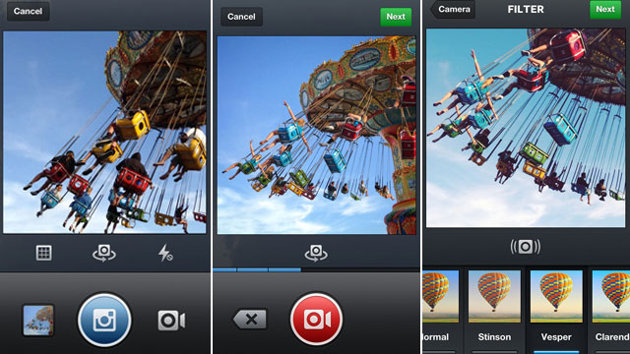
    Video on Instagram gives the 130 million users of the app the ability to post short video clips that can be three to 15 seconds long. In contrast, Vine allows a maximum of six seconds of video.

    instagram

    The new feature opens a potential new revenue stream for Facebook, which paid a premium price to buy Instagram last year. But Instagram co-founder Kevin Systrom insisted the product was not specifically designed to generate new business.

    “This is driven by consumer demand, not by business need,” Systrom said during a news conference at Facebook headquarters. “I don’t think we designed it with any advertising in mind.”

    In its iOS version, the tool also includes a brand-new image stabilization mode called “Cinema” to eliminate shakiness in videos.

    Users will now hit the camera button and get a choice of a still camera or video camera option. Selecting the video option will bring up the usual viewfinder, and then, similar to Twitter’s Vine app, holding down the video icon will capture video. Releasing it will allow you to pause the video, readjust your shot and then start capturing again.

    Within hours of the new feature being added to Instagram, video clips began streaming in from locales around the world including a fish market in Japan, a space memorial in Russia and a surfing haunt on the California coast.

  • Report : Facebook To Add Video To Instagram on June 20

    Report : Facebook To Add Video To Instagram on June 20

    Facebook may be preparing to add video-sharing features to its Instagram app, in a direct response to the popularity of Twitter’s Vine app.

    According to TechCrunch, the company will unveil the new service at an event on June 20th. Earlier it was rumoured that Facebook will launch it’s own RSS service at the June event.

    Instagram is a popular photo-sharing application that is available for Android and iOS. Facebook had acquired Instagram in 2012 for a whopping $1 billion. About three months ago, Instagram had announced that it has 100 million monthly active users and these users are uploading over 40 million photos per day.

    instagram

    There are several clues suggesting that video may be the next step for Instagram, which now boasts of 100 million active users. For example, Facebook has prevented Vine from using its friend-finding feature. By doing this, Facebook looks embed users into its platform first, rather than a service like Twitter.

    Another instance of Facebook protecting its brand is how it is preventing Instagram uploads from being posted directly onto Twitter. Users can still share Instagram photos on Twitter, but users need to click the link to see them. By directing users back to the Instagram platform, users will spend more time in the photo sharing application.

    Adding the ability to shoot and share short videos directly from the wildly popular application could certainly give Facebook a boost in the social media war.

    Last week, Facebook announced that it was enabling hashtags on its site, also comparable to Twitter capabilities.

    [Via

  • Rumour : Facebook RSS Reader Set For June 20 Launch

    Rumour : Facebook RSS Reader Set For June 20 Launch

    Facebook sent out press invitations via snail mail for a launch event, possibly for a Facebook RSS Feed or news reader, at its headquarters in Menlo Park, California on June 20.

    The Facebook launch event invitation postcards request that reporters come and see the “big idea” that their “small team” has been working on, Mashable’s Emily Price reported.

    The dead-tree invitation features a printed coffee cup stain ring and the words “A small team has been working on a big idea. Join us for coffee and learn about a new product.” 

    With Facebook having launched hashtags, which is still technically in its early trial-and-error phase, this new product might have something to do with that new feature. But what we’re guessing is that the product announcement just might have to do with the discovery of an Facebook RSS reader hidden inside of Facebook’s Graph API code. Facebook hasn’t commented on the bit of code alluding to an RSS reader that was found, and come July 1, Google Reader will officially be killed off. The timing lines up pretty well. 

    If Facebook does have a new Facebook RSS reader, the move would fit in with the company’s strategy of trying to become the go-to place for internet users looking to know what is going on in the world, a strategy Mark Zuckerberg pointed to at the March launch of Facebook’s revamped news feed.

  • Pinterest Now lets you send pins directly to friends.

    Pinterest Now lets you send pins directly to friends.

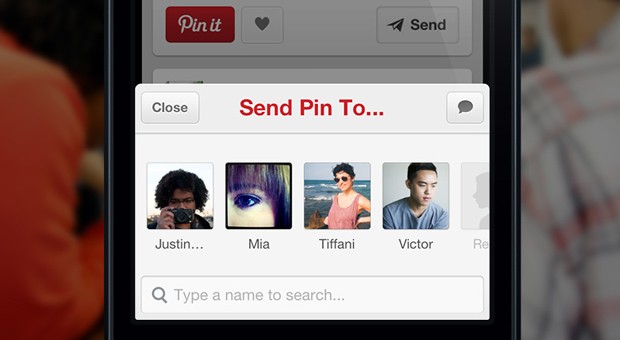
    The Pinterest app got updated, along with a tiny overhaul of the mainframe, now allowing users to send pins directly to their friends. On the web however you can only email the pins as of now, the send pin option  is currently only available to mobile app users. 

    2013051602


    Have you ever seen a pin you knew a certain friend or family member would love? Now you can send pins directly to your friends and fellow pinners from the web or your phone. You can even include a message to give it a more personal touch!

    Just tap Send from either web or mobile to send a pin. You can send pins to fellow pinners (if you both follow each other), Facebook friends, or email contacts. We’ll show you the most recent people you’ve sent pins to for easy access.


    [Pinterest]

  • Facebook To Delete Beheading Videos After Complaints

    Facebook To Delete Beheading Videos After Complaints

    Facebook has said it will delete videos of people being decapitated which had been spread on its site.

    “We will remove instances of these videos that are reported to us while we evaluate our policy and approach to this type of content,” BBC News quotes Facebook.

    The company had previously refused to remove several graphic clips, claiming people have a right to show the “world in which we live”.

    The turn-about reportedly came after the California-based social network’s safety advisory board criticised the decision to leave the gruesome clips up at the website. 

    The warnings came after a one-minute long video was uploaded to the site last week showing a woman being beheaded by a masked man.

    A voice heard on the footage suggests that it was filmed in Mexico. A second video clip showing the execution of two men has also been shared on the network after being posted last Wednesday. The victims say they are drug smugglers for a Mexican cartel before being attacked with a chainsaw and knife.

    Celia Mellow, who started a petition calling for the clips to go, said she was ‘shocked’ by the images.

    Meanwhile, Facebook last night announced first quarter revenues were up 38 per cent on 2012 to £938million. But shares were down 28p to £17.35.

    Chief executive Mark Zuckerberg said: ‘We’ve made a lot of progress in the first few months of the year.

    ‘We have seen strong growth and engagement across our community and launched several exciting products.’

  • Facebook Reports First Quarter Results, Reveals 751 Million Monthly Active Mobile Users

    Facebook Reports First Quarter Results, Reveals 751 Million Monthly Active Mobile Users

    Facebook issued its first quarter results for the new year and made some pronouncements on the state of the mobile web and mobile advertising in general.

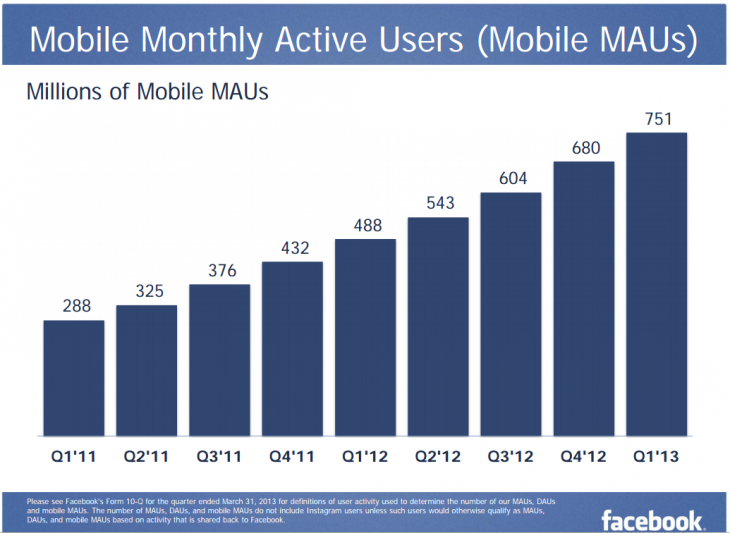
    The company, which went public in 2012, now has 751 million monthly mobile users, up 54% from the same period last year. Considering that number comprises 68% of the company’s 1.11 billion total monthly active users, that is an astounding number.

    facebook

    In a recent study conducted by Facebook, it found that 70 percent of all respondents use Facebook on their phone — 61 percent of which use the service every day. The company also found out that out of all the things that could be done on a smartphone, being on Facebook was the third most popular activity. 70 percent said that the Facebook app has become one of the most commonly used applications — right below checking email (78 percent) and Web browsing (73 percent).

    More impressive is the rate of growth: that 54% uptick in mobile users is much higher than the 23% increase in total active monthly users.

    So while it’s not safe to say that Facebook’s growth has completely stopped, it only grew some 4.75% since last quarter, while mobile users were up nearly 11% in the same period. Advertising revenues have also seen a slight bump from mobile users; 30% of Facebook’s advertising revenue now comes from mobile devices, up from 14% in Q3 and 23% in Q4.

    Facebook’s mobile apps are among the most popular on its respective platforms, and with an increasing number of “sponsored posts” littering users’ news feeds, it’s only a matter of time before that 30% number increases to over 50%.

    [The Next Web]

  • Facebook ‘Home’ App Suite For Android Announced, Available April 12

    Facebook ‘Home’ App Suite For Android Announced, Available April 12

    Facebook has announced, as expected, a suite of apps and Android launcher called Home. Its main tenet is called CoverFeed that uses photos to connect people, apps and data in a single place. According to Facebook, the app is used three times more than any other Android app on average; users are inside the app for an average of 30 minutes per day.

    facebook

    Unlike previous rumours, Facebook will not be releasing its own phone, nor will it be “forking” Android to its own version. Instead, CEO Mark Zuckerberg says that Facebook wanted to use Android’s inherent openness and flexibility to its advantage. Home sits atop your current Android operating system, regardless of manufacturer or version.

    facebook

    Home is also a suite of apps, combining the launcher, the Facebook app itself and Messenger, which now combines SMS and private messages into one app. There’s a “clean, simple” app launcher, so your previous workflow is still available. Facebook doesn’t want to prevent you from using apps, but its people-first integration is paramount.

    In addition to the lock screen experience, Facebook Home includes a feature called “chat heads,” a messaging interface that uses chat partners’ faces as tabs for their messaging windows. When a user is in any app, a “chat head” can appear off to the side of the screen. Users can tap the icon to enter the conversation and then swipe upward to take the messaging interface off the screen and return to the app they were in before. Both SMS and Facebook messages can use the “chat head” alert.

    facebook

    Home will be available to existing Facebook users who have the latest version of Facebook and Messenger. You’ll be prompted to download it in the coming days. Home will be available as a launcher replacement, which can be deleted and replaced with your favourite launcher going forward.

    facebook

    It will also be available for tablets in the coming months; the initial version will be offered only on phones. The initial rollout will be limited to the HTC One, Galaxy S III, Galaxy Note II, Galaxy S4, HTC One X and One X+.

    The app will eventually expand to work with a number of new devices, but it’s going to be Android 4.0+, which will help long-term performance.

    HTC has also announced the First device in four colours today. More on that developing.

    Facebook Home can be downloaded from the Google Play store starting April 12.

iGyaan Network
Privacy Overview

This website uses cookies so that we can provide you with the best user experience possible. Cookie information is stored in your browser and performs functions such as recognising you when you return to our website and helping our team to understand which sections of the website you find most interesting and useful.