Tag: film

  • Will Nanotechnology Wipe Out the Human Race?

    Will Nanotechnology Wipe Out the Human Race?

    Nanotechnology is the study and use of incredibly small components and structures. The word small is an over-estimation -these components are no more than 2 nanometres (the width of a strand of DNA), or 50 thousand times smaller than human hair. Yes, we are talking tiny.

    Needless to say, it is one of the most interesting things about the world of tech and holds immense promise for the future. However, there is a flipside to it -the line between harvesting the enormous power of nanotechnology and letting it overcome humanity is thin and easy to blur. This notion has been explored deeply in video games, art, and has begun to spark off debates in real life lately. Here’s a quick look at some of them.

    Nanotech in Film

    One of the most recent examples of nanotech in cinema is the 2014 animated film Big Hero 6. The 14-year old protagonist of the movie, Hiro, presents his little army of microbots at the science fair of the robotics centre of the university his elder brother, Tadashi, wants him enrolled in. Thus begins a series of extremely unexpected events, to say the least. The plot of the film centres around microbots which Hiro had initially made for his science project, but now in the wrong hands -they have the potential of wreaking havoc all over, which is precisely what the antagonist aims to do.

    List of other movies to have used nanotech is endless, but some of the most famous names include i, Robot, Terminator and Transcendence. These films show the effects of nanotech, being used judiciously, as well as gone terribly wrong.

    Nanotech in TV

    Nanotechnology in Revolution
    Sketch of a Nanite

    The 2012 TV show Revolution uses the idea of nanotechnology and spins its plot around nano-bots called Nanites in the show. The setting of Revolution is a post-apocalyptic, dystopian 2027, a world which has been engulfed in darkness post a global electricity blackout in 2012.

    The Nanites have only two functions -to absorb electrical energy, and to replicate it. The former activity led to the artificially-created ‘Blackout’, thereby making Nanites solely responsible for the current order of things in the show. Furthermore, the Nanites are also capable of performing various medical functions -from curing cancer to repairing damaged lung tissue.

    Nanotech in Video GamesMetal Solid Gear 4 nanotechIn Metal Gear Solid 4, PMC soldiers are equipped with nanomachines that enhance their abilities on the battlefield. The nanomachines form an integrated network called “Sons of the Patriots” which ensures delivery of drugs like adrenaline, and nutrients to the required body part of the soldier. Additionally, the nanocarriers also provide information about the physiological characteristics of the soldiers’ bodies including their heart-rate, body temperature, blood pressure and injuries, enabling the commanders to make an efficient and informed choice about their plan of attack.
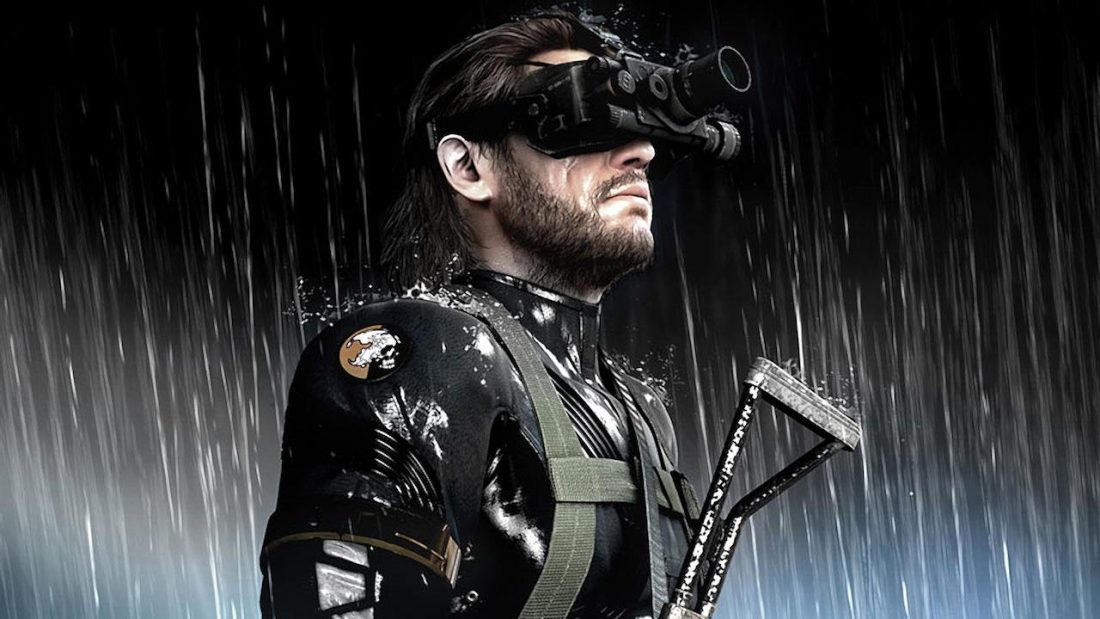
    The storyline of the game is interesting because it comes very close to what we have been up to with nanotech in real life. Metal Gear Solid straddles sci-fi with real-world nanotech and makes the game a fun experience. Another fantastic game to make use of nanotech is Crysis. Check it out below.


    Nanotech in MedicineNanotechnologyJust last year Harvard released a research about an electronic device that can be injected directly into the brain. Connecting it to a monitor ensures nano view of the brain, enabling the doctor to keep a track of neural activity. This, in turn, is capable of helping with treatment of neurogenerative disorders as well as diseases like paralysis.

    Nanotech has been used in the past to treat diseases by targeting symptoms and the affected area within the body itself. Target treatment for diseases like cancer has been made successful using nano-tech where the medicine is delivered directly to the infected region using nanocarriers, thereby reducing contact with adjacent regions and the consequent side-effects.

    Conclusion
    The origin of nanotech goes back to 1959 when Professor Richard Feynman spoke about using matter on a very small scale.

    “It is a staggeringly small world that is below. In the year 2000, when they look back at this age, they will wonder why it was not until the year 1960 that anybody began seriously to move in this direction.” – Richard Feynman

    And now over half a century later, here we are, with another name added to the list of human activities threatening our existence. As nanobots are developed that could live in the bloodstream of soldiers, as has already been seen in popular culture art and video games, could nanotech be the future of violence? Perhaps only time will tell.

    Would you allow these tiny nanobots in your bloodstream?
    Would you allow these tiny nanobots in your bloodstream?

    While paranoid sceptics struggle with the notion of Artificial Intelligence, Transhumanism and now nanotechnology ending mankind as we know it -what do you think -does nanotech positively hold the answers to a better future or could it be a factor that wipes out the human race?
  • ‘Steve Jobs’ Fails to Woo Fans, Leaves Makers Even More Disappointed

    ‘Steve Jobs’ Fails to Woo Fans, Leaves Makers Even More Disappointed

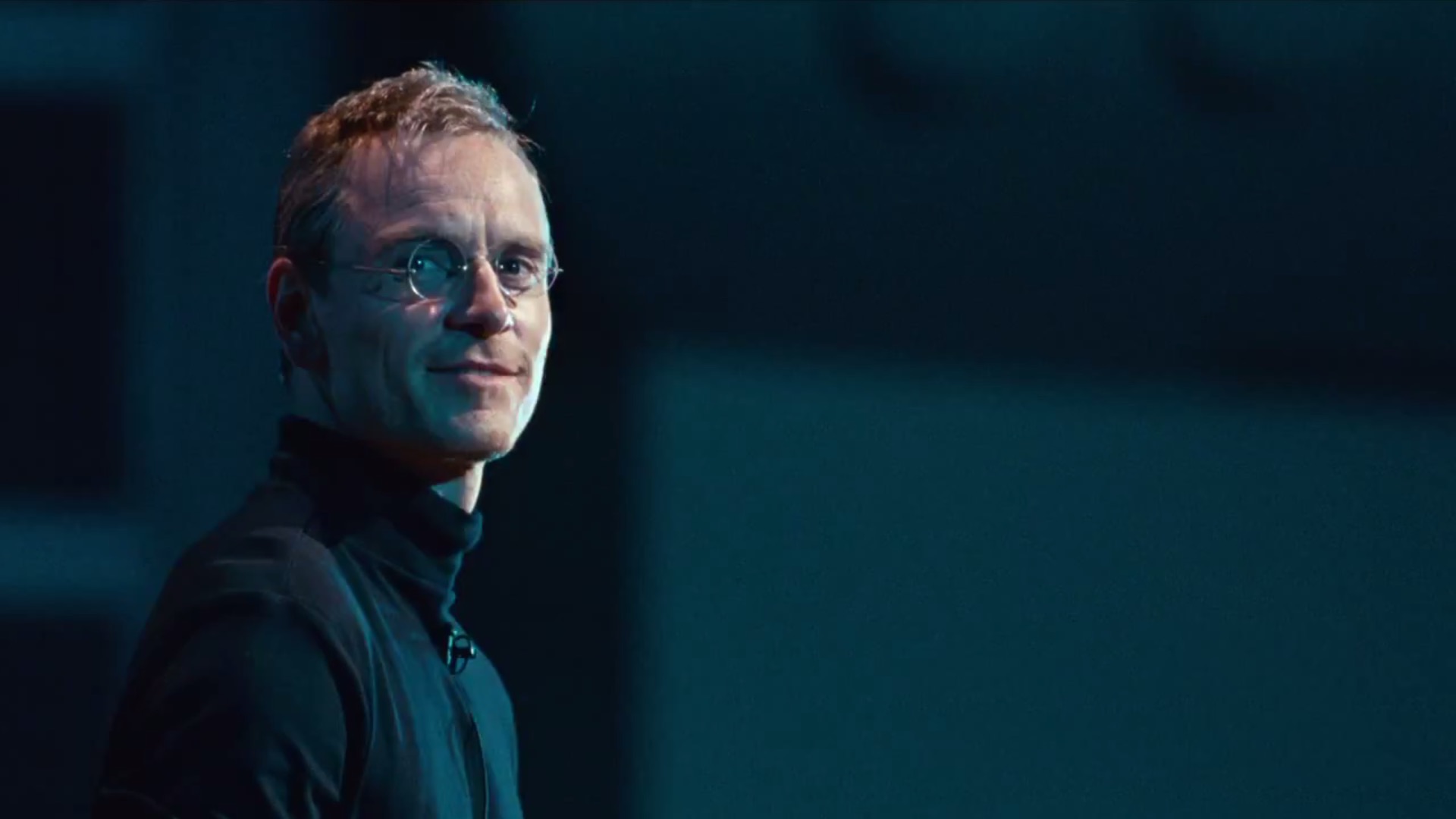
    Dampening the spirits of a lot of Michael Fassbender fans, ‘Steve Jobs’ has bombed at the box-office. Hopes had been incredibly high regarding the movie, and thus, this unexpected blow hits harder.

    “‘Steve Jobs’ was too brainy, too cold, and too expensive to make it a success,” says Variety’s Brent Lang.

    Nothing sums up the reasons for the failure of the eponymous biopic about Apple’s founder, Steve Jobs than the above statement. Hollywood has proved once again that meaty content is not enough for a film to work.

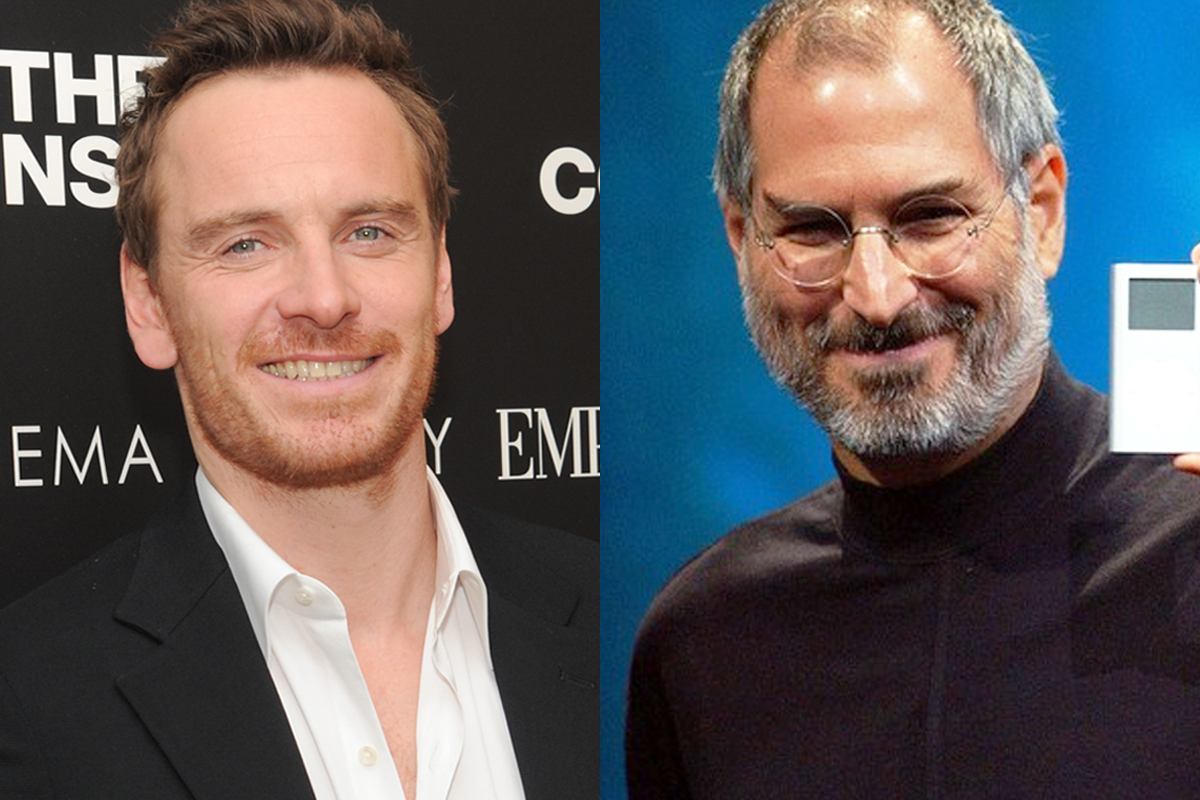
    Michael Fassbender and Steve Jobs
    Fassbender (left) and Jobs (right)

    Despite the lack of physical resemblance, Michael Fassbender had fans excited all over the world for his portrayal of the Apple founder. Post evidence of his acting prowess in films like ‘Twelve Years’ A Slave’, there was not much to doubt about his brilliance for an on screen rendition of Steve Jobs.

    However, Fassbender still failed to draw as much attention of the mainstream movie-goers as much an actor like Robert Downey Jr., or Leonardo DiCaprio would have. Incidentally, Caprio, along with Christian Bale, were one of the two actors the role of Steve Jobs was first offered to for the movie. When both of them turned it down for various reasons, Fassbender was approached next.

    The film shows an insensitive, emotionally abusive protagonist, distanced and detached from his wife and daughter. For all his technological brilliance, the audience clearly did not prefer to root for a character who was a complete jerk to his family. So while Jobs tackled his God-complex, less and less names were added to his fan-list.

    ‘Steve Jobs’ debuted to a puny $7.3 million, not too far ahead from the $6.7 million of the Ashton Kutcher starrer ‘Jobs’. The former needs to make at least $120 to make up for the investment cost and cash in on a minimum level of expected profits. It has made $10 million so far.

    Despite being critically acclaimed, ‘Steve Jobs’ has failed to strike a chord with the audience, primarily because of a dialogue-oriented script and the lack of a more popular name than Michael Fassbender, speculate Hollywood experts.

    Audience’s reaction to ‘Steve Jobs’ have further revealed how precariously balanced films are in Hollywood, with absolutely nothing, not even strong scripts and top-drawer performances by the likes of Michael Fassbender and Kate Winslet are a surety of a project doing well. If you have managed to take a look at ‘Steve Jobs’, tell us what you felt in the comments below.

  • First Trailer of ‘Snowden’ Shows Surveillance Disguised as Patriotism

    First Trailer of ‘Snowden’ Shows Surveillance Disguised as Patriotism

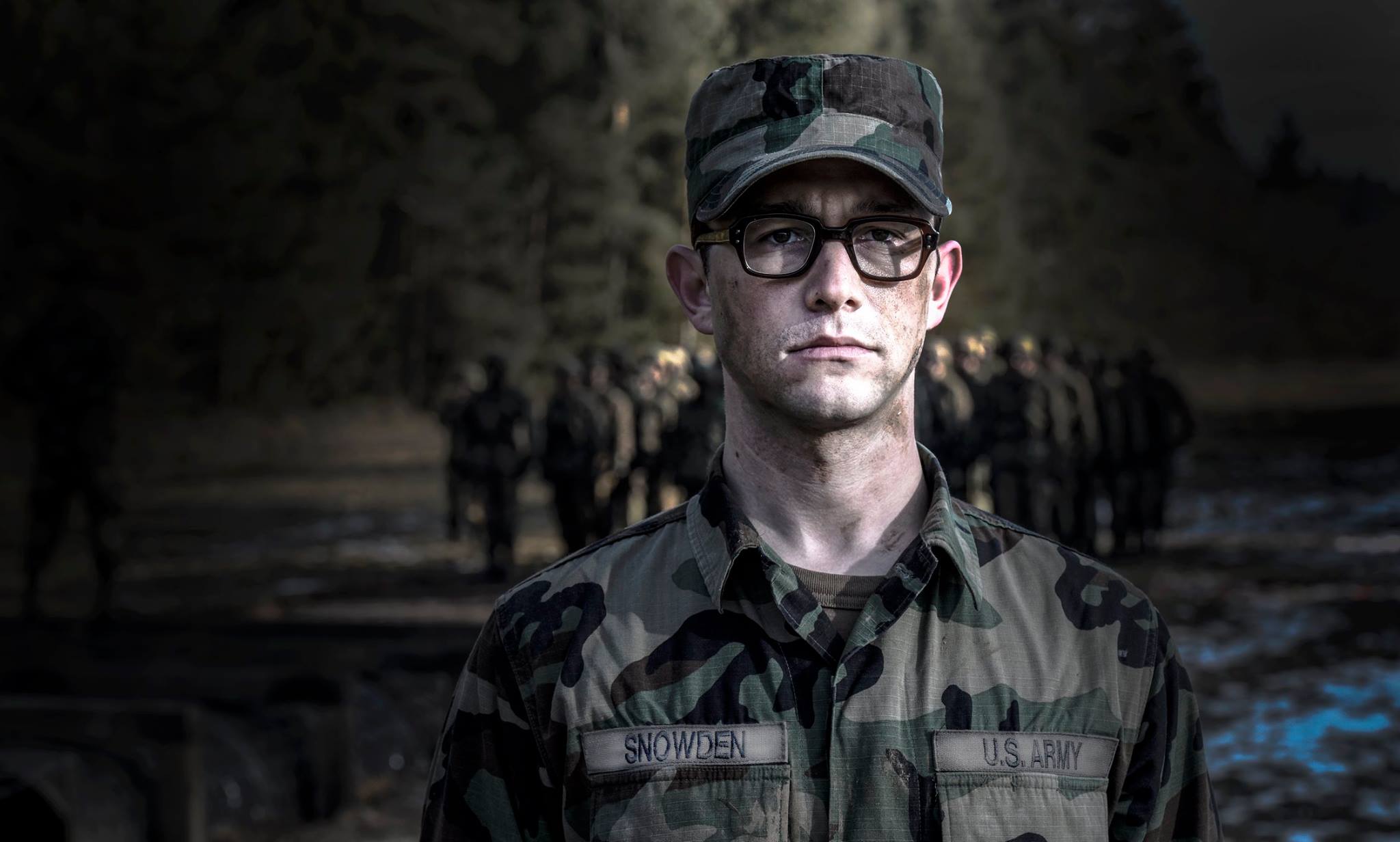
    Call him a patriot or a traitor, but Edward Snowden is certainly a legendary figure among whistleblowers. The new trailer for Snowden doesn’t feature the famous whistle-blower but shows the impact he left on the state of surveillance around the world.

    Snowden created history when he revealed a large number of classified NSA documents in 2013, exposing how the government of the United States of America was using mass surveillance tactics not only around the world but also on its own citizens. The revelations were important as it showed not only U.S., but even countries like UK and India using mass surveillance to monitor the privacy of their own citizens, all in the name of protection. Currently, Snowden resides in an undisclosed location in Russia and is wanted in United States for treason.

    Only time will tell if the film shows Snowden as a patriot or a traitor. While describing Snowden’s past, the trailer shows an upside flag of USA with the words “One nation under surveillance for liberty and justice for all”, hinting at the surveillance tactics used by the government disguised as patriotism.

    Snowden stars Joseph Gordon Levitt as the titular character, Shailene Woodley (Divergent) and Nicholas Cage. The film is directed by Oliver Stone, who is best known for making politically-motivated films such as JFK and PlatoonSnowden will release on 25th December in U.S. theatres, while we should be expect a January release for India.

  • Refuge: The First Short Film Shot Entirely in Moonlight

    Refuge: The First Short Film Shot Entirely in Moonlight

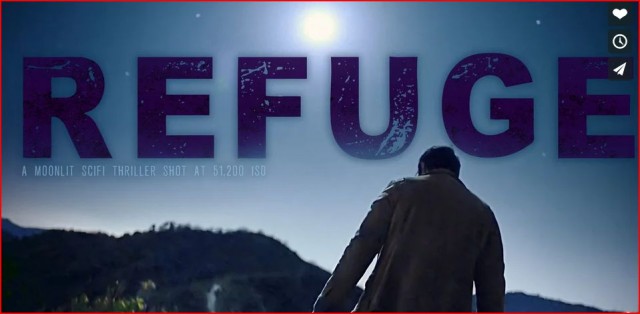
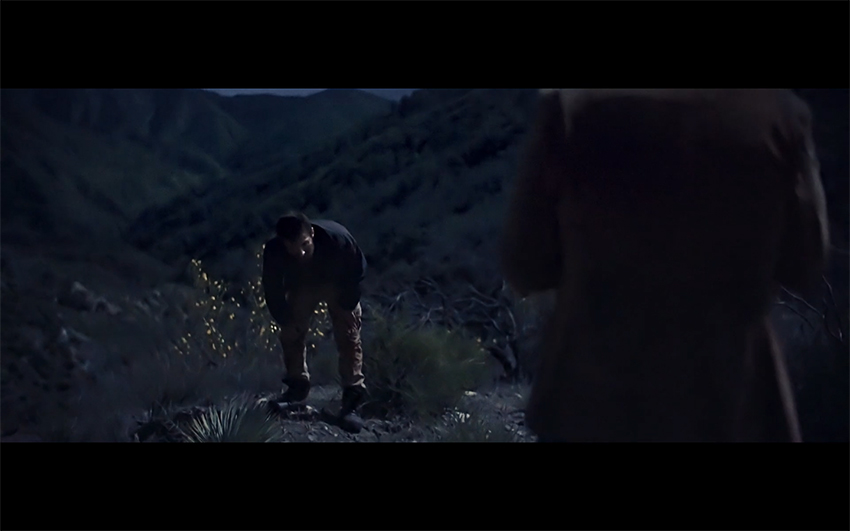
    For Sci-Fi movie fans, this film will suit your taste. But, if you are a camera enthusiast as well, this movie could literally inspire you to think beyond the regular rules and boundaries. Yes, ‘Refuge’ is a narrative short film that used only the moon as its light source. No fill lights, no backlights, no diffuse light – just light from the moon.

    While filming, the lighting of the video is done shot by shot. This means that when you relocate the camera to shoot a different angle, the lights must be moved as well to ensure the subject is always lit correctly. This is one of the reasons why films take so long to shoot.

    Refugee ScreenShot

    Director of the movie, Sam Shapson, said that Refuge could very well be the first narrative film that was shot entirely in the moonlight. The team behind the project recorded the footages in 4K using the Atomos Shogun Recorder and Canon Prime Lenses (24mm, 35mm, 50mm, 85mm). The film was shot with the overall ISO of 51,200. In very basic terms, ISO is the level of sensitivity of your camera to light. The lower the ISO number, the less sensitive it is to the light while a higher ISO number increases the sensitivity of your camera. But higher sensitivity comes at a price – it adds grain or “noise” to the pictures.

    1311914308314077508

    The whole movie was shot using a Sony Alpha a7S digital camera. On replying to the comments on their Vimeo page, Sam Shapson explained:

    We tested all of the picture profiles and seriously considered pp7 for s-log, but unfortunately we couldn’t reconcile the way it handled noise in the deep shadows unless we graded down about 2 stops, which we couldn’t afford to risk committing to. Therefore we landed on pp6, shot wide open at 1/25 with the speedbooster. Lastly, the 4K from the shogun was utilized to give Neat Video every bit of info we could throw it to smooth out the noise. Still, I’m constantly reminding myself how the images here are so much more clear and vibrant than what my eyes were seeing out there in the dark. Still blows me away.

    The resulting video is, unsurprisingly, far from absolute perfection, but the Sony’s low light capabilities are absolutely unbelievable.

    Watch the movie below:

    REFUGE // A Moonlit Short Film from Sam Shapson on Vimeo.

    The video definitely looks unique. I think it is awesome that directors are willing to go this far and bring science fiction fans everywhere something new to get excited about. It’s certainly the most interesting use of the technology we’ve seen so far. What do you think about the short film that was shot using only moonlight? Comment below.

iGyaan Network
Privacy Overview

This website uses cookies so that we can provide you with the best user experience possible. Cookie information is stored in your browser and performs functions such as recognising you when you return to our website and helping our team to understand which sections of the website you find most interesting and useful.