Tag: Foxconn

  • Foxconn To Start Trial Run Of iPhone X/XS Production In India

    Foxconn To Start Trial Run Of iPhone X/XS Production In India

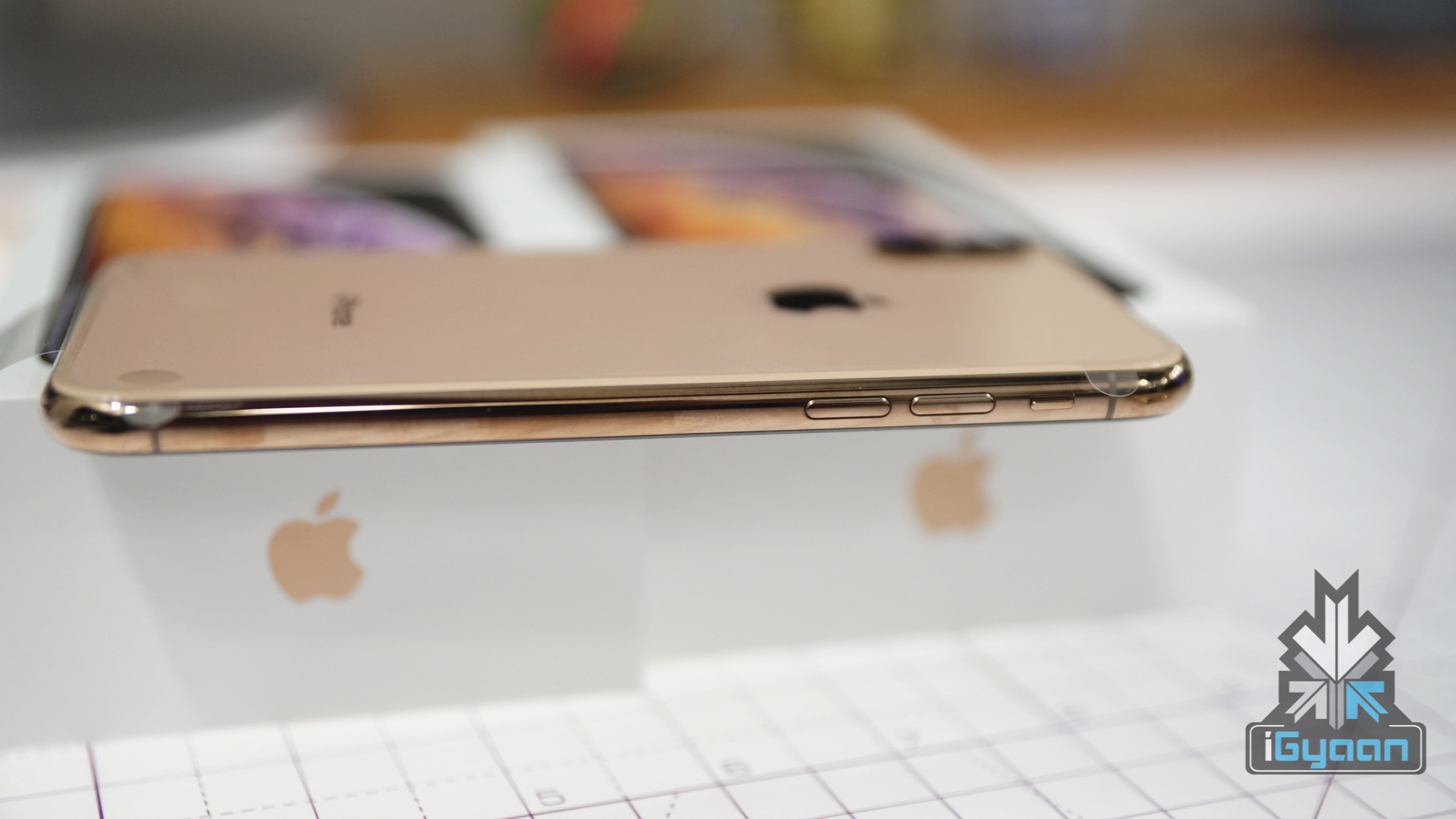
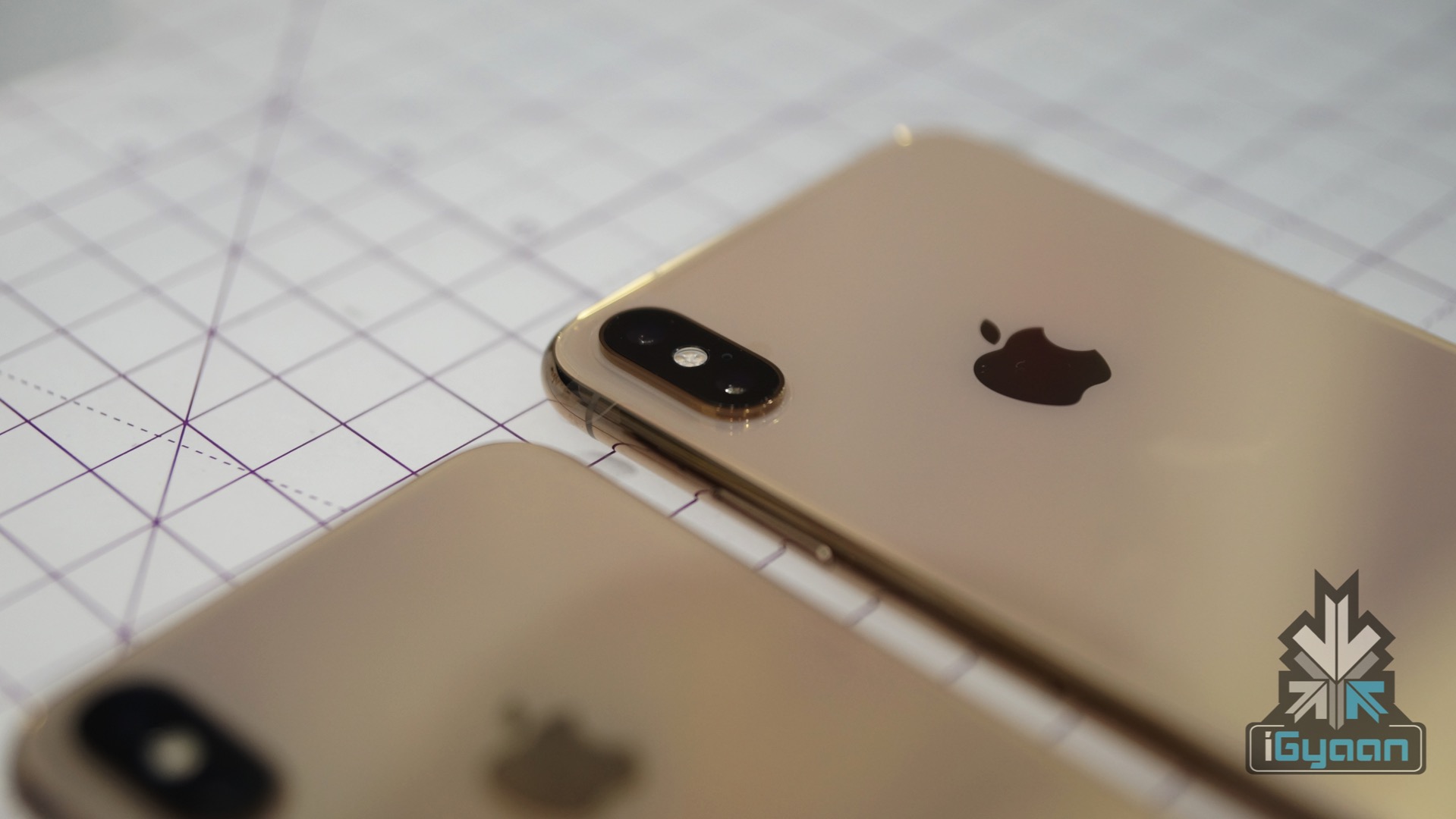
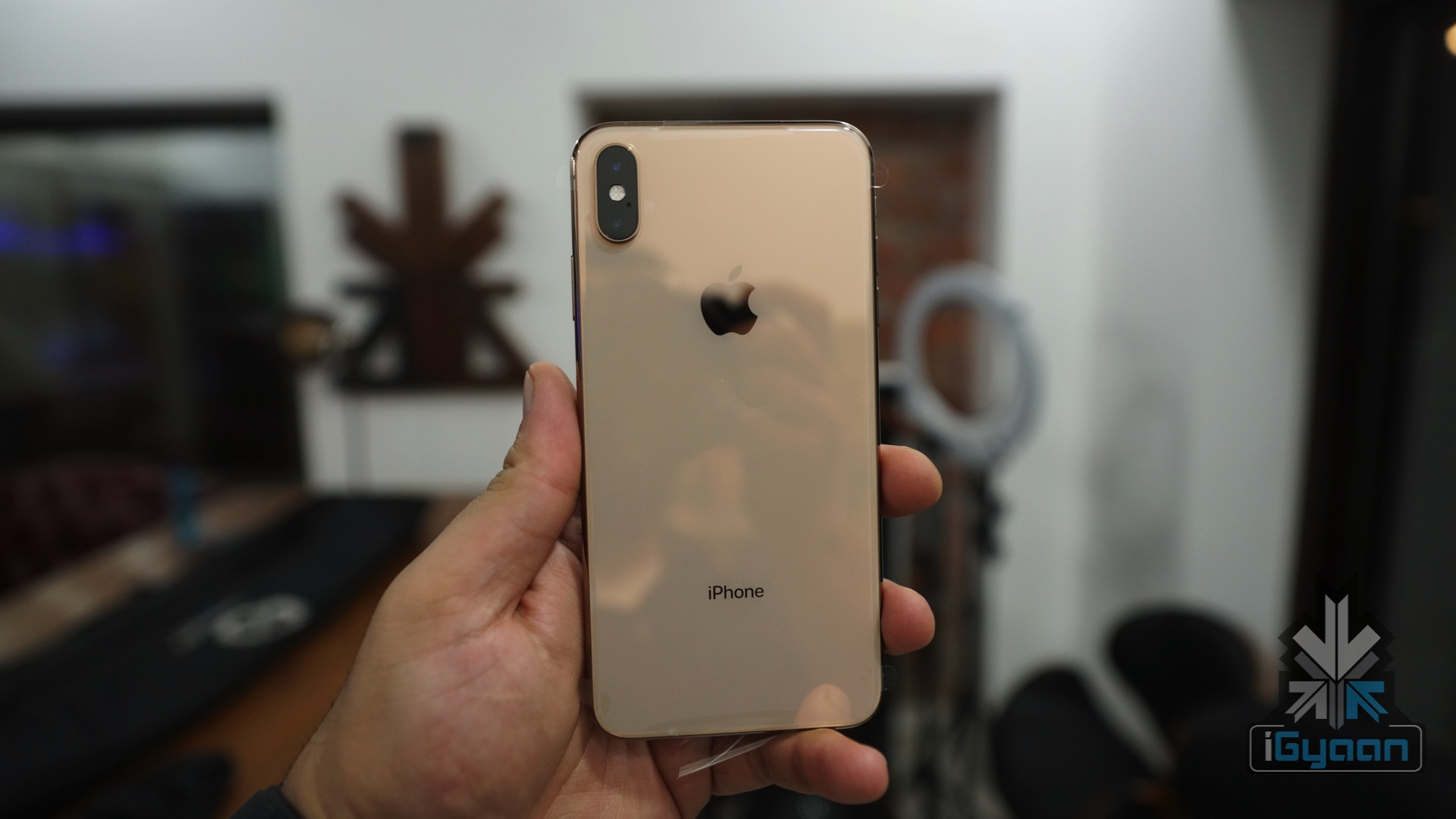
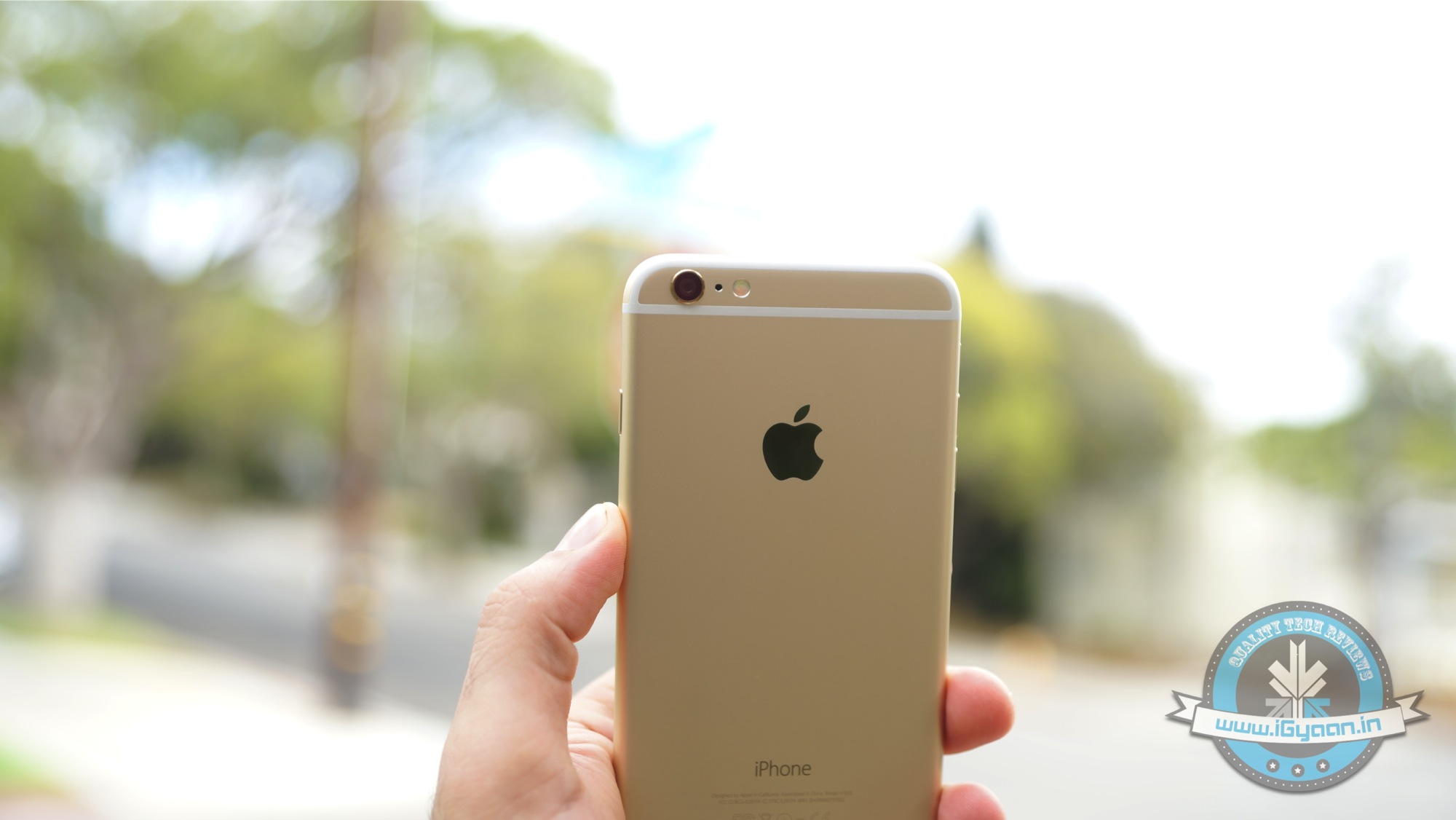
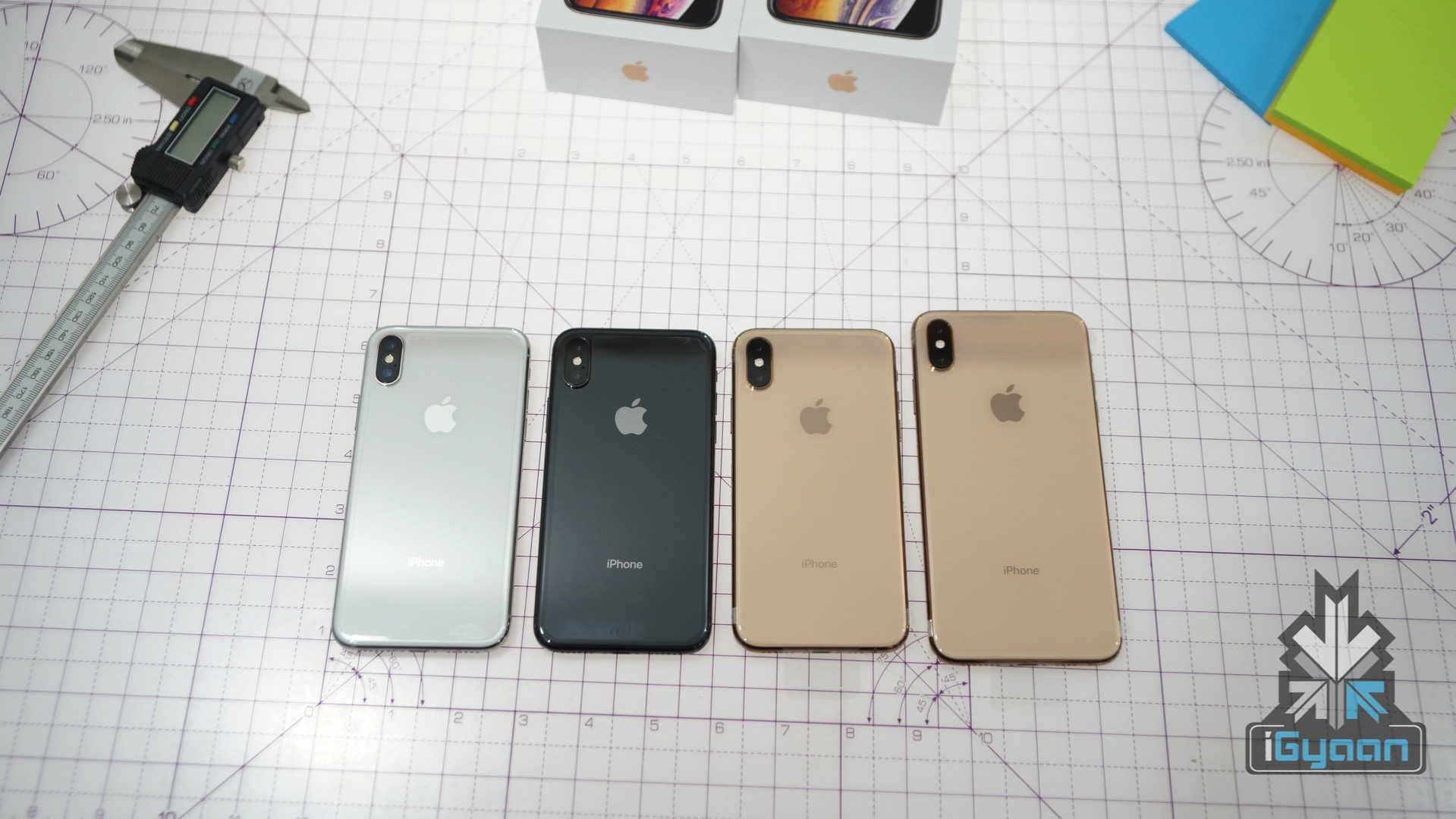
    Foxconn, a known Taiwanese contract manufacturer, will soon start producing Apple’s latest smartphones, namely the iPhone X and iPhone XS models in the Indian subcontinent. Fresh reports claim that the company is planning to start a trial run of the said production in a few weeks. This news arrives after Apple announced that another manufacturer, Wistron has started manufacturing the iPhone 7 in the Indian market.

    What Does This Mean?

    Sources claim the trial run of the iPhone X and iPhone XS smartphone models would take place before Foxconn starts full-scale assembly of the said devices. This would take place at the factory outside the city of Chennai. If the plan proceeds to fruition, Apple would then be responsible for the production of iPhone 6s, iPhone SE, iPhone 7 and the iPhone X/XS in India. The Indian assembly line of Foxconn’s Hon Hai Precision Industry would manufacture smartphones for the local and export markets; until the announcement of the next iPhone, suggestively in September this year.

    The reports cite that out of 140 million smartphone shipments in India last year, Apple had just 1.7 million. This makes for just around a 1 percent share in the country. If the company starts the production of its premium devices locally, it would get rid of the 20 percent import duty that it has to pay. The company would meet the 30 percent local sourcing criteria; which would make it get one step closer to opening its own chain of retail store in India. Foxconn, its manufacturer is said to invest around US$ 300 million to set up the production; and will increase the investment as the capacity increases.

    Also read: Best Wireless Headphones Under Rs 3,000 In India For April 2019

    It is likely that Apple iPhone X/XS will get a significant price reduction if they are manufactured locally. This is due to the aforementioned freedom from import duties. Start of the company’s own retail stores can bring initiatives like “Today at Apple” to the country; which is the name of creative sessions by trained professionals.

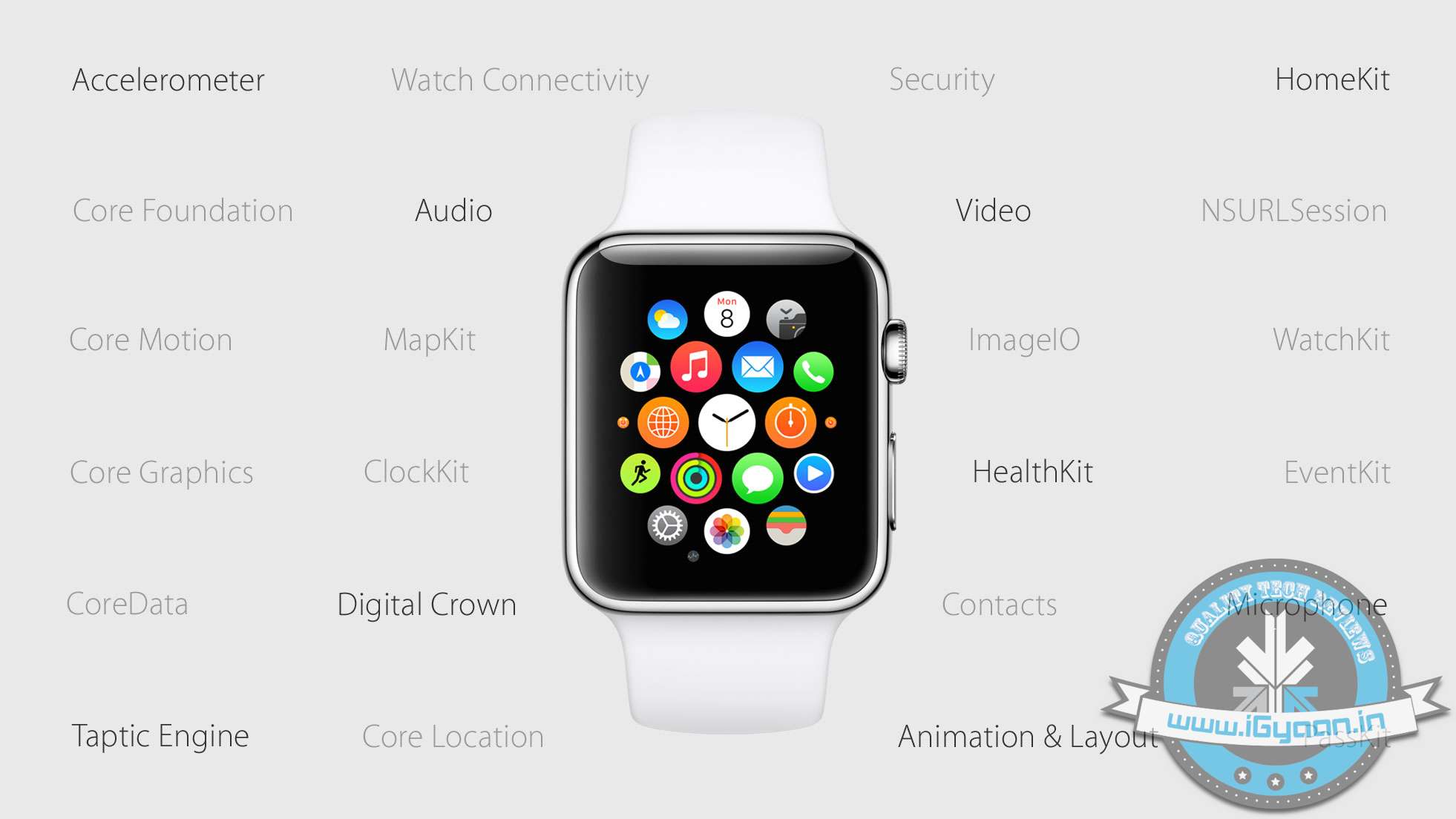
  • After the iPhone, the Apple Watch Might Soon be “Assembled in India”

    After the iPhone, the Apple Watch Might Soon be “Assembled in India”

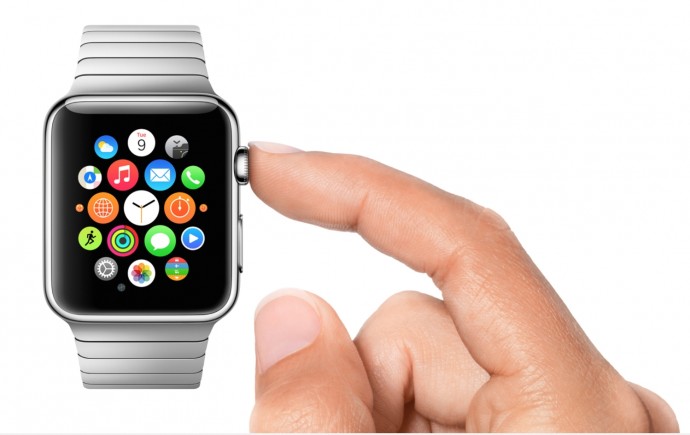
    Narendra Modi’s Make in India campaign is growing at a steady pace. After companies like Celkon, one of the leading cell phone players and Mercedes-Benz have set up their manufacturing plants on Indian soil, Taiwan’s Quanta Computer Inc has commented saying that they are considering establishing their manufacturing plant in India. Quanta Computer Inc is one of the top laptop makers and assembly plant of Apple’s high-tech Apple Watch.

    Quanta Vice President, C.C. Leung, said that the senior officials are gathering materials for evaluation and are considering the idea.

    apple watch 2 4

    After Foxconn, Quanta is the largest maker of iPhones and iPads for Apple. Foxconn Technology, which is one of the world’s largest contract manufacturers of electric products, is trying to develop 10-12 facilities in India, including factories by 2020. The Taiwan-based tech giant said that the company is in talks to manufacture Apple iPhones in India. The move would help Foxconn decrease stimulating labour costs in China, possibly lower prices for iPhones sold in India and transfer the site of the manufacturing assembly closer to its buyers in the world’s third-largest smartphone market.

    Quanta Inc has no present investment plans for now. Leung is examining several considerations like transportation convenience and access to ports in India. But, we hope for the best, as the initiative looks promising. It is understandable that many more companies will join in soon; creating job opportunities and improving the overall economic well-being of the masses.

    make in india

    Make in India’ is an initiative that was started back in September 2014 by the Prime Minister of India, Narendra Modi. The primary objective of this initiative is to create manufacturing firms within India to create more job opportunities and enhance the skills of the people of India across different sectors like automobile, aviation, biotechnology, defence manufacturing, mining, oil and gas, ports, railways, textile and much more. With this initiative, the Government of India hopes to bring in high-quality standards and minimise the impact on the environment.

    You can also follow Make in India YouTube campaign here.

  • Make in India:  List of Tech Companies to Start Manufacturing in India

    Make in India: List of Tech Companies to Start Manufacturing in India

    ‘Make in India’ is an initiative that was started back in September 2014 by the Prime Minister of India, Narendra Modi. The primary objective of this initiative is to create manufacturing firms within India to create more job opportunities and enhance the skills of the people of India across different sectors like automobile, aviation, biotechnology, defence manufacturing, mining, oil and gas, ports, railways, textile and much more. With this initiative, the Government of India hopes to bring in high-quality standards and minimise the impact on the environment.

    Many companies are in support of the Make in India campaign. Companies from China like Alibaba and Xiaomi showed their full backing for the project. Alibaba Chairman said, “We are excited about India. We are excited about Make in India and Digital India.” Xiaomi President Lin Bin too, showed his support and stated, “We have some big plans for India. We fully support Make in India.”

    In response to the Make in India call, The United Kingdom announced in January, about its campaign to forge collaborations with Indian companies. Dubbed as the ‘Great Collaboration’, it will be the first partnership between UK’s BP Petroleum company and India’s Reliance Industries Limited for developing and producing energy. The UK and the Indian Prime Ministers have already appreciated the financial ties between the two countries.

    Many companies have started putting up manufacturing houses in India. Celkon, one of the leading cellphone players, is right now in the planning process of setting up its manufacturing firm in Medchal, Telangana. IT Minister, KT Rama Rao, said the manufacturing business unit will be set up within a few days after June and will begin with four production lines, and will eventually increase its capacity to higher levels.

    Celkon-Manufacturing-Facility
    Celkon Plant in Medchal, Telangana

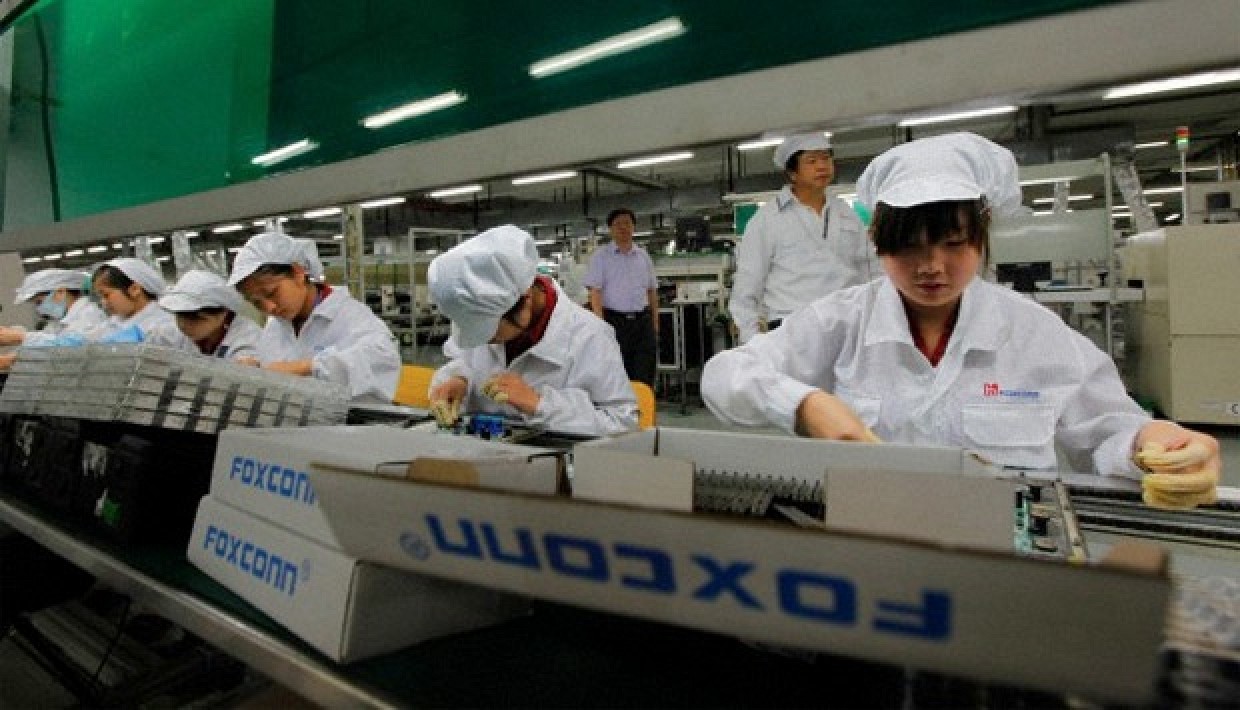
    Similarly, Foxconn Technology, who is one of the world’s largest contract makers of electronic products, is trying to develop 10-12 facilities in India, including factories by 2020. The Taiwan-based tech giant said that the company is in talks to manufacture Apple iPhones in India. This could lower the price on the world’s No.3 smartphone market where the US firm trails Samsung Electronics and local players.

    foxconn_workers_2

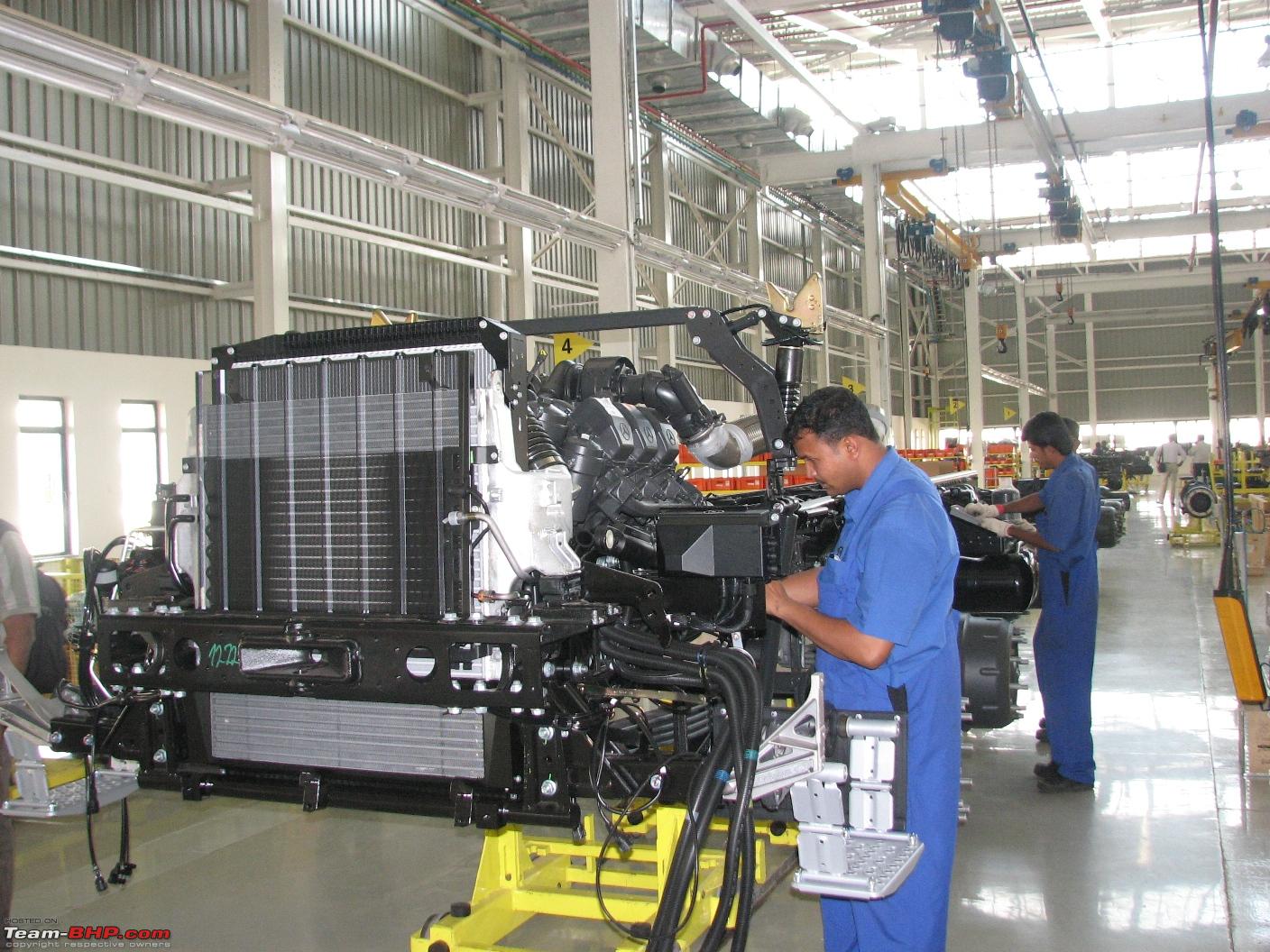
    Mercedes-Benz will be doubling its annual capacity in India to 20,000 units, thanks to the Make in India project. India will also be the first market to receive the GLA entry SUV outside of Germany.
    “India is one of the focus markets for Mercedes-Benz internationally, and with the addition of a new plant, we are getting future ready,” said company India MD & CEO Eberhard Kern. The plant was inaugurated by Maharastra chief minister Devendra Fadnavis and Union environment minister Prakash Javadekar. With the addition of the GLA SUV to the assembly line, the company now makes six models locally which include C-, E-, S-Class sedans and the ML- and GL-Class SUVs. The CLA entry sedan will be added to the local assembly list later this year while the A- and B-Class models come in after that.

    mercedes

    On a smaller scale, Amity scientists have developed a 100% safe, pure and indigenous herbal colours with absolutely no synthetic or harmful additives, in a bid to contribute towards Modi’s ‘Make in India’ initiative. “The herbal colours indigenously produced at Amity, when used extensively in all the industries, will herald a revolution in the country, which is reeling under the pressure of products loaded with synthetic components and chemicals,” said Harsha Kharkwal, faculty at Amity University.

    In February 2015, Huawei opened a new research and development (R&D) campus in Bengaluru. It had invested $170 million to establish the research and development centre. In February 2015, Hitachi said it was committed to the initiative. It said that it would raise its employees in India from 10,000 to 13,000, and it would try to boost its revenues from India from ¥100 billion in 2013 to ¥210 billion. It said that an auto component plant will be set up in Chennai in 2016.

    This initiative looks very promising. It is understandable that many more companies will join in, soon.This can create a lot of job opportunities here in India and improve the economic well-being of its masses.

    Let us see how the campaign shapes up in the future.

    You can also follow Make in India YouTube campaign here.

  • Nokia May Make a Comeback in the Smartphone Market Next Year

    Microsoft acquired Nokia’s devices and services business for a heavy sum of $7.2 billion last year. The Finnish company can no longer use the Nokia brand name on smartphones till Q4 2016, and on feature phones for ten years. Once the biggest smartphone maker in the world failed to catch up with the fast-growing market trends set by Apple and Google. But, as most of us considered, it was not the demise of the titan.

    Nokia is planning to bounce back to the smartphone business sometime next year. Reports by online publishing daily Recode suggest that Nokia is gearing to make a comeback in the mobile business, and is working on several new ambitious projects including virtual reality. The company has so far released only two products – an Android app called Z Launcher and the Nokia N1, also dubbed as the first Nokia-branded Android tablet.

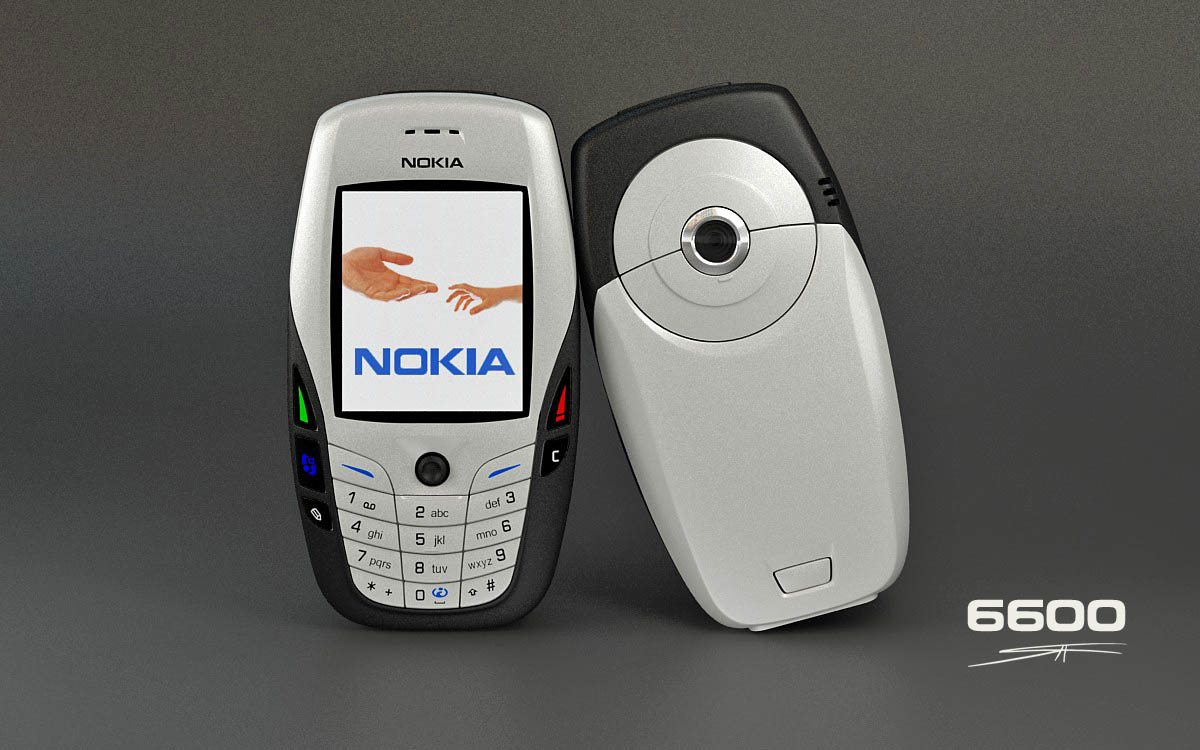
    The 6600 was one of the most popular devices and was almost the star of the movie, Cellular.
    The 6600 was one of the most popular devices by Nokia and was almost the star of the movie, Cellular.

    It is expected that Nokia will employ the same strategy for the new device as it used for the N1 tablet. The device was launched last year along with a brand licensing agreement with Foxconn. The Finnish company hopes to find a similar brand licensing agreement partner for its next release.

    There has been reports that Nokia has “a lot of great stuff in development’, but there is no certainty about the upcoming Nokia product or if the company is making a comeback by 2016. Therefore, the news should be taken with a pinch of salt.

    With its latest acquisition of Alcatel-Lucent for $16.5 billion, together as Nokia Corporation, the company has set its sights on Virtual Reality, Internet of Things and Cloud Computing, and is ready to greet the world with brand new treats.

  • Foxconn is Gearing Up to Begin Manufacturing the Apple iPhone in India

    Foxconn is Gearing Up to Begin Manufacturing the Apple iPhone in India

    Foxconn, one of the biggest contract manufacturing firms based in Taiwan, is most popular for being the manufacturer of Apple’s iPhone. The company is now planning to set up manufacturing the Apple iPhones at its units in India.

    It was reported by Economic Times that Foxconn will be manufacturing the Apple iPhone in India. The locations selected for setting up the manufacturing units include Gujarat, Noida, and a small trial unit in Andhra Pradesh. Foxconn had to previously suspend production at three units on the Chennai-Bengaluru highway due to the Microsoft-Nokia deal. The closure of those three plants resulted in the loss of hundreds of jobs; about 1,700 employees were affected.

    The new manufacturing units will mark the return of Foxconn in India. The company says that it wants to establish the units to take advantage of the present government’s ‘Make in India’ policy. The trial unit in Andhra will engage in research and development of new products.

    India is the third biggest mobile market in the world and is expected to take over the USA by 2017, which is just two years away. Considering this massive market, the government needs to incentivize production, as well as designing of products in the country to give a boost to Indian entrepreneurship in the field.

  • Chinese kids allegedly forced to work at Foxconn making PS4s to get School Credits

    Chinese kids allegedly forced to work at Foxconn making PS4s to get School Credits

    If your usual projects at school were tough, and you thought internships were boring, this piece of news might change your mind.  According to Chinese media, over 1,000 students from the Xi’an Institute of Technology have been working on the PlayStation 4 production line at Foxconn as part of a work experience partnership.

    Just like regular workers, the students get paid and get workex on their CVs to make PS4 units however there seems to be no relevance to their courses. Foxconn has admitted to Quartz that some students were designated night shifts and overtime in disagreement with internship protocol. Foxconn says it’s taken steps to make sure it won’t happen again. 

    While reports claim that Xi’an Institute of Technology is holding credits of Students who don’t complete this “Mandatory” Internship. A real strategy for education, or a way to get cheap and effective labor ? You decide!

    Hit up the source below, to get more details!

    [Source]

  • Scratches and Blemishes Behind iPhone 5 Supply Issues

    Scratches and Blemishes Behind iPhone 5 Supply Issues

    Apple’s iPhone 5 supply shortfall is being exacerbated by a quality-control crackdown at Foxconn Technology Group that’s designed to cut the number of devices shipped with nicks and scratches, according to a source familiar with the matter.

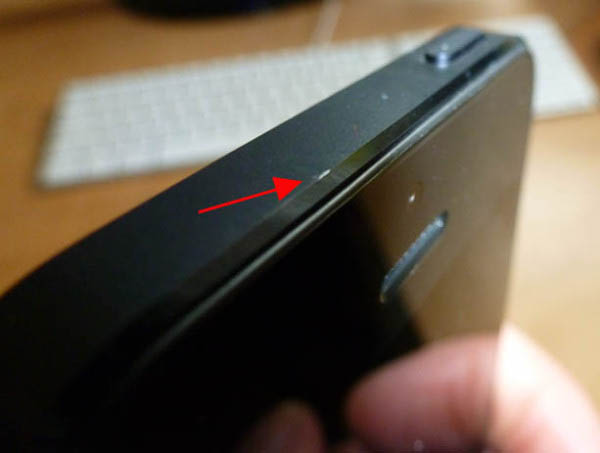
    The scrapes, which sparked complaints with the iPhone’s debut last month, are due to Apple’s decision to use a type of aluminum that helps make the smartphone thinner and lighter. Senior Apple managers told executives at Foxconn near the end of September to tighten production standards, said the source, who asked not to be named because the matter was private.

    Stricter benchmarks have hampered production of the iPhone 5’s anodized aluminum housings, forcing Foxconn’s Hon Hai Precision Industry to idle factories, the source said. The slowdown is heightening supply concerns that have cost Apple about $US60 billion in market value since the iPhone debut – a shortcoming of the drive to imbue products with qualities that make them alluring yet more difficult to manufacture.

    The iPhone 5’s sleek design and aluminium body are causing production issues at Apple’s factory.

    “The iPhone 5 is not easy to put together because it’s a minimalist design,” said Shaw Wu, an analyst at Sterne, Agee & Leach Inc. “Apple has a very high standard, where it aims to produce each model to be an exact replica where variance is measured in microns.”

    While Apple sold a record 5 million iPhone 5s the first weekend the device was on sale, the tally would have been higher if not for supply constraints, the company said. Apple shares have declined 8.7 per cent since a record close on September 19, two days before the new iPhone went on sale.

    Easily scratched

    Analysts at RBC Capital Markets have cut their forecast for iPhone 5 sales for the December quarter, partly due to a dearth of components. The analysts project sales of 49 million units, compared with 57 million before.

    Apple, based in Cupertino, California, designs its products in the US and relies on Foxconn and other contract manufacturers to make them.

    Steve Dowling, a spokesman for Apple, declined to comment. Louis Woo, a spokesman for Foxconn Technology Group, whose units include Hon Hai Precision Industry, assembler of the device, and Foxconn Technology Co., a maker of the aluminum housings, denied that any factories were idled and declined to comment on the companies’ customers.

    Every step in the iPhone 5 production process, from the manufacturing of the aluminum housing to final assembly, offers opportunities to scratch the soft metal exterior, making it difficult to produce enough of the devices that can meet the new standards, according to workers interviewed by Bloomberg.

    ‘Normal’ chipping

    Professional reviewers had mostly positive responses to the iPhone 5, though a few had faulted its mapping application. Some consumers swiftly drew attention to scratches on the phone even before it was unpacked.

    “As soon as I opened the box, I noticed nicks and scuffs in the bezel,” Matthew Pendergraff, wrote on a discussion board on Apple’s website on September 21, when iPhone 5 went on sale. “I realise that at some point this might happen from normal wear and tear, but right out of the box is unaccepted.”

    An unofficial response from Apple came four days later, in the form of an e-mail from a senior executive to another customer who complained, according to Apple-focused website 9to5Mac.com.

    “Any aluminum product may scratch or chip with use, exposing its natural silver color,” Phil Schiller, Apple’s senior vice president for global marketing, wrote in the note, posted by 9to5Mac.com. “That is normal.”

    Metal finish

    Within days, Apple executives were expressing their displeasure to Foxconn, according to the source familiar with communications between the two companies.

    The clash between quality and quantity in iPhone 5 output is felt acutely at Foxconn Technology Co., a smaller unit of Terry Gou’s manufacturing empire and the major producer of the housings made out of what Apple calls “anodised 6000 series aluminum,” the same material used in its notebooks.

    Anodising involves dipping the aluminum into a bath of chemicals and running an electric current through it, which helps to protect the metal against corrosion and makes it easier to adhere color. Scratches on the iPhone 5 are more noticeable because of the contrast between the outer color and underlying metal. The glass casing of the iPhone 4 and iPhone 4S made it less prone to scratches, though it was susceptible to cracks.

    “It’s a trade-off because aluminum is strong and tougher to break, and it’s light and more economical, yet it is also easier to scratch,” said Jacob Huang, a professor of materials engineering at National Sun Yat-Sen University in Kaohsiung, Taiwan. “You could use magnesium, which is lighter, but even softer and easier to scratch, or glass which is heavier but harder yet more brittle.”

    Tighter standards

    As Foxconn Technology Co. tightened quality standards, fewer metal housings passed muster. That’s meant a shortage of parts in the warehouses of Hon Hai, which assembles the device and had to halt production for a day at one of its factories in Shenzhen on October 6, according to the source with knowledge of the situation.

    C.K. Liu, a spokesman for Taipei-listed Foxconn Technology Co., said production continues and is increasing at its factories. He declined to comment on specific customers.

    For those working on assembly lines with enough anodised aluminum housings for production, the pressure has intensified, because the iPhone 5 is more delicate and easier to scratch during the assembly process, said five factory workers interviewed by Bloomberg News outside the Zhengzhou plant. They spoke on condition that their full names not be used.

    Factory dispute

    The employees said high demand for the phone, along with the difficulty of avoiding mistakes, has put them under greater pressure now than when they worked on earlier versions, such as the glass-encased iPhone 4.

    The pressure and stricter guidelines enforced by quality assurance personnel fueled a dispute at the Zhengzhou factory between employees, according to workers at the site who were interviewed by Bloomberg News. China Labor Watch highlighted the incident in a press release, saying as many as 4000 walked off the job in protest.

    Foxconn denied on October 6 that the incident occurred and said there was no strike and no production was halted.

    The production hurdles, including labor and materials supply, add to challenges facing Apple chief executive officer Tim Cook as he seeks to keep up with customer demand. The handset is Apple’s top-selling product, accounting for about two-thirds of its profits.

    Operation challenges

    Apple’s supply chain has largely been developed by Cook, who earned the trust of co-founder Steve Jobs by managing the hundreds of suppliers who provide the components needed to manufacturer the company’s iPhone, iPad, iPod and Mac lines.

    With Cook taking over as CEO, responsibility falls to Jeff Williams, Apple’s senior vice president for operations. A former IBM engineer, Williams joined Apple in 1998, around the same time as Cook, and is the executive in charge of ensuring suppliers meet Apple’s quality standards.

    While the stricter requirements and assembly disruptions affect output, Foxconn and Apple are well-experienced in dealing with such challenges, said Jeff Pu, a Taipei-based analyst at Fubon Financial Holding Co.

    “These stricter standards would lower the yield on good products being shipped out,” Pu said. “They’ll handle it by increasing labor and machinery, and Apple may even use its cash to buy new equipment to assist Foxconn.”

    [Sydney Morning Herald]
  • Foxconn Plant Closed After Riot

    Foxconn Plant Closed After Riot

    Image Courtesy : Engadget

    About 2,000 Chinese employees of an iPhone assembly company fought a pitched battle into the early hours of Monday, forcing the huge electronics plant where they work to be shut down. Authorities in the northern city of Taiyuan sent 5,000 police to restore order after what the plant’s Taiwanese owners Foxconn Technology Group said was a personal dispute in a dormitory that erupted into a mass brawl.

    The company said the incident was confined to an employee dormitory and “no production facilities or equipment have been affected.” It said the cause of the disturbance was still under investigation.

    One Foxconn employee reached by telephone Monday afternoon, however, said the incident began when workers started brawling with security guards. Unconfirmed photographs and video circulated on social networking sites, purporting to be from the factory, showed smashed windows, riot police officers and large groups of workers milling around. The Foxconn plant, in the Chinese city of Taiyuan, employs about 79,000 workers.

    The Chinese state-run news media said 5,000 police officers had been called in to quell the riot.  The disturbance is the latest problem to hit Foxconn, which also is a key supplier to Dell, Hewlett-Packard and Microsoft. It is part of Hon Hai Group of Taiwan and has been struggling to improve labor conditions at its China factories after reports about labor abuse and work safety violations.

    Apple and Foxconn have worked together in the last year to improve conditions, raise pay and improve labor standards.

  • Foxconn ready to jump the ship, Announces Fanless PC (PR)

    Foxconn ready to jump the ship, Announces Fanless PC (PR)

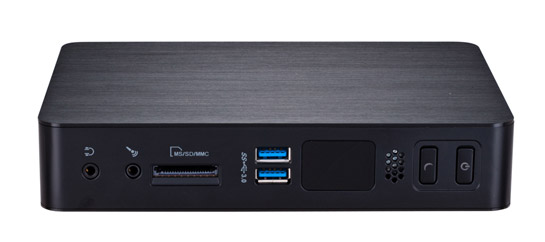
    Do you know Foxconn? Its the same company that makes most of the high end electronics for major manufacturers around the world, including Apple, Amazon and Most PC manufacturers. The Model dubbed AT-5250 is essentially a Nettop, will run on a 1.86 GHz D2550 Intel processor. The other one the AT-5600 will pack a Radeon HD 6320 alongside the anticipated AMD E450 APU. Prices seem fair for the duo at $260 and $280 respectively.

    Called the QuietBox, they will be available worldwide in September 2012, even in India.


    [toggle_box title=”Press Release” width=”Width of toggle box”]


    Quiet PC Foxconn Nano: up to 40 times smaller than a standard PC
    The company Foxconn, a leading manufacturer of electronics and computer components, announces the release of the quietest nettop line NanoPC. Two new models of AT-5250 and AT-5600 is based on the Intel Atom platform, and AMD Brazos, respectively. New items consume only 15 watts in standby mode and about 24 watts under load, is absolutely silent thanks to passive cooling.


    Minicomputers in the past have attracted much attention because of the compactness (size of new products – only 190 x 135 x 38 mm), low power consumption and low cost. Foxconn engineers reworked the design nettop to use the new cooling system, and now they got one more advantage – no noise, because inside there is no fan. The choice of memory and hard drive (supports 2.5 “hard drives, and 1,8” / 2,5 “SSD) is still the user, both models come with free slots.


    To communicate with the outside world, each computer is equipped with two Foxconn Nano-port USB 3.0, four USB 2.0, Gigabit Ethernet port, HDMI and VGA for display graphics, card reader 5-in-1, Wi-Fi adapter, 802.11n, interfaces for headphone, microphone, and linear output. The package includes a standard mounting VESA, through which the nettop can be mounted on the back of the monitor or TV.


    Inside the Foxconn AT-5600 is a processor AMD Brazos E450 (1,65 GHz) and a graphics chip Radeon HD 6320 – this model is suitable for home media center and keep silence in the room. Foxconn AT-5250 uses an Intel Cedar View D2550 (1,86 GHz) with integrated graphics Intel GMA 3650 – a good choice for server, network hard drive or office computer.


    Foxconn AT-5600 AT-5250 will be available in the CIS in September with an estimated retail price of AT-5600 will be only $ 280, AT-5250 – $ 260.

    [/toggle_box]


  • Amazon may be planning a Smartphone

    Amazon may be planning a Smartphone

    If popular media company “Bloomberg” is to be believed Amazon is planning a smartphone to be launched this year. Amazon is apparently already in pursuit of wireless patents and a production agreement with major OEM Foxconn for manufacturing the said Smartphone. 

    No further details on the matter are available, although Amazon is very capable of delivering a smartphone to the market, with their ecosystem already in place, the App Store, the Cloud services, the Music streaming and Kindle. The only thing you can be sure of is, that if Amazon does make a Smartphone there is almost a 100% chance that it will be an Android ICS 4.0 or Jelly Bean 4.1 device and it is likely to be skinned by Amazon to match the Kindle Fire UI.

    [Bloomberg]

  • iPhone 5 production begins without iOS 5

    iPhone 5 production begins without iOS 5

    Now that the iPhone 5 is set to launch soon , Apple’s manufacturing partners have reportedly begun assembling the iPhone 5 according to a new report from Macotakara.

    Foxconn, who handle 85% of iPhone 5 production, and Pegatron, which has picked up a contract for the remaining 15%, have begin manufacturing parts for the expected jesus phone. Citing information from an anonymous source, the report also notes that finished devices are not yet being packaged, as the release build of iOS 5 has not yet been finalized.

    [macotakara]

  • Largest OEM To Replace 1 Million Employees With Robots

    Largest OEM To Replace 1 Million Employees With Robots

    Taiwanese based  original equipment manufacturer, Foxconn has announced that it is going to supplant its workforce with close to a million robots. The two things that Foxconn is most famous for are the spate of suicides that plagued the factory or for the fact that it manufactures most of the gizmo’s around you (including the iPad and iPhone).

    At the moment the company currently employs 1.2 million workers and has around 10,000 robots as well. The number of robots will be increased to 300,000 by the end of 2012 and by 2014, it will be increased even further to 1 million. The number of workers that will be displaced by the robots is uncertain at this time. However, it would be very unlikely that Foxconn would be looking to hire over the next three years.

    The Foxconn chairman Terry Gou informed workers of the plan at the company Dance Party. Not the occasion we’d have picked…

  • Foxconn to Make Amazon Tablet

    Foxconn to Make Amazon Tablet

    Apple’s largest manufacturer of their devices like The iPhone and The iPad – Foxconn (they also the worlds largest contract manufacturer of electronics) will now produce the Android gutted tablet from the stables of Amazon. A report released yesterday claims that a 10.1 inch display is in the manufactory, and Quanta Computer, another contract manufacturer from Asia, is already shipping a 7 inch device to Amazon.

    Foxconn Electronics (Hon Hai Precision Industry) has reportedly landed orders for 10.1-inch tablet PCs from Amazon with shipments to begin in 2012, while Quanta Computer has begun shipping a 7-inch model to Amazon. Foxconn declined to comment on market speculation.

    The smaller version dubbed “coyote”  packs a dual-core NVIDIA Tegra processor and will be available in Aug-Sept timeframe. While the larger 10 inch version will ship later this year and is dubbed ” Hollywood”, has a quad-core Kal-El chip.

    Foxconn already manufacturers the Kindle for Amazon, about 12 million a year, compare that to the 40 Million iPad for Apple this year and it seems like even Foxconn has a lot to loose if they loose Apple as a client.

    Looks like Apple lost on securing their manufacturer by signing an exclusive deal of tablet manufacture with them. It is highly unlikely of Apple to allow such a thing to happen, hopefully no high level exec gets fired from cupertino – because he didn’t read his memo!


iGyaan Network
Privacy Overview

This website uses cookies so that we can provide you with the best user experience possible. Cookie information is stored in your browser and performs functions such as recognising you when you return to our website and helping our team to understand which sections of the website you find most interesting and useful.