Tag: Fraud

  • iPhones Valued At $19 Million Stolen By ‘Fraud Ring’

    iPhones Valued At $19 Million Stolen By ‘Fraud Ring’

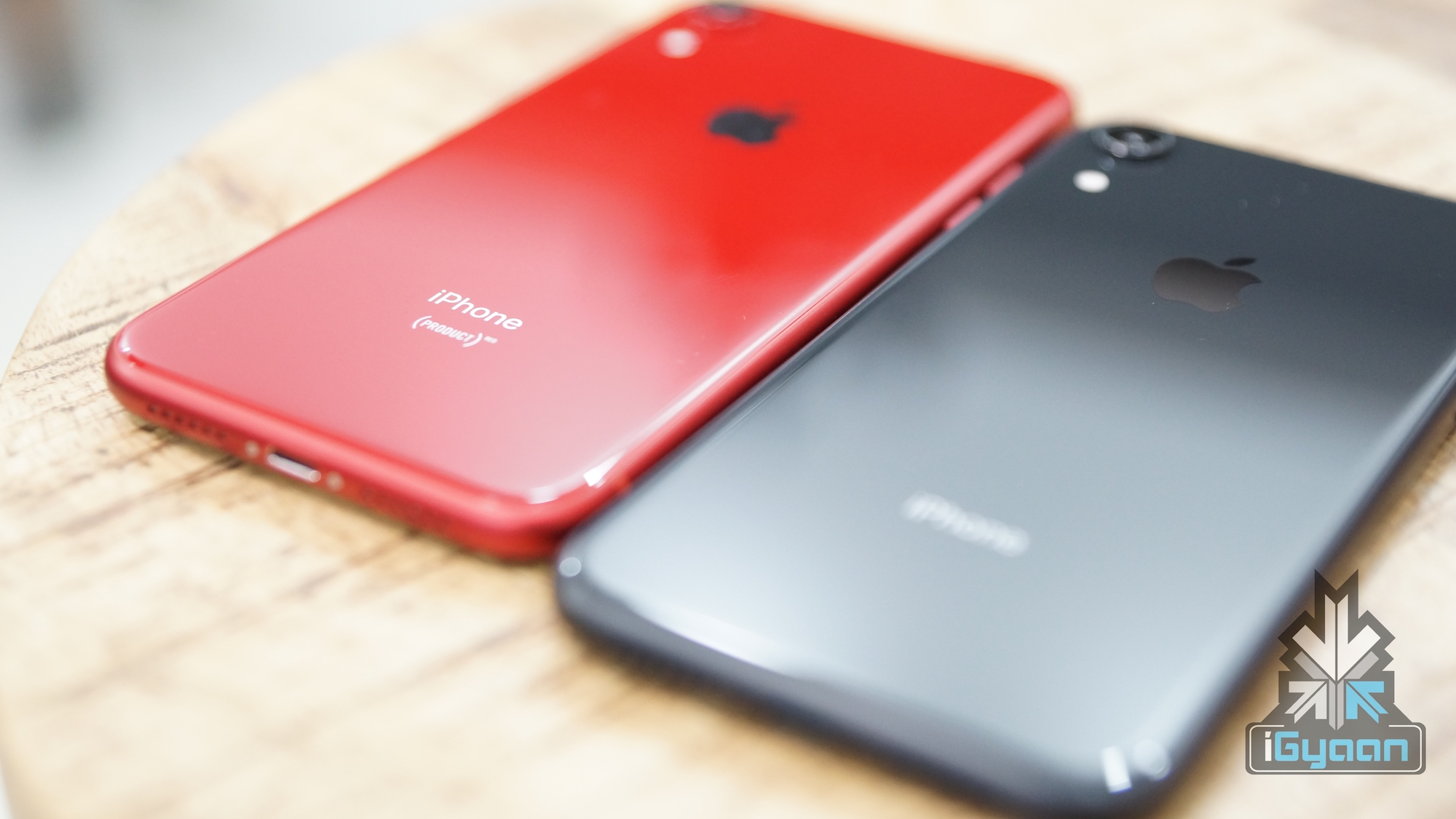
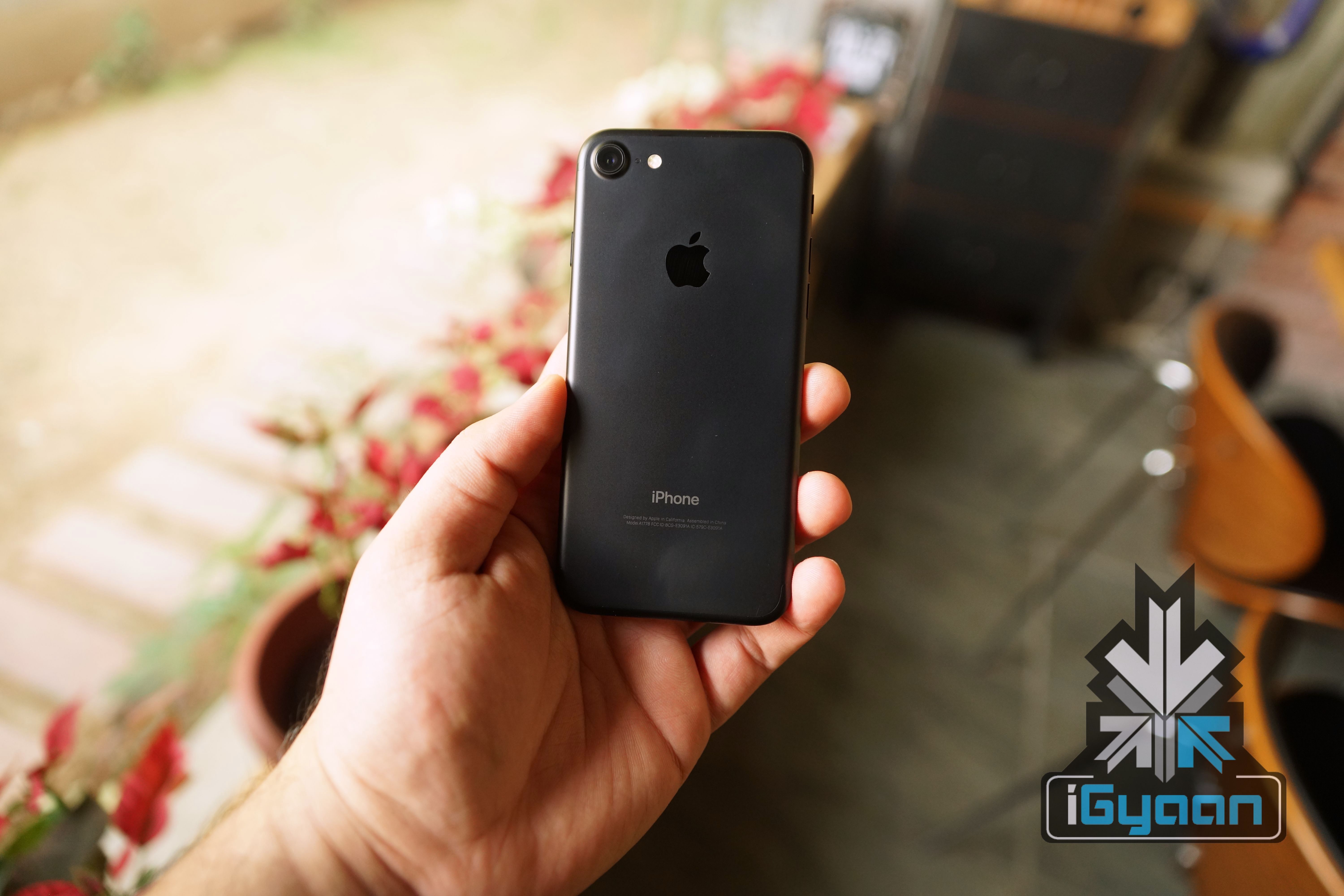
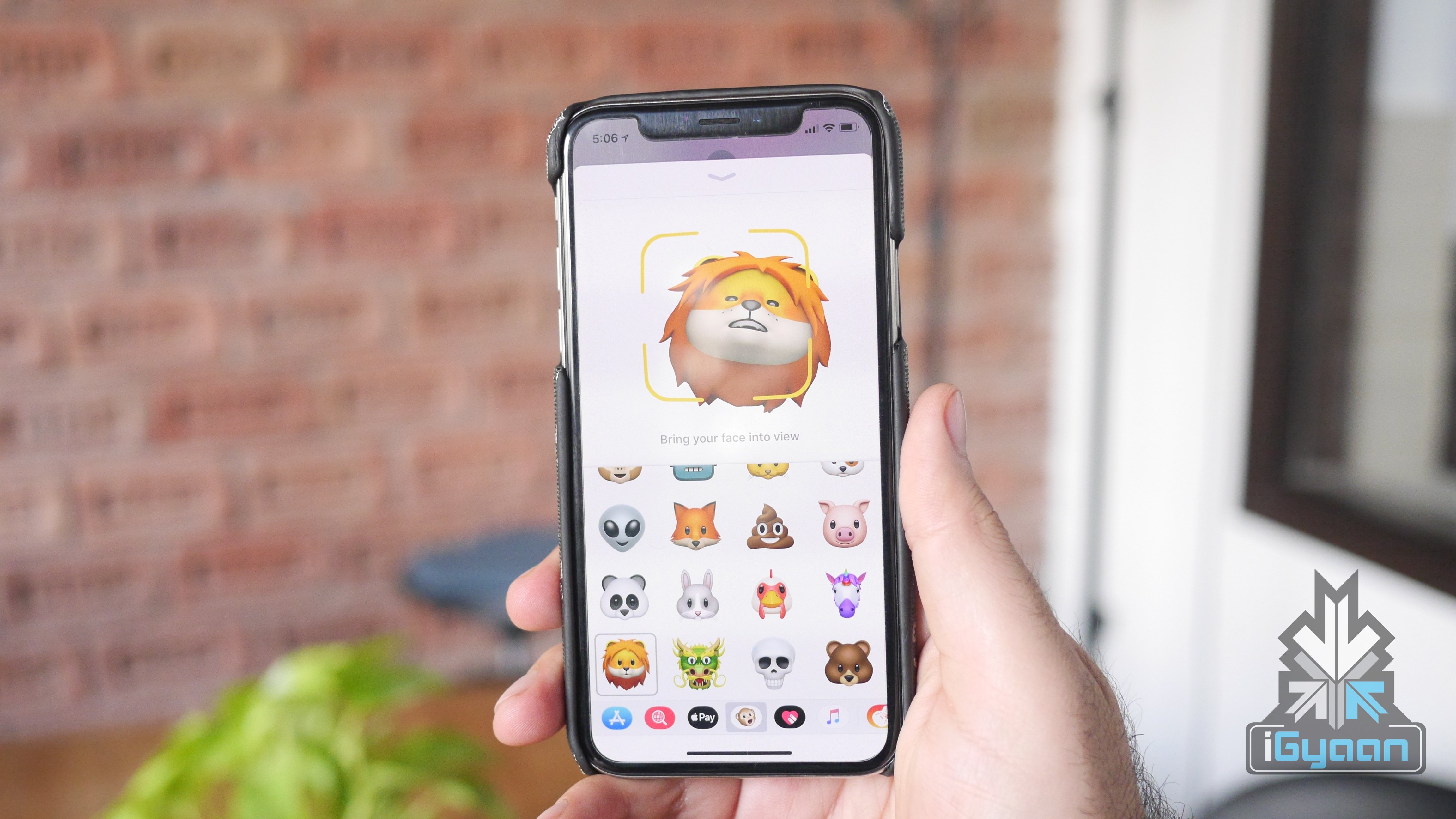
    A gang of fraudsters have reportedly stolen $19 million (approx. Rs. 132 crores) worth of iPhones over the past seven years in the United States of America. The FBI and NYPD aptly named the gang ‘Fraud Ring’, which was run by six people that called themselves ‘Top Dogs’. The gangs used counterfeit debit cards and fake IDs to buy new iPhones to be sold for high prices in the black market.
    The payment method that involved instalments enabled the scam to go undetected. A detailed report has been uploaded online regarding the fraud case. The victims of the scam included customers whose accounts were compromised along with respective carriers. The gang, possessing the debit cards and fake identification bought iPhone units from stores posing as the original account holders. The reason listed by the scammers was to upgrade to a newer handset on their previously existing accounts. Fraudsters stretched the scammed devices instalments over many months, that later showed up on the actual customer’s bill. 
    Fraud

    The perpetrators are being charged with felony counts of mail fraud, conspiracy, and aggravated identity theft. A total of 34 states in the US were affected while the exact number of individuals have yet to be disclosed. One of the accused co-operated with the authorities and revealed the workings of the Fraud Ring in exchange for a reduced sentence. It has been reported that the ‘Top Dogs’ took the largest chunk of the revenue, while the middlemen were responsible for all illegal activities like stealing identities by scamming customers. The bottom level involved drivers and runners that made rounds to various destinations to commit the fraud and ship the iPhone units back.
    iPhones

    The co-operating witness claimed to have joined the gang in 2013 and has made about 18 trips in total. Fraud Ring paid $100 for each iPhone that was stolen by him during that period. A shipping company (back in 2014) was discovered in possession of 250 phones, fraud cards, driver’s licenses, and passports after an employee opened one of the packages.
     

    New 2018 iPhone

    Also ReadAstrobotic’s Tiny Rover To Test Endurance Of Small Robots On The Moon

    This incident is reported to be one of the largest smartphone scams to date in terms of the value of stolen devices. Similarly, a group of scammers was accused of stealing 1,300 iPhones worth $1 million in 2018. Many such scams have been surfacing recently as fraud is being taken more seriously by the Government and investigating agencies.
  • DJI Uncovers Employee Fraud, May Cost The Company $ 150 Million

    DJI Uncovers Employee Fraud, May Cost The Company $ 150 Million

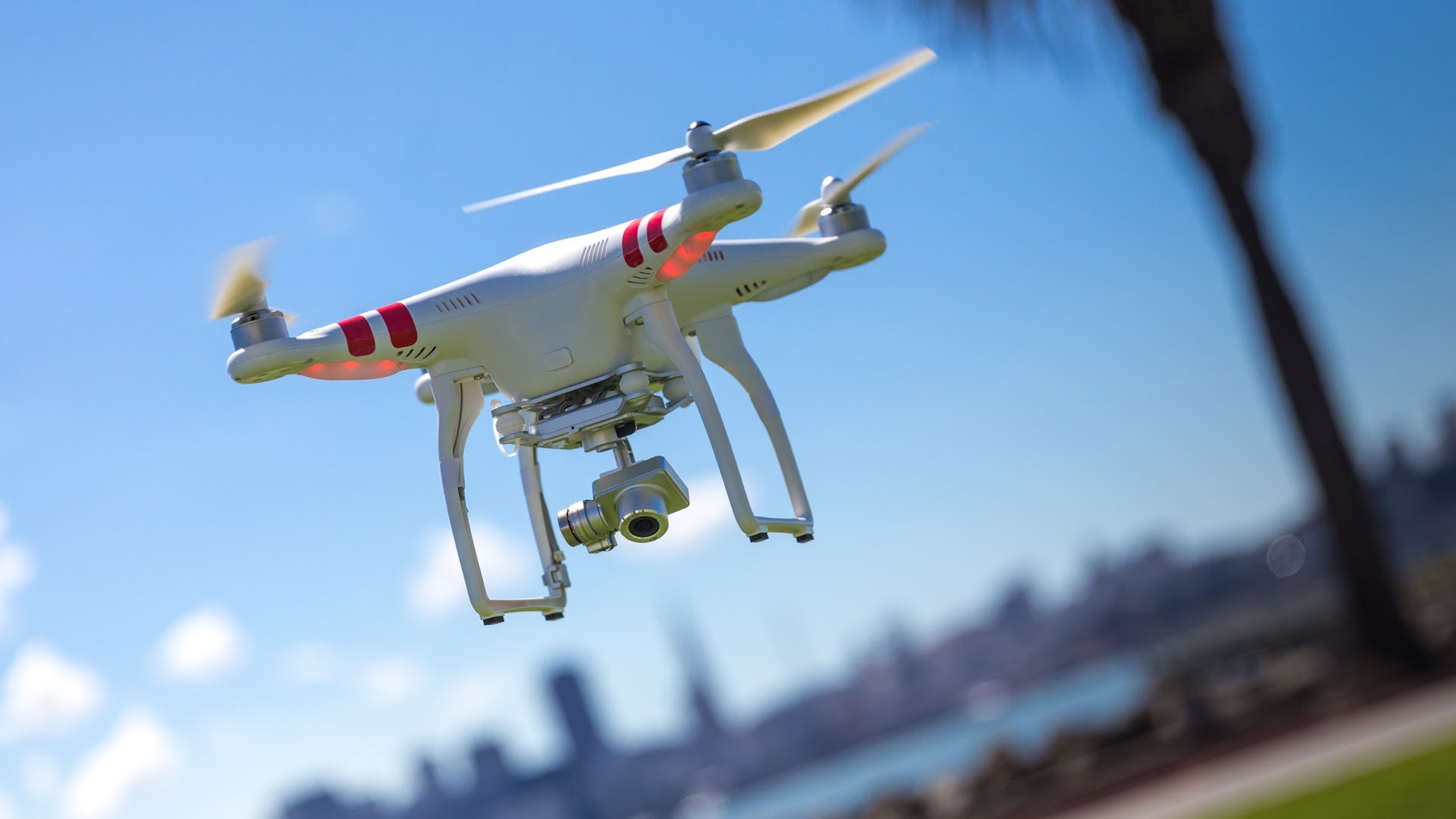
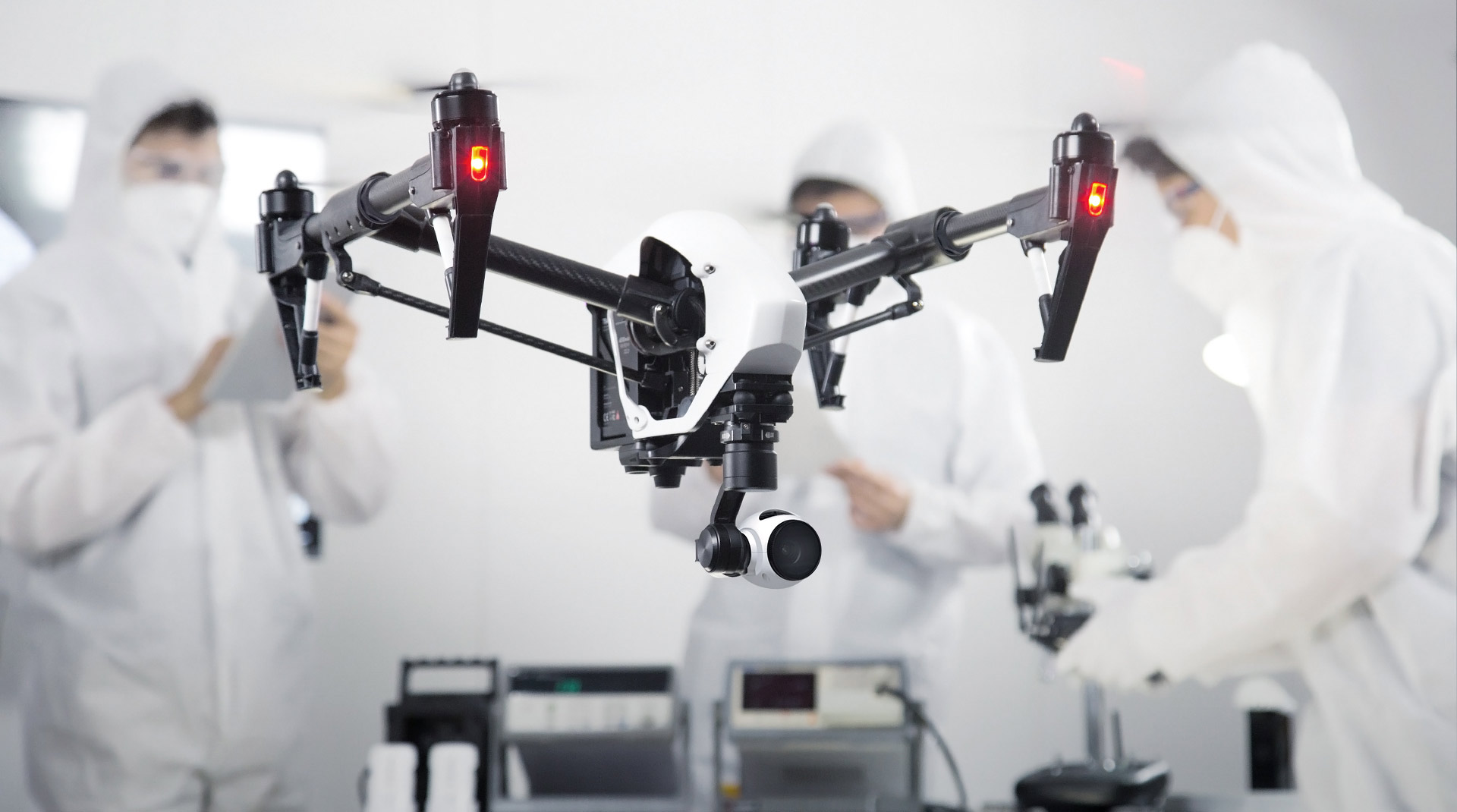
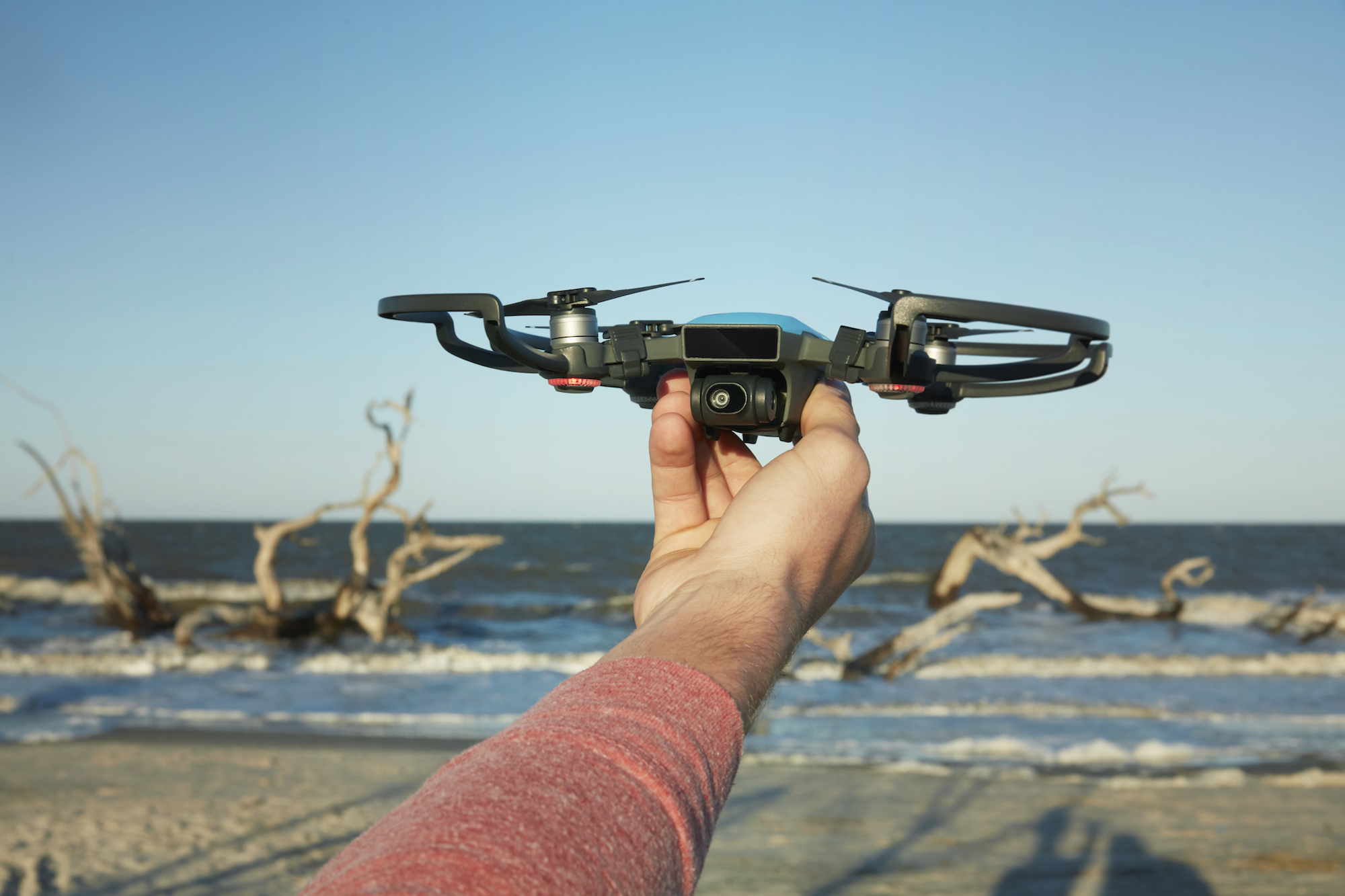
    DJI, a drone manufacturing company recently uncovered an employee fraud that could very well have cost the organization $150 Million. The company released a statement that said that DJI holds their employees to strict ethical standards and takes any violation of their code of conduct very seriously. 

    Statement By DJI

    During a recent investigation, DJI found out that some employees inflated the cost of parts and materials for certain products. They, according to DJI, pocketed the profits themselves. The company estimates the damages to be around RMB 1 billion which is around $150 Million. DJI, to address this issue, dismissed a number of employees who violated company policies. Law enforcement officials were also contacted to report the fraud. The company in their statement also said that they continue to investigate the situation. They are cooperating fully with law enforcement’s own investigation.

    The drone manufacturer, who made a mark in CES with their range of new products just a few weeks back, also said that such actions do not represent the company. The statement further said that the 14,000 employees working for the company work hard every day to serve customers and develop cutting-edge technologies. DJI has become one of the biggest players in the drone market. Forbes recently named the company’s CEO Frank Wang the first “drone billionaire”. 

    DJI is taking steps to strengthen internal controls after the incident.  They have established new channels for employees to submit confidential reports. The reports relating to any violations of the company’s workplace conduct policies will be completely anonymous. 

    Also Read: DJI Announces A $650 Smart Controller At CES

    The company has in recent years faced various issues including different drone flying regulations in different countries and battery problems in their drones. Their latest product, a Smart Remote Controller With Built-In Display was widely appreciated in CES. However, DJI said in their statement that despite of the heavy losses, the company did not incur a full year loss in 2018.

  • TIDAL Falsified Streaming Numbers Of Beyoncé, Kanye West’s Albums

    TIDAL Falsified Streaming Numbers Of Beyoncé, Kanye West’s Albums

    TIDAL is a subscription-based music streaming service owned by popular rapper, Jay-Z. The streaming service has come under serious scrutiny over misconduct, allegedly inflating streaming numbers of albums by multiple artists. A new report by Norwegian news outlet, Dagens Næringsliv has accused the streaming service after a year-long investigation.

    Dagens Næringsliv worked closely with music research firm Midia and the Norwegian University of Science and Technology’s Center for Cyber and Information Security (CCIS) to validate the accusations. The albums in question here, are Kanye West’s The Life of Pablo and Beyoncé’s Lemonade. Apparently, the reporters from Dagens Næringsliv obtained a hard drive that contained manipulated TIDAL streaming data. They then took that data to Norwegian University of Science and Technology (NTNU)’s Center for Cyber and Information Security (CCIS), which analysed it and laid down their findings.

    Both Lemonade and The Life of Pablo were released exclusively on TIDAL in 2016. 10 days after TLOP was released, TIDAL announced that the album was streamed over 250 million times. Two weeks after Lemonade was released, the album apparently was streamed over 306 million times. These numbers sounded suspicious to folks over at Dagens Næringsliv, especially considering the TIDAL has only over 3 million worldwide subscribers.

    In a statement to Variety, TIDAL said:

    This is a smear campaign from a publication that once referred to our employee as an ‘Israeli Intelligence officer’ and our owner as a ‘crack dealer.’ We expect nothing less from them than this ridiculous story, lies and falsehoods. The information was stolen and manipulated and we will fight these claims vigorously.

    Buying fake views and subscribers is nothing new. Outlets like Fiverr offer services like these as well. In this case, if the study finds some sort of grounding, TIDAL could be in some serious legal trouble. TIDAL executives could be sued for collusion and/or fraud since streaming rates correspond to royalty payments. Inflating streaming numbers and thus increasing royalty payments is clearly illegal and if proven to be true, Sony and Universal would have to pay back some funds and a penalty.

  • Huawei’s Recent P9 Image Blunder Paints a Poor Picture for Mobile Brands

    Huawei’s Recent P9 Image Blunder Paints a Poor Picture for Mobile Brands

    Huawei’s recent launch of the new P9 put a lot of attention on the brand, with claims that the smartphone camera can match DSLR quality shots.

    Huawei P9 blunder

    This image recently posted by Huawei on its Facebook page, promoting the P9.  Even though Huawei never directly claimed it was clicked with the P9. The caption read :

     The #HuaweiP9’s dual Leica cameras makes taking photos in low light conditions like this a pleasure.

    The EXIF data, however, spoke another story altogether. The photo was actually shot with a Canon 5D III using a 70-200 F2.8  L series lens. This reminds us of the bad marketing Nokia did with the Lumia 920 back in 2012.

    Using DSLR images for marketing is more common than users expect. Most companies do it in their mainstream advertisements, and more so on social media.

    Huawei issued an apology on the issue :

    It has recently been highlighted that an image posted to our social channels was not shot on the Huawei P9. The photo, which was professionally taken while filming a Huawei P9 advert, was shared to inspire our community. We recognize though that we should have been clearer with the captions for this image. It was never our intention to mislead. We apologize for this and we have removed the image.

    However, trust once broken is seldom regained, and Huawei seems to have upset a large chunk of its followers.

    Claims in marketing media from brands often mislead users into expecting more from their phones. Claims like 2-day battery life, amazing cameras, and magical unicorns are made with phones that can barely manage to give average results.

    With no regulations in place for marketing norms, a consumers knowledge becomes his best weapon against poor and unethical marketing warlords.


  • Beats Co-Founders Sued By Monster for Fraud

    Beats Co-Founders Sued By Monster for Fraud

    Dr.Dre, Jimmy Lovine celebrated publicly on the acquisition of their audio company, Beats by Apple for a sum of $3 Billion. Beats has grown strong since its inception and with massive celebrity endorsements, these expensive (some may consider overpriced) headphones have been selling like hot cakes. Beats now commands over half of US headphone market worth $1 Billion. But now the company has run into legal troubles with Monster, which originally created the technology behind the Beats headphones.

    Monster has been in the audio business since Noel Lee, an engineer and self professed audiophile founded the company in 1979. Since then it has grown to become a respectable audio brand. In 2008, Noel’s son Kevin Lee met Jimmy Lovine as he was looking for partners for a new line of prototype headphones. Jimmy brought Dr.Dre along on the deal and hence Beats audio came into existence. During the signing of the agreement, Monster gave permanent ownership rights to everything under the Beats brand name to Jimmy and Dr.Dre. This meant that even though the technology and designs were created by Monster, it was the Beats team who would reap the profits.

    In 2011, HTC bought 51% stake in Beats which fetched Dr. Dre and Jimmy Lovine about $100 million each. Beats and Monster parted ways in 2012, the reason cited internally was ‘financial disagreement’. Now Monster is alleging that the team at Beats is actively trying to erase the contribution of Monster in the making of the successful brand.

    Beats has fast grown to become the preferred audio brand for about half of the US market.
    Beats has fast grown to become the preferred audio brand for about half of the US market.

    In the complaint filed at Superior Court in San Mateo County, Califorinia, Monster alleges that Beats basically robbed Mr. Lee out of his invention. During the HTC deal a change-of-ownership clause was added which meant that all intellectual property such as technology and designs were to be transferred to Beats brand. After the deal Monster CEO Noel Lee’s stake in Beats was reduced from 5% to 1.25%.

    Monster has also called the HTC deal a sham, orchestrated by Dre and Lovine to cease control of the company. It is asserted in the complaint that Beats repurchased 25.5% of its own shares from HTC less than a month after the deal closed. HTC also sold back the shares of Beats in 2013 which made the complaint sound genuine but we’d rather the judge decide on the verdict.

    Beats most major gain came when last year Apple acquired it for $3 Billion. It’s major focus is on the Beats music service as it tries to take on new generation competitors such as Pandora and Spotify. Apple hasn’t been named as a defendant in the case. It is alleged though that during the deal, the role of Monster in creation of the Beats brand was concealed. It is said that months before the Apple deal Mr.Lee was misled to sell his shares as he was told that there was no “liquidity event” on the horizon for the next year or two.

    This case, if for anything shows the fierce nature of the technology industry. Here knowledge is power, but legal clauses are more powerful as they might make you compete against your own creation, as Monster has to now compete with Beats products. So it is important to not just be a good innovator, but also a good businessman!

  • Here’s Why The 0% Interest EMI Schemes Were Scrapped

    Here’s Why The 0% Interest EMI Schemes Were Scrapped

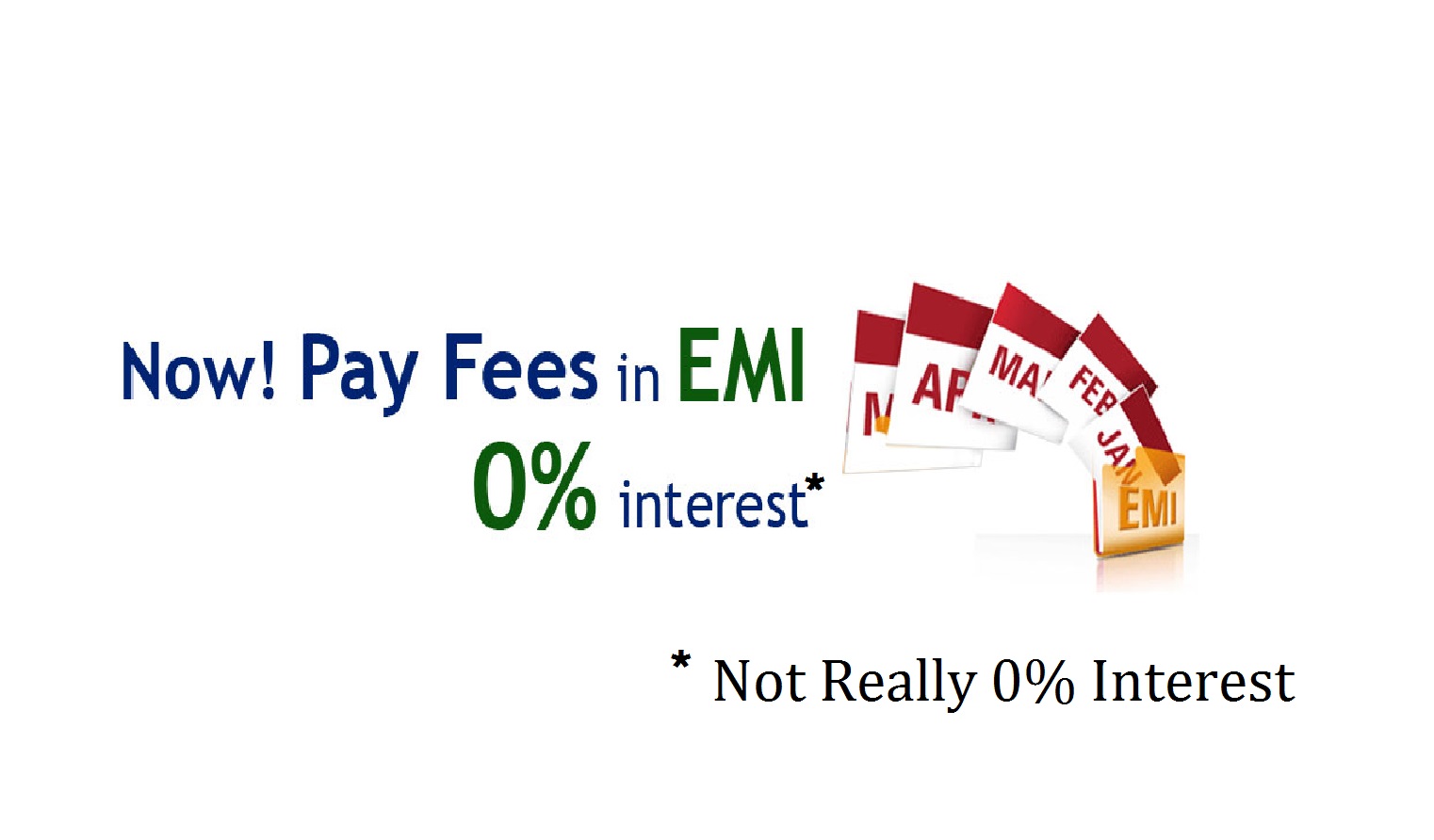
    Over the past 6 months, various companies including Apple, Samsung and Micromax went on an aggressive marketing drive that was based around the “0% EMI” tagline. Consumers, young and old alike, were attracted by the possibility of buying the device of their choice, by paying small amounts of money over a prolonged period of time. That too without any overhead costs. Who wouldn’t?

    So when the RBI on Wednesday banned zero per cent interest rate EMI schemes for purchase of consumer goods, it came as a shock for many people.

    What would possibly have been wrong? The companies were sacrificing their interest money just so we could get our dream products easily no? No.

    The very concept of zero per cent interest “is non-existent,” the RBI said. So how were the companies offering such schemes?

    The answer here lies in that “negligible” processing fee that the companies/showrooms charged when you opted for the EMI schemes. In the zero per cent EMI schemes offered on credit card outstandings, the interest element is often camouflaged and passed on to customer in the form of processing fee.

    Explaining the zero per cent EMI schemes on credit cards, Gaurav Mashruwala, a certified financial planner, said, “When a person buys a TV set for Rs 60,000 and makes full payment in cash, the dealer gives him a discount say of Rs 5,000. However, when the same TV is bought in instalments with a credit card, he is not entitled to any discount which is the earning for the bank.”

    As BankBazaar explains, these zero percent schemes have hidden costs inbuilt in them. Perhaps the biggest loss for you would be forfeiting the cash discount on a product that you could have otherwise got if you had bought it on full cash. This apart you will also be paying a transaction or processing fee under the zero percent scheme and consequently more money through advance EMIs.

    For example, you decide to buy an LCD colour television that costs around Rs. 48,000. You decide to buy it using the zero percent finance scheme. Under this arrangement you will pay the entire cost in six EMIs of Rs. 8,000 for six months. This works out to be Rs. 48,000 spread over 6 months. Now here’s how you end up paying more! To begin with you pay a processing fee of Rs. 1,000. And since you are buying the LCD on a zero percent finance scheme you are not entitled to the cash discount of Rs. 2,000!

    So here’s how it looks in the above example. The LCD costs Rs. 48,000! Add up the Rs. 1,000 processing fee that you pay initially and Rs. 2,000 that was lost out on cash discount. A total of Rs. 3, 000! This means you get a net finance of Rs. 45,000 only! Now you pay an EMI of Rs. 8,000 for 6 months which totals up to Rs. 48,000. So at the end of six months you pay Rs. 3,000 more for what you got.

    So ultimately, it all came down to false advertising and clever marketing. The consumer was led to believe that he/she was getting a fantastic deal whereas the company was earning way more than they would in case of a down payment. These schemes helped companies attain double digit growth as far sales were concerned.

    No wonder they are aggrieved by the RBI’s decision. Well done, we say.

  • Hackers Bid To Enslave London’s Santander Bank Foiled

    Hackers Bid To Enslave London’s Santander Bank Foiled

    Police have foiled a plot to steal millions of pounds after a gang allegedly took control of a bank’s computer remotely.

    Scotland Yard described the cyber-attack on a Santander branch in Surrey Quays shopping centre, south-east London, as the most sophisticated case of its kind that police had encountered.

    The hackers were hoping to use highly sensitive information displayed on the computer to access accounts and drain money from them, but the Hollywood-style cyber heist was foiled.

    The men allegedly fitted a computer within the branch in Surrey Quays shopping centre, southeast London, with a “keyboard video mouse” (KVM).

    The device, which can be purchased online for as little as £10, allowed them to transmit the contents of the computer’s desktop and take control of the machine remotely.

    A spokesman for the Metropolitan Police said it was not clear whether any money was taken, but Santander said “no money was ever at risk”.

    Police added that detectives and bank officials had thwarted a “very significant and audacious cyber-enabled offence” that would have cost Santander millions of pounds. 

    Although it is not the first time police have seen the device used, a Met spokesman said it was the first time it had been used by “an organised criminal network”.

    Det Insp Mark Raymond said: “This was a sophisticated plot that could have led to the loss of a very large amount of money from the bank, and is the most significant case of this kind that we have come across.

    [Via]

  • 750 Million Phones Vulnerable To Hacking Due To SIM Card Flaw

    750 Million Phones Vulnerable To Hacking Due To SIM Card Flaw

    Up to 750 million mobile phones around the world carry SIM cards that contain a programming flaw that could leave their owners vulnerable to fraud. The bug allows a hacker to remotely access personal data and authorise illegal transactions within minutes. 

    The flaw in question is found in SIM cards using DES (Data Encryption Standard) for encryption, which is an older standard that is slowly being phased out by most manufacturers, but the point is that it is still baked into hundreds of millions of SIMs across the world. The founder of German firm, Security Research Labs, Karsten Nohl, found that sending a fake carrier message to a phone prompted an automated response from 25% of DES-based SIMs, which revealed the cards’ 56-bit security key.

    Once the sequence key is obtained hackers will be able to send a virus to the SIM card. This will allow eavesdropping on calls or allow mobile purchases with payments charged directly to the mobile account. 

    Nohl added that “We can remotely install software on a handset that operates completely independently from your phone. We can spy on you. We know your encryption keys for calls. We can read your S.M.S.’s. More than just spying, we can steal data from the SIM card, your mobile identity, and charge to your account.”

    Nohl says his team had been unsuccessfully attempting to breach SIM cards since 2011, using over-the-air-programming (OTA) – unseen text messages that are sent by the mobile phone operator to change settings on the phone of a user within their network.

    Mr. Nohl is a well known figure in the security industry. In 2009, he has published a software that can easily decode the 64-bit key needed to encrypt GSM-based conversations. This has caused the industry to scramble for a better safeguarding strategy. His Germany-located company, Security Research Labs, acts as advisor to multinational companies around Germany and the U.S on any issues involving mobile security.

    [Via]

iGyaan Network
Privacy Overview

This website uses cookies so that we can provide you with the best user experience possible. Cookie information is stored in your browser and performs functions such as recognising you when you return to our website and helping our team to understand which sections of the website you find most interesting and useful.