Voice over Long-Term Evolution (VoLTE) was first introduced by Jio in India. A typical voice call uses a 2g/3g network. Whereas a VoLTE is based on 4G network, which offers more clarity and sound and takes less time to make a connection between the devices. And now, Airtel is testing VoLTE technology in India. To encourage users to participate in the beta test, the company is offering up to 30GB of free 4G data.
Airtel VolTE Beta Test
Airtel claims that VoLTE will offer HD voice calls, 3x faster call connectivity and multitasking. VoLTE will enable users to make a voice call without disconnecting active internet connection.
In most of the smartphones, a user has to place 4G enabled Airtel SIM card in the first slot to get onboard with this beta test. After turning on VoLTE option on the smartphone, a user will receive 10GB 4GB data. The additional 20GB will be credited after providing the feedback on 4th and 8th week consecutively. However, a beta tester might experience network irregularities and they have to share that data with Airtel.
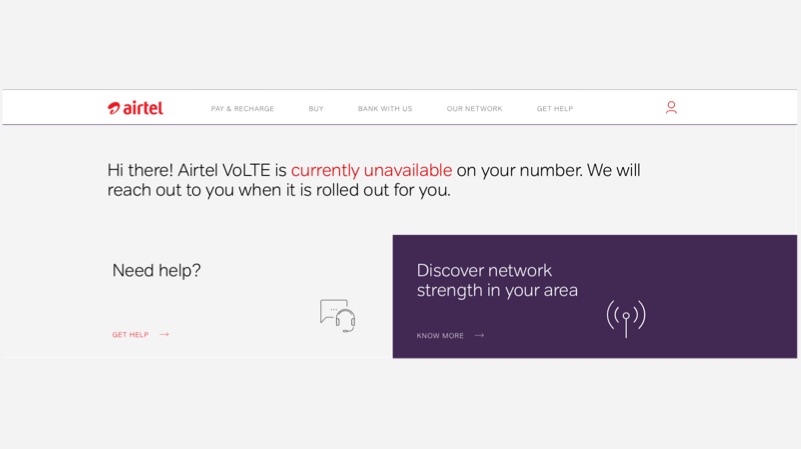
Every Airtel subscriber cannot participate in the beta testing. To be an eligible beta tester, one has to have a smartphone with the latest software update and a 4G enabled Airtel SIM. Additionally, Go to Airtel India official website, enter your mobile number to check your eligibility. However, our number was ineligible to participate in the beta test.
Airtel VoLTE is already available in the following states including Karnataka, Maharastra and Andra Pradesh. Similarly, the company is now beta testing in West Bengal, Odisha, Assam, Kerala, Bihar, Punjab, and Andhra Pradesh.
BSNL officially announced that it will be investing Rs 7,000 crore in setting up WiFi hotspots with 3G, 4G networks across the country within the next 3 to 4 years.
[quote text_size=”small” author=”Anupam Shrivatava” author_title=”Chairman and Managing Director of BSNL”]
Wi-fi is an obvious choice for BSNL going forward but it alone cannot be successful. It has to be integrated with 3G, 4G network so that the customer can be seamlessly transferred to WiFi. In two to three years, we will be investing Rs 7,000 crore to set up integrated WiFi across the country.
[/quote]
BSNL has already started rolling out the service in places like Varanasi and aims to extend it to more tourist spots by the end of this year. Additionally, BSNL has also partnered along with QuadGen Wireless for setting up Wi-Fi hotspots on a revenue sharing basis. QuadGen will be setting up WiFi hotspots in the South and the West Zone under the terms of the partnership. Anupam Shrivastava says they aim to set up at least 2,500 WiFi hotspots around the country.
In the words of M S S Rao, Chief General Manager of BSNL Telecom, since huge amounts have been invested in the spectrum auction, it is a high time to invest in the networks. BSNL seems to be taking the right steps in ensuring that all part of our well connected.
The fate of the internet was hanging by a thin thread. Telecom corporations were leading a massive, expensive attack on the free and fair internet by deleting an essential clause called Net Neutrality. The news came into prominence leading to a tremendous backlash from the public who overwhelmingly told the government to keep the internet open and free. Last night the Federal Communication Commission sided with the demands of the people and has voted for net neutrality.
The net neutrality principle states that the internet is one singular entity, and it cannot be broken down into its various services. It orders the internet providers to allow access to all Internet content at the same speed. The telecom companies were after this principle so they could establish fast lanes for the highest payers and slow lanes for everyone else.
In a 3-2 vote, FCC classified Internet as a public utility under Title II of the Telecommunications Act. Internet will now be treated just like water, electricity, landlines, or any other essential service. The Title II classification also gives FCC greater authority to regulate the internet. These new rules apply to wireless as well as wireline internet providers.
It is official: Net Neutrality is the law of the land.
US Senators Al Franken and Bernie Sanders, who were the major supporters of the net neutrality principle called it an “enormous victory” for the people. The decision only affects the United States, but it sets a benchmark for other countries to follow. It also shows how emotional a subject the internet has become; it is an essential cog in the everyday life of people. It’s not just an endless vortex of cute babies, puppies, and cat videos but is a platform for establishing the information age economy for everyone.
Here in India, Airtel was on the receiving end of the backlash when it attempted to break the internet to charge more for the services. The pubic response led Airtel to roll back its decision. This teaches you an important lesson that if you don’t want to be ruled by corporate greed, you have to protest their unruly decision.
Russia is in a weird place right now. After months of unfavorable international gaze on the geographically giant nation and ex-superpower the country intends to crack down on dissenting opinions. With the incursion into Ukrainian territory and supporting separatist group in that country who recently shot down the Malaysian Airline MH 17, the country has constantly been under negative light.
The country’s Interior ministry has taken out a tender to 3.9 Million Rubles ($111,290) to try to identify the anonymous users of the TOR network. The decision came to light when a group of human rights activist began protesting against the tender.
The Russian Interior ministry issued a tender to unlock TOR network which will be announced on August 20
TOR network hides the identity of the user by encrypting the data and sending user information through thousands of random pathways, therefore, making it harder to trace. This pathway is also used to access the unarchived Dark Net. Though the system has been used by anti-social elements too, but the anonymous features have helped information activists to reach their audience without being identified for persecution.
Russia has enacted some major regressive laws to contain unfavorable opinions within territories. The nations new blogging law ask all bloggers with a daily audience of over 3000 have to register their identity. The ones protected by the decision are those bloggers who use the TOR network, and this is the government’s way of uncovering such hidden bloggers.
The fact is that only a small number of internet users in Russia use the TOR network, but their burgeoning number has the Kremlin worried. It is estimated by Apparat.cc magazine that the number has grown from 80,000 in May to 200,000 by the month of July. Russian contemporary politics seems as a decisive factor that is encouraging people to opt an anonymous route to address their displeasure with their government.
It is not the first time that there have been steps taken by the government to track anonymous service users. The world’s gossipy aunty who always wants to overhear every conversation, A.K.A the NSA has invested resources to uncover the network, but that involves a lot of time and expense. The anonymous network stands quite resilient in the face of opposition.
This whole scenario is also a reminder that internet needs to be protected from prying eyes and its independence needs to stand. Information and dissent go hand in hand. A free internet has the potential to change the world of tomorrow.
The Outernet is a global networking project currently under development by the Media Development Investment Fund, a United States-based non-profit organization established in 1995. The Outernet team claim that only 60% of the world’s population currently have access to the wealth of knowledge that can be found on the Internet. This is because, despite a wide spread of Wi-Fi devices across the globe, many countries are unable or unwilling to provide people with the infrastructure needed to access the web.
The company’s plan is to launch hundreds of low-cost miniature satellites, known as cubesats, into low Earth orbit. Here, each satellite will receive data from a network of ground stations across the globe. Using a technique known as User Datagram Protocol (UDP) multitasking, which is the sharing of data between users on a network, Outernet will broadcast information to users. Much like how you receive a signal on your television and flick through channels, Outernet will broadcast the Internet to you and allow you to flick through certain websites. This service sounds too good to be true.
To understand Outernet better, check out their self-explanatory infographic:
“Net Neutrality” – you might have heard this term in a passing reference on the internet or some news show. You may not know this yet, but this term directly has an effect on your life. We attempt to give you all the facts and tell you why you should care about net neutrality.
Tim Wu Columbia Law Professor
The term, coined by Columbia media law professor Tim Wu in 2003, has been one of the major codes of conduct for the internet since its inception. It is the idea that internet service providers are not to discriminate between any content on the internet. The data packets which bring our services should all get equal access speed.
This basic principle has allowed the internet to be an environment which encourages open competition and has encouraged some phenomenal innovation. It has helped even the smallest business models to grow to become international conglomerates, the most prominent examples of this a Google and Facebook.
The Open Internet, Equal Access speed for all
The fact that general public doesn’t realize is that internet is not just a service anymore, it has now become a necessary utility. It is literally impossible to live without a decent internet connection especially in urban areas where it is used for bill payments, shopping, and admissions in universities; in fact internet has intertwined itself with all facets of our daily life.
The Federal Communication Commission (FCC) had codified the Net Neutrality principles into law in the 2010 Open Internet order. This order was unfortunately squashed by a federal court recently and can spell doom for the internet as we know it. This ruling can help create a precedent for internet companies to create a fast lanes for the highest bidder. This means wensites who agree to pay more will get a faster access while everyone else will end up getting sub par connectivity.
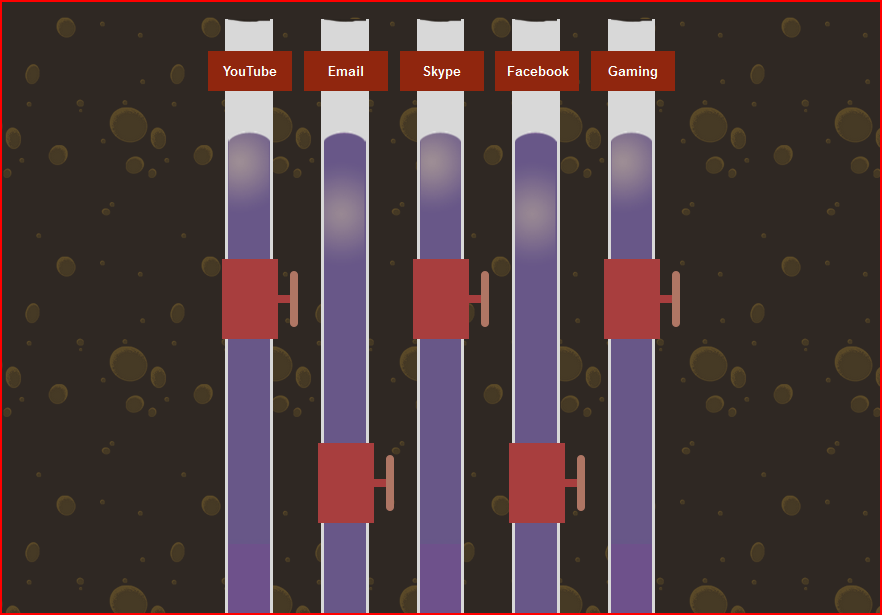
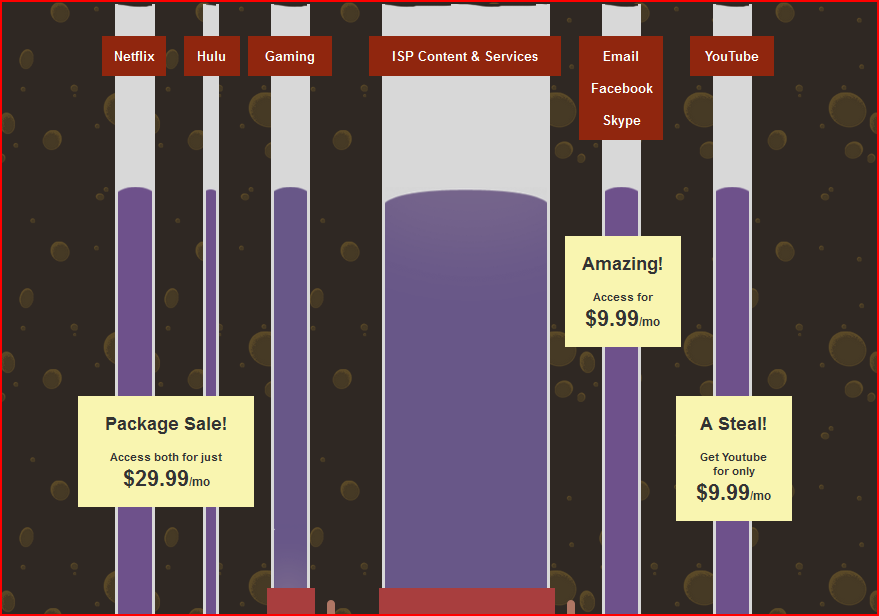
Without Net Neutrality ISP’s can charge for individual websites.
Imagine an internet where you have to pay to access individual websites. Like a Cable subscription where you have to pay more for bandwidth intensive websites such as YouTube or Vimeo. Most importantly it would kill smaller start-ups who aspire to someday become the next Google.
Mark Zuckerberg could only succeed because of an open internet
The free and fair internet till now has given a level playing field for competition for all. So even a college freshman could create the Forbes listed, world’s biggest social medium called Facebook. It was also because of free internet that even iGyaan could reach its readers. But in a non net neutrality world, these guys will face the same obstacles which are faced by the real world business of finding resources.
The opponents of net neutrality make a point that currently websites with higher bandwidth consumption pay the same price to reach the consumers like any other website. But when road traffic started getting congested, the government created wider roads and not special roads for rich people. They should consider the same. The Internet Service Providers (ISPs) which are opposing net neutrality earn billions in profits each year. Instead of disrupting a unique ecosystem that is still evolving, it is ISP’s prerogative to invest in making the services more innovative and sustainable for them as well as the internet. The companies will make more money by providing quality services to its consumers instead of trying to squeeze the last penny off them.
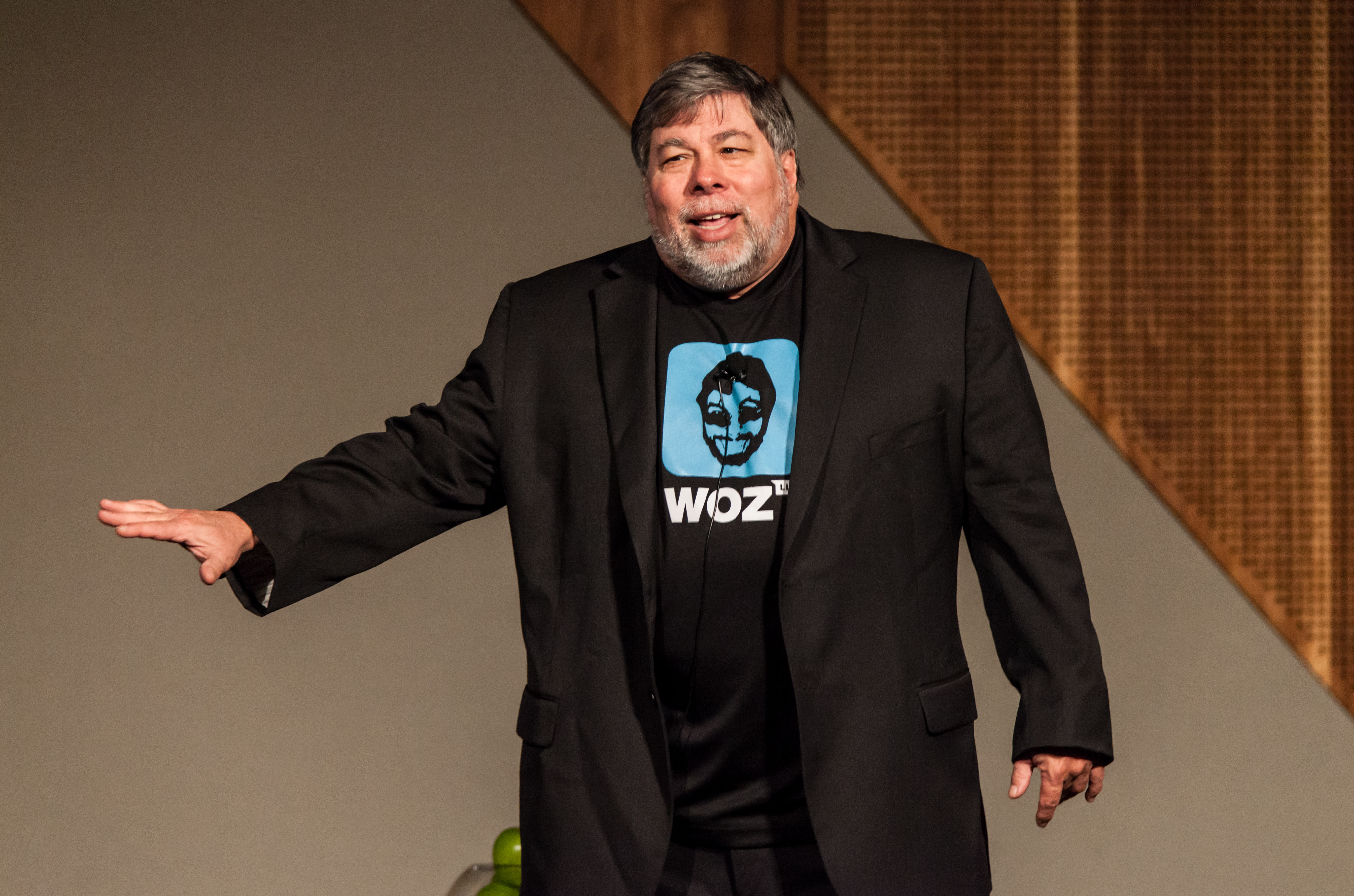
Steve Wozniak is one of the major proponents of Net Neutrality. (Photo: Nichollas Harrison.)
The great Steve Wozniak makes an excellent analogy when he says that nobody charges you for your per kilometer travel, then why charge for telecom routes. When the roads require maintenance, the government comes to do their part and this must be the responsibility of the ISPs itself.
TRAI needs to formulate regulations now
In India though there are no specific laws safeguarding net neutrality. TRAI in its guidelines mentions non-discrimination, but it is not really enforced. The high cost of spectrum licensing in India and the ever growing burden of massive mobile devices market may lead companies to go for charging a premium on some websites. India’s BRICS companion Brazil recently enacted a brilliant piece of net neutrality legislation and we should ask our lawmakers for the same. All we as consumers can do is be vigilant and raise our voices when we see that happen.
There is going to be a vote at FCC on Thursday the 15th which will decide the future of our internet. This vote can go both ways, the commission can create a precedent where companies can charge websites for priority access. Or the commission can create a legally safe law in which internet will be treated as a telecom service thereby giving FCC complete authority to regulate it. The great news right now is that most of the commissioners are siding with the open internet platform but what happens on Thursday still remain to be seen.
There have been many times when governments try to bring laws which discourage the free exchange of ideas. SOPA, PIPA were some of the laws targeted towards decreasing the efficacy of the internet dialogue. But some good sense prevailed and saved our internet. Net neutrality advocates from around the world are wishing for the same and hope to keep the future of a free and open internet secure.
Google has kick-started an initiative to bring the Internet to third world countries with the help of its peers in the technology sector as well as a handful of American, British and other organizations.
Called the Alliance for Affordable Internet, group aims to steer countries toward policy and regulatory change that will encourage better wireless and wired Internet access, CNet reported.
Google says that A4AI will work with countries around the world to influence policy changes that will make Internet more affordable. How affordable? Google says that ISPs in developing countries charge up to 30 percent of a person’s monthly income for basic broadband services. With effective policy change, Google says it can bring down costs to the UN Broadband Commission’s recommended target of 5 percent of a person’s monthly income.
“A4AI has a specific goal in mind: to reach the UN Broadband Commission target of entry-level broadband access priced at less than 5 percent of monthly income worldwide,” Jennifer Haroon, principal executive of Google’s access program, wrote in a blog post.
Microsoft, Yahoo, Facebook, Cisco and Intel are just a few of the more than 30 members drawn from technology firms, public sector groups and foundations around the world.
If A4AI achieves its goal, the two-thirds of the world that is not currently online will be able to connect to the Internet for a reasonable price.