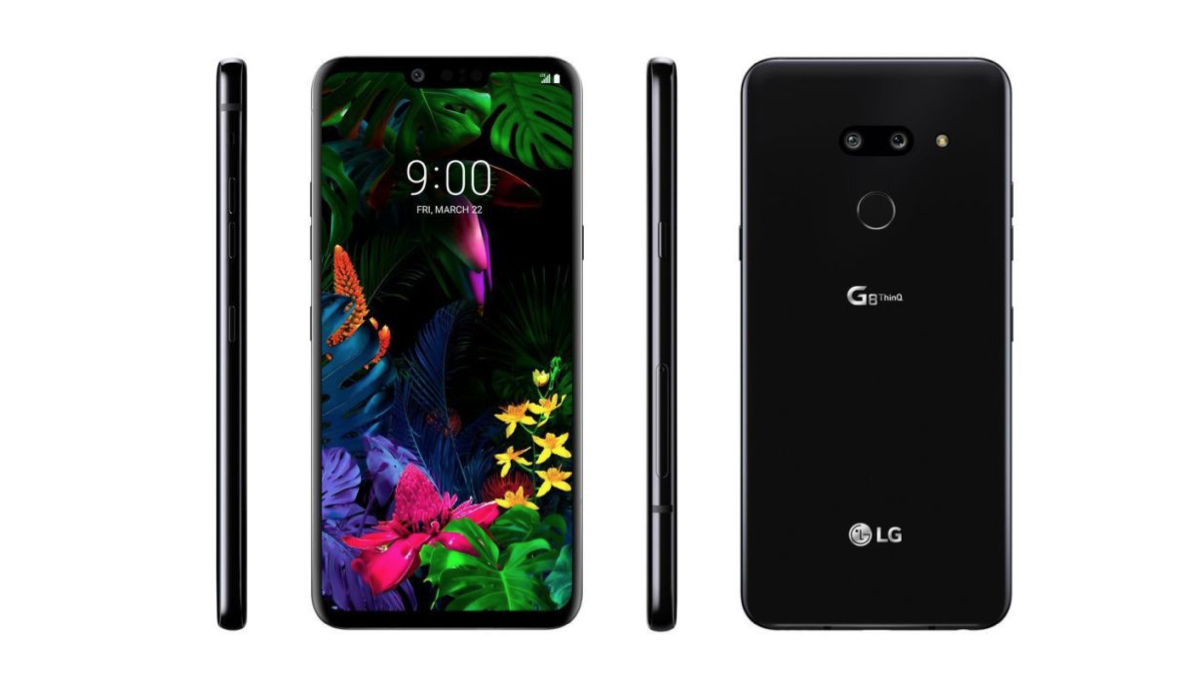
LG announced its premium smartphones for this season, which are the LG V50 ThinQ 5G and the LG G8 ThinQ. The highly-anticipated devices are finally released and their first impressions are very promising. Both the smartphones run on Snapdragon 855 SoCs and are targeted towards the premium smartphone segment. The LG G8 ThinQ is the successor to last year’s G7 ThinQ, and the device brings some really nice features to the table.
Design And Display
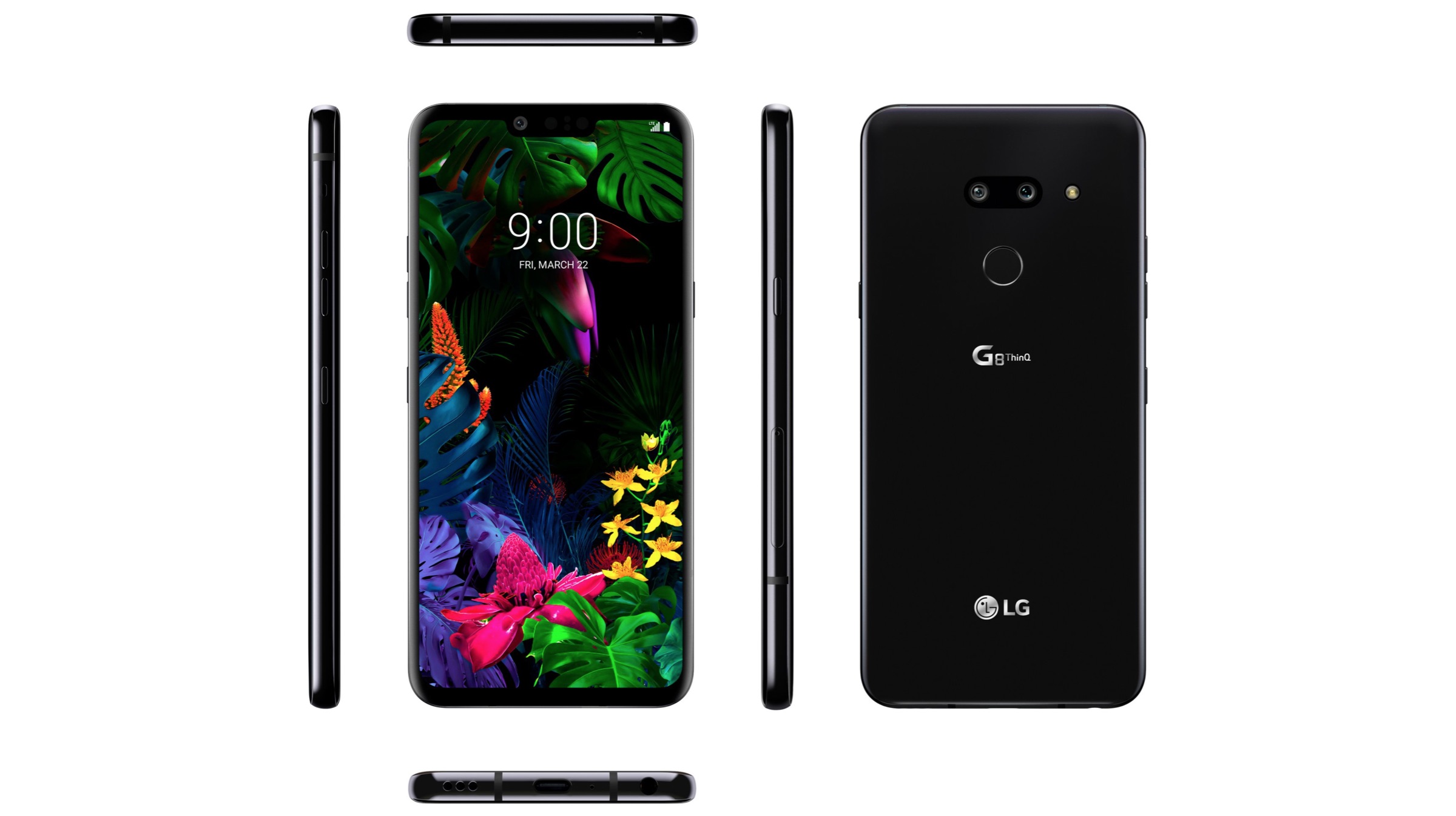
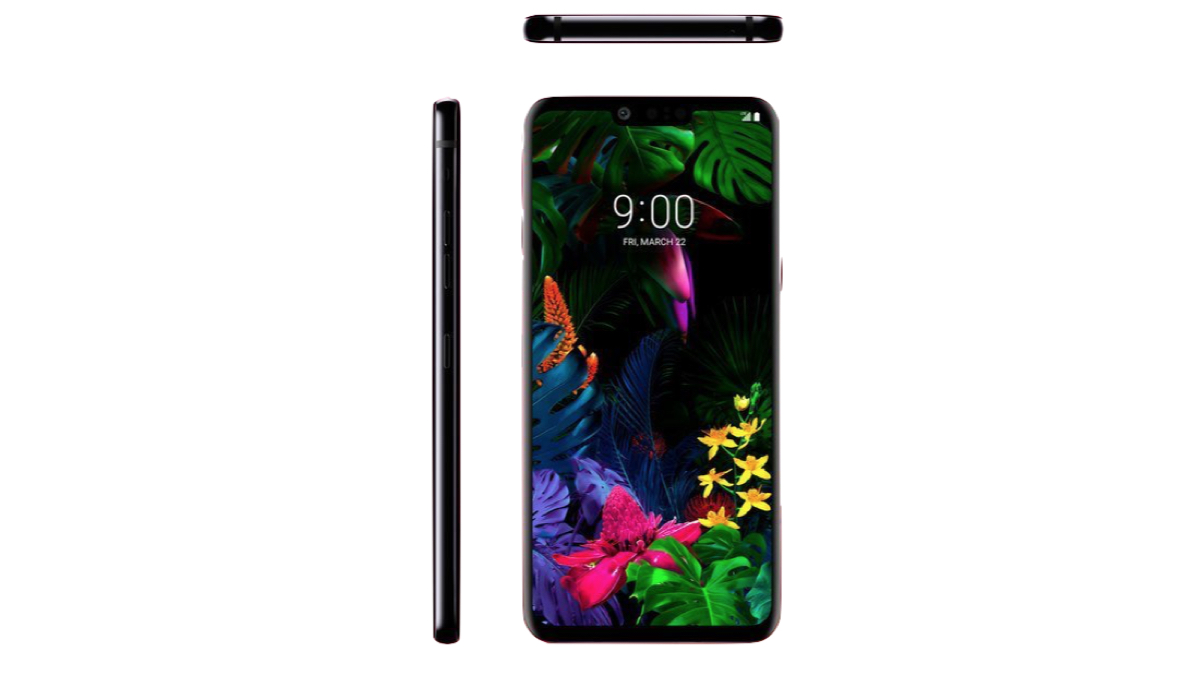 The G8 ThinQ stands out owing to its glass-sandwich design built around a metal frame. Glass panels adorn both the front and the back of the device, which are protected by Gorilla Glass on both the sides. Interestingly, the rear of the device has Gorilla Glass 6, while the display is covered by Gorilla Glass 5. The bezels are thin, but not thin enough, giving the G8 an 83.5 percent screen-to-body ratio.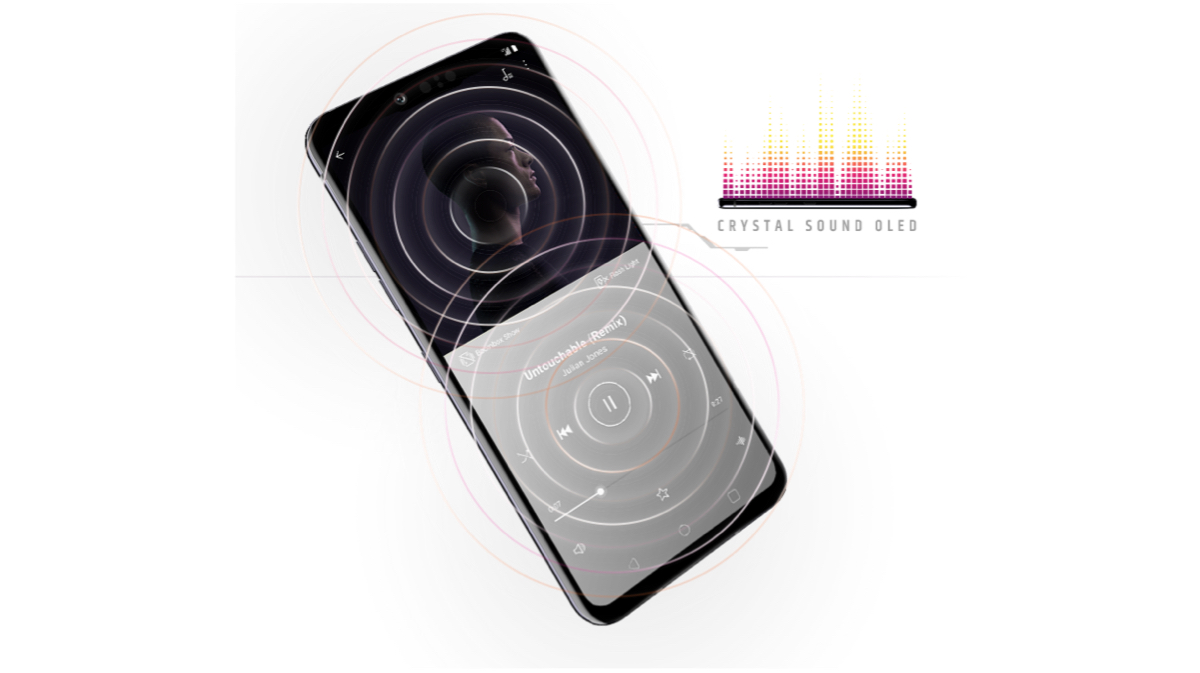
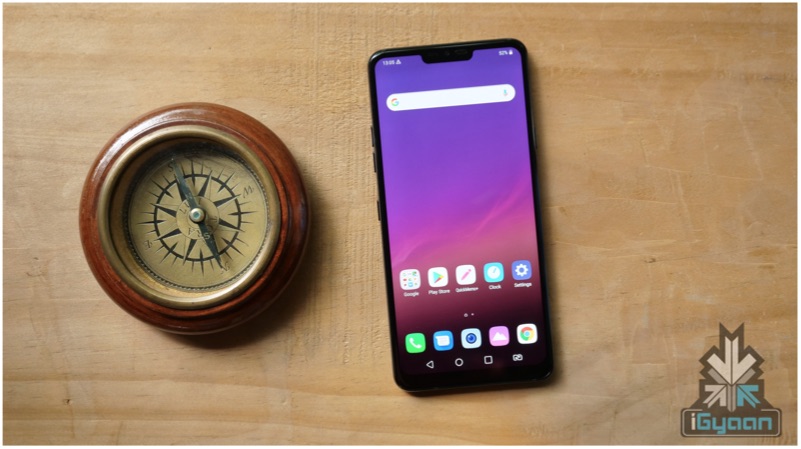
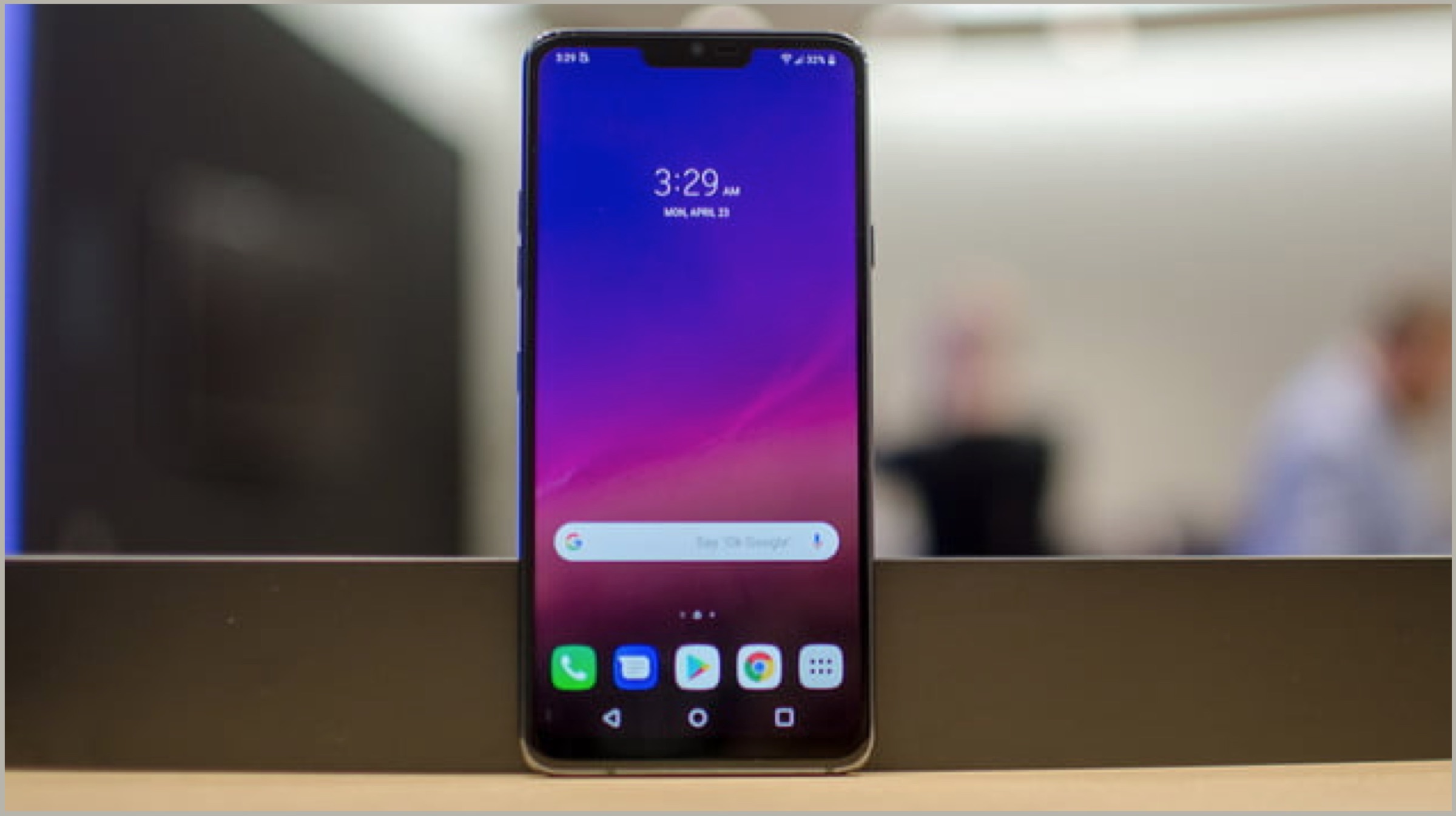
It has a 6.1 inch QHD+ FullVision OLED display, which has a resolution of 3120 x 1440 px. The screen has a 19.5:9 aspect ratio with a pixel density of 537 ppi and HDR 10 support. The device has a similar notch to the newly announced LG V50 ThinQ, which looks a tad bit like the iPhone X. The reason behind the conservative notch is the 3D ToF sensor, which is housed in the notch with the front camera.
Specifications And Memory
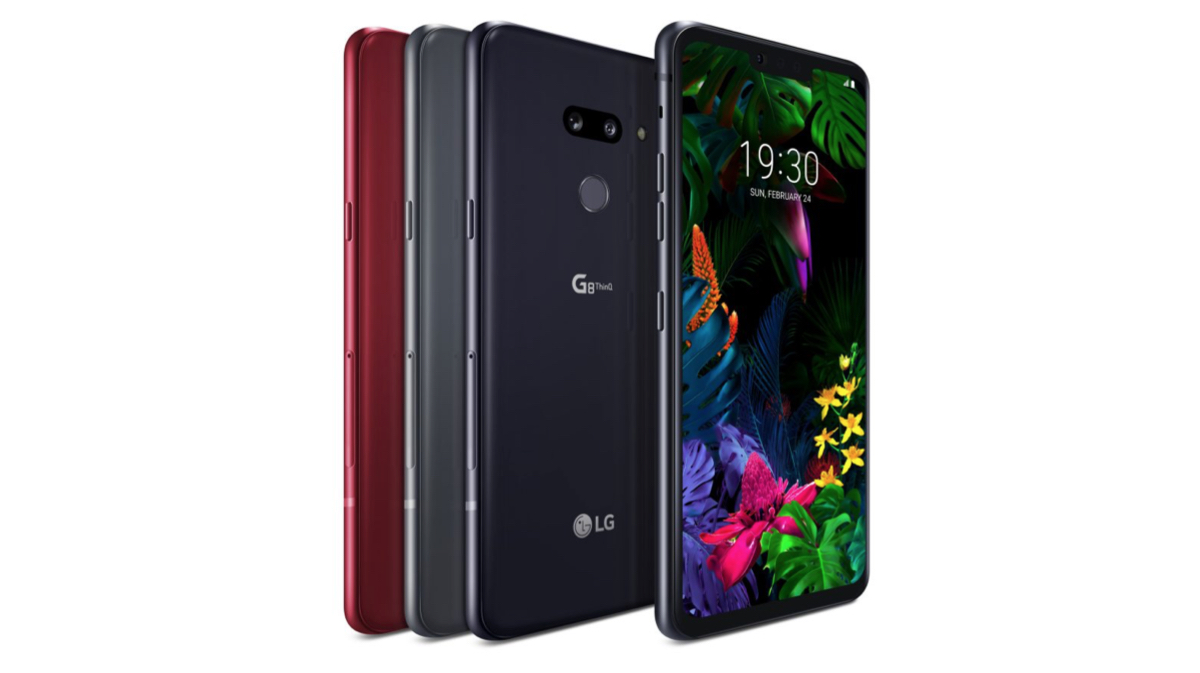 The G8 ThinQ runs on a 7nm Snapdragon 855 chipset, which comprises of an octa-core processor (1×2.84 GHz Kryo 485, 3×2.42 GHz Kryo 485 and 4×8 GHz Kryo 485) and the Adreno 640 GPU. In terms of memory, the smartphone packs 6 GB of RAM and 128 GB internal storage, which can be further expanded using the microSD slot with support for up to 2TB microSD cards. It will run Android 9 Pie out-of-the-box.
Camera
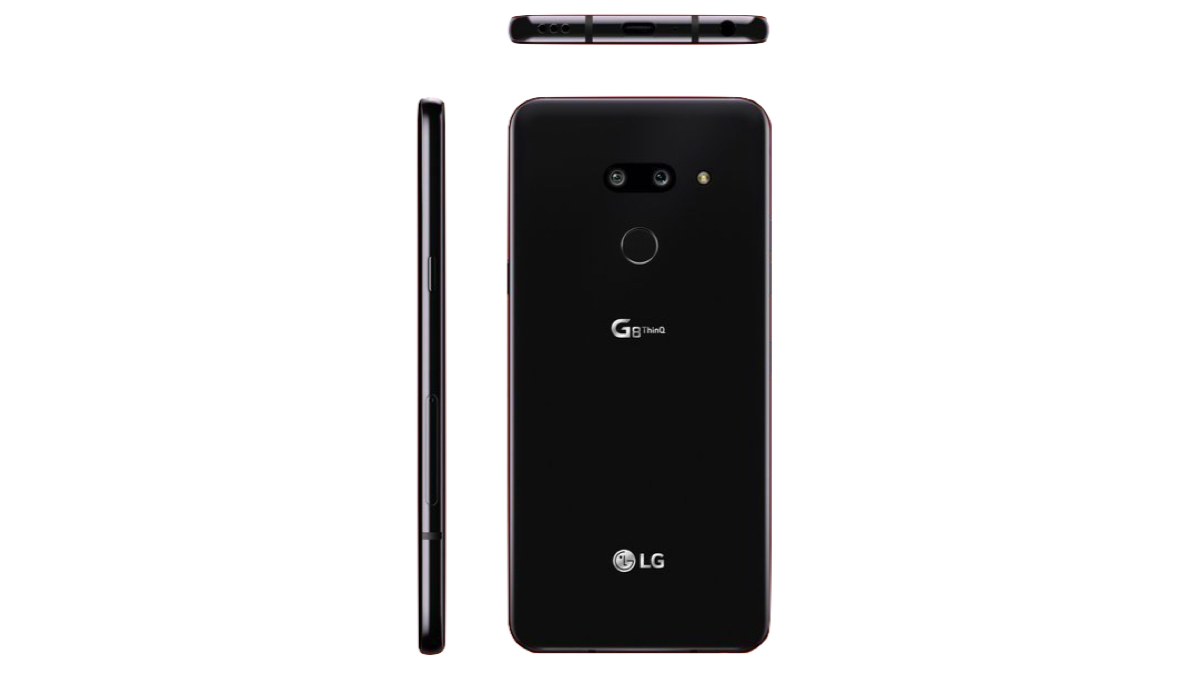 The triple camera module on the back panel of the LG G8 ThinQ is almost identical to the setup on the V50 ThinQ. The module is housed under the Gorilla Glass panel, implying that it doesn’t protrude from the surface at all. It comprises of a 12MP (f/1.5) camera sensor, a 12MP (f/2.4) telephoto sensor and a 16MP ultra-wide-angle camera. It is speculated that the device may be sold in another ‘market dependant’ variant with only a dual camera setup. In terms of the front camera, the device has a single 8 MP (f/1.7) sensor, but the highlight is the 3D Time of flight sensor placed right next to the front camera. The sensor has some really interesting capabilities, which will be discussed later.
Hardware And Features
 The device has a 3.5 mm headphone jack, which lies next to the USB Type C port and a ‘grille’ at the bottom of the device. One of the highlighting aspects of the LG G8 ThinQ is the resonating panel that can produce sound. Known as the CSO (Crystal Sound OLED), LG claims that the panel act as stereo speakers and adds an acoustic touch to the sound quality. Moreover, the CSO also acts as an earpiece for receiving phone calls, so users can literally listen to any part of the screen while conversing. The beforementioned ‘grille’ may be a part of the resonating chamber beneath the screen which is used to redirect audio. 32-bit Hi-Fi Quad DAC is integrated with in addition to DTS:X 3D Surround Sound for headphones. The device packs a 3,500 mAh battery which supports Quick Charge 3.0. It is also IP68 dust and water resistant and meets 14 MIL-STD 810G standards, which means that it can survive drops of over 8 feet without taking any damage.
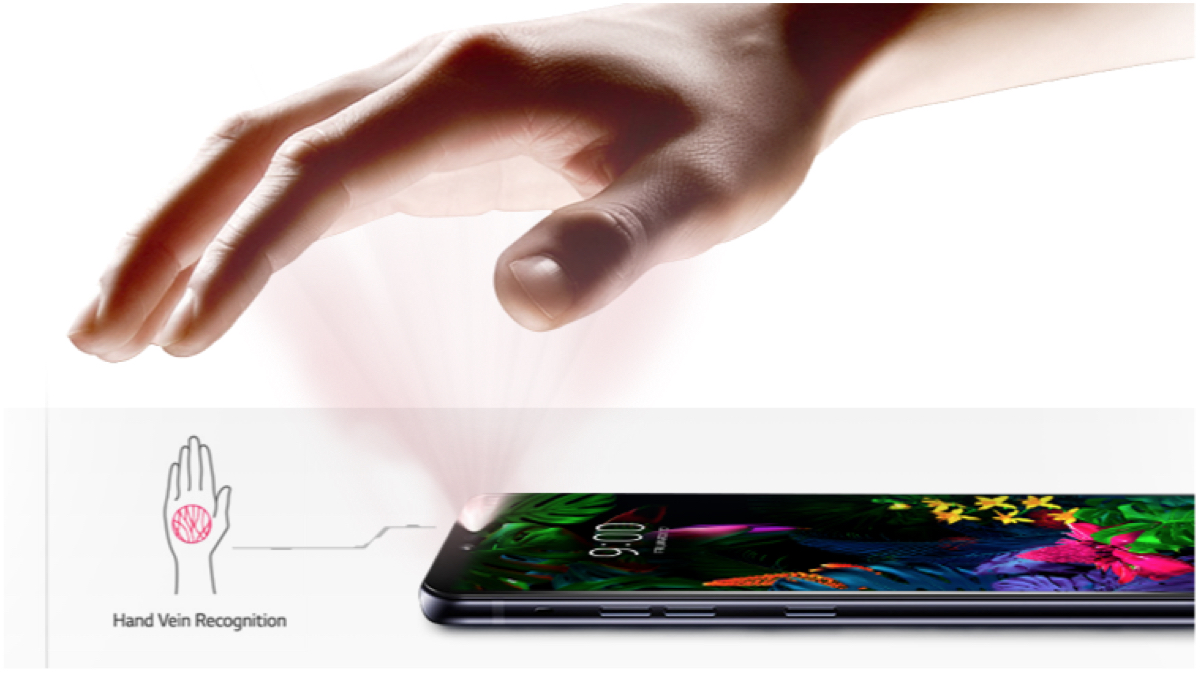
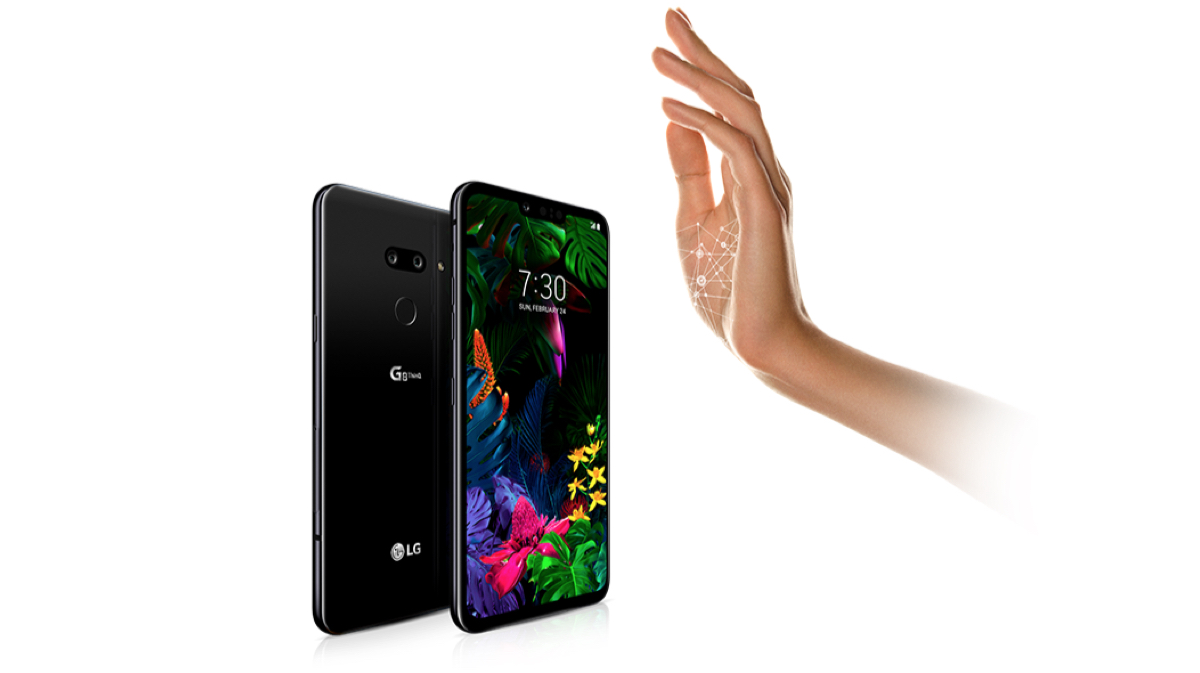 The LG G8 ThinQ has support for Portrait Video Recording in the front camera. It is really intriguing to see how the device will record videos with the bokeh effect. Also, as mentioned previously, the handset has a front facing 3D ToF sensor. Positioning it at the front ensures more functionality from the sensor. Also called the ‘Z Camera’, it claims to be more precise than a dot projector and faster than Apple’s current ‘Face ID’ technology. Also, the ToF sensor can capture an accurate image of a user’s palm – complete with wrinkles and the blood flowing through the veins. Since every person has unique wrinkles and veins, placing the hand in front of the sensor will instantly unlock the smartphone. It can also be used for hand gestures to control various apps in the device. It is still unclear how practical can this be, but sure, it’s an example of ‘useful innovation’ by LG.
Also Read: Budget Oriented Nokia 1 Plus With Android Go Launched
The South Korean company has not made an official statement regarding the release date and price of the G8 ThinQ. However, the device can be expected to hit the market soon.
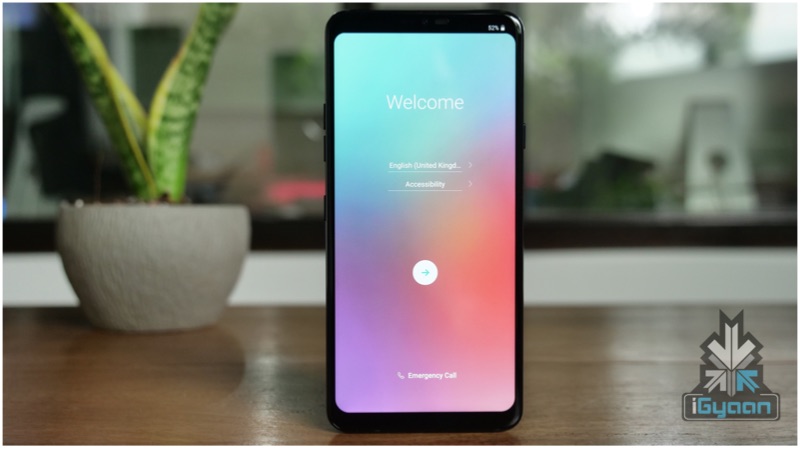
 Basically, the entire OLED display of the device acts as a diaphragm, so the entire screen will vibrate to produce sound. In case you switch your phone to speakerphone mode, however, the sound will be produced through the speakers at the bottom. LG claims that this technology can work perfectly in smartphones, the same way it worked in LG TVs. Crystal Sound OLED technology boosts every musical note you hear while improving sound clarity at the same time. Also, the device has the capability to generate dual channel audio by using the bottom speaker & the display together.
 LG is using Meridien to deliver high quality audio via the LG G8 ThinQ. In addition to this, the LG G8 ThinQ will have support for DTS:X 3D surround sound as well as Hi-Fi Quad DAC. Using Quad DAC, you can listen to high quality sound which is very close to the original sound. Interestingly, the smartphone has Master Quality Authenticated (MQA) so that you can listen to studio quality recordings of your favourite music. Like the LG G7 ThinQ, the G8 will pack a Boombox Speaker too.
 The
The  The G8 ThinQ may have a 6.1 inch OLED display and might offer a QHD+ resolution at 3120 x 1440 px. It is possible that the device is powered by the Snapdragon 855 SoC. The smartphone may or may not be available in different variants, but it is sure to have 6 GB RAM and 128 gigs of internal storage for one of its variants. The LG G8 ThinQ is expected to pack a 3,400 mAh battery, with Android 9 Pie powering the device.