Tag: Glass

  • Microsoft’s Future Smart Glass Might be Able to Read Emotions

    Microsoft’s Future Smart Glass Might be Able to Read Emotions

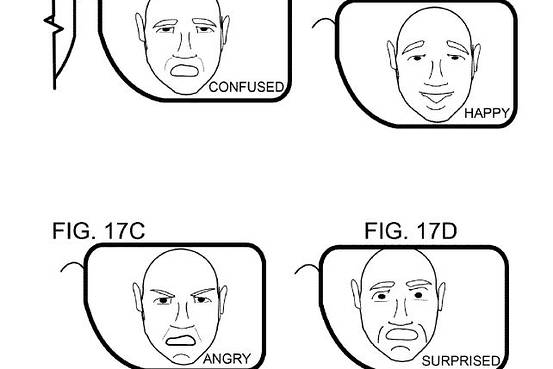
    To remain interesting, wearables are continuously being upgraded. They have a massive potential, and major tech companies are constantly looking to improve their last offering. From smartwatches to smart glasses, possibilities of technology seems only limited  till the emotional spectrum. Recently, it seems that Microsoft may have overcome this barrier. The US technology giant, known for making its mark in the computing world, have recently been awarded a patent for a smart glass that would be able to detect or interpret emotions of people within its range.

    Microsoft glass

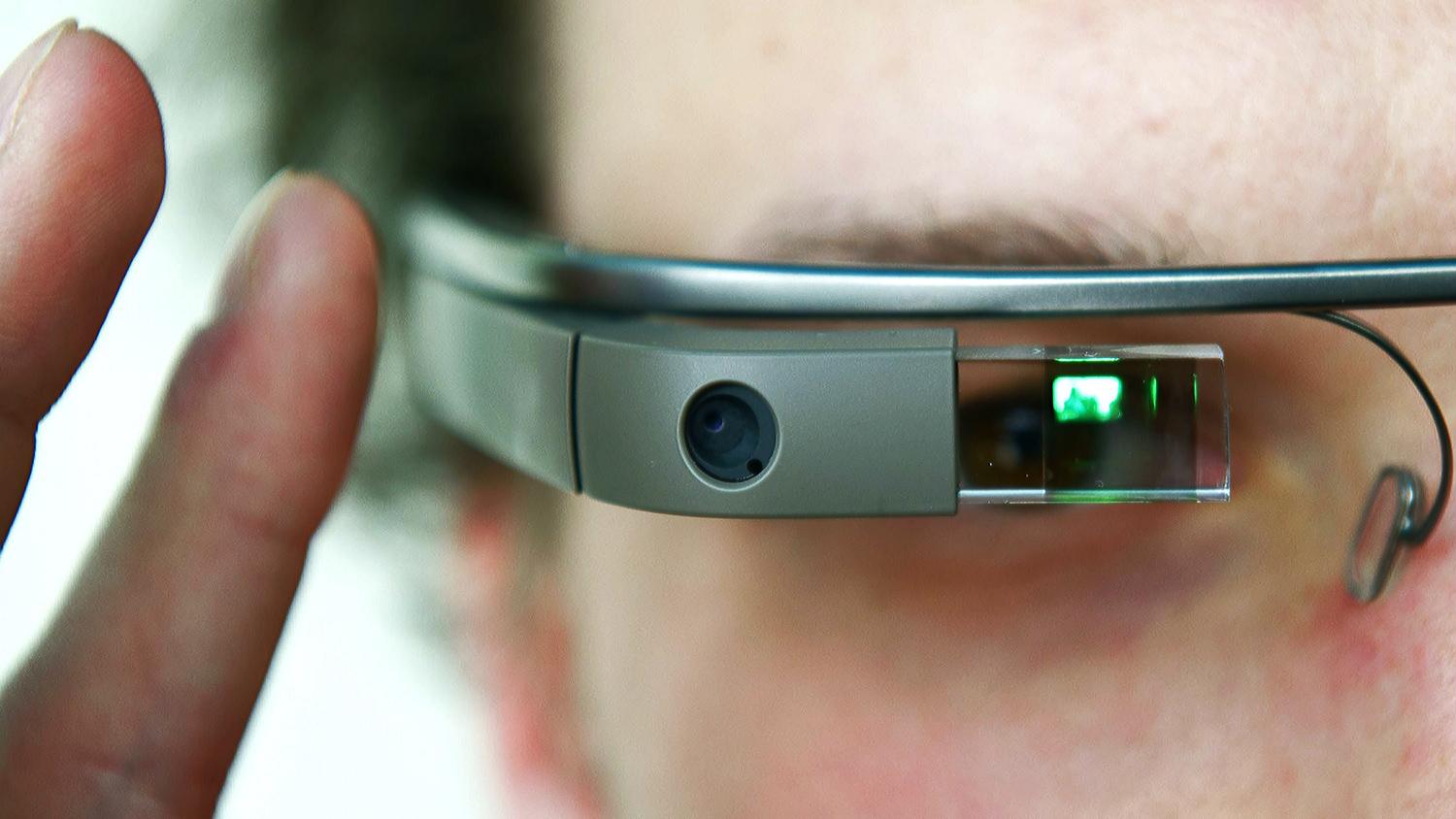
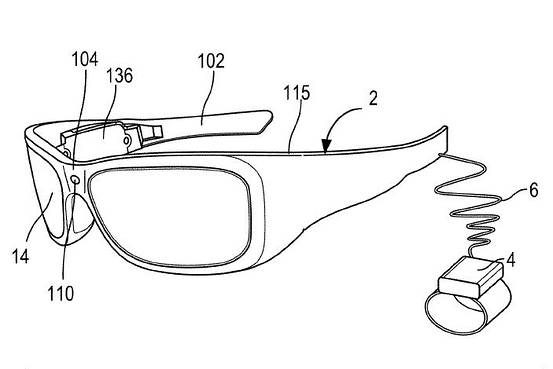
    This patent, filed as ‘a wearable emotion detection feedback system’, was originally filed in October last year and has been announced this week. By judging different variations in speech rhythm and amplitude, choice of words, type and speed of gestures,eye focus and body posture, the glass would be able to determine the emotion of a single person or a group, without them knowing about it. It will use sensors like depth cameras and a microphone under the nose bridge to pick up the audio and video information about the subject.

    microsoft glass 2

    According to Wall Street Journal, its uses were not specified, but one can imagine it will come very useful during interrogation questioning where devices would be able to measure changes in the person’s body temperature or pick up small shifts in the voice tone. According to the patent, this device can communicate with another same device, thus allowing the share of information. This also gives the user a 360-degree view, and can be used in gaming or security work.

    Again, the possibilities seem endless. Let’s wait and watch how Microsoft takes this innovation forward.

  • Gionee Elife S5.1 Unboxing and Hands On

    Gionee Elife S5.1 Unboxing and Hands On

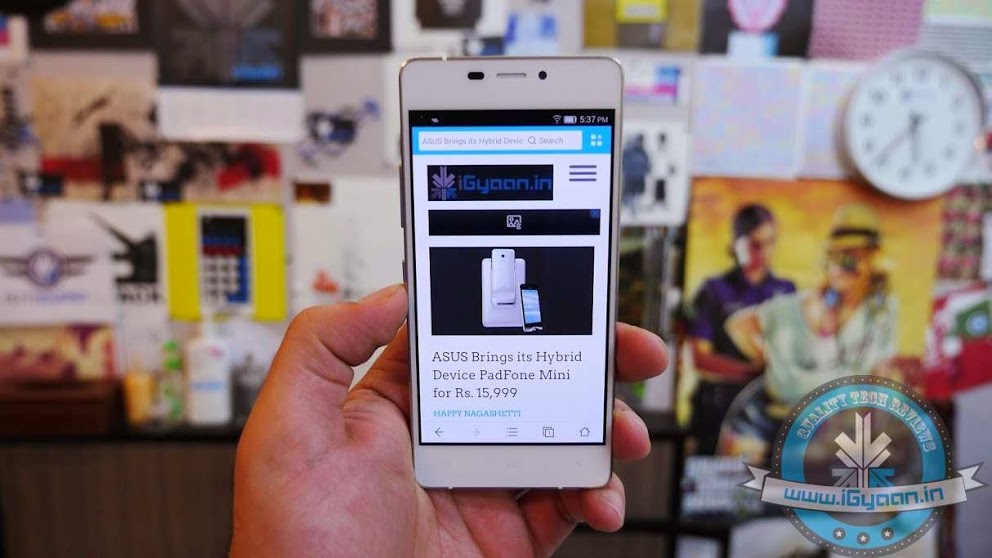
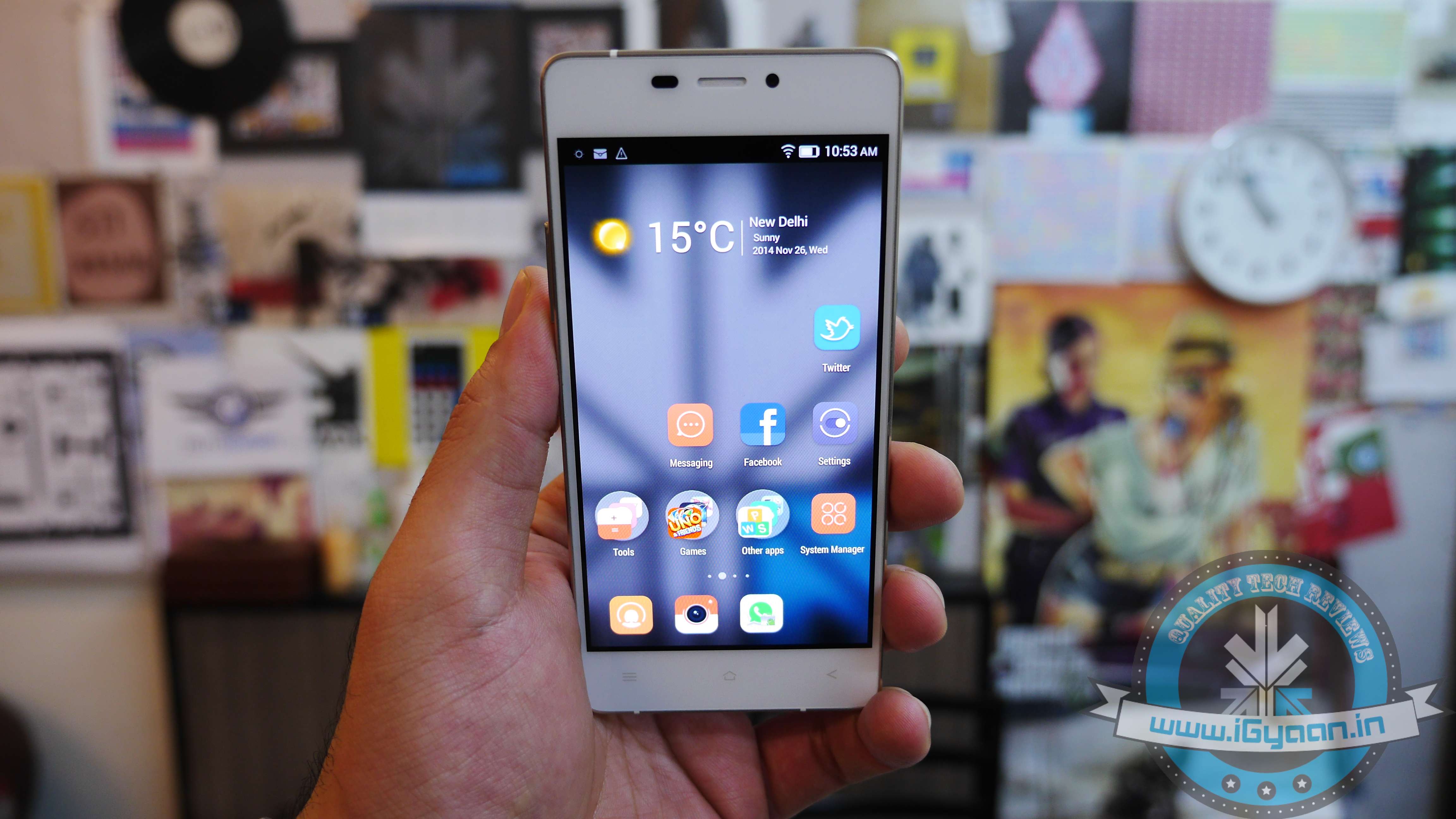
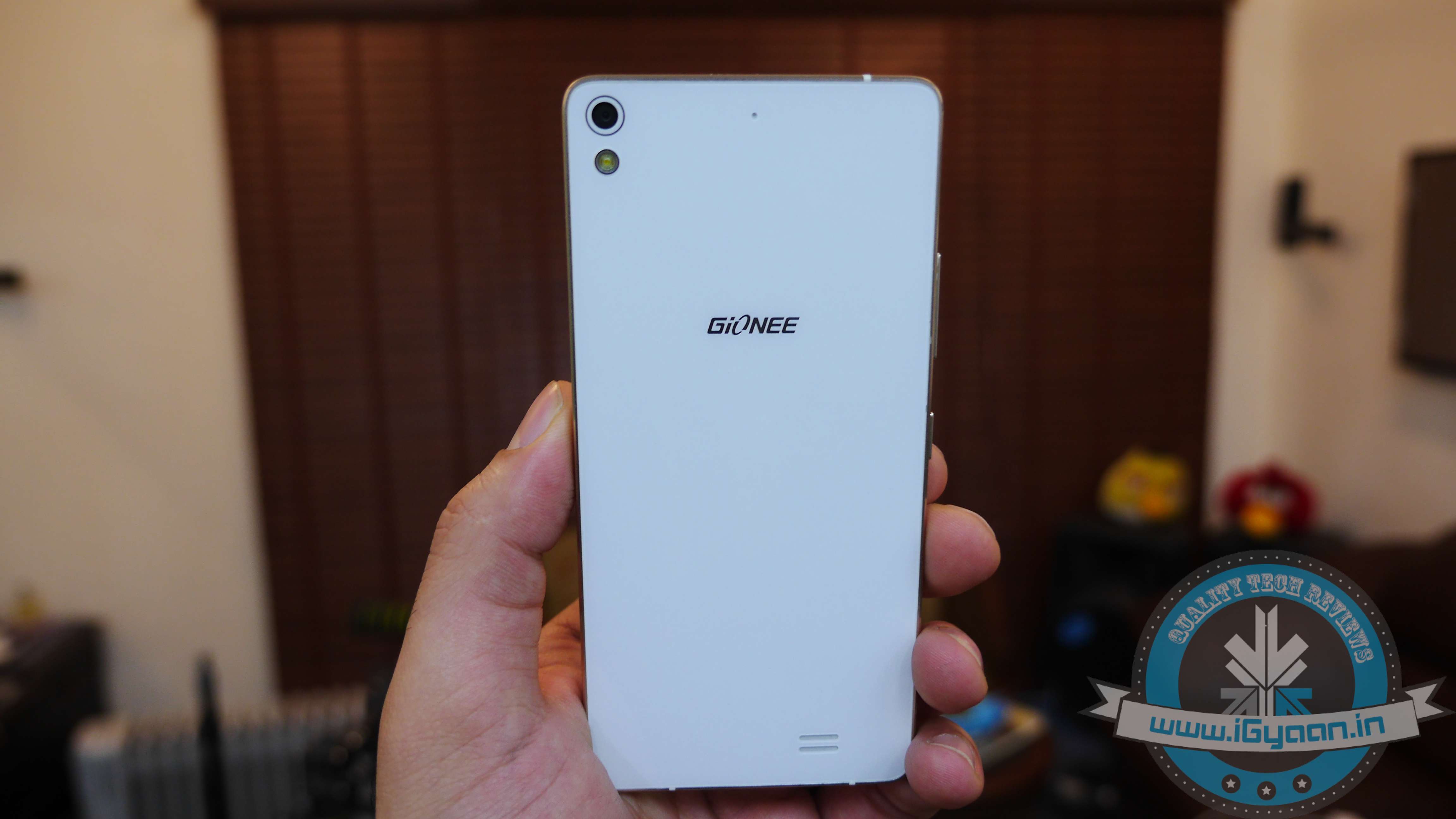
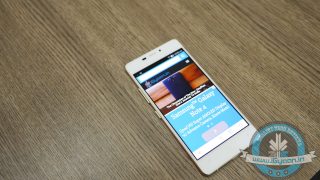
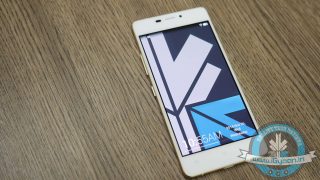
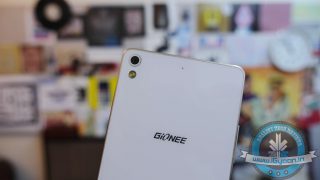
    Gionee’s latest addition to the smartphone lineup Elife S5.1 has arrived in our hands. The second slimmest smartphone just came out of test lab and from the initial impressions, it does look more refined and well built than its previous iteration.

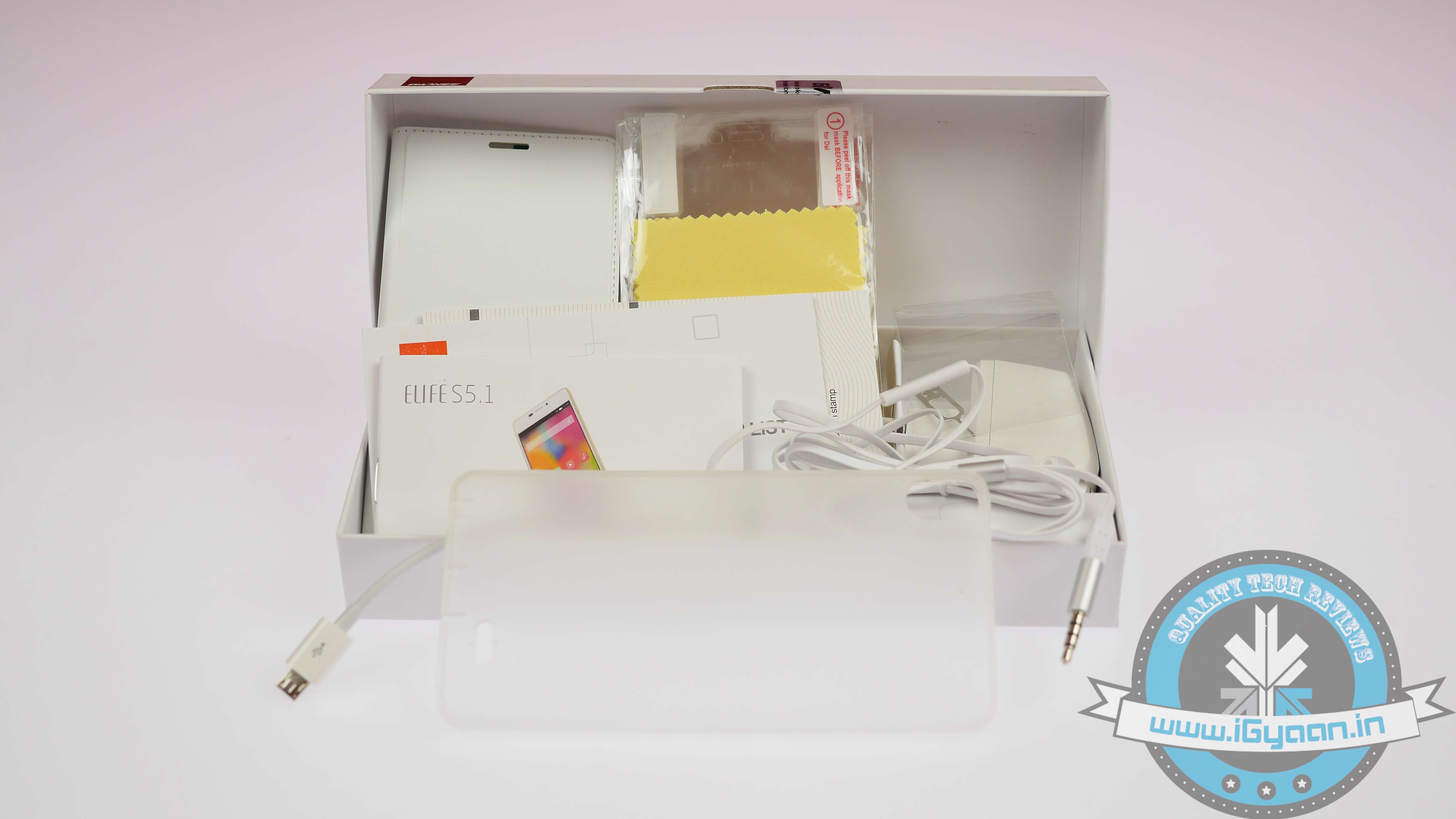
    Gionee has filled the box to the brim with free goodies.
    Gionee has filled the box to the brim with free goodies.

    Out of the box, the first thing you see is the flip case, within which rests the white and gold coloured Elife S5.1. The edges are rounded that make it looks much better and feel excellent in the hand. Along with the standard accessories which include the charger, USB cable and earphones, you get two sets of front and rear protectors. You also get a plastic cover in case you don’t want the flip cover. In addition, there’s an OTG cable, a detailed service list, a warranty card and a SIM removal tool.

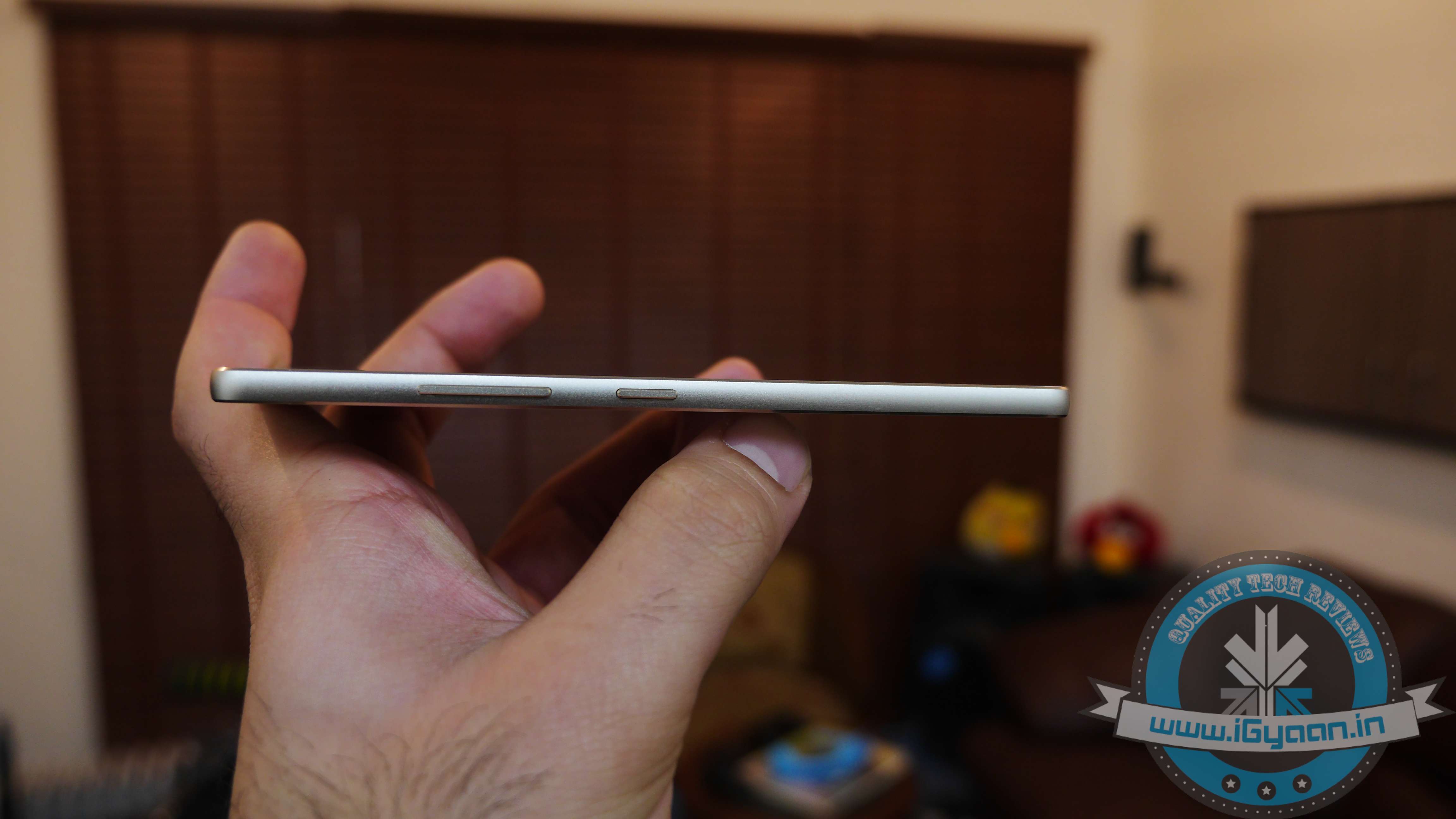
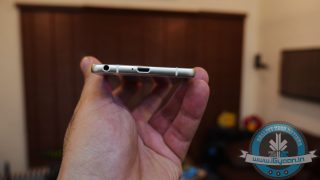
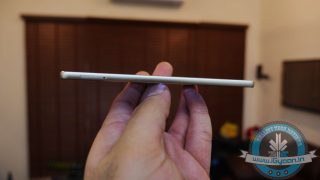
    At 5.15 mm this device brings a whole new meaning to slim and sexy.
    At 5.15 mm, this device brings a whole new meaning to slim and sexy.

    Despite being so slim, it houses a 2050mAh battery which is quite impressive. It has a nice metallic strip running along the sides, which does not come across as sharp as the one we saw with its predecessors and provides an efficient grip. Measuring at just a mere 5.15-inch, it’s slimmer than the latest iPhone and guess what – it doesn’t bend! Not yet anyway.

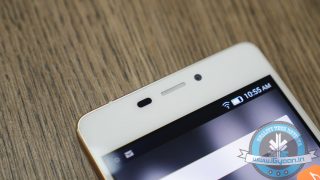
    The Gionee Elife S5.1 features a 4.8-inch Super Amoled HD display with a 1280x720p resolution and has a pixel density of 306ppi. Under the hood, it has a 1.7GHz octa-core MediaTek chipset bundled with 1 GB of RAM and 16 GB of non-expandable built-in storage capacity.

    The phone runs on Gionee's own Amigo UI.
    The S5.1 runs on Gionee’s own Amigo 2.0 UI.

    The camera unit on the phone features an 8MP rear camera with LED flash and a 5MP front camera with 88 degrees wide angle lens (for those wide selfies). Connectivity features include Bluetooth 4.0, MicroUSB 2.0, Wi-Fi, GPS and OTG connectivity. In addition, it has support for LTE connectivity. We get Android 4.4.2 KitKat out of the box with Amigo 2.0 UI onboard, and a hopeful update to Lollipop Android 5.0.

    The moment you turn on the device, you see the latest version of the Amigo UI. Multitasking with Amigo 2.0 is now different as compared to the previous version of the UI. Now instead of the home button, you have to hold down the Menu button, which brings up the same card style interface.

    Gionee S5.1 48

    The device seems really nice; it’s exceptionally slim, making one wonder whether it bends or not. It comes loaded with a bunch of handy accessories and will be announced soon and hopefully, at the right price. We are expecting the Gionee Elife S5.1 to be priced under Rs. 18,000, which seems promising for the handset. It is expected to be available in a variety of colours including white/gold, black, blue and pink.

    Tune in for the unboxing and hands-on video that will be up shortly.

    Key Specs:

    Processor Octa-core 1.7 GHz Cortex-A7
    Display 720×1280 pixels, 4.8-inch (~306ppi pixel density) AMOLED Capacitive Screen
    RAM 1 GB
    Battery capacity (mAh) 2050, non-removable
    Storage 16 GB in-built non expandable
    Camera 8 MP, 3264×2448 pixels, autofocus, LED flash
    Operating System Android OS, v4.4.2 (KitKat)

  • Google Now Selling Accessories to Explorer Edition Owners For Google Glass

    Google Now Selling Accessories to Explorer Edition Owners For Google Glass

    While Google Glass is still away from people, the developers have been trying new ways to use it and enhance its usability. So, the Glass was available to the developers way back and now Google has also started selling out accessories for the wearable device.

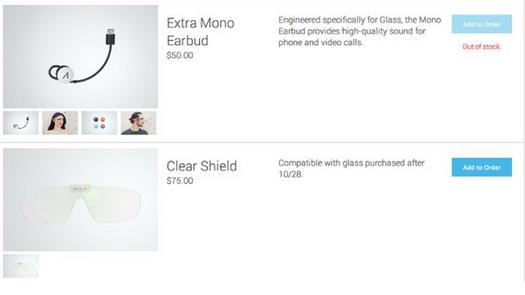
    The option in the store are, a visor like protection for the Glass or may be your eye which is priced at $75, also what is listed is an ear-bud for $50 but is not available as it says out of stock. This can be great for developers as these accessories might come handy for them for researches before Google makes Glass Public. However, this step from the company hints the public availability of the Glass soon.

    Wearable tech may signal the next shift in form factors.


  • Samsung Acquires 7.4 Percent of Gorilla Glass Maker Corning

    Samsung Acquires 7.4 Percent of Gorilla Glass Maker Corning

    Corning has taken full control of Samsung Corning Precision Materials Co. Ltd., which is a joint venture 43 percent owned by Samsung itself. In return, the Korean company will get $1.9 billion worth of shares in Corning, which if converted, would give it a 7.4 percent stake.

    Both organisations have also agreed to a deal that will see Samsung Display supplied by Corning till 2023. The company’s Gorilla Glass is used in most of the high-end smartphones and tablets, which includes products made by Samsung, Apple and even HTC. This deal might create some unwanted heat from other companies who also uses Gorilla Glass.

  • LG Chem Unveils Batteries For Next Generation: Curved Batteries in Production

    LG Chem Unveils Batteries For Next Generation: Curved Batteries in Production

    LG Display has confirmed production of a “bendable and unbreakable” smartphone display. Now, LG Chem unveiled what they have got for the future smartphones as the company unveiled the next generation of batteries.

    Through the exclusiveness of our unique technology, LG Chem has succeeded in launching future batteries that have not existed before. This shall be the fundamental grounds for LG Chem to become a pioneer in the market. As a leader of battery manufacturer, we will continue to strive for Global No.1 by developing more of optimized, safe and long-lasting batteries to make it the business of future generation”, said YS Kwon, the President of Energy Solution Company, LG Chem.

    The company announced that they have curved batteries in mass production, which will power the next generation smart phone from LG. The company calls it “Stack and Folding technology”, while the company claims that they can build batteries that will fit phones, or any wearable devices(watches, glass). The company has the patent of Stack & Folding technology and the mass production of Curved Battery has been started since this month and the products will power the next smart phone line up of LG Electronics.

    [toggle title=”Press Release “]LG Chem to unveil batteries of next generation
    SEOUL–(Korea Newswire) October 8, 2013 — LG Chem, a leading battery manufacturer, is ready to unveil batteries that have not existed before.

    The company announced on the 8th that it has succeeded in breaking the tradition of rectangular shaped batteries to lead the effort to a more sustainable future by mass producing batteries of different shapes.

    The types of LG Chem’s future batteries can be categorized as the following. ? Stepped Battery, ? Curved Battery and ? Cable Battery.

    At the moment, the chemical company is already mass producing stepped and curved batteries. Stepped Battery from Nanjing plant of LG Chem has been manufactured since July to power LG G2. However, the actual production of Cable Battery shall begin in upcoming years.

    First of all, Stepped Battery refers to an integral type of a battery in which two batteries are added on top of each other in the shape of “step design.” The battery takes greater advantage of available space within the device than other batteries as it perfectly suits the changing trend of modern IT gadgets of flexible designs.

    For example, recent mobile devices have been adopting round shapes and designs with rear buttons creating unnecessary “dead space” inside the gadget. With Stepped Batteries, the dead space can be filled up to fully power the handset and also increase the battery capacity.

    In fact, the battery density has increased the capacity by 16% and also the life span by more than 3 hours when applied to the newly launched LG G2, a premium smart phone by LG Electronics.

    The competitors in the market may succeed in stacking two batteries to make it into the step design but due to the increased cost of such technology, rivals will not achieve to do so, unless they can make it to an integral single type just like LG Chem.

    At the Nanjing plant, LG Chem plans to launch Stepped Battery that goes beyond 3 to 4 step designs, stacking up more batteries into one single type depending on customer needs.

    In addition, LG Chem’s Curved Battery refers to packs that can power IT devices with curved screen or flexible designs such as smart phones, watches and glasses. The company has the exclusive patent of Stack & Folding technology which reduces physical stress when realizing the curved design of battery packs. The mass production of Curved Battery has been started since this month and the products will power the next smart phone line up of LG Electronics.

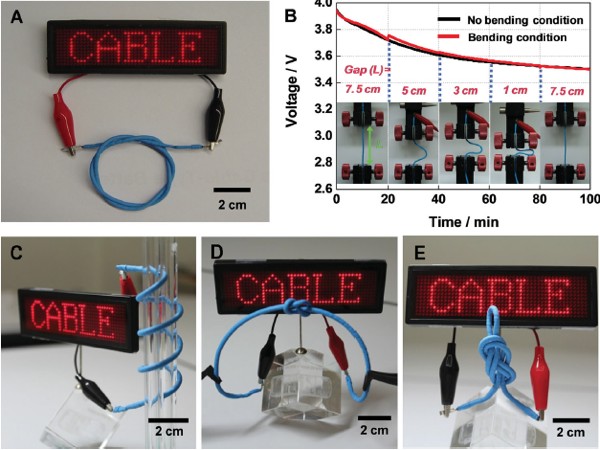
    Lastly, Cable Battery is applied to IT devices that are bendable, wearable and even be tied into a knot. Because it has been designed to use low electricity, the battery does not heat up although the user may operate the device for a long time. Moreover, the waterproof features of the battery allow itself to be used in wearable gadgets regardless of flexible figures, from necklace types to smart watches.

    “Through the exclusiveness of our unique technology, LG Chem has succeeded in launching future batteries that have not existed before. This shall be the fundamental grounds for LG Chem to become a pioneer in the market. As a leader of battery manufacturer, we will continue to strive for Global No.1 by developing more of optimized, safe and long-lasting batteries to make it the business of future generation”, said YS Kwon, the President of Energy Solution Company, LG Chem.

    LG Chem will be participating at the InterBattery 2013, which will be held in COEX from Oct 16th to display and demonstrate related products in a private zone.

    About LG Chem
    LG Chem, Ltd. is a globally diversified chemical company which operates three main business units: Petrochemicals, IT & Electronic Materials, and Energy Solution. The chemical business manufactures a wide range of products, from petrochemical goods to high-value added plastics. It also extends its chemical expertise into high-tech areas such as electronic materials and rechargeable batteries. LG Chem is one of the world’s largest lithium-ion battery manufacturers. For more information, please visit the LG Chem website at www.lgchem.com[/toggle]

  • Now Indian Doctor Uses Google Glass in Surgery

    Now Indian Doctor Uses Google Glass in Surgery

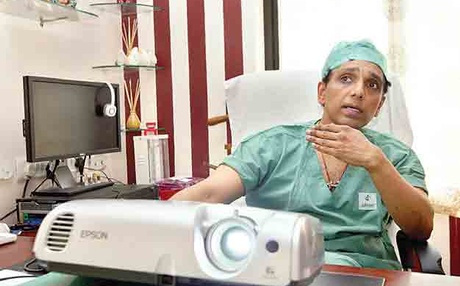
    Not very long ago, Doctors used Google Glass for a surgery at Ohio State University, which helped medical students to see from the Doctors prospective. Now, in India a surgeon operated upon two persons wearing Google glass, allowing people across the globe to see the procedure live.

    Chennai based Dr JS Rajkumar, laparoscopy surgeon and chairman of Lifeline Hospital, became the second surgeon in the world to operate using the Glass on Tuesday.

    Dr-JS-Rajkumar
    Dr JS Rajkumar

    “We at Lifeline have always been ahead technologically and this was just another such attempt,” said Dr Rajkumar.

    “As a surgeon I could access whatever information was available on the surgery right inside the operation theater, and it is also a boon for medical students who can watch the surgery live on their computer screens anywhere in the world. Expert surgeons can guide surgeons during difficult surgeries from any part of the world,” he said.

    Dr Rajkumar admitted to being a bit nervous at the start of the surgery.

    I was a wee bit nervous initially, which was obvious, considering I was aware the whole world was watching. But it was a trial run and there will be more surgeries happening in the coming weeks, this is going to be a game changer as it will give you tremendous transparency, and I am proud to be the first person to introduce it in India,” said Dr Rajkumar.

  • Google Glass No Longer Requires Tethering Plan, Gets App-Based Data Sharing

    Google Glass No Longer Requires Tethering Plan, Gets App-Based Data Sharing

    Explorer Edition of Google Glass is continuously being updated with new tricks, In a normal case scenario to use internet on the Glass, one needs smartphone tethering plans which adds more expense to the ownership of the Glass.

    However, the latest update to the device shows a way to save this additional cost. With XE9 loaded onto the device, the Android app stores data to and from the hardware, overcoming the smartphone’s Bluetooth tethering settings and extra plan needed from some carriers.


    Google Glass is currently only on the faces of a small number of early adopters, so this is not suppose to massively disrupt any carrier incomes. Once the device becomes available to the general public, this firmware update could see some push-back from carriers.

  • GoPro CEO Nicholas Woodman on Building a Google Glass-style Wearable

    GoPro CEO Nicholas Woodman on Building a Google Glass-style Wearable

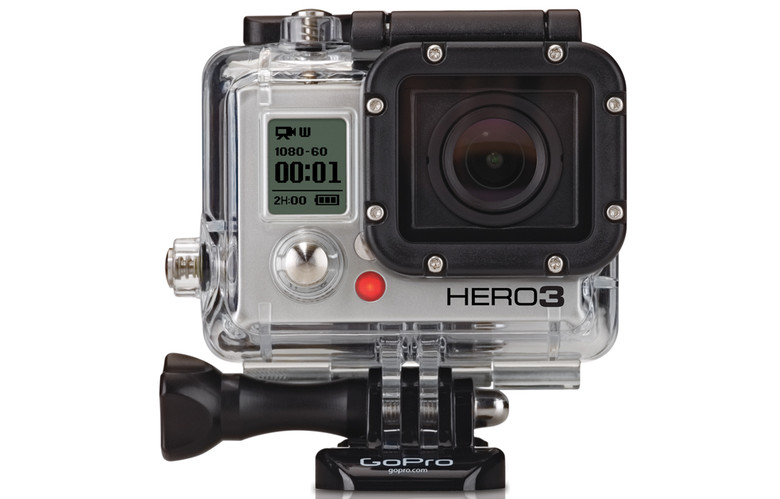
    GoPro is a brand of high-definition personal cameras, often used in extreme action video photography. They are known for being lightweight, rugged or mountable in unusual places such as outside planes, cars, or boats.

    In an interview with Nicholas Woodman(CEO for GoPro), he was asked whether GoPro is working on a Google Glass style product, he suggested that while the company is looking at the space it’s more with a view to thinking about how to interoperate with those type of devices, rather than making a dedicated pair of GoPro Glasses itself.

    I think what’s going to be exciting is you’re going to see more of these products working together,” said Woodman. “You already see it with GoPro and smartphones and  people often ask me are you afraid of the smartphone? And the answer is no — the smartphone is helping our business because it’s killing traditional cameras… which is opening up retail shelf space for GoPro and opening up consumer dollars for GoPro.”

    ”GoPro is used in a totally different way to a traditional camera, and then beyond that the smartphone makes for an incredible video remote control for a GoPro right?” said Woodman. “Now I can preview and control my GoPro with my smartphone, playback my videos and share them directly from the smartphone. Never needing to hook my GoPro to a computer.

    “And then you think of things like Glass and what not — a Glass-like product become terrific heads-up hands-free remote control devices for the GoPros and I think it’s just going to become more and more enabling and you’re going to be able to use your GoPro in even more versatile ways thanks to these complementary products.”

    Woodman said the company is not feeling complacent about potentially having a Mountain View sized competitor, in the not too distance future. ”We’ve very careful to be very appreciative for the success that we have right now but also we still wake up sacred every morning. You know we’re smart but we’re not that smart. Fear drives you a lot harder than success does,” he added.

    Nicholas does not seem to take Glass as its competitor, instead he sees Glass (or other wearables) as an excellent way for folks to interact with GoPro cameras.

    During the interview he was asked which is the best video he has ever seen recorded by the GoPro, he said there are many but the one that come first in mind is :

    [youtube id=”LStXdttFj_o” width=”100%” height=”300px”]

  • About Time! Google Glass Cracked Open In Teardown

    About Time! Google Glass Cracked Open In Teardown

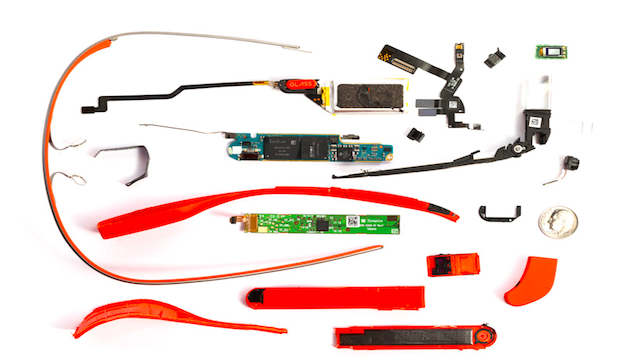
    It was bound to happen at some point, and condolences to whomever sacrificed their frames for the greater good aside, we’ve got our first look at the components from Google Glass and how they’re fitted together.

    The internet owes a deep thanks to Scott Torborg and Star Simpson who did a detailed tear-down post on the Google Glass.

    Some of the motivation for the tear down was purely technological while some of it was driven by the growing concerns about privacy and personal security in the US.

    “Growing up on a rich diet of dystopian tech fiction, we were filled with both intrigue and concern about Glass and decided to take our model apart to bring you a detailed view into the electronics guts of the device.

    It is not surprising that the camera is similar in quality and resolution to cameras found in your everyday smartphone:

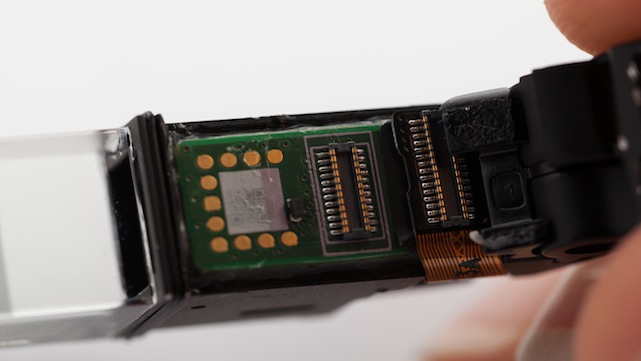
    “The Glass camera seems to be of typical smartphone-level size and format. It is not coaxially aligned with the wearer’s eye. The camera and display appear to talk to the CPU independently, with no direct connection between each other.

    The main board, which is held in place with “lots of paste.” Removing said paste revealed a TI OMAP4430 chip and a 16GB SanDisk flash chip. Next was the battery, which also required tearing the plastic in order to get to it. Obviously, this means users cannot replace the battery on their own. The rest of the teardown is detailed in extensive pictures, which you can check out at the link at the bottom.

    Google Glass

    According to the Google Glass Tech specs page, Glass has a 5-megapixel camera that can shoot video in 720p. It supports 802.11 b/g Wi-Fi and Bluetooth. Audio is provided by a bone conduction transducer, and the display is “the equivalent of a 25-inch high definition screen from eight feet away.” As for buttons and connectors, Glass has a Listen button, on/off button, capture button, touch sensitive area, and Micro USB port for charging. There’s also a status LED and rear-facing sensor array.

    [Catwig]

iGyaan Network
Privacy Overview

This website uses cookies so that we can provide you with the best user experience possible. Cookie information is stored in your browser and performs functions such as recognising you when you return to our website and helping our team to understand which sections of the website you find most interesting and useful.