Corning has just released Gorilla Glass 5, and with two of the biggest launches in the smartphone industry just around the corner you should get excited.
While not openly said, Gorilla Glass was first and originally developed for the first iPhone. Corning will be shipping Gorilla Glass 5 this quarter and the iPhone 7 which is slated for a September launch may get the latest Gorilla Glass 5, and so may the new Samsung Galaxy Note 7.
About 4.5 billion of the world’s phones use Gorilla Glass on their displays according to Corning. The technology behind Gorilla Glass was developed originally for Automotive industry, and this year, Ford announced that the 2016 GT model will have Gorilla Glass windshields. Some ATM also have an antimicrobial version of Gorilla Glass on their displays.
We recently did a survey, and it’s fairly obvious that everyone drops their phone. We find that the average height is over a meter high. Based on our internal data on drop events, our data shows that Gorilla Glass 5 outperforms 4 by 1.8-times. -SVP Jim Steiner
Corning Gorilla Glass 5 is designed not only to withstand the scratches that Gorilla Glass 4 could, but also take drops from selfie height. Failure of Gorilla Glass 5 entails any manner of cracking, dropped for a height of 1.6 meters . This was achieved thanks to new materials that make up the glass, as well as the chemical used to strengthen it.
A couple of the more popular words for the young, tech-loving, connected generation today are “Gorilla Glass”. But what is the story behind Corning Gorilla Glass?
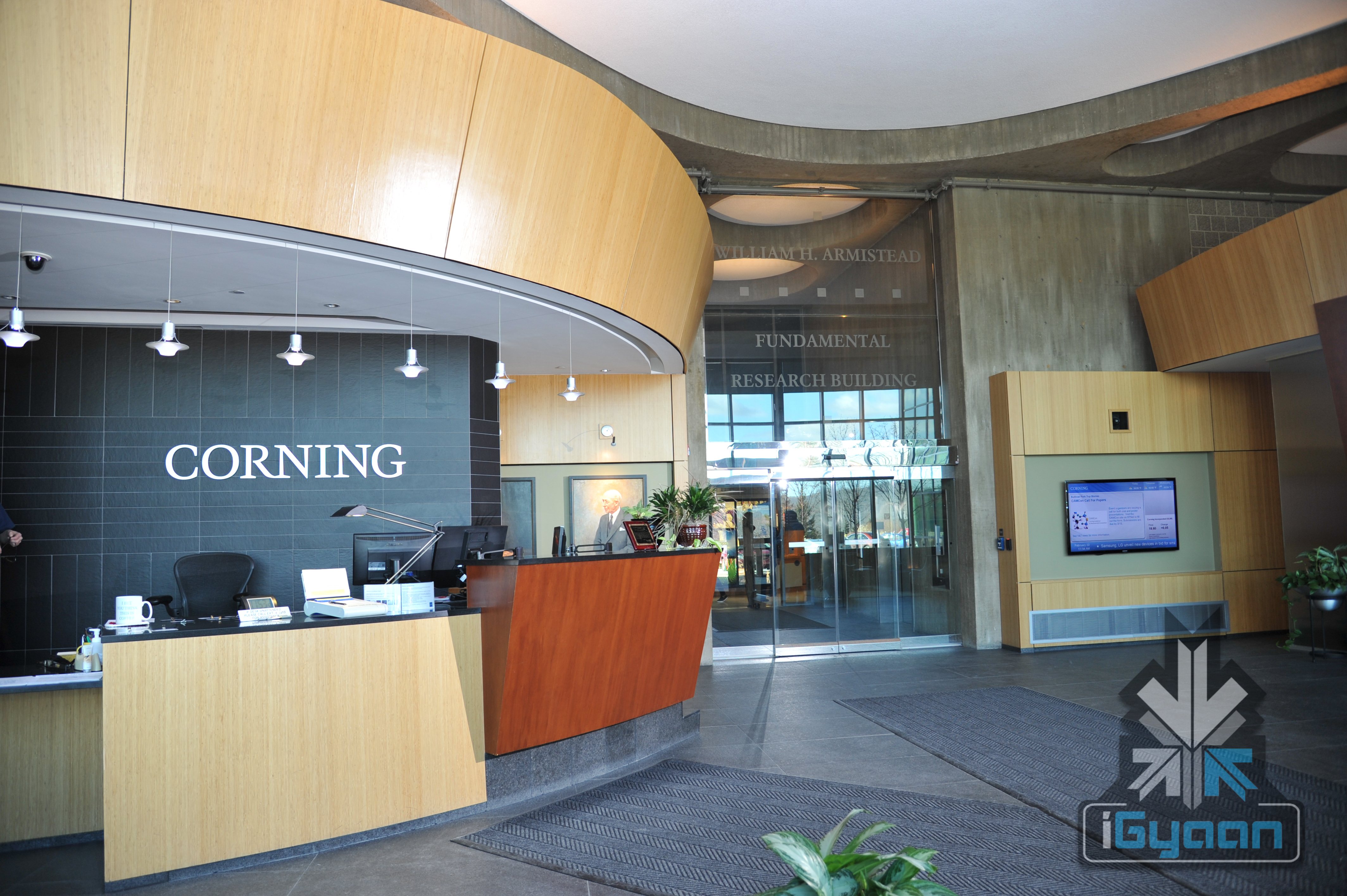
Situated in the city of Corning in the state of New York are the headquarters and research facilities of the world famous glass-maker, where Corning engineers are immersed in the future of glass. And while for most of us Gorilla Glass in itself is a magical creation, the team at Corning has a lot more up their sleeves.
Visiting the Corning lab and test centers is no joke. As one would expect, the high-security areas hold years of research worth billions of dollars and countless man hours.
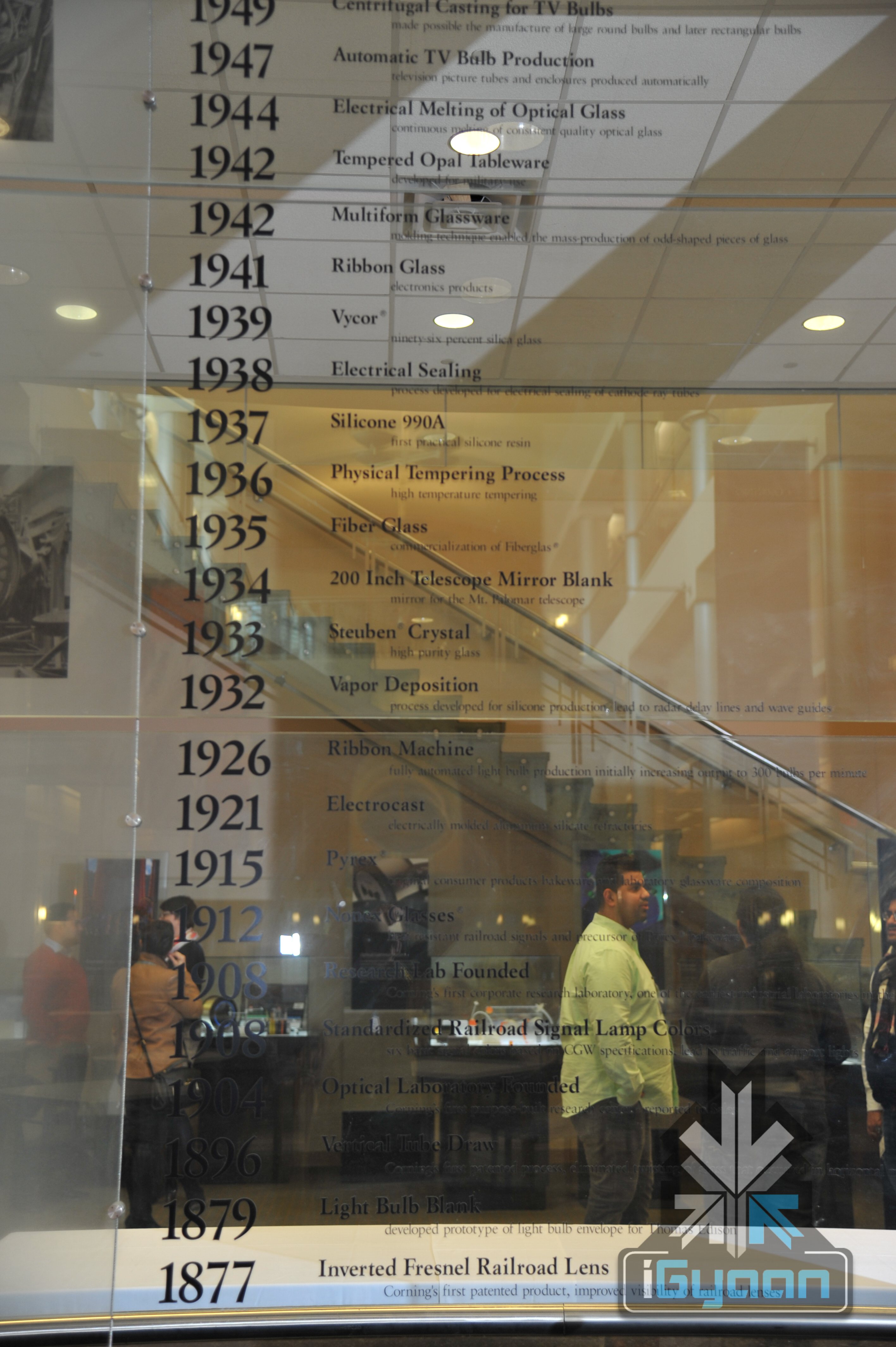
Corning’s journey in the glass industry spans much more than a century. In the year 1879, Corning worked with Edison to make the bulb-shaped glass for the incandescent light bulb. Fast forward to 2016 and you will find Corning Gorilla Glass specifically in many modern portable devices..
Gorilla Glass is made from a fusion draw process which was developed by Corning for the automotive industry. However, at that time, the glass technology designed by Corning and the fusion draw process turned out to be too expensive for an industry looking for a cheap solution, putting fusion draw on hold.
Corning decided to revisit fusion draw technology when a big manufacturer wanted to launch a smartphone in 2007 and needed a glass solution for a capacitive screen display. The fusion draw process was utilized along with an ion exchange process, which added compressive strength to the glass, helping it become resilient and resistant to breaks.
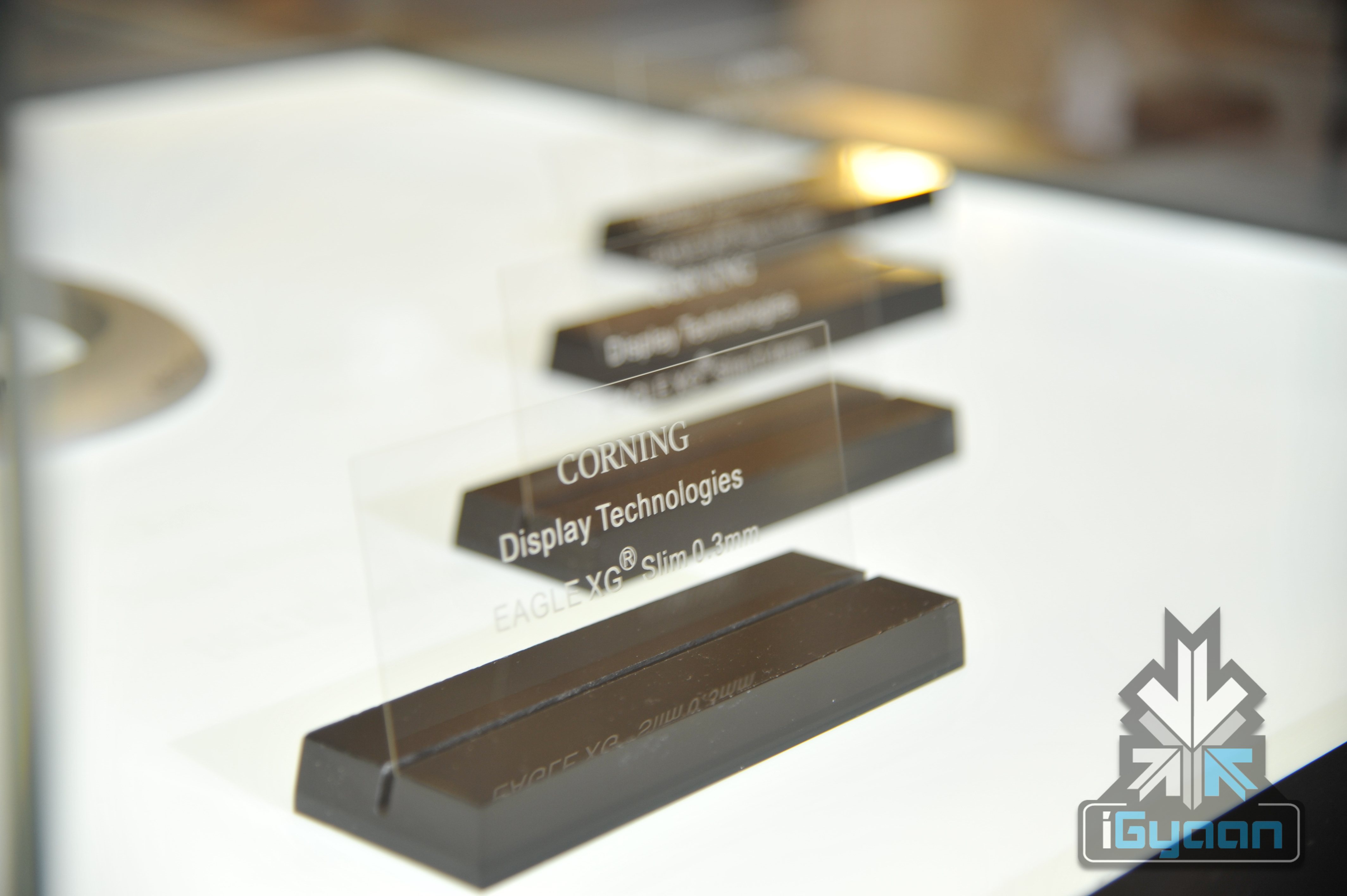
Corning develops various forms of glass even today, and Gorilla Glass is specifically meant for portable electronics. But it does not really stop there, as many applications for a light-yet-tough glass solution exist in our modern developed world. The technology is being used by architects for interior design, can be used by appliance manufactures and is even being designed into automobiles as part of interior touch panels, and windshields.
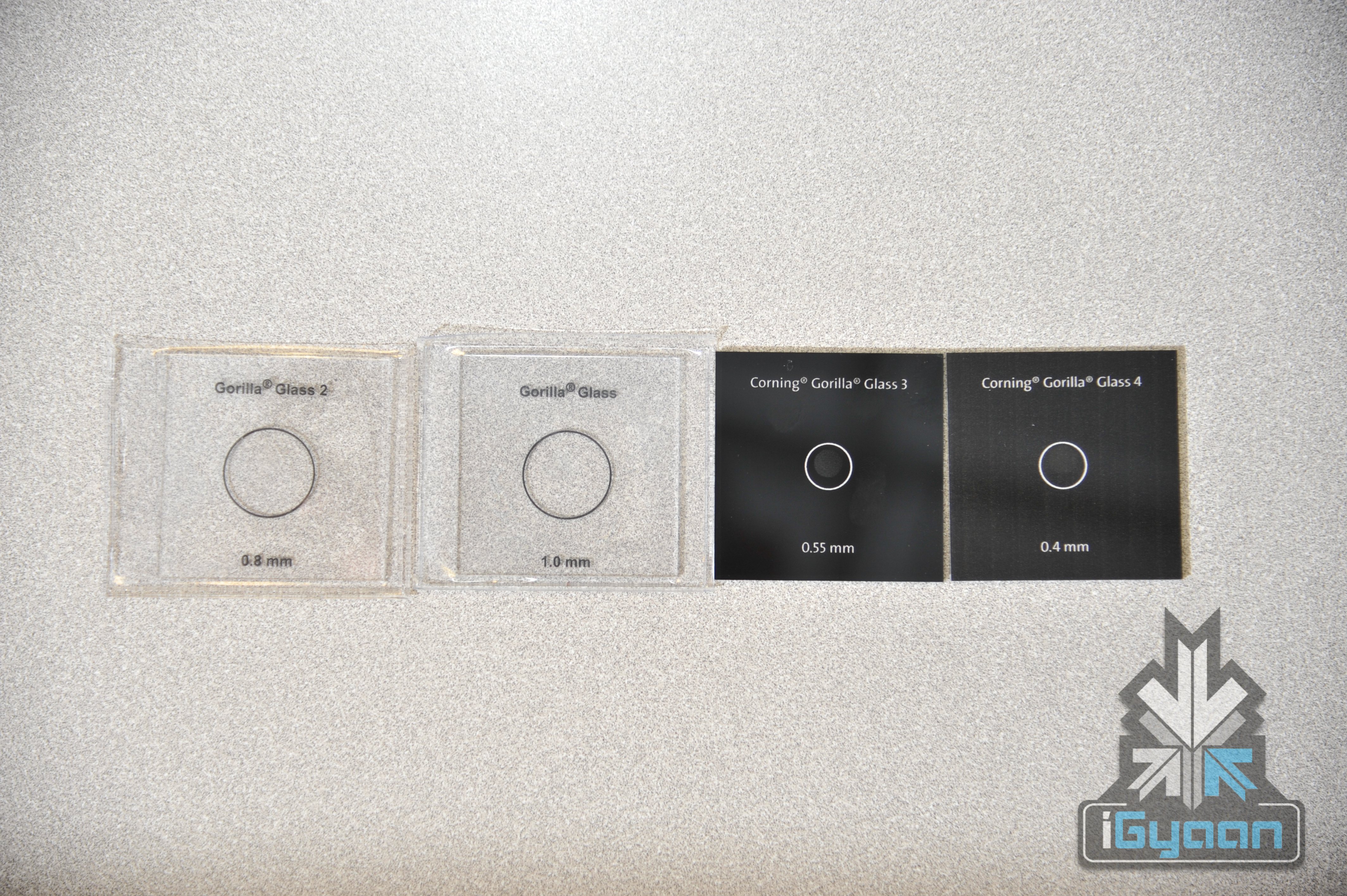
Corning also has improved the composition with each generation of Gorilla Glass. As the number increases, Corning is focusing on a specific customer need. Gorilla Glass 3 was designed to be more scratch resistant along with usual impact resistance and Gorilla Glass 4 was designed more to resist impacts from drops on rough surfaces.
Why Glass Breaks
One of the main reasons for glass breaking is the introduction of flaws on the surface of the glass. A tough single sheet of glass becomes vulnerable to cracking and breaking with the introduction of a single scratch.
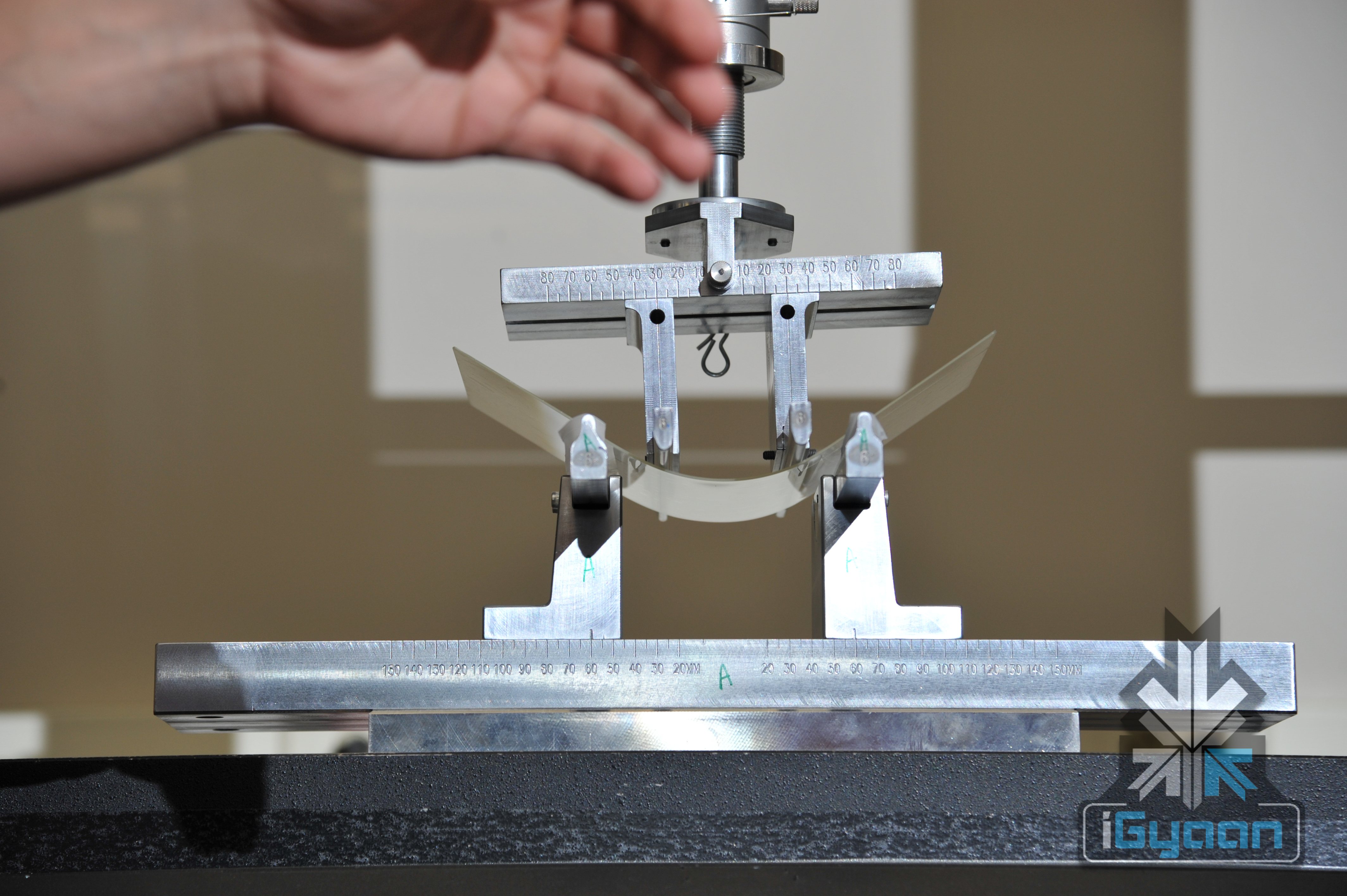
Bend Test Gorilla Glass 4
Corning conducts tests on a daily basis to understand scenarios that could introduce flaws on the surface of the glass. Tests include tumble tests, scratch and bend tests along with concentrated tests like a steel ball drop test or a simple scratch test.
Today the smartphone industry is fighting to create slimmer phones, and the glass-maker is constantly under pressure to make its glass slimmer and slimmer. Reaching a 0.4mm thickness already with Gorilla Glass 4, Corning is expecting the market to be even more aggressive in demanding a thinner front glass solution.
While most of the components on the spec list of the best new smartphone tend to be from one manufacturer or another, it seems that the real innovation may lie more with component manufacturers like Corning rather than smartphone manufacturers who seem to just be putting it all together.
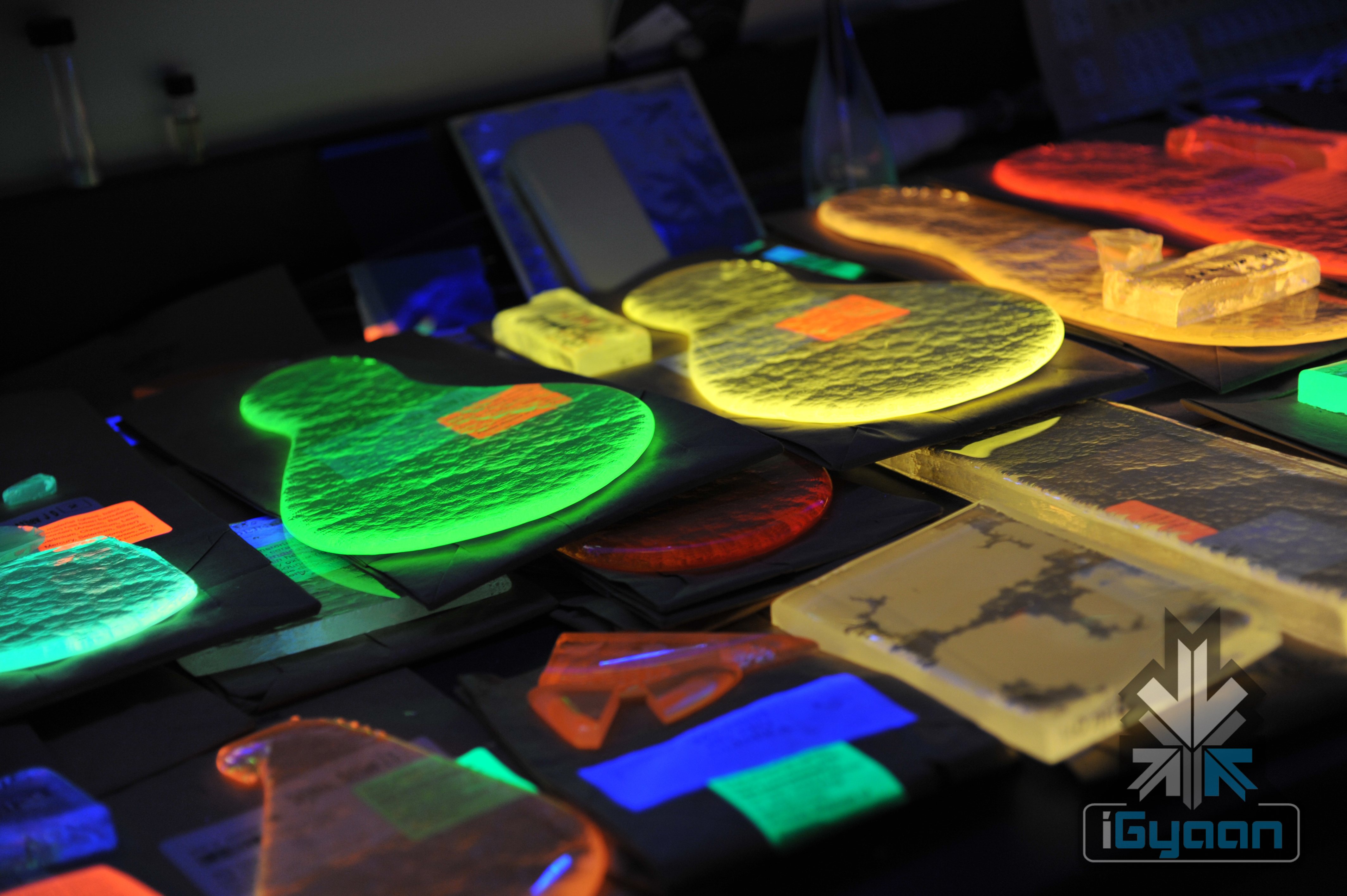
Under the UV light
While we are not sure how long it will take for a form of glass which will “never break” to be made, it is very interesting to see car companies take an interest in Gorilla Glass for their windshields. The technology has not only come full circle and achieved its original purpose, but it has found a better implementation in our daily lives. The Gorilla Glass name has become well-known in the glass industry and with smartphone and tablet owners globally