Tag: hatchback

  • BMW i3 Electric Car Made Official Worldwide

    BMW i3 Electric Car Made Official Worldwide

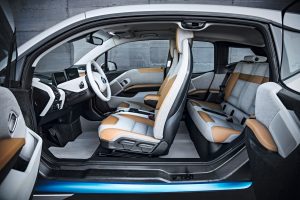
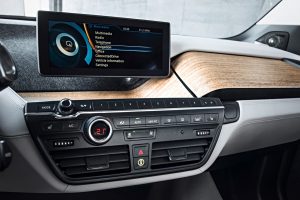
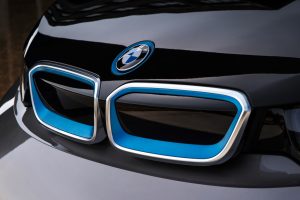
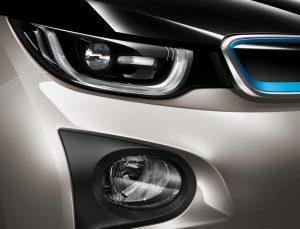
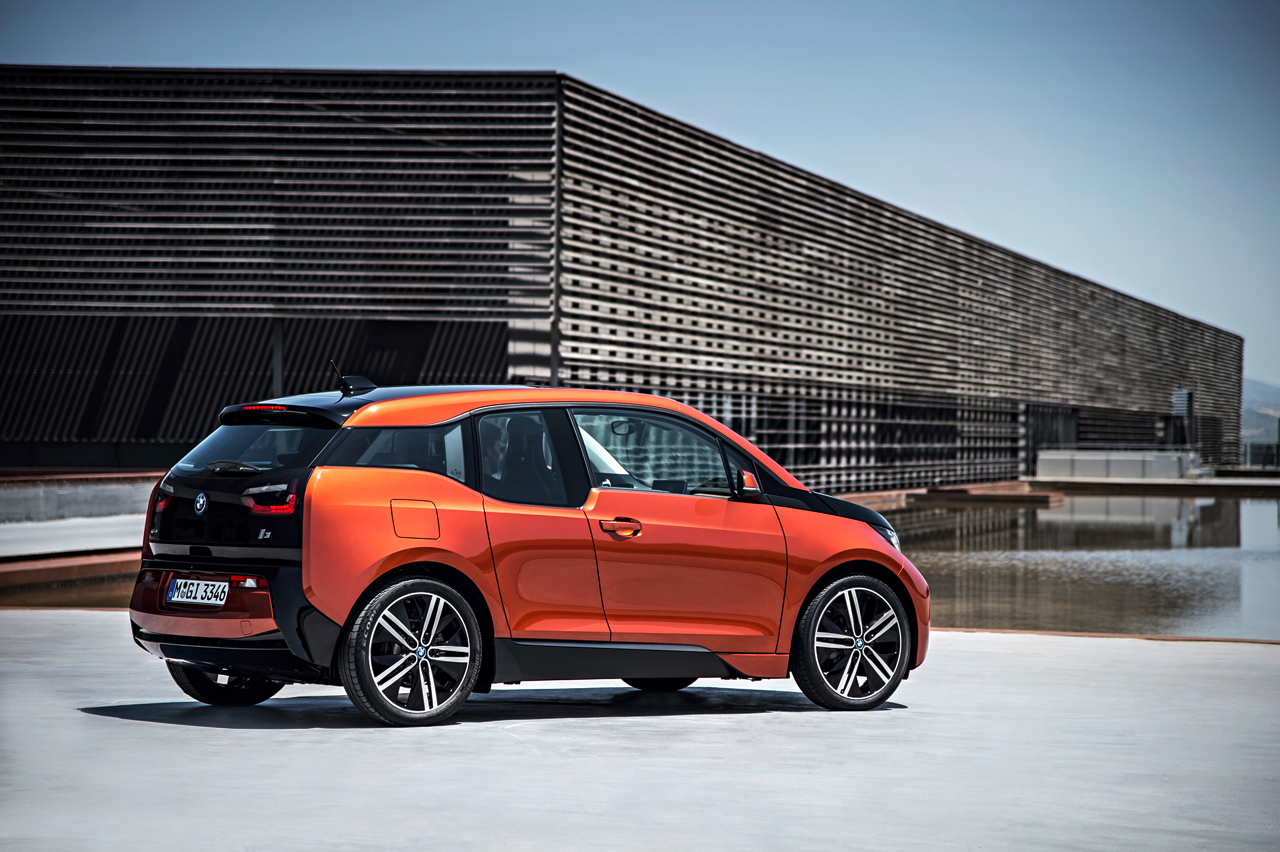
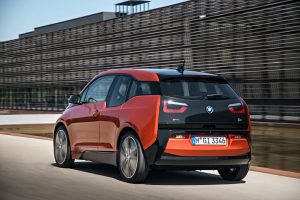
    Today marked what BMW hopes was a momentous day in its history, and especially the era of the electric vehicle. In a high stakes bid for electric vehicle supremacy, BMW unveiled the production version of the electric i3 hatchback – the first of what the German automaker promises will be a complete range of alternative drive models to be sold under its new ‘i’ brand. Simultaneous presentations in London, New York and Beijing were witness to the reveal of the innovative and much anticipated electric car. Unlike most cars today, the production version of the contemporary-styled hatchback managed to stay true to the concept displayed at the 2011 Frankfurt Motor Show. The most prominent change from the concept came in way of a five door bodystyle in place of the original three door arrangement, for obvious added practicality and ease of entry to the rear.
    i3

    The i3 will go on sale in the US for $41,350 in the second quarter of 2014, exclusive of any state or federal incentives that could lower the price or the $925 destination fee. The i3 will be available with three trim levels at launch, which BMW is calling ‘Worlds’: Mega (standard in the US), Giga and Tera.

    The BMW i3 is truly revolutionary, with tons of new technology, probably because it was designed as an electric vehicle right from its conception. This has resulted in a vehicle layout unique to the i3, which the Bavarian manufacturer calls ‘LifeDrive‘ architecture. It features components called the ‘Life Module’ and the ‘Drive Module’.
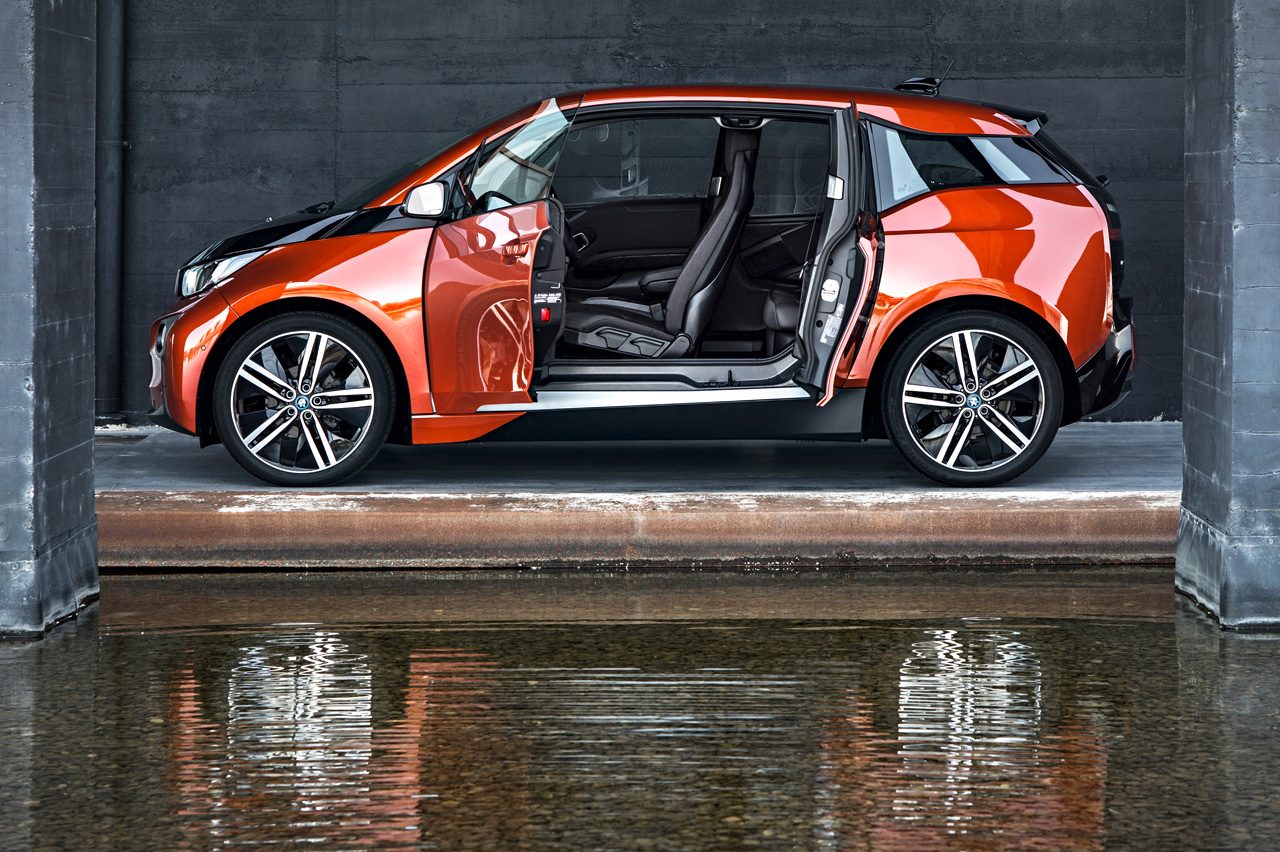
    i3

    The Life Module is the i3’s pillar-less passenger cell, and is all set to become the first mass-produced monocoque made of carbon fiber reinforced plastic (CFRP). The tougher-than-steel material, usually seen only on very expensive supercars, is 30-percent lighter than aluminum, which results in the i3’s relatively light weight of approximately 1,200 kilograms. The Drive Module is basically a 100-percent aluminum chassis which is mounted under the Life Module and houses the hatchback’s powertrain. The 22-kWh, 250-kilogram lithium ion battery is mounted as centrally as possible to optimise vehicle dynamics, and provides power to a rear-mounted synchronous electric motor which drives the rear wheels.
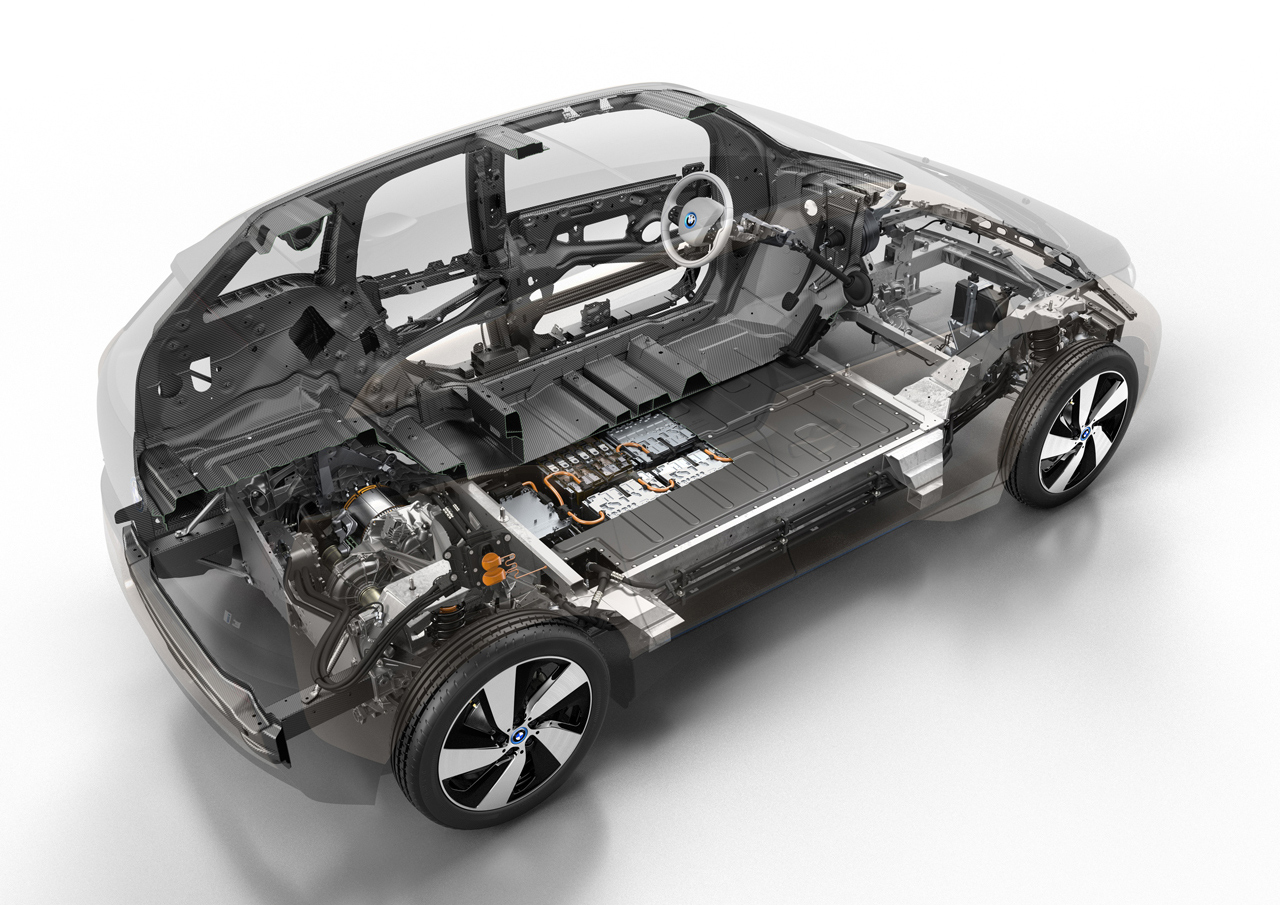
    i3

    The in-house produced unit, known under the BMW eDrive banner, provides 170 horspower and 25.4 kgm of torque. This translates to a 0-100 km/h time of about 7.0 seconds, but a relatively low top speed of only 150 km/h. Drive is sent through a single ratio gearbox mounted to the end of the electric motor, offering the choice of three driving modes: Comfort, Eco Pro and Eco Pro+.

    The lithium ion battery is produced by Samsung and bears a warranty valid for up to six years or 1,60,000 kilometres. It consists of 96 individual cells mounted within the flat floor structure and has been designed to allow the replacement of damaged cells on an individual basis. BMW has mounted the battery as low as possible in the i3’s carbonfibre structure as possible, allowing a claimed centre of gravity lower than that of the BMW X1 compact SUV.
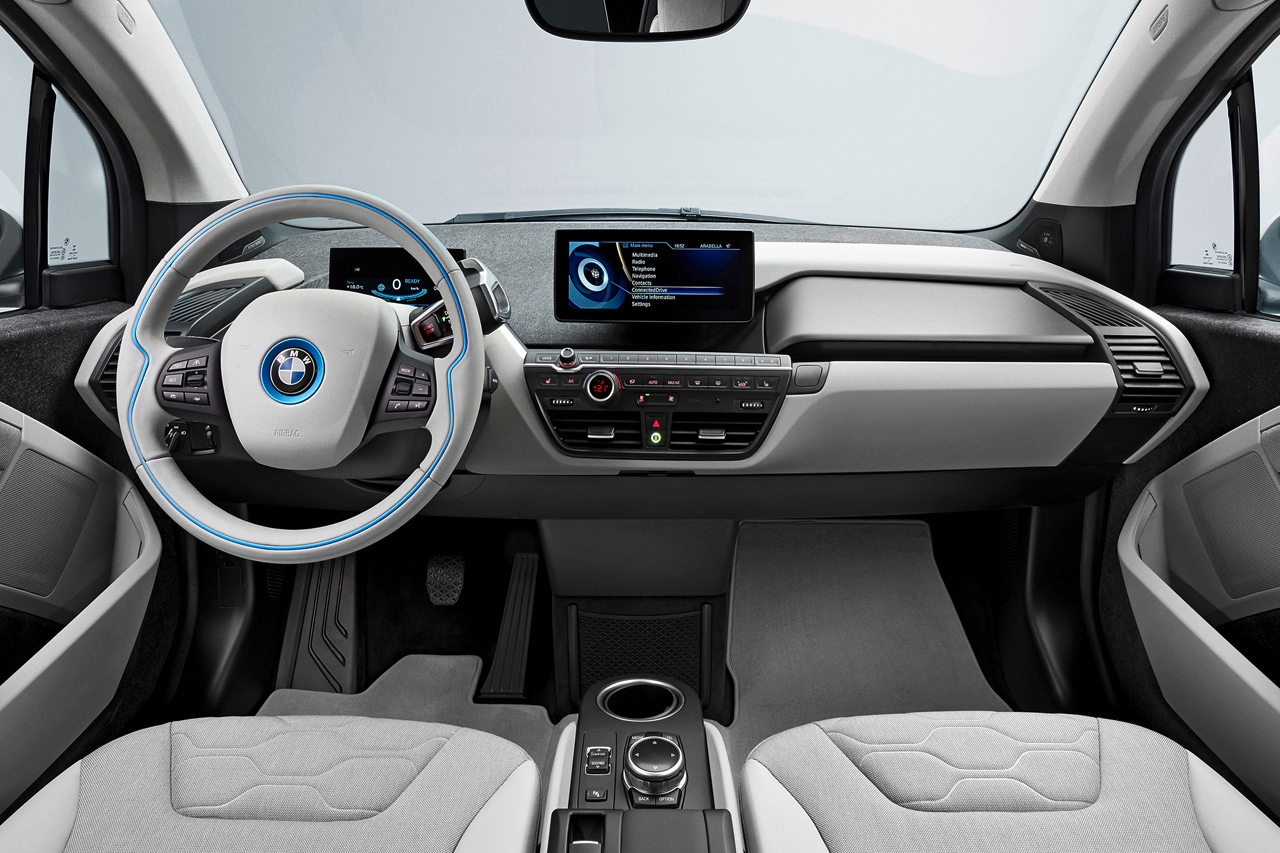
    i3

    According to BMW, the i3 has a real-world range of 130-160 kilometres, and the standard charger can fill the battery in three hours. However, if you go for the optional SAE DC Combo Fast Charger, you get 80% charge in 20 minutes and a fully charged BMW i3 in half an hour. If the range is an issue for you, BMW provides the option of a 34 horsepower, 650cc two-cylinder generator as a range extender for the electric drive system.

    The attractive little car was conceived under the working title of Mega City Vehicle, in order to focus attention on its suitability for urban driving. Reportedly, BMW has spent up to €2 billion (over Rs 15,000 crore) in research, development, testing and production processes for the new four-seater. At first glance, the BMW i3 seems to be properly revolutionary. Technologically marvellous, and visually very appealing, it may become the first real mainstream electric vehicle, in history.

    Check out some pictures of BMW’s new electric hatchback, and let us know what you think in the comments below!
  • Mini Vision Concept Hints at Next-Gen Mini’s Styling

    Mini Vision Concept Hints at Next-Gen Mini’s Styling

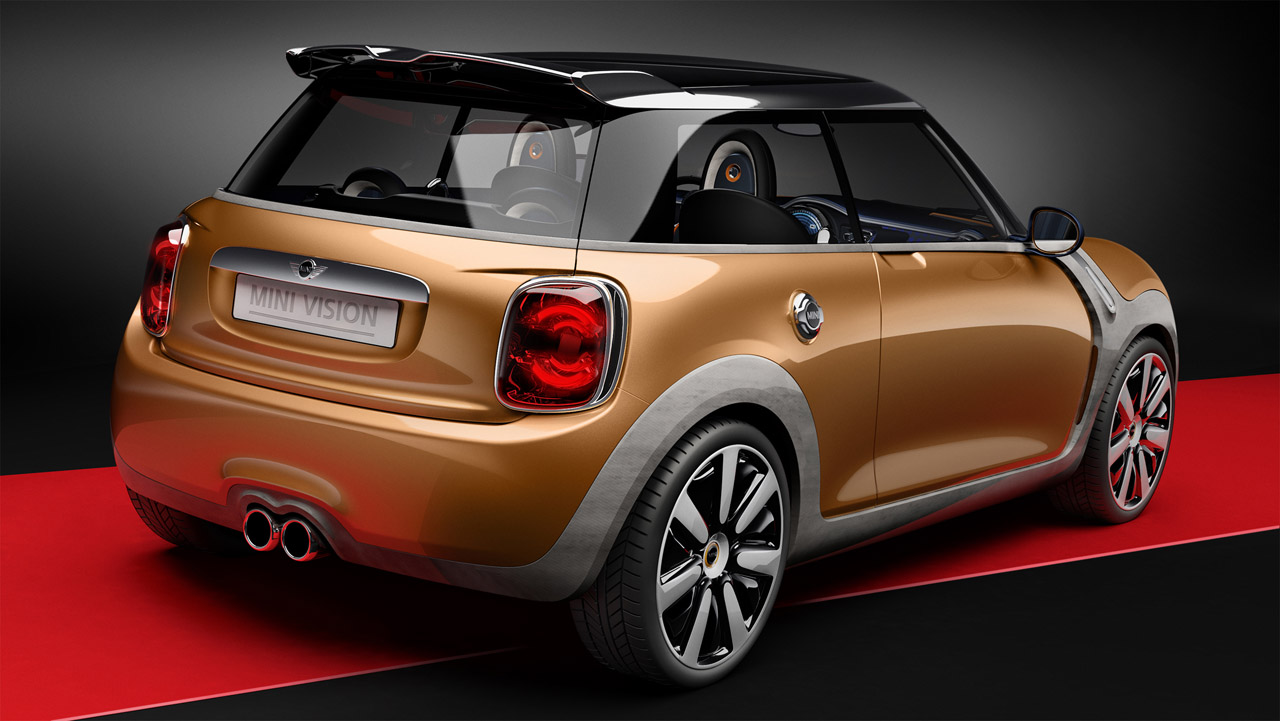
    Even though Mini’s upcoming third-generation trademark three-door hatchback has already been spied upon sans all camouflage, the BMW-owned marque feels the need to release a concept previewing the next-gen design. This is it, and it’s called the Mini Vision Concept. It looks mostly similar to the next-gen Mini hatchback, except for a few typical concept-like styling touches, which never end up making it to the production vehicle anyway.

    Mini Vision

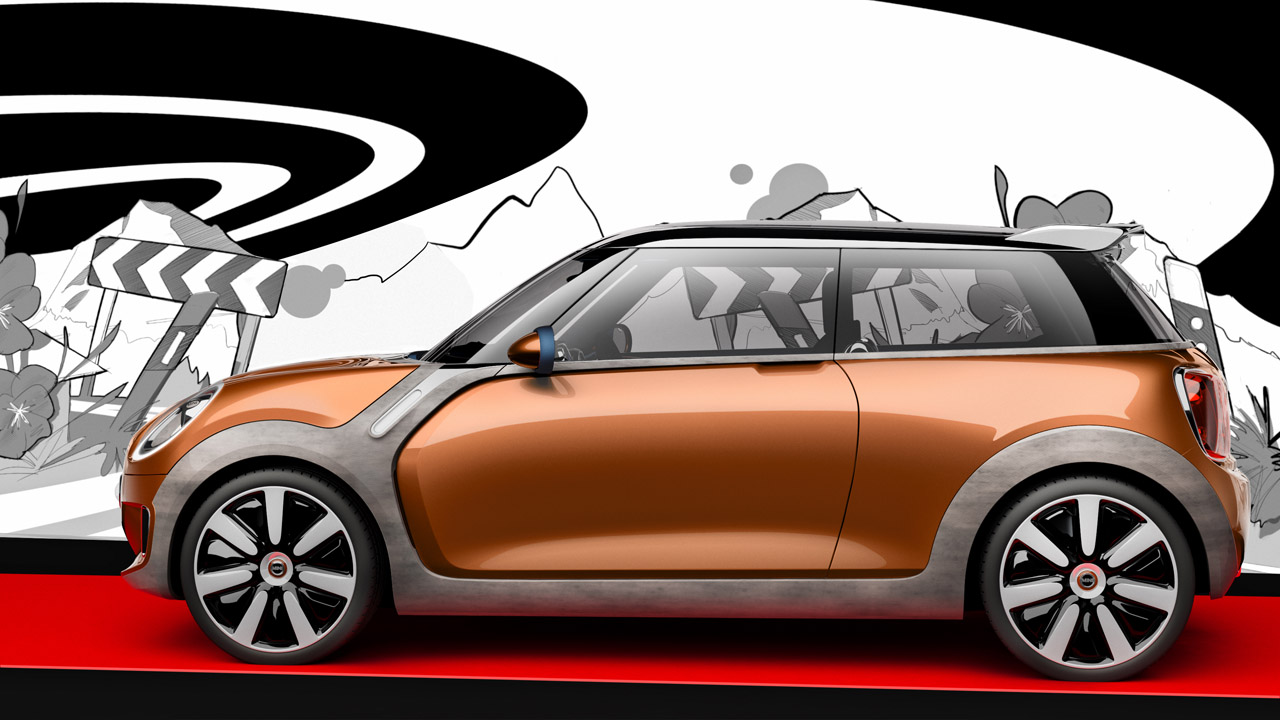
    The Mini Vision seems to combine styling elements of both its predecessors. It’s more rounded than the 2002 hatchback which rebooted the Mini brand, but more muscular than the bloated 2007 model. Modern accents like full LED headlights inspired by the Rocketman concept find their way on to the Mini Vision. Mini’s traditional floating roof keeps its place on the Mini Vision, while the concept shows side grilles which seem to be borrowed from the Countryman and Paceman.

    Mini Vision

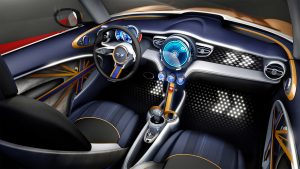
    The interior will almost definitely not make it to the production version. Integrated Union Jack straps in the door panels make for a very cool interior, but surely not production-practical. Mini revealed the Vision Concept at an event called the Mini Design@Home. We expect to see it on the auto show circuit this year before Mini unveils the third-gen F56 Mini Cooper Hardtop.

    [Images source: Mini]

  • Maruti WagonR Stingray Coming Soon

    Maruti WagonR Stingray Coming Soon

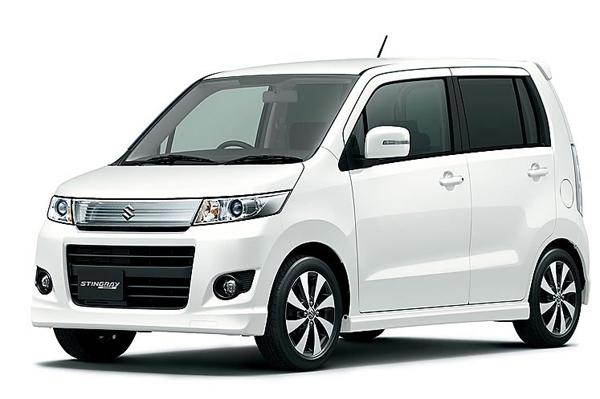
    Maruti Suzuki will be launching an all new version of its immensely popular WagonR hatchback, called the Stingray. The Stingray will sit above the current base WagonR and will be much sportier looking. With a redesigned front and rear end, the WagonR Stingray will hope to draw back attention to the Maruti brand and help spur sales in what is turning out to be a poor economy for automotive manufacturers.
    The front end gets a slimmer grille flanked by sleek headlamps which may house projector-beam units. A flatter bonnet and an all-new bumper with a bigger air dam make for an aggressive look. The rear also adds slimmer tail lamps with clear-lens units and a new rear bumper. Alloy wheels may come as standard, but the side-profile of the tall hatchback is expected to remain largely unchanged.
    The WagonR Stingray will also get minor interior upgrades in the form of different colours for the upholstery and other tweaks. Power is expected to come from the same 67bhp three-cylinder 1.0-litre K10 series engine as offered in the current WagonR.
    The Maruti Suzuki WagonR Stingray is to be launched in the coming months. Expect the car to carry a premium of around Rs. 30,000 – Rs. 50,000 more than the standard WagonR.
     
    [Image shown is of the Japanese Suzuki WagonR Stingray]
  • This is the 2014 Honda Jazz

    This is the 2014 Honda Jazz

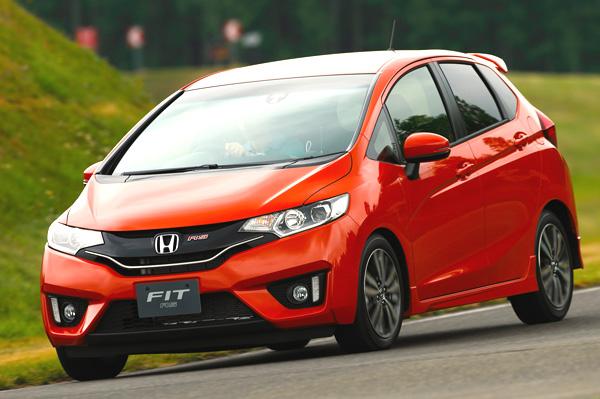
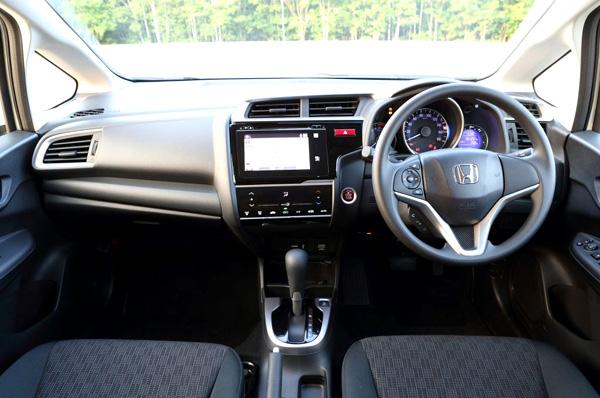
    So as it turns out, the images leaked in a Japanese magazine a few weeks ago were spot-on accurate. This is the 2014 Honda Jazz, and is expected to be launched in India somewhere in mid-2014.

    This a major stepping stone for Honda as it aims to do away with accusations of dated styling across its range in recent years. The Jazz also suffered in the Indian market due to its relatively higher price tag and sales numbers never really took off despite it truly being one of the best hatchbacks in its segment. The 2014 Jazz may just do away with all those issues.

    Jazz

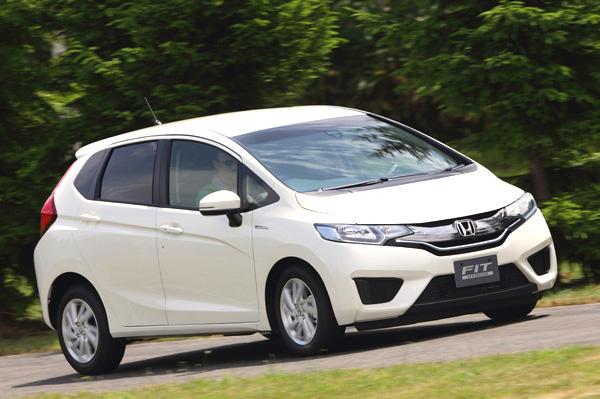
    The new Jazz will be offered with three powertrain options, one of which is a hybrid! The Jazz Hybrid packs a 1.5-liter, Atkinson-cycle engine coupled to a 22-kw electric motor and battery. It will carry a brand-new seven-speed dual clutch transmission. And unlike Honda’s current integrated motor assist hybrid system, the new hybrid drivetrain allows driving in electric-only mode. HOWEVER we’re highly doubtful that the hybrid option will make it to India, due to the lack of a market. The other two options are the 1.5-litre i-DTEC ‘Earth Dreams’ diesel engine and a 1.2-litre petrol engine, both of which will be on offer in the Indian market.

    Jazz

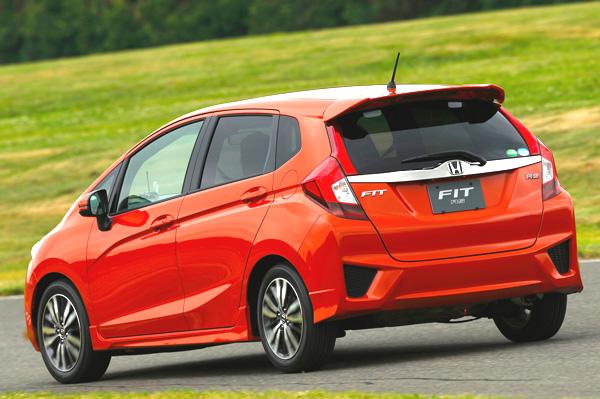
    It’s the first car to be released with Honda’s new design language, which they call “Exciting H. It’s sleeker, bolder and more aggressive than the outgoing car. The Jazz maintains its tall-hatchback look with MPV-like proportions, and offers a completely redesigned exterior. A new, narrow grille is bookended by Civic-like headlights. In fact, the entire front end reminds us of the European-spec Civic. There’s a new bumper with large air vents and a prominent character line running down the sides of the car, flowing into the new taillamps, part of which are on the boot. The restyled wheels are a nice touch, and all in all, the 2014 Jazz’s sporty looks are a breath of fresh air.

    Jazz

    The 2014 Jazz will produced at Honda’s Tapukara plant, using a large amount of content locally to keep costs down. Since the Jazz shares its platform with the new City (due here in early 2014), it will definitely be more affordable than the earlier car. The Jazz should also be eligible for the sub-four-metre excise benefit.

    All in all, the new Honda Jazz is a promising car, and it may just turn around Honda’s fortunes in the coming years, if priced appropriately. We can’t wait to see it on Indian roads, what do you think of the new Jazz?

  • Tata Launches Indica Vista D90 For Rs 5.99 Lakh

    Tata Launches Indica Vista D90 For Rs 5.99 Lakh

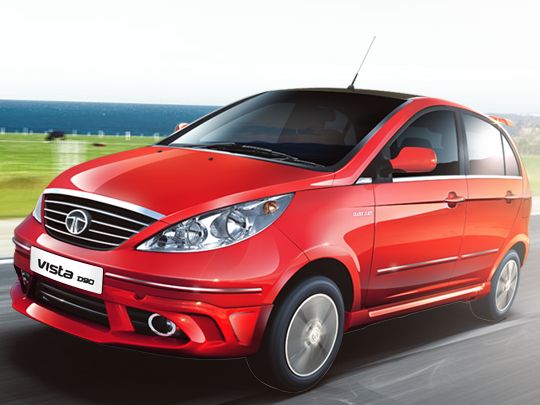
    vista d90

    Tata Motors has launched the new Vista D90 hatchback in India that is powered by the Quadrajet diesel engine with variable geometry turbocharger (VGT).

    Price of the car starts from 5.99 lakh rupees and at present it is available in two variants- VX and GX+. 

    The new Vista D90 is around 15000 Rupees more than corresponding 75PS Vista trim (ex-Delhi price). 

    In terms of exterior, it is quite identical to the usual Vista, with the only difference being the black contrast roof which was seen on 10th anniversary car. Various external accessories are offered by Tata and these include rear spoiler and side skirts. 

    Major changes can be observed in the interiors. Vista got the dashboard like that of Manza. Vista also offers the automatic air-con along with three modes. Apart from this, there is an all-new touch-screen stereo system accompanied with the Bluetooth and GPS. 

    At present, Vista is available in three engine choices and these include two diesels and one petrol version (65PS).

    On the safety front the Vista D90 gets ABS, EBD and dual airbags.  The Vista D90 is being offered in five different colours; Porcelain white, Spice Red, cavern Grey, Jet Silver and a new shade called Ultra Violet. 

    According to the Society of Indian Automobile Manufacturers, Tata Motors sold 2,202 units of Nano in December 2012 in the domestic market as compared to 7,466 units in same month previous year. Exports also came down to 40 units during the month, from 548 units in December 2011.

  • General Motors To Launch Sail U-VA in November; New Spark Launched Today

    General Motors To Launch Sail U-VA in November; New Spark Launched Today

    general motors

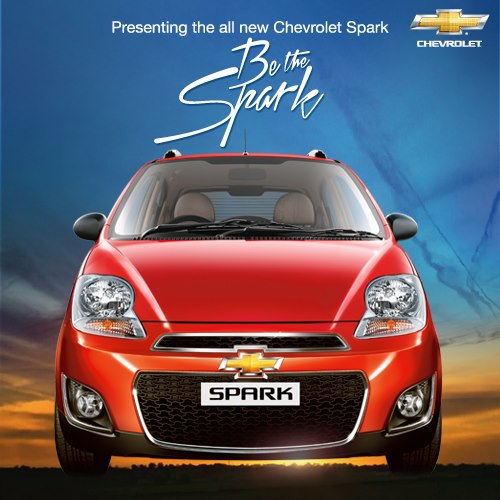
    General Motors India have successfully launched the new Spark at a base price of Rs 3.16 lakhs, and a topend price of Rs 4.10 lakhs for the LPG variant.  Now, the American car maker is all set to launch their next car, Chevrolet Sail U-VA, in India. Chevy Sail is a sub 4 meter hatchback and is expected to be launched in November.

    This is the first model to be launched in India from the General Motors SAIC joint venture. Sail U-VA will sit on a 2465mm wheelbase, promises a generous amount of internal space while external styling is also up to expectations. The vehicle will be fitted with a 79 bhp 1.2 liter petrol engine and a 1.3 liter diesel engine, while prices are expected to be in the Rs.4.2 lakh range for the petrol variant and going upto Rs.5.8 lakhs for the diesel counterpart. ARAI has pegged mileage to be at 22.1 kmpl for the diesel variant

    The company website displays the Sail U-VA with a new front fascia, interiors are done up in a two tone finish while safety features are at a premium. Fuel tank being strategically positioned means that boot capacity is extended to 1134 liters when seats are folded down. Once launched, Sail U-VA will compete with Maruti Swift, Ford Figo and Toyota Etios. Chevrolet has also launched a new video to promote their new Sail hatchback in India.

    [Rush Lane]

  • New Maruti Alto 800 Averages 23 kmpl : Scheduled For 16th October Launch

    New Maruti Alto 800 Averages 23 kmpl : Scheduled For 16th October Launch

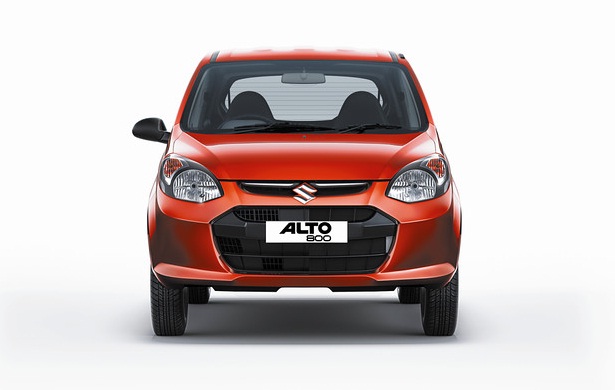
    Maruti Suzuki India Limited has announced official market release of their upcoming Alto 800. The company has already started accepting orders for the new model on initial booking amount of Rs.5,000. Alto 800 possesses a 796cc engine with fuel efficiency of 22.74 kmpl which is 15% higher than their previous model. It is this factor that will make it one of the most economic cars in the country.

    The new Maruti Alto 800 small car should come with an expected price tag that stays at the Rs 4 lakh mark. Alto 800 replaces MSIL best seller Alto as the company seeks to overcome tough market conditions such as higher petrol costs and increased interest rates all of which have adversely affected sales of small cars in the country.

    Alto 800 will be offered in a choice of six variants – 3 petrol and 3 CNG. Petrol variants are expected to offer mileage approximately at 23 kmpl while the CNG version will give mileage of around 31 kmpl. Interiors are fashionable and offer enhanced head and leg room making the Alto 800 ideal even for taller passengers. While the Alto K10 will continue being availabe as is, Maruti Alto 800 exports to Latin America and other markets will begin soon. Alto 800 once launched is likely to compete with Tata Nano and Hyundai Eon. MSIL Alto sales have been declining since the past few months. In the period April to August 2012, the company sold 89,000 units while in the same period in the previous year this figure stood at 1.22 lakhs

    [Rushlane]

  • Volvo Launches the new Sporty V40 R-Design

    Volvo Launches the new Sporty V40 R-Design

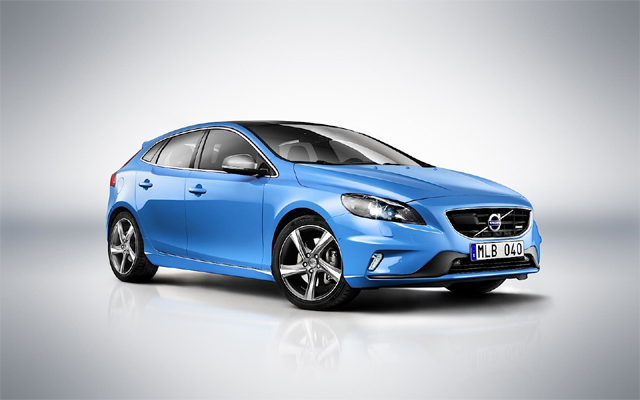
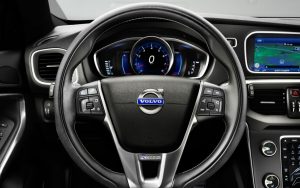
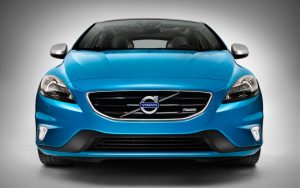
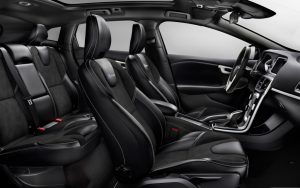
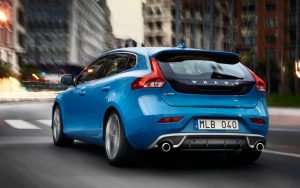
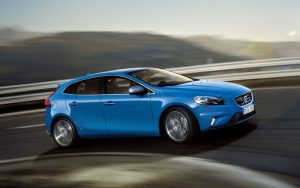
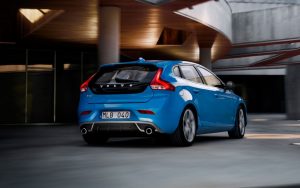
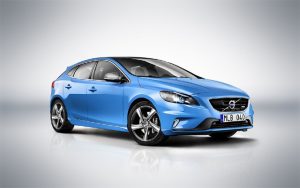
    The R-Design is a 2013 model design of the company’s Volvo V40 and has just been announced. It has Regular 254PS petrol and 115PS diesel engines, The engines have also been taken from the V40 Line.

    R-Design has a lowered chassis that was developed with Swedish racing driver Robert Dahlgren in the Volvo Polestar Black R team. The sporty outlook is further attributed by an ironstone rear diffuser, silk-metal finished details and twin exhaust tailpipes.

    The R-Design package is available with any of the Volvo V40  engine choices in Europe, from a modestly-powered 115-hp turbodiesel all the way up to a 2.5-liter turbocharged I-5 producing 254 hp.

    Volvo expects the new V40 R-Design to account for 10 percent of the V40’s sales.

  • Volkswagen’s XL1 concept plug-in diesel hybrid has 133 KMPL range

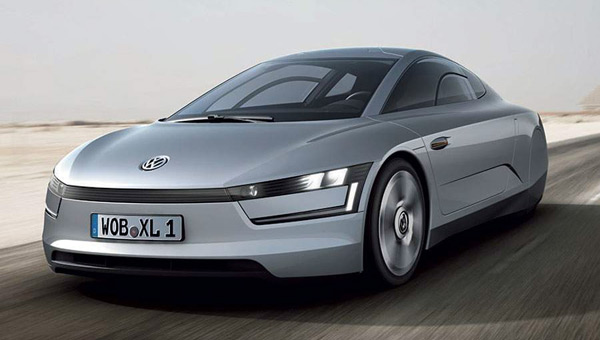
    Volkswagen’s XL1 plug in hybrid diesel (futuristic) concept car, is perfect for the Indian Consumer. If we all remember Maruti’s new advertising campaign “Deti kitna hai?”. This car delivers a whopping 133 KPML range – and that too on Diesel. Brilliant, isn’t it? It also, produces only 24g of CO2 per kilometer traveled.

    Volkswagen has achieved a 795kg curb weight by using carbon fiber, magnesium, ceramics, and aluminum to shave down any excess weight from the XL1, Testing shows only 0.186 drag coefficient.

    Read the PRESS STATEMENT below to get a better feel.

    Volkswagen unveils the XL1 Super Efficient Vehicle in Qatar

    The new Volkswagen XL1 Super Efficient Vehicle (SEV) has been unveiled at the Qatar Motor Show. Pioneering construction techniques, an advanced plug-in hybrid drivetrain and innovative packaging all play a part in allowing the XL1 to return 313 mpg on the combined cycle while emitting 24 g/km of CO2 to set a new benchmark for vehicle efficiency.

    Powering the XL1 is a compact 800 cc TDI two-cylinder common rail diesel engine developing 48 PS. It’s linked to an electric motor producing 27 PS, resulting in a total of 75 PS – a modest output yet more than enough when the low kerb weight (795 kg) of the vehicle is taken into account.

    The TDI engine is linked to an electric motor and a seven-speed DSG gearbox with an automatic clutch mounted between each unit. The electric motor can either work independently of the TDI engine or in tandem when accelerating. In pure electric mode the XL1 can travel up to 35 km before the diesel engine cuts in. Accelerating from rest to 62 mph can be achieved in 11.9 seconds; the electronically limited top speed is 99 mph.

    In both its styling and packaging the XL1 draws on lessons learned from the 1-Litre car (2002) and the L1 concept (2009). The XL1 has evolved to feature staggered seating with the driver and passenger placed next to each other in a body structure made from advanced new materials providing immense strength yet weighing just 230 kg.

    To make such weight savings possible, and yet viable for series production, Volkswagen developed and patented a new system for the manufacture of the Carbon Fibre Reinforced Polymer (CFRP) parts on the car called the Resin Transfer Moulding (RTM) process.

    In total the XL1 weighs 795 kg. In addition to the body structure, the weight is accounted for by the drivetrain (227 kg), the running gear (153 kg), the interior including a pair of bucket seats (80 kg) and the electrical system (105 kg). In total just 23.2 per cent of the car (184 kg) is made out of either steel or iron.

    Further savings are made through the extensive use of lightweight materials including magnesium (wheels), ceramics (brake discs) and aluminium (dampers, steering system, brake calipers).

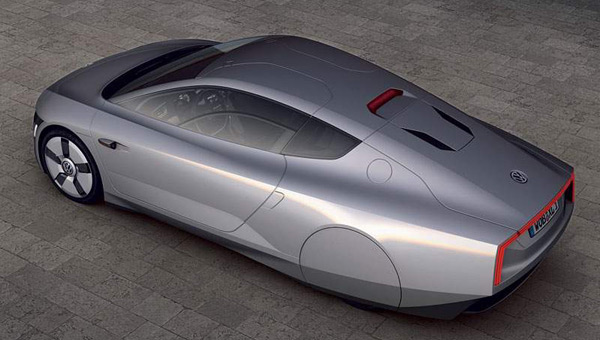
    The styling of the XL1 is borne out of functional requirements – easy access to the interior is granted via a pair of elegant scissor doors that hinge on the A-pillar while the profile of the car has been honed in the wind tunnel, the result being a remarkable coefficient of drag figure of 0.186. The XL1’s overall length (3,970 mm) and width (1,682 mm) are similar to those of a Volkswagen Polo yet its height (1,184 mm) is more akin to that of a Lamborghini Gallardo Spyder.

    Although the XL1 is still very much a concept, its unveiling marks the next step towards the birth of a new class of Super Efficient Vehicles, while the advent of a process such as RTM is a significant milestone.

    Source : Volkswagen

iGyaan Network
Privacy Overview

This website uses cookies so that we can provide you with the best user experience possible. Cookie information is stored in your browser and performs functions such as recognising you when you return to our website and helping our team to understand which sections of the website you find most interesting and useful.