Tag: hybrid

  • There Will Not Be a Macbook/iPad Hybrid, Says CEO Tim Cook

    There Will Not Be a Macbook/iPad Hybrid, Says CEO Tim Cook

    Just a couple of days after his comment on the Microsoft Surface Book where he called it “deluded”, Tim Cook has rubbished any rumours and speculations of a Macbook and iPad hybrid. This comment follows what Apple marketing head Phil Schiller said about the hybrid market. He sees it as a nascent realm unlikely to grow into anything significant.

    iPad Pro

    Elaborating further, while talking to an Irish newspaper, Cook said any hybrid device would mean an inefficient product that would satisfy neither the iPad user nor the Macbook user.

    “We feel strongly that customers are not really looking for a converged Mac and iPad. Because what that would wind up doing, or what we’re worried would happen, is that neither experience would be as good as the customer wants. So we want to make the best tablet in the world and the best Mac in the world. And putting those two together would not achieve either. You’d begin to compromise in different ways,” said Tim Cook, CEO, Apple


  • Why Did Samsung Launch a Huge 18-Inch Tablet/TV?

    Why Did Samsung Launch a Huge 18-Inch Tablet/TV?

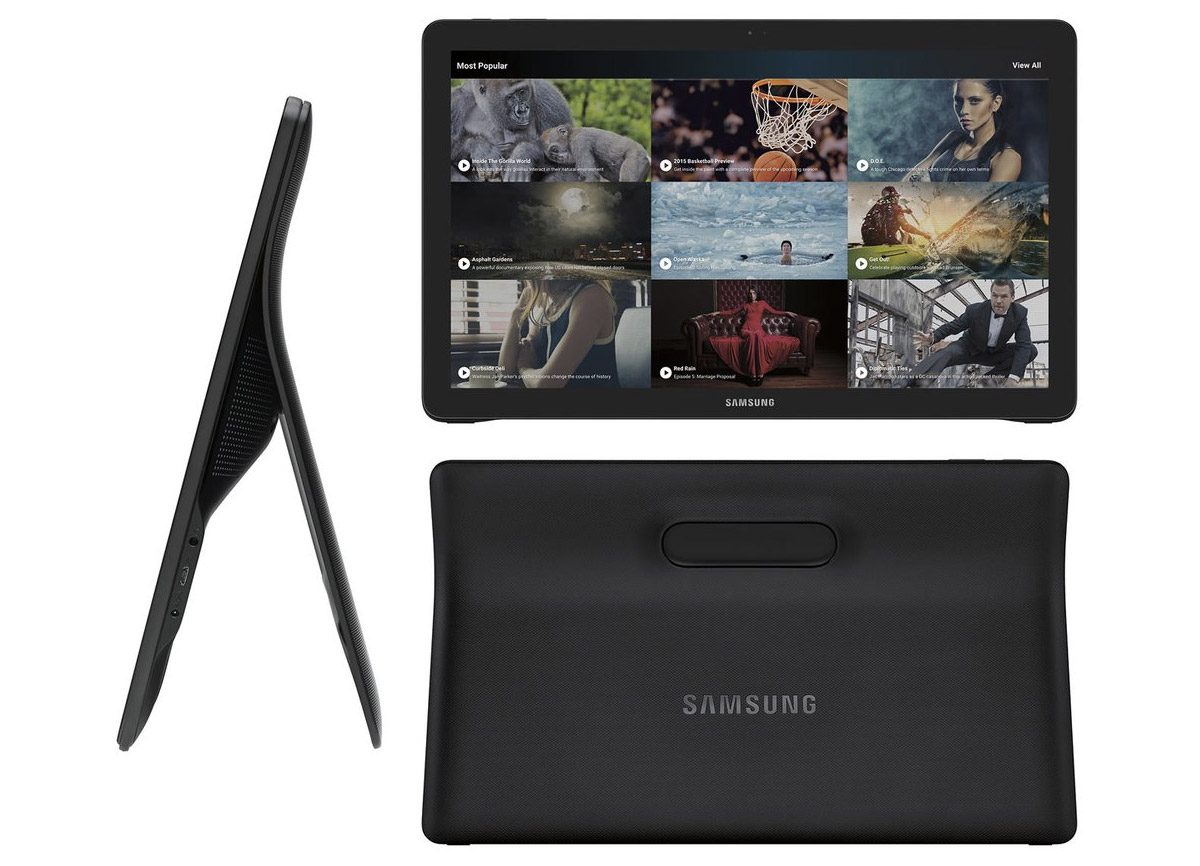
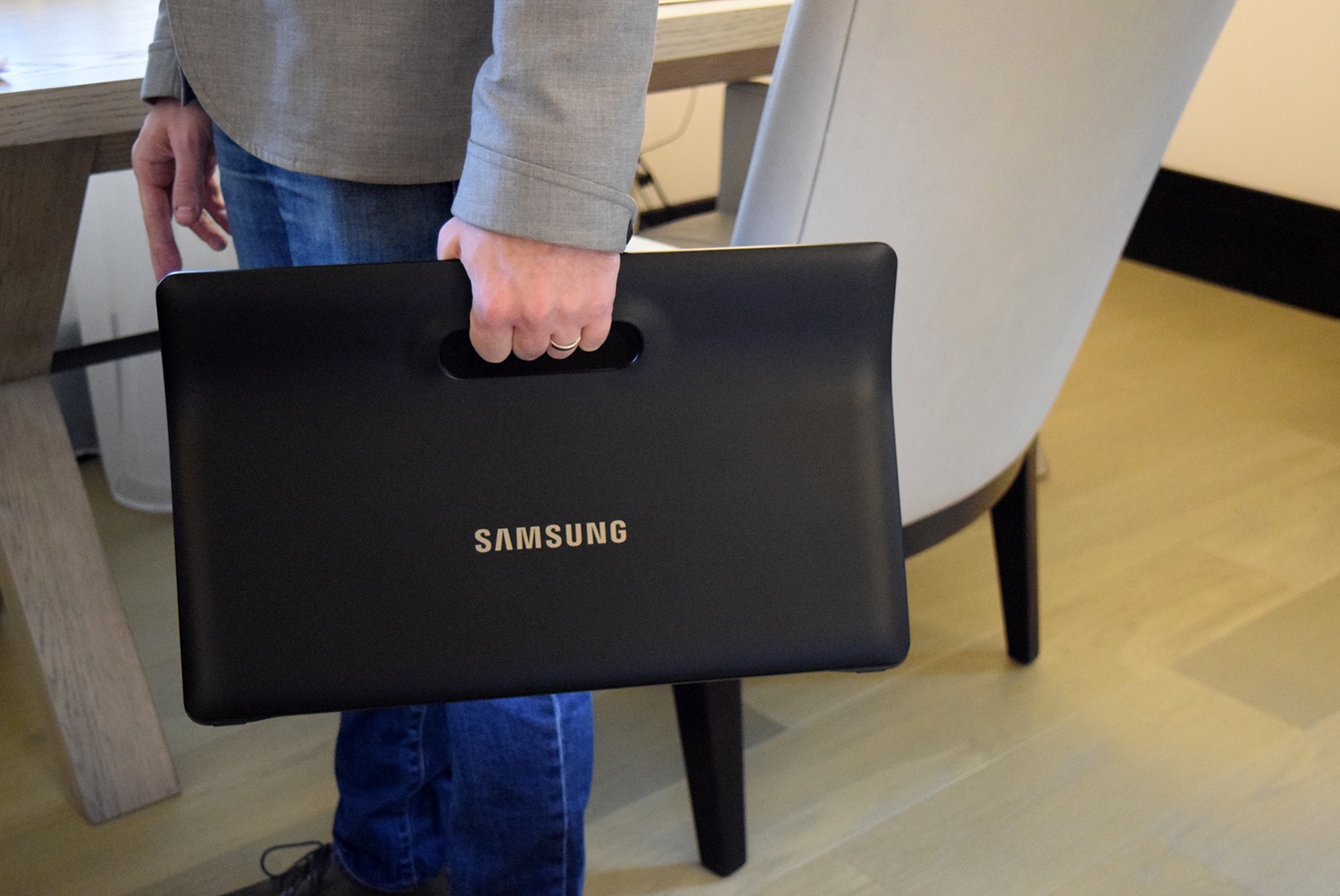
    Samsung’s newest addition to the tech world includes an 18-inch device which is a hybrid between a TV and a tablet. With its size and measurements and a handle in its design, the device is meant to be carried around like a briefcase. It’s clear from the start the main purpose of this gadget, Galaxy View, is video streaming and viewing. But honestly, don’t we already have laptops and television sets for that? The physiological need to watch videos to the extent of lugging around an 18-inch device is a little hard to imagine.Samsung Galaxy View

    The Korean company claims that Galaxy View is an attempt to achieve a middle ground between a TV and a tablet. However the screen has no 4K, QuadHD or Retina display. What it does have is full HD 1920X1080 resolution display instead. The screen specs were chosen keeping in mind the battery life. The Galaxy View can provide up to 8 hours of viewing with 5,700 milliamp-hour battery.

    The team at Samsung cannot have enough of their little baby. Sean Bornheimer, a senior manager of product for Samsung Design of America says,

    “Multiple people can view, which is very difficult with other kinds of portable devices. It’s really about the experience and less about the specs.”

    The operating system of the device -since we’re unsure of what else to call it – is Android 5.1.1 Lollipop and it comes with a 1.6 GHz octa-core processor and 2 GB of RAM. The two variants are marked at 32 GB and 64 GB memory respectively expandable up to 128 GB. The base model is wi-fi only but an LTE model would be made available soon, claims Samsung.Samsung Galaxy View

    It is unclear what exactly Samsung aims to achieve with this device, or who exactly is the target audience. However, because the specs of the device are not high-end, the price can be expected to be low enough to draw customers. Either way, all the best with being adventurous, Samsung.

  • Micromax Enters the Personal Computing Space with ‘Canvas LapTab’, a Laptop-Tablet Hybrid

    Micromax Enters the Personal Computing Space with ‘Canvas LapTab’, a Laptop-Tablet Hybrid

    Today, the homegrown handset maker Micromax debuted into personal computing arena with the launch of a tablet/laptop. It is the third segment where the company plans to gain a foothold, after smartphones and televisions. Dubbed as Canvas LapTab, the tablet transforms into a laptop when attached to a portable keyboard. The portable gadget is available at an easy price of Rs. 14,999.

    The Co-Founder of Micromax Vikas Jain stated at the launch event –

    We will launch five to six laptab models by March next year, which will more than 10-inches in screen size. We will move into pure laptops and pure personal computers overtime. We are thinking of manufacturing it in India.

    The device is different from the one unveiled at CES 2015 and runs on Windows 8.1 OS. The compact machine has been targeted at students, travellers, and enterprises.

    Coming to the specifications of the device, the Canvas LapTab features a 10.1-inch WXGA IPS touch screen. The processor powering the device is a 1.83GHz Intel Atom Z3735F, which comes bundled with 2GB of RAM. The memory storage details are still unknown. As mentioned above, the tablet runs on Windows 8.1 as of now, and can be upgraded to Windows 10 once its released.

    Optics includes a 2MP front and rear shooter. The LapTab has a mammoth battery of 7,700mAh, which can keep it going for 10 hours, the company claims. It comes with a 3G SIM slot for mobile data connectivity.

    The Canvas LapTab will be available on May 6 with the company’s online partner Amazon India. The product may be available through offline channels at a later stage.

  • The Asus Transformer Book V is a Laptop, Tablet and a Phone

    The Asus Transformer Book V is a Laptop, Tablet and a Phone

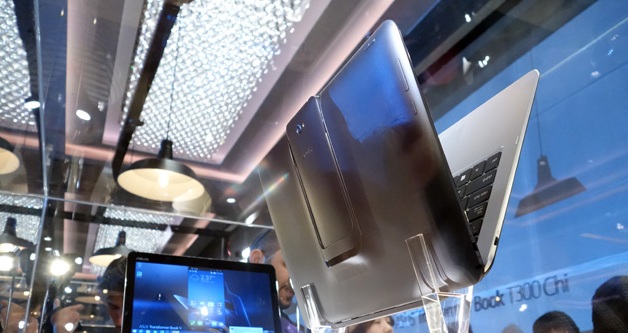
    New technology and innovations are flooding in everyday. With the ever growing laptop and smartphone market, companies are trying to woe buyer by introducing crazy ideas and innovation in their products. Asus Transformer Book V is an outcome of this rat-race. Asus announced that they are working on this new piece of hardware which can be used as a tablet, laptop and a phone.

    ASUS Transformer Book V_PR01

    The 3-in-1 device with dual operating system support means it offers five different modes. These include an Android smartphone, an Android tablet, a Windows tablet, a laptop running Android and a Windows 8.1 laptop.

    A 12.5 inch laptop/ tablet screen run on Windows 8.1 is powered by Intel Broadwell Chip. The tablet can be used independently as an Android device, when combined with a keyboard dock it turns into an Android laptop and with a mere switch of a key it will turn into a powerful Windows laptop.

    ASUS Transformer Book V_PR02_678x452

    With a tap on the screen,the user can switch between Windows 8.1 tablet and an Android 4.4 Kitkat tablet, but only when the phone is docked. The tablet alone has built-in storage of up to 128GB. The un-docked phone of the Asus Transformer Book V runs Android 4.4 Kitkat, and Asus claims it is the world’s first 5in LTE smartphone powered by a quad-core Intel Atom processor. The phone is also powered by a impressive 2,500mAh battery that provides up to 10 hours of web browsing time.

     Asus is known for its amalgamation of several form-factors in the same device. Earlier they have promoted this hybrid structure through their FonePad, PadFone and Transformer Book.  We may not see this amazing hardware soon. Unless it is powered by an Intel Broadwell chip and launches at the same time as the processor, they it may hit the market this autumn. Asus did not give any pricing or availability details for the Transformer Book.

    The company is attempting to create the perfect device for multi-taskers. The Transformer Book V is aimed to bring in greater flexibility for users so that they can easily switch between work and entertainment.

  • The All New Honda Accord 2014

    The All New Honda Accord 2014

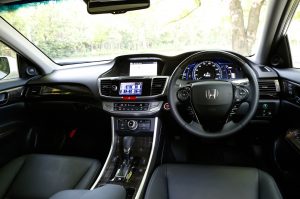
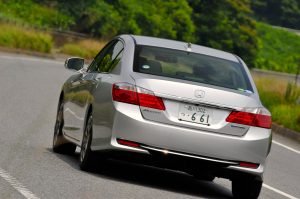
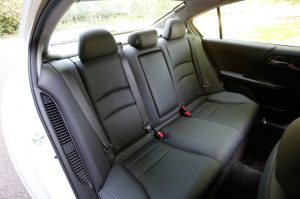
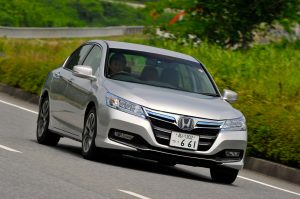
    Honda is all set to launch its new car in the market next year, the new Honda Accord would be launched in the Hybrid variant and the company claims this new Accord is packed with significant new technologies that separate it from the rest.

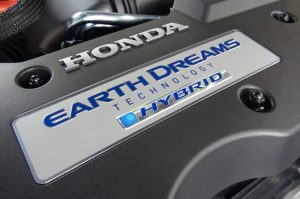
    So the question is what kind of powertrain delivers such phenomenal numbers? The Honda is powered by a 2.0-liter, ultra-efficient Atkinson cycle four-cylinder engine with two electric motors. One electric motor is fixed to the back of the engine and serves as a generator to charge the battery pack on engine overrun. A second electric motor that powers the vehicle is fixed to the differential that transfers power to the front wheels, and can also recharge the pack under regenerative braking. 

    The new Accord’s engine is mated to a six-speed CVT fitted to a totally new Sport Hybrid intelligent Multi-Mode Drive (i-MMD) generating 141 hp and 122 lb-ft of torque. Meanwhile, the newly developed two-electric-motor setup produces 166 hp (more powerful than any other hybrid) and 226 lb-ft, giving the combined system a total output of 196 hp. And with the latest lithium-ion battery technology powering those front wheels, the Accord Hybrid jumps from 0-60-mph in about 7.5 seconds.

    When the Accord Plug-In is first released, it will only be available in New York and California. “Two motors, Three ways to drive” is what Honda says for this car and is unique continuously variable transmission allows the Accord Plug-In’s powertrain to shift seamlessly among three driving modes, utilizing power from the i-VTEC® 4-cylinder engine and the electric motor.

    EV Drive- An all-electric drive. EV Drive is active when you start from a stop, when you’re doing light cruising and acceleration, and when you’re braking. Starting from a stop stops the fuel supply, so Honda has kept the starts 100% electric.

    Hybrid Drive- Electric and gas working together. Hybrid Drive is generally active when you’re accelerating and changing speeds regularly. The electric motor gets you going, and the gas engine gives you the burst you need on the road.

    Engine Drive- Gas-powered cruising. A cruising vehicle’s gas engine consumes a lot less fuel than it does when starting or accelerating. That’s why highway mpg is generally higher than city mpg. So when you cruise, your gas engine cruises efficiently.

    The suggested price for the new Honda Accord is said to be 39,780 USD, we’ll have to wait and see if and when this car comes to India.


    [youtube id=”xirRve1OmEI” width=”100%” height=”300px”]

  • This is the 2014 Honda Jazz

    This is the 2014 Honda Jazz

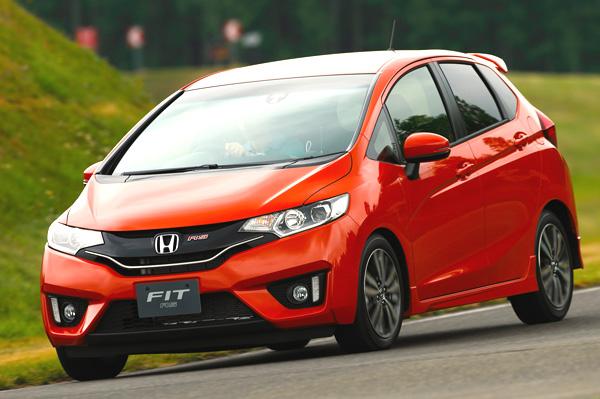
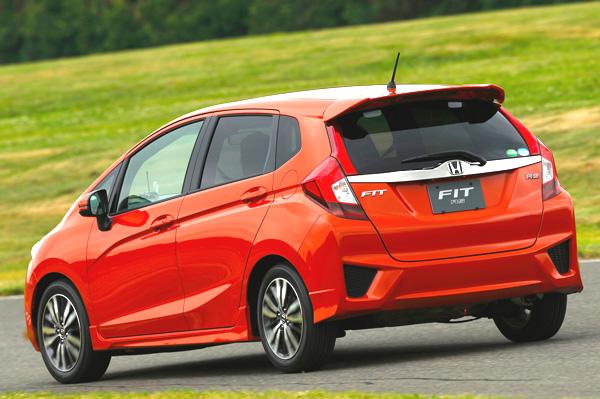
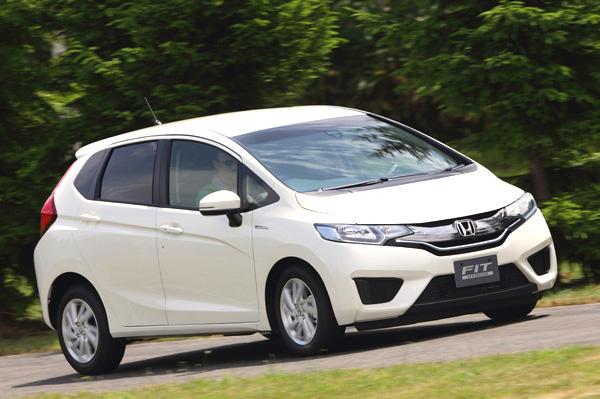
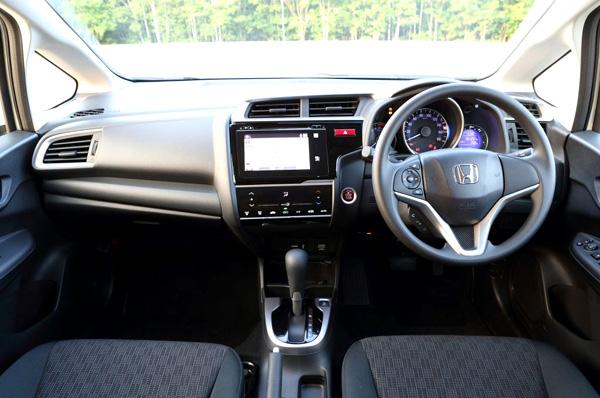
    So as it turns out, the images leaked in a Japanese magazine a few weeks ago were spot-on accurate. This is the 2014 Honda Jazz, and is expected to be launched in India somewhere in mid-2014.

    This a major stepping stone for Honda as it aims to do away with accusations of dated styling across its range in recent years. The Jazz also suffered in the Indian market due to its relatively higher price tag and sales numbers never really took off despite it truly being one of the best hatchbacks in its segment. The 2014 Jazz may just do away with all those issues.

    Jazz

    The new Jazz will be offered with three powertrain options, one of which is a hybrid! The Jazz Hybrid packs a 1.5-liter, Atkinson-cycle engine coupled to a 22-kw electric motor and battery. It will carry a brand-new seven-speed dual clutch transmission. And unlike Honda’s current integrated motor assist hybrid system, the new hybrid drivetrain allows driving in electric-only mode. HOWEVER we’re highly doubtful that the hybrid option will make it to India, due to the lack of a market. The other two options are the 1.5-litre i-DTEC ‘Earth Dreams’ diesel engine and a 1.2-litre petrol engine, both of which will be on offer in the Indian market.

    Jazz

    It’s the first car to be released with Honda’s new design language, which they call “Exciting H. It’s sleeker, bolder and more aggressive than the outgoing car. The Jazz maintains its tall-hatchback look with MPV-like proportions, and offers a completely redesigned exterior. A new, narrow grille is bookended by Civic-like headlights. In fact, the entire front end reminds us of the European-spec Civic. There’s a new bumper with large air vents and a prominent character line running down the sides of the car, flowing into the new taillamps, part of which are on the boot. The restyled wheels are a nice touch, and all in all, the 2014 Jazz’s sporty looks are a breath of fresh air.

    Jazz

    The 2014 Jazz will produced at Honda’s Tapukara plant, using a large amount of content locally to keep costs down. Since the Jazz shares its platform with the new City (due here in early 2014), it will definitely be more affordable than the earlier car. The Jazz should also be eligible for the sub-four-metre excise benefit.

    All in all, the new Honda Jazz is a promising car, and it may just turn around Honda’s fortunes in the coming years, if priced appropriately. We can’t wait to see it on Indian roads, what do you think of the new Jazz?

  • Volvo Pure Tension Concept has Folding Solar Pavilion

    Volvo Pure Tension Concept has Folding Solar Pavilion

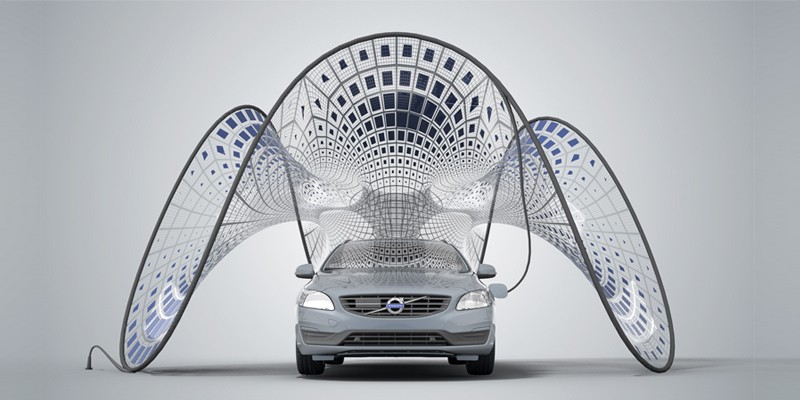
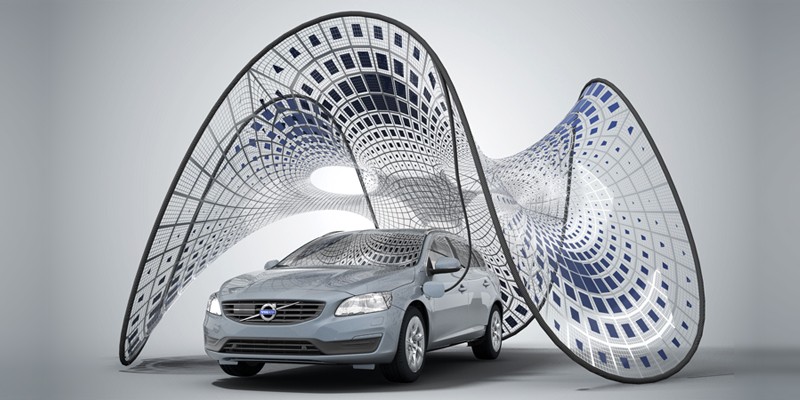
    Everyday we come across concept cars which promise to change the future, but aren’t much more than a carbon fibre monocoque riding on magnesium rims. The “Pure Tension” Volvo V60 Pavilion however, is really something else.

    Commissioned by Volvo Italy and the winner of the Pure Volvo Pavilion Design competition, the Pure Tension solar pavilion is an experimental creation, developed by Synthesis Design + Architecture, Buro Happold, and Fabric Images. The mysterious floating sculpture of sorts seen floating above the rendered Volvo V60 is a pavilion, like the ones erected for trade shows or outdoor events. The pavilion is a tensioned membrane structure constructed using a flexible HDPE (High Density Polyethylene) mesh skin, held in place by carbon fibre rods, which can fully collapse and fit inside the trunk of the V60 when not in use. The Pure Tension however isn’t designed to just provide shelter and look pretty while doing it; It doubles up as a power source as well.

    Pure Tension

    The mesh is embedded with photovoltaic cells so that the pavilion can absorb energy from the sun or indoor lighting, making it a portable charging station. It can power itself or the V60 which aptly so, is a diesel hybrid that plugs straight into the pavilion.

    According to reports, the Pure Tension Volvo V60 Pavilion concept will be shown in September in Rome. The creation however is lightyears away from being market ready, and chances of us ever seeing such a car on the road are quite small. But the Pure Tension is a great example of true innovation in the automotive industry, and is comfortable proof that the ability to think differently about the cars of the future, isn’t going anywhere anytime soon.


    [Source: Synthesis +DNA]

  • Edit: The Best of the 2013 Goodwood Festival of Speed

    Edit: The Best of the 2013 Goodwood Festival of Speed

    For the uninitiated among you, The Goodwood Festival of Speed (FoS) is an annual hill climb featuring historic motor racing vehicles, held in the grounds of Goodwood House, West Sussex, England, every June/July. Visitors can expect to see lots of cars and motorbikes from over 100 years of worldwide motor racing history as well as newer models take a shot at the hill run. An immensely popular event, 1,50,000 people regularly attend the FoS. Here are some of the newer cars which were seen at the 2013 FoS, which was held over the last weekend.


    Peugeot RCZ R

    Goodwood

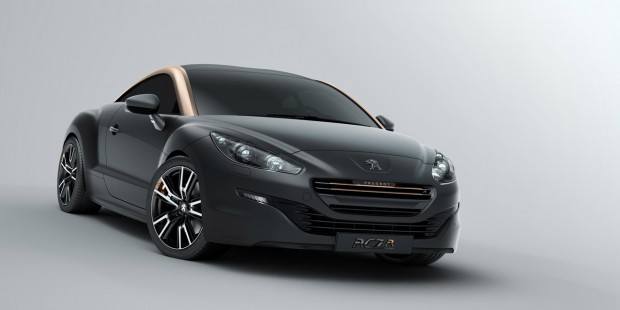
    Dubbed the RCZ R, this striking coupe is the most powerful production Peugeot in history and was unveiled at the 2013 Goodwood FoS. The RCZ R uses an updated version of the 1.6-liter, turbocharged four-cylinder engine found in the standard RCZ, which produces an impressive 270 hp and 243 lb-ft of torque. It can hit 100 kmph in 5.9 seconds and sports a beefier twin-scroll turbocharger, as well as a racing-derived steel exhaust manifold. Lots of mechanical upgrades have been done to the pistons, connecting rods, dampers and anti-roll bars making it a very capable little car. The Peugeot RCZ R will get its auto show reveal at the 2013 Frankfurt Motor Show in September before hitting European showrooms in early 2014.


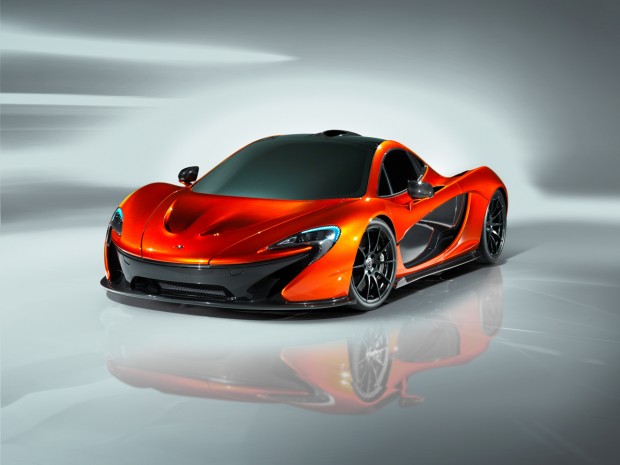
    McLaren P1

    Goodwood

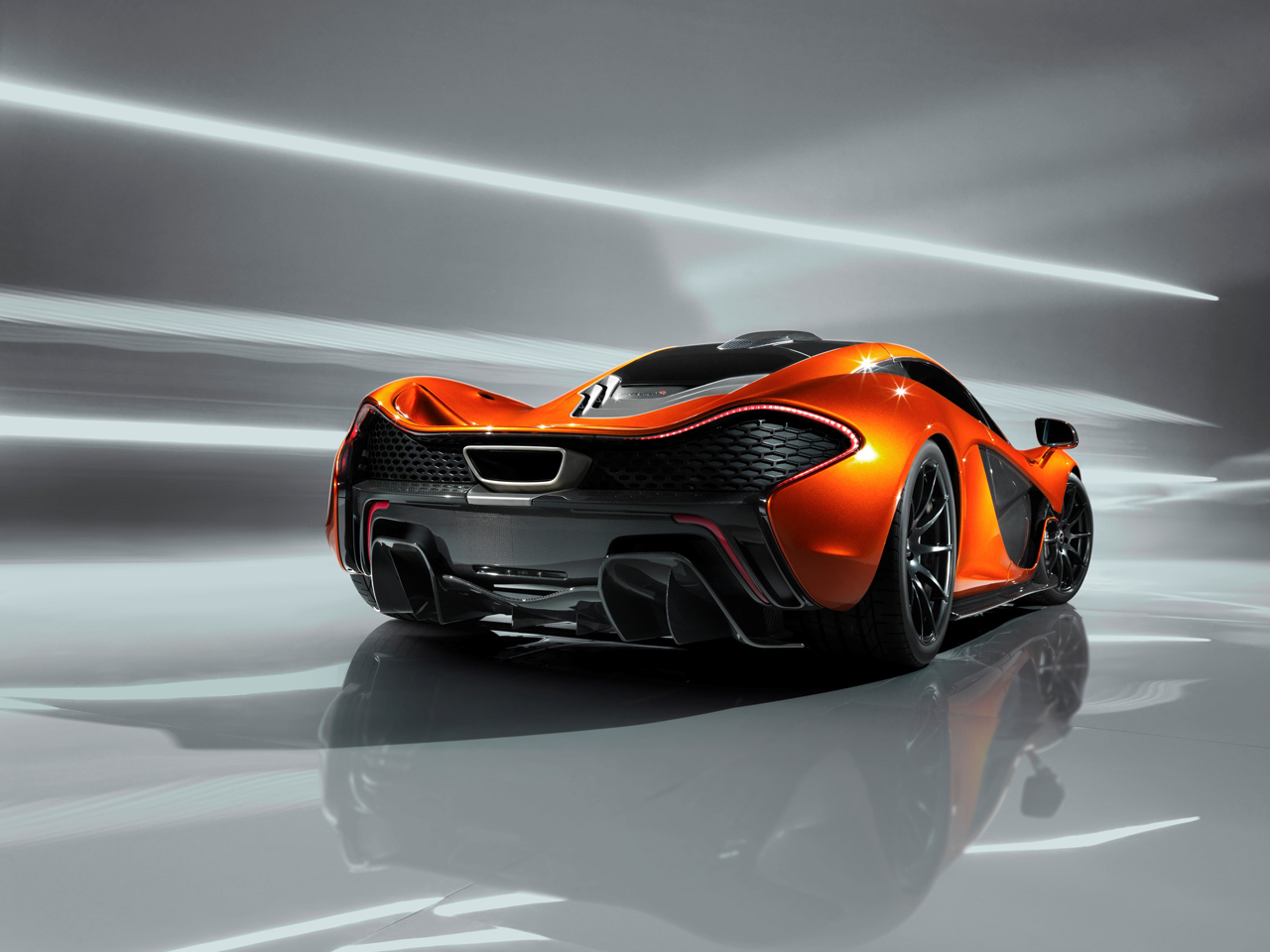
    McLaren’s latest offering and part of the new breed of hyper cars, the McLaren P1 is the spiritual successor to the legend which was the McLaren F1. Unveiled at the 2012 Paris Motor Show, the P1 packs some serious performance under the extremely aerodynamic carbon-fibre body. With a 903 hp hybrid powerplant which will slingshot the P1 from a standstill to 100 kmph in under 3 seconds, and to 300 kmph in 17 seconds, the P1 is a member of a very small and elite group capable of crunching numbers like those. If you haven’t noticed yet, the body is styled with the McLaren logo making multiple appearances all over the car’s sleek construction. McLaren really wants you to recognise this car when you see it fly past on the expressway. And if you want another number to feed on, the base model retails for a cool US $1,150,000.


    Citroën DS3 Cabrio Racing Goodwood

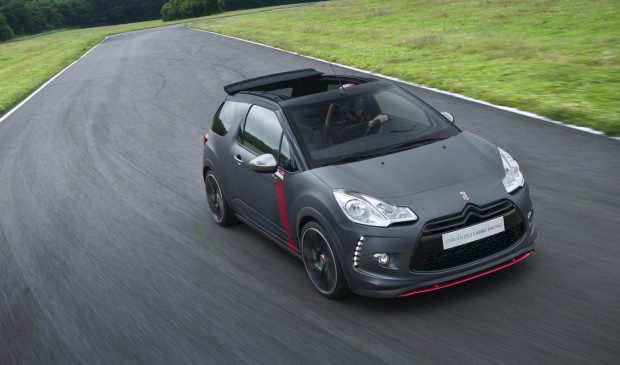
    We at iGyaan love hot hatchbacks. Brimming with character and ambition, they really epitomise everything that’s wonderful about car culture. The Citroën DS3 Cabrio Racing is one such sporty little car, and was shown for the first time to the world at the FoS. A roll-top version of the DS3 Racing that was introduced three years ago at the Geneva Motor Show, it keeps the same 1.6-liter four-cylinder with 202 horsepower and 19-inch wheels. The entire package is coated in a stunning textured Moondark matte grey with black chrome, Carmin Red and DS-pattern accents. In fact, according to a few reputed sources, this isn’t just a concept anymore and is expected to go on sale in the UK next year. Unfortunately, it seems like we’ll have to wait a couple years more for the hot hatchback segment to really hit Indian markets.


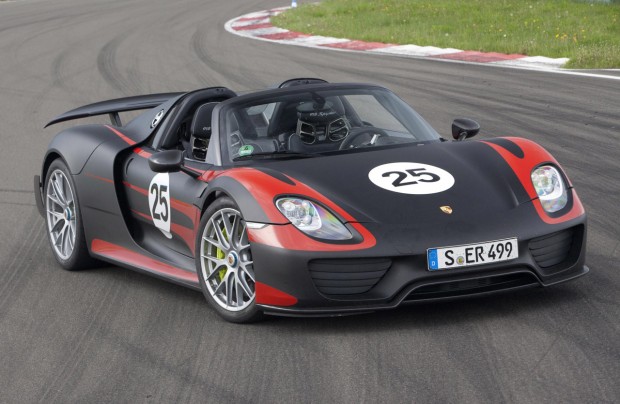
    Porsche 918 SpyderGoodwood

    Another member of the new group of hyper cars, the Porsche 918 Spyder is truly an engineering marvel. The 918 is testament to Porsche’s belief that hybrid supercars will not only successfully exist, but they will dominate the automotive industry. By far the most complex vehicle ever to come out of the Stuttgart-based automaker’s labs, the 918 Spyder is propelled by a hybrid gasoline-electric unit making use of a race-spec 4.6-liter V8 engine producing 795 hp, supplemented by two electric motors drawing power from a liquid-cooled lithium-ion battery pack. It starts up with the hum of a small electric fan, gently floats about without any combustion, and then takes off like a fighter jet when you put the pedal to the metal, onto a top speed in excess of 320 kmph. The base price is US $845,000 and considering the top-mounted exhaust pipes like the flare launchers on the 1966 Batmobile, we think its worth every penny.


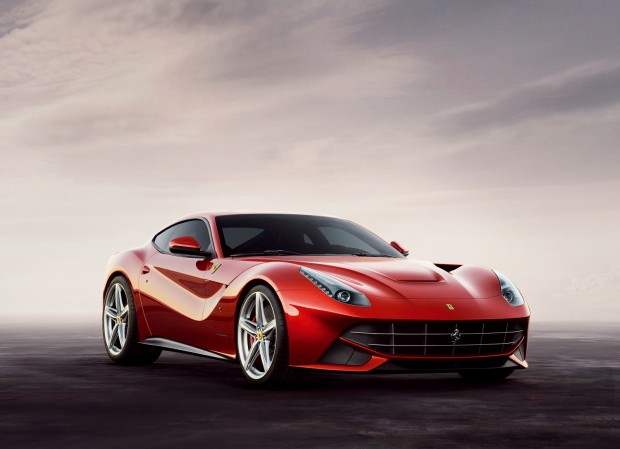
    Ferrari F12 Berlinetta

    Goodwood

    The successor to the Ferrari 599, the F12berlinetta F12 Berlinetta is one of the fastest production Ferraris ever built. The 6.3-litre V12 produces an unadulterated 740 hp and 509 lb-ft of torque propelling the big grand tourer from nought to 100 kmph in just 3.1 seconds. But the true measure of any Prancing Horse is the lap time around the Ferrari-owned Fiorano circuit near Ferrari’s hometown, Maranello. Ferrari claims that the F12 can go around the test track in 1:23. To put things into perspective, the previous record-holder was the 599 GTO at 1:24, while the Enzo clocked in at a ‘slow’ 1:25. A 0.299 Cd and 76 percent more downforce allows a top speed of over 337 kmph.


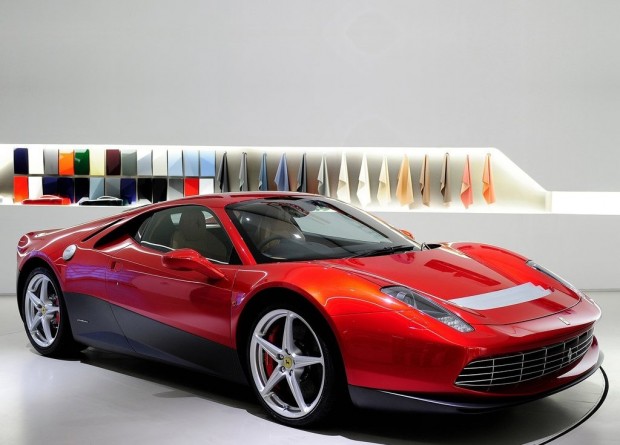
    Ferrari SP12 EC
    Goodwood

    The only one of its kind in the world, the SP12 EC was specially built by Ferrari for legendary guitarist, Eric Clapton, who was happy to let them use his initials in the name. Based on the chassis of the 458 and the bodywork of the 512 BB, the SP12 EC was designed by Centro Stile in Maranello, in collaboration with Pininfarina, the famous Italian car design firm. Mechanically, it utilises the important bits of the 458 Italia, including a 4.5-litre V8 engine and seven-speed dual-clutch transmission, but not many people know what the technical specifications of the one-off supercar really are. It reportedly set Mr. Clapton back by US $4.7 million.

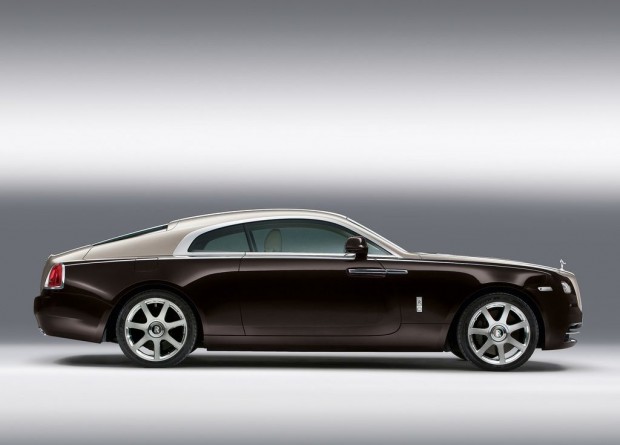
    Rolls Royce WraithGoodwood

    On to the maker of the ‘best car in the world’, the Rolls Royce Wraith made its dynamic debut at the Goodwood FoS. The most powerful Rolls ever, the Wraith was unveiled at the Geneva Motor Show. Although we’re wildly guessing that most people who end up buying the Wraith won’t be plowing it down racetracks too often, they very well could if they wished to. The 6.6-litre twin turbo V12 engine under the long hood of the luxury coupe produces 625 PS of power and a massive 800 Nm of torque. This along with Rolls Royce’s unique Satellite Aided Transmission technology fitted eight-speed ZF gearbox means that you go from nothing to 100 kmph in 4.4 seconds. Keep in mind that this is a 5.3m long car weighing 2.36 tons and those figures become a whole lot more impressive. The interiors are typical Rolls Royce, providing the ultimate in luxury making use of all the features of the Ghost while also flaunting ‘premium’ creature comforts like the “Starlight Headliner” cabin ceiling southern French wood panelling featured in the superior Phantom models.


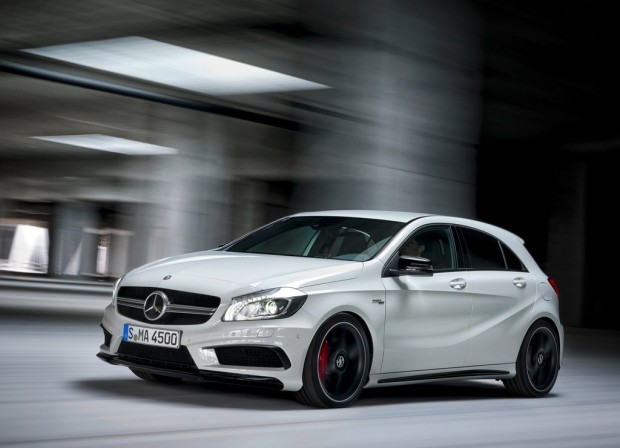
    Mercedes Benz A45 AMG

    Goodwood

    The Mercedes Benz A-Class was recently launched in India, and its AMG variant may soon be on its way as well. The striking A45 AMG hatchback had an impressive showing at the FoS as well, and unsurprisingly so. The potent little Benz only has a 2.0-litre engine under the hood but turbocharging helps it attain the highest specific output among production car engines, an astonishing 355 bhp. The hot hatch features a four-wheel-drive system for greater traction which helps it get from a standstill to 100 kmph in 4.6 seconds onto a top speed of 250 kmph. Those are some serious numbers for a hatchback. The car is expected to be priced upwards of Rs. 50 lakh if it finds its way to India.


    The coveted spot on the lawn of the Goodwood House was given to Porsche this year, where a sculpture is erected annually to serve as a backdrop to the FoS. This year, Porsche  has put up three 911s, new and old, in celebration of 50 years of the iconic car’s existence.

    Other eye-catching cars at the Goodwood Festival of Speed included the stunning Jaguar Project 7 Concept, which is based on the new F-Type as well as the Bentley Continental GT3 race car. The FoS also saw the record-breaking auction of a Fangio-driven Mercedes Benz W196R Silver Arrows F1 car, at an unbelievable price of US$ 29.65 million. The 285 hp sub-700 kg Mexican Vuhl 05 as well as the eyecatching Alfa Romeo 4C were on display, as was the new Caterham 620, which may look like a small buggy to those who aren’t aware of it, but has a 0-100 kmph time of 2.8 seconds, making it one of the most fastest cars in the world in terms of acceleration. The Pikes Peak record smashing Peugeot 208 T16 also got a run around the much less challenging Goodwood hill and the Volkswagen XL1, known as the world’s most fuel-efficient car (at a truly staggering 132 kmpl) was on show as well.

  • Toyota Camry Hybrid to be launched in August

    Toyota Camry Hybrid to be launched in August

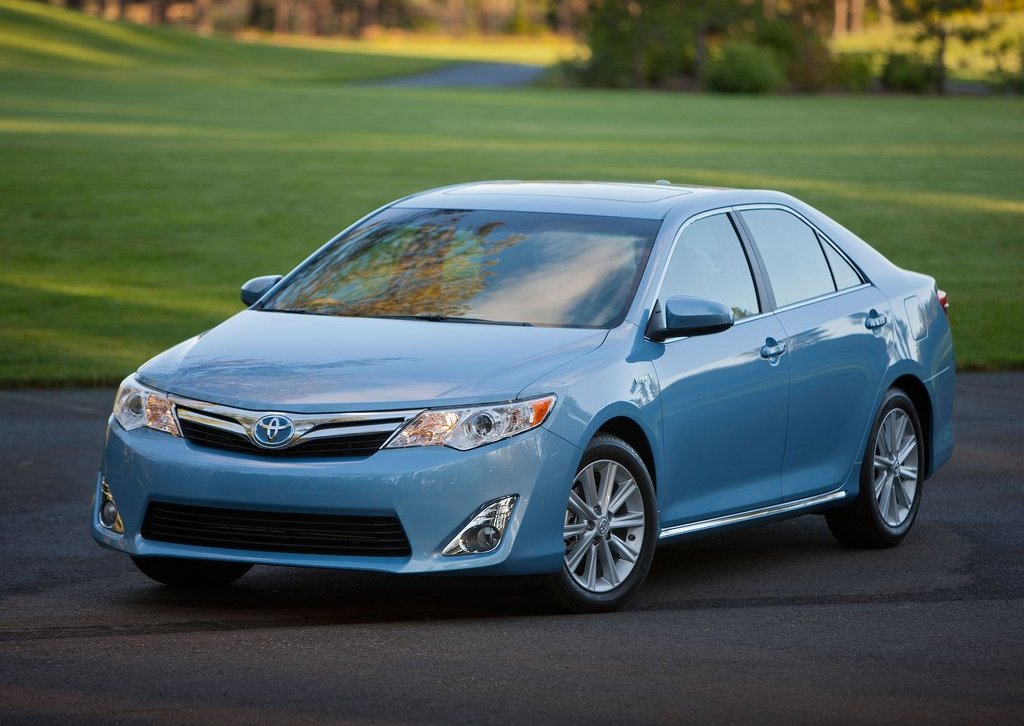
    Despite the extremely poor reception to hybrid cars in India (both the Honda Civic and Toyota’s own Prius failed miserably), Toyota has announced that it will launch the Camry Hybrid in August. Toyota believes it can sell around 20-25 Camry Hybrids a month, which makes up around 5-6 percent of total Camry sales. It’s planning to locally assemble the Camry Hybrid in India alongside the 2.4-litre petrol model.

    Camry Hybrid

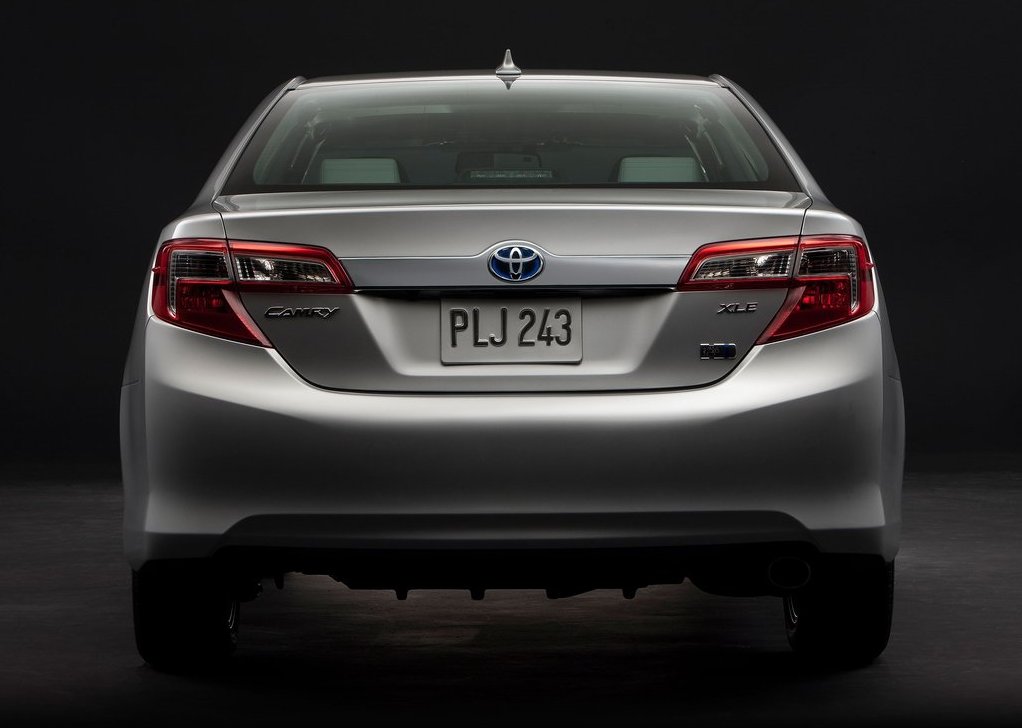
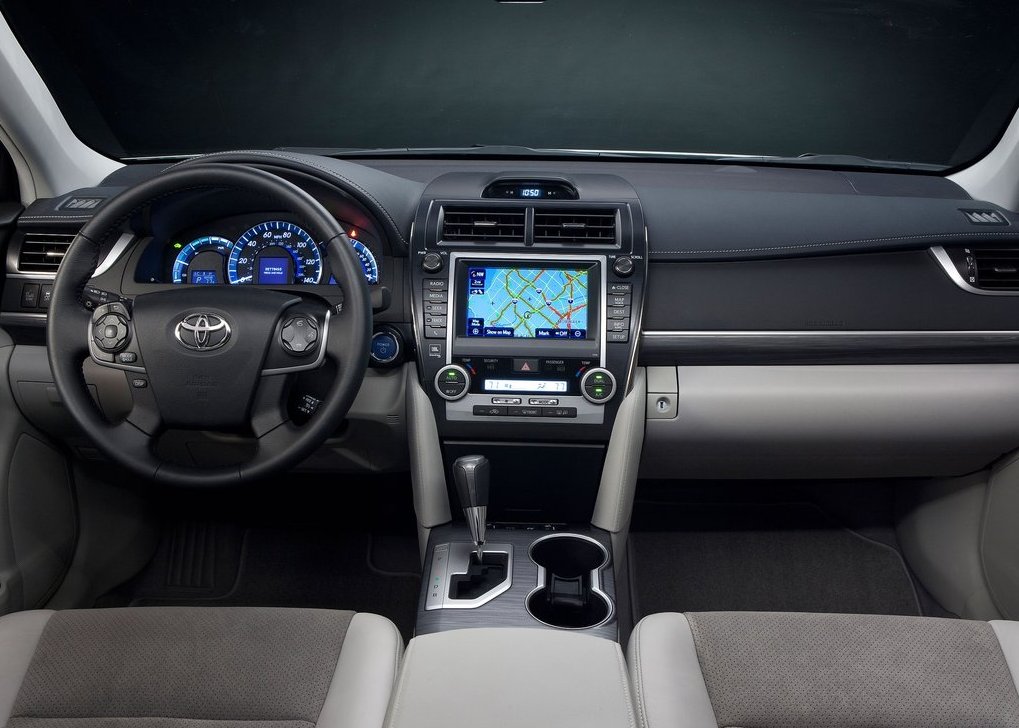
    The Camry Hybrid will get a host of exterior and interior changes to differentiate it from the regular Camry. At the front, it comes with a new bumper having a wider air dam, as well as restyled fog lamps with chrome inserts. The front grille also features a chrome strip. There isn’t anything new about the rear, except for the blue badge that reads ‘Hybrid Synergy Drive’. On the inside, we get a redesigned dashboard and three dials in the instrument cluster. Toyota will also use a different seat fabric to add to the premium feel.

    Camry Hybrid

    The 2.5-litre engine, mated to a hybrid powertrain, will see a bump up in power thanks to the use of an electric motor. This engine comes mated to an e-CVT (electronic continuously variable transmission) gearbox. The hybrid powertrain features a water cooled system that reduces the temperature of the exhaust gas and then reroutes this to the intake to control emissions. The system has also been tweaked to increase efficiency by reducing transaxial losses and improving motor control. The car will also have an EV drive mode, with which it can be driven on the electric motor alone for 2.5 km, provided the car doesn’t cross 40 kmph. Toyota will also tweak the chassis a bit to compensate for the extra weight of the electric powertrain. 

    Camry Hybrid

    Even with all the extra features, an expected price of Rs. 36 Lakh (about Rs. 12 Lakh over the regular Camry) seems too high to attract enough customers. Watch this space for updates on the Toyota Camry Hybrid!

  • AutoGyaan: Porsche Shows off the 918 Spyder (PR)

    AutoGyaan: Porsche Shows off the 918 Spyder (PR)

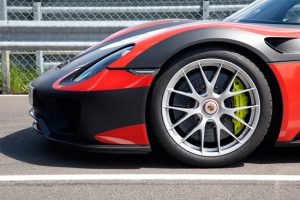
    Posche has unveiled the production model of its 918 Spyder Hybrid, and basically automobile enthusiasts around the world are ready to drool. The engine combination includes a generation of  608 hp at 8,600/min (V8 engine) plus a 154 hp (hybrid module on rear axle), along with an 127 hp (electric motor on front axle), giving the eco sports car a total of 887 hp (combined).
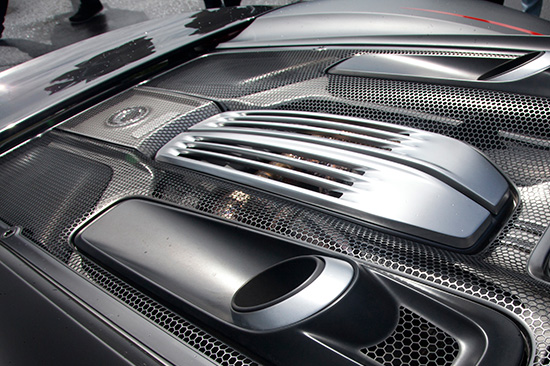
    918 spyder inner

    The entire load-bearing structure is made of carbon fiber reinforced polymer (CFRP).  The car’s unladen weight of approximately 3,715 lbs. is an excellent low weight for a hybrid vehicle of thisperformance class.

    The chassis has also been fitted with PASM adaptive shock-absorber system and rear-axle steering with electro-mechanical adjustment system at each rear wheel, this happens depending on the speed of the car upto three degrees in each direction assisting in overall control and stability. The Porsche 918 Spyder is also equipped with Porsche Active Aerodynamic (PAA), which ensures maximum downforce and is tuned to the operating modes of the hybrid drive system.
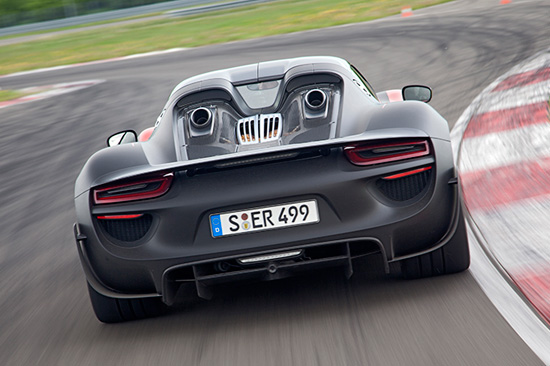
    918 spyder rear

    The Weissach package adds more performance and reduces the weight by 77 pounds, in this the roof, rear wings, rear-view mirrors and frames of the windscreen are made of visible carbon. Parts of the interior are upholstered with Alcantara instead of leather, and visible carbon replaces much of the aluminum.


    Technical Specifications of Porsche 918 Spyder

    Body: Two-seat Spyder; carbon fiber reinforced plastics (CFRP) monocoque interlocked with CFRP unit carrier; two-piece Targa roof; fixed roll-over protection system.
    Drivetrain:

    Parallel full hybrid; 4.6-liter V8 mid-engine with dry-sump lubrication; hybrid module with electric motor and decoupler; electric motor with decoupler and gear unit on front axle; auto start/stop function; electrical system recuperation; four cooling circuits for motors, transmission and battery; thermal management.

    Engine power:

    608 hp at 8,600/min (V8 engine)
    154 hp (hybrid module on rear axle)
    127 hp (electric motor on front axle)
    887 hp (combined)

    Max. torque:

    390 lb.-ft. at 6,600/min (V8 engine)
    940 lb.-ft. (equivalent torque calculated on the crankshaft, complete system in 7th gear)
    787 lb.-ft. (complete system, 3rd gear)
    > 590 lb.-ft. (800/min & 5,000/min)

    Maximum Revs: 9,150 rpm
    Power output per l: 133 hp/l (V8 engine)
    Power transmission:

    Combustion engine with hybrid module and transmission bolted together to form a single drive unit; seven-speed Doppelkupplungsgetriebe (PDK); rear-wheel drive; front electric motor with gearbox for driving the front wheels (decoupled from 146 mph); five pre-selectable operating modes for optimum coordination of all drive units.

    Gear ratios   PDK
    1st gear  3.91
    2nd gear 2.29
    3rd gear  1.58
    4th gear   1.19
    5th gear  0.97
    6th gear  0.83
    7th gear  0.67
    R gear  3.55
    Final drive ratio  3.09
    Clutch diameter  8.7 in. / 6.5 in

    Chassis and Suspension:

    Double-wishbone front axle; optional electro-pneumatic lift system on front axle; electro-mechanical power steering; multilink rear axle with adaptive electro-mechanical system for individual rear wheel steering; electronically controlled twin-tube gas-pressure dampers in the front and rear with Porsche Active Suspension Management (PASM).

    Brake system: High-performance hybrid brake system with adaptive recuperation; internally ventilated and perforated front ceramic brake discs (PCCB), 16 in. in diameter and 1.4 in. thick; rear discs 15.4 in diameter and 1.3 in. thick.
    Wheels and tires:

    918 Spyder wheels
    (Weissach package: 918 Spyder magnesium wheels)
    front 9.5 J x 20 with  265/35 ZR 20
    rear 12.5 J x 21  with  325/30 ZR 21

    Weights:

    Curb weight 3,715 lbs.
    3,616 lbs. (Weissach package)

    Dimensions:

    Length 182.8 in.
    Width  76.4 in.
    Height 45.9 in.
    Wheelbase  107.5 in.

    Track width

    front 65.5 in.
    rear  63.5 in.

    Luggage compartment capacity, VDA   ~ 110 l
    Fuel tank capacity 18.5 gal

    Energy supply: Lithium-ion battery with 6.8 kWh capacity (BOL nominal), 220 kW maximum power and mains-compatible plug-in charger.
    Performance:

    Top speed > 211 mph
    purely electric 93 mph

    Acceleration:
    0-62 mph   2.8 s
    0-60 mph less than 2.8 s
    0-62 mph (in electric mode)  7.0 s

     0-124 mph (0-200 km/h) 7.9 s

    0-186 mph (0-300 km/h) 23.0 s

    Range: Purely electric: approx. 18 mi.
    Warranty: Vehicle (Battery): 4 years (7 years)

    Charging times:

    AC charging on a household socket (110 V, 10 A):
    less than 7 hours
    AC charging on an industrial socket (240 V, 30 A):
    less than 2 hours
    DC charging on an industrial socket (400 V, 32 A):
    less than 0.5 hours.


    [toggle title=”Press Release”]

    INTRODUCING THE PORSCHE 918 SPYDER

    Atlanta.The 918 Spyder embodies the essence of the Porsche idea: it combines pedigree motor racing technology with excellent everyday utility, and maximum performance with minimum consumption. The task faced by the development team was to create the super sports car for the next decade with a highly efficient and powerful hybrid drive. Developing the car from scratch, appropriately beginning with a sheet of white paper, allowed the team to come up with a no-compromise concept. The entire car was designed around the hybrid drive. The 918 Spyder therefore demonstrates the potential of the hybrid drive to a degree never seen before: the parallel improvement of both efficiency and performance without one being at the cost of the other. This is the idea that has made the Porsche 911 the most successful sports car in the world for 50 years. In short, the 918 Spyder will act as the gene pool for the Porsche sports cars of the future.

    The 918 Spyder reveals its close links to motorsport in a variety of ways. It has been designed, developed and produced by Porsche engineers who build race cars, in cooperation with series production specialists. A great deal of insight gained from the development of Porsche race cars for the 24 hours race in Le Mans in 2014 is thus integrated into the 918 Spyder – and vice versa. The structural concept of the 918 Spyder with a rolling chassis as its basis – a basic vehicle that can be driven even without a body – is race car tradition at Porsche. The concept of the V8 engine originates from the LMP2 RS Spyder race car. The load-bearing structures, the monocoque and subframe, are made of carbon fiber reinforced polymer. Porsche has many years of experience with this high-strength, lightweight construction material and has again achieved top results with the development of the series production 918 Spyder. Many parts of the super sports car come from manufacturers who have a proven record as suppliers for motorsport vehicles.

    Hybrid drive brings advantages in terms of driving dynamics

    A key message of the 918 Spyder is that the hybrid drive from Porsche is a plus for no-compromise driving dynamics. Drivers can experience this thanks to the unique all-wheel drive concept with a combination of combustion engine and electric motor on the rear axle and the second electric motor on the front axle. It is based on knowledge gained by Porsche during motor races with the successful 911 GT3 R Hybrid. Due to the additional, individually controllable front drive, new driving strategies for extremely high, safe cornering speeds can be implemented, especially for bends. Furthermore, the advanced “boost” strategy manages the energy of the electric drive so intelligently that, for every sprint with maximum acceleration, the full power of the 918 Spyder can be tapped into by simply pressing the accelerator down fully. In short, the 918 Spyder allows even drivers without motorsport training to experience the potential of advanced longitudinal and transverse dynamics.

    The Porsche 918 Spyder also has the potential to break many records. The current lap time for the North Loop of the Nürburgring is 7:14 minutes. This time was achieved in the presence of international journalists during test drives in September 2012 – more than a year before start of production. The 918 Spyder prototype was therefore approximately 20 seconds quicker than the Porsche Carrera GT. More test drives on the Nürburgring North Loop will follow. An even more important factor is that the 918 Spyder surpasses previous models and competitors by far in its efficiency as well. As a plug-in hybrid vehicle, it systematically combines the dynamic performance of a racing machine with low fuel consumption. To sum it up: maximum driving fun with minimal fuel consumption.

    Carbon monocoque guarantees lightweight design with a low center of gravity

    The 918 Spyder utilizes the best state-of-the-art technologies, taken straight from motor racing, to achieve its top performance. The entire load-bearing structure is made of carbon fiber reinforced polymer (CFRP) for extreme torsional rigidity. Additional crash elements at the front and rear absorb and reduce the energy of a collision. The car’s unladen weight of approximately 3,715 lbs. (3,616 lbs. with “Weissach” package), an excellent low weight for a hybrid vehicle of this performance class, is largely attributable to this concept.

    The drivetrain components and all components weighing over 110 lbs. are located as low and as centrally as possible within the vehicle. This results in a slightly rear end biased axle load distribution of 57 percent on the rear axle and 43 percent on the front axle, combined with an extremely low center of gravity at approximately the height of the wheel hubs, which is ideal for driving dynamics. The central and low position of the traction battery directly behind the driver not only supports efforts to concentrate masses and lower the center of gravity; it also provides the best temperature conditions for optimum battery power capacity.

    Chassis with race car genes and rear-axle steering

    The multi-link chassis of the Porsche 918 Spyder is inspired by motorsport design, complemented by additional systems such as the PASM adaptive shock-absorber system and rear-axle steering. Basically, this incorporates an electro-mechanical adjustment system at each rear wheel. The adjustment is speed-sensitive and executes steering angles of up to three degrees in each direction. The rear axle can therefore be steered in the same direction as the front wheels or in opposition to them. At low speeds, the system steers the rear wheels in a direction opposite to that of the front wheels. This makes cornering even more direct, faster and more precise, and it reduces the turning circle. At higher speeds, the system steers the rear wheels in the same direction as the front wheels. This significantly improves the stability of the rear end when changing lanes quickly. The result is very secure and stable handling.

    Porsche Active Aerodynamic (PAA) for different driving modes

    Porsche Active Aerodynamic (PAA), a system of adjustable aerodynamic elements, ensures unique and variable aerodynamics; its layout is automatically varied over three modes ranging from optimal efficiency to maximum downforce and is tuned to the operating modes of the hybrid drive system. In “Race” mode, the retractable rear wing is set to a steep angle to generate high downforce at the rear axle. The spoiler positioned between the two wing supports near the trailing edge of the airflow also extends. In addition, two adjustable air flaps are opened in the underfloor in front of the front axle, and they direct a portion of the air into the diffuser channels of the underbody structure. This also produces a “ground effect” at the front axle.

    In “Sport” mode, the aerodynamic control system reduces the attack angle of the rear wing somewhat, which enables a higher top speed. The spoiler remains extended. The aerodynamic flaps in the underfloor area close, which also reduces aerodynamic drag and increases attainable vehicle speeds. In “E” mode, the control is configured entirely for low aerodynamic drag; the rear wing and spoiler are retracted and the underfloor flaps are closed.

    Adjustable air inlets under the main headlights round off the adaptive aerodynamic system. When the vehicle is stationary and in “Race” and “Sport” mode, they are opened for maximum cooling air intake. In “E-Power” and “Hybrid” modes, they close immediately after the car is driven off in order to keep aerodynamic drag to a minimum. They are not opened until the car reaches speeds of approximately 81 mph or when cooling requirements are higher.

    From comfortable to race-ready: five modes for three motors

    The core of the 918 Spyder concept is its distribution of propulsive power among the three power units; their cooperation is controlled by an intelligent management system. To best exploit these different approaches, the Porsche developers defined five operating modes that can be activated via a “map switch” on the steering wheel, just like in motorsport cars. On the basis of this pre-selection, the 918 Spyder applies the most suitable operating and boost strategy without driver intervention, thus allowing the driver to concentrate fully on the road.

    Quiet and elegant: “E-Power”

    When the vehicle is started up, the “E-Power” mode is the default operating mode as long as the battery is sufficiently charged. In ideal conditions, the 918 Spyder can cover approximately 18 miles on purely electric power. Even in pure electric mode, the 918 Spyder accelerates from 0 to 62 mph in seven seconds and can reach speeds of up to 93 mph. In this mode, the combustion engine is only used when needed. If the battery’s charge state drops below a set minimum value, the vehicle automatically switches to hybrid mode.

    Efficient and comfortable: “Hybrid”

    In “Hybrid” mode, the electric motors and combustion engine work alternately with a focus on maximum efficiency and minimum fuel consumption. The use of individual drive components is modified as a function of the current driving situation and the desired performance. The Hybrid mode is typically used for a fuel economy-oriented driving style.

    Sporty and dynamic: “Sport Hybrid”

    In more dynamic situations, the 918 Spyder selects the “Sport Hybrid” mode for its power sources. The combustion engine now operates continuously and provides the main propulsive force. In addition, the electric motors provide support in the form of electric boosting or when the operating point of the combustion engine can be optimized for greater efficiency. The focus of this mode is on performance and a sporty driving style at top speed.

    For fast laps: “Race Hybrid”

    “Race Hybrid” is the mode for maximum performance and an especially sporty driving style. The combustion engine is chiefly used under high load, and charges the battery when the driver is not utilizing its maximum output. Again, the electric motors provide additional support in the form of boosting. Furthermore, the gear-shifting program of the PDK is set up for even sportier driving. The electric motors are used up to the maximum power output limit to deliver the best possible performance for the race track. In this mode, the battery charge state is not kept constant, rather it fluctuates over the entire charge range. In contrast to Sport Hybrid mode, the electric motors run at their maximum power output limit for a short time for better boosting. This increased output is balanced by the combustion engine charging the battery more intensively. Electric power is thus available even with several very fast laps.

    For pole position: “Hot Lap”

    The “Hot Lap” button in the middle of the map switch releases the final reserves of the 918 Spyder and can only be activated in “Race Hybrid” mode. Similar to a qualification mode, this pushes the traction battery to its maximum power output limits for a few fast laps. This mode uses all of the available energy in the battery.

    Main propulsion: the race car’s eight cylinder engine

    The main source of propulsion is the 4.6-liter, eight cylinder engine that produces 608 hp of power. The engine is derived directly from the power unit of the successful RS Spyder, which explains why it can deliver engine speeds of up to 9,150 rpm. Like the race engine of the RS Spyder, the 918 Spyder power unit features dry-sump lubrication with a separate oil tank and oil extraction. To save weight, components such as the oil tank, the air filter box integrated into the subframe and the air induction are made of carbon fiber reinforced polymer. Further extensive lightweight design measures have resulted in such features as titanium connecting rods, thin-wall, low-pressure casting on the crank case and the cylinder heads, a high-strength, lightweight steel crankshaft with 180 degrees crankpin offset and the extremely thin-walled alloy steel/nickel exhaust system. Striking features of the V8 are that it no longer supports any auxiliary systems, there are no external belt drives and the engine is therefore particularly compact. Weight and performance optimizations achieve a power output per liter of approx. 133 hp/l – the highest power output per liter of a Porsche naturally aspirated engine – which is significantly higher than that of the Carrera GT (106 hp/l) and outstanding for a naturally aspirated engine.

    Unique race car design heritage: top pipes

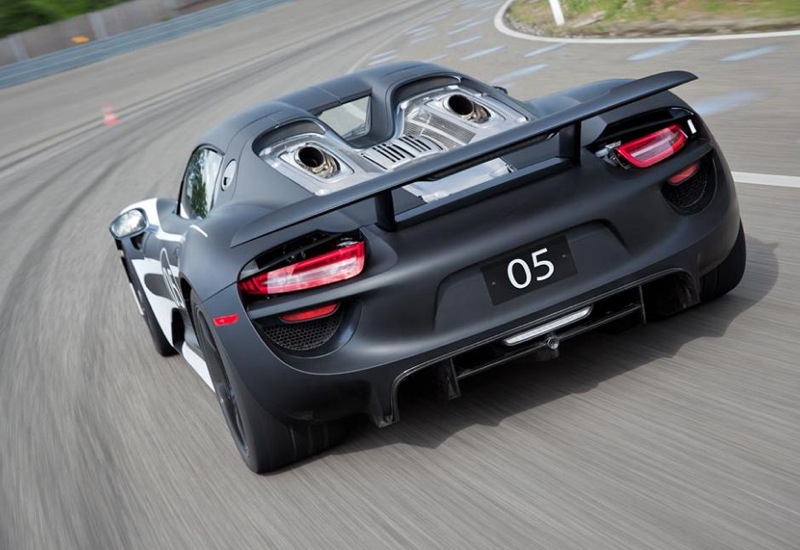
    It isn’t just this engine’s performance but also the sound it makes that stokes the emotionality of the 918 Spyder. This is attributable first and foremost to the so-called top pipes: the tailpipes terminate in the upper part of the rear end immediately above the engine. No other production vehicle uses this solution. The top pipes’ greatest benefit is optimal heat removal, because the hot exhaust gases are released via the shortest possible route, and exhaust gas back pressure remains low. This design requires a new thermodynamic air channeling concept. With the HSI engine, the hot side is located inside the cylinder V, the intake channels are on the outside. There is another benefit as well: the engine compartment remains cooler. This is especially beneficial to the lithium-ion traction battery, as it provides optimum performance at temperatures between 68 and 104 degrees Fahrenheit. Consequently, less energy needs to be used for active cooling of the battery.

    In parallel in the drivetrain: hybrid module

    The V8 engine is coupled to the hybrid module, since the 918 Spyder is designed as a parallel hybrid like the current hybrid models from Porsche. Essentially, the hybrid module comprises a 115 kW electric motor and a decoupler that serves as the connection with the combustion engine. Because of its parallel hybrid configuration, the 918 Spyder can be powered at the rear axle either individually by the combustion engine or electric motor or via both drives jointly. As is typical for a Porsche super sports car, the power pack in the 918 Spyder has been placed in front of the rear axle, and does not have any direct mechanical connection to the front axle.

    Upside-down for a low center of gravity: Doppelkupplung

    A seven-speed Doppelkupplung (PDK) transmission handles power transmission to the rear axle. The high-performance transmission is the sportiest version of the successful PDK; it has undergone a complete redesign for the 918 Spyder and has been further optimized for high performance. To ensure a low mounting position for a low center of gravity of the entire vehicle, the gear unit was turned “upside down” by rotating it 180 degrees about its longitudinal axis, in contrast to other Porsche series. If no power is required on the rear axle, the two motors can be decoupled by opening the decoupler and PDK clutches. This is the action behind the Porsche hybrid drive’s typical “coasting” with the combustion engine switched off.

    Independent all-wheel drive: front axle with electric motor

    On the front axle, there is another independent electric motor with an output of approximately 95 kW. The front electric drive unit drives the wheels at a fixed ratio. A decoupler decouples the electric motor at high speeds to prevent the motor from over-revving. Drive torque is independently controlled for each axle. This makes for very responsive all-wheel drive functionality that offers great potential in terms of traction and driving dynamics.

    Lithium-ion battery with plug-in charging system

    The electric energy for the electric motors is stored by a liquid-cooled lithium-ion battery comprising 312 individual cells with an energy content of about seven kilowatt hours. The battery of the 918 Spyder has a performance-oriented design in terms of both power charging and output, so that it can fulfill the performance requirements of the electric motor. The power capacity and the operating life of the lithium-ion traction battery depend on several factors, including thermal conditions. That is why the battery of the 918 Spyder is liquid-cooled by a dedicated cooling circuit. The global warranty period for the traction battery is seven years.

    To supply it with energy, Porsche developed a new system with a plug-in vehicle charge port and improved recuperation potential. This vehicle charge port in the B-pillar on the front passenger side lets users connect the storage battery to an electrical supply at home to charge it. The charge port is standardized for the country of purchase. The on-board charger is located close to the traction battery. It converts the alternating current of the household electric supply into direct current with a maximum charge output of 3.6 kW. Using the supplied Porsche Universal Charger (AC), the traction battery can be charged with a conventional wall plug in seven hours from a ten ampere rated, fused power socket a US 110 Volt household electrical supply, for example. Furthermore, the Porsche Universal Charger (AC) can be installed at home in the garage using the Charging Dock. It enables rapid and convenient charging within approximately two hours, irrespective of regional conditions. The Porsche Speed Charging Station (DC) is available as an optional extra. It can fully charge the high-voltage battery of the 918 Spyder in just 25 minutes.

    Pioneering control concept: clear organization of the cockpit

    The driver is the focus of all technology in the future Porsche super sports car. A cockpit was created for the driver that is typical of the brand and pioneering in its clarity. It is partitioned into two basic areas. First, there are the controls that are important for driving, which are grouped around the multifunction steering wheel, combined with driver information displayed on three large round instruments. Second, there is the infotainment block that is housed in the lifted center console, which was introduced in the Carrera GT. Control functions, e.g. for the automatic climate control system, wing adjustment, lighting and Porsche Communication Management (PCM), including a Burmester high-end sound system, can be intuitively operated by multitouch with a new type of black panel technology.

    For even higher performance: the Weissach package

    For very performance-oriented customers of the 918 Spyder, Porsche offers the “Weissach” package. These modified super sports cars can be recognized at first glance by special colors and designs that are based on legendary Porsche race cars. The roof, rear wings, rear-view mirrors and frames of the windscreen are made of visible carbon. Parts of the interior are upholstered with Alcantara instead of leather, and visible carbon replaces much of the aluminum. Sound insulation has been reduced. The emphasis on performance is not just visual: very lightweight magnesium wheels reduce unsprung masses; gross weight was reduced by about 77 lbs. The benefits are experienced in further improved dynamic performance. Other references from motorsport are six-point seatbelts for driver and front passenger, optional film-coating instead of body paint, as well as additional aerodynamic body parts in visible carbon.

    Porsche redefined: a new super sports car for a new decade

    The 918 Spyder continues a long tradition of super sports cars at Porsche; as technology platforms, as the driving force behind both car emotion and car evolution and as the ultimate sports cars of their decades: the Carrera GTS, the first Porsche Turbo, the 959, the 911 GT1, the Carrera GT. More than any of its predecessors, the 918 Spyder is providing key impetus for developing technologies for future vehicle concepts. It offers a complete package of components that reflect Porsche DNA – more concentrated than ever before.

    Technical Specifications – Porsche 918 Spyder

    Body: Two-seat Spyder; carbon fiber reinforced plastics (CFRP) monocoque interlocked with CFRP unit carrier; two-piece Targa roof; fixed roll-over protection system.

    Drivetrain: Parallel full hybrid; 4.6-liter V8 mid-engine with dry-sump lubrication; hybrid module with electric motor and decoupler; electric motor with decoupler and gear unit on front axle; auto start/stop function; electrical system recuperation; four cooling circuits for motors, transmission and battery; thermal management.

    Engine power: 608 hp at 8,600/min (V8 engine)

    154 hp (hybrid module on rear axle)

    127 hp (electric motor on front axle)

    887 hp (combined)

    Max. torque: 390 lb.-ft. at 6,600/min (V8 engine)

    940 lb.-ft. (equivalent torque calculated on the crankshaft, complete system in 7th gear)

    787 lb.-ft. (complete system, 3rd gear)

    > 590 lb.-ft. (800/min – 5,000/min)

    Maximum Revs: 9,150 rpm

    Power output per l: 133 hp/l (V8 engine)

    Power transmission: Combustion engine with hybrid module and transmission bolted together to form a single drive unit; seven-speed Doppelkupplungsgetriebe (PDK); rear-wheel drive; front electric motor with gearbox for driving the front wheels (decoupled from 146 mph); five pre-selectable operating modes for optimum coordination of all drive units.

    Gear ratios PDK

    1st gear 3.91

    2nd gear 2.29

    3rd gear 1.58

    4th gear 1.19

    5th gear 0.97

    6th gear 0.83

    7th gear 0.67

    R gear 3.55

    Final drive ratio 3.09

    Clutch diameter 8.7 in. / 6.5 in.

    Chassis and Suspension: Double-wishbone front axle; optional electro-pneumatic lift system on front axle; electro-mechanical power steering; multilink rear axle with adaptive electro-mechanical system for individual rear wheel steering; electronically controlled twin-tube gas-pressure dampers in the front and rear with Porsche Active Suspension Management (PASM).

    Brake system: High-performance hybrid brake system with adaptive recuperation; internally ventilated and perforated front ceramic brake discs (PCCB), 16 in. in diameter and 1.4 in. thick; rear discs 15.4 in diameter and 1.3 in. thick.

    Wheels and tires: 918 Spyder wheels

    (Weissach package: 918 Spyder magnesium wheels)

    front 9.5 J x 20 with 265/35 ZR 20

    rear 12.5 J x 21 with 325/30 ZR 21

    Weights: Curb weight 3,715 lbs.

    3,616 lbs. (Weissach package)

    Dimensions: Length 182.8 in.

    Width 76.4 in.

    Height 45.9 in.

    Wheelbase 107.5 in.

    Track width front 65.5 in.

    rear 63.5 in.

    Luggage compartment capacity, VDA ~ 110 l

    Fuel tank capacity 18.5 gal

    Energy supply: Lithium-ion battery with 6.8 kWh capacity (BOL nominal), 220 kW maximum power and mains-compatible plug-in charger.

    Performance: Top speed > 211 mph

    purely electric 93 mph

    Acceleration:

    0-62 mph 2.8 s

    0-60 mph less than 2.8 s

    0-62 mph (in electric mode) 7.0 s

    0-124 mph (0-200 km/h) 7.9 s

    0-186 mph (0-300 km/h) 23.0 s

    Range: Purely electric approx. 18 mi.

    Warranty: Vehicle (Battery) 4 years (7 years)

    Charging times:

    AC charging on a household socket (110 V, 10 A): less than 7 hours

    AC charging on an industrial socket (240 V, 30 A): less than 2 hours

    DC charging on an industrial socket (400 V, 32 A): less than 0.5 hours.

    [/toggle]

  • Porsche Panamera S E-Hybrid plug-in Launched with 416 HorsePower

    Porsche Panamera S E-Hybrid plug-in Launched with 416 HorsePower

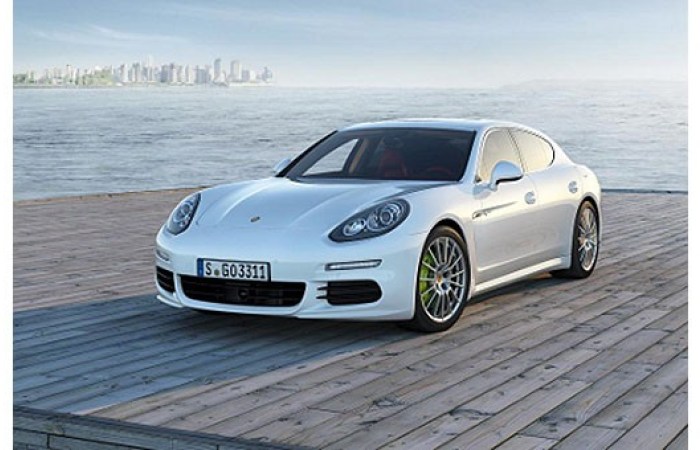
    The new Panamera S E-Hybrid model Plug-in will let you get to work and back without the need for any fuel or stopping, provided you can avoid the Auto-rickshaws. The new S E-Hybrid comes with a V6 bi-turbo gas engine with a 95 horsepower electric model for 416 total system horsepower. Essentially the 2013 Panemera S rigged with a 9.4 kWh battery allowing you to charge and use only the electric motor at 80MPH or (128 KP/hr) for 20 miles /32km or use the full combination allowing  0-60MPH in about 5.5 seconds with a fuel burning top speed of 165MPH or about 265 KM/ph

    [toggle title=”Press Release”]New Plug-in Hybrid and Extended Wheelbase Variants Added to Revised Panamera Range

    Atlanta. Porsche is introducing its first plug-in hybrid and two new extended wheelbase variants with the second generation of the Panamera. The new Panamera S E-Hybrid produces 416 total system horsepower and is joined by Panamera 4S Executive and Panamera Turbo Executive models in the revised Panamera lineup.

    Further, S models are now powered by an entirely new 3.0-liter V6 engine with twin turbochargers. The broadest model range in its class has been further expanded, now consisting of nine models for the U.S. market. New and further-developed technologies offer improved performance while also enhancing fuel efficiency and comfort. The new Panamera is characterized by tighter lines, more pronounced contours and newly shaped body elements. The refreshed Panamera celebrates its world debut at Auto China in Shanghai, which opens on April 21, where further details on the new models will be revealed.

    Panamera S E-Hybrid sets new standards in performance, efficiency, and convenience in everyday use. The new Panamera S E-Hybrid improves upon the concept offered by the previous Panamera S Hybrid with a more powerful electric motor, a higher-performance battery that supplies more energy and is able be recharged from home or public vehicle charging stations. The electric drive produces 95 hp, more than double the power of the previous model’s electric motor (47 hp). Electricity is stored in a newly developed lithium-ion battery, which at 9.4 kWh has increased capacity over the previous battery (1.7 kWh). Via the integrated on-board charging componentry and the standard Porsche Universal Charger (AC), the battery can reach full charge within approximately two and a half hours when connected to a 240V power source.

    The Panamera S E-Hybrid expands upon the driving performance of the previous generation, while fuel consumption is reduced when compared to the previous Panamera S Hybrid. Final U.S. EPA fuel economy ratings will be available closer to launch. Simultaneously, its electric-only driving performance is substantially improved, enhancing acceleration, range, and top speed. Electric-only driving is possible without any fuel consumption or local emissions, which is especially advantageous in city driving. The electric driving range of the Panamera S E-Hybrid is estimated to be greater than 20 miles based upon current NEDC testing. Driving range may vary in real world operation, due to the effects of environmental conditions, terrain, air conditioning and heating use, driving style and other factors. The Panamera S E-Hybrid can reach up to 84 mph in all-electric operation.

    The Panamera S E-hybrid is capable of accelerating from a standstill to 60 mph in 5.2 seconds, an improvement of a half second when compared to the Panamera S Hybrid. An electric boost function helps in instances where maximum acceleration is desired, when the electric motor works in tandem with the combustion engine during acceleration. Electric boost is also available when a kick-down switch in the throttle pedal is activated by the driver during acceleration.

    The car’s top track speed is 167 mph. The parallel full hybrid system developed by Porsche also offers “coasting” at higher speeds, a mode wherein the internal combustion engine is turned off and the electric motors use vehicle momentum to generate electricity that is stored in the lithium-ion battery.

    The Panamera S E-Hybrid also includes an entirely new range of convenience functions which can be activated and operated by Porsche Car Connect, a mobile app available for Android and iOS-powered devices. These functions include a charge status indicator and the ability to control the vehicle’s new auxiliary climate control option, which enables vehicle preheating or cooling via the Porsche Car Connect app. These functions can also be programmed from inside the vehicle. A mobile device may also be used for remote access to vehicle information, such as remaining driving range or vehicle location. Other functions not specific to the hybrid drive will also be available as options for other Panamera models via the Porsche Car Connect mobile app.

    Long wheelbase, spacious rear seating area: Executive models feature extra comfort The two full-sized rear bucket seats offered in the Panamera have proven so successful that Porsche is expanding this generous rear passenger compartment room with two new Panamera Executive models. The new Panamera 4S Executive and Panamera Turbo Executive models feature a wheelbase extended by 5.9 inches, enabling even more rear seating comfort and come with an extensive range of standard features. For example, all Executive models are equipped with Adaptive air-suspension featuring Porsche Active Suspension Management (PASM), which combines superior performance and enhanced ride comfort.

    More performance and efficiency in a smaller powerplant: the new twin-turbo V6 engine Increasing both performance and efficiency has long been a core Porsche philosophy. In the new Panamera, this approach takes form in a 3.0-liter V6 engine with twin turbochargers. The twin-turbo V6 replaces the naturally aspirated 4.8-liter V8 engine in the previous-generation Panamera S and Panamera 4S. The new bi-turbo engine is also used in the Executive version of the Panamera 4S. The engine’s figures themselves are indicators of progress: increases of 20 hp and 15 lb-ft torque when compared to the outgoing V8 engine. Carefully-managed turbocharging ensures that the maximum 384 lb-ft torque is available across most of the twin-turbo V6’s operating range.

    With the exception of the Panamera S E-Hybrid, all Panamera models are equipped with the seven-speed Porsche Doppelkupplungsgetriebe (PDK); the Panamera S E-Hybrid uses the eight-speed Tiptronic S automatic. The PDK transmission works in tandem with other vehicle systems to enhance fuel savings in the new generation Panamera. For example, the optimized engine Auto Start Stop feature now turns the engine off earlier while coasting to a stop. With the exception of the Panamera GTS, models with PDK also offer a coasting function in which the clutches open in overrun allowing the engine to idle and the vehicle to coast freely. This function can significantly improve fuel economy, especially when traveling on the highway.

    Revised exterior with a new option: LED headlights Exterior design changes of the new Panamera are extensive. The tighter and more prominent lines up front are especially apparent in the larger air intakes and the transition to the headlights. Perhaps the most distinguishing feature of the new generation Panamera is a new trunk lid; its laterally stretched glass emphasizes the vehicle’s width and makes for a more aggressive stance. Rear body proportions were also changed. A larger automatically deploying spoiler and a tighter transition to the rear lights complement the treatment at the front of the vehicle noted above.

    The new Panamera continues the tradition of multiple options that enable owners to customize the look and function of their vehicles. Full-LED headlights, which lend the new generation a striking appearance, are now an option.

    In addition, an expanded lineup of assistance systems is available for safety and convenience. The revised adaptive cruise control system is now offered with Porsche Active Safe (PAS). This system visually and audibly alerts the driver in the event of a sudden decrease in following distance and briefly tugs on the brakes. It can also intervene in the braking process and apply increased braking pressure in an emergency braking situation, if required. Another new feature, camera-based lane departure warning, offers greater convenience and safety in city and highway travel.

    The new generation of Panamera models will be available starting late in 2013. Panamera Turbo S and Panamera Turbo S Executive variants will be available in 2014. Pricing details are as follows:

    Panamera $78,100

    Panamera 4 $82,800

    Panamera S $93,200

    Panamera 4S $98,300

    Panamera S E-Hybrid $99,000

    Panamera GTS $113,400

    Panamera 4S Executive $125,600

    Panamera Turbo $141,300

    Panamera Turbo Executive $161,100

    *Base pricing does not include options, taxes, dealer charges, and a destination fee of $975.[/toggle]


  • White Blackberry Q10 spotted

    White Blackberry Q10 spotted

    blackberry-q10-white-1-31-13


    While Blackberry was busy renaming their parent company and launching the new OS along with black variants of the Z10 and Q10 a white version of the BOLD series replacement the Blackberry Q10 has been spotted at the event.

    The Blackberry Q10 is packed with a 720 x 720 Super AMOLED 3.1-inch display, the Blackberry Q10’s screen is slightly larger than its touch-hybrid predecessor, the Bold 9930, and has a pixel density of 328ppi. Other specs include  the 1.5GHz dual-core CPU and 2GB of RAM, 10.3mm-thick body and a 139g weight. 


  • Asus PadFone 2 Specs leak again, hinting massive overhaul, Launch on 16th Oct

    Asus PadFone 2 Specs leak again, hinting massive overhaul, Launch on 16th Oct

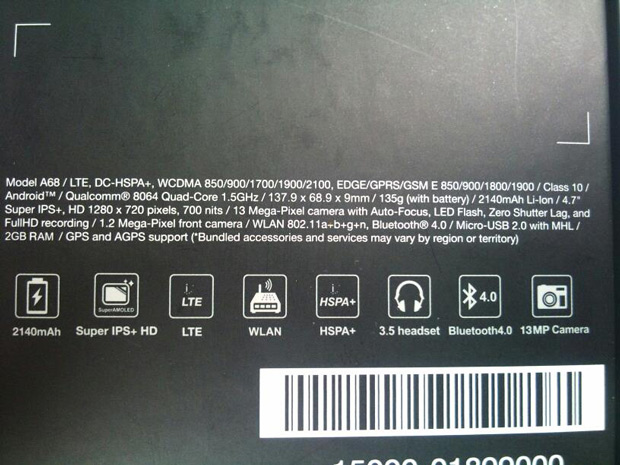
    The Asus Padfone came and went faster than we could say hello, but its successor may stay on. The revision includes a 1.5GHz quad-core Qualcomm processor, 2GB of RAM, a 4.7-inch display with a 1280 x 720 resolution, 13-megapixel rear camera, and a 2,140mAh battery.The Padfone will operate GSM 1900/850 MHz, WCDMA 2100 MHz and comes with NFC.  But, these specs are no different from the box specs that leaked out in the past. Image below.

    The company will announce the Hybrid on 16th October in Milan.

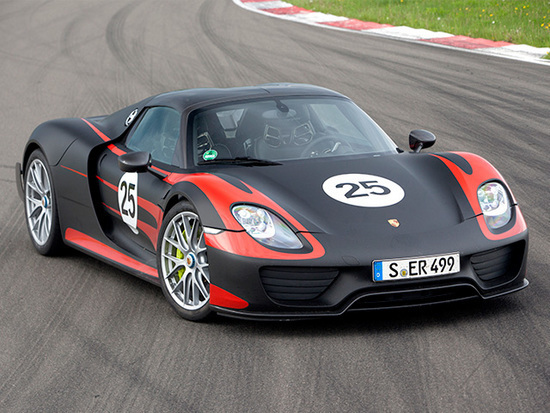
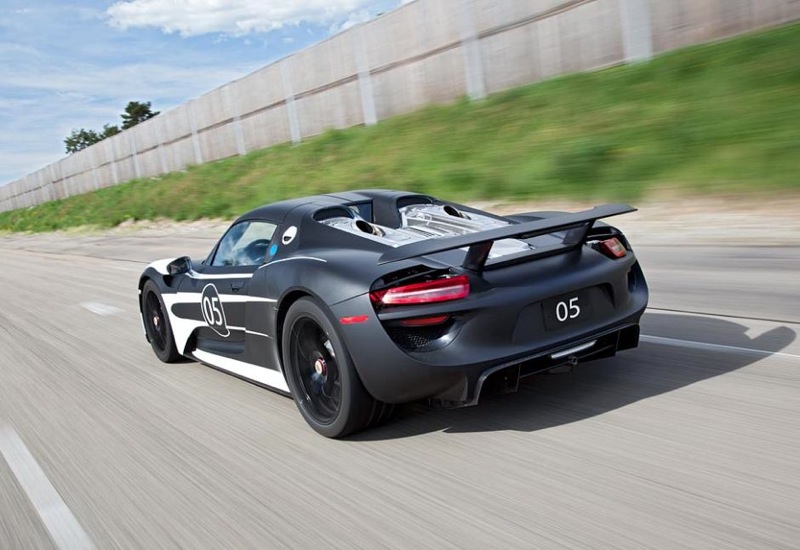
  • AutoGyaan : Porsche 918 Spyder Hybrid gets a polished Matte Black and White look (PR)

    AutoGyaan : Porsche 918 Spyder Hybrid gets a polished Matte Black and White look (PR)

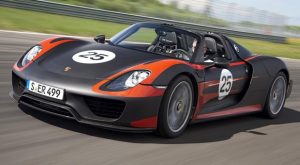
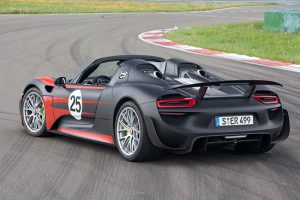
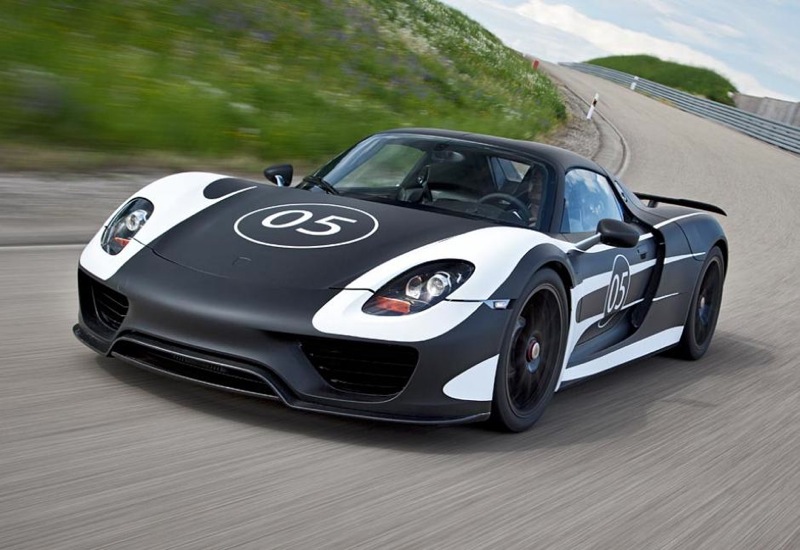
    The Hybrid super car from Porsche, “918 Spyder” has gotten a makeover and a renewed Km/L average. The plugin hybrid is now coated with a polished matte Black and White special coat pain work, and will now deliver 100KM/3 liters of petrol. The price is  $845,000 (Rs. 45,482,125 excluding duty and tax).

    The car has a carbon-fiber reinforced-plastic monocoqueshell, rear-axle steering and  upward-venting exhausted system. A combustion engine along with an electric motor to achieve the high Km/L.

    [toggle_box title=”Press Release” width=”Width of toggle box”]

    Development of the Porsche super sports car enters next phase

    Atlanta. The Porsche 918 Spyder is on the road: Dr. Ing. h.c. F. Porsche AG, Stuttgart, has taken the driving trials of the super sports car of the future a step further with completion of the initial prototypes. The 918 Spyder is planned for production at the end of September 2013, with the first customer deliveries currently scheduled for the United States late in 2013. “What we are doing with the 918 Spyder is redefining driving fun, efficiency and performance,” said Wolfgang Hatz, Member of the Executive Board Research and Development of Porsche AG.

    The prototypes, their camouflage harking back to historical Porsche 917 racing cars, signal the final touches to the 918 Spyder. The focus is on the interplay between the highly sophisticated individual drive components. The combination of combustion engine and two independent electric motors – one on the front axle and one in the drive line, acting on the rear wheels – poses completely new demands on the development of the operating strategies. “They are therefore a critical component in this vehicle into which we have put all of our expertise and capacity for innovation,” said Wolfgang Hatz. These operating strategies and the development of the software to go with them are one of Porsche’s core competences. Both of them have a major influence on the extreme driving fun to be had with the 918 Spyder and they make possible a unique combination of minimal fuel consumption and maximum performance. The initial results of the driving trials are in line with the high expectations placed on the 918 Spyder.

    The super sports car is designed as a plug-in hybrid vehicle combining a high-performance combustion engine with cutting-edge electric motors for extraordinary performance: on the one hand, the dynamics of a racing machine boasting more than 770 hp, on the other hand, fuel consumption in the region of three litres per 100 kilometres. Moreover, Porsche is breaking yet more new ground with the technology demonstrator with spectacular solutions such as the full carbon fibre reinforced plastic (CFRP) monocoque with unit carrier, fully adaptive aerodynamics, adaptive rear-axle steering and the upward-venting “top pipes” exhaust system. In the process, the 918 Spyder is offering a glimpse of what Porsche Intelligent Performance may be capable of in future.

    [/toggle_box]


  • AutoGyaan : Ferrari Q1 Result : 42.1 Million Euro Profit : New Hybrid Enzo Plans

    AutoGyaan : Ferrari Q1 Result : 42.1 Million Euro Profit : New Hybrid Enzo Plans

    The Board of Directors of Ferrari S.p.A. reported a very positive first quarter of 2012, revenues rose to 556.1 million euro (+13.2 per cent) and 1,733 cars were delivered to the dealership network, an increase of 11.5 per cent on the same period last year. Trading profit grew by 13.4 per cent to 60.5 million euro, while net profits rose by 17.2 per cent (42.1 million euro).

    Ferrari’s industrial net cash position on March 31st was the strongest in its history at 860 million euro.

    Sales in Europe in the United Kingdom were up (+31 per cent, 177 cars delivered) and in Germany (up 24 per cent). Italy is the exception to this trend with sales of 121 cars, down 65 compared to the first quarter 2011 as a result of the economic situation and the local government’s recent financial initiatives.

    In the Far East, the Greater China market (China, Hong Kong and Taiwan) continued to grow with 154 cars delivered in the first quarter. On May 18th, a major new Ferrari exhibition will open at the Shanghai Expo in China where a 1,000 square metre space will host some of our most iconic road models as well as Formula 1 cars. The display will also feature simulators and interactive points where visitors can learn about Ferrari’s history and the Maranello campus.

    The Middle East also delivered extremely significant results with sales this first quarter up by 23 per cent and 81 cars delivered.

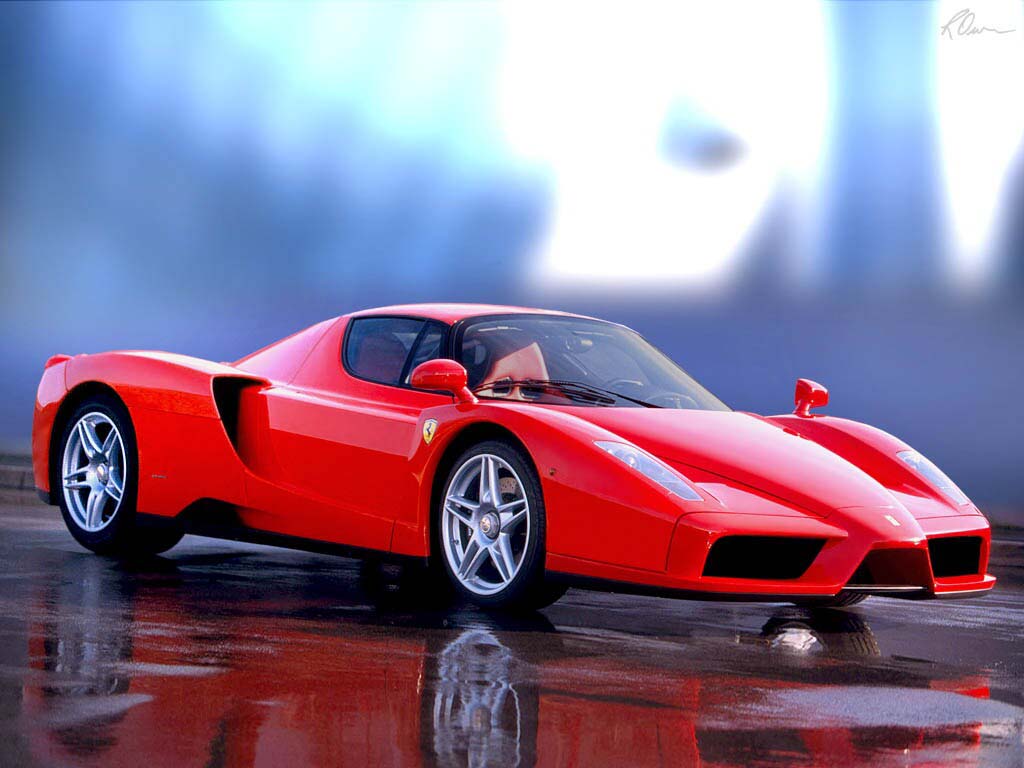
    But, the most interesting news of the result came form Ferrari chairman, who declared that the company is working on a Hybrid Enzo which should be out at the end of the year.

    [quote]

    After an extraordinary 2011, starting the year with all the economic indicators on the rise is very satisfying indeed, We have a complete new model range brimming with technological innovations, and which deliver significant reductions in fuel consumption and emissions, down by 30 per cent on average. At the end of the year, we’ll also be unveiling the new Enzo, a limited series model and our first ever hybrid car.

    – Ferrari’s Chairman, Luca di Montezemolo.

    [/quote]
     

    [toggle_box title=”Ferrari Press Release” width=”Width of toggle box”]


    Very positive Ferrari first quarter growth

    – Revenues of 556 Million Euro (+13.2%)
    – 1,733 cars delivered (+11.5%)
    – Net profits of 42.1 Million Euro (+17.2%)
    – Record industrial net cash of 860 Million Euro

    Excellent results from the USA (+16%), United Kingdom (+31%), Germany (+24%) and Middle East (+23%)

    Maranello, 10th May 2012 – The Board of Directors of Ferrari S.p.A. met today under the chairmanship of Luca di Montezemolo to examine the company’s accounts for the first quarter of 2012.

    On March 31st, Ferrari recorded a string of excellent results: revenues rose to 556.1 million euro (+13.2 per cent) and 1,733 cars were delivered to the dealership network, an increase of 11.5 per cent on the same period last year.

    These results are the fruit of the success of the 12-cylinder FF and the continuing popularity of the 8-cylinder models, most notably the Ferrari California, which is the company’s best-selling GT, and the coupé and spider versions of the 458 which top the sports car segment.

    One hundred per cent of Ferraris are personalised by their owners who, since the start of 2012, have also been able to avail of the innovative Tailor Made programme, which allows each client to tailor their own bespoke car using an extensive variety of unique and exclusive materials, colours and finishes, with the assistance of a specialist team.

    The F12berlinetta, the most powerful and high performance Prancing Horse car ever built and the first in a new generation of V12s, made no contribution to these results as deliveries will not commence until the second part of the year.

    Trading profit grew by 13.4 per cent to 60.5 million euro, while net profits rose by 17.2 per cent (42.1 million euro).

    Ferrari’s industrial net cash position on March 31st was the strongest in its history at 860 million euro. This was achieved despite keeping product investment extremely high and thanks to a net cash flow for the first quarter of 152 million euro.

    The one-make series of the Prancing Horse, the Ferrari Challenge, is also proving to be very successful with the 2012 racing season starting with 100 458 Challenge cars on the tracks in North America, Europe and Asia-Pacific.

    In terms of sales, the US remains Ferrari’s most important market recording growth of 16 per cent even after the excellent figures recorded in 2011.

    Sales in Europe were also very positive with excellent results in the United Kingdom (+31 per cent, 177 cars delivered) and in Germany (up 24 per cent). Italy is the exception to this trend with sales of 121 cars, down 65 compared to the first quarter 2011 as a result of the economic situation and the local government’s recent financial initiatives.

    In the Far East, after a record 2011, the Greater China market (China, Hong Kong and Taiwan) continued to grow with 154 cars delivered in the first quarter. On May 18th, a major new Ferrari exhibition will open at the Shanghai Expo in China where a 1,000 square metre space will host some of our most iconic road models as well as Formula 1 cars. The display will also feature simulators and interactive points where visitors can learn about Ferrari’s history and the Maranello campus.

    The Middle East also delivered extremely significant results with sales this first quarter up by 23 per cent and 81 cars delivered.

    “After an extraordinary 2011, starting the year with all the economic indicators on the rise is very satisfying indeed,” declared Ferrari’s Chairman, Luca di Montezemolo. “We have a complete new model range brimming with technological innovations, and which deliver significant reductions in fuel consumption and emissions, down by 30 per cent on average.” He continued: “At the end of the year, we’ll also be unveiling the new Enzo, a limited series model and our first ever hybrid car.”

    Brand activities (retail, wholesale, licensing and e-commerce) are up by 10 per cent overall: there are now 50 Ferrari Stores worldwide, including a new store in Madrid which opens officially at the end of May.

    Ferrari also retains its leadership in online activities with over 8 million friends on Facebook and almost one million on Google +.

    [/toggle_box]


iGyaan Network
Privacy Overview

This website uses cookies so that we can provide you with the best user experience possible. Cookie information is stored in your browser and performs functions such as recognising you when you return to our website and helping our team to understand which sections of the website you find most interesting and useful.