Tag: In-Display Fingerprint Sensor

  • Samsung To Introduce In-Display Fingerprint Sensor In Galaxy A Series

    Samsung To Introduce In-Display Fingerprint Sensor In Galaxy A Series

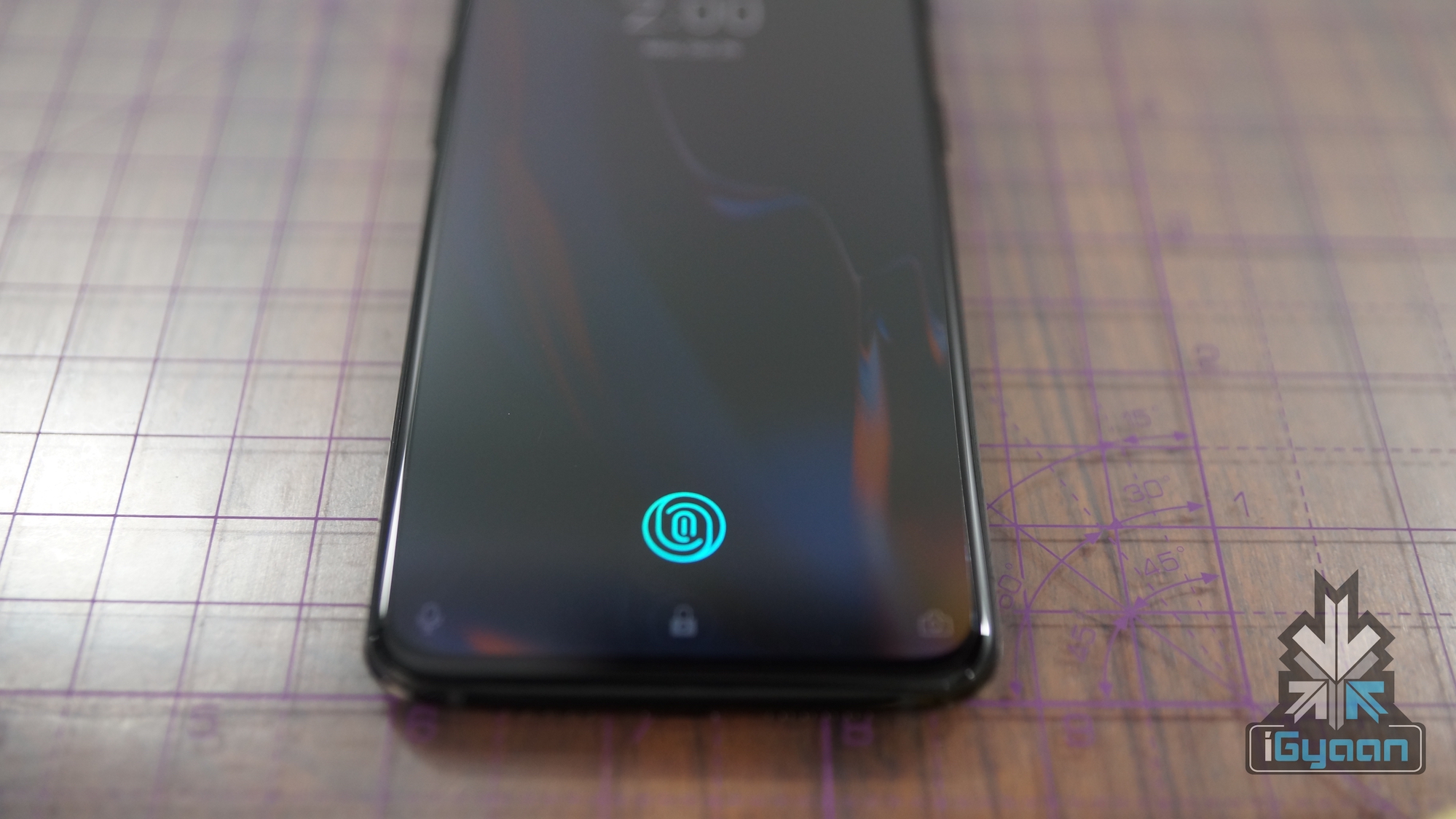
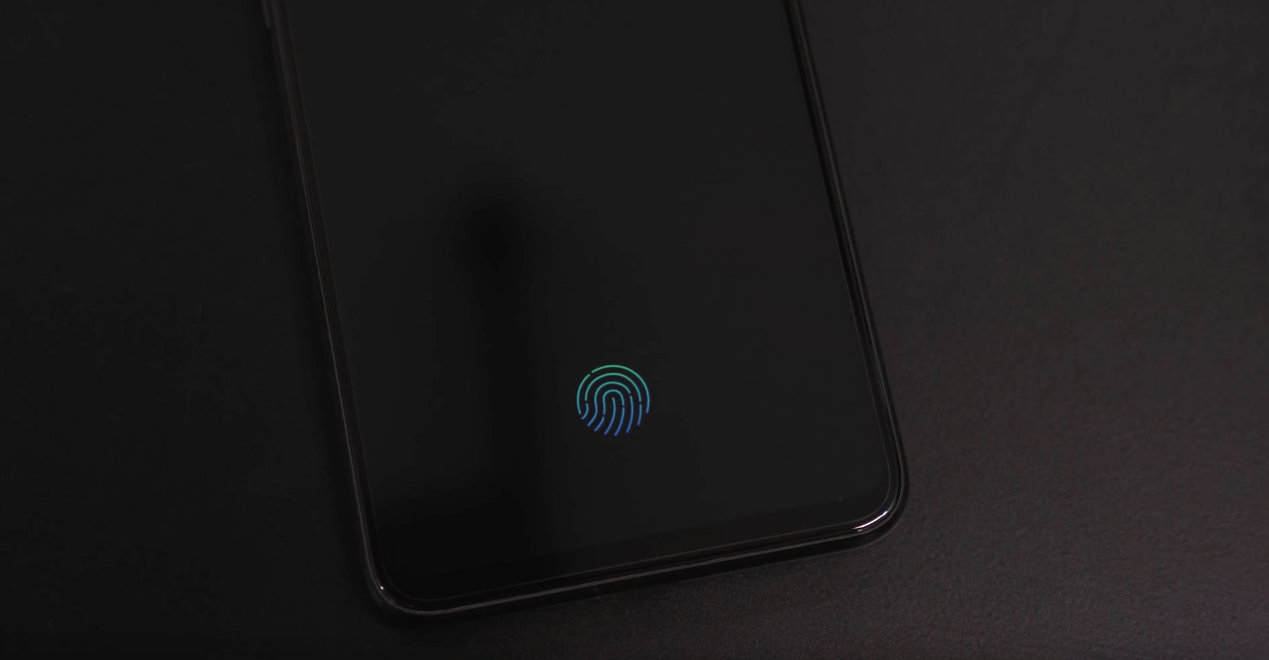
    2018 has been the year of in-display fingerprint sensors in smartphones. We have seen an increasing number of companies adapting this technology, with most of the latest flagships having the same. The next big thing is the arrival of this technology to mid-range and budget phones. And it looks like Samsung is already gearing up to do the same. Latest reports say that Samsung has finalised a supplier for in-display fingerprint sensors for its A series lineup.

    The report details that the Galaxy A series in 2019 will feature an in-display fingerprint sensor. However, this will be an optical sensor and not the ultrasonic sensor, said to be on the Galaxy S10. The way optical sensors work is by reflecting light of the finger. Then the cameras capture this image and use an algorithm to detect the unique patterns on a person’s hand. This differs form the ultrasonic fingerprint sensor which uses ultrasound to map the patterns on your hand. This is so detailed that it even registers the ridges and sweat pores on your fingers.

    Optical  vs Ultrasonic

    While the optical fingerprint sensor is more favoured by most smartphone manufacturers, it lacks in many areas when compared to the ultrasonic sensor. However, companies are willing to use it as the ultrasonic sensor costs 3x more than the optical sensor.

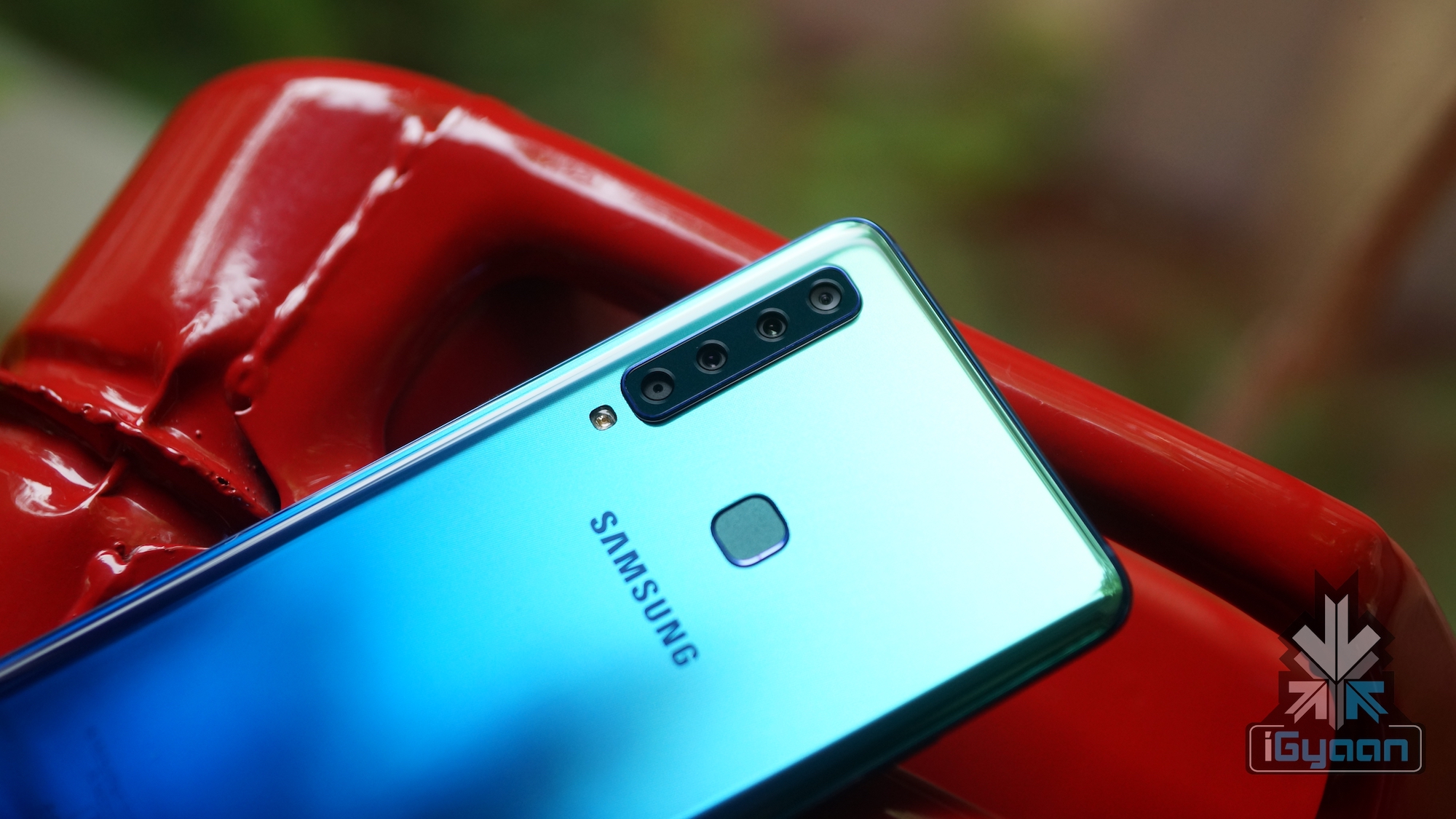
    The Galaxy A series is Samsungs mid-range series of smartphones. This year, Samsung tried to win over the segment by adding a number of cameras and gradient colours to the devices. Some of the latest A series phones are the triple camera Galaxy A7 and the quad camera Galaxy A9.

    Also Read : Apple Resumes Production Of iPhone X Due To Lower XS And XS Max Sales 

    While we knew from earlier reports that Samsung is planning to integrate this technology in its upcoming flagship Galaxy S10, this news came as a surprise. However, considering the position that Samsung is in right now, it seems like a logical step. With its grip over the smartphone market decreasing day by day, Samsung needs to ensure it packs each and every device with the latest features.

  • OnePlus 6T Vs Huawei Mate 20 Pro Vs Xiaomi Mi Mix 3 : Specs Comparison

    OnePlus 6T Vs Huawei Mate 20 Pro Vs Xiaomi Mi Mix 3 : Specs Comparison

    The highly anticipated OnePlus 6T has been launched at an event held by the company in New York. The device brings some upgrades including an in-display fingerprint sensor, a bigger display, a water-drop notch, a bigger battery and more. The OnePlus smartphones have been nicknamed ‘Flagship Killers’ for their unbeatable specifications at a relatively lower price.  So we compare the specifications of the latest OnePlus 6T with some of the hottest flagship devices in the market right now.

    Design & Display
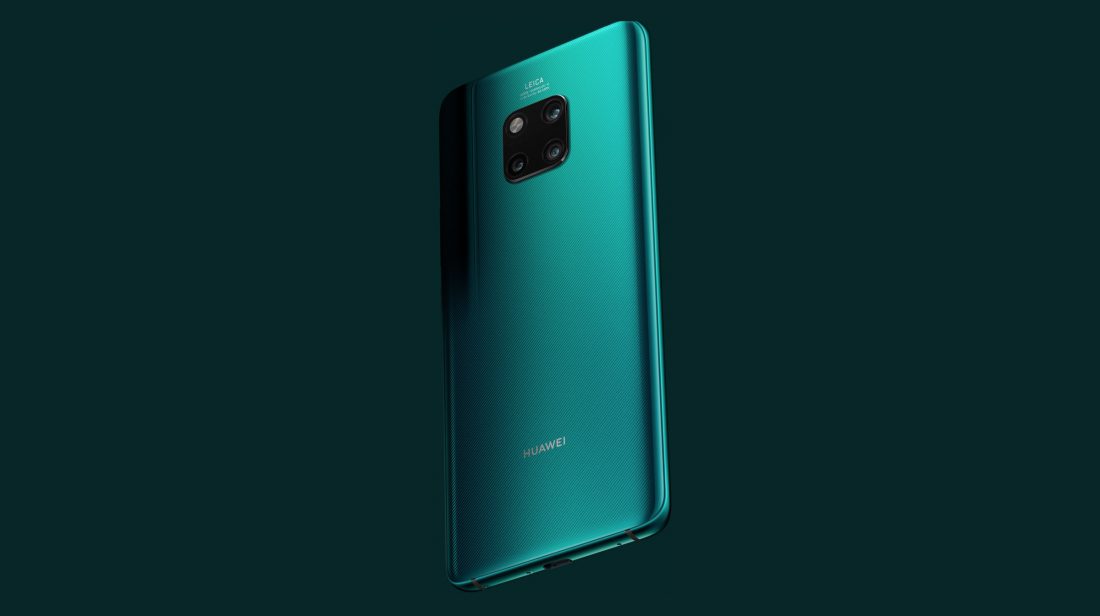
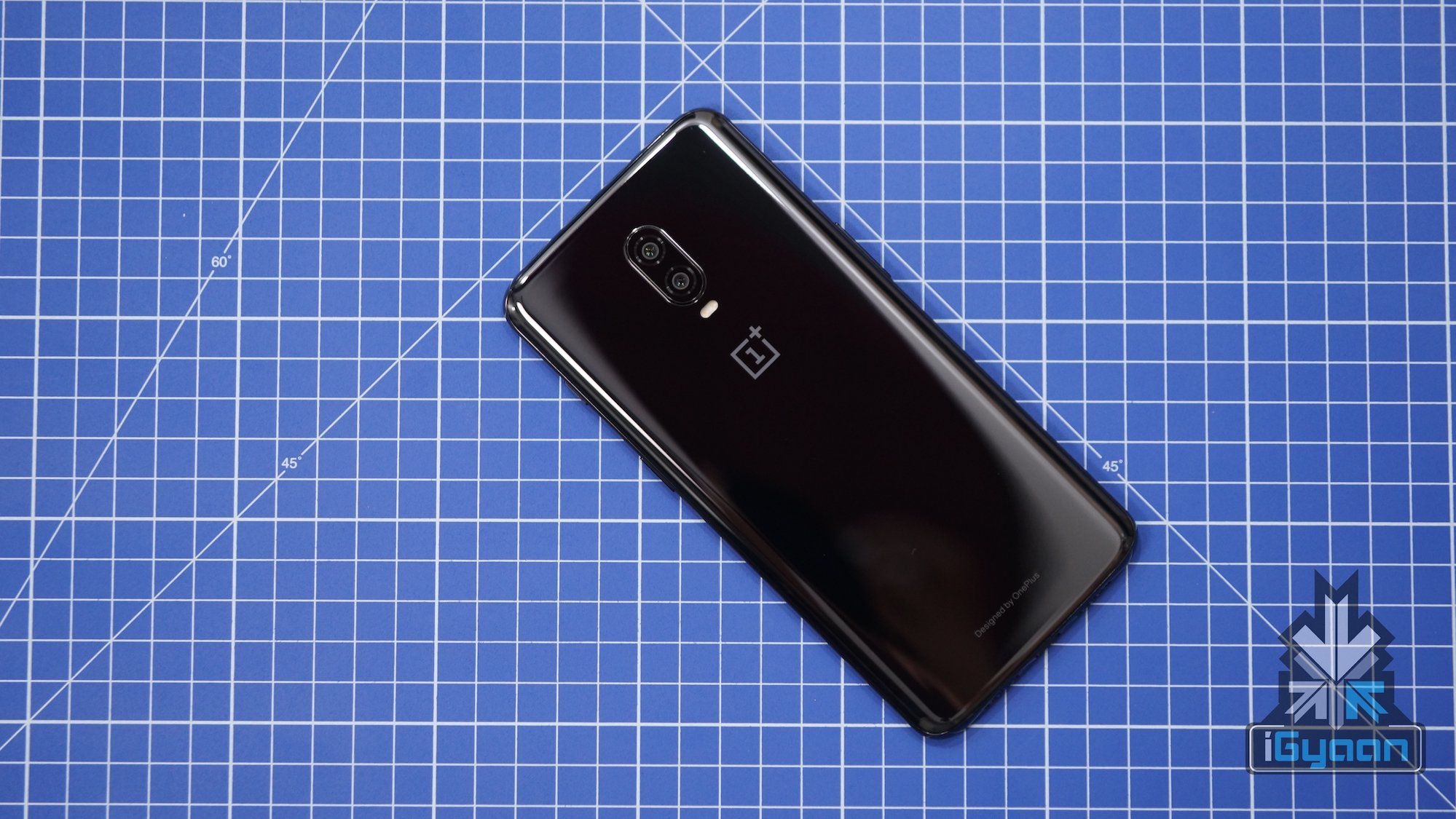
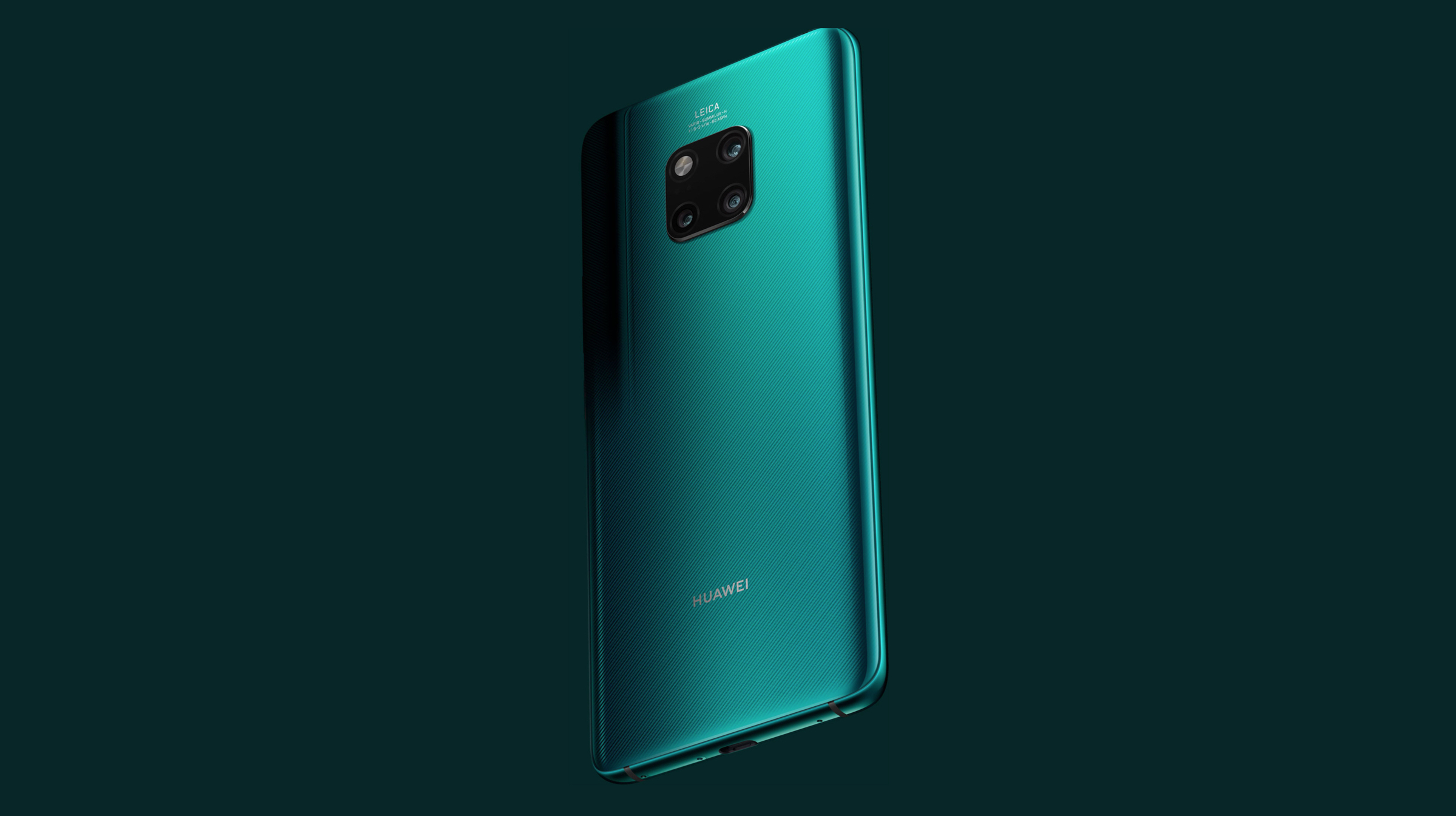
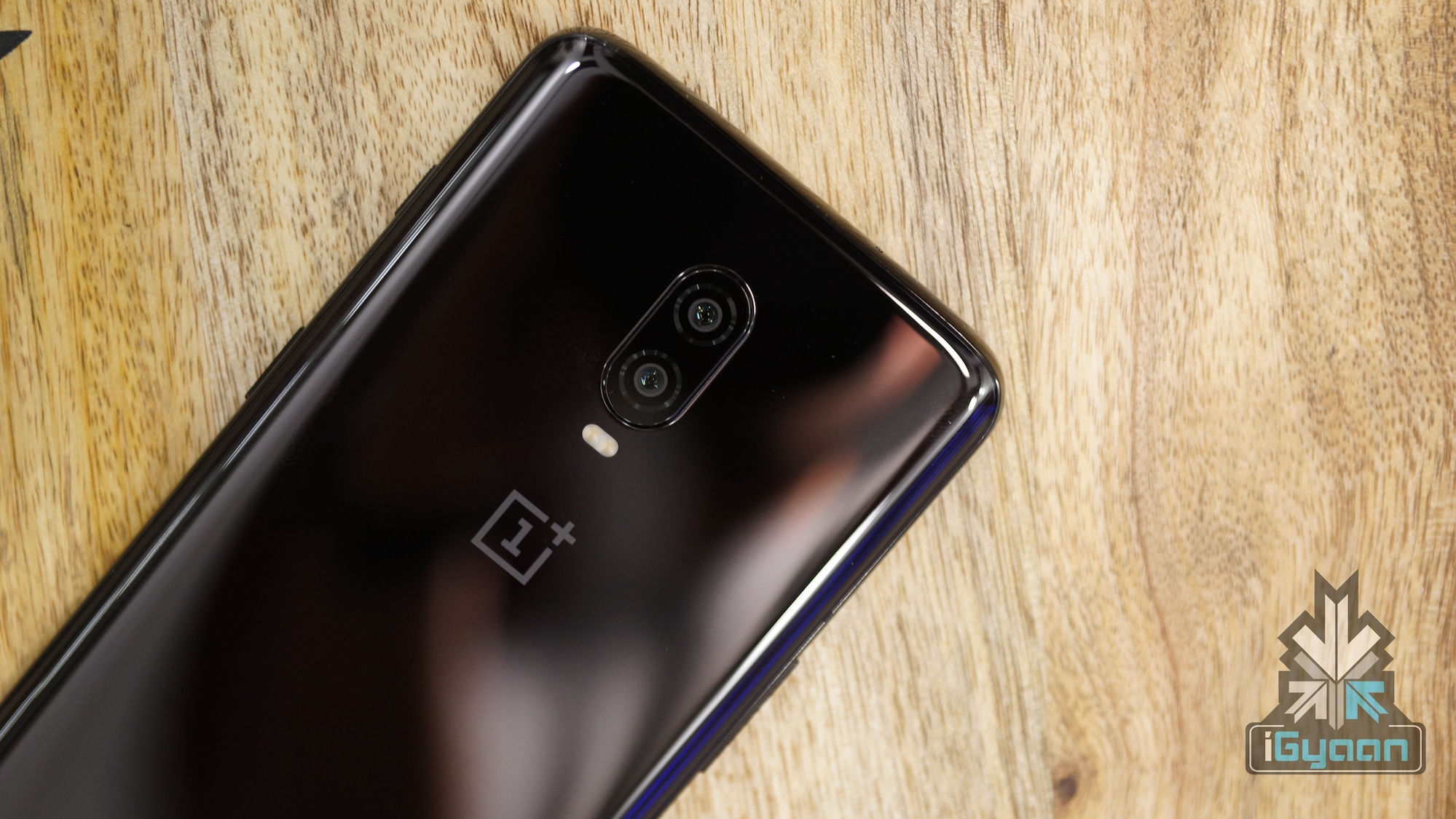
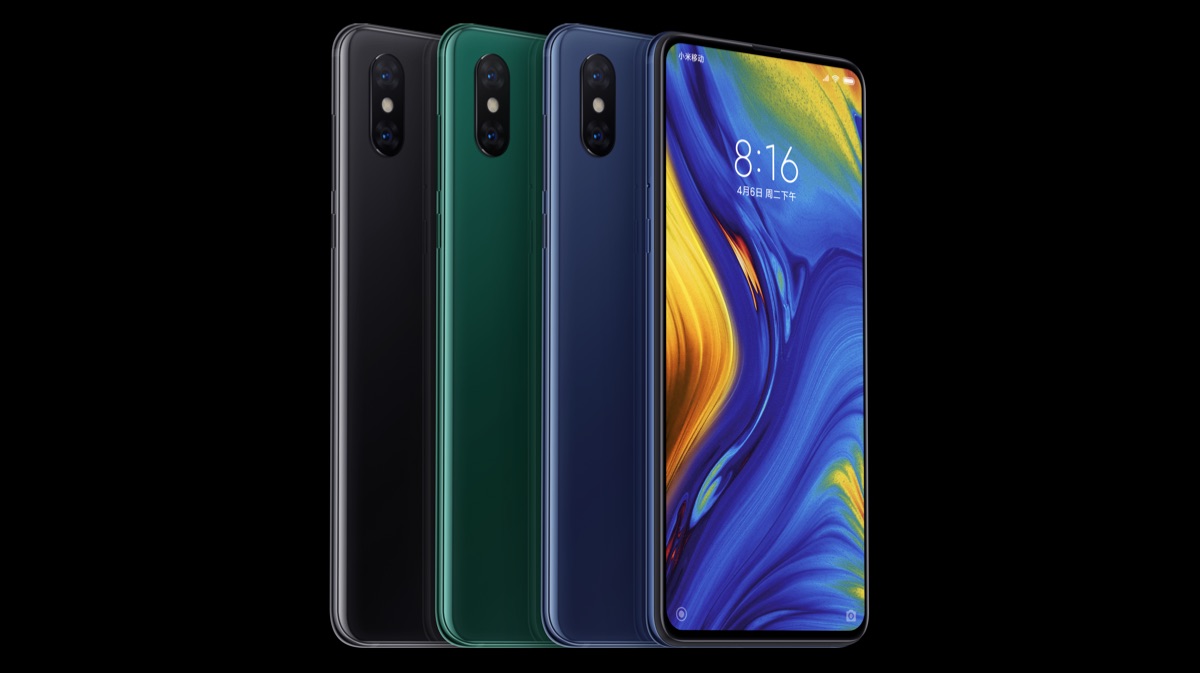
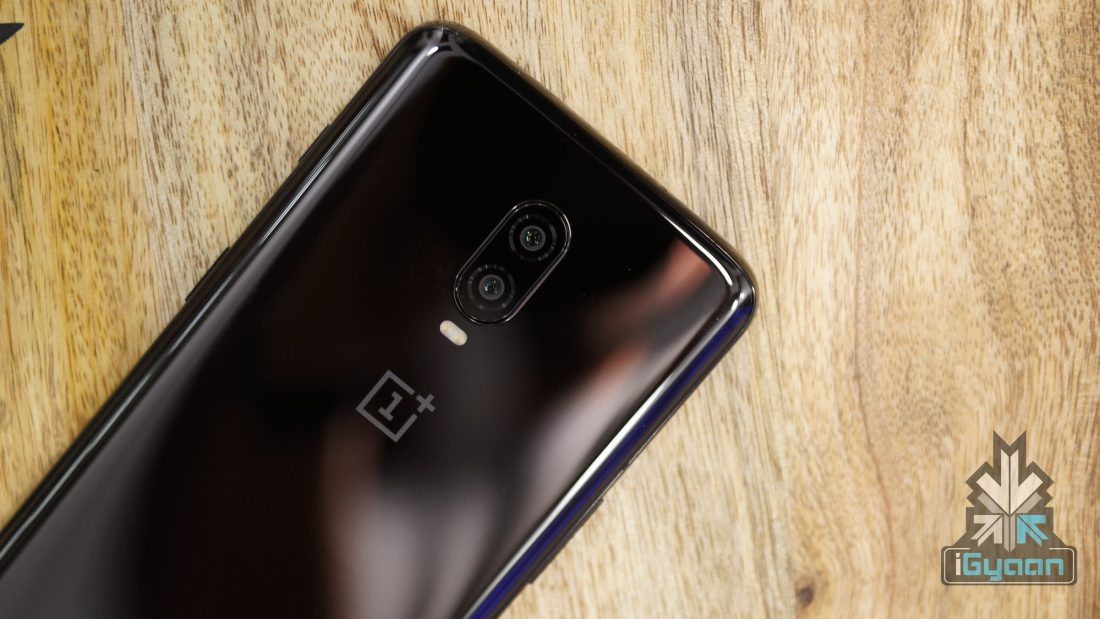
    Each of the three devices sports a unique design. The Huawei Mate 20 Pro has a triple camera setup on the back with a traditional notch on its display. The OnePlus 6T has a dual camera setup on the back with a smaller, water-drop notch on its display. The Xiaomi Mi Mix 3 on the other hand, is totally different with a dual camera setup and a ‘sliding panel’ which houses the front camera and other sensors, eliminating the need for a notch or bezel.
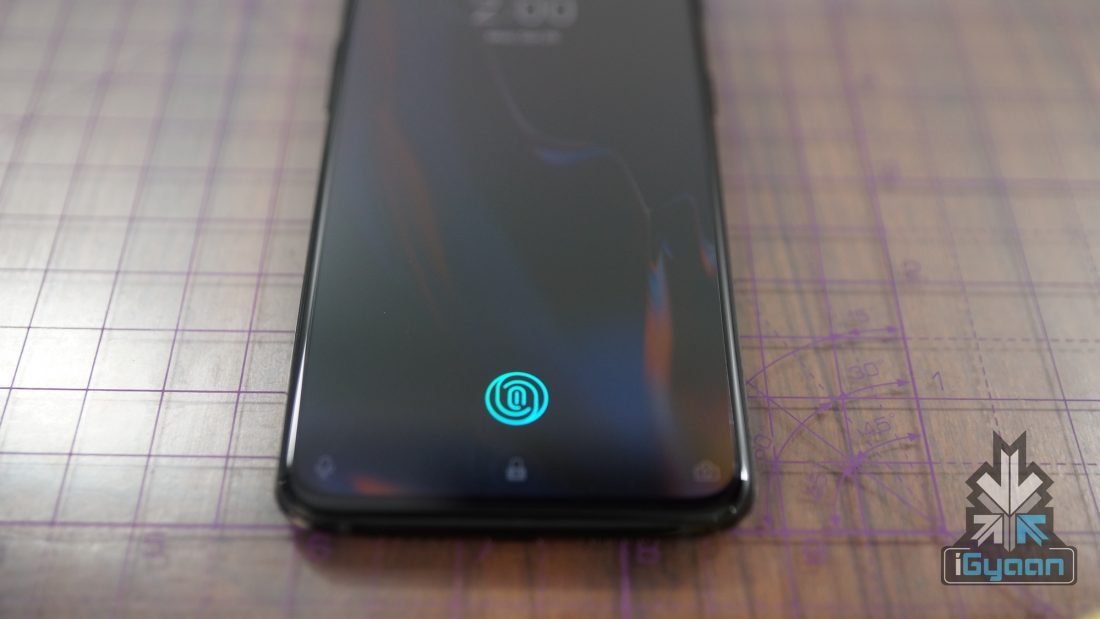
    All the three devices sport a glass back while the OnePlus 6T and Huawei Mate 20 Pro have an in-display fingerprint sensor.

    Processor
    The OnePlus 6T and the Xiaomi Mi Mix 3 run on the Snapdragon 845 SoC which is the flagship processor by Qualcomm. The Huawei Mate 20 Pro runs on the Hisilicon Kirin 980 chipset which is the latest offering by Huawei. The Snapdragon 845 has proven its worth and is adopted by almost all Android flagships. The Kirin 980 on the other hand is fairly new, so a comparison between the two is not possible at this time. However, it is noteworthy that the Kirin 980 is manufactured using the latest 7 nm process while the Snapdragon 845 uses the 10 nm manufacturing process.
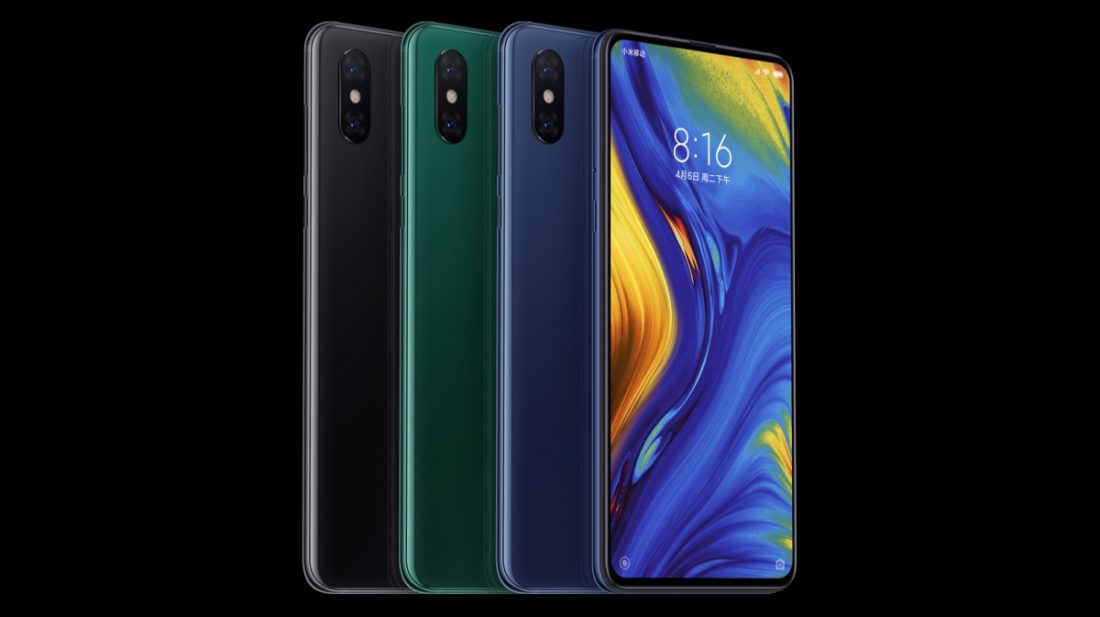
    The Xiaomi Mi Mix 3 offers RAM options upto 10 GB when compared to the maximum of 8 GB offered by the other two devices. All the three devices boast superior gaming capabilities as well and are supported by capable GPUs.

    Camera & Battery

    The Mi Mix 3 and OnePlus 6T have dual rear cameras while the Mate 20 Pro has a Leica triple camera setup. This consists of an ultra wide, wide and a telephoto lens. The OnePlus 6T has a 16 MP front camera while the Mate 20 Pro has a 20 MP front facing camera. The Mi Mix 3 has a 24 MP + 2 MP front camera setup in its sliding panel.

    The Mate 20 Pro has a 4,200 mAh battery, which is the biggest out of the three. The OnePlus 6T has a 3,700 mAh battery and the Mi Mix 3 has a 3,200 mAh battery. The Mate 20 Pro also supports fast charging, fast wireless charging and reverse wireless charging. With this, you can charge another device with wireless charging capability using your Mate 20 Pro. The OnePlus 6T has Dash Charge for quick charging and the Mi Mix 3 has fast charging as well.

    Also Read: OnePlus 6T Unboxing And Hands On Video

    What’s More

    All the three devices have a fingerprint sensor and face unlock. While the Mi Mix 3 has a physical fingerprint sensor, the other two have it within the display. Additionally, the Mate 20 Pro has an IP68 rating for water and dust resistance.

    You can also refer to the table below to compare the specifications of the devices.

    OnePlus 6T Huawei Mate 20 Pro Xiaomi Mix 3
    Price 6 GB + 128 GB – $ 549

    Rs 40,304 (Approx)

    6 GB +128 GB – EUR 1049

    Rs 87,851 (Approx)

    6 GB + 128 GB – 3,299 CNY

    Rs 34,827 (Approx)


    Display 6.41 inch

    2340 x 1080 px

    402 ppi

    6.39 inch

    3120 x 1440 px

    538 ppi


    6.39 inch

    2340 x 1080 px
    403 ppi

    Chipset Qualcomm Snapdragon 845 Hisilicon Kirin 980 Qualcomm Snapdragon 845
    CPU Octa Core
    4 x 2.8 GHz Kryo 385 Gold
    4 x 1.7 GHz Kryo 385 Silver
    Octa Core
    2 x 2.6 GHz Cortex-A76
    2 x 1.92 GHz Cortex-A76
    4 x 1.8 GHz Cortex-A55
    Octa Core

    4 x 2.8 GHz Kryo 385 Gold

    4 x 1.7 GHz Kryo 385 Silver

    RAM 6 GB

    8 GB

    6 GB

    8 GB

    6 GB
    8 GB
    10 GB
    GPU Adreno 630 Mali G76  Adreno 630
    Primary Camera 16 MP
    f/1.7
    20 MP
    f/1.7
    40 MP
    f/1.8
    20 MP
    f/2.2
    8 MP
    f/2.4
    12 MP
    f/1.812 MP
    f/2.4
    Front Facing Camera 16 MP
    f/2.0
    24 MP
    f/2.0
    24 MP
    2 MP
    Battery  3,700 mAh 4,200 mAh 3,200 mAh
    Other Features In-Display Fingerprint Sensor
    Water-Drop Notch
    Face Unlock
    In-Display Fingerprint Sensor
    3D Face Unlock
    Wireless Charging
    Reverse Wireless Charging
    IP68
    Rear Mounted Fingerprint Sensor

    Wireless Charging

    Bezel-Less Display

    Sliding Camera


  • Samsung’s New Patent To Make The Entire Screen A Fingerprint Reader

    Samsung’s New Patent To Make The Entire Screen A Fingerprint Reader

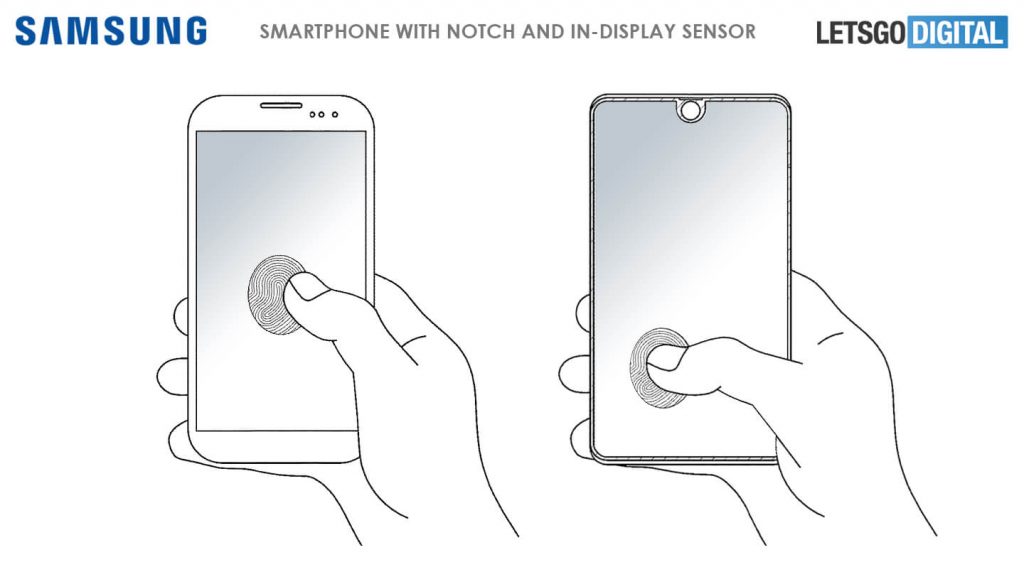
    With great leaps in smartphone technology, users are getting safer and more convenient ways to unlock their smartphones with each passing year. The first major breakthrough after basic security features such as pins and patterns was the inclusion of biometric security in smartphones. Slowly, that evolved, became faster and more secure. It is now present under the display, eliminating the need for a physical sensor. However, the latest patent by Samsung is now taking this a step further. Samsung is planning to turn the entire screen into a fingerprint reader.

    The Future Of Displays

    Currently, in-display fingerprint readers only cover a certain area of the screen and are not very accessible. The positioning of the fingerprint sensor is of the utmost importance. Just having it limited to a certain area on the screen is not ideal for any user. The latest patent from Samsung might solve this issue. The patent describes a way to make the entire display into a fingerprint scanner. This means that no matter where the user will place their hand, the device will be able to read the fingerprint and unlock.

    The patent also describes that the device having this feature will have two processors. This consists of a main processor and a second, low power processor. The low power processor functions even when the display is not on. At the same time, the main processor is in sleep mode to save power. This secondary processor will then detect any touch and thus activate the biometric sensor. The smartphone will then conduct three scans for which it needs between 60 to 90 milliseconds. The processor needs 200 to 300 milliseconds to compute all this.

    Also Read: Xiaomi Mi Mix 3 Might Launch With Qualcomm Snapdragon 855

    It is reported that the technology is being made for use on a folding display and might be seen on Samsung’s upcoming Galaxy F device. However, some sources also say that the technology in the patent will not be seen anytime soon and that we will have to wait a few more years for it to be available. But, immense competition from Chinese manufacturers might just drive Samsung to crack the whip and bring out this innovation faster.

iGyaan Network
Privacy Overview

This website uses cookies so that we can provide you with the best user experience possible. Cookie information is stored in your browser and performs functions such as recognising you when you return to our website and helping our team to understand which sections of the website you find most interesting and useful.