Tag: Mobile Internet

  • India Has The Most Affordable Mobile Data In The World, According To A Study

    India Has The Most Affordable Mobile Data In The World, According To A Study

    A study conducted by a UK based broadband comparison website reveals that India has the most affordable mobile data rates in the world. The cost of 1GB data in the country is Rs 1.41 at its lowest and Rs 98.76 at its peak. The average cost of 1GB data in the country was calculated to be around Rs 18.34. The news arrives a few years after the arrival of Reliance Jio, the telecom operator that is credited for bringing down mobile data costs in the country.

    Mobile Data Rates Across The World
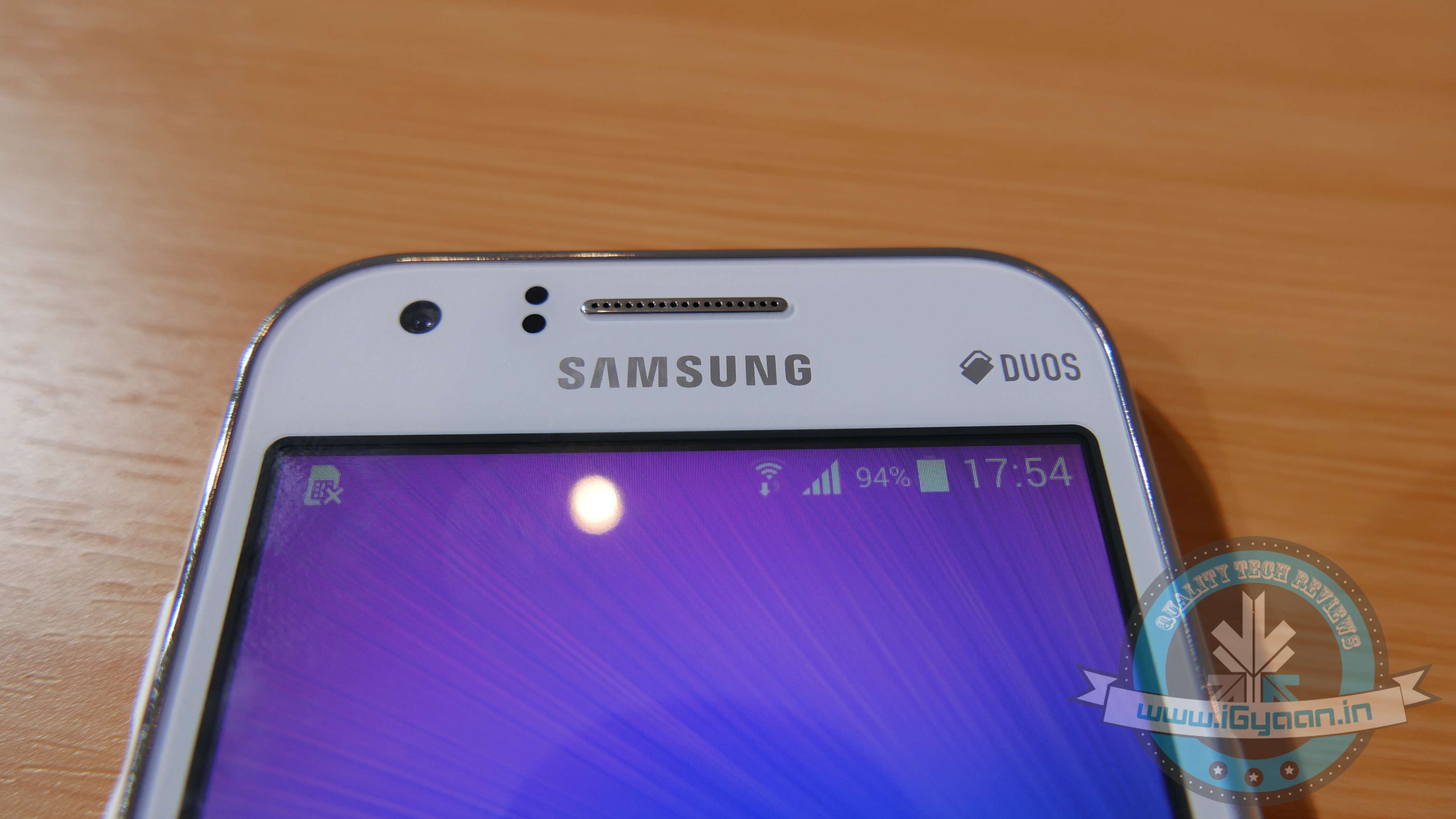
    Data from 6,313 mobile plans in 230 countries were gathered and analysed by Cable.co.uk between 23 October and 28 November 2018. The goal of the research was to find average rates of 1GB of mobile data in different countries. While India held the number one spot, it was followed by Kyrgyzstan and Kazakhstan for the number two and three rankings respectively. Interestingly, Asian nations make up half of the top 20 cheapest countries for mobile data, with India top and Sri Lanka, Mongolia and Myanmar also in the top ten. The global average was found to be $8.53 (around Rs 601).
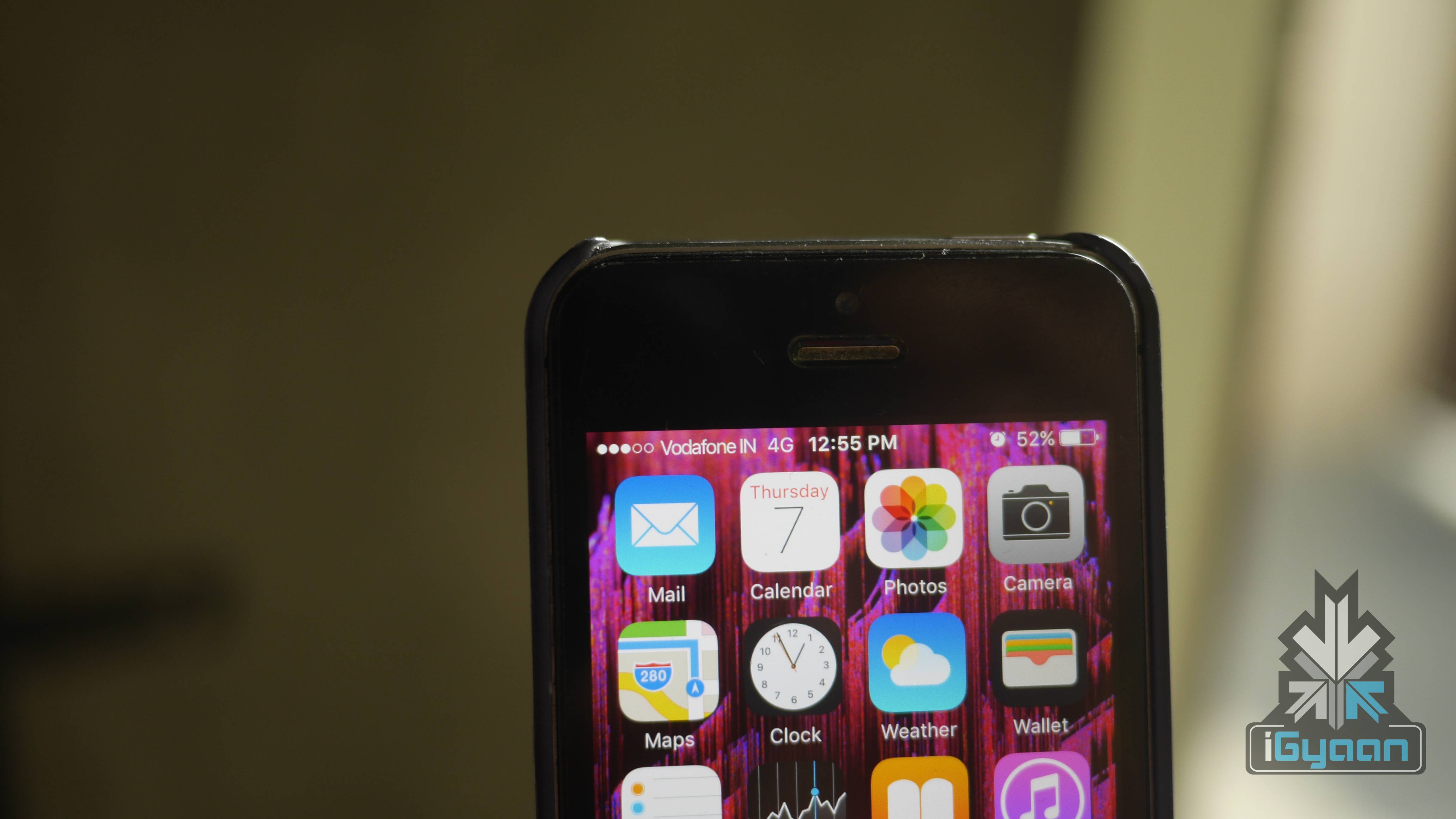
    The most expensive mobile data was found to be in Zimbabwe, with an average price for 1GB of data $75 (Rs 5,292). The average data plans for a few countries are highlighted below:

    • USA – Rank: 182; Average Price $12.37 (around Rs 872.91)
    • UK – Rank: 136; Average Price $6.66 (around Rs 469.97)
    • South Korea – Rank: 201; Average Price $15.12 (around Rs 1,067)
    • Japan – Rank: 154; Average Price $8.34 (around Rs 588)
    • China – Rank: 165; Average Price $9.89 (around Rs 697.90)
    How To Make Mobile Data Affordable?
    Also read: Redmi Note 7 To Go On Sale For The First Time In India

    A senior executive at Cable explained how the countries make mobile data this affordable. He says “Many of the cheapest countries in which to buy mobile data fall roughly into one of two categories. Some have excellent mobile and fixed broadband infrastructure and so providers are able to offer large amounts of data, which brings down the price per gigabyte.” He also claimed that other countries with lesser advanced broadband networks were heavily reliant on the usage of internet through their mobile phones. This would make the rates of the said data low, in order to make them affordable.

  • Google Is Planning For A Faster Mobile Internet Experience

    Google Is Planning For A Faster Mobile Internet Experience

    Most of the websites are designed for a desktop user experience. However, the number of people who access the internet through their smartphones is increasing by the day. In 2015, 55% of the Google searches came from a smartphone, which has been increased to 77% in 2016. This tells us that, 2 out of three users are accessing the internet through mobile devices.

    To improve the mobile internet experience, Google came up with the concept called project Accelerated Mobile Pages (AMP). It loads pages quickly on smartphones. Similarly, Facebook also uses Instant articles, which loads the stories on Facebook in quicker than a usual browser.

    What is project AMP?

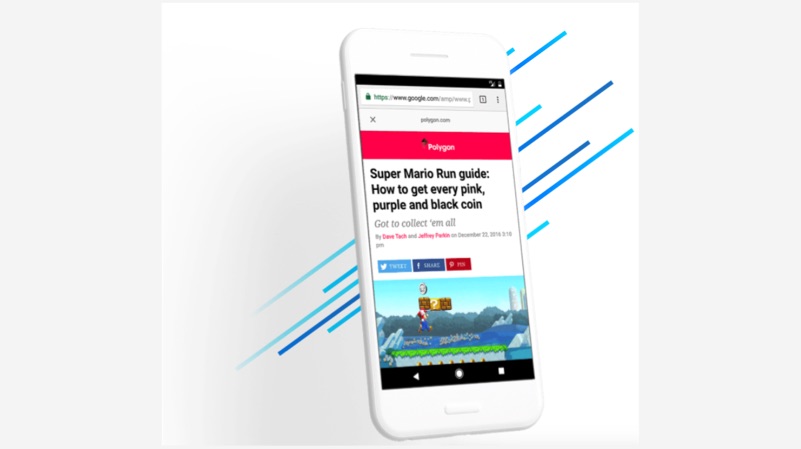
    Project Accelerated Mobile Pages is a special initiative from Google, which offers a web-page in a mobile-friendly page. For instance, the articles on the Google news feed and Twitter load much faster compared to the standard loading speeds. However, the organisation which hosts the source article has to be a part of the AMP network.

    Internet Experience

    AMP is an open source framework, so publishers don’t have to pay for the AMP implementation on their websites. The Accelerated Mobile Pages version of a website just displays the content without other elements. In fact, AMP engaged pages can load in less than 1.5 seconds, which helps to bring in more traffic.

    However, AMP is also known for reducing the revenue, due to difficulty in ads implementation.

    Internet Experience

    The next step

    Google is happy with its progress so far and is planning to improve the complete internet experience. The company is visioning for the “User-First” mobile experience using the Accelerated Mobile Pages’ capabilities. However, this does not mean that Google is planning to own the entire internet, but, the company is planning to improve the smartphone internet user experience.

    Google will provide the tools to several web standards organisation and help to do the research on the technology for setting new standard guidelines. Similarly, the mobile-friendly web will help Google’s Business-model. Google will start giving more insights about AMP to third-party developers, which answers the question of Google being greedy about owning the internet.

  • Companies May Start Manufacturing 5G Smartphones From Next Year

    Companies May Start Manufacturing 5G Smartphones From Next Year

    With 4G gaining speed slowly here in India, we’re already looking at the possibility of 5G coming sooner than expected. There is no doubt that the next step to fast, wireless network is 5G. The question is how quickly that may happen. Though it is highly unlikely that 5G would be introduced by next year, it will not, however, it has not stopped smartphone makers to prepare for it.

    The whole idea behind 5G comes as a ‘what can we add’ when looking at 4G. 4G connections tend to drain battery life in a flash and 5G would look to solve this by making it more energy efficient.

    So far Bharati Airtel is the only operator to have launched 4G in a broad scale since it initially launched it on 10 April 2012 in Kolkata. Since then, Airtel’s 4G services have spread across the entire country.

    rural-internet-nepal

    Bharati Airtel revealed it has faced problems in Delhi due to the spectrum cap. The problem currently is the need for more spectrum. The operators in India need more spectrum to improve quality of not only internet services but to also reduce ‘call drops’. This is a deficiency which can only be fixed by the Indian Government and TRAI.

    The recent spectrum auction held in March saw Bharti Airtel, Vodafone India, Idea Cellular, Reliance Communications and Reliance Jio Infocomm as the big winners, with Bharati Airtel and Reliance Jio already planning big launches of LTE using 1800 MHz as the primary band. However, limited spectrum is slowing the growth of 4G. This will also delay 5G services in India, whenever it does begin to roll out.

iGyaan Network
Privacy Overview

This website uses cookies so that we can provide you with the best user experience possible. Cookie information is stored in your browser and performs functions such as recognising you when you return to our website and helping our team to understand which sections of the website you find most interesting and useful.